NewsBeat
Inside Trump’s Board of Peace plan to ‘rebuild’ Gaza

US president Donald Trump held the first meeting of his Board of Peace this week, in which he outlined his long-awaited plan for Gaza’s reconstruction.
Trump plans to use a $7 billion reconstruction fund, financed by several countries on the board, to carry out a massive rebuild of the war-torn enclave.
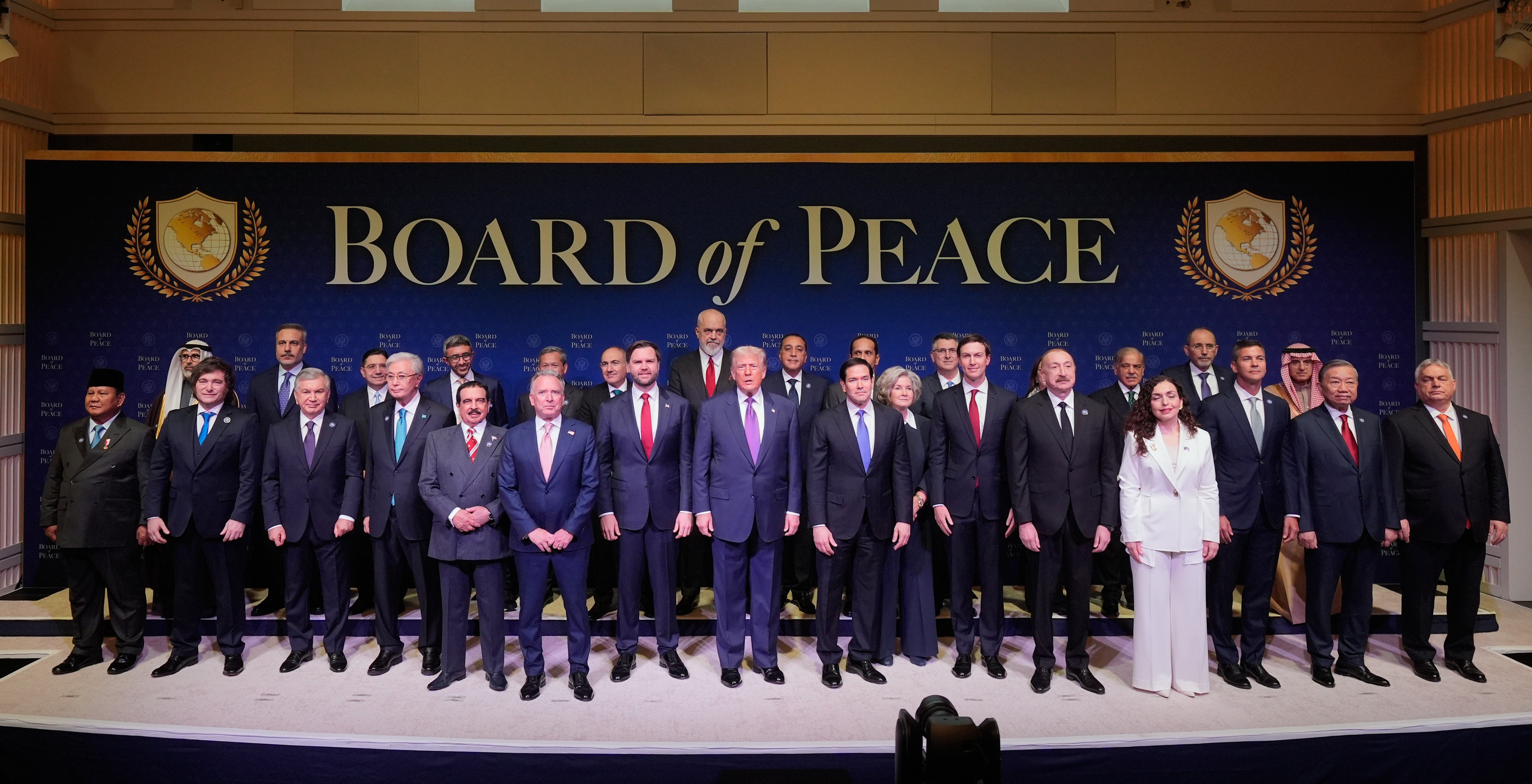
The president laid out the plans at a meeting in Washington, DC on Thursday, attended by delegations from 50 countries, including those allies who are notably not members of the board such as the UK, Germany, Italy, Norway and Switzerland.
The second phase of the Gaza peace plan, signed by Hamas and Israel last October, included the disarmament of the militant group, which Trump said they have agreed to, and the reconstruction of Gaza, which will be overseen by the board.

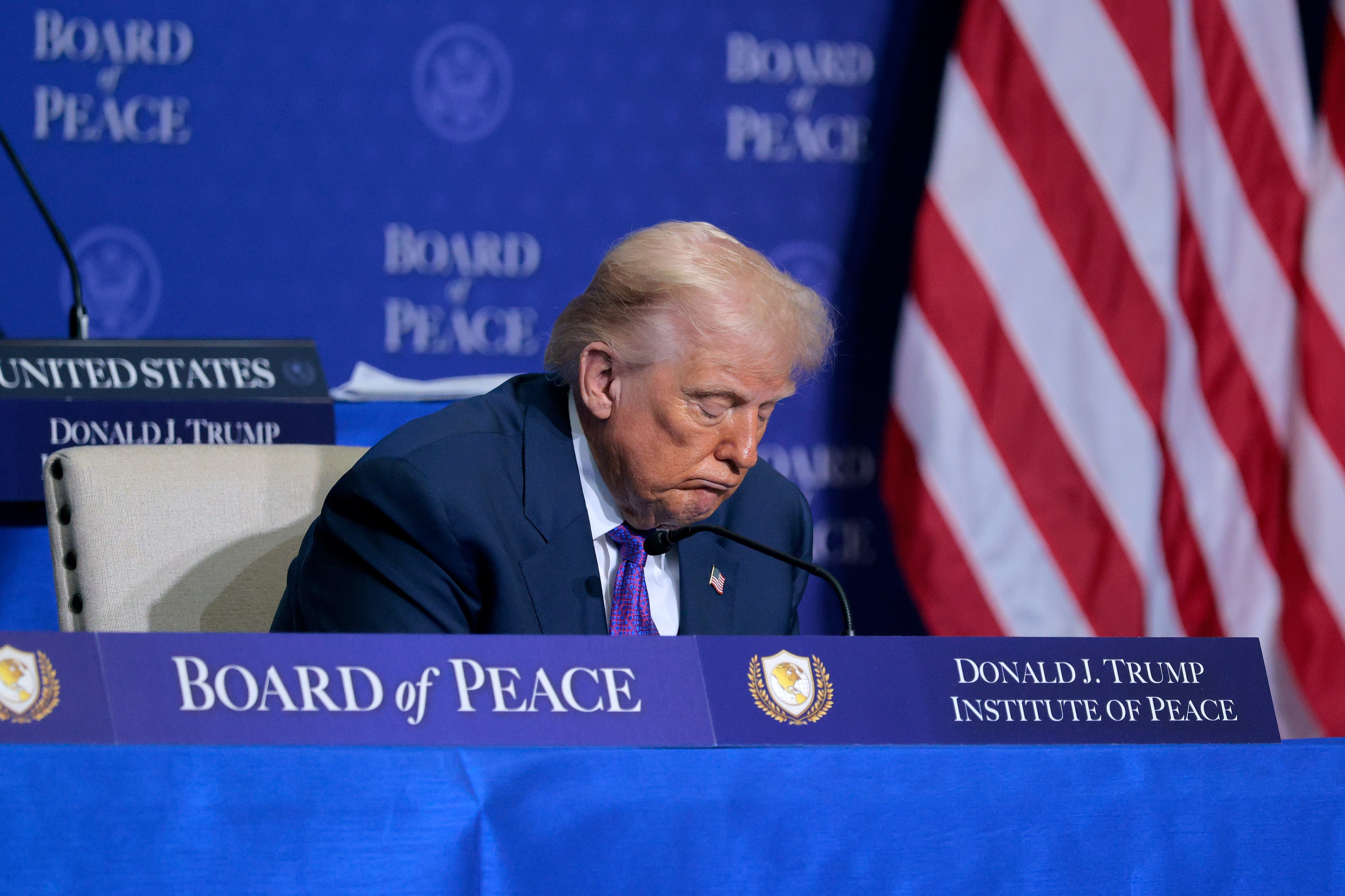
But there are concerns among Washington’s western allies about the effectiveness of the board amid fears it has been set up to replace the United Nations.
Here’s everything we know so far about Trump’s Gaza peace plan:
What does the Gaza plan involve?
One critical component of the plan is the deployment of an International Stabilisation Force to Gaza.
Trump said several nations will send thousands of troops to join the force, including 8,000 personnel pledged by Indonesia. Morocco, Kazakhstan, Kosovo and Albania also committed to sending soldiers.
Led by a US general with an Indonesian deputy, the force began operations to train a new police force in Israeli-controlled areas, beginning with Rafah, a major population centre in Gaza which was largely demolished by war.
The aim will be to prepare 12,000 police officers and deploy 20,000 troops, Trump said. Egypt and Jordan have committed to help train police.

Major General Jasper Jeffers, who is leading the Stabilisation Force, said the police and troops “help bring the security that Gaza needs for a future of prosperity and enduring peace”.
The disarmament of Hamas, a condition on which Trump’s plan hinges, could still prove to be a contentious issue.
The US president said he hopes force will not be necessary, and claimed Hamas had committed to disarming and “looks like they’re going to be doing that, but we’ll have to find out.”
But Israeli prime minister Benjamin Netanyahu issued a stark warning, stating: “Very soon, Hamas will face a dilemma – to disarm peacefully or be disarmed forcefully”.
Who is paying for it?
The initial $7 billion fund was reportedly contributed by countries including Kazakhstan, Azerbaijan, the United Arab Emirates, Morocco, Bahrain, Qatar, Saudi Arabia, Uzbekistan, and Kuwait.
Trump said the US would also contribute $10 billion to the board, but did not specify where he would source these funds from.
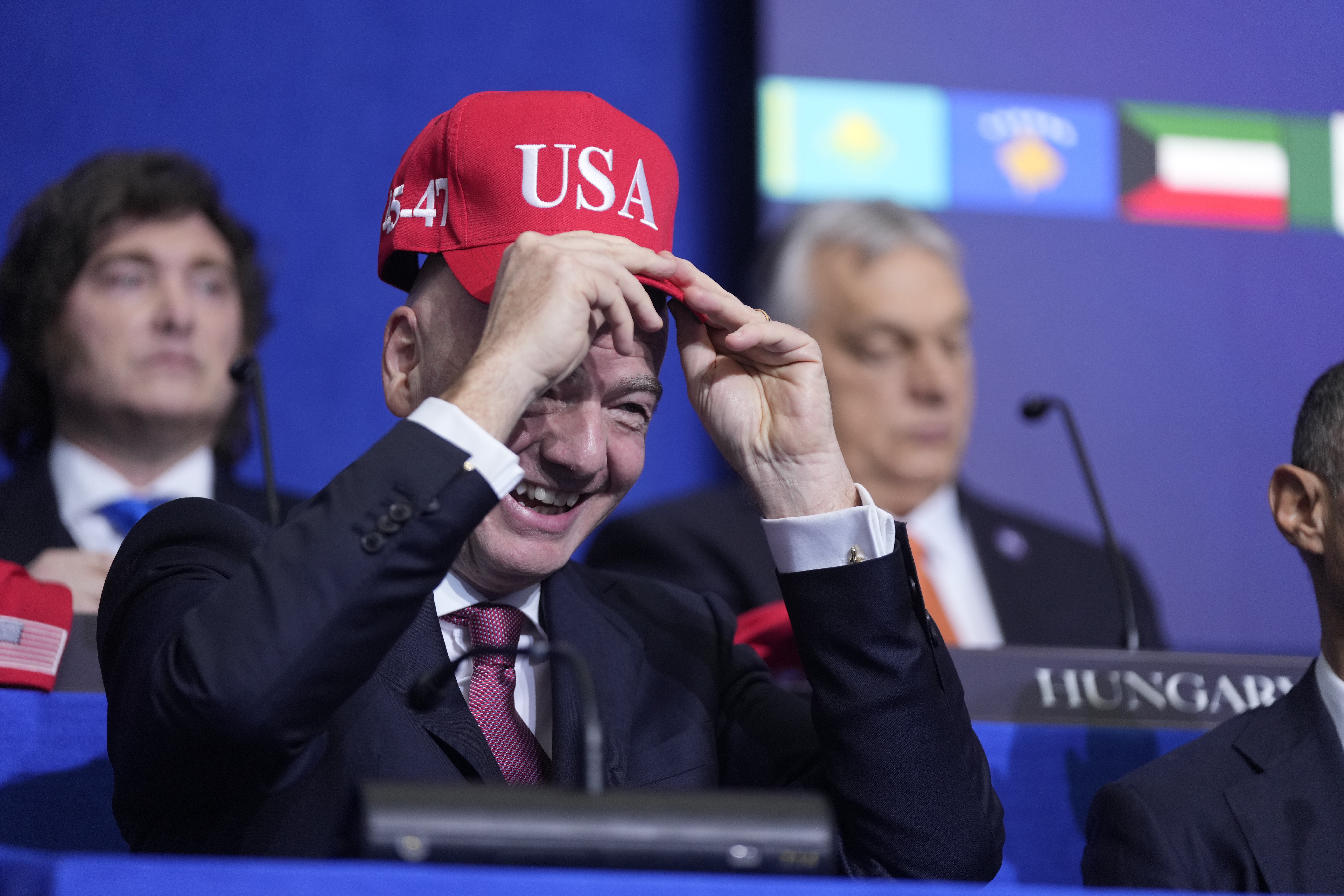
Other pledges include $75 million from FIFA for football-related projects and $2 billion from the UN for humanitarian assistance.
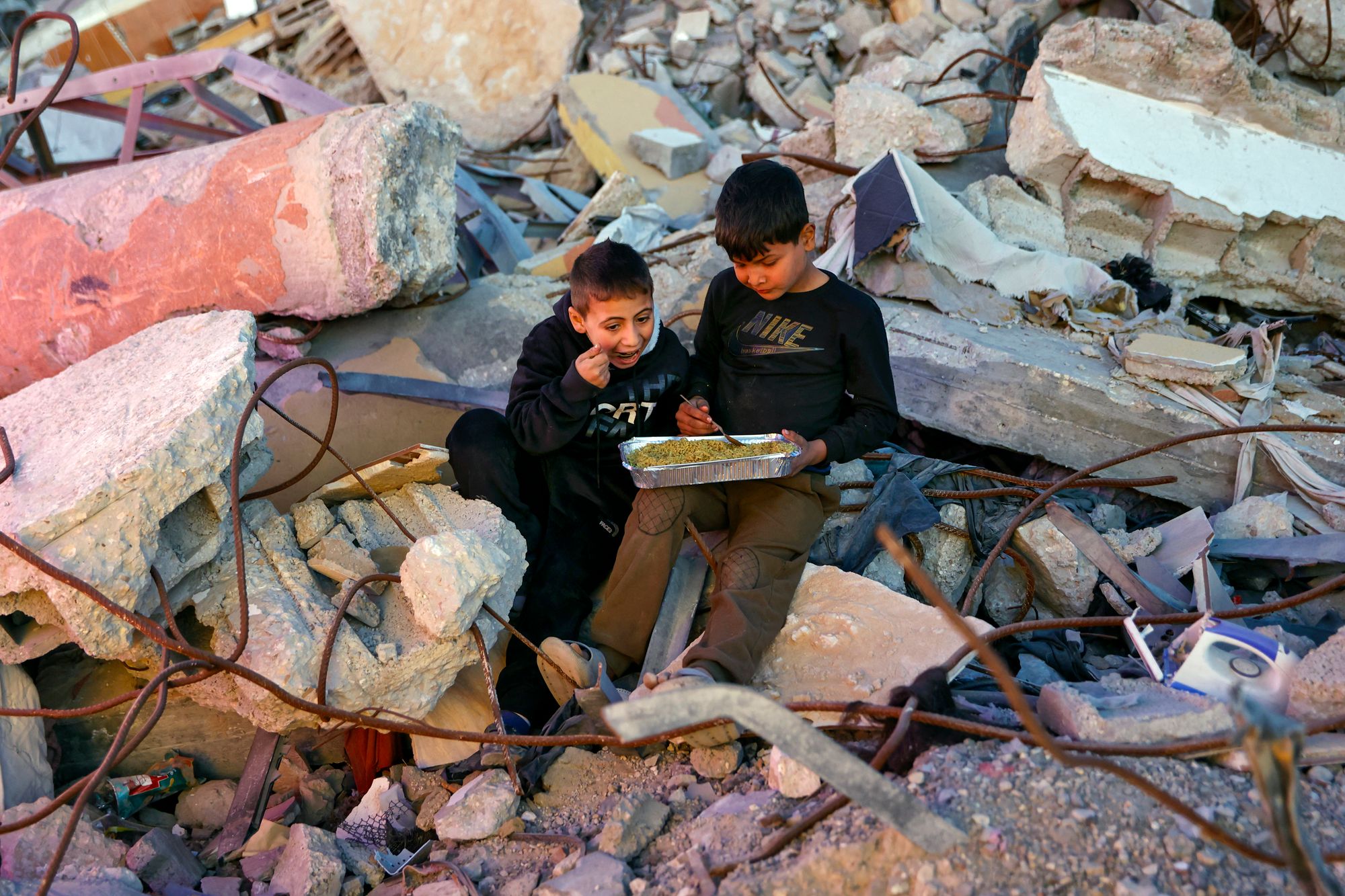
This falls significantly short of the roughly $70 billion (£52bn) required to fully rebuild Gaza, much of which was flattened by Israeli bombardment over two years.

Who is on Trump’s Board of Peace and why are western counties not involved?
The Board’s membership largely includes Middle Eastern nations, alongside leaders from outside the region who may be seeking to curry favour with Trump.
Israel is a member, but there are no Palestinian representatives included.
Other members include Saudi Arabia, Egypt, Qatar, Bahrain, Jordan, Kuwait, Turkey and the United Arab Emirates.
From elsewhere in the world, there is Albania, Argentina, Armenia, Azerbaijan, Belarus, Bulgaria, Cambodia, El Salvador, Hungary, Indonesia, Kazakhstan, Kosovo, Mongolia, Morocco, Pakistan, Paraguay, Uzbekistan and Vietnam.

Washington’s key Western allies as well as major powers of the Global South such as Brazil, India, Mexico and South Africa have not accepted an offer to join.
Leaders of Britain, the European Union, France, Germany, Norway and Sweden have said they will not join.
Trump even rescinded an invitation for Canada last month after he took issue with Prime Minister Mark Carney’s speech in Davos.
Rights experts said that Trump overseeing a board to supervise a foreign territory’s affairs resembles a colonial structure, and have criticized the board for not including a Palestinian representative even though it is meant to supervise the temporary governance of a Palestinian territory.
Critics also raised concerns about former British prime minister Tony Blair’s inclusion, given his role in the Iraq war and the history of British imperialism in the Middle East.