Connect with us
DAPA Banner
DAPA Coin
DAPA
COIN PAYMENT ASSET
PRIVACY · BLOCKDAG · HOMOMORPHIC ENCRYPTION · RUST
ElGamal Encrypted MINE DAPA
🚫 GENESIS SOLD OUT
DAPAPAY COMING

NewsBeat

James Bourne takes step back from McFly tour over ill health

Published

on

Daily Record

The singer said he will be taking a step back from touring

Busted’s James Bourne has announced in an update into his health that he is “not out of the woods”.

While it remains unknown what illness the singer is suffering from, James revealed he quit his tour with McFly due to poor health.

He previously said he required surgery to extend his life.

Advertisement

Now, he’s now given fans some insight into what he said is a “long story” in an update with fans as he thanked them for their patience, reports The Mirror.

Taking to social media, James wrote: “As I’m taking a break from the gram, I’ll be posting an update soon about what’s going on with my health in my Spotify bio. It’s a long story. Still not out of the woods yet. Thanks for your support and patience.”

James issued a statement previously where he said he needed surgery to extend his life. Writing on his Instagram Stories, he wrote: “I realised it’s been about six months since I posted last.

Advertisement

“I have a plan in place to have a major surgery that should extend my life and hopefully make me well enough to come back to what I love the most which is touring and making music. It really sucks to be out of the game. But there is hope!”

James shocked his fans when he announced he’d be stepping down from the McFly Vs Busted tour last year owing to his poor health. He said he would miss being there but had to put his health first.

“The VS tour kicks off tomorrow night in Birmingham and as excited as l’ve been all year for this tour to begin, I’m really sorry to say that over the last 8 days it has become clear that I am not in good enough health to play these shows,” he said at the time.

“There’s a lot of information I still don’t have about my condition but my bandmates, management and I are unanimous in deciding that I should focus on the medical stuff for now. I really hope I can be in a position to come back further down the line. It’s still going to. be an amazing show and I will miss being there! See you all as soon as possible.”

Advertisement

James’ younger brother Chris instead joined the band onstage, with his bandmates regularly updating fans about James. Matt Willis said on stage: “Okay, you may have noticed our best friend is not here tonight. James Bourne is really f***ing sick and we love him and we miss him. This is the first show we’ve ever played without him and it’s really weird. But we’re gonna do the best we can.”

He also added that it had “happened f***ing fast”, before adding “health is wealth” as he told fans to send James their well wishes.

Source link

Advertisement
Continue Reading
Click to comment

You must be logged in to post a comment Login

Leave a Reply

NewsBeat

The X Factor star Lucie Jones gives birth to first baby and shares unique name

Published

on

Daily Mirror

Lucie Jones, who auditioned for The X Factor aged 18 back in 2009, has announced she has given birth to her first baby with a sweet post sharing a number of adorable photos

X Factor star Lucie Jones has given birth to her first child and shares some adorable first photos.

Advertisement

Lucie shot to fame after she auditioned for the popular singing competition at the age of 18 back in 2009 for the show’s sixth series. She finished in eighth place after being eliminated during the live shows. After her stint on the ITV show she went on to represent the UK in Eurovision for the 2017 song contest.

In between X Factor and Eurovision, she established herself as an actress, being picked for countless West End productions and TV shows.

Back in January this year she announced she was expecting her first child with her partner George. Taking to Instagram she said: “We’re so excited and beyond happy to tell you we’re having a baby!

Advertisement

“Nothing comes close to this feeling… we feel like the luckiest people in the world. She’ll be here in July and we cannot wait to meet our little girl.”

Yesterday Lucie took to social media to confirm the birth of her baby. Captioining the announcment: “Elowen Hersey-Jones. We are so lucky to be parents to the most perfect angel on the planet. This little girl has dropped in to change everything and we are utterly besotted.”

She share a slew of snaps of their newborn baby in hospital and her fans were quick to share their well-wishes with the star online. One wrote: “Oh Lucie. She is absolutely beautiful! Congratulations.” Another added: “OMG She’s perfect!!!! Congratulations Mummy & Daddy.”

Content cannot be displayed without consent

A number of celebrities also shared their well-wishes Giovanna Fletcher, who hosts a parenting podcast said: ” huge congratulations”. The Happy Mum, Happy Baby podcast is a popular UK audio show hosted by Giovanna Fletcher where she talks with high-profile parents about the real-life highs and lows of raising children.

Advertisement

Other famous faces including presenter Scarlett Moffatt said: “Huge congratulations and sending so much love and quick recovery mamma. She is absolutely beautiful xxxx”

For more of the latest showbiz news and gossip, follow Mirror Celebs on TikTok, Snapchat, Instagram, Twitter, Facebook, YouTube and Threads.

Source link

Advertisement
Continue Reading

NewsBeat

Tesco brings back free fruit for kids this summer

Published

on

Tesco brings back free fruit for kids this summer

Until August 30, children can collect a free apple while shopping in more than 800 Tesco supermarkets and 77 large Tesco Express stores across the UK. Families using Click & Collect will also receive free apples for children at selected locations.

The move comes as millions of families face the extra cost of feeding children during the six-week school break, when free school meals are unavailable for many households.

But the free fruit isn’t the only support on offer.

Advertisement

Tesco’s Kids Eat Free offer returns

Tesco is also extending its popular Kids Eat Free café promotion throughout the summer holidays.

Families can claim one free Kids Hot Meal Deal, Kids Breakfast or Kids Pick ‘N’ Mix meal with the purchase of any adult café item from just 60p, provided they scan a Tesco Clubcard or Clubcard app.

The offer is available in 317 Tesco cafés across the UK and now runs every day of the week, including weekends, until September 1.

Extra support for families

Tesco has also announced several new initiatives aimed at helping households struggling with the cost of living this summer.

Advertisement

These include:

  • Pre-filled food donation bags costing between £2 and £4, available in larger stores to support food charities Felix and Trussell.
  • A Round Up at the Till campaign running from 3 August to 9 August, allowing shoppers to donate spare change at checkout.
  • Continued investment in its Free Fruit & Veg for Schools programme, which already supports more than 500 schools.

The supermarket says the measures are designed to help children who may miss out on free school meals during the holidays.

Why Tesco is offering free fruit

The announcement comes amid growing concern about holiday hunger.

According to Trussell, food bank support for children remains 34% higher than before the pandemic, while more than 900,000 emergency food parcels for children were distributed through its network last year.

Research from Felix also found that 41% of charities receiving redistributed food have seen demand rise over the past year, with many expecting even greater pressure during the school holidays.

Advertisement

Tesco: ‘Every little bit helps’

Christine Heffernan, Tesco’s Chief Communications and Sustainability Officer, said: “We want to be able to support our charity partners to help those needing a little extra support this summer. Our partnerships with Felix and Trussell are central to this aim.

“When you’re out doing your weekly shop this summer, dropping a few tins into a food collection point, picking up a food donation bag in our stores or rounding up your grocery bill can make a difference to the lives of thousands of children in communities across the UK.”


Recommended reading


How to claim Tesco’s free fruit

Children can pick up a free apple at participating Tesco stores until August 30.

To claim the Kids Eat Free café offer, customers simply need to:

Advertisement
  • Buy any adult café item from 60p
  • Scan a Tesco Clubcard or Clubcard app
  • Have a child present
  • Visit before September 1

With supermarket prices and childcare costs continuing to squeeze household budgets, the offers could help families save money on trips to Tesco throughout the summer holidays.

Source link

Continue Reading

NewsBeat

New UK leader Andy Burnham caps a busy first week with a part-time office move to Manchester

Published

on

New UK leader Andy Burnham caps a busy first week with a part-time office move to Manchester

LONDON (AP) — Andy Burnham is a man in a hurry.

Since entering 10 Downing St. on Monday, Britain’s new prime minister has traveled to the southeast, southwest and northwest of England, and to Scotland, spoken to more than a dozen world leaders and made a flurry of small but symbolic economic announcements: a tax cut on household electricity bills, a 2 pound ($2.70) cap on bus fares and a tax break for pubs.

“We are on borrowed time if we don’t get a move on,” newly appointed Housing Secretary Angela Rayner told the BBC on Friday. “This is a down payment within the first week that says, ‘We get it.’”

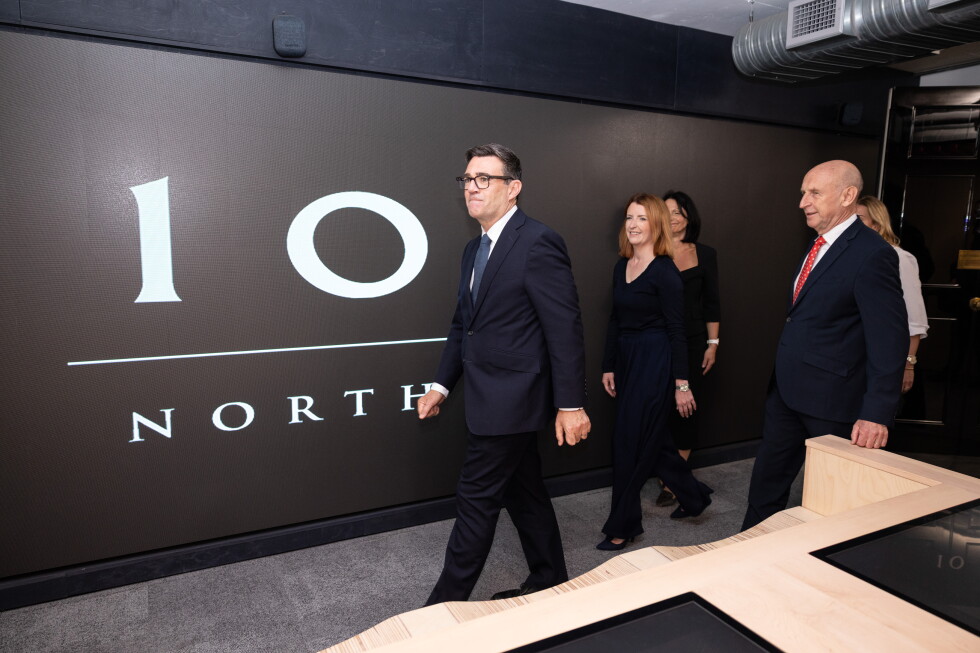
On Friday Burnham gathered Cabinet ministers, senior civil servants and regional mayors at “No, 10 North,” an outpost of the prime minister’s office in Manchester, 165 miles (265 kilometers) northwest of London.

Advertisement

Burnham says he will work at least one day a week from the northern office, which will serve as the cockpit for his goal of spreading economic growth to “every post code” in the land.

Decentralizing power and spreading wealth from southern England to post-industrial cities and depleted seaside towns is key to Burnham’s platform, and he told staff as he arrived at No.10 North on Friday: “This might be the best day of my life.”

Opposition politicians have called the northern office — housed for now in an office building shared with a branch of the cyberintelligence agency GCHQ — a gimmick. But Burnham said it will be “the nerve center for a rewired Britain.”

Writing in The Guardian, he said that for decades too much “decision-making power has remained in London,” and struggling areas of the U.K. “have been unable to turn things around because they simply do not have the necessary power to do so.”

Advertisement

No, 10 North “is about taking power down and placing it in the hands of people who can use it best,” he wrote.

Burnham became prime minister and leader of the governing Labour Party after his predecessor Keir Starmer was forced out after two years in office marred by missteps, scandals and plummeting popularity ratings.

Starmer floundered because he failed to deliver the economic growth he promised in his 2024 election campaign. Burnham says he will be different, but faces many of the same challenges, especially finding a way to reinvigorate an economy that has grown an average of less than 1.5% a year since 2009 and unearthing funds to restore frayed public services.

Foreign policy pressures mount quickly

Burnham, who has little foreign policy experience, also must deal with the same volatile world. He has signaled continuity with Starmer in key foreign policy areas. He reassured President Volodymyr Zelenskyy that U.K. support for Ukraine remains “resolute” and told Danish Prime Minister Mette Frederiksen that Greenland’s future “should only be determined by the people of Greenland and Denmark,” in reference to U.S. President Donald Trump’s stated desire to take over the vast Arctic island.

Advertisement

He’s also facing threatening new rhetoric from Iran. Tehran accused the U.K. of “complicity” in American aggression by allowing the U.S. to use British bases for airstrikes on Iran and said it could face “consequences and repercussions.”

Burnham has maintained Starmer’s policy of letting American forces use U.K. bases to hit targets involved in attacks on shipping in the Strait of Hormuz. Iran’s threat came after Britain banned the powerful Revolutionary Guard and accused it of being behind a series of arson attacks on the Jewish community and Persian-language media outlets in the U.K.

Advertisement

Britain’s Ministry of Defense said “the U.K. stands ready 24/7 to defend itself.”

“The U.K.’s approach to the conflict remains the same – we are committed to defending our people, our interests and our allies, acting in accordance with international law and not getting drawn into the wider conflict,” it said in a statement.

Advertisement

Source link

Continue Reading

NewsBeat

how the viral appeal of pianists in public spaces is not so different from 19th-century music salons

Published

on

how the viral appeal of pianists in public spaces is not so different from 19th-century music salons

Why have public displays of piano playing become so compelling? At railway stations, shopping centres and airports, an instrument usually associated with concert halls bursts into everyday life. In the space of a few moments, shoppers and passengers become an audience – and once a recording of the performance is posted online, this encounter can reach thousands or even millions of people.

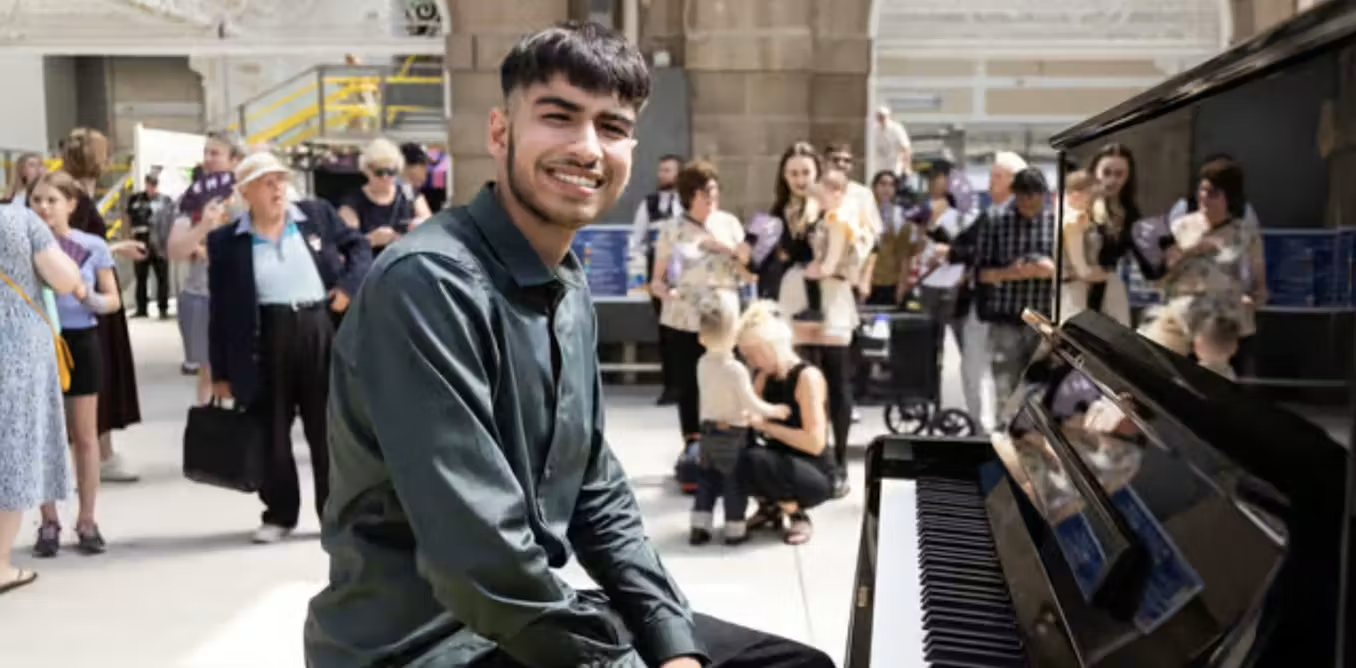
TikTok pianists such as @umutpiano (Umut Cetin) skilfully exploit the tension between high-art virtuosity and ordinary public spaces. This 21-year-old from Frankfurt offers a particularly striking example of the format’s viral appeal. As shoppers and commuters gather around him, their reactions become part of the performance and help give his videos their sense of immediacy. His account has attracted approximately 63,600 followers and 10.4 million likes across 246 videos.

This viral appeal mirrors the high-society “hype” of 19th composers and pianists; viewers are not simply watching a technical display, but witnessing a deliberate musical interruption of the mundane. In both the 19th-century salon and the 21st Instagram feed, the thrill lies in the proximity to talent when one least expects it.

Channel 4’s The Piano, currently in its fourth series, has successfully turned the same idea into a TV show. New and self-taught players perform in large train stations while presenter Claudia Winkleman hears their stories. Pop singer-pianist Mika and a guest mentor listen from a nearby observation room and choose one player for the final concert. It is both a talent search and an engaging exploration of the many reasons people make music.

Advertisement

Virtuosity, vulnerability and reinterpretation

The Piano does this in a gentle and inclusive way. In the first episode of the new series in Birmingham New Street station, classical pianist Tiffany Poon brings a concern for technique, interpretation and emotional expression to her role as guest mentor. At Liverpool Lime Street where the second episode takes place, Jamie Cullum approaches the performers from the perspective of a jazz-pop pianist and improviser.

Impressing Poon in the first episode, amateur pianist Ollie’s performance of Chopin’s Ballade No.2 in F major, Op. 38 illustrates the dialogue between technical command and individual expression. In the following episode, 19-year-old Calien’s arrangement of a traditional Scottish bagpipe tune highlights creative reinterpretation.

The 19th century virtuosos were similarly expected to do more than reproduce a score: they improvised, embellished and transformed familiar material according to their own artistic personalities.

Advertisement

As a musicologist, I study music in early 19th century Russia and the development of the nocturne – a reflective “night piece” usually characterised by a singing melody above a flowing accompaniment.

Frédéric Chopin and Claude Debussy are famous for their nocturnes but a lesser-known Irish composer called John Field was instrumental in establishing the genre, making them fashionable during the 1810s and 1820s. These gentle pieces of music were well suited to the intimate atmosphere of the aristocratic salon, where the compositions circulated and acquired wider social meaning.

Drawing people into music

A later episode of The Piano features Paul, a pianist from Glasgow who has lost the use of his right hand following brain tumour surgery. He movingly performs Alexander Scriabin’s Nocturne for the Left Hand, demonstrating how intimacy and poetic expression can transcend technical limitations.

Composed after Scriabin injured his right hand, this work belongs to the tradition of the piano nocturne established by Field, whose lyrical style also rejected empty virtuosity in favour of expressive, melodious lines. Spanning two centuries, the nocturne continues to immerse listeners in a deeply personal musical world.

Advertisement

Sometimes contestants in The Piano perform their own compositions, like a piece about the Grand Canyon performed by Chris in episode one. This also points to an important 19th-century salon trait: the presentation of new music. Salons allowed composers to test works in front of responsive listeners, just as today a busy railway station exposes unfamiliar music to people who were not expecting a concert.

In his nocturnes, Field eschewed overt virtuosic brilliance in favour of lyrical melodies that seemed almost to sing on the piano, immersing listeners in moments of quiet contemplation.

Contemporary accounts describe how the audience would fall silent while he played, absorbed by an intimacy that transformed the piano from an instrument of display to one of reflection. Much like the audience of The Piano, visitors to 19th-century salons understood that unforgettable performances were shaped in equal measure by artistic individuality and technical mastery.

Advertisement

Public piano performances today bring the player close to the crowd. There is no stage, dress code or need to know the work. There is just a pianist and a choice: keep walking, or stop and listen.

In a 19th-century salon, musical reputations travelled through invitations, conversation, print and society gossip. Today, a phone camera and an algorithm can carry a performance around the world before the station crowd has dispersed. The technology and scale have changed, but the emotional transaction remains strikingly similar. One person’s passion for music becomes an affecting, shared experience.

Advertisement

Source link

Continue Reading

NewsBeat

American Express Q2 profits rise, helped by increased cardmember spending

Published

on

American Express Q2 profits rise, helped by increased cardmember spending

Credit card giant American Express said its second-quarter profits rose 8% from a year earlier, helped by higher spending by its card members, fewer delinquencies and more customers signing up for its premium products like the Platinum Card and Gold Card.

The New York-based company said Friday it earned $3.11 billion, or $4.53 a share, compared to $2.89 billion, or $4.08 a share, in the same period a year earlier. The results beat analysts’ forecasts, who were looking for AmEx to earn a profit of $4.40 a share, according to FactSet.

AmEx continues to benefit from global economic growth that has disproportionately benefited the wealthy and high net worth individuals, as its customer bases skews heavily toward those demographics with the Platinum Card, Gold Card and other high-end credit cards. Its customers often put almost all of their spending on credit cards, and pay those cards off at the end of each month. The average AmEx customers spent $6,759 on their cards in the quarter, up from $6,393 in the same period a year earlier.

But at the same time, the company is spending heavily to keep those customers as it faces increased competition from other high-end credit card products like JPMorgan Chase’s Sapphire Reserve Card, Citigroup’s Strata card and Capital One’s Venture X brand. The company’s quarterly expenses rose 12% from a year ago, costs that went into increased marketing as well as refreshes of its credit card products.

Advertisement

While the company upped its guidance on how much revenue it expects to bring in this year, the company did not change its profit outlook for the year, as the company plans to put more resources into marketing and bringing in new customers. The company also expects to put additional investments into technology like artificial intelligence, like many other Fortune 500 companies.

Those efforts seem to be paying off. The company signed up another 3 million customers in the second quarter, of which three-quarters of those new customers signed up for an AmEx card with an annual fee.

Advertisement

Source link

Continue Reading

NewsBeat

Kids don’t like video games and that’s a massive problem – Reader’s Feature

Published

on

Kids don’t like video games and that’s a massive problem - Reader's Feature
Kids love it (Roblox Corporation)

A reader describes his experience of what kind of video games his kids, and their friends, are playing, and he doesn’t consider it healthy for the future of the industry.

I’ve been a video game fan pretty much all my life. It’s not my only hobby; I don’t base my personality around being a gamer, as some people seem to online, but I think video games are pretty cool and I play them quite a lot. When bringing up my kids I made a conscious effort not to push games, or any of my other interests or beliefs, onto them but inevitably they were influenced, especially by my love of Nintendo.

That meant they grew up playing a lot of Mario and Pokémon, and more recently Zelda, and it’s been great to see them get the same sort of enjoyment out of them as I always did. Like me, they’re not superfans, and have plenty of other things they like, including things I’d barely qualify as a video game, like Minecraft and Roblox.

What I have noticed though, or realised by talking to fellow parents, is that most kids are not like mine. Most don’t seem to have their own console and instead their knowledge of gaming is based on using phones, tablets, and laptops, to play Minecraft, Roblox, and other no-name rubbish that I can’t believe holds their attention. What’s strange to me is that none of them even seem that interested in Fortnite.

Advertisement

Since I’m not using any real names here, I will say that I think some of those parents act very oddly when the subject of games come up. Most of them do actually own a console, or even a gaming PC, but it doesn’t seem as if their children are encouraged to use them. There’s no attempt to introduce them to child friendly fare, like I did with Nintendo, and instead they’re just given the phone or tablet to shut them up.

Ironically, some of these same people have now started to complain that ‘kids’ (kids in general, somehow never their kids specifically) aren’t interested in video games and that they’re worried that it’s having a negative effect on gaming and what publishers prioritise.

Expert, exclusive gaming analysis

Sign up to the GameCentral newsletter for a unique take on the week in gaming, alongside the latest reviews and more. Delivered to your inbox every Saturday morning.

Advertisement

I have been surprised that they were insightful enough to realise this, while at the same time it never dawned on them that they were the problem. That because they hogged the gaming machines and didn’t ensure access to age appropriate games, their kids just gravitated towards low rent, and usually free-to-play, rubbish.

It’s like a parent complaining that their children don’t eat well enough and yet all they feed them is junk food. Not only that, they don’t seem to realise that it’s their job not to feed their kids junk.

Advertisement

Obviously, video games aren’t as important as basic nutrition but some of the absolute mindless rubbish I’ve seen kids play on Roblox, in particular, blows my mind. I try not to be a monster, and I do let my kids play it too, especially when friends come round, but I feel very proud that they eventually always return to their Switch.

My point is that we are creating a generation of children that do not play traditional games and associate the concept of video games with things that are free and only played as a joke or as a kind of social experience – the infamous ‘friendslop’.

I’m not suggesting that Mario and co. are essential for young minds but I know for a fact that Pokémon has been very helpful with reading, with my kids, and Zelda for puzzle-solving and critical thinking. Playing the average Roblox game just seems to be the mental equivalent of eating a bag of Haribo in one go and immediately starting on another.

It doesn’t help that Sony and Microsoft make almost no effort to appeal to kids, with games they’ll like, and when you look at what they’re playing it’s very obvious why publishers are currently obsessed with live service games and other things we veteran games would consider beneath them.

Advertisement

It’s been obvious for a while now that big budget single-player games are largely only being bought and played by older fans, but one of the main reasons for this, I believe, is because kids are not being introduced to the joys of it from a young age. Maybe they’ll grow into it when they get older, but I wouldn’t bet on it. For many kids, traditional video games are just one of many old-fashioned things their parents do and are not for them, and I think that’s a real issue.

By reader Kane

Minecraft gameplay of player character defending their house from zombies during night time
Minecraft has been a childhood favourite for over a decade now (Mojang)

The reader’s features do not necessarily represent the views of GameCentral or Metro.

You can submit your own 500 to 600-word reader feature at any time, which if used will be published in the next appropriate weekend slot.

Just contact us at gamecentral@metro.co.uk or use our Submit Stuff page and you won’t need to send an email.

Advertisement

Source link

Advertisement
Continue Reading

NewsBeat

What to do if your neighbours are making too much noise

Published

on

Wales Online

If a neighbour’s noise is becoming a regular problem, you don’t have to just put up with it

If a neighbour’s noise is becoming a regular problem – whether it’s a TV blaring at all hours or party music at 3am – you don’t have to just put up with it.

Advertisement

There are several steps you can try first, and legal routes available if the issue doesn’t improve. According to Citizens Advice, you should talk to your neighbour first, as they may not be aware just how noisy they are.

It cautions: “Only talk to your neighbour if you feel safe and comfortable. It’s quicker to talk face-to-face, but you can write, text, or call if that’s easier. You can take someone with you for support.”

If this does not work, you may want to get someone else involved and write notes. The experts recommend that if you can’t reach an agreement, you could bring in a mediator.

They’re an independent, trained professional who doesn’t take sides and helps both parties work towards a solution. It’s also worth contacting your local council to ask whether they can point you to a mediation service – they may be able to help even if you don’t rent from them.

Advertisement

Citizens Advice also suggest keeping detailed records to help the investigation, suggesting: “Make a note whenever the problem happens – your records will be useful if you decide to take things further.”

For example: “June 22 – dogs barking from 10:15am to 12:35pm. Loud enough to hear in the living room – had to turn up my radio.”

It adds: “Keep any messages your neighbour sends you and collect evidence if you feel safe to. For example, take a photo of rubbish that’s been dumped in your garden.”

Advertisement

GOV.UK says there could be a fine

The UK Government states: “You can ask your local council for help if the neighbour dispute involves an activity that is damaging to health or a nuisance. This is known as a ‘statutory nuisance’.”

This could include:

  • noise (including loud music and barking dogs)
  • artificial light (except street lamps)
  • dust, steam, smell or insects from business premises
  • smoke, fumes or gases
  • a build-up of rubbish that could harm health

It adds that your council has a duty to investigate any statutory nuisance. Before involving the council, it’s best to try resolving the issue directly by having a calm chat with your neighbour or, if that doesn’t work, using a mediation service.

Gov.uk confirms: “If the council decides someone is causing a statutory noise nuisance, they must issue a ‘noise abatement’ order. This tells the person what they must do to stop making a noise nuisance or else face further legal action.

“If someone breaks an abatement order about noise from their home, they can be fined up to £5,000. If it’s noise from a factory or business, the penalty can be up to £20,000.”

Advertisement

Try these 6 steps

It’s worth remembering that the person making the noise might not realise, so try not to go in too angry. It could be an honest mistake rather than something they’re doing deliberately.

According to GOV.UK, there are a few steps you can follow “if you have a dispute with your neighbour.”

  1. Try to solve the problem informally by talking to them.
  2. If your neighbour is a tenant, you could contact their landlord.
  3. You could use a mediation service if raising the issue informally does not work.
  4. If the dispute involves a statutory nuisance (something like loud music or barking dogs), you can make a complaint to your local council.
  5. Contact the police if your neighbour is breaking the law by being violent or harassing you.
  6. As a last resort you can take legal action through the courts.

You can find out more about neighbour disputes via GOV.UK.

Source link

Advertisement
Continue Reading

NewsBeat

Plagiarism or jealousy? Youngest black professor in Cambridge history set to publish extraordinary life story – including how he couldn’t speak, read or write during childhood – as he’s now accused of copying others’ work

Published

on

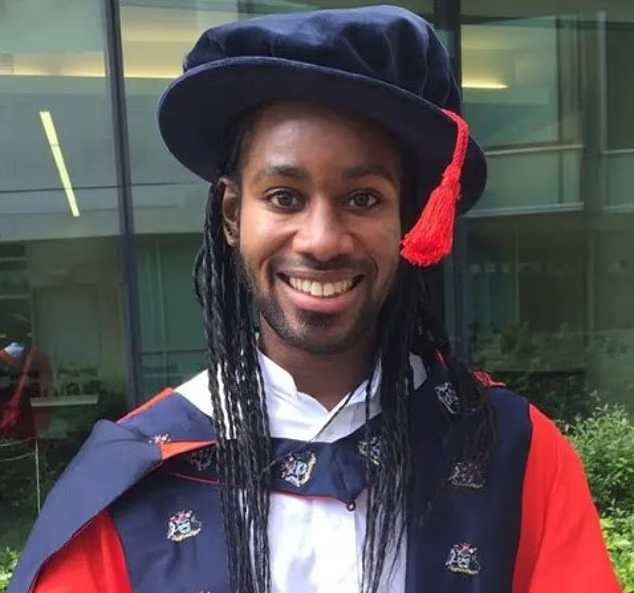
Jason Arday (pictured) was diagnosed with a form of autism spectrum disorder at the age of three but went on to became the youngest ever black professor at the University of Cambridge

No Hollywood scriptwriter would have dared pen such an outrageously unlikely plot. A boy of immigrant parents raised on a south London council estate, who couldn’t speak, read or write for most of his childhood, overcomes such astonishing odds to become, at 37, the youngest black professor at the University of Cambridge.

Ever since, life’s glittering prizes in the shape of honorary degrees and academic accolades have cascaded down on Jason Arday along with lavish and high-minded praise.

Yet this week, a fellow don has pulled the rug from under those achievements in an excoriating assassination of Arday’s work and character – more of which later.

Professor Arday, a sociologist who was diagnosed with a form of autism spectrum disorder at the age of three, was – to Cambridge’s pro- vice-chancellor – ‘an exceptional scholar of race, inequality and education’. 

Advertisement

The Bookseller magazine purred approvingly of his appointment, noting that he was ‘one of the youngest academics ever appointed to a professorial chair in Oxbridge’s almost 1,000-year history’.

And it is not just academia that has heaped blandishments on a figure career advisers predicted would spend his adult life in assisted living and require life-long support.

In the summer of 2023, he was named as a judge on the televised Pride Of Britain awards.

And that Christmas, he was chosen as one of the prestigious guest editors of Radio 4’s Today programme along with Nasa chief Nicola Fox, best-selling author Hanif Kureishi and Andrew Malkinson, the British man wrongfully jailed for 17 years for rape.

Advertisement

Jason Arday (pictured) was diagnosed with a form of autism spectrum disorder at the age of three but went on to became the youngest ever black professor at the University of Cambridge

But the 41-year-old’s CV boasts far more achievements and personal milestones: a torchbearer for the 2012 London Olympics, he has also claimed to have raised over £5.5million for more than 70 charities – a huge amount for someone who is not a household name. 

He has also led a homeless drive across London, setting up soup kitchens and mobile washing facilities for rough sleepers. All very impressive, especially for someone who, as a ‘non-verbal’ child, was written off by experts.

Advertisement

But the accomplishments don’t stop with philanthropy. In 2010 he said he ran 30 marathons in 35 days and 300 miles in three days, a feat of considerable endeavour, let alone stamina, which he explained thus: ‘If you have the will, it will always supersede skill.’

Next month there will doubtless be more extravagant compliments when his autobiography, Great And Unfortunate Things is published by Simon & Schuster. 

‘That oft-used word ‘inspirational’ feels wholly inadequate to describe his incredible story of grit and resilience,’ gushed the aforementioned Bookseller, of the upcoming memoir.

Meanwhile Professor Arday’s UK editor Kris Doyle drooled: ‘During the editorial process, I laughed and cried many times at this extraordinary book. 

Advertisement

‘I can promise you’ve never read a story like this… Jason’s a humble man, but he’s got a generous heart and he’s a tireless advocate for harnessing everyone’s unique potential.

‘This book is going to start some much-needed conversations and resonate with a lot of people.’

One such conversation, however, has already started. For it claims that despite his laudable struggles – Jason Arday says he communicated with his three siblings and parents via sign language until he began to speak at the age of 11 – questions should now be asked about his academic work, and in particular his 2015 thesis for his Doctor of Philosophy degree, which he undertook at Liverpool John Moores University.

A fierce debate has erupted online, which has seen Professor Arday accused of being ‘a plagiarist and a fabulist’.

Advertisement

These are serious and consequential allegations, and it is fair to say they have been strenuously denied.

Nonetheless, the claims have also triggered questions about other aspects of Professor Arday’s life. 

One was his assertion in an interview in 2023 with The Guardian newspaper – one of his biggest cheerleaders – that ‘he has barely slept over the past 15 years’ because he was ‘working through most nights, often on his academic and charity work, but sometimes just to make ends meet’.

Students punt boats on the River Cam as it flows past Cambridge University's King's College

Students punt boats on the River Cam as it flows past Cambridge University’s King’s College

Advertisement

All the more remarkable, you might think, when you consider that period must have included his endurance marathon running.

To that end, last night it emerged that Arday’s profile page at Anglia Ruskin University appears to have been quietly edited. On February 28, the page seemingly claimed he had run ‘600 miles in six days for charity’. By yesterday, this had been amended to achieving the same distance ‘in 12 days’.

As if pre-empting the criticism coming his way, Arday writes in his book that ‘the suggestion that I somehow wasn’t worthy of my success would be levied against me time and again’.

‘To this day,’ he continues, ‘everything I do is scrutinised and challenged in a way that almost never happens to my white colleagues.’

Advertisement

But it is not the colour of his skin but the rigour of his academic work that is at the centre of a storm – that accusation of plagiarism.

Prior to this week the only public record of Arday’s alleged academic crime existed on the personal website of retired academic Dr Dave Harris, until recently Emeritus Professor of Leisure and Education at Plymouth Marjon University.

Among Dr Harris’s allegations, he includes an extraordinary correspondence between the pair. Having emailed Arday about discrepancies in his published work, the Cambridge professor replied: ‘Please do not email me again. 

‘Should you have time to spare, I invite you to direct your resources elsewhere. Anything further from you will be considered bullying and harassment.’

Advertisement

Even in the envious, backstabbing world of academia such a response has raised eyebrows.

But this week another figure entered the fray and let off something of a scholarly timebomb. It came from Nathan Cofnas, a free speech advocate who was sacked by Emmanuel, a Cambridge college, last year after Substack posts for which he was accused of ‘abhorrent racism’ and discriminating against black students.

Varsity, Cambridge’s oldest student newspaper, described him as ‘a crackpot biologist and a racist’. The complaints against him, however, were later dismissed.

Now, in a lengthy post, Cofnas – based these days at Ghent University in Belgium – says the story of Jason Arday’s ‘metamorphosis from arguably the most disadvantaged person in the UK to elite scholar-athlete-philanthropist would make even Walt Disney raise an eyebrow’.

Advertisement

Trotting through Arday’s CV, he details how the sociologist, whose parents are from Ghana, ‘rocketed up the academic ladder as a scholar of racism, education and inequality’.

He adds admiringly: ‘In three years he went from senior lecturer at Roehampton (2018) to associate professor at Durham (2019) to professor at Glasgow (2021). 

Ivy League universities (plural) tried to recruit him but he had his heart set on Oxford or Cambridge. He is one of the youngest people of any race to ever hold a chair professorship at Oxbridge.’

(Indeed, in that gushing Bookseller profile, it relates how Arday once wrote a set of personal goals on a bedroom wall at his parents’ Clapham home. One of them read: ‘One day I will work at Oxford or Cambridge.’)

Advertisement

Quoting Arday himself, Cofnas writes: ‘Wouldn’t it be the most ridiculous story ever told, if the boy who couldn’t read and write at 18 gets a PhD before he’s 30?’ 

To which Cofnas adds this crucial rider: ‘But how much of ‘the most ridiculous story ever told’ is true?’

One aspect that irks the Chicago-born Cofnas is that Arday left school with two GCSEs, in physical education and textiles. Despite being vocational subjects, he points out, these qualifications ‘require literacy’.Cambridge’s pro- vice-chancellor – ‘an exceptional scholar of race, inequality and education’.

Cambridge University's pro- vice-chancellor said Arday was 'an exceptional scholar of race, inequality and education'

Cambridge University’s pro- vice-chancellor said Arday was ‘an exceptional scholar of race, inequality and education’

Advertisement

Acknowledging that he may have received ‘special arrangements’, he concedes that Arday may have been permitted to sit the exams with a helper or ‘scribe’. 

All the same, Cofnas adds: ‘A write-up of his forthcoming memoir says that he ‘left secondary school with two GCSEs to his name, still barely able to read or write’, which may be backing away from his original story.’

But, as Cofnas admits, it is impossible to prove or disprove Arday’s biographical claims without more evidence. So, he directs his forensic attention to questions about his scholarship.

And it is the professor’s dissertation that he especially scrutinises, claiming: ‘Arday routinely passes off the words and ideas of others as his own. If one removes the apparently plagiarised material from his record, there is little or no real scholarship.’

Advertisement

In an attempt to prove his point, Nathan Cofnas ran the 2015 thesis of Arday – now Professor of Sociology of Education – through Copyleaks, online plagiarism-detection software.

It found striking similarities between his paper on peer-mentoring among student teachers with a 2009 dissertation submitted by another educator, one Paula Zwozdiak-Myers.

Arday, claims Cofnas, ‘relies heavily’ on the ‘ideas and arguments’ of Zwozdiak-Myers, an academic at Brunel University, Middlesex.

‘Many passages are lifted with minimal editing, sometimes retaining copy-editing mistakes from the original source.’ In his blog he lists examples, of which there are many, of verbatim copying, stylistic changes and paraphrasing.

Advertisement

The similarities start from the very beginning. An identical paragraph in both theses reads as follows: ‘Student teachers are unique individuals and differ in their personal biographies and prior experiences, disposition to enquiry, cognitive and perceptive abilities, communication, interpersonal skills, adaptability, values and belief systems.’

He highlights dozens of paragraphs as examples of ‘copying’, including using identical references from other peer-related studies. 

He says Arday also reproduces Zwozdiak-Myers’s grammar mistakes, such as an unnecessary apostrophe in the plural ‘teachers’.

Which brings us back to the criticism of Dave Harris, an expert and published author on ‘critical race theory’, the deeply divisive ideology that sees blackness as victimhood and whiteness as oppression and which has taken root in so many British educational establishments, including Cambridge. 

Advertisement

Three years ago, he wrote to Professor Arday about some of his papers, admitting to ‘confusion’ over data he provides.

He was particularly struck by a 2022 paper about mental health among students in which Arday quotes a 38-year-old Latin-American academic talking about her struggles learning English. 

According to Dr Harris, she uses many of the same words attributed to an Asian undergraduate he quotes in a 2018 study. Both talk about their fear of being ‘heavily medicated’.

Elsewhere, Dr Harris notes ‘several unorthodox spelling and grammatical constructions’, such as ‘boarder’ for ‘border’ and ‘curricula’ for ‘curricular’. 

Advertisement

He acknowledges that some of these inconsistencies can arise through speech recognition software, but suggests Arday has been ‘let down badly’ by his peer referees who failed to pick them up.

After having these ‘oddities’ pointed out, several journal administrators issued corrections to some of Arday’s material.

The author himself was less impressed. In an email to Dr Harris, he wrote: ‘Instead of spending your time trying to dismantle racism and ableism, you have spent what I assume is hours combing through my work looking for mistakes and then reporting them to various institutions. 

‘I have no problem with constructive criticism, but the tone of your emails are unkind and hostile.’

Advertisement

Referring to himself as a ‘black, autistic man with global development delay and severe dyslexia’, he adds: ‘You are a monument to the fact we live in a society where grammar is valued above equity. 

‘If only all academics were as diligent in their fight for equality as you have been in attending to my spelling.’

For its part, the University of Cambridge strongly defends Arday, too, amid accusations that it hired him ‘explicitly to advance the cause of racial diversity’.

The institution has long been at the forefront of the so-called culture wars involving free speech and wokeism and it is alleged the university has known about the claims surrounding Arday for more than a year.

Advertisement

A spokesperson for the university told me: ‘Professor Arday has been the victim of a vile campaign to undermine his credibility, which must stop. 

‘Allegations of plagiarism regarding his thesis and journal publications have been thoroughly investigated by the relevant institution and the journals in question. Professor Arday has been cleared by those investigations of any wrongdoing.’

Jason Arday was approached for comment.

All in all, the claims should greatly add to the buzz around the professor’s new book.

Advertisement

And who knows, perhaps there will be a film in it after all.

Source link

Continue Reading

NewsBeat

Trump set to make ‘unifying yet vicious’ speech at Correspondents’ Dinner 2.0 after shooter horror

Published

on

Donald Trump made good on his promise to appear to appear at the rescheduled White House Correspondents' Dinner after the original was canceled following another attempt on Trump's life

Donald Trump made good on his promise to appear to appear at the rescheduled White House Correspondents’ Dinner after the original was canceled following another attempt on the president’s life.

Trump was without his wife First Lady Melania Trump, instead seated between WHCA President Weija Jiang and Press Secretary Karoline Leavitt on Friday at Washington’s Waldorf Astoria hotel. Trump and Jiang could be seen chatting and dining before the speeches kicked off.

The president’s remarks, delivered to a smaller audience at the Waldorf Astoria Hotel, come months after the original event was postponed by a gunman who opened fire outside the event in April. 

The White House Correspondent’s Association vowed at the time that a rescheduled version of the event would take place, and that violence would not ‘have the last word’ in scuttling the annual gala.

Advertisement

The event, moved from its longtime home of the Washington Hilton, has been billed as a more ‘intimate’ event; flanked by a higher security presence and fewer attendees in the audience. 

Despite that, the White House promised a high-caliber speech from Trump, who until this year has never attended a White House Correspondents’ Dinner as president. 

The president’s remarks will be ‘a combination of unifying yet vicious, and serious yet hilarious, all at the same time, if you can imagine that,’ White House Press Secretary Karoline Leavitt said of Trump’s speech Friday afternoon.

‘One thing I can assure you, it will be entertaining,’ she added. 

Advertisement

Donald Trump made good on his promise to appear to appear at the rescheduled White House Correspondents’ Dinner after the original was canceled following another attempt on Trump’s life

The President was without wife and First Lady Melania Trump, instead seated in between WHCA President Weija Jiang and Press Secretary Karoline Leavitt on Friday at Washington's Waldorf Astoria hotel

The President was without wife and First Lady Melania Trump, instead seated in between WHCA President Weija Jiang and Press Secretary Karoline Leavitt on Friday at Washington’s Waldorf Astoria hotel

As for Trump himself, he indicated last month he wasn’t sure. 

Advertisement

‘I don’t know whether or not I will give the same rather nasty statements, at least as it concerns certain people, but we will soon find out,’ the Republican president wrote on his Truth Social platform.

‘In any event, it will be a ‘HOT’ ticket!’ 

Besides the pared-down approach, there is another change at Friday’s dinner: two additional awards. 

One will be presented to Victor Gonzales, the Secret Service agent who was staffing a security checkpoint in April and was struck in his protective vest.

Advertisement

‘Officer Gonzales … ran toward danger so that thousands of others could make it home safely,’ Jiang said in a statement. 

‘His courage stemmed from a dedication to service, which we are looking forward to honoring this week.’

A second award will be presented to the staff of the Washington Hilton hotel, site of the first dinner.

Donald Trump and CBS News senior White House correspondent Weijia Jiang speak at the White House Correspondents' Association (WHCA) Dinner

Donald Trump and CBS News senior White House correspondent Weijia Jiang speak at the White House Correspondents’ Association (WHCA) Dinner

Advertisement
'The president looks forward to finishing what he started,' press secretary Karoline Leavitt said on Thursday, confirming Trump's attendance

‘The president looks forward to finishing what he started,’ press secretary Karoline Leavitt said on Thursday, confirming Trump’s attendance

Other changes: With security in mind, there will be only one entrance at the much smaller venue, with airport-style metal detectors.

Guests received individual QR entry codes in advance, and nobody can get in unless recognized. 

‘There is NO red carpet at this dinner,’ said a memo Jiang sent to some guests last month, seen by The Associated Press. ‘There are NO onsite pre-dinner receptions.’

Advertisement

The dress code this time is a looser ‘black tie optional,’ and dinner includes grilled peach and burrata salad, lobster, and beef Wellington. 

The evening, as at the last dinner, has entertainment by mentalist Oz Pearlman, along with the awards presentations and Trump’s remarks.

Jiang and her fellow board members worked hard to bring about this WHCA dinner 2.0, not wanting to let a violent act – or the image of colleagues hiding under tables – remain the final thought. 

Announcing the rescheduling, she emphasized the dinner’s stated purpose: ‘a celebration of a free press and the vital role of journalism in our democracy for over a century.’

Advertisement

‘We will not allow an act of violence to have the last word, especially during a year when we are reflecting on the 250th anniversary of America and everything we stand for,’ Jiang said.

The new dinner comes during a time of fast-increasing tension between the media and a president who, in his second term, has tried to exert pressure on media outlets he is unhappy with in a variety of ways. 

That pressure has ranged from sanctions against members of the White House press corps to regulatory actions through the Federal Communications Commission to outright lawsuits.

Those tensions have only escalated since April, with the latest example reaching a New York courtroom on Thursday. 

Advertisement

There, criticized by a federal judge for sloppy legal work, the government withdrew subpoenas that would have compelled three New York Times reporters to testify about their sources for articles about Trump’s Qatari-gifted Air Force One jet.

Source link

Continue Reading

NewsBeat

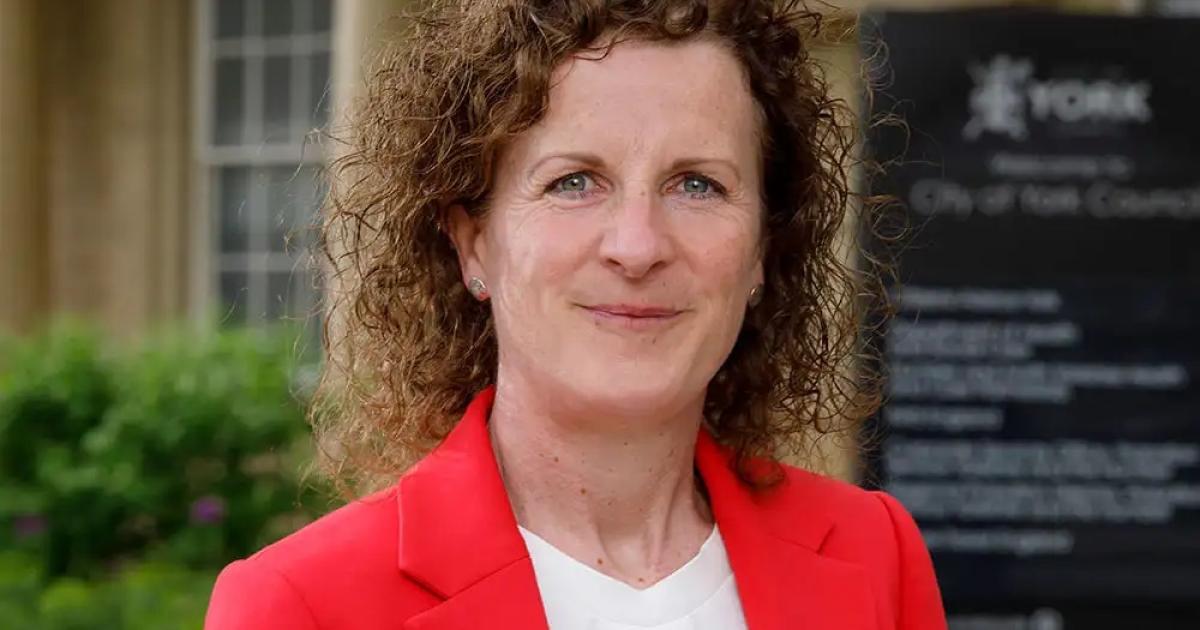
York council leader on Government plans for new home tax

Published

on

York council leader on Government plans for new home tax

The council’s Labour Leader Cllr Claire Douglas said local authorities should be given the resources to properly administer the tax which should also be clear and straight-forward for residents.

Cllr Kam Rai, of the Local Government Association (LGA), said councils risked being left to deal with the risk of the High Value Council Tax Surcharge and confusion it could case.

A Government spokesperson said the tax could raise £430 million to fund public services while also addressing long-standing unfairness between different parts of the country.

Advertisement

RECOMMENDED READING:


It comes as the Government is currently consulting on the details of the surcharge ahead of further plans being unveiled in the next Spending Review.

The proposal, which would see owners of homes worth £2 million or more pay an additional charge on top of their council tax bills, was unveiled in November.

Charges would be based on the amount homes were worth in April 2026 and would be levied from April 2028 if they are adopted.

Advertisement

Homes would be placed into four bands based on their property value and would increase in line with inflation from 2029 onwards.

It would be collected by councils, with revenue going to the Government though it is intended it would be used to fund local services.

The Government’s consultation on the plans includes details such as relief and exemptions and how arrangements such as commercial ones would be dealt with.

Councils are set to be compensated for the extra costs of collecting the tax, according to the Government.

Advertisement

Government officials have said the tax would help address unfairness with the current council tax system.

The average Band D charge for a typical family home is £2,280-a-year, £250 more than that charged for a property worth £10 million in Band H in Mayfair, in the City of Westminster.

But the LGA said councils would have to identify owners, administer deferrals, manage appeals and pursue debt recovery including from overseas owners, despite not keeping the money raised.

Cllr Douglas said local authorities should be given the funding and support needed to run the new system.

Advertisement

She said: “Local authorities should not be left out of pocket for delivering a national scheme.

“It’s also important that where decisions about the surcharge are made nationally, that should be be clearly communicated so people understand what the charge is and who is responsible for it.

“We look forward to continuing to work with Government and the LGA to ensure any new arrangements are practical, properly funded and support councils like York to continue delivering high-quality local services.”

LGA resources committee chair Cllr Rai said the proposals risked adding costs and complexity at a time when councils are under enormous pressure.

Advertisement

The committee chair said: “We need a cast-iron guarantee that any money raised must be genuinely additional and must not be used to offset reductions elsewhere.

“Councils should not be expected to run a new national tax system that could leave them out of pocket and undermine local democratic accountability.”

The Government’s spokesperson said: “This tax is expected to raise around £430 million -a-year to help fund public services and is addressing a long-standing unfairness in our country, where a Band D home in Darlington or Blackpool pays more in council tax than a £10 million mansion in Mayfair.”

Advertisement

Source link

Continue Reading

Trending

Copyright © 2025