Welcome to our live coverage of the Winter Olympics, where Britain’s Kirsty Muir is in action in the women’s freeski big air final.
Medal hope Muir qualified in fourth place for tonight’s final after narrowly missing out on making the podium last week in the slopestyle.
The 21-year-old was denied a bronze medal by just 0.41 points, recovering after errors on her first two runs to land an excellent third, but it wasn’t enough. The Scottish skier was tearful after coming so close, but will have a shot at redemption this evening in the big air.
Advertisement
“Obviously missing out on an Olympic medal, being that close is hard and it’s going to be hard for anyone, no matter what competition. Fourth is such a hard place to be in, but even more so at the Olympics,” she said.
“All my friends, family, supporters from home have all been like, fourth at the Olympics, fourth in the world, congrats, and I feel that as well, but it’s just hard because you want that podium. But at the same time I’m very proud of my skiing.”
The softly spoken Scot has vowed to leave everything out on the slopes as she targets a medal. After Team GB’s gold rush over the weekend – which began with Matt Weston’s heroics in the individual men’s skeleton on Friday night – Muir will not be lacking in inspiration.
Sixteen people were injured, five critically, after a vehicle struck parade participants at the Louisiana Lao New Year celebration in New Iberia.
Joe Smith News Reporter and Peter Hennessy UK & World News Editor
00:37, 05 Apr 2026
A vehicle has crashed into a parade in the United States, leaving 16 people injured.
According to local news outlet WBRZ2, 16 people were hurt – five of them critically – after a car struck parade participants in New Iberia, Louisiana.
Advertisement
Acadian Ambulance confirmed that ten ambulances and two air ambulances were deployed to the scene of the devastating incident, reports the Mirror.
Iberia Parish Sheriff’s Department has launched an investigation after the vehicle ploughed into a crowd attending a festival in New Iberia.
The gathering had assembled for a parade near Captain Cade and Melancon Road in the town of approximately 30,000 residents.
KPEL reported that the event was the Louisiana Lao New Year celebration in Iberia Parish.
Advertisement
Two casualties were airlifted to hospital, while a further 11 patients were taken by road ambulance to nearby medical facilities in the aftermath.
Footage and photographs circulating on social media captured the chaotic scenes that followed, showing emergency responders attempting to manage visibly distressed crowds at the event.
The Louisiana Lao New Year Festival is a well-established cultural event held annually in Iberia Parish. The three-day celebration, which got under way on Friday, honours Lao traditions, food, music, and community heritage.
It remains unclear what caused the collision or whether it was deliberate, and local authorities are yet to release information regarding the driver or any potential charges.
Advertisement
The full extent of the victims’ injuries is still being assessed as emergency crews continue to work at the scene.
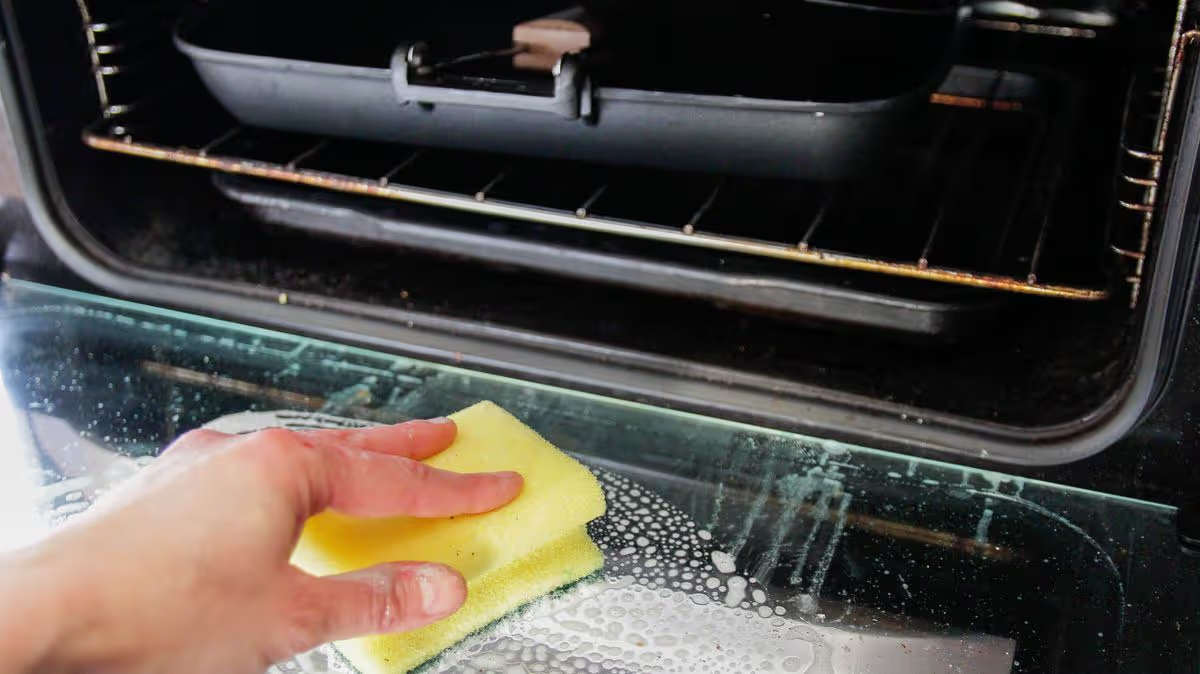
Oven cleaning is arguably among the most neglected chores in kitchen maintenance. And after a busy day at work, it’s the last thing on our minds.
However, when we do tackle this awful chore, some of us are likely doing it incorrectly – and this could result in our oven door shattering unexpectedly.
Advertisement
According to Which?, although bicarbonate of soda can be used for oven cleaning, it’s not about the product itself, but the method. It explains: “No matter what you use, you’ll need decent scrubbing brushes or sponges with scourers. An old toothbrush can help you get grease out of any nooks and crannies.
“Don’t use scourers on a glass oven door, though. These can introduce tiny scratches on the surface of the glass, which could leave it vulnerable to shattering in the future.”
If you want to clean your oven with bicarbonate of soda safely, try the following steps.
Advertisement
For a natural cleaning option, use everyday bicarbonate of soda
Make a paste by mixing equal parts of bicarbonate of soda and water
Apply to greasy or burnt-on spots and leave for a few hours
Scrub off to reveal a clean surface
To make the job more manageable, the consumer champions say that you should “clean little and often”. It advises: “Wipe down your oven at least once a month. If you’ve cooked something that you know has splattered everywhere (such as a roast or a bubbling casserole), you should wipe your oven down once it has cooled.”
If you smell something burning while the oven preheats, it’s usually leftover food from a previous spill. After the oven cools, wipe it clean to prevent residue from sticking.
Additional methods to prevent extra kitchen chaos include using a cover or foil to avoid bubbling and splashing. You should also place dishes on a baking sheet rather than directly on the oven shelf to catch any drips.
He told the Press Association: “The SNP is campaigning all out to win this election and to win with an overall majority, and the public are responding positively to the key messages we’re setting out about delivering improvements to the National Health Service, where we’re reducing long waits for treatment, just as I promised would be the case, and by the SNP offering the support in relation to the cost-of-living challenges that people face in Scotland.
Several people were injured when a vehicle struck revelers at a parade celebrating the Lao New Year on Saturday in rural Louisiana, authorities said.
The driver was quickly arrested and charged with impaired driving, police said.
Video shared on social media showed multiple people on the ground at the annual event in Broussard and New Iberia. The videos showed firefighters tending to one person trapped beneath the car, which wound up in a ditch along the parade route.
Around 15 people were hurt, some seriously, according to the Iberia Parish Sheriff’s Office.
Advertisement
“Based on the preliminary investigation, this does not appear to be an intentional act,” said a spokesperson for the sheriff’s office, Rebecca Melancon.
Acadian Ambulance, a private ambulance company, said on social media that it responded to the emergency around 2:30 p.m. and sent 10 ambulances and a helicopter to aid the injured. Two patients were airlifted, it said.
The Louisiana State Police said the driver, who is 57 and lived in Jeanerette, appeared impaired when police arrived and later tested positive for a high blood alcohol level. He was charged with impaired, negligent and careless driving and having an open container of alcohol in the vehicle.
The parade is part of a three-day New Year celebration set in the Lanxang Village, a Laotian neighborhood near New Iberia with hundreds of families, and near the Buddhist temple grounds of Wat Thammarattanaram.
Advertisement
It features Southeast Asian food, live music, a parade and other family-friendly activities attracting thousands each year.
Louisiana Gov. Jeff Landry issued a statement about the incident. “Sharon and I are praying for all those affected, and are grateful for the first responders who have responded to the scene,” he said.
The festival’s organizers issued a statement on Facebook saying they were “profoundly saddened” by the incident.
“We are praying for the victims and for their families during this difficult time,” it said.
Advertisement
Afternoon and evening events were canceled, but the festival planned to hold religious services on Sunday, the organizers said.
The rail company said it looked into “everything from walking trails and nearby gardens to the variety of flowering plants and how easy it is to reach each village from the nearest train station” when making the list.
It added: “We also considered how each village comes to life in spring, from bursts of colour to those picture-perfect moments you’ll want to linger in a little longer.”
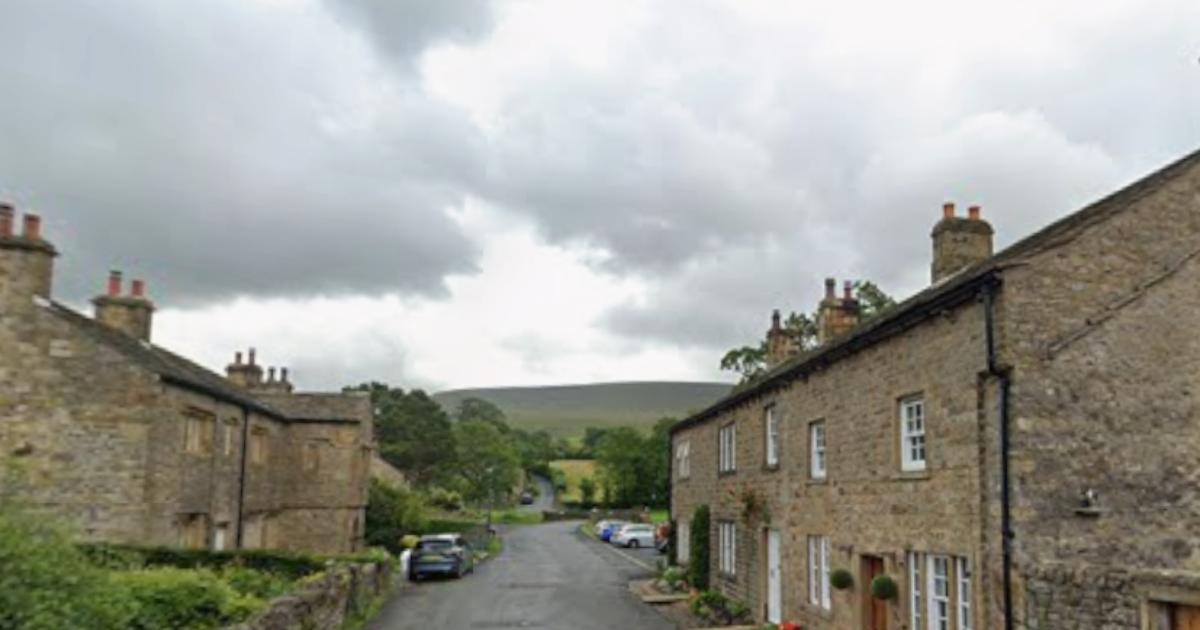
Downham flies the flag for Lancashire, and LNER has shed light on some key stops you should make in the village on your visit – let’s take a look.
Advertisement
Downham village named among best to visit in the UK this spring
LNER said: “If you’re looking for somewhere that feels a step away from the everyday, Downham is a good place to start.
“Family-owned for generations, the village has kept things simple, no road signs, no aerials, just open views and a quiet sense of history.”
What was filmed in Downham?
The Lancashire village has also been a popular filming spot, with LNER saying “it’s easy to see why”.
It added: “It’s been used as a backdrop for films and TV over the years, including Whistle Down the Wind and The Secret of Crickley Hall.”
Advertisement
The Lancashire village has featured in various TV shows and films (Image: Getty)
Born and Bred, a BBC drama, was also filmed in the village, according to Visit Lancashire.
If you’re looking for some food stops while in Downham, LNER recommends “a scoop of local Lancashire ice cream from the village shop” and a trip to “the award-winning Assheton Arms” which is an “18th-century gastropub” that “sits at the highest point of the village, serving up seasonal plates alongside tranquil countryside vistas that make the modern world feel miles away.”
Recommended reading:
Visitors are also advised to “head to the banks of Downham Brook” for “a perfect spot to sit and listen to the water as the village wakes up for spring.”
Advertisement
The “quiet and unspoiled” village is “one of the loveliest villages in Lancashire”, according to Visit Lancashire.
Have you been to Downham? Let us know in the comments below.
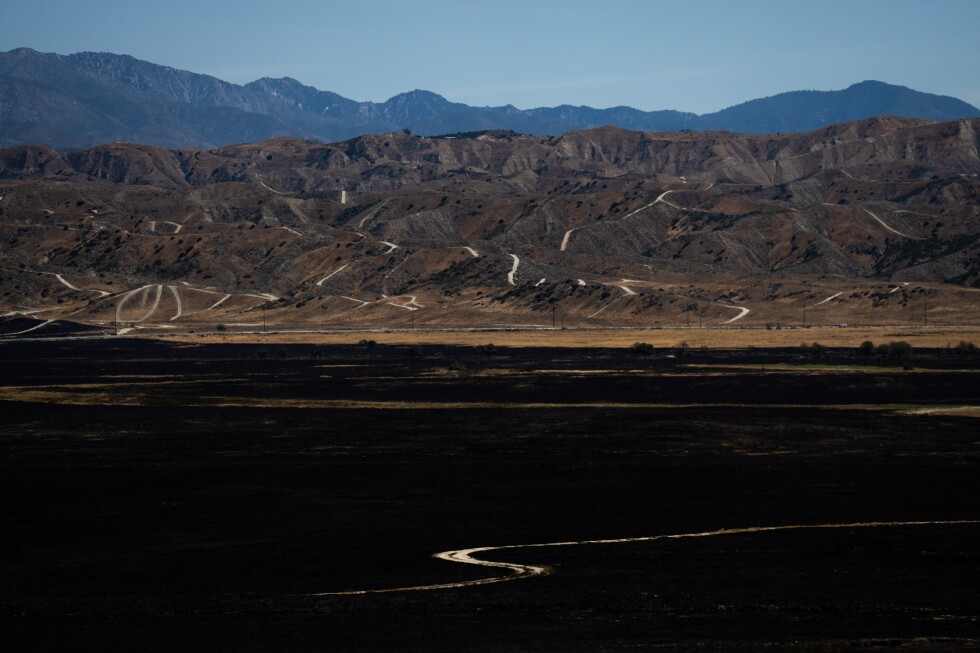
RIVERSIDE, Calif. (AP) — A smoky wildfire in southern California that broke out a day earlier and prompted evacuation orders was mostly under control Saturday afternoon, fire officials said.
Encompassing roughly 6.3 square miles (about 16 square kilometers) in Riverside County, about 64 miles (103 kilometers) east of Los Angeles, the Springs Fire was no longer growing and at least 75% percent contained Saturday, said Terra Fernandez, public safety information specialist for the Riverside County Fire Department. It was 25% contained on Friday.
Fire officials also lifted evacuation orders for a large swath of neighborhoods Saturday morning. Fernandez said she expected the rest will be lifted by the end of the day.
“It’s pretty much under control,” Fernandez said.
Advertisement
The fire was fueled by strong Santa Ana winds with gusts predicted to get up to 45 mph (72 kph) on Saturday. But winds had “dissipated a bit” since Friday, helping the efforts of fire crews, Fernandez said. Natural equestrian trails around the area also helped firefighters make access to the fire and build effective containment lines around its perimeter, she said.
So far, no structures have been damaged or destroyed.
Crews began early Saturday dropping water and retardant all around the fire by air. About 260 personnel are battling the blaze, including crews from around the region who are building and strengthening the containment lines and laying hose, she said.
A handful of zones in the county remained under mandatory evacuation orders. It was not immediately known how many households were affected by the orders.
Advertisement
The fire is located in a populated unincorporated part of Riverside County that is a recreational area near the city of Moreno Valley, which has a population of roughly 200,000.
The cause of the fire remains under investigation.
While Center Parcs is a great family choice, it’s certainly not the cheapest. So, could a short journey to Europe actually save you money? We compared the price of a break in the school holidays at the two holiday parks
Center Parcs may be famous for its massive swimming pools, endless family activities, and beautiful lodges, but it’s also notorious for being a bit expensive, especially once you hit the school holidays.
Advertisement
Despite its prices, the five Center Parcs in the UK and one in Ireland has no trouble attracting families. But if you’re on a budget, you might be wondering if it’s possible to enjoy the Center Parcs experience without the premium prices.
One option that many families with school-aged kids will be looking at is staying in a European Center Parcs.
Although it is run by a different company, there are 28 Center Parcs holiday parks across Europe, and they can be found on the Belgian and Dutch coast, deep in Germany’s forests, and even close to Disneyland Paris, so there are lots of locations to choose from.
While accommodation prices are lower than those at Center Parcs in the UK, I was curious whether, once travel costs were included, it would still be a cheaper option.
Firstly, I looked at a short break in May half-term week, from Monday, May 25, for four nights. I priced this up as a family of four with two school-aged children and looked for the cheapest options.
In the UK, the cheapest park seemed to be Whinfell Forest, Cumbria, and the least expensive accommodation was a two-bedroom Woodland Lodge, which comes with a dishwasher, private patio, and pretty much everything you need for a family staycation.
Advertisement
This came in at £1,349 and the price includes entry to the famous subtropical swimming pool, adventure playgrounds, and cycle routes.
It does sting a little that the same break a week before is £599, showing just how dramatically the price differences can be for the school holidays.
Onto France, and for a short break, most parents would likely opt for somewhere without too long a journey. Center Parcs Les Bois-Francs is about two hours from Le Havre ferry port or three-and-a-half hours from Calais. For the same four nights in a Premium Cottage, the price is €440 (about £380), for about the same grade of accommodation as the UK.
Advertisement
Of course, you then also have your travel costs. A ferry from Dover to Calais can be found on those dates for four plus a car at £164, if you don’t mind driving in France. Fuel costs can vary a lot, especially with the current global situation, but a quick calculation shows the journey to and from Calais in my car would cost about £70 in fuel.
This puts the cost of a Center Parcs break in France for four at £614, including accommodation and travel, nearly half the cost of the UK. If you don’t live near the south coast, then your travel times could vary, but if you’re close to a ferry port and enjoy the adventure of exploring a new country, it could be a fun break.
Next, I looked at a longer break in the six-week holidays, which are notoriously expensive wherever you go. I wanted to see how a seven-night break would compare in Center Parcs UK versus Europe on these premium dates.
Advertisement
I chose breaks starting Friday, August 7, in the middle of the summer holidays, and again looked at prices for a family of four. A Woodland Lodge in Woburn Forest, Bedfordshire, is priced at £2,378 for a week.
But would the cost of a European break be any less painful on your pocket?
One of the cheaper European options for this week is Le Lac d’Ailette in the Picardy region of France. This pretty lakeside park is big on indoor and outdoor water activities, and being at the heart of the Champagne region means adults can enjoy stocking up on bottles to take home.
A Comfort Cottage is €1872 for the week (about £1,634) plus the cost of fuel to and from Calais, which is about a two-and-a-half-hour drive. A return ferry from Dover to Calais on these dates comes in at about £241 for four people in a standard car, so again, it’s cheaper than the UK option, but involves a longer journey.
While my basic calculations show that a Center Parcs holiday in Europe could be cheaper, it’s worth also bearing in mind the additional costs of travel abroad such as passports. And for families short on time and annual leave, the UK parks are likely a better option simply because it’s a shorter drive.
Food in supermarkets also tends to be more expensive in France than the UK, apart from the wine, although you can often eat out more affordably thanks to prix fixe menus.
However, if you’re a Center Parcs fan and fancy a change, or don’t mind the extra time spent on a ferry and in the car, you might want to consider trying one of the parks on the continent for your next break.
Advertisement
Have a story you want to share? Email us at webtravel@reachplc.com
John Fury made headlines by claiming son Tyson has not been the same since his trilogy of fights against Deontay Wilder, but the same can be said of the American.
Wilder, a former WBC heavyweight world champion, has not beaten a ranked opponent since Luis Ortiz in 2019, losing four of his last six fights. Three of those were knockout defeats, and though The Bronze Bomber knocked out Tyrrell Herndon last June that contest was a glorified warm-up.
By contrast, Wilder’s opponent Derek Chisora has defied the odds, his age, and his slugging style of boxing to topple Gerald Washington, Joe Joyce and Otto Wallin in his last three fights.
Advertisement
Chisora claims that tonight’s bout at London’s O2 Arena will be his last as a professional boxer, but the 42-year-old has said that previously before returning to the ring.
Wilder and Chisora have been in the top 10 of the heavyweight division for years but this is the first time they will touch gloves.
By coincidence, it is both men’s 50th professional fight. Chisora’s record reads 36-13, 23KOs, while Wilder’s reputation for destruction is reflected in a record of 44-4-1, 43KOs.
Chisora weighed in at a career-heaviest 19st, some 40lb more than Wilder who tipped the scales at 16st 17lb.
Advertisement
Ordinarily, you would say the heavier man would be disadvantaged by a fight becoming a test of stamina in the late rounds, but Wilder has won just one fight by decision in his career.
It is said the American has focused on becoming a more technical fighter behind his jab, though some observers have concluded that is a sign of hesitancy. Chisora is lion-hearted and not afraid to take a blow.
This is how the card for the night looks:
Derek Chisora vs Deontay Wilder (heavyweight) Viddal Riley vs Mateusz Masternak (cruiserweight) Denzel Bentley vs Endry Saavedra (vacant WBO interim middleweight title) Ashton Sylve vs Raul Antonio (super-lightweight) Matty Harris vs Franklin Ignatius (heavyweight) Amir Anderson vs Jordan Dujon (middleweight) Dan Toward vs Misael Da Veiga (super-welterweight) Jermaine Dhliwayo vs Jake Morgan (super-featherweight) Abner Teixeira vs TBA (heavyweight)
Tyneside heritage bodies have hit out at the plans for a major overhaul of a disused railway yard next to Central Station.
The Forth Goods Yard, owned by Network Rail, is earmarked for 514 build-to-rent apartments and a 655-space multi-storey car park, under proposals currently under consideration by Newcastle City Council.
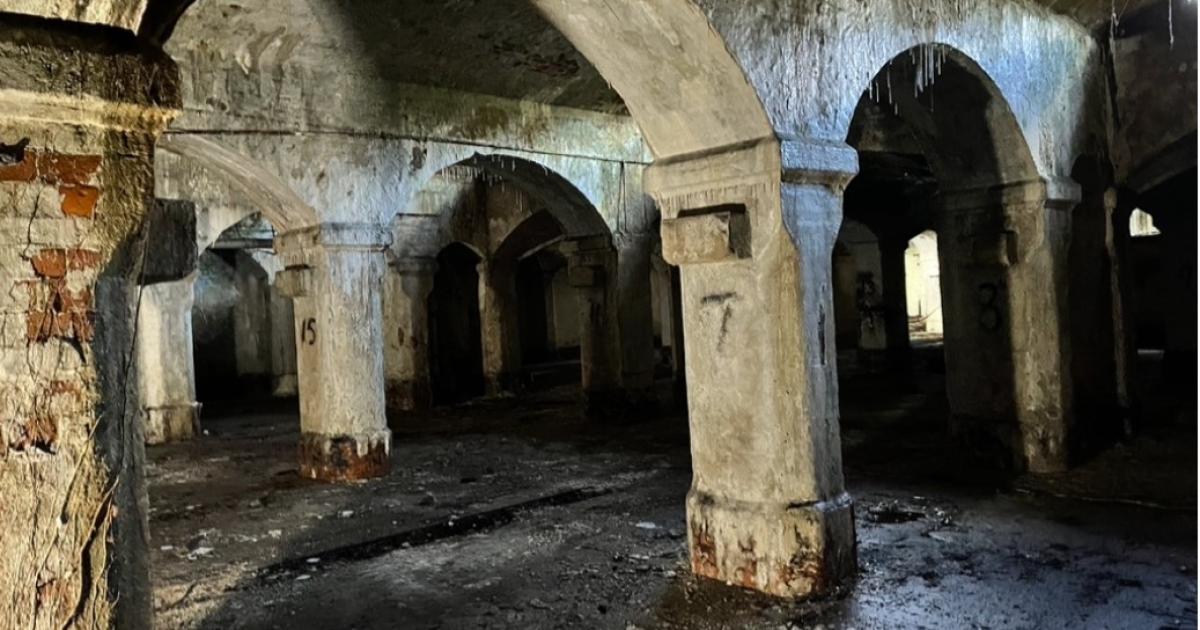
But there are concerns that a historic undercroft below the yard will be mostly demolished as part of the regeneration bid.
A Victorian undercroft beneath the Forth Goods Yard in Newcastle. Photo: Railway Heritage Trust. Free to reuse for all LDR partners.
The vaulted undercroft is the only surviving feature of the former Forth Banks Goods Station, which was built between 1866 and 1871 and closed in 1963, and is described as having effectively been inaccessible for decades.
Advertisement
But Tim Wickens, of the Newcastle Conservation Advisory Panel (NCAP), said it was “deeply disturbing that such valuable and irreplaceable historic fabric could be lost forever”.
NCAP, as well fellow heritage group The Northumberland & Newcastle Society, have called for the undercroft to be protected – as has been the case at other stations such as Manchester Piccadilly.
In its objection to the plans, NCAP states: “Forth Goods Yard is located within an area of the city that collectively gives context to the group richness of railway heritage, and the historic undercroft is an asset that we can ill afford to lose.
“This heritage has been instrumental as the basis of regenerating the adjacent Stephenson Quarter and Founders Place, recognising their status as the birthplace of globally significant railway engineering.
Advertisement
“In summary NCAP is opposed to the principle of this proposed development on grounds of impact on the historic environment, generic lack of respect for heritage, specifically harm to the undercroft and to the setting of other heritage assets.”
A Victorian undercroft beneath the Forth Goods Yard in Newcastle. Photo: Railway Heritage Trust. Free to reuse for all LDR partners.
It has been suggested that the proposed multi-storey car park could be relocated to the site of the Safestore building on Forth Street in order to protect the undercroft from demolition.
Historic England granted a Certificate of Immunity from Listing for the underground structure in May 2024 – guaranteeing that it cannot not be listed or subject to a Building Preservation Notice until 2029.
NCAP said it was not consulted on that matter, which it said was “profoundly disturbing” and prevented them from reviewing or challenging the decision.
Advertisement
A heritage impact assessment submitted with the application, made by bloc and Government property company Platform 4, confirms that the proposed development will require the demolition of the majority of the undercroft – though it says sections of the arches on Pottery Lane will be preserved “where possible”.
It describes the undercroft as having “very limited architectural significance as it represents only a fragment of the former Forth Banks Goods Station which it formed part of” and that it is “no longer possible to appreciate the architectural significance of the overall building”.
Nick Legget, development director at bloc Ltd, said: “Our plans for Forth Goods Yard will transform the heart of Newcastle through vital regeneration while paying close attention to the area’s industrial heritage.
“Delivering 500 homes, enhanced station parking and new public spaces in this long-neglected area is challenging and requires careful, considered design work. The undercroft poses a particular challenge, with the structures having been heavily altered and requiring significant ongoing maintenance and investment.
Advertisement
“With these issues in mind, and expert heritage assessments concluding the undercroft does not have a level of significance that would justify full preservation, partial demolition is being proposed to enable a viable redevelopment of the site.
“A portion of the undercroft will be retained, structurally protected and refurbished for future reuse.
“This will allow the retained arches to contribute to new public spaces and improved connections, while delivering safe, step-free access for people with disabilities that would otherwise not be possible.
“This balanced approach reflects a clear commitment to respecting the site’s heritage, while also delivering wider public benefits as we unlock this transformative regeneration of the Forth Yards area.”
Advertisement
Historic England confirmed that NCAP is not on its list of consultees and were not contracted as part of the assessment of the Forth Goods Yard.
The series, which is pre-recorded, nearly saw Collins quit the series early after falling for a practical joke and declaring the infamous phrase, “I’m a celebrity get me out of here”.
Recalling the prank at a press roundtable, Sinitta said: “I think we’d done really hard trials all day, or some sort of game, so we were physically exhausted.
“We got back and we’re all relieved (that) nothing else can happen now, because they’ve exhausted us, it’s getting dark now it’s getting late, so that must be it, we can relax.
Advertisement
“And Harry (Redknapp) comes in and says, ‘guys, you’re not going to believe this’, and he’s got the board, and he starts reading this awful trial, I think it’s called something like the House Of Hell, Prison Of Hell, or something.”
She said Redknapp told his fellow campmates that the challenge would involve rats and being tied up among other things.
Sinitta continued: “We’re already broken (and) literally before he could finish reading it out, Gemma was like, ‘I’m a celebrity get me out of here’.
“I have to admit, my hand went up that I was like, ‘you know what? me too, I’m too exhausted, gotta go’ – and he was pranking us.”
Advertisement
The Only Way Is Essex star Collins famously appeared on the series in 2014, however, lasted only three days in the Australian jungle.
As a result, former boxer David Haye, who also appears in the upcoming series, did not have high hopes for Collins – however, he praised her for being part of some “real heavy challenges” in the upcoming series.
He said: “She was the one that I was told going into it, that she kind of flaked out the first time around, and I didn’t have high hopes.
Advertisement
“But of all the people watching her go through what she went through, she doesn’t have an ounce of quit in her at all.
“Whatever she did the first time round, she obviously looked back, a few years have gone by, and she’s like, ‘I’m going to give it everything’.
“Fortunately for the show, she did, because she was part of some real heavy challenges that she should be proud of herself.”
Advertisement
The series also stars comedian Seann Walsh, Red Dwarf’s Craig Charles, ex-footballer Jimmy Bullard, Coronation Street star Beverley Callard and actor Adam Thomas.
Hosted by Ant and Dec, the second series will give the public the power to cast their vote for the winner in a live grand final broadcast direct from London, crowning the “ultimate legend 2026”.
I’m A Celebrity… South Africa starts on April 6 at 9pm on ITV1 and airs every weeknight Monday to Friday.


















































You must be logged in to post a comment Login