The pastry here is from the California chef Lindsey Shere and it’s wonderful – thin and buttery and almost biscuity. You make it in a slightly different way, creaming the butter and sugar for it and then smearing it little by little with the heel of your hand (the French term is ‘fraisage’) once the flour has been added. There are good how-to videos online for the pastry method.
Do follow the chilling times and only add the amount of blueberries given here, otherwise they’ll bleed too much.
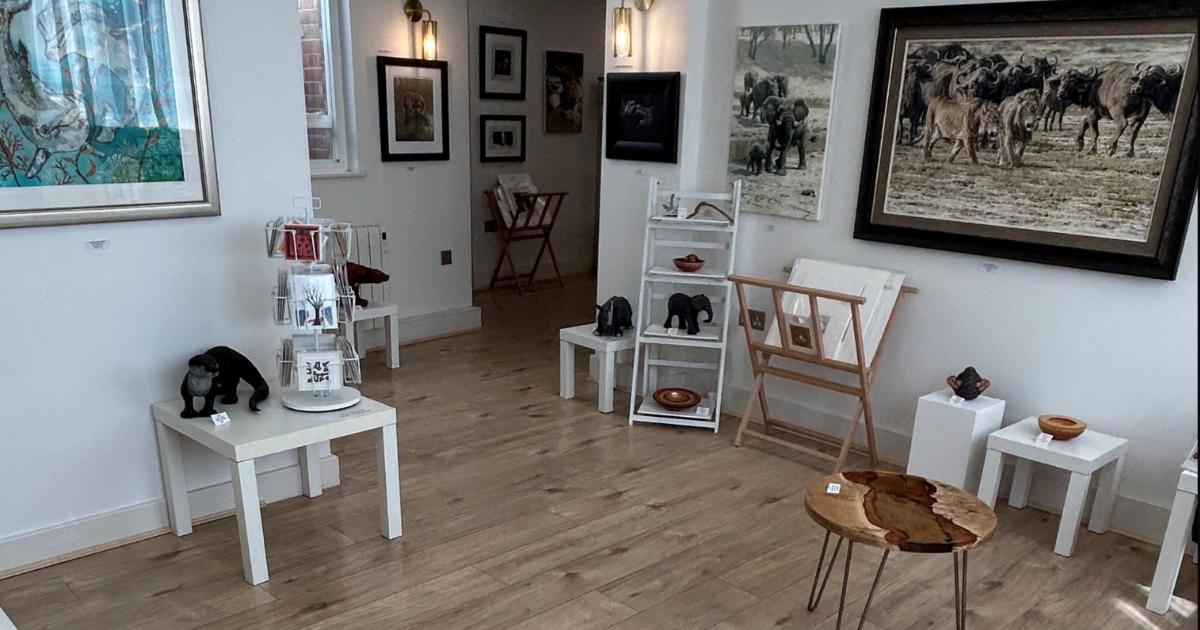
The Jardine Gallery & Workshop has welcomed its first visitors to its studio in Colliergate.
Set up by owner Julian and his partner Ali, the gallery hosts many talented artists’ work, including paintings, sculptures, photography, glasswork, woodcraft and jewellery.
Recommended reading:
Julian, who relocated from Perth, Scotland – where he owned a gallery for 18 years – said much of the inspiration behind his new studio came from creative spaces in Scandinavia.
Advertisement
Ceramicist Julian Jardine owns the studio with his partner Ali (Image: Newsquest)
He explained: “I found that studios in Scandinavia had a little bit of everything, from sculptures to landscape pieces.
“I wanted to emulate that – hosting a variety of art, even if I find it difficult to sell – it adds to the experience for people.”
Julian and Ali purchased the three-storey building – formerly Saskia & Co – after being enchanted by York and its proximity to art shows in the UK.
The gallery shows talented local and international artists’ work, from paintings to sculptures, photography, glasswork and more (Image: Newsquest)
The owner is a ceramicist himself with over 30 years of experience.
Advertisement
Speaking about this, he said: “After graduating from the Duncan of Jordanstone College of Art & Design, I became self-employed with the aid of the Prince’s Trust in 1993.
“I supplied galleries in the UK and abroad while tackling a variety of freelance sculpting jobs before starting my art gallery in Perth in 2008.
“We then opened up a workshop, where we would host a variety of art and sculpting classes for both adults and children to help fund the studio, in 2012.”
A Stella Mays landscape piece (Image: Newsquest)
But it was a need for a change of pace and new scenery which drew the artist to York.
Advertisement
His studio is lined with international and local artists’ work, including Stella Mays – the recipient of the BBC Wildlife Artist of the Year and the David Shepherd Wildlife Artist of the Year awards.
While browsing, customers can also catch Julian sculpting in real time.
‘Here’s one I made earlier’ – Julian and the giant tortoise sculpture (Image: The Julian Jardine Gallery)
He said: “Currently, I am working on a giant tortoise for a collector.
“My last one took me three days to sculpt and a further five days to dry, fire, rest and paint.
Advertisement
“I also have moulds of previous ceramic sculptures to save time and to make it more affordable for the customer, as I would like to show art of varying prices and styles.”
The large ceramic octopus by Julian features in the gallery window (Image: The Julian Jardine Gallery)
Eventually, Julian said he would like to convert a snug space outside the studio into an area for his electric kiln, along with more space for art on the building’s top floor.
He added that in the coming months, a weekly workshop for York visitors and residents may be put on for up to 10 people.
For more on his work and the studio, please visit here.
Britons evacuated from a cruise ship hit by a hantavirus outbreak have arrived in the UK and have been taken to an isolation facility after being repatriated from Tenerife.
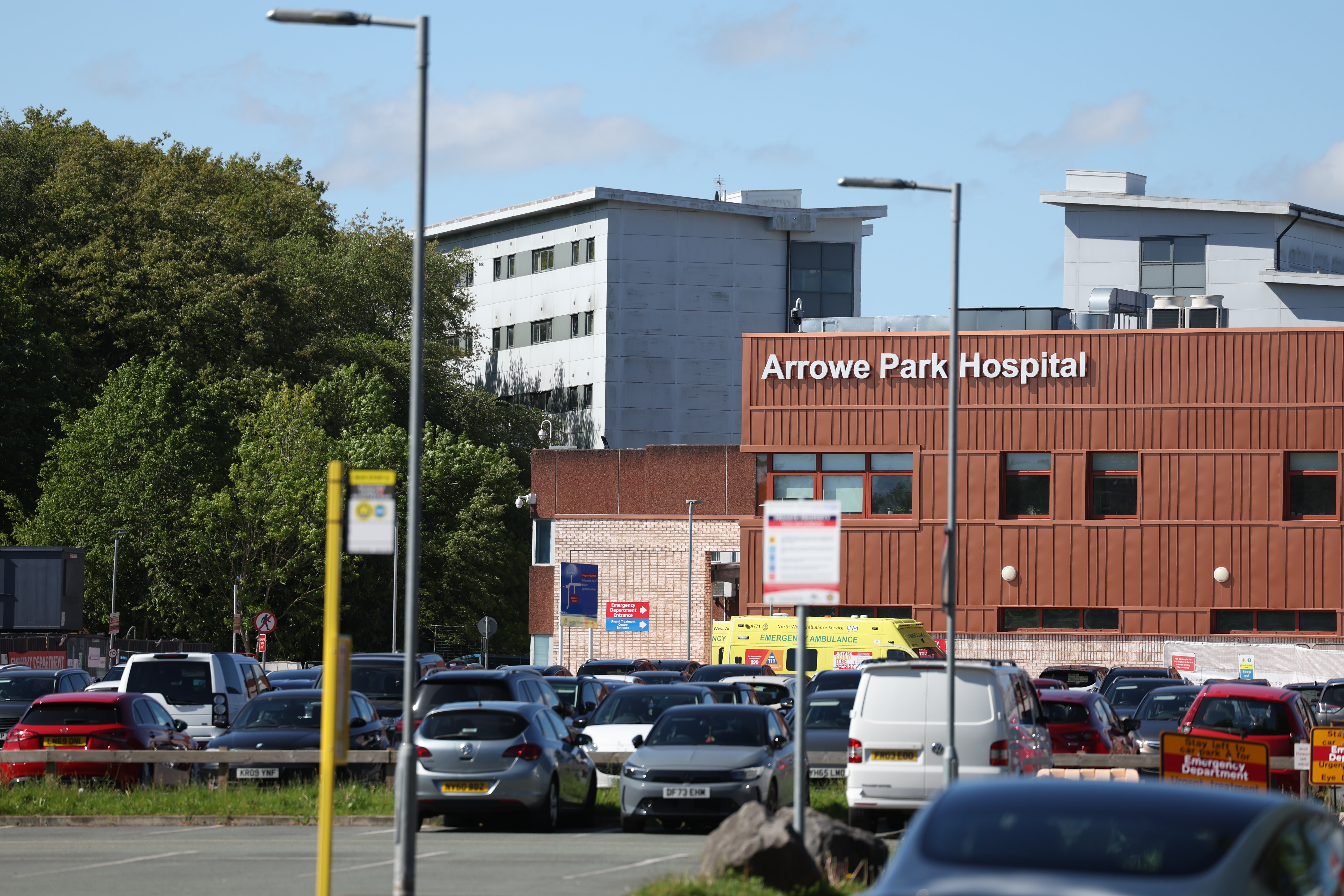
The 20 British passengers, who were tested for hantavirus before getting on the flight, will now isolate at Arrowe Park Hospital on the Wirral.
The Merseyside hospital was the nation’s initial quarantine site for British citizens returning from Wuhan, China, at the onset of the Covid-19 pandemic in January 2020.
Advertisement
Emergency services in the North West said they expected the passengers to be housed and provided with clothes at the “managed setting” for up to 72 hours.
The Arrowe Park facility has six storeys of self-contained flats with their own bedrooms, en-suite bathrooms, kitchen and lounge facilities.
British passengers are brought to land after being evacuated from the MV Hondius (Getty)
Janelle Holmes, chief executive of Wirral University Teaching Hospital NHS Foundation Trust, told the media that Arrowe Park would do “welfare checks on each individual”.
She added: “There’s nobody being transferred to us that has been symptomatic in any way.
“There’s no impact on the hospital. Services are running as normal, patients should still attend their appointments.”
Advertisement
The hospital leader said if passengers develop symptoms, they will be taken to Royal Liverpool University Hospital, which houses the regional Tropical and Infectious Diseases Unit.
Ms Holmes said hantavirus is “very different” to Covid and the risk to the general public is “really low”.
She added: “You’ve got to have really, really close contact. It’s not like Covid or flu or those types of viruses.”
After their isolation, public health specialists will assess whether passengers can isolate at home or at another suitable location based on their living arrangements.
Advertisement
Plane landing at Manchester Airport carrying passengers that have been repatriated to the UK from cruise ship MV Hondius (PA)
Britons returning to the UK will stay in self-isolation for 45 days and will not be allowed to take public transport to their homes.
It comes after the MV Hondius arrived in Tenerife in the early hours of Sunday, triggering an evacuation operation with passengers ferried to a port by small boat, not before medics in full PPE checked all remained asymptomatic.
Some 22 British nationals were taken to shore – with 20 getting on the repatriation flight and two dual-nationals heading elsewhere.
While they were being bussed from the port at Granadilla de Abona to Tenerife South Airport, some British passengers, clad in blue PPE, waved and gave thumbs up as they passed watching media.
The World Health Organisation (WHO) said its goal was to finish the ship’s evacuation, with the exception of 30 crew members remaining on board, by 7pm on Monday.
Advertisement
Passengers were told to leave their luggage on the ship and were only allowed to take a small bag with essential items such as their phone and passport.
Spanish authorities said on Sunday that no passengers on the ship were showing symptoms of the virus, with 14 Spanish nationals who formed the first group to be evacuated from the vessel being flown to a hospital in Madrid.
British citizens will be taken to specialist facilities in Merseyside (Getty)
Eight people are suspected to have fallen ill with hantavirus, including three who died – a Dutch couple and a German national. Of the eight, six are confirmed to have contracted the virus, with another two suspected cases.
A joint statement from NHS England North West, NHS Cheshire and Merseyside ICB, Merseyside Police, North West Ambulance Service, and Wirral Council said: “In line with advice from the UK Health Security Agency (UKHSA), on arrival [in the UK] they [British passengers] will be taken to a managed setting for clinical assessment and testing. We expect this initial stay to be up to 72 hours.
“Following this, public health specialists will assess whether they can isolate at home or at another suitable location, based on their living arrangements. The risk to the general population remains very low.
Advertisement
“Our partner organisations are working together to ensure that all returning passengers are welcomed, comfortable and well supported throughout their stay.”
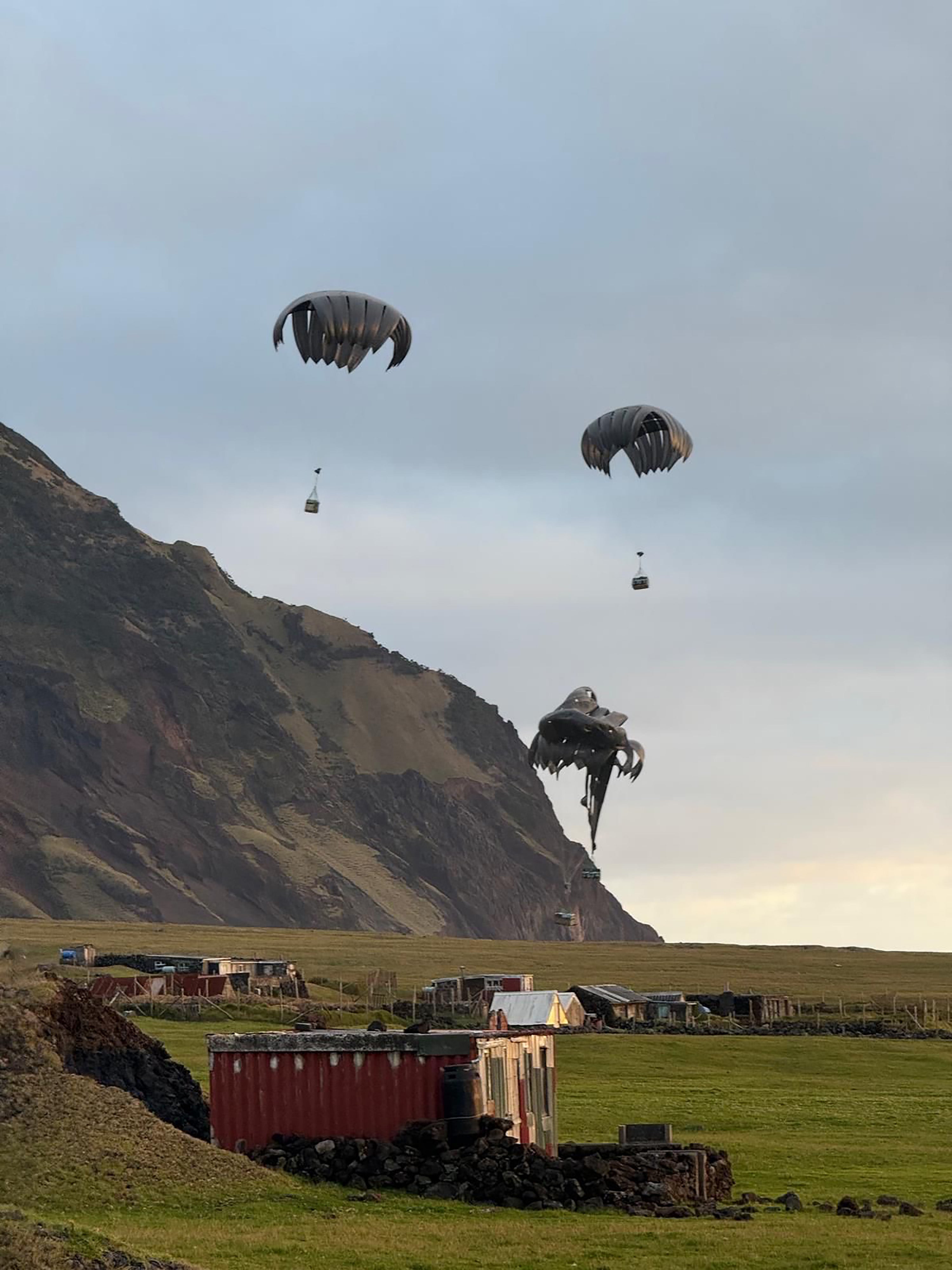
Paratroopers and medics delivered aid to a Briton on Tristan da Cunha (Getty)
Following their isolation, public health specialists will assess whether passengers can isolate at home or at another suitable location based on their living arrangements.
The two confirmed British cases are in hospital in South Africa and the Netherlands, while the third British national with a suspected case is being supported on the British overseas territory of Tristan da Cunha where they live.
Six paratroopers, an RAF consultant and Army nurse from 16 Air Assault Brigade were parachuted onto the South Atlantic island, while oxygen supplies and medical aid was also dropped on Tristan da Cunha, which is normally only accessible by boat.
The Ministry of Defence (MoD) said it was the first time medical personnel had been parachuted in to provide humanitarian support.
The police is appealing for the public’s help to find the 57-year-old man
14:46, 10 May 2026Updated 14:53, 10 May 2026
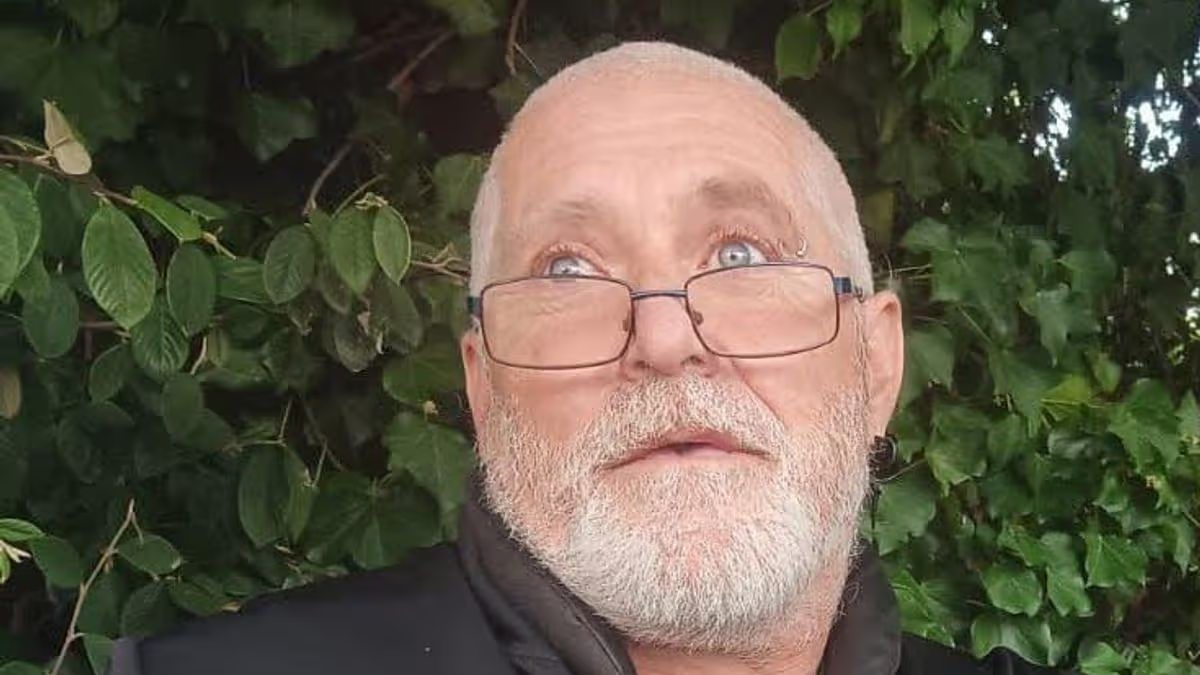
Police are appealing for help to find a man missing from Peterborough. Michael Underwood, 57, was reported missing from Stanground at around 6.20am on Saturday (May 10).
Cambridgeshire Police is concerned for his welfare and is appealing to the public for help or information. A police spokesperson said: “Officers are becoming increasingly concerned for Michael’s welfare.
“Searches are being carried out in the Peterborough area as part of efforts to locate him. Michael, who is from Ipswich, is described as 5’4”, medium build and bald. He is believed to be wearing a black jacket, black jeans and trainers.”
Advertisement
Anyone with information should call Cambridgeshire Police on 101 and quote 72 of May 10.
There is also mini golf and boat trips at this landlocked reservoir
Summer is the time when most people go on holiday, therefore it’s a chance to have some fun. There is plenty on offer for families and children to do in Cambridgeshire, but also some fun things on the border.
Advertisement
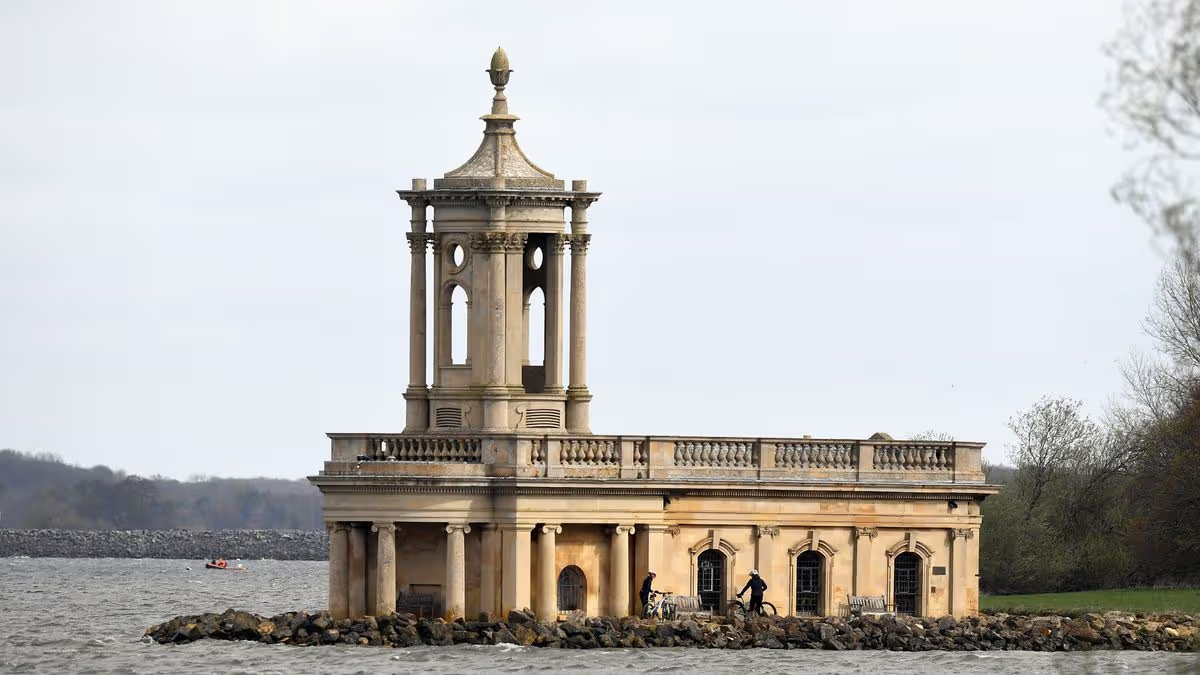
Just half an hour from Peterborough and 90 minutes from Cambridge is Rutland Water. Rutland Water is the perfect place to explore the outdoors.
It covers over 4,200 acres of open countryside, as well as a park for walking and cycling and a nature reserve to explore wildlife. As well as a fun play park, there is also a beach hidden within Rutland Water.
The landlocked beach, named Syke’s Lane, has endless amounts of sand. It is one of Rutland Water’s busiest attractions.
On hot days, it’s said to be “very very busy”, according to Anglian Water which oversees Rutland Water. It’s also an award winning beach, as it is the first inland bathing water location in England to be awarded the Blue Flag and Seaside Award.
On the Rutland Water website, it said the award recognises “both excellent water quality, biodiversity and green space for the community”. Rutland Water also promises “adrenaline-filled fun” for those who like to live on the edge.
There are a number of water sports on offer at the site. People can sail, windsurf, kayak, canoe or paddleboard. From May until August, the water sports can be done between 9am and until 6pm.
For some less adrenaline-filled activities, there is some other fun on offer. Visitors can enjoy a friendly game of mini golf on the 12-hole golf course.
Advertisement
Each hole becomes more challenging as you move around the course. People can also catch a ride on the Rutland Belle.
On the Anglian Water website, it said the boat is a “fantastic way to explore the stunning water park” from water. To find out more about all of the fun on offer at Rutland Water, visit the website.
Keir Starmer will vow to put Britain “at the heart of Europe” in a last-ditch attempt to convince Labour MPs not to dump him as prime minister.
The PM will deliver a make-or-break speech in London amid mounting speculation that he will face a leadership challenge within days.
It comes just days after Labour lost 1,500 councillors in England and also suffered humiliating defeats in the Scottish Parliament and Welsh Senedd elections.
Former minister Catherine West said on Sunday that she would wait until after Starmer has delivered his speech before deciding whether to trigger a leadership contest.
Advertisement
Setting out how he plans to turn around the fortunes of his party and the government, Starmer will say that “incremental change won’t cut it”.
“On growth, defence, Europe, energy – we need a bigger response than we anticipated in 2024 because these are not ordinary times,” the prime minister will say.
“Strength through fairness. It’s a core Labour argument. And you will see those values writ large in the King’s Speech. And you will see hope, urgency and exactly whose side we are on.”
The PM will say “people need hope” and that only Labour can deliver the solutions to the problems the country faces.
Advertisement
Starmer will say Nigel Farage and the Conservatives are “defined by breaking our relationship with Europe.”
He will add: “This Labour government will be defined by rebuilding our relationship and by putting Britain at the heart of Europe, so that we are stronger on the economy, on trade, on defence, you name it.
“Because standing shoulder to shoulder with the countries that most share our interests, our values and our enemies that is the right choice for Britain, that is the Labour choice.”
However, it is understood he will insist Labour will not break its “red lines” of ruling out a return to free movement, and membership of the European Union’s customs union and single market.
Advertisement
It remains to be seen whether the speech will be enough to prevent Labour MPs demanding he set out a timetable to leave No.10.
Subscribe to Commons People, the podcast that makes politics easy. Every week, Kevin Schofield and Kate Nicholson unpack the week’s biggest stories to keep you informed. Join us for straightforward analysis of what’s going on at Westminster.
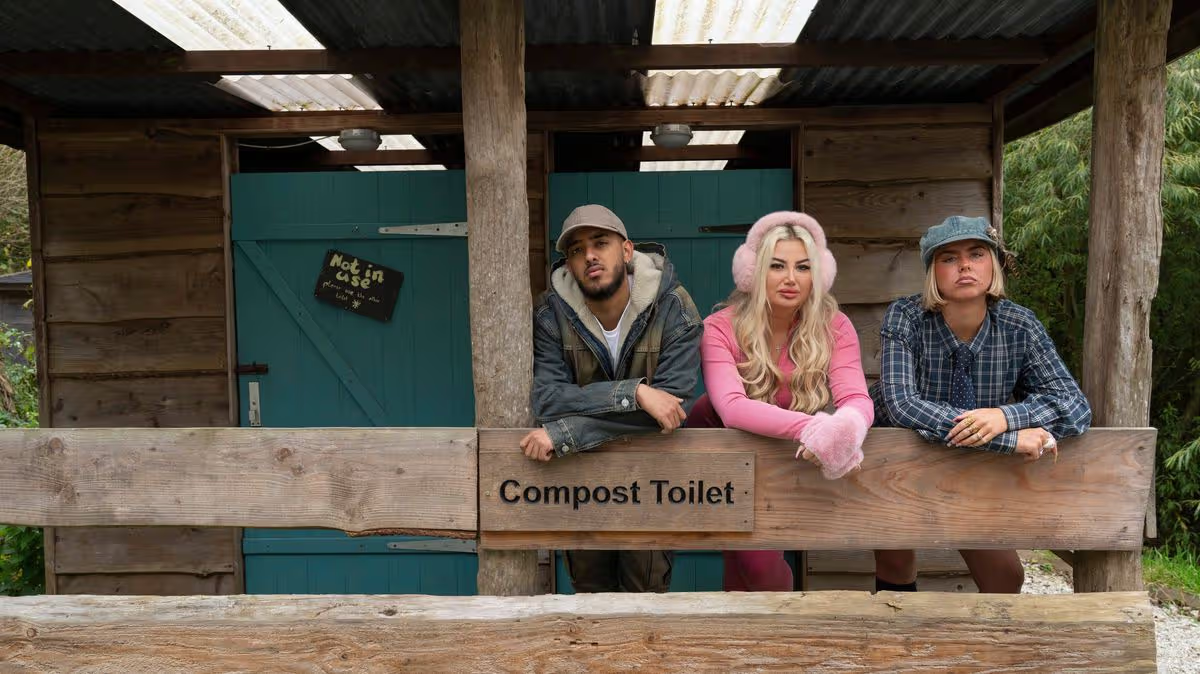
On Sunday night (May 10), fans saw brand-loving shopaholics Saffron, Umar, and Bridie ditch their luxurious lives to step back in time to a 1960s-inspired off-grid life in Cornwall.
However, things took a turn for Saffron when things got a bit too much for her after discovering where she’d be spending her week.
Once she arrived at their lodgings with her suitcase, the 26-year-old was overcome with emotion and began crying.
She commented, “I can’t do this, I don’t like any of it. I don’t want to do this anymore. No, I really don’t want to do this anymore. It’s too much, I can’t.”
As one of the farm residents, Babu, sat down to calm Saffron down, she explained that the whole place was ‘too much’ for her to handle. She added: “The bees, the walking, the climbing. I’m not used to quiet at all.”
While Babu offered some kind words of encouragement, Saffron decided to stay and give life on the farm a go. During the programme, viewers got to learn more about Saffron’s life and career.
Speaking to the camera in her home, she shared, “I am a sugar baby. A sugar baby is basically a companion. When I have a long-term sugar daddy, then the items per month would be a few Chanel handbags or a few Christian Louboutins.
“The men that I’ve dated, they’ve always looked after me, I’m just a 24/7 princess, so I don’t know what life is without that.”
Saffron told the group at the farm that nothing intimate happens between them, but it’s much more conversational-based.
Despite a rocky start, Channel 5 viewers saw a change of heart in Saffron as she got stuck into helping the farm produce fresh organic apple juice to sell at a farmers’ market.
Although there were a few tears from the 26-year-old later on in the show, when she spoke about her bullying ordeal when she was younger, it seemed as though it was a positive experience overall for her.
As the episode came to an end, she said: “The biggest challenge of this week has been the whole bl***y week! I know that everyone thought I was going to leave day one, myself included, but no, I stayed the week! I’m not proud of myself this week, no.
“I’m going to be real, I think there’s a lot more I could’ve tried, but there was so much emotion that kept coming over me every time in every single activity, I was finding bits of myself that I’d hidden for so long.”
Advertisement
Trading Places is available to watch on Channel 5.
A dedicated building was constructed for the murderer’s execution
Cambridgeshire is known for its deep history, the world renowned university city of Cambridge, and for being a vibrant, cultural hub. However, only real insiders will know that the county also has a dark history characterised by devastating fires, epidemics and infamous crimes.
Advertisement
One of these resulted in the first person to be executed in Cambridge and here is why.
In 1897, Walter Horsford was a wealthy farmer at Spaldwick, Huntingdon – a village which lies around 6 miles west of Huntingdon. He was in an intimate relationship with Annie Holmes, his cousin, a widow with three children.
In October 1897, he married another cousin, Bessie Mash, and Annie, consequently left Spaldwick and lodged in an inn in St Neots. This forms part of the horrendous tale that was yet to unfold.
Shortly after this marriage, Annie wrote him a letter telling him she was pregnant with his child. Horsford was terrified his new wife would find out about the pregnancy, and this is where the story becomes chilling.
Advertisement
Horsford went to his local pharmacy and picked up some rat poison and sent it to Annie in a postal packet. A handwritten note that came as part of the package read: “One dose. Take as told.”
A blank label was also written by Horsford, stating: “Take in a little water, it is quite harmless”.
In January, 1898, Annie took the potion and around an hour later, after having gone to bed, her daughter heard screaming and found her mother in anguish. Annie had sadly died within a few minutes of the doctor arriving.
At an inquest the following day, Horsford stated he had not written to Annie nor seen her since she left. Following a search and investigations, on January 10, Horsford was arrested for perjury at the inquest, and later that day further arrested for murder.
Advertisement
The trial took place on June 2, 1898 where it was stated that the impression of handwriting on the packages could be traced to Horsford’s blotter at home. He had purchased the poisoning from a local chemist in December 1897, claiming he was overrun with rats, and signed the register with his name.
The jury did not retire but returned a guilty verdict for Annie’s death immediately after the judge’s summing up.
Horsford was also suspected of three other murders including his former fiancée Fanny James, who died in 1890 after claiming she had become pregnant, and receiving a letter from Horsford. However, the inquest at the time recorded a verdict of death through eating a hearty meal.
The second was reportedly a girl from Peterborough who died after receiving a letter from him and the third case involved a man with the surname James who was a relative of Fanny James.
Advertisement
Horsford supplied the usual beer to a group of men after working a day threshing wheat. He took James aside and gave him an ‘extra quart’. It was found that James had died later that night. The inquest verdict reportedly recorded death from sunstroke.
Horsford was sentenced to death and held at Cambridge prison for the murder of Annie Holmes. Construction of a specially made building began for his execution and he was hanged on June 28.
The show takes a fresh group of young people each week, plucking them from their comfort zones and dropping them headfirst into a completely different way of life.
On Sunday night (May 10), viewers watched as self-confessed shopaholics Saffron, Umar, and Bridie swapped their lavish lifestyles for a 1960s-inspired, off-grid existence in Cornwall.
Things quickly became overwhelming for Saffron, however, when the reality of her new surroundings hit home upon arrival.
The moment she stepped into their accommodation with her suitcase in tow, the 26-year-old broke down in tears, reports Wales Online.
Advertisement
She commented: “I can’t do this, I don’t like any of it. I don’t want to do this anymore. No, I really don’t want to do this anymore. It’s too much, I can’t.”
Farm resident Babu stepped in to comfort a distressed Saffron, who struggled to articulate just how overwhelming she found the whole experience. She added: “The bees, the walking, the climbing. I’m not used to quiet at all.”
With some gentle encouragement from Babu, Saffron ultimately decided to stick it out and embrace farm life. Throughout the episode, viewers also gained a fascinating insight into her life back home.
Advertisement
Speaking candidly to the camera, she revealed: “I am a sugar baby. A sugar baby is basically a companion. When I have a long-term sugar daddy, then the items per month would be a few Chanel handbags or a few Christian Louboutins.
“The men that I’ve dated, they’ve always looked after me, I’m just a 24/7 princess, so I don’t know what life is without that.”
Saffron explained to the group at the farm that their relationships remain platonic, focusing primarily on conversation rather than anything physical.
Advertisement
After a difficult beginning, Channel 5 audiences witnessed a transformation in Saffron as she threw herself into producing fresh organic apple juice for sale at a farmers’ market.
The 26 year old became emotional later in the programme when discussing the bullying she endured in her younger years, though the experience appeared largely beneficial for her overall.
Reflecting as the episode concluded, she admitted: “The biggest challenge of this week has been the whole bl***y week! I know that everyone thought I was going to leave day one, myself included, but no, I stayed the week! I’m not proud of myself this week, no.”
Advertisement
She continued candidly: “I’m going to be real, I think there’s a lot more I could’ve tried, but there was so much emotion that kept coming over me every time in every single activity, I was finding bits of myself that I’d hidden for so long.”
Trading Places is available to watch on Channel 5.
Skills England chair Phil Smith told MPs that around 300,000 young people are not on benefits, with DWP working to address youth unemployment and skills gaps
Katie Green Senior multimedia reporter and Nicholas Dawson
18:00, 10 May 2026
Senior DWP officials have drawn attention to a substantial issue where many thousands of individuals are not receiving any payments whatsoever. The comments came as departmental leaders appeared before MPs to discuss their work in tackling the problem.
High-ranking figures from Skills England outlined their initiatives to boost employment levels during a session with the Work and Pensions Committee. Skills England is a newly established Government body formally launched in June 2025, created to bring together programmes that improve people’s capabilities, create additional employment opportunities and thereby drive economic expansion.
The organisation initially sat within the Department for Education but was transferred to the DWP in September 2025.
Advertisement
One question put to the panel related to their strategies for getting young people into work, with the figure for young people not in education, employment or training nearing one million. The committee asked: “What issues in the skills system might be contributing to that, and what is your body doing to address that?”
Phil Smith, chair of Skills England, recognised this is a “complex” challenge to address, but pointed out that this group isn’t simply composed of jobless individuals claiming benefits. He said: “Around 300,000 people, I understand, are not even on benefits. That is 300,000 people who are not sitting and sponging off the state, as people like to say – they are actually not on benefits.
“They are just not anywhere. That is really bad.” Failing to claim benefits to which you are entitled could result in a significant loss of income, reports the Mirror.
Are you entitled to more DWP payments?
Anyone aged 18 or over is eligible to apply for this means-tested benefit. Those aged 16 or 17 may also qualify under certain circumstances, such as having a health condition or disability, or providing care for someone in receipt of a health or disability-related benefit.
Advertisement
Through the benefit, households can receive one standard allowance, which pays £338.58 a month for single claimants aged under 25, or £528.34 for a couple where both are under 25.
The standard amount rises for those aged 25 and over, paying £528.34 a month for single claimants and £666.97 for couples where both are aged 25 or over.
Mr Smith outlined the steps his organisation is taking to address youth unemployment. He said: “We have announced a series of foundation apprenticeships and so on, so capabilities are there. However, by far that is not job done.
“We must make the system relevant for people where they are at that time – how they get pathways and on to these things.” The DWP also recently provided an update on its plans to increase funding for its Youth Guarantee and the Growth and Skills Levy.
Advertisement
DWP grant funding
This initiative promises to provide assistance to one million young people, generating 500,000 opportunities for training and work. DWP minister Andrew Western told Parliament: “The Government is taking action to support employers to recruit and train young people, helping to unlock up to 200,000 more employment opportunities.
“This includes a new £3,000 Youth Jobs Grant for employers who hire 18 to 24-year-olds who have been on Universal Credit for over six months, a new £2,000 apprenticeship incentive for small and medium-sized employers hiring 16 to 24-year-old, and the Jobs Guarantee scheme, providing long-term unemployed 18 to 24-year-olds with a fully funded six month job.”
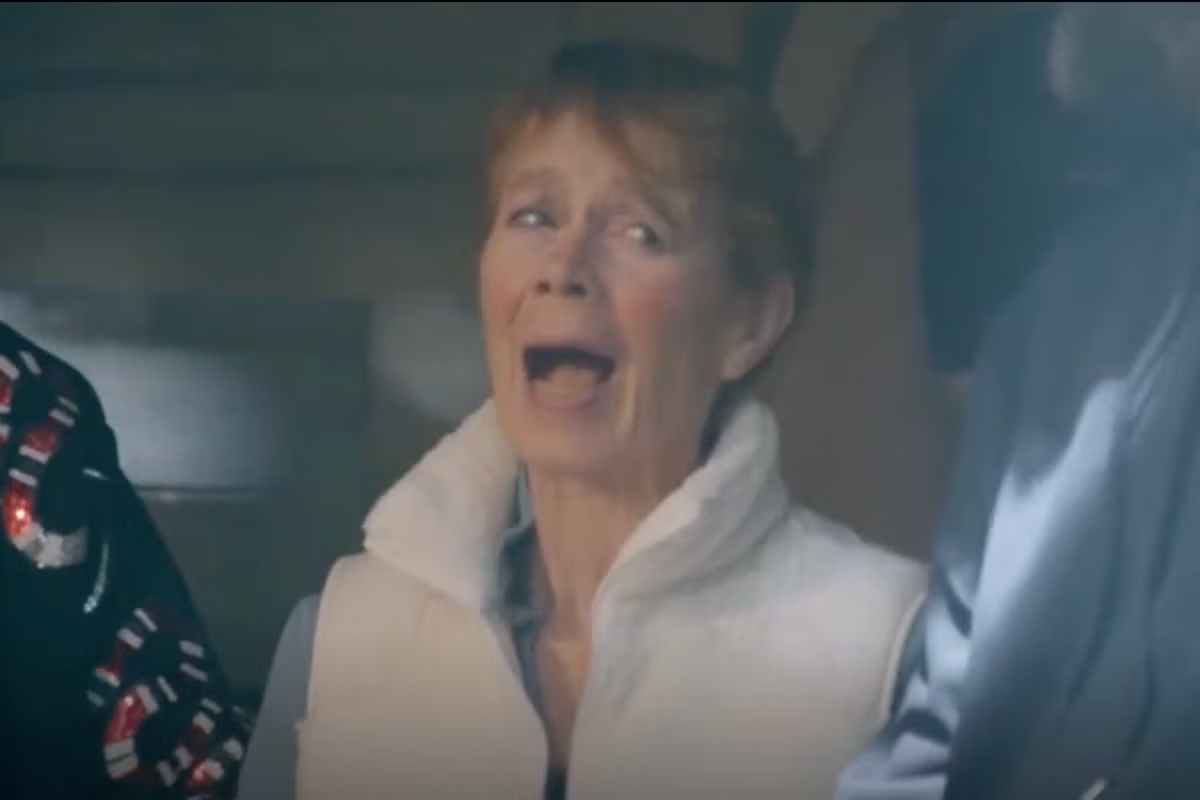
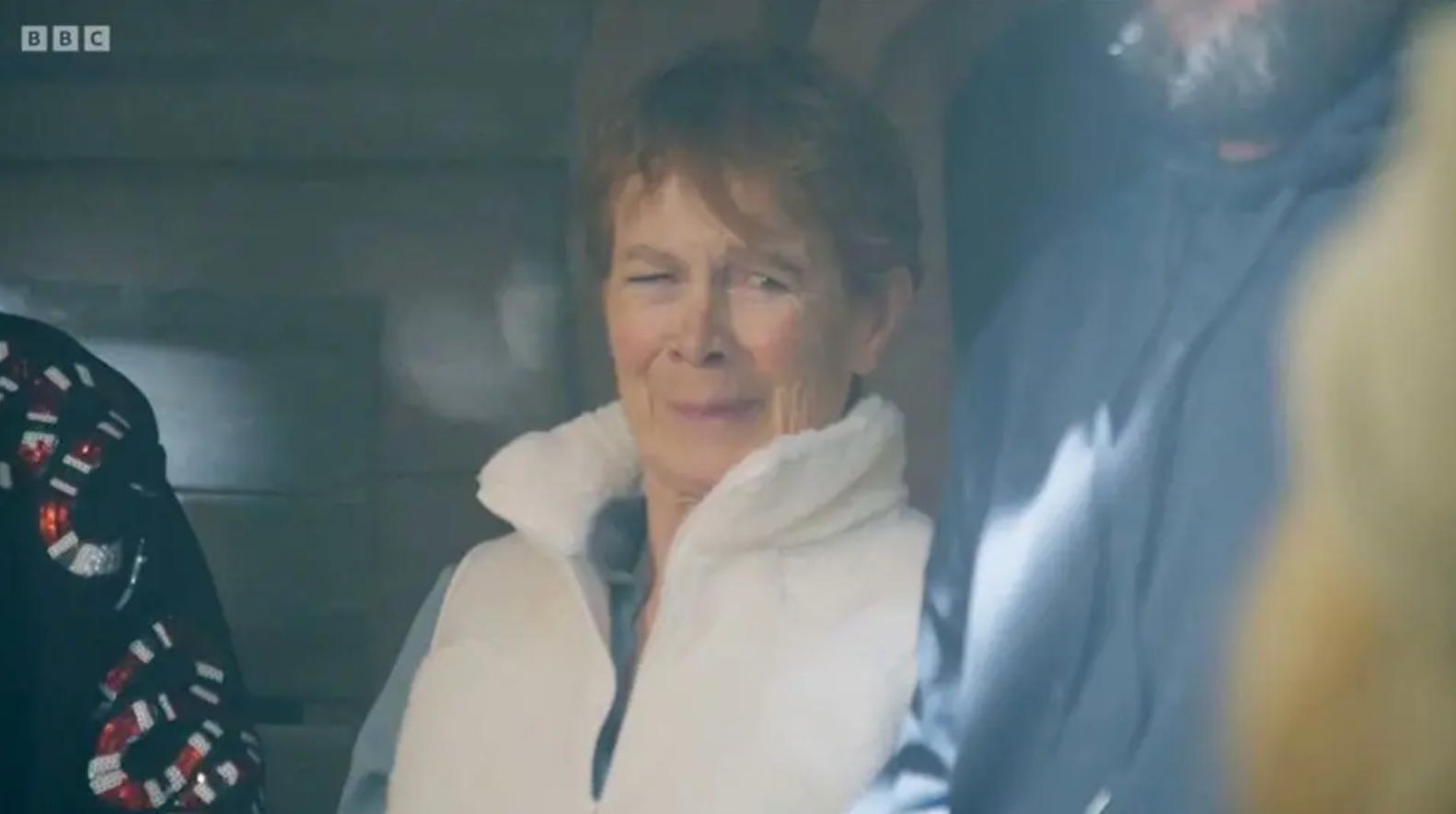
Celia Imrie’s infamous Celebrity Traitors moment became the surprise talking point of Sunday’s TV Baftas, with the incident being mentioned by host Greg Davies, comedian Alan Carr and even a bemused Seth Rogen.
The mega-hit BBC show was up for three awards at the annual bash, but as Inbetweeners star Davies lightheartedly noted, Imrie’s hilarious moment, when she broke wind during one of the challenges, was not up for an award.
“I was a little surprised there’s one thing that wasn’t nominated for TV moment of the year,” the comic joked. “And Celia, you can relax. I’m not talking about you. Relax. I mean, I say relax, but not too much obviously.” The cameras then cut to Imrie, who was cracking up in the crowd.
Celia Imrie’s ‘The Traitors’ moment will go down in TV history (BBC)
The moment Davies had wanted to see recognition for was Mark “The Beast” Labbett’s appearance on Celebs Go Dating.
“The man tried to drink a candle, you understand?” Davies said. “Why aren’t we celebrating that?”
Advertisement
Greg Davies hosted this year’s Bafta television awards (BBC)
Imrie later appeared on stage to present an award alongside her Traitors co-star Nick Mohammed, making her own joke about flatulence.
“Just before The Celebrity Traitors was aired, I received a present in the shape of a brown paper parcel,” she said. “Inside was a lovely red satin box tied up with a velvet ribbon. It was the shape of a can and it had a turquoise label and black writing.
“I didn’t understand the relevance, then I looked again and it was a tin of baked beans.”
Imrie’s fart also got a mention later in the ceremony, as Seth Rogen won the international prize for his satirical comedy The Studio.
Addressing the star, the baffled US actor said: “I assume this woman in the green dress is a very skilled and talented woman… all I know is that she farted on a reality show.”
Advertisement
“I’m interested in your other work now,” Rogen added, as the audience howled with laughter. “What else have you done?”
Watch Apple TV+ free for 7 day
New subscribers only. £9.99/mo. after free trial. Plan auto-renews until cancelled.
ADVERTISEMENT. If you sign up to this service we will earn commission. This revenue helps to fund journalism across The Independent.
Imrie and Mohammed at Sunday’s TV Baftas (BBC)
Celebrity Traitors winner Carr also spoke about what is fast becoming the most famous fart on TV, as he accepted his award for Most Memorable Moment, aka winning the reality show.
Imrie managed to outlast most of her fellow Traitors contestants in the inaugural celebrity series, before being brutally murdered by the two remaining Traitors – Cat Burns and Carr – in the penultimate episode.
“What just happened?” presenter Winkleman said. “I just farted, Claudia. It’s nerves, but I always own up,” Imrie replied, sparking belly laughs from her fellow players. “I always own up too,” added a delighted Winkleman.
The Celebrity Traitors won two accolades at Sunday’s ceremony: best reality and most memorable TV moment for Carr’s shock win.


















































You must be logged in to post a comment Login