

NewsBeat
Little Bird Artisan Market set to return to Richmond


Richmond Market Place will be transformed on Sunday (May 31) by the Little Bird Artisan Market, which will run from 10am to 3pm and feature a curated selection of independent traders from across Yorkshire.
Handmade goods will be on offer for visitors to browse and buy, including arts and crafts, ceramics, candles, photography, clothing, and artisanal food and drink.

Jackie Crozier, managing director of Little Bird Made, said: “We are absolutely thrilled to be back in the heart of Richmond this weekend.
“With the sun forecast to shine, it’s the perfect opportunity for families to get outdoors, enjoy the historic surroundings, and support small businesses.
“Whether you’re looking for a unique piece of local art, a handmade treat, or just a great atmosphere before the routine of the school run starts again, there is something here for everyone.”

The market is designed to offer visitors a full day out, with organisers encouraging people to explore Richmond’s high street, its independent shops, and the wider town.
A day trip could also include visits to local landmarks such as Richmond Castle, Easby Abbey, or the scenic Richmond Falls.
The event is free to attend, dog-friendly, and accessible, making it suitable for all ages.
Carly Frame, owner of Wild Spore, said: “Little Bird Markets have been a fantastic platform for us to launch our small business from.

“Their professional yet friendly approach has enabled me to build a strong customer base in various locations across North Yorkshire and allowed our business to grow.
“We are excited to be trading in Richmond on Sunday, and can’t wait to talk to visitors about all things mushrooms.”
Anyone interested in trading at future Little Bird Artisan Markets can find more information or apply for a stall by emailing info@littlebirdmade.co.uk or visiting www.littlebirdmade.com.
Updates and event details are also shared on social media by following @LittleBirdMade on Instagram or Facebook.

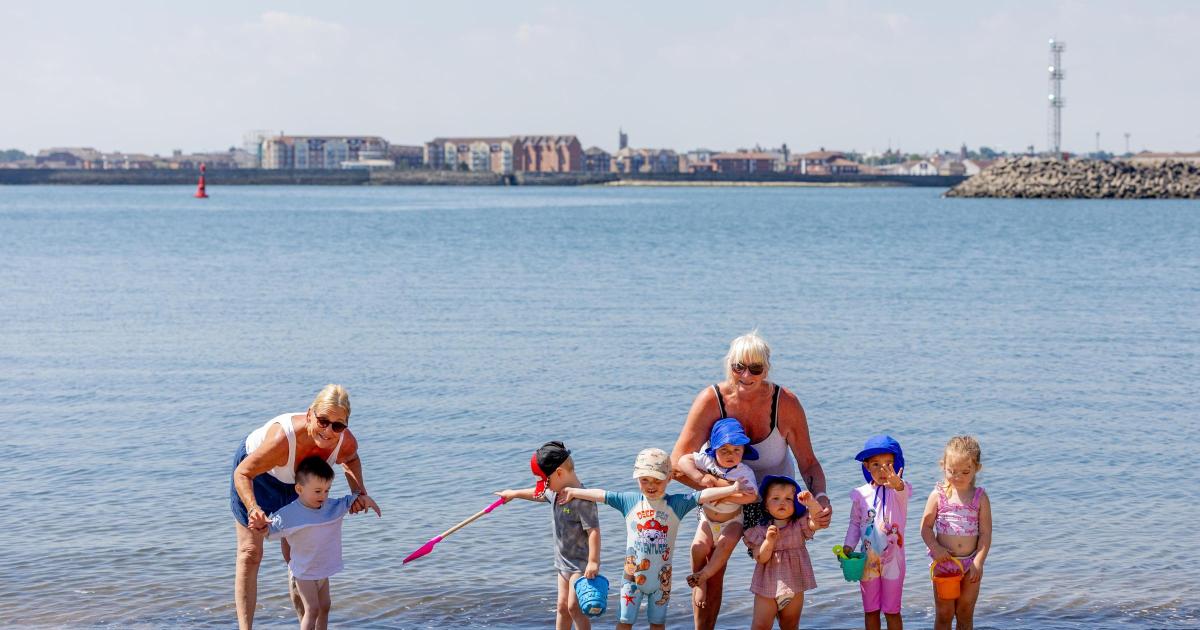
From the Durham dales to the coast, people took to the chance to soak up the warmth.
It comes as Wednesday was confirmed as the UK’s hottest June day on record, with a provisional temperature of 35.7C breaking the previous record from the summer of 1976, a rare red warning in place from the Met Office for extreme heat in parts of the UK.
Provisional temperatures reached 35.7C in Charlwood, Surrey, and 35.8C at Wiggonholt, West Sussex.
Back in the North East, as dawn broke, the day began with a fiery sunrise over Seaham, the low orange sun climbing above the North Sea and casting long shadows across the famous Tommy statue.


By mid‑morning, forecasters were reporting temperatures of up to 27C across County Durham.
At the coast, the water was busy with swimmers, paddleboarders, and toddlers with buckets and spades. Others sat back, determined to make the most of every second of sun.
Meanwhile, Northumbrian Water urged people not to swim in reservoirs over hidden dangers beneath the surface and cold‑water shock.
Pet owners were told to treat the hottest part of the day as a “lockdown” for dogs, keeping them indoors, off scorching pavements and swapping long walks for shade, water and quiet games at home.
NewsBeat
Sinatra the Musical at Aldwych Theatre review: ‘Old Blue Eyes’ musical is frankly disappointing

One problem is that Old Blue Eyes was in this period, and continued to be, a grade-A shit – selfish, temperamental, violent, compulsively unfaithful – so it’s kinda hard to sympathise with or root for him. Attempts to play up his opposition to segregation and his own experiences of anti-Italian racism sound like special pleading, and there are naked bits of exposition to sanitise his personality. “I’ve seen you pay hospital bills for total strangers!” blurts his press agent George. “Damn perforated eardrum!” says Frank himself, explaining his lack of war service. Yada yada yada.
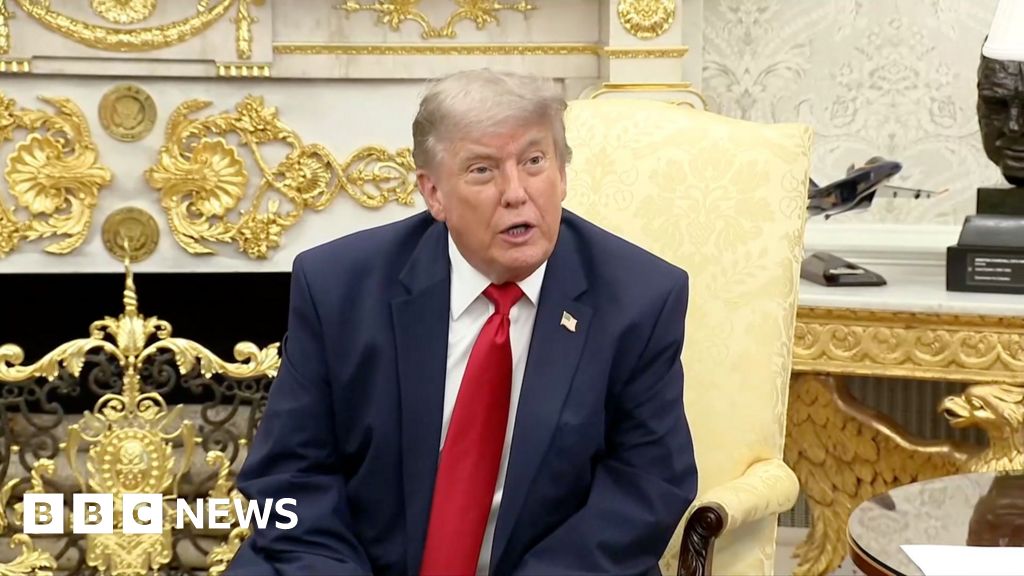
Donald Trump has given his first public reaction to the prospect of the former Mayor of Greater Manchester Andy Burnham becoming prime minister.
Campaigning during the Makerfield by-election, Burnham said the UK needed to avoid what he called the “polarised, poisonous politics” of the US.
Asked his view of the current frontrunner to replace Sir Keir Starmer, Trump described him as “the mayor of a town” and said he had heard Burnham was “extremely liberal”.

Aries (March 21st – April 20th)
The Scorpio Moon brings intensity to affairs. You make progress by seeing beneath surface impressions. A conversation reveals what really matters, and choosing one action with conviction carries weight. Trust that clarity is powerful. Small steps shape destiny.
Taurus (April 21st – May 21st)
Mars in Taurus gives energy to practical plans. Direct that strength into one specific goal and that sense of completion builds real momentum. Your persistence opens doors and reshapes what felt stuck. See how when you bring calm strength to action, others notice?
Gemini (May 22nd – June 21st)
Mercury in Cancer helps you pitch words where they matter. A heartfelt suggestion or question today has more impact than you expect. When you lead with empathy and clear intention, you shape outcomes, which gives you an edge.
Cancer (June 22nd – July 23rd)
With the Sun and Mercury in your sign, your instincts are magnetic. Today, move confidently in personal or creative directions you’ve been weighing up. Act on that inner nudge When you align intention with a deliberate step, people respond with support.
Leo (July 24th – August 23rd)
Venus in your sign gives you a way with words. When you speak, others won’t just listen, they’ll lean in. That sparkling energy shapes opportunities you hadn’t expected. When you let your warmth lead the way, good things flow.
Virgo (August 24th – September 23rd)
The need to see someone you know others won’t approve of is strong in your stars. Think about how far is too far before you reach out. Your need to have a private life is not sitting well with those who feel they’ve been pushed out of your inner circle.
Libra (September 24th – October 23rd)
The Scorpio Moon gives you emotional depth that others sense even when you don’t speak. When you offer fairness and calm in a tricky situation, your presence steadies and opens people up to connection. You realise today, your balance builds bridges.
Scorpio (October 24th – November 22nd)
The Moon in your sign today intensifies your instinctive insight. You catch subtleties that others miss and you know exactly where to act. Trusting those inner signals leads you into choices that reveal opportunities others overlooked. Your sensitivity is your power.
Sagittarius (November 23rd – December 21st)
Your signs natural curiosity gives you an advantage now. Rather than skimming across many possibilities, dive deep into one idea and connection that intrigues you. That singular focus brings insight and confidence into your approach to bigger plans.
Capricorn (December 22nd – January 20th)
Steady, determined effort pays off today. Those you thought were selfish, begin to show signs of actually caring how they affect you. Don’t let down those defences just yet. Wait and watch until they do what’s physically necessary for you to move forward as a team.
Aquarius (January 21st – February 19th)
Independence serves you well, but collaboration adds depth under the Scorpio Moon. Finishing what you started as far as family issues are concerned, is key to you keeping the peace. There is the need for chronological order to events.
Pisces (February 20th – March 20th)
Your intuition flows strongly with the Moon in Scorpio. A subtle shift in how you present yourself or phrase something unlocks smoother connections and reveals a new layer of understanding, with those closest to you. That intuitive adjustment solidifies what once felt uncertain.
Aries 0904 470 1141 (65p per minute)*
Taurus 0904 470 1142 (65p per minute)*
Gemini 0904 470 1143 (65p per minute)*
Cancer 0904 470 1144 (65p per minute)*
Leo 0904 470 1145 (65p per minute)*
Virgo 0904 470 1146 (65p per minute)*
Libra 0904 470 1147 (65p per minute)*
Scorpio 0904 470 1148 (65p per minute)*
Sagittarius 0904 470 1149 (65p per minute)*
Capricorn 0904 470 1150 (65p per minute)*
Aquarius 0904 470 1151 (65p per minute)*
Pisces 0904 470 1152 (65p per minute)*
*Astro line horoscopes are updated every Thursday. Calls cost 65p per minute plus your telephone company’s network access charge and will last approximately five minutes. You must be over 18 and have the bill payer’s permission. Service provided by Spoke. Customer service: 0333 202 3390
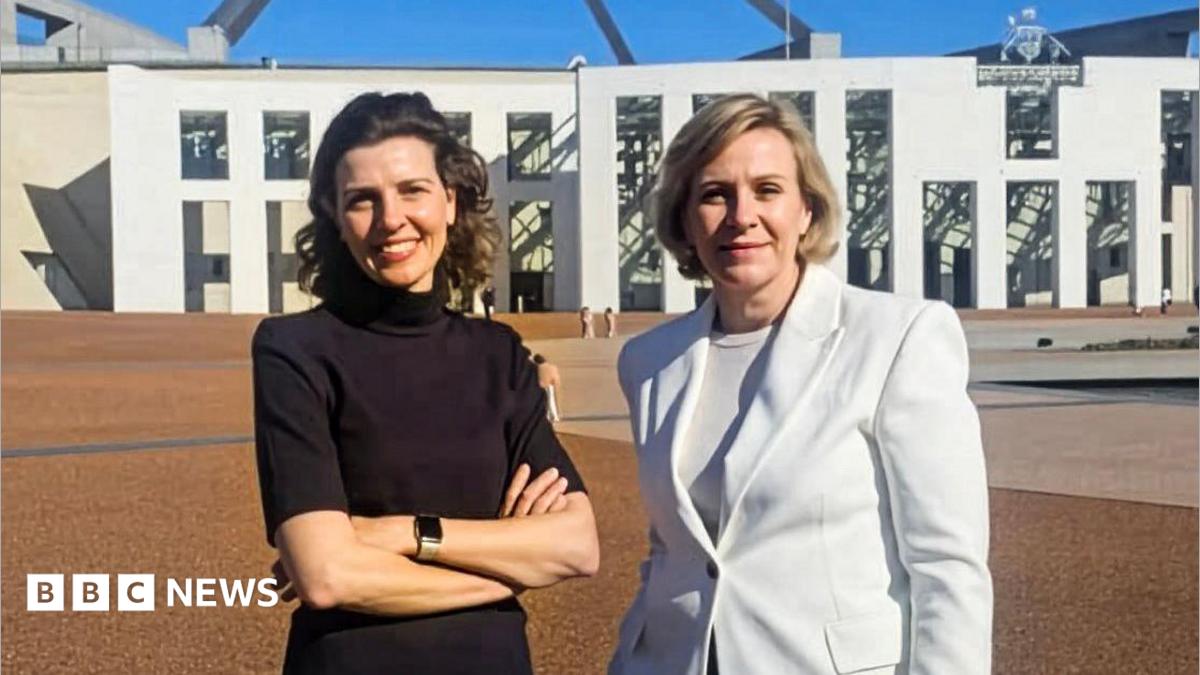
Two independent Australian MPs have banded together to launch a new centrist political party which they say is a response to an increasingly divisive landscape.
The Community Strong Australia party – launched in Canberra on Thursday – will offer “unity over division and reason over rage”, will have no leader and will allow members to vote freely, rather than along party lines.
Its two members – Sydney MPs Zali Steggall and Allegra Spender – are from a group of independent MPs known as “teals” who share socially liberal values and want greater climate action.
The party will offer an “alternate political force” to the current two-party system in Australia, the pair said.
Australia’s political landscape had traditionally been dominated by the two major parties – the centre-left Labor and the Liberal-Nationals Coalition, which leans conservative.
Labor won a landslide victory at last year’s federal election, securing a second term in power, while the Coalition suffered its worst defeat ever, followed by months of in-fighting.
In recent months, right-wing party One Nation – led by Pauline Hanson – has seen a surge in support, including one poll that found she was the preferred prime minister.
Asked if the recent rise in support for One Nation and its anti-immigration rhetoric had spurred their decision to form a new party, Steggall and Spender said they had been guided by what their voters were telling them.
“We absolutely hear those grievances,” Spender said. “People are frustrated and tired of the status quo,” she said, adding that “if I wasn’t in politics, I wouldn’t know who to vote for”.
Spender, who won her seat in 2022, said the party wants to “hear from communities beyond our own that want a voice that genuinely reflects them”.
Steggall, a former barrister and Winter Olympian, has been a federal MP since 2019, after she unseated the former prime minister Tony Abbott in an electorate that had been held by the Liberal Party for more than a century.
“We don’t want the in-fighting, we don’t want the blame game. We want solutions that will make a difference to us,” Steggall said.
The new party “offers unity over division and reason over rage,” she said, and was an “invitation” to voters “to come and build the kind of Australia we want”.
Key issues for the party will be housing affordability and cost of living pressures as well as climate change, childcare, education and healthcare.
The pair also told local media that Climate 200, a political organisation that has helped fund independents that have won several Liberal seats in recent elections, was not involved with the new party.
New electoral funding laws allow political parties a much bigger budget for campaigning, which some independents have said will disadvantage them.
Several other independents have ruled out joining, with another two “teal” independents considering their options.
The party has lodged an application with the Australian Electoral Commission with registration expected to be finalised in October.

A smooch. A snog. Sucking face. Whichever way you phrase it, a kiss can feel pretty damn amazing.
But there’s one form of lip-locking that both men and women feel very passionate about.
A ‘white kiss’ is when you kiss your partner immediately after giving them oral sex — with no clean up, meaning there are still bodily fluids involved.
It’s so beloved, that couples online have called engaging in it a ‘green flag’.
Sexologist Becky Crepsley-Fox explains: ‘Sharing fluids, mixing tastes — it can feel like total acceptance of another person.
‘There’s something about allowing that level of closeness that feels really good and like complete connection.’
When asked about white kissing on Reddit, people were quick to respond.
‘That’s actually my favourite part of receiving oral sex,’ wrote on commenter. ‘It’s so hot to taste myself on my partner’s mouth.’
‘He even pulls my head up to kiss me, so I don’t think he minds the sloppiness or taste,’ another added.
Sign up to The Hook-Up, Metro’s sex and dating newsletter
Love reading juicy stories like this? Need some tips for how to spice things up in the bedroom?
Sign up to The Hook-Up and we’ll slide into your inbox every week with all the latest sex and dating stories from Metro. We can’t wait for you to join us!

Others enjoyed it because they wanted their partner to feel as desired as they do.
‘She’ll kiss me after I eat her out, so I will kiss her after she gives me a BJ,’ explained one guy.
‘Would you want to give someone head, if they immediately treated you like you were disgusting after you did?’ asked another another.
One person felt that ‘being squeamish about bodily fluids is a huge turn off’, while another joked a ‘chef’s got to taste his own cooking’.
But, as with all sex acts, some said it just wasn’t their thing.
‘My wife and I will not kiss after oral until we wash our mouths. We just find it gross,’ one man wrote.
Why the taboo with kissing after oral sex?
Long story short, bodily fluids are still a bit taboo.
‘There’s definitely an element of shame there,’ sex and relationship expert Annabelle Knight tells Metro. ‘You don’t have to look far to see how periods are still vilified in part for this reason.
‘I find men in particular carry some (conscious or subconscious) misgivings around interacting with their own bodily fluids, which might somewhat explain why many of them don’t like to kiss after receiving oral.’
Annabelle adds that for men, the problem can run deeper.

‘To some it might even seem akin to giving yourself (or someone of the same sex) oral,’ she explains. ‘It’s possible there is some internalised shame around sex and sexuality having an effect on this.’
For Becky Crepsley-Fox, another reason is simply that people can feel ‘grossed out by it’.
‘Some people are uncomfortable with tasting their own fluids, or worry about hygiene,’ she tells Metro. ‘Bodies are intimate, and not everyone has the same relationship with that level of closeness.’
But Annabelle caveats this with a word of wisdom. ‘If you’re willing to let your partner put their mouth on your genitals, then you should have no problem kissing afterwards,’ she says.
Why can it be a turn-on?
But for all the reasons it can turn people off, kissing after oral sex can also turn people on.
As we previously mentioned, a white kiss can indicate a certain level of closeness.
And, Anabelle adds that as kissing itself is a really passionate act, when you add a shared kiss after one partner has just given oral, you ‘up the intimacy tenfold’.
‘Oral sex can also be seen as quite transactional, so kissing immediately after brings an element of passion for both partners to share,’ she adds.
The most important thing
Regardless of people’s thoughts about a white kiss, both experts agree that the most important thing is that you enjoy it. If not, don’t do it.
‘Consent should be a core part of any sexual activity, so it’s definitely something you should discuss before sex,’ Annabelle says.
‘Aside from the question of consent, it can be an exciting way to learn about your partner’s preferences, and share your own with them (if you love it, you can let them know).’
Of course, if you are into it, just remember there is a slim STI risk to this.
‘Kissing after oral sex doesn’t usually carry significantly more transmission risk than the oral sex itself, because most STIs would already be transmissible during that part,’ Becky explains.
‘That said, infections like gonorrhoea and chlamydia can spread to the mouth and throat this way, so if you have any concerns it’s always worth getting checked.’
MORE: I had to overcome my phobia to become who I truly am
MORE: Russell T Davies, 63, confirms relationship with model Oliver Cole, 27: ‘I’m very lucky’
MORE: A metallic taste in my mouth turned out to be incurable cancer
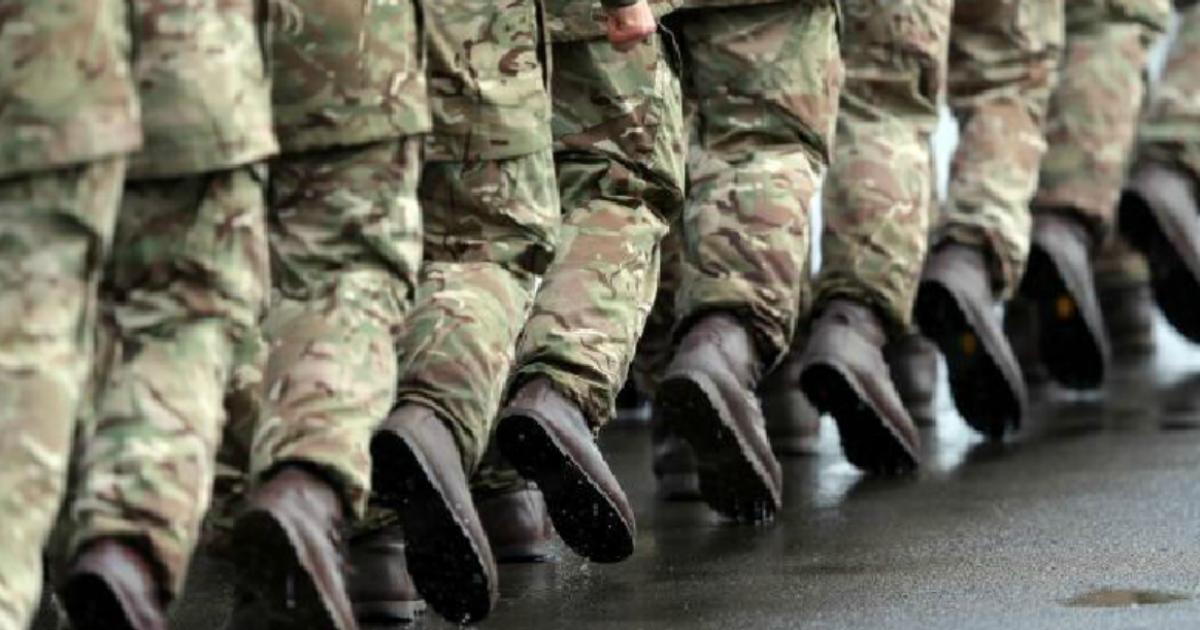
Kevin Hollinrake, the MP for Thirsk and Malton, has called on the Government to cut welfare spending and instead “fund warfare”. The Conservative Party chairman added that 1,120 people in his constituency were claiming unemployment benefits, which he said was “not sustainable”.
The percentage of people aged 16-64 claiming unemployment benefits in Thirsk and Malton is two per cent, and in Scarborough and Whitby it is 3.1 per cent.
According to the Office for National Statistics, the number of UK job vacancies fell to its lowest level for five years, while unemployment fell from 5 per cent to 4.9 per cent in the three months to April. The number of people in employment has also fallen.
The Government has come under fire for its defence investment plan, which this month led to the resignation of Defence Secretary John Healey and Defence Minister Al Carns, the latter of whom has emerged as a potential challenger to Any Burnham in a Labour Party leadership election contest.
Kevin Hollinrake MP said: “People in Thirsk and Malton and across the country are alarmed by the growing threats Britain faces, and they are also alarmed by the growing welfare bill that is absorbing public resources and stopping us from funding our defence.
“The threats we face are getting more and more serious. That is why I voted to demand the Government cuts welfare and gives our Armed Forces the backing they need to keep us safe.”

Mr Healey recently said that the draft spending proposals would take UK defence spending to 2.68 per cent of GDP by 2030, which he said fell “well short” of the 3 per cent target he said was necessary.
The UK has vowed to increase defence spending to 3.5 per cent of GDP by 2035 alongside Nato allies.
Mr Hollinrake said there was “a consensus that our military is not ready for war” and that reinstating the two-child benefit cap would create savings for increased defence spending.
“People in Thirsk and Malton are proud of our armed forces and they know that we need to put more money in defence and bring defence spending to 3 per cent of GDP this Parliament, rather than Labour’s target of the next Parliament – potentially as late as 2034,” he said.
The MP added: “Conservatives have set out key steps towards 3 per cent, including by reinstating the two-child benefit cap and using billions from Net Zero to create a Sovereign Defence Fund. We have explained where the money comes from, how Labour could do this, and are now restating our offer to work together in the national interest to achieve it.”
According to the House of Commons Library, there were 1.71 million claimants for unemployment benefits in May 2026, which was 31,200 more than the month before and 12,500 more than in May 2025.
The claimant count is the number of people claiming Jobseeker’s Allowance plus people claiming Universal Credit who are required to seek work.
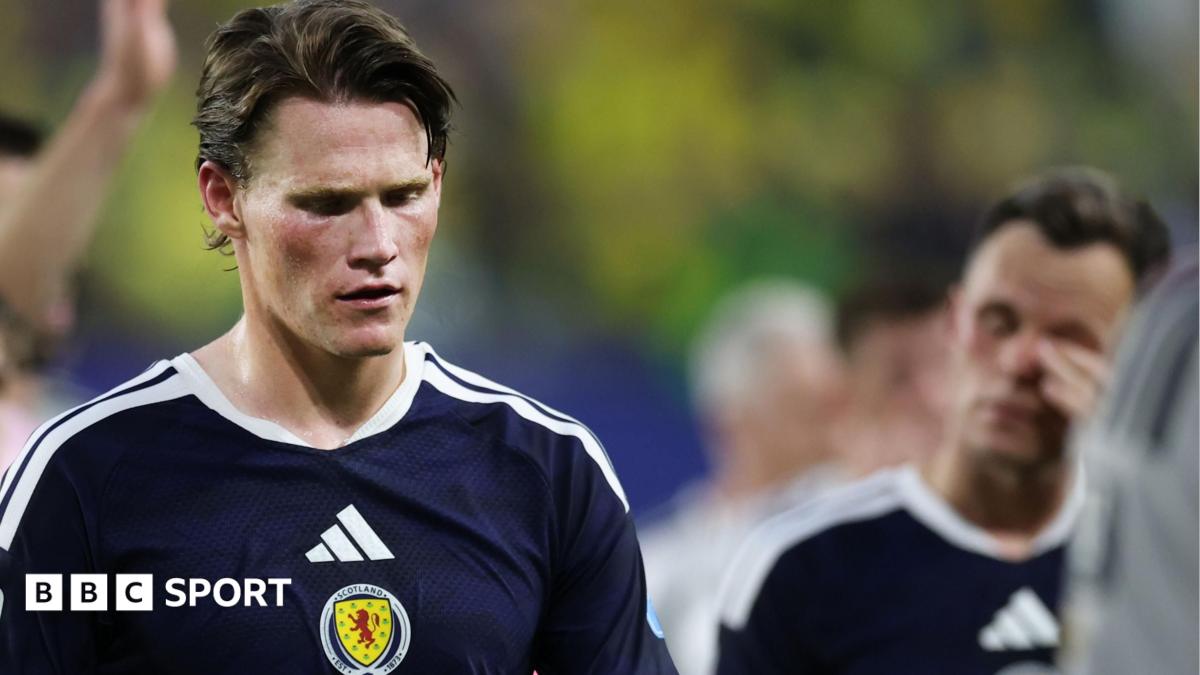
In Group D, Australia and Paraguay are second and third respectively and meet in their final game. The losers would end the group with three points, while a draw would leave both sides on four.
On we go to Group E. Ecuador and Curacao have one point apiece and play Germany and Ivory Coast respectively. Failure to win would mean whoever finishes third cannot better Scotland’s tally of three points.
In Group F, Scotland will be hoping second-placed Japan beat third-placed Sweden convincingly. A point for Sweden, though, would leave the third-placed finishers on at least four points.
The key fixture in Group G as far as Scotland are concerned is Egypt v Iran. A win for Egypt will ensure the team finishing third will have fewer than three points.
It is the same situation in Group H where Scotland fans will be rooting for Spain to beat Uruguay so the third-placed team can only finish on two points, while in Group I, a draw between Senegal and Iraq would mean the team in third will have just one point.
In Group J, Austria and Algeria – second and third respectively on three points – meet in their final group game, so Scotland would not want that to end in a draw.
DR Congo and Uzbekistan are vying for third place in Group K.
A win for Uzbekistan would give them three points but, with a goal difference of -7, they would need a big win against DR Congo to move above Scotland in the standings.
In Group L, a point or more for Croatia against Ghana could be bad news for Scotland as it would again leave the third-place finishers with four points.
A big win for Ghana, and Panama not beating England, would be Scotland’s ideal scenario from a mathematical point of view.
NewsBeat
Iran-US war latest: Trump says peace talks will end immediately if Tehran imposes tolls in Strait of Hormuz

Trump claims he has brought ‘peace to Middle East’
Trump touted his achievements against Iran during a partisan rally to kick off the Great American State Fair event in Washington, D.C., on Wednesday night.
“Last week we signed a historic agreement to end the conflict with Iran, fully open the Strait of Hormuz, and accomplish what no president has ever been able to accomplish before, Iran will never have a nuclear weapon, that’s done,” he told the crowd.
“And thanks to the power and skill of the United States Armed Forces, today Iran has no navy, no air force, no anti-aircraft capacity, no missile launches, no manufacturing, and their leadership has been obliterated, and for the first time in 3000 years, we are finally going to have peace in the Middle East.”
Graeme Massie25 June 2026 04:01
Lebanese on the edge of Israel’s occupation live with fear and rising tensions
Looking out from a friend’s balcony, Milia el-Cheikh struggled to find her own home in the ruins of her now-deserted village, its entrances strung with barbed wire.
Her village of Dibbine is one of several Shiite-majority communities across southern Lebanon destroyed by Israeli forces battling the Iran-backed Shiite Hezbollah. Israel has occupied vast areas and fighting has raged through declared ceasefires. The latest truce — part of the interim peace deal between the United States and Iran — appears to be holding.
El-Cheikh, one of the few Christians from Dibbine, found shelter in another village but regularly visits Jdeidat Marjayoun, a mostly Christian village next to her hometown, to have coffee with a friend from church. Before the war, it was a comforting ritual. Now it takes place against a backdrop of loss and fear.
James Reynolds25 June 2026 03:00
Recap: Iran and the United States still at odds over nuclear inspections
Donald Trump has said that Iran has agreed to indefinite nuclear inspections on its facilities accusing “fake news” media of distributing false rebuttals.
“Iran has fully and completely agreed to highest level Nuclear inspections long into the future (Infinity!!!),” he wrote in a post on Truth Social on Tuesday.
“This will insure ‘Nuclear Honesty’. If they did not agree to this, there would be no further negotiations!”
Iran has denied that it will allow inspectors into its nuclear sites despite US vice president JD Vance also insisting that Tehran had agreed to the visits.
Foreign ministry spokesperson Esmaeil Baghaei said on Tuesday that Tehran had agreed “no new commitments” on inspections, adding that Iran would continue its current obligations as a member of the nuclear Non-Proliferation Treaty and under its safeguards agreement with the IAEA.
James Reynolds25 June 2026 02:00
Recap: Tucker Carlson says Iran war is the end of Trump and MAGA has ‘no future’
James Reynolds25 June 2026 01:00
Downed US pilot saw Iran drones flying in ‘jellyfish’ formation: ‘Real alien s**t’
Iranian forces opened fire on the $31m F-15E Strike Eagle on 3 April, triggering a major search for the missing weapons-system officer, who held out in the mountains for hours before his dramatic rescue.
During a debriefing with intelligence officials, the pilot described seeing a unified and overwhelming drone formation resembling a jellyfish, sources familiar with the matter told CNN in a report published on Tuesday.
James Reynolds25 June 2026 00:00
Israel committed genocide in Gaza by deliberately killing Palestinian children, UN inquiry says
It says that Israeli forces “deliberately carried out acts inflicting death and severe bodily and mental harm on hundreds of thousands of Palestinian children”, as part of a “deliberate strategy to destroy the future of the Palestinians in Gaza”. Around 30% of those killed in the Gaza war were children, the report found, with a total death toll of at least 20,179 by October 2025.
Maira Butt24 June 2026 23:00
Recap: Trump’s peace deal was ‘a declaration of America’s defeat’ says Tehran’s top negotiator
The deal between Iran and the US to end the war is “America’s declaration of defeat”, Iran’s top negotiator said on Wednesday.
Speaking at a conference in Azerbaijan, the outspoken parliament speaker Mohammad Bagher Ghalibaf said the initial agreement to stop the fighting and begin talks “was not the result of pressure and coercion, but rather the result of the resistance and authority of the brave Iranian nation”.
“That is why, the Islamabad memorandum of understanding became a declaration of America’s defeat,” he said, adding that Middle Eastern countries should be responsible for security in the region.
The two sides signed a 14-point memorandum of understanding last week setting out broad agreements in principle to end the war. The interim accord paved the way for 60 days of talks aimed at hammering out thornier details, including issues related to Iran’s nuclear programme.
Iran and the US have also offered conflicting accounts on financial incentives for Iran, control of the Strait of Hormuz and the war in Lebanon since ending a first round of talks in Switzerland on Monday.
James Reynolds24 June 2026 22:00
Mossad chief plotting new ways to topple Iranian regime, says report
Israeli outlet Maariv reported on Monday that Gofman views his predecessor’s approach to the war as having failed.
And he now plans on transforming parts of the agency to take on new strategies to accomplish the mission, according to the Jerusalem Post.
James Reynolds24 June 2026 21:00
Watch: Trump claims Americans are ‘demanding’ $80bn more for his war with Iran
James Reynolds24 June 2026 20:00
Families of Indian sailors killed in US attack demand $5m compensation
The families of three Indian seafarers who were killed during an attack on an oil tanker in the Gulf of Oman have demanded the US “take responsibility” and pay $5m compensation for the deaths of their loved ones.
Shivanand Chaurasiya, Patnala Suresh and Aditya Sharma were part of the crew of the Palau-flagged MT Settebello, and died when the US opened fire on the ship’s engine room to disable it.
The US military claimed that the vessel ignored some 60 warnings before it was struck. But a major Indian seafarers’ union has rejected the claim, arguing the crew had no reason to deliberately ignore or challenge American forces.
James Reynolds24 June 2026 19:30
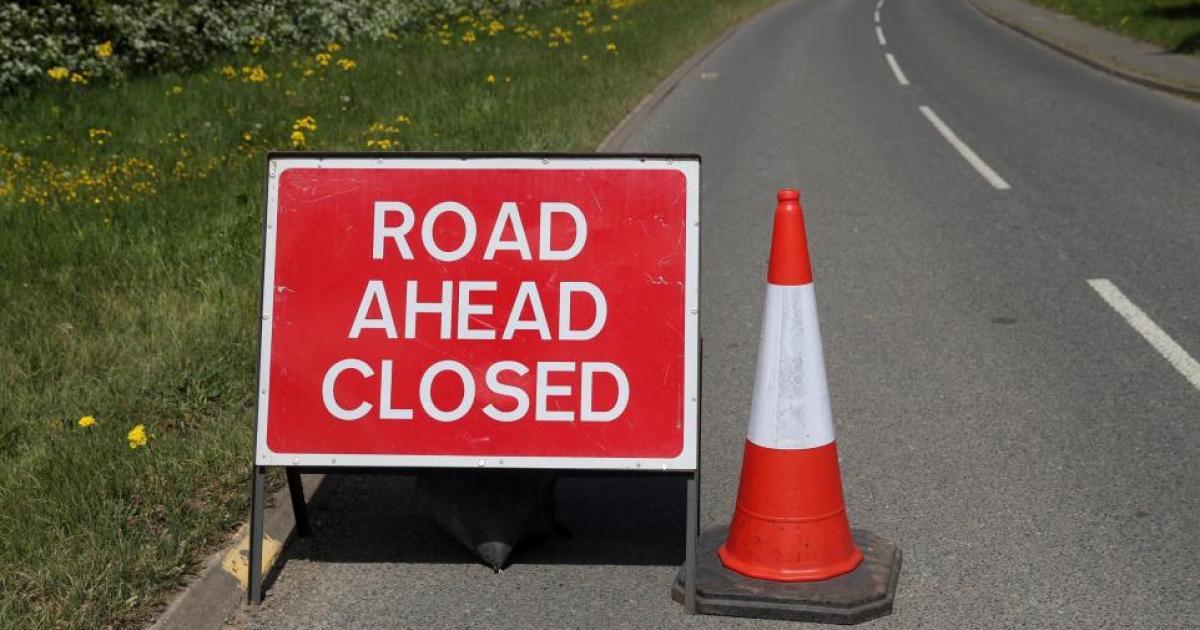
Parts of the A59, close to York, are set to be closed between 7am and 5pm on Sunday (June 28) as part of City of York Council’s ongoing highway maintenance programme.
The affected stretch runs from the A1237 (York’s Ring Road) roundabout to the Moor Monkton turn-off at the council boundary.
RECOMMENDED READING:
Work will also be carried out the same day as road surfacing works in Carr Lane, Acomb, with both routes undergoing pothole repairs and surface dressing.
Councillor Kate Ravilious, executive member for transport at City of York Council, said: “Across the whole of York we look after over 500 miles of roads, from tiny lanes to major routes like the A59.
“Maintaining all of these plays a crucial part in keeping everyone moving in the city, and as part of our planned highway maintenance programme, we’ll be carrying out important work on the A59 and on Carr Lane on Sunday 28 June.
“We are doing all that we can to minimise disruption, offering diversions, sharing this information and sending letters to local residents to help you plan ahead.
“Our work to improve York’s roads means smoother journeys and we’re grateful for everyone’s patience while we get this work done.”
Signposted diversions will be in place for motorists and cyclists and drivers will be rerouted via the A168 and A19 through Dishforth and Thirsk.
The council added whilst that alternative routes are possible, the official diversion is designed to accommodate the size and weight of large vehicles commonly using the A59.
Cyclists will be diverted along Marston Lane to the B1224 near Rufforth before joining Beckfield Lane.
Poppleton Park and Ride will remain open, but vehicles must enter from the A1237, not the A59, and all other park and rides will operate as normal.
On Carr Lane, drivers will be redirected via York Road, Acomb Road, and Poppleton Road, while cyclists will need to use Lindsey Drive and Manor Drive South.
On-street parking will be suspended in and around the work areas, though access can be discussed with traffic management staff on site.
Emergency services will also be allowed through at all times.
To find out more about upcoming roadworks, sign up for email alerts for roadworks and disruption via www.york.gov.uk/roadworks

SpaceX Shares Edge Lower in Private Trading as Company Advances Starship and Starlink Milestones

Ripple’s RLUSD stablecoin goes live in Japan after regulatory approval

19 pictures – North East bakes in heatwave on record hot day


-

 Fashion5 days ago
Weekend Open Thread: Miami – Corporette.com
-

 Entertainment4 days ago
Renter of Home in Anne Heche Crash Denies Settlement With Son
-
 Sports1 day ago
Two goals and an assist by sheer aura: Cristiano Ronaldo just entered the World Cup chat
-

 Tech3 days ago
Microsoft accidentally kills epic Outlook email threads
-

 Business4 days ago
Soccer-U.S. defends Iran World Cup travel restrictions, says discussions ongoing
-
Crypto World1 day ago
Bitcoin (BTC) Dips Below $62K, Ethereum (ETH) Plunges 6% Daily: Market Watch
-

 Politics5 days ago
Andy Burnham and the meaning of Makerfield
-

 Politics6 days ago
BBC Reporter Discusses Cross Party Criticism Of Trumps Iran Deal
-

 Crypto World22 hours ago
Securitize Wraps Roubini's SEC-Registered ETF as Dubai VARA Digital Security
-
Business1 day ago
Entergy settles forward sale agreements, raises $672 million in cash proceeds
-
 Business5 days ago
Wall Street Week Ahead: Investors see Micron earnings as pulse check of AI rally momentum
-
 NewsBeat6 days ago
Keir Starmer Allies Question His Chances For No 10
-

 Tech7 days ago
AWS enters the context layer race with a graph that learns from agents, not manual curation
-
 Crypto World5 days ago
Can Charles Hoskinson Really Rescue Cardano?
-

 Crypto World5 days ago
HIVE shares jump as $220M AI deal speeds Bitcoin mining pivot
-

 Crypto World5 days ago
Jake Chervinsky accuses CME of protecting derivatives monopoly
-
 Tech4 days ago
Signal’s Meredith Whittaker says AI chatbots ‘are not your friends’ and calls Copilot agents a backdoor
-

 Entertainment5 days ago
Jose Alvarado Wants Taylor Swift at More Knicks Games
-

 Tech2 days ago
Nearly 7,000 fake Amazon domains registered ahead of Prime Day 2026, researchers warn
-

 Business6 days ago
Brexit cost 6% of UK economy, Bank of England company data suggests
You must be logged in to post a comment Login