OVER the past 15 years, support for disabled people with significant, but not the most severe, impairments has been steadily eroded.
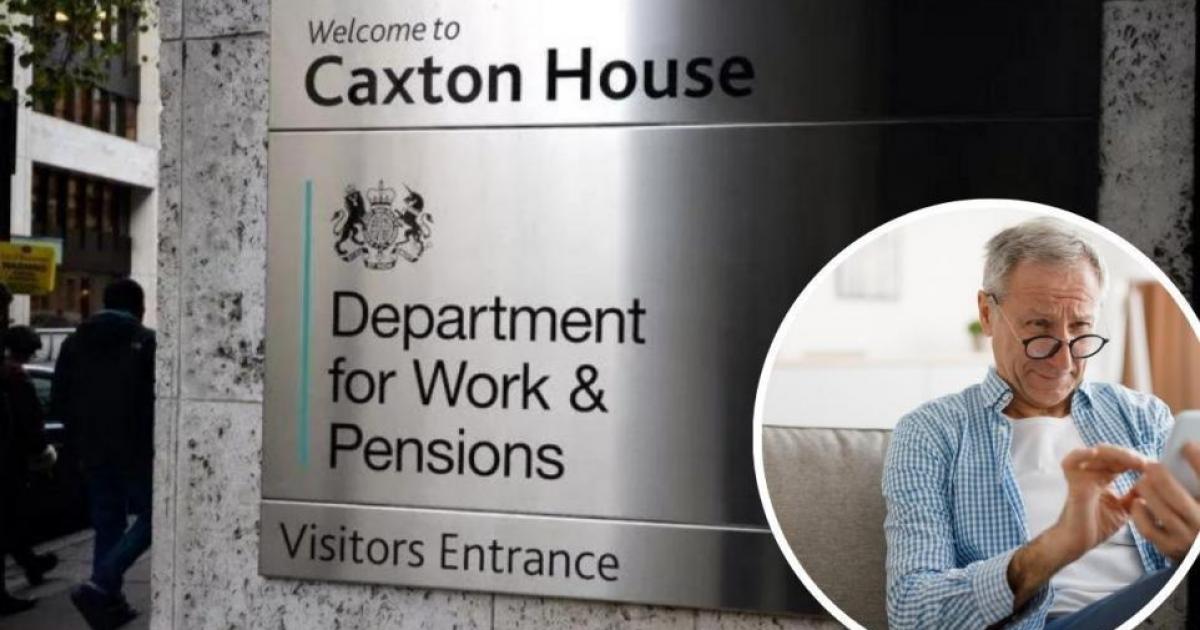
The government’s latest proposals in the Green Paper would accelerate this cruel trend, hitting people hardest just when they need help most.
These changes will not help people into work. They will push some of those who could work even further away from employment, force many from poverty into deep poverty, harm physical and mental health, and increase homelessness.
The creeping, insidious rise in hardship may not happen overnight, but it is coming. The benefits system must reflect real lives, not political soundbites.
Politicians talk about “simplifying” the system. But simplification should never mean cutting vital support.
A sophisticated benefits system manages complexity internally so that claimants don’t bear the burden of navigating it. Disabled people need targeted support tailored to their unique needs, not a one-size-fits-all approach that punishes them for being unwell.
Many disabled people want to work but cannot find jobs, not because they lack desire, but because employers fail to make reasonable adjustments. Shockingly, countless stories reveal people forced out of work unnecessarily. Real support would ensure employers make reasonable adjustments and the Government made sure essential services like Access to Work are provided in time.
Yet financial support is equally essential. Cutting benefits does not encourage work, it reduces the very support that allows people to stay in employment or return to the workplace. Framing benefit cuts as a “moral” duty is not morality; it’s cruelty.
For those who cannot realistically work, the proposals would trap many in deep poverty. Society must recognise that people’s value is not determined by their ability to work. Everyone deserves dignity, a decent standard of living, and protection from destitution.
These proposals also risk breaking the law. They conflict with the UN Convention on the Rights of Persons with Disabilities, the Human Rights Act 1998, and the Equality Act 2010, particularly where they cause loss of income for disabled claimants.
Sally’s story
Sally had a professional career until 15 years ago when she became ill. She had post-operative complications; her employer failed to make reasonable adjustments and fired her. She wanted to continue working and considered going to an employment tribunal to contest her dismissal but was ill and when she looked at what would be involved, she could not face the stress.
Since then, her condition has significantly worsened. She has had numerous operations and has a stoma and a feeding tube. She has lost a lot of weight, and her body struggles to absorb nutrients. She has also developed rheumatoid arthritis which means she is in pain a lot of the time and finds walking very difficult. She has difficulty sleeping. She is exhausted a lot of the time.
Her social life is very limited, any trip out means that she must do nothing for several days before and after the outing.
She would love to work but believes that sadly this is now unrealistic. She was doing a small amount of voluntary work but had to give it up because she never knew when she would have a bad day.
Sally receives UC with an additional component (LCWRA) and PIP. She received 10 points in the PIP daily living assessment but didn’t score 4 points for any activity so would lose that PIP under the government’s proposals for change. She is very worried about how she would manage with much less PIP and horrified how someone in her position on an even lower income will be expected to manage.
The solutions are clear:
● Restore different levels of support for different needs, PIP, Universal Credit, and work allowances must reflect the extra costs faced by people with significant impairments.
● Make assessments realistic, factoring in pain, exhaustion, diagnosis, age, experience, and the actual likelihood of returning to work.
● Compel employers to provide reasonable adjustments so those who can work are not pushed out.
● Ensure disabled people living alone or caring for dependents get a self-care element to cover essential costs.
● Simplify the system without stripping out support, so claimants can access what they need without stress or confusion.
This is not about generosity, it’s about fairness, dignity, and social justice. Every one of us has a role to play. Write to your councillors, email your MPs, make your voice heard. Demand a benefits system that is just, dignified, and responsive to real lives.
If we stay silent, it will not just be policy on paper. It will be real people in our communities, being written off. That is something no decent society should allow.
If this and Sally’s story has affected you, take action today, Every voice counts. Every action matters. Don’t let the most vulnerable in our communities be ignored.: Contact your local councillor or MP and demand better support for disabled people.
Rachael Maskell MP
House of Commons
London
SW1A 0AA
Phone number: 020 7219 4525
Email: rachael.maskell.mp@parliament.uk
Luke Charters MP
House of Commons
London
SW1A 0AA
Email: luke.charters.mp@parliament.uk
Find you local councillor at: https://democracy.york.gov.uk/mgFindMember.aspx
Citizens Advice York is a small independent charity providing support and advice to York residents on all of the topics mentioned here! Whilst City of York Council remain consistent and generous funders, we still have to raise £30,000 to £40,000 each and every year (and sometimes more!) to cover the full cost of this important service.
We could not operate without the generosity of donations to fill this gap. We are incredibly grateful of support, especially when everyone is feeling the effects of this current cost of living crisis. We know that times are hard, but if you are able to help please donate so we can keep on helping others.
You can make a one off donation or become a “Friend of Citizens Advice York” and make a monthly subscription. You will receive a quarterly newsletter and an invitation to our AGM and annual fundraising event.
Help us at: www.citizensadviceyork.org.uk/donate/
Or, for details of how to become a Friend of Citizens Advice York, please email admin.team@cayork.org or call 01904 623648