Connect with us

NewsBeat

Nepal’s devastating floods reveal the danger of ‘cascading hazards’ in Himalayas

Published

on

Nepal’s devastating floods reveal the danger of ‘cascading hazards’ in Himalayas

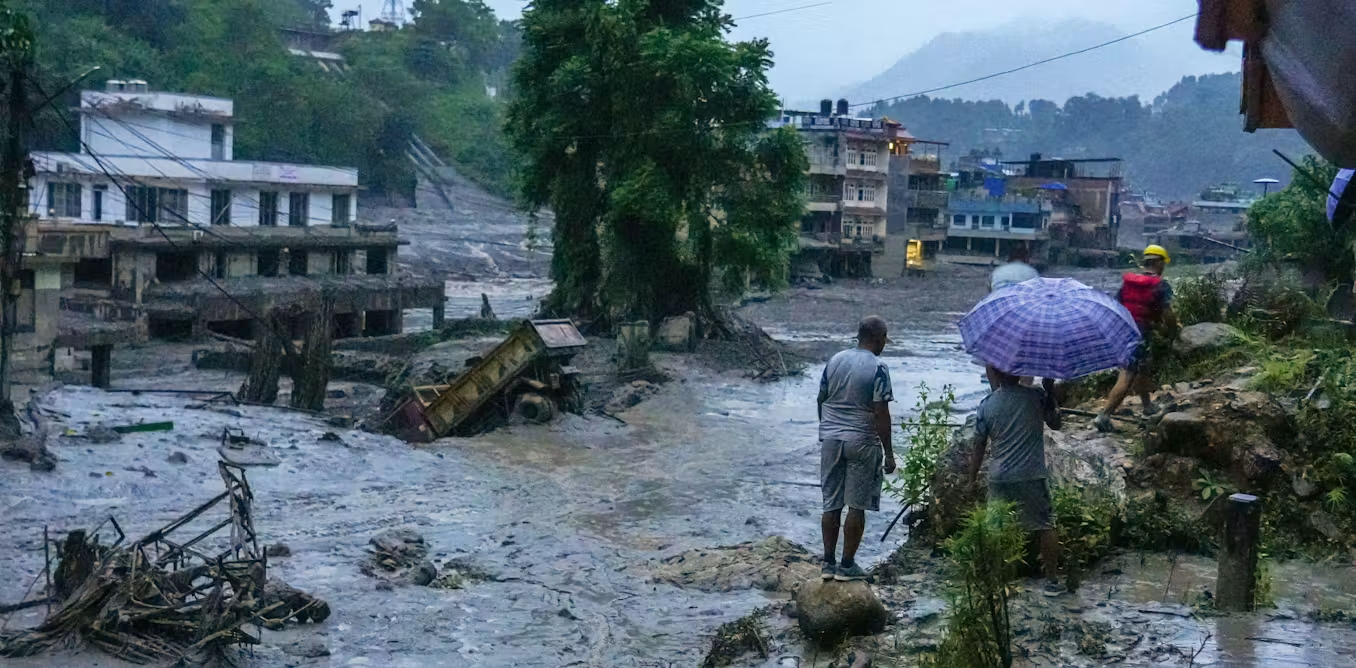
The devastating floods that have swept through the Nepal–Tibet border region are first and foremost a human tragedy. Hundreds of people have died or remain missing.

But as scientists begin to reconstruct what happened, the event also exposes something fundamental about the way we understand natural hazards in high mountain regions. Mountains and rivers do not reset after an extreme event. A landslide changes a slope. A flood rearranges a river. A retreating glacier exposes sediment and unstable ground. Each disturbance changes the conditions in which the next one occurs. In the Himalayas, those connections can turn individual hazards into destructive hazard cascades.

Early satellite and seismic evidence indicates that this disaster began high in the mountains with the collapse of part of a slope and steep glacier in Tibet. A huge mass of ice and rock travelled rapidly into the valley below, mobilising water, sediment and debris that then spread through the river system and into Nepal. The precise mechanics of the event will take time to establish. But describing it simply as a flood captures only the final stage of a much longer process.

I am involved in a UK-Indian academic project that starts from a simple proposition: hazard risk in the Himalayas is not static.

Advertisement

Climate change is changing how hazards interact

For instance, retreating glaciers can leave behind unstable slopes and large stores of loose sediment. Some have been described as “sediment bombs” because huge quantities of material can remain in a valley until released by another landslide, severe rainfall or a flood. The first hazard therefore changes the landscape in which the next one happens.

A bulldozer rescues people in Nuwakot, Nepal.
Zuma / Alamy

It would be wrong to conclude from a glacier collapse alone that climate change caused this particular disaster. Individual events require careful attribution, and steep Himalayan landscapes have always experienced landslides, avalanches and floods. But climate warming is changing the background conditions in which these processes operate: glaciers are retreating, the slopes they inadvertently support are being destabilised, new lakes are forming and large volumes of loose sediment are being exposed. Warmer air can also hold more moisture, increasing the potential for intense precipitation.

More importantly, these changes are making hazards even more connected. Changes in glaciers can influence slope stability. Slope failures can obliterate glaciers in seconds and alter entire river drainage patterns. Altered rivers can mobilise sediment. Sediment can amplify subsequent flooding.

Advertisement

Additionally, mountain landscapes retain a physical record of what has happened before. A landslide can load a river system with debris that takes years or decades to move downstream, altering channels and changing how later floods behave.

Heavy rain falling on a relatively stable catchment with a clear river channel is one thing. The same rainfall after a major landslide has deposited millions of tonnes of sediment and narrowed that channel is another. The hazard and trigger event may be similar. The landscape it encounters is not.

Satellite images

Satellite images of the glacier before (above) and after its collapse on August 26.
ESO Sentinel, CC BY-SA

In the latest Nepal disaster, sediment will have been redistributed through the catchment. Channels will have changed, and some slopes may have been destabilised. Embankments that once guided water and sediment have been damaged or destroyed entirely.

Communities can carry these effects forward too. The same river corridor experienced serious flooding in 2025, when lives were lost, a Nepal–China friendship bridge was destroyed and transport and trade were disrupted. Some communities affected this week were still living with the consequences of a previous disaster.

Advertisement

Disaster planning needs to factor in a changed landscape

Early warning has to keep up and this disaster is a further wake up call to address fundamental challenges around disaster-risk management. Early-warning systems are often built around known hazards and known thresholds: a particular river level, rainfall intensity or unstable slope. But major events can change the geography of the risk itself. After a landslide or debris flow, a previously minor tributary may contain huge quantities of mobile sediment, while a river that previously carried monsoon floods safely may have become shallower or narrower. Evacuation routes can disappear.

A hazard map produced before such an event may therefore provide an increasingly poor representation of what happens afterwards. One of the aims of our project is to develop ways to track those changes and feed them into risk assessments and new smart early-warning systems.

Cascades thinking means asking how one disaster changes the conditions for the next. The floods in Nepal will leave behind altered river channels, unstable slopes and damaged infrastructure. The next heavy rainfall – or collapsing glacier – will encounter that changed landscape.

Advertisement

Source link

Continue Reading
Click to comment

You must be logged in to post a comment Login

Leave a Reply

NewsBeat

Violent killer escaped prison and went on the run in strop over sharing jail cell

Published

on

Daily Record

Former soldier Christopher Bouhadi, who was serving a life sentence for murder, escaped from HMP Castle Huntly in June.

A murderer climbed over a prison fence and went on the run because he did not want to share his cell with another inmate.

Advertisement

Former soldier Christopher Bouhadi then fled on foot across farmland before traveling more than 20 miles to get away from Castle Huntly jail.

When he was captured after a few hours, Bouhadi told police he had already served the full length of his 16 year minimum sentence imposed in 2009.

Bouhadi – who was jailed for the murder of his “only friend” Barry Fleming and given a life sentence – appeared via video link at Perth Sheriff Court on Thursday, August 27.

He admitted attempting to defeat the ends of justice by absconding from Castle Huntly, on the outskirts of Dundee, on June 17, and remaining unlawfully at large.

Advertisement

Fiscal depute Laurelle Johnstone told the court: “He was serving a High Court sentence for murder imposed on June 1, 2009 and with a minimum 16 years.

“He was transferred to Castle Huntly from HMP Addiewell on February 10, 2026. At 5.30pm on June 17 he was seen in his room by staff at the prison.

“When they were conducting a final check for the evening at 8pm he was not within his room. A full search of the premises was carried out to no avail.

“Staff carried out a CCTV check and established that at 7.22pm the accused walked towards the south boundary of the prison estate, jumped over the fence, and crossed into farmland.

Advertisement

“He was seen heading in the direction of the public road before being lost to sight. At 9.17pm, his absence was reported to police. He was traced at 11.07pm in Glasgow Road, Perth.”

When Bouhadi, 41, was being charged by police, he said: “What do you mean with attempt to defeat the ends of justice? I f****** done my f****** 16 year tariff man. I shouldn’t still f****** be there.”

He told police he had been asking for help within the prison and had decided to leave when he felt he was not receiving any.

His solicitor told the court Bouhadi had “done well” to be moved to the open prison, but had become “visibly distressed at the prospect of sharing a cell due to past trauma.” He said his client had not asked to be considered for parole at the end of his 16-year term in 2025.

Advertisement

Sheriff William Wood jailed him for 12 months and said: “It wasn’t a planned escape and has all the hallmarks of being an opportunistic decision. The court needs to mark its displeasure – you were in the prison for a good reason.”

Ex-Black Watch soldier Bouhadi was high on drink when he stabbed Mr Fleming, 28, in the neck and left him dying in a pool of blood. He then boasted about his act to locals.

The High Court in Livingston heard Barry had taken pity on Bouhadi, who had been “living rough in doorways”, and allowed him to stay in his flat.

Bouhadi, from Broxburn, had been kicked out of the army for failing a drug test before savagely attacking Mr Fleming outside the Clifton Arms pub in the West Lothian town in May 2008.

Advertisement

Get more Daily Record exclusives by signing up for free to Google’s preferred sources. Click HERE.

Advertisement

Source link

Continue Reading

NewsBeat

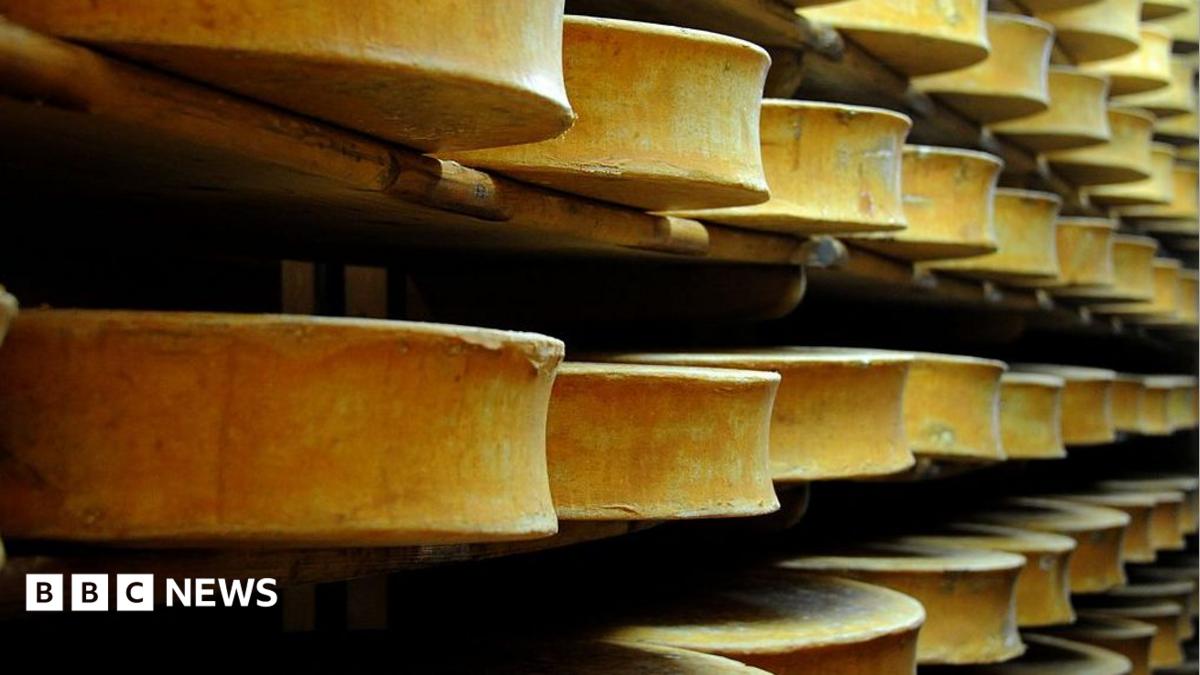
France relaxes strict cheese-making rules after prolonged drought

Published

on

Beaufort cheese wheels stored in a cellar in eastern France. Archive photo

The National Institute for Origin and Quality (INAO), which regulates France’s labels of origin, has also approved temporary changes to the rules for other protected produce because of the effects of the summer heat.

Products that will benefit include some types of Calvados and cider from Normandy, Crémant d’Alsace fizzy wine, lamb from Poitou-Charentes, and Reine-Claude plums.

Certificates of origin allow farmers to sell at a premium, but they come with strict regulations governing the location and method of production.

The aim is to preserve the unique identity of cheeses, wines and other foodstuffs, supposedly linked to their particular terroir – a French concept that links locality and tradition.

Advertisement

Because of a 2026 drought – which the INAO now describes as “historic” – farmers are being allowed to bend the rules for a short period.

Makers of Abondance cheese in the Alps, for example, will be authorised to reduce the amount of pastured grass in their animals’ diet from 50% to 15%. They will be entitled to import forage from outside their zone, and use some supplements.

Makers of Comté cheese in the Jura mountains will be able to replace the local green maize they usually give to their cattle with maize from elsewhere.

The derogations are allowed in French and European law for periods of exceptional weather. Similar measures came in after the dry summer of 2022.

Advertisement

It will be interesting to see if the changes lead to any detectable change in the taste or quality of the cheeses – or to the quantity produced and how it is priced.

Longer term, the measures raise questions over the viability of the existing labels of origin in France and elsewhere.

If changing climate means that certain foodstuffs can no longer be produced in their traditional localities, then the idea of terroir will be stretched to its limits.

Source link

Advertisement
Continue Reading

NewsBeat

What happens next in EastEnders as Craig is caught out? Monday spoilers confirmed | Soaps

Published

on

What happens next in EastEnders as Craig is caught out? Monday spoilers confirmed | Soaps
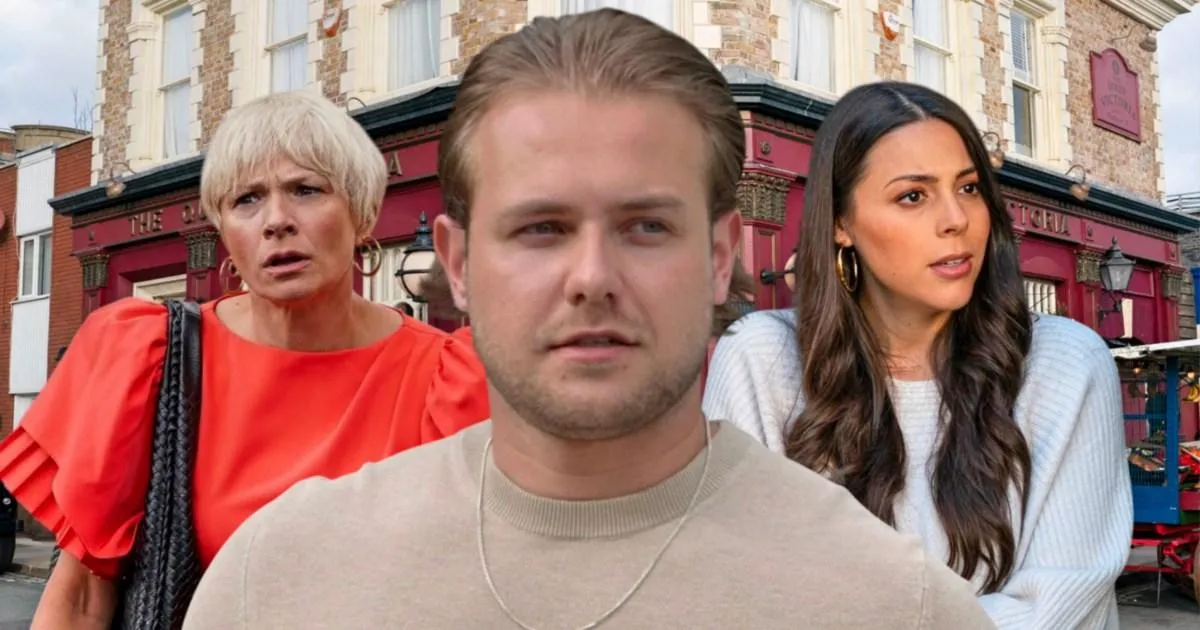
It’s been quite a week on the Square – and more drama awaits (Picture: BBC / Metro)

It’s that time of week again when EastEnders fans must wait until the following Monday for a new visit to the Square and viewers are no doubt eager to find out what’s next given the big developments this week.

Friday’s visit to the Square saw Craig Ingram (Matthew James Bailey) tell Jack Branning (Scott Maslen) about Amy Mitchell’s (Ellie Dadd) role in Joel Marshall’s (Max Murray) attack.

Jack had caught Amy texting Craig and, horrified, the Branning patriarch wasted little time meeting with his colleague, ready to give him a piece of his mind for speaking to his daughter.

But Craig’s revelation about Amy’s role in Joel’s attack left Jack reeling. He wasn’t sure what to make of Craig but ultimately showed gratitude towards his colleague, offering to give him a character reference amid his disciplinary.

Advertisement

And we can’t not talk about that Doof Doof cliffhanger – next week cannot come quick enough!

To view this video please enable JavaScript, and consider upgrading to a web
browser that
supports HTML5
video

Advertisement

Priya Nandra-Hart (Sophie Khan Levy) was floored to discover that, despite hoping otherwise, the father of her unborn baby is none other than Max Branning (Jake Wood), who she’d been sleeping with since June.

Ravi Gulati (Aaron Thiara), who reconnected with Priya earlier this month, has no idea that his fiancé is pregnant and he’ll no doubt be devastated when he discovers that the baby is not his.

And Denise Fox (Diane Parish) was overwhelmed when new brother Darnell Larson Jr (Christopher Colquhoun) agreed to get tested for a stem cell transplant.

Ask Metro


Advertisement

Use AI to go deeper into the stories you care about – powered by Metro and trusted publications.

It’s been quite a week in Albert Square and, if you’re eager to know what next week has to offer, here’s everything we can currently offer you about what Monday’s (August 31) edition of the BBC One soap has in store.

What happens next in EastEnders? New spoilers for Monday, August 31

Much of the next episode revolves around the Hawkins clan, who make an unexpectedly swift return following their brief visit to the Square earlier this month.

Advertisement

Nicola Mitchell (Laura Doddington) is at a loss for words when sisters Gemma (Patricia Potter) and Jodie (Anna Constable) rock up – and this time they’ve got Nicola’s son Ryder (Felix Uff) in tow.

Nicola Mitchell and George Knight walking through Albert Square in EastEnders
Nicola’s world is turned on its axis (Picture: BBC / Jack Barnes / Kieron McCarron)

The siblings urge Nicola to let them stay and, despite her initial reluctance, Nicola agrees – but only if mum Rose (Marian McLoughlin) stays away.

It seems like Nicola gets what she wants – that is until Gemma’s hubby Ned (Jamie Bamber) subsequently arrives with Rose!

Hawkins’ Assemble? Not quite, as Nicola refuses to let them stay under her roof, with Gemma and Ned tasked with finding alternative arrangements.

The Hawkins family standing in Number 1 Albert Square in EastEnders
The Hawkins make their mark on Albert Square (Picture: BBC / Jack Barnes / Kieron McCarron)

Harry (Elijah Holloway) offers Ryder and Jodie somewhere to stay, urging his mum to make peace with Rose. Ned, meanwhile, heads over to speak to Kat Slater (Jessie Wallace) but he is taken aback to see old mate Alfie (Shane Richie).

It proves to be quite a day for Nicola and just as she thinks she’s got her head around everything, she arrives at the Vic to find her extended family all gathered – with Alfie having offered Gemma and Ned a place to stay.

Advertisement

Oh boy.

Elsewhere in the Square, Priya is pressured by Ravi to tell the kids about their engagement but, still reeling from her pregnancy secret, she is struggling to keep a grip on everything.

Priya speaks to Penny in EastEnders
Priya is overwhelmed (Picture: BBC / Jack Barnes / Kieron McCarron)

Cindy Beale (Michelle Collins) bribes Vicki Fowler (Alice Haig) and Chelsea Fox (Zaraah Abrahams) to help with her wedding when she sees them planning Kim’s (Tameka Empson), with Priya getting roped in too.

Priya, however, is overcome with nausea soon afterwards and steps outside, where Penny Branning (Kitty Castledine) spots her. Priya reveals her pregnancy but urges Penny to keep shtum.

Talk about kicking things off in a big way!

Advertisement
Amy speaks to Craig in EastEnders
Will the truth come out about Craig and Amy? (Picture: BBC / Jack Barnes / Kieron McCarron)

The question is: Will there be any further developments for Amy and Craig?

The storyline was left on Friday with the pair deciding to keep the fact they’ve been in contact a secret, as they shared another kiss – but will Jack find out the truth?

EastEnders airs these scenes Monday August 31 at 7:30pm on BBC One or stream from 6am on BBC iPlayer

If you’ve got a soap or TV story, video or pictures get in touch by emailing us soaps@metro.co.uk – we’d love to hear from you.

Join the community by leaving a comment below and stay updated on all things soaps on our homepage.

Advertisement

Source link

Advertisement
Continue Reading

NewsBeat

Trump signs order to rename Lake Ontario into ‘Lake America’ as his fight with Canada spirals

Published

on

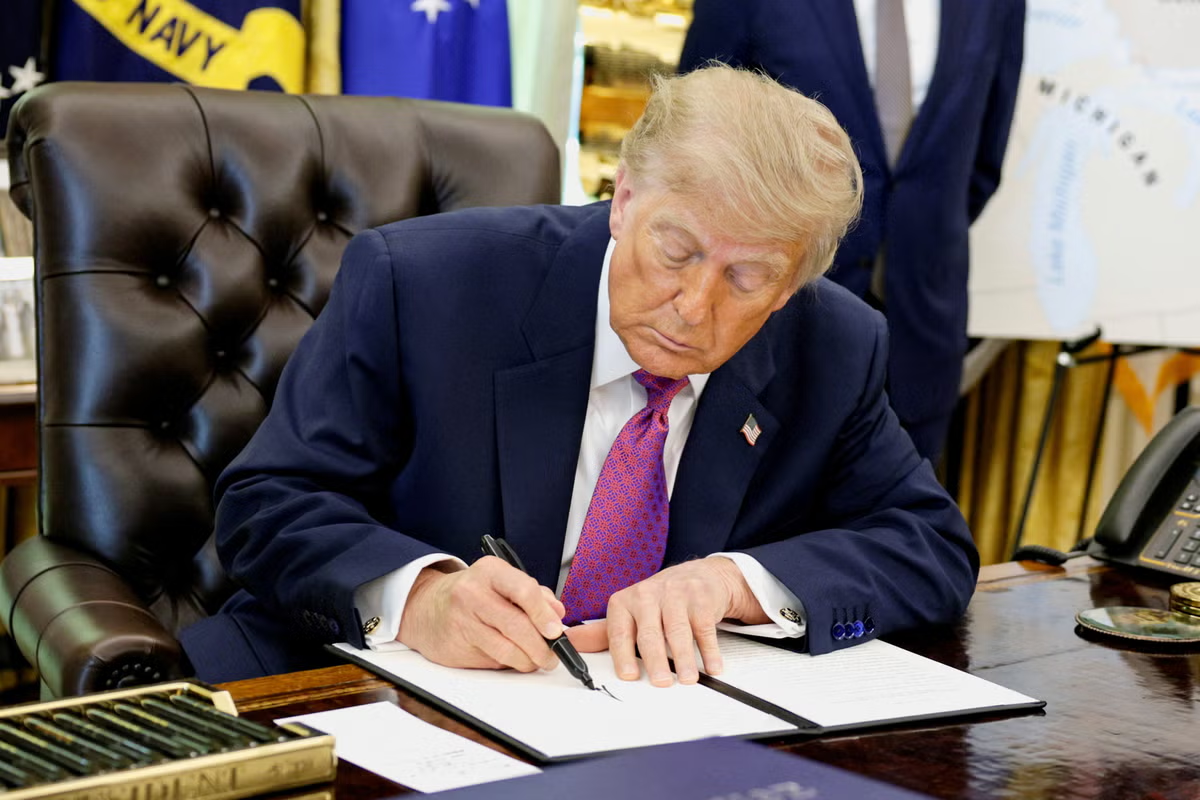
Trump signs order to rename Lake Ontario into ‘Lake America’ as his fight with Canada spirals

President Donald Trump has signed an order purporting to rename one of the five Great Lakes along the U.S.-Canada border in a fit of pique over his ongoing trade war with Ottawa that appears to have no end in sight.

Trump on Thursday signed an order directing federal agencies to refer to Lake Ontario as “Lake America” in all official documents and records, echoing a smilier move from early in his second term when he attempted to unilaterally rename the Gulf of Mexico as the “Gulf of America.”

While the president does have the authority to direct how the government recognizes the names of places and landmarks, he cannot force Canada or individual citizens on either side of the border to follow his preferred naming conventions.

The move, intended as a sop to a flagging political base that has grown increasingly disenchanted with his presidency and his administration’s failure to address the cost of living concerns that drove them to vote for him nearly two years ago, comes as Trump continues to antagonize traditional American allies for no apparent reason other than his own deeply-ingrained belief that the country has somehow been disrespected by allies who act as sovereign states rather than vassals.

Advertisement

Speaking in the Oval Office as he signed the order, Trump suggested that the decision was in part motivated by displeasure over what he described as Ottawa’s failure to pay the United States mob-style “protection” money for the privilege of existing under the American military umbrella.

“You know, we defend Canada for nothing. We don’t get anything. They don’t pay us to defend Canada, but we defend Canada, and they understand that. As an example, we bought icebreakers. They’d like to use them. We have 11 brand new icebreakers coming in, they’d like to use the icebreakers. They don’t pay for anything, and they want to be treated like a state, but they’re not a state,” he said.

He added that the “whole Canadian thing” has been “going on for decades” and “has to stop” while offering up the example of automobile manufacturing as something that he believes should be entirely re-shored to the U.S.

Asked why he was antagonizing one of America’s traditional allies even as he continues to cozy up to dictators in China and North Korea, Trump lashed out at leaders in Ottawa for pushing back against his trade war with retaliatory tariffs that they levied in response to the ones he ordered after trade talks broke down last week.

Advertisement

“The Canadian officials have treated us very badly — they’re nasty people,” he said.

Trump then suggested that Canada was “the worst to deal with on trade” despite the country’s long relationship with the U.S. and the trade agreement his administration negotiated during his first term.

He complained that Canadians “feel entitled” and added that “we can’t have that.”

Trump had teased the troll-ish renaming order in a video posted to TikTok earlier this week.

Advertisement

In the video, he displayed a map of the Great Lakes and suggested he would do exactly what he did on Thursday.

“We’re gonna make a little change; we’re gonna call it something different than Lake Ontario,” the 80-year-old president said. “We’re gonna call it Lake America. And all it takes is a good pen and some intelligence.”

Trump, a former real estate mogul with a penchant for branding, then used a Sharpie to cross out the lake’s name and write “LAKE AMERICA” above it.

His geographic broadside at America’s northern neighbor is the latest episode in a series of events that have brought the close relationship between the two countries to a nadir.

Advertisement

According to The Globe and Mail, Canadian defense forces have begun modeling a response to a hypothetical U.S. invasion for the first time in more than a century.

Since taking office last January, Trump has repeatedly expressed his desire to acquire Canada, which he described on multiple occasions as “the 51st state.” And in recent weeks, he’s reportedly turned his attentionback to Canada, fixating on the country’s “vulnerability” to foreign adversaries in its Arctic reaches.

At the same time, the 79-year-old president has made clear his desire to take control of Greenland, a territory of the Kingdom of Denmark, another NATO ally. The White House, which says it needs Greenland for purposes of national security, sees several options to achieve this goal, including the use of military force.

Source link

Advertisement
Continue Reading

NewsBeat

Andy Burnham wants to ‘move things forward’ in solving Stormont budget crisis

Published

on

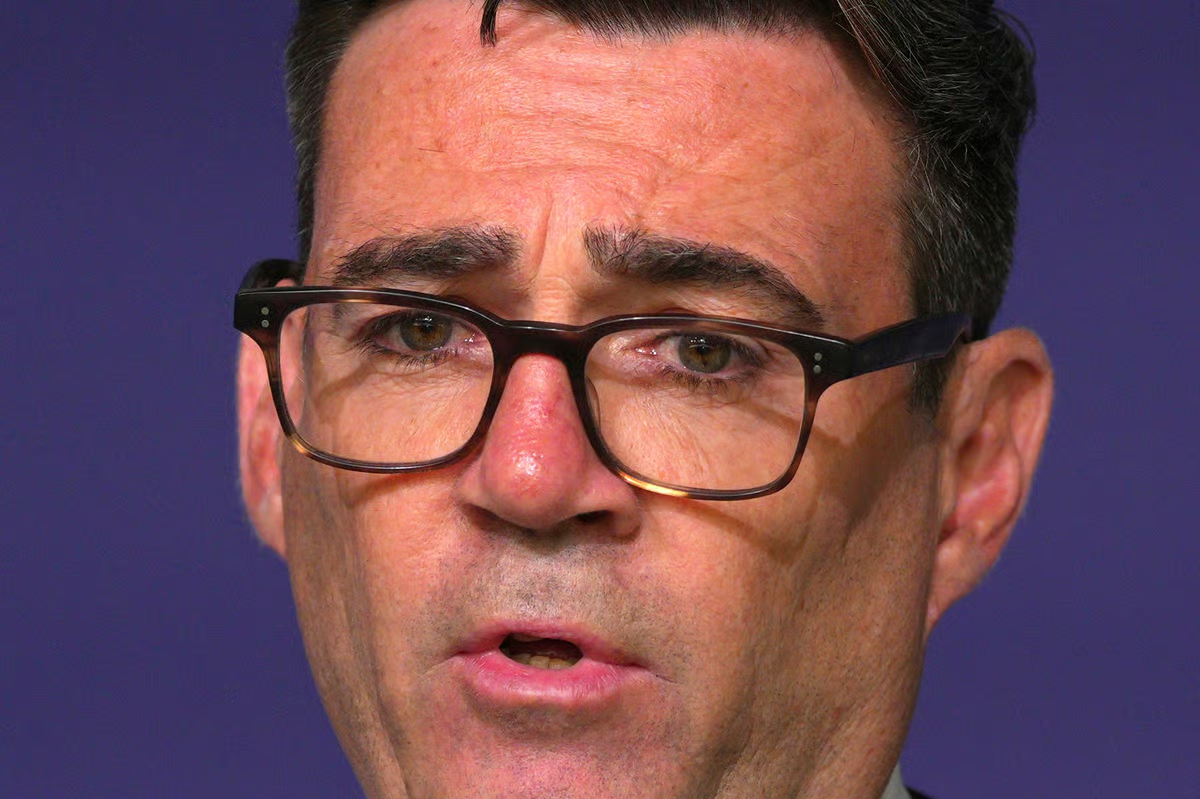
Andy Burnham wants to ‘move things forward’ in solving Stormont budget crisis

“We want to have an honest exchange, I think there are things we would say, if we can work together, have a look at where possible savings could be made or where things could be done differently, that’s right and proper that I ask for those assurances given that we have got to make sure it is fair across the whole of the UK when it comes to a budget.”

Source link

Continue Reading

NewsBeat

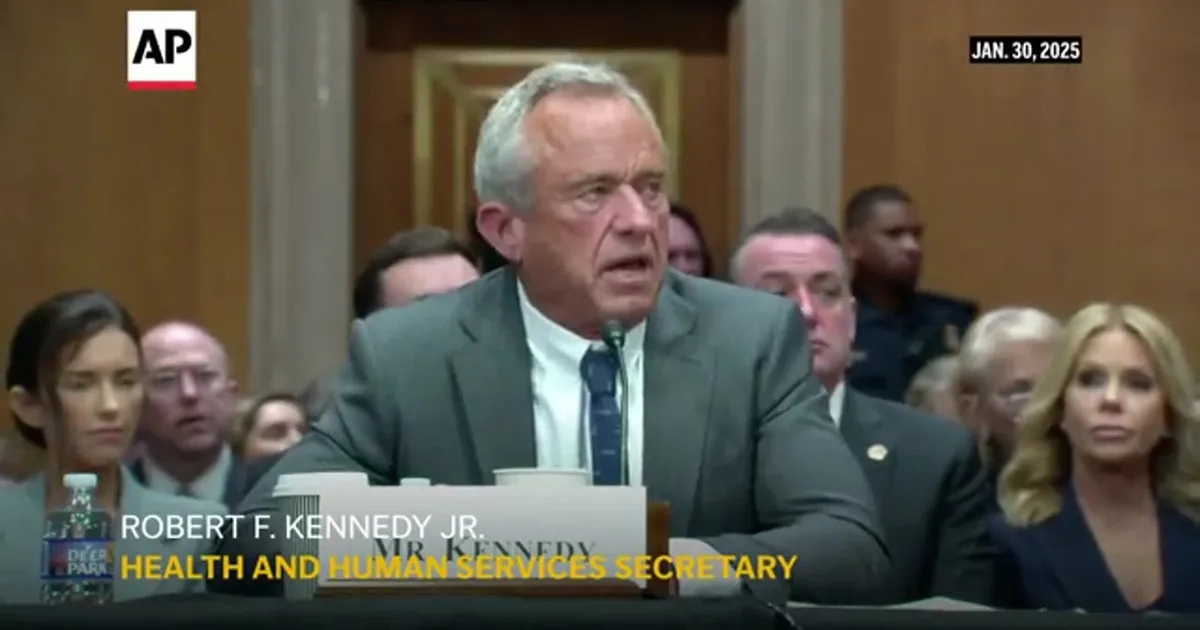
Documents refute RFK Jr.‘s Senate testimony that his Samoa visit had ‘nothing to do with vaccines’

Published

on

Documents refute RFK Jr.‘s Senate testimony that his Samoa visit had ‘nothing to do with vaccines’

!function(n){if(!window.cnx){window.cnx={},window.cnx.cmd=[];var t=n.createElement(‘iframe’);t.display=’none’,t.onload=function(){var n=t.contentWindow.document,c=n.createElement(‘script’);c.src=”//cd.connatix.com/connatix.player.js”,c.setAttribute(‘async’,’1′),c.setAttribute(‘type’,’text/javascript’),n.body.appendChild(c)},n.head.appendChild(t)}}(document);(new Image()).src=”https://capi.connatix.com/tr/si?token=19654b65-409c-4b38-90db-80cbdea02cf4″;cnx.cmd.push(function(){cnx({“playerId”:”19654b65-409c-4b38-90db-80cbdea02cf4″,”mediaId”:”61c66eb4-51ff-46d7-8b73-423bffc12cd1″}).render(“6a906173e4b02b26136f6954”);});

Source link

Continue Reading

NewsBeat

Flowers, tributes and moments silence for innocent Teesside victims

Published

on

Flowers, tributes and moments silence for innocent Teesside victims

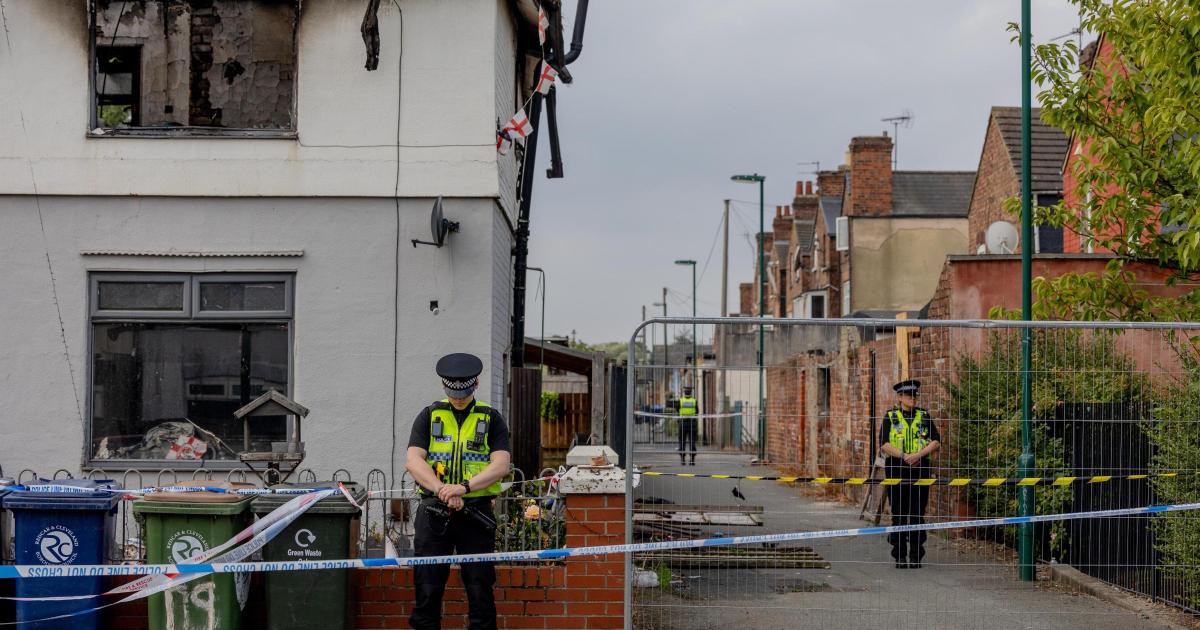
Flowers, toys and heartbreaking messages have been left outside the Grangetown home where Valentina Foster, seven, and her aunt Natalie McDonald, 34, died on Wednesday (August 26) morning.

Valentina Foster, seven, and Natalie McDonald, 34, have been named locally as the two victims who died following a house fire in Grangetown. (Image: Provided)

Police have not ruled out the blaze, which police are treating as murder, being linked to wider organised crime, including the horror smash on the A66 which killed seven.

Among the floral tributes is a photograph of the pair alongside bouquets and toys.

One message reads: “RIP Natalie and Valentina you will be missed.”

Advertisement

Flowers left at the scene of a house fire on Birchington Avenue where two people were killed (Image: SARAH CALDECOTT)

Flowers at the scene on Birchington Avenue, Grangetown, near Middlesbrough, where Valentina Foster, aged seven, and Natalie McDonald, 34, died following a fire at an end-of-terrace property on Wednesday morning. (Image: OWEN HUMPHRIES)

Natalie’s mother, Lisa Kirton, told the Times her daughter was “a beautiful, bubbly person who everyone knew”.

She said: “She had a heart of gold who would give anyone anything. She left behind a daughter with no parents.

Lisa described Valentina as “one of the family”, saying she had been staying at the house for the school summer holidays.

Flowers left at the scene of a house fire on Birchington Avenue where two people were killed (Image: SARAH CALDECOTT)

Flowers left at the scene of a house fire on Birchington Avenue where two people were killed (Image: SARAH CALDECOTT)

She said: “She was a cute little kid. I can’t believe it, seven years old – it’s just a disgrace.”

Advertisement

A Care Bear and teddy bear have also been left at the scene, alongside a note which says: “Now she dances with butterflies Valentina.”

Other messages read: “Valentina what a lovely young girl, so sad, RIP.”Another says: “RIP Valentina, gone too soon, always missed.” 

Tributes to Natalie include: “RIP Natalie, life and soul of the party!”

Flowers at the scene on Birchington Avenue, Grangetown, near Middlesbrough, where Valentina Foster, aged seven, and Natalie McDonald, 34, died following a fire at an end-of-terrace property on Wednesday morning. (Image: OWEN HUMPHRIES)

Another reads: “Nat, will always be in my thoughts you were the party girl going to be sadly missed RIP.”

Advertisement

Valentina’s grandmother also paid tribute online, writing: “Life is so cruel, my beautiful granddaughter Valentina. Your dad will be waiting for you.”

Natalie McDonald and Valentina Foster have been named locally as the victims of the Grangetown house fire. (Image: Provided)

As tributes were laid for Natalie and Valentina, Teesside also paused to remember PC Matthew Blades and PC Tom Clough, who died in the A66 crash on Saturday (August 22).

A minute’s silence was held at Cleveland Police headquarters and at the scene of the fire on Birchington Avenue.

At 11am police officers held a minutes silence for the two officers killed on the A66 while guarding the scene of a house fire on Birchington Avenue where two people were killed. (Image: SARAH CALDECOTT)

One tribute at the police station reads: “Tommy, Bladesy, You will be remembered as two of the very best. I am proud of you both and you will be forever missed. I don’t have the words to describe the loss we all feel. Genuine, real-life heroes. – M.”

Advertisement

Another says: “PC Matthew Blades, PC Tom Clough, you will be missed, never forgotten. Rest in peace.”

PC Matthew Blades (left) and PC Tom Clough (right) (Image: CLEVELAND POLICE/CARMEL COLLEGE)

A further message reads: “There are no words to convey the sadness we all feel at the tragic loss of Tom and Matt. We are all thinking about you and their families and the weight of grief you are carrying. POLIT”

Flowers and messages also continue to be left by the A66.

Floral tributes by the A66 for PC Matthew Blades and PC Tom Clough. (Image: SARAH CALDECOTT)

Floral tributes by the A66 for PC Matthew Blades and PC Tom Clough. (Image: SARAH CALDECOTT)

Huge sums raised for the families affected by the tragedies.

Advertisement

Last night a fundraiser for Valentina’s family had raised £2,200.

A separate fundraising drive for the families of PC Blades and PC Clough has reached £1.09 million.

The Cleveland Police Federation fundraiser says the officers “paid the ultimate sacrifice in the line of duty” and left behind “heartbroken loved ones”.

Advertisement

Source link

Continue Reading

NewsBeat

Bolton charity ‘cannot imagine the worry’ after Nepal floods

Published

on

Bolton charity 'cannot imagine the worry' after Nepal floods

More than 30 British nationals are believed to be among those missing and feared dead after disaster struck on Wednesday this week and into Thursday.

Paul Heslop, trustee of Farnworth-based charity A Must for Dolakha (AMFD), returned from Nepal at the end of July and says they have heard many messages of concern about the tragedy.

He said: “The main area of the disaster originated in in the area north of Kathmandu in the Rasuwa district of the country.

“It has been suggested that the flooding and mudslides were as a result of the collapse of a glacier on the Tibet/Nepal border.

Advertisement

People walk past damage in the aftermath of flash floods in Devighat in the Nuwakot district in Nepal (Image: AP Photo/Niranjan Shrestha)

“All of our friends and their families are safe, along with the schoolchildren and school that the charity supports, on the Sindupalchowk/Dolakha border.

“There is extreme concern about some of the trekking guides that come from our friends’ home village. Some are still unaccounted for.

“Trekking guides in Nepal can work many miles from their own villages and tend go where the work is, this changes throughout the seasons.”

AMFD, based on Clelland Street in Farnworth, mainly focused on the Dolakha area of Nepal which is about 50 miles east of the capital Kathmandu.

Advertisement

A policeman with a sniffer dog looks at the damage in the aftermath of flash floods in Devighat in the Nuwakot district in Nepal (Image: AP Photo/Niranjan Shrestha)

Despite this relatively short distance, it is a four of five-mile drive because of Nepal’s mountainous terrain.

Mr Heslop, a familiar figure to many in Bolton from his years as a councillor for Kearsley, has been a frequent traveller to the landlocked south Asian country.

He said it was only 11 years since Nepal had been devastated by earthquakes.

Mr Heslop said: “The next big worry is whether there is a secondary flood caused by a lake, on the Tibet/Nepal border, filling up and then flooding down the Bhote Khosi river.

Advertisement

People walk through water in the aftermath of flash floods in Devighat in the Nuwakot district in Nepal (Image: AP Photo/Niranjan Shrestha)

“It is being reported that the Chinese government is monitoring the situation and look at ways to avoid the lake rupturing its banks.

“Naturally, many roads in Nepal meander parallel to the river.

“Our friends assure us that they will be staying on higher ground and will not be going down to the valley bottom until they are sure that it is safe.

“I simply can’t imagine the level of worry on the minds of the families of the 33 missing Britons in Nepal and I sincerely hope that they are safe.

Advertisement

Nepalese policemen watch as earthmovers clear the debris of flash flooding in Nepal’s Nuwakot district (Image: AP Photo/Niranjan Shrestha)

“This also goes for the hundreds of Nepalis and foreign tourists that are still unaccounted for.

“Nepal is a truly stunning country, and its people are some the friendliest and humble people that you could meet on the planet.

“It’s such a tragedy that with all this beauty, the country suffers from frequent natural disasters.”

Prime Minister Andy Burnham said on Wednesday that the government will do “everything we can” to support British nationals in Nepal following the floods.

Advertisement

The Foreign, Commonwealth and Development Office said it was “deeply saddened by the loss of life and devastation caused by the floods in Nepal”.

A spokesperson said: “British nationals in Nepal should follow local authority advice and exercise caution while travelling.

“For consular assistance call (+44) (0)207 008 5000 or (+977) (0)14237100.”

Anyone interested in more information about A Must for Dolakha can email amfd@outlook.com.

Advertisement

Source link

Continue Reading

NewsBeat

Trump’s former Border Patrol commander now claims Trump administration wants him dead

Published

on

Trump’s former Border Patrol commander now claims Trump administration wants him dead

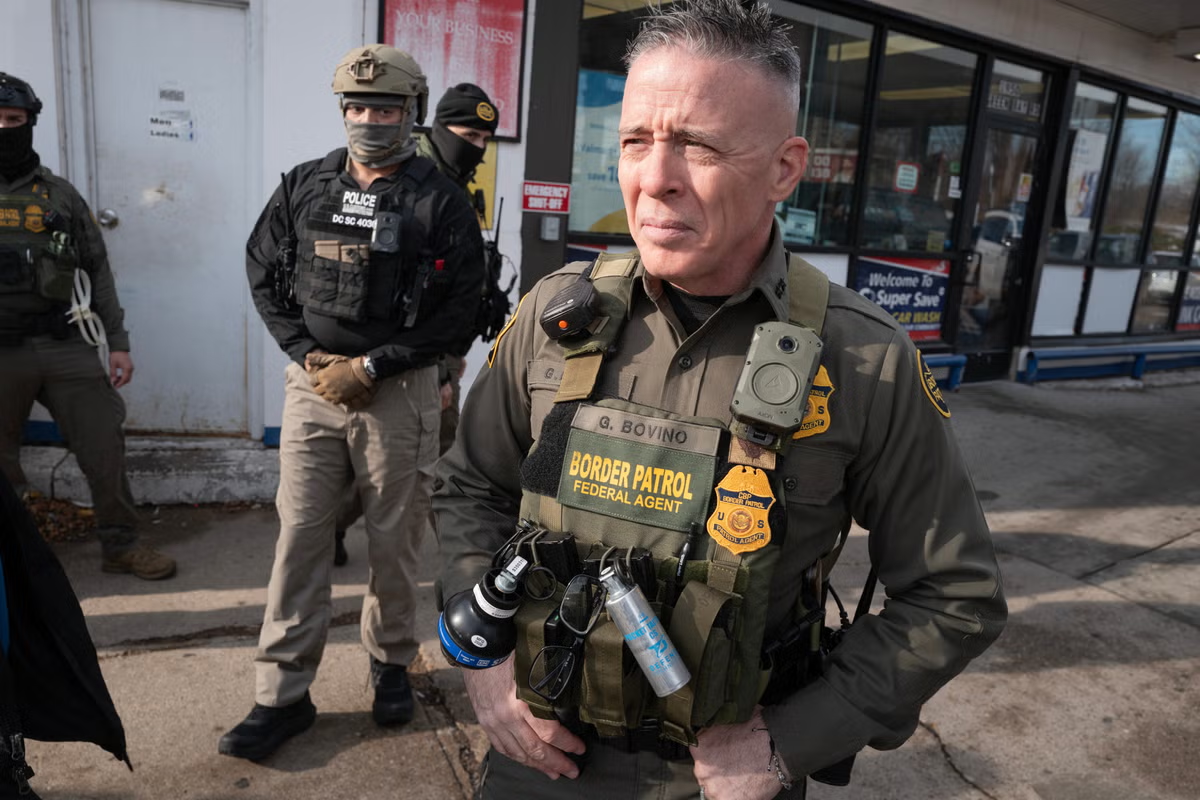
A former Border Patrol official who helped spearhead President Donald Trump’s immigration crackdown has claimed the administration now wants him dead.

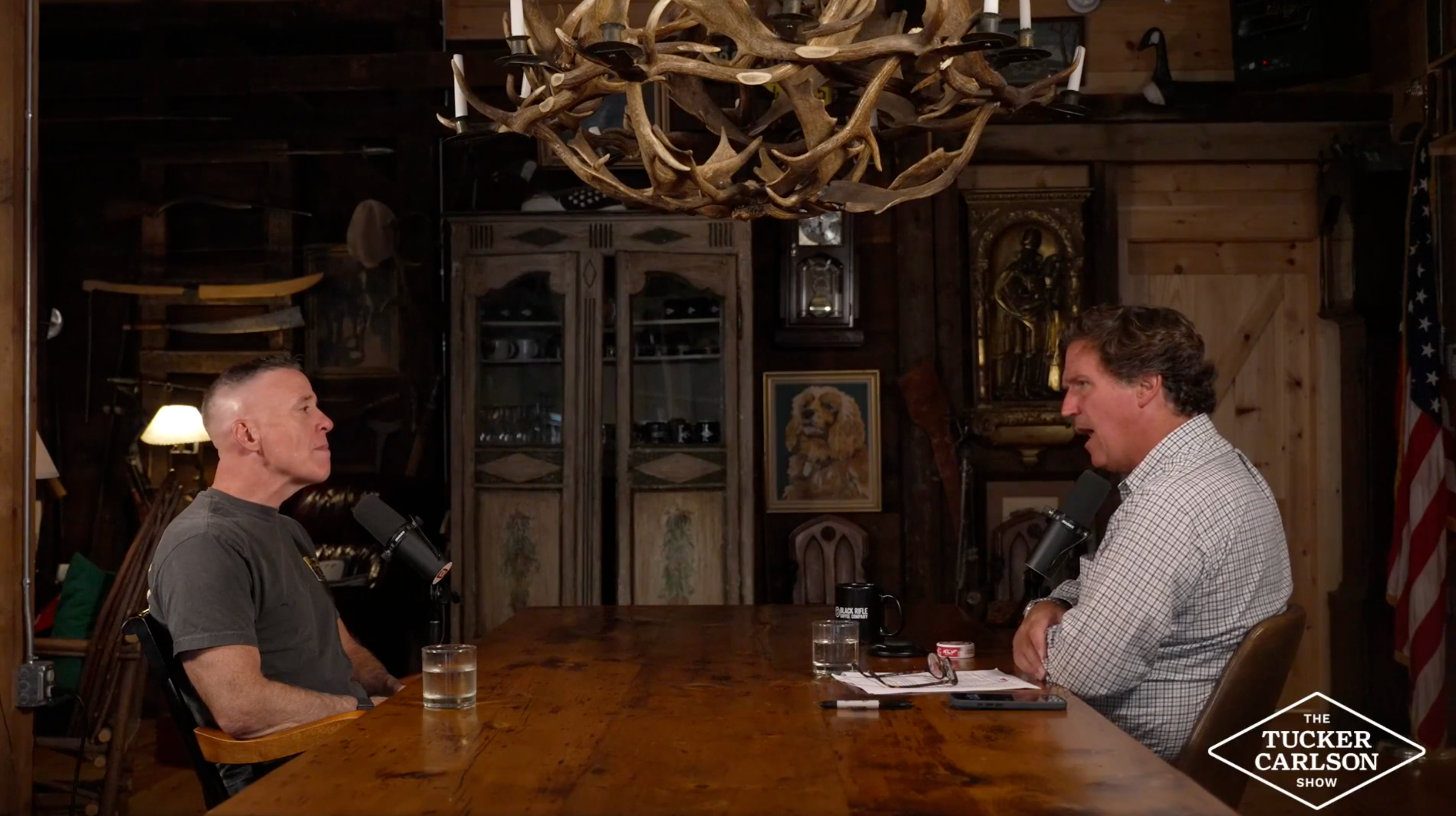
Gregory Bovino made the explosive allegation during a lengthy interview with conservative podcaster Tucker Carlson, released Wednesday night.

“Do I think they want me killed? Absolutely,” Bovino told Carlson during the interview, which has been viewed two million times on X alone. The White House has labeled his comments “absurd.”

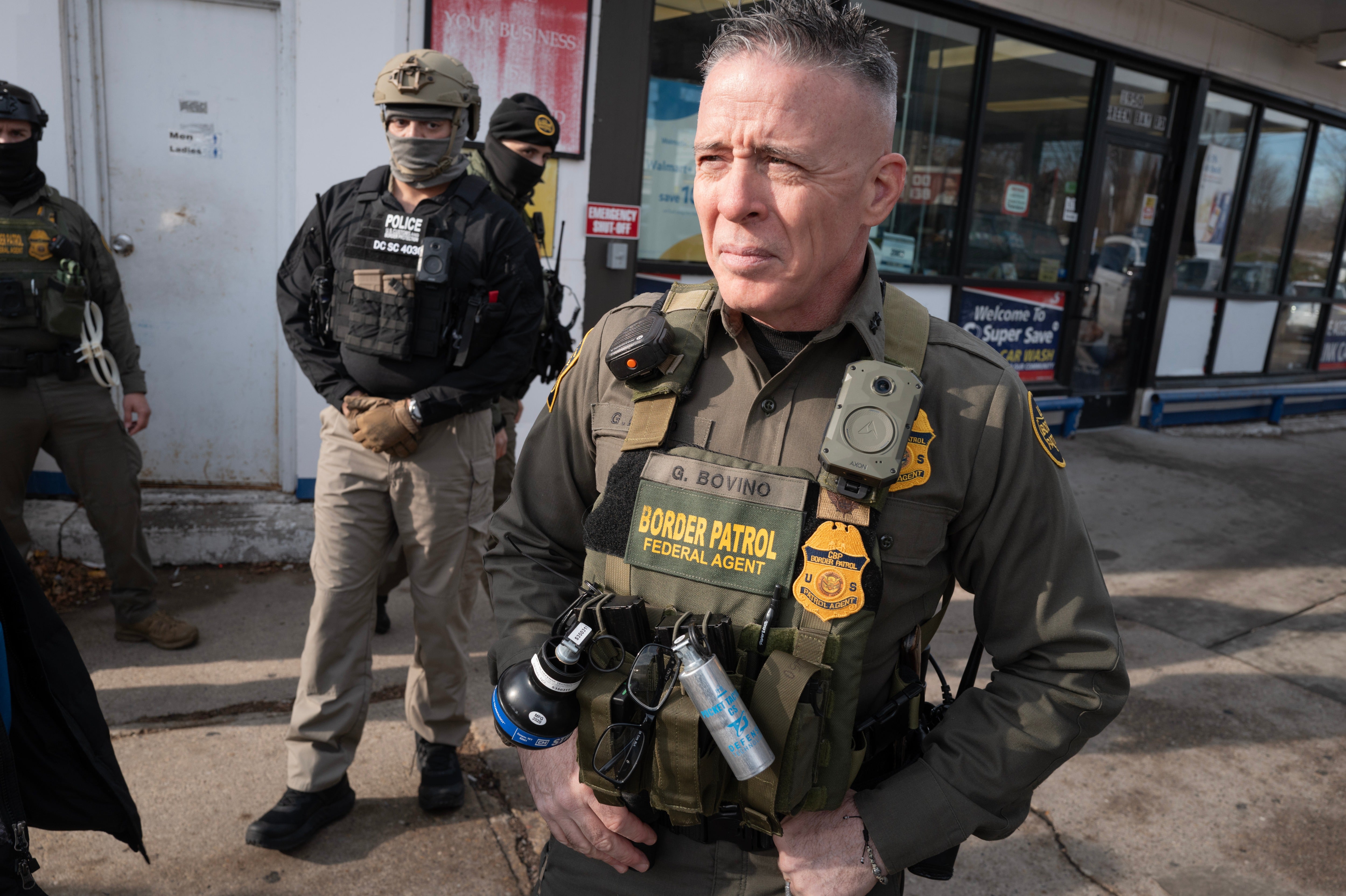
Bovino, 56, was one of the most prominent figures associated with Trump’s hard-line immigration agenda. As a Border Patrol commander-at-large, he helped lead enforcement operations in Minnesota and became known for aggressive measures, including firing tear gas at protesters — a tactic that has prompted legal scrutiny.

Advertisement

He left his post in January, after federal agents shot and killed two American citizens in Minnesota, incidents that triggered growing opposition to the administration’s immigration enforcement approach, polls show. Bovino retired from federal service several months later.

Gregory Bovino, a former Border Patrol commander-at-large, claimed in an interview with Tucker Carlson that the Trump administration wants him dead
Gregory Bovino, a former Border Patrol commander-at-large, claimed in an interview with Tucker Carlson that the Trump administration wants him dead (Getty)

Trump has distanced himself from Bovino, describing him in January as “a pretty out there kind of guy.” The president later called for a “softer touch” on immigration.

During his interview with Carlson — who has also broken with the administration — Bovino claimed that his security detail was withdrawn as soon as he left government, despite what he described as an onslaught of death threats.

He said he believed the protection had been removed as part of an effort to “silence him.”

“Silence you, like get you killed? Because that’s what it sounds like,” Carlson said.

Advertisement

“Do I think they want me dead? At this point yes,” Bovino replied.

'I’m in a running battle every time I go out,” Bovino said. 'There’s some crazies out there. You know, you know this, Tucker, and you bet. Do I think they want me killed? Absolutely'
‘I’m in a running battle every time I go out,” Bovino said. ‘There’s some crazies out there. You know, you know this, Tucker, and you bet. Do I think they want me killed? Absolutely’ (The Tucker Carlson Show)

“I’m in a running battle every time I go out,” he continued. “I mean, every time the citizens of my own community are like, ‘What is going on with you?’ These people come up. There’s some crazies out there. You know, you know this, Tucker, and you bet. Do I think they want me killed? Absolutely.”

Bovino clarified that he does not believe Trump is behind the alleged effort. Instead, he blamed the administration’s “hellacious gatekeepers,” specifically naming Border Czar Tom Homan.

“This is absurd,” White House spokesperson Lauren Bis told The Independent. “Tom Homan is an American patriot and career law enforcement officer with decades of experience effectively protecting American communities and deporting illegal aliens.”

A White House official said that Homan does not get involved with security matters regarding former or current DHS officials.

Advertisement

Elsewhere in the interview, Bovino said believes forces within the Trump administration are opposed to carrying out the mass deportation campaign the president had promised — which he claimed is not actually underway.

He also asserted, without offering evidence, that 105 million undocumented immigrants are currently living in the U.S., a figure that would represent nearly one in three people in the country.

According to the U.S. Census, there are about 50 million immigrants in the country. As of 2023, there were an estimated 14 million illegal immigrants living in the U.S., according to the Pew Research Center.

The Independent has contacted DHS for comment.

Advertisement

Source link

Continue Reading

NewsBeat

What we should make of CIA boss John Ratcliffe’s secret trip to Moscow

Published

on

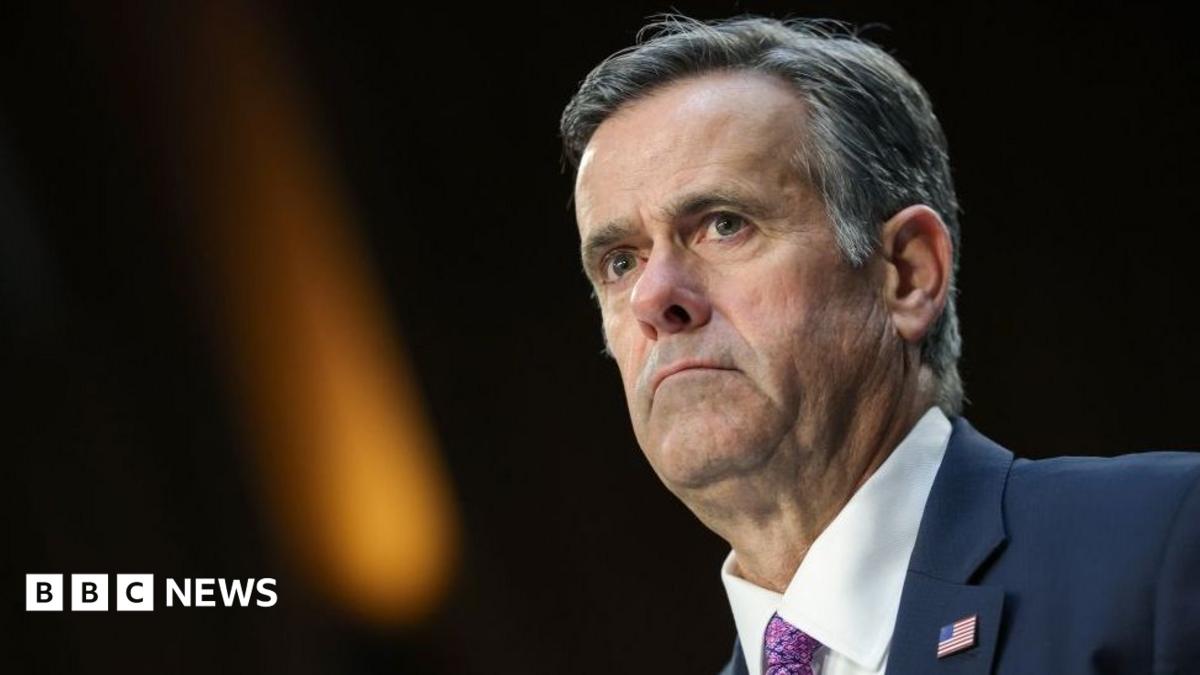
A suited John Ratcliffe is wearing a petrol blue suit and mauve tie with a USA flag on his left lapel. The pic is a head and shoulders shot with a microphone visible in front of him as if he is appearing at a hearing.

Putin will be well aware of Donald Trump’s periodic disdain for Nato and he may have calculated that a low-key attack on say, Lithuania, is not going to trigger Nato’s mutual self-defence clause – Article 5 – and that the US will not respond.

In which case it would make sense for part of the CIA chief’s unexplained mission to Moscow was to remind Russia that the US is still fully committed to Article 5.

Lithuania is of special interest to the Kremlin as it has a common border with Poland known as the “Suwalki Gap”. Just 60 miles long, this strip of land is all that separates Russia’s client state Belarus from its nuclear-armed exclave of Kaliningrad, which is separated from mainland Russia.

If Russia were to seize that it would effectively cut off those three Baltic states by land from their Nato neighbours.

Advertisement

Then there is the question of tactical nuclear warheads. It has long been said that Russian military doctrine views these small but highly destructive weapons as an integral part of its order of battle.

Moscow has been warned off, by friend and foe alike, not to break the 81-year long taboo on using nuclear weapons in anger.

Yet this could still be a tempting option for Vladimir Putin to “escalate to de-escalate” by demonstrating to Ukraine that it has such catastrophic weapons at its disposal it would be better for Kyiv to capitulate to Moscow’s terms now or face annihilation.

Of course, in the absence of any clear, attributable, official confirmation from the US as to what this sudden CIA dash to Moscow was all about then it is always possible it was about something else.

Advertisement

That could be trying to persuade Russia to end its military cooperation with Iran, for example, or maybe about more prisoner swaps or the prospect of a mass mobilisation of Russian troops.

But make no mistake, this trip was highly unusual and it came at a time of rising tension between Moscow and the West. Something is almost certainly up.

Source link

Advertisement
Continue Reading

Trending

Copyright © 2025