Connect with us

NewsBeat

Police continue search for missing non-verbal autistic three-year-old boy in Suffolk

Published

on

Manchester Evening News

The missing boy became separated from a relative after visiting a playground

Police have provided an update on the search for a missing non-verbal autistic three-year-old boy in Suffolk.

Advertisement

The child, called Noah, was last seen at 3pm on Tuesday (September 15), Suffolk Police said, when he became separated from a relative after visiting the playground in Merriam Close, Brantham, near Manningtree.

Officers said that Noah is believed to have run off down the alleyway beside the playground towards the new build housing estate. The force confirmed the three-year-old is autistic, non-verbal and has partial hearing loss.

Click here to get the biggest stories straight to your inbox in our Daily Newsletter

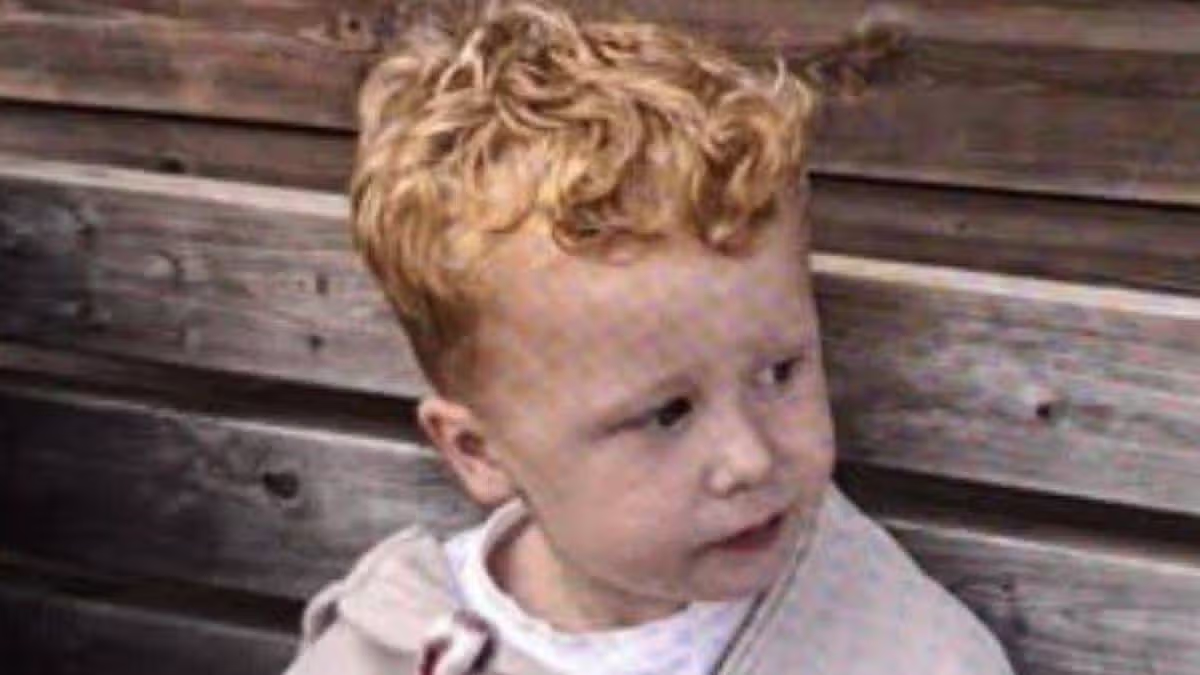
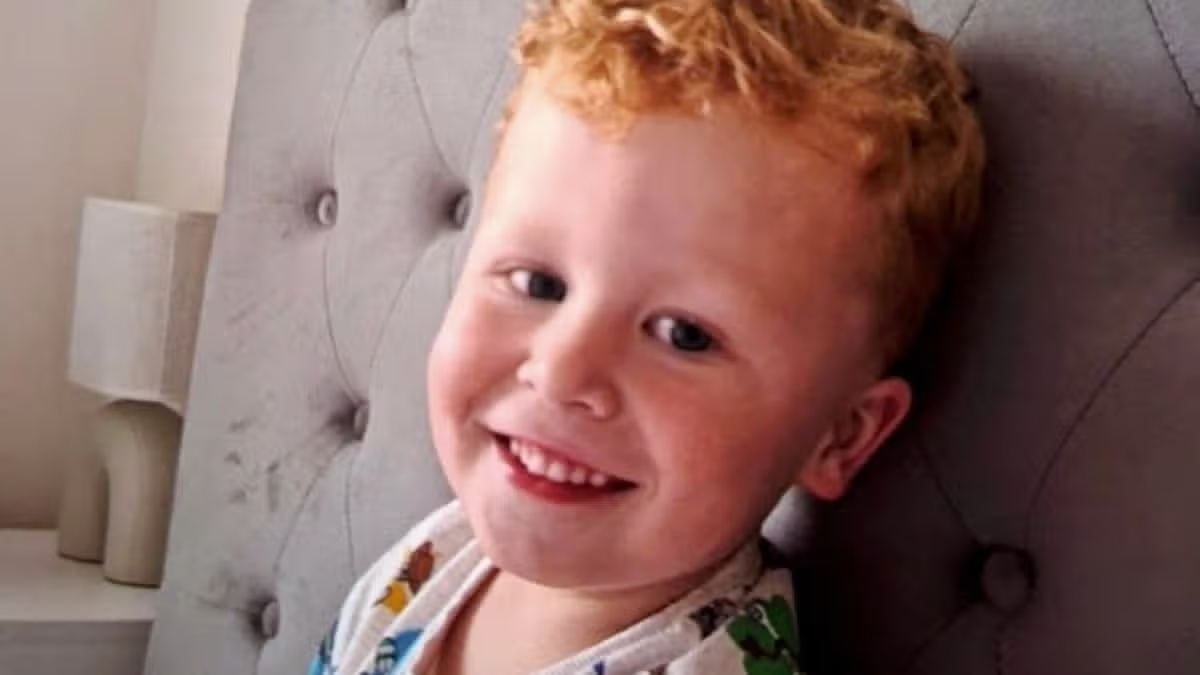
Noah, who is white with curly ginger hair, was wearing a white t-shirt with the TV character Bluey on, shorts and black Vans trainers with a white stripe at the time he went missing.

Advertisement

Specially trained officers and dog units have been searching the village, located near the estuary of the River Stour since yesterday afternoon.

Providing police support with their search are helicopters from the National Police Air Service and HM Coastguard. Further support is being provided by the Coastguard, Suffolk Fire & Rescue Service, Suffolk Lowland Search & Rescue and a vast number of members of the public.

Local residents were asked earlier by police to thoroughly check their gardens, sheds and outbuildings or any potential areas where a child might hide.

Those with private CCTV or doorbell cameras in the village, or who were driving through the area with a dashcam, are asked to review the footage from 3pm yesterday afternoon onwards for any possible sightings of Noah.

Superintendent Pete Partridge said in a statement: “We are very concerned for Noah’s welfare and need to find him as a matter of urgency.

“A vast number of resources have been deployed by ourselves, our emergency services colleagues and volunteers from SULSAR. These resources have been bolstered by members of the public who have turned out in large numbers to assist and we are incredibly grateful for their help and support.

“Given that fast-moving nature of the investigation, it is important that any public searches are coordinated with police to ensure we are working together, and that our resources are directed where they can be most effective.”

Advertisement

The Superintendent noted that residents shouldn’t ‘put themselves at risk or undertake independent searches overnight’, adding: “We will continue to keep Noah’s family and the public updated on the progress of our searches and investigation.”

Just after 5am on Wednesday (September 16), a Facebook post from Brantham Parish Council said there had been no confirmed sightings of Noah.

The post read: “The search for Noah continues this morning. If you are able to help with the search today, please keep safe and take care of yourselves.

“Search in pairs where possible, wear high-vis clothing and take extra care around roads, water, woodland and other potentially dangerous areas. Please take a fully charged mobile phone with you.

Advertisement

“Please also check your own property thoroughly, including gardens, sheds, garages, outbuildings, vehicles and under or behind furniture. If the police ask you to move away from an area, please follow their instructions. This may be to allow specialist search activity to take place.”

Anyone who thinks they have seen Noah is asked to contact Suffolk Police, quoting CAD 203 of 15 September.

Source link

Advertisement
Continue Reading
Click to comment

You must be logged in to post a comment Login

Leave a Reply

NewsBeat

The sound of stillness: what happened when I stopped filling the silence

Published

on

The sound of stillness: what happened when I stopped filling the silence

A self-confessed chatterbox in an increasingly loud world, Angela Garwood swapped conversation for stillness at a device-free silent retreat, hoping to discover what lies beneath the noise

“It’s okay,” a fellow bather mouths with a reassuring smile. I squeal slightly as the water hits my waist before plunging in. It’s perfect. Refreshing without the usual razor-sharp iciness of British waters. I emerge feeling awakened and alive.

A group of us bob around, admiring the stunning white chalk cliffs of the Seven Sisters. Others sit on the shore. No one talks, as this would be breaking the rules. It’s a glorious Sunday morning and I haven’t spoken for over 36 hours.

Advertisement

I’ve come to the Sussex coast to spend the weekend trying something I struggle with at times: keeping my mouth shut. As a performer, the notion of a silent retreat goes against so much of what brings me joy: using my voice and a love of words. I’m a talker. I revel in a witty exchange or an outrageous story.

Advertisement

Doubts aside, I’d arrived at Gayles, a beautiful converted family farm in Eastbourne, on a Friday afternoon, in the midst of a particularly full-on summer. Hoping to find stillness amid the chaos, I’d opted for something more radical than a spa day.

“It’s essential,” says Roz Robinson, 66, yoga teacher, former psychotherapist and host of the Walking, Yoga, Meditation, Silence retreats at Gayles. “You wouldn’t expect to drive your car for a year without having an MOT, and I don’t think we should be allowed to carry on without having, if you like, our own reset.”

“It’s such a precious space to be able to step into,” she continues. “To give yourself time to reflect, because there is so much noise in the outside world now.”

I’m shown to my room, a spacious double with views of the sea in a converted 1930s stable. Then the group, all 18 of us, most of them women, are given a tour of the grounds, which include a pool, tennis courts and cosy corners for quiet contemplation. Surrounded by 11 acres of rolling downland, there’s a comforting and unassuming family-home feel to Gayles, which has been in Robinson’s family for generations.

Advertisement

‘You wouldn’t expect to drive your car for a year without having an MOT, and I don’t think we should be allowed to carry on without having, if you like, our own reset,’ says yoga teacher, former psychotherapist and retreat host Roz Robinson. Image: Laurie Griffiths 

Poolside, Robinson requests “no bombing”. “Who bombs on a silent retreat?!” we ask. “Oh, it’s happened…”. We chuckle. Other rules include no alcohol, no Apple Watches – it’s device-free – and no aggressively strong perfume or deodorant if you’re sharing a room. Electric toothbrushes are allowed, but I later refrain from using my hairdryer.

Advertisement

A small wicker basket sits on a side table with a note inviting us to hand our phones in. It’s not compulsory, but we’re encouraged to do so. I place mine on the pile.

We are, for the initial meal, allowed to talk. Munching on our delicious, home-grown vegetable lasagne, I enjoy getting to know my soon-to-be-mute companions. We’re mostly first-timers and ages range from thirty-something to sixty-something.

“I walk away from here like I’m walking on air,” says Fiona Lomas, 54, a Brighton-based creative director on her tenth stay at Gayles.

I come for that deep quality of silence that happens in community, when people are together

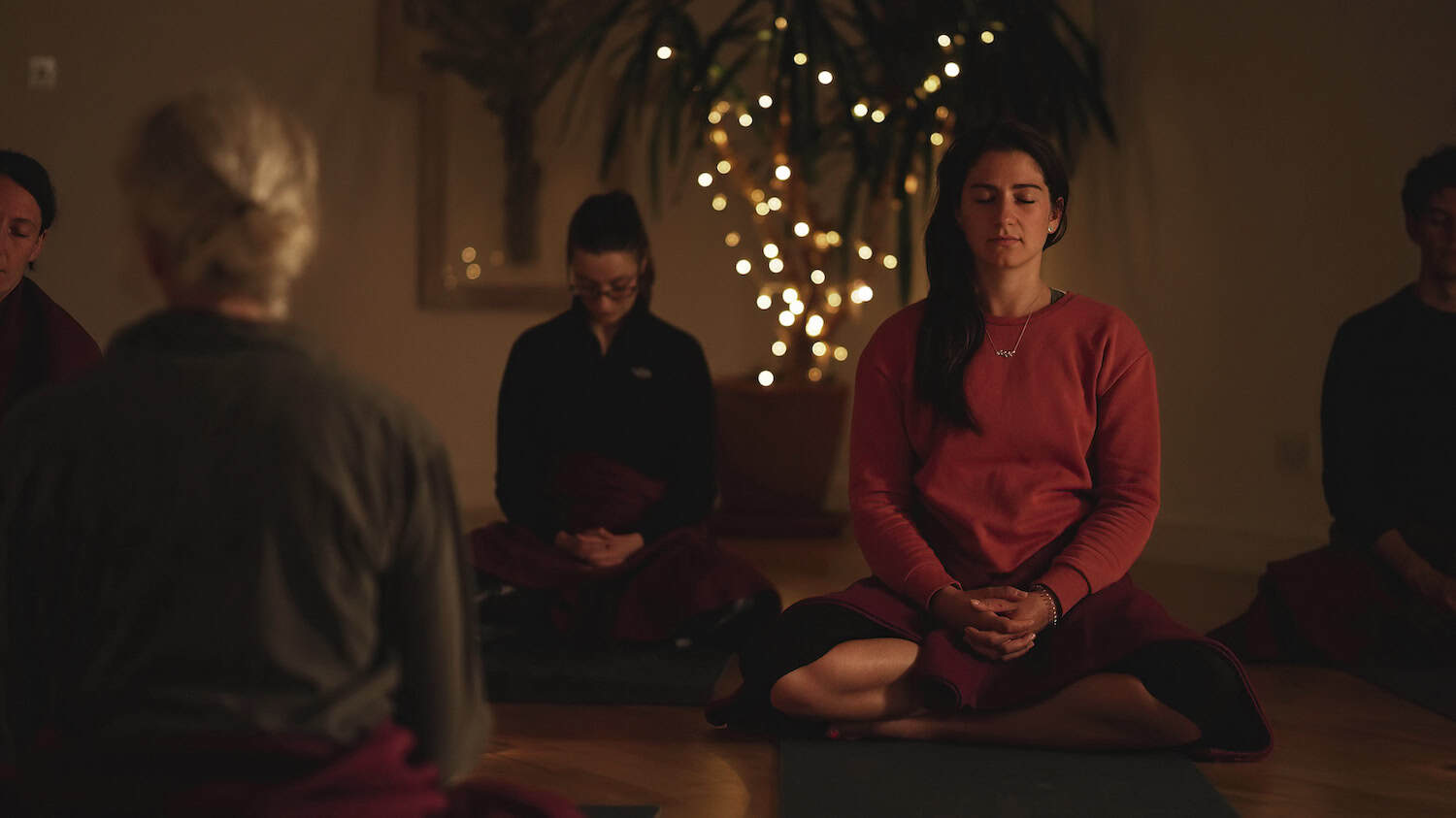
After dinner, we head to the cow shed, a tranquil yoga space converted from the original farm building. Candles are lit and I feel a child-like sense of ease, like I’m being taken care of. We each share why we’ve come.

Advertisement

The reasons followed similar themes: needing to switch off, wanting to try something new and seeking a connection with nature. One young professional in sustainability finance admitted “I’m not all that comfortable with silence.” A woman in her sixties just said: “I’m here…for me”.

I’m not alone in my desire for stillness. After taking a 68% hit in 2020, wellness tourism in the UK grew at an annual rate of 79% between 2020 and 2022, according to the Global Wellness Institute, more than twice the global average of 36%. The institute’s 2026 wellness tourism trends include “The Nervous System Reset” and “In Search of Deep Rest”, reflecting growing demand for restorative escapes, nature and time away from digital overload. Condé Nast Traveller, meanwhile, named ‘silent travel’ one of its top travel trends for 2024.

‘The walks are always really interesting because you just see and hear things that you wouldn’t normally. It’s a totally different way of experiencing nature,’ says guest Fiona Lomas. Image: Laurie Griffiths 

Advertisement

“If you need anything, I’m always here,” assures Robinson. “If you need to cry, or scream even, you can scream. Crying is a release. It doesn’t matter!”. There’s talk of resetting our autonomic nervous system, getting closer to our true selves, and healing. While the retreat isn’t religious, there’s a spiritual undercurrent.

We’re led through a relaxation exercise, before a momentous yet subtle declaration: “The silence has begun”. I leave the room elated by the challenge. A space opens up in my mind.

“I love that there’s no pressure to make conversation,” says Rebecca Hastings, 46, an international charity fundraiser. “I come for that deep quality of silence that happens in community, when people are together”.

Advertisement

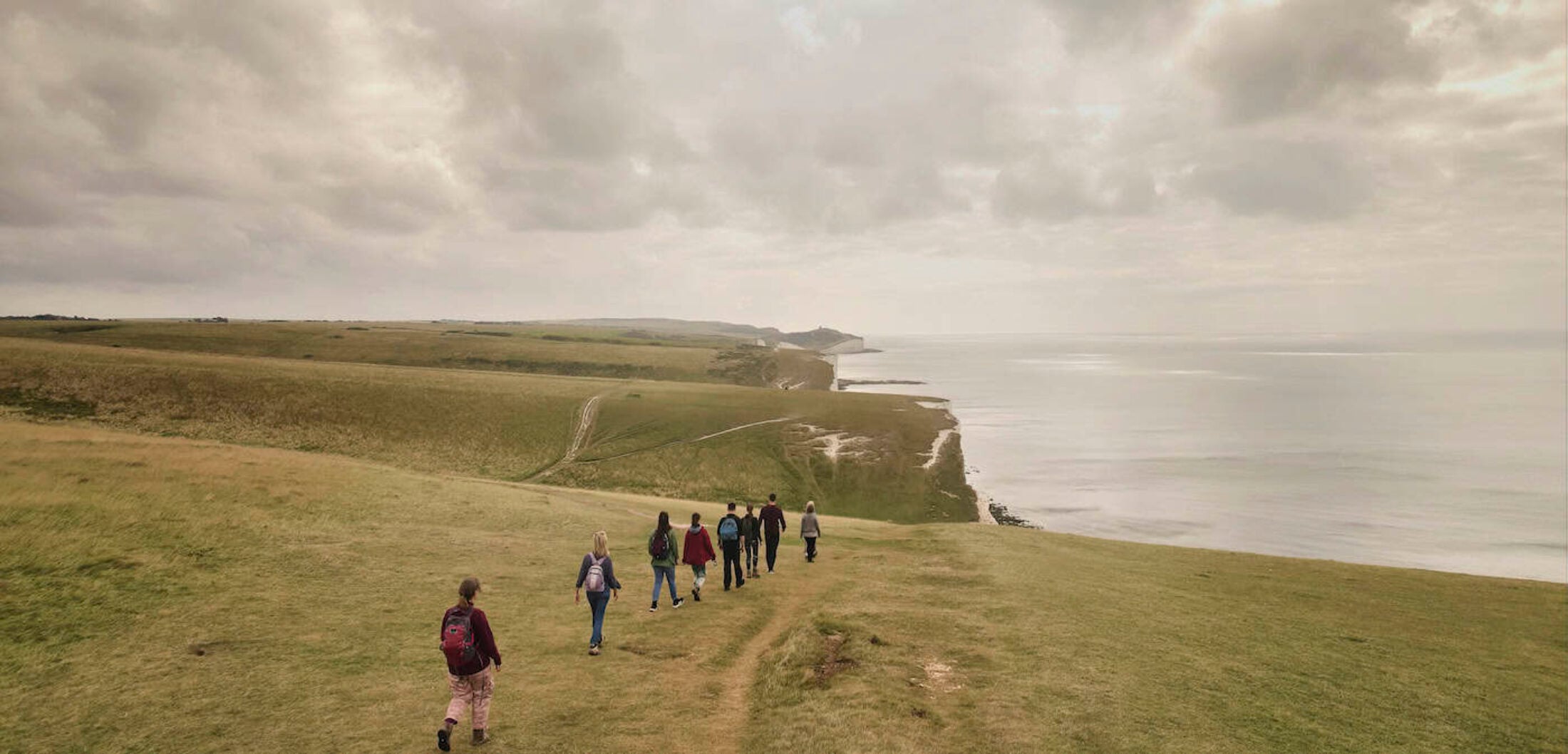
We quickly found our flow as a group. In the kitchen the following morning, we dance around each other, waiting to stack the dishwasher or boil water, as if previously choreographed. Occasional smiles are exchanged, but interaction is minimal. I enjoy a smoothie before we embark on a five-mile sunny coastal walk.

At our source, we are quiet, loving, joyous communicative beings

“You will have some rubbish to work through,” says Robinson. Indeed. While my thoughts were louder than ever, so too was the aliveness of the nature surrounding me. I found the pattern of trees mesmerising and noticed when a flock of tweeting birds flew overhead. I felt held in the presence of everyone else and over time, a harmonious group synchronicity became apparent. We moved almost as one, stopping together and turning away every time someone left the line for a bush wee.

“The walks are always really interesting because you just see and hear things that you wouldn’t normally,” says Lomas. “It’s a totally different way of experiencing nature.”

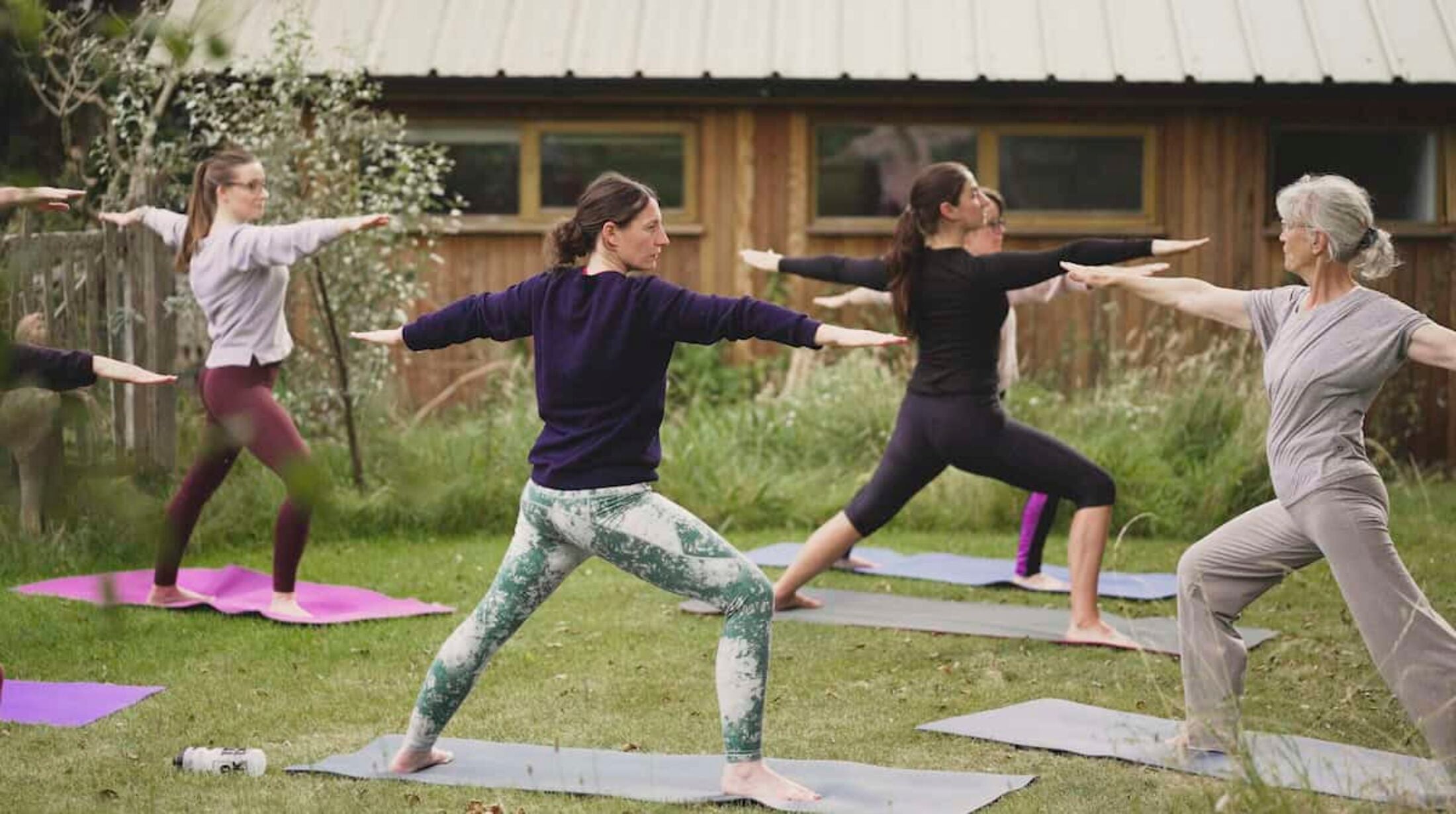
We’re encouraged to rest, so I indulge in a two-hour nap, followed by some tea and cake. Yoga and meditation, which I’d grown fond of by this point, came later, then a temporary invitation to break the silence and share how we were finding the experience. Most stayed quiet, myself included.

Advertisement

The silence ends shortly before lunch on Sunday and I have mixed feelings. I was enjoying our peaceful cocoon, but welcomed getting to know the others.

“It’s amazing how connected you can feel to a group of people, even when you’re not talking,” I said in our final circle. We’d shared a unique experience and I’d miss their familiar faces. Together, we’d created our own silent bubble, and I’d come to appreciate existing within it. It was, as Robinson described, a ‘warm silence’.

‘We think of silence as being empty, a void that needs filling, but I learnt there’s a richness to that space. A palpable, yet peaceful energy that sits within us, always,’ says writer Angela Garwood. Image: Derry Robinson

Advertisement

“At our source, we are quiet, loving, joyous communicative beings,” she reflects. “Donkeys standing in a field are all connected, they’re not chatting all the time.”

Having the burden of small talk removed was refreshingly liberating. Food came alive. There’s a depth of stillness that’s hard to reach when you’re constantly making conversation.

We think of silence as being empty, a void that needs filling, but I learnt there’s a richness to that space. A palpable, yet peaceful energy that sits within us, always. In the silence, I was confronted, head-on, with my thoughts, which was unnerving yet empowering.

Advertisement

It wasn’t easy. Huge life uncertainties surfaced, including big questions I had no immediate answers to. I noticed everything: my mind drifting from the past to the future, or simply being unduly self-critical. I felt tension in my body as I moved between yoga poses. There were moments I briefly broke the silence, alone in my room, to give myself the odd pep talk or cry. I surrendered to whatever came up.

The silence created space to hear what I already knew deep down. I needed to come up for air amidst my frantic life; to stop, and breathe.

“We look for answers out there, when really the answers are in here,” says Robinson in her closing lesson. “Be kind to yourselves, each and every one of you.”

I left Gayles reenergised, determined to build stillness into my days and commit to the practice. One breath at a time.

Advertisement

Main image: Laurie Griffiths 

Source link

Advertisement
Continue Reading

NewsBeat

Tony Christie, 83, praises ‘supportive’ wife Sue for being ‘his rock’ amid dementia battle as he vows to keep performing and says his ‘knees will stop him faster than his brain’

Published

on

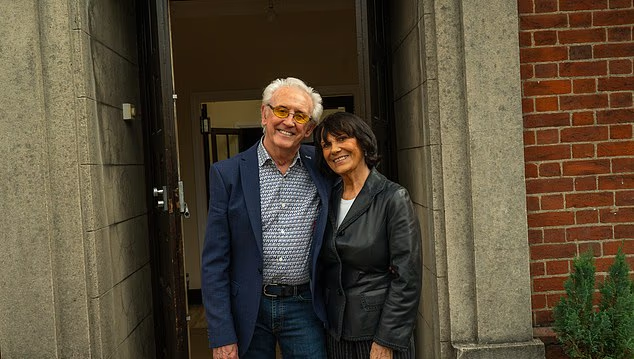
Tony Christie has praised his 'supportive' wife Sue for being 'his rock' amid his dementia battle as he vowed that he will keep performing (pictured eariler this month)

Tony Christie has praised his ‘supportive’ wife Sue for being ‘his rock’ amid his dementia battle as he vowed that he will keep performing.

The singer, 83, best known for (Is This the Way to) Amarillo, was diagnosed with dementia in 2023 after struggling with his crosswords.

Dementia is an umbrella term used to describe a range of progressive neurological disorders (those affecting the brain) which affect memory, thinking and behaviour. 

Following his diagnosis, Tony has credited Sue for being his biggest support and for ‘keeping him on track’.

Advertisement

Speaking exclusively to the Daily Mail, he said: ‘Sue is my rock. I fell in love with her the minute I saw her and I’m very lucky to have spent so many years with her. 

‘As we get older we support one another. Sue was the one that first encouraged me to go to the doctor.’

Tony Christie has praised his ‘supportive’ wife Sue for being ‘his rock’ amid his dementia battle as he vowed that he will keep performing (pictured eariler this month)

Advertisement
The singer, 83, best known for (Is This the Way to) Amarillo, was diagnosed with dementia in 2023 after struggling with his crosswords

The singer, 83, best known for (Is This the Way to) Amarillo, was diagnosed with dementia in 2023 after struggling with his crosswords

He continued: ‘I was getting frustrated by my daily crossword and she could see something was quite right. 

‘She keeps me on track about what I need to do and where I need to be, and reminds me of people’s names when I forget.

‘I think we share the same sense of humour and we both love to laugh. That’s one of the secrets to our relationship.’

Advertisement

The pair tied the knot in 1968 after meeting earlier that year and went on to welcome three children.

As well as his devoted wife, Tony has credited music with helping to keep his dementia symptoms at bay.

One particular song that means a lot to him is The Folks Who Live On The Hill by Peggy Lee.

He explained: ‘It holds a special place in our hearts for Sue and I. It always brings a tear to my eye.

Advertisement

‘And I love Ella Fitzgerald – Someone To Watch Over Me.’

Gushing over his wife, he told the Daily Mail: 'I think we share the same sense of humour and we both love to laugh. That's one of the secrets to our relationship' (pictured in 2011)

Gushing over his wife, he told the Daily Mail: ‘I think we share the same sense of humour and we both love to laugh. That’s one of the secrets to our relationship’ (pictured in 2011)

Since his diagnosis, Tony has continued to perform and tour and has spoken about how staying busy and involved in music helps him to live well with the condition

Since his diagnosis, Tony has continued to perform and tour and has spoken about how staying busy and involved in music helps him to live well with the condition

Advertisement

WHAT IS DEMENTIA?

Dementia is an umbrella term used to describe a range of progressive neurological disorders, that is, conditions affecting the brain.

There are many different types of dementia, of which Alzheimer’s disease is the most common.

Some people may have a combination of types of dementia.

Regardless of which type is diagnosed, each person will experience their dementia in their own unique way.

Advertisement

Dementia is a global concern but it is most often seen in wealthier countries, where people are likely to live into very old age.

HOW MANY PEOPLE ARE AFFECTED?

The Alzheimer’s Society reports there are more than 1million people living with dementia in the UK today, of which more than 500,000 have Alzheimer’s.

It is estimated that the number of people living with dementia in the UK by 2040 will rise to more than 1.4million. 

Advertisement

As a person’s age increases, so does the risk of them developing dementia.

Rates of diagnosis are improving but many people with dementia are thought to still be undiagnosed.

IS THERE A CURE?

Currently there is no cure for dementia. But new drugs can slow down its progression and the earlier it is spotted the more effective treatments are.

Advertisement

Source: Alzheimer’s Society 

<!- – ad: https://mads.dailymail.co.uk/v8/de/tvshowbiz/none/article/other/mpu_factbox.html?id=mpu_factbox_1 – ->

Advertisement

Since his diagnosis, Tony has continued to perform and tour and has spoken about how staying busy and involved in music helps him to live well with the condition. 

He is currently on his Farewell tour which kicked off in August 2025 and runs through to mid 2027. 

‘I am still recording new material and touring, so I don’t let me dementia slow me down,’ Tony said.

‘Work is therapy for me so it keeps me happy and healthy. I think my knees will stop me faster than dementia!

Advertisement

‘I have definitely slowed down a lot though. I need longer breaks between performing. I need more sleep. And I need an autocue.

‘At home I forget what things are called and often forget people’s names. But I am 83!’

He is also not ashamed to have dementia as he often makes a ‘joke about forgetting the names of my band’.

The hitmaker said: ‘I never want to pretend I don’t have it, or be ashamed of it.

Advertisement

‘As I’ve gotten older I’ve started to rely on an autocue to remember song lyrics. I can’t say whether it is down to my age or dementia – it’s probably a bit of both.’

And his message to those that have just been diagnosed with the condition is to know ‘they are not alone’.

He said: ‘Nearly one million people in the UK have dementia. It doesn’t get talked about nearly as much as other diseases like cancer, but there is definitely help out there. My doctor has been brilliant. 

‘The medication has really helped, so don’t hide your symptoms and put off medical help. Talk to someone right away.

Advertisement

‘The other thing I would say to someone is that their life isn’t over just because they have dementia.

‘Some things change, but you can still do the things you love. I try to remain really positive and enjoy life as much as I can.’

Last Sunday (September 13), Tony made a surprise appearance at m4dRADIO ‘switch-on party’ as he celebrated ‘music for everyone’.

Last Sunday (September 13), Tony made a surprise appearance at m4dRADIO 'switch-on party' as he celebrated 'music for everyone'

Last Sunday (September 13), Tony made a surprise appearance at m4dRADIO ‘switch-on party’ as he celebrated ‘music for everyone’

Advertisement
He and his wife joined people living with dementia and their family members and carers for a celebratory afternoon of music, dancing and singing at the monthly Dementia Disco event at St John Fisher Church Hall in Merton, south-west London

He and his wife joined people living with dementia and their family members and carers for a celebratory afternoon of music, dancing and singing at the monthly Dementia Disco event at St John Fisher Church Hall in Merton, south-west London

He and his wife joined people living with dementia and their family members and carers for a celebratory afternoon of music, dancing and singing at the monthly Dementia Disco event at St John Fisher Church Hall in Merton, south-west London.

The switch-on party marked the first step in bringing m4dRADIO to DAB radio, with the service now available across South and West London.

Until now, m4dRADIO has primarily been available online.

Advertisement

How to listen to m4dRADIO 

m4dRADIO is now available on DAB across South and West London

The online service for m4dRADIO has a range of five decade channels, covering the 1940s, 1950s, 1960s, 1970s and 1980s, plus the MIX channel. 

You can access this via m4dRADIO.com on a phone, tablet or laptop

m4dRADIO can also be played through Alexa. The first time you use it, say: ‘Alexa, enable M Four D Radio.’ After that, simply say: ‘Alexa, play M Four D Radio.’

Advertisement

The service is free and available 24 hours a day, with no subscription required.

<!- – ad: https://mads.dailymail.co.uk/v8/de/tvshowbiz/none/article/other/mpu_factbox.html?id=mpu_factbox_2 – ->

Advertisement

The move means people in the region can listen through a digital radio, making the station’s ad-free, 24/7 music without news or presenters more accessible for the people who need it.

‘Sometimes you just want to switch on a radio and have the music that you love right there,’ Tony said before adding: ‘That’s why we love what m4dRADIO is doing, It’s making it easier to use for people like Sue and I.’

Music for Dementia hopes bringing m4dRADIO to DAB will make it easier for more people to enjoy the service as part of everyday life, with South and West London the first area to receive the new DAB service.

Amy Shackleton, CEO at Music for Dementia says: ‘Music has the power to lift our spirits, spark memories and create moments of joy. 

Advertisement

‘We want everyone living with dementia to be able to experience that. 

‘Bringing m4dRADIO to DAB in South and West London is an important step in making that experience even easier and more accessible.’

Source link

Advertisement
Continue Reading

NewsBeat

Piddington in Oxfordshire votes to leave UK over asylum plans

Published

on

Jack Clark, a man with short brown hair, dressed in a blue coat

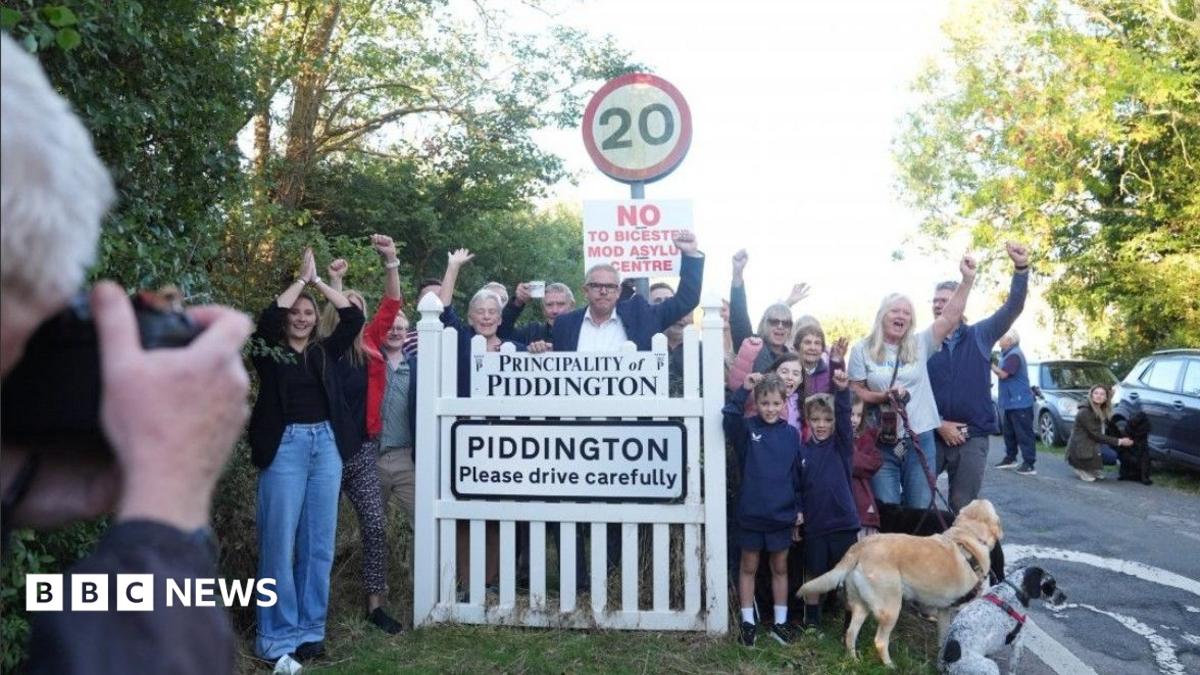
Delivering the result, Susannah Parden, vice chair of the parish council said: “We are Piddington the village that roars.”

Following the result, council chair Tim McNally said: “This is an example of democracy in operation.

“We went into this village hall as the underdogs – we had a plucky idea.

“We have given a message to the world.”

Advertisement

Responding to the village saying it had “roared”, Culture Secretary Lisa Nandy told BBC Breakfast: “I think they have – we have heard it, we are listening.

“I do really understand that when changes are made that affect your community it can be very distressing.

“We inherited an enormous asylum backlog, we are processing claims much more quickly, we are removing people who don’t have the right to be here,” she said.

“Small boat crossing fell this summer for the first time in many years because of the action we have taken.

Advertisement

“While we get a grip on the asylum chaos that we inherited we do need to make sure that we live up to our obligations and house people coming to this country seeking safety.”

Tim Beader, Oxfordshire County Council leader, said: “I think what this shows is the Piddington campaigners have done an incredible job to highlight their concerns about the proposed asylum centre.

“This shows how strongly they feel about the proposal.

“It’s partially about the proposal itself, and partially about how the government has gone about this without engaging with the local community or looking at the feasibility of this site.

Advertisement

“It’s the wrong site for the local communities, for the asylum seekers themselves, and for the taxpayer.”

Source link

Continue Reading

NewsBeat

Amanda Seyfried Splits From Husband Thomas Sadoski

Published

on

Amanda Seyfried Splits From Husband Thomas Sadoski

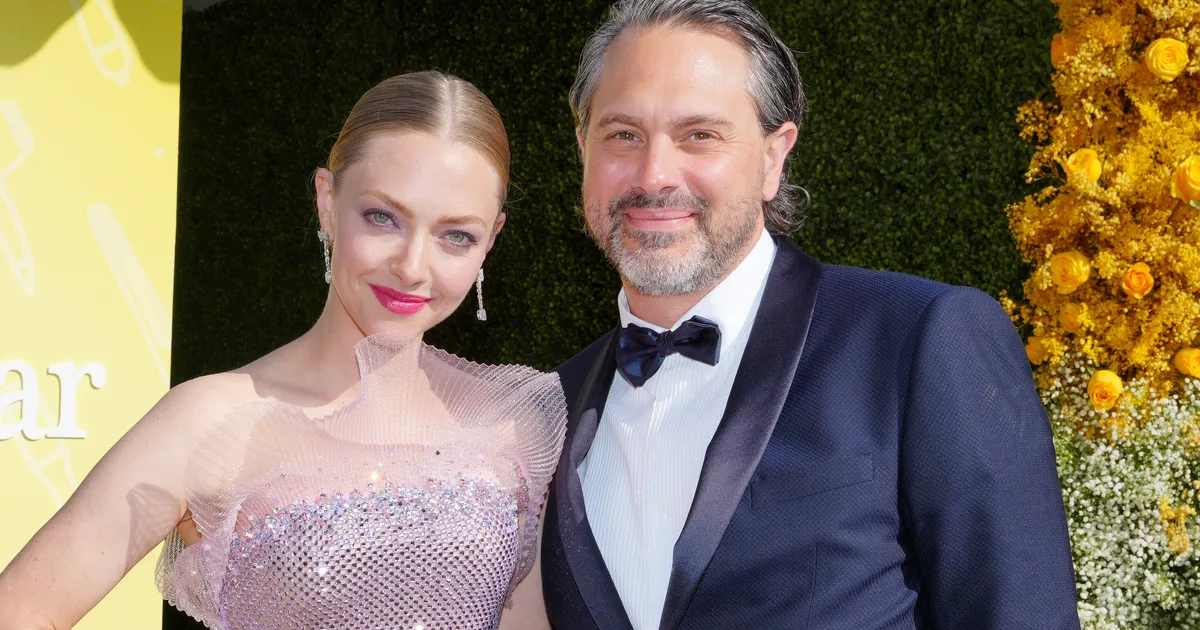
Amanda Seyfried has announced that she and her husband of nine years, Thomas Sadoski, have split.

In a statement to People magazine, the two stars explained that they had been “separated for a while”, which had proved to be “the right move for us and our family unit”.

“We’ve got each other forever – and it’s GOOD,” Amanda and Thomas added in their joint statement.

The pair first got together around a decade ago, after starring in the two-person, off-Broadway romance The Way We Get By, before reuniting again in the movie The Last Words.

Advertisement

After dating for a few months, Amanda and Thomas announced their engagement in 2016, and tied the knot six months later, in a private ceremony in the country.

Two weeks after her wedding, Amanda announced that she’d given birth to a daughter, Nina, with the former couple also welcoming a son, Thomas Jr, in September 2020.

Amanda and Thomas at the premiere of the second Mamma Mia! movie in 2018

Amanda has been a familiar face on the big screen ever since her break-out in 2004’s Mean Girls.

Since then, she’s starred in the musicals Mamma Mia! and Les Misérables, and earned her first Oscar nomination for the drama Mank in the early 2020s.

Advertisement

Her recent work has included the critically-acclaimed musical drama The Testament Of Ann Lee, the soapy thriller The Housemaid and the TV series The Dropout, for which she won an Emmy back in 2022.

Thomas’ most notable work has included roles in the TV shows The Newsroom and Life In Pieces.

More recently, he starred opposite Tom Holland in Apple TV+’s The Crowded Room and played Brian Murphy in American Sports Story, a new anthology series co-produced by Ryan Murphy.

You might also recognise Thomas for his work as Officer Jimmy in the John Wick movies, and he is also an established star in the theatre world, earning a Tony nomination for his leading performance in the Broadway play Reasons To Be Pretty.

Advertisement

Source link

Continue Reading

NewsBeat

ITV 70 Up viewers ‘bawling’ over ‘heartbreaking’ series as 7 Up kids return

Published

on

Manchester Evening News

70 Up has returned to ITV for one final time, as the groundbreaking social experiment reaches its final chapter and viewers are left in tears

ITV viewers have revealed they were left ‘heartbroken’ and in tears as a groundbreaking social experiment that has lasted over 60 years came to an end.

Advertisement

On Tuesday, 16 September, the first of two instalments of 70 Up aired, showing the original children from 1964’s 7 Up. Back then, 14 children had taken part in the first series, and continued to do so every seven years since.

They’ve now closed the chapter with one final series, with ITV previously teasing: “Sue will talk about marrying Glenn and decades working at Queen Mary University of London, while Peter has more music news. KC John who wanted a powerful career and lawyer Andrew, the prep school boy who famously read the FT, return. Alongside them is Suzy, the young ballerina who hated her private school.

“The series will remember fondly the late Lynn, part of the trio of friends. Meanwhile, we hear from Charles who left the programme at 21. And the series will also include a poignant and moving interview with the late Nick, the farmer’s son who fulfilled his dream to become a nuclear physicist.”

Advertisement

After hearing about the stars who had passed, watching the once seven-year-olds grow up over the years and face the hardships of life, and one of the contestants, Neil, revealing how he had once been left homeless and struggled with his mental health, viewers were left emotional.

One person wrote: “In a quiet way, this is all incredibly moving. There’s such a great amount of regret and pain in this life. So much of it unspoken.” Another commented: “Remarkable social experiment. Quite emotional watching their lives,” reports the Mirror.

Other viewers called it a “hard watch”, with some admitting they were in tears, as one said: “I’m bawling already knowing Nick is no longer with us.” Another person said: “So moving and thought-provoking. Again. You can’t help but reflect about your own life…wonder what you’ve done for the last seven years…loss…everything…Utterly brilliant , despite wanting to see more ‘70’ updates.”

Someone else said: “I’m very emotional watching #70Up tonight on ITVX. In the blink of an eye, hopes and aspirations of children are but distant memories. It’s all flown by – time and life. No matter what you roots, your privilege or lack of privilege, just so many regrets. It’s a sharp reminder to cherish every day, try to fulfil your dreams and remember what’s important.”

Yet another wrote: “Wow!!! Probably the greatest TV series of all time.” Someone else said: “70 Up (Part 1) on ITV is absolutely fantastic; having only seen the last two films broadcast, I still feel a strange love and motivation for those involved. Well done to Asif Kapadia and ITV for concluding the series after Michael Apted.”

The reaction comes after one of the contestants, Suzy, opened up about how she’d found filming “difficult” and “intrusive” over the years. She appeared on Tuesday’s Good Morning Britain with Susanna Reid and Ed Balls, and revealed she’d never watched the series before.

Susanna began: “As I understand it, you’ve never watched your story back. Why not?” Suzy replied: “Because I find it really hard. Do most people like watching themselves back? I don’t know?”

Advertisement

Susanna went on to question: “Do you find it hard because you find hard things have happened in your life? Or do you find it hard because you found filming the programme intrusive and hard?”

Suzy replied: “It’s more the intrusive side, because I’m quite a private person and I just find it really difficult trying to put it out there.” Suzy went on to recall how she was “very shy” as a young teenager, adding: “You look at 14-year-olds now and they’re so different to how we were.”

As Ed admitted he found watching the final show “incredibly emotional”, Suzy shared: “When it started off, as a so-called go at the class system, thank goodness that’s all changed. People are now interested enough and the class system has changed, thankfully, I believe. I think it’s blended now.”

Advertisement

Reflecting on her words in the show that “some of the pieces of the jigsaw are missing,” she added: “This 70 is now putting in the final piece of the jigsaw and closing it.”

70 Up is available to watch on ITVX.

Source link

Advertisement
Continue Reading

NewsBeat

Inflation rises to 3.1% with fears of worse to come from Middle East energy meltdown – as Brits face threat of interest rate hikes and more tax at Budget

Published

on

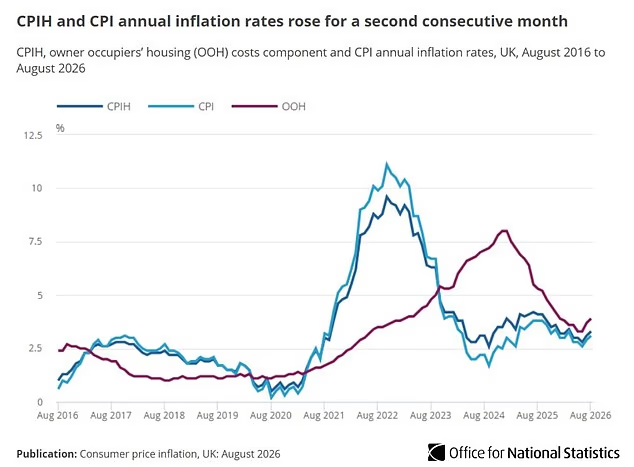
The headline CPI inflation rate was 3.1 per cent in August, up from 2.9 per cent the previous month

Brits are bracing for a fresh wave of inflation today after official figures showed prices already accelerating.

The headline CPI rate was 3.1 per cent in the year to August, up from 2.9 per cent the previous month.

The bump was in line with expectations, but economists have been warning that could be only the start, as the Middle East crisis looks to be deepening. 

Oil costs have been running at eye-watering levels, with Brent Crude at $108 a barrel this morning. Drivers are already feeling the pinch at the pumps, where diesel is at a four-year high.

Advertisement

There are estimates that energy bills could be set to rise by a quarter in January, while the Government is struggling to find ways of balancing the books at the Budget next month. 

Some analysts believe CPI will now hit 4 per cent next year, with markets pricing in multiple interest rate increases as the Bank of England fights to prevent a spiral.

The Monetary Policy Committee – which targets 2 per cent inflation – will make its latest decision on rates tomorrow, although it is widely predicted to hold fire this time.  

Advertisement

The headline CPI inflation rate was 3.1 per cent in August, up from 2.9 per cent the previous month

Andy Burnham and John Healey (left) are struggling to find ways of balancing the books at the Budget next month

Andy Burnham and John Healey (left) are struggling to find ways of balancing the books at the Budget next month

ONS Chief Economist Grant Fitzner said: ‘Sharp price rises for petrol and diesel pushed inflation up again in August. Higher airfares, particularly for long-haul journeys, also contributed to the increase.

‘Rising crude oil and petrol prices increased both the annual cost of raw materials and the price of goods leaving factories respectively.’

Advertisement

Gas prices have also been ticking higher since the US-Iran ceasefire deal collapsed on July 8. 

In a small bright spot, so-called core CPI – excluding energy, food, alcohol, and tobacco – held steady at 2.6 per cent in the year to August. 

Mr Healey said: ‘The war in the Middle East is impacting on inflation worldwide, not just here at home. In our bills, our weekly shop and at the petrol pumps.

‘We have taken early action to help families and businesses breathing space, by cutting tax on electricity bills, capping bus fares at £2 and lowering rates for pubs, social clubs and live music venues.

Advertisement

‘Despite this serious global uncertainty, our UK economy is proving resilient, and our determination to deliver and growth in every postcode continues.’ 

There was a bleak readout for Britain’s jobs market yesterday.

Official figures showed numbers on company payrolls fell by 26,000 last month, and are now down 145,000 over the past year. 

Job vacancies tumbled to a fresh five-year low in the three months to August, with around 8,000 fewer advertised compared to the same period in 2025. 

Meanwhile, private sector regular wage growth was 2.9 per cent – barely keeping ahead of inflation

Advertisement

Shadow chancellor Andrew Griffith said: ‘Inflation is now at 3.1 per cent meaning that every family is paying the price for Labour’s choices.

‘Labour’s jobs tax and employment red tape are being passed on to consumers in the weekly shop and their mad energy policies are pushing up costs and leaving Brits exposed.

‘In difficult times, we need a serious government with a plan, not amateurs with a bunch of pet projects.’

Harvir Dhillon, lead economist at the British Retail Consortium, said: ‘Today’s figures highlight the challenging environment retailers face. 

Advertisement

‘Headline inflation has increased, with goods such as clothing and accessories seeing marked increases on the month. 

‘One bright spot for households was that food inflation remained unchanged, with deals to be had on staple items like olive oil and coffee… 

‘Tackling the cost of living is a top priority and retailers continue to do all they can to hold prices down. 

‘But until fiscal conditions improve, they will be fighting with one hand tied behind their back. The Autumn Budget is a chance to reset and reduce the cost pressures building up across the industry.’

Advertisement

Source link

Continue Reading

NewsBeat

Missing Noah latest: Desperate search for Suffolk boy, 3, who vanished from playground

Published

on

Daily Mirror

Noah was wearing a white t-shirt with the TV character Bluey on, shorts and black Vans trainers with a white stripe, say police.

He is three years old and has curly ginger hair.

Anyone who believes they have seen Noah is asked to contact Suffolk Police, quoting CAD 203 of 15 September.

Advertisement

The force can be contacted on its website or by calling 101. Alternatively, you can use the Live Chat service by clicking the icon at the bottom right corner of the Suffolk Police homepage.

Source link

Continue Reading

NewsBeat

Ex-jockey dies following Newtonards alleged assault

Published

on

Belfast Live

He died in hospital after an incident at a property

A man who passed away on Sunday following an alleged assault in Newtownards the previous week has been identified as former jockey Patrick (Paddy) Donaghy.

Advertisement

The 39 year old was a flat racing jockey operating out of Britain for ten years from 2005 to 2014, notching up more than 60 victories throughout a career that included regular rides for northern England-based trainers Pat Haslam and Jedd O’Keeffe.

Mr Donaghy died in hospital after an incident at a property in the Stratheden Heights area of the County Down town on Monday, 7 September.

His final race was at Wolverhampton in October 2014, while the last of his 63 career wins came aboard a horse called Hamble at Lingfield in June 2014.

His brother, Joseph Donaghy, 46, appeared before Newtownards Magistrates Court last week facing charges of causing grievous bodily harm relating to the incident.

Advertisement

The PSNI have declined to release additional information about the circumstances of the incident or how the man came to be hospitalised.

Police announced the investigation into the man’s death on Monday, 14 September, six days after the incident at the residence.

A Police Service of Northern Ireland (PSNI) statement confirmed: “Detectives are investigating the circumstances surrounding the death of a man aged in his thirties.

“The man died in hospital on Sunday, following an incident at a house in Stratheden Heights, Newtownards, on September 7. There are no further details at this time.”

Advertisement

A death notice for Donaghy published on Funeral Times read: “Peacefully in hospital. Late of Stratheden Heights, Newtownards. Dearly loved son of John and Sarah Donaghy. Much loved brother of Joseph, Brona and her husband Simon and Sarah. A loving and devoted father of Lennon, a dear uncle to his many nieces and nephews. RIP.

“Service in St Patrick’s Parish Church, North Street, Newtownards on Friday 18th September at 11:00am, followed by committal in Movilla Cemetery. House Strictly Private Family Only.

“Family flowers only please. Donations, if desired, to ICU Ulster Hospital may be made online at https://sclarkeandson.co.uk/donate. Or cheques payable to SEH & SCTrust. Lovingly remembered and sadly missed by the entire family circle.”

Click here to sign up to our sport newsletter, bringing you the latest sports news, headlines and top stories.

Advertisement

Source link

Continue Reading

NewsBeat

Piddington votes for independence from Britain: Residents approve symbolic measure to leave the UK amid battle to stop new asylum camp that’s four times the size of their village

Published

on

The Oxfordshire village of Piddington announces it has voted in favour of independence today

Residents of a tiny Oxfordshire village have voted overwhelmingly to declare independence from Britain in a symbolic referendum staged in protest at plans to house more than 1,200 asylum seekers at a former military base nearby.

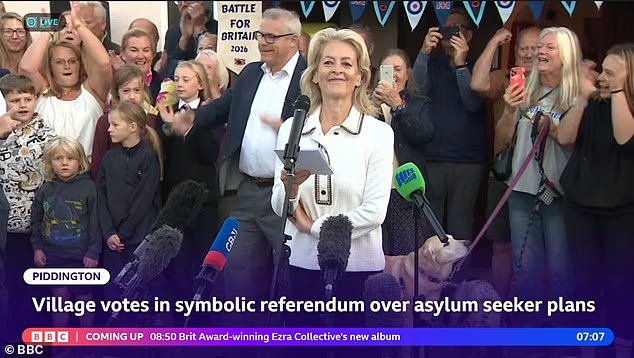
Piddington’s parish council announced the result at 7am today after villagers went to the polls yesterday to decide whether their community should ‘secede’ from the UK.

Some 312 votes were counted, making up 92 per cent of the ballot papers issued – with 285 voting ‘yes’ and 26 voting ‘no’. One spoiled paper was also recorded.

The vote has no legal force and will not take Piddington out of the UK, but campaigners hope the gesture will send a message to Westminster over the proposed asylum accommodation at the former Ministry of Defence site at Bicester.

Advertisement

The result was announced by a returning officer to an audience of dozens of journalists and residents gathered outside Piddington village hall this morning. 

Parish council chairman Tim McNally said today that it was an ‘incredible day’, adding: ‘Yesterday was the anniversary of the Battle of Britain and for us it was the Battle for Britain. We’d been identified as Ground Zero for a whole number of issues.’

He spoke in front of a pennant reading ‘Battle for Britain 2026’ outside the village hall, alongside another marking the date of the Battle of Britain – September 15, 1940.

Addressing politicians including Prime Minister Andy Burnham, he added: ‘This is an example of democracy in action. This is an example of a mandate of behaviour.’

Advertisement

Mr McNally continued: ‘I didn’t realise what I was opening up and getting involved in. I just thought we were going to be opposing a plan. A plan that would have an impact on our village, that could turn our village upside down in a way not quite envisaged before.’

He described residents as ‘underdogs’ with a ‘plucky idea’, but said: ‘We have given an absolute message, not just to the region, not just to the country but to the world.’

The Oxfordshire village of Piddington announces it has voted in favour of independence today

Advertisement
Residents attend a parish council meeting in the village hall in Piddington yesterday

Residents attend a parish council meeting in the village hall in Piddington yesterday

Parish council chairman Tim McNally told residents today that it was an 'incredible day'

Parish council chairman Tim McNally told residents today that it was an ‘incredible day’

Piddington's women campaigned against plans to house 1,250 asylum seekers in their village

Piddington’s women campaigned against plans to house 1,250 asylum seekers in their village

The result comes as the Government’s planning application for the site remains under consideration.

The Home Office is seeking permission for the temporary use of the former Bicester Garrison, including new modular accommodation, health and welfare facilities, roads, security infrastructure and recreational areas, to accommodate up to 1,256 people.

Advertisement

The proposed site is now the subject of a formal consultation, with representations due by tomorrow. But the proposed number of asylum seekers would be more than three times the size of Piddington’s population, which is around 350 people.

The scale of the plans prompted the campaign, with residents arguing infrastructure and the local road network are not equipped to deal with the proposed development.

Pensioner Herbert Owen, known locally as Herbie, described the referendum as the ‘Battle of Britain’ after casting his vote. 

The 76-year-old said: ‘It means everything our grandparents, our parents fought for – today is the Battle of Britain. This isn’t just about Piddington, this is about our whole country. This Government is destabilising our country.

Advertisement

‘Wherever they put these people, in camps, in HMOs (houses in multiple occupation), or whatever, they’re ruining people’s lives.’

Mr Owen said Piddington was a ‘wonderful little village’ and that it had changed little since he moved there 33 years ago.

The referendum follows an earlier vote in July in which 96 per cent of those who took part backed holding an independence referendum.

The date of that vote, July 4, was deliberately chosen because it is associated with the American Declaration of Independence.

Advertisement

Residents have since stepped up their campaign against the asylum plans.

Last week, 133 women from Piddington wrote to female MPs warning that their lives could be transformed if the plans went ahead.

The letter said: ‘life as we know it will be destroyed’ if the plans succeed.

‘We will not feel safe walking our streets. We are already living in fear,’ they wrote.

Advertisement

More than 20 women have also reportedly signed up for self-defence classes after residents said they had been advised by police to take precautions.

A protest sign pictured outside the Bicester Ministry of Defence site in Oxfordshire

A protest sign pictured outside the Bicester Ministry of Defence site in Oxfordshire

A blank ballot paper in Piddington

A blank ballot paper in Piddington

Residents gather waiting for the results to arrive

Residents gather waiting for the results to arrive

Advertisement
Restore Britain leader Rupert Lowe outside the village hall in Piddington

Restore Britain leader Rupert Lowe outside the village hall in Piddington

A protest sign (bottom right) outside Bicester military camp this week

A protest sign is seen (bottom right) outside Bicester military camp this week

Melise Witkin, 59, said: ‘This is not about being rich or poor, this is about safety. People have worked really hard throughout their lives to live in this village.

‘It is not such a rich or poor village. I just don’t think that is a conversation to be had. This is about safety.

Advertisement

‘We are 356 people in the village with 46 children and 1,250 men turning up is a recipe for disaster. People walk their dogs, children play, I just think it is madness.

‘This is about safety, nothing more. Even for them [the asylum seekers], along that road there is no pavement, there are no street lights. We just have to be realistic.’

The road access has been a particular concern.

Parish councillor Mike Nixon said the proposed site has no pedestrian access areas and that the Government had suggested asylum seekers could be given high-visibility jackets while walking along a busy road.

Advertisement

He said: ‘The nearest path is about a mile and a quarter away, down a very busy road that’s unlit.’

The Government’s own travel plan describes pedestrian access as ‘limited’ and says travelling on foot is ‘not recommended’. It adds that cycling and public transport options may be provided.

The Government has stressed that the former military site would be designed to be largely self-contained to minimise its impact on the surrounding community.

A Home Office spokesman said the Government is working to ‘fairly house asylum seekers’ across the country as it closes asylum hotels.

Advertisement

‘As part of the process, we engage with local authorities and police forces to ensure the safety and security of those in the surrounding area,’ the spokesman added.

A spokesman for the Prime Minister said the Government was ‘working to fairly house asylum seekers across the country’.

Reform's Suella Braverman backed the residents. She is pictured speaking to one of them

Reform’s Suella Braverman backed the residents. She is pictured speaking to one of them

A sign for the village of Piddington is pictured next to another saying "350 residents, 1250 proposed, nearly 4x our village population" - in reference to local objections to a government plan to house some 1,200 asylum seekers at a nearby Ministry of Defence (MoD) site

A sign for the village of Piddington is pictured next to another saying ‘350 residents, 1250 proposed, nearly 4x our village population’ – in reference to local objections to a government plan to house some 1,200 asylum seekers at a nearby Ministry of Defence (MoD) site

Advertisement
Shadow home secretary Chris Philp (right) and shadow minister for women and equalities Joy Morrissey (left) speak with residents in the village

Shadow home secretary Chris Philp (right) and shadow minister for women and equalities Joy Morrissey (left) speak with residents in the village

An ariel view of the village of Piddington in Oxfordshire

An ariel view of the village of Piddington in Oxfordshire

They said the government was ‘engaging with local authorities to reduce the impact on communities and we’ve saved taxpayers more than £1bn on asylum support costs since the election’.

‘The Home Office has submitted an application to obtain planning permission to use the Bicester site for asylum accommodation, but it remains the case that no final decision has been taken on the site’s future use,’ the spokesman added.

Advertisement

The Home Office first announced the Bicester proposal in June as part of its efforts to reduce reliance on asylum hotels and move people into alternative accommodation.

The current planning application is for up to 1,256 people and says the proposed use would be temporary.

The Home Office has stressed that submitting the application does not mean a final decision has been taken, with the proposal still subject to planning, due diligence and other approvals.

The referendum has nevertheless attracted national political attention.

Advertisement

Reform UK leader Nigel Farage has said he would support other communities seeking to hold similar symbolic votes, while Reform MP Rupert Lowe told reporters outside Piddington village hall that the referendum should be ‘lauded’.

He said: ‘I think if we’re going to stop this, the people have to rise up and say they’ve had enough, and they’re not going to put up with this.’

Former Conservative Home Secretary Suella Braverman also visited the village before the vote.

She said: ‘This will dramatically transform the character of the village. These are the wrong plans for this village, and you know only harm and damage will come from it.

Advertisement

‘I applaud the efforts of these women to make their voices heard. They’ve spoken very powerfully, and they are the reason I’m here. I stand with them.’

Shadow Home Secretary Chris Philp also visited residents and said: ‘The mothers and grandmothers of Piddington are clearly terrified for the safety of their daughters and granddaughters, because we know young male illegal immigrants are disproportionately likely to commit sex offences and rape.

‘Being here underlines how important it is to kick out this Labour Government and leave the ECHR, which would enable us to deport illegal immigrants upon arrival, instead of imposing them on places like Piddington.’

The Government has not yet made a final decision on the future of the Bicester site.

Advertisement

And despite Piddington’s symbolic declaration of independence, the village remains legally part of the United Kingdom.

For residents, however, the vote was intended to demonstrate the strength of feeling over a development which they say would fundamentally alter their community.

Source link

Advertisement
Continue Reading

NewsBeat

UK inflation rate rises to 3.1% in year to August

Published

on

UK inflation rate rises to 3.1% in year to August

The UK inflation rate rose to 3.1 per cent in the year to August, pushed up by “soaring” petrol and diesel prices.

The latest figures were released on Wednesday morning by the Office for National Statistics (ONS).

Inflation hit 2.9 per cent in July, which was its highest level in four months, after the price of energy was pushed up by the conflict in the Middle East.

Inflation measures the increase in the price of goods over time. The Bank of England has set a target of keeping the rate at 2 per cent.

Advertisement

The ONS said that the cost of transport, “particularly motor fuels”, made the largest upward contribution to the higher inflation rate.

Inflation measures the increase in the price of goods over time (file photo)
Inflation measures the increase in the price of goods over time (file photo) (PA)

“Sharp price rises for petrol and diesel pushed inflation up again in August,” ONS chief economist Grant Fitzner said.

“Higher airfares, particularly for long-haul journeys, also contributed to the increase.”

Prices in the transport division rose by 4.6 per cent in the 12 months to August, the ONS said.

“The average price of petrol rose by 9.1 pence per litre between July and August 2026, compared with a rise of 0.3 pence per litre between July and August 2025.”

Advertisement

On Tuesday, the RAC said that the cost of filling a family car with fuel had risen by almost £5 since the start of September.

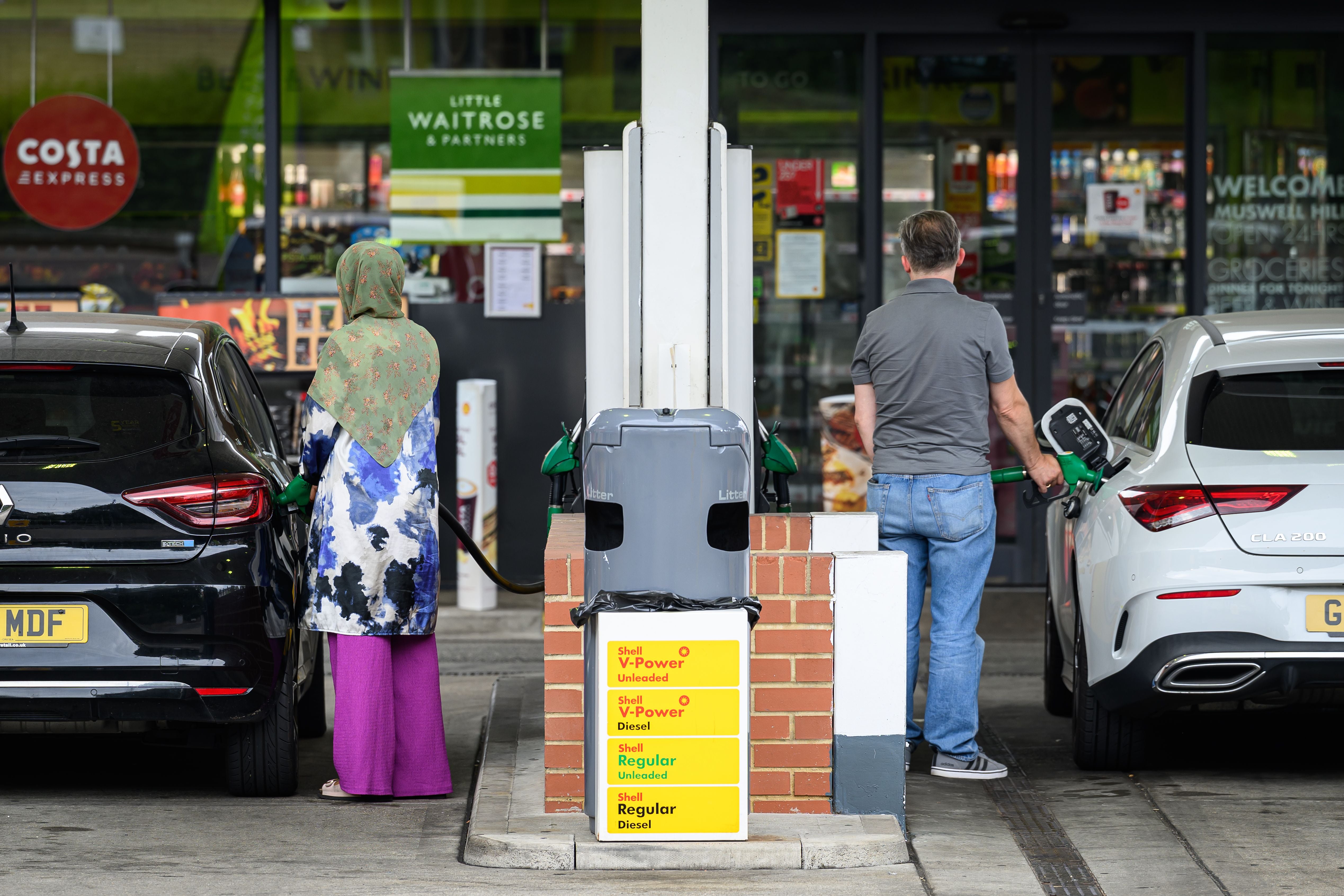
The ‘soaring’ cost of petrol and diesel has contributed to the rise in inflation
The ‘soaring’ cost of petrol and diesel has contributed to the rise in inflation (Getty)

Average UK forecourt prices reached 170.54p a litre for petrol on Tuesday, while diesel climbed to 192.86p, the motoring services company said.

Diesel is now at its highest price since 29 July 2022, with petrol reaching levels not seen since 23 August 2022.

The Bank of England will meet on Thursday to decide whether to change its interest rate, which it uses to control inflation. The rate currently sits at 3.75 per cent.

This is a breaking news story. More follows. Subscribe here to get the latest updates from The Independent.

Advertisement

Source link

Continue Reading

Trending

Copyright © 2025