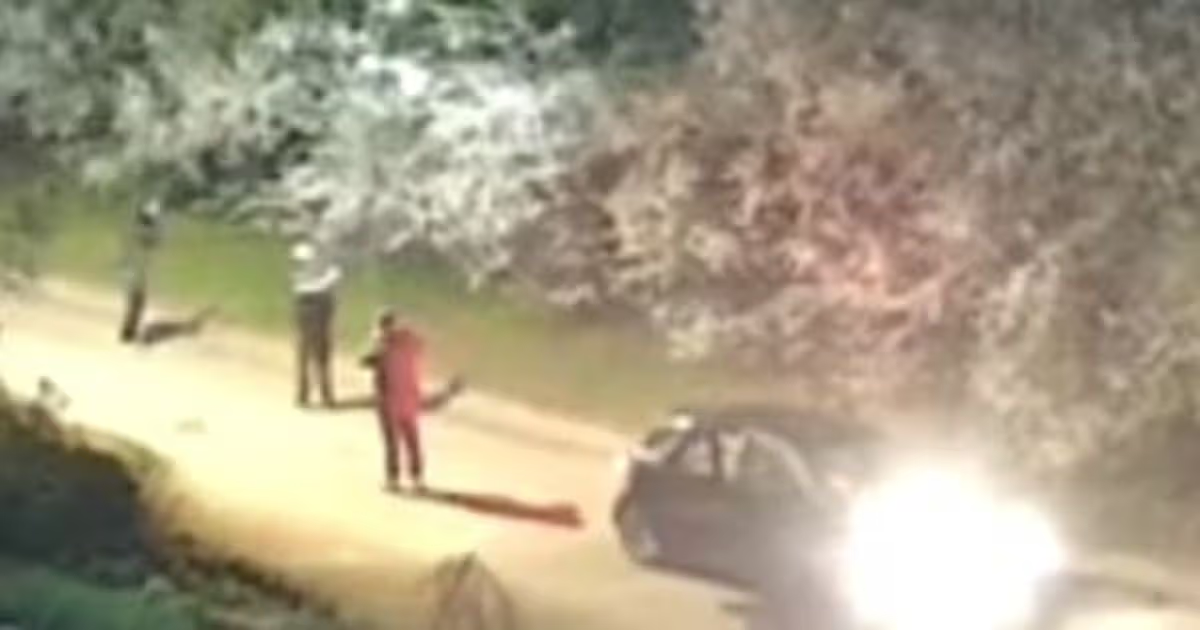
Police are on the hunt for three men who shot and killed a peahen with an air rifle. The incident happened at around 2.30am on March 3 on Higham Road in Gazeley, near Newmarket.
Advertisement
Three male suspects are reported to have entered private land, shone powerful torches into some trees, before discharging an air weapon. A peahen, a female peacock, was shot and killed as a result of the incident.
The suspects were travelling in a dark coloured car.
Suffolk Police are now urging anyone who recognises those featured on the CCTV image, or has any information on the incident, to get in contact with them quoting reference 37/12522/26.
You can contact Suffolk Police online, or by calling 101. Alternatively, you can contact Crimestoppers anonymously on 0800 555 111.
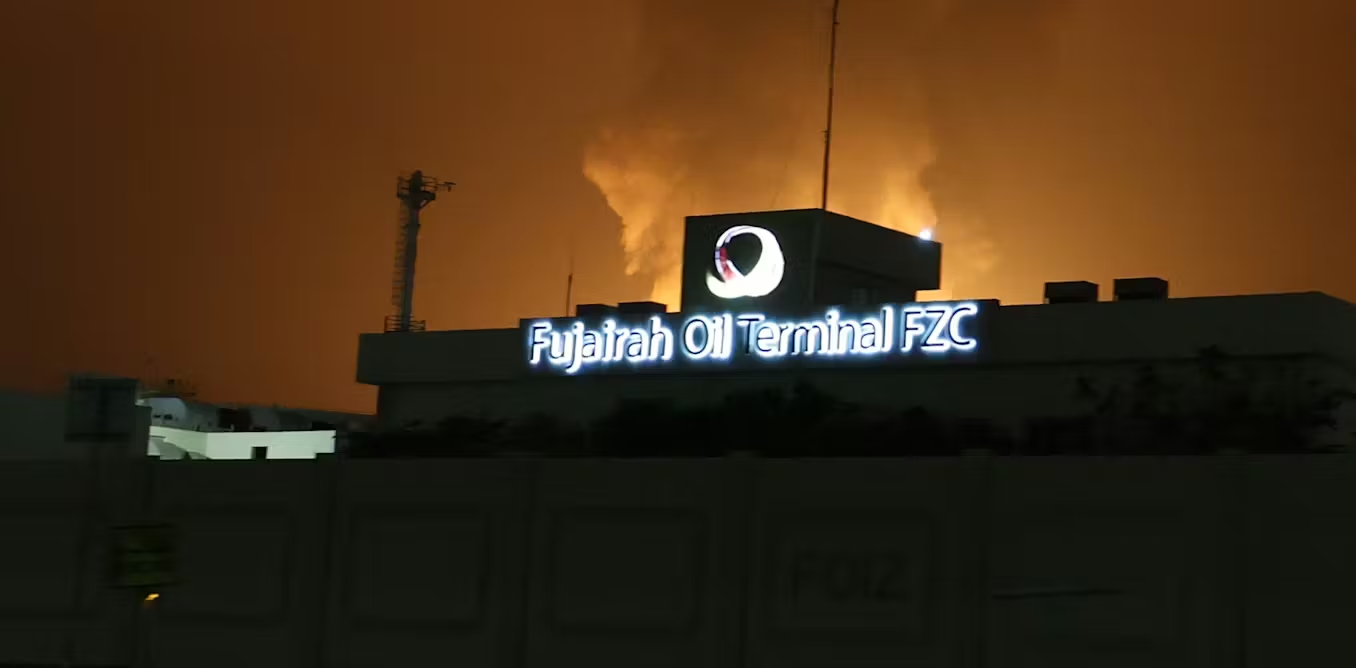
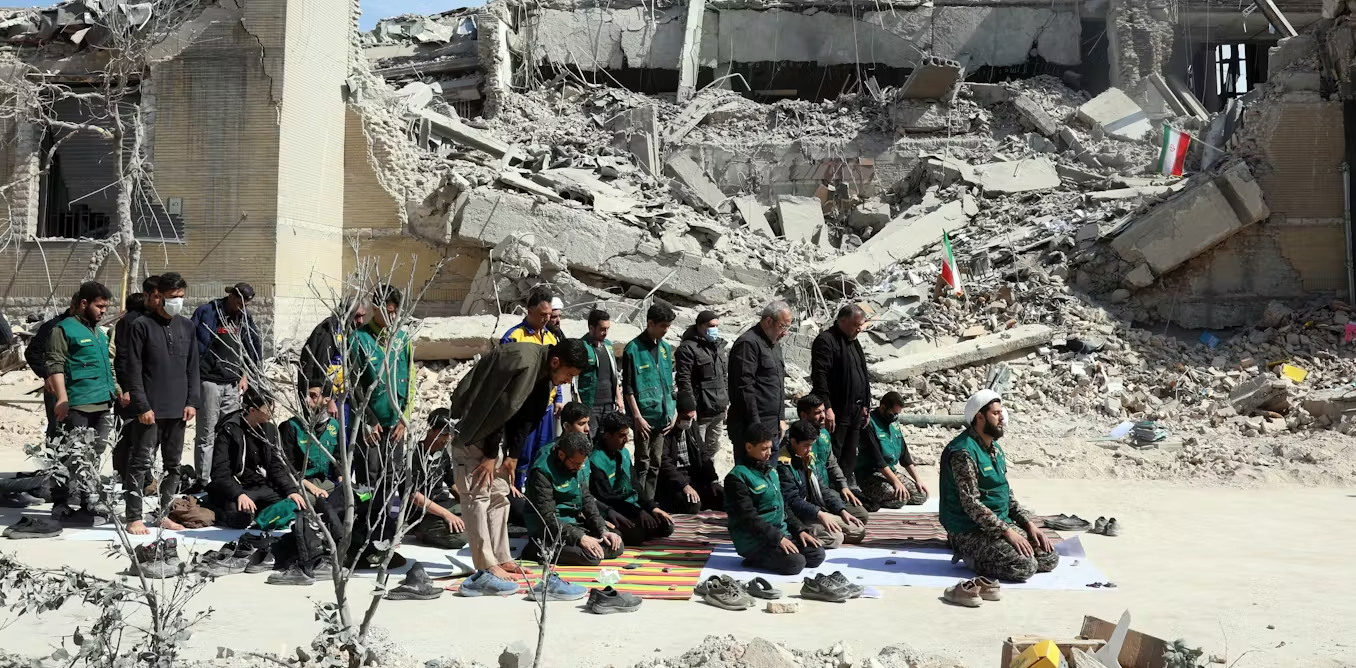
Iran immediately responded to US-Israeli strikes on February 28 by launching coordinated missile and drone attacks against US military installations in the Gulf region. Since then, its targeting has expanded to airports, seaports, hotels and oil refineries. The debris from missile interceptions has produced several casualties.
The first official statements from governments in the Gulf, with the exception of Oman, refrained from condemning the US-Israeli strikes. Those strikes killed Iran’s supreme leader, Ayatollah Ali Khamenei, along with several senior Iranian officials and nearly 180 civilians. Many of these were schoolgirls killed in an attack on a school in southern Iran.
This lack of condemnation did not go unnoticed. Across social media, a wave of debate broke out, with many Gulf citizens asking how governments that style themselves as voices of measured multilateralism could fail to register the illegality of the US-Israeli aggression against Iran.
However, as the barrage continued and many Gulf citizens and residents found themselves stuck indoors, the initial sympathy for Iran’s position began to give way. For most Gulf citizens, the sound of explosions and aerial interceptions is new. The exception is Kuwait, whose population carries the memory of Iraq’s 1990 invasion and occupation.
Advertisement
Like many anxiously watching from a distance, I have been calling family and friends in the Gulf every day. They send voice notes offering insights on the conflict that rarely make it into official Gulf channels.
A military helicopter flies over Doha on March 4 as Iran retaliates against US-Israeli air strikes by firing hundreds of missiles and drones at neighbouring Gulf countries. STR / EPA
Those who had been through war before knew what to do. An Emirati friend described a message from her Lebanese colleague, who had lived through multiple cycles of conflict and passed along a piece of practical advice: “Keep your windows and doors slightly ajar, so that pressure from nearby explosions does not drive the glass to shatter inward.”
She went on to recount how a Serbian woman in Dubai, who had survived two wars and believed she had exhausted her capacity to do so again, had told her she found the sounds so triggering that she spent the night sleeping in her car in the basement of her apartment building.
The sight of a long queue outside an Emirates airline office in a Dubai mall offended at least one Emirati observer. Expatriates rerouting their lives away from a conflict that had not yet become catastrophic, by any measure, was something this person found “cowardly”, she told me in an indignant voice note.
Advertisement
A Qatari friend put the asymmetry differently. Western governments, she remarked, could be relied on to extract their nationals from the consequences of foreign policy decisions they had supported. In contrast, Gulf populations would be left to absorb them – including rising food prices that could strain household budgets if traffic through the strait of Hormuz remains disrupted.
To date, the casualty figures in the Gulf are relatively low. Three people have died in Kuwait, three in the United Arab Emirates (UAE), three in Oman and one in Bahrain. None were Gulf citizens. Two of those killed in Kuwait were members of the Bidoon, a stateless community that has existed in Kuwait for generations without formal legal recognition.
For now, the absence of citizen casualties has softened the psychological impact of the conflict, exposing the racial hierarchies that have long plagued Gulf societies. But it is possible the Gulf governments are managing disclosure carefully, wary of provoking panic.
The information environment there is tightly controlled. The UAE has warned the public against filming or sharing footage of strikes and interceptions, with violations carrying a fine of 100,000 UAE dirhams (roughly £20,000) and potential imprisonment.
Advertisement
Saudi Arabia, Kuwait, Bahrain and Qatar have also issued directives urging citizens and residents to rely only on official sources.
Regional security questions
The conversation has taken on a different register among Gulf scholars and commentators. Despite the narrow space for debate, the war has opened an unexpected aperture for introspective commentary.
Conspicuously absent have been Emirati voices. Scholars and commentators in the UAE operate under tighter constraints than their Gulf counterparts. Views that interrogate state policy also rarely find their way into public circulation.
Saudi analyst Sulaiman al-Oqaily, speaking on Al Jazeera on February 28, gave voice to a frustration that has also appeared in local media. He argued that the US, nominally a security partner to the Gulf, had revealed itself as focused overwhelmingly on Israeli security, with scant regard for the Gulf states.
Advertisement
Omani scholar Abdullah Baabood put it plainly in a social media post on March 3: “The Iran-US war is not the Gulf’s war, yet Gulf states have become sitting ducks – exposed by geography, constrained by alliances, and vulnerable to escalation they neither chose nor control.”
Qatari commentator Abdulrahman Al-Marri offered a more layered analysis. Also in a post on social media, he insisted any serious engagement with the crisis must begin from its most basic fact: this is a war of choice, manufactured by the US and Israel. But he was equally insistent that this should not obscure the Gulf’s own reckoning with Iran.
The US and Israel and also Iran, in Al-Marri’s framing, are respectively engaged in forms of “state terrorism” and “counter-state terrorism” that have cost the region dearly. Iran’s conduct is not absolved by US-Israeli aggression, he writes. Its support for armed proxies and interventions in Iraq and Syria have left a residue of enmity and distrust that are etched in collective memory across the Gulf.
Alongside this, Al-Marri and others have pointed out that US military bases in the Gulf, long presented as guarantors of security, have revealed themselves as liabilities. They have made Gulf territories a target in a confrontation they did not initiate.
Fifty years after independence, the Gulf region has yet to build a security framework that does not depend on outsourcing its defence to external partners whose interests, as this war has shown, do not reliably align with its own.
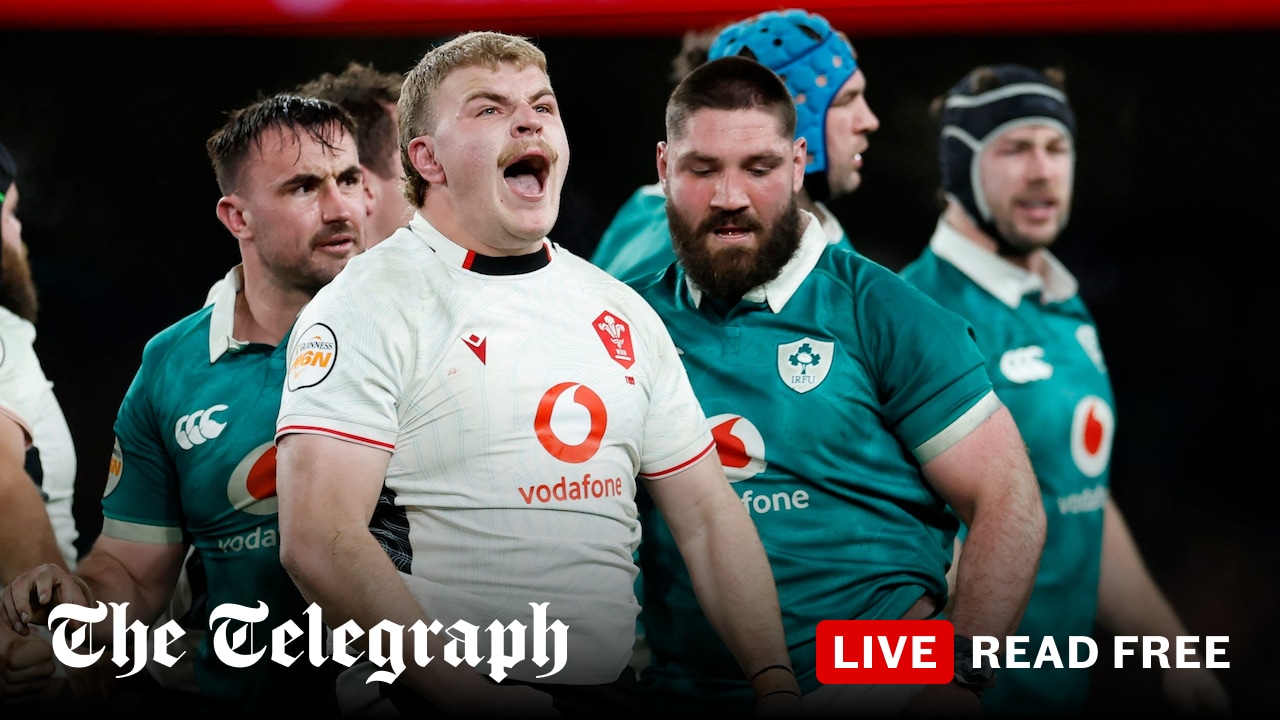
Ireland starting XV: 15 Jamie Osborne; 14 Rob Baloucoune, 13 Garry Ringrose, 12 Stuart McCloskey, 11 Jacob Stockdale; 10 Jack Crowley, 9 Jamison Gibson-Park; 1 Tom O’Toole, 2 Ronan Kelleher, 3 Tadhg Furlong, 4 James Ryan, 5 Tadhg Beirne, 6 Jack Conan, 7 Nick Timoney, 8 Caelan Doris (captain).
Replacements: 16 Tom Stewart, 17 Michael Milne, 18 Thomas Clarkson, 19 Joe McCarthy, 20 Josh van der Flier, 21 Nathan Doak, 22 Tom Farrell, 23 Ciaran Frawley.
Wales starting XV: 15 Louis Rees-Zammit, 14 Ellis Mee, 13 Eddie James, 12 Joe Hawkins, 11 Josh Adams, 10 Dan Edwards, 9 Tomos Williams, 1 Rhys Carre, 2 Dewi Lake (captain), 3 Tomas Francis, 14 Dafydd Jenkins, 5 Ben Carter, 6 Alex Mann, 7 James Botham, 8 Aaron Wainwright.
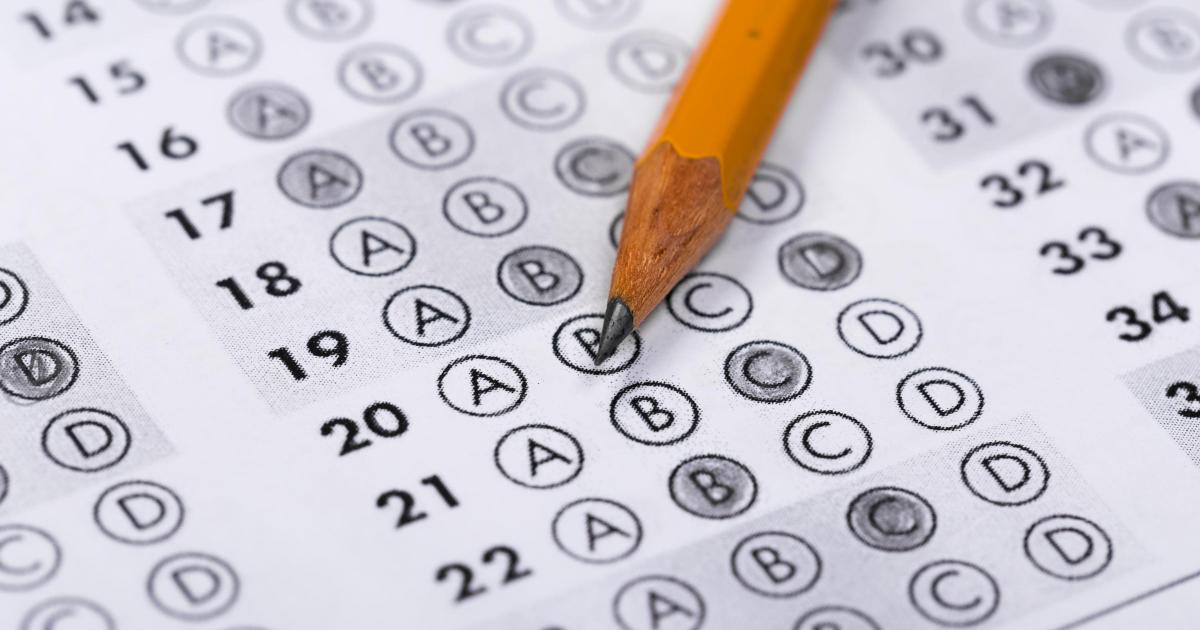
The question has sparked intense debate on Reddit, where users admitted they were completely stumped, even years after leaving school.
One user summed it up perfectly: “The last three questions on Edexcel always left me hopeless.”
A 2025 survey of UK students found that 85% experience exam anxiety, with one in four describing it as nearly unbearable during exams.
Lindsey Wright, Head of Maths Education at Tutors Valley, said: “Exams are designed to challenge students, but parents can make a real difference.
Advertisement
“Understanding how your child learns and providing one-to-one support gives them a safe space to make mistakes, ask questions, and build confidence.
“Research shows 71% of students do not seek any support at all, so this guidance is more important than ever.”
So can you solve this impossible question?
(Image: Tutors Valley)
This video explains how to solve it, and whether or not you found the correct solution.
Advertisement
Fewer than one in five people pass this IQ test, thought to be the shortest in the world at only three questions long.
The Cognitive Reflection Test has a pass rate of just 17 per cent, leaving the majority who attempt it boggled.
It was originally part of a research paper published in 2005 by MIT Professor Shane Frederick, and has recently resurfaced online with many people giving it a go.
Advertisement
As part of his research, Professor Frederick had more than 3,000 participants from a range of educational backgrounds complete the test, but even those attending top American universities such as Yale and Harvard struggled to work out all the answers.
Professor Frederick said: “The three items on the CRT are ‘easy’ in the sense that their solution is easily understood when explained, yet reaching the correct answer often requires the suppression of an erroneous answer that springs ‘impulsively’ to mind.”
So how will you get on?
What are the questions?
1. A bat and a ball cost $1.10 in total. The bat costs $1 more than the ball. How much does the ball cost?
Advertisement
2. If it takes five machines five minutes to make five widgets, how long would it take 100 machines to make 100 widgets?
3. In a lake, there is a patch of lily pads. Every day, the patch doubles in size. If it takes 48 days for the patch to cover the entire lake, how long would it take for the patch to cover half of the lake?
What are the answers?
These are the three most common answers that people guess, but they are actually incorrect:
1. 10 cents
Advertisement
2. 100 minutes
3. 24 days
Professor Frederick said: “Anyone who reflects upon it for even a moment would recognise that the difference between $1 and 10 cents is only 90 cents, not $1 as the problem stipulates.
“In this case, catching that error is tantamount to solving the problem, since nearly everyone who does not respond ‘10 cents’ does, in fact, give the correct response.”
Advertisement
The correct answers are:
1. Five cents
2. Five minutes
3. 47 days
Advertisement
Here are the answers explained
Presh Talwalkar, the author of The Hoy of Game Theory: An Introduction to Strategic Thinking, explained how to work out the correct answers for each of the three questions on his blog, Mind Your Decisions.
1. Say the ball costs X. Then the bat costs $1 more, so it is X + 1. So we have bat + ball = X + (X + 1) = 1.1 because together they cost $1.10. This means 2X + 1 = 1.1, then 2X = 0.1, so X = 0.05. This means the ball costs five cents and the bat costs $1.05
2. If it takes five machines five minutes to make five widgets, then it takes one machine five minutes to make one widget (each machine is making a widget in five minutes). If we have 100 machines working together, then each can make a widget in five minutes. So there will be 100 widgets in five minutes.
3. Every day FORWARD the patch doubles in size. So every day BACKWARDS means the patch halves in size. So on day 47 the lake is half full.
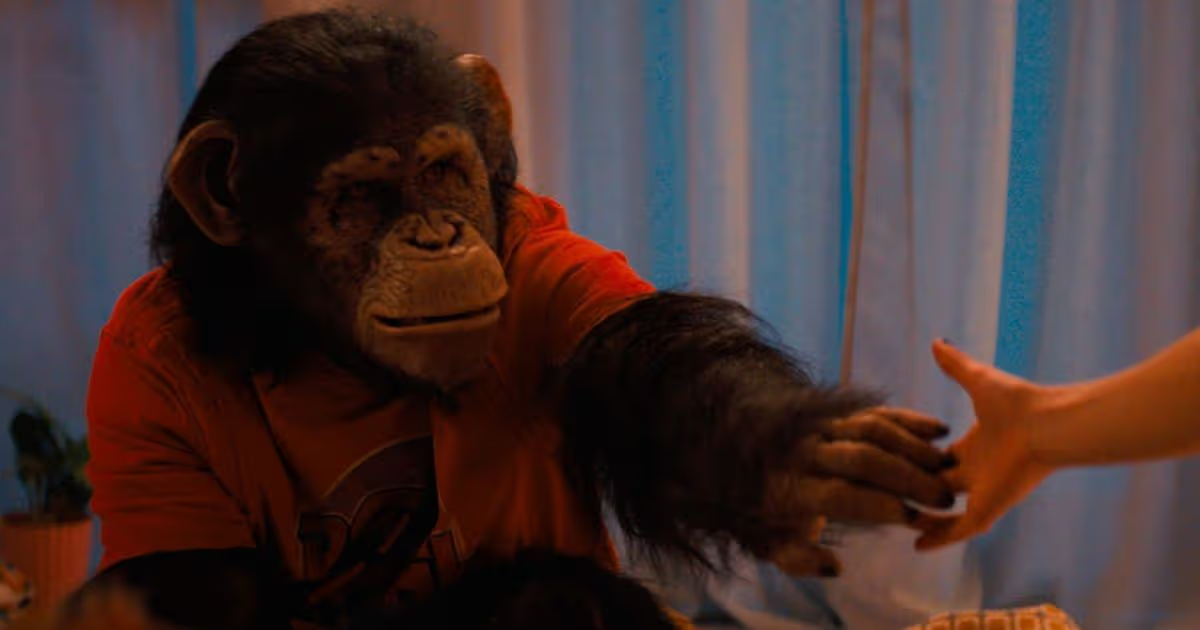
Chilling chimp kills it in lean, mean flick that, thankfully, opts for practical costume and effects.
Think Cujo with a chimpanzee instead of a St Bernard dog and a pool in place of a car and you get Primate.
Advertisement
The latest horror from English director Johannes Roberts (The Strangers: Prey at Night, Resident Evil: Welcome to Raccoon City) sees a group of friends’ tropical vacation turning into a terrifying fight for survival when adopted chimp Ben (Miguel Torres Umba) contracts rabies.
Primate is one of the best animal attack flicks to come along in quite some time.
It’s short and simple but shines with its taut tension and gnarly kills.
Roberts bathes his film in vibrant visuals, including several close-ups of an increasingly stricken Ben, peaking with a twisted bedroom scene that sees Ben surrounded by devilish red lighting.
Advertisement
Some of the characters are throwaway fodder – Jess Alexander’s vapid Hannah and Benjamin Cheng’s object of affection Nick – but a nice bond is established between sisters Lucy (Johnny Sequoyah) and Erin (Gia Hunter) and Ben.
Oscar winner Troy Kotsur also projects more with facial expressions and actions than many actors could with hundreds of lines of dialogue as Lucy and Erin’s deaf dad Adam.
The real revelation, though, is Umba who portrays Ben while wearing a practical suit; he’s every bit as convincing as a chimp than anything we’ve seen from motion-capture king Andy Serkis.
Practicality, thankfully, rules the day across the board, which leads to several memorable kills.
Ben shows no mercy as he punches, bites, scratches and tears his way through his stricken victims; bones break, flesh is ripped and blood spatters everywhere.
And rarely will an electronic soundboard evoke this much dread.
Yes, the lead group make a couple of dumb decisions, but they also show bursts of ingenuity amid a perfect pace that never misses a beat.
Advertisement
Primate is lean and mean with the most chilling chimp I’ve seen since the childhood nightmare fuel of 1991 TV mini-series Chimera (if you know, you know).
● Do you have a favourite animal attack horror flick?
Pop me an email at ian.bunting@reachplc.com and I will pass on your comments – and any movie or TV show recommendations you have – to your fellow readers.
● Primate is showing in cinemas now.
Advertisement
*Don’t miss the latest headlines from around Lanarkshire. Sign up to our newsletters here.
And did you know Lanarkshire Live had its own app? Download yours for free here.
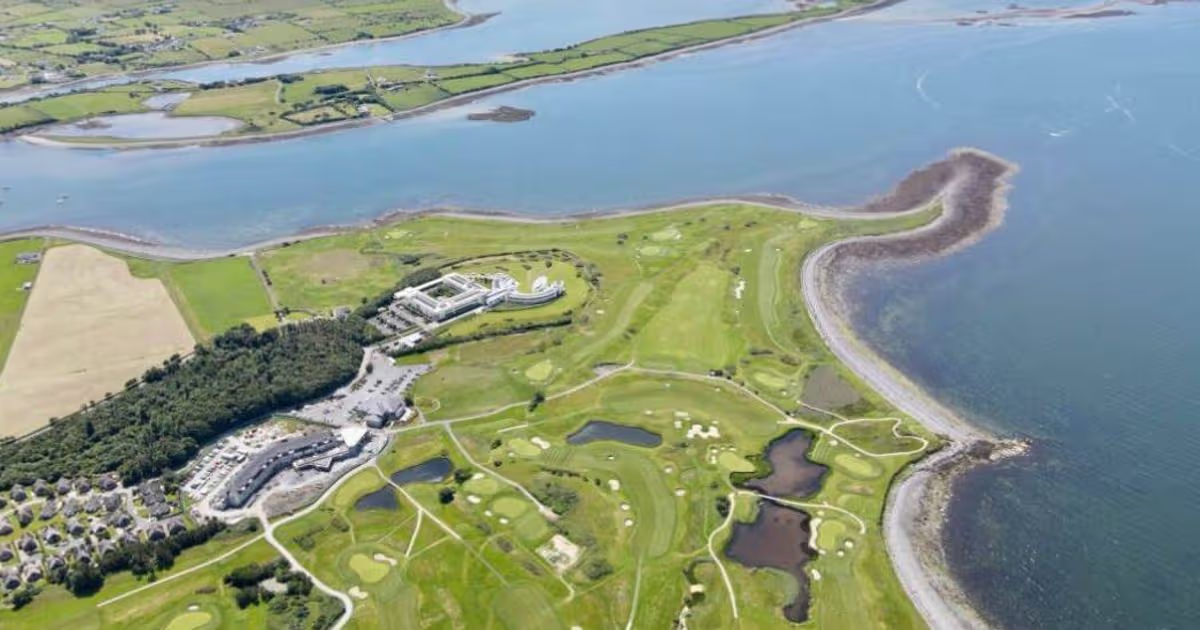
The Hawthorn, set on a Christy O’Connor Jnr course, features 114 rooms, signature restaurant The Skylark, and a full-service spa.
A luxurious new Irish 5-star golf hotel is scheduled to welcome guests in May 2026, spearheaded by the Connacht Hospitality Group as part of a broader €60 million development.
Advertisement
The Hawthorn by Galway Bay, situated within the grounds of the 18-hole Galway Bay Golf Course, features 114 rooms, a signature restaurant called The Skylark, and a comprehensive spa facility.
It marks the first five-star establishment to launch in Galway in over 20 years and aims to blend championship golf, holistic wellness and regional attractions.
With major events including the Open at Portrush and the Ryder Cup scheduled at Adare Manor in 2027, golf tourism across the island of Ireland serves as a significant economic contributor, generating over €700 million each year.
More than 220,000 international golfers arrive annually, with North American visitors, who typically spend three times more than standard tourists, representing the bulk of the market. The industry sustains 15,600 jobs, reports the Irish Mirror.
Advertisement
The May opening will realise a longstanding ambition of Irish Ryder Cup legend Christy O’Connor Jnr to establish the location as a world-class golf destination. The Galway-born former European Tour professional designed the original Galway Bay course that first welcomed players at the scenic site in 1993.
Targeting both domestic and international golfers, the golf hotel sits along the Wild Atlantic Way between north and south. The course has also received recent investment, including a complete bunker regeneration project.
Dean Montgomery, the venue’s director of golf, commented: “The golf course here has always had remarkable natural potential, and it is a privilege to be overseeing its next chapter. Our focus is on elevating the holistic golf experience whilst respecting Christy O’Connor Jnr’s original vision for the site.
Advertisement
“The course offers a compelling challenge for international visitors, and the opening of The Hawthorn will provide luxury-seekers with the perfect base to explore this wonderful destination.”
The Hawthorn also features The Oystercatcher Bar, serving Japanese cuisine alongside sweeping views across the championship course and Galway Bay.
Additional amenities include their own chocolatier at the Chocolate Nest, plus a Whiskey Room and Wine Cellar, tailored for curated tastings and private gatherings.
“As we approach our May opening, there is a real sense of excitement within the team as we prepare to welcome guests to this extraordinary destination,” said Hawthorn General Manager John Keating.
Advertisement
Prospective guests can reserve their stay now, with availability commencing from 15th May 2026.
Want to see more of the stories you love from Belfast Live?Making us your preferred source on Googlemeans you’ll get more of our exclusives, top stories and must-read content straight away. To add Belfast Live as a preferred source, simplyclick here.
From brutal crackdowns on nationwide protests in January, to Israel and the United States’ recent strikes, Iran has been in the international spotlight for weeks. Reporting on Iran is challenging, both from inside the country and from outside. During periods of unrest and political turmoil, it becomes even harder and more restrictive.
Iran’s media landscape is divided between outlets closely affiliated with the state and those considered reformist. State-aligned outlets include organisations such as Islamic Republic of Iran Broadcasting (IRIB), Tasnim, Fars News and Mehr News.
These conservative outlets often promote narratives that support Iran’s ruling clerical establishment. Their coverage frequently aligns with the views of hardline leaders such as the supreme leader Ali Khamenei, who was killed in the initial strikes on February 28. Other state-affiliated outlets, including Mizan, which is linked to Iran’s judiciary, similarly publish coverage that portrays the Islamic Republic as the victim of foreign aggression in the current conflict.
There is also a smaller group of reformist publications, such as Shargh Daily, Ham-Mihan and Donya-e-Eqtesad, which tend to offer more analytical and critical coverage of political and economic issues in the country.
Advertisement
But reformist papers operate under constant pressure. During the height of the protests in early January, Iranian authorities imposed a severe internet shutdown and communications blackout. Many domestic news outlets became inaccessible online. A small number of hardline outlets, such as Fars and Tasnim, continued to distribute information through Telegram channels.
For more than two weeks, much of the information emerging from Iran downplayed the scale of the government’s crackdown on protesters. Instead, official narratives emphasised alleged foreign interference, blaming the unrest on the US and Israel.
Reformist outlets that challenge this narrative often face retaliation. Journalists are frequently arrested and newspapers are suspended or closed. The authorities shut down Ham-Mihan in January 2026 after its editor-in-chief published an opinion piece reflecting on the current political unrest and the 1979 revolution that ended the monarchy.
These restrictions mean that state-aligned media outlets often dominate the narrative out of Iran, shaping how events inside the country are presented to the outside world.
Advertisement
Challenges for international media
International media organisations face a different but equally complex set of obstacles. Foreign journalists have a limited presence inside Iran, largely because of the risks involved.
Several reporters working for major outlets such as The Washington Post and The New York Times have been detained by Iranian authorities in the past, creating a climate of caution among international news organisations.
As a result, only a small number of outlets maintain reporters in the country. Organisations such as the Financial Times and Al Jazeera have limited representation on the ground, while many others operate regional bureaus in Turkey or the United Arab Emirates. Agencies such as Reuters, Bloomberg, CNN and CNBC often rely on these regional hubs, while others report on Iran from Europe or North America.
Even from outside, gathering reliable information remains difficult. Many sources inside Iran are afraid to speak with foreign media, as authorities routinely intimidate or arrest individuals who communicate with international journalists. Government officials are also reluctant to speak with foreign reporters.
Advertisement
Internet shutdowns during protests and wartime further complicate reporting. With communications frequently restricted, journalists must rely on information from human rights organisations, activist networks and official social media accounts.
A man looks at copies of Iranian daily newspapers reporting about talks between Iran and the US in February. Abedin Taherkenareh/EPA-EFE
Diaspora media organisations, which operate outside Iran but broadcast and publish in Persian, play a crucial role in filling some of the gaps in information. These outlets reach audiences both inside and outside the country. Examples include Iran International, BBC Persian, IranWire, Manoto and Voice of America. Though Voice of America was defunded and taken down by the Trump administration, its Persian-speaking news is still operating and providing news from the US to the public. However, it has been accused by some of its staffers of censoring coverage of Iran’s exiled crown prince, Reza Pahlavi, who has emerged as the leading opposition figure during the latest uprising.
Pahlavi frequently appears on other disapora outlets, which provide a platform for opposition voices that rarely appear in Iran’s domestic media unless to be discredited.
Because they maintain extensive networks of sources inside Iran, diaspora outlets are often among the first to receive videos, images and eyewitness accounts of protests or military activity. After verification, this material is frequently used by international media organisations such as The New York Times, CNN and BBC World.
Advertisement
They also report more on the nuances that may be less obvious to foreign journalists, such as how Iranians feel about the war or the death of the supreme leader. While international outlets focused on those mourning the death of Ayatollah Ali Khamenei, the reality is that many ordinary Iranians were celebrating.
Whether working for reformist newspapers inside Iran, international news organisations abroad or diaspora media outlets, journalists covering the country face extraordinary pressures. Many are subjected to hacking attempts, online harassment and, in some cases, physical threats. The work is emotionally demanding, particularly for Iranian journalists who are reporting on events impacting their own country, communities and families.
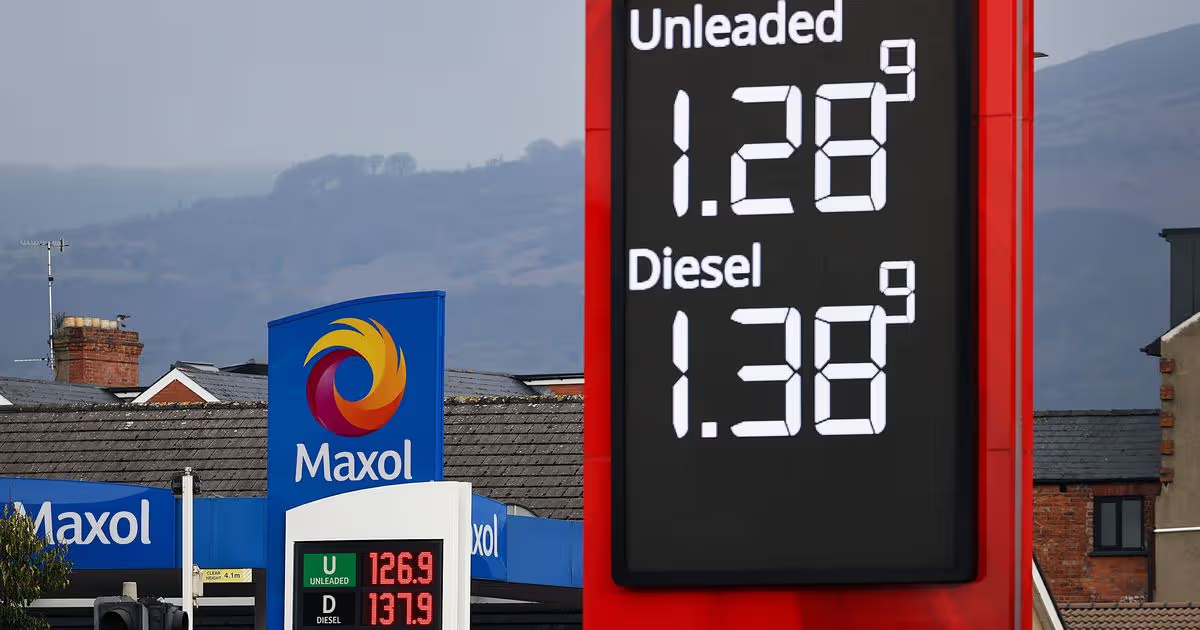
The cheapest spots for petrol and diesel in Northern Ireland have been revealed amid price rises exacerbated by conflict in the Middle East. The Consumer Council’s Fuel Price Checker, which is updated every Thursday, shows the latest impact this is having here.
It comes as Israel and the US launched attacks on the Iranian capital and other parts of the country last weekend, with Iran retaliating against US personnel across the Middle East.
This week, the average price of petrol in Northern Ireland is 126.2p, up from 124.8p last week. For diesel, prices have increased from 132.6p last week to 133.8p this week.
However, prices vary depending on where you are across the region. Lisburn is currently the cheapest spot to fill up on petrol, with prices 2.9p below the regional price at 123.2p per litre.
Magherafelt is currently the most expensive place for petrol this week, with prices 3.4p above the Northern Ireland average at 129.6p.
For diesel, Dungannon is the cheapest area to fill up your tank this week, with prices 3.9p below the regional average at 129.9p per litre. The most expensive spot for diesel this week is Strabane, where prices are 6.6p above average at 140.4p per litre.
Advertisement
Motorists are being urged not to panic buy fuel amid price rises. Luke Bosdet, spokesman for the AA, said: Pump prices are heading up – wholesale costs had been increasing even before the weekend’s strikes on Iran.
“However, pump averages today are still below where they started the year and petrol is almost 6.5p a litre cheaper than this time last year. That makes a tank of petrol more than £3.50 cheaper than in early March 2025.
“The fuel trade has reported some increased demand, which was expected, but drivers in general are heeding advice to stick to their usual refuelling routines. There’s no point wasting time, fuel and money queuing when drivers don’t need to.”
RAC head of policy Simon Williams said the impact of oil price rises should not be felt for at least a week.
Advertisement
Mr Williams said: “We really shouldn’t see a shock jump in prices at the pumps as wholesale fuel costs had only been rising gradually in recent weeks.
“Even though the price of dated Brent crude rose by five dollars a barrel yesterday to 78 dollars, the impact of this shouldn’t be felt for over a week.”
He encouraged retailers not to increase the price of fuel which is already in forecourt tanks.
“Knowing the tendency for price increases to be passed on far more quickly than cuts, on behalf of drivers we urge retailers not to put up the price of fuel they’ve already got in forecourt tanks and reflect any increases in wholesale fuel fairly on the forecourt,” Mr Williams said.
Advertisement
Gordon Balmer, executive director of the Petrol Retailers Association, said pump prices will “have to go up” amid the ongoing conflict.
“The conflict in the Middle East has increased the wholesale cost of petrol and diesel, which will mean pump prices will have to go up,” he said.
“Rising fuel prices hurt the economy in the form of higher inflation, impacting already hard-pressed household budgets.”
Marie Collins, 84, from Narborough has received no state pension payments since November after health issues left her unable to fly home from Cyprus
An 84-year-old woman says she has been left “abandoned” and driven to depression after her state pension payments stopped without warning whilst she was recovering from surgery abroad. Marie Collins, who lives in Narborough, Leicestershire, has not received any pension payments since the beginning of November.
Advertisement
She is currently stranded in Cyprus after a fortnight’s holiday back in September turned into months overseas as health complications meant she was issued with a no-fly order by doctors. The Department for Work and Pensions (DWP) has been repeatedly contacted by Marie, her niece, and even the British Consulate in Cyprus, yet her payments remain suspended.
“I have not had a penny for nearly four and a half months,” she said. “I’ve got no savings. What am I supposed to live on?” Marie was admitted to hospital with a severe chest infection.
Subsequently, she had a fall and has since undergone physiotherapy, but still has limited use of her hand and “no pressure” in her fingers, leaving her unable to write properly.
Doctors provided letters confirming she was not fit to fly, and both local and specialist medical evidence was sent to the DWP, she said. Despite this, her pension payments stopped at the start of November, reports Leicestershire Live.
Advertisement
Marie says she spent “weeks and weeks” trying to contact its offices by phone, often waiting on hold for hours before being cut off. “Every time I got through to someone different, it felt like they hadn’t read any of the notes,” she said.
“They just kept sending me round in circles.”
With her health deteriorating, Marie asked her niece in Yorkshire to intervene on her behalf. She was told the department could not speak to her niece without power of attorney.
Marie arranged the paperwork for this to be done and sent it by recorded delivery in early January. Tracking confirmed it had arrived, but her niece was later told the department had no record of it and still could not discuss the case.
Advertisement
At one point, Marie said she was unable to make international calls after running out of mobile credit, leaving WhatsApp as her only means of communication. “I could not make calls, I could not receive calls, I could not send texts. I was completely stuck,” she said.
In mid-January, following intervention from the British Consulate in Cyprus, Marie was told she needed to complete a new 12-page state pension form. She was informed that once received, her payments would be reinstated.
Due to her hand injury, Marie struggled to fill in the paperwork and sign it. “I could not write. I had to get help to fill it in. I tried to hold the pen with two hands just to do a signature,” she said.
The completed form was sent on January 23 and tracked as delivered six days later. However, as of early March, no payments have resumed.
Advertisement
Marie says her financial worries have had an effect on her health. When she arrived in Cyprus in September, she weighed nine and a half stone.
She now weighs seven stone. “I am hardly eating. I am in a deep depression,” she said.
Friends in Cyprus have helped her with food and accommodation. Before travelling, Marie had put her home on the market following the death of her long-term companion, who was also elderly and “severely disabled”.
She explained the house was too large for her to manage on her own and she had planned to downsize. On the advice of her estate agent, the property was emptied to facilitate viewings, but it has not sold.
Advertisement
Marie now says she has nowhere permanent to return to in the UK.
Still under medical care and awaiting clearance to fly, Marie fears further delays could leave her stranded if travel becomes disrupted.
“I am not worried about Cyprus,” she said. “I am worried about when they (DWP) are going to start paying me. I am a UK national. I feel totally abandoned.”
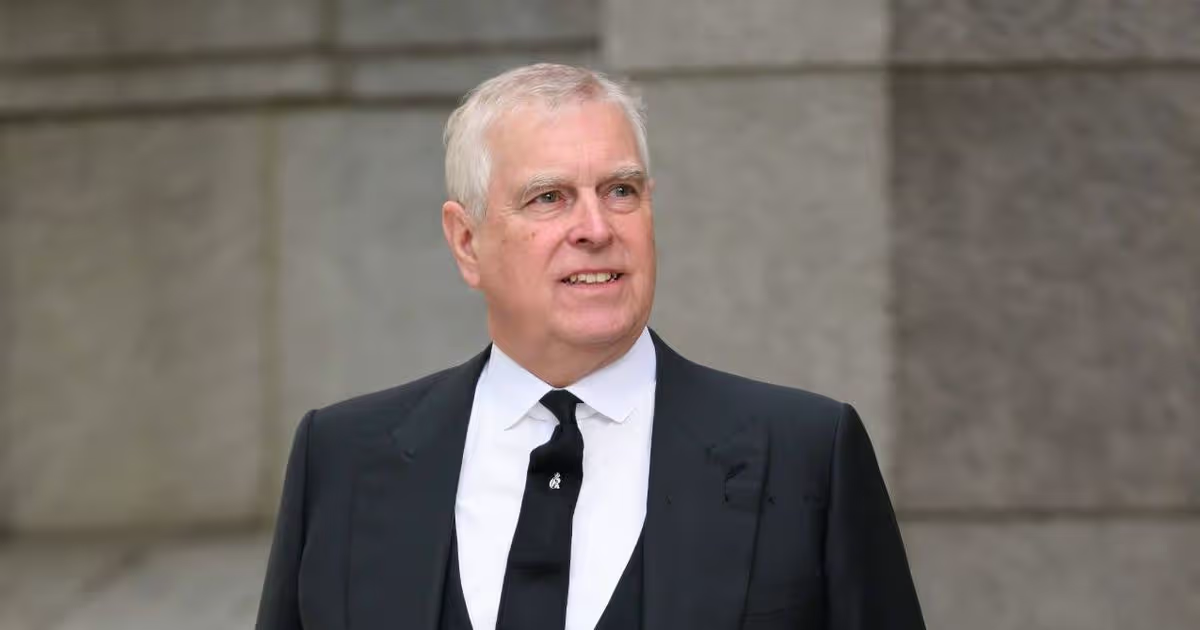
Andrew Mountbatten-Windsor was reportedly preparing to travel to Bahrain or Abu Dhabi when arrested in February following a tip-off to a senior courtier. He has been released under investigation and denies any wrongdoing.
Bradley Jolly Overnight News Editor and Peter Hennessy
02:56, 07 Mar 2026
Disgraced Andrew Mountbatten-Windsor was reportedly “getting his passport ready” to flee Britain for the Middle East when he was arrested, reports suggest.
The 66 year old has since been released under investigation but, with bombs and missiles raining down across the region daily, any remaining hopes of reinventing himself amongst the Arab elite appear scuppered. Now, Donald Trump is believed to be primed for his “big one” offensive on Iran as the conflict there escalates.
Ensure our latest stories always appear at the top of your Google Search by making us a Preferred Source. Click here to activate or add us as your Preferred Source in your Google search settings.
Andrew’s ex-wife Sarah Ferguson maintains her own connections in the Middle East and she, alongside Andrew, was evicted from the Royal Lodge last year. A source revealed: “There is no way any of them are going to go to the Gulf and Middle East region for a long time to come. It is far too dangerous for them, just as it is for everybody else.”
The development marks another setback for the father-of-two, who this week reportedly feels it is “deeply unfair that people have turned on him” following the Jeffrey Epstein files controversy. The ex-duke, a former helicopter pilot with the Royal Navy, categorically refutes all allegations of misconduct.
Advertisement
Speaking to the Daily Mail, a British diplomatic source with previous connections to the Yorks in the Gulf region observed: “It’s inconceivable that they’ll be visiting the region now, certainly not while the war is going on and it could, of course, be an indefinite war.”
Andrew had consistently identified the Middle East – home to billionaire sheikhs and emirs – as a potentially profitable avenue for generating income, both personally and for his wider network.
His relationship with Abu Dhabi’s ruling dynasty stretches back to his days at Gordonstoun, the prestigious Scottish boarding school, where he befriended Sheikh Mohamed bin Zayed Al Nahyan, currently the UAE president and referred to by Andrew as MBZ. His dynasty ranks amongst the wealthiest globally, commanding an estimated £225 billion fortune.
Advertisement
Their assets include substantial London real estate holdings and majority ownership of Manchester City Football Club.
These associations became especially advantageous in 2001 when, following his departure from the Royal Navy, he secured the position of UK Special Representative for International Trade and Investment – a post detractors suggest he subsequently exploited for personal financial gain. Andrew refutes any impropriety.
Officers are appealing for information following the attempted robbery in Cliffe, east of Selby, on Monday (March 2).
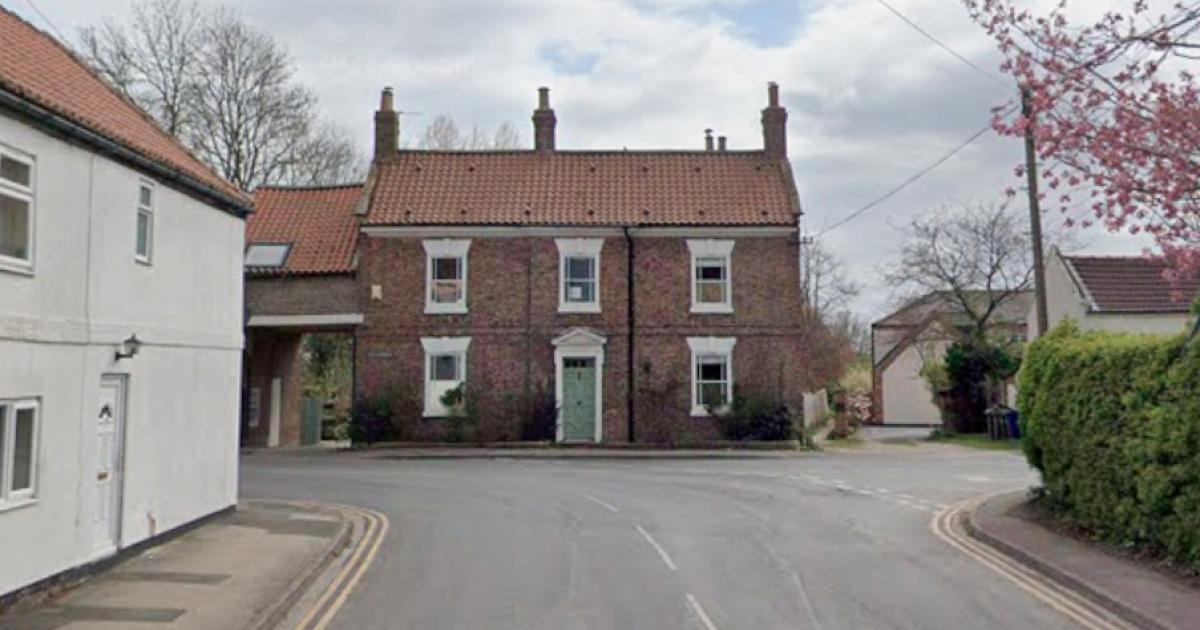
North Yorkshire Police said five men in two silver vehicles – a pick-up truck and a van – attempted to steal a Revvi e-bike from the children at about 6.15pm at the junction between Main Street, Hull Road and Turnham Lane.
“The victims were unharmed, but understandably very frightened,” a force spokesperson said.
Advertisement
North Yorkshire Police said its suspects are described as white men aged in their 20s to 30s.
The force said police are carrying out door-to-door and CCTV inquiries, urging anyone with information to report it.
“We’re particularly appealing for information about any person who may have seen the two vehicles, or witnessed the incident itself,” the police spokesperson said.