






The ‘harrowing’ true crime documentary features exclusive CCTV and bodycam footage of real murder cases
A harrowing true crime documentary with a twist is currently available to stream online at no cost, with a fresh series due for release shortly.
Killers: Caught on Camera first premiered in 2023 on the True Crime channel, running for three seasons. Following its debut, the documentary was hailed as essential viewing for true crime enthusiasts.
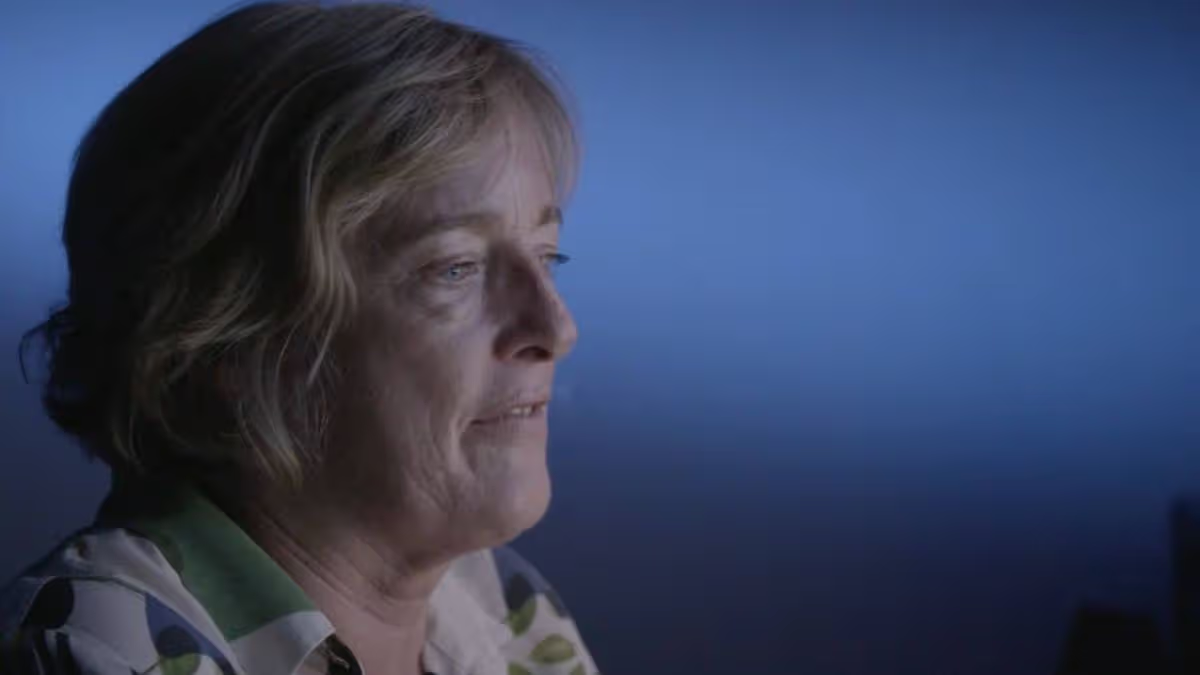
This distinctive series presents exclusive footage alongside comprehensive psychological evaluation of video and audio evidence by expert Dr Julia Shaw, which ultimately secured killers’ convictions.
Each episode examines a different case, with Killers Caught on Camera investigating disturbing murders throughout the UK and US, incorporating devastating first-hand testimonies as well as previously unseen CCTV and home surveillance combined with police bodycam recordings.
READ MORE: BBC’s ‘best’ true crime doc returns with harrowing 999 callREAD MORE: ‘Traumatic’ documentary series returns with new series as Netflix fans ‘in shock’
Scrutinising the suspects and their motivations, this true crime programme is ideal for genre devotees to binge-watch, though a cautionary note has been issued to potential viewers. Before watching, it’s important to be aware that the programme contains “strong language, real crime footage and graphic discussions of crimes”, reports the Mirror.
All episodes are also available to stream online via ITVX. An ITV synopsis for the first harrowing episode states: “In the UK, the dismembered body of a woman leaves a couple, obsessed by serial killers, in the frame. In the US, a hidden camera provides vital evidence to help bring justice to a family.”
The disturbing documentary has garnered a devoted following amongst true crime enthusiasts, with one viewer commenting on IMDB: “Although the scenes being shown in each episode are disturbing and graphic I am always left feeling so sad that the victims lives ended so horrifically.”
Another remarked: “A perfect true crime production for the nerdy true crime documentary viewer, so I give it a 10 of gratitude to the people that’s lost their loved ones, and in the memory to those almost 30 victims connected to this series.”
A third viewer noted: “Love the show, for obvious reasons its true crime stories are new well put together.” On X, one fan wrote: “@drjuliashaw excellent job on #KillersCaughtOncamera I’m learning so much from you!”
Another commented: “The Grace Millane case is insane! How do you meet someone, and they kill you on that very same day. The world we live in.”
A fourth series is scheduled to launch on the True Crime channel later this month, debuting at 10pm on 21 April. New episodes will air weekly on Tuesdays through to 23 June.
The series has been described as follows: “Killers: Caught on Camera is an access-driven series revealing exclusive footage and psychological analysis behind killers’ convictions in the US and UK. Combining unseen CCTV, police bodycam and mobile phone footage with expert insights, it explores how everyday interactions escalate into lethal violence.
“The series highlights high-profile cases and never-before-seen footage, uncovering stories of intimate partner violence, stalking, and familicide.
“Friends and family share memories, investigators explain how digital forensics connect cameras, data, and social media to build critical evidence. Featuring Dr. Julia Shaw, it reveals the science behind solving murder… We are all witnesses in a monitored world.”
Killers Caught on Camera can be streamed on ITVX.



































You must be logged in to post a comment Login