

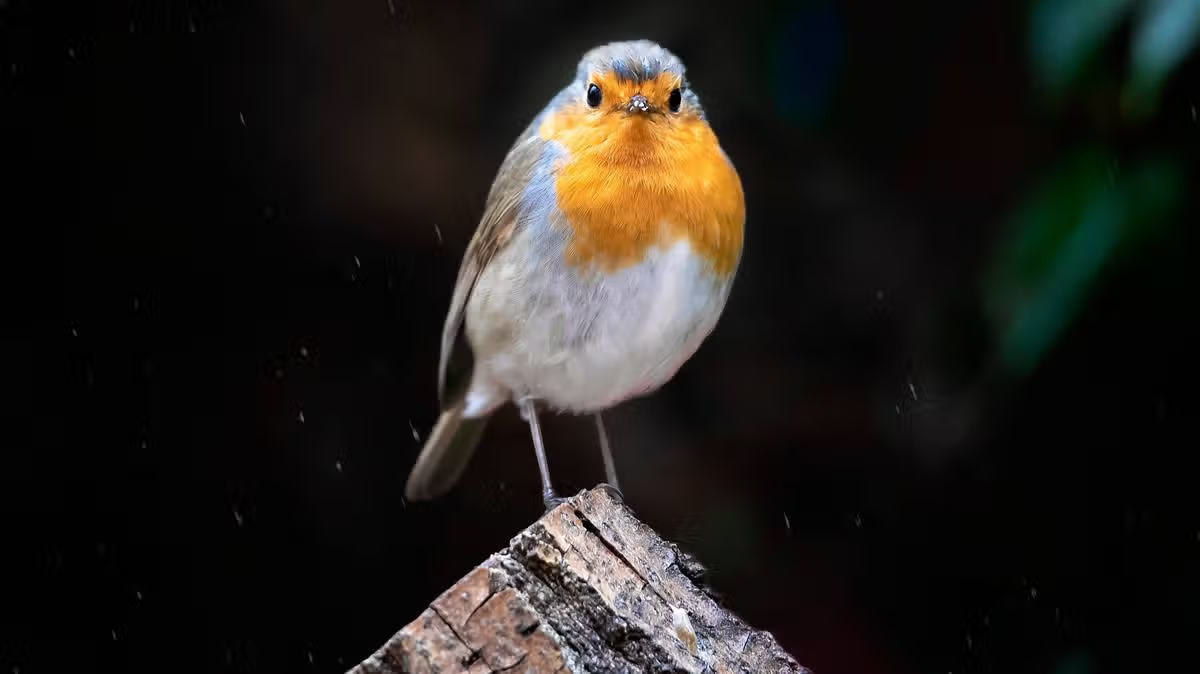
Start now and you could have red-breasted visitors right through winter
If you’re dreaming of a robin popping into your garden like a living Christmas card, the key is to start before winter comes. By putting out the right food and water through early autumn and keeping it up every day, you can teach these red-breasted birds that your garden is a reliable destination.
Wildlife advice says consistency matters most because robins return to places that keep meeting their needs when natural pickings drop. Begin in September and keep going through October and November, and you’ve got a better chance of seeing the same bird come back to eat, drink and maybe even settle nearby, when Christmas arrives.
What should you offer?
The three strongest crowd-pleasers are mealworms (live or dried), suet pellets or balls, and sunflower hearts. Extras like crushed unsalted peanuts and soft fruit (berries, raisins or chopped apple) are also proving popular.
How you present the food is just as important as robins prefer to feed close to the ground rather than from hanging feeders, according to the RSPB. A low or sheltered bird feeder suits them far better, ideally positioned somewhere that predators like cats cannot easily approach undetected, reports the Mirror.
A garden that offers ‘real’ foraging opportunities can be even more tempting than a feeder alone. Leaving a couple of wilder corners encourages worms and beetles, giving robins the kind of hunting they’re built for.
Don’t pile food out like a buffet. Put down only what will be eaten within a day, then reduce the amount if leftovers remain and clear anything that could attract pests.
Water is just as important as snacks once the cold sets in. A clean birdbath topped up regularly helps with drinking and bathing, and some people use a heated option to stop it from freezing solid.
A crucial cleaning component for this task is white vinegar, which most households already stock in their cupboards. The white vinegar approach works perfectly for monthly or seasonal thorough cleans, particularly when dealing with stubborn algae or high bird activity.
If you want more than a quick flying visit, add a nesting option so they’ll consider making your garden their home as well. An open-fronted bird box near ivy or climbing plants can provide cover and a safer place to settle.
One warning before you roll out the welcome mat: robins may look cute, but they can be fiercely territorial. That means a confident newcomer might chase off other birds once it decides the garden is “theirs”.
Don’t expect instant trust on day one. Keep the routine steady, give them space, and over time, you may find a robin following you around while you garden, hoovering up insects you turn up from the soil.




.png)























































You must be logged in to post a comment Login