Marcus Rashford no longer looks certain to leave Manchester United this summer but questions remain when it comes to the forward’s future
Former Manchester United defender Rio Ferdinand appears to have changed his mind on Marcus Rashford. Ferdinand previously suggested Rashford had no way back at Old Trafford but now believes the England international could benefit from embracing a different role at his parent club.
Advertisement
Rashford spent the last season-and-a-half out on loan, first at Aston Villa and then at Barcelona. The Catalan club had an option to sign him permanently for around £26million but let that option expire earlier this month.
A goal for England against Croatia on Wednesday put his future back in focus, though. Ferdinand now seems to believe the ‘finisher’ role for England – and one he occupied at times with Barcelona – could be a way for Rashford to revive his career at the club where he made his debut as a teenager more than a decade ago.
Get MEN Premium now for just £1 HERE – or get involved in our United WhatsApp group by clicking HERE. You can also join our United Facebook page by clicking HERE and don’t miss out on our brilliant selection of newsletters HERE.
In January 2025, Rashford’s treatment by then-manager Ruben Amorim left Ferdinand convinced the player’s United career was over. “If I was the player the manager said that about, my heart, my pride, my ego – it’s embarrassment,” the former England international said on his Rio Ferdinand Presents YouTube channel.
Advertisement
“For someone to question your application, to question you giving 100 per cent for the team, saying you’re lacking effort and taking shortcuts, that’s a damning comment. There’s no way back for Marcus after that. If he did come back that means other players can take their foot off the gas and have a way back into the team and take shortcuts.”
“It seems like he has matured; the time away from the club may have done him the good that he needed, and it has cleansed both parties. Is it time to shake hands and come back?”
Advertisement
He argued the year under Hansi Flick in Catalunya has helped the player better understand his role, adding: “He was given a role at Barcelona, told he would be an impact player at times, to come on and change games. At England, that is his role, and that’s a huge asset to the squad in this competition.”
Rashford has now scored in back-to-back World Cups, having netted three times in Qatar in 2022. He will be pushing for a start against Ghana in England’s second match but has already given United and potential buying clubs some food for thought.
England’s 2026 World Cup kits
This article contains affiliate links, we will receive a commission on any sales we generate from it. Learn more
England and Nike have launched the new home, away and goalkeeper kits to be worn at this summer’s FIFA World Cup. You can get free delivery on all orders with the code: ENGFREEDEL
Benito Mussolini stepped out onto the Piazza del Campidoglio at 10:58 in the morning of April 7, 1926. He had just delivered a speech prepared for him by his lover, the Jewish writer Margherita Sarfatti.
The speech had been a success, and Mussolini left satisfied, making his way through the cheering crowd.
Suddenly, a woman approached within a few meters of the Duce. She was holding a Lebel, a deadly revolver issued to the French army during the first world war. She pointed it at the dictator and fired.
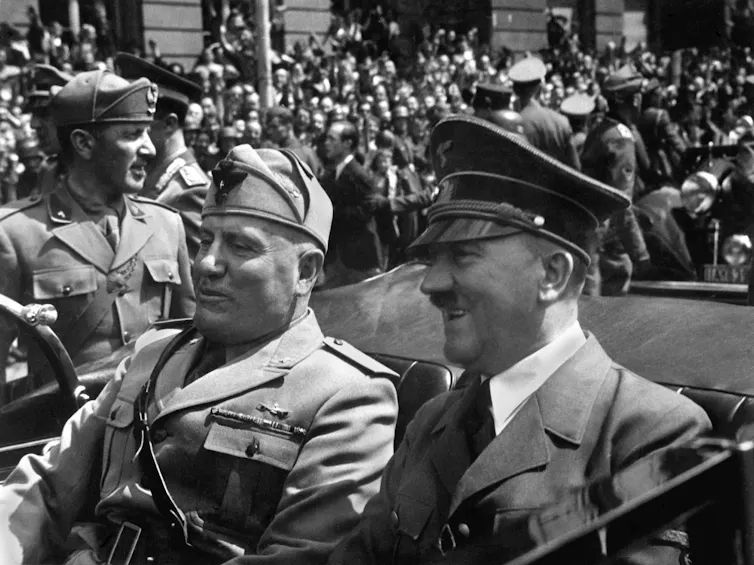
Mussolini shortly after the assassination attempt which grazed his nose. wikimedia
Mussolini was grazed on the nose by the bullet. The next day’s newspapers reported that he was saved by a sudden shift of his head while giving the Roman salute. The woman attempted a second shot, but the gun failed to fire.
Blocked and beaten by the crowd, the woman was immediately arrested and taken to the Mantellate prison (a Roman female prison), where she gave her personal details. She claimed not to remember the attack and appeared surprisingly calm and indifferent.
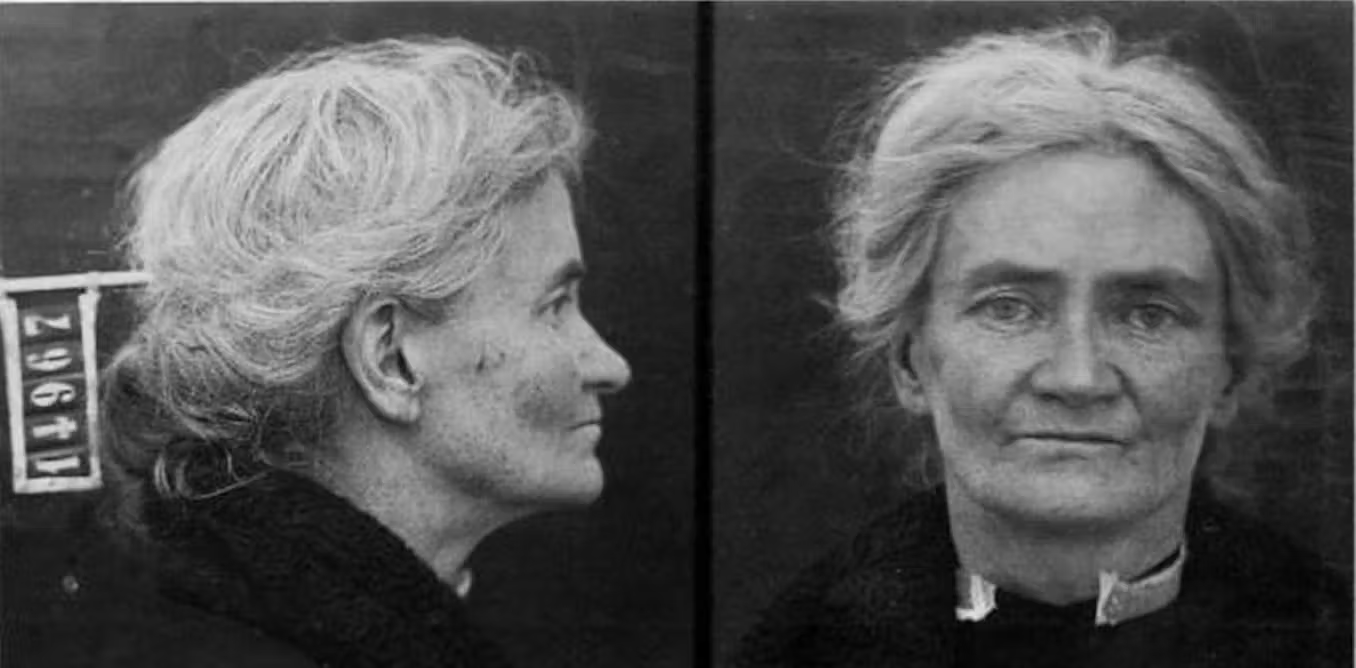
The woman in question was Violet Albina Gibson, the daughter of the 1st Baron Ashbourne Edward Gibson. The Baron was the Lord Chancellor of Ireland for almost 20 years (1885-1905), before its independence from Great Britain. Gibson was born in Dublin on August 31, 1876, into a pro-British Anglican family.
After the assassination attempt, Gibson was branded insane. The political motive behind the attack was hushed up to reduce the embarrassment of both British and Italian governments.
Advertisement
Only by downgrading the attack to the senseless behaviour of a madwoman – judicially certified by a court – could it have been possible, as indeed happened, to proceed with Gibson’s repatriation, as all parties hoped.
The Insights section is committed to high-quality longform journalism. Our editors work with academics from many different backgrounds who are tackling a wide range of societal and scientific challenges.
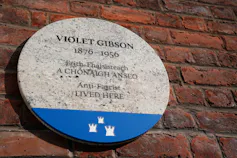
This version of history was believed for decades. It was only in 2014 that Gibson’s story was brought to a wider audience by the documentary, Violet Gibson, The Irish Woman Who Shot Mussolini, based on the work of historian Frances Stonor Saunders. Finally, in 2021, Dublin Council honoured her stand against tyranny with a plaque outside her childhood home.
Now, new evidence buried in a number of Italian archives, uncovered by one of us (Giovanni), further substantiates Gibson’s clear anti-fascist political motives and reveals how the attack was carefully planned. It shows how:
Advertisement
When Gibson moved to Rome, she lived next door to the Duke of Cesarò, an opposition leader, prominent anti-fascist and a man she would later claim was her lover.
Gibson’s acquaintance with the Duke was further corroborated by a new analysis of her psychiatric report.
Gibson moved to Italy after the murder of Giacomo Matteotti, the socialist leader kidnapped and killed by a fascist squad.
Gibson travelled to the small town where the trial of Matteotti’s murderers took place.
Evidence from several key witnesses was ignored or twisted.
Who was Violet Gibson?
At the age of 18, Gibson was a debutante in the court of Queen Victoria. Debutantes were young, upper-class women who were presented to the monarch to mark their official entry into high society and the marriage market.
Gibson was photographed standing next to the future King George V in 1897 during a visit to the Ashbourne family in Howth Castle, when he was Duke of York.
In conflict with her family, Gibson converted to Catholicism at the outbreak of the first world war and Scotland Yard registered her “anti-British pacifism”. Over the years, she would develop a Christian-socialist attitude that saw her sympathise with the poor.
She also had strong ties to Italy, a country she had visited frequently and for long periods as a young woman. Partly because of her father’s interest in Italian reunification, on which he had written extensively, she had always followed Italian politics with passion and apprehension as the country was falling towards right-wing extremism.
Advertisement
She was extremely worried about the rise of fascism, starting at least from the 1923 assassination by a fascist squad of the priest Don Giovanni Minzoni.
Then, according to her family, in August 1924 she reacted furiously to one of the first BBC news broadcasts reporting the discovery of the body of socialist leader Matteotti.
The suspicions of Mussolini’s involvement in plotting his murder ushered in a long period of crisis that the Duce only managed to overcome in January 1925. It accelerated his authoritarian drift toward dictatorial power, with support he had won from King Victor Emmanuel III.
British reaction to Gibson’s arrest
There were violent reactions from the fascist movement following Gibson’s attempt. The fascists were by then a powerful force in the country and were calling for revenge against those who had dared to plot against the head of government.
George V’s embassy in Italy issued a statement the day after the assassination attempt. It said the embassy was unaware of Gibson’s presence in Rome, believing that she was interned in a nursing home in England. King George V himself, perhaps embarrassed by that old photo of himself, immediately condemned “the ignoble attack”.
Advertisement
British Foreign Secretary Sir Austen Chamberlain also expressed “horror” at the act committed by a woman belonging to the British aristocracy in a telegram to Mussolini.
We have also reviewed correspondence, stored in the UK’s National Archives, sent from Chamberlain in the aftermath of the attempt. In these messages he instructed Ambassador to Italy Sir Ronald Graham to help Italian investigators. The ambassador told Chamberlain he had “little doubt” that Gibson was “a tool of outside influence”. Nevertheless, Chamberlain instructed him to suggest she was mad and she should be in a mental institution in England. He said this would minimise repercussions on the hitherto good international relations between the two countries, reporting also that Churchill was “charmed by Mussolini”.
Almost in unison, Gibson’s family members also denied that there could be any political significance to her actions. They promised, if released, she would be properly cared for in a health facility in England.
Investigations
During the initial interrogations with the magistrate (which took place under the liberal penal code of Zanardelli) in four separate interviews in April, May and June 1926, Gibson continued to state, somewhat vaguely and confusingly, that she did not remember trying to shoot Mussolini.
Advertisement
Then, in mid-June, the defendant’s attitude suddenly changed.
On June 12 and 16, under the guidance of lawyer Enrico Ferri and assisted by Bruno Cassinelli, she confessed to being responsible for the attack and claimed she had an accomplice – the prominent anti-fascist politician, Duke Antonio Colonna, Duke of Cesarò (1878-1940).
She also claimed she was insane. This seemed to be enough to quell rumours of a conspiracy. It was all the work of a mad woman, acting alone.
But a question loomed: what was Gibson doing in Italy in the first place?
Advertisement
New evidence
Our fresh critical analysis of the trial documents shows that Gibson arrived in Italy with her lady-in-waiting Mary McGrath in October 1924 and lived in Rome at Via Gregoriana. This was just a few steps away from the Duke of Cesarò’s house in Via Gregoriana. But when she talked about her movements across Rome in subsequent interviews, she never mentioned this address.
This, together with the Duke’s admission of having met Gibson in 1912 in Munich at a conference of the Theosophical Society, suggests that – despite the Duke’s denials – he and Gibson had met in Rome prior to the attempted murder.
Furthermore, it is important to stress that Gibson’s companion in Italy, Mary McGrath, distanced herself from the prevailing family attitude that attributed Gibson’s mental infirmity as the cause of the attack.
Our archival research clearly shows that, when summoned by the Italian Consul in Dublin on May 19, McGrath maintained that she did not believe her mistress was insane, and even added that she suspected she used to meet many people every day during her stay in Rome.
However, from the defendant’s somewhat extravagant and in our view quite intentional judicial behaviour (claiming to be both mad and responsible for the crime), an altered mental state emerged during interrogations that was used to suggest the existence of a cognitive bias.
By declaring herself insane, she denied full responsibility for the criminal act. Further doubts also arose from the fact that she told the experts she loved the Duke of Cesarò, yet continued to denounce him as an accomplice.
Under the liberal penal code in force at the time, admitting responsibility for the attack while simultaneously declaring herself insane (and therefore irresponsible for the act) forced the magistrate to order a psychiatric evaluation.
Advertisement
From the testimonies gathered during the police investigations and checks conducted by the experienced police commissioner, Epifanio Pennetta, other important aspects emerged.
Although they were willingly denied by Gibson, these findings confirmed instead the defendant’s clear premeditation of the attack, carried out with anti-fascist motivations.
Contrary to this perspective, erasures and misrepresentations would instead emerge, which can only be explained, historically, as prejudicially influenced by the Mussolini regime.
These aspects were not accepted as significant evidence in the Special Military Tribunal – which took over the case – and were not subsequently examined by historians, with the exception of some references in the book by American historian Richard O. Collin, who was the first to shed some light into the Gibson affair in 1986.
Advertisement
Attending Matteotti’s trial
A critical piece of evidence which was ignored by investigators at the time was the fact that several witnesses testified to having seen Gibson attend the trial against Giacomo Matteotti’s assassins in Chieti between March 16 and 24, 1926.
These testimonies are highly significant: only devout anti-fascists travelled to the small mountain town where the regime had moved the highly sensitive trial.
Travelling to Chieti was neither easy nor straightforward at the time – even now it takes three hours by coaches which didn’t exist at the time. It required a very serious commitment.
In contrast to these witness testimonies, Gibson would categorically deny having attended the trial.
Advertisement
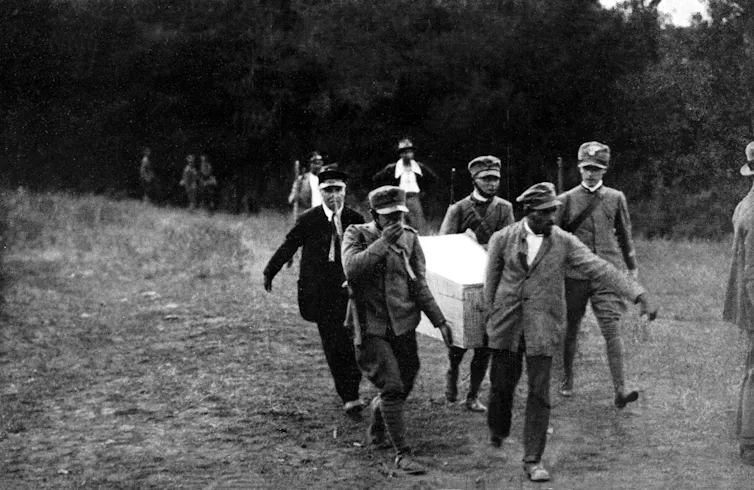
The body of socialist leader Giacomo Matteotti is discovered on the outskirts of Rome on August 16 1924, two months after his disappearance. Archivio GBB/Alamy
Surprisingly, she was believed by the military magistrates despite their own affirmation in the ruling that her past, present and future statements should be prejudicially deemed false and unreliable.
Upon her return to Rome from Chieti, likely disappointed by the outcome of the legal proceedings, which had resulted in only light convictions for Matteotti’s assassins, Gibson would demonstrate her desire to implement a plan she had perhaps already conceived for some time. A plan that was kept secret.
Then, on March 28, 1926, witnesses interviewed during the preliminary investigation reported her presence at Villa Glori – at the anniversary of the founding of the Fascist Party, attended by Mussolini.
Gibson also denied being at this event and was, again, believed by the magistrates.
It’s important to highlight that this episode occurred a few days after the end of the Matteotti’s murderer trial and shortly before the events of April 7.
Advertisement
These testimonies, which the military judges did not credit, lead us to suspect that Gibson may have already been contemplating an attack on Mussolini on this occasion – suggesting clear premeditation and consistent anti-fascist motivation.
The psychiatric report and a lover
On July 8, 1926, psychiatrists were appointed. Sante De Sanctis and Augusto Giannelli were the family’s expert witness and the court-appointed expert witness, respectively. The experts were asked whether, “Miss Gibson was rationally aware and free of will at the time of the accused act”; if the accused was suffering from mental insanity, and “how the statements recently made to the investigating magistrate should be considered”.
This came as a surprise to the experts who tried unsuccessfully to highlight the paradox she was falling into by declaring that she loved a man who she ended up damaging by her accusations.
In August, the mental health experts’ unanimous verdict was that the defendant was partially insane and therefore could not be responsible for her crime.
The spy and the Special Military Tribunal
Meanwhile, Mussolini was pushing forward his authoritarian agenda. In Autumn 1926 there had been two more attempts on his life from the young anarchists Gino Lucetti and Anteo Zamboni (both of whom missed their target).
The government took advantage of the situation by pressing on with its “hyper-fascist laws” which dissolved all political parties, ended Parliamentary democracy and introduced a Special Military Tribunal for crimes against the regime. Crucially, the new tribunal could inflict the death penalty, which was reintroduced 37 years after its abolition.
It is worth noting at this stage that, according to Italian historian Mauro Canali, one of Gibson’s lawyers, Bruno Cassinelli, was also an informant for Mussolini’s government, with the codename Brucassi.
He had already defended Giovanni Corvi, a communist that had killed the fascist MP Armando Casalini in September 1924 (shouting “Vendetta per Matteotti”), and who was also judged mentally insane.
It is easy to imagine that Gibson’s judicial strategy (defended by the same lawyer) was also aimed at obtaining the same declaration of insanity from the military judges. And unlike the original judges, the military judges were influenced by Mussolini who at that point was keen on maintaining good relations with the British government.
The first ruling of the newly operational Special Military Tribunal, was with the Gibson case.
The case was dealt with in a private hearing and a verdict was reached on May 6, 1927. The first point reiterated extensively by the military judges was that nothing but lies could be expected from Gibson.
It was therefore essential to prevent these scandalous lies from being uttered in a public hearing. The ruling therefore established that both her past and present statements and those that could have been made in a public hearing were to be prejudicially deemed false and unreliable.
The final decision on Gibson’s mental infirmity was taken, uniquely, by military judges, who based it on “legal-ethical” reasons.
The verdict
On this basis, the Special Military Tribunal, having ignored all politically relevant aspects of the previous investigation, on May 6, 1927, independently ruled that there was “no case to answer against Violetta Albina Gibson, regarding the crimes she was charged with, because she is not punishable by reason of mental illness”.
Advertisement
The verdict, which explicitly mentioned “the intervention of his excellency Benito Mussolini”, ordered her release in order for Gibson to be admitted to a mental asylum for treatment.
Yet, the police authorities, rather than delivering her to a Roman psychiatric hospital, as had happened in similar cases, released her, once again, on Mussolini’s orders.
Return to England
The regime handed Gibson over to her sister, Constance, On May 9, 1927, in a breach of the usual procedure. Three days later, the sister accompanied Gibson back to England on a long train journey. With them, undercover Italian police, one Italian nurse, three English nurses and a travel agency attendant. None of them were dressed in their usual uniforms and Gibson did not know what was about to happen to her.
Some family members and political figures expressed gratitude to Mussolini for freeing one of their compatriots who had “senselessly” attempted to kill him. In compliance with the ruling of the Special Military Tribunal in Italy, which had erased the political motivation and judicially certified the defendant’s insanity, a further psychiatric diagnosis was ordered to confirm her mental illness.
Advertisement
The “senseless” motivation for the attack was quickly confirmed with a certification of insanity rushed through by Maurice Craig and Bernard Hart, two doctors in Harley Street. Gibson was admitted to St Andrew’s Hospital in Northampton (a town around 60 miles north of London) where she would remain segregated for almost 30 years.
In April 1930, on the fourth anniversary of her assassination attempt, she tried to take her own life, but a nurse found her before she could. Only her sister Constance kept visiting in the hospital, while the rest of the family kept their distance.
Throughout her time at St Andrew’s Hospital, she repeatedly pleaded for her liberation in letters to her family, to the Queen and to members of the government, including Winston Churchill.
When the young Princess Elizabeth married Prince Philip, in 1947, Gibson wrote her a clear, kind and simple letter which read:
Advertisement
In the happiest period of your life, I make this request that you write to the Home Secretary saying that you would be glad if he would release me from this mental hospital so that I can go into a convent…In 1926, I shot at Mussolini and was shut up in this hospital for the course of His Majesty’s pleasure. I am feel quite sure that your kind-hearted grandfather would not take any pleasure in keeping me here any longer, twenty weary years and six months. I am now old, bed-ridden with very bad heart disease and other illnesses…You will not need to fear that I will ever shoot anyone again as I am old and ill and occupied in very quiet matters, especially prayers. So if you get me my freedom, I am sure that such a kind act will bring a blessing on your marriage…
As with most of the other letters, it was never sent and they lie in St Andrew’s Hospital archive.
Epilogue
Antonio Colonna, the Duke of Cesarò – the man Gibson professed to love – was forced to retire from politics after her arrest and the investigation over his role. He died in Rome, aged 62, in 1940 just a few months after fascist Italy had declared war on Great Britain.
Italian partisans eventually killed Mussolini on April 28, 1945. It is not known how Gibson received either piece of news.
A commemorative plaque was unveiled for Violet Gibson at her childhood home on Merrion Square, Dublin, in 2022. PA/Alamy
The collective memory of Gibson was for a long time shaped by the narrow conception of mental health in the early 20th century, the diagnostic conclusions of Italian and British psychiatrists and the international agreement between governments that had her confined in a mental institution.
Gibson died in St Andrew’s Hospital, on May 2, 1956, a few months before her 80th birthday. No friends or family attended her funeral.
Advertisement
In her will, she requested a requiem mass and to be buried in a Catholic cemetery – this final wish was ignored by her family.
Gibson came closer than anyone to killing Mussolini. Her attempt was well planned and executed. Had she succeeded, the history of the 20th century would have been very different.
To hear about new Insights articles, join the hundreds of thousands of people who value The Conversation’s evidence-based news. Subscribe to our newsletter.
Europe’s premier club competition gets underway earlier than usual in the 2026-27 campaign, starting the week commencing September 8 as fixtures from the league phase will be played across three days.
Gabriel missed the decisive penalty against PSG
Getty
The Gunners are in pot one ahead of the new campaign, but do not discover their opponents for the league phase until the end of August when the draw takes place.
Though, the 2026-27 Champions League schedule has already been revealed.
Advertisement
With Arsenal discovering their Premier League fixture list on Friday morning, it has allowed for the Gunners to learn their fate with regards to who they will face after all eight European fixtures next season.
It works out to be relatively kind to Mikel Arteta’s side with five home games directly after a Champions League fixture. However, the big story is two games against likely title rivals Manchester City following matchday five and eight.
Who Arsenal will face after Champions League games
It’s suggested you re-apply your sunscreen throughout the day, too, and it should be the final step in your skincare routine (i.e., the first thing the sun’s rays come into contact with).
Advertisement
Which all sounds fine and dandy, but what are we meant to do when we want to head out with a full face of makeup – which, for, me, is literally every time I plan to meet other people?
Unless you’re applying your makeup thickly, it’s pretty unlikely you’ll be using enough product. In fact, experts reckon most people would need to use six to seven times as much foundation than we usually apply (oof).
On top of that, you likely won’t re-apply your foundation as much as you’d need to with SPF. After all, why would you disturb that perfect, radiant blush?
Right. So… what are my options then?
Advertisement
Of course, the most effective method is to try going makeup-free and slather on the sun cream, but that’s not always preferential (it’s already wedding/holiday/picnic season, so I – for one – have had to be pretty real with myself about how my skin’s going to approach the sun).
If you are going to pull a glam look, there are a couple of ways to approach this.
You don’t necessarily need to ditch your SPF foundation – but you might want to layer it up with extra sunscreen on top, or underneath, when you do use it.
Let’s start with this dermatologist’s hack: applying those two fingers of sunscreen with a beauty blender on top of your existing makeup. She urges people to reapply it every two hours.
Advertisement
I know, I know, this looks like it’d ruin all your makeup magic, but I’ve tried it myself and have been amazed by how glowy it makes my foundation – it works almost like a setting spray.
You could also apply sunscreen under your makeup (and TBH, this feels like the most feasible option for most of us).
Make sure you’re using a minimum SPF 50, and not to bang on about it, but yes, you will need those two full fingers again too.
Pros recommend waiting a little while – a couple of minutes at least – after application to ensure your SPF has really been absorbed.
Advertisement
Lastly, you can nab yourself a handy over-makeup SPF spray (although again, with coverage, it might be hard to get enough product on there unless you full-on publicly hose your face).
Still, it might be worth keeping in your bag for top-ups once you’ve applied your under-base layer.
Basically, when it comes to sunscreen, too much is never enough.
Man Utd have discovered their 2026/27 Premier League fixture list and Michael Carrick will be delighted with what he has been given.
A couple of weeks ago, Omar Berrada put on record Manchester United’s ambition of winning the Premier League within the next two seasons. “Ideally, we do it next season,” said the chief executive, in what felt like a statement infused with the momentum generated over the last six months.
Advertisement
And after assessing the Premier League fixture list for the 2026/27 season this morning, that confidence will have only strengthened inside Old Trafford. Yes, everyone has to play each other twice, but when the fixtures fall really does have some influence on how events play out.
Michael Carrick probably couldn’t have picked a better start to the campaign and continuing to ride that wave of momentum is absolutely essential if United are to launch a title challenge next season.
We’ve been here before in recent years, when it has felt like things were back on a positive trajectory at Old Trafford and success was within touching distance, only for the wheels to fall off, often in spectacular fashion.
Carrick gives the impression of someone unlikely to oversee an implosion and although he would never say it publicly, he will fancy his chances of getting off to a flyer as permanent head coach as well.
United begin the season with a trip to Yorkshire to face newly-promoted Hull City. The Tigers were shock play-off winners and don’t look to have a squad equipped for the Premier League, while also needing to sell to balance the books.
Nobody saw their promotion coming, but it feels like everyone sees their relegation coming and for clubs like United, taking six points off them is a must.
Ipswich Town will put up more of a fight and they are United’s first opponents at Old Trafford, but they have lost manager Kieran McKenna, which is a blow to the Tractor Boys. Two promoted sides in the first two games is a dream start.
Advertisement
A trip to Everton, where United won last season, follows, and then comes Manchester City at Old Trafford. The Blues will also have a new man in the dugout, with Enzo Maresca set to replace Pep Guardiola. Is it better to play them early, while Maresca’s ideas are still bedding in and City are getting used to a summer of change? United will hope so.
Thousands of Man United fans upgraded their matchday last season. This is how they did it.
This article contains affiliate links, we will receive a commission on any sales we generate from it. Learn more
Official premium experiences at Old Trafford are available now for the 26/27 Premier League season. Make it easier than ever to turn a regular fixture into something genuinely unforgettable.
Advertisement
It should all add up to the chance to get off to a really strong start. Trips to Fulham, Leeds and Chelsea also come in the first 10 games of the season, with Tottenham and Bournemouth the other visitors to Old Trafford.
Perhaps the biggest impediment to United’s chances of progressing from their third-place finish last season is that they are back in the Champions League. Carrick’s success in the second half of last season was built on a schedule of just 17 games, all of them in the Premier League, and only two midweek rounds.
That will change now. United will hope to progress further in both domestic cups, but they are guaranteed eight games in the league phase of the Champions League, which will be a drain on resources, will reduce training time and require rotation.
We won’t know those Champions League fixtures until August, but we do know when they fall, and the good news for Carrick is that United are at home after five of those eight matches. That is what managers want, reducing the risk of a trip to Europe in midweek and then a trip in the Premier League at the weekend.
Advertisement
United are actually at home after four of their first five Champions League fixtures, with the only away game in that run a short hop across the Pennines to face Leeds. Again, it would be hard to pick a better set of fixtures.
They do have two trips to London after games in Europe: in December, when they play Crystal Palace, and in January, when they play Brentford. That will be a test, but the good news is they don’t face any ‘big six’ rivals away from home after a European game, while Manchester City and Liverpool visit Old Trafford after European weeks.
There will, of course, be bumps in the road. United need to get recruitment right first of all to strengthen the squad, then Carrick and his coaching staff have to show they can adapt to a much more demanding season.
But on paper, this is exactly the kind of fixture list they would have been hoping for.
Callum McAlister was driving home from IKEA in Sauchie when the shocking incident unfolded.
11:01, 19 Jun 2026Updated 11:03, 19 Jun 2026
Dashcam footage shows moment seagull with squirrel in its grasp crashes into car
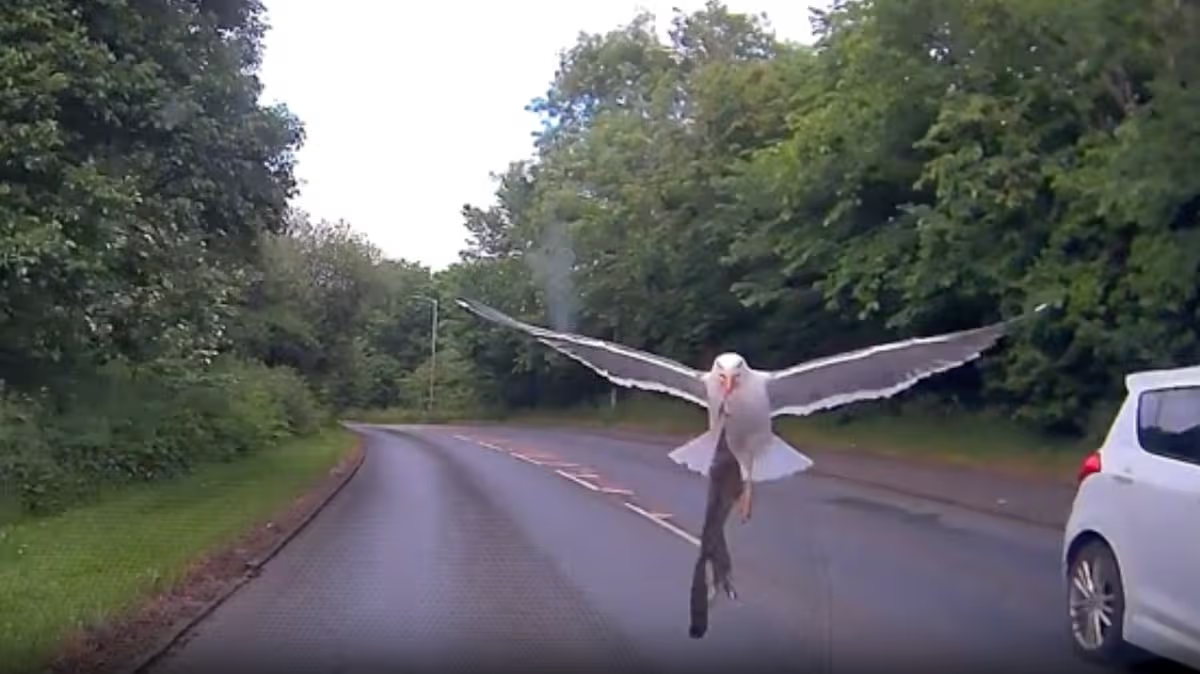
Dashcam footage shows the moment a seagull picks up a squirrel and crashes into a car full of surprised passengers.
Advertisement
Callum McAlister, 36, was driving home from IKEA with his girlfriend and two-year-old daughter on Alloa Road in Sauchie, Scotland, on June 14, when his windscreen was left blood-stained thanks to the predator.
He said: “We saw it as it started to take off in front of that other car in the video and we were both in disbelief about what the seagull was carrying, then, as you see in the video, not long after, it strikes the windscreen.
“There’s no sound on the video, but it was a big thud and there was a long red-coloured wet streak running up the glass, which, fortunately, was not captured on the dashcam.
“We were shocked but we realised the seagull would have just bounced off the car upwards and the squirrel took most of the brunt of the car.
Advertisement
“The seagull was probably fine.
“We went back to the road and it was nowhere to be seen.”
Callum added: “I only got that Dashcam like two weeks ago as well.
“So, a sound investment so far, because I don’t think anyone would have believed us.”
Advertisement
On Reddit, social media users shared their amazement at.
User Naughteus_maximus wrote: “Top 3 contender for dashcam video of the year right there.”
While Advanced_Arm1531 joked: “Drive through fast food.”
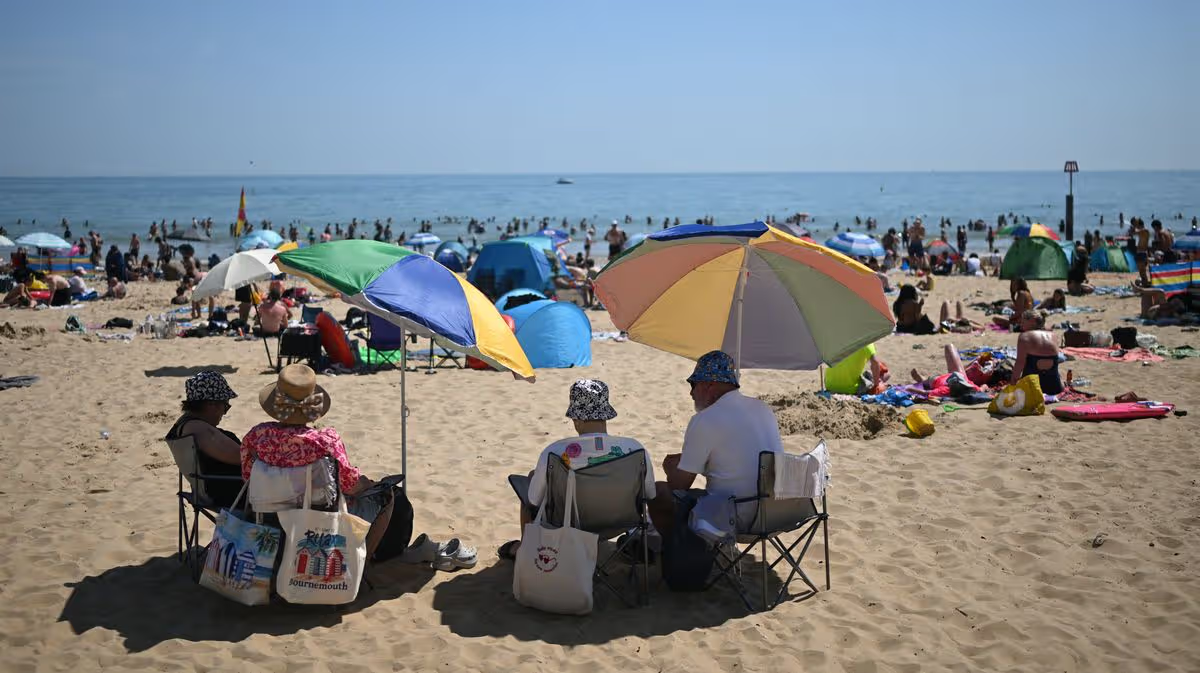
Temperatures are expected to reach 27C in York on Friday (June 19) then fall to 23C over the weekend.
Met Office forecasters said temperatures are expected to start rising again from Monday, reaching 28C on Tuesday and staying in the mid to late 20Cs throughout next week.
The Yorkshire Air Ambulance has urged people planning on swimming in open water during the warm weather to be mindful of the dangers.
It comes after at least 17 people died after getting into difficulty in water during the May UK heatwave.
Advertisement
Dr Stuart Reid, medical director at the Yorkshire Air Ambulance, said cold water shock can quickly overpower even experienced swimmers.
“Yorkshire is home to some incredible rivers, reservoirs and beauty spots, but these environments can change quickly and present hidden hazards,” he said.
Dr Stuart Reid, medical director at Yorkshire Air Ambulance (Image: Yorkshire Air Ambulance)
“One of the biggest dangers is that people often underestimate the risks.
“Even during periods of warm weather, the water is often much colder than people expect.
Advertisement
“Sadly, being a strong swimmer does not make you immune to these dangers.”
Brits in 51 counties across the UK have been warned to brace for dangerously high temperatures in the coming days as the mercury is set to soar over the weekend and into next week
10:53, 19 Jun 2026Updated 11:06, 19 Jun 2026
The Met Office has issued amber weather warnings for extreme heat over a swathe of the UK covering millions of Brits.
The alerts, which are in force on Monday and Tuesday, warn of widespread impacts on people and infrastructure.
The spike in temperatures is likely to cause adverse health effects for people vulnerable to extreme heat, the Met Office warned. Among the wider population there it was likely people will suffer with sunburn or heat exhaustion, dehydration, nausea and fatigue and other heat related illnesses, the forecaster said.
Advertisement
“Some changes in working practices and daily routines are likely to be required,” the warning continued, adding that there may be an increased change of travel disruption with potential for welfare issues for those stuck on roads, trains and planes in the heat. There will also be an increased likelihood of power outages and disruption to other services as equipment starts to fail in the heat.
The warning covers parts of East of England, London and South East England, South West England, Wales. All local areas affected are listed below.
A Met Office forecast said: “Following very warm weather on Sunday, very high temperatures are expected on Monday and Tuesday and will likely bring widespread impacts to people and infrastructure.
“In addition to high daytime maxima, temperatures overnight will remain very warm, especially in larger urban areas, and it will also feel humid. Temperatures are likely to reach the mid-30s Celsius in places on Monday and Tuesday.
Advertisement
“Some places, particularly in urban areas, may see temperatures remain above 20 Celsius overnight. The very high temperatures may continue across a smaller area into the middle of the week, but there remains some uncertainty regarding the extent of this.”
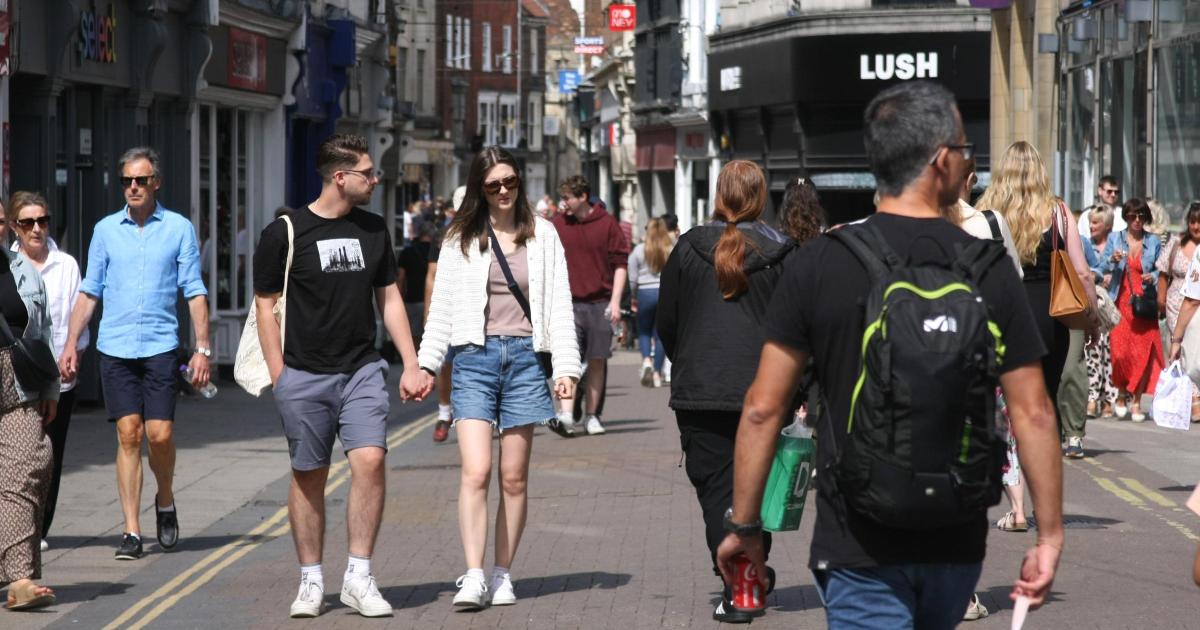
Brits have been warned to keep out of the sun and avoid any exercise between 11am-3pm and keep their curtains closed to avoid overheating indoors. “If you are going out take water with you, stay in the shade, wear sunscreen and a wide brimmed hat,” the Met Office advised.
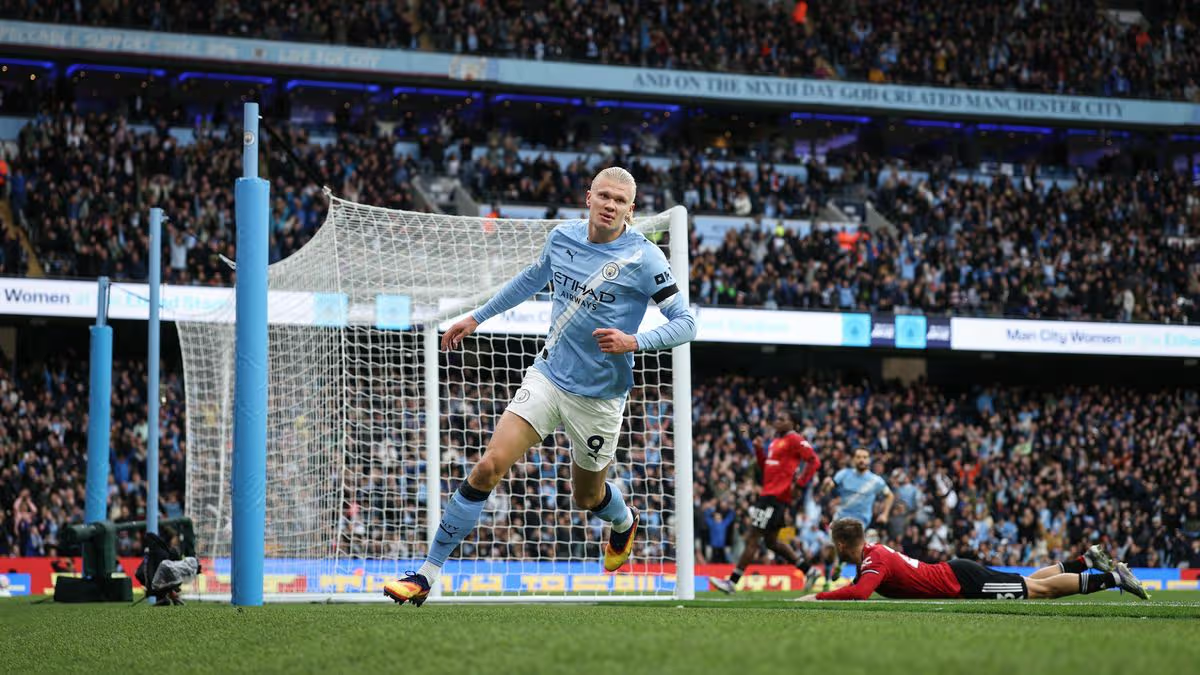
Manchester City took the Premier League title race down to the final week of the season in 2025/26 but they want to go one better in the new campaign.
Manchester City will have a new manager at the helm but their objective remains the same: to win the Premier League title. To do that, City will have a keen focus on the games against their main rivals. It goes without saying that those matches could make or break their title tilt.
Advertisement
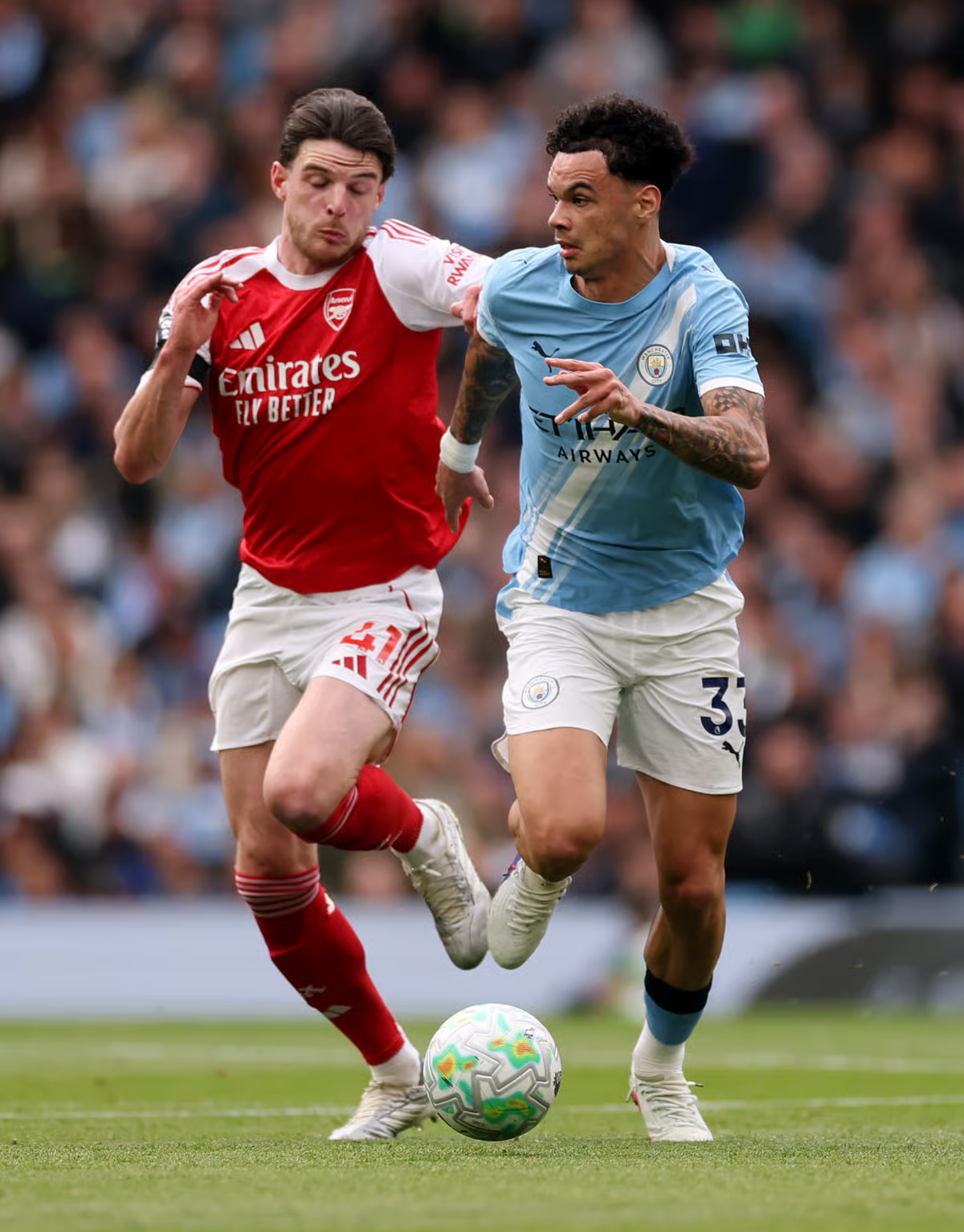
City’s first test of their title credentials will come on just the fourth matchday when the Blues travel to fierce rivals Manchester United on September 12. Pep Guardiola’s men struggled at Old Trafford in January, losing 2-0 on what was Michael Carrick’s first game as interim boss.
While Guardiola may have left, Carrick will be in the dugout again in September having been appointed the Reds’ permanent head coach. Liverpool, with Andoni Iraola in the hot seat, will provide City’s next title test on October 10 at Anfield before their first game against reigning Premier League champions Arsenal takes place on November 28 at the Emirates Stadium.
Click here to find out the latest Manchester City news in our daily newsletter
City won’t play a potential title rival at home until December 12 when they host Xabi Alonso’s Chelsea. This quirk of the fixture list could play both for and against the Blues with City knowing those big games during the run-in will mostly be played at the Etihad Stadium.
Advertisement
The Blues’ last game against a member of the ‘Big Six’ will be on May 8 when they host Liverpool. Take a look at the big fixtures against City’s possible title rivals below:
Manchester United (A) – September 12
Liverpool (A) – October 10
Arsenal (A) – November 28
Chelsea (H) – December 12
Tottenham Hotspur (H) – January 2
Arsenal (H) – January 30
Tottenham Hotspur (A) – February 10
Manchester United (H) – March 20
Chelsea (A) – April 24
Liverpool (H) – May 8
Thousands of Man City fans upgraded their matchday last season. This is how they did it.
This article contains affiliate links, we will receive a commission on any sales we generate from it. Learn more
Official premium experiences at the Etihad are available now for the 26/27 Premier League season. Make it easier than ever to turn a regular fixture into something genuinely unforgettable.
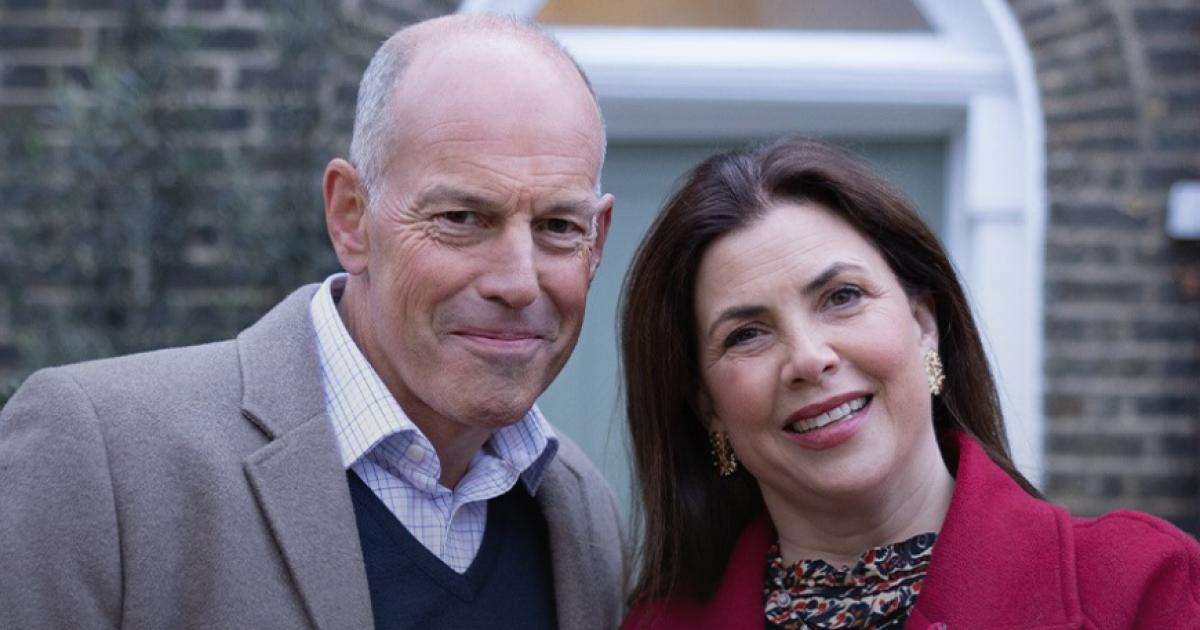
The Location, Location, Location host has welcomed proposals that ministers say could cut around four weeks from the home-buying process by forcing sellers to reveal key information upfront and speeding up transactions through digital technology.
Spencer said the reforms tackle many of the frustrations buyers and sellers have faced for years.
“I welcome these proposals – they address many of the issues consumers have been grappling with for years, from a lack of upfront information to unnecessary delays and last-minute surprises,” he said.
Advertisement
The changes are designed to modernise a system that currently leaves many movers facing months of uncertainty.
According to property portal Rightmove, the average home sale takes around 170 days to complete, while more than one in five transactions falls through before completion.
Under the proposals, sellers and estate agents would have to provide detailed “sales packs” when a property is first listed, setting out information such as the home’s condition, leasehold charges and chain status.
The Government believes giving buyers access to crucial information earlier could reduce the number of deals collapsing after surveys, searches and legal work have already been carried out.
Advertisement
Paper-heavy processes could also be replaced by digital property logbooks, electronic signatures, digital identity checks and AI-assisted conveyancing tools.
Prime Minister Sir Keir Starmer said the current system too often leaves families “in limbo”.
“We’re turning the page,” he said. “Our reforms will bring this outdated process into the modern age, saving people time and money, and giving them the certainty they deserve.”
Housing Secretary Steve Reed described the current process as a “drawn-out nightmare of delays, hidden costs and failed deals”.
Advertisement
He said the reforms would make transactions “faster, fairer and more secure” while giving buyers and sellers greater certainty.
Recommended reading:
Industry leaders have also backed the plans.
Zoopla chief executive Paul Whitehead said homeowners “deserve better than a home-buying process that takes months, falls through too often, and leaves everyone poorer for it”.
Advertisement
The Government intends to roll out the reforms gradually over the rest of this Parliament, with legislation covering sales packs, binding agreements and digital systems expected before the next election.
For first-time buyers especially, supporters believe the changes could mean fewer nasty surprises, less stress and a much faster route to home ownership.
Oliver Johnson says he spent most of the inheritance left by his late father
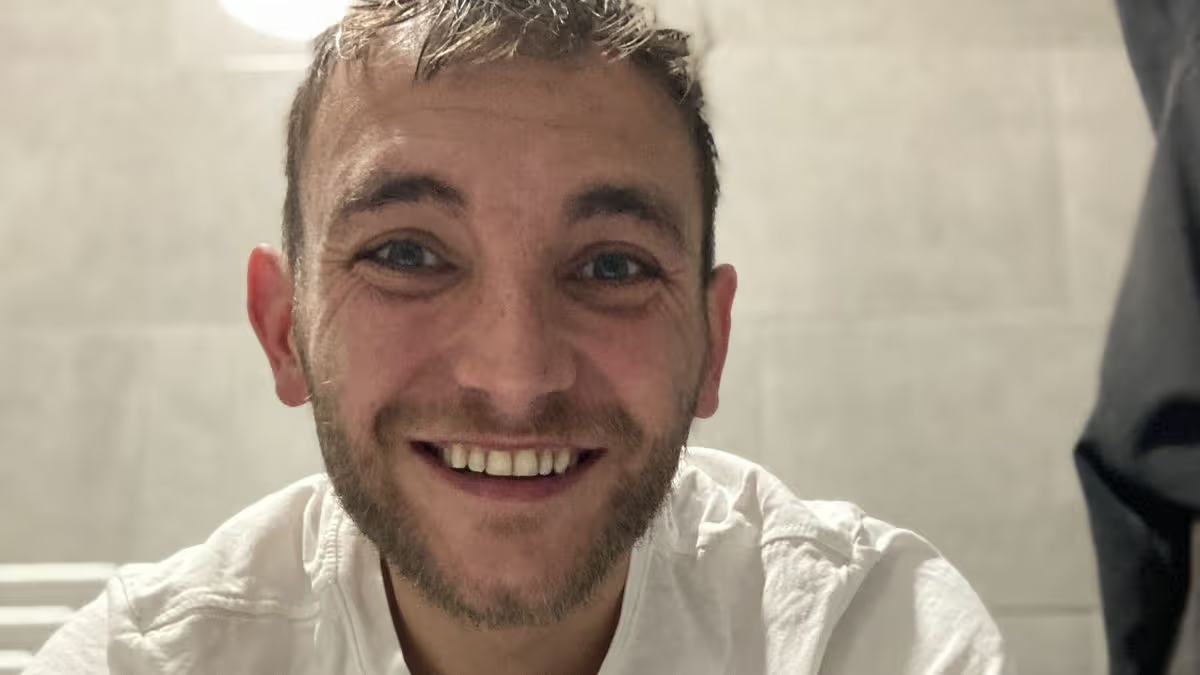
A man says he blew his dad’s inheritance – and has spoken about the impact of his father’s dying wish to him. Oliver Johnson’s problems first began when he was just 15. But they spiralled out of control and almost destroyed his life.
Advertisement
But he thanks his dad for being a perfect role model. And remembers the words he said that helped him turn his life around.
The 32 year old says by the time he was 18 he was using cocaine and drinking daily, spending an average of £500 per week on his addiction – and sometimes ‘thousands’. Oliver even admits to blowing the majority of the £15,000 inheritance he got from his dad Paul Johnson on drugs – an amount he admits he would ‘kill to have’ now.
The tip worker says he would ‘stay awake for days on end’ sniffing the drug, which resulted in him experiencing drug-induced psychosis. After struggling with the addiction that ‘ruined his life’ for over a decade, Oliver decided to ditch drugs and alcohol for good two months before the birth of his daughter in August 2024.
He says his dad’s dying wish before he died of cancer had been for him to ‘get sober and be happy’ and he is proud now to be able to be a good role model for his own daughter like his father was for him. The dad of two is now urging other people who struggle with addiction to ‘reach out and get help’. Oliver, from Todmorden, West Yorkshire, said: “I started taking cocaine when I was still in my teens, it wasn’t really a problem until about 18.
“I was using it socially – I didn’t think it was a problem at the time. In 2018 it sort of just spiralled. I was drinking every day and sniffing cocaine – [I was spending] stupid amounts, £400 or £500 a week, some weeks even thousands.”
Oliver says he was constantly in debt and even admits to blowing his dad’s £15,000 inheritance on drugs. Oliver said: “It was costing me £80 per day and I think the most I owed one week was about £1,300.
“I was in debt – it was very rare I wasn’t in debt. I got a bit of inheritance off my dad but a lot of it went on substances and alcohol. I kick myself now because I got quite a lot of it – it was £15,000. Now I would kill for that type of money.”
Advertisement
Oliver says his addiction left him experiencing drug-induced psychosis and even saw him using crack cocaine, an even more dangerous and highly addiction version of the drug. Oliver said: “I used to have drug-induced psychosis – I would constantly hear things.
“I could be with my closest friends and I would hear voices, I thought people were inside my house. I was that paranoid I used to think there were people in the loft and I would go checking in there and things like that. I always felt like there were people coming for me and it was nuts.”
Sadly, Oliver’s dad Paul, 67, was diagnosed with cancer in 2019. Oliver revealed that his father’s dream had been for his son to ‘get sober and be happy’.
Oliver said: “In 2019 my dad got diagnosed with cancer and sadly he passed away in January 2020. My dad’s dream was for me to get sober and be happy. He was the perfect role model. It was because of my own self-inflicted trauma [that I turned to drugs].”
Advertisement
‘It’s the best thing I’ve ever done’
In August 2024, Oliver decided to live a cocaine and alcohol-free life ahead of the birth of his daughter. He says he is now able to do all of the things he missed out on in his 20s, including going abroad for the first time last year.
Oliver said: “Two months before my daughter was born I got sober and it’s the best thing I’ve ever done. I’m a better partner – my daughter means the world to me and I’m so grateful to my partner for sticking by me and giving me the chance.
“Being a present father means more than anything to me. I had an amazing dad myself and he never turned his back on me – I just want to be able to pass down what he passed down to me.
“Now I’m working a stable job, I have an income and I’m able to save money. I went abroad last year for the first time in my life – I’d never been abroad. I’m ticking all those things off on my list now and it’s crazy.
Advertisement
“I missed out on a hell of a lot because of my cocaine use. I didn’t really have a 20s – it ruined my 20s, it ruined all of my life really for a very long time. I wouldn’t be the man I am today if it wasn’t for my partner and daughter finally made me see life for what it really is. I’d be lost without them both.”
Oliver is now using his social media accounts to raise awareness and is encouraging other people struggling with addiction to seek support. Oliver said: “Just be honest – be as honest as you can be. Don’t be scared to reach out and get help.
“A problem shared is a problem halved. For many many years I thought hiding away and isolating myself was the answer but it wasn’t.”









































You must be logged in to post a comment Login