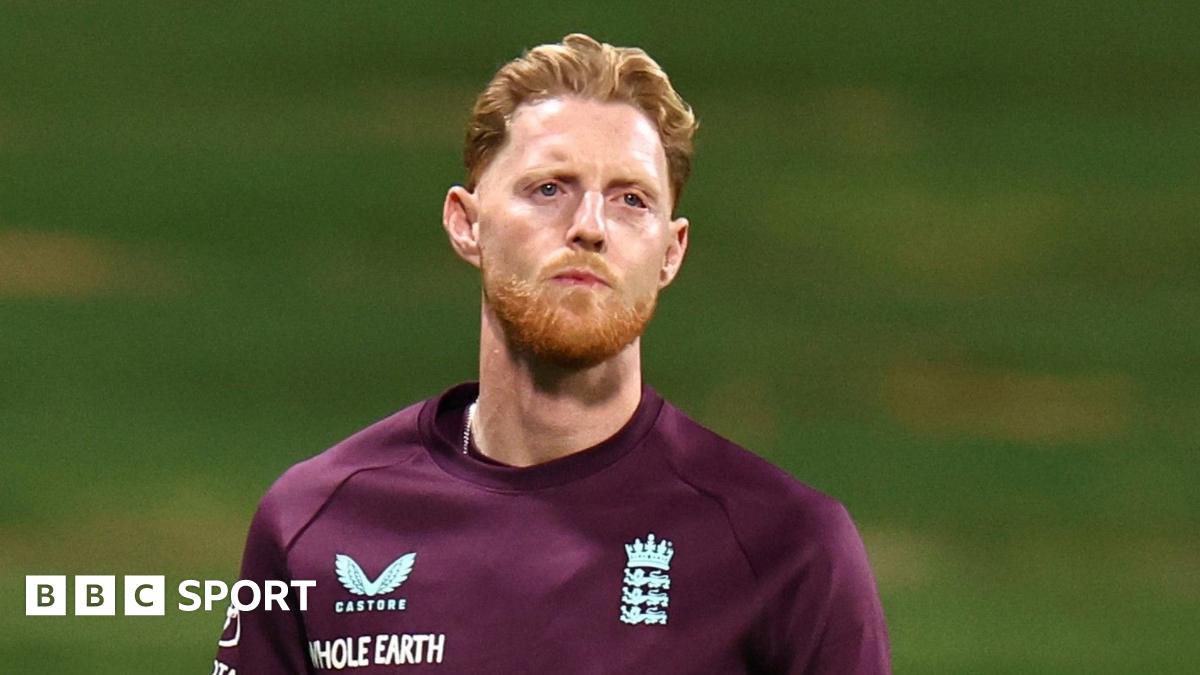






But Bethell would not quite complete what he had started. He only faced two more balls in the 19th over, leaving England needing 30 from the final over. Attempting a second run to stay on strike, Bethell’s desperate, forlorn dive ended with his face on the ground. Three sixes from Jofra Archer, when defeat was already mathematically confirmed, added to England’s anguish.
Yet English defeats have seldom been more admirable. A cocktail of a raucous home crowd, sumptuous batting conditions and the high-stakes of a World Cup semi-final combined to produce one of the greatest matches in T20 history.
After conceding their highest ever score in T20 cricket, and then losing Phil Salt in the second over, England responded with bravery and elan to their impossible pursuit. Bethell arrived at 38 for two, and promptly flicked Bumrah for six over fine leg from his second delivery.
Advertisement
Twenty-four hours earlier, Bethell had shadow-batted out on the square at the Wankhede. Yet surely not even in his visualisation can he have imagined batting with quite the fluency and range that he exhibited in Mumbai.
When mystery spinner Varun Chakravarthy came on, in the sixth over, Bethell showed off his audacity and range, launching Chakravarthy’s first ball over long on and his second over long off. His appetite unsated, Bethell then reverse-slogged Chakravarthy’s third delivery for another six, this time over deep point.
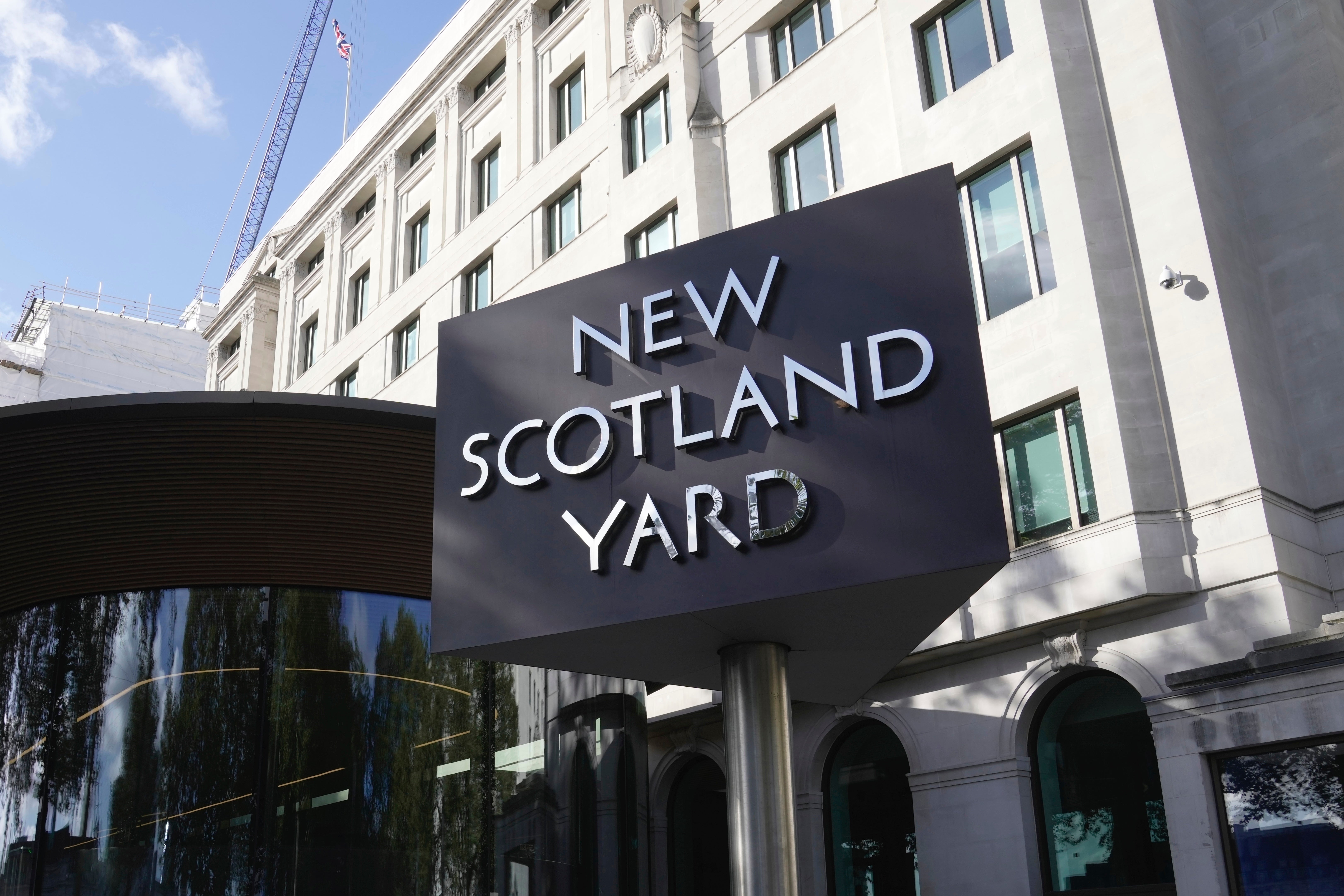
The Metropolitan Police said three men – aged 39, 43 and 68 – were arrested by counter-terrorism officers in London and Wales after being accused of assisting a foreign intelligence service. On Thursday morning, officers said all three had been released on bail.
Advertisement
Reid, who said she is not under police investigation and has denied any wrongdoing, has faced questions about her business ties to her husband.
In a statement she said: “This week has been the worst of my life. The shock of recent days has been difficult for me and my family. I want to reiterate something very important: I am not under investigation by the police and no accusations have been against me. I have done nothing wrong.
Advertisement
“I love my country. To serve the people of East Kilbride and Strathaven as their MP and the Labour Party has been – and continues to be – the privilege of my life.
“I understand that speculation and gossip is fevered at a time like this. I do not want the circumstances that I and my family find ourselves in to be a distraction for this government, of which I am proud and in whom I believe.
“I also do not want my children – who have nothing to answer for and who deserve privacy and compassion – to find themselves subject to intrusion.
“Following discussions with the Chief Whip, I am voluntarily suspending myself from the whip this evening and will not sit as a Labour MP until internal investigations are concluded. I will welcome and cooperate with any questions and worries the party may have.
Advertisement
“I, and my team, will continue to serve my constituents in the normal way as their Member of Parliament.”
Scottish Labour leader Anas Sarwar said of Reid on Thursday afternoon: “We are considering all these matters because they are serious questions that you are putting to me.
“As you know, we have an independent Governance and Legal Unit that’s considering many of these matters and we will have judgements to make today.”
In a statement on Wednesday, Reid strongly rejected any claims of wrongdoing: “I have never been to China. I have never spoken on China or China-related matters in the Commons. I have never asked a question on China-related matters.
“As far as I am aware, I have never met any Chinese businesses whilst I have been an MP, any Chinese diplomats or government employees, nor raised any concern with ministers or anyone else on behalf of, even coincidentally, Chinese interests. I am a social democrat who believes in freedom of expression, free trade unions and free elections.
“I am not any sort of admirer or apologist for the Chinese Communist Party’s dictatorship. I have never seen anything to make me suspect my husband has broken any law. I am not part of my husband’s business activities and neither I nor my children are part of this investigation, and we should not be treated by media organisations as though we are. Above all I expect media organisations to respect my children’s privacy.”
Taylor, 39, is listed as a “lobbyist” on Reid’s MP registered interests.
Advertisement
Companies House names him as the director of Earthcott Limited, a public relations and communications firm. The Herald reported on Thursday that Reid’s consultancy received more than £20,000 in interest free loans from two of her husband’s businesses before she was elected to Parliament.
Security minister Dan Jarvis said there will be “severe consequences” if it is proven that China attempted to interfere with UK sovereign affairs.
Jarvis said the investigation “relates to China” and “foreign interference targeting UK democracy”.
He told MPs: “Let me be clear, if there is proven evidence of attempts by China to interfere with UK sovereign affairs, we will impose severe consequences and hold all actors involved to account.”
Advertisement
To sign up to the Daily Record Politics newsletter, clickhere
Greenhalgh’s Craft Bakery in Horwich welcomed the Bolton-born television and radio presenter on March 4, as he stopped by his local shop for a quick catch-up and no doubt a tasty treat or two.
The Bolton-born star, who grew up in Horwich, made the day of staff members Jackie and Natalie, the shop’s mother-and-daughter team, who were “all smiles” as they grabbed a quick selfie with the presenter.
The Greenhalgh’s bakery said: “It was a brilliant surprise to see Vernon pop into our Chorley New Road shop!
Advertisement
“As a proud Boltonian, he clearly knows best where to come for his pie fix.”
Sharing the moment on social media, the bakery added: “Look who popped into our Horwich shop yesterday!
“Thanks for stopping by, Vernon!”
Advertisement
Vernon Kay is best known for presenting popular television shows, including All Star Family Fortunes and Beat the Star, as well as hosting programmes on BBC Radio 2.
Greenhalgh’s is a favourite across the borough, offering a wide range of award-winning and freshly baked goods, from multi-portion pies and bespoke celebration cakes to fan-favourite pasties.
The family-run business has grown into one of the largest employers in the Bolton area, with around 950 staff and 59 retail shops.
The number of 12-hour trolley waits at the York and Scarborough Teaching Hospitals NHS Foundation Trust has increased for a second month in a row.
Updated figures show that 930 patients had to wait on trolleys for more than 12 hours after attending emergency departments in January. In December, there were 759 trolley waits that lasted longer than 12 hours, which was an increase of 453 from November.
A spokesperson for the York and Scarborough Teaching Hospitals NHS Foundation Trust said that factors impacting flow through its hospitals included high demand, patients presenting with more complex needs, and delays in discharging people who are well enough to leave hospital.
Advertisement
“Like hospitals across the country, we are experiencing sustained pressure in our urgent and emergency care services, which can at times lead to an increase in longer trolley waits,” the spokesperson said.
They added: “We are sorry for the impact this has on patients and families.
“We are working closely with our health and care partners to improve patient flow, including supporting earlier discharge, making best use of available beds, and strengthening same-day emergency care.”
Readers had their say in the comments section of The Press website.
Advertisement
Teddy Duchamp said: “I wish it had been 12 hours, for me it took 17 hours, and most of that time was spent on a bed in the corridor right next to the doors that people are brought into in A&E.
“But I was lucky. I saw two dead bodies wheeled by whilst in there. The poor nurses and staff are rushed off their feet.”
Tiny toes said: “Free care is available, how lucky we all are.
“Why, oh why, did the powers that be close the rehab units across the city? They alleviated beds in the hospital wards and got people back home faster and safer.”
Advertisement
Pinza-C55 said: “I thought Labour was going to sort all the NHS problems out?”
Cricket70 said: “At least you’re getting free health care.”
Readers also shared their thoughts on social media.
Commenting on Facebook, one reader said: “I went to Scarborough A&E last week and the staff were amazing.
Advertisement
“I was in for five hours from arriving, being seen, and going home. I was even offered food and drink – great service.”
Another reader commented: “I was also seen by A&E doctors two months ago with suspected sepsis following a dental treatment. Once again they were prompt and I was transferred to York within a few hours.
“All the staff in A&E have been amazing recently. We are very fortunate to have this hospital in [Scarborough] and I for one am extremely grateful.”
Everyone’s been in a debate when someone says: “You’re taking that out of context.” But what does it actually mean to understand something “in context”?
Appeals to context feel irrefutable. Of course we need context. But “context” is one of those ideas that seems obvious until you actually try to define it. What counts as context? Where does context end and the thing itself begin? And whose context matters?
Take a typical example: a quote from a politician surfaces that seems damning. Condemnation ensues. But a defence is mounted: the quote has been taken out of context – the politician was being sarcastic, as you’ll see when you look at what else they said at the same time.
But the assault continues when it’s pointed out that the quote fits with other remarks the politician has made. Meanwhile, still further defences are mounted on the basis of the wider political debates around the subject of the quote. Everyone’s invoking context, but nobody’s agreeing.
Advertisement
“Context” isn’t one thing, though the way we use the word often suggests it is. It’s dozens of different things we’ve given different names to over centuries. Social context. Historical context. Cultural context. Political context. Economic context. Linguistic context. Biographical context. Institutional context. Each of these emerged as distinct ways of thinking about how to situate meaning, and each implies a different kind of explanation.
We haven’t always been as concerned about context as we are now – and we haven’t always understood it in the same way. The historian Peter Burke dates “context” in roughly its current (and quite capacious) senses to the counter-enlightenment romanticism of the 19th century.
This same counter-enlightenment romanticism is partly the context in which my own discipline of anthropology emerged – and people started insisting we understand human practices “in their total social context”. They meant something specific: that you can’t understand a ritual or belief by isolating it, and you have to see how it fits into an entire way of life.
When historians talk about “historical context”, they often mean the sequence of events and conditions that preceded something – the causal chain. When literary critics invoke “textual context”, they often mean the surrounding words that shape meaning. These are all genuinely different intellectual operations, and they often pull in opposite directions.
Advertisement
The philosopher Ludwig Wittgenstein spent much of his life thinking about this problem. In his early work, he thought meaning depended on logical context – how a statement fits into a formal structure.
Later, he abandoned this for something messier: meaning depends on what he called “form of life” – the shared practices and assumptions that make our words intelligible to one other. There’s no algorithm for context, there’s just the hard work of making explicit what we normally take for granted. This helps to explain why political arguments can sometimes be so frustrating. We think we’re disagreeing about facts when we’re actually disagreeing about which kind of context is relevant.
Things are going great! And also absolutely terribly. Shutterstock/Maya Lab
Take recent debates about crime statistics. In 2024, the then Conservative government of the UK argued that crime had fallen by 56% since 2010, yet it also claimed that knife crime had risen dramatically in London since the arrival of Labour mayor Sadiq Khan.
More recently, meanwhile, Reform’s Nigel Farage argues that crime has skyrocketed since the 1990s in ways that records fail to make clear because people aren’t reporting crimes. Still others point to the economic context of austerity and cuts to policing that have hit deprived areas the hardest.
Advertisement
Who’s right? They all might be, in a sense. But they’re playing different games with context. The Conservative government used temporal context (crime down since 2010) and regional context (but up in London). Farage invokes methodological context (the problem of unreported crime skewing the data). Critics of austerity point to economic and structural context (resource distribution and its effects). Each context tells you to look at different things, weigh different factors, draw different conclusions.

There’s no neutral context, no view from nowhere. Every context is itself a choice: a decision about what matters, what explains what, which background is relevant. When we invoke context, we’re not just adding information, we’re making a claim about what kind of thing the world is. These aren’t just different amounts of context, they’re different ideas about what makes things meaningful.

What do we do with this?
Choosing a context is itself an argumentative move. When you invoke historical context, you’re claiming – probably – that temporal sequence and precedent matter most. When you invoke social context, you’re claiming that group membership or structural position matter most. These are substantial commitments, not neutral framings.
It’s also helpful to recognise that contexts can conflict. The immediate linguistic context (x was being ironic) might point one way, while the historical context (but x voted for similar measures) points to another. Both can be “true” while supporting opposite conclusions.
Advertisement
None of this means context doesn’t matter. It means it’s helpful to be honest about what we’re doing when we invoke it. We’re not just adding background information. We’re making claims about what kind of background matters, which in turn depend on deeper assumptions about how the world works.
It’s helpful to be explicit about which context we’re operating in, and why we think it’s the relevant one. That certainly won’t resolve all arguments. But it might help us see that we’re not always arguing about the same thing.
Understanding context isn’t an invitation to add more and more information until everyone agrees. It’s an acknowledgement that meaning is situated, and that different situations generate different meanings. The hard part is figuring out which situation we’re actually in.
This article contains references to books that have been included for editorial reasons, and this may include links to bookshop.org. If you click on one of the links and go on to buy something from bookshop.org The Conversation UK may earn a commission.
One guest said they loved the room so much they could have stayed for a week
A Cambridgeshire bed and breakfast has featured on a popular Channel 4 TV show this week. The Red House, in the picturesque village of Longstowe, appeared on Channel 4’s Four in a Bed.
Advertisement
The competition began this week on March 2, seeing four B&B owners battle it out to be crowned the best of the bunch. The B&B owners take it in turns to stay at each other’s place before reviewing them across different categories.
Carl and Liz, owners of The Red House, have competed with the Three Horseshoes in Warham, Norfolk, run by married couple Fiona and Michael, and Holly Lodge Boutique run by Barbara and Elizabeth in Thursford, also in Norfolk. The final stay of the competiton will be with Helen and Carl at Peacock lake in Gunthorpe, Nottinghamshire.
The Cambridgeshire B&B featured in Tuesday night’s episode (March 3), as the second visit of the competition. The guests were shown to their rooms where they got straight to judging the cleanliness of the room and the facilities on offer.
Barbara and Elizabeth were fans of the chandelier, saying: “Not a single cobweb, and that is a difficult thing to keep clean.” Fiona and Michael were fans of the “nice fat pillows”, with Michael adding: “My head is going to enjoy being on that.” Helen and Carl said: “This is really high quality flooring, it looks stunning.”
Advertisement
But Helen and Carl were disappointed to find some dust in the drawers and on the back of the TV. Not every guest seemed to find dust though, as Barbara said: “I’m not sure anyone has stayed here before.”
One facility in the room which proved to be a crowd pleaser was the mini fridge, which the guests said was a nice touch. All of the guests then headed out to a Highland cow experience at Highland Cow Cottage. Here, farm manager Charlie introduced everyone to the cows and allowed them to give the cows some afternoon snacks. The guests then got an afternoon snack of their own in the form of a Highland cow themed afternoon tea.
Guests then headed back to the B&B for the night. In the morning, the breakfast received rave reviews. The eggs were described as “perfection” and Carl and Liz were praised for their homemade hash browns and other “really good quality ingredients”.
When it came to the final verdicts of their stays overall, Barbara and Elizabeth said: “We’ve loved the stay here, it’s a very charming coaching inn that’s been restored beautifully.”
Advertisement
Fional and Michael added; “We loved our room, we could have stayed for a week.”
Carl and Helen were not quite as thrilled, saying: “There were some quite distinct cleaning issues. A five minute checkover could have cured it.” Overall, all of the guests said that they would stay at The Red House again.
Carl and Liz said: “We had a fantastic experience filming with Channel 4 for their series Four in a Bed. We’re very grateful for the opportunity to showcase our business and share what we do with a wider audience.
Advertisement
“It was a memorable experience for our team, and we hope that appearing on the show encourages more guests to discover and book with us.”
The Red House is set in three acres of grounds on the outskirts of Longstowe, and according to its website, it is an old coaching inn built in 1799. The traditional English restaurant offers a main menu alongside its Sunday menu.
This series is set to continue with more visits to other B&Bs this week. The winner will be announced on Friday’s episode (March 6) for the big payday reveal.
Ross Lynch was spotted acting suspiciously on St Barnabas Road in Middlesbrough by police hunting dealers operating in the area.
Teesside Crown Court heard how police recovered a mobile phone and a set of keys from the defendant before they searched his property.
Elisha Marsay, prosecuting, said officers discovered a block of cocaine weighing 43.2g inside his home alongside weighing scales, grip seal bags and almost £1,000 in cash.
Advertisement
She said specialist officers estimated the cocaine was worth about £4,300 in the streets.
The 34-year-old pleaded guilty to possession with intent to supply a controlled drug of Class A – cocaine – following his arrest on October 3 last year.
Kate Clark, mitigating, said her client turned to selling drugs to fund his own cocaine habit.
She added: “He was dealing cocaine for only a matter of weeks, very foolishly, while he was using cocaine.
Advertisement
Read more:
“He was using it so much so that he wanted to manage to keep out of debt and decided to deal to a small number of friends and people he worked with.”
Recorder Mark McKone KC said: “I accept that you were a Class A drug addict and the motivation was to fund your own habit rather than make a significant amount of money.
“I also accept that you were only doing it for a short period of time.”
Advertisement
Lynch, of St Barnabas Road, Middlesbrough, was sentenced to 32 months in custody.
It isn’t the first time I’ve seen a modular phone, and it likely won’t be the last, but this concept device from Chinese smartphone maker Tecno caught my eye. It’s an exceptionally thin Android smartphone with a couple of connectors on the back that’s used to attach various gadgets.
One module turns the phone into a complete camera system with a massive lens. The display acts as a viewfinder, though the weight distribution didn’t feel quite right when I tried it – I almost dropped it when I picked it up. Other smaller, less unwieldy modules can attach to the phone, including a smaller camera lens, a speaker, a vanity mirror, a wallet and a wireless microphone.
A Bluetooth tracker that’s compatible with both Apple and Google
Apple recently announced a new AirTag, but at MWC, Chinese company Xiaomi announced its first-ever tracker, and it works with both Apple’s ‘Find My’ app and Google’s ‘Find Hub’.
A coin cell battery powers the Xiaomi Tag, which it says with last for around a year like Apple’s AirTag, but there’s no need to buy separate accessories to clip this onto your keys or backpack. Instead, the Xiaomi Tag has a pill-shaped design with an integrated metal loop, making it easy to attach to your keys or bag. It’s also IP67 fully waterproof, and it weighs just 10g, which is ever so slightly less than the AirTag.
They were called to reports of the incident at a quarter past 12pm and three fire engines arrived to the scene – one from Atherton, one from Bolton and one from Leigh.
Force manager Steve Green, from Atherton Fire Station, said they remained there for around two hours and “carried out normal operations”.
He said the kitchen on the upstairs flat on Coronation Avenue in Atherton had filled with smoke and the occupant was asleep.
Advertisement
Fire crews managed to escort the man from the flat, and Mr Green said there “wasn’t a lot of damage” as the smoke had come from the microwave.
North West Ambulance Service and Greater Manchester Police were also present to assist at the scene.
One of the most bothersome things about being sick or having seasonal allergies is that it makes your nose stuffy and blocked. This makes breathing in through your nostrils frustrating – if not altogether impossible.
But even when you aren’t sick, perhaps you’ve noticed that when you take a deep breath, only one of your nostrils seems to be allowing the air in. Before you panic and wonder if you’re coming down with something, what you’re experiencing is actually a normal bodily process.
Multiple times a day, without us even noticing, the nostrils naturally switch between a dominant nostril for airflow. This process is called the nasal cycle and it plays an important role in the health of our nose.
The body actually switches the dominant nostril as frequently as every two hours while we’re awake. This switch is less frequent when we’re sleeping as our breathing rate slows and the volume of air entering and leaving the body lowers.
Advertisement
There are two key aspects to the nasal cycle: congestion and decongestion.
During the congestion phase, one nostril will experience reduced airflow, while the opposite nostril will be open, or decongested – allowing for more air to pass through it. The decongested phase actually fatigues the open nostril, as air dries it out and brings pathogens into contact with it. This is why it’s important for the dominant nostril to swap.
This alternating cycle is automatic, regulated subconsciously by the hypothalamus in the brain. However, some people have no nasal cycle (such as those who have a hypothalamic disorder). There’s also evidence that the left nostril may be more dominant – particularly in right handed people.
Studies looking at nasal breathing even suggest that when the right nostril is dominant, the body is in a more alert or stressed state. But when the left nostril takes over, the body is in a more relaxed state.
Advertisement
The nasal cycle is important for a number of reasons.
First, it protects the lining of the nose and respiratory system. At least 12,000 litres of air pass through it each day, making it a key front-line defence from pathogens. Having the dominant nostril alternate reduces the risk of damage and also makes it easier for the nasal passage to protect against pathogens.
The nose also has to rest and repair. Air exposure dries it out – so without time to recuperate, this could make it easier for pathogens and inflammation to cause damage.
Colds can affect our nasal cycle. Doucefleur/ Shutterstock
Part of the congestion process also sees increased blood flow to the nose’s vessels. This ensures the nostrils are moistened properly for both the repair and recovery processes, and so that air is warmed and moistened as it passes through the nostril.
Advertisement
Nasal cycle function
A number of things can affect the nasal cycle’s normal function. Respiratory conditions such as colds and flu result in an increase in mucous production. This restricts how easily the nasal passages are able to alternate.
Allergens such as pollen or dust mites can cause severe inflammation of the nasal tissues – again impeding proper function of the nasal cycle.
Certain medications, such as those for high blood pressure, can cause irritation of the nasal lining, too. This is because these drugs effect the blood vessels throughout the body – including those in the nose.
Overuse of nasal decongestants (for more than five days at a time) can cause rhinitis medicamentosa – a form of congestion that occurs when you overuse these drugs. The sudden swelling of the nostril tissues affects the nasal cycle.
Advertisement
For others, structural issues interfere with their nasal cycle. Nasal polyps, which are found in up to 4% of people, are an outgrowth of the nasal lining that usually occurs in both nostrils. These limit how easily air can pass through the nostrils, making the nasal cycle ineffective and leaving both nostrils constantly feeling blocked.
A deviated nasal septum – where the cartilage and bone plate between the nostrils is off-centre – can also make the nostrils feel constantly congested or blocked. This often requires surgery to improve breathing and sleep quality.
Even factors as simple as lying in bed or slouching over can affect the nasal cycle. When you lay down, blood pools in the tissues of the nose. Gravity also causes the contents of the sinuses to move into the nostril closest to the pillow. This can block one of the nostrils, making it harder to breathe and preventing the nasal cycle from working as normal.
If you’re struggling with blocked nostrils, infections such as colds and the flu are usually the most common culprit. It can take up to two weeks to clear the congestion. Sinusitis, where the sinuses become infected, can last for four weeks.
Advertisement
Pollen allergies can also be a common culprit of a abnormal nasal cycle. This symptom can last for weeks depending on the specific allergen you’re allergic to. Regularly taking antihistamines during hay fever season may help to reduce symptoms and clear any congestion.
But if you find one nostril is persistently blocked for more than two weeks, it’s usually a good idea to get it checked out – particularly if there’s mucus coming from your nose, or a discharge that doesn’t look normal for you.
This article was first published in The Conversation UK’s World Affairs Briefing email. Sign up to receive weekly analysis of the latest developments in international relations, direct to your inbox.
Before the first airstrike hit Iran on Saturday morning, analysts were warning that a war against Tehran would be a highly risky business. The regime has been in place for nearly 50 years, has a huge, well-trained and loyal military, proxies throughout the region and a huge stockpile of ballistic missiles and drones – plenty to wreak havoc across the region and beyond.
And so it has proved. While Israeli and American forces have been pounding targets across the country, Iran has responded by attacking Israel as well as US military targets in neighbouring Gulf states, including the United Arab Emirates, Bahrain, Saudi Arabia and Kuwait. Attacks have also been reported from Cyprus, Iraq and Jordan.
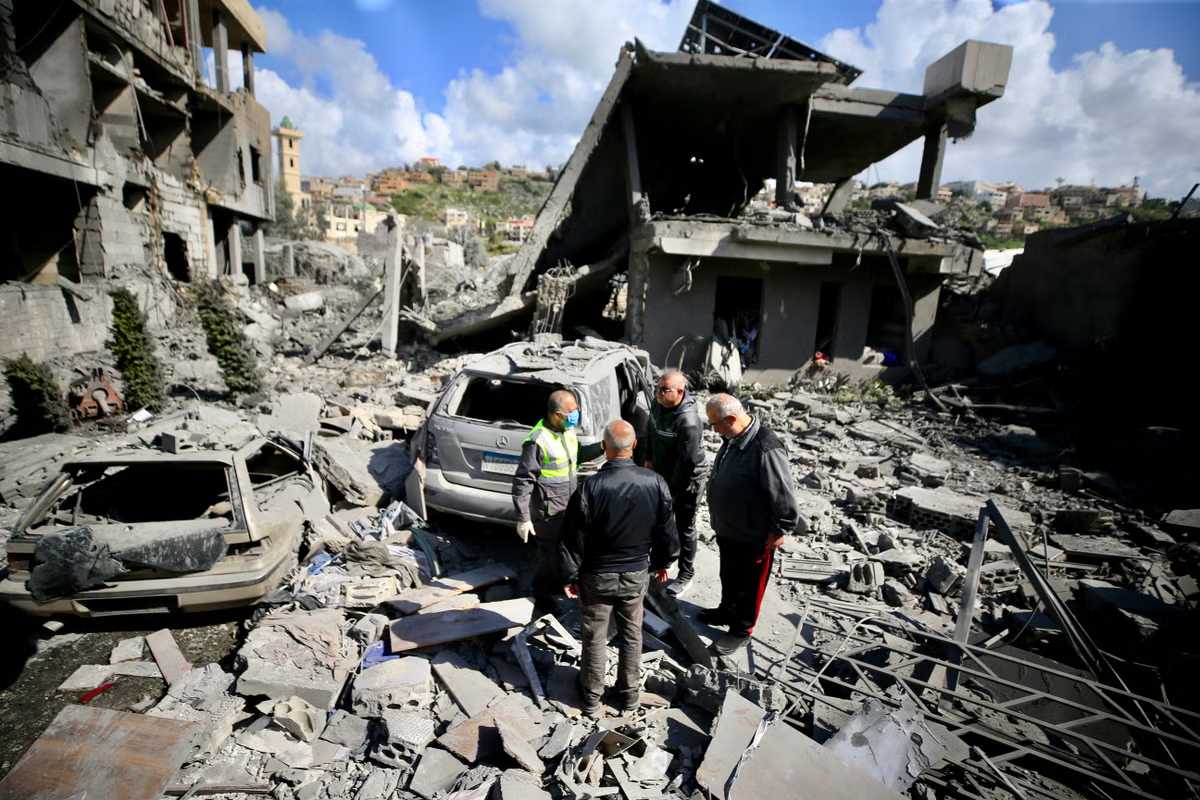
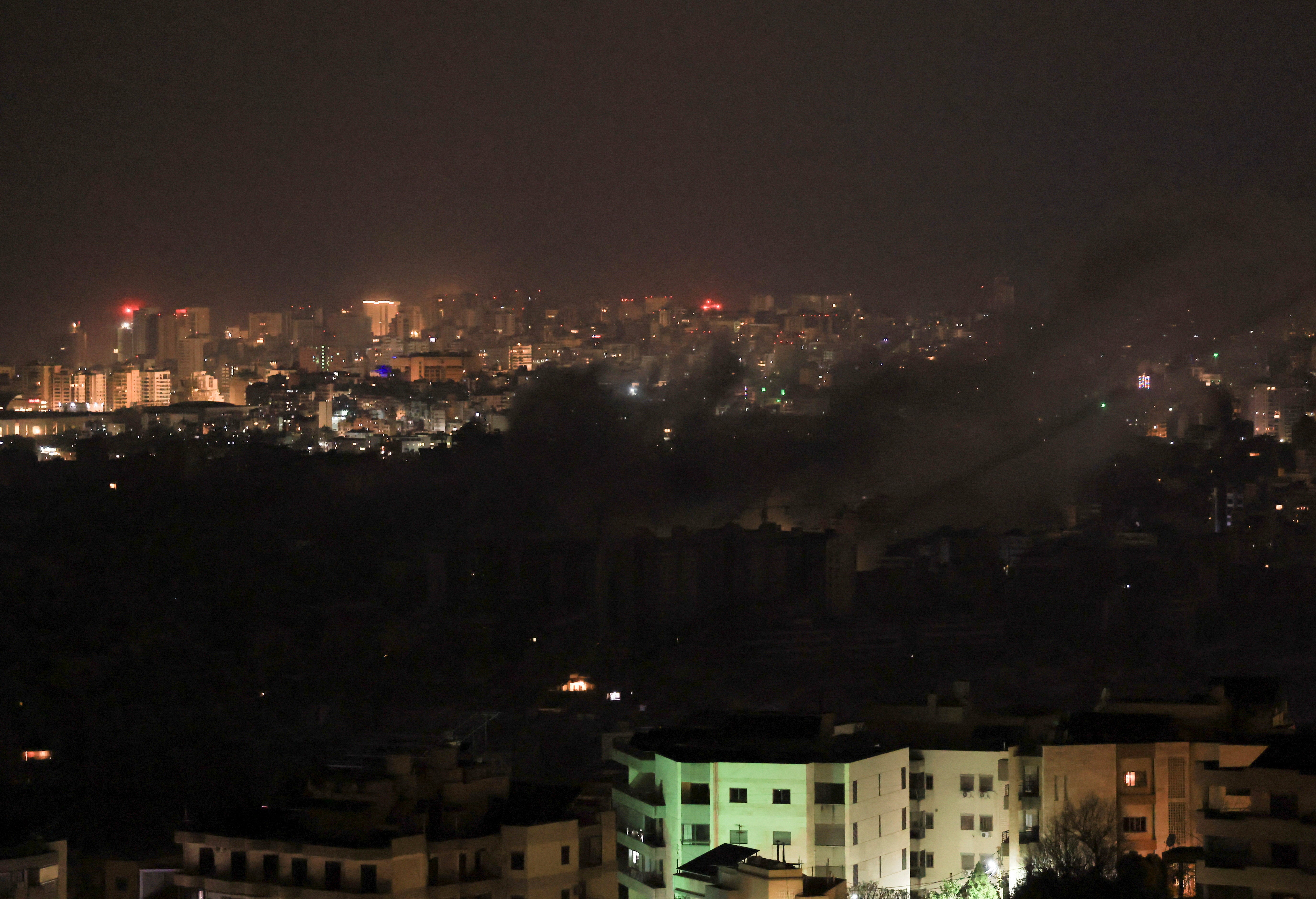
There is a fresh round of fighting in southern Lebanon after Hezbollah joined Iran in targeting Israel. Beirut is being bombarded.
Advertisement
The economic damage to the region has been enormous. Oil refineries have been shut down, the vital strait of Hormuz – through which 20% of the world’s oil cargo passes – is effectively closed, evacuation flights are leaving the Gulf states around the clock and people are cancelling their travel plans in droves.
And within days of the assassination of Iran’s supreme leader, Ali Khamenei, in a targeted airstrike that also killed a number of his top advisers, a new leader is set to be picked. The smart money appears to be on his son, Mojtaba, known to be cut from very much the same authoritarian clerical cloth as his father. So the notion that with Iran you kill the figurehead and the regime collapses appears to be flawed, to say the least.
Just one week ago, American and Iranian negotiators were engaged in talks in Geneva, which were reported to be making “significant progress”. Now there’s no knowing how this conflict could escalate. On Wednesday, the downing of an Iranian missile over Turkish airspace prompted speculation that Nato would be pulled into a war it clearly doesn’t want. A US submarine sank an Iranian warship in international waters off the coast of Sri Lanka.
There are so many moving parts to this conflict that the sense of jeopardy is at times overwhelming. My email inbox this morning contained a message from Robert Reich, who was Bill Clinton’s secretary of labour between 1993 and 1997 and is a trenchant and energetic critic of the US president, headed: “World War III?
Trump’s and Netanyahu’s illegal war turns global”.
Advertisement
Let’s not second-guess Armageddon just yet. But there’s no denying how dangerous the situation is becoming as the conflict continues to spread. Scott Lucas, an expert in US and Middle East politics at the Clinton Institute, University College Dublin, answers some of the key questions about this fast-developing situation.
This has gone beyond what the US president, Donald Trump, referred to as “major combat operations in Iran”. What it might become is anyone’s guess.
What we don’t have to guess is whether Trump is managing to take the American people with him on his foreign adventure. A poll taken on March 2 and published by YouGov/Economist found that US respondents oppose the war by a margin of 45% against to 32% in favour. Predictably, there’s a hugely partisan divide: most Republicans back their president, while Democrats are overwhelmingly anti war.
Advertisement
How Americans view the war in Iran. YouGov/Economist poll, Author provided (no reuse)
Significantly, writes Paul Whiteley of the University of Essex, an expert pollster with an interest in UK and US politics, Independents are also against the war by a significant margin. Looking ahead to November’s mid-term elections, as the US president’s advisers undoubtedly are, things do not look good for Republicans’ chances of holding either the House or the Senate.
And the war looks as if it will not end anytime soon. NBC News was reporting this afternoon that the Trump administration may invoke the Defense Production Act to accelerate the production of munitions, which would effectively move the US economy further on to a war footing.
Advertisement
This would seem to hint at something that analysts have speculated about, namely that a lengthy conflict could exhaust America’s stockpile of munitions. The US and its allies — including Israel and the Gulf states — are most acutely exposed to this shortage of defensive interceptors. It’s only been ten months since the US and Israel waged the 12-day war against Iran and that depleted an enormous number of both countries’ defensive missiles, according to Andrew Gawthorpe, an expert in modern American history at Leiden University.
This inevitably means that Washington will have to pull munitions away from other theatres, including those earmarked for South Korea. It’s also fair to say there will be fewer available for Kyiv’s European allies to purchase for the defence of Ukraine, which will please Vladimir Putin no end.
And whether an air campaign will be enough to achieve regime change – if that is indeed the purpose of this conflict – is debatable, writes Matthew Powell, an expert in air power at the University of Portsmouth. Air campaigns rarely work as intended – they often make matters worse, as the world saw after the Nato air campaign that led to the toppling of the country’s ruler, Muammar Gaddafi. With no coherent ground strategy to follow, things fell apart rapidly, with the terrible results that are with us to this day.
Keir Starmer certainly doesn’t believe in regime change “from the skies”, or so he told the House of Commons this week when fending off criticism of the UK government’s position on whether and how the UK should be involved in this conflict. As the US-Israeli attacks began, Starmer said that the UK would have none of it (due, in large part apparently, to his assessment of a lack of lawful basis for the campaign) and he was not prepared to allow America to use the UK’s bases in any capacity either.
He has since softened his stance, allowing the US to use some British bases, but purely for defensive purposes, to target Iranian ballistic launch sites that could threaten British interests in the region.
Advertisement
‘No Winston Churchill’.
But Donald Trump remains unimpressed and there’s no doubt that this episode has put severe pressure on the so-called “special relationship” between Britain and America. Matt Bar, of Nottingham Trent University, walks us through some of the ups and downs of this relationship over the decades and concludes that it has survived worse setbacks in its time.
If this all wasn’t so serious, the US president’s reaction to not immediately getting his way from Starmer would be amusing. In fact it drew an involuntary bark of laughter when I read that, in a press session after a meeting with the German chancellor, Friedrich Merz, on March 3, the US president threw a few barbs Starmer’s way, concluding that: “This is not Winston Churchill that we’re dealing with.”
As you’d expect, Beijing was quick to condemn the strikes. China has been heavily dependent on its imports of oil from Iran, and regime change there would threaten this and force it to look elsewhere.
China is linked to Iran in a number of ways, including – significantly – via Tehran’s use of China’s satellite navigation system, BeiDou , which Beijing is touting as a possible replacement for the western Global Positioning System (GPS).
China-watcher Tom Harper, of the University of East London, assesses how this conflict will affect China and concludes that while it will cause turmoil in the short-term, a protracted conflict will play to its benefit in the long term.
The assassination hit a raw nerve in Moscow. Putin, whose fear of assassination borders on the pathological, watched the killing of a fellow autocrat with undisguised alarm.
Iran is a close ally of Russia. Tehran provided huge numbers of its Shahed drones to Putin to help him wage his illegal war in Ukraine, and Iran has also helped Moscow circumvent the west’s sanctions regime.
Stefan Wolff, an expert in international security at the University of Birmingham, believes that the conflict will play to Moscow’s advantage in the short term at least, as the US diverts munitions earmarked for purchase by Kyiv’s European allies. But he thinks the war is “unlikely to shift the dial significantly towards Russian victory in the long term”.
Sign up to receive our weekly World Affairs Briefing newsletter from The Conversation UK. Every Thursday we’ll bring you expert analysis of the big stories in international relations.