Crews worked through the night to try and get the blaze under control, while people living close to the area were urged to keep their windows and doors closed. Firefighters say a ‘significant smoke plume’ is rising from the scene.
Residents across Greater Manchester have reported smelling smoke in their area – including Tameside, Oldham, parts of Stockport and even areas as far away as Little Hulton and Atherton. People are being urged to avoid the area, with the blaze covering a stretch of moorland covering 1,500 metres by 300 metres.
Click here to get the biggest stories straight to your inbox in our Daily Newsletter
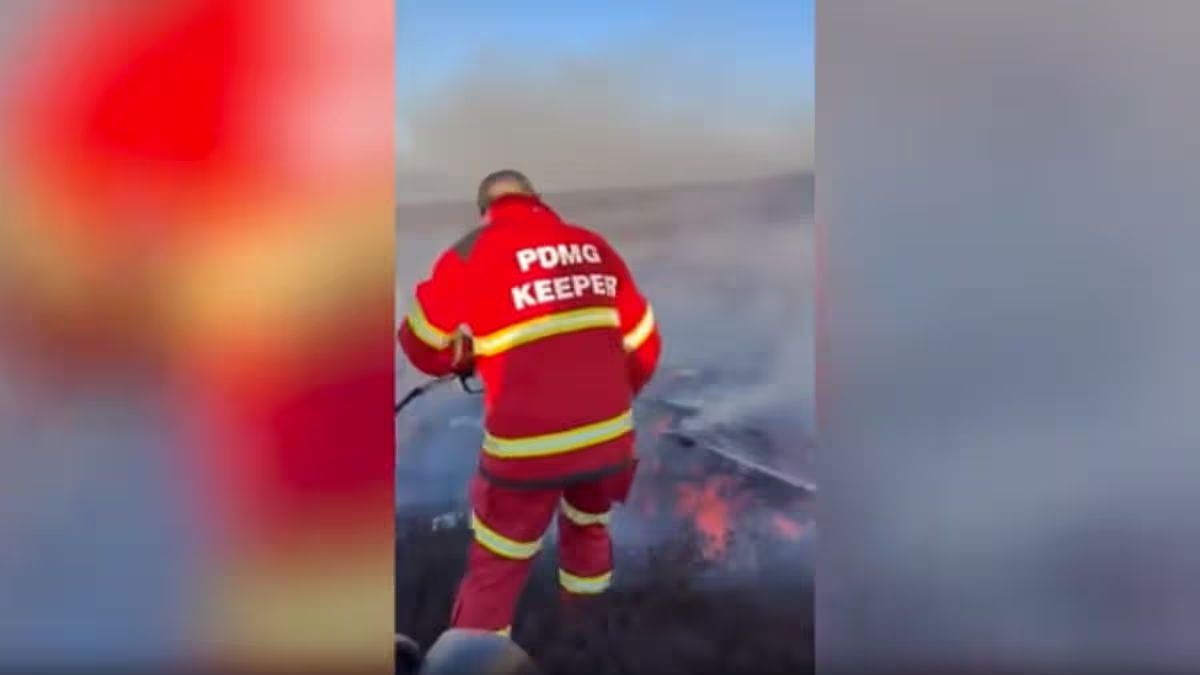
The Peak District Moorland Group, which is made up of moorland managers and gamekeepers, is part of the effort to tackle the blaze. Sharing footage from the scene this morning, a spokesperson said: “The weather conditions today will only dry the moss out even more, moderate winds are moving the fire at pace.”
Advertisement
Crews were called out to the scene at 8.58pm last night. In an update issued this morning, a spokesperson for Derbyshire Fire and Rescue Service said: “Five fire engines are now in attendance at a wildfire at Snake Pass Summit in the Peak District, supported by two water carriers, a command support unit, a welfare unit and a rural unimog.
Peak District Moorland Group fight fire near Snake Pass in the Peak District
“They are working at the incident alongside partners from the Fire Operations Group and Derby Mountain Rescue to tackle the fire. The fire is currently affecting approximately 1,500 by 300 metres of moorland. Please avoid the area.
“There is a significant smoke plume which is causing poor visibility on the roads in the surrounding area. Anyone who can see or smell smoke is asked to please keep windows and doors closed.”
A Derbyshire Police spokesperson added: “We are currently jointly dealing with a wildfire in an area off the snake pass, the A57 remains open. However, there is no parking at Snake Summit until further notice.
Advertisement
“Please do not stop or park on verges or lay-bys, and follow any instructions from emergency services on scene. Thank you for helping keep the area safe.”
Between the newly-enforced EES rules and jet fuel price-induced cancellations and suspensions, 2026 is proving quite the year for fliers.
If you don’t want what may be an already more-tiring-than-usual process to take even longer, Ryanair has said on its site that not all bags can be checked in.
Which bag can I not check in?
“Smart bags”, or bags with a lithium battery and charging port, cannot be checked in to the hold if the battery can’t be removed.
Advertisement
Even if you can remove the battery to check the bag in, their site reads, “The battery must not be placed in the hold under any circumstances.
“The removed battery must be carried with you in the cabin and placed in small baggage that is placed underneath the seat in front of you or on your person.”
Removed batteries must not be placed in the overhead lockers. The removed battery can’t be more than 100Wh, either.
If the battery is not removable, Ryanair said it must not exceed 2.7Wh.
Advertisement
The ‘Wh’ stands for watt-hour and is generally on the battery. If it’s not, the UK Civil Aviation Authority said: “If only the milliampere hours (mAh) are marked on the battery, then divide that number by 1000 to get ampere-hours (Ah). For example, 4400 mAh / 1000 = 4.4 Ah.”
“Smart bags with non-removable batteries above 2.7Wh are not permitted onboard,” says Ryanair.
The UK Civil Aviation Authority said on their site that, “Baggage equipped with a lithium battery(ies) exceeding 0.3 g for lithium metal batteries, and a Watt-hour rating of 2.7 Wh for lithium-ion batteries, must be carried as carry-on baggage unless the battery(ies) is removed from the baggage, protected from short circuit and carried in the cabin.”
In other words, smart bags with lithium batteries generally can’t go in the hold on most airlines.
Advertisement
Why aren’t smart bags generally allowed in the hold?
Oil markets have been thrown into disarray as the Strait of Hormuz, a critical global shipping corridor, is still effectively shut
Scottish drivers are understandably worried about fuel prices as global oil markets remain unstable. The effective closure of the Strait of Hormuz, a key shipping route off the coast of Iran, are raising fears about supply and costs, and there’s no quick fix in sight.
Advertisement
To help people use fuel efficiently, experts at RAC have outlined steps drivers can take to ease any financial strain – as well as one thing to avoid. While slowing down, avoiding speeding or harsh braking are well-known ways to conserve fuel, it stresses that it’s far from the only option available.
Regular vehicle maintenance and servicing can play a crucial role in keeping engines running efficiently and can significantly improve fuel economy. Drivers are also being advised to minimise excess weight in their vehicles, as a lighter load can help reduce fuel consumption.
It explains: “Don’t leave your roof bars and roof box on because they create wind resistance and cause your car to use more fuel through the ‘drag’ effect. This is increased the faster you drive.
“According to the Energy Saving Trust an empty roof rack adds 16% drag when driving at 75mph. At the same speed a roof box adds 39%, making your vehicle much less fuel efficient. Driving with an open window also has a similar effect.”
Advertisement
Motorists can also try limiting how often they use air-con. The RAC continues: “Only use air conditioning when necessary, as it draws power from the engine and increases fuel consumption. The same applies to heating, so if fuel efficiency is a priority, try to dress appropriately for the weather even when you’re in the car.”
Finally, it stresses that it’s “particularly important to make sure your tyres are inflated to the correct pressure as indicated in your owner’s manual.” This is because “underinflated and overinflated tyres both adversely affect fuel economy.”
Your tyre pressure should match your load. If your car is full of people and luggage, inflate the tyres to the higher recommended level.
Advertisement
Drivers should not panic-buy fuel
This is the one thing people should avoid. Just remember not to panic buy. As reported by Manchester Evening News, Luke Bosdet, a spokesman for the AA, urged people to “stick to their usual refuelling routines. There’s no point wasting time, fuel and money queuing when drivers don’t need to.”
For more money-saving tips on fuel, visit the RAC website.
Jefferson Lewis, 47, was arrested late on Thursday night local time in Alice Springs.
The young girl, referred to by her family as Kumanjayi Little Baby in line with Indigenous customs, was reported missing from her central Australian home late on Saturday.
Authorities located the body, believed to be hers, shortly before midday on Thursday, about 5km south of the original crime scene.
Advertisement
Local reports said a crowd attacked Mr Lewis when he appeared in a local community and beat him unconscious before police intervened.
Police said they had long suspected that Lewis received assistance from people in the community before he appeared at a town camp.
“For him to be able to appear in Alice Springs last night just confirms to us that he was getting support from somebody,” police commissioner Martin Dole of the Northern Territory said.
“My message to those people is, look out because we’re coming for you as well.”
Advertisement
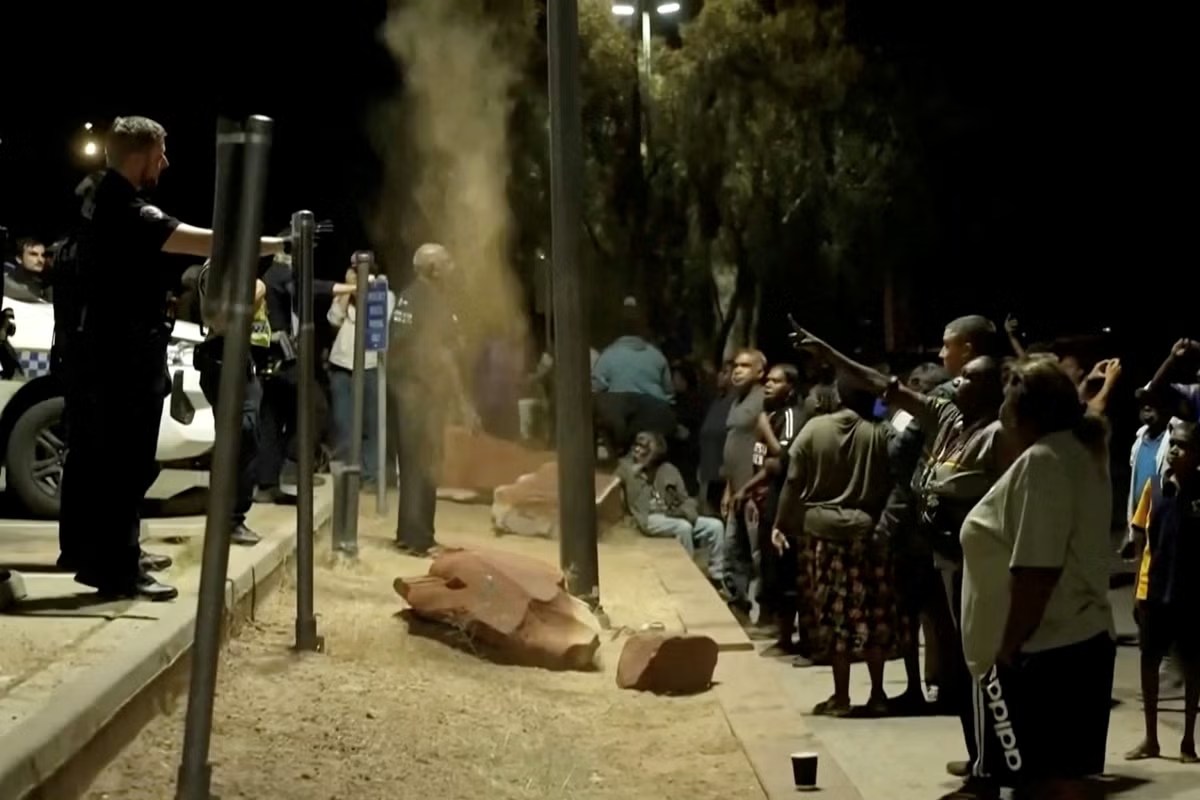
Community unrest outside the Alice Springs Hospital where a man arrested in connection with the alleged killing of Kumanjayi Little Baby was taken on 30 April 2026 (Reuters)
When officers took him to a local hospital, hundreds of “angry” residents gathered, shouting for him to be killed and demanding “payback”, according to the ABC.
The situation escalated into rioting as people threw rocks and bottles, set vehicles on fire, and damaged property. Police responded with rubber bullets and tear gas to control the crowd.
Several officers were injured in the violence.
The unrest continued into the next day, leaving streets littered with debris and signs of looting nearby. Authorities later transferred Mr Lewis to Darwin for his safety and to prevent further violence.
“As a result of presenting himself, members of that town camp decided to inflict vigilante justice upon Jefferson, and we received numerous phone calls saying he was in the process of being assaulted,” Mr Dole said on Friday.
Advertisement
A picture released by police shows Kumanjayi Little Baby (Northern Territory Police)
The violence followed days of search for the girl, who had gone missing from a remote Aboriginal town camp near Alice Springs.
Hours after the girl’s death was confirmed, Mr Lewis was reportedly seen wandering near the Charles Creek town camp in central Alice Springs.
“Members of that town camp decided to inflict vigilante justice upon Jefferson and we received numerous phone calls saying he was in the process of being assaulted,” Mr Dole said.
“Our police officers were attacked at that time, as were the St John Ambulance crew that attended to assist. They were turned on by about 200 people, but they were able to get out of there and get Mr Lewis to hospital.”
A police officer reacts next to a damaged vehicle during community unrest outside Alice Springs Hospital (Reuters)
Videos from outside the Alice Springs Hospital showed protesters demanding “payback”, meaning a form of traditional punishment under Aboriginal law in Central Australia.
Reports said anger within the community remained high. “The feeling is that the police are protecting this guy. They are shooting us with rubber bullets,” Harley Myers, an Arrernte man from Alice Springs, said.
Advertisement
“It’s like the system is not sticking up for us and letting us get our own traditional payback.”
“We’re united because it hurts all of us,” he added, “because she was only five years old and it could happen to any of our kids. I don’t want that to happen to any of our kids at all.”
Indigenous leaders, however, urged calm. “Bringing the word ‘payback’ into this scenario just fuels violence,” Michael Liddle, an Alyawarre man and Alice Springs local, told the BBC.
“There’s a system set up here, where there is a person in custody, and the Western rules will deal with that person.”
Advertisement
A police vehicle burns after community members clashed with police outside Alice Springs Hospital in Australia (Reuters)
The girl’s grandfather also called for calm on Friday. “What has happened this week is not our way,” Robin Granites, a senior Yapa elder, said in a statement.
“Our children are precious, of course, we are feeling angry and hurt at what has happened. This man has been caught, thanks to community action, and we must now let justice take its course while we take the time to mourn Kumanjayi Little Baby and support our family.”
On Thursday, the girl’s mother, who was not named, said: “It is going to be so hard to live the rest of our lives without you. Me and your brother will meet you one day.”
Mr Dole said charges against Mr Lewis were likely to be filed in the coming days.
It’s often assumed that expanding access to education is progressive – that it’s a means of ensuring social, economic and political development. However, this is not always the case.
We’ve carried out research examining the relationship between education and authoritarianism with a focus on Eritrea. Eritrea has been under a single political party and leadership since its independence in May 1993. The country lacks a functioning or implemented constitution and freedom of the press.
Our research has concluded that, in countries under authoritarian rule, education is not necessarily a path to empowerment. Instead, it’s a fertile ground for the spread of authoritarianism. Governments can spread their ideas and principles through repressive and ideological state apparatus – the processes and organisations they use to maintain power. This includes education.
Authoritarian regimes such as Eritrea claim to address societal problems through social justice and cohesion. However, they consolidate power around a single or dominant regime, which restricts democratic institutions and erodes civic liberties. They also apply preferential treatment based on political loyalty. People are elevated to positions of power for allegiance rather than merit. This causes division and political polarisation in the name of protecting national security.
Advertisement
Expanding education
Authoritarian states use education to maintain political stability to ensure the survival of the regime. Although many authoritarian regimes expand access to education, it is often used as a means of control and a tool for manufacturing loyalty.
For example, since independence, the number of schools and student enrollment in Eritrea has increased around fourfold. However, such regimes also see education as an opportunity to impose their attitudes onto young people. They use education to keep students isolated from ideas that may differ from or be critical of the regime.
Authoritarian regimes use deception and misinformation to uphold their ideology and extend their control. In doing so, they attempt to ensure that citizens accept the legitimacy of their rulers without question.
Additionally, authoritarian regimes politicise the school curriculum. They manipulate content, such as in history and citizenship education. This is used to mislead citizens and make them supporters of the degradation of human rights.
For example, Eritrea’s school curriculum normalises the creation of a militarised citizen who upholds the Eritrean People’s Liberation Front’s legacy and revolutionary culture. Similarly, North Korea uses school education to shape students’ behaviour, attitudes and beliefs to be compatible with and supportive of the regime. This is often supported by controlling the teaching and learning process and the academic environment.
Monitoring teachers and research
Authoritarian regimes recognise that safe education spaces can help students develop critical thinking and eventually question the country’s political system. They monitor teachers and school leaders, and promote those loyal to the regime’s ideas and principles. And, rather than encouraging critical thinking, they foster students’ sense of nationalism and patriotism.
Academic research is also a target of authoritarian regimes because of its scrutiny of government policies and actions. Researchers’ academic freedom is limited, and their choice of research topics is policed.
Most of these control measures are imposed in the name of protecting national security. For example, Eritreans are not allowed to conduct critical research that challenges the existing systems, inequalities and power structures of the country.
Advertisement
Researchers who cross the boundaries and criticise authoritarian regimes are silenced. Some are fired from their jobs while others face prison terms.
Meanwhile, authoritarian regimes rely on loyal academics to promote the state’s narrative. Loyal academics are also used to conceal authoritarian regimes’ failures by presenting selective evidence.
Many authoritarian states, such as China, Eritrea and North Korea, also incorporate military training into education. They blend political and ideological instruction to sustain their power. They teach students discipline and promote patriotism to develop loyal and obedient citizens.
Militarisation education sometimes places teachers and school leaders under military control. In Eritrea, all secondary school students complete their last year under military authority. This approach leads students to drop out of school. Additionally, it causes students and teachers to leave the country.
Advertisement
Authoritarian regimes manifest their true nature by spreading their ideas and principles. Our research shows that the education system is one of the most important levers in the propaganda machine for authoritarian countries.
We hope you love the products we recommend! All of them were independently selected by our editors. Just so you know, HuffPost UK may collect a share of sales or other compensation from the links on this page if you decide to shop from them. Oh, and FYI — prices are accurate and items in stock as of time of publication.
One day, someone will invent an injection that means we never have to reapply sunscreen again. But until that day comes, it is a sad and unfortunate truth that sunscreen is a daily skincare essential – and more so in the sunny months than ever.
Despite the undeniable benefits of wearing SPF – it protects against skin cancer, and prevents visible signs of ageing, etc, etc – it is a pretty spenny necessity, which can make it all the more tempting to skip it. Fine, we’ll admit it.
Advertisement
If you need a little extra nudge to stock up on sunscreen this year, that’s completely understandable. Or at least iHerb seems to think so, because it’s launched a ‘buy one, get one 50% off’ promotion on its entire sunscreen range. Can we get a ‘whoop whoop’ for iHerb?
If you’ve not yet stocked up on sunscreen for the season ahead – and even if you have – now’s the time to do it.
But this isn’t one of those sales that applies to just one or two items. Whether you’re looking for a kids’ sunscreen, one that’s suitable for sensitive skin, or a face sunscreen, iHerb has every kind of SPF you could want. We’re talking over 300 products – woah.
To make sure you don’t miss it, we’ve rounded up our tried and tested favourites from its summer sale to stock your baskets with right now.
Advertisement
Best sunscreens to shop on iHerb now
If you’re looking for a face sunscreen, it’s gotta be fragrance-free. This one from Eucerin is super lightweight, and it’s even loaded with hyaluronic acid to help lock in hydration.
Not every sunscreen works under makeup, but this one from Aveeno absorbs so quickly, you won’t have any problems with pilling. It also won’t leave a white cast, making it ideal for darker skin tones.
If you have oily skin, you’ll know the struggle of finding a sunscreen that doesn’t break you out. But Cetaphil is a go-to high street brand for a reason: it actually works at keeping skin clear. This moisturiser contains SPF30, but just be aware you’ll need to top up after a couple of hours.
One of the trickiest things with body sunscreen is finding one that won’t stain your clothes and leave you with a pile of white-turned-yellow clothes at the end of the summer. This one from Eucerin might take a little while to sink in, but it passes the colour transfer test, and it’s hydrating so it leaves your skin feeling great, too.
Looking for a sunscreen to take with you on the go? This baby one from Cetaphil comes in stick form, so you won’t have to worry about getting dirty hands creamy, and slots neatly into the tiniest of bags.
If you’re swimming in the sea – lucky you – this sunscreen is formulated to be reef-safe, and is water-resistant for up to 80 minutes so you don’t have to reapply every time you need a cool down. It even has a light shimmer to it, if you’re in the market to channel Edward Cullen in the sunshine.
We all need to be kept on our toes, which is why this sunscreen feels on the thicker side upon application, but later sinks in completely. Thrilling! This zinc formula is also suitable for kids and adults alike, so you won’t have to worry about keeping two different lotions on you at the same time.
If there’s one thing that’s going to convince your kids to wear sunscreen, it’s if it smells like tangerine and vanilla. This SPF 40 zinc formula might leave a little greasy layer on your skin, but it’s water resistant for over an hour, and it’s made from 98% natural ingredients.
When you have .2 seconds to slather your baby in sunscreen before they start wriggling, there’s no time for messing around with squeezy bottles and screw caps. This mineral sunscreen stick makes application quick and easy, and it’s hypoallergenic so it’s great for sensitive skin.
Korean skincare has really taken off in the last few years, and for good reason. This sunscreen feels more like a moisturiser than an SPF, as it’s loaded with niacinamide and centella to soothe your skin. It’s also super lightweight and sensitive-skin friendly, making it ideal for reapplying throughout the day and layering under makeup.
With an SPF ranking of 60+, this sunscreen will keep your face ultra-protected in even the sunniest of conditions. Plus, Hawaiian Tropic just smells like summer, so it’s a must (if you know, you know).
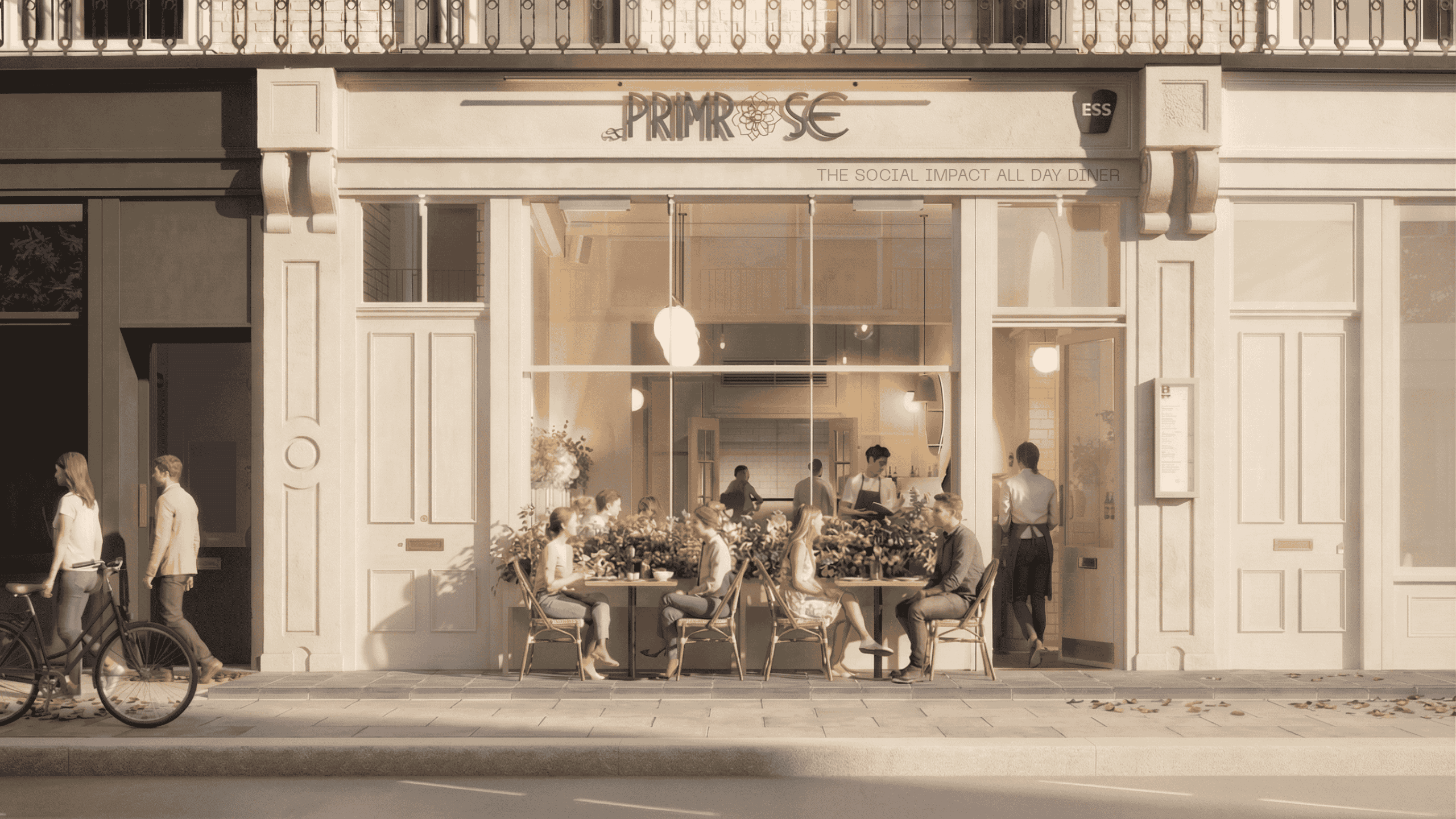
The London restaurant employing people who have experienced homelessness has relaunched as 130 Primrose, with a MasterChef judge joining as executive chef and trustee
When Positive News visited Home Kitchen last year, the Primrose Hill restaurant was already doing something unusual. On the face of it, this was a polished north London dining room serving scallop ceviche, guinea fowl and monkfish from the former home of long-standing restaurant Odette’s. Behind the scenes, however, it was trying to prove that fine dining could open up new routes into work for people who had experienced homelessness.
Now the project has entered its next chapter. Home Kitchen Diner has relaunched as 130 Primrose, become a registered UK charity, and appointed Monica Galetti, the chef, broadcaster and MasterChef judge, as its executive chef and a trustee.
Advertisement
The restaurant, based at 130 Regent’s Park Road in Primrose Hill, opens on 8 May with a new name, a new menu and the same central mission: to recruit, train and employ people with lived experience of homelessness, offering paid work, accredited training and a stepping stone into long-term hospitality careers.
Advertisement
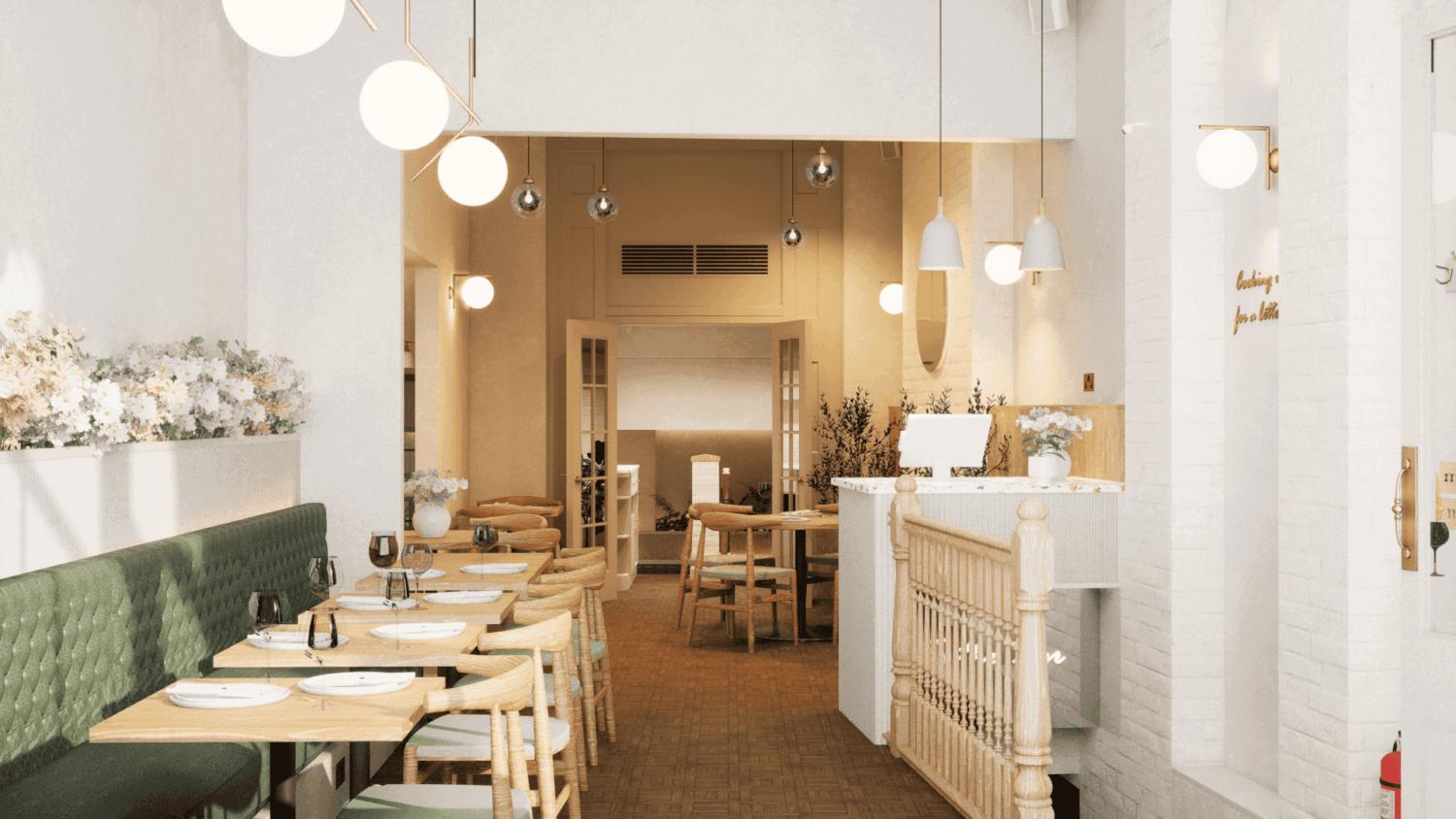
Seating 50 covers, 130 Primrose will be open seven days a week from 9am, serving breakfast, lunch and dinner in a relaxed, brasserie-style setting, with additional street-side seating. Its à la carte menu will draw on Mediterranean influences, with touches of Galetti’s Samoan heritage to be introduced later. At lunchtime, sandwiches and salads will also be available, while evenings will feature an additional charcuterie and cheese offering. A speakeasy-style cocktail bar is set to open on the lower ground floor later next month.
Galetti, who is also a regular volunteer at Soup Kitchen London, will shape the restaurant’s food and training offer, while head chef Eric Zhang will lead the kitchen full time.
“I’ve seen first-hand how, with the right support, people can rediscover hope, dignity and purpose through opportunities like this,” said Galetti.
Advertisement
cChef, broadcaster and MasterChef judge Monica Galetti will be 130 Primrose’s executive chef and a trustee
“That’s why I didn’t hesitate when I was asked to help shape the culinary future of this incredible project. My first task is to create an exciting new menu that attracts customers to support our mission – celebrating the best British seasonal ingredients with a little twist of fun.
“Later, I’ll weave in touches of my Samoan heritage, giving our trainees a unique development opportunity and helping them to stand out when they move on in their career in hospitality.”
Advertisement
The restaurant first opened in 2024 as a social enterprise and operated for a year until August 2025, working with referral partners including Crisis, Beam, The Big Issue, Soup Kitchen London, Only A Pavement Away and the Beyond Food Foundation. Its first cohort included prison leavers, refugees from Afghanistan, Iraq and Ukraine, people in addiction recovery and others affected by homelessness.
Each employee at 130 Primrose will be offered a six-month contract as part of the front-of-house or kitchen team, with the opportunity to complete qualifications including food hygiene and allergen awareness certifications. Once they complete their time at the restaurant, they will be supported into further opportunities within hospitality.
I’ve seen first-hand how, with the right support, people can rediscover hope, dignity and purpose through opportunities like this
The previous incarnation of the project employed 16 people affected by homelessness, five of whom moved into permanent roles elsewhere in hospitality. The team behind 130 Primrose regard that as a success, but not the limit of what the model can achieve.
“Too often, people facing homelessness are excluded from work and written off by society – seen only for their circumstances, not their potential,” said Michael Brown, co-founder and trustee.
Advertisement
“At the same time, the hospitality industry, among many other challenges, faces a shortage of committed, qualified staff. We’ve started to close both gaps, to prove that talent can flourish anywhere and change perceptions. But we must do more. We must build on what we’ve learned and scale up to provide more opportunities for more people who need them.”
Each employee at 130 Primrose will be offered a six-month contract as part of the front-of-house or kitchen team
Advertisement
The name 130 Primrose is intended to signal that shift. While it takes its cue from the restaurant’s address, it also draws on the Latin phrase prima rosa, a symbol of spring and new beginnings. The charity says the name reflects its aim to foster renewal, confidence and lasting opportunity.
That sense of renewal is clearest in the stories of people who have already passed through the restaurant. Ade, a father of three and business graduate who had experienced street homelessness and hostel living, joined the kitchen team in August 2024. He has since moved into full-time employment with Soup Kitchen London and has maintained 18 months of continuous work.
Seb, a prison leaver who was released into homelessness, discovered a talent for cooking through the project. After joining the first cohort, he went on to work at the Megaro Hotel under Michelin-starred chef Adam Simmonds, who was Home Kitchen’s first executive chef.
Advertisement
We’ve started to close both gaps, to prove that talent can flourish anywhere and change perceptions
“These are people with an extraordinary life experience doing extraordinary things with the right support,” said Brown. “Employment brings dignity, belonging, and a future.”
The charity is now recruiting candidates through referrals from its partner organisations and says its longer-term ambition is to expand the model to cities across the UK. It hopes to become a recognised pipeline of skilled, diverse talent for the hospitality industry, while helping to reshape perceptions of homelessness.
The challenge now will be to prove that the concept can keep working not only as a powerful social intervention, but as a restaurant that people want to return to for the food. Galetti’s arrival should help on that front, though it is important that the story does not become only about a famous chef lending her name to a good cause. The real test will be whether diners come for the food and leave with a different understanding of homelessness, work and what people can do when given the chance.
As Positive News reported last year, the restaurant was never simply about charity. It was about standards, confidence, training and the belief that service can work both ways: guests are fed, and those serving them are given the chance to rebuild careers, routines and futures.
Advertisement
At 130 Primrose, that recipe is being refined. The new menu may be the hook, but the bigger offering is still opportunity.
Images:
Be part of the solution
At Positive News, we’re not chasing clicks or profits for media moguls – we’re here to serve you and have a positive social impact. We can’t do this unless enough people like you choose to support our journalism.
Advertisement
Give once from just £1, or join 1,800+ others who contribute an average of £3 or more per month. Together, we can build a healthier form of media – one that focuses on solutions, progress and possibilities, and empowers people to create positive change.
Following the dad-of-one’s funeral service in Portadown on Thursday, his family have paid tribute to Malek and said he was “a doer who just got the job done with a smile on his face”.
Paying tribute the Kerbache and Rodgers families said: “The most commonly used words to describe Malek over the last few days have been: Gentle, calm, caring, loyal, friendly, generous, talented, chatty, sociable, kind, funny, a gentleman and exceptional.
“For Malek nothing was ever too much trouble, a doer who just got the job done with a smile on his face. To know him was to love him, a much-loved husband, father, son, brother and friend.”
Advertisement
Motorcyclist Mateusz Prokopiuk, 31, also died in the same collision. Both men were from the Portadown area.
In a police appeal, officers asked anyone who may have any information that could help them as part of the investigation into the two men’s deaths to contact them.
Detective Inspector Dave Stewart, from the PSNI’s Collision Investigation Unit, said, “The driver of the white Tesla Model Y, who died, has been named as Malek Kerbache. The motorcyclist on the black Honda CBR 600, who died, has been named as Mateusz Prokopiuk. A passenger in the Tesla was taken to hospital for treatment to their injuries but has since been discharged.
“Our enquiries are continuing and anyone who was in the area at the time, who may have witnessed the incident or who has dashcam or mobile phone footage or any other information, should contact us on 101 quoting reference number 1142 25/04/26.
In the aftermath of Liverpool‘s Champions League exit to Paris St-Germain, Slot insisted the future is bright. Eyebrows were certainly raised after that comment but if Liverpool can put in a string of performances in their remaining games then perhaps the Dutchman has a point. Integral to that will be Isak and Wirtz.
Last Saturday saw both of the summer signings, who cost a combined £241m, score against Crystal Palace but Isak is yet to complete 90 minutes as a Liverpool player after a season plagued with injury while Wirtz has impressed in moments but is still awaiting a statement performance for the side.
German Wirtz is yet to score or provide an assist against any of the Premier League teams currently occupying the European places but when that was put to Slot on Friday, he insisted that’s a “coincidence” and said he is “100% sure” Wirtz will start delivering in the bigger games.
Meanwhile, Isak managed just 18 touches against Palace but that was still more than the nine he got against Everton and the five against PSG in the other games he’s started since returning from injury. The goal he scored – the Swede’s first in the Premier League for Liverpool at Anfield – will only do the 26-year-old’s confidence a world of good.
Advertisement
“In terms of what I’ve seen, everyone knows and sees and experiences as team-mates how outstanding he is. It is about getting games, confidence but obviously scoring goals as a striker – that’s the main trigger for him,” said Liverpool centre-back Virgil van Dijk.
“The more he touches the ball, the bigger chance there is that we score goals,” Slot added on Friday.
“Having Alex more and more available would help with converting created chances into goals, which is something we haven’t done very well this season.”
For Wirtz, the emphasis on connecting more with Isak is clear, especially with Hugo Ekitike sidelined.
Advertisement
“It’s important that we feed him with balls because if he’s just there on top alone then it’s hard for him to score goals,” Wirtz said.
His own tally of seven goals and 10 assists this season is certainly no room for major concern but Wirtz, who turns 23 on Sunday, would be the first to admit that he must do better.
The finish against Palace was a timely reminder of his class. In mitigation, he initially struggled with the intensity and physicality of Premier League football but has bulked up considerably since making the move from Bayer Leverkusen.
Those at Liverpool, including Slot, believe there is so much more to come from a player they fought Bayern Munich and Manchester City for.
Advertisement
“The development Florian has made in his Liverpool career is so clear and obvious,” said Slot. “In the 93rd minute against Crystal Palace, making a duel on the sideline, winning a throw-in and then making a sprint from 40 yards and hitting the ball in the top corner… That is something I am not completely convinced he could do eight months ago.
“His improvement – and he was already an elite player – will only continue as he is only 22 so that makes complete sense. Almost every player in the world is at his best when he is 25, 26 but he is already an elite player and he can only become better and that is the beauty of the signings we did last summer, that all of them are of a certain age where we can only expect them to get better,”
Parts of Cambridgeshire will see highs of around 21C over the bank holiday weekend
Parts of the UK are set to bask in warm temperatures over the bank holiday weekend, including Cambridgeshire. The Met Office is predicting that temperatures in Cambridge, Ely, and Peterborough will reach highs of around 25C today (Friday, May 1), and this looks set to somewhat continue into tomorrow.
Advertisement
The forecast shows Cambridge and Ely will hit 20C at around 11am this morning while Peterborough will reach 21C at midday. The county will experience highs of 24C or 25C throughout the afternoon but some cloud is also forecast from 2pm onwards.
The hot weather continues into Saturday, May 2, with Cambridge reaching highs of 22C and Peterborough and Ely forecast to reach highs of 21C. The weather starts to get worse in the evening with rain forecast from 6pm onwards that will continue through the night.
On Sunday, May 3, the rain is set to continue for the majority of the day. However, if you are planning to get out, the temperature will still be warm with the county reaching highs of 18C or 17C depending on where you area.
The weather on Monday, May 4, will be drier with cities across Cambridgeshire reaching highs of 17C. The Met Office said: “More unsettled than recently, with rain or showers, some thundery. Gradually turning cooler. More sunny spells from Monday, but still also showers, these becoming lighter and further between on Tuesday.”
Advertisement
To get more news and top stories delivered directly to your phone, join our new WhatsApp community.Click this linkto receive your daily dose of CambridgeshireLive content.
We also treat our community members to special offers, promotions, and adverts from us and our partners. If you don’t like our community, you can check out any time you like. If you’re curious, you can read ourPrivacy Notice.
This is my favourite time of year — because what feels better than emerging from stale grey days to blossom, green leaves and the feeling of sun on your skin? For a beauty editor, there is the added thrill of a glut of new launches to test and trial, as brands unveil their spring-summer releases, setting the scene for a thorough reorganisation of my make-up bag.
This year there seems to be a palpable shift. After seasons punctuated by precision — think laminated brows and overlined lips — make-up is softening. The common thread is texture. The new finish is diffused and soft focus, with an emphasis on balmy, blurry, almost imperceptible formulas that sink into skin rather than sitting on top of it. A movement rooted in ease and understated polish, it speaks to our busy lives and a need for make-up that delivers impact without too much effort.
Few have championed this philosophy as beautifully as New York-based make-up artist and Westman Atelier founder Gucci Westman. Long before the industry-wide move towards seamless edges and believable skin, Westman built her career — and then her brand — on enhancing rather than transforming faces.
“For so long, beauty was about perfection, or covering and correcting,” she tells me. “What I’m seeing more widely now is make-up that enhances, not masks. We want versatility and ease. For me, this always comes back to skin. When it looks believable — alive — that’s when someone looks their most beautiful.”
Advertisement
Sounds good, right? Here are a few of my favourite new products that deliver exactly this.
ES COMP
CREATE YOUR SKIN BUT BETTER
When you want peachy, plump, radiant and spring-like skin, “think about editing, not adding” advises Westman. “Swap heavier bases, dense powders and contours for serum tints, creamy concealers and bronzing balms.” Soft, subtle correction and refinement is key.
ES COMP
YOUR MOST AUTHENTIC BRONZE YET
Advertisement
“A single bronzer can almost never provide authentic sun-kissed skin,” says Westman. Instead, layer two for a nuanced result that looks incredibly real. “Sweep the lighter shade along the perimeter of the face, then add the deeper tone high on the apples of the cheeks, nose and forehead, where sun naturally hits.”
ES COMP
A pop of buttery blush delivers instant dimension and gives the impression of rude health, even when it’s lacking. Cream formulas are especially forgiving and couldn’t be easier to apply. Press them on to the apples of the cheeks with a fingertip or dense brush until you have the intensity and pigment you desire.
ES COMP
A blurred lip offers quick, easy, understated polish. After applying a wash of colour with your balm of choice, it’s time to define. “I can’t live without lip liner,” says Westman. “Don’t overline, but use the liner to enhance and create the shape you want. As we age, I find the edges of the lips begin to blur so this helps add definition.”
ES COMP
Wash eyelids in diffused, muted, watercolour tones to softly define and sculpt. The best formulas are sufficiently creamy to scribble or swipe on. Then smudge and buff the pigment up and outwards towards the brow bone for a hazy finish. Finish the look with a fluffy, brushed-up brow.





















![Qkyou - MONEY ft O-Neang [VIDEO LYRICS]](https://wordupnews.com/wp-content/uploads/2026/02/1770711855_maxresdefault-80x80.jpg)






































You must be logged in to post a comment Login