The six talented performers will head to Orlando next month for the World Cheerleading Championship.
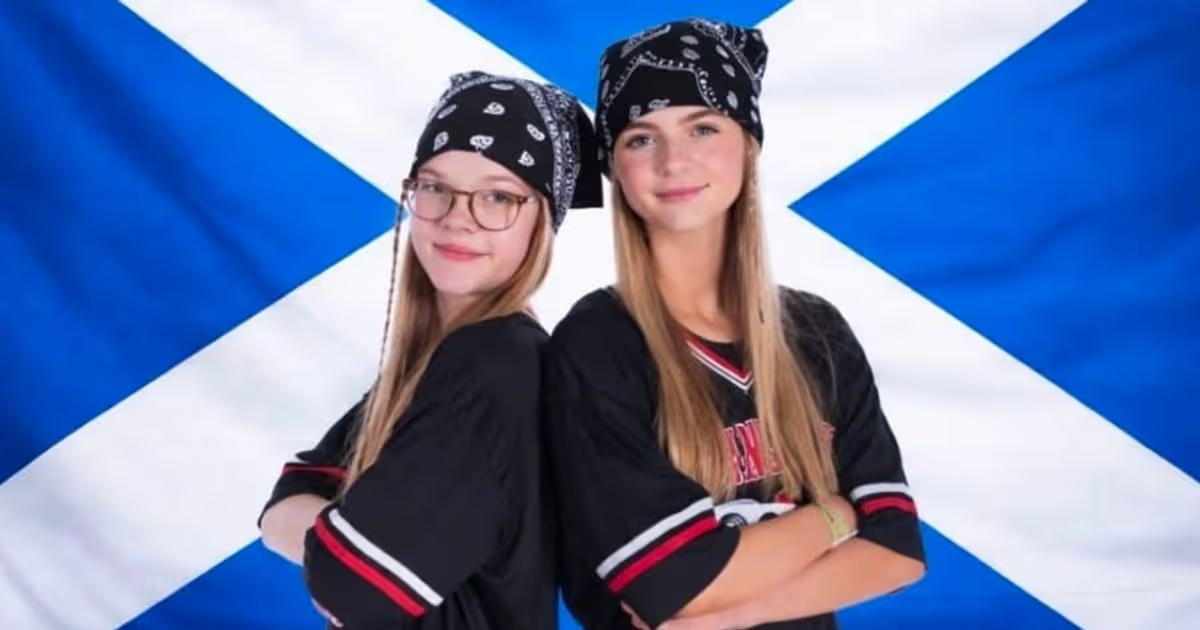
A talented group of cheerleaders from Stirling are ready to make some noise as they head Stateside to show their talents for the world.
Advertisement
The youngsters – Freya Speirs, Mollie Manton, Jessica McAra, Amelia Aitken, Heather Shore and Hayley Stewart – represent a pair of local dance schools and will join up with Team Scotland for the World Cheerleading Championship in Orlando in April.
Between them, the girls represent Kay Klass Dance, based in Raploch, and DMC Allstars, based in Springkerse.
But they have launched a bid for funding to help them achieve their ambitions of getting to Florida and perform on the biggest stage as part of the Scottish squad of 72 performers.
The trip to Orlando will include competing, as well as training in state-of-the-art facilities with world-class instructors. The event will see over 10,000 athletes from more than 140 member countries taking part.
Advertisement
A JustGiving page has been launched to help with the funding goal, with a group of parents hoping to raise a target goal of £450 and get some Stirling support behind the girls.
On the page, it says: “We are raising funds to help these local, Stirling girls realise their dreams and join the national team on their quest to be world champions.
“This is an incredible opportunity for these young athletes, and any local support would make a significant difference in helping them represent both Scotland and the Stirling area on the world stage.”
The Monday letters page discusses how to handle a Zelda: Ocarina Of Time remake, as one reader thinks Sony should copy Nintendo’s approach to making movies.
Games Inbox is a collection of our readers’ letters, comments, and opinions. To join in with the discussions yourself email gamecentral@metro.co.uk
No show I’ve seen some new rumours about the Mass EffectTV show at Amazon, which I’d completely forgotten was a thing. Apparently, they want to change the script so that it’s easier to get into for non-gamers. I can’t help thinking that’s probably a bad thing for authenticity, which is not a direction you would’ve expected after Fallout proved how important it was.
I’m not really that interested in the show though, as I can’t imagine it’d ever do the games justice, given what kind of budget it’d have to have. But it’s sad that we’re hearing more about the show than we are the new game.
Advertisement
I know EA said last year that it hasn’t been cancelled but I’m not sure I believe them. Is this not cancelled, like Beyond Good And Evil 2 isn’t cancelled? All I’m asking for is a sign of life and I’m not seeing anything, including any leaks about it being shown this summer. If It’s not, then I think I’ll just give up hoping for it. And then I’ll probably play through the trilogy remaster one last time… Zeiss
Remaking expectations Nice Reader’s Feature at the weekend, about what to do with a Zelda: Ocarina Of Time remake. I’m still not convinced it’s going to happen and if it does my guess would be it ends up as basically an upgraded version of the 3DS remaster.
Expert, exclusive gaming analysis
Sign up to the GameCentral newsletter for a unique take on the week in gaming, alongside the latest reviews and more. Delivered to your inbox every Saturday morning.
Advertisement
The idea of a Capcom style full-on remake sounds ideal, but I just can’t imagine Nintendo paying for that or even wanting it. It doesn’t seem their style at all. If that is what they go for though I will be very impressed, as it’s something I couldn’t imagine them doing in any other generation.
I just hope that, whatever it turns out to be, they don’t sand off all the interesting stuff. Like the reader said, the weirdness and unexpected horror moments were a bit part of the appeal and would be sorely missed if taken out. Godgem
Peace offering I’m not sure what to think about the rumours of a new Uncharted game. First of all, I’m shocked that Sony has been so slow to even announce one, given they did have that movie (which I assume is never getting a sequel now). I get that Naughty Dog didn’t want to make it, but do I believe that they would change their mind?
Advertisement
Ordinarily no, but we’re in difficult times at the moment and I can’t imagine that cancelling The Last Of Us Online was something Sony was all that happy about. They allowed Naughty Dog to do it but Naughty Dog agreeing to make a new Uncharted as a way to make amends makes sense in theory. Whether that’s what’s going on, I guess we’ll have to wait and see but they can’t let the franchise die off. Olliephant
Unofficial price The PS5 Pro is nine hundred and ninety-nine pounds on Amazon.
I’m struggling to see how the PlayStation 6 launches for less money. I started gaming in the mid-70s, first with Pong and then Atari VCS. I obviously still like my games.
Advertisement
But after paying for the hotel, a grand is good enough spending money for a pretty tidy weekend in Amsterdam. No way I could justify that to myself for a console.
How much of this do you reckon is Sony trying to recoup some of what it lost on that live service stuff they crashed out on? Tom Twice
GC: That’s just a third party seller, not Amazon themselves, who seem to have run out of stock. Sony sees no additional money if a console is sold above the RRP, that’s the retailer’s business.
Don’t miss Gaming news! Add us as a Preferred Source
As a loyal GameCentral reader, we want to make sure you never miss our articles when searching for gaming stories. We have all the latest video games news, reviews, previews, and interviews, with a vibrant community of highly engaged readers.
Advertisement
Click the button below and tick Metro.co.uk to ensure you see stories from us first in Google Search.
GameCentral has been delivering unique games news and reviews for over a decade
Blade of nostalgia I will never understand why Microsoft got rid of the Xbox 360 dashboard and blades. They’re the only iconic thing the Xbox has ever had, in terms of interface, and they’ve got steadily worse with every change.
Advertisement
I realise that’s a very Microsoft thing to do, especially in terms of Windows, but I’m not surprised to see people trying to recreate it. I think they brought it back for the 25th anniversary a while back too? I don’t know to be honest, I haven’t owned an Xbox in a long time and nothing they do has made me want to reconsider that. Kosco
Parts and labour As a commenter correctly pointed out with my weekend feature, the law of supply and demand relates to price, which I should’ve qualified at the start. The central issue, though, is with long term investment and the lack of flexibility to adapt to changes in the economy. While small price fluctuations can occur in the short term, as an effect of demand, the price at which a console sells for largely reflects production costs, specifically the cost of labour.
You get a sense of why labour costs are decisive whenever completing games such as GTA, Resident Evil or The Legend Of Zelda and the seemingly endless roll call of credits. Or, when to cut costs, there are mass layoffs.
The price at which the PlayStation 6 does eventually sell at when launched will not be determined by what consumers are willing to pay but mainly through labour costs over the duration of the cycle, from inception through to production and everything in-between. The fallacy in the law of supply and demand is that price is determined by whether a product is desirable and what relatedly people are prepared to pay, not the labour costs which determine the commodity’s value (hence why AAA titles tend to sell at a higher price than those made by small independent studios).
Advertisement
This is also why, even if there’s little demand for it, having already committed considerable amounts of capital, the PlayStation 6 will likely be launched in the next year or two to pay for all that labour and ideally profit from it. Sony could of course cancel it, as they did with The Last Of Us Online. They could, of course, exit the industry altogether. Ciara
That old joke Picked up a PS5 Pro before the price hike. Stuck it by the sofa as it didn’t quite fit in the TV cabinet.
Looks nice, very artistic. Simundo
A true work of art (Simundo)
Hollywood synergy I think the Super Mario Galaxy Movie was fine; my two kids certainly enjoyed. The post-credit reveal was a surprise though; I wonder if it’s hinting that the third movie will be a homage to Super Mario Land? As far as I understand we didn’t learn who exactly was trying to kidnap Rosalina in the first place so that could be a continuing plot point.
The important thing is that the movie has been another big success and that is going to encourage Nintendo to do even more, obviously, and also incorporate the changes into the games. I doubt it’ll be long till the film’s big lore drop is mentioned in a game and I expect all the characters to start looking like their movie versions sooner or later.
Advertisement
But because everything is so close to the games anyway that’s really not a problem, especially if it means bringing back more forgotten characters like Wart or even, if I dare say, Fox McCloud.
Star Fox was dead as a dodo before the film came out and now suddenly everyone’s talking about it and actually looking forward to the prospect of a new game this year. That’s got to be an absolute win for Nintendo and exactly the sort of benefit they would’ve been hoping from for these films.
I agree a live action Zelda is a lot harder sell, especially as they’re not using a well-known director or actors (a classic case of Nintendo penny-pinching I’d imagine) but we’ll have to see. At the moment they’re two for two in terms of hits.
It makes you wonder why Sony has been so slow to do the same thing, although they already tried that with the Ratchet & Clank movie and that’s really the only thing they’ve got that’s family friendly. Xbox hasn’t even got that. Lucre
Advertisement
Inbox also-rans Just found out that Little Mac and his coach from Punch-Out!! are in Super Mario Galaxy Movie, in the montage sequence with Yoshi in the city. Samus Aran’s ship is confirmed to be in it too, just like GC said. The film might be lightweight but the cameos are a lot of fun, if you ask me. Wotan
The problem with Pokémon Pokopia is it may be too good. I can’t believe how addictive it is and I’m already far more interested in DLC for it than I am Winds and Waves. Derbel
The small print New Inbox updates appear every weekday morning, with special Hot Topic Inboxes at the weekend. Readers’ letters are used on merit and may be edited for length and content.
Advertisement
You can also submit your own 500 to 600-word Reader’s Feature at any time via email or our Submit Stuff page, which if used will be shown in the next available weekend slot.
You can also leave your comments below and don’t forget to follow us on Twitter.
North Yorkshire Fire and Rescue Service attended the incident on Danebury Drive in Acomb at 1.47am on Sunday (April 5), which had happened at around 9.30pm on April 4.
According to an eye-witness, the “chilling” incident involved a white Fiat and an e-bike on the junction of Ostman Road.
Recommended reading:
Advertisement
They said: “Police arrived at the scene first, followed by two ambulances, with additional police units arriving shortly after to set up roadblocks.
“The area was cordoned off to allow officers to investigate the scene.
“A bus became stuck at the junction of Ostman Road for around an hour and a half due to the incident, although it was not directly involved.
“It was subsequently taken out of service, and the route was diverted for the rest of the evening.”
Advertisement
The incident was attended by two ambulance crews, four police vans and two police cars, the eye witness confirmed.
They added: “Officers at the scene were observed reconstructing the incident and conducting brake tests as part of their investigation.
“At approximately 1:50am, fire crews arrived and used jet sprays to clean the road of hazardous bodily fluids.
“The incident concluded at around 2:15am.”
Advertisement
A North Yorkshire Fire and Rescue Service spokesperson confirmed: “Crews washed down the road and left the incident with the responsible persons.”
The Press has contacted North Yorkshire Police for comment.
EXCLUSIVE: Midsomer Murders star Neil Dudgeon has paid tribute to his “fantastic” co-stars
Abbie Bray Deputy Editor for Screen Time
22:42, 05 Apr 2026Updated 22:44, 05 Apr 2026
TM: Neil Dudgeon says he isn’t leaving Midsomer Murders
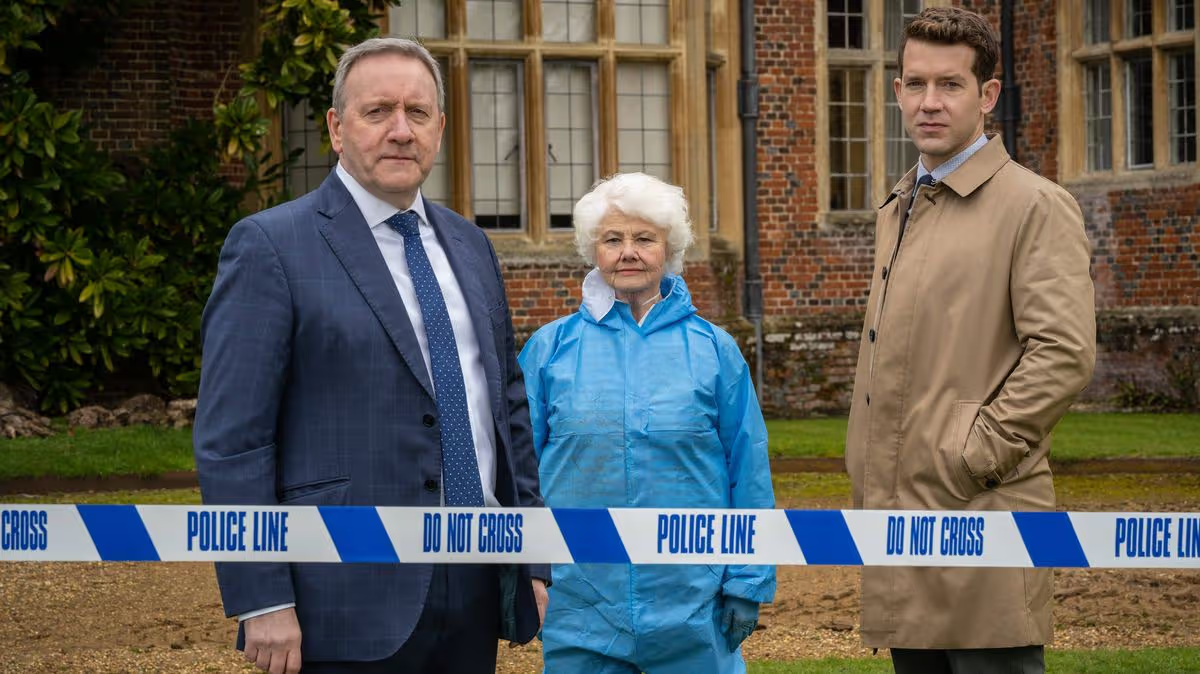
Midsomer Murders actor Neil Dudgeon has paid tribute to his “absolute treasure” co-star as he discussed his return as DCI Barnaby in the popular ITV series. Filming for the forthcoming series of Midsomer Murders is currently in progress, with Neil reprising his role as DCI Barnaby alongside his sidekick Sergeant Jamie Winter (played by Nick Hendrix) and Dr Fleur Perkins (Annette Badland).
Advertisement
However, in an exclusive interview with Reach PLC, Neil revealed what it was like working with his cherished co-stars. When asked what it was like working with Nick and Annette “so closely”, Neil said, “It is great. Annette has played Fleur for years and years and is still there.
“Whenever we meet her, she’s saying, ‘Oh, you know, I’ve just come back from such and such, where I’ve been filming this, and I’m going to Manchester next week,” reports the Express.
“She’s in three or four days, and episodes in between, she’s going off doing all sorts of things, but she’s in great demand, because she’s such an absolute treasure.”
He continued, “And Nick is fantastic, and I feel very blessed. I’ve always felt very blessed because when I started, I had Jason Hughes, who was the Sergeant.
“And then when Jason left, I thought ‘Oh, it won’t be the same’, and then Gwilym Lee came along, and it changed him because Barnaby and Jason’s characters were more similar in age, they had a different kind of relationship, and me and Jason had a different kind of relationship, which was hilarious.”
Sharing an amusing behind-the-scenes anecdote, the DCI Barnaby star continued, “And we behaved terribly. I remember one day we were both so overcome with the hysterics that the director said to us, ‘You can’t carry on until you calm down…alright, both of you out’.
Advertisement
“And he sent us out of the location, and to the car park to calm down, which just made us worse.” Going on to heap praise on his co-stars, the actor added, “And then Gwilym came along, who was just wonderful and lovely and fantastic.
“And then when he left, I thought, ‘Oh no, I can’t be lucky a third time’. And then Nick came along, and he’s just fantastic. He’s great to work with, and I think we get along pretty well, and it’s so important, because for the five months or so that we’re filming, you meet up at seven o’clock in the morning, and you’re standing next to each other, working with each other until seven o’clock at night.
“You know, it’s like 12 hours a day, five days a week for five months. During that period, I’m seeing much more of him than I am of my own family. I think if you’re doing that with somebody you didn’t get on with, that would be really, really hard.”
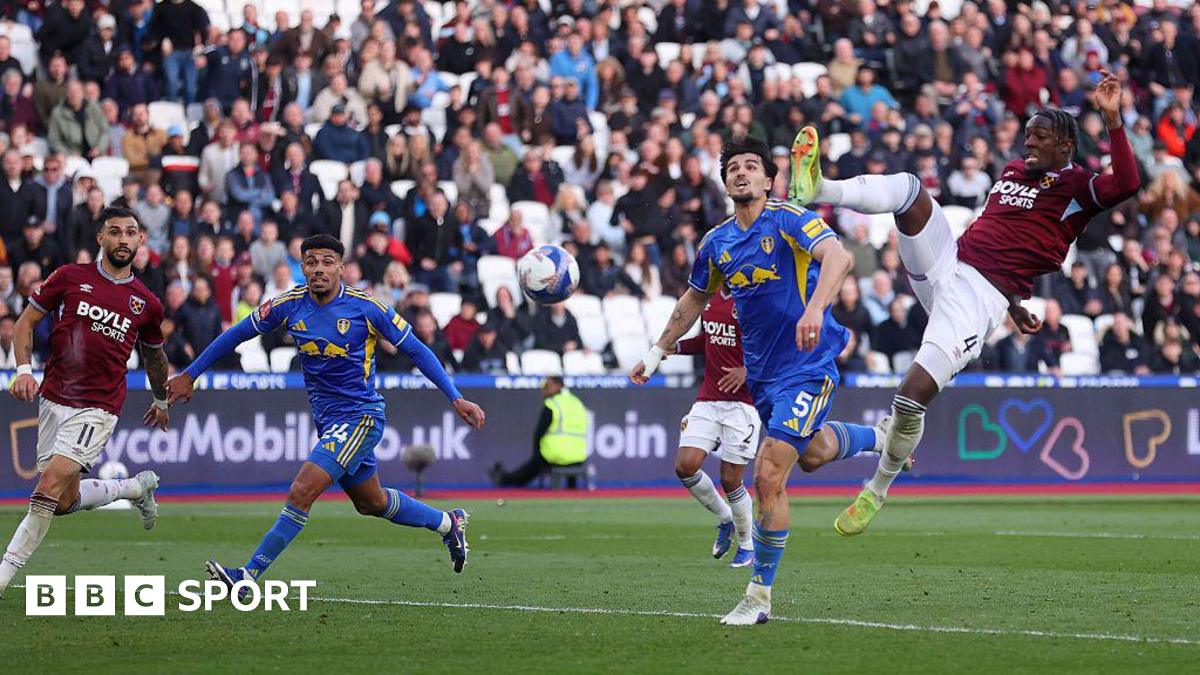
While Craig Pawson added 11 minutes on at the London Stadium, allowing the hosts to come from 2-0 down in that period to force extra time and a penalty shootout, Michael Oliver did not add on a single second in the tie at Etihad Stadium.
Social media was awash with supporters asking how Oliver could just ignore the laws of the game and choose to play no added time.
But it is far from unusual in cup games where a match is effectively over.
A couple of years ago Pierluigi Collina, Fifa’s head of referees, was talking about added time and when it might be acceptable to cut it short.
The Italian made a good point. He said in cup ties that have no likelihood whatsoever of the outcome changing, blowing up early can be OK.
But Collina also pointed out that should never be the case in a league game, because goal difference can always be crucial.
Advertisement
Zero added time is not seen very often in England, but Uefa referees are told they can end a match bang on time if there is nothing to be gained by playing on. Oliver is, of course, a Fifa and Uefa referee.
Take a look at a couple of Champions League games last month.
Chelsea‘s tie with Paris St-Germain and Barcelona against Newcastle both had no added time, with the English sides losing by aggregate scores of 8-2 and 8-3 respectively.
Once you look at the stoppages in the West Ham game, you can see the 11 minutes was justifiable.
Advertisement
Three minutes for treatment to Adama Traore and Joe Rodon
Two minutes while the physios came on for Pablo and Jaka Bijol
Three minutes for the penalty after a video assistant referee (VAR) check
One minute while Noah Okafor was checked out for an injury
Plus two substitutes, a couple of VAR checks and other delays.
So while it might have appeared excessive, it was explainable.
“When we are ever in the lead it feels like a crazy amount of time on it,” said Leeds boss Daniel Farke afterwards. “When we are chasing a game it feels like it is only three minutes.
“You have to deal with it and it is up to the officials to decide. I’m used to accepting the officials decisions and I try to not complain about it. It is what it is.”
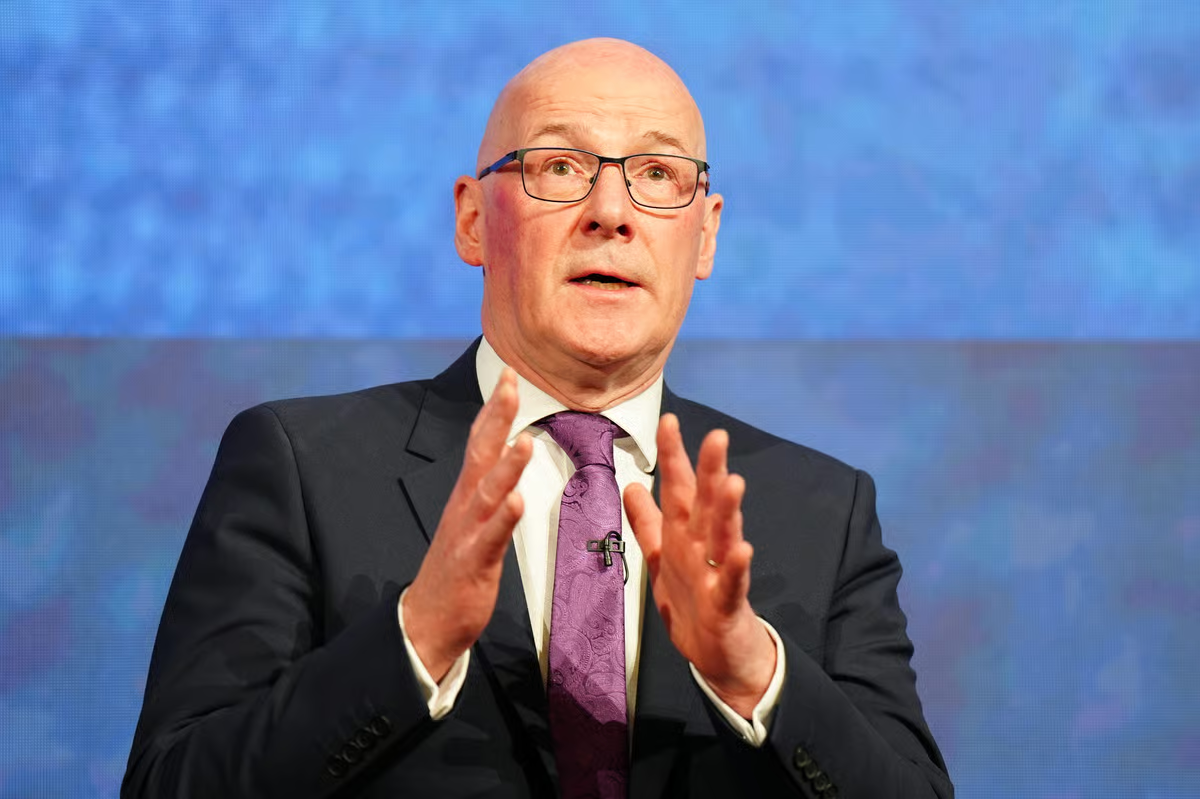
Despite the SNP having lost the four election campaigns fought while Mr Swinney has been leader – for Westminster in 2001, Holyrood in 2003, the European Parliament in 2004 and the 2024 general election – the First Minister stressed that “obviously I want to go into this election with the objective of winning it”, adding that his party is “in a very strong position to do so”.
Statutory sick pay and parental rules changes are now in place
Alan Jones and Beth Abbit Mancunian Way newsletter editor
00:01, 06 Apr 2026
More than a million workers will get access to statutory sick pay for the first time thanks to new employment rights. New rules on sick pay and parental leave come into force today (April 6).
The TUC said 1.2 million workers – mostly low-paid women – are set to get access to statutory sick pay for the first time. While 8.4 million people will benefit from sick pay paid from the first day of illness.
Previously, workers who earned below a threshold of £125 a week were not eligible for statutory sick pay. The TUC said that before today’s changes, workers had been left with no choice but to go into work when they were ill.
Advertisement
Get MEN Premium now for just £1 HERE – or get involved in our WhatsApp group by clicking HERE. And don’t miss out on our brilliant selection of newsletters HERE.
Tens of thousands of workers will also get access to day one paternity leave under measures in the Employment Rights Act. It means that as well as stronger sick pay, fathers and partners will now have a day-one right to paternity leave – and all parents will gain the day-one right to unpaid parental leave.
The TUC said this first tranche of rights being delivered through the act represented a “landmark day” for workers. Business Secretary Peter Kyle said: “Day-one rights mean exactly that: rights that are there for you from the moment you start a job, and from the moment you get sick.
“Whether you’re a low-paid employee who’s been forced to work while unwell, or a new parent who wants to be there for their family, these changes are for you. We’re delivering the most significant upgrade to workers’ rights in a generation.”
Advertisement
TUC general secretary Paul Nowak said: “After years of campaigning from unions and workers, the first individual rights from the Employment Rights Act are coming into force – and they will change lives up and down the country. Sick pay for all, paid from day one of illness is a huge step forward.
“For too long, low-paid workers – especially women – have missed out on any form of sick pay. Even those who were eligible for statutory sick pay had to wait four days before they could claim it.
“That left many with no choice but to go into work when ill – risking spreading and prolonging their illness. That’s why today’s changes are much needed.”
Advertisement
Abby Jitendra, principal policy adviser at the Joseph Rowntree Foundation, said: “Good jobs give us security and stability. The new rights introduced today extend the security many of us in good jobs enjoy to millions of low-paid workers.
“Workers will no longer pay a penalty for being on a low income and falling sick, with sick pay for all workers from day one. New dads will also have a right to time off to look after their partner and bond with their newborn from their first day at work.
“The changes in the Employment Rights Act bring more workers closer to jobs that they can be proud of, where they truly get out what they put in.”
Petra Wilton, the Chartered Management Institute’s policy director, said: “Managers are not being given the tools they need to fully understand how the rules of the workplace are changing, some of them quite dramatically. This creates a real risk for both employers and employees and could lead to preventable workplace tensions.”
When last seen she was wearing light and dark blue bottoms, a black puffer coat and light coloured trainers
Police in the Newry area are currently searching for a 17-year-old who has been reported as missing.
Advertisement
Officers say Layla Rose Smith has not been seen since 15.30 on Saturday, April 4 2026. When last seen she was wearing light and dark blue bottoms, a black puffer coat and light coloured trainers.
Layla is approximately 5 foot 4 in height with brown shoulder length hair.
Issuing the missing person appeal on Sunday, a PSNI spokesperson said: “If anyone knows where Layla currently is or has any information to pass onto ourselves please contact us on 101 quoting the police reference CC1660 of 4/4/26.”
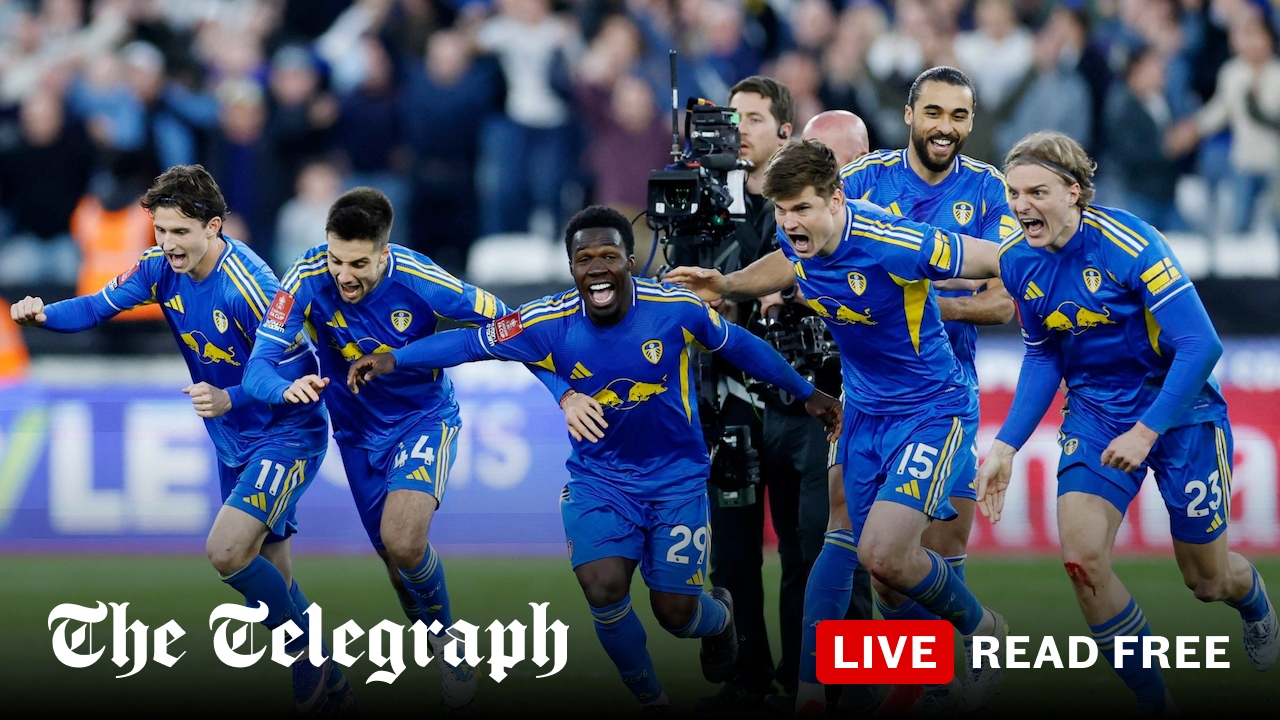
We are back after Saturday’s goalfest in the FA Cup quarter-finals and this afternoon West Ham take on Leeds United at the London Stadium. It is a draw which raises the question of whether both teams can put their Premier League predicament aside in the hope of a Wembley trip for their fans.
Nuno Espirito Santo’s side come into the match having drawn six of their last eight games in 90 minutes across all competitions. Despite this new-found consistency, a lacklustre performance in their last outing against Aston Villa cost them crucial ground in the relegation battle, with Nottingham Forest moving three points clear with their win at Spurs. At home, West Ham have not lost a game at in the last three months.
Posing as a tricky side to defeat in front of their home crowd, they strive to keep this cup run alive and reach their first FA Cup semi-final since they finished runners-up in 2006. Twenty years on, this competition has been something to savour for the London side this year, despite relegation hanging over them.
Advertisement
Has this relentless cup form reignited West Ham’s optimism and given the squad new belief heading into their final eight games of the season? With a two-week gap following the international break, there’s been plenty of time to park the relegation doubts and focus on today. Nuno has always excelled in the FA Cup reaching the semi-finals twice before with both Nottingham Forest and Wolverhampton Wanderers. You would expect him to utilise this experience in today’s fixture in hopes of continuing West Ham’s unlikely run through the competition.
Meanwhile, Leeds find themselves in a similar sticky situation. Despite having only lost twice in their last nine games, they still face a daunting run with the relegation zone just over their shoulder, four points clear of the drop. Leeds have drawn a blank in their last two games, but they will have 9,000 fans in the away end in east London.
In the Premier League against West Ham, Leeds proved to be the dominant side, victorious in their last encounter. A deeper FA Cup run would do wonders for their campaign and hopefully ease the ever mounting pressure in the league. History looms over them having lost their last three FA Cup quarter-finals, it will demand a mammoth effort to reach their first semi-final in the competition since 1986-87.
Kick-off is at 4.30pm, with line-ups on the way shortly.
The AA says up to one in five badges may be used by someone other than the holder
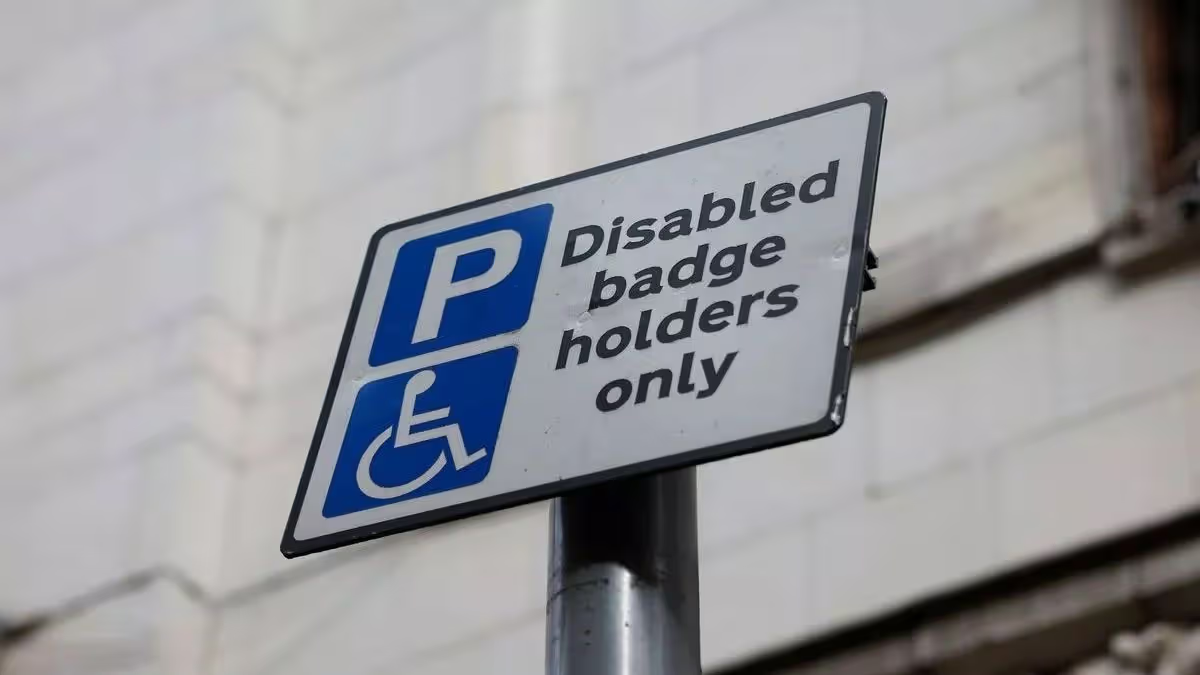
A record surge in Blue Badge ownership has sparked urgent calls from motoring experts for a nationwide crackdown on parking permit fraud.
Advertisement
New analysis of Department for Transport data reveals that one in 20 people in England now hold a permit, marking an all-time high of 3.07 million users. While these badges provide a vital lifeline for people with disabilities, the AA warns that as many as one in five permits may be used illegally by people who are not the authorised holders.
The sharp 8% increase in badge holders over the last year is largely driven by a 2019 policy change that expanded eligibility to include non-visible conditions such as dementia, Parkinson’s, and epilepsy.
Get MEN Premium now for just £1 HERE – or get involved in our WhatsApp group by clicking HERE. And don’t miss out on our brilliant selection of newsletters HERE.
Consequently, more than two-fifths of badges issued in the most recent cycle were granted without a formal medical assessment.
Advertisement
Usage varies significantly across the country, with the North East recording the highest proportion of holders at 6.1%, while London maintains the lowest at 3.5%.
Permit holders enjoy significant benefits, including the ability to park for up to three hours on yellow lines and exemptions from the capital’s £18 daily congestion charge.
However, AA President Edmund King expressed deep concern over the rising levels of abuse, citing instances of counterfeit badges, the use of permits belonging to deceased relatives, and the resale of stolen badges.
He said: “The blue badge scheme is a mobility lifeline for millions of legitimate users and their families. Our concern is not the absolute number of badges issued but the estimates that up to one in five badges may be used by someone other than the holder or authorised user.”
Advertisement
Mr King added: “Fraud is an issue which can include family misuse, use after death, counterfeit badges and theft and resale of badges. We would welcome a crackdown on illegitimate use of badges to safeguard the deserving users.”
Local authorities have already begun escalating their enforcement efforts to combat these crimes.
Recent prosecutions in Croydon resulted in offenders paying nearly £6,000 in fines and costs, while councils in Oxfordshire and Gateshead have successfully convicted drivers for using permits belonging to others.
Advertisement
The Local Government Association has urged the public to report suspected misuse, noting that even though some disabilities are not immediately visible, the act of “lazy” or “fraudulent” parking is a criminal offense that deprives those with genuine needs of essential access.
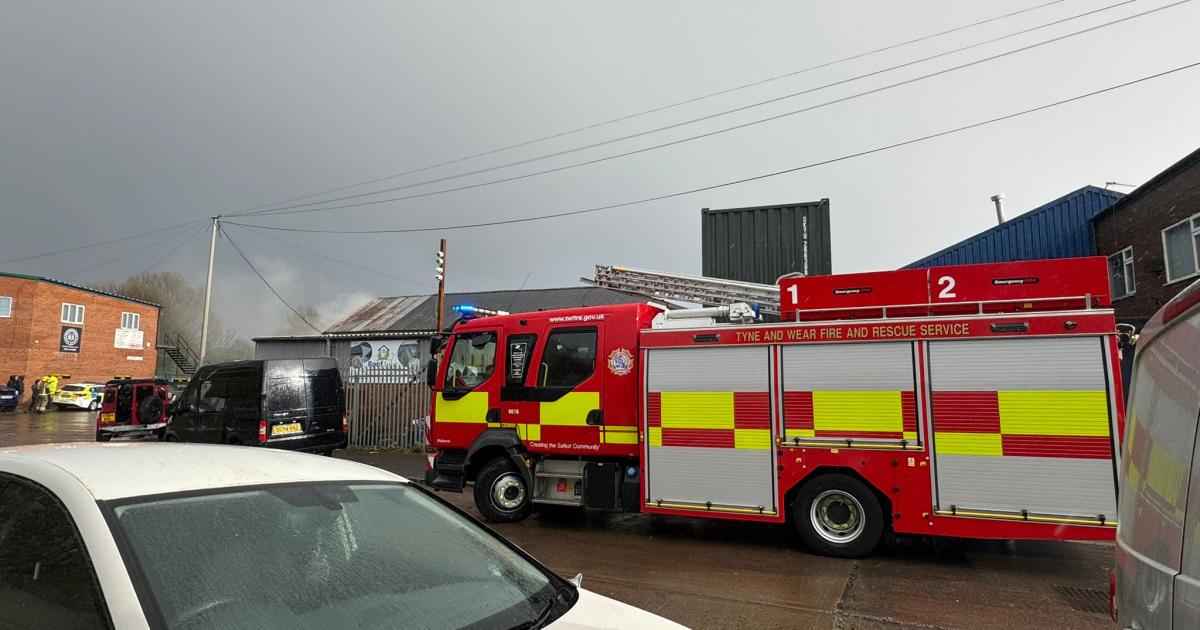
Large plumes of black smoke could be seen billowing from a unit at the height of the fire on the estate in the Tyne Dock area of South Tyneside.
It is understood that the fire broke out at about 4.15pm today.
The fire on Mitre Place, South Shields. (Image: NORTHERN ECHO)
Two engines were seen battling the fire on Mitre Place, South Shields.
In a post on X, the Tyne and Wear Fire and Rescue Service advised residents to keep windows and doors locked and urged people to avoid the area, if possible, while they tackled the fire.
Advertisement
It is understood the fire is being brought under control, but fire personnel are expected to be at the scene for some time.














































You must be logged in to post a comment Login