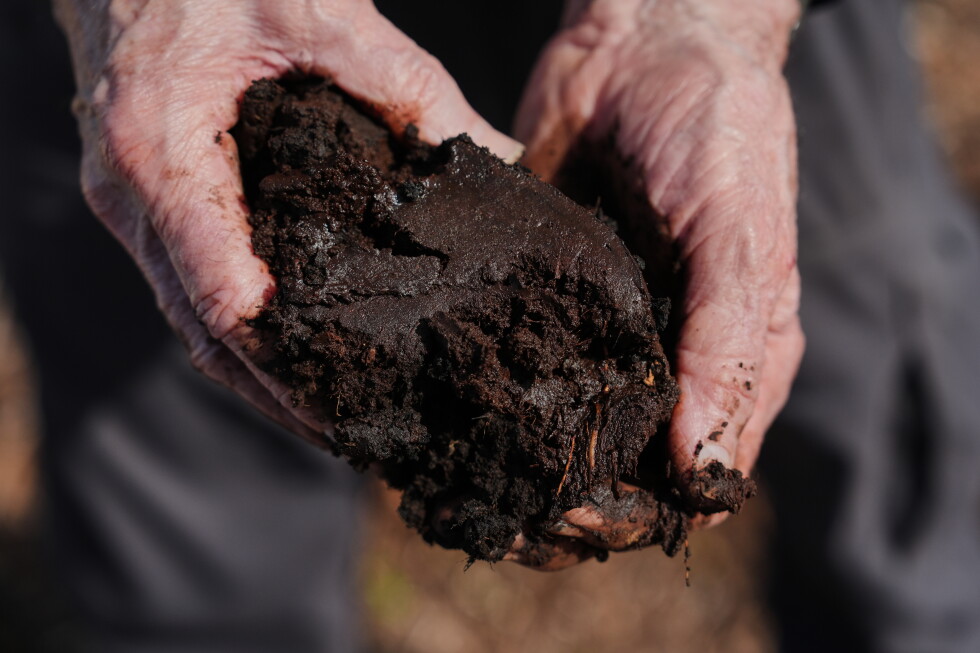
Curtis Richardson, an ecology professor at Duke University, holds peat soil Wednesday, May 6, 2026, in Belhaven, N.C. (AP Photo/Joshua A. Bickel)
2026-09-09T13:07:17Z
BELHAVEN, N.C. (AP) — Investors and scientists are restoring a 23-square-mile (60-square-kilometer) tract of peatland in North Carolina’s Inner Banks to curb emissions of climate-warming carbon dioxide and regenerate native habitat.
Fifty miles (80 kilometers) of ditches dug decades ago for an abandoned farming venture drained much of the water from thousands of years of accumulated peat — partially decayed organic matter up to 15 feet (4.6 meters) deep — leaving the site vulnerable to drought and wildfires, altering native habitats and allowing it to emit 130,000 tons of carbon dioxide every year.
Advertisement
Here are key takeaways from The Associated Press’ reporting:
Why are peatlands important?
Though they account for just 3% of the global land surface, peatlands store about one-third of the Earth’s carbon dioxide, more than all forests combined. But when degraded, destroyed or burned they become part of the problem, releasing huge volumes of greenhouse gases, now about 6% of the annual global total from all sources.
freestar.queue.push(function () {
window.fsAdCount = window.fsAdCount + 1 || 0;
let customChannel=”/dynamic_” + fsAdCount;
let adList = document.querySelectorAll(“.fs-feed-ad”)
let thisAd = adList[fsAdCount];
let randId = Math.random().toString(36).slice(2);
thisAd.id = randId;
let thisPlacement = “apnews_story_feed_dynamic”;
freestar.newAdSlots({
placementName: thisPlacement,
slotId: randId
}, customChannel);
});
When peatlands are intact, gases generated by decomposing plants are trapped in a waterlogged, oxygen-deprived environment, while surface vegetation absorbs carbon dioxide from the atmosphere, scientists say.
Advertisement
They also store about 10% of global fresh water, help control flooding and can help stem wildfires, as well as provide important habitat for many species.
What’s happening to peatlands?
Two-thirds of temperate peatlands — mostly in Europe and the U.S. — have been dewatered for farming, mining and other uses, while about 45% of tropical peatlands have been similarly disturbed, according to a 2025 study published by The Society for Conservation Biology.
Boreal peatlands, in colder climates in places like Canada and Russia, are about 90% intact, but face growing pressure from thawing permafrost and intense fires, both linked to climate change, as well as mining and critical minerals exploration.
(function () {
var APRM_EMBED_ID = “ap-readmore-embed”;
var APRM_MOBILE_MQ = “(max-width: 767px)”;
function APRM_onReady(fn) {
if (document.readyState === “loading”) {
document.addEventListener(“DOMContentLoaded”, fn);
} else {
fn();
}
}
Advertisement
APRM_onReady(function () {
var APRM_embedEl = document.getElementById(APRM_EMBED_ID);
if (!APRM_embedEl) return;
// 🚨 DESKTOP: remove entire module wrapper and bail early
if (!window.matchMedia(APRM_MOBILE_MQ).matches) {
var APRM_rootModule =
APRM_embedEl.closest(“.HTMLModuleEnhancement”) ||
APRM_embedEl.closest(“.HtmlModule”);
if (APRM_rootModule && APRM_rootModule.parentNode) {
APRM_rootModule.parentNode.removeChild(APRM_rootModule);
} else if (APRM_embedEl.parentNode) {
APRM_embedEl.parentNode.removeChild(APRM_embedEl);
}
return; // stop the rest of the script from running
}
});
})();
Advertisement
(function () {
var EMBED_ID = “ap-readmore-embed”;
var BTN_ID = “apReadMoreBtn”;
var FADE_ID = “apReadMoreFade”;
var STOP_SELECTOR = “.Page-below”;
var SIGN_IN_GATE_SELECTOR = “.sign-in-gate-content”;
var HIDDEN_ATTR = “data-ap-readmore-hidden”;
var MOBILE_MQ = “(max-width: 767px)”;
function ready(fn) {
if (document.readyState === “loading”) {
document.addEventListener(“DOMContentLoaded”, fn);
} else {
fn();
}
}
function isElementNode(n) {
return n && n.nodeType === 1;
}
function cancelEvent(e) {
if (!e) return;
if (typeof e.preventDefault === “function”) e.preventDefault();
if (typeof e.stopPropagation === “function”) e.stopPropagation();
if (typeof e.stopImmediatePropagation === “function”) e.stopImmediatePropagation();
e.cancelBubble = true;
e.returnValue = false;
}
Advertisement
function collapseDesktopEmbed(embed) {
if (!embed) return true;
if (!window.matchMedia(MOBILE_MQ).matches) {
var maybeWrappers = [
embed.parentElement,
embed.closest(“.html-embed”),
embed.closest(“[data-type=”htmlembed”]”),
embed.closest(“[class*=’embed’]”),
embed.closest(“[class*=’Embed’]”)
].filter(Boolean);
if (embed.parentNode) {
embed.parentNode.removeChild(embed);
}
return true;
}
return false;
}
ready(function () {
var embed = document.getElementById(EMBED_ID);
var btn = document.getElementById(BTN_ID);
var fade = document.getElementById(FADE_ID);
if (!embed || !btn) return;
Advertisement
if (collapseDesktopEmbed(embed)) return;
var signInGate = document.querySelector(SIGN_IN_GATE_SELECTOR);
if (signInGate) {
embed.innerHTML = “”;
return;
}
// — Analytics: impression when embed enters viewport —
if (“IntersectionObserver” in window) {
var io = new IntersectionObserver(function (entries, observer) {
if (entries[0].isIntersecting) {
window.dataLayer = window.dataLayer || [];
window.dataLayer.push({ event: “ap_readmore_impression” });
observer.disconnect();
}
}, { threshold: 0 });
io.observe(btn);
}
var stopEl = document.querySelector(STOP_SELECTOR);
if (!stopEl) return;
Advertisement
var rootCandidates = [
embed.closest(“.Page”),
embed.closest(“article”),
embed.closest(“main”),
document.body
].filter(Boolean);
var all = root.getElementsByTagName(“*”);
var hidden = [];
for (var i = 0; i < all.length; i++) {
var el = all[i];
Advertisement
if (embed.contains(el)) continue;
if (el === stopEl || stopEl.contains(el)) continue;
var tag = el.tagName ? el.tagName.toLowerCase() : "";
if (tag === "script" || tag === "style" || tag === "link" || tag === "meta") continue;
if (!(embed.compareDocumentPosition(el) & Node.DOCUMENT_POSITION_FOLLOWING)) continue;
if (!(el.compareDocumentPosition(stopEl) & Node.DOCUMENT_POSITION_FOLLOWING)) continue;
if (el.contains(embed) || el.contains(stopEl)) continue;
Saturated peatlands are nearly fireproof: Just the surface vegetation and a few inches of peat burn, releasing nutrients, regenerating seed banks and creating beneficial biochar.
But when they’re dry, fire can burn underground for weeks or months — drying out and destroying even saturated layers — emitting enormous volumes of carbon dioxide and destroying thousands of years of accumulation.
Advertisement
freestar.queue.push(function () {
window.fsAdCount = window.fsAdCount + 1 || 0;
let customChannel=”/dynamic_” + fsAdCount;
let adList = document.querySelectorAll(“.fs-feed-ad”)
let thisAd = adList[fsAdCount];
let randId = Math.random().toString(36).slice(2);
thisAd.id = randId;
let thisPlacement = “apnews_story_feed_dynamic”;
freestar.newAdSlots({
placementName: thisPlacement,
slotId: randId
}, customChannel);
});
What’s happening in North Carolina?
In North Carolina, 11,000 miles (17,702 kilometers) of canals drain peatlands before the water empties into coastal estuaries. And the type of peatlands found there, and for hundreds of miles along the Eastern Seaboard, are among the most threatened in the world.
Colorado-based Pantheon Regeneration plans to restore its property by blocking off ditches to control the water table and significantly reduce carbon dioxide emissions. Then it will cull invasive species and replant native grasses, flowers and other plants.
Pantheon plans to sell carbon credits to tech companies and other corporations that want to compensate for their own greenhouse gas emissions, then use the money to restore and preserve a million acres of peatland from Virginia to northern Florida over the next decade.
Advertisement
___
freestar.queue.push(function () {
window.fsAdCount = window.fsAdCount + 1 || 0;
let customChannel=”/dynamic_” + fsAdCount;
let adList = document.querySelectorAll(“.fs-feed-ad”)
let thisAd = adList[fsAdCount];
let randId = Math.random().toString(36).slice(2);
thisAd.id = randId;
let thisPlacement = “apnews_story_feed_dynamic”;
freestar.newAdSlots({
placementName: thisPlacement,
slotId: randId
}, customChannel);
});
The Associated Press’ climate and environmental coverage receives financial support from multiple private foundations. AP is solely responsible for all content. Find AP’s standards for working with philanthropies, a list of supporters and funded coverage areas at AP.org.
Four fresh contestants tested their luck on the popular quiz show as The Chase returns for a new series
Bradley Walsh was left scratching his head over one question about food during a new episode of The Chase.
Advertisement
On Wednesday (9 September), ITV audiences were treated to another fresh installment of the beloved quiz show presented by Bradley Walsh. The four contestants playing to win a cash prize were Damian, Gail, Mollie, and Ben, and they were all up against quiz master, Mark ‘The Beast’ Labbett.
Damian, a retired policeman from Burnley, was first to face the cash builder round, where he secured £8,000, and after going head-to-head with Mark, he sailed into the final.
Ceremonies registrar Gail, from Brighton, was up next and bagged £6,000 after answering six questions correctly, but crashed out in the head-to-head round after failing to outsmart the Chaser.
Mollie, who works as a learning technologist in Newcastle, was also sent home by Mark after banking £5,000 in the cash builder.
The last chance of adding more cash to the £8,000 prize pot was left in Ben’s hands as the insurance broker from Weston-Super-Mare met with Bradley in the cash builder and answered five questions correctly.
Armed with £5,000, Ben faced Mark in the next round, and it was here that the host was left taken aback by one question.
“Used in Indian cooking, the spice mixture ‘garam masala’ often contains which pair of ingredients?” Bradley asked Ben before confirming the possible answer: “A. Cardamon and cumin, B. Star anise and sorrel, C. Tarragon and thyme.”
Advertisement
Bradley then asked, “How are you supposed to know that?” as he scratched his ear and looked down at the board, puzzled.
The correct answer was “cardamom and cumin”, as Ben answered the question right, leaving Bradley impressed: “Brilliant, brilliant that”, the host added.
Mark also got the question right but admitted he took a wild guess, as he didn’t know the answer: “I also, on the other hand, guessed blind,” he said before he burst out laughing.
Advertisement
Ben successfully joined Damian in the final chase with £13,000 in the prize pot, but answered only 12 questions correctly. So it came as no surprise that Mark caught the contestants with 48 seconds left on the clock.
“Okey, dokey gentleman, two attempts to push back, non executed, and caught with 48 seconds remaining, which equates, by the way, to another 12 questions at that speed”, Bradley told the two players as the game concluded.
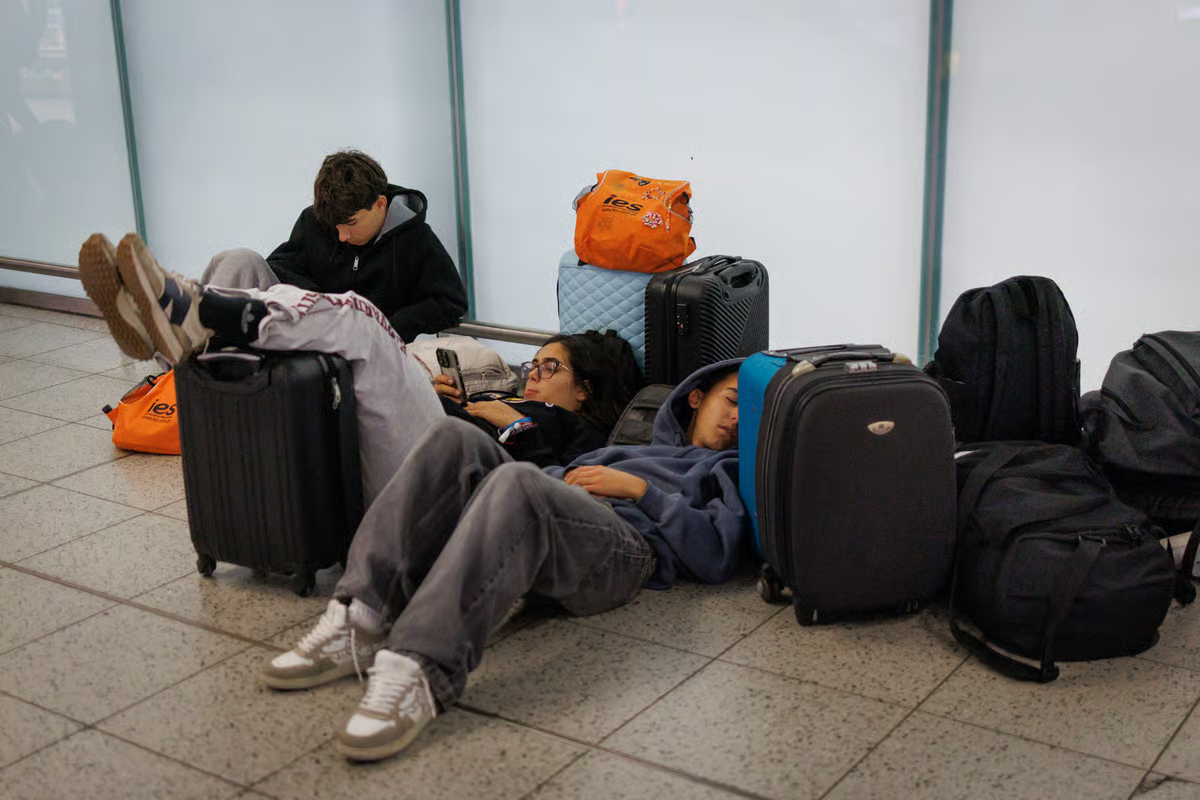
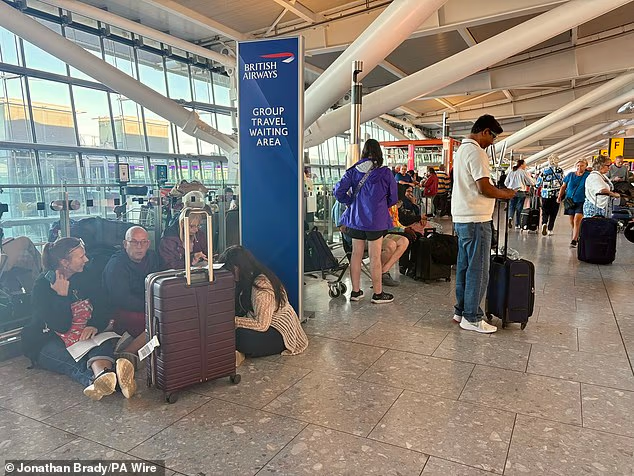
Perched on a luggage trolley, Ms Jones, who has had her trip to Warsaw with her friends booked for about a year, said: “In the States you go to the airport and you just take your boarding pass and go through security and go to your gate and then you sit there and guard your plane, you know, and here you don’t even have a gate assignment so you can’t get through security yet – that’s a little nerve-racking.”
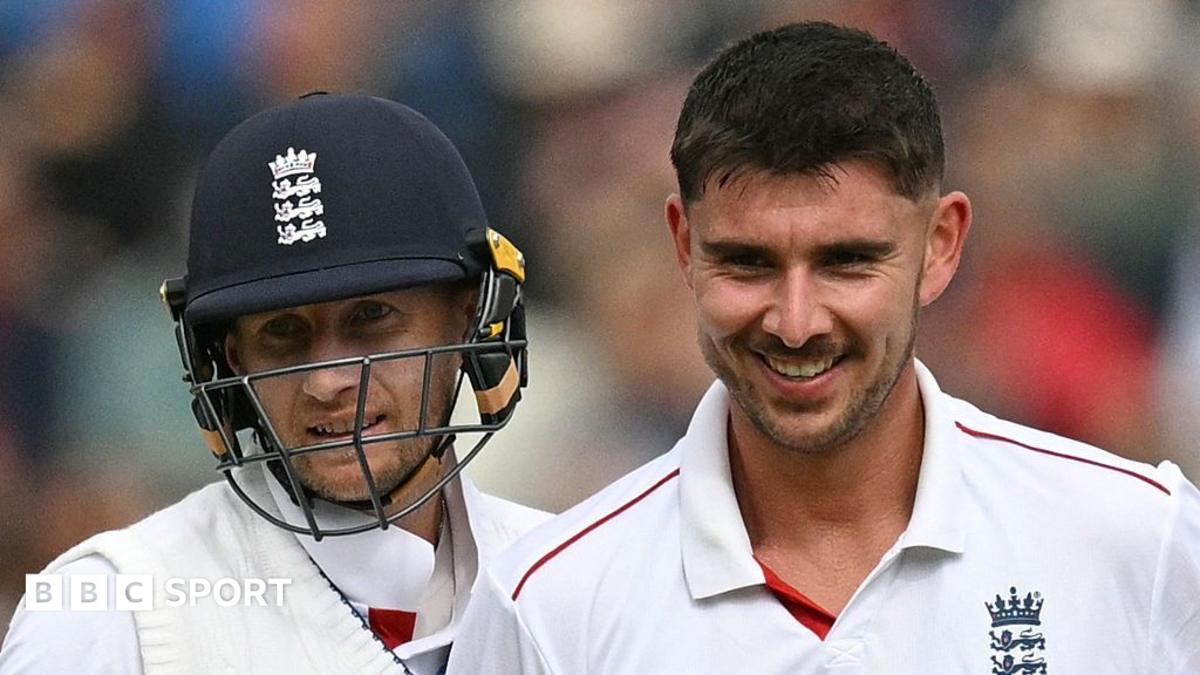
England again demolished the dismal Pakistan batting to move on course for a 3-0 clean sweep on the opening day of the third Test at Edgbaston.
After ripping out the tourists for only 133, England already have a 23-run advantage on 156-4.
Following a week of turmoil in which Pakistan sent seven players home, called up seven more and changed their coach, the outcome was much the same as the first two Tests.
Advertisement
Though the dry pitch seemed good for batting, a moody morning sky convinced England captain Joe Root to field first and his new-look pace attack was outstanding once more.
Pakistan failed to reach 200 for the fifth consecutive innings, while none of the top five made double figures. Saud Shakeel at least managed 43 and the ineptitude of the top order was put into context by last-wicket pair Muhammad Abbas and Mohammad Ali adding 26 in 46 balls – the best partnership of the innings.
Josh Tongue bowled quickly for his 4-42, Ollie Robinson passed 100 Test wickets with his 3-15 and Jofra Archer claimed the remaining three scalps.
In truth, it was a disappointing and dispiriting spectacle, but Pakistan showed some fight with the ball, not least when rapid debutant Razaullah inflicted yet another lbw on Root to leave England 39-3.
Advertisement
Emilio Gay and Harry Brook steadied England, each making half-centuries in a stand of 104 that pushed the hosts into the lead.
Gay dragged on off Razaullah. His gritty 60 was impressive, if perhaps not enough to provide certainty around his place in a congested England batting line-up.
Lady Joan Branson, 80, died on November 24 after suffering a cardiac arrest at the private Lister Hospital in Chelsea, west London, after the inquest concluded her death would likely have been prevented had she received anticoagulation treatment
A private hospital’s failure to administer preventative medication played a part in the death of Sir Richard Branson’s wife, an inquest has determined.
Advertisement
Lady Joan Branson, 80, passed away on November 24 following cardiac arrest at the private Lister Hospital in Chelsea, west London, which is owned and run by HCA Healthcare.
Westminster Coroner’s Court was told on Wednesday that her death resulted from a pulmonary embolism, a sudden, life-threatening obstruction in a lung artery, caused by deep vein thrombosis.
The virtual inquest was informed that Lady Joan was taken into hospital on November 17 following a fall several weeks before on Necker Island – a private luxury retreat in the Caribbean’s British Virgin Islands belonging to her billionaire husband.
Lady Joan told her GP the fall happened when she was “tripping over some slippers by the bed” and was found to have sustained fractures of the pelvis and fractures of the right hip, the virtual inquest was told.
Advertisement
Haematologist Dr George Adams informed the inquest that Lady Joan was “extremely high risk” for blood clots and the “biggest risk factor by far was her immobility and her fracture”.
Glasgow-born Lady Joan was not given any prophylactic anticoagulation – the preventative use of treatments to stop dangerous blood clots from forming – from the time of her hospital admission until her death. Dr Adams stated that he believed this played a part in her death, noting that prophylactic anticoagulation “reduces the number of clots and the size of those clots”, and adding: “More likely than not, it would have reduced the chances of her having a fatal pulmonary embolism.”
The Imperial academic, who had no involvement in Lady Joan’s care, further noted that “appropriate anticoagulation” would have “probably prevented her from dying”.
Professor Fiona Wilcox, senior coroner for Inner West London, paid tribute to Lady Joan as a “wonderful woman” who was “unfailingly kind”.
Advertisement
Delivering her conclusion, Professor Wilcox stated it was “not a case of neglect” and there “wasn’t an absence of treatment”.
Despite Lady Joan being at a “very high risk of developing deep vein thrombosis”, the coroner noted she had not been given prophylactic anticoagulants while in hospital.
The coroner concluded: “I do find her death would have likely been prevented and the lack of anticoagulation did cause or contribute to her death probably.”
The inquest also heard that Lady Joan was not given an immediate Venous Thromboembolism (VTE) assessment to evaluate her risk of developing dangerous blood clots.
Advertisement
Dr Adams stressed that “any patient who comes into hospital should have an immediate VTE assessment to determine their risk of bleeding”. Lady Joan’s daughter, Dr Holly Branson, informed the inquest that her mother was also without Thrombo-Embolus Deterrent stockings – devices designed to prevent deep vein thrombosis by stimulating blood circulation in the lower legs – during the first 48 hours following her admission.
The inquest heard that the hospital’s admitting doctor, Dr Basir Kunduzi, failed to carry out a bleeding risk assessment on the day Lady Joan was admitted.
Dr Kunduzi acknowledged that Lady Joan “should have been on anti-coagulants”, adding that her death led him to “reflect on my role as a doctor” and the importance of “good communication between team members”.
Resident medical officer Dr Nevil Pavithran, who was likewise involved in Lady Joan’s care, told the inquest that she “should have received her first dose of anticoagulation prophylaxis within 12 hours of admission”, warning that this failure to do so created a “significant risk”.
Advertisement
The doctor revealed he had “spent quite a lot of time going over the incidents” and confessed he felt he “should have been more forceful”.
Lady Joan’s consultant, Dr Inaki Bovil, noted there had been a “lot of work at the Lister to make it more robust around VTE and risk prevention” and to “prevent this from happening again”.
Following her passing, Sir Richard paid tribute to his wife, describing her as the “shining star around which our family’s universe has always orbited”. Honouring Lady Joan’s memory, Sir Richard penned: “Life will never be the same without her. But we have 50 incredible years of memories – years filled with tears and laughter, kindness and a love that shaped our family more than words could ever capture.
“It was a relationship that worked. We just had lots of laughs. We were very lucky.”
Share or comment on this article:
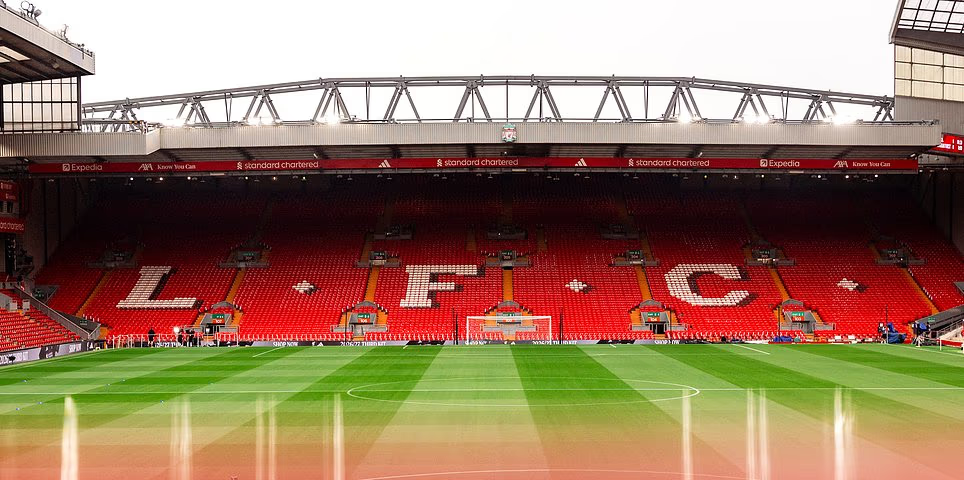
Liverpool vs Atletico Madrid and Napoli vs Arsenal – Champions League LIVE: Premier League duo kick-off European campaign with tough tests
Passengers who saw their flights cancelled or delayed after a technical issue wreaked havoc at Britain’s airports are ‘unlikely’ to be untitled to compensation, the British Civil Aviation Authority warned.
More than 300,000 holidaymakers were said to have been affected yesterday after an issue with the National Air Traffic Services’ ‘flight processing system’ saw scores of flights disrupted.
The issue sent the country’s major airports – including Heathrow, Gatwick and Birmingham – into turmoil as passengers were left stranded in terminals and on runways.
British Airways alone revealed it was forced to cancel or divert more than 100 flights in a decision which affected ‘tens of thousands of customers’.
Advertisement
But passengers have now been warned that it is unlikely they will be awarded compensation for disruption caused by the technical failure due to ‘extraordinary circumstances’ under passenger rights rules.
The British Civil Aviation Authority (CAA) said this evening: ‘Although passengers should be looked after by airlines, they are unlikely to be entitled to compensation for delays or cancellations that were directly caused by the incident.’
The CAA confirmed that it has launched an investigation to understand what exactly caused the fault after NATS chief Martin Rolfe admitted last night that the service did ‘not yet have an idea’.
Mr Rolfe faced calls to resign from a host of airlines following the ordeal and met with Transport Secretary Heidi Alexander this morning.
Advertisement
Alexander made clear she did not believe the shambles was ‘unavoidable’, though Mr Rolfe will not be ousted immediately while he retains the confidence of Downing Street.
He was, however, branded an ‘overpaid failure’ yesterday after a similar issue caused chaos at British airports only last year.
Effectively pleading for his survival in a broadcast interview this morning, Mr Rolfe confirmed that a cyber attack was not responsible for the carnage.
He promised there would be a ‘very, very thorough investigation’ into the issue – but also argued that such incidents were ‘inevitable’.
Advertisement
Tens of thousands of passengers were caught up in the travel mayhem after a system issue hit NATS, which provides air traffic control services to 15 UK airports.
The misery was continuing for passengers at Heathrow this morning
Some unfortunate travellers were trying to get some sleep at Heathrow this morning
Advertisement
NATS chief executive Martin Rolfe has promised a ‘very, very thorough and full investigation’
Transport Secretary Heidi Alexander ordered NATS chief Martin Rolfe to report back in detail on the ‘completely unacceptable’ situation at a meeting this morning
Cancelled flights are listed on a check-in display board at Heathrow Terminal Three yesterday
Chaos continued today with more cancellations and delays as airlines deal with the knock-on impacts at hubs including Heathrow, Gatwick, Manchester and Stansted.
Advertisement
Aviation analytics company Cirium said as of 3pm, more than 300 flights had been cancelled or not taken off today, with more than 2,000 affected over the past two days.
British Airways said the fault had forced it to cancel almost 550 of its flights, which had impacted more than 85,000 passengers.
The airline said it was ‘incredibly sorry’ to its customers and that the issue had been ‘entirely out of our control’.
Mr Rolfe told BBC Radio 4’s Today programme: ‘We will be doing a very, very thorough and full investigation. We have at this point ruled out cyber, we don’t believe it was a cyber attack.
Advertisement
‘My focus and that of the team has been on both getting our system operating back up normally, which it is now, but there’s obviously a huge tail to the disruption and we’ll be working on that through the course of today.
‘And then our attention will turn to exactly what’s happened in this particular incident. What I will say is I don’t believe we’ve ever seen an incident happen more than once, so this will be something different that we’ve never seen in 50 years of operation.’
Mr Rolfe also apologised for the disruption, adding: ‘Inevitably, things do go wrong in complex systems. We never want them to. We always hope they won’t, but we absolutely plan for them to and make sure we handle them properly.
‘I would say the UK has one of the best reputations in the world for its air traffic control service, both from a safety perspective and from a resilience perspective.
Advertisement
‘NATS was actually a partial privatisation 25 years ago, and since that point, it’s had access to funding. We’ve invested way more than a billion in technology over that time, our service has consistently improved. Our safety is consistently improved from a very good base.
‘But all of those things don’t detract from the fact that when these things happen, it is disappointing and upsetting, for which I apologise.’
Discussing the response to yesterday’s incident, Mr Rolfe said: ‘We had everybody on site, everybody was in the right place. We had all the engineers in place. We had our various partners from software industries and so on all on hand.
‘So this was resolved as quickly as it could be, but within the limits of making sure that it all stayed safe.’
Advertisement
Ms Alexander told MPs this afternoon that she did not believe the air traffic control problems that have caused chaos for passengers were ‘unavoidable’.
She said in the Commons: ‘A four-hour air traffic outage yesterday left hundreds of thousands of passengers facing cancellations, diversions and delays. I would like to apologise wholeheartedly to passengers for this disruption.
‘We often take for granted the way in which our aviation system just works, but yesterday that was not the case. Safety must remain air traffic controllers’ overriding priority and this morning I have spoken to NATS chief executive Martin Rolfe, who informed me this outage was due to a technical issue at their Swanwick site.
‘So, while my understanding from NATS is that we can rule out a cyber attack on this occasion, I do not believe this issue was unavoidable.
Advertisement
‘We also spoke this morning about how NATS responded to resolve and minimise the disruption as quickly as possible, and I am grateful to the airports and airlines who responded straight away.
‘But I am clear that passengers should not have to face this disruption. I have therefore asked the CAA to conduct an independent review to establish cause and ensure that our air traffic control systems can get passengers to where they need to be and this … review will report to me within six months.’
The managing director of Wizz Air UK, Yvonne Moynihan, said it should be a case of ‘three strikes and you’re out’.
‘I’m very surprised at that and it would seem like an easy pass for him after a number of own goals,’ she told Times Radio.
Advertisement
‘There have been three distinct and three separate incidents over three summers, particularly in August, September time, which is very busy period for airlines.
‘So the question is not whether failures can happen. The question is whether enough has been done since the previous incidents to prevent another nationwide disruption.
‘We’ve used the phrase three strikes and you’re out. It seems from the airlines’ and the industry’s point of view that three failures is unacceptable and passengers and airlines want to understand why would there be confidence in a public system that continues to fail.’
Ryanair chief operating officer Neal McMahon said Mr Rolfe should go.
Advertisement
‘The definition of insanity is doing the same thing over and over again and expecting a different outcome,’ he told Times Radio.
‘We had the same flight planning processing issue in 2023… yet here we are less than three years later…’
He added: ‘We understand the transport secretary, Heidi Alexander, is going to meet with Martin Rolfe today, and we think she should ask him to resign.’
Mr McMahon said the airlines had invested ‘hugely in resilience’, in contrast to NATS.
Advertisement
The problem is that they have a crap system and they don’t invest in it,’ he said.
‘And instead of investing in the system, they pay big bonuses to management and they pay huge dividends to the shareholders.’
Earlier, Mr Rolfe said that he ‘always accept(s) full responsibility’ when asked if he was considering his position after the incident.
Mr Rolfe is set for a showdown with Transport Secretary Heidi Alexander amid calls for his resignation
Advertisement
Passengers wait at Heathrow Airport yesterday amid major disruption due to the NATS issue
He told Sky News: ‘I am the CEO of a piece of critical infrastructure, so it is my job to take responsibility for that.
‘What I absolutely take responsibility for is keeping people safe and delivering the best service we possibly can on a day like today.
‘You will understand my focus is entirely about how we actually resolve this issue, get things back to normal, help our airlines, our airport customers and the travelling public.’
Advertisement
This morning, Heathrow advised travellers to check their flight status before heading to the airport.
‘Following yesterday’s NATS technical issue, flights are operating today, but some disruption may continue as airlines reposition aircraft and crew,’ it said in a statement on social media.
‘Please check your flight status with your airline before travelling to the airport and only travel if your flight is confirmed to be operating.
‘We apologise to those affected and have extra colleagues across our terminals to support passengers while we work with NATS and airline partners to restore normal operations as quickly as possible.’
Advertisement
Gatwick also said flights had resumed but disruption was likely to continue.
Its statement said: ‘We still anticipate that it will take time for our operations to fully return to normal. Passengers should continue to check with their airlines for more information regarding their flights.’
Luton Airport confirmed early this morning that the airport was ‘open and operational’, but said: ‘Some flights may still be subject to disruption and passengers are advised to check their flight status directly before travelling to the airport.’
Travel journalist Simon Calder said the knock-on effects today were ‘going to be horrible’.
Advertisement
He told Sky News: ‘There are going to be dozens of cancellations in the morning of flights coming into Heathrow because, basically, the flights didn’t go out tonight.’
Ryanair said more than 65,000 of its passengers had been disrupted and it had cancelled more than 50 scheduled flights.
British Airways (BA) said it was forced to cancel or divert more than 100 flights on Tuesday which had affected ‘tens of thousands of customers’.
Mr Rolfe has been under fire from Wizz Air and Ryanair after the latest issue which saw some passengers trapped on planes on runways for hours.
Advertisement
Neal McMahon, Ryanair’s chief operating officer, called on Mr Rolfe to resign, saying: ‘How many more failures do passengers have to suffer before overpaid failure NATS CEO Martin Rolfe accepts responsibility for his repeated mismanagement and resigns?
‘Over three years after NATS’ catastrophic 2023 system meltdown, it’s clear that nothing has changed, with UK passengers once again suffering avoidable ATC (air traffic control) delays of up to eight hours today due a critical NATS ATC system failing’.
Last night, NATS said on X: ‘Work is continuing to assist airlines and airports recover from today’s disruption.
‘This has been a very complex recovery and has created difficulties for the whole aviation network, from which it will take time to recover.
Advertisement
‘We apologise again for the disruption caused. Passengers should check with their airline on the status of their flight tonight or tomorrow.’
Ms Alexander is set to speak with Mr Rolfe today before she addresses MPs in the Commons for the second reading of the Civil Aviation Bill.
Among the thousands facing disruption yesterday was Josie Donoghue, who had to get off her flight to Ireland after spending three hours on the runway at Gatwick.
Ms Donoghue said: ‘Getting through that airport was like trying to get out of Alcatraz. We were trapped in there. We were told we couldn’t get out until the flights were cancelled, and then eventually they allowed us to get out.
Advertisement
‘It’s just an absolute nightmare down there, it’s the only word I can use to describe it.’
Have you been affected? Email lettice.bromovsky@dailymail.co.uk
Ciaran Meenagh endured a difficult first year with Derry with their last-gasp loss to Monaghan exemplifying another frustrating campaign for the Oak Leaf men
17:59, 09 Sep 2026Updated 18:03, 09 Sep 2026
Advertisement
To understand where Derry find themselves in the current hierarchy of Gaelic football, it is worth reviewing the madness of the last few seasons.
They’ve had four managers in the last four seasons.
They won back-to-back Ulster titles in 2022 and 2023 and a Division One title in 2024.
They were incredibly unlucky to lose to Kerry in the 2023 All-Ireland SFC semi-final in Croke Park, losing by two points.
Advertisement
That’s as close as Derry have been to an All-Ireland SFC final in recent times, but Glen won the All-Ireland club title in 2024.
There was a sense the club success of the Maghera club coupled with a host of All-Ireland Minor winning teams would supplement the undoubted quality that was already in Derry.
For whatever reason, it just hasn’t happened for Derry.
Ciaran Meenagh, who took over in 2023 following the departure of Rory Gallagher, ended up in Conor Laverty’s backroom back with Down as they won the Tailteann Cup in 2024.
Advertisement
Derry opted to install Mickey Harte and Gavin Devlin for the 2024 season. They left after one year.
Paddy Tally, who has since coached Mayo to their first All-Ireland title in 75 years, left after one year in 2025.
Derry need stability on the sideline before they can have it on the pitch.
Advertisement
Meenagh’s time with Damien McErlain and then Gallagher means he doesn’t have to fight for the trust or the respect of the Derry players and they did at least make some progress in 2026 after failing to win a single game in 2025.
That opening win arrived against Meenagh’s native Tyrone in the League and Derry turned in some impressive showings earlier in the campaign, including a thumping 20-point victory over Cork in Celtic Park.
A round six loss to Louth ultimately cost them their chance of promotion, but Derry still had reason to be optimistic heading into the Championship.
They were strongly fancied to progress to another Ulster final afterbeing pitted against Antrim at homein the first round and avoiding the tougher side of the provincial draw.
Leading by 10 points in a wet and miserable evening at the Box-It Athletic Grounds, the unseasonable weather soon became a metaphor for Derry’s Championship season as they were gradually reeled in by a resurgent Monaghan.
Referee Noel Mooney took a bit of convincing to allow Jack McCarron’s sideline that forced extra-time with Rory Beggan converting a two-point free with the final kick of extra-time to break Derry’s hearts.
They gave a good account of themselves, but their race was run when Beggan kicked that winner in the Ulster SFC semi-final.
The second round draw pitted them against Meath in a win-or-bust game.
Derry again played well.
However, they again found themselves on the losing side. It is an issue that predates Meenagh’s tenure.
Advertisement
But the cold facts remain that, in two Championship campaigns, Derry’s sole victory was against Antrim in Celtic Park in April.
Retirements
Derry ought to fare reasonably well in this front with a relatively youthful squad. Of their elder players, Brendan Rogers is 32 and playing both codes for Slaughtneil might soon take its toll, but he was also one of Derry’s best players this term.
Gareth McKinless is the same age and returned to the heart of the Derry defence after a year out with a cruciate injury. It would be a shock if either man stepped away.
Star man
Derry have been crying out for a scoring forward to ease the burden from the talismanic Shane McGuigan for a number of seasons now.
Advertisement
Lachlan Murray really stepped up to the plate in 2026, outscoring the Slaughtneil ace from play in several outings.
His pace is a real asset to Derry while Paul Cassidy and the aforementioned Rogers deserve honourable mentions.
Manager status
Ciaran Meenagh endured a difficult first year with Derry. They did manage to get a couple of wins under their belt in the League.
Advertisement
However, their form dropped alarmingly in the Championship.
Meenagh also remains involved with his club Loughmacrory and they have to navigate a first round replay against Dungannon on Thursday night. Derry could do with unearthing a few more players from the club scene in the coming weeks and months.
Prospects for 2027
Derry looked to be All-Ireland contenders in the spring of 2024. By the spring of 2026, they looked like Championship also-rans.
There’s no shame in losing to Monaghan, Armagh and Meath. It is the manner of those defeats that hurt.
Advertisement
Derry should have had the game wrapped up against the Farney. They should have been closer to Armagh and they had chances against Meath as well.
The same old failings are coming back. Maybe it is scar tissue from the turbulence of recent seasons.
Promotion from Division Two is attainable for Derry next season, albeit it looks tougher than this year when they fell short.
On their day, they are a match for any team in Ulster. From one to 15, they can match Armagh, Donegal, Tyrone or Monaghan.
Advertisement
Yet, Derry still lack depth despite a strong club scene. The return to fitness of Odhran Lynch would help their cause.
The emergence of Ruairi Forbes and Eoin McEvoy alongside Murray has been a real plus, although McEvoy’s best position could be centre back.
James Sargent is another who has a bright future ahead of him.
Advertisement
Derry have also suffered more than most Ulster counties in recent seasons with Glen going to the All-Ireland club final twice in successive years while the Slaughtneil hurlers are often still playing long into the winter months.
Derry certainly have the talent. Whether or not Meenagh can mould them into a team capable of contending for the Sam Maguire remains to be seen. That window might have passed this generation of Derry players by.
Want to see more of the stories you love from Belfast Live?Making us your preferred source on Google means you’ll get more of our exclusives, top stories and must-read content straight away. To add Belfast Live as a preferred source, simplyclick here.
The 41-year-old has been charged with a number of offences
A man has appeared before court charged with several domestic abuse-related offences following the death of a woman in Newtownabbey.
Advertisement
Mary McAdorey was found at a property in the Old Mill Drive area in October 2025.
Belfast man George Paul Connor McWilliams, 41, of no fixed abode, has been charged with a number of offences including non-fatal strangulation, domestic abuse and assault occasioning actual bodily harm.
He was also charged with being in possession of class A and class C drugs.
Police said McWilliams is also to be reported to the Public Prosecution Service for a manslaughter offence.
Advertisement
On Wednesday, a PSNI detective sergeant told Belfast Magistrates’ Court that he could connect McWilliams to the charges.
Appearing in the dock, McWilliams spoke briefly to confirm he understood the charges he is facing.
The officer said the accused had been Ms McAdorey’s partner and he had allegedly been involved in a “serious domestic incident” that took place prior to her death.
The detective sergeant said McWilliams had initially been arrested at the time of incident.
Advertisement
The officer said further investigations that had taken place since the death included searching the victim’s phone and conducting interviews with family members.
She said the examination of the phone indicated a “catalogue of abusive and controlling behaviour” throughout McWilliams and Ms McAdorey’s relationship.
District judge Stephen Keown granted legal aid to the accused.
A bail hearing for McWilliams was adjourned until Tuesday September 15.
The new Telegraph Fantasy Football season is finally here. The experts at Fantasy Football Hub will continue to bring you the very best in fantasy football knowledge, tips and tools to help you rise up the ranks and win your mini-leagues.
To join the Hub and get access to all their great resources and expert tips you can take advantage of its 50% pre-season discount here.
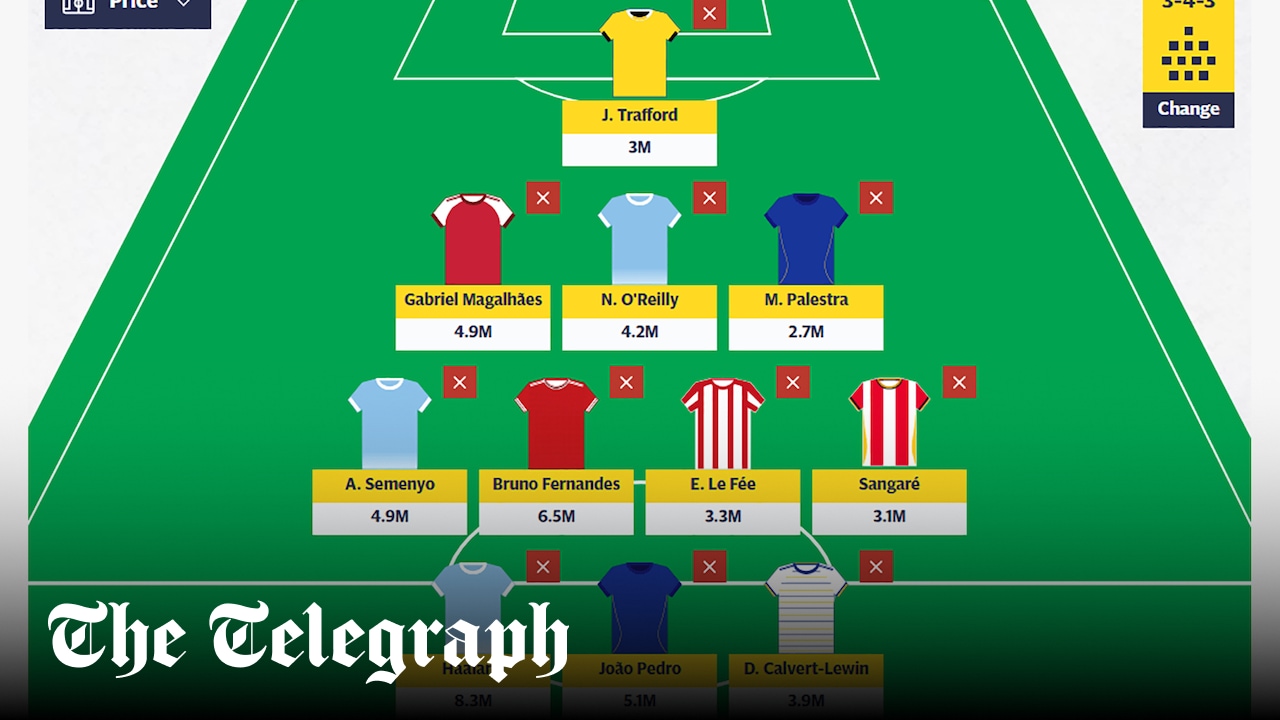
Telegraph Fantasy Football Tips: The Expert’s XI
The Telegraph Fantasy Football player list has been analysed ahead of GW1 and the season ahead and this is the best XI:
Advertisement
GK James Trafford (£3.0m)
Highlighted in the Budget Gem picks, the new Elland Road shot-stopper should prove excellent value between the sticks.
DEF Gabriel Magalhães (£4.9m)
The safest route into the champions’ backline, the Brazilian ought to guarantee defensive and attacking returns.
DEF Nico O’Reilly (£4.2m)
The reclassification from midfielder to defender opens up more routes to points for the roaming left-back.
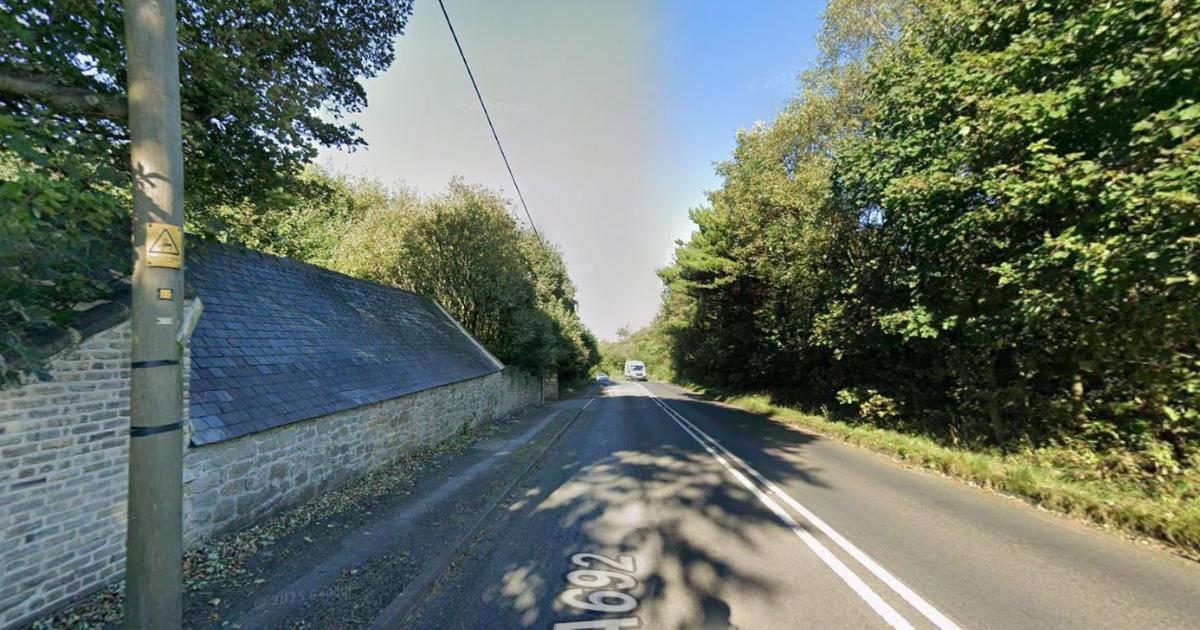
A Toyota came off the A692 in Dipton close to Pontop High Stables around 2pm damaging a lamppost and bringing down the cables.
The female driver was uninjured.
Almost 400 homes in the area were left without power, according to Northern Powergrid.
Advertisement
The road was closed while engineers assessed the situation. It has since reopened and power has been restored.
A spokesperson for Durham Police said: “At approximately 2pm, police were alerted to an incident at Dipton in which a car left the carriageway close to Pontop High Stables and collided with a wall.
“The female driver of the Toyota was uninjured, however the collision also damaged a lamppost, which brought down power cables into the carriageway.
“The road has been closed to traffic while engineers assess the situation.”
Advertisement
The Northern Echo has contacted Northern Powergrid for comment.










































You must be logged in to post a comment Login