Connect with us
DAPA Banner
DAPA Coin
DAPA
COIN PAYMENT ASSET
PRIVACY · BLOCKDAG · HOMOMORPHIC ENCRYPTION · RUST
ElGamal Encrypted MINE DAPA
🚫 GENESIS SOLD OUT
DAPAPAY COMING

NewsBeat

The Health Impact Of Sucking Your Stomach In All The Time

Published

on

The Health Impact Of Sucking Your Stomach In All The Time

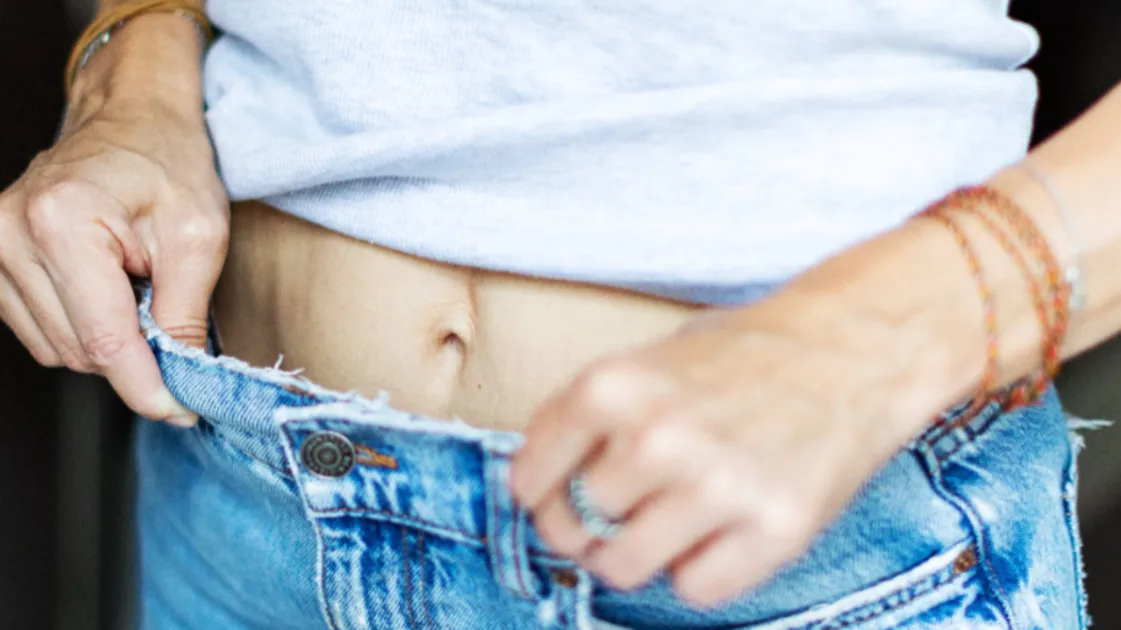
Maybe it was your mum telling you to stand up straighter. Maybe it was a fitness instructor constantly reminding you to pull your belly button toward your spine. Or maybe it was the cultural messaging that a flatter stomach is simply more attractive.

For many women, after years of being told to “suck it in” – also referred to as “stomach gripping”– it just becomes a way of life. But physical therapists say the habit can have consequences that go far beyond appearance.

Over time, what starts as a conscious effort can become automatic.

“That becomes an unconscious holding pattern,” Dr. Caroline Packard, a pelvic floor physical therapist and founder of Connect Pelvic Floor Fitness, told HuffPost.

Advertisement

“I call this ab gripping, and I see it all the time clinically in women dealing with pelvic floor symptoms, core dysfunction, back pain, hip pain and breathing restrictions.”

According to Packard, many people assume stomach gripping is simply a bad habit. But in some cases, it’s actually the body’s attempt to compensate for a deeper problem.

“What most people don’t realise is that sometimes the gripping isn’t just a habit,” she said. “It’s the body looking for stability when the deep core system isn’t providing it. When the core’s deeper muscles aren’t coordinating the way they should, the surface muscles step in because something has to.”

“The body is resourceful that way,” she continued. “But surface tension was never designed to be a full-time job.”

Advertisement

Experts say this pattern, sometimes referred to as “hourglass syndrome,” can affect everything from breathing mechanics and pelvic floor function to posture and chronic back pain.

What is ‘hourglass syndrome’?

Hourglass syndrome isn’t a formal medical diagnosis. Rather, it’s a term clinicians use to describe a common pattern of abdominal tension.

According to Packard, years of pulling the stomach inward can train the body to rely on the outer abdominal muscles for stability instead of the deeper muscles that are designed to support breathing, posture and pressure management.

Advertisement

“Hourglass syndrome is what that looks like on the outside,” Packard said. “On the inside, the surface muscles you can grip with are doing too much, and the deeper system that’s supposed to coordinate pressure has gotten quieter and quieter.”

This habit can cause issues with your breathing, pelvic floor and your back

Melissa Brandon, a pelvic floor physical therapist and founder of Homebody Wellness, told HuffPost that the pattern is surprisingly common and often goes unnoticed.

“In my clinical practice, I see underlying abdominal gripping in at least 75% of clients I work with, and it is often subconscious,” she said.

Advertisement

Brandon explains that chronic abdominal tension changes how the body manages pressure.

“Many people think ‘sucking it in’ is a harmless posture habit, but chronic abdominal gripping can fundamentally change the way we breathe, move and coordinate pressure throughout the body,” she said.

Normally, the diaphragm moves downward during inhalation as the rib cage expands and the pelvic floor lengthens in response. But when the upper abs stay tight, breathing becomes more shallow and chest-driven.

Brandon said this can increase reliance on the neck and upper chest muscles, making breathing less efficient and more effortful.

Advertisement

Packard adds that the diaphragm and pelvic floor are meant to function as a coordinated system. When one is restricted, the other is affected.

“When you grip your upper abs, you restrict the diaphragm from being able to lower and expand,” Packard said. “The pelvic floor never gets the input it needs to lengthen.”

Becoming too used to gripping your stomach over time can not only affect your muscles there but other systems in your body — including your breathing.

Dmytro Petryna via Getty Images

Becoming too used to gripping your stomach over time can not only affect your muscles there but other systems in your body — including your breathing.

Over time, this altered pressure system may contribute to urinary leakage, pelvic pressure, prolapse, painful sex and persistent lower back pain.

Packard notes that these symptoms are often misinterpreted as weakness.

Advertisement

“Here’s what surprises people: the pelvic floor in these cases usually isn’t weak in the way people imagine. It’s tight,” Packard explains. “Imagine holding your bicep contracted all day. By the time you actually went to use it, it would be tired and it wouldn’t work very well.”

You can’t simply Kegel your way out of this one

Because of this, she cautions that more Kegels are not always helpful. If the pelvic floor is already shortened and overactive, strengthening alone can reinforce the problem.

Brandon agrees that the first step is not strengthening.

Advertisement

“Stop defaulting to more Kegels,” she said. “For many women, the first step isn’t strengthening. It’s learning how to relax, lengthen and coordinate the system.”

Back pain is also a sign of hourglass syndrome. When the body’s deeper stabilising muscles aren’t coordinating properly, other muscles often compensate. The lower back, hips and rib cage may take on more work than they were designed to handle.

According to Brandon, this can contribute to chronic back pain, tension and difficulties managing pressure through the trunk.

“The diaphragm becomes less efficient, forcing our accessory neck muscles to work harder,” she explains. “Our obliques can become overactive, while our deepest core stabiliser, the transverse abdominis, takes a back seat, leading to back pain and issues with trunk pressure management.”

Advertisement

These are the signs you’ve been ‘gripping’ your stomach too much

Experts say common signs include:

  • A visible crease beneath the ribs
  • Difficulty fully relaxing the abdomen
  • Feeling uncomfortable when you let your stomach soften
  • Shallow chest breathing
  • Chronic tension in the jaw, ribs, hips or lower back
  • Trouble sensing or coordinating the pelvic floor
  • A persistent lower-belly pooch that doesn’t improve with more abdominal exercises

And this is how you actually start healing

Both Packard and Brandon emphasise that the first step is awareness of when and how abdominal gripping is happening.

  • Build awareness in real time.
    Packard said, “You can’t change a pattern you can’t feel.” Brandon similarly encourages people to regularly check in and ask, “Am I gripping my belly?” The goal is simply noticing the habit without judgment.
  • Practice relaxing the abdomen, not bracing it.
    Both experts stress that early work is about learning to soften the belly repeatedly throughout the day, rather than trying to constantly engage it.
  • Relearn breathing mechanics through 360-degree expansion.
    Packard recommends diaphragmatic or 360-degree breathing, where the focus includes the sides and back of the rib cage — not just the front — to restore more balanced diaphragm movement.
  • Pay attention to body position.
    Packard emphasises stacking the rib cage over the pelvis and pelvis over the feet to support more efficient pressure management and reduce compensatory gripping.
  • Improve rib mobility.
    Gentle side bends, rotations, and breathing into the back and sides of the rib cage can help restore movement in areas that may have become restricted over time.
  • Focus on coordination before strengthening.
    Packard notes that for many people, especially those already holding chronic tension, more Kegels are not the first step. The priority is learning how to relax, lengthen, and coordinate the system before adding strength work.
  • Undo the habit through repetition, not intensity.
    Brandon emphasises that unlearning abdominal gripping takes time and consistency, especially since it is often a subconscious pattern.

“One final reframe: the question of whether the pelvic floor is ‘tight’ or ‘weak’ is, in my view, the wrong question,” Packard said.

Instead, she said it’s important to ask these questions:

Advertisement
  • Where are you holding tension in your body?
  • Can you feel your pelvic floor lengthen, like a trampoline descending between your hips, on an inhale?
  • Can you feel it lift and squeeze on an exhale?
  • Can you do that smoothly, breath after breath, without gripping somewhere else?
  • Can you do it while you’re moving?

According to Packard, this is the real measure of pelvic floor health.

“It’s the lens ‘suck it in’ culture has taught generations of women to ignore. Healing ab gripping isn’t about letting yourself go. It’s about letting your body work the way it was designed to work.”

Source link

Advertisement
Continue Reading
Click to comment

You must be logged in to post a comment Login

Leave a Reply

NewsBeat

Utah marks a year of fighting measles

Published

on

Utah marks a year of fighting measles

Utah has spent the past year fighting measles outbreaks — a grim milestone that could affect whether the United States can keep its measles-free designation.

More than 680 people have gotten sick since the state’s first outbreak began on June 20, 2025.

Unlike measles outbreaks in Texas, South Carolina and Arizona, the spread in Utah has been tough to contain to one region — infecting undervaccinated communities in nearly every county.

Measles popped up in healthcare settings, big-box stores and restaurants, and youth sporting events. In February, an exposure at a state high school wrestling championship sparked at least 46 cases among attendees.

Advertisement

Measles is one of the most contagious diseases known to medicine. It causes a tell-tale rash, high fevers, strong cough, ear infections and diarrhea.

While most recover, some — including young babies, pregnant people and those with weak immune systems — are at higher risk of developing dangerous complications like pneumonia, brain swelling, blindness or even dying. Even healthy people can develop issues years down the road, including a rare but fatal degenerative brain disease that manifests about a decade after infection.

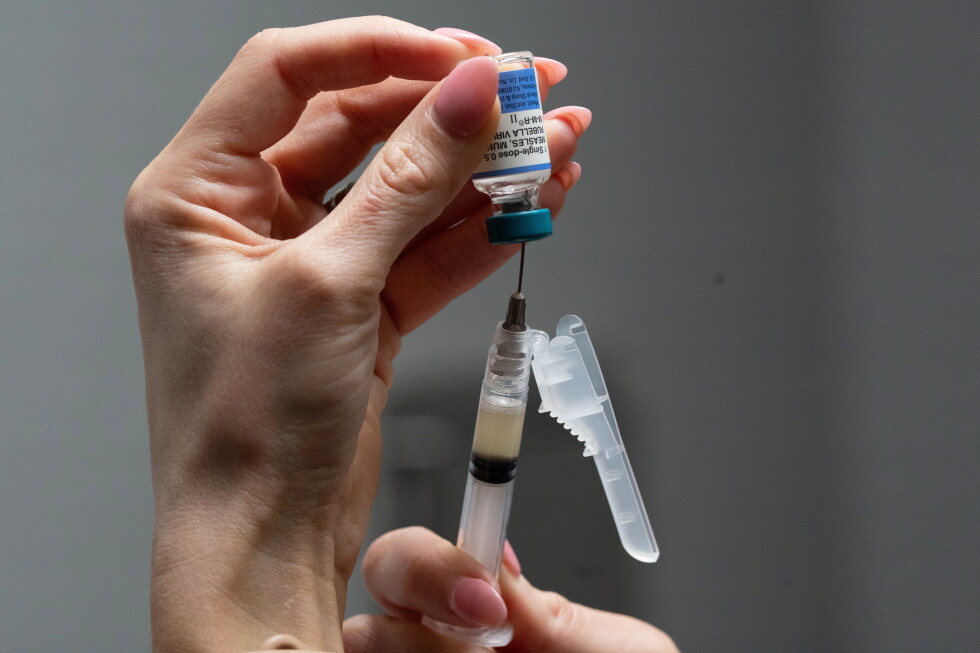
The measles vaccine is safe and 97% protective after two doses.

Though Utah’s spread has slowed in recent weeks, state epidemiologist Leisha Nolen sees little opportunity to rest. She’s worried the start of school and arrival of colder weather in the fall will cause measles to surge again.

Advertisement

“It’s still here, it’s still transmitting,” she said. “We just need those few cases to hit the wrong community and it could flare up really big again.”

Utah sees the impacts of dropping vaccination rates

The worst spread has been in the southwestern part of the state, where 265 people have fallen ill with the vaccine-preventable disease since last summer. Overall, measles infections hit 22 of the state’s 29 counties.

In the state’s rural northeast, the conditions were also ripe for measles to spread. Daggett, Duchesne and Uintah counties — collectively dubbed the “tricounty” health region — has seen the second-largest decline in childhood vaccination rates in the state.

More than 16% of the region’s kindergarteners were missing their measles vaccines in the last school year, according to state data. Statewide, 12.8% were missing their vaccine, putting the state far short of the 95% vaccination rate needed to prevent measles outbreaks.

Advertisement

The TriCounty Health Department logged 74 cases of measles this spring, after people who got sick at the youth wrestling tournament spread the virus in school and later within their households.

The frontier region had seen a rise in vaccine hesitancy for some time, said Sydnee Lyons, the health department’s public information officer.

Despite the large number of cases, local and state health officials consider TriCounty’s measles response a success.

Health officials focused efforts on mitigating the inevitable spread. Unvaccinated students were excluded from in-person school and people who were sick were told to isolate themselves. And their appeal to care for one’s neighbors led to more people coming in to get vaccinated, officials said.

Advertisement

TriCounty’s infectious disease specialist Cyndie Mattinson recalled a parent who told a school nurse she didn’t want to talk to the health department because “she was worried that we would be angry with her and be judgmental because her children were unvaccinated.”

The nurse vouched for the health department staff, and told the mom to let her know if she felt judged. Mattinson ultimately had a great conversation with the mother.

“The perceptions were changed that we weren’t out there to police, we were there to be a help and a resource to the community,” Mattinson said.

Health experts will meet to decide on US measles status

Utah’s lengthy battle with measles will likely affect whether the U.S. can keep its measles-free designation. Public health officials consider measles to be eliminated from a country when it shows it stopped continuous spread within local communities for at least a year.

Advertisement

The national measles case count was 2,104 as of June 18, nearly surpassing last year’s record total.

Utah has fought measles for a year, but it’s not clear if the earliest clusters are connected with the major outbreak on the Utah-Arizona state line, which was detected in August, Nolen said.

But since then, most of the state’s measles cases have come from within Utah, not from other parts of the country.

International health experts will gather in November to determine if the U.S. and Mexico have lost their measles elimination status. Canada lost its status last year after ongoing outbreaks.

Advertisement

In Utah, doctors continue to reassure scared patients and lobby for better public health policy.

Dr. Ellie Brownstein, president-elect of the state chapter of the American Academy of Pediatrics and a pediatrician in Salt Lake City, spent the height of the outbreak opposing a bill that would have made school vaccine waivers easier to get. It failed, but she says there hasn’t been a clear cultural reckoning over measles’ resurgence.

“I don’t know that we get it to end,” Brownstein said. “I don’t know that we’re going to get this genie back in the box because there’s enough people out there to spread it.”

___

Advertisement

The Associated Press Health and Science Department receives support from the Howard Hughes Medical Institute’s Department of Science Education and the Robert Wood Johnson Foundation. The AP is solely responsible for all content.

Source link

Advertisement
Continue Reading

NewsBeat

Cheese recalled from UK shelves over serious health risk

Published

on

Cheese recalled from UK shelves over serious health risk

The affected product is Dunnes Stores Velvety & Mild French Brie, sold by Traditional Cheese Company.

The FSA (Food Standards Agency) said: “The presence of Listeria monocytogenes in the products listed above.

“Symptoms caused by Listeria monocytogenes can be similar to flu and include high temperature, muscle ache or pain, chills, feeling or being sick and diarrhoea.

Advertisement

“However, in rare cases, the infection can be more severe, causing serious complications, such as meningitis.

“Some people are more vulnerable to listeria infections, including those over 65 years of age, pregnant women and their unborn babies, babies less than one month old and people with weakened immune systems.”

Advertisement

The company stated: “Traditional Cheese Company is recalling the above products. Point of sale notices will be displayed in all retail stores that are selling the products.

“These notices explain to customers why the products are being recalled and tell them what to do if they have bought the products.”

If you have bought any of the above products, do not eat them. Instead, return them to where you bought them from for a full refund.

What are product recalls and withdrawals?

If there is a problem with a food product that means it should not be sold, then it might be ‘withdrawn’ (taken off the shelves) or ‘recalled’ (when customers are asked to return the product).

Advertisement

The FSA issues Product Recall Information Notices to let consumers and local authorities know about problems associated with food. In some cases, a ‘Food Alert for Action’ is issued.

This provides local authorities with details of specific action to be taken on behalf of consumers.

What’s your favourite type of cheese? Let us know in the comments

Advertisement

Source link

Continue Reading

NewsBeat

Ex-Sunderland boss Bob Murray backs Scarborough respite home

Published

on

Ex-Sunderland boss Bob Murray backs Scarborough respite home

Sir Bob Murray, the former Sunderland chairman, has supported the Bradley Lowery Foundation in building the purpose-built respite home in Scarborough, called Super Brad’s Pad.

The chairman of Omega Kitchens has donated a kitchen for the property, which is being built by the charity set up in memory of six-year-old Sunderland fan Bradley Lowery who died from a rare form of childhood cancer in 2017.

Bradley Lowery who died from a rare form of childhood cancer in 2017 aged six (Image: Bradley Lowery Foundation)

Bradley’s mother, Gemma Lowery, leads the foundation and has spent years raising almost £1 million to bring the project to life.

The facility is due to open this summer and is designed to provide families with a peaceful and private place to spend time together away from hospitals and treatment environments.

Advertisement

Sir Bob has called on businesses and the wider football community to help complete the final stages of the home.

Sir Bob Murray (Image: Foundation of Light)

“Gemma and the foundation have created something genuinely special that will help families at the moments they need it most,” he said.

“The finish line is now in sight and I hope people across football and the business community will help them complete it.

“Donating the kitchen was simply our family’s way of helping in a small way, but there are still opportunities for others to support the project and make a real difference.”

Advertisement

One of the Omega kitchens that has been donated to Super Brad’s Pad in Scarborough (Image: Bradley Lowery Foundation)

Ms Lowery said the facility will “help lots of families for many years to come and keep Bradley’s memory alive in the most positive way possible”.

“We wanted to create something that would help families make happy memories together during some of the hardest times in their lives because we know exactly what that feels like,” she said.


Read next:


“Nothing like this existed for Bradley and we know how much families need somewhere private, peaceful and safe where they can spend proper time together away from hospital wards.

Advertisement

“We wanted the home to feel bright and open because not every child is well enough to go outside.

“We thought carefully about every part of it and what families really need.

How Super Brad’s Pad in Scarborough could look (Image: Bradley Lowery Foundation)

“We hope this place helps other families create memories like that together.

“More than anything, we hope lots of the children who stay here go on to recover and look back on happy memories made with their families at Super Brad’s Pad.”

Advertisement

The foundation is seeking support to complete the final interior and outdoor spaces within the home, including commercial-grade furniture for bedrooms, family living spaces and outdoor areas.  For more information or to support the project, visit the Bradley Lowery Foundation website: https://bradleyloweryfoundation.com/holiday-home/

Source link

Advertisement
Continue Reading

NewsBeat

Dawson’s Creek star shares heartbreaking Father’s Day tribute to late James Van Der Beek

Published

on

Daily Mirror

Mary-Margaret Humes played James Van Der Beek’s on-screen mother, Gail Leery, on iconic ’90s TV drama Dawson’s Creek and is still heatrbroken over his death five months ago

Dawson’s Creek star Mary-Margaret Humes has paid tribute to James Van Der Beek ahead of Father’s Day following his tragic death. Fans of the iconic TV drama will recall that Mary-Margaret, 72, played Gail Leery – the on-screen mother of James’s character, Dawson, on the smash hit show from 1998 to 2003.

Advertisement

In November 2024, James revealed that he had been diagnosed with stage III colorectal cancer 14 months prior – and tragically he died in February this year at the age of 48. He left behind wife of sixteen years, Kimberly, and their six children.

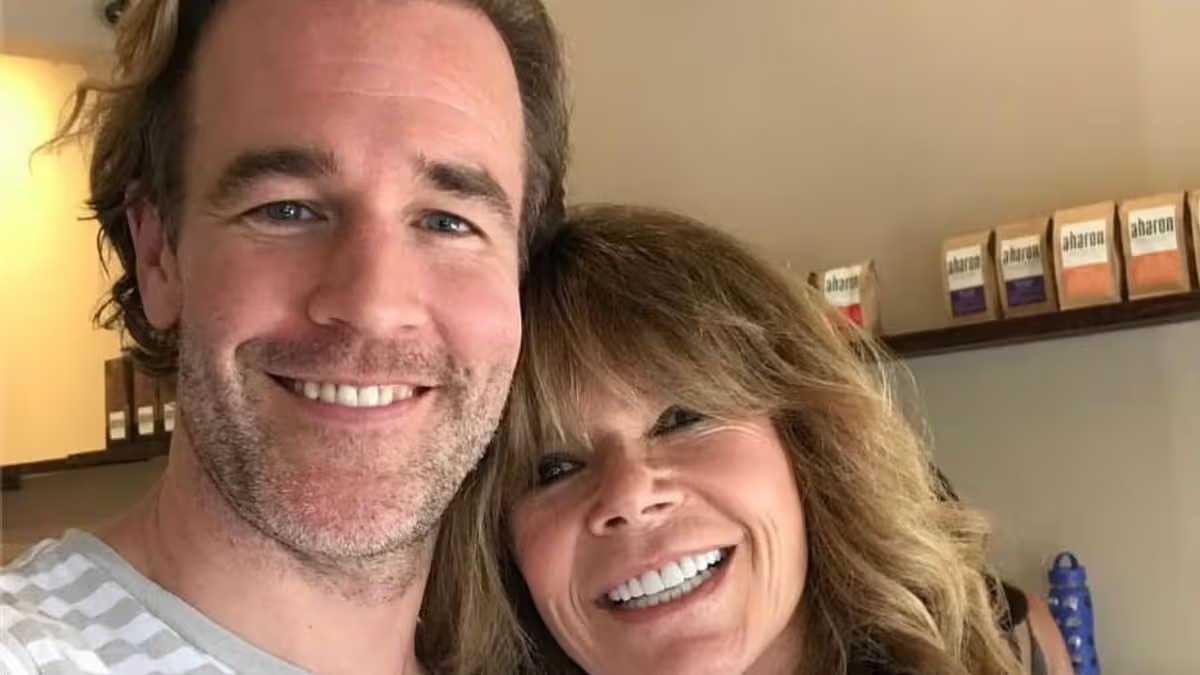
This Sunday will mark the first Father’s Day James’s family will experience since his tragic death. Taking to social media on Saturday, Mary-Margaret shared an image of herself with James and her on-screen husband John Wesley Shipp, who played Mitchell ‘Mitch’ Leery on the show.

Referencing her on-screen son’s death, the American actress urged followers to embrace those closest to them as she contemplated the fragility of life. She wrote: “Wishing all of the amazing dads throughout this vast universe a Happy Father’s Day weekend.”

She continued: “My advice? Give big meaningful hugs and tell them you love them … a shout-out to simpler times with @vanderjames @johnwesleyshippjr.”

Fans of Dawson’s Creek were heartbroken five months ago when it was announced that James had died following his cancer diagnosis. His family announced the news in a social media post, writing at the time: “Our beloved James David Van Der Beek passed peacefully this morning.”

The statement continued: “He met his final days with courage, faith, and grace. There is much to share regarding his wishes, love for humanity and the sacredness of time. Those days will come. For now we ask for peaceful privacy as we grieve our loving husband, father, son, brother, and friend.”

Mary-Margaret was among those to take to social media to pay tribute to the actor. She wrote at the time: “Rarely am I at a loss for words … today would be the exception. James, my gracious warrior, you fought a hard battle against all odds with such quiet strength and dignity.”

She continued: “I will always love and admire you for that. Our last conversations, merely a few days ago, are forever sitting softly in my heart for safe keeping.”

Advertisement

And she added: “To our extended Dawson’s Creek family of friends … please be respectful of our silences at the moment as Beautiful Kimberly and family have asked for peaceful privacy for now.”

James is survived by his wife, Kimberly, 44, and their children Olivia, 15, Joshua, 14, Annabel, 12, Emilia, 10, Gwendolyn, eight, and Jeremiah, four.

Last month, Kimberly took to social media to express her continued heartbreak over her husband’s death. She wrote on Instagram: “Yesterday was three months since we lost @vanderjames. To say I’m heartbroken is a severe understatement.

“Words just don’t capture what grief is. The comforts of shock have worn off. The reality is settling in … and I miss him. We all miss him. Yet, there is a different kind of magic in the air. I feel him. I know him more deeply.”

Advertisement

Thanking fans for their support, the mum-of-six added: “The outpouring of support has been tremendous. It’s held our family in the most beautiful of ways.

“You all went absolutely above and beyond anything I could have ever expected in supporting us and honoring James. I am deeply grateful.”

Like this story? For more of the latest showbiz news and gossip, follow Mirror Celebs on TikTok , Snapchat , Instagram , Twitter , Facebook , YouTube and Threads .

Advertisement

Source link

Continue Reading

NewsBeat

I banned social media from my life – here’s what I learned

Published

on

I banned social media from my life - here’s what I learned

The ban will see children no longer able to access apps like Instagram, X, Snapchat, TikTok, and Facebook.

Reaction to the ban has been mixed, as some fear it will make children feel lonely, while others think it’s the necessary thing to do.

But it does make you think that we’ve all become too reliant on social media.

If you were to tell someone in the 1970s that 50 years later, the world would revolve around social media, they would ask you what it was and to not be ridiculous.

Advertisement

The ban is likely to come into force by spring 2027. (Image: Getty Images)

But here in the 21st century, we have all become addicted to the endless offerings of the great media world.

It’s fair to assume that, as a society, we’ve become more reliant on social media than we could have ever imagined.

15 years ago, we were limited to chat rooms and Facebook pokes.

Now, with Instagram, X, TikTok, Snapchat and endless other platforms, the world has shifted.

Advertisement

In one click, we can find out where someone went for dinner yesterday, what they did at work a month ago, and who they were dating five years ago.

But the best part of all is that you can share your opinions, no matter how unwanted they are.

The hidden downsides of social media use

You might think that the first social media platforms were Six Degrees or Friendster, but it’s been suggested that it all began with Morse code.

Although social media began as a way for us to connect, the modern-day version is a much bigger and scarier place.

Advertisement

Now, we’re able to waste the day spending 18 hours watching TikTok and doomscrolling on X and Instagram (and I’m talking from personal experience).

Leading mental health charity Mind explains that the online world can be a double-edged sword.

Social media offers us the chance to express ourselves and connect with others, but it can also lead to comparing ourselves or feeling anxious and even lonely.

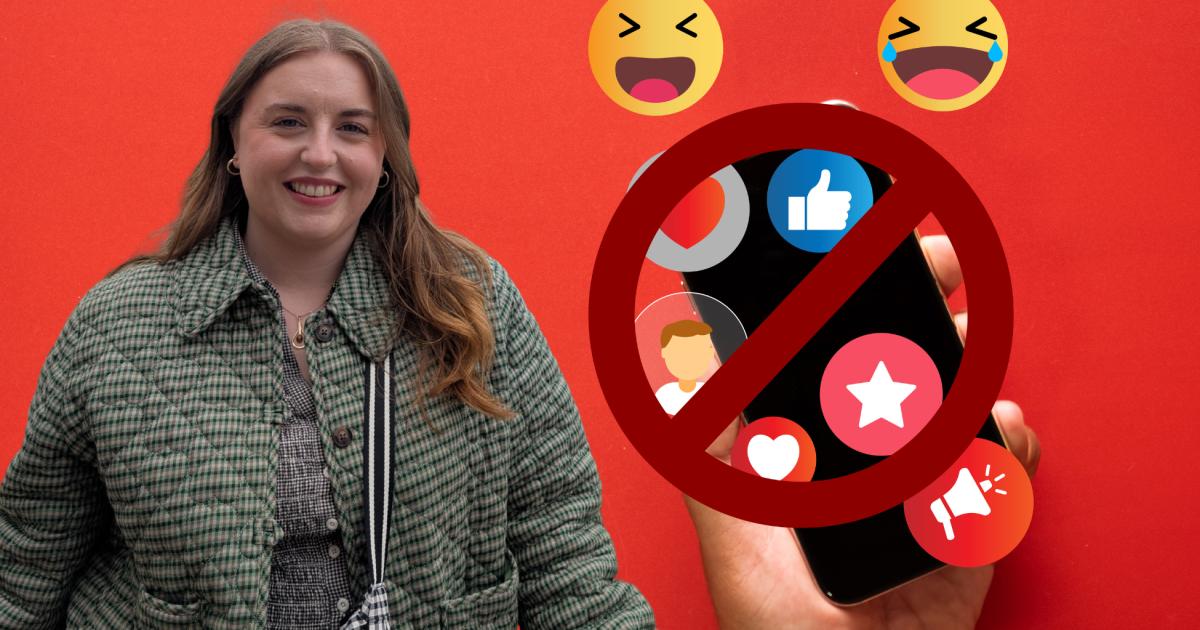
Recently, Sir Keir announced that all under-16s would be banned from social media, following in the steps of Australia’s world-first ruling.

Advertisement

The ban, likely to come in from Spring 2027, will mean children will no longer be able to access Instagram, X, Facebook, Snapchat and TikTok.

While media apps can be harmful, some suggest that they have a wider benefit in helping people not feel alone.

Riky Hanaumi, Clinical Director at Quadrant Health Group, who has more than 10 years of leadership experience in clinical behavioural health, shares that she has found that many people she’s worked with have found support through social media.

“Many clients I’ve worked with have reported experiencing significant relief once they realised they were not alone in struggling with feelings related to grief, chronic illness, neurodiversity, trauma or parenting stress.

Advertisement

“The realisation that they weren’t the only person feeling this way was enough to eliminate a great deal of shame they had experienced previously.”

How much time are we really spending on social media?

I grew up at the weird crossover between never having social media as a child, to getting an Instagram and Snapchat account at the ripe age of 14.

From the moment I signed up for those apps, I would never have imagined the grip the online world has on me today.

Now I find myself opening TikTok, X, and Instagram when I’m bored, want a distraction or simply because it’s become a habit.

Advertisement

It makes me ask the question of whether I’m wasting my time on social media when I could be out doing other things, in the real world, not just through my phone.

So then why can’t I just delete all the apps and never look at the online world again?

Well, as it turns out, breaking the habit of social media is a lot harder than we are led to believe.

Leading professionals suggest that the constant use of online platforms leads to addiction and has an impact on mental health.

Advertisement

Professor Marcantonio Spada, Chief Clinical Officer at Onebright, one of the world’s leading psychologists on technology addiction, suggests regular use of social media can heavily impact a person’s mental health.

I spent most of my teenage years obsessed with Snapchat. (Image: Newsquest/ Emilia Kettle)

“There are multiple psychological risks associated with regular social media use,” Professor Spada explains

“A prominent risk is mental ill health, for example, anxiety and depression.”

He adds that social media use can create “addiction-like symptoms” with frequent use linking to changes in parts of the brain responsible for emotional learning and behaviour.”

Advertisement

My 18-hour screen time wake-up call

Although I don’t see any of those behavioural changes in myself, I will admit that I have a slight fear that my constant habit of opening apps is less a habit and more an addiction.

The potential idea that I’ve pavloved myself to the point where my social media use could be affecting me in ways I might not know is a very scary thought.

In fear that I might be using the apps a bit too much, I looked at my weekly usage of all the social media apps I regularly use.

In one singular week, I used Facebook for 24 minutes, Instagram for one hour and two minutes, X for five hours and 33 minutes and TikTok for 12 hours and 10 minutes.

Advertisement

To say I’m ashamed is an understatement, knowing that I’ve wasted more than 18 hours in one week on social media, it made me feel sick.

I knew something had to change; I couldn’t let apps have such a big grip on my life anymore.

So, like any sane person, I decided that the only way I could find out if my fears were valid was to quit social media.

Advertisement

For one week, I would avoid TikTok, Instagram, X, and Facebook, all in the name of my sanity.

But the question is, can I survive a week without using social media?

I quit social media for a week – but could I actually do it?

Day One

On May 18th, at the bright and early time of 5am, the sweet tunes of Michael Giacchino’s Life’s Incredible Again woke me from my slumber, and for the first time in a long time, my immediate action was not to open X.

No, instead, I got out of bed with very sleepy eyes and began my morning routine with the one difference of not looking down at my phone.

Advertisement

The night before, I thought there was no way I was going to wake up and not go for my apps, but in a big shock to myself, I didn’t.

I hadn’t even deleted the apps from my phone, no, I just turned my alarm off and started my day.

I had no worries I would be missing out on overnight events, what my mates had been posting on Instagram or edits I wasn’t seeing on TikTok.

I just felt relaxed and ready to start my social media-free week with no concerns that it would be a problem.

Advertisement

Day Two

Day two was a similar mood, I felt more focused, productive and motivated to see if I could complete the week.

Instead of constantly opening apps, I was reading more, I was going out for walks and watching programmes I’d had on my watchlist for ages and never got round to.

Although a creeping feeling of missing out slowly began to crawl its way into my brain, becoming an itch I would later find would be too easy a temptation to scratch.

Day Three

By Wednesday, the itch grew, and I began to miss social media and the fear that I was missing out on what was happening in my bubble in the online world grew.

Advertisement

I even started to miss doomscrolling on TikTok.

But the important thing is I still hadn’t used social media.

Instead, I just dived into my books, walks, and a new TV show that had taken over the world (and my life).

Day Four

However, on day four, things took a turn.

Advertisement

Experts suggest that constant use of social media could affect your personality. (Image: Getty Images)

It had reached the point when friends had begun screen-recording TikTok edits they thought I would enjoy and texted them to me.

It was at this point that I realised that I was going to really struggle over the next few days, and my optimistic Monday self might be in over her head.

Nevertheless, I continued, and I did not open social media.

I kept it hidden and locked away as friends continued to tempt me with their screen-recorded edits and chatted about viral trends I was clueless about.

Advertisement

Day Five

But then day five arrived, I didn’t have work to distract me, and I may have given in for five minutes.

One quick, accidental opening of X left me scrolling for five minutes when I realised my mistake, and the moment I did, I was mortified.

I couldn’t believe that I’d broken the ban that quickly and easily.

I’d done so well until I hadn’t.

Advertisement

I immediately threw my phone across the room and looked at it in horror, as the realisation hit that I can’t live without social media.

Sure, I can go a few days without it, and I can use it less, but I still want it, and I enjoy it.

What quitting social media taught me

Social media allows me to switch off in a way that books and walks do; it lets me see others’ reactions to movies and TV shows I’ve watched, and I like that.

I love that I get to see what my friends and family are up to despite living hundreds of miles away from them.

To know that my friends enjoyed a night at the pub on Instagram or that my Mum liked a cute picture of an AI cat on Facebook.

Advertisement

It’s the little things away from the celebrity edits and stupid tweets that make me enjoy social media.

So, the short answer to whether we can live without social media, in my case, is a big fat no.

However, if there’s one thing this week has taught me, it’s that I should, and I need to, take regular breaks.


Recommended Reading

Advertisement

Almost like a holiday where for a few days I just ignore the online world, focus on what’s in front of me and enjoy it.

While the PM’s recent social media ban might sound scary, I think it will have positive effects.

Over time, as children and parents get used to the change, we might see a world where we’re all less reliant on social media and create a better relationship with it.

As for myself, I’m going to practice a social media-free lifestyle a bit more, and maybe one day, I’ll realise that it’s not impossible to live without.

Advertisement

Right now, I’m still going to enjoy late-night doomscrolling and sending memes to my friends.

But maybe I’ll fit in more time for walks and reading, maybe.

Could you live without social media? Let us know your thoughts in the comments.

Advertisement

Source link

Continue Reading

NewsBeat

Ben Stokes: Josh Tongue admits England have missed absent captain in second New Zealand Test

Published

on

England captain Ben Stokes batting for Durham

Stokes’ absence as a leader and all-rounder have been noticeable as England head for their third successive defeat in Tests at The Oval.

Chasing a fanciful and world record target of 463, the home side closed Saturday on 182-5 and probably would have been beaten inside four days had it not been for stand-in captain Joe Root’s unbeaten 75.

Without Stokes to balance the team, England have been forced to pick Jordan Cox as a specialist batter at number seven and omitted spinner Shoaib Bashir.

After Ollie Robinson missed the match with an injury and Jamie Smith also sat out on paternity leave, Root was left to lead an England team including three debutants and its fewest combined caps in 17 years.

Advertisement

“Yeah, we’ve missed him,” said Tongue of Stokes. “Obviously we’ve got a lot of leaders in our team as well.

“Rooty stepping in as captain is an unbelievable player and an unbelievable leader as well. It’s been good.”

Stokes and Atkinson broke England’s midnight curfew celebrating the win over New Zealand in the first Test at Lord’s.

The pair were present when a member of security staff was struck by a Saracens rugby player.

Advertisement

Both Stokes and Atkinson have been spoken to as part of the investigations and could be available for the third Test at Trent Bridge, starting on Thursday, with Stokes in line to return as captain.

Source link

Continue Reading

NewsBeat

MP Yasmin Qureshi calls for Sir Keir Starmer’s resignation

Published

on

MP Yasmin Qureshi calls for Sir Keir Starmer's resignation

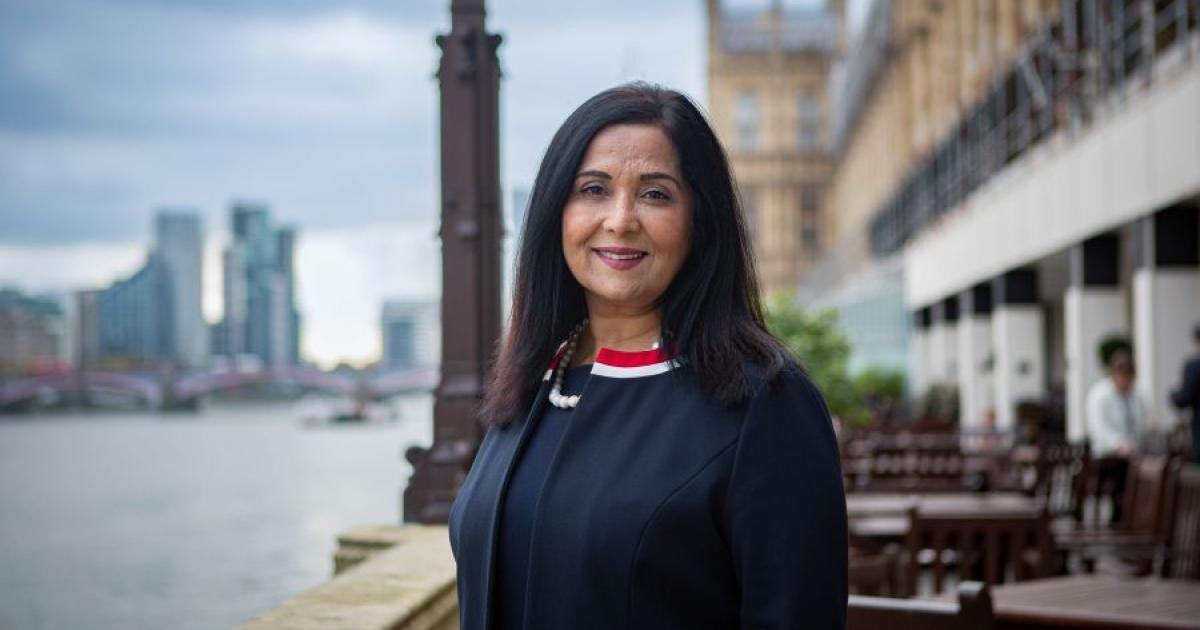
Ms Qureshi – Labour MP for Bolton South and Walkden – put out a post on social media calling for a ‘clear timetable’ for Starmer’s resignation.

This post follows hot on the heels of Andy Burnham’s convincing victory in the Makerfield by-election, where the former GM Mayor beat Reform’s Robert Kenyon by nearly 10,000 votes.

Ms Qureshi said: “In May, the election results across the country, and particularly in constituencies such as Bolton South and Walkden, delivered a clear message to the Labour Party.

“Too many people who voted for change in 2024 do not yet feel that change in their daily lives.

Advertisement

Yasmin Qureshi with Andy Burnham (Image: Martini)

“There has been real progress since 2024, but voters are telling us they want change delivered more quickly and more visibly.

“The result in Makerfield showed there remains a strong appetite for Labour politics that is ambitious, hopeful, and focused on working people’s priorities.

“Andy Burnham offered a clear vision to unite the country, rebuild trust in public services, and put people first.

“His victory was not simply a local result. It showed that Labour can win decisively when it speaks directly to the concerns of the communities we were founded to represent.

Advertisement

“The Prime Minister should now set out a clear timetable for his departure and allow the Labour Party to renew itself on delivering the change the country needs.”

Neither Kirith Entwistle nor Phil Brickell – Bolton’s other two MPs – have made similar comments, though both have made posts congratulating Burnham on winning the election.

Source link

Advertisement
Continue Reading

NewsBeat

‘Like father, like son’: The special role family plays in shaping career choices

Published

on

Belfast Live

“You do reach a point where your relationship changes and you go from being a parent to being really good buddies.”

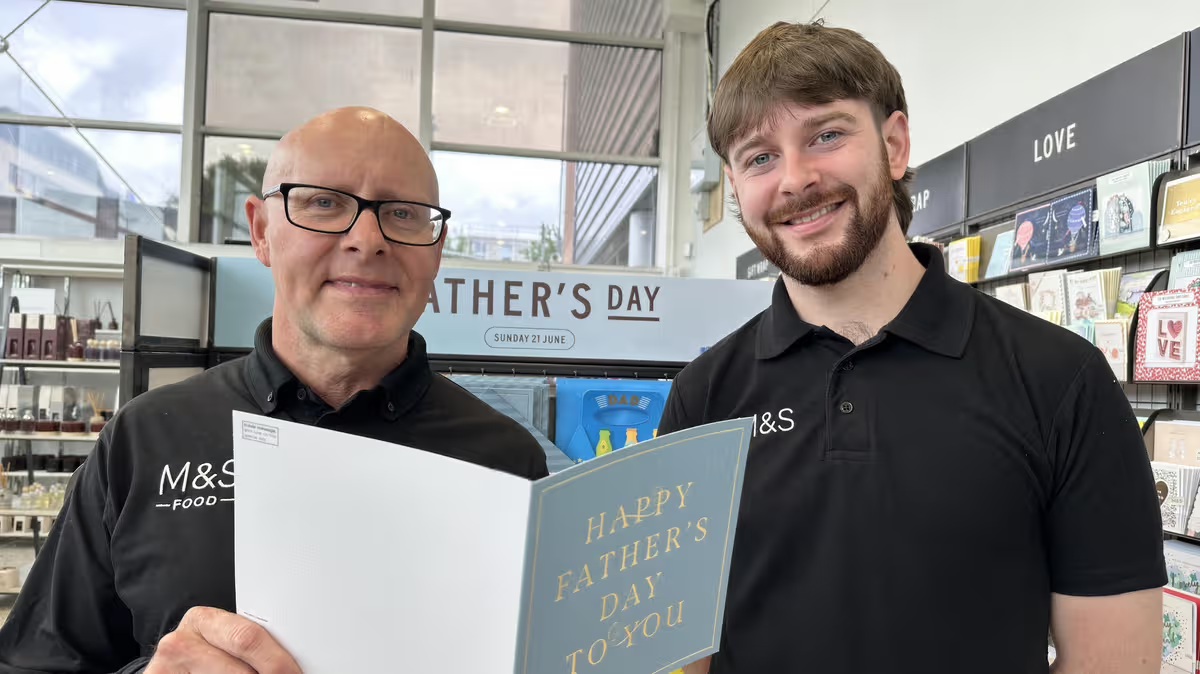
This Father’s Day we’re celebrating the special bond between fathers and sons through the story of Brian and Rhys Worthington – a father-son duo working side by side at M&S Newtownbreda. Their story also highlights the influence fathers can have on the choices their sons make.

Advertisement

At 61, Brian’s journey to M&S is a little different from most. With a varied career spanning painting and decorating, as well as insurance, he made the move into retail later in life in 2018.

While the transition marked a significant change, Brian quickly found his feet and discovered a genuine enjoyment for the pace and people-focused nature of store life.

Inspired by his dad’s move to M&S – and to the store at Lesley Forestside Shopping Centre specifically – Rhys, 23, joined the business in 2020 while studying at university.

Brian works in the foodhall, while Rhys works in the café. Whenever schedules allow, the pair make the most of the opportunity to travel to work together, catching up along the way.

Advertisement

Recently, Brian has also taken on additional shifts in the store café, giving him even more opportunities to work alongside his son and share in the day-to-day rhythm of store life.

Their shared interests extend beyond work too. Following in his dad’s footsteps once again, Rhys has recently taken up outdoor bowls – a hobby Brian has long enjoyed with friends.

Reflecting on their experience, Brian said: “I’ve had a few different careers over the years, but working at M&S has been a really enjoyable change. It’s a completely different environment to what I was used to, but I’ve really taken to it.

Advertisement

“Seeing Rhys enjoy it too, and occasionally bumping into him in store, is really special. You do reach a point where your relationship changes and you go from being a parent to being really good buddies.”

Rhys added: “My dad has definitely had a big influence on the choices I have made, including coming to work at M&S. It’s been great having that shared experience, both in work and outside it with things like bowls and football.”

Ryan Lemon, Regional Manager of M&S Northern Ireland, added: “Stories like Brian and Rhys’ highlight the role family can play in shaping career choices. We see it time and again across our stores, and we’re proud that colleagues recommend and inspire those closest to them to join M&S.

“It’s a strong example of the connections that make our teams what they are, and we’re proud to celebrate them this Father’s Day.”

Advertisement

For all the latest news, visit the Belfast Live homepage here and sign up to our daily newsletter here.

Source link

Continue Reading

NewsBeat

Holiday nightmare as Brit seriously injured in quad bike accident within 24 hours in Zante

Published

on

Daily Record

Lewis Quinn was involved in a quad bike accident less than 24 hours after arriving in Kalamaki on June 6 – and dad John says he’s been in hospital ever since

A dad who went on holiday with his son has spoken out about the nightmare which unfolded within the first 24 hours of the trip – and is still going on.

John Quinn went to Kalamaki on Zante on Saturday, June 6, for a week’s break with his son Lewis Quinn and family friend Shaun Clark. But within 24 hours of arrival, Lewis was seriously injured in a quad bike accident and has been hospitalised ever since.

Advertisement

John, from Fenham in Newcastle, explained to ChronicleLive that they had hired quad bikes with plans to tour the local area.

He said: “The following morning, we were notified by the guy who rented us the quads that there had been an accident. The police officer who dealt with it said that Lewis was in a serious condition.”

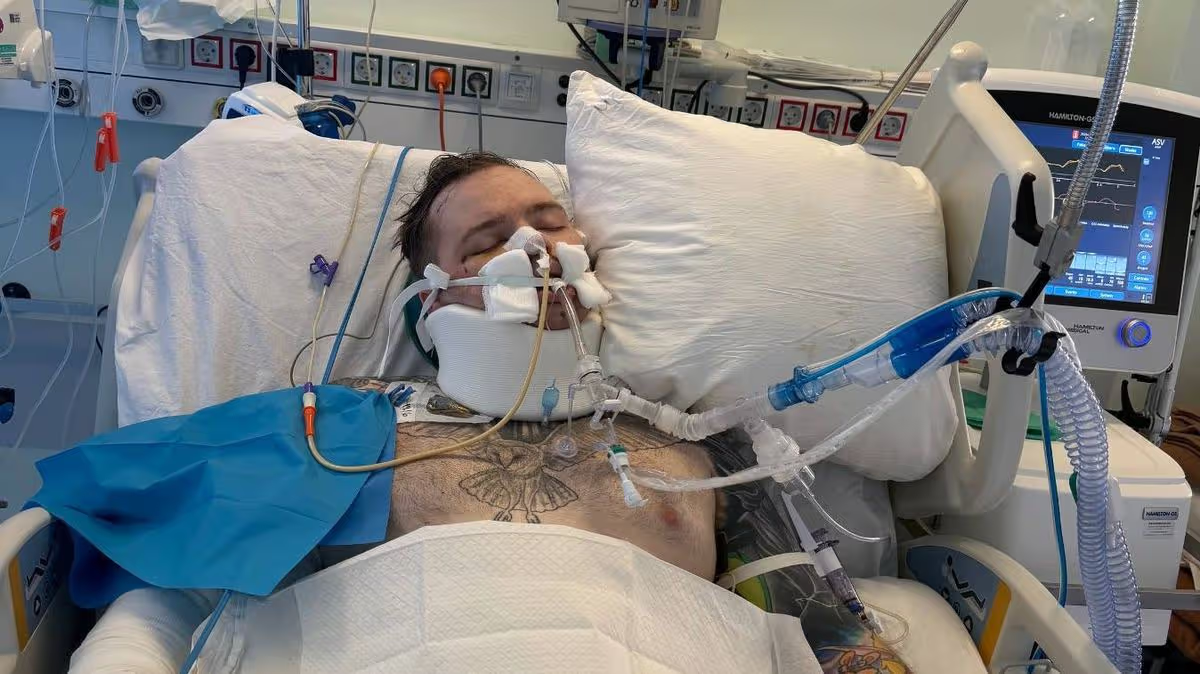
The 27 year old sustained a fractured arm and a jaw fractured in two places during the collision. He was rushed to hospital where medics put him on a ventilator.

His condition worsened when internal bleeding in his lungs triggered an infection that progressed to pneumonia. Following nearly a fortnight in hospital, Lewis is now awake and improving, though doctors haven’t confirmed when he’ll be well enough to leave hospital and return to the UK, reports Chronicle Live.

Advertisement

John, who works as a tattoo artist, described the ordeal as “very, very difficult”.

He told ChronicleLive: “I’ve have never experienced stress like this in my life. He’s been under sedation and they’re trying to bring him out of that to remove the tube, but he’s getting agitated.”

Lewis, who currently resides in Bedford with his partner, had failed to arrange travel insurance prior to the journey. His mate Shaun has launched a GoFundMe appeal to support his continuing treatment, which has accumulated nearly £7,000 thus far.

Advertisement

John explained: “It (the GoFundMe) was originally for Lewis’s repatriation, but his partner has flown out and it’s also to help cover her accommodation and travel expenses. I have even considered cashing in my pension but it was going to take three weeks.

“This is all about his immediate care, not long term care. I just want him to be okay.”

The 60 year old admits he’s desperate to accompany Lewis on the flight back to Britain, though he’s currently unable to predict when that might happen. Meanwhile, he’s ensuring he remains near the hospital where Lewis is receiving treatment, despite facing considerable difficulties.

He concluded: “I would like to fly home with Lewis. We’re between apartments as we’ve not have a tenancy for more than two nights, high season is approaching and I’m worried I won’t have a bed; it’s all very, very stressful.”

Advertisement

Ensure our latest stories always appear at the top of your Google Search by making us a Preferred Source. Click here to activate or add us as your Preferred Source in your Google search settings.

Source link

Continue Reading

NewsBeat

Zelenskyy loses Poland’s highest honor in a row among allies

Published

on

Zelenskyy loses Poland's highest honor in a row among allies

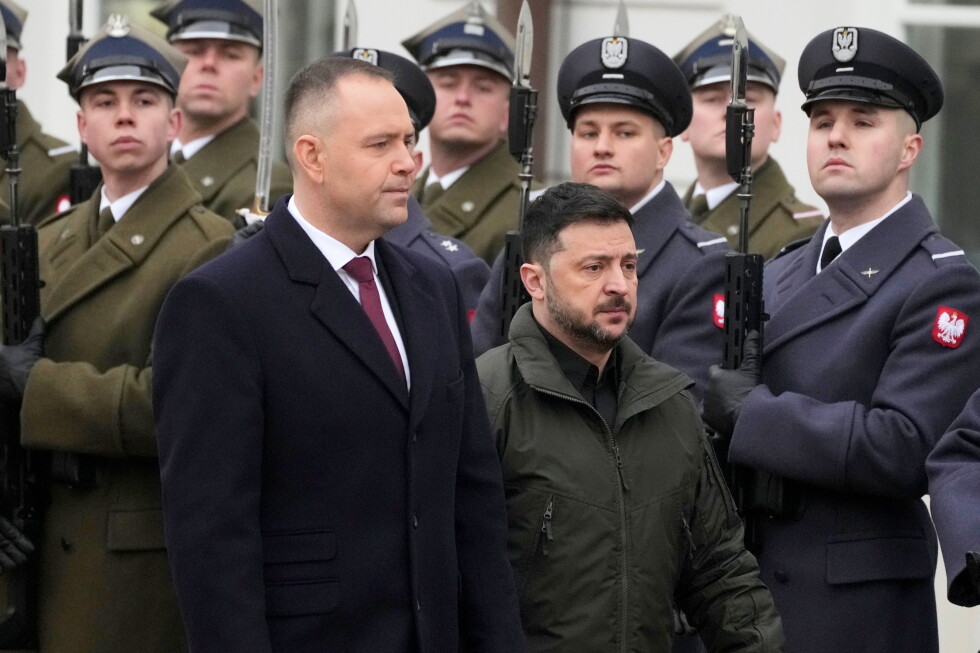
WARSAW, Poland (AP) — Ukrainian leader Volodymyr Zelenskyy has returned Poland’s highest state honor, after the Polish president stripped him of the award as a politically charged dispute over World War II history resurfaced.

Ukrainians believed the order “was meant for the Ukrainian People and our army,” Zelenskyy wrote in a social media post explaining the gesture. “Today, I sent the Order back to the President of Poland. I believe the future will confirm the respect Ukrainians deserve.”

The message published on X is accompanied by photos of the Polish order and a postal receipt that it was about to be mailed to the Polish presidential office.

President Karol Nawrocki decided to strip Zelenskyy of the Order of the White Eagle over the Ukrainian leader’s decision to name a military unit after a Ukrainian paramilitary organization accused of massacring Poles during WWII.

Advertisement

Former Polish President Andrzej Duda bestowed the award on Zelenskyy in 2023 for services to security, resilience and the defense of human rights.

Zelenskyy issued a decree on May 26 naming a unit of Ukraine’s Special Operations Forces after the Ukrainian Insurgent Army, or UPA, which operated during the 1940s and 1950s and has been accused in Poland of mass killings.

“For the majority of Polish society, the Ukrainian Insurgent Army remains above all a formation responsible for cruel crimes against the citizens of the Polish Republic during World War II,” Nawrocki said in a 13-minute address on social media.

Zelenskyy’s move reopened old wounds in Poland

The Ukrainian decree was met with widespread criticism in Poland, which has hosted millions of Ukrainian refugees and is a key supporter of Kyiv as it battled Russia’s four-year invasion. However, Nawrocki is a nationalist politician who has exploited anti-Ukrainian sentiment for electoral gain. Ukrainians in Poland have been facing increasing prejudice despite their contribution to the economy.

Advertisement

The decision to revoke the honor did not mean Poland’s support for Ukraine in its defense against Russia would decrease, Nawrocki said.

Ukraine is grateful to Poland for its support, and would stay open to resolve historical differences with Poland, Zelenskyy wrote Saturday in his post. “I am proud of our people and of EVERY Ukrainian warrior.”

Ukrainian Presidential Office chief Kyrylo Budanov wrote on Telegram that Nawrocki’s decision was “an unfriendly act toward our people” and “a gift to the Moscow aggressor, which will certainly use it against both of our countries.”

Four Ukrainian officials including Budanov said they would return state honors that Poland had issued them.

Advertisement

Some in Ukraine criticized the decision to return the Polish honors.

Arseniy Yatsenyuk, Ukraine’s former prime minister, wrote on X that one “harmful and incorrect decision by the current president of Poland cannot be corrected by other incorrect decisions of ours.”

Advertisement

Calls to resolve differences

Poland is scheduled to host a major event on Ukraine’s postwar reconstruction next week, which Zelenskyy was expected to attend.

Polish Prime Minister Donald Tusk, a political rival of Nawrocki, urged the two leaders to “tone down emotions, not stoke tensions.”

“The front line runs elsewhere,” Tusk wrote on social media Friday night, adding that the row between Poland and Ukraine “delights Putin and shocks our allies.”

Zelenskyy’s May decree said the designation was meant to restore military traditions and recognize the unit’s performance in defending Ukraine’s territorial integrity and independence.

Advertisement

The UPA fought for Ukrainian independence against both Nazi Germany and Soviet forces. But it has been accused of killing tens of thousands of Poles, mostly in the Nazi-occupied regions of Volhynia and Eastern Galicia. In 2016, the Polish Parliament recognized the crimes committed by UPA as genocide.

Ukrainians say armed formations on both sides, including the UPA and Polish underground forces, were involved in attacks and reprisals that led to large-scale civilian casualties among Poles and Ukrainians.

Poland and Ukraine had recently made progress on the issue of exhumation of Polish victims. A December meeting between the two presidents in Warsaw had signaled progress on historical reconciliation.

___

Advertisement

Yurchuk reported from Kyiv, Ukraine. Associated Press writer Hanna Arhirova in Kyiv, Ukraine, contributed to this report.

Source link

Advertisement
Continue Reading

Trending

Copyright © 2025