

Connect with us
DAPA Banner
DAPA Coin
DAPA
COIN PAYMENT ASSET
PRIVACY · BLOCKDAG · HOMOMORPHIC ENCRYPTION · RUST
ElGamal Encrypted MINE DAPA
🚫 GENESIS SOLD OUT
DAPAPAY COMING

NewsBeat

Thirsk bodybuilder Paul Remmer wins British championships

Published

on

Thirsk bodybuilder Paul Remmer wins British championships

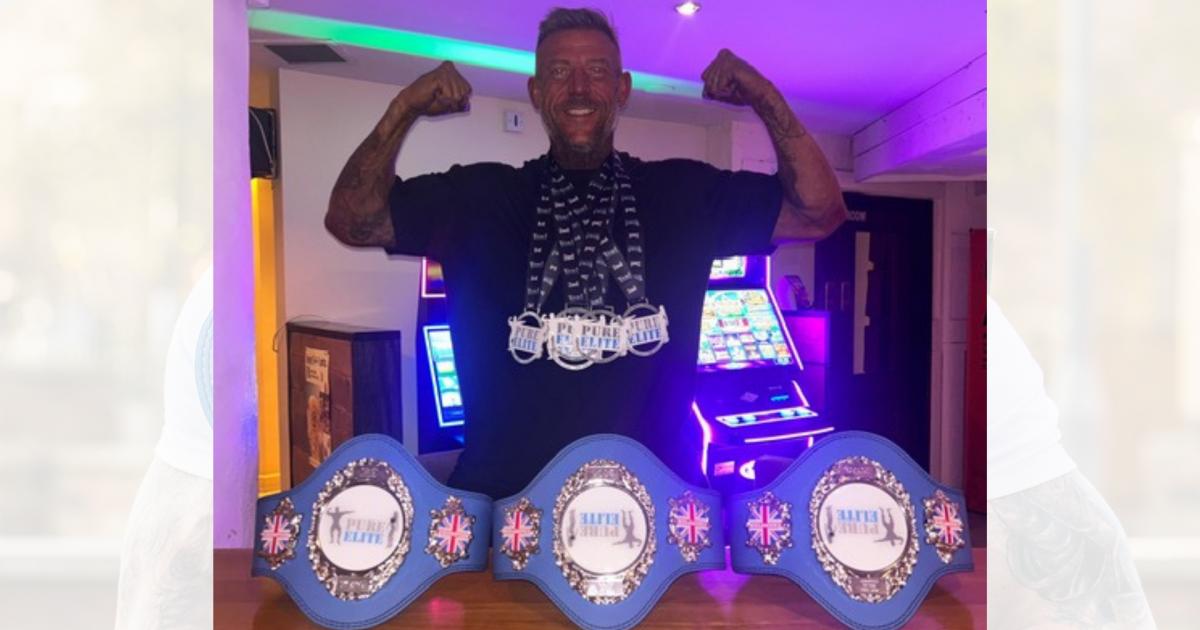
Paul Remmer, from Thirsk, North Yorkshire, secured the trio of titles at a competition in Milton Keynes on April 12.

The fitness model and former world champion is now preparing to compete for another global title in High Wycombe on November 7.

Paul Remmer with his three British titles (Image: PAUL REMMER)

Mr Remmer, who first spoke publicly in 2016 about being raped as a child by a trusted family friend, has since used fitness as a way to rebuild his life.

His abuser, Graham Pipes, was jailed in 2015 after admitting offences against Mr Remmer and another child.

Advertisement

Speaking after his latest success, Mr Remmer said his achievements in competition are about more than winning titles.

Paul Remmer with his world titles (Image: Stuart Boulton)

“I came out of retirement to do this competition, and I wanted to prove to myself that I could still do it,” said Mr Remmer.

“I still carry my past every day, but competing helps me manage it.

“If my story helps one person, then it’s worth it. People need to know there is help out there.”

Advertisement

Mr Remmer reported the abuse to police in 2011, but the case initially collapsed due to lack of evidence, leaving him in a “very dark place”.

Paul Remmer with his world titles (Image: Stuart Boulton)

In 2013, he attempted to take his own life.

A year later, a second victim came forward, leading to the case being reopened and ultimately resulting in Pipes being jailed.

Despite the conviction, Mr Remmer said his recovery took years and required intensive therapy.

Advertisement

With the support of counsellor Dave Taylor, he began to rebuild his life, later turning to fitness as a way of coping with trauma.

Dave Taylor and Paul Remmer with the book ‘Breaking The Silence – A Champions Journey’ (Image: Stuart Boulton)

He has since gone on to compete internationally, becoming a world champion fitness model.

His latest three-title win marks another milestone in that journey, as he looks ahead to November’s World Championships.

Mr Remmer has also shared his experiences in a book, Breaking The Silence, A Champion’s Journey, written with Mr Taylor, which details his recovery and aims to support others.

Advertisement

It was the aftermath of bringing out the book that motivated him to compete again.

“I had a bit of a struggle after bringing out the book,” Mr Remmer added.

“Having to relive such an awful part of my life and then having people coming up to you while you’re in Tesco and saying that you’re an inspiration – it’s lovely, but it’s very overwhelming.

“People would message saying that I was an inspiration. I’ve always struggled to take compliments, so it was very tough.

Advertisement

Breaking The Silence – A Champions Journey (Image: Stuart Boulton)

“I spiralled a little bit and knew I had to focus myself by competing again. I was starting to miss it.

“So, before Christmas, I cut out the booze, which I kept up for more than 120 days, and started training every day from 3.30am, going to work and then training some more.

“It was brutal, but it’s all worth it.

“I was fully focused on the British Championships.”

Advertisement

After landing the British championships and still training, he decided to book in for the world championships and try to retain his title.

The bodybuilder has called this competition his “last dance” and says that it would potentially be his last event, which he’ll go to with all of his family.

“I want to go out on a high with all of my family at the world championships,” he said.

Advertisement

Source link

Continue Reading
Click to comment

You must be logged in to post a comment Login

Leave a Reply

NewsBeat

War Graves Week tours launched across the North East

Published

on

War Graves Week tours launched across the North East

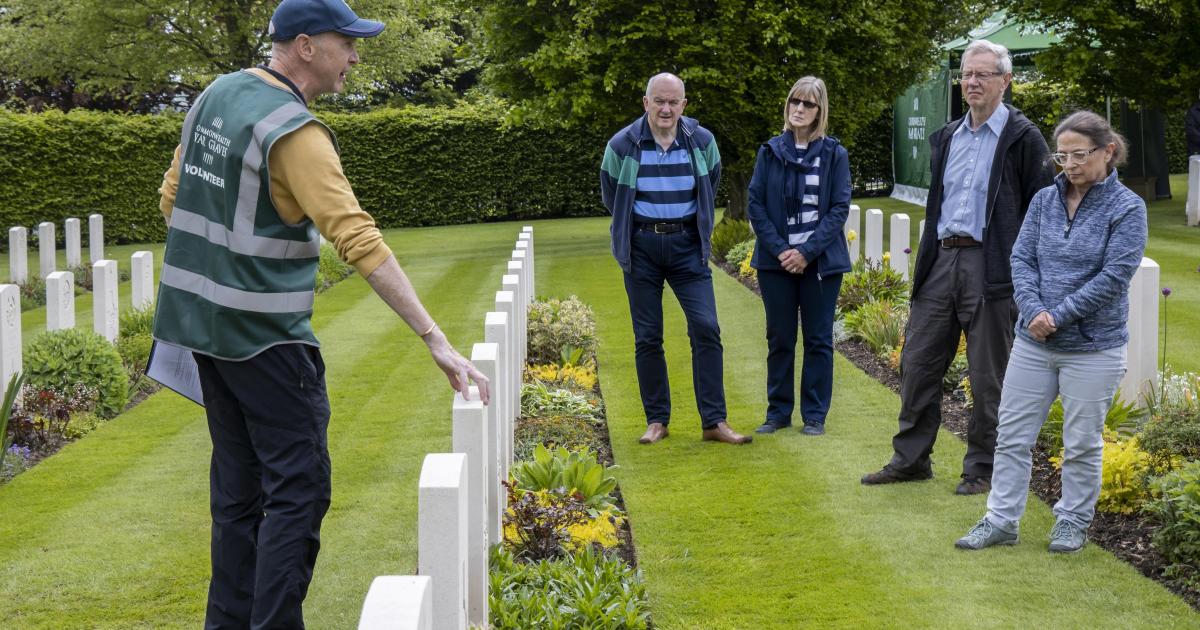
Running from Saturday, May 16 to Sunday, May 24, the national campaign invites people to explore the personal histories behind Commonwealth war graves through free guided tours.

Elizabeth Smith, public engagement coordinator at the Commonwealth War Graves Commission, said: “War Graves Week is an opportunity for people to see familiar places in a new light.

“Across the North East of England, there are stories of courage, loss and resilience that are part of the community’s history yet often go unnoticed in everyday life.

Advertisement

“We are encouraging everyone to explore local CWGC sites in the area and share their own stories to connect the North East to our shared global history.”

In the North East, the Commonwealth War Graves Commission (CWGC) maintains thousands of graves belonging to individuals who served in both world wars.

Some of those individuals came from the region, while others were from across the Commonwealth.

In Tynemouth Cemetery, visitors will find the graves of 26 men from HMS Patia, a ship sunk off the Northumberland coast during an air attack in April 1941.

Advertisement

Stonefall Cemetery in Harrogate is the final resting place of Sergeant Joseph Raymond Pollon of the Royal Canadian Air Force, who died in a training accident at just 17-years-old, only weeks after arriving in Britain.

READ MORE: Mum feared tot was going to die after camera flash revealed symptom of rare cancer
READ MORE:
New County Durham clinic offers private help with weight loss, menopause and hormones
READ MORE:
Bishop Auckland’s new bus station to open after £11.8m project complete

During War Graves Week, free tours will be held at Preston Cemetery in Tynemouth, Linthorpe Cemetery in Middlesbrough, Stonefall Cemetery in Harrogate, and Ripon Cemetery.

Members of the public are encouraged to visit these sites, attend an event, or share their own stories online.

Advertisement

More information and event details can be found at www.cwgc.org/war-graves-week.

Source link

Advertisement
Continue Reading

NewsBeat

10 old photos of children starting York schools in 2001

Published

on

10 old photos of children starting York schools in 2001

THESE photos will take many readers back!

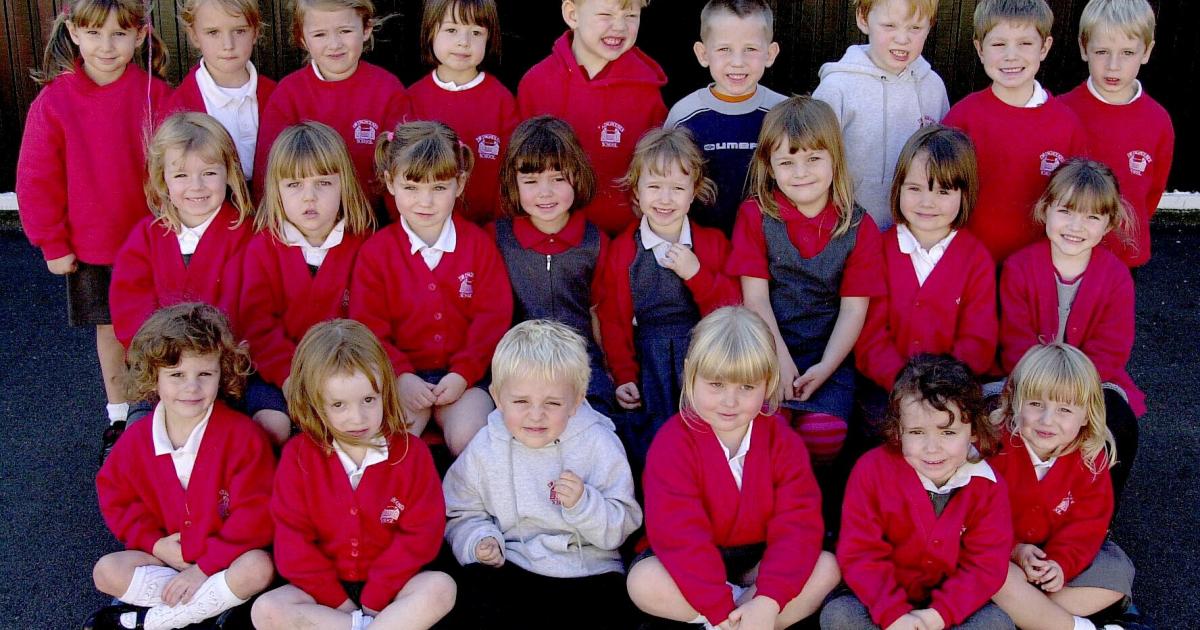
We are taking you back to the year 2001 and sharing photos of new starters at a range of schools across York and Ryedale too.

To jog your memory of the time, in 2001 Tony Blair was the Prime Minister, Sven-Göran Eriksson became manager of the England football team, and York’s new Millennium Bridge opened to the public.

This gallery of photos accompanies one we shared last week, also of school starters in 2001.

Advertisement

Lakeside Primary School class of 2001.

You can see that article and look through the photos here: www.yorkpress.co.uk/news/26065172.13-photos-york-children-starting-school-2001.

Today’s article with its photo gallery will be one of a series we will be running in coming weeks.

Children in these photos will now be in their 20s – can you spot anyone you know?

New pupils at Clifton Green School. Class of 2001

Where are they now? What are they doing?

Advertisement

Please leave an update in the comments section below.

Share more nostalgia

If you love delving into York’s past and seeing photos and reading stories from yesteryear then make sure you check The Press every day for its regular nostalgia stories. And don’t miss our eight-page nostalgia supplement every Wednesday in the paper.

We also have more than 3,000 members in our online nostalgia group on Facebook, Why We Love York – Memories. It is free to join and you will find us at www.facebook.com/groups/yorknostalgia/.

Advertisement

Read more:


It would be great to see your old photos of York – and they don’t have to be from centuries ago. We all love seeing old photos from our recent past, and some of our more popular stories with readers date from the 70s, 80s and 90s.

If you have a nostalgia story for us, please email maxine.gordon@thepress.co.uk.

Advertisement

Source link

Continue Reading

NewsBeat

Westlife make emotional tribute during Britain’s Got Talent appearance

Published

on

Daily Record

Westlife took to the stage during the third semi-final of talent contest BGT – but one member was missing.

Westlife paid tribute to Britain’s Got Talent judge Simon Cowell as they made a guest appearance on the show. The band performed some of their biggest hits ahead of their 25th anniversary tour during the third semi-final of the talent contest last night.

Advertisement

The heartfelt message saw bandmates Shane Filan, Nicky Bryne, and Kian Egan thank Cowell for being instrumental in their success. However, they remain without Mark Feehily, the fourth member of the quartet, who won’t appear on the tour.

On stage, Nicky said: “It’s been a long time since Simon Cowell suggested standing up from our stools on a key change.” Kian went on to pay tribute to Simon and said they wouldn’t have been there without him, reports the Mirror.

Stand-up comedian Ted Hill and foot juggler Liwei Yang took the plaudits during the semi-final and will now contest the Britain’s Got Talent final on Saturday, May 30.

Last year, Westlife confirmed that Mark, who has been battling a number of health issues since August 2020, would not be able to take part in the tour.

Advertisement

In a statement, they said: “Sadly, Mark will be unable to join the celebrations. We hope he can join us back on stage when he is ready and able. He sends his love and positivity to you all as always.”

Mark announced he would be taking a break from Westlife just days before first ever tour of America in 2024. At the time, he shared: “Hello and much love to you all! It’s Mark here.. Most of you are aware that I have had some health challenges over the past while.

“It actually all started 3.5 years ago in August 2020 when I had surgery. Within a few days of this surgery I was in severe pain and was rushed into A&E.

Advertisement

“I eventually ended that awful day in ICU (Intensive Care Unit) where I was informed that due to a complication with the surgery, I had developed severe ‘Sepsis’, a life-threatening infection that would require immediate emergency surgery to rectify the problem and basically save my life.”

He explained that he was in hospital for months during lockdown, and was later told he needed more surgery.

“It was physically and mentally a very difficult time, not to mention traumatic having to spend so long in ICU. In late 2021, I became very ill in Newcastle before a concert and ended up back in A&E, this time being told I had pneumonia. I was told I had to go straight home to recover and regrettably miss the rest of the concerts that December,” he said.

Speaking about Mark missing their big anniversary tour, Kian said: “We’re devastated he won’t be joining us on this tour. We’ll be missing him every night just as much as the fans will. But he’s given us his full support. This is the 25th anniversary, it’s something that we all felt needed to be celebrated. We hope as soon as he’s ready he’ll be back with us and we look forward to that moment.”

Get more Daily Record exclusives by signing up for free to Google’s preferred sources. Click HERE.
Advertisement

Source link

Continue Reading

NewsBeat

At least 11 hospitalised after explosion rips through tourist boat at holiday hotspot | News US

Published

on

At least 11 hospitalised after explosion rips through tourist boat at holiday hotspot | News US
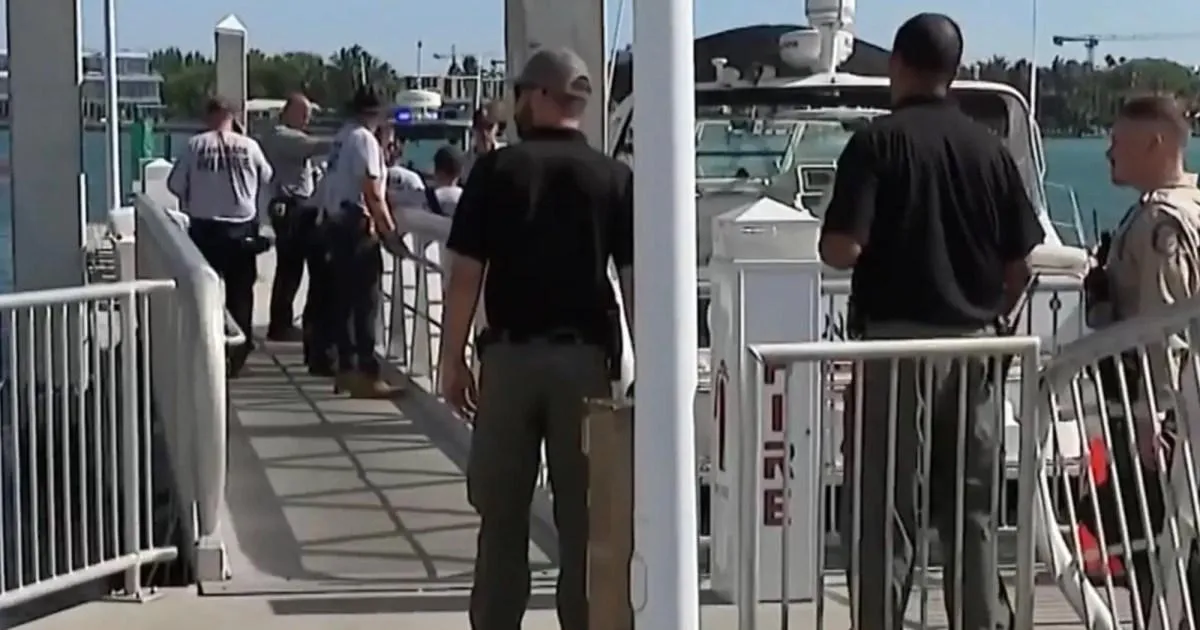
Up to 15 people have been injured in an explosion on a charter boat in a Miami holiday spot (Picture: WSVN 7)

Two young children are among more than a dozen people injured after an explosion rocked a tourist boat in Florida.

At least 11 people have been taken to the hospital following the blast on a charter boat in Biscayne Bay, a popular holiday spot near Miami.

One of the children caught in the explosion was scorched by serious burns in their body.

Another adult sustained burns to 30 per cent of his body, the Sun reported.

Advertisement

Emergency crews were called to the scene at 12.50pm on Saturday, where they rescued passengers left in the water in lifeboats.

Other US outlets reported that as many as 15 people were caught in the blast.

AT LEAST 15 people have been hospitalised with severe injuries after a horrific boat explosion in Florida. The charter boat exploded in Biscayne Bay, a bustling tourist spot in Miami, on Saturday.
Emergency crews attended Biscayne Bay just after midday on Saturday and rescued several people from the water (Picture: WSVN 7)

The incident occurred at the Haulover Sandbar, a shallow shipping area known for hosting parties at North Miami Beach.

An investigation into the explosion has been opened by the area’s conservation commission.

Advertisement

The cause remains unknown; however, one person onboard the vessel who was not injured suggested the blast was the result of a gas leak.

The Miami Herald reported that fire crews were studying the boat’s fuel tank as a possible source of ignition.

Patrick Lee, a local business owner, said he saw people sent flying after a ‘puff of smoke’.

He told NBC: ‘Somebody pulled up and dropped a bunch of people on that boat, and when we looked back out, we saw three people flying off of the boat and a puff of smoke.

Advertisement

‘It was pretty obvious what it was.’ Mr Lee added he had seen 12 stretchers carrying burnt victims leaving the scene.

Last year, an 18-month-old toddler was left with ‘life-changing burns’ after a fire on a boat in the River Thames that injured nine people.

The boat exploded on the banks of the river in the town of Lechlade, on the edge of Wiltshire, in June.

The toddler was airlifted to Bristol Royal Hospital for Children for urgent medical care, according to Wiltshire999s.

Advertisement

Eight others were taken to the hospital in the aftermath of the blaze, with one airlifted to the John Radcliffe Hospital in Oxford.

Get in touch with our news team by emailing us at webnews@metro.co.uk.

For more stories like this, check our news page.

Advertisement

Source link

Advertisement
Continue Reading

NewsBeat

who owns the countryside? New documentary explores the access divide in England and Wales

Published

on

who owns the countryside? New documentary explores the access divide in England and Wales

Directed by Orban Wallace, Our Land explores the countryside access debate in England and Wales through interviews, pastoral shots, lavish illustrations and a walk in the country where the sun always seems to shine.

One percent of landowners own 50% of English and Welsh land. But the right of open access to land by the public, or the “right to roam”, extends to only 8% of this land.

Our Land follows the path of earlier activists such as Marion Shoard and Tom Stevenson who once advanced the access campaign through their experiences and storytelling. Here, the documentary’s star is naturalist and conservationist Nadia Shaikh.

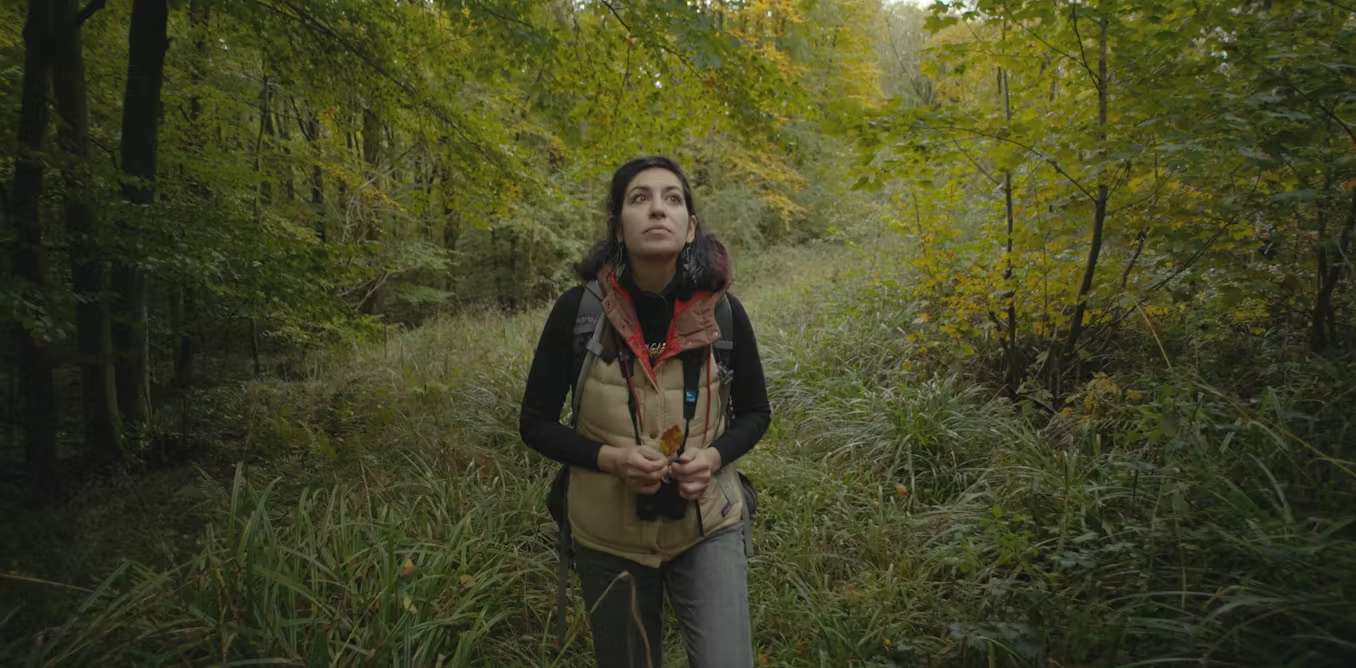
Shaikh explores the teaching power of the English countryside by leading a group of trespassers on a nature walk. She describes her own complex and deep-felt attachment to the countryside as a place of education and personal identity.

Advertisement

Our Land is a title with two meanings – private land ownership for the landowners v the campaign for shared rights in land. The film explores different attitudes to ownership as well as the physical borders between landowners and, in the words of access campaigner and contributor Guy Shrubsole, “the peasants”.

Francis Fulford fills the role of aristocratic landowner and pantomime villain in Our Land.
MetFilm

The documentary was filmed during the Darwall v Dartmoor (2023) legal dispute. Landowner Alexander Darwall successfully challenged and outlawed the longstanding right to wild camp on Dartmoor National Park in the High Court. Later overturned by the Court of Appeal and Supreme Court, the High Court ruling in favour of the landowner caused ripples of protest among walkers and campers. They temporarily lost the right to wild camp in Dartmoor – the only place in England where this was allowed by law.

Hedge fund manager Darwall is the most controversial landowner to feature in Our Land, but he is not interviewed in person. Instead, veteran documentary star Francis Fulford (he’s appeared in nine shows, including one about his estate and family) fills the role of aristocratic landowner and pantomime villain.

Fulford provides an insight into the landowner outlook: proud of his family’s place in English and colonial history as well as its roots on the Great Fulford estate. Fulford describes his family as having owned the estate since “time immemorial” and his love of the English countryside is unquestionable.

Advertisement

Indeed, many of the landowners interviewed have a paternal view of the countryside in which they view themselves as temporary guardians. Where opinions differ is how the countryside is best preserved and the extent to which the public should be allowed access to it.

Access and trespass

Trespass itself is a civil matter rather than a criminal offence, which is just as well because the documentary features trespass aplenty.

For instance, campaigning author Nick Hayes crosses the fences of the Drax estate in Dorset to deliver a copy of his Book of Trespass. He discusses the colonial history of the great estates and the role of wider access as a response to the decolonisation movement.

Campaigning author Nick Hayes.
MetFilm

The documentary explains how the English and Welsh culture of access differs from that of close neighbours like Scotland. The Land Reform (Scotland) Act (2003) is celebrated, and contrasted with the exclusionary laws of England and Wales. Shrubsole stands over the border with one foot trespassing in England, the other “lawfully” in Scotland.

The Land Reform Act provides a much wider right to roam the Scottish countryside than the Countryside and Rights of Way Act in England (2000). It has a presumption in favour of public access and only minor exclusions such as private gardens and some industrial land. By contrast, the English “right to roam” supplements our existing network of footpaths, but extends only to mountain, moor, heath, down and common land. Great swathes of land are left inaccessible to the public.

Advertisement
A line of campaigners snaking up a green hill
Campaigners walking in Kendal, in the Lake District.
MetFilm

The law is a central character in the access debate but exists only in the background of this documentary. We learn about the Norman conquest and enclosure of the commons in the 12th to 19th century. It was a process of consolidating, privatising and fencing off shared agricultural land (common land) in Britain, transforming it into individually owned, fenced fields. This change abolished traditional communal rights for grazing and farming.

However, there is less about the mixed success of earlier attempts to open countryside such as the Access to Mountains Act (1939), post-war National Parks Act (1949) or the Countryside and Rights of Way Act. English legislative failures might be able to teach us as much as Scotland’s successes.

Disagreement and concession

As the documentary draws to its conclusions there are some limitations to the format of landowners and campaigners being interviewed separately. We hear from both sides of the access debate but there are few opportunities to see the two sides in conversation.

Fulford is goaded from behind the camera on his views about sharing his land with visitors, but no representatives from either side have the opportunity to join one another in debate.

An estate house with a neat lawn
Fulford’s estate.
MetFlim

This leaves some assertions unchallenged, such as those of the affable Hugh Inge-Innes-Lillingston, owner of the Thorpe estate in Staffordshire. On the topic of rewilding, he contends that land cannot be truly rewilded if public access is allowed. But this reductive position ignores the nuanced ways that visitors and wilderness can coexist.

Throughout, many of the featured landowners and access campaigners agree on the artificial nature of landownership, their individual powerlessness to effect change and on the social and legal constructs that trap us all in an uncomfortable standoff.

Advertisement

As the documentary closes with trespassers talking and singing around a fire, I was left wishing that the cast of landowners could have joined them in their conversation.


The climate crisis has a communications problem. How do we tell stories that move people – not just to fear the future, but to imagine and build a better one? This article is part of Climate Storytelling, a series exploring how arts and science can join forces to spark understanding, hope and action.


Source link

Advertisement
Continue Reading

NewsBeat

How to watch Burnley vs Aston Villa on TV today – Channel, live stream and kick-off info

Published

on

Wales Online

Sky has upgraded its Ultimate TV and Sky Sports bundle to now include HBO Max, Netflix, Disney+, discovery+ and Hayu, as well as 135 channels and full Sky coverage of the Premier League and EFL.

Sky broadcasts more than 1,400 live matches across the Premier League, EFL and more with at least 215 live from the top flight alongside Formula 1, darts and golf.

Source link

Advertisement
Continue Reading

NewsBeat

Dentist names common bad habit that can ‘make us look older’

Published

on

Dentist names common bad habit that can 'make us look older'

Millions of Britons occasionally or habitually bite their nails, a practice often linked to stress, anxiety and even boredom. 

And while some may see it as a relatively harmless habit, it can create dental issues that can make you appear older than you actually are. 

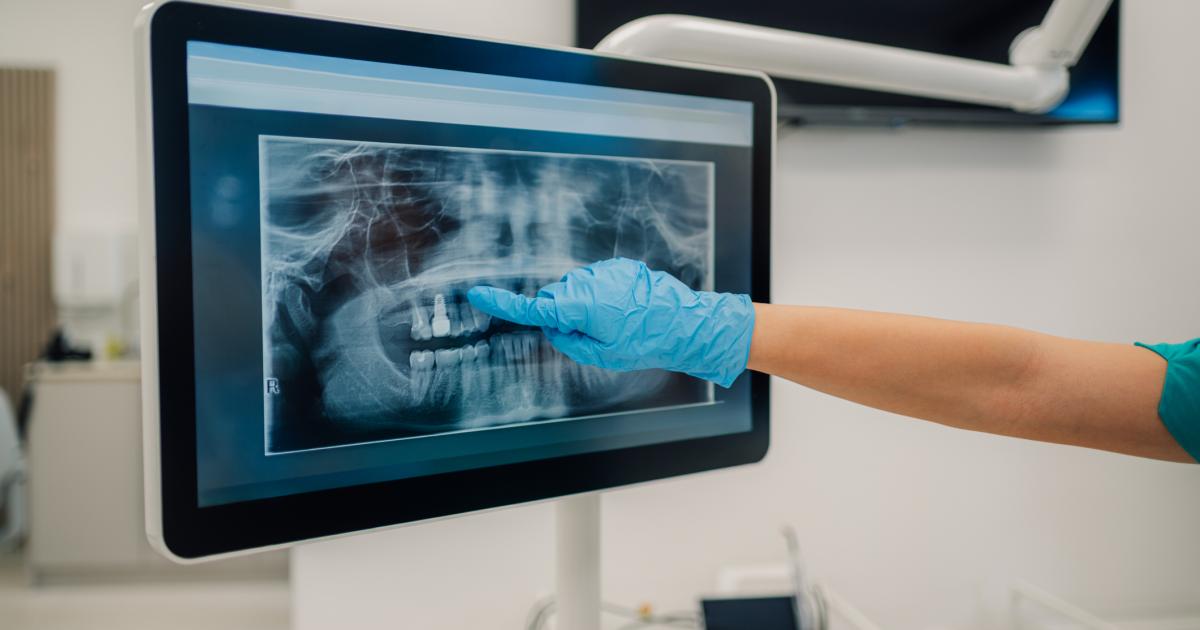
Dr Tony Taunk of dental solutions experts Implant Perfection said: “Lots of people bite their nails and it’s an incredibly common habit, but many of them won’t realise the long-term damage it can do.  

Advertisement

“The pressure of biting down on the nail can damage the front teeth, wearing down its enamel and leading to misalignment and gaps over time.  

“It is also linked to teeth-grinding, which wears down teeth and can contribute to headaches and jaw problems. 

“Older people tend to have more worn-down teeth thanks to decades of chewing and biting while younger people don’t tend to have the same level of natural wear and tear. 

“Another natural effect of getting older is our teeth tend to get more discoloured thanks to years of enamel thinning and more exposure of dentin, the yellowish tissue that’s at the core of teeth. 

Advertisement

“Nail biting can certainly accelerate enamel damage, leading to a smile that looks older than it is.” 

Nail biting, otherwise known as onychophagia, is often referred to as an impulse control problem, a behavioural condition which makes it difficult to resist an urge or temptation. 

Many people do it without thinking, and stress is considered one of the most significant causes. 

It can also be a frustrating habit to have, given the health problems it is linked to, as well as a potentially negative perception of a person’s appearance. 

Advertisement

Dr Taunk added: “Our smiles are one of the key features people notice about us, and even the smallest issue can make a difference to our appearance. 

“As we get older, our gums naturally recede and this can cause the tooth’s root to be more visible when we smile.  

“Nail biting can accelerate enamel damage, natural wear and tear and receding gums, so it’s certainly an everyday habit that can make us look older.” 

“Aside from the appearance aspect, biting our nails can also lead to serious illnesses and, of course, long-term damage to the nail.  

Advertisement

“Bacteria gets transferred from the fingertips and nails to the mouth, and this heightens the risk of issues such as stomach bugs, colds and salmonella.” 

Implant Perfection is one of the UK’s leading specialists in dental implant solutions, combining precision, innovation and experience to achieve a healthier smile. 

Source link

Advertisement
Continue Reading

NewsBeat

Iran war disruptions spark higher costs and lost income in Bangladesh

Published

on

Iran war disruptions spark higher costs and lost income in Bangladesh

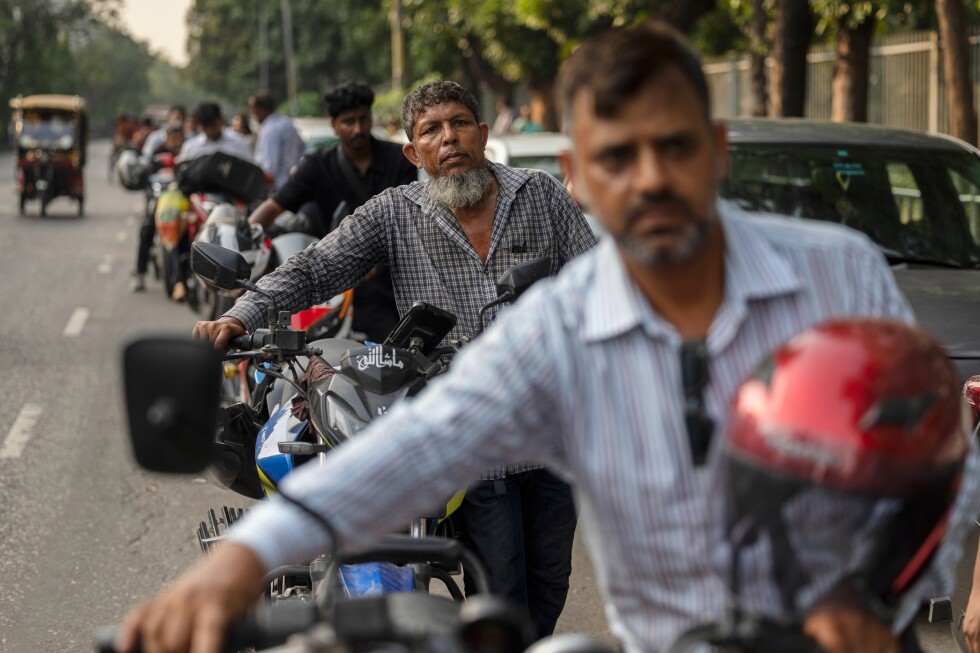
DHAKA, Bangladesh (AP) — Tariqul Islam lost his savings after setbacks in his clothing business about a year and a half ago and turned to ride-sharing on his motorbike to make ends meet. Until recently, he spent hours in fuel lines as supply disruptions linked to the war in Iran ripple into Bangladesh.

The 53-year-old father of four fears the strain will worsen if the war drags on, saying long hours waiting for fuel have sharply cut his income and made it increasingly difficult to support his family in Dhaka, the nation’s capital, including a daughter at university and a son in college.

“My family was managing fairly well through ride-sharing,” he said. “But after the fuel shortage began, I would buy fuel one day and run the bike for two days. As a result, I had to sit idle for one day, which reduced my income.”

The strain in Islam’s household reflects a broader squeeze in Bangladesh, heavily dependent on imported fuel, where energy shortages have disrupted daily life, slowed industrial output and raised concerns about economic growth as global tensions push up costs and strain supplies.

Advertisement

Conditions have eased slightly in recent days, with shorter queues at fuel stations after the government increased supplies, but concerns persist across sectors.

Across Asia, governments are facing similar strains as the war-driven surge in energy prices rattles economies dependent on imported oil and gas.

The continent is exposed because it relies on imported fuel, much of it passing through the Strait of Hormuz — a chokepoint for about a fifth of global oil and natural gas trade.

Higher fuel costs are leading to inflation and squeezing household budgets, while industries from manufacturing to transport are facing rising operating costs and supply disruptions.

Advertisement

The Asian Development Bank in late April cut growth forecasts for developing Asia and the Pacific, warning that war-driven energy disruptions would slow economies and fuel inflation. It now expects growth of 4.7% in 2026, with inflation rising to 5.2% as oil prices climb and financial conditions tighten.

Many are hoping for a quick end to the conflict and a return to normal.

“If this situation continues, we will have to move back to our village and find some other way to earn a living,” Islam, the struggling father said. It is not possible to survive in Dhaka by doing ride-sharing under these conditions.”

Energy crunch weighs on Bangladesh’s economy

Rising energy prices are also expected to strain Bangladesh’s finances, with the government likely to spend an additional $1.07 billion on LNG subsidies in the April-June quarter alone if global prices remain high.

Advertisement

Bangladesh has sought supplies from its big neighbor India, which has responded positively as it has diversified sources, including Russia, of fuel.

Already, authorities have imposed austerity measures to manage the crisis as global lenders warn of slower growth in the nation of more than 170 million people. Gas and diesel shortages have triggered more frequent power cuts in industrial zones.

The government has also shut fertilizer factories to divert gas to power plants, restricted evening hours for shopping malls and introduced fuel rationing.

The World Bank said in April it expects growth in Bangladesh to slow to 3.9% in the fiscal year ending in June 2026, warning that a prolonged Middle East conflict could fuel inflation, widen the current account deficit and strain public finances through higher energy subsidies.

Advertisement

Jean Pesme, the World Bank’s division director for Bangladesh and Bhutan, said the economy already faced “pre-existing vulnerabilities and challenges, in particular on the economic and employment front.”

The rising costs now are “obviously making the fiscal situation more difficult.”

He also warned that authorities should be cautious in raising fuel prices, saying higher costs could hurt farmers and agriculture.

Bangladesh garment industry is hit as exports slow

The energy crunch is also driving up costs and threatening Bangladesh’s garment exports, the backbone of its economy, business leaders say.

Advertisement

Anwar-Ul Alam Chowdhury, president of the Bangladesh Chamber of Industries, said exports to Europe and the U.S. could face a significant setback. Shipments have fallen between 5% and 13% in recent months, he said. He worries that customers could lose confidence in Bangladesh’s ability to deliver and that competitor nations such as India, Vietnam and Cambodia could gain market share if the crisis persists.

Chowdhury said factory output has dropped by 30% to 40% for various reasons and that the situation has worsened since the U.S. and Israel launched their war against Iran, while business costs have risen by about 35% to 40%.

Bangladesh, the world’s second-largest garment exporter after China, earns about $39 billion annually from the sector, which employs around 4 million workers, mostly women from rural areas.

Alvi Islam, director of Arrival Fashion Limited, said manufacturers are facing higher costs for petroleum-based materials such as sewing threads, poly bags — plastic bags used in packaging — and cartons, while spending more on diesel generators to cope with frequent power cuts.

Advertisement

His company, which exports products worth about $40 million annually, now runs generators at least four hours a day during production.

“For that reason, the cost of doing business for exporting garments has increased quite significantly in past one month,” he said.

Workers worry about livelihoods

Garment worker Mosammet Runa, 35, said she fears for her family’s future if the war continues.

“Millions of people like us depend on this industry. It is how we survive,” said Runa, who, along with her husband, earns about $400 a month to support their family of six.

Advertisement

She said a prolonged conflict could wipe out jobs and called for an end to the fighting.

“We are innocent people. The world should not make us victims,” she said.

___

AP journalist Al Emrun Garjon contributed to this report.

Advertisement

Source link

Advertisement
Continue Reading

NewsBeat

Hantavirus cruise ship evacuation begins as MV Hondius arrives in Tenerife

Published

on

Wales Online

British passengers are now preparing to be flown home to isolate at Arrowe Park Hospital on the Wirral

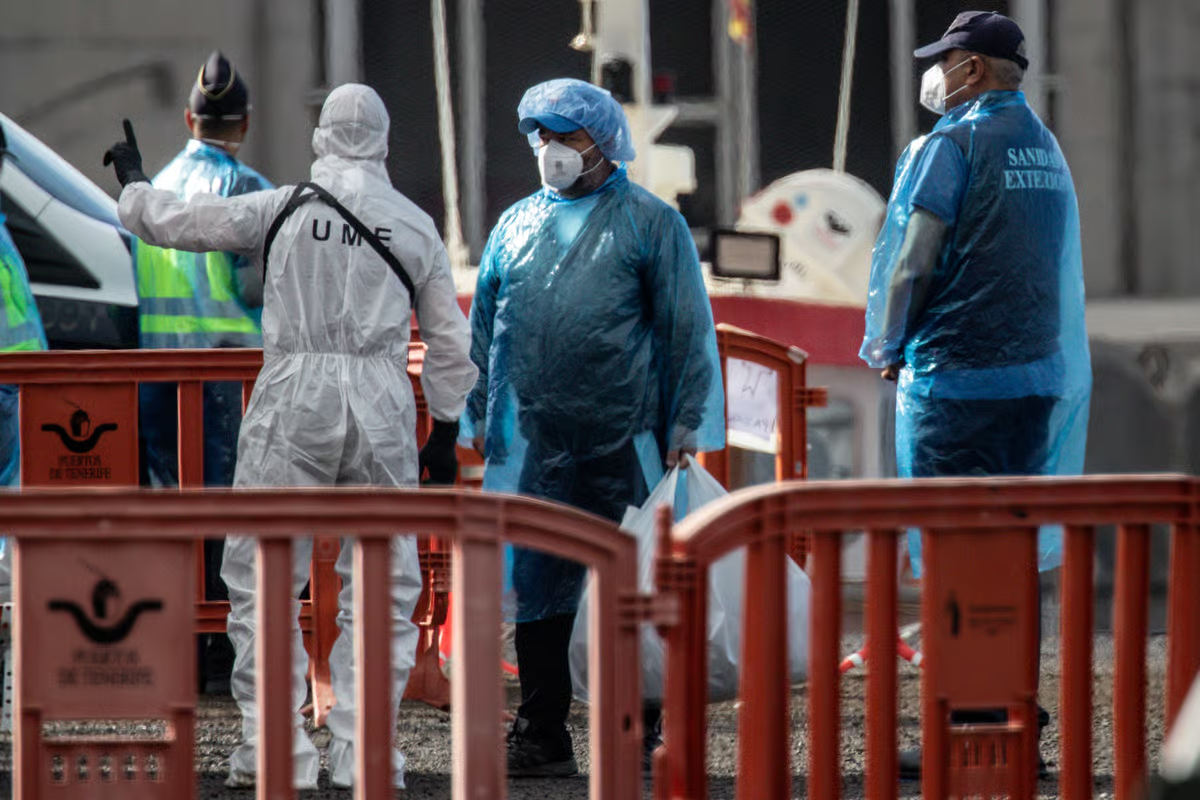
Passengers are being removed from a cruise ship struck by a hantavirus outbreak this morning, as the MV Hondius has docked in Tenerife.

British nationals aboard are now making preparations to be transported home for isolation at the UK’s original Covid quarantine location. The MV Hondius reached Tenerife on Sunday morning, with Spain commencing evacuations of the vessel organised by nationality.

The UK Health Security Agency (UKHSA) confirmed British passengers will be relocated to an isolation facility at Arrowe Park Hospital on the Wirral, Merseyside, following their repatriation to the UK via a chartered flight. Representatives from the UKHSA and Foreign Office were scheduled to meet the MV Hondius upon its arrival in Tenerife, one of Spain’s Canary Islands, with British nationals aboard undergoing hantavirus testing prior to disembarkation.

Advertisement

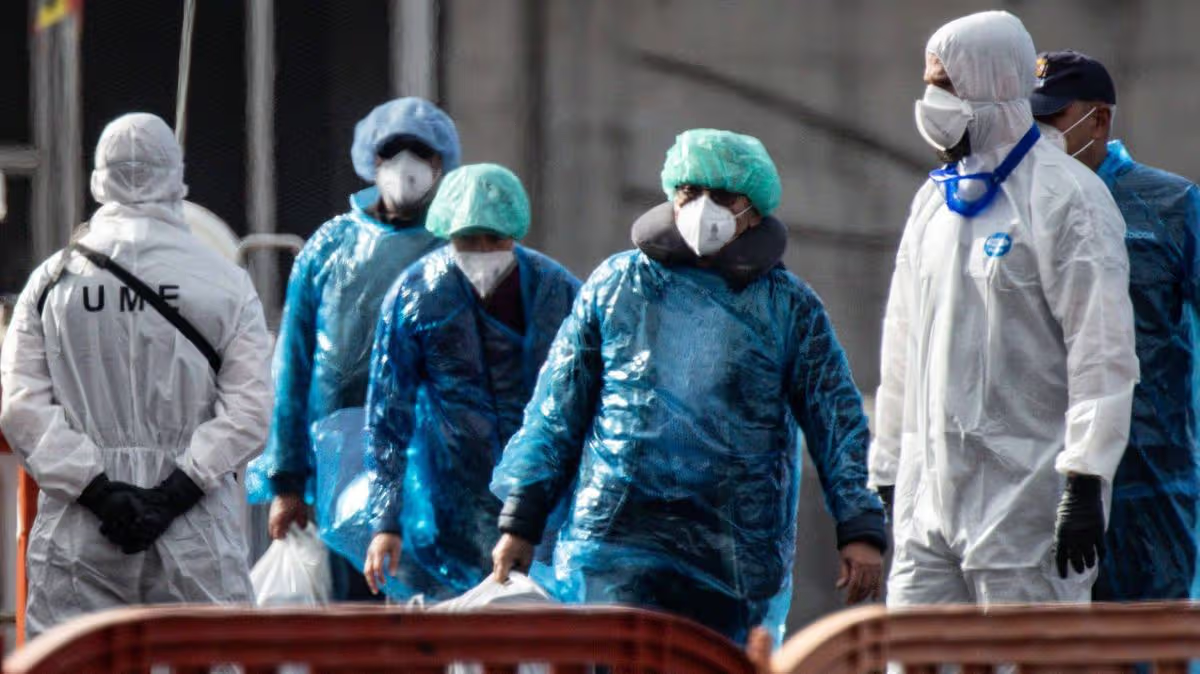
Should individuals test negative and show no symptoms, they will be transported directly to a chartered repatriation flight staffed by medical professionals and equipped with personal protective equipment including face masks.

In a social media statement on Sunday morning, World Health Organisation (WHO) director-general Dr Tedros Adhanom Ghebreyesus stated: “The disembarkment of the first group of MV Hondius passengers has started. WHO experts on the ground are working with the Spanish Health Ministry on the epidemiological assessment of the passengers and coordinating charter flights with the Interior Ministry.” Upon their arrival back in the UK, passengers will be accommodated in a dedicated facility at the Arrowe Park site, separated from the hospital’s main public zones, where they will undergo medical evaluations and screening as a safety precaution. The site previously served as the UK’s initial Covid quarantine site, with blue tarped fences surrounding accommodation blocks being installed on Sunday morning, reports the Irish Mirror.

Emergency authorities across the North West region indicated passengers would remain in the “managed setting” for as long as 72 hours. They confirmed the NHS Trust and hospital continues “operating as normal” with no danger posed to patients, visitors or staff, emphasising that “people should continue to come forward for care as usual”.

Advertisement

After completing their isolation period, public health experts will determine whether individuals can self-isolate at their own residences or at alternative appropriate venues depending on their domestic circumstances. British nationals returning home will remain in self-isolation for 45 days and will be prohibited from using public transport to reach their destinations.

The WHO confirmed on Saturday that no passengers aboard the MV Hondius were displaying symptoms, while the UKHSA maintained the threat to the public “remains very low”. The UN health body reported six confirmed hantavirus infections associated with the MV Hondius, with four patients presently receiving hospital treatment.

The health body confirmed that a total of eight cases, including three fatalities, had been documented – with one previously suspected case being reclassified following a negative hantavirus test. The UKHSA stated that three British citizens are amongst the eight cases – two involving confirmed hantavirus and a third suspected case.

Advertisement

The two confirmed British cases are receiving hospital treatment in South Africa and the Netherlands, while the third British citizen with a suspected case is receiving support on the British overseas territory of Tristan da Cunha, where they reside.

Six paratroopers, alongside an RAF consultant and Army nurse from 16 Air Assault Brigade, were parachuted onto the South Atlantic island, with oxygen supplies and medical aid also dropped on Tristan da Cunha, which is typically accessible only by sea.

The Ministry of Defence (MoD) confirmed this marked the first occasion that medical personnel had been parachuted in to provide humanitarian support.

Ensure our latest news and sport headlines always appear at the top of your Google Search by making us a Preferred Source. Click here to activate or add us as Preferred Source.

Advertisement

Source link

Continue Reading

NewsBeat

Britons on hantavirus-hit cruise ship to be repatriated to UK from Tenerife

Published

on

Britons on hantavirus-hit cruise ship to be repatriated to UK from Tenerife

He added: “Spain’s authorities have prepared a careful, step-by-step plan: passengers will be ferried ashore at the industrial port of Granadilla, far from residential areas, in sealed, guarded vehicles, through a completely cordoned-off corridor, and repatriated directly to their home countries.”

Source link

Continue Reading

Trending

Copyright © 2025