

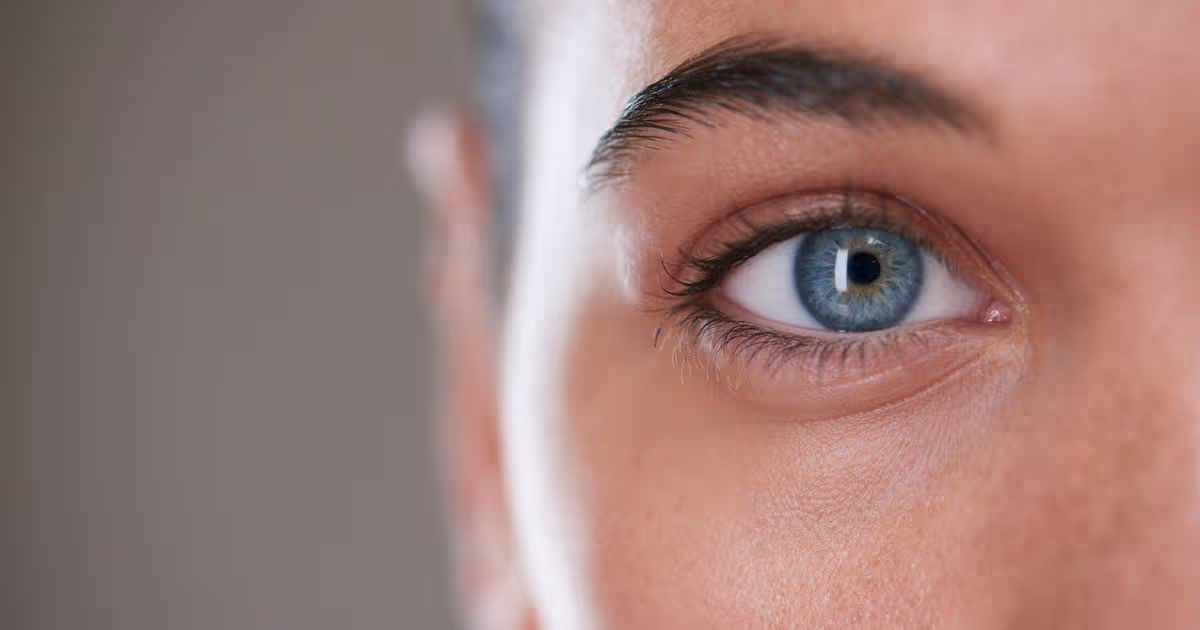
Cold weather might mean it is natural to raise the heating but there could be health implications
As the temperature drops outside, it seems only natural to amp up the heating inside to warm up. But one optician has revealed that putting your central heating on full blast or whacking it on for extended periods of time could be exposing eyesight to risks.
This is because the high humidity indoors caused by your heating can dry out your eyes. Not only can this lead to discomfort and pain in your eyes, you could develop dry eye syndrome, which can potentially cause permanent damage to your vision if left untreated.
Dry eye syndrome is a condition that happens when your eyes don’t produce enough tears or if the quality of your tears isn’t quite right. This condition normally affects both eyes and can cause an uncomfortable gritty, itchy feeling, a burning or sore sensation and/or a temporary or fluctuating blurred vision.
The NHS warns: “While symptoms of dry eye can be irritating, for most people no long-term vision loss is expected. In certain cases, however, dry eye can be a progressive disease, and if left untreated over time, constant inflammation may damage the surface of the eye.
“Patients with severe dry eye are more at risk of infection, ulceration and thinning of the surface of the eye. These conditions can cause permanent damage to the vision.”
Specsavers warn that in more serious cases, dry eye syndrome can lead to symptoms such as extreme sensitivity to light, very red, painful eyes, and a change in your vision. But, there are many ways to stop your eyes becoming affected by environmental issues in the colder months.
Last week, Google searches for ‘why are my eyes dry’ rose by 33%. In light of this, Khuram Sarwar, a Dispensing Optician at Feel Good Contacts, has revealed his top tips to protect your eyes this winter. To battle against dry eyes caused by your central heating, he suggests to lower the temperature or put it on in shorter cycles.
If you are having to use heating for extended periods of times, he suggests purchasing a humidifier to help keep your eyes lubricated. Khuram says other environmental factors may be causing your eyes to become dry such as windy weather, especially for contact lens wearers.
The wind can dehydrate your eyes as it can cause them to not produce enough tears or cause your tears to evaporate too quickly. To prevent this from happening, Khuram says to drink plenty of water to keep your eyes hydrated when the air is drier outside.
Khuram said: “Windy weather, especially, can dehydrate the eyes, which leads to dryness and discomfort. Eyes become dry when they don’t produce enough tears or when the tears evaporate too quickly.
“This problem especially affects contact lens wearers, as dry lenses can be very uncomfortable in the eyes. However, this can also be caused by a high humidity in the air indoors, while the central heating is on.
“You should drink plenty of water to keep your eyes hydrated when the air is drier outside. Artificial tears can also be a great way to keep your eyes lubricated if you find that they are not producing enough tears themselves.
“Even though it is tempting to fully blast the heat while you are indoors to warm up, consider lowering the temperature or heating in shorter cycles to prevent your eyes from drying out. If you must have the heating on for extended periods, using a humidifier can help keep your eyes lubricated.
“Ultrasonic humidifiers start from as little as £30, so they are a worthwhile investment for the colder winter months. While some causes are environmental, it is important to never ignore chronic dry eye syndrome.
“Not only can having dry eyes cause discomfort and pain, but it can also permanently damage your vision if left untreated. You are likely to be more at risk of getting an eye infection without adequate tears. A lack of lubrication means that your eyes are more likely to suffer abrasion of the corneal surface, a corneal ulcer and eye inflammation.”
In the winter months, Khuram pointed out other environmental factors which may cause you issues with your eyes. The optician says that cold air causes moisture to evaporate from your eyes which then triggers them to produce more tears and therefore water.
Khuram suggests using eye drops to stop your eyes from overwatering in the cold air. The expert said: “It’s natural for your eyes to water when exposed to colder temperatures. This is because the cold air evaporates the moisture from our eyes which then triggers the eyes to produce more tears.
“Watery eyes due to the cold weather can be avoided by making sure your eyes are hydrated before venturing outside. Eye drops can help lubricate the eyes to minimise the chance of them overwatering when outside in the cold.
“Hydrating eye drops are available from as little as £2.50 but contact lens wearers especially are advised to check whether their drops are compatible first.
“There are a wide range of reasons that could be behind watery eyes. If it starts to become a constant problem, you should seek medical advice from your GP or optometrist, especially if you experience a change in vision, painful eyes, swollen eyes, lumps on the eye, or the eyelid turning inwards or outwards.”
Khuram also revealed the winter sun may put you more at risk of developing eye issues. In these months, the sun shines at a lower angle and during sunrise and sunset, this can cause more direct sunlight to enter your eyes.
To combat the winter sun and decrease the risk of developing cataracts and other eye conditions, Khuram suggests wearing sunglasses with UV protection even on cloudy days. Khuram said: “In winter, the sun repositions itself to shine at a lower angle when compared to summer. During sunrise and sunset, this can cause more direct sunlight to enter the eyes.
“Wear sunglasses with UV protection even on cloudy days. The sun’s ultraviolet rays can penetrate the clouds and increase the risk of developing cataracts and other eye conditions.
“When choosing a pair of sunglasses, consider a pair of polarised sunglasses as they reduce glare and can enhance visual comfort. It is important to be able to recognise the symptoms of photophobia so that you can seek the correct treatment.
“The most obvious symptom is the sun or bright indoor lights causing discomfort. However, other symptoms such as excessive squinting, watery eyes, excessive headaches and dizziness, can also indicate other more serious health conditions, so it’s important to get checked by a medical professional as soon as possible.”
For information on eye care, check out the Feel Good Contacts website here: https://www.feelgoodcontacts.com/eye-care-hub
























































You must be logged in to post a comment Login