Connect with us
DAPA Banner

NewsBeat

Three decades on from Wales’ biggest oil spill, how the Sea Empress disaster changed shipping

Published

on

Three decades on from Wales’ biggest oil spill, how the Sea Empress disaster changed shipping

I grew up on the beaches of Pembrokeshire in south-west Wales. Visits to Tenby were my family’s summer ritual: sand between our toes, paddling in rockpools, strawberry syrup on ice cream.

But 30 years ago, I vividly remember walking along Tenby’s North Beach with my mother and grandmother. No crowds. No laughter. Just the hush of waves sliding over dark, tar‑smudged sand. The holiday postcards had gone grey.

At about 8pm on February 15 1996, the Sea Empress oil tanker missed her tug escort into port by minutes. The ship veered inside the mouth of Milford Haven and struck rocks near St Ann’s Head.

Over the next stormy week, it grounded and re‑grounded many times, creating more damage to the hull each time. About 72,000 tonnes of North Sea crude oil were spilled. This was Britain’s worst coastal oil disaster in a generation.

Advertisement

The fightback was messy. Weather worsened. Control systems to manage the spill were strained. Nine separate releases of oil stained the sea as wind and tide shoved a wounded tanker around the edges of the Pembrokeshire Coast national park.

Aircraft spread dispersants to try to break up the oil spill. Rough seas helped break oil into smaller droplets. This kept oil suspended in the water (not just floating on the surface), which can increase exposure and toxicity for sea and plant life, even as the visible surface layer declined.

At the same time, because the spilled oil contained a lot of relatively volatile petrol components and the weather was windy and the sea choppy, an estimated 35-45% evaporated in the first two days.

Advertisement

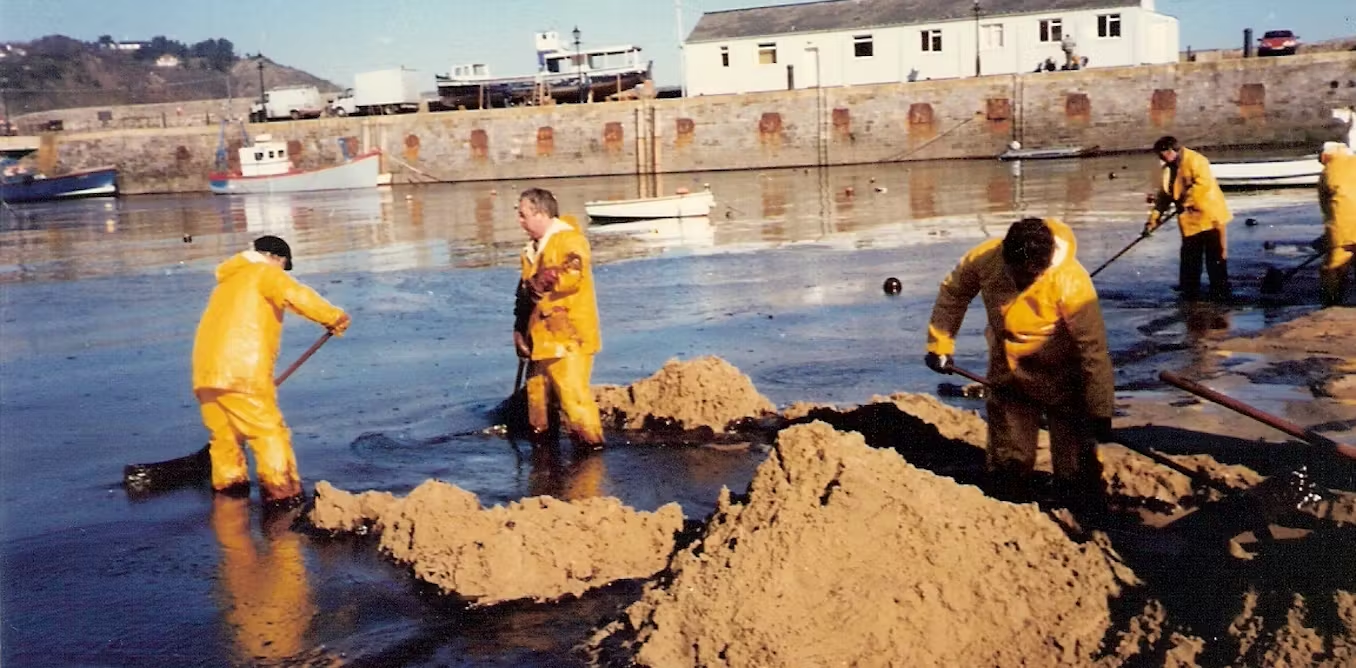
Oil from Tenby’s Harbour Beach is pumped into a tanker for removal in 1996.
Scott Grant, CC BY-NC-ND

In all, 11,000-16,000 tonnes of water-in-oil emulsion are estimated to have reached the shore – far less than the 72,000-120,000 tonnes of emulsion that could have beached. But even so, more than 120 miles (190km) of coastline were oiled. Birds, shellfish, marine and coastal habitats and the local tourism industry all took a hammering.

The UK government’s Marine Accident Investigation Branch found the immediate cause was pilot error – compounded by weak training, poor use of leading marks to help the tanker’s navigation, and no agreed master–pilot plan.

Salvage overseen by the Marine Pollution Control Unit (part of the UK Coastguard Agency) unfolded amid a stormy week. Muddled control was an issue alongside insufficient tug power and limited expert knowledge of the tidal streams. When big ships are in trouble, authority must be clear and tugs must be strong.

What’s changed since the disaster?

A lot has improved since the Sea Empress disaster.

Advertisement

The line of command is now much more direct. The UK created a single, empowered decision-maker – the secretary of state’s representative – to cut through competing interests in a major maritime emergency. The role dates from 1999 and exists because of lessons from the Sea Empress.

There’s also a clearer response plan in place. The national contingency plan for marine pollution incidents sets out who does what from the first call to the last waste bag. It links government, ports, regulators and science advisers, and outlines how to quickly set up a joint response centre for a coordinated approach to complex incidents.

Prevention of oil spills is high on the agenda. The UK government has identified marine environmental high-risk areas, including Pembrokeshire, to warn where a mistake can become a catastrophe.

Ships have also evolved to reduce the risk of big spills like this happening again. After the 1990s, single‑hull tankers were phased out under an amendment to international and national laws. New tankers had to be double‑hulled – designed with two completely watertight layers of steel – to reduce the risk of oil spills as the result of an accident.

Advertisement

By the mid‑2010s, single‑hull tankers were effectively gone from mainstream trade – a quiet revolution that prevented countless spills.

But not everything moved forward in a positive way.

In the 2000s, the UK stationed powerful government‑funded tugs around the coast. But in 2011, this fleet was axed on cost grounds, with a limited Scottish provision later restored and extended. A 2020 government‑commissioned study acknowledged that commercial towage hasn’t filled every gap, and that some sea areas are still at high risk of an oil disaster.

Risk has shifted, not vanished. Milford Haven is now one of Europe’s key liquefied natural gas (LNG) gateways. The South Hook and Dragon terminals, opened in 2009, can together meet up to a quarter of UK gas demand on peak days. That keeps homes warm and industry running. It also concentrates critical energy infrastructure in the same magnificent but exposed seascape that the Sea Empress scarred.

Advertisement
river with dark oil, brown boom stretches across width with boat, houses in background

An oil boom across Tenby Harbour tries to clean up the spill.
Scott Grant, CC BY-NC-ND

Lessons learnt

Three aspects of the handling of this disaster still guide my thinking as an environmental scientist today.

Hitting the oil hard at sea – and early on – can make a big difference. With the Sea Empress’s cargo of light crude in winter, rapid evaporation and dispersant‑aided dilution reduced shoreline oiling dramatically. It is often better to keep oil off beaches than have to scrape it off later – but you need surveillance, and then aircraft and trained people to be ready immediately.

crate of seabirds covered in black oil

Oiled seabirds wait to be cleaned after the Sea Empress spillage.
Scott Grant, CC BY-NC-ND

Coasts need to be cleaned in a methodical way, for as long as it takes. Buried oil re‑emerges. Heavy machinery can drive residues deeper if you rush. Quiet persistence beats flashy photo ops.

The government’s Sea Empress environmental evaluation programme found that, while many habitats recovered faster than feared, some wildlife communities – from limpets to cushion stars – needed continued protection.

Advertisement

Prevention always costs less than compensation. Fines, funds and court cases don’t restore trust or nature quickly. Investing upfront – in trained pilots, rehearsed joint command, powerful tugs in the right places, modern kit and transparent science – is cheaper than rebuilding a reputation for clean beaches, safe seafood and thriving wildlife. That was true in 1996. It is truer now.

Thirty years on, I still see Tenby’s empty beaches when they should have been busy. I can still picture the sad faces of Pembrokeshire’s people. Wales has deep ties to the sea: trade, holidays, food, fun.

With better ships, clearer command and smarter plans, the risk of major oil spills can be minimised. But complacency is a fair‑weather friend. LNG cargoes, bigger vessels, tighter budgets and busier coasts all raise the stakes. Anything can happen after dark in a gale, when radios crackle, information is scarce, and decisions must be made quickly.


Imagine weekly climate newsletter

Don’t have time to read about climate change as much as you’d like?

Get a weekly roundup in your inbox instead. Every Wednesday, The Conversation’s environment editor writes Imagine, a short email that goes a little deeper into just one climate issue. Join the 47,000+ readers who’ve subscribed so far.


Advertisement

Source link

Continue Reading
Click to comment

You must be logged in to post a comment Login

Leave a Reply

NewsBeat

Hazel Court- York council Click Before You Tip latest

Published

on

Hazel Court- York council Click Before You Tip latest

City of York Council data showed 195 out of more than 1,000 slots made available for traders in the four weeks since bookings went live were missed.

About nine tenths residents who booked one of the more than 12,000 10-minute slots available for them turned up for their appointments from Monday, March 2 to Sunday, March 29.

A spokesperson for Yorwaste, which runs the site on behalf of the council, said Towthorpe had not been any busier than usual since the new system was launched.

They added they had not experienced any unusual increases in traffic since the Click Before You Tip system launched at Hazel Court.

Advertisement

It follows the launch of the new booking system for Hazel Court on Monday, February 23 a week before time slots came into effect.


RECOMMENDED READING:


It also comes as residents are encouraged to ensure they have booked a slot if they are planning on using the tip over the Easter bank holiday.

Households are currently limited to four 10-minute slots a week while businesses can book up to two 15-minute slots a day.

Advertisement

Cllr Jenny Kent, the council’s Labour environment spokesperson, said at the time the system was a sensible solution to tackle congestion and queues and improve air quality in the area.

A report ahead of the council’s executive’s approval of the new system in September stated residents had raised safety concerns over drivers attempting dangerous manoeuvres in the road.

Businesses based in and around Hazel Court have also claimed congestion caused by queues for the tip was making it harder for their customers to reach them.

But the council’s Liberal Democrat opposition raised concerns about the plans at the time, saying they followed a decision to close the site on Wednesdays and could cause more fly-tipping.

Advertisement

Rubbish removal business Waste Warriors told The Press the new system had resulted in them having to turn down jobs due to limits on trips to the tip.

Traffic blocking the road as drivers queue to turn into Hazel Court Recycling Centre (Image: Newsquest)

Feedback from Yorwaste suggested the day-to-day operations at the site remained stable since bookings launched.

Around 70 per cent of the more than 12,000 slots made available to residents have been booked, rising to 80 per cent in the last full week of March.

The council stated the system was being widely-used and well-adopted by residents and activity at the site was broadly in line with seasonal expectations.

Advertisement

But it added missed trader appointments were causing issues because they reduce availability and cannot be easily given to someone else at such short notice.

People are required to bring their booking confirmation with them to show to tip staff on arrival.

Slots can be booked online or over the phone up to two weeks in advance.

The Towthorpe site, in Moor Lane, remains available to use without having to book beforehand.

Advertisement

Source link

Continue Reading

NewsBeat

Women’s Champions League: Quarter-final second leg Highlights Chelsea 1-0 Arsenal – Arsenal win 3-2 on aggregate

Published

on

Arsenal players celebrate

Arsenal lose the second leg of their quarter-final against Chelsea 1-0 at Stamford Bridge, but win 3-2 on aggregate to reach the semi-finals of the Women’s Champions League and move a step closer to successfully defending their title.

READ MORE: Arsenal hold off Chelsea to reach Champions League last four

Available to UK users only.

Source link

Advertisement
Continue Reading

NewsBeat

Ban on living on the outer Chagos Islands is overturned | World News

Published

on

The island of Diego Garcia, home of a UK-US military base. Pic: US Navy/AP

A court has overturned a ban on people living on the outer Chagos Islands.

In February, nine people, including four Chagossians, landed on Ile Du Coin, an uninhabited outer island which is 135 south of Diego Garcia.

They were ordered to leave, and four members of the group took legal action against the commissioner of the British Indian Ocean Territory (BIOT).

It was argued that a 2004 law removing the right of Chagossians to enter and remain on the outer islands was unlawful.

Advertisement

In a ruling on Tuesday, the BIOT Supreme Court quashed the rule and the commissioner’s order for the Chagossians to leave.


Trump’s Chagos post ‘should be taken as policy’

Advertisement

The UK has agreed to hand sovereignty of the Indian Ocean archipelago to Mauritius, and lease back a joined UK-US military base on Diego Garcia for 99 years.

US President Donald Trump was critical of the deal in February, describing it as an “act of great stupidity” and a “big mistake”.

James Lewis KC, the chief justice of the BIOT, said on Tuesday: “Any rational reason for passing the provision has now disappeared, if there ever was one.”

The Chagossians had initially claimed they were seeking to visit Ile Du Coin temporarily to visit graves, and did not mention they planned to establish a “permanent camp”, the judge said.

Advertisement

He continued: “A claimed power to exclude a whole population must be justified by legal source, not administrative necessity.”

The judge also said that the deal signed between the UK and Mauritius “removes any claimed reliance on defence or security issues in repopulating the outer islands, as well as rendering funding issues otiose [serving no practical purpose]”.

Read more from Sky News:
Iran’s allies could close second crucial sea route

Israel passes controversial death penalty law

The commissioner is challenging the decision, according to the Foreign Office.

Advertisement

A Foreign Office spokesperson said: “We do not agree with this judgment, and we understand the BIOT administration have appealed it.”

Meanwhile, the Conservatives have accused Sir Keir Starmer of treating Chagossians as “an inconvenience”.

Priti Patel has criticised Prime Minister Sir Keir Starmer
Image:
Priti Patel has criticised Prime Minister Sir Keir Starmer

Shadow foreign secretary Dame Priti Patel has called on the prime minister to abandon what she described as an “appalling” deal to hand back the Chagos Islands to Mauritius, which she said was a “complete betrayal”.

Ms Patel said: “Throughout the process, he has sought to sideline the Chagossian people, treating them as nothing but an inconvenience.

“Chagossians, many of whom have no desire to see the islands handed over to an ally of China, ended up taking matters into their own hands. And now this latest humiliation has further undermined the Government’s case.”

Advertisement

Source link

Continue Reading

NewsBeat

Tiger Woods turns down Ryder Cup captain’s job and seeks treatment out of country

Published

on

Tiger Woods turns down Ryder Cup captain's job and seeks treatment out of country

Tiger Woods formally turned down the Ryder Cup captaincy Wednesday as he steps away from golf activities, and a Florida judge approved his motion to leave the country to seek treatment.

The developments come one day after Woods entered a not guilty plea to suspicion of driving under the influence when his SUV clipped the back of a trailer and flipped on its side last week on a residential road near his home on Jupiter Island, Florida.

Woods posted a statement Tuesday night saying that he was stepping away indefinitely “to seek treatment and focus on my health.”

A motion filed Wednesday by his attorney, Douglas Duncan, asked a judge that Woods be allowed to travel outside the country to begin “comprehensive inpatient treatment.”

Advertisement

Duncan said the recommendation from Woods’ doctor was based on the golfer’s “complex clinical presentation and the urgent need for a level of care that cannot safely or effectively be done within the United States as his privacy has been repeatedly compromised.

“Ongoing medical scrutiny and public exposure create significant barriers to his care and would result in setbacks and an inability to fully engage in treatment.”

Martin County Court Judge Darren Steele approved the motion, which did not say where the inpatient treatment facility was located.

The Ryder Cup decision by the PGA of America was not a surprise during the last five, chaotic days involving Woods dating to his Friday arrest.

Advertisement

___

AP golf: https://apnews.com/hub/golf

Advertisement

Source link

Continue Reading

NewsBeat

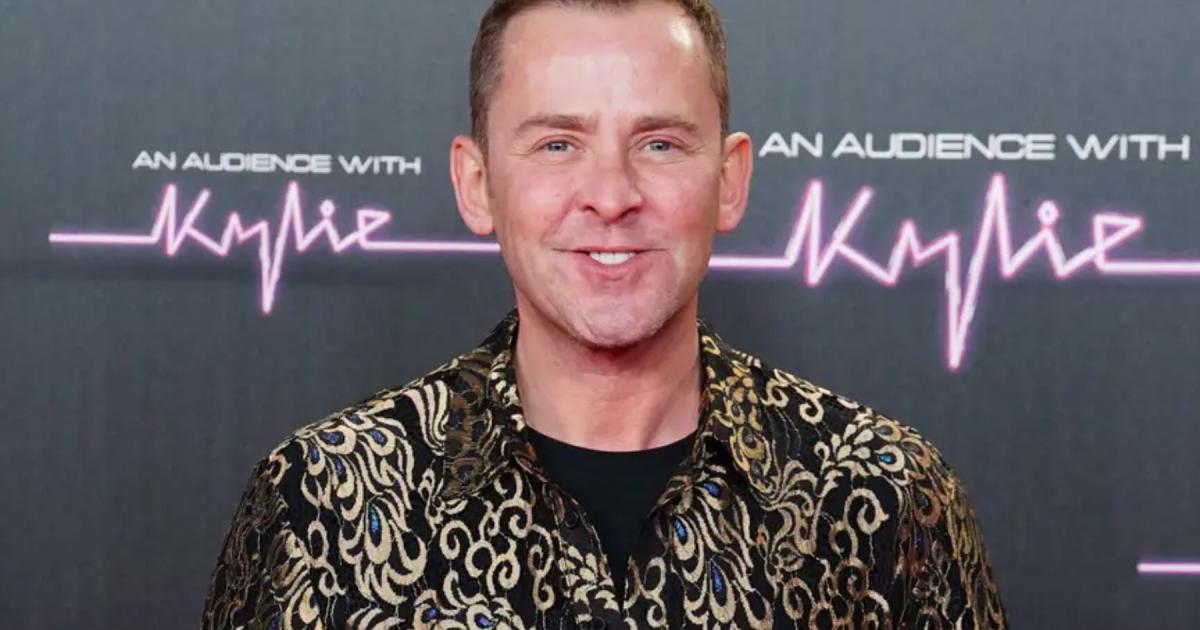
Scott Mills breaks silence for first time after BBC sacking

Published

on

Scott Mills breaks silence for first time after BBC sacking

In a statement, Mills said: “The recent announcement that I am no longer contracted to the BBC has led to the publication of rumour and speculation.

“In response to this the Metropolitan Police has made a statement, which I confirm relates to me.

“An allegation was made against me in 2016 of a historic sexual offence which was the subject of a police investigation in which I fully cooperated and responded to in 2018.

Advertisement

“As the police have stated, a file of evidence was submitted to the Crown Prosecution Service, which determined that the evidential threshold had not been met to bring charges.

“Since the investigation related to an allegation that dates back nearly 30 years and the police investigation was closed 7 years ago, I hope that the public and the media will understand and respect my wish not to make any further public comment on this matter.

“I wish to thank from the bottom of my heart all those who have reached out to me with kindness, my former colleagues, and my beloved listeners, who I greatly miss.”

The breakfast show host was abruptly taken off air by the BBC last week, before his sacking over allegations related to his “personal conduct” was announced on Monday.

Advertisement

Recommended reading :


The 53-year-old last hosted his show on Tuesday, March 24 and signed off with: “See you tomorrow.”

He was questioned by police under caution in July 2018.

Mills was not charged with a criminal offence, and the case was closed due to a lack of evidence.

Advertisement

The Metropolitan Police does not identify people who are subject to an investigation before any charges are brought.

What was the Met Police statement?

A spokesperson said: “In December 2016, the Met began an investigation following a referral from another police force.

“The investigation related to allegations of serious sexual offences against a teenage boy. These were reported to have taken place between 1997 and 2000.

“As part of these inquiries, a man who was in his 40s at the time of the interview was questioned by police under caution in July 2018.

Advertisement

“A full file of evidence was submitted to the Crown Prosecution Service, who determined the evidential threshold had not been met to bring charges. Following this advice, the investigation was closed in May 2019.”

Source link

Advertisement
Continue Reading

NewsBeat

Virtual replicas of patients’ hearts help doctors tackle irregular heartbeat

Published

on

Virtual replicas of patients' hearts help doctors tackle irregular heartbeat

WASHINGTON (AP) — Scientists created virtual replicas of patients’ diseased hearts so precise that blocking a dangerous irregular heartbeat in these digital “twins” showed doctors how to better treat the real thing.

One of the first clinical trials of these custom models suggests it might improve care for ventricular tachycardia, a notoriously difficult-to-treat arrhythmia that is a major cause of sudden cardiac arrest, blamed for about 300,000 U.S. deaths a year.

The study, by researchers at Johns Hopkins University, was a small first step. The Food and Drug Administration allowed the digital twin technology to guide treatment for just 10 patients, and much larger studies will be needed.

But the results reported Wednesday in the New England Journal of Medicine come as doctors increasingly are exploring how a technology long used in aerospace and other industries might be harnessed for better health, too.

Advertisement

Dr. Jeffrey Goldberger, a heart specialist at the University of Miami who wasn’t involved with the study, experimented with more rudimentary iterations 15 years ago and praised the new findings. “This is what we envisioned,” he said.

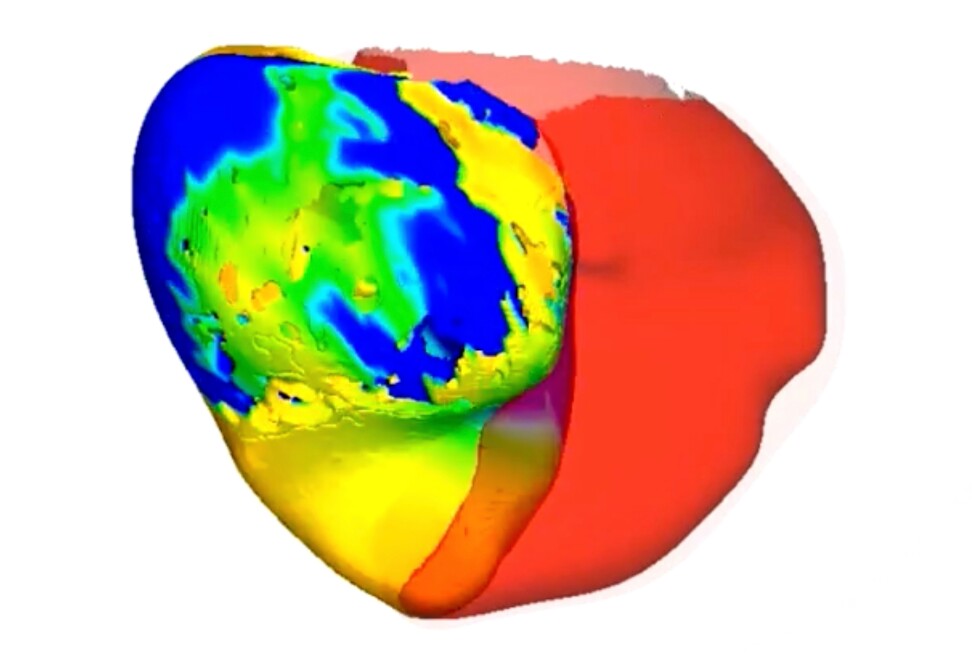
Doctors have long used 3D models, both physical and computer-generated ones, to simulate disease and practice techniques. But Hopkins biomedical engineer Natalia Trayanova said true digital twins predict how a real organ can react to different treatments. Her lab is pioneering colorful interactive models developed with an advanced MRI scan and other data from each patient.

“We treat the twin before we treat the patient,” Trayanova said. “Did it work? And if it did, are there new things that arise” that will require more or different care?

The heart’s electrical system powers our heartbeat. Ventricular tachycardia is a super-fast heartbeat triggered when an electrical wave short-circuits in the organ’s bottom chambers, the ventricles, and prevents them from pumping blood out to the body.

Advertisement

“You see this heart that is basically quivering,” Trayanova said.

Medication can help but the main treatment is ablation, when doctors thread catheters to the heart to burn misfiring tissue. But it’s a bit trial-and-error, as patients spend hours under anesthesia while doctors determine where to aim. Repeat ablations are common, and many patients have an implanted defibrillator as backup.

Enter Trayanova’s digital twins of patients’ ventricles. Colors swirl on a computer screen – blue, green, yellow and orange – showing how the heart’s electrical wave moves across the chamber’s healthy areas before getting stuck on damaged tissue. It’s trapped in a circular motion that she compares to the swirl of a hurricane.

“It allows me to recreate the functioning of the patient’s organ and then predict what is the best way to ablate,” she said.

Advertisement

The technology locates a dysfunctional region where the electrical wave repeatedly hits. Virtually ablating it will show if that solves the problem or if another arrhythmia forms that also will need zapping. “Then we poke it again,” she explained.

Trayanova’s team created customized ablation targets for each of the 10 study participants. Cardiologists transferred them to a mapping system they use as a guide and aimed just at those targets instead of hunting their own.

More than a year later, eight patients had no arrhythmias while two experienced only a single brief episode while they were healing — better than the treatment’s typical 60% success rate, said Dr. Jonathan Chrispin, a Hopkins cardiologist and the study’s lead author. All but two also stopped their anti-arrhythmia medicine.

More importantly, cardiologists may burn away less tissue by targeting “specifically the areas that we think are critically important,” Chrispin said. “We could potentially make these procedures shorter, safer, more effective.”

Advertisement

The Hopkins team hopes to study the digital twin approach in a larger study with other hospitals, and has begun a trial using it to treat a more common type of irregular heartbeat called atrial fibrillation. Other researchers are studying digital twins for cancer care.

___

The Associated Press Health and Science Department receives support from the Howard Hughes Medical Institute’s Department of Science Education and the Robert Wood Johnson Foundation. The AP is solely responsible for all content.

Advertisement

Source link

Continue Reading

NewsBeat

‘System malfunction’ causes more than 100 driverless taxis to stop mid-traffic in China | World News

Published

on

Apollo Go, Baidu's robotaxi service, travelling through Wuhan, China, in 2024. Pic: Reuters

A system failure caused more than 100 driverless cars to suddenly stop mid-traffic in China.

Some passengers were left stranded in their vehicles after a “system malfunction” caused the driverless robotaxis to come to a halt in Wuhan on Tuesday.

No injuries were reported.

One passenger told Chinese media that their robotaxi stopped after turning a corner.

Advertisement
Image:
An Apollo Go robotaxi that stopped in the middle of traffic due to a system failure in Wuhan, China.
Pic: Social Media/Reuters

An instruction on a screen then read: “Driving system malfunction. Staff are expected to arrive in five minutes.”

While some passengers were able to leave their cars, others were afraid to get out because they had stopped in a middle lane with traffic going by on either side, according to local reports.

Advertisement

Read more from Sky News:
Scott Mills releases statement after BBC sacking
Trump attends Supreme Court hearing on birthright citizenship

The taxis are operated by Baidu, a major Chinese internet and AI company firm that is set to bring its driverless taxis to the UK this year.

Baidu operates hundreds of robotaxis in Wuhan, which hosted an early pilot project for the company.

Uber and Lyft ‌are both planning to launch driverless taxi trials with the company.

Advertisement

It is the first time a mass shutdown of taxis has been reported in China.

In December, many self-driving cars in San Francisco operated by rival firm Waymo came to a sudden stop because of a power outage.

Baidu did not reply to a request from the Associated Press news agency for comment.

Advertisement

Source link

Continue Reading

NewsBeat

Arsenal Women cause Chelsea more European pain after red card and unpunished hair pull late on

Published

on

Arsenal Women cause Chelsea more European pain after red card and unpunished hair pull late on

Good evening and welcome to our live coverage of Chelsea v Arsenal in the Women’s Champions League. 

A thrilling all-English clash awaits as Chelsea look to use their home advantage to overturn a 3-1 deficit at Stamford Bridge in their second leg against the reigning European champions. 

Arsenal saw off their Women’s Super League rivals in a dramatic contest last week at the Emirates, where goals from Stina Blackstenius, Chloe Kelly and Alessia Russo helped the home side to a convincing win. 

Advertisement

Lauren James’s deft chip was the only positive for Chelsea on a night which left Chelsea manager Sonia Bompastor fuming at the standard of refereeing after her side had two goals scratched off. 

Arsenal will fancy their chances after a resounding 5-2 North London derby win over Tottenham last weekend, although they can expect Chelsea to rouse a strong response as they bid to progress to a fourth consecutive European semi-final. “We know we can overturn this result,” were the confident words of Chelsea defender Lucy Bronze at full time.

The stats, though, are against Chelsea. Arsenal having progressed on all four previous occasions when they have gained a two-goal first-leg lead in a Uefa competition two-legged tie.

The Champions League is the one major honour missing from Chelsea’s trophy cabinet. While the club have dominated domestically, European success remains the ultimate goal – something they never managed to achieve under former manager Emma Hayes. 

Advertisement

Despite winning the League Cup last month, they have endured a sub-optimal season by their own lofty standards. They are nine points adrift of WSL leaders Manchester City and with three games of the league season remaining, their recent dominance in English women’s football looks set to come to a shuddering halt. 

Source link

Continue Reading

NewsBeat

Netflix Age of Attraction deleted scenes ‘expose’ hidden romance

Published

on

Manchester Evening News

Netflix has shared never-before-seen Age of Attraction footage exposing a love story that was completely cut from the reality series

Netflix has released deleted scenes from Age of Attraction that unveil a hidden romance fans never got to witness. The reality programme brought together 40 singles ranging in age from 22 to 60, each given the opportunity to find love without ever discovering one another’s ages.

A Netflix synopsis teases: “Age is thrown out the window when singles search for their soulmates in this dating series. Is love truly ageless, or will the years come between them?”

Advertisement

The initial contestants were narrowed down to just five couples by the final commitment ceremony, where each pair decided whether they wished to continue their relationship outside of the experiment. Among them was Andrew Wheeler, 38, who departed the show with girlfriend Libby Vodicka, 22.

READ MORE: Emmerdale confirms Graham Foster poisoned Kim Tate in revenge bombshellREAD MORE: Netflix’s dystopian series fans say is ‘as good as Handmaid’s Tale’

However, it turns out Andrew had another significant connection that was cut entirely from the reality series. Tudum has unveiled previously unseen footage revealing Andrew’s romance with 39-year-old Ashley, whom he began pursuing a connection with during the retreat stage of the experiment, reports the Mirror.

Advertisement

The exclusive clips show Andrew and Ashley engaging in a flirtatious conversation as they reflect on their experiences in the show. Andrew is then heard drawing comparisons between his relationships with Libby and Ashley. He told Ashley: “Libby has been fun. I feel like my connection with her is a little bit different than, my connection with you. I feel like we have… it’s very calming, very chill.”

Business owner Ashley then opened up about her previous relationships, disclosing that she is a virgin and her ex “thought he could handle it but he couldn’t”.

She explained: “I haven’t told anyone else here this. I am a virgin that has been waiting for marriage. I get that’s different. I get that’s probably weird.

Get Netflix free with Sky

Advertisement
This article contains affiliate links, we will receive a commission on any sales we generate from it. Learn more
Netflix logo

£5.99

£0

Sky

Get the deal here

Sky is giving away a free Netflix subscription with its new Sky Stream TV bundles, including the £15 Essential TV plan.

This lets members watch live and on-demand TV content without a satellite dish or aerial and includes hit shows like Stranger Things and The Last of Us.

Advertisement

“I understand it’s not for everyone. I don’t expect the person I’m with to have done that [abstinence] either. This is a very personal choice I made when I was younger, and it ties to the romantic side of me.” While Ashley was apprehensive about Andrew’s reaction, she visibly relaxed following his understanding response.

He said: “I don’t feel any type of way about that. I think if anything, it shows how strong of a person you are. And you should be proud of yourself. ” Despite their spark, Andrew subsequently ended things as he felt a stronger connection with Libby.

The new footage also uncovers little-known friendships and romances that were left on the cutting room floor. Fans will also be pleased to hear that Age of Attraction has already been commissioned for a second series, with hosts Natalie Joy and Nick Viall set to return.

Advertisement

Age of Attraction is streaming now on Netflix

Source link

Continue Reading

NewsBeat

Scots in 39 areas urged to ‘prepare essential items’ amid double weather warning over Easter weekend

Published

on

Daily Record

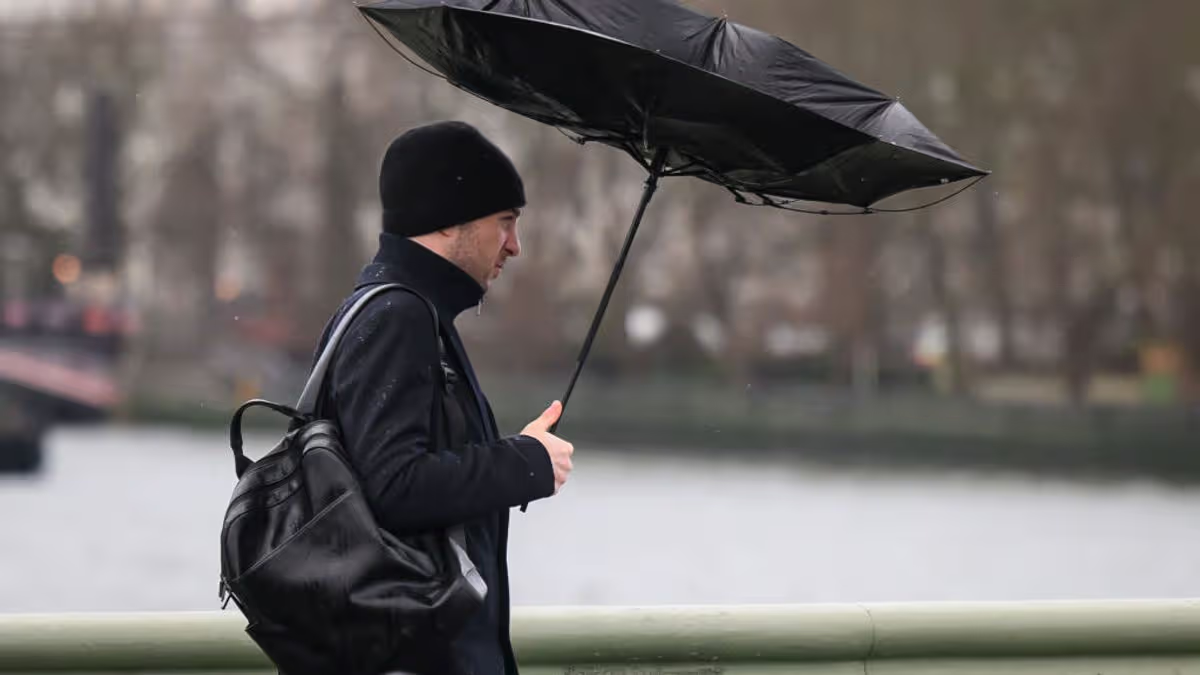
The Met Office has placed two yellow wind warnings across Scotland over Easter as gusts are set to reach up to 90mph.

The Met Office has warned Scots to prepare essential items over the Easter weekend as two weather warnings have been put in place. The warning extends to over 59 parts of the UK across North Wales, northern England and Northern Ireland but Scotland is the only country to be included in both yellow warnings.

The national weather forecaster has advised that wind speeds could reach a staggering 90mph at times over the Easter weekend as the first yellow wind warning will cover almost all areas of Scotland. A large number of areas across north east and north west England as well as Northern Ireland and Wales will also be affected.

The warning is in place from 6pm on Saturday, April 4 until midday on Easter Sunday, April 5. The Met Office has warned that delays to road, rail, air and ferry transport are likely, and there is a chance of power cuts too.

Advertisement

Some buildings may also be damaged and there is a small chance of injuries “from large waves and beach material being thrown onto sea fronts, coastal roads and properties”.

It added: “A rapidly deepening area of low pressure is likely to move northeastwards close to or across northwestern parts of the UK during Saturday evening and night, clearing to the North Sea by Sunday.

“Whilst there is some uncertainty over the exact track, intensity and shape of this area of low pressure, a period of strong west to southwesterly winds is expected during Saturday night and into the first part of Easter Sunday, before gradually easing through the day.

Advertisement

“Peak gusts of 50-60 mph will be possible fairly widely, with 60-70 mph in more exposed locations.

“There is a slight chance of some very strong winds across parts of Scotland, particularly in the west, where gusts of 80-90 mph may be possible in exposed areas for a time.”

It also urged people to prepare for power cuts by gathering “essential items” as well as torches, batteries, and a mobile phone power pack.

A second yellow warning for wind is in place for all day on Easter Sunday.

Advertisement

It states: “Peak gusts of 60-70 mph will be possible fairly widely, with a slight chance of 75-85 mph in some exposed areas for a time.”

The warning covers Orkney and Shetland.

Scots in these areas are again being urged to prepare essential items due to the risk of power cuts.

The warning adds: “Prepare to protect your property and people from injury.

Advertisement

“Check for loose items outside your home and plan how you could secure them. Items include; bins, garden furniture, trampolines, tents, sheds, and fences.”

Areas covered by Met Office warning weathers over Easter Weekend

Central, Tayside & Fife

  • Angus
  • Clackmannanshire
  • Dundee
  • Falkirk
  • Fife
  • Perth and Kinross
  • Stirling

Grampian

  • Aberdeen
  • Aberdeenshire
  • Moray

Highlands & Eilean Siar

  • Na h-Eileanan Siar
  • Highland

SW Scotland, Lothian Borders

  • Dumfries and Galloway
  • East Lothian
  • Edinburgh
  • Midlothian Council
  • Scottish Borders
  • West Lothian

Strathclyde

  • Argyll and Bute
  • East Ayrshire
  • East Dunbartonshire
  • East Renfrewshire
  • Glasgow
  • Inverclyde
  • North Ayrshire
  • North Lanarkshire
  • Renfrewshire
  • South Ayrshire
  • South Lanarkshire
  • West Dunbartonshire

Orkney & Shetland

  • Orkney Islands
  • Shetland Islands

Source link

Continue Reading

Trending

Copyright © 2025