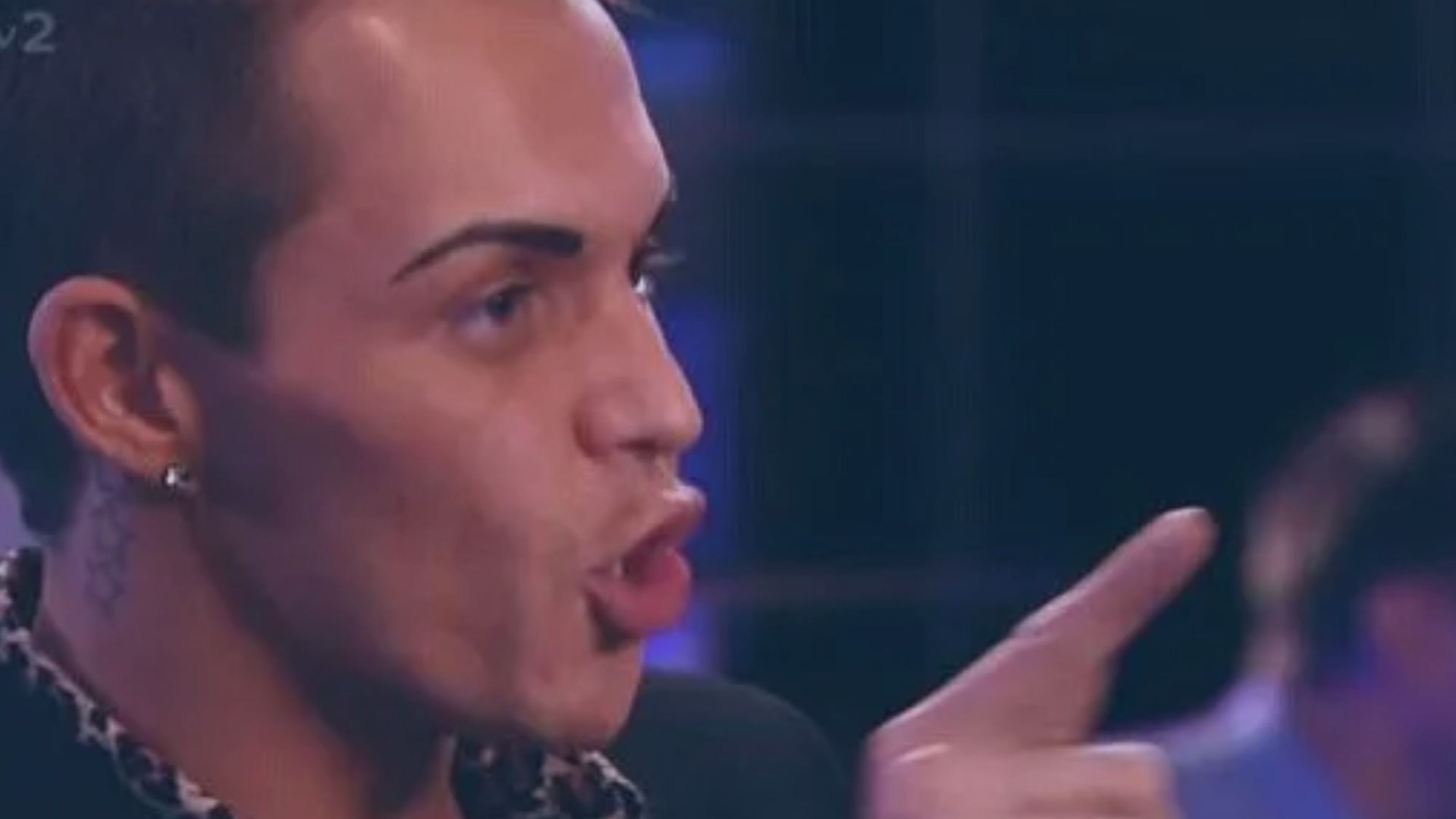
BOBBY Norris has finally spoken out on the seven-year long feud he has with former best pal Gemma Collins.
The pair were ultra close on the ITV show, both rising to fame during the show’s early series alongside the likes of Mark Wright and James Argent.
Sign up for the TV newsletter
Thank you!
Advertisement
Bobby Norris has spoken out for the first time about his feud with former best friend Gemma CollinsCredit: InstagramGemma said earlier this week that the pair haven’t spoken in years, despite attempts by herCredit: Not known, clear with picture deskBobby then took to Instagram to give his side of the storyCredit: Instagram
Taking to Instagram, Bobby filmed himself and said: “Someone’s just come running up to me and gone, ‘Bob. Bobby, you’ve got to call Gemma Collins. Call Gem!’.
“I was like, ‘Sorry babe?’ In my head I’m thinking, I ain’t seen Gem for like seven years.
Advertisement
“She went, it’s all in the papers, she can’t get hold of you.”
Continuing that he has a multitude of phone numbers for his former pal, Bobby claimed he wouldn’t know where to start when it comes to getting a hold of her.
“You know when your heart goes, cause you think, has something happened?
“But I’ve legit got 37 numbers for Gemma, so I could legit contact Marilyn Monroe on a Ouija board quicker than I could get hold of Gem.”
Advertisement
Refraining from divulging on why he really drifted from Gemma, Bobby said: “She went, ‘Please tell me you two are going back to TOWIE, you two were the best, I loved watching you as a double act, you’re like Bonnie and Clyde’.
“I said ‘aww thanks’, so it’s always lovely meeting people and talking to them. But as she walked away, I thought ‘Bonnie and Clyde??!’ They were bank robbers!”
He joked: “But, I mean, me and Gem are quite recongisable, so me and her running into the Abbey National with a pair of her pretty polly’s on our heads, I don’t think that’s gonna work out for us.
“And besides, ain’t banks going cash free now? You’d be lucky to get a fiver. But yeah, Bonnie and Clyde made me laugh”.
Advertisement
Gemma and Bobby had an explosive history on TOWIE as they often got caught up in brutal rows.
But the GC also revealed this week that she deliberately used to argue with Bobby and wind him up, in a clever bid to get more air time – and that she did.
She said: ” I used to think, no I’ve gotta do something on this show to get a scene.”
Bobby said he would struggle to get a hold of Gemma if he wanted to, claiming he has a myriad of phone numbers for his former co-starCredit: InstagramThe former friends both rose to fame on TOWIE over a decade agoCredit: Lime Pictures
Every February 11, the anniversary of the untimely death of my 19-year-old best friend hits me and I feel a heaviness that doesn’t lift until the day’s end.
The day when you lost a loved one, had an accident, or experienced another traumatic event can trigger grief, anger, sadness and anxiety – and also cause physical symptoms, like sickness and insomnia. In more severe cases, people suffering from PTSD may relive experiences in vivid flashbacks or dreams.
Experts call this “anniversary syndrome” or the “anniversary effect,” and every person’s experience is unique. Some 70 percent of U.S. adults say they’ve experienced at least one traumatic event, according to the National Council for Behavioral Health.
“During these times, these feelings and reactions can be strong and often ‘take you back,’” the U.S. Centers for Disease Control and Prevention says. The symptoms might begin in the weeks before and intensify as the date nears, the CDC adds. Some may continue for weeks after the anniversary.
Advertisement
But these symptoms don’t last forever and experts have identified several steps people can take to feel relief, both mentally and physically.
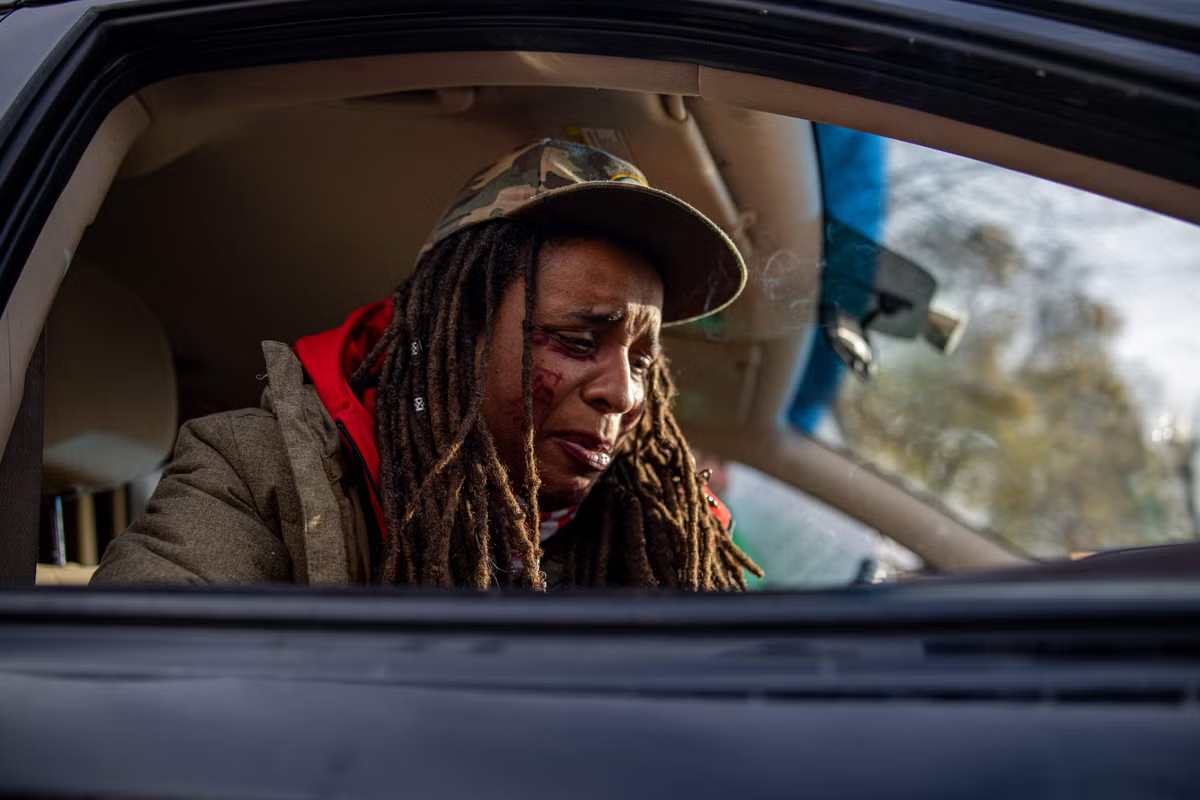
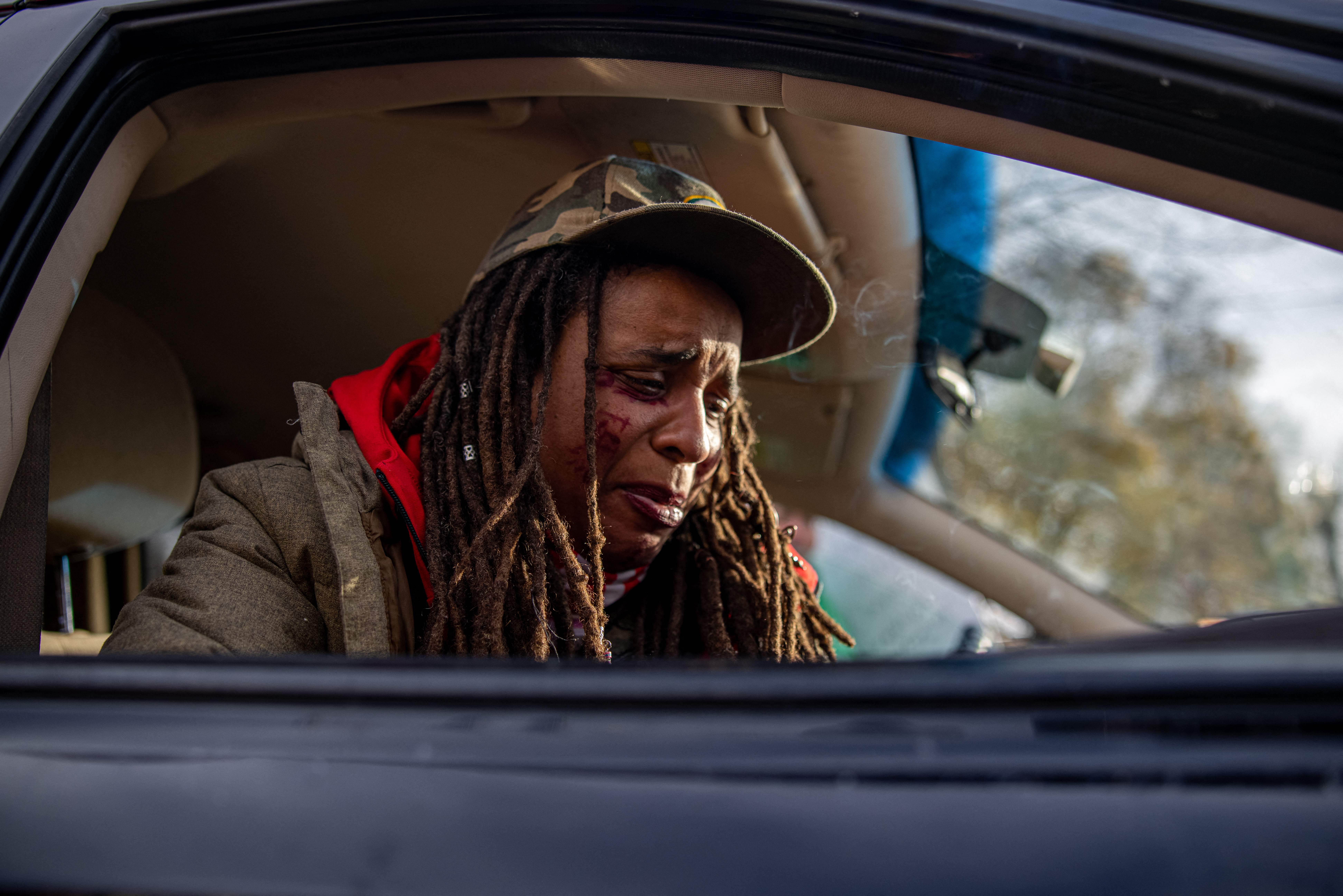
Traumatic anniversaries can bring up feelings of grief, anxiety and sadness. Experts say there are steps to help counter these effects (AFP via Getty Images)
The rhythms of health
Getting the federally–recommended seven hours of sleep a night is important but so is sticking to a schedule. If you don’t keep a sleep routine, it can throw off your circadian rhythm – the body’s way of regulating hormones, digestion and temperature, according to the Cleveland Clinic.
Disrupting that internal clock can worsen the anniversary effect and also increase the likelihood of developing anxiety and depression.
So stick to a sleep schedule. That means going to bed and waking up at the same time, including on weekends, the Mayo Clinic instructs.
Advertisement
Going for a walk in sunlight, within the hour you wake up, helps signal to your brain and body that it’s daytime, says Banner Health nurse practitioner Alexandra Lessem, “setting the circadian clock.”
If you can’t be outside, sitting by an open window with direct sunlight has a similar effect.
A balanced diet packed with fruit and vegetables is crucial for a good night’s sleep. Several foods naturally contain melatonin, such as cherries, pistachios, almonds, eggs and fish, the National Institutes of Health says, and can help make you sleepy.
It’s important to drink plenty of water and move your body every day. As little as 10 minutes of moderate or vigorous activity, such as walking briskly or running, is enough to get more restorative sleep, Benjamin Baird, research assistant professor of psychology at the University of Texas at Austin, said.
Advertisement
Mindful medicine
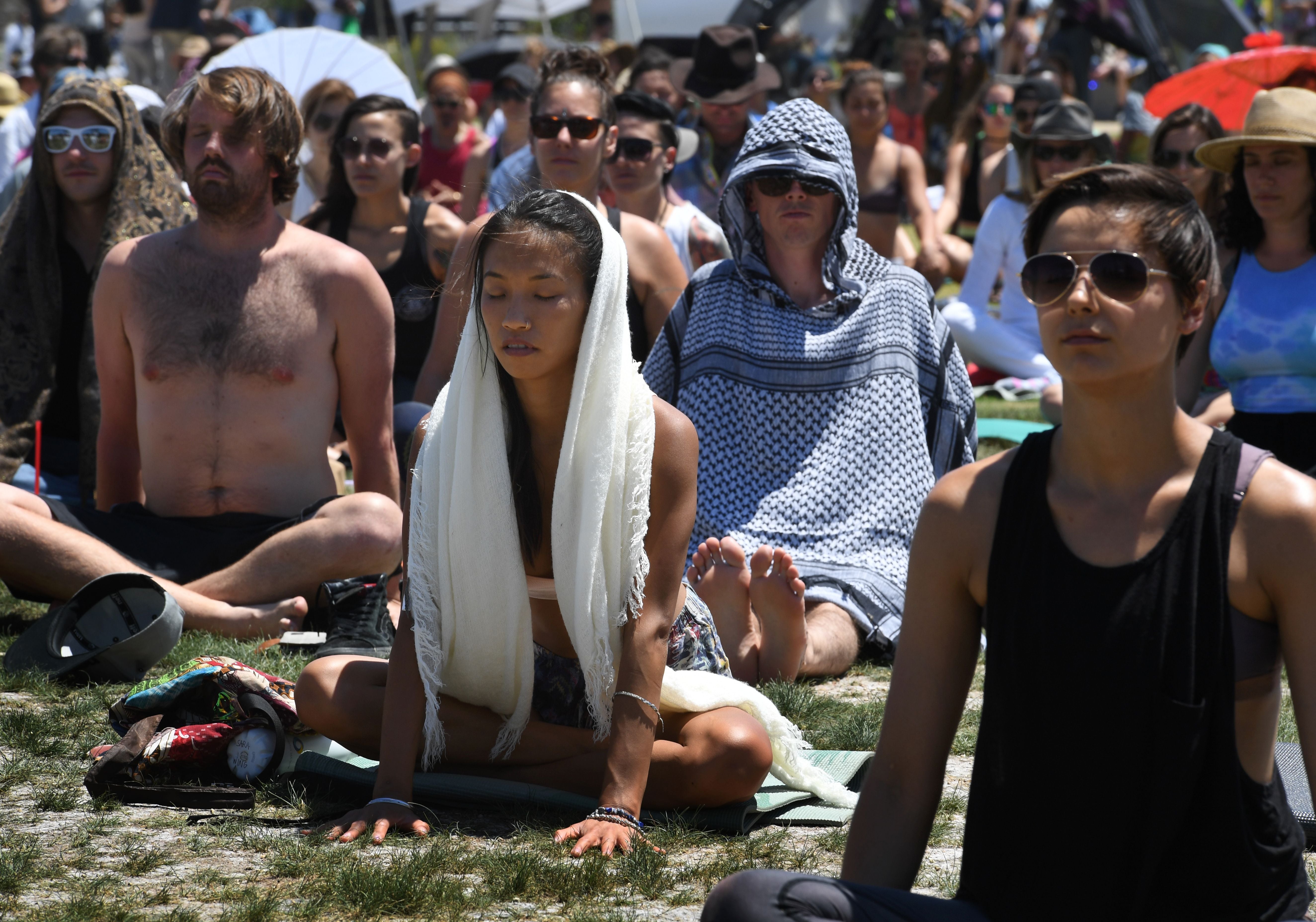
A few minutes of meditation a day helps with symptoms of anxiety, depression and trauma, and lets people connect with their inner self.
The ancient mind-body practice regulates the sympathetic nervous system, lowers the heart rate and levels of the stress hormone cortisol, the Cleveland Clinic says.
If you are new to meditation, begin with just a minute and build from there. There are a number of styles but some easy places to start include mindfulness meditation, which focuses on the breath, a certain image or feeling, or mantra meditation which has users repeat a certain word or phrase.
Advertisement
Guided meditation – following an expert in person or in one of many online apps – can help beginners tap into the process.
Journaling is a valuable practice for coping with the “anniversary effect.” It is widely used in therapy to help patients process painful feelings – and focus their minds on what they are grateful for or positive experiences.
“It may feel safest to bury painful feelings and avoid confronting them, but acknowledging what happened and how it has impacted you is an important part of healing,” the non-profit Mental Health America says.
Meditation can help to lower heart rate and levels of the stress hormone cortisol. The practice is thousands of years old (AFP via Getty Images)
Social service
As a difficult date on the calendar approaches, reach out to family and friends.
Advertisement
“There are some folks that, even months before, are nervous about the anniversary,” Laura Murray, a senior scientist in mental health and a clinical psychologist at Johns Hopkins Medicine, said in a statement. “They’re thinking about it, trying to figure out how to manage it – we sometimes describe this as spinning.”
Telling others not to bring up a death or traumatic event in the days before an anniversary can help friends or family struggling with trauma to avoid undue stress.
Make plans – even if it’s something small like going to a movie with a loved one or a board game night with friends. “It is important not to isolate yourself. Instead make efforts to be with others,” the National Center for PTSD says.
If you don’t want to confide in friends and family, talk to a trauma therapist. These experts are specifically trained in techniques such as eye movement desensitization and reprocessing therapy. The therapy, first tested in 1989, involves moving your eyes a specific way while you process traumatic memories. It can improve mood without having to talk about negative events, the Cleveland Clinic says.
Advertisement
All in the technique
Mental health experts recommend some tools that can alleviate the anniversary effect.
If you are feeling stressed or stuck thinking about the event, focus on the five senses – sight, smell, touch, sound and taste – to bring you back to the present, the National Alliance on Mental Illness says. This might start with the feel of your clothing, the sound of bird chirping nearby or the smell of food wafting from a restaurant.
“Then notice four of each, then three of each, and so on,” the alliance advises.
Advertisement
Being told to stay positive may make you roll your eyes, but thinking positively can reduce stress, according to Johns Hopkins Medicine. Bring up some of those silly cat videos on your phone – the simple acts of smiling and laughing fight stress by lowering heart rate and blood pressure.
Or pay it forward: send someone a thoughtful card or buy a coffee for a stranger. Making others feel good can make you feel good about yourself.
Manchester City sit nine points off Premier League leaders Arsenal
Alan Shearer has outlined the blueprint for Manchester City to beat Arsenal and win the Premier League.
Advertisement
The former Newcastle United striker highlighted the bravery and belief from Southampton during their FA Cup quarter-final, as the Saints knocked Mikel Arteta’s side out of the competition.
Within two matches, the Gunners have gone from quadruple chasers to the top-flight title race and Champions League their only remaining options for silverware.
City bossed Arsenal at Wembley on the eve of the international break to win the first piece of silverware available, after Nico O’Reilly’s double was enough to win the Carabao Cup final 2-0.
They followed up their cup win with an emphatic win over Liverpool to book their place in the FA Cup semi-final.
The Gunners return to action on the back of their 2-1 defeat at the Championship opposition in midweek when they travel to Sporting CP in the Champions League. They return to top-flight action when Bournemouth visit on April 11.
Shearer hailed Southampton’s approach, he said: “They were brave, they were definitely brave, definitely had belief. They fed off the crowd, had a great energy.
Advertisement
“I was really impressed with how they approached it, the manager came out and said, ‘we’re going to have a gameplan, we think we can get at them and there may be one or two weaknesses’ which was brave to think it, let alone, say it.
“He did, I thought they were absolutely outstanding, a great watch and brilliant to witness.”
City face a nine-point deficit to restore their place at the summit of English football. That could be reduced to six points if they win their game in hand and if they beat Arsenal at the Emirates Stadium, it could be three going into the final five matches of the season.
Micah Richards said: “I don’t think teams in the Premier League play like that. Arsenal wouldn’t be that high, it’s almost like they went into the game thinking they can turn up.
Advertisement
“They have loads of ball players, we have to give a shoutout to Dowman, on another day he scores a couple of goals but couldn’t get his touch right in the last bit of it but when you look at Arsenal and think Dowman is the best player, the senior players need to step up now.”
Lineker added: “The next two games are massive, they need to steady the ship. They have a huge lead in the Premier League, nine points, City have a game [in hand] and play Arsenal at the Etihad, so it could go down to three but it has to. It’s squeaky bum time.”
Get £250 to switch to Virgin Media’s sport packages
This article contains affiliate links, we will receive a commission on any sales we generate from it. Learn more
Virgin Media is paying new customers up to £250 as a bill credit when they switch to one of its TV and broadband packages, several which are packed with hundreds of channels including Sky Sports, Netflix and fibre broadband.
A murder probe is underway following the death of a man in Glasgow on Thursday.
12:56, 06 Apr 2026Updated 12:59, 06 Apr 2026
Police have launched a murder probe following the death of a man in Glasgow.
Officers from Police Scotland received a report of concern for a man at a property on Drakemire Avenue in the Castlemilk area of the city shortly after 8pm on Thursday, April 2.
Emergency services attended, but the man was pronounced dead at the scene. He has been named by cops as Craig Hamilton. Following a post-mortem examination, Craig’s death is being treated as a murder.
Advertisement
His family has released a statement through Police Scotland.
It reads: “Craig was much loved by his family and friends and he will be missed. We’d ask that our privacy is respected at this time.”
Detective Chief Inspector Jennifer McCulloch said: “Our thoughts remain with Craig’s family and friends at this extremely difficult time, and we are continuing to support them as the investigation progresses.
“Extensive enquiries are ongoing and we have a dedicated team of specialist officers working through all lines of enquiry to establish the full circumstances. This includes officers going door to door in the local area, as well as thorough analysis of the available CCTV footage from the area.
Advertisement
“From our enquiries so far, we have established Craig was last seen on Saturday, 28 March.
“I am particularly keen to hear from anyone who was in the Drakemire Avenue area between Saturday, 28 March and Thursday, 2 April and saw anything suspicious to please come forward.
“Your information, no matter how insignificant it may seem, may be important so please contact us as soon as possible.
Chief Inspector Allistair Macdonald said: “We understand that this will be concerning for the local community but would like to reassure the public that extensive enquiries are ongoing to establish the full circumstances.
Advertisement
“An increased police presence will remain in the area over the coming days. Anyone with concerns, or information, can approach these officers.”
An online portal has been set up for the public to submit information directly to officers. Alternatively, contact Police Scotland on 101 quoting incident 3347 of 2 April, 2026. Crimestoppers can also be contacted anonymously on 0800 555 111.
Get more Daily Record exclusives by signing up for free to Google’s preferred sources. Click HERE.
I’m A Celebrity South Africa is back for its second season with an array of stars returning to the iconic ITV show.
Hayley Anderson Screen Time TV Reporter
12:57, 06 Apr 2026
I’m A Celebrity’s Tom Read Wilson’s audition for The Voice uncovered
I’m A Celebrity South Africa is making its comeback for a second series this evening, with the All Stars edition bringing together some of the show’s most memorable faces.
Advertisement
ITV’s beloved reality programme returns with presenting duo Ant McPartlin and Dec Donnelly leading the charge as this year’s 12 contestants face their most daunting trials to date.
From scaling rock faces and leaping from planes to tackling an aerial obstacle course, the famous faces will need to conquer their anxieties once again if they hope to stay in the running.
The Only Way Is Essex star Gemma Collins famously appeared in the 2014 series of I’m A Celeb for a mere three days before her theatrical departure.
Advertisement
Yet over a decade on, the larger-than-life television personality is back, with viewers keen to discover whether she’ll stick it out longer this time.
Seann Walsh
Comedian and actor Seann Walsh secured fifth place four years ago, so will he manage to climb higher in the ITV contest in 2026?
The British former professional boxer memorably stripped off for an al fresco shower during his I’m A Celebrity appearance back in 2012.
Advertisement
He secured third place and now the 45 year old is back with his sights set on winning.
Scarlett Moffatt
Television star Scarlett Moffatt rose to prominence on Channel 4’s Gogglebox before claiming victory in I’m A Celebrity in 2016.
Looking ahead to the new series, the 35 year old has already revealed that this season “wasn’t as harmonious” as her first stint on the show.
Adam Thomas
The former Emmerdale actor holds the record for completing the most challenges ever, having tackled 12 Bushtucker Trials during his appearance in the 2016 series.
Advertisement
Sir Mo Farah
The Olympic long-distance runner Sir Mo Farah featured on I’m A Celebrity during the coronavirus pandemic when production moved to Gwrych Castle in Wales.
He secured fifth place in series 20, but how will he fare when he experiences the ITV programme overseas for the first time?
Ashley Roberts
The Pussycat Dolls icon is well-versed in popular reality television, having previously appeared on Strictly Come Dancing and The Jump.
Advertisement
She came second in 2012, narrowly missing out to EastEnders star Charlie Brooks.
Sinitta
Singer Sinitta left a lasting impression on I’m A Celeb viewers after screaming her way through every Bushtucker Trial in 2011.
Will the 62-year-old fare better on this occasion as she joins the I’m A Celeb All Stars line-up?
Advertisement
Craig Charles
The Coronation Street and Red Dwarf actor Craig Charles was forced to withdraw from the 2014 series prematurely following his brother’s fatal heart attack.
He now gets his second opportunity on I’m A Celebrity, though he experienced another bereavement just days before his return as his mother-in-law died.
Harry Redknapp
Harry Redknapp quickly became a viewer favourite back in 2018, so his victory that series came as little surprise.
Advertisement
The former King of the Jungle is once more bidding farewell to his cherished wife Sandra as he heads off to compete in All Stars.
Jimmy Bullard
Ex-Premier League star Jimmy Bullard became the first casualty in 2014, meaning his jungle stint was disappointingly short-lived.
He’s making a comeback for the 2026 South Africa series, determined to claim the crown this time around.
Advertisement
Beverley Callard
Coronation Street icon Beverley Callard featured in the pandemic-era I’m A Celebrity when the show relocated to Wales in 2020.
Having portrayed pub landlady Liz McDonald for over 30 years, she’s well-versed in handling drama, but how will she fare tackling the Bushtucker Trials overseas for the first time?
I’m A Celebrity South Africa 2026 release schedule
I’m A Celebrity South Africa series two launches tonight, Monday, April 6, on ITV and ITVX.
Following tonight’s opener, the legendary reality series will broadcast every weeknight for three consecutive weeks in the 9pm slot.
Advertisement
This schedule continues through to the grand finale, which is slated for Friday, April 24.
I’m A Celebrity South Africa kicks off on Monday, April 6, at 9pm on ITV.
Travelling to these countries could put your safety at risk
Brits are reminded to check important information before jetting off on holiday, as the Foreign Office currently has travel warnings in place for 52 countries. The Government body advises people not to venture to these locations amid safety and security concerns.
Advertisement
And a further 24 countries have “all but essential travel” guidelines set by the Foreign, Commonwealth and Development Office (FCDO). Failing to adhere to these warnings can not only put your safety at risk but invalidate any travel insurance you have.
As reported by The Independent, political conflicts, natural disasters and safety concerns are some of the reasons the UK Foreign Office will advise people to avoid certain destinations.
Among these current restrictions are advice against “all travel” and “all but essential travel” to entire countries or parts of countries in Europe, Africa, Asia and South America.
Of a total of 226 countries or territories with foreign travel advice pages, 76 are currently flagged as having no-go zones due to security issues, health risks and legal differences with the UK.
Advertisement
Below is the full list of countries on the FCDO “do not travel” list.
FCDO advises against all travel
Afghanistan
Belarus
Burkina Faso
Haiti
Iran
Iraq
Israel
Mali
Niger
Palestine
Russia
South Sudan
Syria
Yemen
FCDO advises against all travel to parts
Algeria – all travel to within 30km of Algeria’s borders with Libya, Mauritania, Mali, Niger, Tunisia
Armenia – within 5km of the full eastern border between Armenia and Azerbaijan, the M16/H26 road between the towns of Ijevan and Noyemberyan
Azerbaijan – within 5km of the Azerbaijan-Armenia border
Benin – northern border regions
Burundi – FCDO advises against all travel to Mugina, Cibitoke, Bukinyayana, Bubanza and Mpanda communes, and parts of Ntahangwa commune, specifically the RN5 road north of Melchior Ndadaye International Airport
Cameroon – Bakassi Peninsula, parts of the Far-North Region, North-West Region and South-West Region and within 40km of the Central African Republic, Chad and Nigeria borders
Central African Republic – against all travel except to the capital, Bangui
Chad – Borkou, Ennedi Ouest, Ennedi Est and Tibesti provinces, Kanem Province, including Nokou, Lake Chad region and within 30km of all Chad’s other borders
Congo – within 50km of the Republic of Congo-Central African Republic border in Likouala Region
Côte d’Ivoire – FCDO advises against all travel within 40km of the borders with Burkina Faso and Mali, to the Northern Zanzan and Savanes provinces and to Comoé National Park
Democratic Republic of the Congo – within 50km of the border with the Central African Republic, the province of Kasaï Oriental, the Kwamouth territory of Mai-Ndombe Province and provinces in Eastern DRC
Djibouti – Djibouti-Eritrea border
Egypt – within 20km of the Egypt-Libya border and the North Sinai Governorate
Eritrea – within 25km of Eritrea’s land borders
Ethiopia – international border areas, the Tigray region, Amhara region, Afar region, Gambela region, Oromia region, Somali region, Central, Southern, Sidama and South West regions and Benishangul-Gumuz region
Georgia – South Ossetia and Abkhazia
India – within 10km of the India-Pakistan border and Jammu and Kashmir
Indonesia – Mount Lewotobi Laki-Laki, Mount Sinabung, Mount Marapi, Mount Semeru, Mount Ruang, Mount Ibu
Jordan – within 3km of the border with Syria and all but essential travel to all other areas
Kenya – Kenya-Somalia border and northern parts of the east coast
Lebanon – areas in Beirut and Mount Lebanon Governorate, the South and Nabatiyeh Governorates, the Beqaa Governorate, the Baalbek-Hermel Governorate, the Akkar Governorate, the city of Tripoli and Palestinian refugee camps
Libya – advises against all travel to Libya except for the cities of Benghazi and Misrata
Mauritania – Eastern Mauritania and within 25km of the Malian border
Moldova –Transnistria
Mozambique – Cabo Delgado province, parts of Nampula province and Niassa province
Myanmar (Burma) – Chin State, Kachin State, Kayah State, Kayin State, Mon State, Rakhine State, Sagaing and Magway regions, Tanintharyi Region, Shan State North, North Mandalay Region, and East of the Yangon-Mandalay Expressway in Bago region
Nigeria – Borno State, Yobe State, Adamawa State, Gombe State, Katsina State, Zamfara State and the riverine areas of Delta, Bayelsa, Rivers, Akwa Ibom and Cross River states
Pakistan – within 10 miles of the border with Afghanistan, areas in Khyber Pakhtunkhwa Province and the Balochistan Province
Philippines – western and central Mindanao and the Sulu archipelago
Saudi Arabia – within 10km of the border with Yemen
Somalia – advises against all travel except the western regions Awdal, Maroodijeh and Sahil, for which it advises against all but essential travel
Sudan – against all travel except to the Hala’ib Triangle and the Bir Tawil Trapezoid, for which it advises against all but essential travel
Togo – within 30km of the border with Burkina Faso except for the city of Dapaong and the N1 highway leading to it from the south
Tunisia – parts of Western Tunisia, including the Tunisia-Algeria border and Southern Tunisia, including the Tunisia-Libya border
Turkey – within 10km of the Turkey-Syria border
Ukraine – all regions of Ukraine with the exception of some western areas, for which it advises against all but essential travel
Venezuela – border areas, the Orinoco Mining Arc, south of the Orinoco river and the Zulia state. All but essential travel to all remaining areas of Venezuela
Western Sahara – within 30km of ‘the Berm’ boundary line and areas south and east of the Berm boundary line
FCDO advises against all but essential travel
The FCDO clarifies: “Whether travel is essential or not is your own decision. You may have urgent family or business commitments which you need to attend to. Only you can make an informed decision based on your own individual circumstances and the risks.”
FCDO advises against all but essential travel to parts
Angola – Cabinda Province, except Cabinda city and border areas in Lunda Norte Province
Bangladesh
Bolivia – Chapare region
Brazil – four river areas towards the west of Amazonas State – along the Amazon River and its tributaries west of the town of Codajás and east of the town of Belém do Solimões, the Itaquaí River, the Japurá River and along the Rio Negro and its tributaries north or west of the town of Barcelos
Cambodia – within 20km from the land border with Thailand
Colombia – within 5km of borders and parts of northern, central and southern Colombia and the Pacific Coast
Ecuador – seven coastal region provinces and within 20km of the Ecuador-Colombia border
Ghana – Bawku Municipality
Guatemala – within 5km of the Mexican border and the towns of Santa Ana Huista, San Antonio Huista and La Democracia
Kosovo – the municipalities of Zvečan, Zubin Potok and Leposavic, and areas of Mitrovica north of the river Ibar
Laos – Xaisomboun Province
Malaysia – Eastern Sabah coastal islands
Mexico – parts of Baja California, Chihuahua, Sinaloa, Tamaulipas, Zacatecas, Guanajuato, Michoacán, Jalisco, Colima, Guerrero and Chiapas
Papua New Guinea – Hela and Southern Highlands provinces, Enga Province in the Highlands, except Wabag District
Peru – within 20km south of the Peru-Colombia border and the Valley of the Apurímac, Ene, and Mantaro River
Rwanda – Rusizi district
Tanzania – within 20km of the Tanzanian border with Cabo Delgado Province in Mozambique
Thailand – parts of the south, near the Thailand-Malaysia border and within 20km of the land border with Cambodia
To check the travel advice for a country before you visit, see the Foreign Office’s complete guide here.
The awards, along with record-breaking funds raised for the Butterwick Hospice and the Moses Project, were handed out at Stockton Council’s annual general meeting. Councillor Bob Cook was also appointed Mayor of Stockton for the next year during the event at Billingham Forum.
Cllr Jim Beall nominated Cllr Cook, saying the former fitter was committed to public service with almost 35 years on the council and 14 years as its leader, describing him as kind, dedicated, reliable, calm, down to earth and affable and a champion for the disadvantaged. He said: “I am confident he will represent the borough with distinction.”
Cllr Cook chose Autism Matters and Neoangels as his charities as mayor. Cllr Marilyn Surtees, praised as a hard working, well respected community activist and champion, was appointed deputy mayor.
Advertisement
Cllr Lynn Hall praised the outgoing mayor, Cllr Stephen Richardson, as tireless and enthusiastic, said he “ensured we were well represented on the world stage” during the Stockton and Darlington Railway bicentenary celebrations, among more than 200 engagements as he raised a “staggering” £46,108 for his charities: “I think we can say you nailed it, Stephen.”
Cllr Tony Riordan said: “Your year as mayor has been nothing short of impressive. You’ve done a wonderful job bringing people together.”
Cllr Richardson said: “It’s been a tremendous honour and privilege. Every visit, every conversation, every event has reminded me how fortunate we are to live in such a remarkable borough. One defined by kindness, generosity and unwavering community support.”
He said Butterwick Hospice and the Moses Project, for which he raised £20,054 each, were both “life-changing” organisations, with Butterwick touching families at their most difficult times and providing comfort and dignity, while the Moses Project lifted people up from their lowest point and turned lives around, adding: “Both of these charities represent the best of our community – care, compassion and hope.”
Advertisement
He gave the following civic awards to people who went “above and beyond” and made a difference in their communities:
Young Person – eight-year-old Ariadne Goldsmith, for the “amazing achievement” of walking 80 miles and raising just under £2,000 for Young Lives Vs Cancer;
Service to the Community (Individual) – Janet Hodgson who, at 78, who “continues to inspire generations through her passion for dance”, teaching dance for 60 years at the Janet Dickinson School of Dance and raising over £250,000 for charities;
Service to the Community (Groups) – Hope Cancer Community Group, a support group “like being in a family unit where everybody understands what the other is going through”;
Service to the Community (Business) – Choco-Latte for providing a “safe, warm, welcoming community hub for everyone”, helping people with issues including isolation, mental health and dementia;
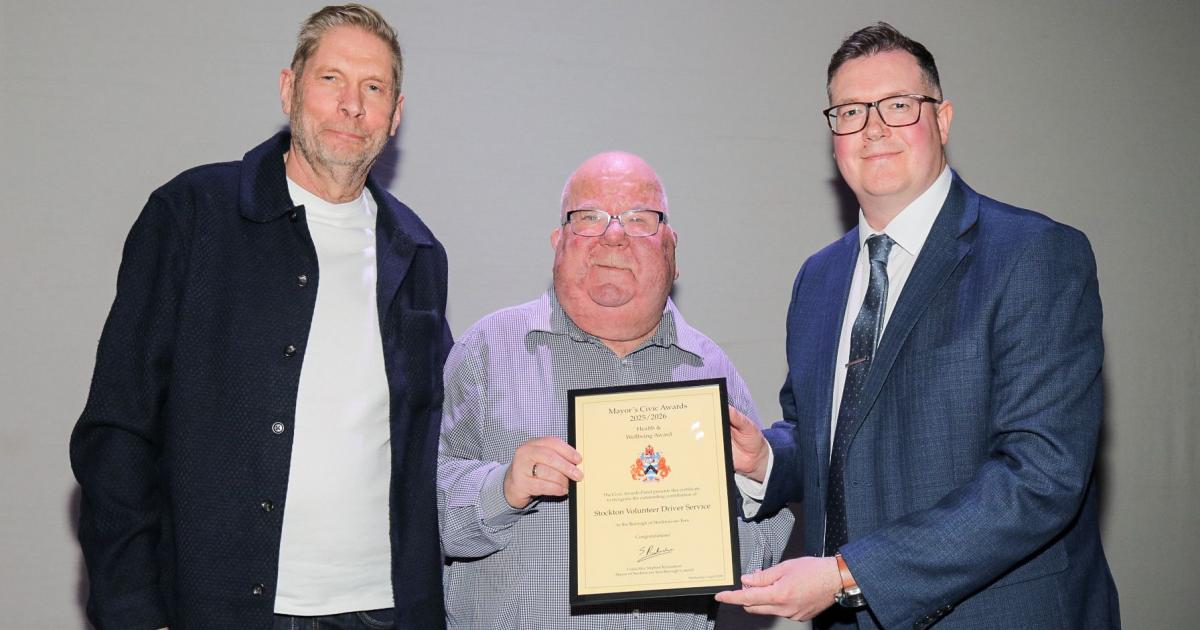
Health and Wellbeing – Stockton Volunteer Driver Service, for providing “safe, door-to-door journeys for those unable to use conventional transport”, giving more than 300 people a “lifeline, restoring confidence and independence”;
Green Award – Bright Minds, Big Futures, a youth organisation which has focused its efforts on sustainability and promoting recycling this year, hosting a thrift event with a catwalk and helping families find low-cost prom outfits;
Special Award – Olga Maloney, for her “enormous selfless commitment”, working with the Billingham International Folklore Festival “at the heart of the event for nearly 30 years” as artistic director and producer, with similar festivals around the world and tours including Torvill and Dean.
Cllr Richardson also gave long service awards to three council employees for 25 years’ service. Council leader Cllr Lisa Evans announced there would be no changes to her cabinet this year.
A man in his 40s was found dead outside MyBar on Charminster Road in Bournemouth
12:26, 06 Apr 2026Updated 12:34, 06 Apr 2026
Three men have been arrested on suspicion of murder following a man’s death after an alleged violent assault outside a Bournemouth bar.
Officers responded to reports of an attack outside MyBar on Charminster Road at approximately 3am this morning, discovering a man in his 40s from Christchurch, who was pronounced dead at the scene.
Two Bournemouth men, aged 37 and 46, along with a 34 year old man from Poole, have subsequently been taken into custody.
Advertisement
Police believe several people were present in the vicinity at the time and may have seen the alleged incident. They are being urged to contact Dorset Police online or by telephoning 101, quoting occurrence number 55260048268, as enquiries into the circumstances continue.
The force confirmed there will be a heightened police presence in the locality over the coming days, with members of the public who hold any information or have concerns encouraged to speak with officers. Motorists are also being appealed to share any dashcam footage which may have recorded the incident, reports the Mirror.
An “extensive cordon” remains in place while crucial work at the scene is being undertaken, police say.
Advertisement
Detective Chief Inspector Nicky Jenkins, of Dorset Police’s Major Crime Investigation Team, said: “Our thoughts are with the family of the man who sadly died and a detailed investigation is under way to establish what happened.
“An extensive cordon has been put in place and I would like to thank the public for their understanding while vital work at the scene is carried out. We know there were a number of people in the area at the time who may have witnessed what happened and we would ask them to please get in touch.
“I am also appealing to anyone who was driving in the area and has dashcam fitted to their vehicle to please check it for any relevant footage. Members of the public will see an increased police presence in the area over the coming days and we would encourage anyone with information or concerns to please speak with an officer.”
Those with information are urged to reach out to Dorset Police via their website or by dialling 101, quoting occurrence number 55260048268.
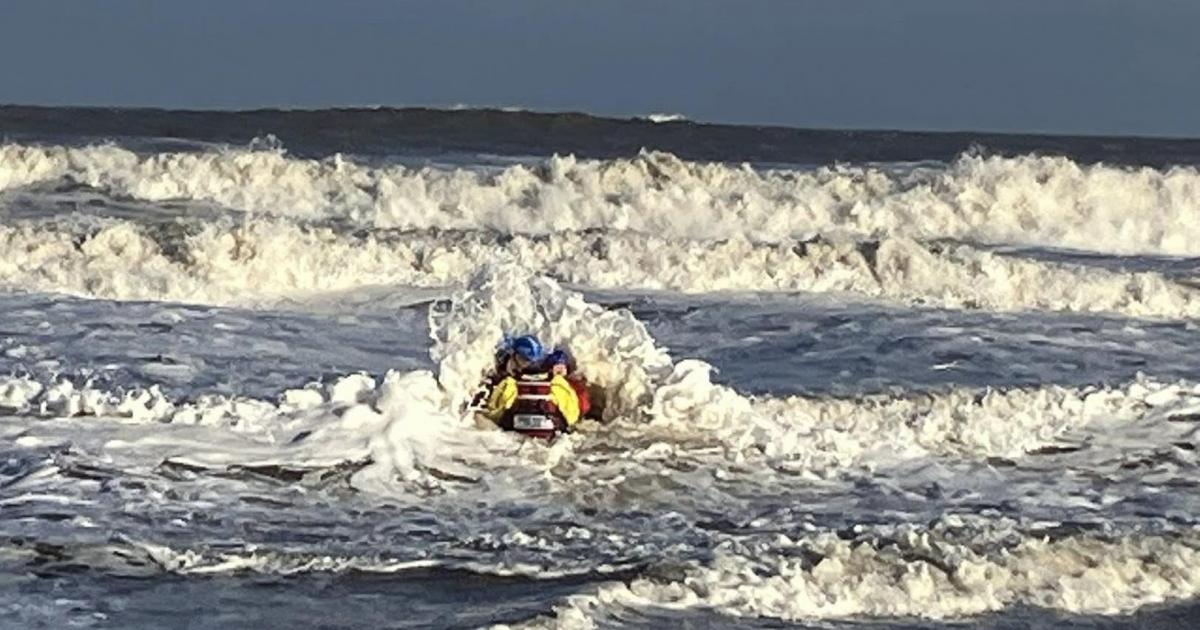
Whitby Coastguard said concerns were raised about the people on the beach in Robin Hood’s Bay on Sunday (April 5).
A coastguard spokesperson said it was able to respond to the incident and the situation was resolved “without the need for further action”.
However, they urged people concerned about the safety of others on the coast to “call 999 and ask for the coastguard immediately”, rather than post about it on social media.
Advertisement
The coastguard spokesperson said posting on social media “is not the way to report an incident”.
“Time matters,” they said. “Waiting, watching, or posting online can delay the help that may be needed.”
The coastguard spokesperson said people “can and do get cut off quicker than expected”, adding: “Not every situation looks “life-threatening” at first… but that can change in seconds.
“… Assessing risk from a Facebook photo, especially at a distance, is not something to joke about.
Advertisement
“These are real coastal conditions. Tides, terrain and access points are constantly changing, cliffs and banks continually collapsing. What may look ‘fine’ from one angle or moment in time can very quickly become dangerous.”
The Bluebirds take on Posh in this Easter Monday instalment of League One action
Perry Ng of Cardiff City (Image: Huw Evans Picture Agency)
Hello and welcome to live coverage of Cardiff City’s Easter Monday showdown with Peterborough United.
The international break appeared to come at a good time for Brian Barry-Murphy’s side, who were just beginning to stutter after losing top spot to Lincoln City.
Results elsewhere on Good Friday has seen the pressure just crank up ever so slightly on the Bluebirds heading into this one, with every other team from first to fifth having recorded a win.
Advertisement
But Cardiff can only focus on themselves and, with seven games remaining, a win today would go some way to easing some of the fans’ anxiety levels as we enter the crunch point of the campaign.
Kick-off at the Weston Homes Stadium is 3pm, with the match available to watch live on Sky Sports+.
Stay with us for all the build-up, confirmed team news, live updates, reaction and analysis throughout the afternoon.
Scroll down for live updates…
Advertisement
Stat pack
Peterborough United have lost each of their last six league games against sides from Wales, conceding 2.5 goals on average per match across that time.
Cardiff City have won each of their last two league games against Peterborough United, just one fewer victory than across their prior 22 meetings combined.
Since losing 1-0 to Nottingham Forest in 2012, Peterborough are unbeaten across their 10 league games played on Easter Monday (W5 D5), winning their last on home soil 3-1 vs Exeter in 2023.
Cardiff have won just four of their 29 away league games played on Easter Monday (D9 L16), though did win their last 2-1 against Coventry in 2024.
Welcome!
Hello there and welcome to our Easter Monday League One clash.
Advertisement
Target travel to Peterborough to take on Luke Williams’ Posh side and we will have all the latest for you.
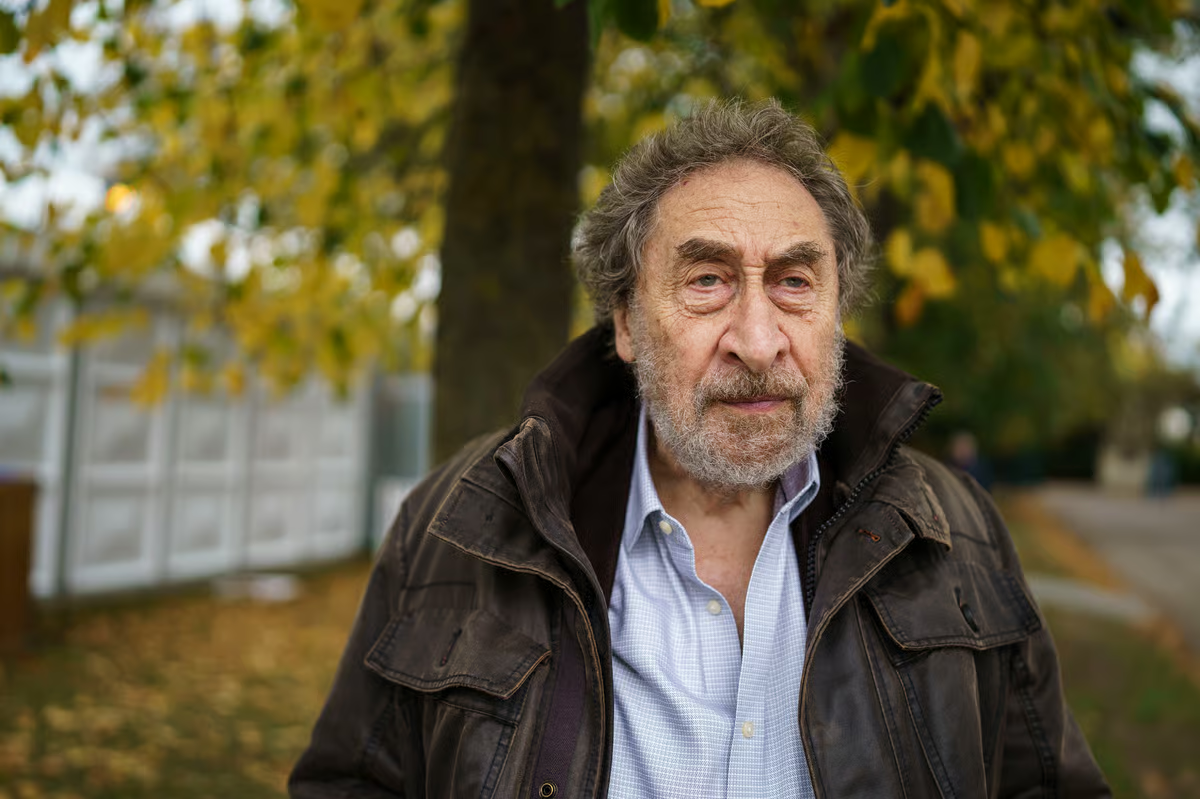
Jacobson was shocked by the gleeful response to October 7 in parts of academia and the hard Left, “though I was hardened to it all”. In 2014 he wrote J, a novel in which “every Jew in the country was expelled, gone, finished, none left”. He believes the “pro” Palestine marches are “genocidal marches, absolutely: ‘get rid of the Jews’”. October 7 and the aftermath, Jacobson says, performed an essential function for Europeans: retrospective absolution for the Holocaust. “It wiped out the Holocaust.” It went further, by charging the Jews themselves with Holocaust in Gaza: “The Genocide”.












































You must be logged in to post a comment Login