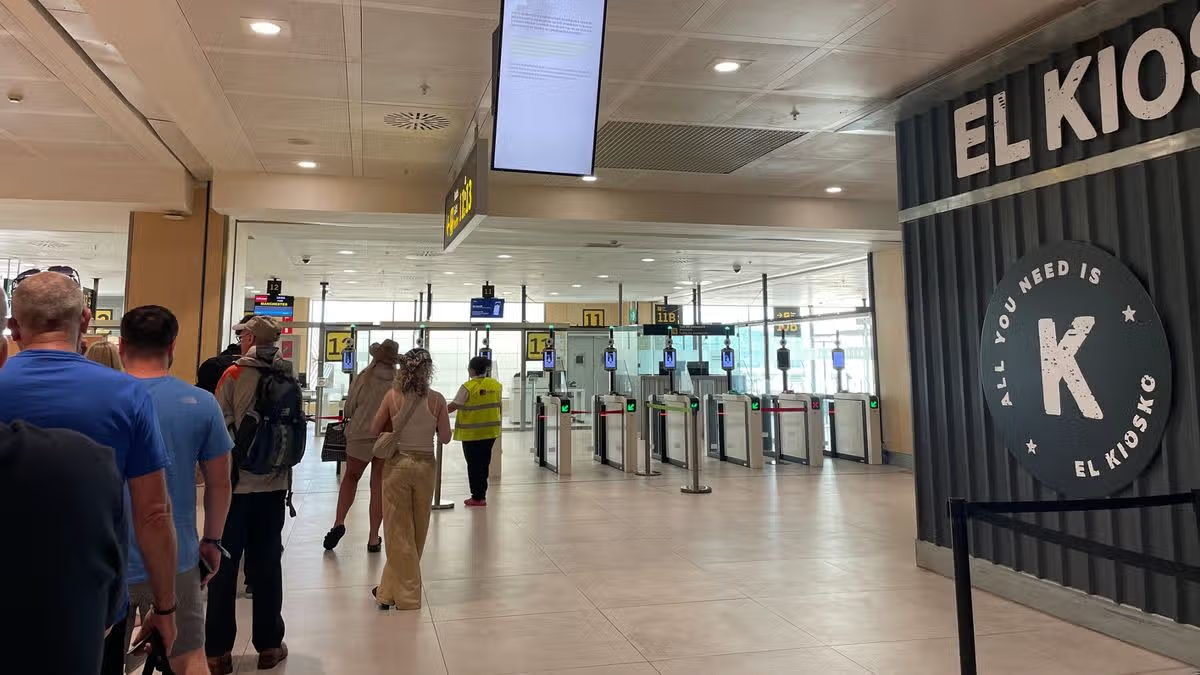
From Monday, September 7, member states will no longer have the flexibility to temporarily switch off the system, which was implemented widely across Europe this summer with countries including France, Portugal and Greece all temporarily lifting the EES during peak travel periods.
Under the EES, third-country nationals, including Brits, are required to provide biometric data (fingerprints and a photograph) at the EU border which then creates a digital record. This is then valid for three years and replaces passport stamping.
Click here to get the biggest stories straight to your inbox in our Daily Newsletter
Subsequent visits should only require one set of biometric data, usually a photograph, and the process should be quick and efficient. But since its rollout in April, the scheme was plagued with issues with many passengers experiencing long queues at the EU border as officials grapple with the additional data collection.
Advertisement
To help ease congestion during the busy summer period, EU member states were given the power to temporarily ease the rules during busy travel periods. But this will no longer be an option from this week.
Those who are due to travel should allow plenty of time to get to the airport and to pass through security. The EES border checks will usually take place prior to boarding so it’s important to get to your gate in plenty of time.
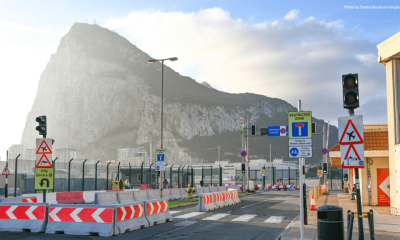
The EES usually takes place at EU airports when you arrive and depart. Although there are a few exceptions: in the UK the EES checks take place at Dover, Folkestone and St Pancras, where you cross the French border.
Advertisement
Several travel groups have now urged the EU to extend the flexible EES rules until 2027, including Ryanair and Airline association IATA.
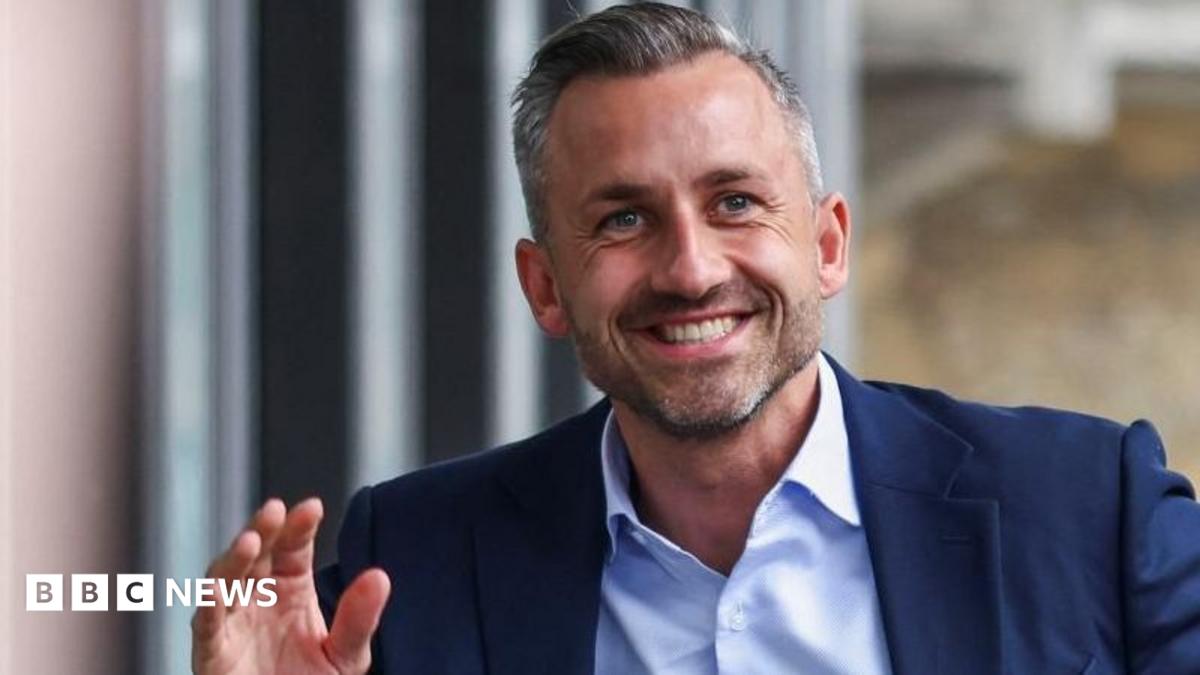
Thomas Reynaert, IATA’s senior vice president of external affairs, stressed that keeping the choice to suspend EES operations was “absolutely necessary” in the coming months, reports Business Travel News Europe.
Reynaert said: “The summer has highlighted where operational challenges remain. Addressing them now means extending the possibility of partial suspension through the winter season, accelerating pre-registration, investing in infrastructure and staffing, and strengthening co-operation between authorities and industry.”
Luke Petherbridge, director of public affairs at UK travel association ABTA, said that it would also be pushing the EU for an extension of the partial suspension rules governing the use of EES.
Advertisement
He added that the current flexibilities had helped to “ease pressures” at airports over the summer, but there was “still some way to go until EES is fully and consistently operational across all participating countries”.
A European Commission spokesperson said at a media briefing last week that EES had “broadly worked well” over the summer.
They added: “We are in close and constructive contact with those few member states where some adjustments are needed at certain border crossing points.”
The far-right Alternative for Germany (AfD) is “very, very close” to taking power, its deputy parliamentary leader has told the BBC, after a historic victory in elections for the eastern state of Saxony-Anhalt.
Sunday’s preliminary results show it fell three seats short of an outright majority, with 43.8% of the vote. It is now seeking support from other parties or individuals in order to govern.
While most German political parties refuse to work with the AfD, Beatrix von Storch called for its opponents to enter talks and said: “You cannot say I do not accept the vote of the people”.
Germany’s Chancellor Friedrich Merz said he was “deeply shocked” by the result, describing it as “seismic… not just in the country but also in my own political party and I take that very seriously”.
Advertisement
His party, the conservative CDU, saw its share of the vote almost halved to 17.2% in the state’s preliminary results.
Merz said it was not possible to return to “business as usual”, adding that the country needed “profound reforms” and the CDU needed to “reach people at an emotional level.
No far-right party has controlled a German state since World War Two, and governing at state level would mean powers over policing and local education.
Von Storch said the state’s results “were on the table and now democrats have to talk to [one] another. This is what democracy demands”.
Advertisement
She added that if parties refused to work with the AfD, “then we might end up in severe chaos and maybe we have a new election”.
Her comments were echoed by AfD’s leader in Saxony-Anhalt, Ulrich Siegmund, who told a news conference on Monday that the party had won a “clear mandate to govern”.
The state’s defeated premier, the CDU’s Sven Schulze, also said the mandate to govern Saxony-Anhalt “now lies with the AfD”.
Saxony-Anhalt has a small population of 2.1 million and the AfD in the state is assessed by domestic intelligence as “right-wing extremist”, a classification rejected by Siegmund, 35.
Advertisement
The party’s plans for Saxony-Anhalt, which include segregating child refugees into special classes and setting up a task-force to help detain and deport migrants who no longer have the right to be in the state, are highly controversial within Germany.
The AfD is currently heading for 39 seats in the 83-seat state parliament instead of the 42 needed for an outright majority, although the result has not yet been finalised.
Von Storch told the BBC the AfD was talking to individuals within the CDU group – the largest party in both the state’s outgoing coalition and Germany’s government – because they were “very, very unhappy with their own party”.
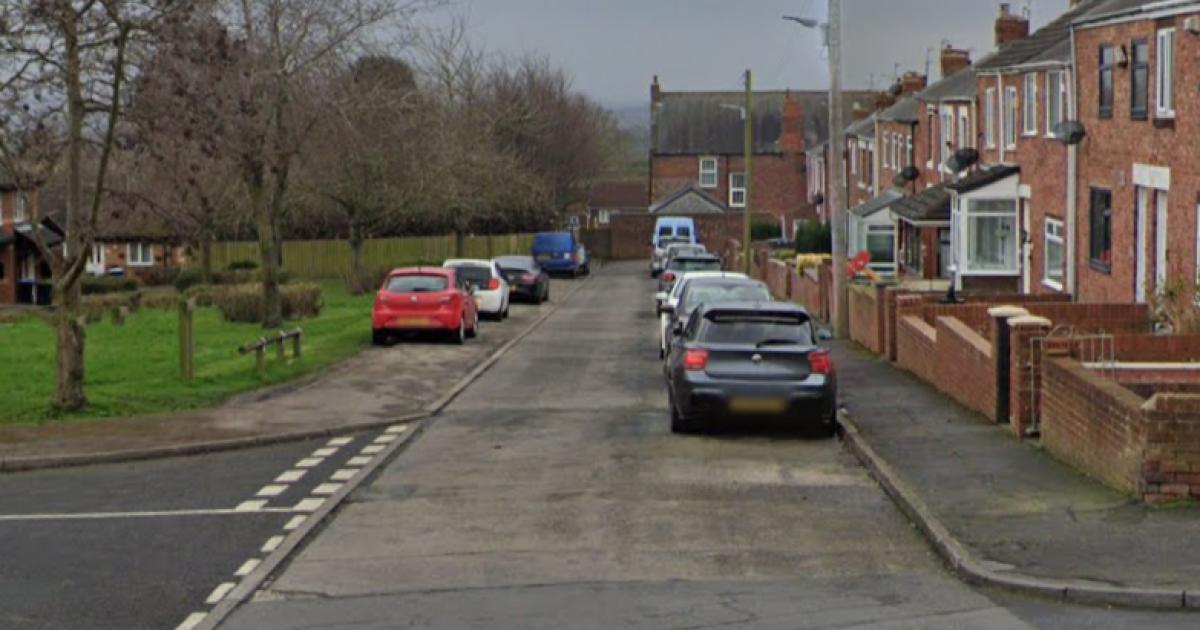
Emergency services were called to Constance Street in Pelton at around 1am on Saturday, August 29, after the incident.
The man, who is in his 30s, was taken to hospital with head and back injuries but has since been discharged.
Three men aged 62, 40 and 33, and a 44-year-old woman were arrested on suspicion of aggravated burglary.
Advertisement
Police said they were later released on bail.
A spokesperson for Durham Police added: “Officers believe this is an isolated incident and are not looking for anyone else in connection with what happened.
“An investigation has been launched, and anyone with any information is asked to call Durham Constabulary on 101, quoting incident reference 230 of August 29.
“Alternatively, call Crimestoppers anonymously on 0800 555111.”
Advertisement
A spokesperson for the North East Ambulance Service added: “We were called to an incident at a private address in Pelton, Chester-Le-Street on Saturday, August 29, at 1.10pm.
“We dispatched one ambulance crew, and one patient was taken to hospital for further treatment.”
The far-right Alternative for Germany party (AfD) has won the majority of the vote in Saxony-Anhalt – a major win in the German state.
Advertisement
A far-right party hasn’t won control of a German state since before the Second World War.
The victory for the party, which positions itself as a leader in deportations and the removal of refugee status for Ukrainians and other controversial matters, has been endorsed by major politicians.
Donald Trump shared a photo of the election prediction on Truth Social.
Russian envoy Kirill Dmitriev also shared Trump’s post, congratulating AfD on a ‘historic win’.
Advertisement
The party has vowed to enact ‘consistent deportations’ (Picture: AfD)
Sign up for all of the latest stories
Start your day informed with Metro’s News Updates newsletter or get Breaking Newsalerts the moment it happens.
The party promised consistent deportations and ‘free Russian lessons’ in Saxony-Anhalt if elected.
The party’s manifesto advocates for what they call a ‘180-degree turn’ in migration and is campaigning for ‘remigration’, which has been linked to Nazi rhetoric.
Remigration advocates for the deportation of immigrants and refugees – mainly focusing on non-white immigrants – back to their countries. Even refugees who fled from Ukraine during the war would be considered.
Advertisement
The party also spoke out against what it calls ‘anti-Russian policies’ of the current political parties.
The AfD wants to lift all sanctions against Russia and vowed to introduce free Russian lessons to counter the ‘anti-Russian’ sentiment they claim is rampant in Germany.
MPs fear their AfD colleagues are actively leaking intelligence to foreign powers – including military and security matters.
Advertisement
It’s been an issue in the past. In 2024, Germany spilt British military secrets in what was called the worst breach since the Cold War.
Ingo Gerhartz, the Luftwaffe air force Lieutenant General, was speaking with other officers and a general about the process of delivering Storm Shadow missiles to Ukraine.
Two years ago, in the same region of the Democratic Republic of the Congo (DRC) that is currently the epicentre of the Bundibugyo Ebola disease outbreak, an outbreak of a different kind was causing global concern.
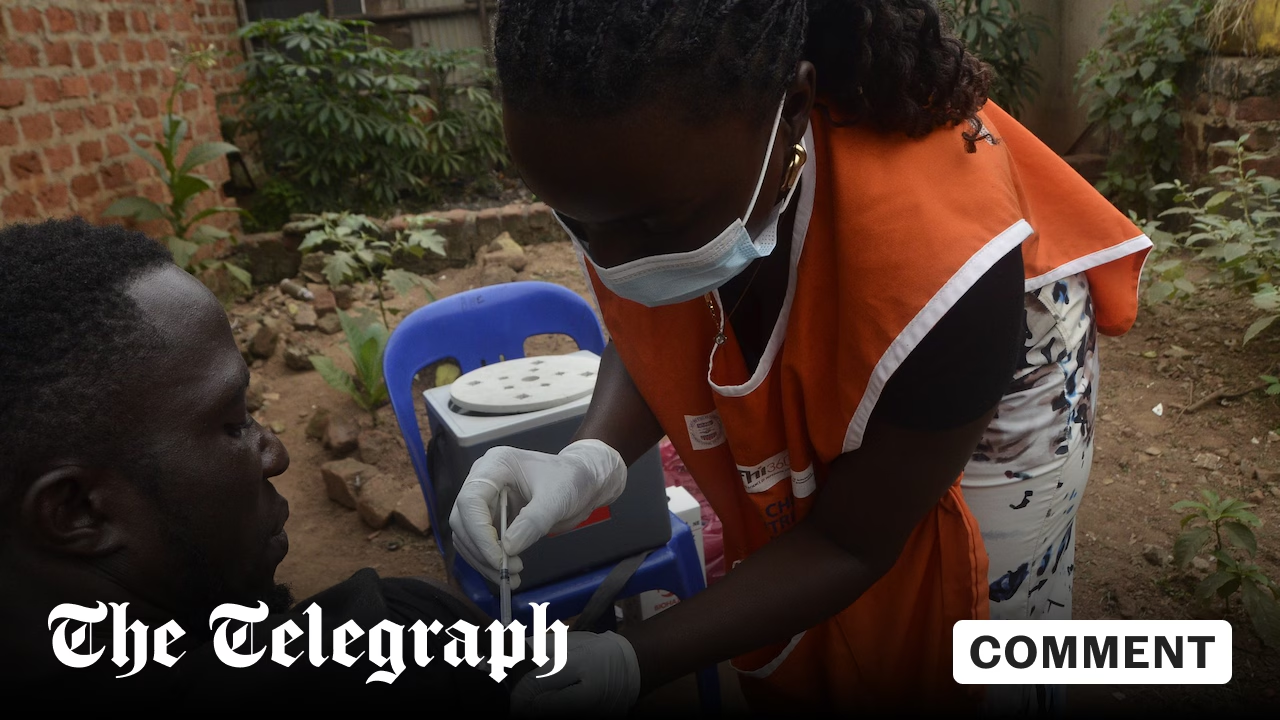
The mpox emergency of 2024 made headlines around the world, with cases detected in more than 90 countries, including in the UK. Today, new mpox outbreaks remain a global threat. However, last week, with the launch of the first ever strategic stockpile of mpox vaccines, the world took a decisive step towards keeping that threat in check.
Vaccines are one of the most effective tools for controlling disease outbreaks and preventing their international spread. The most effective response to a disease outbreak is a rapid response, but accessing and deploying vaccines during outbreaks can be extremely challenging. By ensuring a physical supply of vaccines is ready to draw down at a moment’s notice, stockpiles help stop outbreaks in their tracks.
Advertisement
Stockpiles are also vital because they help to smooth out the unpredictable demand that would otherwise make the production of some vaccines unsustainable. Without stockpiles, the scramble to access a sufficient supply of vaccines results in inevitable delays, costing lives and increasing the risk of uncontrolled spread across borders. By managing these stockpiles at the global level we can ensure that vaccines are accessible by every country in the world. This is a global good: ensuring every country has rapid access to vaccines makes every country safer.
The mpox vaccine stockpile takes its place alongside other stockpiles funded by Gavi, the Vaccine Alliance, against cholera, yellow fever, meningococcal disease and the Zaire species of the Ebolavirus, all of which have been drawn on in recent years. In fact, the number of times these stockpiles have been required has continued to accelerate year on year.
Last year set a new record, with more than 60 outbreaks requiring the emergency deployment of vaccines. The underlying reasons for the increasing trend are complex. Climate change, conflict, fragility and the effects of vaccine misinformation all play a role. Recent cuts to international aid for health programmes will undoubtedly increase the vulnerability of already fragile health systems. We can therefore expect the strategic importance of vaccine stockpiles to continue to increase over time.
Stockpiles are vital, but what happens when there is an outbreak of a disease for which we haven’t yet established a vaccine stockpile? Or worse still, for which there isn’t yet an approved vaccine? In both cases rapid access to cash on hand is critical, either to purchase vaccines directly or to incentivise and accelerate their development. Gavi’s surge financing mechanism – the First Response Fund (FRF) – fulfils both of these functions, meaning that today, Gavi can rapidly access funds to accelerate emergency access to vaccines, rather than appealing for funds and waiting for donors to mobilise financing, as was the case in the past
Advertisement
During the mpox outbreak in 2024, the FRF was used for the first time to ensure half a million vaccine doses could be rapidly purchased and shipped to the DRC and other affected countries. And today the FRF is playing a key role in the response to the DRC’s Ebola epidemic by making up to US$ 40 million available to accelerate the development and deployment of new vaccines against the virus that is causing the current emergency, the Bundibugyo virus.
Surge financing and strategic readiness through vaccine stockpiles go hand in hand to create a global mechanism for emergency vaccine deployment that strengthens the defences of every country. These tools are essential parts of an effective global health emergency architecture, and I would argue that the establishment of similar tools for therapeutics and diagnostics is long overdue.
This would mean giving serious thought to whether new models of financing are needed to maintain stockpiles as a global public health insurance policy. And the question of whether the world needs a pandemic-sized surge-financing tool to complement the FRF will also loom large as we approach the UN General Assembly, during which pandemic preparedness will be a major focus. One thing is certain: finding answers to these questions now will make the world a safer place for us all when the next pandemic strikes.
Sania Nishtar is CEO of Gavi, the Vaccine Alliance
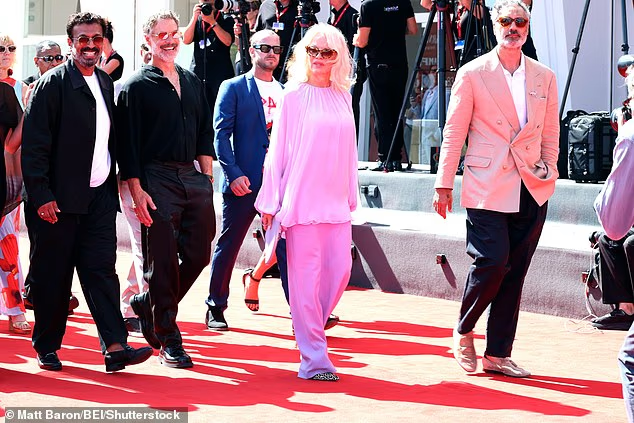
Pamela Anderson enjoyed another style moment when she walked the red carpet for the Golden Lion opening ceremony in Venice on Monday.
The actress, 59, teamed a lilac chiffon floaty top with a long skirt and carried a clutch bag in the same hue while posing with Rita Ora’s husband and director Taika Waititi, 51.
The event was held in honour of The Exorcist actress Ellen Burstyn, 93, who was being honoured with a Lifetime Achivement award.
Wearing pared-back make-up, Baywatch icon Pamela wore her platinum blonde hair in delicate curls
Advertisement
Earlier in the day, Pamela posed outside the Hotel Excelsior and gave a wave to fan after stepping out in a black suit and a white frilly blouse a few hours prior.
The actress is at the Film Festival to promote her new film, Place To Be, and to receive a prestigious award at the amfAR Gala.
On Sunday night, Pamela looked incredible in a stunning bright orange satin dress which she paired with a floor-length matching shawl at the amfAR Gala.
Advertisement
Pamela Anderson, 59, wore a floaty lilac chiffon ensemble as she arrived on the red carpet for the Golden Lion opening ceremony in Venice on Monday
She appeared in high spirits as she prepared to make her way inside
Pamela gave a little wave to fans as she posed for photographs outside the venue
The actress, 59, teamed a lilac chiffon floaty top with a long skirt and carried a clutch bag in the same hue while posing with Rita Ora’s husband and director Taika Waititi, 51
Advertisement
The actress has become known in recent years for her natural look and once again Pamela opted to go makeup free on the red carpet.
Pamela was joined at the event by singer Mimi Webb who sparkled in a silver embellished gown.
The actress rose to fame as lifeguard C.J. Parker on Baywatch in the nineties.
She appeared in 77 episodes in seasons three through seven and later reprised her role in the 2003 reunion movie, Baywatch: Hawaiian Wedding.
Advertisement
Reflecting on her time on Baywatch in the 90s during her chat with Deadline earlier this summer, the screen star said: ‘It was a great job, and I loved going to work every day on the beach.
‘I would have been there anyway,’ she added with a laugh.
‘At the time, it taught me a lot, and it gave me worldwide exposure,’ Anderson said.
‘Everything I’ve done has led me to here, which is a blessing. But I have no plans of going back to Baywatch.’
Advertisement
When she was asked if she wanted to know where her character ended up after this time following Baywatch being rebooted, she candidly replied: ‘If my kids were involved, I probably would have listened to them.’
The event was held in honour of The Exorcist actress Ellen Burstyn, 93, who was being honoured with a Lifetime Achivement award
Earlier, Pamela posed outside her Venice hotel on Monday after catching the eye on the red carpet the night before
Wearing pared-back make-up, the Baywatch icon wore her platinum blonde hair in delicate curls as she gave a wave to fans
Advertisement
Pamela went for two quite different looks during the morning
The actress is at the Venice Film Festival to promote her new film, Place To Be, and to receive a prestigious award at the amfAR Gala
On Sunday, Pamela looked incredible in a stunning bright orange satin dress which she paired with a floor-length matching shawl at the amfAR Gala
The actress has become known in recent years for her natural look and once again Pamela opted to go makeup free on the red carpet
Advertisement
Instead, she said her priority is on other projects, including her upcoming dark comedy film Rosebush Pruning.
‘I think I’ve just got to keep on seeing what else is out there. I get that there’s a lot of really great TV out there right now, but I’ve already done that,’ she said.
‘Now is my time to really play with different characters,’ she continued.
‘I don’t want to just fill my time until the end of the year. I have options, and some things I’m thinking about, including some theater again,’ she added.
Advertisement
‘I want to make really bold choices. I want to surprise people. I want to surprise myself. And so I’m trying to do things I haven’t done in the past.’
As schools reopen and people head back to work, the autumn shoulder season is an ideal time to explore some of Europe’s most beautiful cities at a gentler pace.
During September and October, visitor numbers tend to fall, allowing travellers to secure significant savings during a much quieter time of year.
“The prices of flights and hotels can drop quite significantly this time of year,” says Laura Carden-Lovell, travel expert and head of operations at travel resale marketplace Transfer Travel.
Nonetheless, she encourages off-peak holidaymakers to factor in additional costs that can quickly mount up.
Advertisement
“It’s important to also think about transportation within the city you want to visit and to find out how much this might cost,” recommends Carden-Lovell. “Walkable cities are great if you’re planning on going on a quick city break, as you will be able to see a lot of places for free on foot.
“Car rental prices also typically fall during shoulder season periods compared to peak summer seasons.”
Many hidden gems in Europe, particularly in the Balkans, have seen a surge in interest driven by social media.
“Social media provides travellers with a snapshot of what to see and do in a particular destination, so platforms like TikTok and Instagram can be a great source of inspiration for holiday planning,” says Carden-Lovell.
Advertisement
For anyone who has been patiently waiting for the perfect last-minute city getaway, here are five budget-friendly destinations to consider:
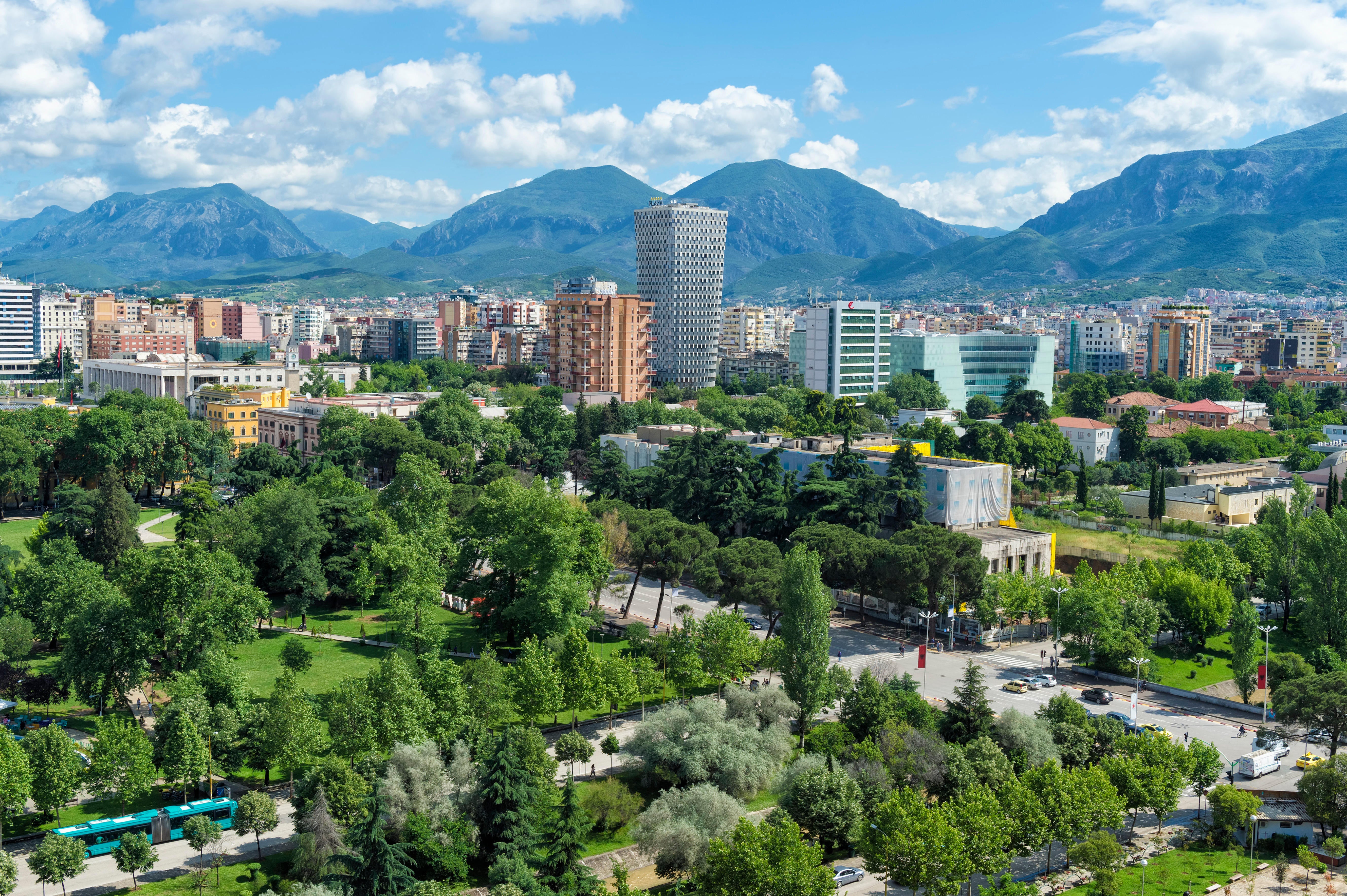
1. Tirana in Albania
“Tirana in Albania is bright, colourful, and is full of history,” says Carden-Lovell.
“Albania is one of the largest, fastest-growing tourism markets in Europe, so its capital Tirana has become increasingly popular.”
Advertisement
The city encompasses many distinct and interesting areas to explore that blend a vibrant modern culture with a unique communist and Ottoman history.
“I would recommend starting exploring at Skanderbeg Square [the main plaza in the centre of Tirana], which costs nothing to explore,” advises Carden-Lovell. “Then head into Blloku, a lively neighbourhood where you can go café hopping.”
Tirana has become increasingly popular (Alamy/PA)
To get the best picturesque views of Tirana, hop on the Dajti Ekspres, a cable car that takes you directly from the edge of Tirana up to the edge of Dajti Mountain National Park.
“It’s the longest leisure cable car in the Balkans and costs around £15 for a return trip,” says Carden-Lovell. “The national park itself is also completely free to explore.”
You can get flights to Tirana for incredible prices. For example, Wizz Air offers return flights from London Gatwick and London Luton to Tirana from around £34.
Advertisement
2. Sarajevo in Bosnia and Herzegovina
“Sarajevo is something a little bit different and is a great affordable option for an autumnal city break,” says Carden-Lovell.
It’s also regarded as an incredibly good city for mooching.
“In the Old Town there are lots of traditional market stalls, lots of local crafts, some really good food shops and some historic mosques to look around,” says Carden-Lovell.
Advertisement
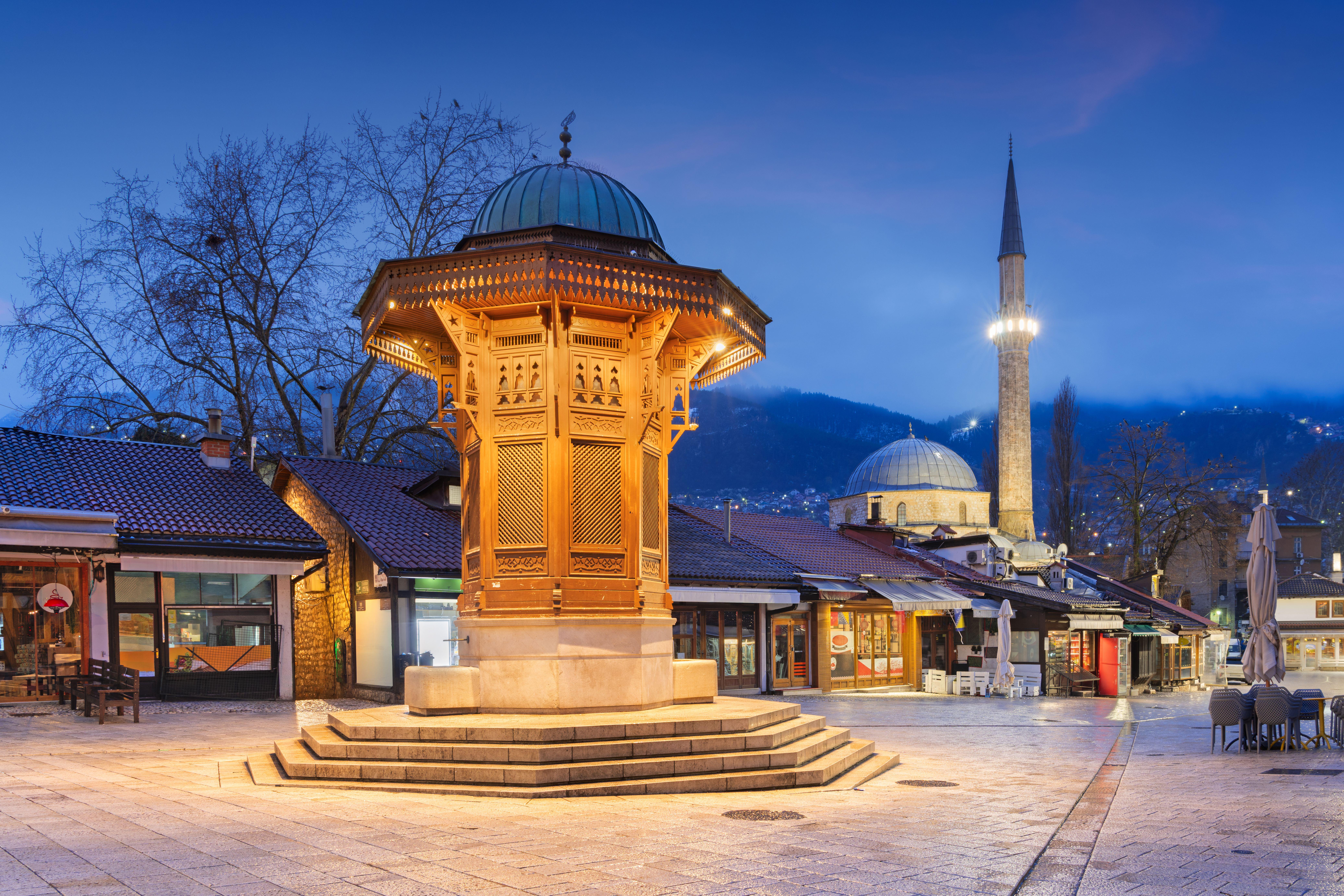
A walking tour can be a great way to explore Sarajevo (Alamy/PA)
“It has also got the famous Pigeon Square [officially known as Baščaršija Square], which is centred around the iconic wooden Sebilj fountain, so there’s a lot of history packed into this small city.”
A walking tour can be a great way to explore the highlights of the city.
“Most walking tours are free and are a great way to learn about what the city has to offer. You can book a lot of these online,” says Carden-Lovell.
Wizz Air offers return flights from London Luton to Sarajevo from around £78.98.
3. Sofia in Bulgaria
Advertisement
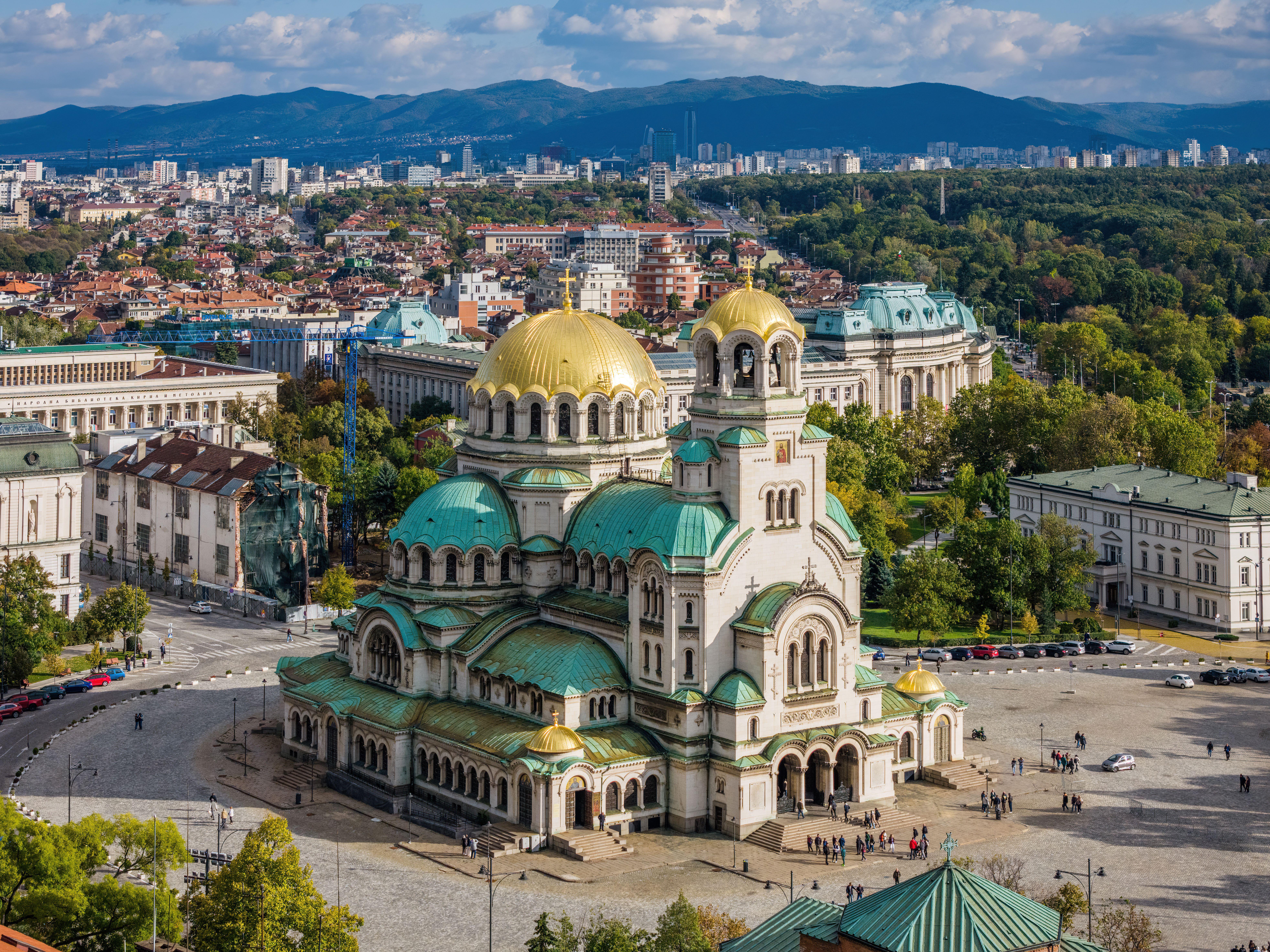
“Bulgaria is another great place to visit on a budget,” says Carden-Lovell. “Its capital, Sofia, has got some really nice cathedrals which are very pretty both inside and out.”
The capital of Bulgaria is filled with reminders of its extensive history.
You may get some real steals on flights to Sofia (Alamy/PA)
“You could join a walking tour to look around some of the Roman ruins or churches, and the historic Roman thermal baths are also worth seeing if you have time,” says Carden-Lovell.
This delightful city has an efficient, affordable public transport network, so it’s very easy to get around.
“Sofia has a really cheap tram system, so you don’t necessarily have to walk everywhere if you don’t want to,” says Carden-Lovell.
Advertisement
You may get some real steals on flights. For example, Ryanair offers return flights from Bristol to Sofia from around £40.99.
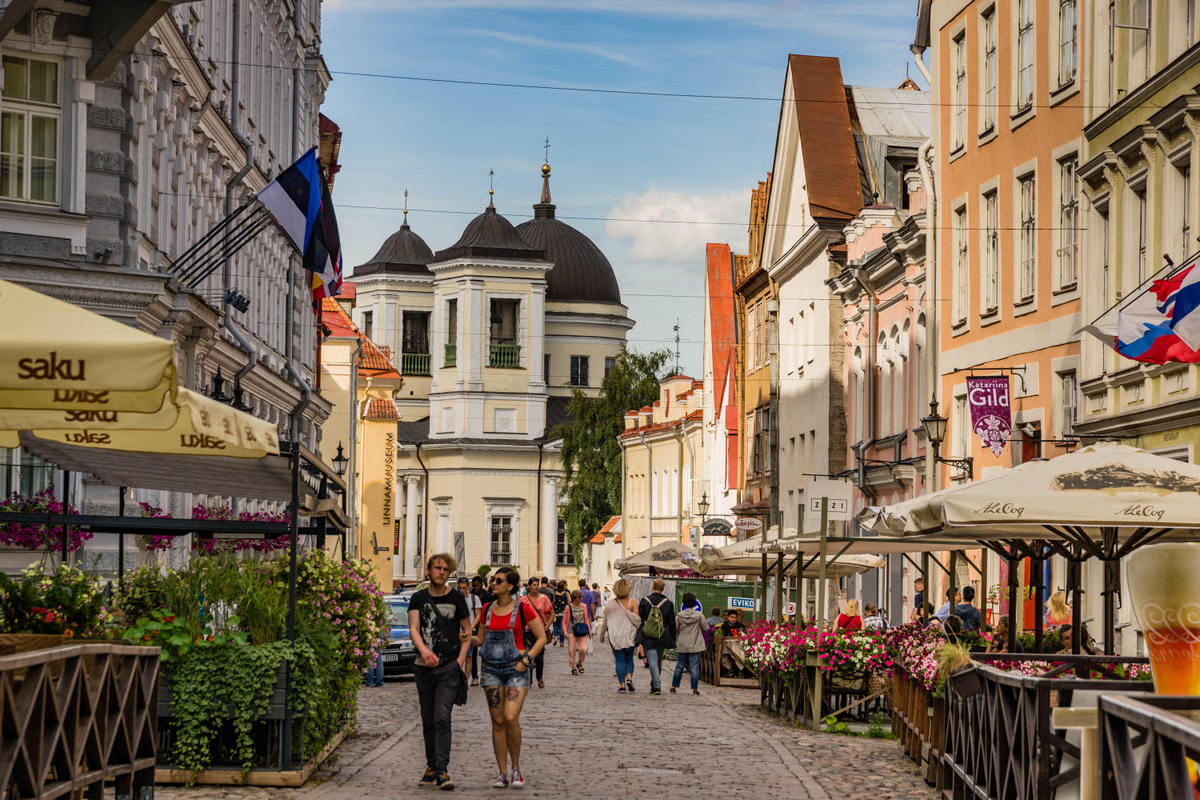
4. Tallinn in Estonia
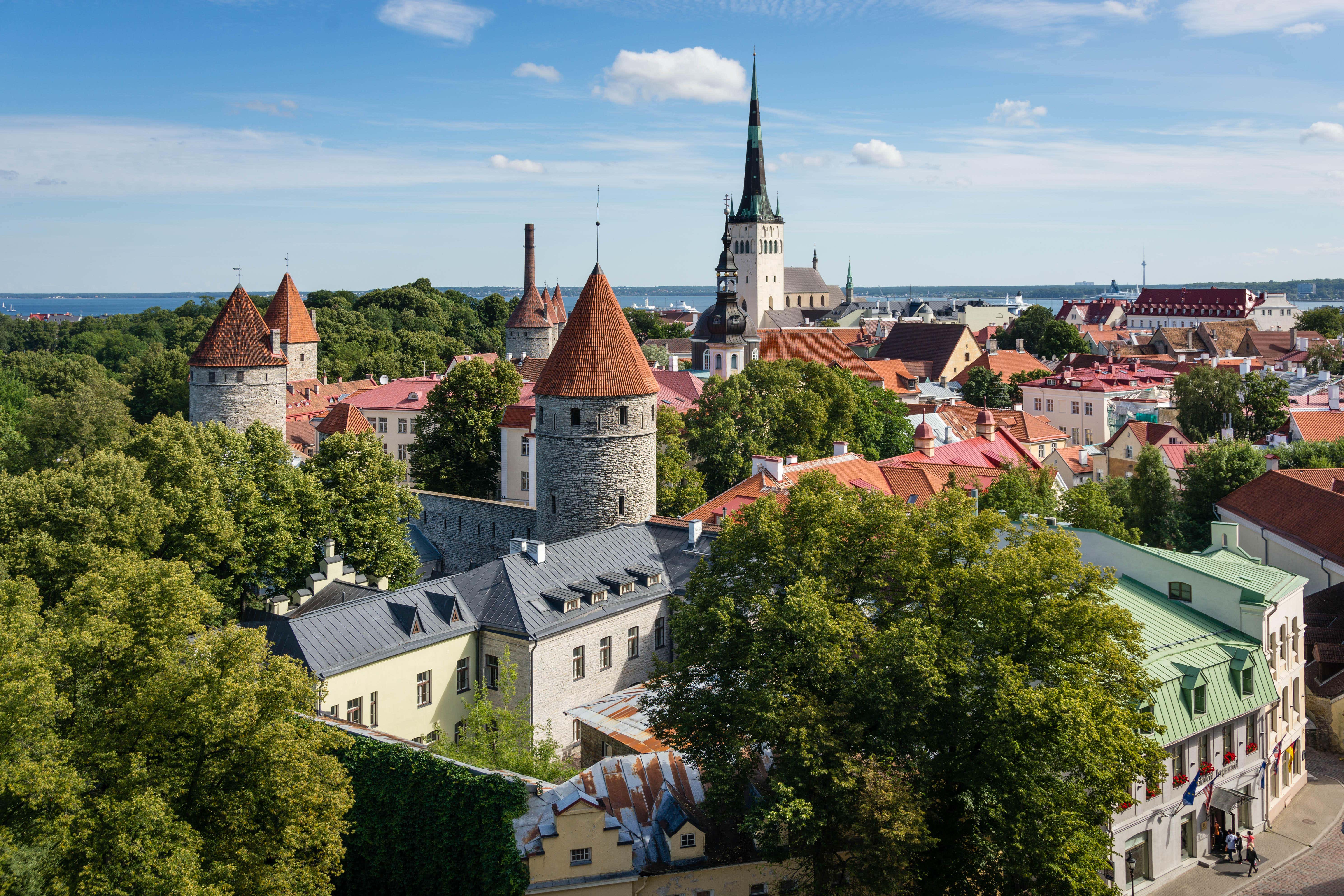
“I’d also recommend visiting Tallinn in Estonia – this one is really popular on TikTok,” says Carden-Lovell.
“Stay in the heart of the old town, which is UNESCO-listed. It has wonderful fairytale streets and colourful buildings.”
Advertisement
After you’ve wandered around the charming old town, check out Telliskivi Creative City, the creative hotspot of Tallinn.
The Patkuli Viewing Platform offers a panoramic view of Tallinn’s medieval Old Town (Alamy/PA)
“It’s a bit more modern than the old town and there are lots of independent cafes, local artists, street art and bars to explore here,” says Carden-Lovell.
She also suggests relaxing in one of the city’s public saunas.
“Saunas are a big part of the culture in Estonia, so I definitely recommend going to a sauna somewhere, especially in the colder shoulder season,” recommends Carden-Lovell.
Wizz Air offers return flights from London Luton to Tallinn from around £58.53.
Advertisement
5. Riga in Latvia
“Another great city to visit in shoulder season is Riga in Latvia,” says Carden-Lovell. “You can explore the medieval town on foot, and soak up all the history.
“Transportation is also super-cheap and there are loads of independent coffee shops to pop into.”
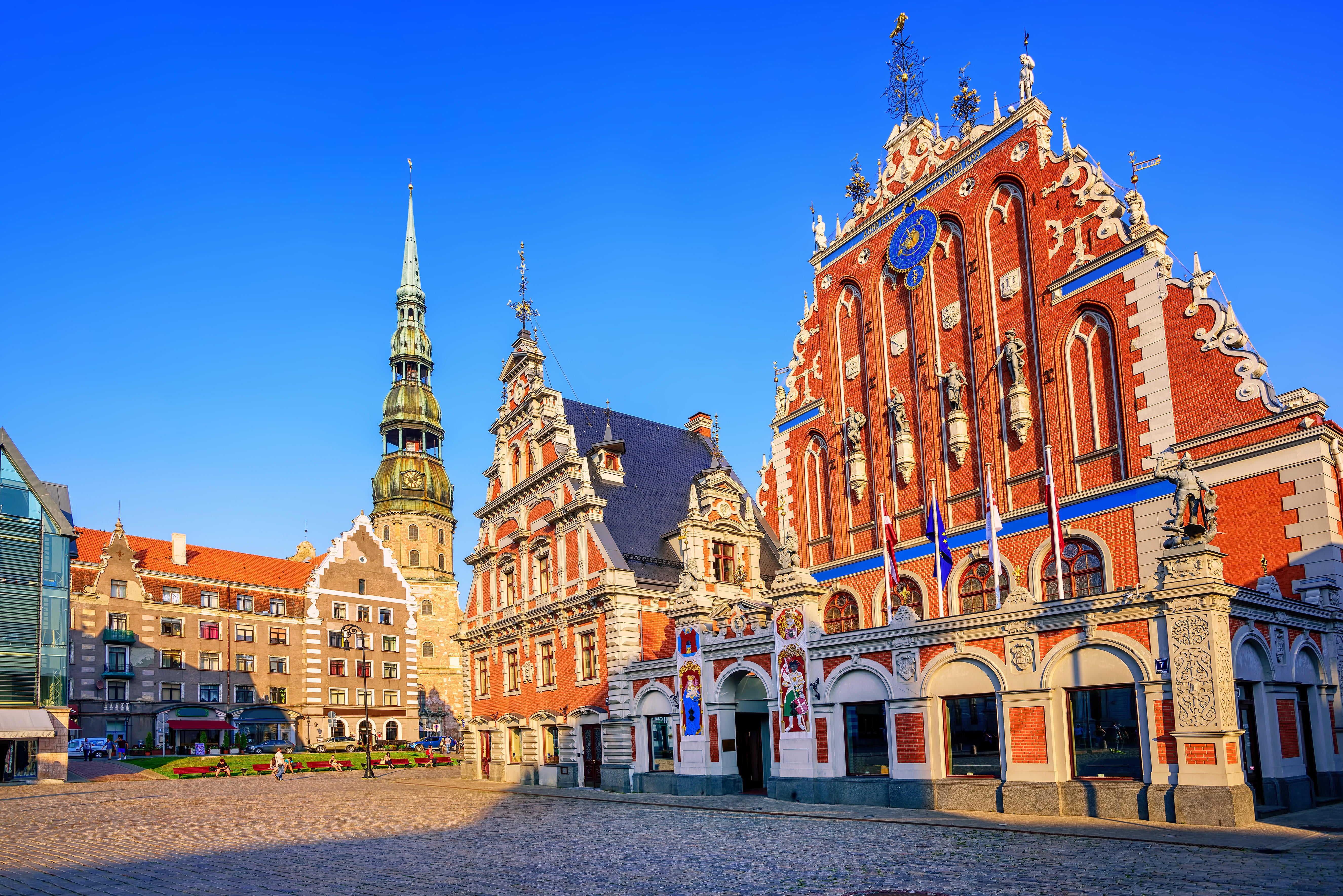
Make sure you visit St. Peter’s Church, which is one of the most recognisable landmarks in the city.
Advertisement
St. Peter’s Church is one of the most recognisable landmarks in Riga (Alamy/PA)
“On the observation tower of St. Peter’s Church you get a great 360-degree view of the city,” says Carden-Lovell.
It usually costs around €3 to look inside the church, but if you want to go to the observation tower it costs €9, according to Tripadvisor.
Riga also has a vibrant and growing food scene.
“I would really recommend trying Latvian honey cake here,” recommends Carden-Lovell.
Ryanair offers return flights from London Stansted to Riga from around £60.99.
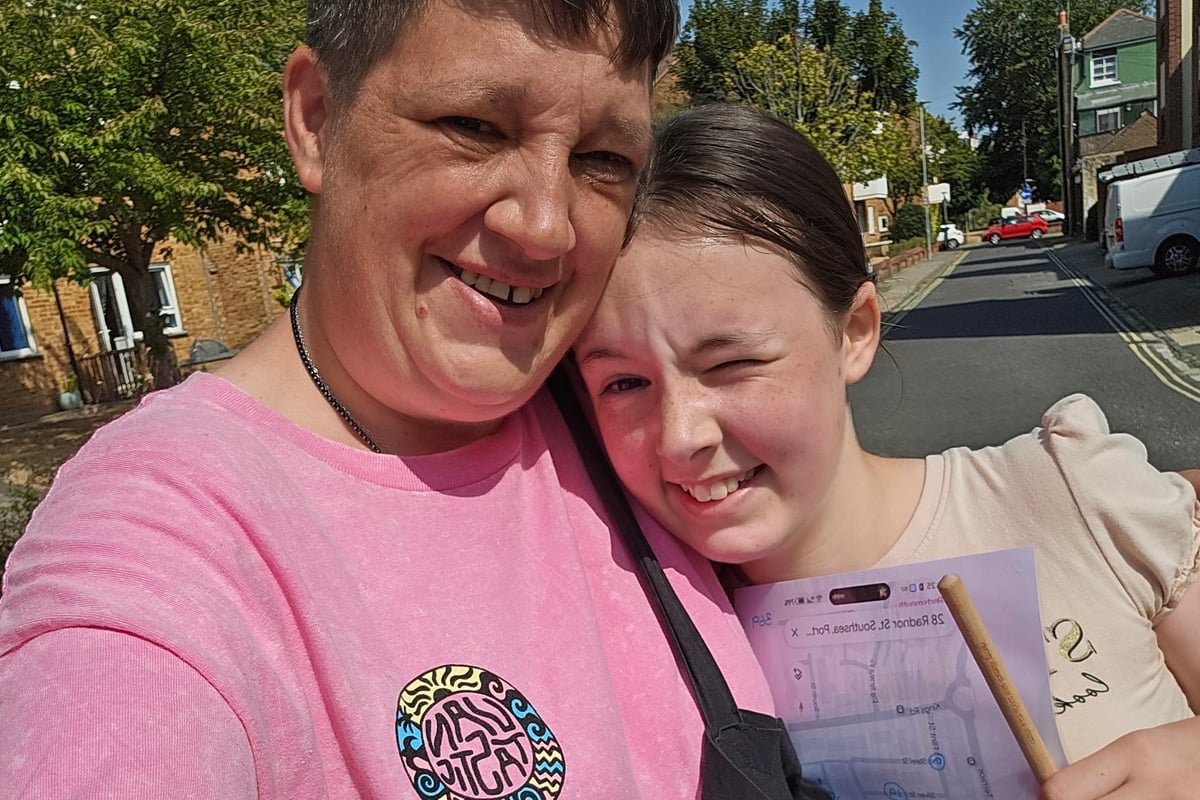
Families across Portsmouth are experiencing the positive ripple effect of parents adopting healthier habits to lose weight after joining their local Slimming World group, according to Slimming World Consultant Lou Rodgers. New independent research, funded by the National Institute for Health and Care Research (NIHR), carried out at the University of Bristol and published in the BMJ Paediatrics Open, found that many parents attending weight-management groups reported positive changes in their children’s health behaviours, including increased physical activity and healthier eating. The survey of 396 Slimming World members with children aged five to 11 found that 67 per cent of parents who were concerned about their child’s weight felt more motivated to support them after addressing their own weight. Almost half (48 per cent) reported improvements in what their child ate after joining the programme, while more than a quarter (27 per cent) said their child had become more physically active. For Portsmouth mum Kerri, the positive ripple effect can be seen at home with her 10-year-old daughter. Lou says Kerri’s family is a great example of how making healthier choices can become a normal part of family life. “I see the ripple effect of weight loss in my groups all the time,” says Lou. “Parents often join because they want to improve their own health, but the changes they make at home can benefit the whole family too. “Kerri is a lovely example of this. Her daughter enjoys the same family meals, makes her own healthy choices and is incredibly active through rugby and dancing. She even comes along to group with Mum. It shows that healthy habits don’t have to mean completely different meals or making children feel that they are missing out. “It’s about creating a healthier family environment where good food and being active are simply part of everyday life.” Improving health and dissatisfaction with appearance emerged as the leading motivations for weight loss among parents, each influencing more than four in five (81 per cent) respondents. Many parents also wanted their children to have a healthier future because of difficulties they had experienced themselves with weight and health. The findings come as experts warn that younger generations face a growing risk of future weight gain. Global studies predict that one in three children, teenagers and young adults could be living with overweight or obesity by 2050, while research shows children with parents living with obesity are more likely to develop it themselves. Lou believes the findings highlight the importance of supporting parents in making sustainable lifestyle changes. “When we support parents to lose weight, we’re potentially helping the whole family,” she says. “It might be cooking healthier meals together, finding enjoyable ways to be active, or simply showing children that healthy food can be delicious and enjoyable. “The support people receive at a community-based Slimming World group can make such a difference. Members share ideas, recipes, encouragement and real-life experiences, and those small changes can become habits that benefit everyone at home. “That’s one of the things I love most about helping people lose weight – seeing the positive effect it has on those around them too. We’re not just supporting one person; we’re helping families build healthier futures together.” Lou runs Slimming World groups every Monday at 5.30pm and 7pm at St Margaret’s Parish Hall, Highland Road, Southsea. Saturdays 7:30am at Hope Church, Somers rd For more information or to find out how to join Lou’s groups, contact Lou on 07587 174802.
As she was leaving court, the 33-year-old continued sobbing then shouted “this is so stupid”.
A Derry woman is to stand trial later this year on charges of sexual assault and indecent exposure.
Advertisement
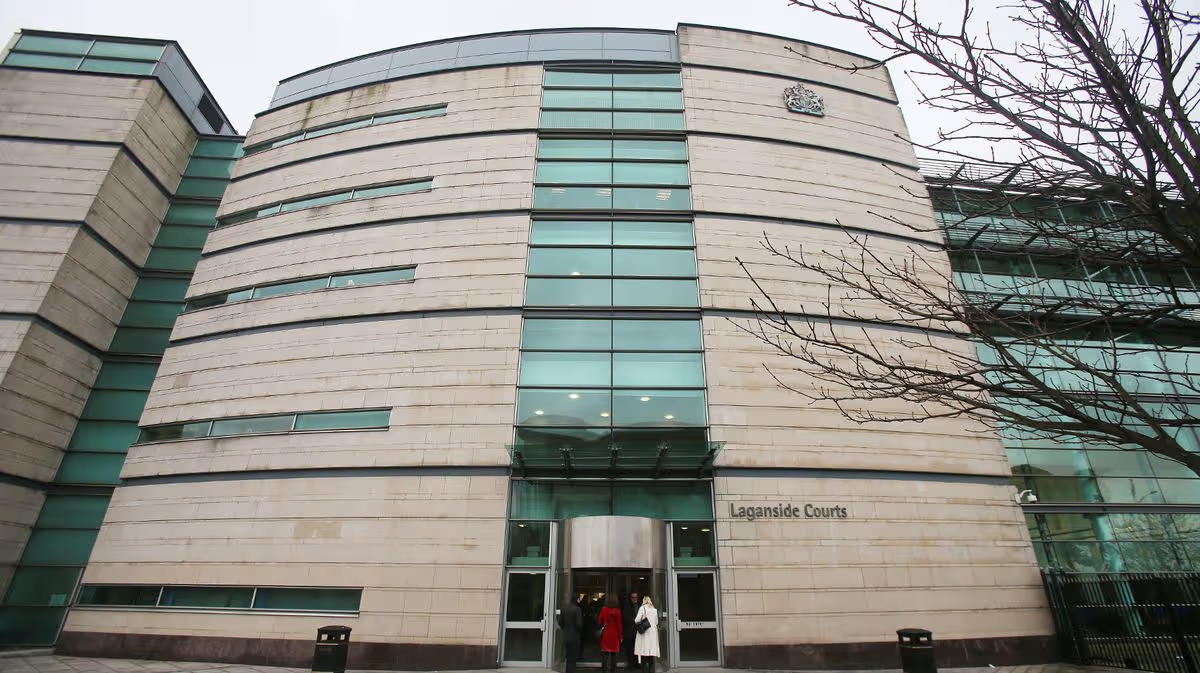
Lisa Farren sobbed in the dock of Belfast Crown Court today where the two offences were formally put to her.
From Glengrainne Gardens, the 33-year-old was charged with sexually assaulting a male by intentionally touching him on October 11, 2025. When asked by a court clerk how she pleaded to the charge, Farren replied “not guilty.”
She was also charged with indecently exposing herself to the same male on the same date, and when asked to enter a plea to the second charge, Farren again answered “not guilty.”
After his client was arraigned, defence barrister Michael Boyd told Judge Patrick Lynch KC that he estimated a trial would span between two and three days.
Advertisement
This was agreed by Crown barrister James Johnston.
Judge Lynch listed the trial to commence on November 2 but said he would review the case next Wednesday (16th).
The Judge then addressed Farren as she stood in the dock and told her to return to court next week for the review hearing.
As she was leaving court, Farren continued sobbing then shouted “this is so stupid.”
We’ve compiled a full list of the roads set to close from Monday to Thursday
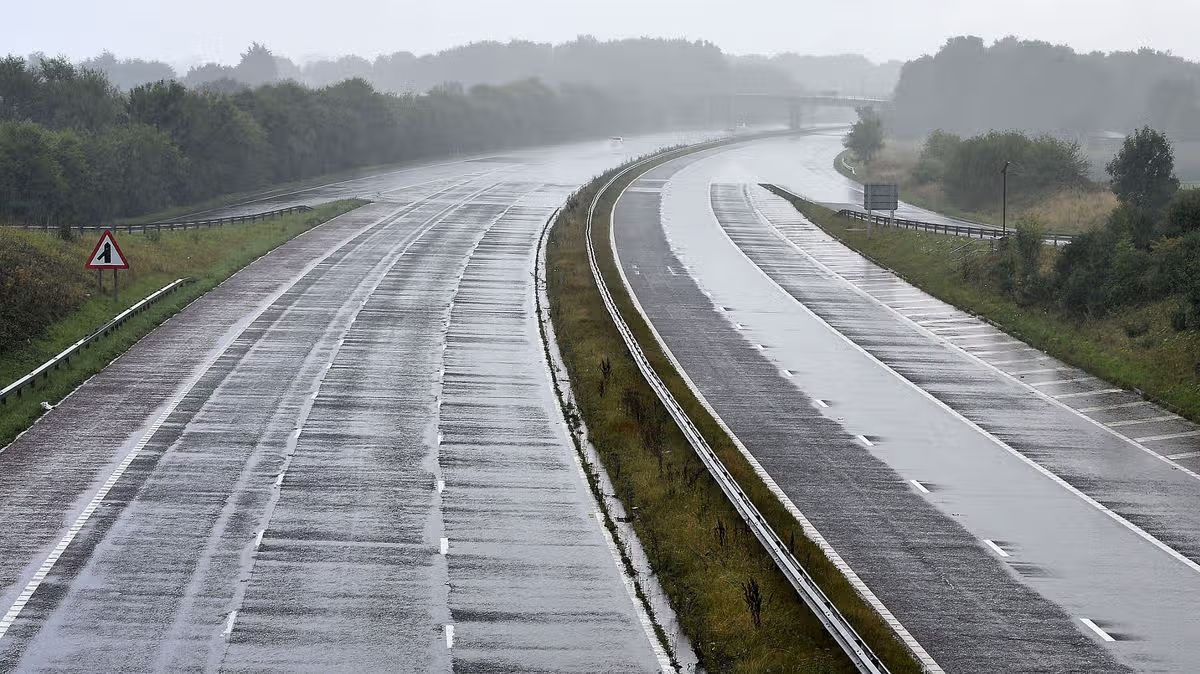
There will be a number of planned closures on the region’s motorways this week, including on the M60, M6 and M62.
Advertisement
National Highways, which manages the country’s major A-roads and motorways, have confirmed several overnight closures are planned between Monday, September 7, and Thursday, September 10.
Sections of the M56, M61 and A34 are also set to be shut to traffic.
Click here to get the biggest stories straight to your inbox in our Daily Newsletter
Drivers should be aware of the disruptions, so we have listed every section of motorway in Greater Manchester – and just outside – that will be closed this week.
Advertisement
Longer-term Closures
A62 Northbound: Gildersome through Northern roundabout, carriageway closure 24/7, 20:00 on August 3, 2026 to 06:00 on October 31, 2026
A62 Southbound: Gildersome through Northern roundabout, carriageway closure 24/7, 20:00 on August 3, 2026 to 06:00 on October 31, 2026
Monday, 7 September
A57 Eastbound: From Jct A6018 to A628 works on footway, 09:30 to 15:30
A34 Northbound: Chieveley exit slip road closure, 21:00 to 06:00
A34 Northbound: Marcham to Abingdon carriageway closure, 21:00 to 06:00
A34 Northbound: Whitchurch exit slip road closure, 21:00 to 06:00
A34 Southbound: East Ilsley Entry slip road closure, 21:00 to 06:00
A34 Southbound: Hinksey Hill to Marcham carriageway closure, 21:00 to 06:00
M56 Northbound: M56 Westbound to M53 Northbound link road closure, 20:00 to 06:00
M56 Westbound: Jct 15 to 16 Carriageway Closure, 21:00 to 06:00
Truth about the Falling Man: Sister of anonymous 9/11 jumper who became symbol of America’s grief tells the heartbreaking full story, clues that led to him… and why she knows God ‘caught his spirit’ and carried it to Heaven
Truth about the Falling Man: Sister of anonymous 9/11 jumper who became symbol of America’s grief tells the heartbreaking full story, clues that led to him… and why she knows God ‘caught his spirit’ and carried it to Heaven | Daily Mail Online
Share or comment on this article:
Truth about the Falling Man: Sister of anonymous 9/11 jumper who became symbol of America’s grief tells the heartbreaking full story, clues that led to him… and why she knows God ‘caught his spirit’ and carried it to Heaven












































You must be logged in to post a comment Login