GENEVA (AP) — Iran and the United States prepared to meet Thursday in Geneva for nuclear negotiations viewed as a last chance for diplomacy as America has gathered a fleet of aircraft and warships to the Middle East to pressure Tehran into a deal.
U.S. President Donald Trump wants a deal to constrain Iran’s nuclear program, and he sees an opportunity while the country is struggling at home with growing dissent following nationwide protests last month. Iran meanwhile has maintained it wants to continue to enrich uranium even as its program sits in ruins, following Trump ordering an attack in June on three of the Islamic Republic’s nuclear sites, part of a bruising 12-day war last year.
If an American attack happens, Iran has said all U.S. military bases in the Mideast would be considered legitimate targets, putting at risk tens of thousands of American service members. Iran has also threatened to attack Israel, meaning a regional war again could erupt across the Middle East.
“There would be no victory for anybody — it would be a devastating war,” Iranian Foreign Minister Abbas Araghchi told India Today in an interview filmed Wednesday just before he flew to Geneva.
Advertisement
“Since the Americans’ bases are scattered through different places in the region, then unfortunately perhaps the whole region would be engaged and be involved, so it is a very terrible scenario.”
Geneva talks will be the third meeting since June war
Araghchi again will sit across from Steve Witkoff, a billionaire real estate developer and friend of Trump who serves as a special Mideast envoy for the president. The two men held multiple rounds of talks last year that collapsed after Israel launched its war against Iran in June. These latest talks are again being mediated by Oman, a sultanate on the eastern edge of the Arabian Peninsula that’s long served as an interlocutor between Iran and the West.
Araghchi met Oman’s Foreign Minister Badr al-Busaidi after arriving in Geneva on Wednesday night. The men “reviewed the views and proposals that the Iranian side will present to reach an agreement on the Iranian nuclear program, based on the guiding principles agreed upon in the previous round of negotiations,” a report from the state-run Oman News Agency said. Al-Busaidi will pass on Iran’s offer to American officials on Thursday, it added.
An Associated Press journalist saw al-Busaidi after he met with the director-general of the International Atomic Energy Agency, the United Nations’ nuclear watchdog. The Omani diplomat flashed a thumbs up to a question about whether he was hopeful for the talks.
Advertisement
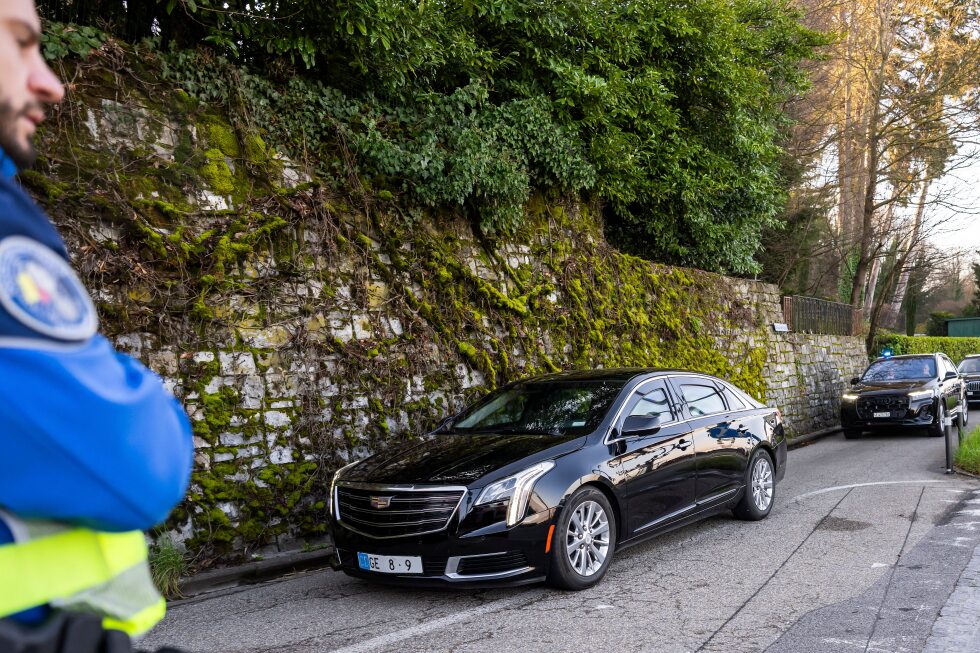
Al-Busaidi returned Thursday to the Omani diplomatic residence on the shores of Lake Geneva . A convoy believed to be carrying American diplomats later arrived to the compound, followed by another believed to be carrying Iranian diplomats.
In this round of negotiations after the June war, Trump has pushed to halt Iran’s enrichment of uranium entirely, as well as address Tehran’s ballistic missile program and its support of regional militant forces. Iran has maintained the talks must remain focused only on nuclear issues.
U.S. Secretary of State Marco Rubio told reporters Wednesday that Iran is “always trying to rebuild elements” of its nuclear program. He said that Tehran is not enriching uranium right now, “but they’re trying to get to the point where they ultimately can.”
The West and the IAEA say Iran had a nuclear weapons program until 2003. Before the June attack, it had been enriching uranium up to 60% purity — a short, technical step away from weapons-grade levels of 90%.
U.S. intelligence agencies assess that Iran has yet to restart a weapons program, but has “undertaken activities that better position it to produce a nuclear device, if it chooses to do so.” While insisting its program is peaceful, Iranian officials have threatened to pursue the bomb in recent years.
“The principle’s very simple: Iran cannot have a nuclear weapon,” U.S. Vice President JD Vance told reporters at the White House on Wednesday.
Vance said Trump is “sending those negotiators to try to address that problem” and “wants to address that problem diplomatically.”
Advertisement
“But, of course, the president has other options as well,” Vance added.
Threat of military action sparks war fears
If the talks fail, uncertainty hangs over the timing of any possible attack.
If the aim of potential military action is to pressure Iran to make concessions in nuclear negotiations, it’s not clear whether limited strikes would work. If the goal is to remove Iran’s leaders, that will likely commit the U.S. to a larger, longer military campaign. There has been no public sign of planning for what would come next, including the potential for chaos in Iran.
There is also uncertainty about what any military action could mean for the wider region. Tehran could retaliate against the American-allied nations of the Persian Gulf or Israel. Oil prices have risen in recent days in part due to those concerns, with benchmark Brent crude now about $70 a barrel. Iran in the last round of talks said it briefly halted traffic in the Strait of Hormuz, the narrow mouth of the Persian Gulf through which a fifth of all oil traded passes.
Advertisement
Satellite photos shot Tuesday and Wednesday by Planet Labs PBC and analyzed by the AP appeared to show that American vessels typically docked in Bahrain, the home of the U.S. Navy’s 5th Fleet, were all out at sea. The 5th Fleet referred questions to the U.S. military’s Central Command, which declined to comment. Before Iran’s attack on Qatar in June, the 5th Fleet similarly scattered its ships at sea to protect against a potential attack.
___
Gambrell reported from Dubai, United Arab Emirates, and Melanie Lidman from Jerusalem. Associated Press writer Will Weissert in Washington contributed to this report.
Police arrested the five occupants of a vehicle following a pursuit
20:34, 13 Apr 2026Updated 20:42, 13 Apr 2026
Five people were arrested in connection with fuel thefts, a robbery and weapon possession following a police chase involving a suspected drink driver in Co Tyrone.
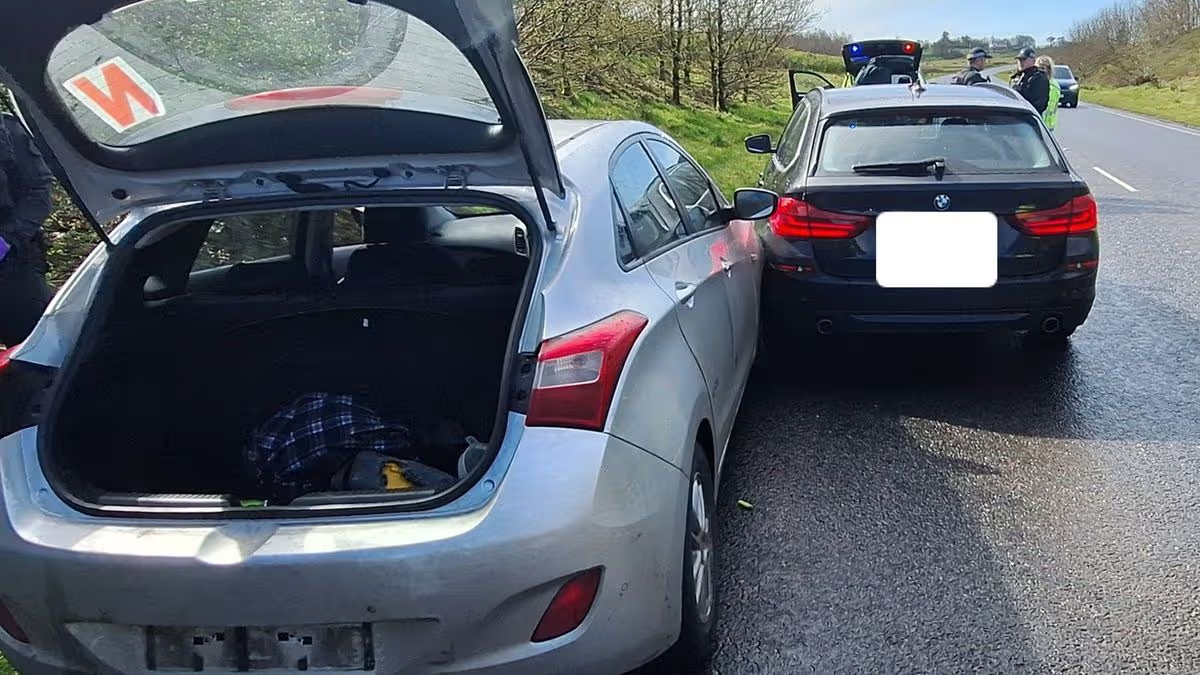
The incident took place on Sunday, April 12, after police attempted to stop a vehicle in the Omagh area that was believed to be involved in four fuel thefts in the town. The vehicle fled from the officers who managed to stop it after a short pursuit where police a police vehicle was rammed.
Following a search of the vehicle, “multiple large knives” were found by officers.
A PSNI spokesperson said: “Yesterday, Omagh and Enniskillen Road Policing Interceptors where involved in a short pursuit of a wanted vehicle which failed to stop for Police. This vehicle was sought in relation to 4 fuel thefts in the Omagh area. During the incident, this vehicle deliberately collided with the Police vehicle in an attempt to get away.
“Pre-emptive tactics were used to safely bring it to a stop.“The driver then provided a roadside breath test reading of over twice the legal limit.“Police had also received a report of a robbery in Omagh shortly beforehand, with the occupants of this vehicle believed to have been involved.“Along with colleagues with from Omagh C Section Local Policing Team, all 5 individuals onboard were arrested for multiple offences.“In the vehicle multiple large knives were safely recovered and will be destroyed.”
An Emmy Award-winning show has been labelled as an “absolute watch for people of all walks of life!”.
Hayley Anderson Screen Time TV Reporter
20:19, 13 Apr 2026
An “utterly superb” series has secured an extraordinary three-season recommission ahead of its series five launch.
Emmy Award-winning documentary series Welcome To Wrexham returns for its fifth season next month on Friday, 15 May, but there’s even better news preceding its arrival.
Advertisement
Disney+ has announced that Welcome to Wrexham has received a substantial three-season renewal, extending the programme through to Season 8, anticipated to air in 2029.
Responding to the announcement, Wrexham AFC co-chairmen Rob Mac and Ryan Reynolds stated: “A three-season order for a TV series is nearly unheard of and is only possible through the ground-breaking work of our Emmy-winning documentary team and the relentless rise of Wrexham AFC and all those working so hard to make sports history.
“We are forever grateful to our equally fearless and tireless partners at FX for being with us every step of the way.
Get Disney+ for £3.99 a month
This article contains affiliate links, we will receive a commission on any sales we generate from it. Learn more
Watch hundreds of TV shows and Movies for less with this deal that locks in a much cheaper rate for three months, and beats Netflix’s rival rate.
Advertisement
“We are so happy we get to keep telling the Wrexham story for years to come.”
Boasting an impressive 95% rating on Rotten Tomatoes, it’s hardly surprising Welcome to Wrexham is continuing for three additional runs.
Praising the show on the review aggregator platform, one fan commented: “Utterly superb. “Emotional, exciting, uplifting and above all, respectful to the football club and town of Wrexham in Wales.”
Another viewer agreed: “First watched as a fan of Ryan and Rob and was curious about the Wrexham story but absolutely fell in love with the series and now addicted.
Advertisement
“Everything about the series is brilliantly organised, its not just Hollywood glamour, the show also has a big heart.”
Another viewer commented: “This really draws you into the lives of the people on the show. You won’t regret watching”, while a further fan remarked: “An absolute watch for people of all walks of life.”
Advertisement
Welcome to Wrexham documents the surprising acquisition of Wrexham AFC by Hollywood actors Rob McElhenney, now known as Rob Mac, and Ryan Reynolds.
The fifth series, launching with its opening two episodes on 15 May before transitioning to weekly instalments, will follow the club’s pursuit of Premier League promotion.
This follows three successive promotions, a “feat that has never been achieved in English Football League history”.
Welcome to Wrexham is available to watch on Disney+.
SPRING, Texas (AP) — The man accused of throwing a Molotov cocktail at OpenAI founder Sam Altman’s home in San Francisco was opposed to artificial intelligence and had list of other AI tech executives, according to court documents.
Authorities allege Daniel Moreno-Gama threw the incendiary device about 4 a.m. Friday, setting an exterior gate at Altman’s home alight before fleeing on foot, police said. Less than an hour later, Moreno-Gama allegedly went to OpenAI’s headquarters and reportedly threatened to burn down the building.
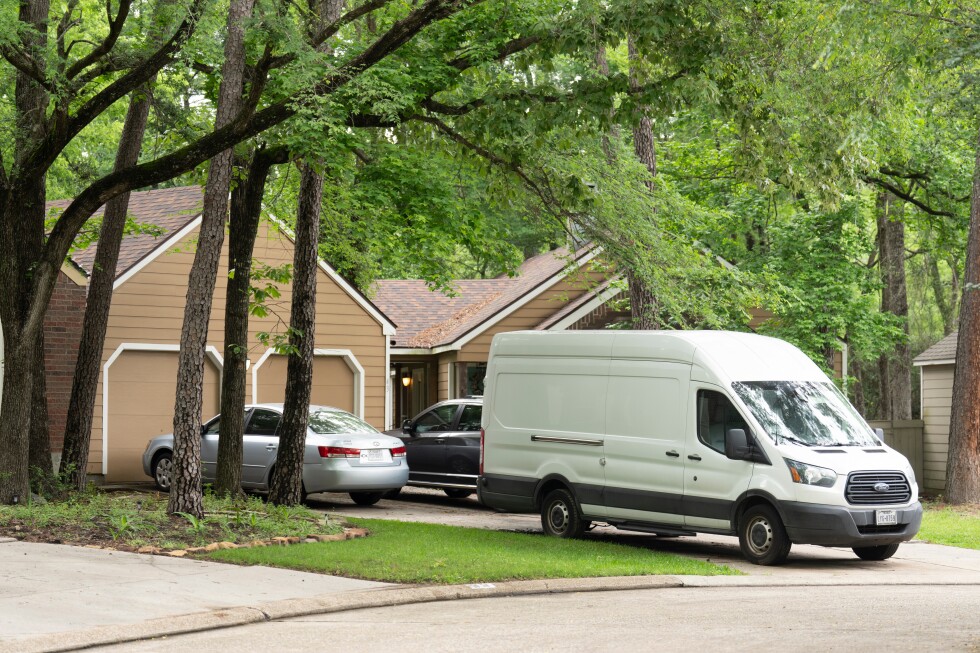
On Monday morning, FBI agents went to Moreno-Gama’s home in Spring, Texas, a suburb of Houston, where they spent several hours before leaving. He has been charged with possession of an unregistered firearm and damage and destruction of property by means of explosives.
When Moreno-Gama was arrested Friday, officials found a document on him in which he “identified views opposed to Artificial Intelligence (AI) and the executives of various AI companies,” court documents say.
Advertisement
Moreno-Gama wrote of AI’s purported risk to humanity and “our impending extinction,” according to the criminal complaint.
Advocacy groups that have issued grave warnings about AI’s risks to society condemned the violence.
Anthony Aguirre, president and CEO of the Future of Life Institute, said in a written statement Friday that “violence and intimidation of any kind have no place in the conversation about the future of AI.”
Hours after the attack on his house, Altman posted a photo of his husband and their toddler in a blog post addressing the threats against him.
Advertisement
“Normally we try to be pretty private, but in this case I am sharing a photo in the hopes that it might dissuade the next person from throwing a Molotov cocktail at our house, no matter what they think about me,” Altman wrote.
He added that “fear and anxiety about AI is justified” but it was important to “de-escalate the rhetoric and tactics and try to have fewer explosions in fewer homes, figuratively and literally.”
___
Associated Press journalist Matt O’Brien contributed to this story from Providence, Rhode Island.
President Trump has become entangled in a very public row with Pope Leo XIV, who has been critical of the US war with Iran. The US president has slammed the pope for being “weak” on crime and “terrible” at foreign policy, whilst also posting a picture of himself as Jesus (this post has been taken down from social media since we recorded the episode). Sarah, Anthony and Marianna join Matt Chorley to discuss the Pope’s response, and where this leaves the US president and those who voted for him. Also, how will Trump’s criticism of the pontiff affect his standing with the wider American public?
We also answer your questions on Melania Trip’s surprise statement about the disgraced sex offender Jeffrey Epstein, why the Trump administration will be disappointed by the ousting of Viktor Orban in Hungary’s elections, the legality of a US blockade in the Strait of Hormuz, and Trump’s huge rant against some of America’s biggest MAGA influencers.
HOSTS:
• Sarah Smith, North America Editor
• Anthony Zurcher, North America Correspondent
• Marianna Spring, Social Media Investigations Senior Correspondent
• Matt Chorley, 5 Live Presenter
GET IN TOUCH:
• Join our online community: https://discord.gg/qSrxqNcmRB
• Send us a message or voice note via WhatsApp to +44 330 123 9480
• Email Americast@bbc.co.uk
• Or use #Americast
Advertisement
This episode was made by Alix Pickles and Purvee Pattni. The technical producer was Gareth Jones. The series producer is Purvee Pattni. The senior news editor is Sam Bonham.
If you want to be notified every time we publish a new episode, please subscribe to us on BBC Sounds by hitting the subscribe button on the app.
You can now listen to Americast on a smart speaker. If you want to listen, just say “Ask BBC Sounds to play Americast”. It works on most smart speakers.
US Election Unspun: Sign up for Anthony’s BBC newsletter: https://www.bbc.co.uk/news/world-us-canada-68093155
Advertisement
Americast is part of the BBC News Podcasts family of podcasts. The team that makes Americast also makes lots of other podcasts, including Newscast. If you enjoy Americast (and if you’re reading this then you hopefully do), then we think that you will enjoy some of our other pods too. See links below.
Newscast: https://www.bbc.co.uk/sounds/series/p05299nl
Radical: https://www.bbc.co.uk/sounds/brand/p0gg4k6r
The Global Story: https://www.bbc.co.uk/sounds/brand/w13xtvsd
Top Comment: https://www.bbc.co.uk/sounds/brand/m001mssm
The Knavesmire Coffee Shop, on the corner of the Clock Tower Enclosure, has been renovated to include indoor seating space and service area for visitors to enjoy year-round.
It comes after two bespoke shipping containers were converted and installed at the site by Coopers Marquees on behalf of The Little Yorkshire Coffee Company – a joint investor of the shop with York Racecourse.
Recommended reading:
Speaking about this, director of The Little Yorkshire Coffee Company (Event Mobiles Ltd), Jason Greenwood, said: “What started as a simple solution during a challenging time quickly became something much more meaningful.
Advertisement
“This renovation allows us to build on that foundation, improving the experience, expanding our menu and continuing to serve the community that has supported us from day one.”
Located on the corner of the Clock Tower Enclosure, the coffee shop hopes to attract regular visitors (Image: The Knavesmire Coffee Shop)
Knavesmire Coffee Shop was first established during Covid-19 and quickly became a hub for outdoor socialising and connection.
Facilities manager at York Racecourse, Gavin Pattison, described it as a “special place” for both visitors and the local community.
He added: “We’re delighted to support its development and ensure it remains a welcoming space for people to enjoy throughout the year.”
Advertisement
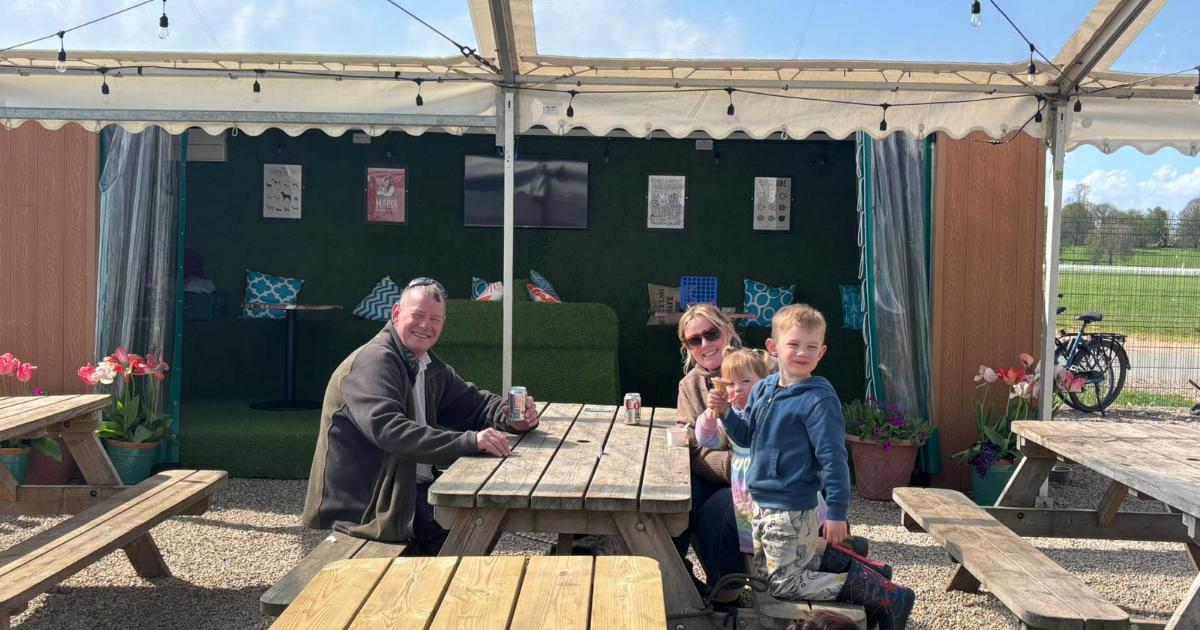
Visitors old and new, including dogs, are welcome (Image: The Knavesmire Coffee Shop)
Aside from coffee, the business is serving an expanded menu, featuring pizzas, paninis, breakfast rolls, ice cream and tray bakes.
Customers old and new have welcomed its re-opening, and it has already proved a hit with park runners and local dog walkers.
A representative for the company said: “With its improved facilities and continued focus on quality and community, it is set to remain a cherished destination on the Knavesmire for years to come.”
The coffee shop is open from Monday to Friday from 9am till 4pm, and Saturday and Sunday from 9am till 5pm.
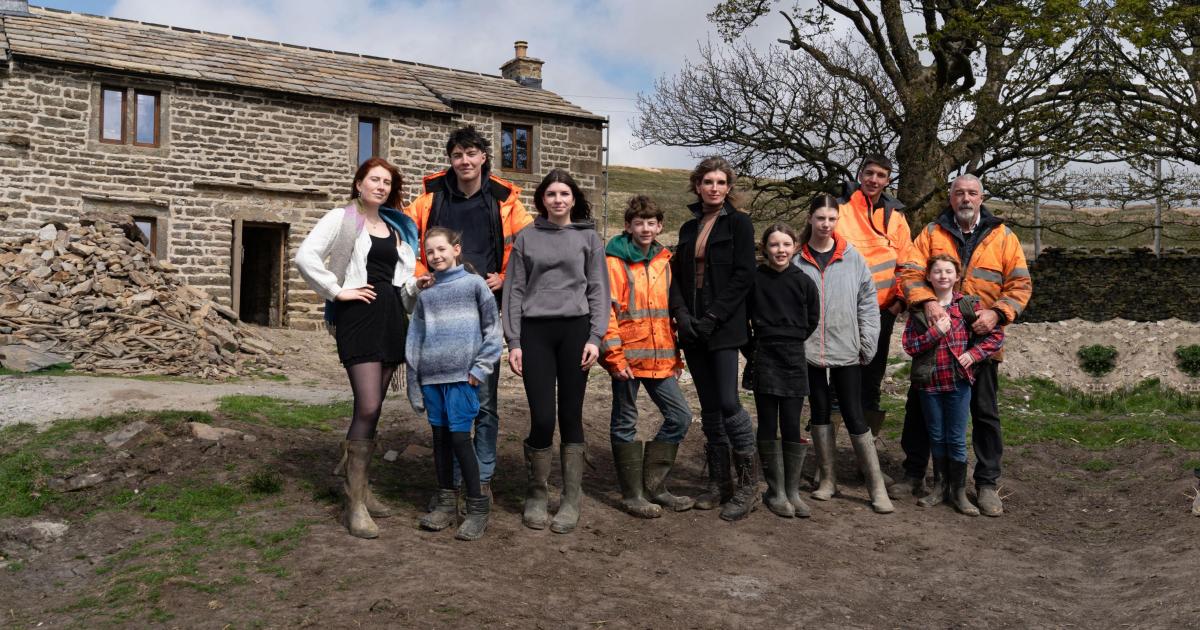
With its sweeping views, hardy sheep farming and dramatic weather, the farm has become a destination many fans would love to see for themselves. But can you actually visit Ravenseat?
Is Ravenseat Open to the Public?
The short answer is no, Ravenseat is not currently open to visitors.
For several years, the farm welcomed members of the public.
Visitors could stop by for cream teas, homemade refreshments and even pre-booked stays, giving fans a rare opportunity to experience life in the Yorkshire Dales first-hand.
Advertisement
Amanda, Clive and Kids altogether outside Anty John’s (Image: MORE 4)
However, in 2022, Ravenseat closed its doors to public access.
It has since operated solely as a private, working family farm and is no longer open for drop-in visits or tourism.
There is no visitor centre, café or official tour experience currently running at the site.
Can You Walk Near the Farm?
While the farmhouse and its immediate grounds are private, the wider landscape around Ravenseat sits within the Yorkshire Dales National Park and is criss-crossed by public footpaths.
Advertisement
Ravenseat lies along the Pennine Way and is close to Alfred Wainwright’s famous Coast-to-Coast Walk.
Walkers passing through Upper Swaledale may find themselves in the surrounding area, enjoying the same dramatic views seen on television.
However, it is important to respect that Ravenseat itself is private property.
Visitors should stick strictly to designated public rights of way, follow countryside guidance and avoid trespassing.
Advertisement
Where Is Ravenseat?
Ravenseat is located at the head of Whitsun Dale in Upper Swaledale, North Yorkshire, around three and a half miles west of the small village of Keld.
The area is known for its remoteness, with narrow roads, limited facilities and challenging weather conditions, particularly in winter.
Anyone planning to explore the area should prepare carefully, as petrol stations, shops and mobile signal can be limited in the upper dales.
While you can no longer visit Ravenseat itself, fans can still experience the spectacular landscapes that made Our Yorkshire Farm such a hit.
Advertisement
The rolling hills, stone barns and winding valleys of Swaledale remain open to walkers and visitors, just not the farmhouse at the heart of the show.
For now, the best way to step inside Ravenseat is still through the screen it seems.
Today, an inquiry has found the Southport murders “could have been prevented” if the killer’s parents and authorities had done more in the years leading up to the attack.
The inquiry’s report lists factors such as a “misunderstanding of autism” and “failure in information sharing” as examples of the “systematic failures”. Adam is joined by Judith Moritz, special correspondent and Daniel Sandford home Affairs correspondent who have been covering the story.
Adam also catches up with Americast host and North America correspondent Anthony Zurcher after President Trump announcing a blockade of Iranian ports after the talks in Pakistan didn’t end up in a deal. This comes as President Trump has been publicly arguing with an unusual opponent… the Pope.
Advertisement
You can now listen to Newscast on a smart speaker. If you want to listen, just say “Ask BBC Sounds to play Newscast”. It works on most smart speakers.
You can join our Newscast online community here: https://bbc.in/newscastdiscord
Get in touch with Newscast by emailing newscast@bbc.co.uk or send us a WhatsApp on +44 0330 123 9480.
New episodes released every day. If you’re in the UK, for more News and Current Affairs podcasts from the BBC, listen on BBC Sounds: https://bbc.in/4guXgXd
Advertisement
Newscast brings you daily analysis of the latest political news stories from the BBC. The presenter was Adam Fleming. It was made by Jack Maclaren with Shiler Mahmoudi and Anna Harris. The social producer was Gabriel Purcell-Davis and Joe Wilkinson. The technical producer was Gareth Evans. The assistant editor is Chris Gray. The senior news editor is Sam Bonham.
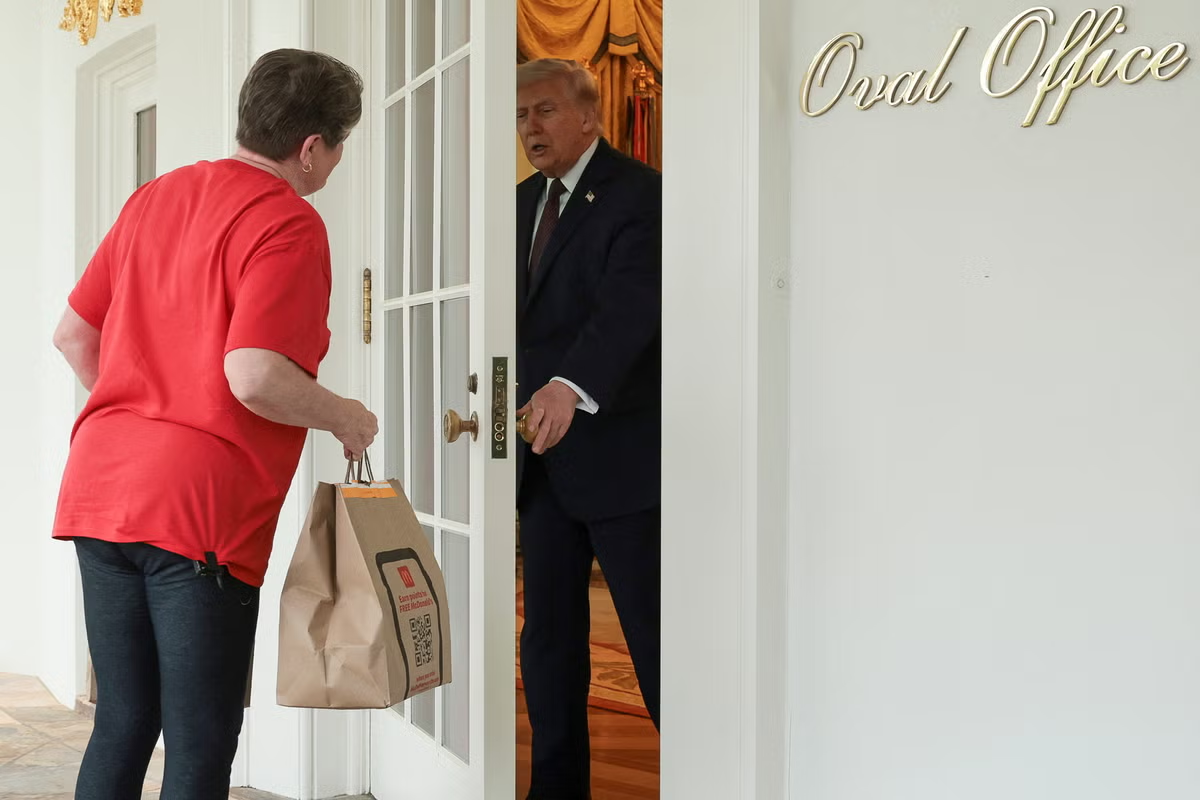
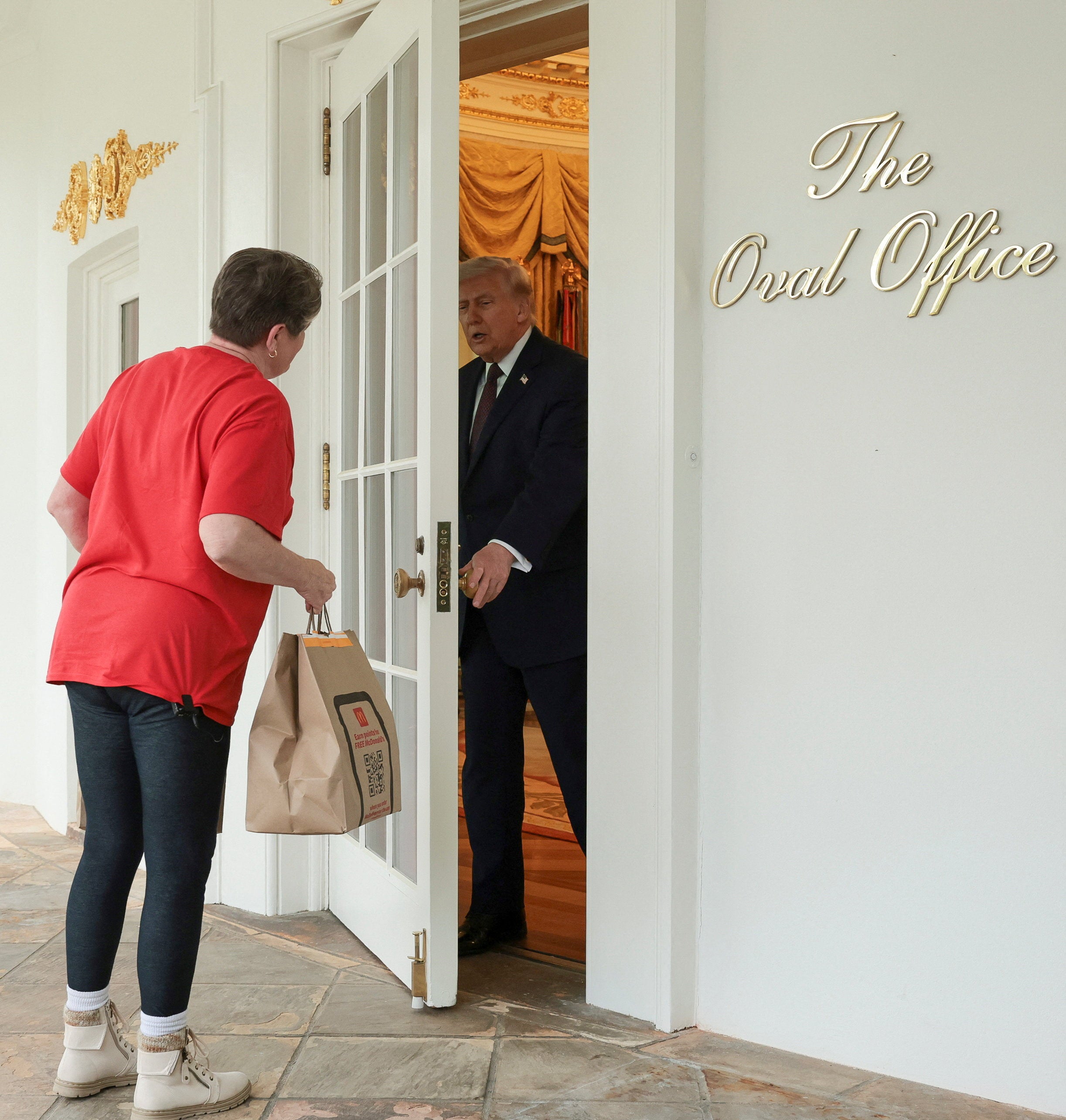
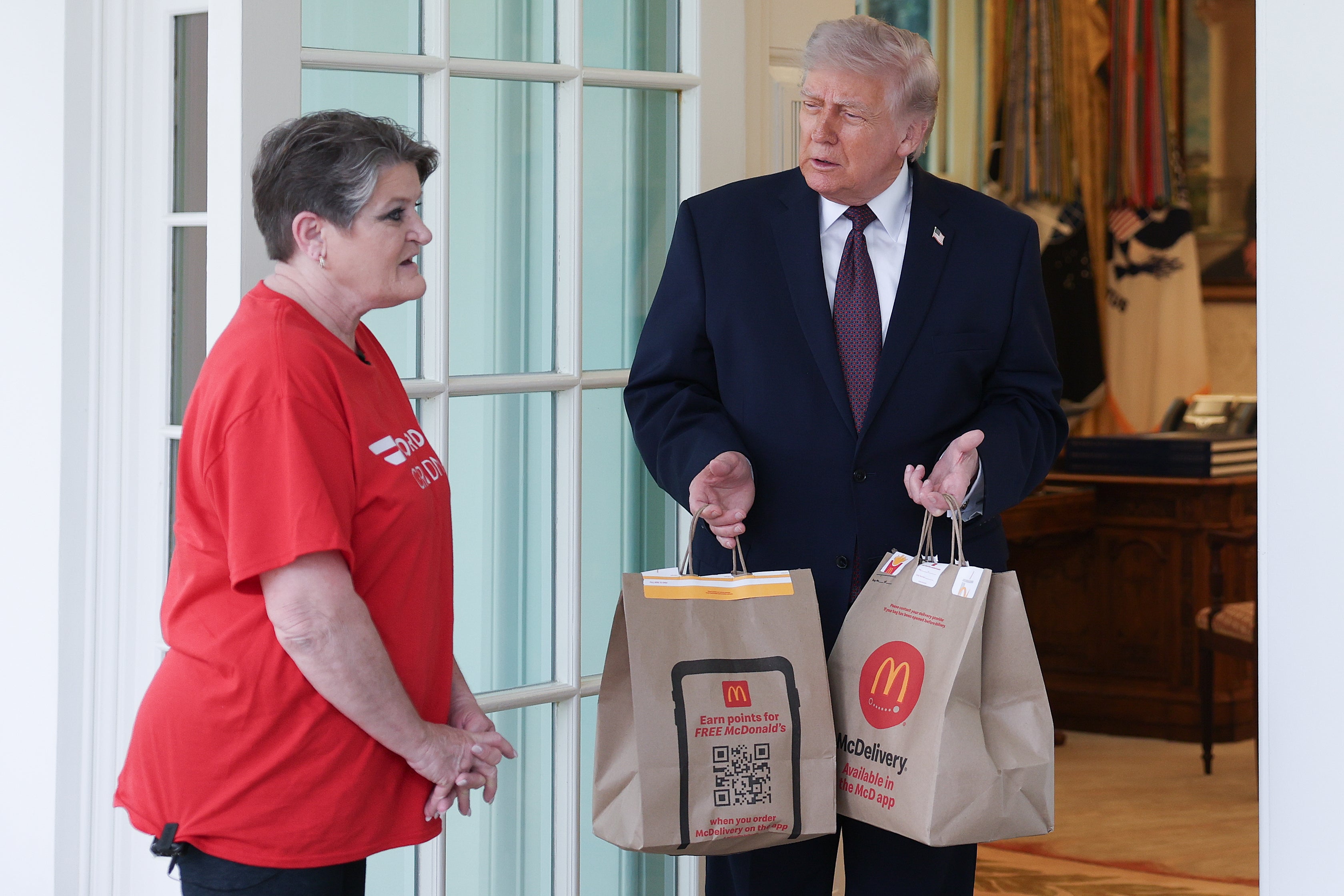
President Donald Trump took in-person delivery of his McDonald’s lunch order at the White House Monday — and that odd moment marked the most normal thing in Trumpworld the last 72 hours.
While holding his bags of cheeseburgers, fries and whatever else, Trump kept the delivery driver at his side while she weighed in on his no-tax-on-tips measure and he addressed reporters on a wide range of issues including the Iran war. The truly bizarre stunt played out as the U.S. began a blockade of the Strait of Hormuz and the president was embroiled in a simmering controversy over his posting an AI image of himself as Jesus Christ on Truth Social.
The publicly unscheduled but clearly staged press event played out just after noon as the press pool was ushered to the front door of the Oval Office to watch the president of the United States grin and receive two large bags of McDonalds from a delivery driver who then turned to reporters and praised the GOP’s move to end taxes on tipped wages in 2025.
“McDonalds!” the red-clad woman said in a tone clearly only audible to reporters outside the Oval as she rapped quickly on the door. Trump, a second later, opens the door: “Oh, nice to see you!”
Advertisement
“Nice to meet you,” the woman replied. The two began a banter about how the “No Tax On Tips” policy Trump championed during the 2024 election was now helping her as part of the “One Big, Beautiful Bill” passed into law last year.
(Reuters)
In a moment of self awareness, Trump quipped to Simmons sarcastically: “This doesn’t look staged.”
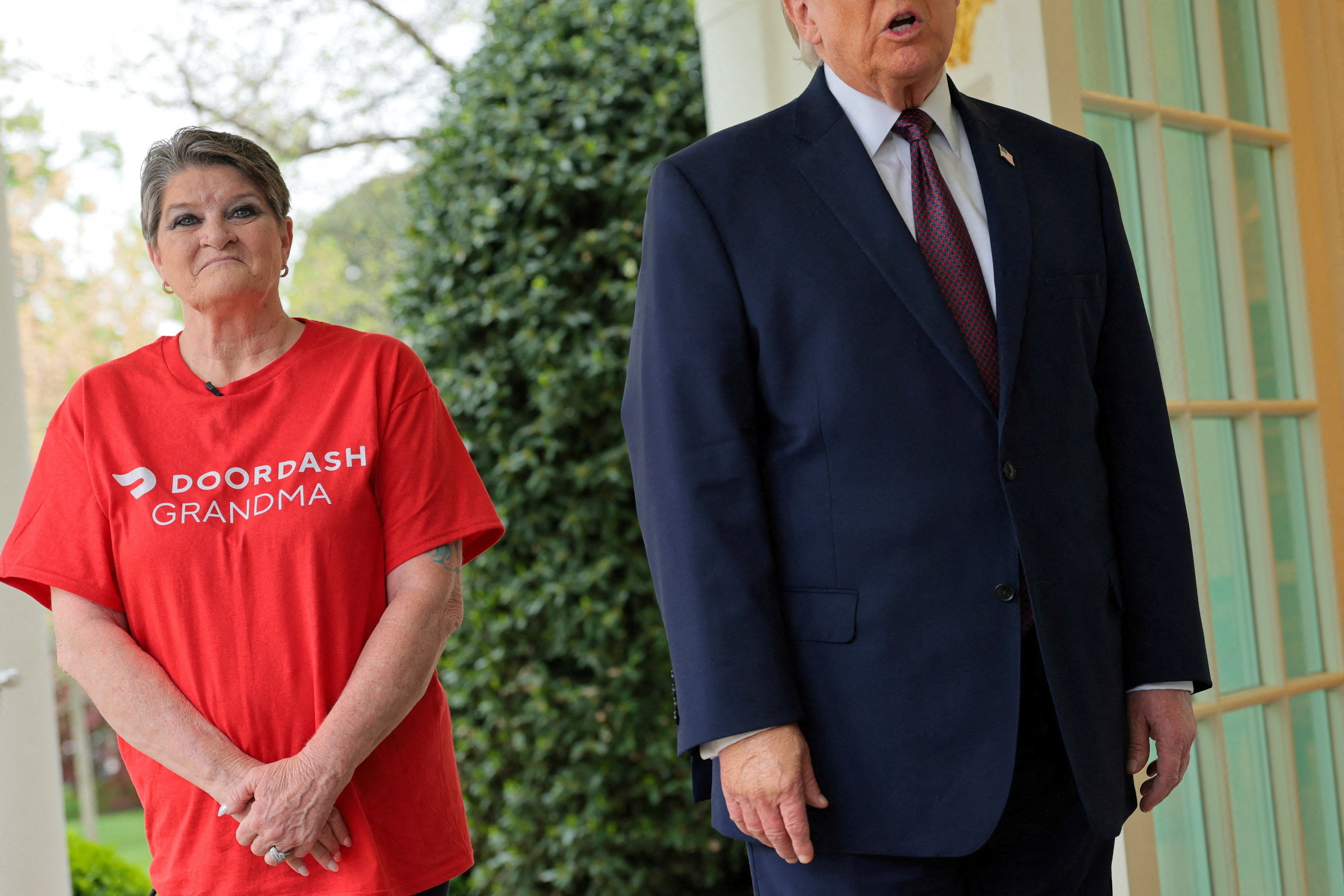
Trump then addressed reporters and began a full press conference, the president standing side-by-side with the delivery woman in her red DoorDash polo shirt, and issued his newest threats against Iran and even spoke about his conflict with the Pope. His first question came from a reporter who asked about an AI-generated image the president posted and then deleted which depicted him as Jesus Christ.
“I thought it was me as a doctor,” Trump claimed of the image that portrayed him robed, holding his hand to a man’s forehead and healing him with a glowing white light. “It’s supposed to be me as a doctor, making people better. And I do make people better.” The president did not explain why he deleted the image, which drew criticism from some conservatives and Christians.
Simmons stood awkwardly by Trump’s side as he took a range of questions from reporters (Reuters)
He also responded to a question about the current state of U.S.-Iran negotiations, and confirmed once again that the “sticking point” in the talks centered around Iran’s future nuclear ambitions. Trump had previously insisted that Iran had agreed to give up plans of developing nuclear weapons in the future as he insisted that his war with the country was already won, but over the weekend changed his story to admit that Tehran’s refusal to agree to U.S. demands regarding its nuclear program was the reason for the conflict continuing.
“[The sticking point] was over nuclear, yeah […] Iran will not have a nuclear weapon,” Trump told reporters. “And we agreed to a lot of things but they didn’t agree to that. And I think they will agree to it, I’m almost sure of it. In fact I am sure of it, if they don’t agree there’s no deal, there will never be a deal. Iran will not have a nuclear weapon. And we’ll get the dust back. We’ll get it back either way; we’ll get it back from them, or we’ll take it.”
Advertisement
Trump’s reference to “the dust” refers to Iran’s remaining supply of enriched uranium, much or all of which is believed to be buried under rock and earth as a result of damaging U.S. strikes at Isfahan, Natanz and Fordow, three sites tied to the Iranian nuclear program hit by U.S. strikes last summer. Among the U.S.’s demands include the transfer of any remaining material to American hands.
Simmons stood awkwardly by Trump’s side as he took a range of questions from reporters (Getty)
In one more embarrassing moment, as the woman identified as “Sharon” stood beside him, Trump turned from attacking Democrats to the camera and posed a question to the DoorDash driver who was still awkwardly standing there regarding her views on “men in women’s sports”, the president and Republicans’ shorthand for the right of transgender girls and women to participate in sporting leagues corresponding to their preferred gender.
She sheepishly replied: “I really don’t have an opinion on that. No, no, I’m here on no tax on tips,” as the president pressed her.
The Independent reached out to the White House for more details about the event and the president’s order.
White House spokesman Steven Cheung later posted a photo of a half-eaten burger he declared he’d “had to dig in” to.
Advertisement
Simmons is no stranger to Washington and previously testified before the House Ways and Means Committee for a hearing aimed at touting the “No Tax On Tips” legislation included as part of the GOP’s budget reconciliation package last year. The populist provision was part of a reconciliation package that included a massive surge of funding for Immigration and Customs Enforcement (ICE) and also extended the 2017 Republican tax cuts passed under the president’s first term.
“This moment represents something bigger than a single delivery. It’s about the millions of Dashers across the country who are now able to keep more of what they earn when filing their taxes this year. With No Tax on Tips, Dashers across the U.S. saved hundreds of millions of dollars last year. DoorDash is proud to advocate on behalf of Dashers like Sharon and push for policies like No Tax on Tips because they deliver real impact to so many hardworking people and their families,” DoorDash said in a statement regarding Monday’s event.
According to information provided to USA Today by DoorDash, Simmons has completed nearly 12,000 deliveries on the DoorDash platform, according to her congressional testimony in July of last year.
“In early 2025, my husband was diagnosed with cancer and the toll that radiation & chemotherapy took on him forced him to reduce his hours at his job. Because DoorDash provides me with a truly flexible work schedule, I was able to drive him to and from his treatments. During that time, every extra dollar I earned mattered more than ever,” she told Congress last year.
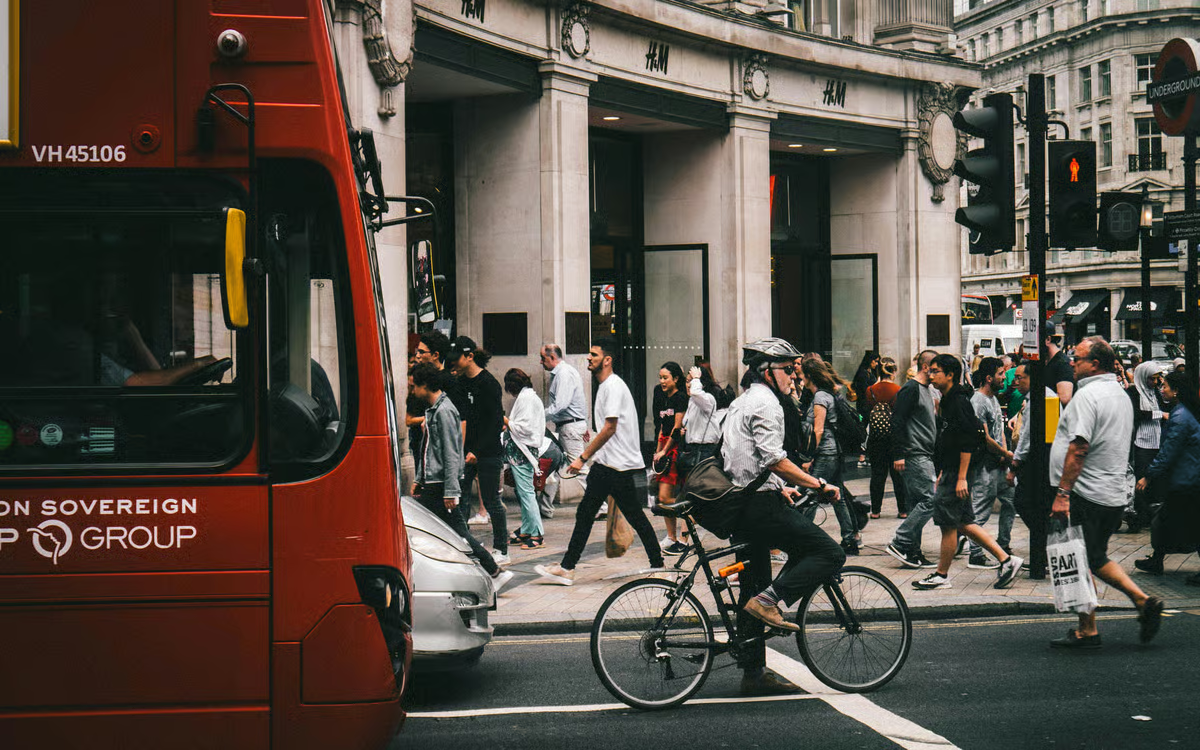
Towards the eastern end of the street, you’ll find Berners Tavern, the celebrated restaurant at The London EDITION.
Helmed by Jason Atherton, expect a menu of elevated British classics, including a three-course Sunday Roast (£55pp). All the headliners are here – roast pork, beef or chicken – with a veggie option too, alongside traditional sides to share, family-style.
Two drink carts glide through the painting-lined room, one serving Bloody Marys, the other flutes of perfectly chilled Champagne, all while a live singer and band do their thing by the window. The atmosphere, service, and, of course, food, add up to a setting so convivial that the prospect of leaving becomes a distant thought.
Advertisement
If you’re after a lighter meal than a roast, Berners Tavern also offers two-course set menus, which will leave you fuelled, not felled, for further shopping adventures back on Oxford Street.
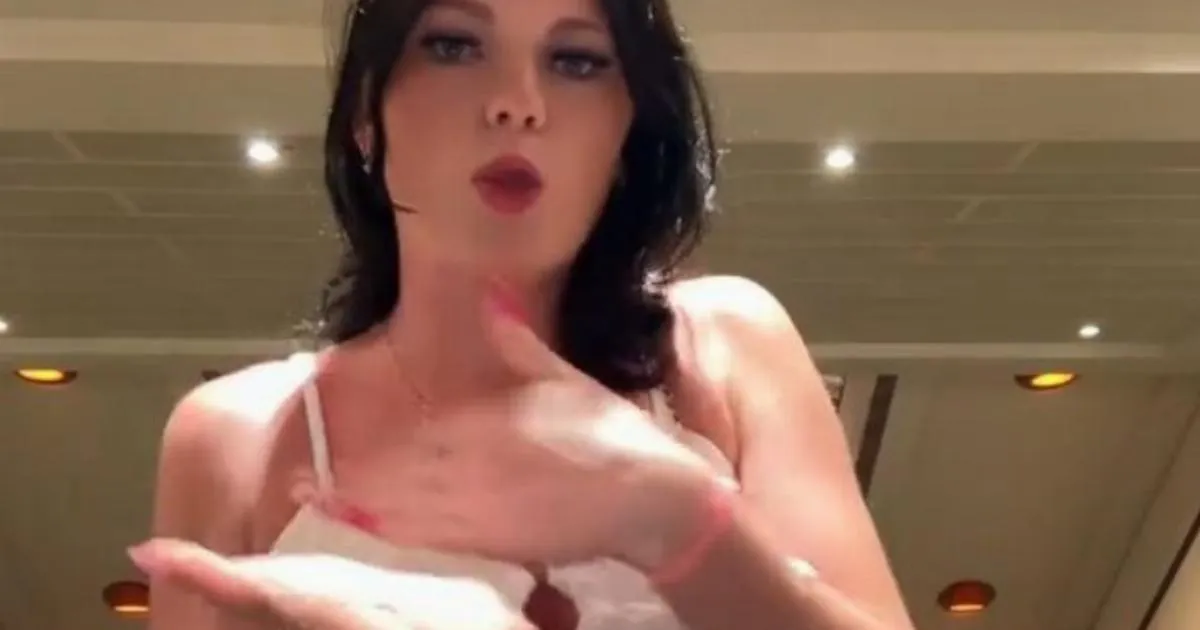
Anna Kepner was found dead in her room on the Carnival Cruise ship (Picture: TikTok)
A teenager has been charged with murder and aggravated sexual abuse over the killing of his stepsister, found hidden under a bed on a family cruise.
Anna Kepner, 18, had been travelling on the Carnival Horizon ship in November with her family.
Before the ship was scheduled to return to Florida, her body was found stuffed under a bed in a room she was sharing with two other teens, including the younger stepbrother.
Timothy Hudson, 16, was initially charged as a juvenile but the case was sealed until US District Judge Beth Bloom said that he would be prosecuted as an adult.
Advertisement
Chris Kepner, Anna Kepner’s father and Hudson’s stepfather, told NBC News that ‘justice needs to be served.’
‘That is where the family stands,’ he continued, noting that Hudson should be in custody.
He previously said that the loss of his daughter is ‘a pain that will never fully heal’ and that his family believes in ‘accountability and in the importance of justice being carried out.’
‘Our daughter’s life matters, and we will continue to speak out to honour her, to seek accountability, and to ensure that her case is not forgotten,’ Mr Kepner said, adding that he was advised ‘to remain quiet’ about the case.
Advertisement
Anna Kepner was found stuffed under a bed in her room on the cruise in November (Picture: Facebook)
The cause of Kepner’s November 6 death was determined to be mechanical asphyxia, which is when an object or physical force stops someone from breathing.
Kepner was a high school cheerleader at Temple Christian School in Titusville, Florida, some 40 miles east of Orlando.
Hudson was seen at the Miami courthouse in February, wearing a ball cap and a hoodie pulled tightly around his face.
But his status at that time was not fully known because his age barred public disclosures by his lawyers, the government or the court.
Advertisement
Hudson was ordered to wear an electronic tether while living with an uncle.
The order was later changed to allow him to temporarily work with his father at a landscaping business, court records show.
Experts believe the case is in federal court, and not a state court where teens are commonly prosecuted, because Kepner died in international waters.
In an obituary, Anna was remembered as a ‘bubbly high’ school senior who dreamed of continuing cheerleading at the University of Georgia.
Advertisement
Tributes said Ms Kepner was an outgoing and reliable teenager who ‘loved her siblings deeply.’
At her memorial service in November, family members encouraged people to wear bright colours instead of the traditional black ‘in honour of Anna’s bright and beautiful soul.’

















































You must be logged in to post a comment Login