It is understood no-one was injured as a result of the disturbance.
Advertisement
Detective sergeant Kevin Clark said: “Thankfully no-one was injured as a result of this incident and our enquiries are ongoing to establish the full circumstances.
“I am appealing to anyone who was in the area and who may have dash cam or private CCTV which could assist to contact us.”
Anyone with any information is asked to contact 101 quoting reference 4078 of 23 May, 2026.
Families looking for a new day out destination can explore this wholesome park, bursting with wildlife and with expansive facilities, where animals are at the heart of it all
With the school holidays coming up, families are looking for more ways to make their days easier, and this English attraction offers the perfect fun-filled day out.
Advertisement
After it picked up the gold medal in this year’s VisitEngland awards, at number one for Large Visitor Attraction of the Year, this wholesome attraction has started to gain more interest. While it continues to draw in the truest of animal lovers, many families may not have had it on their radar until now.
Jimmy’s Farm & Wildlife Park in Suffolk is the ultimate day out that allows visitors to fully immerse themselves in a farm experience full of animals and a whole range of other outdoor activities.
At the helm of it all is TV presenter and animal-lover Jimmy Doherty, who has dedicated his life to learning about animals, farming and wildlife. After years of breeding, he came to be the president of the Rare Breeds Survival Trust in 2016 and continues to showcase rare and budding wildlife at the park, which is home to exotic animals, beautiful butterflies and even farm animals that we all know and love.
The park has over 100 species and breeds for visitors to engage with, from capybaras to crocodiles, pigs to polar bears; they truly cover all bases. One of the unmatched experiences on offer is to step into Lion Lake, the UK’s first lion viewing area with unrivalled views of the beloved park lions Kamal and Rani from over the water.
Visitors can even feed some of the animals and get up close and personal in animal talks and activities, teaching you all about the creature that lies before you.
Wildlife aside, the park hosts a range of fun-filled activities to keep all ages entertained made up of 20 attractions. Families can enjoy a sand play barn, offering a sensory experience for little ones, a huge indoor soft play area, pedal tractors, a full-size fire engine, an outdoor play area and so much more.
Visiting
Ahead of your visit to the idyllic family park, you can pre-book your tickets for your chosen date, which allows you to arrive at any time during the park’s opening hours, with last entry one hour before closing. Opening hours are 9:30am until 5pm, every day of the week.
Advertisement
One recent visitor shared on TripAdvisor: “I visited for the first time with my family, 2 toddlers, my husband and my dad, and we were all absolutely thrilled. We arrived at 10.30am and stayed until close so it made a fantastic day out.
“Upon arriving, it was very busy, but as soon as we entered the park, there was so much space, so it was never overcrowded anywhere.”
Another impressed visitor shared: “We had a fantastic day at Jimmy’s Farm, it was so lovely to see how well kept & the amount of space the animals have to explore and play in. It’s all so well maintained, with great paths for my mobility scooter, so I didn’t miss a thing, which pleased me immensely. Lot’s of play and picnic areas with plenty of toilets dotted around. “
Advertisement
Entry fees for adults currently stand at £25.00 according to their website, and children’s tickets cost £20. Any children under two, however, are granted free access to the exciting site.
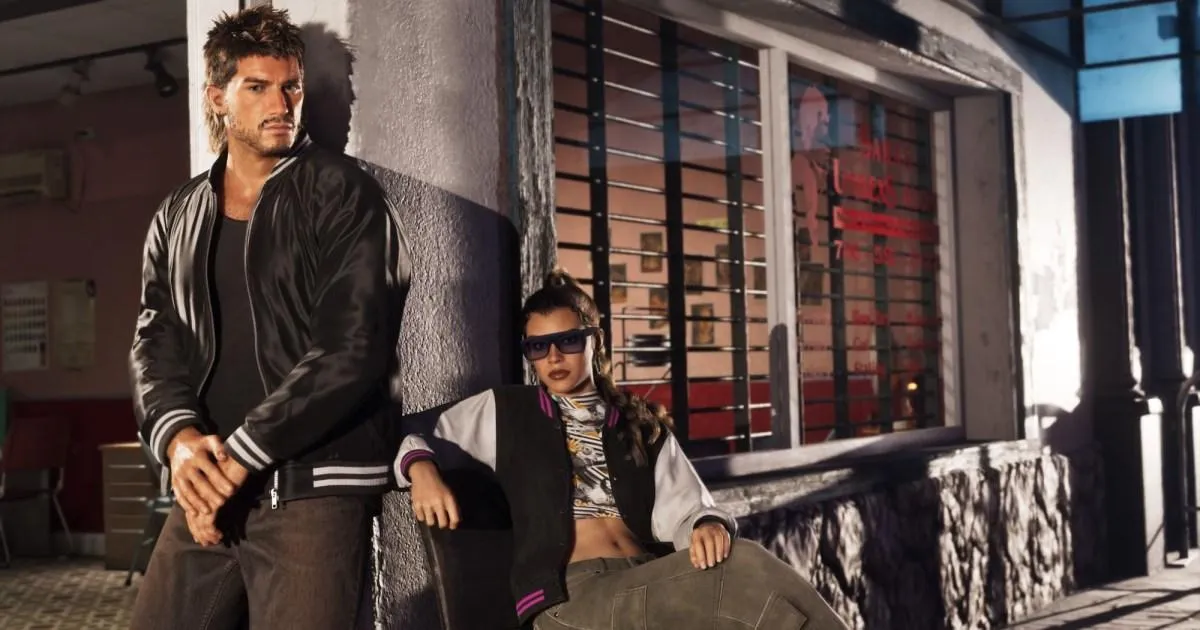
GTA 6 – would you join a boycott? (Rockstar Games)
The Thursday letters page reacts to the GTA 6 pre-order news and pricing, as readers discuss the difficulty of updating Star Fox.
Games Inbox is a collection of our readers’ letters, comments, and opinions. To join in with the discussions yourself email gamecentral@metro.co.uk
Taking a stand So here we go, one of the most influential games in terms of sales at least, has decided to jump both feet first into the digital-only future pool.
I understand people’s frustrations, but just commenting about it online and stamping your feet is never going to change Rockstar’s mind, especially if these same people still buy it anyway on launch day.
Advertisement
The only way to make an impression is to hit them in the pocket. Companies follow the money and if the sales aren’t quite up to where they wanted or expected, then they will have no choice but to release a physical copy.
If you don’t like the price or the quality of the product being offered to you then by all means don’t buy it. And before anyone thinks that is me getting on my high horse. Take a step back and think about it. That’s not me giving you that ultimatum, that’s Rockstar saying, ‘take it or leave it’.
Expert, exclusive gaming analysis
Sign up to the GameCentral newsletter for a unique take on the week in gaming, alongside the latest reviews and more. Delivered to your inbox every Saturday morning.
Advertisement
Take an even further step back and realise it will have been over 13 years since the previous title by the time of this release, so what is another couple of months if it means you get a physical copy in your hands?
I’m not much of a fan anyway so I won’t be buying it, but I suspect a lot of people will. freeway 77
Grand theft software Are Rockstar having a laugh? £75 for a game box with no disc? No manual I’d imagine too. Is this the real theft happening now? Kinda of kidding but with this information in hand now I’ll be waiting on the PC version. Even if it’s two years away, I’ll wait. I have plenty to keep me going until then.
Advertisement
Anyone in GC Towers been privy to a preview? Can you say even if you have? Bobwallett
GC: No we can’t, but Rockstar rarely do previews – they don’t need to.
Possible boycott I’m not liking the fact that GTA 6 physical copies will only contain a code. I’m feeling like I might boycott the game in protest. Games should be available on disc or digital. That’s why I bought a PlayStation 5 with a disc drive.
I hope other companies don’t start this practise. And yes, I do know some games are already download-only currently. Thankfully, except for indies, they are in the minority.
Advertisement
Enjoy the heat! I assume GC Towers is air conditioned. DB
Wait and see I suppose it was predictable that GTA 6 was going to be digital only at launch. Oh well, guess I’ll just wait on the physical edition, should they ever release such a thing (I know, I’m old fashioned).
Plenty of other exciting games to buy and play beforehand anyways. Ryan
Advertisement
90s hero As a former Mega Drive owner I think we have to admit that Sonic has never been a contender outside of that one console. The second he moved onto the Saturn and beyond it all fell apart. They never found a way to make the game work in 3D and it says everything that Sonic Frontiers is the best effort when it took them 30 years to get there and it still sold less than 5 million copies.
There’re tons of indie games that sell more than that and it really puts into perspective how much of a second-stringer Sonic is in the modern world. He might sell movies and T-shirts, but he sure doesn’t sell games.
Is he cooler than Mario? Maybe in theory, but in truth he’s not really in the same league anymore. Vida
Advertisement
New follow-up Nice review of Star Fox, remember loving the original back in the 90s but given that it’s now the year 2026… won’t be partaking in pointless nostalgia. Time is too short to play slavish remakes, at least Resident Evil and Final Fantasy 7 have been fairly ambitious new games, offering a new modernised experience. To pick up your point on where Nintendo might go next. I have noticed something of a pattern with a few of the remakes we’ve had so far… also from third party studios no doubt under strict supervision.
Firstly, we had MercurySteam’s Metroid 2 remake on the 3DS, which after its success spun out into the all-new Metroid Dread on the Switch. Then we had the Game Boy Color’s Zelda: Link’s Awakening (apologies to the developers but I forget [Grezzo – GC]) which again was spun out into the all-new Zelda: Echoes Of Wisdom. These sequels to the remakes did bring more ambitious ideas into the mix, while retaining their mostly retro gameplay design, after the studio’s proved themselves to the Big N.
We would have probably gotten the same thing with Advance Wars 1+2 if anyone had bought it and I’m sure there are others in Nintendo’s surprisingly vast array of OG Switch remakes and remasters that could also fit the pattern.
I expect this Star Fox will sell pretty well, and so a sequel to the remake along the lines of the aforementioned titles would be a possibility. Offering a few new features and new level designs but mostly the same retro into-the-screen shooter gameplay. I’m not sure you could do the same with Zelda: Ocarina Of Time, that will more likely spin out a slavish Majora’s Mask remake than a new sequel, to fill another schedule gap a few years down the line. Marc
Advertisement
GC: Star Fox has never been a big seller, so the remake’s success is far from assured. But if it is a hit then, yes, we would not be surprised to see Nintendo greenlight a new game, in fact that’s already a current rumour.
Short and sweet I really hope the Star Fox remake does well. The original was always one of my favourites and I’ll definitely be doing my part in picking it up, I just don’t know how well its old school gameplay is going to go down today. I remember back in the N64 days even, a lot of my friends thought it was too short and simple.
I’m not sure it wouldn’t have been better to just make a new game straight off the bat, because the remake looks pretty expensive as it is, but I guess we’ll see how things play out. Onibee
Don’t miss Gaming news! Add us as a Preferred Source
As a loyal GameCentral reader, we want to make sure you never miss our articles when searching for gaming stories. We have all the latest video games news, reviews, previews, and interviews, with a vibrant community of highly engaged readers.
Advertisement
Click the button below and tick Metro.co.uk to ensure you see stories from us first in Google Search.
GameCentral has been delivering unique games news and reviews for over a decade
Expensive ideas Nice review of Star Fox. RE: what the series could do next to modernise and appeal to the mainstream; in a world where production budget wasn’t a limitation, I’d say the approach is already provided by the likes of Naughty Dog, Insomniac, and Sony Santa Monica.
Advertisement
As you say, the Star Fox games already seem to work best when funnelling you through set pieces, so just make those absolutely massive, with overwhelming spectacle, wild cinematic camera movements and semi-interactive near misses in the same way a lot of the highlight moments work in all those games Sony devs have delivered since Uncharted 2.
I do kind of take issue with the trend these sorts of games set, with player control seamlessly snatched away and given back, as dictated by the script. Like a roller-coaster claiming to be a real adventure. But if any game is going to suit that method in particular, it’s surely Star Fox.
The obvious issues are the budgets for God Of War, Uncharted, and Spider-Man, and a likely (and understandable) reluctance for any sensible business to dedicate that sort of resource to a game like Star Fox. But that’s the combination I think would work best.
It’s kind of like asking for a modern F-Zero to consist of an entire futuristic open city, with tracks integrated into it and scope for exploration and an interesting campaign. Nintendo isn’t going to fund it, but those feel like the sort of evolutionary paths I’d want to see these series take. Panda
Advertisement
Inbox also-rans Nice to see that GoldenEye 007 was the second-best selling N64 game. Younger gamers today will never understand how big that game was at the time, the multiplayer was out of this world. Xane
It doesn’t seem to have been acknowledged much but it was the 30th anniversary of Quake on Monday. I’m guessing the lack of fanfare means those reboot rumours aren’t happening. HEJ
The small print New Inbox updates appear every weekday morning, with special Hot Topic Inboxes at the weekend. Readers’ letters are used on merit and may be edited for length and content.
Advertisement
You can also submit your own 500 to 600-word Reader’s Feature at any time via email or our Submit Stuff page, which if used will be shown in the next available weekend slot.
You can also leave your comments below and don’t forget to follow us on Twitter.
CARACAS, Venezuela (AP) — Back-to-back powerful earthquakes struck off the coast of Venezuela on Wednesday evening, collapsing buildings and sending panicked residents into the streets.
The 7.2 and 7.5 magnitude earthquakes roiled the region, with buildings evacuated in cities as far away as Brazil’s Amazon about 1,700 kilometers (1,050 miles) away.
Late Wednesday, acting president Delcy Rodríguez said she was preparing to address the nation.
Rodríguez’s failure to address the nation within three hours of the earthquake, while her government did not give a report of injuries or fatalities in that time, was criticized by politicians and Venezuelans.
Advertisement
“The uncertainty becomes yet another layer of anguish,” Edmundo González, the opposition’s 2024 presidential candidate, said on X.
The U.S. Geological Survey initially said the first earthquake had a magnitude of 7.1, later revising that to 7.2, and its epicenter was west of the community of Morón, located along the country’s Caribbean coast, about 168 kilometers (104 miles) west of Caracas. The quake had a depth of 22 kilometers.
The USGS reported an even larger 7.5-magnitude earthquake just a minute later. The second quake had a depth of 10 kilometers and its epicenter was 16 kilometers (10 miles) southwest of Morón.
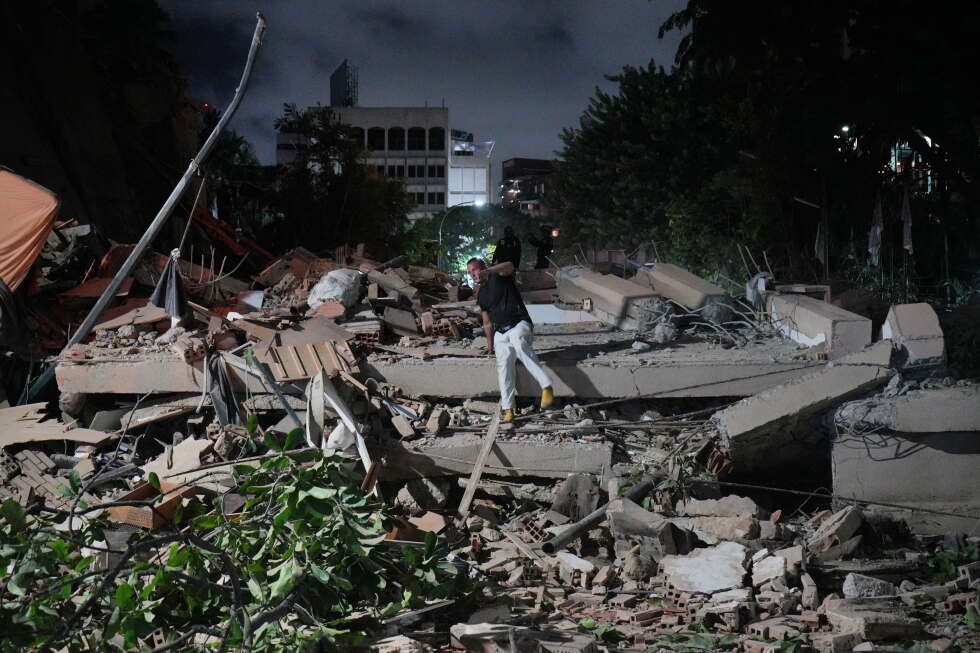
The quakes, among the strongest to strike Venezuela in more than a century, struck shortly after 6 p.m. People evacuated swaying buildings in the capital Caracas, many visibly shocked as they saw entire walls that had collapsed, making furniture visible from the street. Dust columns could also be seen in two neighborhoods of the capital, where restaurants and other businesses are typically busy.
Advertisement
‘We all had to leave our houses’
People remained on the streets for hours, even after sunset. Some sat on the ground hugging their pets as dust gathered around them. Collapsed buildings, toppled electric poles and debris blocked streets. Parts of the capital lost power and cellphone signal.
“It started off gently and then gradually grew, and in the end, we all had to leave our houses, go outside and gather together,” Caracas resident Hector Ricci said.
The lack of cellphone signal in parts of Venezuela deepened the distress of many families, particularly those among the more than 7.7 million people who have left the country during its protracted crisis.
“May strength, serenity, and solidarity prevail among us in the face of this difficult time,” opposition leader Maria Corina Machado said from exile on X.
Advertisement
Impact felt throughout Venezuela
Interior Minister Diosdado Cabello said the quake could be felt in several states. The Altamira neighborhood in Caracas had “alarming situations” with collapsed homes and buildings, he said, suggesting people were injured in the earthquake and asking motorists to give way to ambulances and other emergency vehicles.
“We understand that some people may be desperate, but we are acting according to protocols to activate aid and rescue efforts to help those who need it most,” Cabello said on state television. “Be very careful with children and the elderly; call each other and check that no one has been harmed.”
He also urged people to remain outside as aftershocks could further damage some structures.
“The building really shook from side to side. Unreal. The force was incredibly strong,” Caracas resident Roberto Gamas said. “We were walking and it was tossing us around. Everything in the apartment fell. Well, thank God we were able to get out.”
Advertisement
Sign up for Morning Wire:
Our flagship newsletter breaks down the biggest headlines of the day.
Advertisement
Expressions of support posted on social media
Reaction pouring in swiftly on social media.
Venezuela opposition leader Maria Corina Machado, in exile after leaving Venezuela in December, took to to X to send prayers and wish strength to Venezuelans.
Advertisement
“May strength, serenity, and solidarity prevail among us in the face of this difficult time,” she wrote on X.
El Salvador President Nayib Bukele expressed solidarity with Venezuela following the earthquakes, saying his country’s “heart is with the people of Venezuela during these difficult times.”
“We send you all our solidarity and our prayers. Stay strong, Venezuela,” Bukele wrote.
Republican Rep. María Elvira Salazar of Florida said her “thoughts and prayers” were with Venezuela and expressed support for families affected, those still waiting for answers and first responders.
Advertisement
“The strength of the Venezuelan people has been tested time and again,” she wrote. “I have no doubt they will face this moment with the same resilience, courage, and hope that have carried them through every challenge.”
Earthquake impacts the region
Buildings in Manaus, Belem and Macapá in Brazil’s Amazon were evacuated, according to reports on TV Globo.
The quakes also were felt in Colombia’s Caribbean and northeast regions, but there were no reports of damages or injuries. The Colombian Maritime Authority in a statement said the country’s Caribbean coast is at no risk of tsunami.
The U.S. Pacific Tsunami Warning Center issued a tsunami alert for Virgin Islands. Authorities in the Dominican Republic also issued one for the island. Another alert for Puerto Rico was quickly lifted.
Advertisement
Strong earthquakes are unusual in Venezuela.
While the country sits near multiple fault lines, its position straddling the South American and Caribbean plates make earthquakes much less common than in other parts of Latin America. Along the Pacific coast — in Mexico and Chile, for example — earthquakes are frequent. The two countries sit along the seismically active tectonic belt known as the “Pacific Ring of Fire,” which is responsible for 90% of earthquakes, according to the USGS.
The quakes also were felt in Colombia’s Caribbean and northeast regions, but there were no reports of damages or injuries. The Colombian Maritime Authority said in a statement that the country’s Caribbean coast is at no risk of tsunami.
In Brazil’s Amazon, buildings in the cities of Manaus, Belem and Macapá also were evacuated.
Advertisement
___
Garcia Cano reported from Bogota, Colombia. Associated Press writers Clara Preve in Buenos Aires, Astrid Suarez in Bogota, Colombia, Mauricio Savarese in Sao Paulo and Anna-Catherine Brigada in Mexico City contributed to this report.
First, Scott McKenna was caught on the ball by Bournemouth forward Rayan and Vinicius Jr skipped past Angus Gunn to score.
Gunn and full-back Nathan Patterson were then caught under a Bruno Guimaraes cross as Vinicius Jr nodded in his and Brazil’s second before half-time.
And Manchester United’s Mateus Cunha made it three after the break on a night where Scotland huffed and puffed, but were ultimately outclassed.
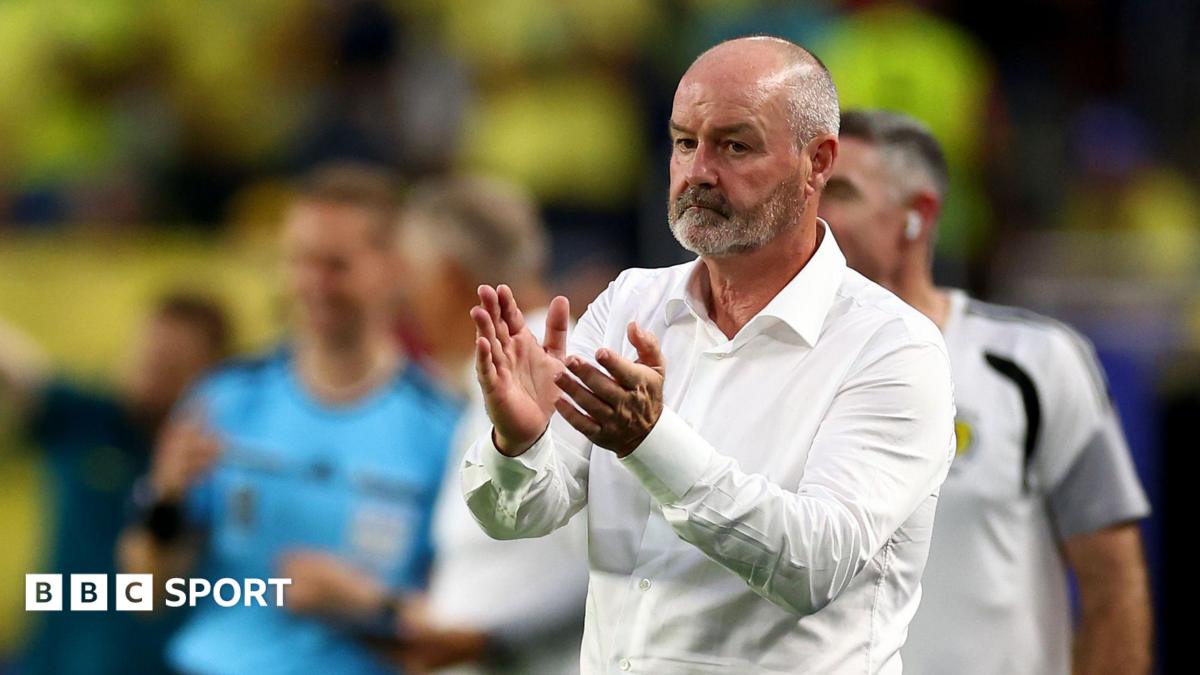
“We lose poor goals at poor times against a team that can punish you with quality,” McGinn told BBC Sport. “We had a few chances but we’ve got to wait now.
Advertisement
“The lads are gutted, we fell short on quality but we gave it absolutely everything. The lads are empty now. It’s unlikely [that we qualify] but we’ll wait and see.
“It’s a bit raw at the minute but we appreciate the support of the fans, we know it’s difficult to be there. Hopefully the journey is not over and if we have to go again, we will go again.”
As temperatures soar, the beach is the perfect place to be to bask in the sun and cool off in the calming waters – making this quiet bay the ideal escape in such hot times
Set back within a 30-mile expanse of a designated area of outstanding natural beauty lies a peaceful way, far less crowded than the neighbouring seaside resorts.
Advertisement
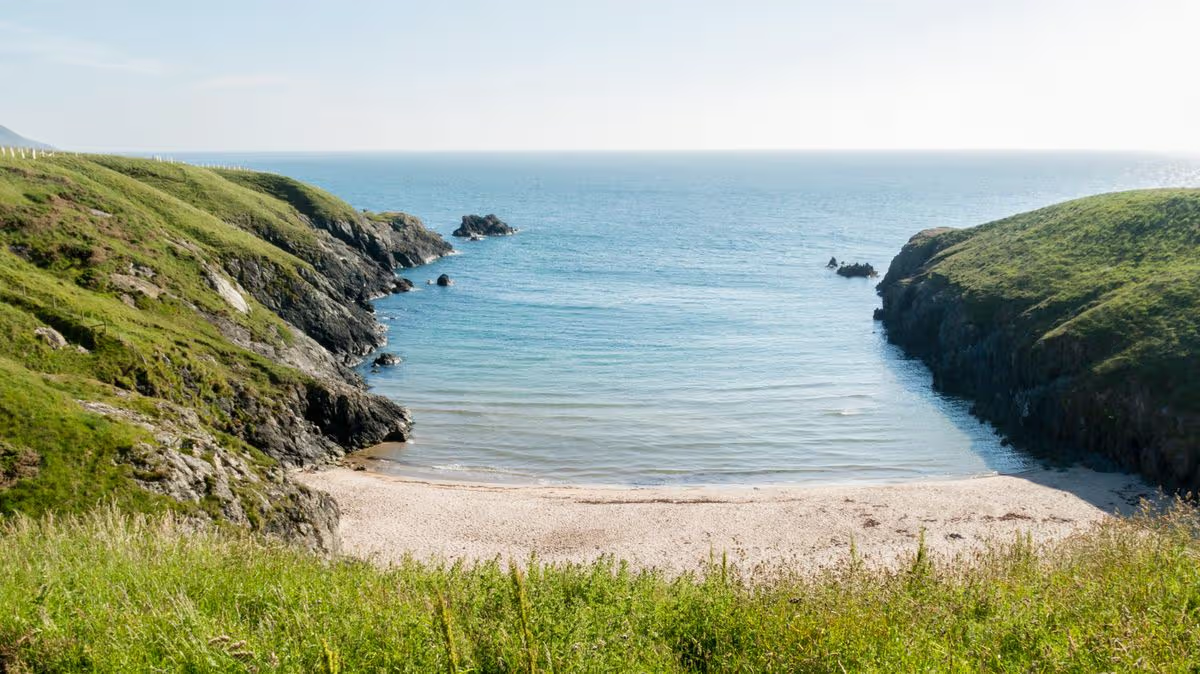
Along the Llŷn Peninsula, in North Wales, the charming little cove that escapes most travellers’ attention is an ideal sun spot for days spent soaking up the heatwave this summer. The point beyond Ty-hen is far removed from the crowds of the busier tourist hotspots in the region.
Porth Iago is the beautiful beach in question; as a secluded sandy cove with soft sands and crystal-clear waters, it’s no wonder people want to keep this a secret. It makes for a great spot for swimming, paddleboarding, and coastal walking, but can be tricky to find.
One visitor wrote on Tripadvisor: “The views, the beach and just the whole vibe of the place is just perfect. We met some lovely family’s whilst we were there. The beach is just stunning! We will definitely be back!!
Meanwhile, the northern section of Porth Iago Beach is a popular spot for fishing, bass fishing in particular, in and amongst the rock pools. Others make the most of its calming waters to embark on a canoe or kayak trip along the concealed bay, which is best enjoyed in the early mornings before potential visitors take hold of the space.
Reaching the location requires parking at a privately owned farm, which charges visitors a small fee to use the space. This costs approximately £5 to £6 and offers a path that traverses down to the sands, which isn’t accessible for wheelchairs or pushchairs.
Dog-lovers will be pleased to know that their hounds are welcome on the beach, and toilet facilities are available at the farm for paying visitors, but that is the nearest facility available. The rest is pure sun, sand and sea for people to enjoy all year round, but especially during a heatwave.
Campsite
To indulge in the beautiful bay for longer, visitors can, in fact, make a weekend out of it or an overnight stay at the Porth Iago Campsite, which provides campers the opportunity to wake up to views across one of the country’s most serene spots.
The family-run establishment has been serving campers for decades, occupying the farmland that remains active to this day, towering above the tranquil bay. It’s a site that prides itself on minimalism, where the natural beauty of it all speaks for itself without all the fancy amenities.
One camper shared on TripAdvisor: “This campsite is an absolute gem for anyone who loves being by the sea. The views are breathtaking – you’re surrounded by the ocean on all sides, with a private beach of soft white sand and dramatic cliffs just a short walk away. Watching the sun set over the water from the campsite is pure magic.”
Given its high demand, thanks to its expansive views, the site can reach capacity quickly during peak tourism months in Wales, and so it requires pre-booking. The sooner you book in advance, the more likely your chances of securing a pitch for those peak times.
Nearly thirty years after the original Toy Story first introduced audiences to Woody and Buzz Lightyear, the generation who grew up with the franchise are now parents themselves, and with Toy Story 5 now playing in cinemas, ODEON is inviting families to pass the Toy Story magic on.
Sunflower oil and vegetable oil are two of the most commonly used cooking oils, but there are key differences between them
Cooking oil ranks among the most widely used ingredients in kitchens across the globe, with an enormous variety of options lining supermarket shelves. From olive oil to sunflower oil, and rapeseed oil to vegetable oil, each variety brings its own distinct uses and flavour profile.
Advertisement
They can all appear remarkably similar, which makes choosing the right one for frying, baking, roasting or preparing dressings rather tricky.
Some oils are derived from a single source, while others are blends of several plant-based oils. Two of the most frequently used are sunflower oil and vegetable oil, and although they might appear comparable, there are some notable differences between them.
What is sunflower oil?
Sunflower oil is a cooking oil pressed from sunflower seeds. It is generally light in colour, mild in flavour, and widely used for frying and roasting.
Its fairly neutral taste also makes it a popular choice for baking.
Advertisement
Several varieties of sunflower oil are available, including those with a higher oleic acid content, which can provide greater stability when cooking at elevated temperatures.
This means not all sunflower oils are identical, though this can readily be determined by checking the manufacturer’s label.
What is vegetable oil?
Vegetable oil is more of an umbrella term rather than the name of a single specific oil. In most supermarkets, it is sold as a blend of various plant-based oils.
This can include sunflower oil, rapeseed oil, soybean oil or other comparable oils. The precise blend varies by manufacturer, so one bottle of vegetable oil may differ considerably from the one sitting beside it on the shelf.
Advertisement
It has a relatively neutral flavour, much like sunflower oil, and is most widely used for frying, baking and everyday cooking.
The principal distinction between sunflower oil and vegetable oil lies in their origin. Sunflower oil is derived from sunflower seeds, making it a single-source oil, whereas vegetable oil is frequently a blend of several different oils.
The two also have different nutritional profiles and culinary applications, yet are often used interchangeably.
Advertisement
The healthiest option depends not solely on the oil itself, but also on how it is used. Regularly deep-frying food in any oil is quite another matter compared to using a modest amount for roasting vegetables.
Checking the ingredient list and fat content can help you make the most informed choice when purchasing oil.
Officers from Surrey Police are at the scene of a crash involving two vehicles on the M25 clockwise between J6 and J7.
A closure is in effect from J5 to prevent any further traffic from joining, and the M26 westbound has also been shut at this time.
Drivers have been urged not to leave their vehicles as traffic is expected to begin moving “shortly”. While the closure continues, road users are urged to seek alternative routes where possible.
Advertisement
A spokesperson for Surrey Police said: “Emergency services are currently dealing with a serious road traffic collision involving two vehicles on the M25 clockwise between junctions 6 and 7.
“Motorists can expect lengthy delays in the area due to the closure at J5 to prevent any additional traffic joining, but please do not leave your vehicle if you are between J5-6 as traffic will be moving shortly.
“Traffic is being directed off the main carriageway while emergency services work at the scene. Please avoid the area and use alternative routes where possible, allowing extra time for your journey. Further updates will be provided when available. Thank you for your patience. “













































You must be logged in to post a comment Login