NewsBeat
What happened to Madeleine McCann? Timeline of the missing girl mystery as ‘police seek suspect for UK trial’

British police are seeking to extradite a German man to stand trial in the UK in connection with the disappearance of Madeleine McCann.
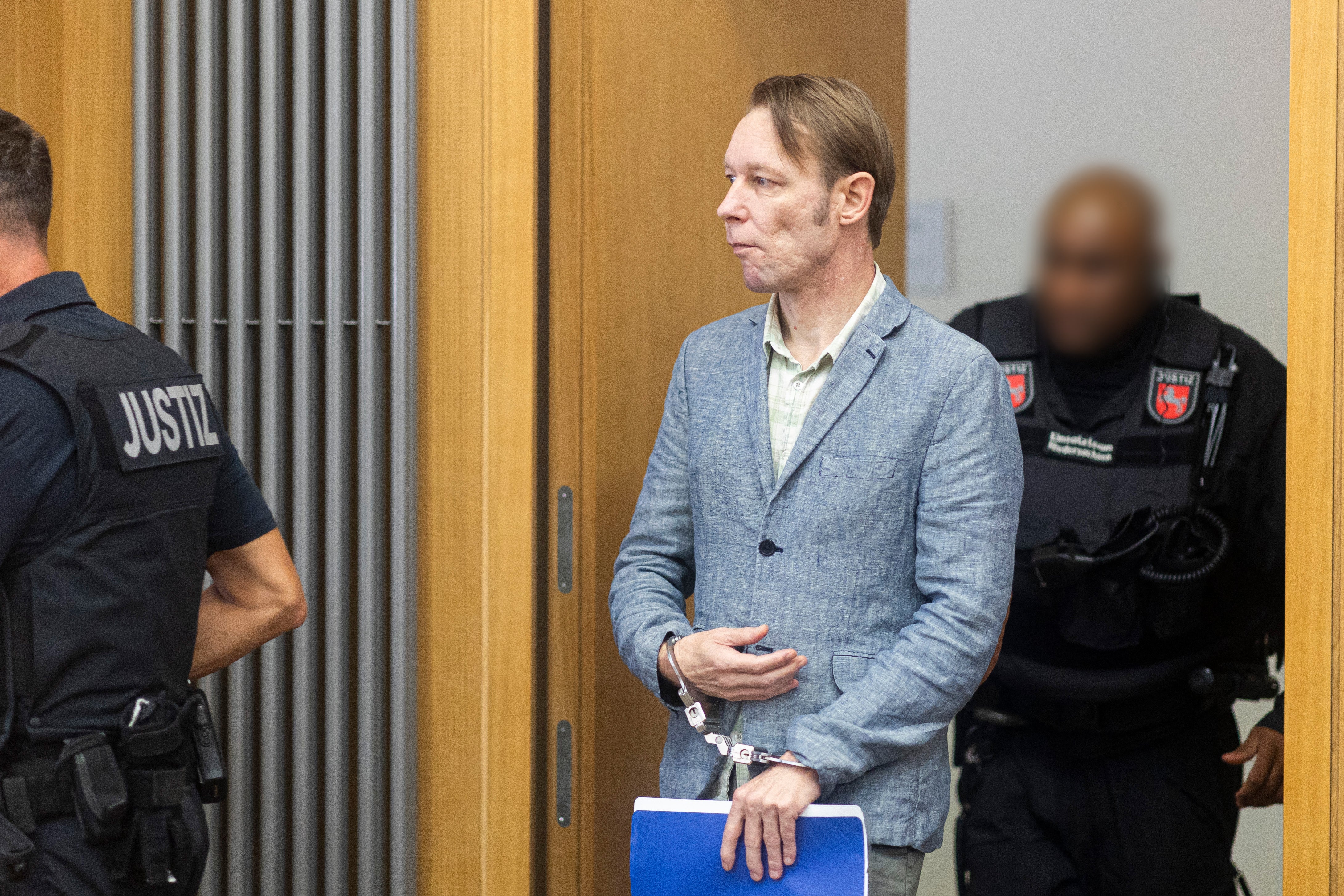
The man, identified by local media as Christian Brueckner, was released in September 2025 after serving a seven-year sentence in Germany for the rape of an elderly woman in Praia da Luz, Portugal, in 2005.
However, Met Police said at the time that the 49-year-old remains a suspect in the Madeleine case – with Portuguese and German authorities also probing the three-year-old girl’s disappearance.
Scotland Yard are now hoping to bring him to the UK to stand trial relating to the suspected abduction and murder of the young girl, according to the Telegraph.
Brueckner has consistently denied any involvement in Madeleine’s disappearance.
The mystery of what happens to the young girl remains unsolved. Her body has never been found.
Here is a reminder of the events of the case.

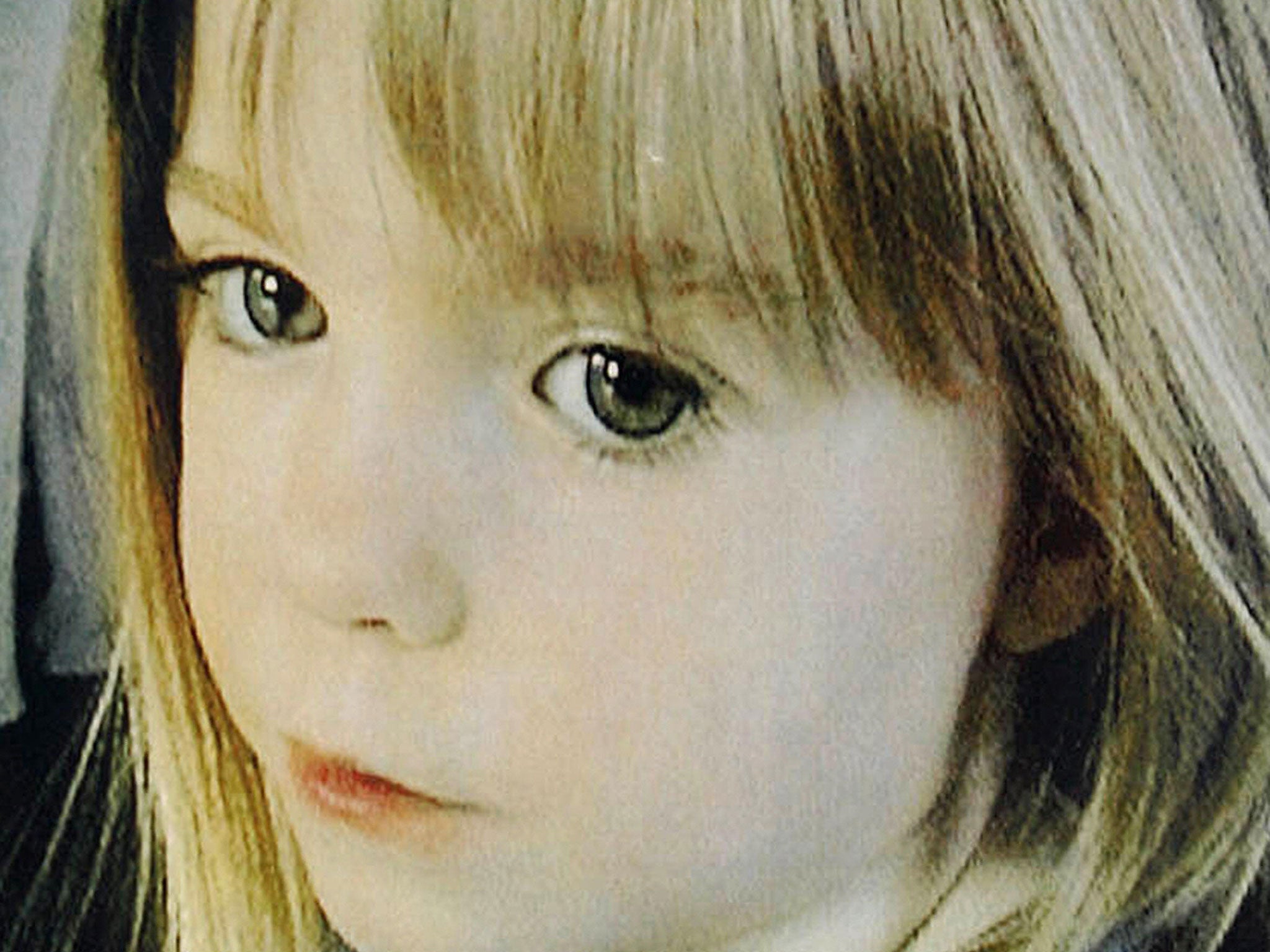
Madeleine disappears from her bed on 3 May, 2007
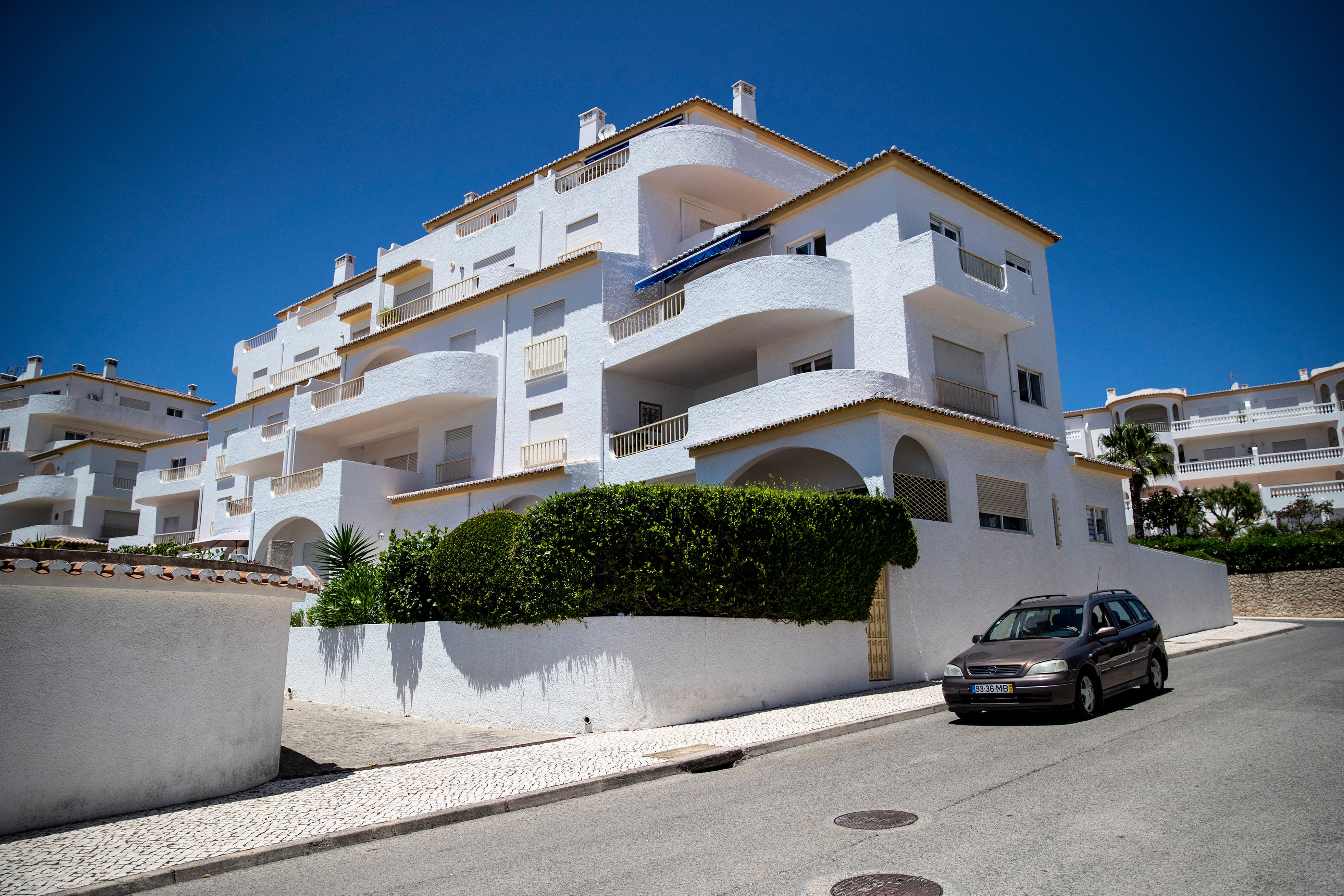
The story began when the McCanns – doctors Kate and Gerry, their three-year-old daughter Madeleine and her two-year-old twin siblings Amelia and Sean – joined a group of seven family friends and their five children on holiday at the Ocean Club in the village of Praia da Luz on the southwestern tip of Portugal on 28 April 2007.
After a pleasant spring break by the sea, the adults in the party went out for dinner at the resort’s open-air tapas bar on 3 May, gathering at 8.30pm. The children were left behind sleeping in their respective apartments with the doors unlocked and a rota system in place among the parents to ensure that someone returned every half-hour to check on them.
When Kate McCann took her turn and returned to her apartment at 10pm, she raced back to the restaurant screaming “Madeleine’s gone! Someone’s taken her!” The police were quickly called and 60 staff and fellow guests searched the complex, calling out the girl’s name in vain until daybreak the following morning.

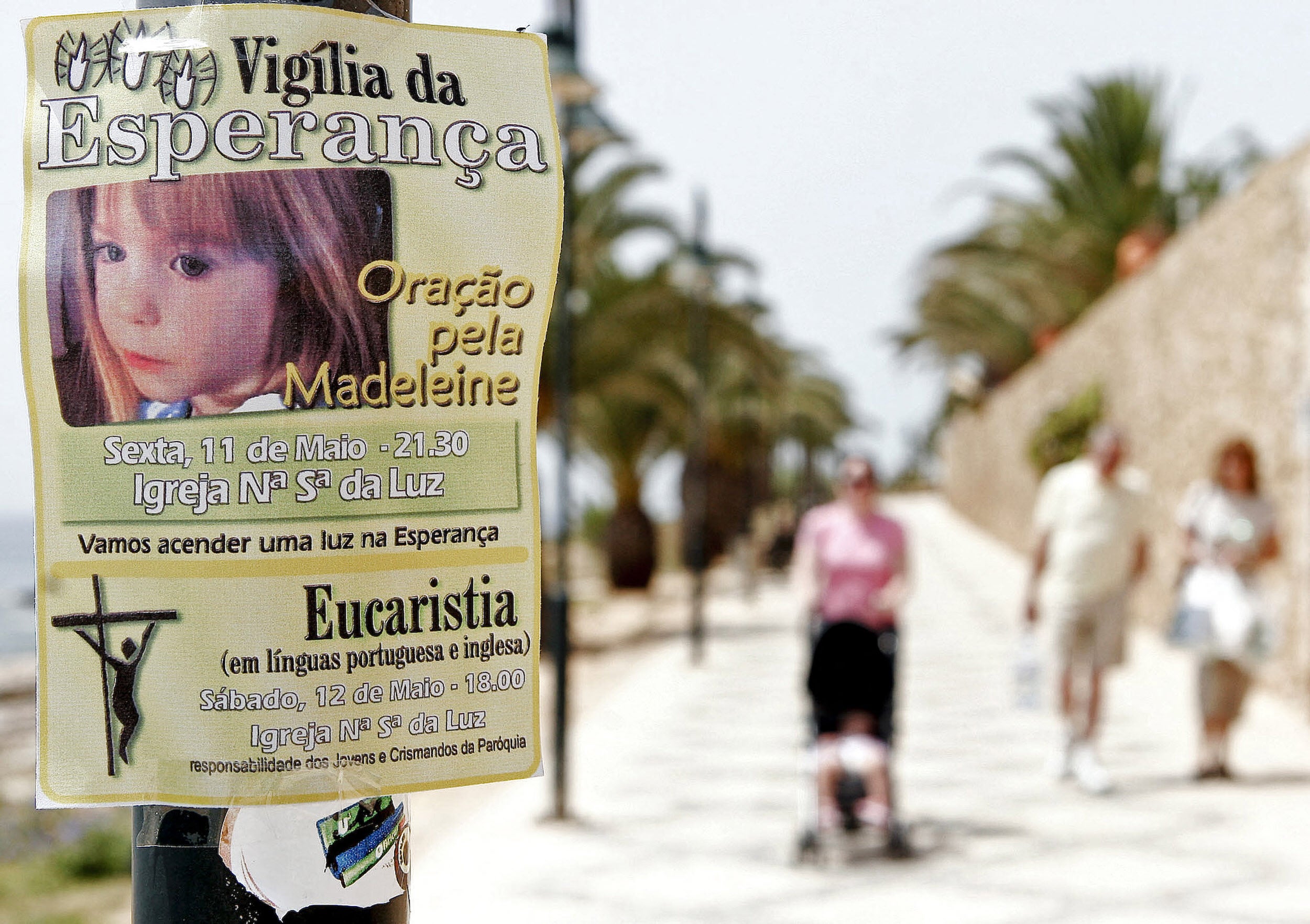
Border police and airport staff were put on alert and hundreds of volunteers joined the efforts to find the missing girl over the coming days, the case fast becoming a sensation.
The Portuguese authorities would later attract criticism over their conduct in the crucial earliest hours of the investigation when the trail might still have been warm, accused of making rudimentary mistakes like failing to conduct a house-by-house search of every local residence or interview all of the other guests at the resort, acting slowly to erect roadblocks and potentially compromising forensic evidence at the crime scene.
The police initially stated that they believed Madeleine was still alive and had been abducted from the room by a stranger as the parents described their “anguish and despair” over her vanishing, a worst fear realised for any parent.
The search continued as the summer progressed amid a wild media circus and with huge fundraising activities underway, the McCanns setting up Madeleine’s Fund on 15 May to raise cash to support further investigation and keep the profile of the case high, attracting generous donations from celebrities like Richard Branson, Simon Cowell, JK Rowling and Coleen Rooney.

A local man, Robert Murat, subsequently became its first suspect and had his house and car searched, his swimming pool drained and his electronic devices confiscated but no evidence was found to link him to Madeleine and the matter was soon dropped.
By June, the Portuguese police admitted that they had failed to protect potentially useful evidence at the scene as frustration with the lack of developments grew and the media began to question whether the McCanns themselves had been involved in the matter.
In July, British police sent over two springer spaniel sniffer dogs to search for DNA.

Spotlight turns to Madeleine’s parents in September 2007
Relations with the local authorities would ultimately sour as the latter came to resent British intrusion into a Portuguese inquiry, according to Anthony Summers and Robbyn Swan’s book Looking for Madeleine (2014).
By August 2007, Madeleine had been missing for 100 days and police admitted for the first time that she may never be found. They also told the McCanns that they were no longer considering the matter an abduction case but, rather, a murder inquiry.
The McCanns themselves were interviewed as “arguidos” (suspects) by Portuguese police in September 2007, with the parents told that the dogs had discovered DNA evidence from the missing girl in the boot of their holiday rental car, lines of inquiry that had already been leaked to the British press. They vehemently denied having any part in her disappearance.
Despite being listed as suspects (a designation that would linger until the following July), the McCanns were allowed to return to Britain on 9 September.
A day later, chief inspector Tavares de Almeida of the Policia Judiciaria in Portimao signed a nine-page report claiming that Madeleine had died in the apartment along with a series of other unproven allegations.


On 2 October, chief inspector Goncalo Amaral was removed from the case and transferred after alleging that the British police were only interested in pursuing leads favourable to the McCanns.
He would later publish a book, Maddie: The Truth of the Lie, the following summer, resulting in a lengthy libel battle with the McCanns that would run back and forth through the courts until March 2017. Their claim against Mr Amaral was unsuccessful.
Back in Britain, Gerry McCann issued a video that November in which he speculated that his family had been watched by a “predator” during their stay at Praia da Luz. His wife had come to believe that a potential perpetrator could have seen a note in the resort’s guest book visible to all in reception noting their dining arrangements on the evening of Madeleine’s disappearance.
The couple followed up on 20 January 2008 by releasing a sketch of a “creepy man” they said other holidaymakers had said they had seen loitering at the Ocean Club.
In April, a month before the one-year anniversary of the fateful night, Portuguese police travelled to Leicestershire to conduct further interviews with the McCanns’ friends.
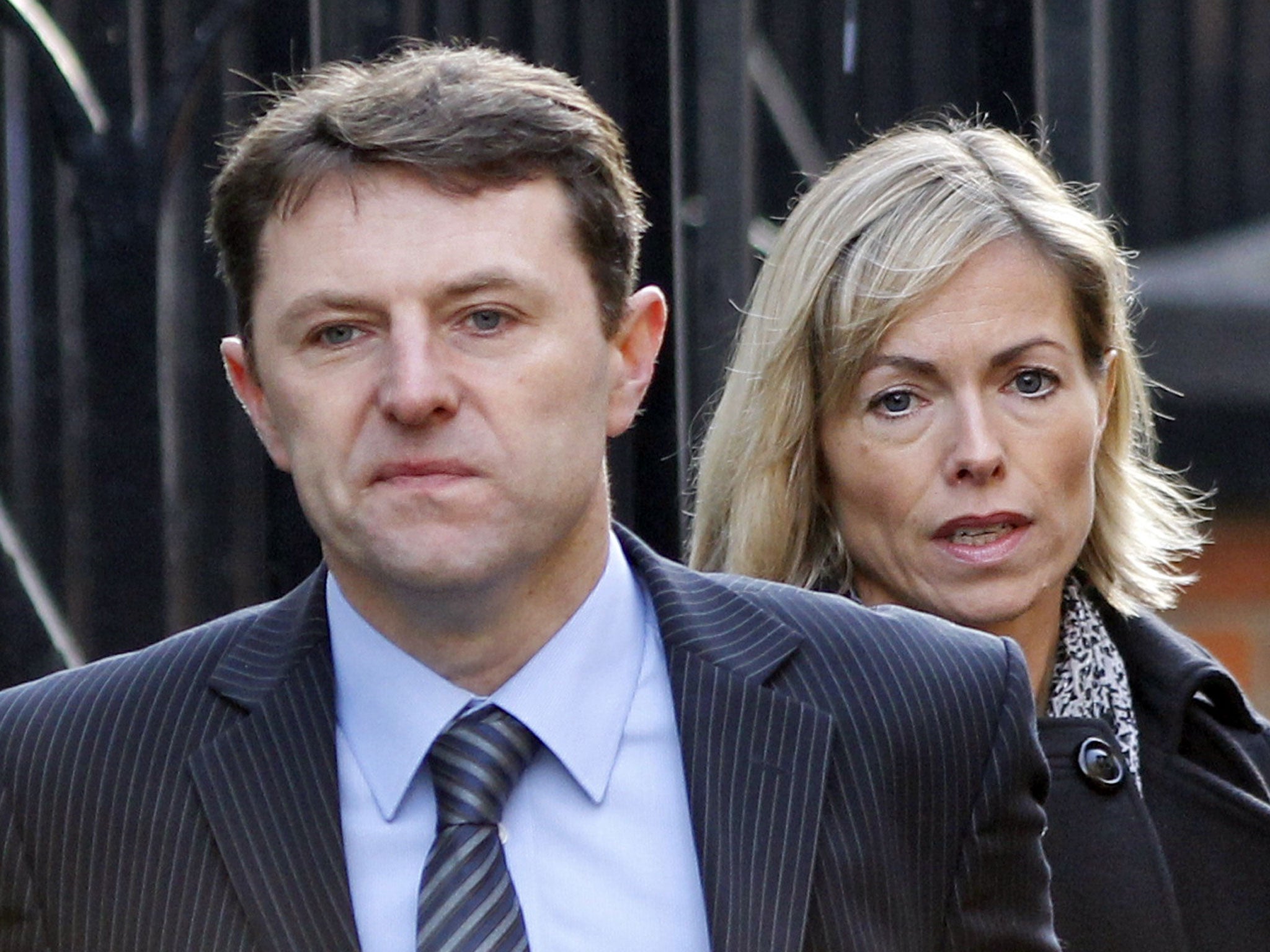
McCanns are cleared in July 2008, Scotland Yard picks up the case
Then, on 21 July 2008, Portugal’s attorney general, Fernando Jose Pinto Monteiro, announced that there was no evidence to link either the McCanns or Robert Murat to the disappearance and closed the case, unsolved.
With the trail cold and no closure in sight, the McCanns continued to publicise their cause, issuing computer-generated images of how Madeleine might look now that she had aged on 3 November 2009 and condemning the release of previously unseen Portuguese police files – detailing possible sightings of their daughter – to British newspapers in March 2010.
The McCanns published a book of their own about their ordeal in May 2011, entitled simply Madeleine, which was serialised in The Sun as the newspaper led a campaign calling on then British prime minister David Cameron to launch a new inquiry. He did so.
Commenced by then-home secretary Theresa May, the Metropolitan Police’s Operation Grange would be led by commander Simon Foy and comprise a team of three detective inspectors, five detective sergeants, 19 detective constables and six civilian staff.
It began to yield results in 2013, with Scotland Yard formally announcing a new investigation in July and saying in October it had identified 41 potential suspects. That same month, BBC Crimewatch released an e-fit image of a man of particular interest who had been seen in Praia da Luz with a child matching Madeleine’s description in May 2007.
Detectives arrived in Portugal in January 2014 promising new arrests and finally searched the village in June, interviewing four people the following month but without unearthing new information. The quartet would be definitively ruled out in April 2017, before the UK government said it would continue to fund the investigation until 2020, having already admitted it had cost £10m in its first four years of operation.
That investment had enabled detectives to have tens of thousands of documents translated, investigate over 8,000 potential sightings, take 1,338 statements, collect 1,027 exhibits and investigate 650 sex offenders and 60 persons of interest, all without definitively establishing the truth.
New suspect shoots case back into the spotlight in June 2020
The Madeleine McCann case lay dormant before suddenly exploding into life in June 2020 when German media revealed that Brueckner, a 43-year-old prisoner with a track record of child abuse and drug trafficking, had been identified as a new suspect by the public prosecutor of the German city of Braunschweig.
He had reportedly been living in a Volkswagen camper van in the Algarve at the time of Madeleine’s disappearance and one woman has since come forward to suggest she saw a girl that might have been Madeleine speaking German in a supermarket in Portugal in 2017.

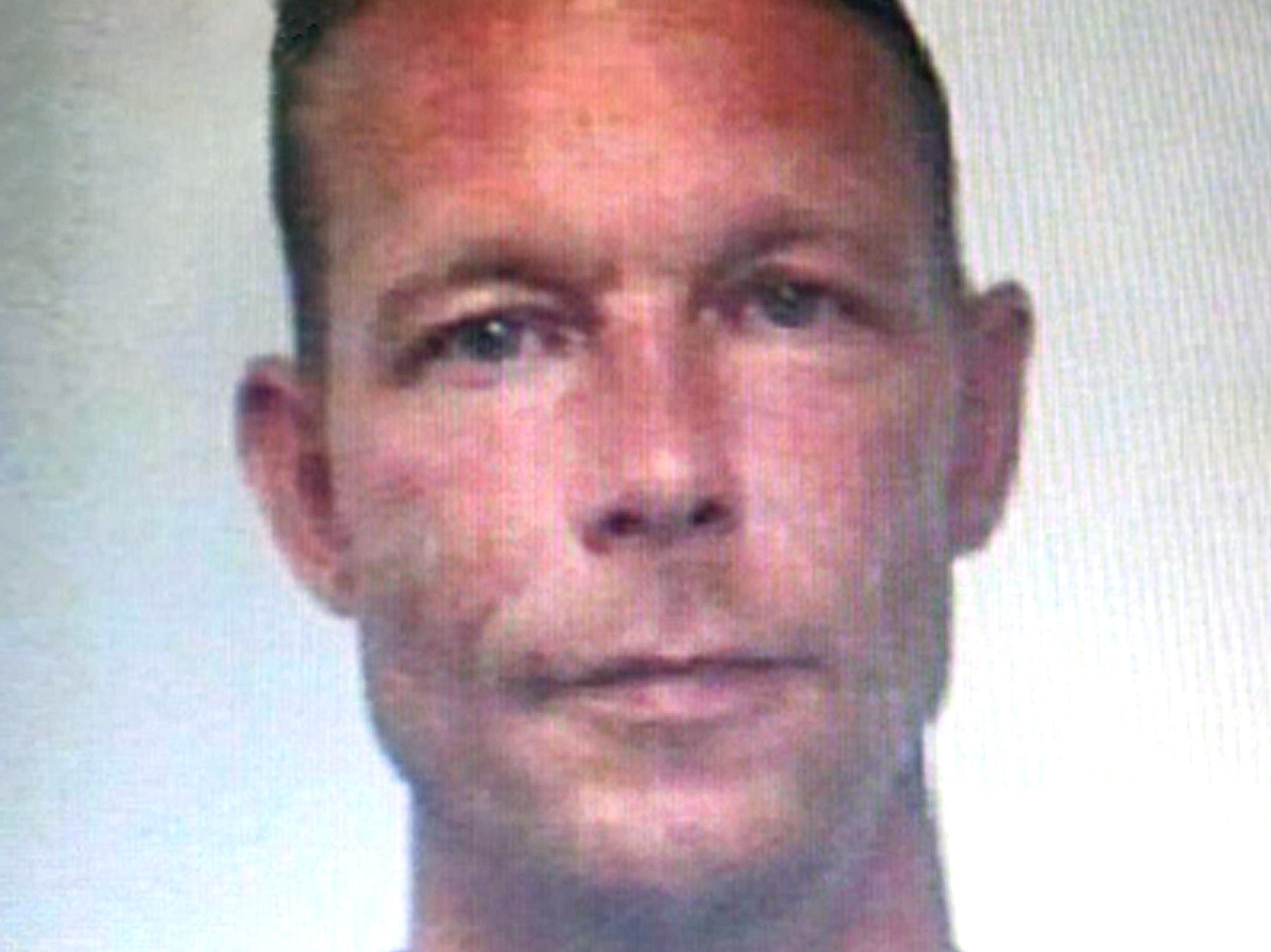
German investigators classified their probe into his movements as a murder inquiry, saying they were working on the assumption that Madeleine is dead and reporting in July 2021 that they had found an abandoned cellar beneath his former allotment near Hanover where she could, theoretically, have been held captive.
Hans Christian Wolters, the prosecutor leading the investigation into Brueckner, has said he was “very confident” the inmate is responsible for kidnapping her.
“If you knew the evidence we had you would come to the same conclusion as I do but I can’t give you details because we don’t want the accused to know what we have on him – these are tactical considerations,” he told the BBC.
Portuguese police formally made Brueckner a suspect in relation to the case on 21 April 2022.
Following their unsuccessful libel claim against Mr Amaral, the former chief inspector who had investigated the disappearance, the McCanns applied to the European Court of Human Rights on the ground that the Portuguese legal system had breached their right to be presumed innocent. But on 19 September 2022, the Court rejected their claim.
In February 2023, a Polish woman called Julia Faustyna made headlines by claiming she was Madeleine, using the Instagram name @iammadeleinemccann. Ms Faustyna, 21, did not provide any supporting evidence but sought DNA tests to prove her origins. The results ultimately revealed that she was entirely of Polish origin, with no British heritage, disproving her claims.
In April 2023, a court in Braunschweig dropped a rape charge against Brueckner, unrelated to the McCann case, concluding it did not have jurisdiction, while police in Germany continued to claim they had“concrete evidence” that Madeleine is dead.
McCanns mark 16 years since Madeleine’s disappearance in May 2023
On 2 May 2023, Madeleine’s parents posted a statement on the Find Madeleine website marking the latest anniversary of their daughter’s disappearance, reiterating their hopes of being reunited with her one day.
“The police investigation continues, and we await a breakthrough. Thank you to everyone for your support – it really helps.”
Portuguese police also reportedly apologised to the parents offor the way detectives investigated the case and treated the family.

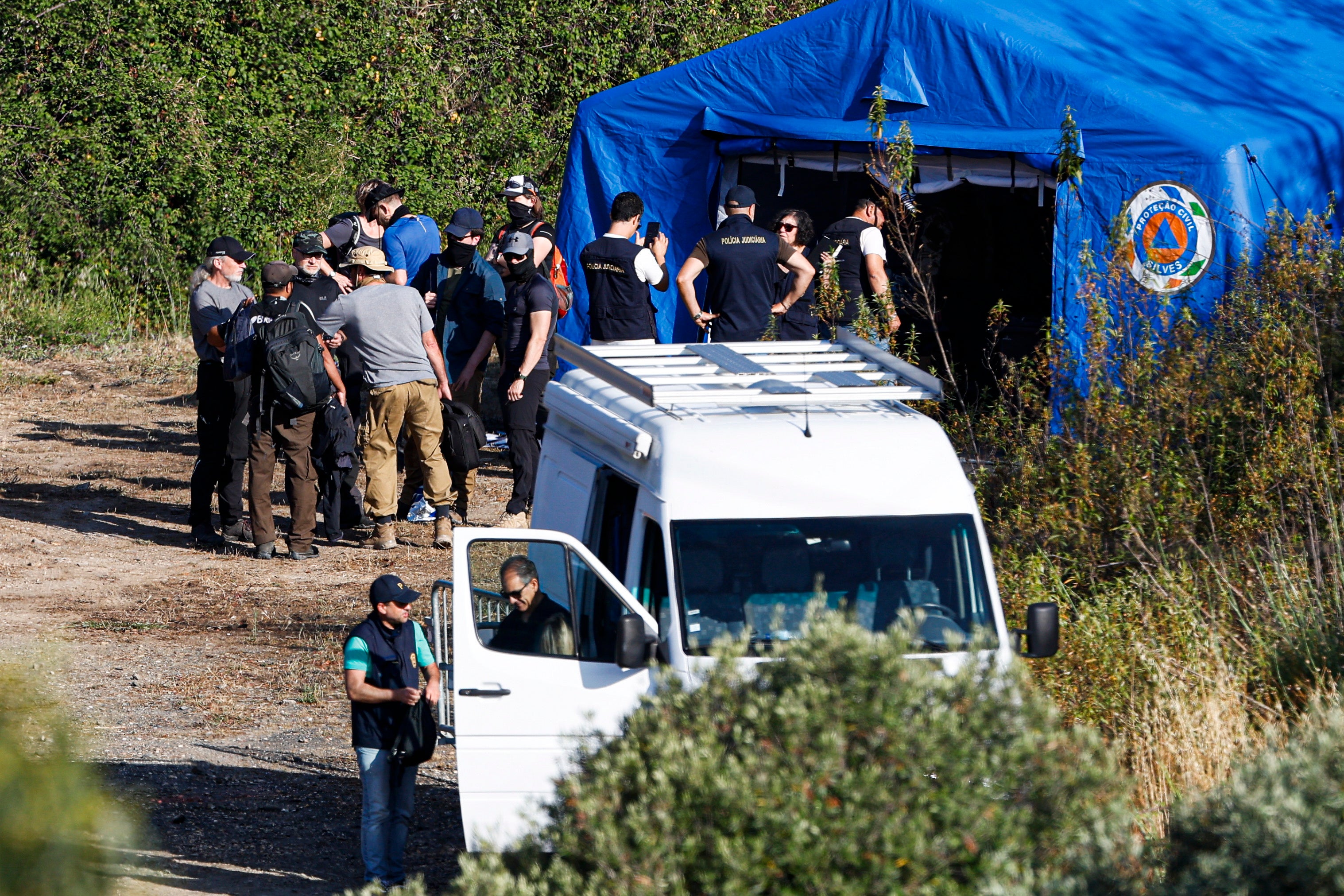
Later that month, the case unexpectedly lurched back into life in when investigators launched a major search operation at a reservoir in the Algarve, with Mr Wolters saying they were acting on “certain tips” from Brueckner, whom the prosecutor said he remains “very confident” holds the key to Madeleine’s disappearance.
With help from Portuguese police and with Scotland Yard detectives watching on, German investigators carried out a thorough examination of the Barragem do Arade beauty spot in Silves.
They combed the shoreline and surrounding grasslands with sniffer dogs, rakes, spades and pickaxes and inspected the water in a rigid-hull inflatable boat. A no-fly zone was put in place in the skies overhead to allow police drones to survey the region undisturbed.
The site is located approximately 30 miles northeast of the Ocean Club resort, from which the missing girl first disappeared.
Brueckner cleared of further charges in October 2024
Brueckner was acquitted of rape and sexual abuse charges against separate children in Portugal between 2000 and 2017 following an eight-month trial.
Brueckner had been serving a seven-year sentence for the 2005 rape of a woman in Portugal’s Algarve region, in the area where Madeleine went missing.

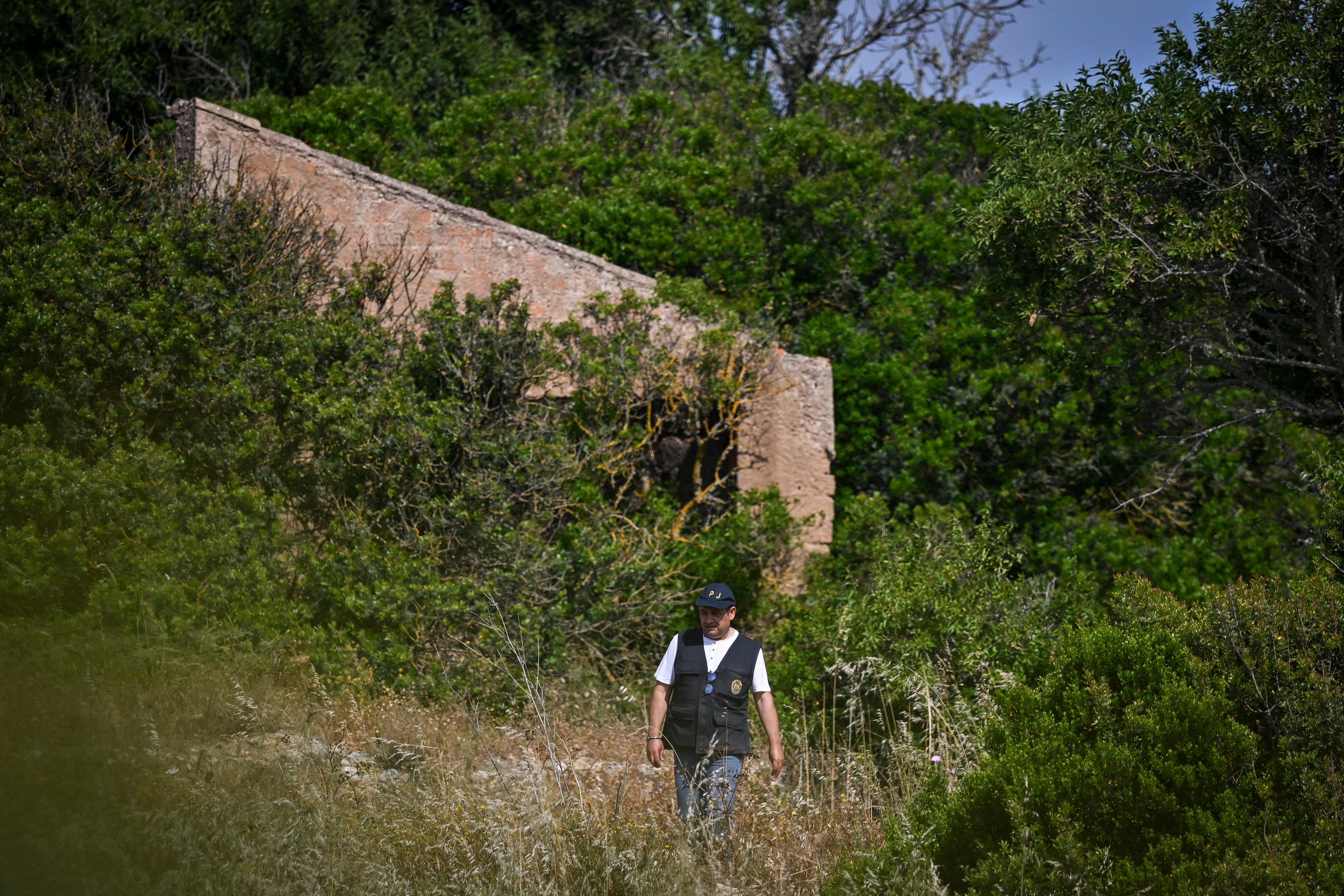
In January 2025, Braunschweig Chief Public Prosecutor Hans Christian Wolters admitted there was no current prospect of charging Brueckner over Madeleine’s disappearance, as police were still trying to secure forensic evidence linking Bruekner to the case.
Then in March, Wolters confirmed to The Independent that Brueckner had filed a motion for early release.
German police launch new search in June 2025
German police were in June been granted permission to undertake a widespread search of key areas in Portugal in a hunt for evidence, including Madeleine’s body.
The search, running from 2 June to 6 June, focused on an area around the spot where Brueckner had been living at the time of Madeleine’s disappearance.
Brueckner released from prison in September 2025
The main suspect in Madeleine’s disappearance left the high-security prison in Sehnde near Hanover on 17 September.
According to German media, he will have to wear an electronic tag, report to probation staff and give up his passport.
He will be required to take up a fixed residence and cannot move home without permission, although his lawyers are expected to appeal against the conditions.
Prosecutors believe he is still dangerous, following a recent psychiatric report that concluded he is likely to commit further crimes after he failed to undergo any therapy while in custody, according to reports.
After his release, he was placed under close monitoring including being tagged and subject to travel restrictions. He lashed out at camera crew when he was tracked down by ITV to a forest in northern Germany in September 2025. He was reportedly moved from his woodland tent to a new town in February 2026 after anger from local residents, according to the broadcaster.
Scotland Yard ‘seeks extradition’
A senior Scotland Yard official is now seeking to bring Brueckner to Britain to stand trial for Madeleine’s disappearance, according to The Telegraph.
“Next year marks 20 years since Madeleine McCann went missing. If the evidence is strong enough to extradite the prime suspect and try him here, that is what we would seek to do,” a source at the force told the publication.
“Clearly, there are numerous hurdles but our priority at the moment is to amass the strongest evidence we can against that prime suspect.”
According to the publication the Met Police believes it can gather strong enough evidence to enable the Crown Prosecution Service to press charges.
You must be logged in to post a comment Login