Connect with us
DAPA Banner

NewsBeat

What would make England’s student loan system fairer?

Published

on

What would make England’s student loan system fairer?

Student loans now sit at the centre of how higher education is funded in England, shaping how millions of graduates finance their studies. Many students leave university with debts of £50,000 or more and may spend decades repaying them.

The current system rests on the idea that higher education primarily benefits individuals, because going to university means that they will earn more over their lifetime. On this view, graduates should bear a significant share of the cost of their education through loan repayments once they enter the labour market.

Yet universities also generate wider social benefits. They educate professionals in sectors such as healthcare, education and engineering. They produce research that contributes to innovation and public policy. They make a significant contribution to cultural and civic life.

This raises the question of whether higher education should be treated mainly as a private investment for individuals, or as a public good that benefits society as a whole.

Advertisement

Research also shows that higher levels of education are associated with greater civic participation, higher levels of political engagement and improved health. These findings suggest that the benefits of higher education extend beyond individual graduates.

If this is the case, the question of who should finance universities becomes more complex. Should the cost fall mainly on graduates, or should it be shared more broadly through public funding?

The shift in funding models

Over the past two decades, England has gradually moved away from a system in which universities were funded largely through public expenditure. Now, graduate contributions play a much larger role.

Before tuition fees were introduced in 1998, most undergraduate teaching in England was financed primarily through public funding. Fees were later increased significantly in 2012, when the system that now allows universities to charge over £9,000 per year was introduced.

Advertisement

Students do not normally pay these fees upfront. Instead, they take out government-backed loans to cover tuition fees and living costs, which they repay once their earnings exceed a certain threshold. Repayments therefore depend on income rather than the total amount borrowed.

A fair system?

Several features of the current system have raised concerns about fairness.

One issue is the length of the repayment period. Under recent reforms in England, many graduates may repay their student loans for up to 40 years before the debt is written off.

Universities educate people for roles that serve society.
alvarog1970/Shutterstock

Another concern is the interest charged on student loans. Interest begins accumulating while students are still studying and continues after graduation. It also continues to accumulate during periods when graduates are not making repayments because their income falls below the repayment threshold. This might be during unemployment, part-time work or parental leave.

Advertisement

Graduate earnings also vary widely. Some graduates repay their loans relatively quickly, while others work in sectors such as teaching, social care or the creative industries where salaries tend to be lower.

Lower-earning graduates typically repay more slowly. As a result, interest accumulates for longer. They may therefore accrue more interest overall and repay a larger total amount than higher-earning graduates. Some may also still have a balance outstanding when the loan is written off.

Earnings also differ across gender, ethnicity and social background, reflecting wider labour market inequalities. Because repayments depend on income over time, these differences shape how the costs of higher education are distributed among graduates.

Possible directions for reform

Different proposals for reform emphasise different priorities, shifting the balance between graduate contributions and public funding.

Advertisement

These include lowering interest rates, adjusting repayment thresholds so lower earners repay less, or shortening the repayment period so student debt does not follow graduates for most of their working lives. Some also argue that a fairer system would involve greater public investment in universities, reducing reliance on graduate repayments and spreading costs more widely across society.

These debates also raise a more fundamental question about justice. The issue is not simply how individuals pay for their degrees, but how societies sustain universities that produce knowledge and educate citizens for democratic life. The real question is whether higher education is treated as a private investment or a public good essential to democracy.

If universities are understood mainly as providing a private benefit to individuals, a system based on graduate repayments may appear reasonable. But if higher education is also recognised as contributing to economic development, research, professional training and civic life, the case for sharing its costs across society becomes stronger.

As discussions about student loans continue, the challenge for policymakers is not only to adjust repayment rules but also to consider how funding reflects the wider role of the university. Ultimately, debates about student loans are also debates about how societies choose to support universities and invest in future generations.

Advertisement

Source link

Continue Reading
Click to comment

You must be logged in to post a comment Login

Leave a Reply

NewsBeat

Prince Philip’s ‘dismissive two-word name for Meghan Markle’ shared by royal author

Published

on

Daily Mirror

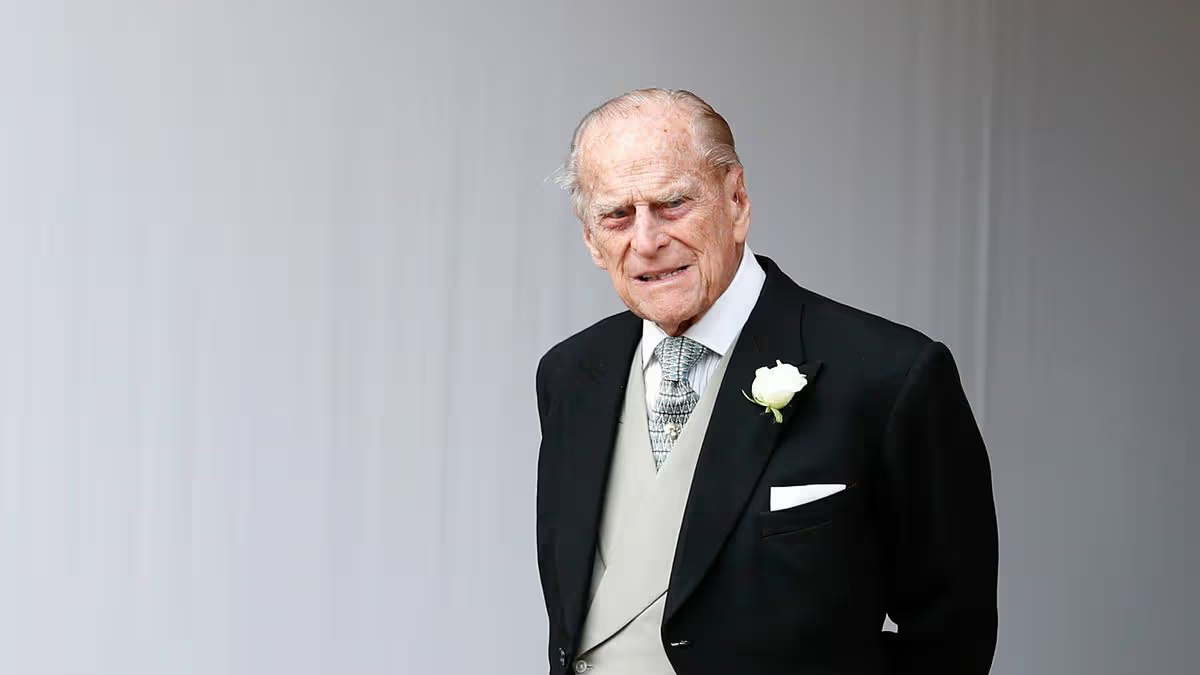
Prince Philip routinely called Meghan Markle ‘The American’ according to royal historian Hugo Vickers’ new biography, while also privately referring to her as ‘DoW’ – his code for Duchess of Windsor

The late Prince Philip was well known for his blunt manner and frequent public blunders. The late Queen’s Greek-born husband was particularly notorious for his offensive remarks towards anyone he considered “foreign.” He once asked indigenous Australians if they were “still throwing spears” while he also described some particularly shoddy electrical work as looking as though it was “put in by an Indian.”

Advertisement

The prince’s infamous attitude even stretched to members of his own family. According to royal historian Hugo Vickers, who has recently released a new biography of the late Queen Elizabeth II, Philip would routinely refer to his grandson’s wife with a dismissive two-word nickname.

In his new book, Hugo reveals that Philip would simply refer to Meghan Markle as ‘The American’. He adds that the Queen had once “torn Meghan off a strip” after she had been rude to one of the royal gardeners.

However, on the Daily Telegraph’s royal podcast, Hugo diplomatically declined to comment when royal-watcher Camilla Tominey asked him if he thought Philip had “seen through Meghan’s theatrical ways”.

Prince Philip, who passed away in April 2021 just two months before his 100th birthday, had previously drawn comparisons between Meghan and another controversial royal from an earlier era, privately dubbing her ‘DoW’, his code for ‘Duchess of Windsor’, a reference to Wallis Simpson.

Advertisement

Speaking on GB News, royal expert Ingrid Seward claimed that Philip thought that Meghan bore an “uncanny” resemblance to Wallis, whose romantic entanglement with King Edward VIII precipitated one of the most dramatic crises in royal history. The Queen’s uncle Edward abdicated the throne so he could marry the twice-divorced American, reports the Express.

“He wasn’t simply referring to the fact that both were pencil-slim, dark-haired and glamorous American divorcees,” Ingrid said.

She added: “I think Prince Philip was very canny about people and he didn’t always see the bad in them, he tried to see the good in them.

Advertisement

“I think he just couldn’t get away from the fact [of the] similarities between Meghan and Harry and Edward and Mrs Simpson.

“There are so many similarities which is why he used to call her The Duchess of Windsor, I mean not to her face.”

In her 2023 book exploring King Charles’s bond with the late Queen, My Mother and I, Ingrid wrote: “One of the few wary of succumbing to (Meghan’s) charm offensive… was Prince Philip.

Advertisement

“From the moment he detected her apparent similarity to Wallis, he referred to her as DoW.”

Prince Harry, for his part, has stated that there has always been a “huge level” of unconscious bias within the Royal Family, and that it was only after living “in his wife’s shoes” for a period that he began to recognise the implicit racial prejudice amongst people of his social background.

In an interview with Black Lives Matter activist Patrick Hutchinson, published in GQ magazine, Harry lauded the “incredibly important” movement and revealed how, for a period of time, he had been unaware that unconscious biases exist within society.

Advertisement

“Unconscious bias, from my understanding, having the upbringing and the education that I had, I had no idea what it was,” Harry said. “I had no idea it existed. And then, sad as it is to say, it took me many, many years to realise it, especially then living a day or a week in my wife’s shoes.”

He suggested that prejudice was “learned from the older generation, or from advertising, from your environment”.

“Unless we acknowledge we are part of this cycle, then we’re always going to be fighting against it,” Harry added.

Source link

Advertisement
Continue Reading

NewsBeat

The quieter Gulf: Fort Myers and its idyllic island escapes

Published

on

The quieter Gulf: Fort Myers and its idyllic island escapes

At a glance: a more serene Gulf getaway in Fort Myers


Where: Fort Myers, a relaxed coastal city on Florida’s southwest coast

Best for: A smaller-scale beach and city break at a leisurely pace

Don’t miss: Edison and Ford Winter Estates, the former holiday home of Thomas Edison and a museum featuring his inventions

Advertisement

Road trip highlight: Driving out to beautiful islands such as Sanibel and Captiva

Nature fix: Nature is everywhere here, including wild dolphins and manatees

Getting started: Tampa International Airport is a two-hour drive away; Miami International Airport and Orlando International Airport are both around a three-hour drive away

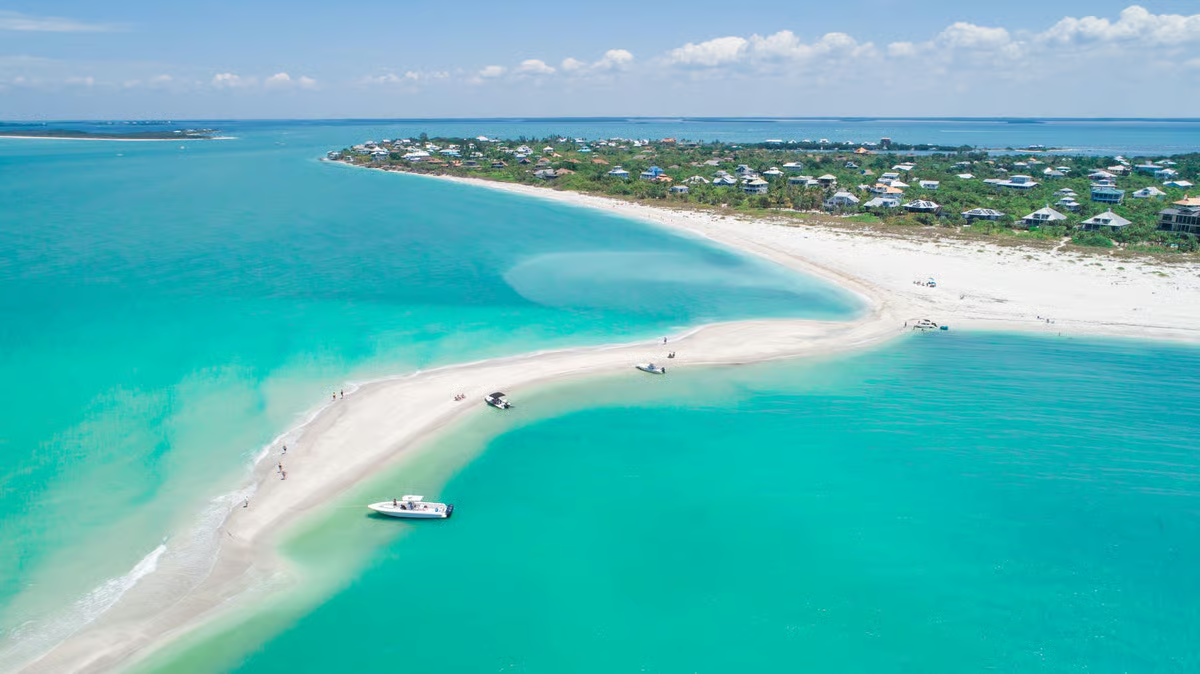
When you’re planning a Florida holiday, there are certain big-hitters you’re almost guaranteed to include: the nightlife of Miami, say, or the theme parks of Orlando. But sometimes the most memorable moments come from the more secluded, under-the-radar spots, such as Fort Myers. A laid-back Gulf Coast escape, here you’ll find friendly neighbourhoods, serene green space, and white sand beaches looking out to a spray of paradisiacal islands.

Advertisement

When you travel with British Airways, Fort Myers is a simple addition to a bigger Florida itinerary, allowing you to experience all its charm with pure ease.

Fort Myers: beautiful beaches and idyllic islands

Postcard-perfect beaches come as standard in Fort Myers

Fort Myers

Advertisement

Whether you’re hoping to kick back with a good book or spend the day splashing in the sea, Fort Myers has a beach to suit. Bunche Beach Preserve is a natural expanse of tidal wetland flanked by salt flats and mangrove forest. Fort Myers Beach is adjacent to city facilities and perfect for families, with picnic areas, paddlecraft launch spots and charcoal grills for barbecuing. Nearby Pink Shell Beach Resort and Marina is well placed to provide a beachfront getaway for friends and families alike.

What makes Fort Myers so unique is its enticing islands, many of which have truly breathtaking beaches. Located just off the city’s mainland, Sanibel is a 12-mile-long, three-mile-wide island with alabaster sand. It’s known for its chilled out charm and the colourful shells that wash up on Bowman’s Beach Park or Blind Pass Beach Park.

Or make your way to Captiva, a smaller island that’s accessed via a bridge from Sanibel. This slim strip of island is a good jumping-off point for boat trips and a prime spot to see an epic Gulf Coast sunsets.

Downtown Fort Myers and the River District

Advertisement
Dinner on the river

For authentic Florida food, there are restaurants and bars aplenty in the sociable River District

Fort Myers

Downtown Fort Myers is vibrant and green, with the historic River District showcasing a time-warp of early 20th-century architecture. Here you’ll find museums, galleries and plenty of theatre.

Be sure to visit the Edison and Ford Winter Estates, one of Florida’s most important historical attractions, showcasing the inventions of Thomas Edison and Henry Ford. The clapboard house, set in 20 acres of botanical gardens on the Caloosahatchee River in Downtown, dates from 1885 when Edison purchased the property to build a holiday home.

Advertisement

Explore the great outdoors in Florida

Kayak

The Great Calusa Blueway is an unforgettable experience

Fort Myers

In Fort Myers, you won’t get far without plunging into green, whether you’re winding along a boardwalk trail in a tree-dense reserve or taking a leisurely walk along an untamed stretch of sand.

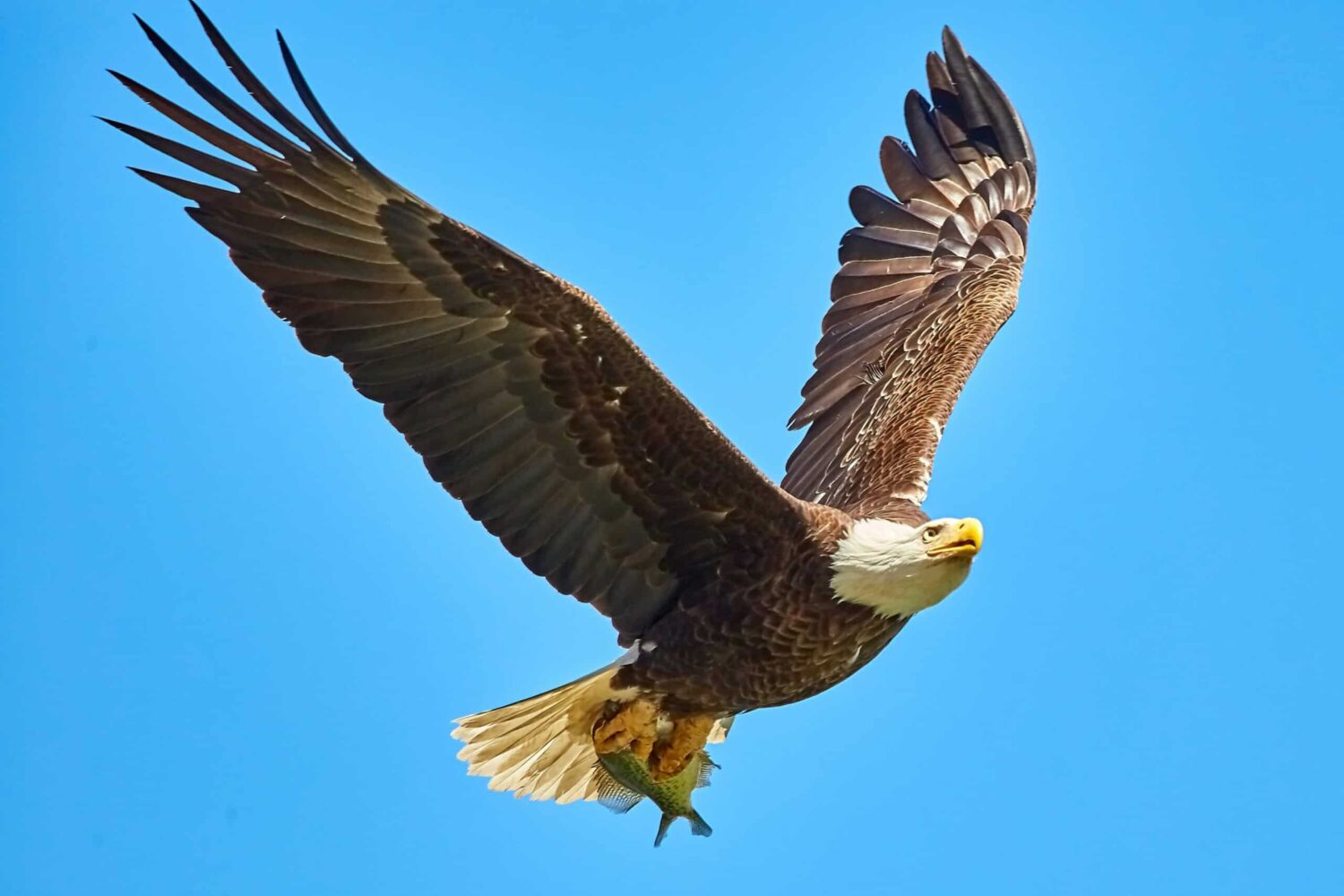
Wild bird populations are especially plentiful, thanks to the mix of coastal shore, mangrove waterways and salt flats. Head to the right places – perhaps out on a paddling trip – and you’re likely to spot plovers, reddish egrets, white ibises and possibly even iconic bald eagles.

Advertisement

The Great Calusa Blueway is home to some seriously big wildlife. Endangered manatees live in the shallow and warm waters of Estero Bay during the summer months and slightly further north during winter, so keep your eyes peeled for one breaching the water in the distance. Bottlenose dolphins are also known to frolic in local waters year-round.

One of the Sunshine State’s unsung gems, Fort Myers has a little bit of everything – beautiful beaches, exciting city life and majestic nature – all within close proximity. It’s an essential stop on any discerning Florida road trip.

Book your holiday to Florida here

Source link

Continue Reading

NewsBeat

‘King of the birds’ set to return to England’s skies

Published

on

‘King of the birds’ set to return to England’s skies

Golden eagles are poised for a comeback in England after the government backed plans to reintroduce them. The birds might arrive under their own steam first, though

One of Britain’s most iconic birds, the golden eagle, could soon soar over England again after more than 150 years of absence, following new government backing for a recovery programme that blends conservation science with community-led action.

Once widespread across England and woven into the country’s cultural fabric – appearing more than 40 times in the works of William Shakespeare – golden eagles were driven to near extinction during the Victorian era through sustained persecution and habitat pressure. In modern times, sightings south of the Scottish border have been rare, and the last known eagle in England died in the Lake District in 2016.

Advertisement

Now, a new feasibility study by Forestry England suggests that the conditions for their return may finally be in place. The research identifies eight potential recovery zones, primarily across northern England, where landscapes could once again support sustainable populations of the birds.

Solutions every Saturday
Uplift your inbox with our weekly newsletter. Positive News editors select the week’s top stories of progress, bringing you the essential briefing about what’s going right.
Sign up

Backed by £1m in government funding, the next phase will explore how a reintroduction could work in practice. This may include the release of juvenile birds, aged six to eight weeks, as early as next year. The aim is not only to restore a lost species, but to rebuild the ecological balance that golden eagles once helped maintain.

“This government is committed to protecting and restoring our most threatened native wildlife – and that includes bringing back iconic species like the golden eagle,” said Environment Secretary Emma Reynolds. “We will work alongside partners and communities to make the golden eagle a feature of English landscapes once again.”

Advertisement

The proposal builds on recent momentum in species restoration across England. Last year, the government approved the reintroduction of Eurasian beavers into the wild, while a separate £60m funding package has been earmarked to protect threatened native species. Together, these moves signal a shift towards more ambitious, ecosystem-level approaches to conservation.

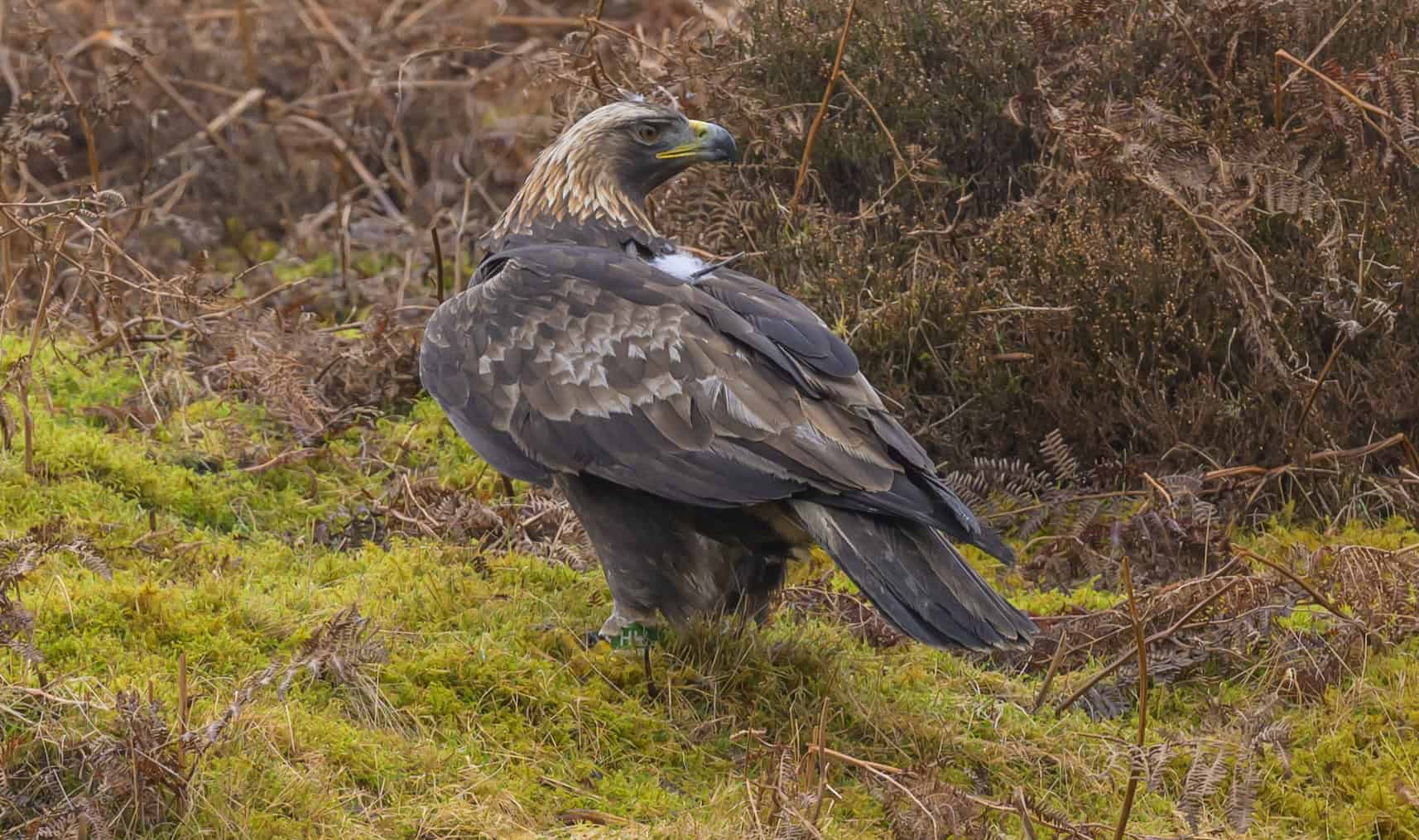
Golden eagles are considered a keystone species – a predator at the top of the food chain whose presence can influence the health of entire ecosystems. By regulating prey populations and shaping animal behaviour, they help maintain balance across landscapes, from upland moors to forest edges. Their return could therefore have wider benefits for biodiversity, particularly in areas where ecosystems have become degraded or simplified.

Research by Forestry England identifies eight potential recovery zones, primarily across northern England, where landscapes could once again support sustainable populations of the birds. Image: Dmitry Grigoriev

Advertisement

There are already signs that nature is beginning to do some of the work itself. In southern Scotland, the South of Scotland Golden Eagle Project has successfully boosted eagle numbers through translocation and habitat management. Satellite tracking shows that some of these birds are now venturing across the border into northern England, hinting at a natural recolonisation that could be supported and accelerated.

The new programme aims to build on that success. Led by conservation charity Restoring Upland Nature in partnership with Forestry England and other organisations, it will focus as much on people as on wildlife.

“This presents a truly exciting, and potentially game-changing moment for the return of golden eagles to northern England,” said the charity’s chief executive, Cat Barlow. “Our success to date is testament to the strength of collaborative working between conservationists, raptor study groups, gamekeepers and land managers, and to the incredible support of thousands of people across communities in southern Scotland.”

Advertisement

This presents a truly exciting, and potentially game-changing moment for the return of golden eagles to northern England

That emphasis on collaboration is critical. Past attempts to protect birds of prey in the UK have often been undermined by conflict between conservation goals and land management practices, particularly in upland areas associated with game shooting. The new approach seeks to avoid those tensions by involving farmers, landowners, gamekeepers and local communities from the outset, ensuring that any reintroduction supports both nature and livelihoods.

Forestry England’s chief executive, Mike Seddon, said the organisation’s long-term ambition is for the nation’s forests to become “the most valuable places for wildlife to thrive and expand”. He added that reintroducing lost species is a key part of that vision, but must be done carefully and inclusively.

“The detailed findings of our feasibility study will guide us with our partners to take the next steps,” he said. “This funding means we can build support and engage with local communities, landowners and conservation organisations.”

If successful, the timeline for recovery will be gradual. Scottish birds may become a more regular sight over northern England within a decade, but establishing a stable, breeding population is likely to take longer. Golden eagles are slow to mature and require large territories, meaning that population growth is measured over generations rather than years.

Advertisement

Golden eagles are considered a keystone species – a predator at the top of the food chain whose presence can influence the health of entire ecosystems. Image: Mathew Schwartz

Still, the symbolic power of their return is hard to overstate. As one of Britain’s largest birds of prey, with a wingspan that can exceed two metres, the golden eagle has long captured the public imagination. Its absence from English skies has been both an ecological and cultural loss.

Advertisement

Reintroducing such a species is not without challenges, and success will depend on sustained funding, careful monitoring and continued public support. But the groundwork now being laid suggests a more mature model of conservation is taking hold – one that recognises that restoring nature is as much about people and partnerships as it is about wildlife.

The initiative forms part of the government’s broader Environmental Improvement Plan, which includes targets to halt the decline in species abundance by 2030 and reduce extinction risk by 2042. Achieving those goals will require not just protecting what remains, but actively rebuilding what has been lost.

Main image: 

Advertisement

Be part of the solution

At Positive News, we’re not chasing clicks or profits for media moguls – we’re here to serve you and have a positive social impact. We can’t do this unless enough people like you choose to support our journalism.

Give once from just £1, or join 1,800+ others who contribute an average of £3 or more per month. Together, we can build a healthier form of media – one that focuses on solutions, progress and possibilities, and empowers people to create positive change.

Support Positive News

Advertisement

Source link

Continue Reading

NewsBeat

Talbot Hotel, Malton, ‘open as normal’ after chimney fire

Published

on

Talbot Hotel, Malton, 'open as normal' after chimney fire

The Talbot Hotel in Yorkersgate, Malton, was evacuated around lunchtime due to the incident.

RECOMMENDED READING:

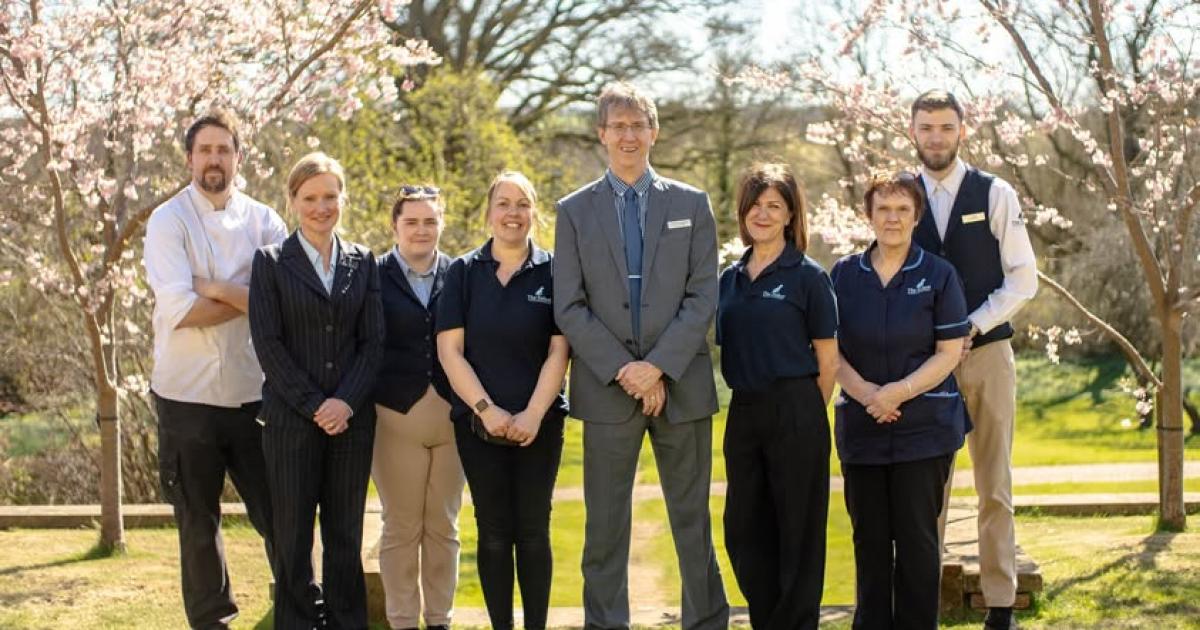
A spokesperson for the hotel said: “We’re open as usual at The Talbot Hotel.

Advertisement

“Following a fire alarm over the weekend, we’d like to thank the fire brigade for their swift response and our guests for their understanding. A small, contained fire within a chimney was quickly located and dealt with, with no injuries and limited damage reported.

“We look forward to welcoming you as normal.”

As reported by the Gazette and Herald fire crews were called to The Talbot hotel shortly before 1.20pm.

North Yorkshire Fire and Rescue Service said its two crews extinguished the fire which was confined to the chimney flute.

Advertisement

A service spokesperson said: “A crew from Malton and an ariel ladder platform from Scarborough responded to a chimney fire.

“The fire was confined to the chimney flue and the ariel ladder platform and chimney nozzle adapter were used to extinguish the fire.”

Source link

Advertisement
Continue Reading

NewsBeat

British passengers ‘pass out’ in hours-long border check queues at Milan airport | News World

Published

on

British passengers 'pass out' in hours-long border check queues at Milan airport | News World
Easyjet said the delay was ‘outside of our control’

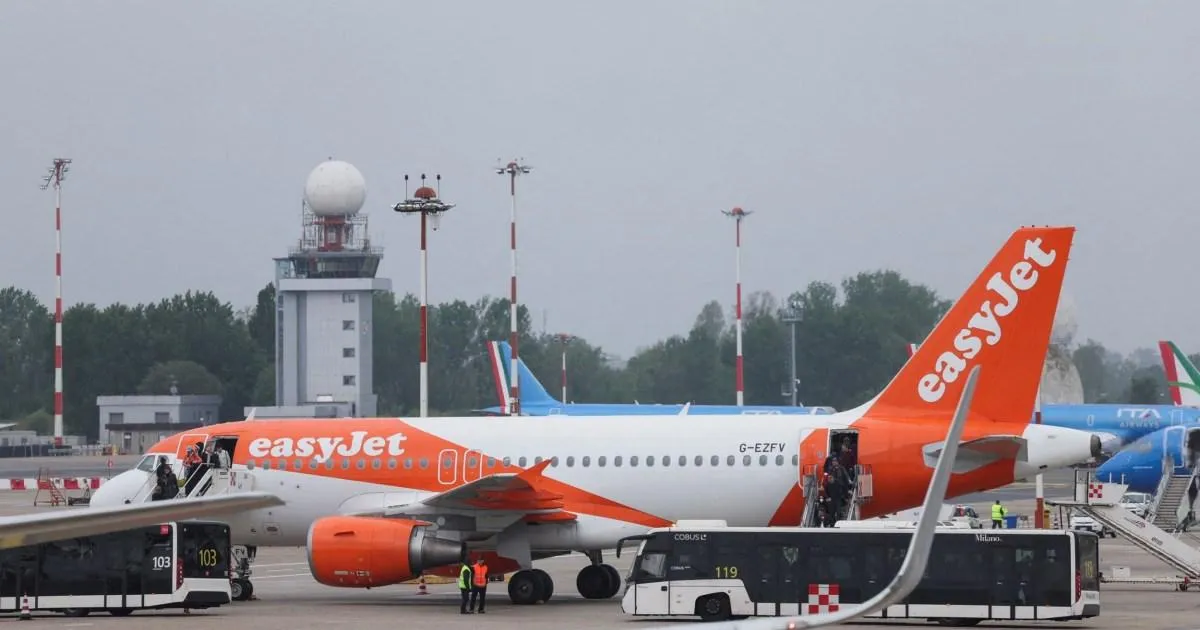
Holidaymakers were left vomiting and fainting in a queue from hell at Milan airport.

Around 100 easyJet customers were stranded at Linate airport on Sunday because of delays caused by new border checks in the EU.

The airline said the chaos was ‘outside of our control’ and even delayed take off by 52 minutes to try give passengers extra time to get on board.

Dozens of Britons were left scrambling to find alternative journeys home after some only discovered they had missed their flight once it had taken off without them.

Advertisement

One passenger, Kiera, 17, said that only 30 people made it onto the plane while 100 didn’t.

Sign up for all of the latest stories

Start your day informed with Metro’s News Updates newsletter or get Breaking News alerts the moment it happens.

Advertisement

The Oldham local, who faced a 20 hour wait for an alternative flight, told the BBC: ‘We got here at 7.30am for our flight at 11am so were super early.

‘We got to Border Control and it was a massive queue of people. I wasn’t feeling great anyway because I think I’d got food poisoning.

‘At about 10.50am they brought some water over for people, and when we got to the front of the queue someone asked us if we were going to Manchester, and told us our flight had just gone.’  

The new return journey had cost her mother £520 and that they would be going to Gatwick, not Manchester.

Advertisement

Kiera said easyJet had only offered £12.25 in compensation.

Adam Lomas, 33, an accountant from Wakefield, became stranded with his wife Katy, 31, and their four-month-old daughter.

The dad was sat in the airport for hours and that when he tried to contact easyJet he was faced with ‘chatbots’ and ‘audio issues’.

Advertisement

He told the BBC: ‘The airport and easyJet have spent hours arguing with each other about who is to blame.’

Adam said his family were forced to find a new hotel and book flights back to London, before then needing a to get a two-and-a-half-hour train to Manchester.

Easyjet called the delays caused by the EU’s new Entry/Exit System (EES) ‘unacceptable’.

The new system requires passengers from third-party countries, including the UK, have to have their fingerprints and photographs taken as they enter the Schengen Area.

Advertisement

EES registration is replacing the system of manually stamping passports and the UK government warned it might take longer for passengers to complete.

What are the EU’s new EES border check requirements?

List of countries where the new EES system will come into force soon.
Full list of the EU and EEA countries where the new entry and exit system will be rolled out (Picture: Metro)

The European Union’s new Entry-Exit System, known as the EES, will connect every crossing point in the Schengen Area.

Every EU country in the Schengen area will be connected, other than Ireland and Cyprus, Norway, Iceland and Switzerland.

Travellers will be required to hand over biometric data such as their fingerprints and a photo scanned with facial recognition technology.

Advertisement

The system aims to crack down on crime and enforce the limit on EU stays for British and third-country citizens, which is 90 days within any 180 days.

Most travellers from outside the EU, known as third-country nationals, will be required to register their passport details and biometric data when crossing into an EU country for the first time.

Biometric data includes fingerprints and facial pictures. Borders are likely to be kitted with self-service kiosks where passengers can input this information.

This data, as well as the entry and exit details, will be stored for subsequent visits.

Advertisement
New biometric Entry Exit System machines at Malaga Costa del Sol airport. Malaga, Spain. February 2nd 2026; Shutterstock ID 2734299387; purchase_order: -; job: -; client: -; other:
New biometric Entry Exit System machines at Malaga Costa del Sol airport (Picture: Shutterstock / Colinmthompson)

Future visits will only require a verification of the biometric data, which can speed up the process.

Children are not exempt from the checks, although children under 12 do not need to give fingerprints; however they will also need to have their face scanned.

Advertisement

The system became fully operational on April 10 and caused travel chaos across last weekend.

A spokesman for easyJet said: ‘We are aware that some passengers departing from Milan Linate today experienced longer than usual waiting times at passport control and we advised customers due to fly to allow additional time to make their way through the airport.

‘We have been doing all possible to minimise the impact of the airport queues, holding flights to allow customers extra time and providing free flight transfers for any customers who may have missed their flight including EJU5420 to Manchester.

‘We continue to urge border authorities to ensure they make full and effective use of the permitted flexibilities for as long as needed while European Entry / Exit System is implemented, to avoid these unacceptable border delays for our customers.

Advertisement

‘While this is outside of our control, we are sorry for any inconvenience caused.’

Get in touch with our news team by emailing us at webnews@metro.co.uk.

For more stories like this, check our news page.

Advertisement

Source link

Advertisement
Continue Reading

NewsBeat

Sealioning: Meaning And What to Do If It Happens

Published

on

Sealioning: Meaning And What to Do If It Happens

“Ragebaiting”, which involves deliberately posting incendiary content online to draw engagement, was Collins Dictionary’s 2025 word of the year.

Another frustrating online habit, which sometimes falls under “ragebait”, is “sealioning.”

The method, outlined in Harvard’s essay collection Perspectives of Harmful Speech Online, “fuses persistent questioning – often about basic information, information on easily found elsewhere, or unrelated or tangential points – with a loudly-insisted-upon commitment to reasonable debate.”

It is often used in response to content about, e.g., social justice and global warming.

Advertisement

What is “sealioning”?

It comes from a 2014 webcomic by David Malki, in which a dogged sealion keeps asking for proof that a stranger’s dislike for sealions is objectively correct.

They ask for sources. They accuse their opponent of being unreasonable and emotional when they can’t cite studies about their personal preference.

It does not matter to the sealion that he’s interrupted a conversation, or ignored the stranger’s pleas to be left alone, or tried to treat a relatively unimportant opinion like a scientific fact ― nor even that he breaks into the person’s home.

Advertisement

No matter how inconsiderately or inappropriately he acts, in the sealion’s mind, his behaviour is always justified because he’s seeking “reasoned discussion”.

Author and philosopher Jonny Thomson explained in a TikTok video, “To ‘sealion’ somebody is to enter a conversation and demand they provide a definition, justification, or proof for every single thing they say.”

But, he added, it’s not done in good faith.

“They might frame it as politeness. They might say it is from genuine curiosity, but they are trying to wear you down.”

Advertisement

Harvard’s Perspectives of Harmful Speech Online added: “Sealioning thus works both to exhaust a target’s patience, attention, and communicative effort, and to portray the target as unreasonable.

“While the questions of the ‘sea lion’ may seem innocent, they’re intended maliciously and have harmful consequences.”

What should I do if I’m being “sealioned”?

One option, and possibly the best, is to ignore the troll, The Guardian shared.

Advertisement

But in case you’re not sure if the person you’re speaking to is genuinely in need of more information, you can send them a trusted source before you hit “block”, they added.

Source link

Advertisement
Continue Reading

NewsBeat

Uncertainty over Hogwarts Express steam train opening as season delayed due to safety upgrades

Published

on

Uncertainty over Hogwarts Express steam train opening as season delayed due to safety upgrades

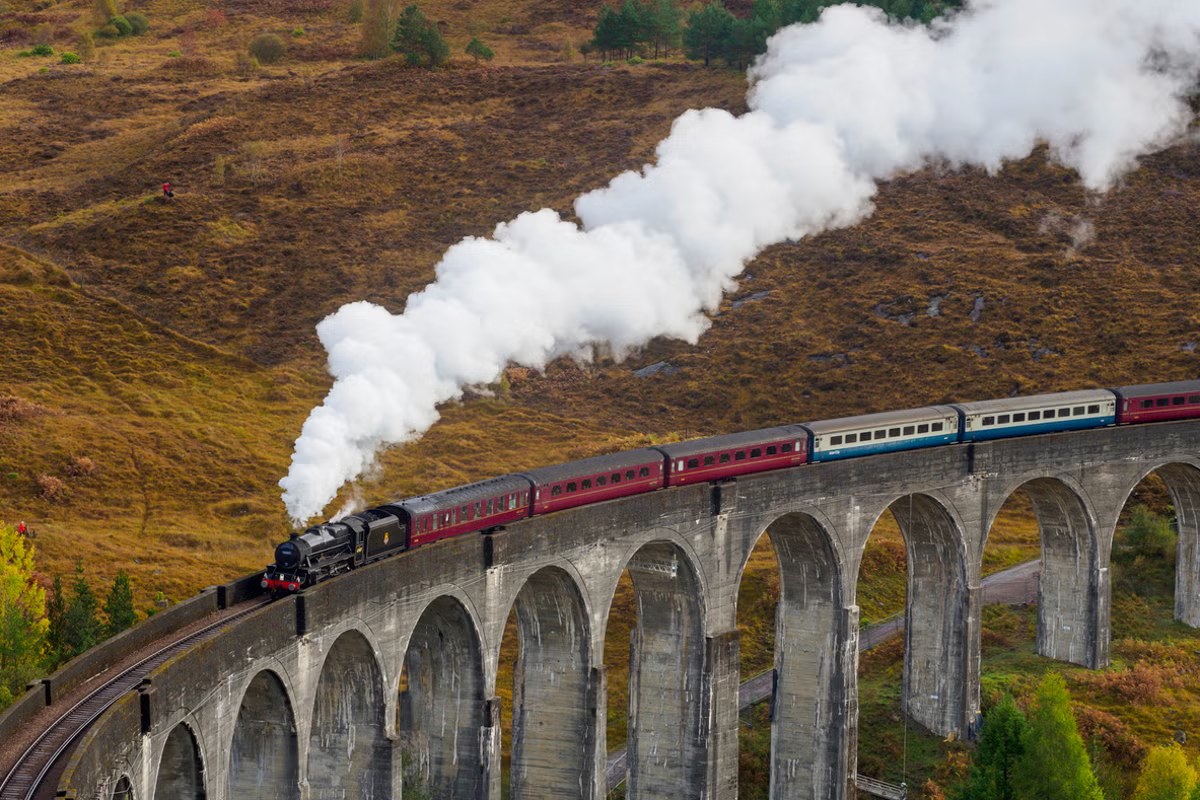
The operator of the steam train known for its role as the Hogwarts Express announced a delayed start to the 2026 season due to safety upgrades on its historic carriages.

West Coast Railways (WCR) said that opening bookings for its heritage Jacobite steam train has been delayed, and it is unsure when services can start up again.

The Jacobite service, made famous by its appearance in the Harry Potter films, includes 1950s-era Mark 1 coaches, which consist of traditional hinged doors without a central locking system.

WCR said it has formally approached the Office of Rail and Road (ORR) to reinstate its traditional Mark 1 rolling stock after it installed a central door locking system across its entire Mark 1 fleet used on the mainline.

Advertisement

The operator has been embroiled in a years-long back-and-forth with the ORR rail regulators, who have told the WCR that it should introduce central locking carriages after it banned doors with locks that could be operated by passengers on the train in 2005.

Heritage trains were previously allowed to apply for exemptions to this rule until the ORR cracked down on regulations.

WCR had obtained an exemption for nearly 30 years until 2023. The company then had to compromise by buying Mark 2 coaches from another heritage railway operator that complied with the rules, and resumed its service, but at a reduced capacity due to the availability of central door locking carriages.

WCR complained in 2024 that the multimillion-pound cost of having to install central locking could “destroy” its business and argued its door systems were just as safe.

Advertisement

Two years on, WCR said it will comply with the regulations in a commitment to “the long-term future of heritage rail”.

It added that the traditional Mark 1 carriages have been a “hallmark” of the Jacobite experience for over 25 years.

Services for train enthusiasts and Harry Potter fans on the Jacobite run between Mallaig and Fort William across the Glenfinnan Viaduct in the Scottish Highlands.

To reinstate the heritage carriages, WCR said the safety upgrade is a “significant undertaking” and will take time to complete, but is working with ORR to finalise a date at which the Jacobite can start running for the season.

Advertisement

It has asked customers to sign up to receive email updates or monitor its social media channels to be informed when bookings open.

Read more: New European Sleeper night train delayed until September

Source link

Advertisement
Continue Reading

NewsBeat

Pope Leo XIV defies Trump over Iran war, citing Gospel

Published

on

Pope Leo XIV defies Trump over Iran war, citing Gospel

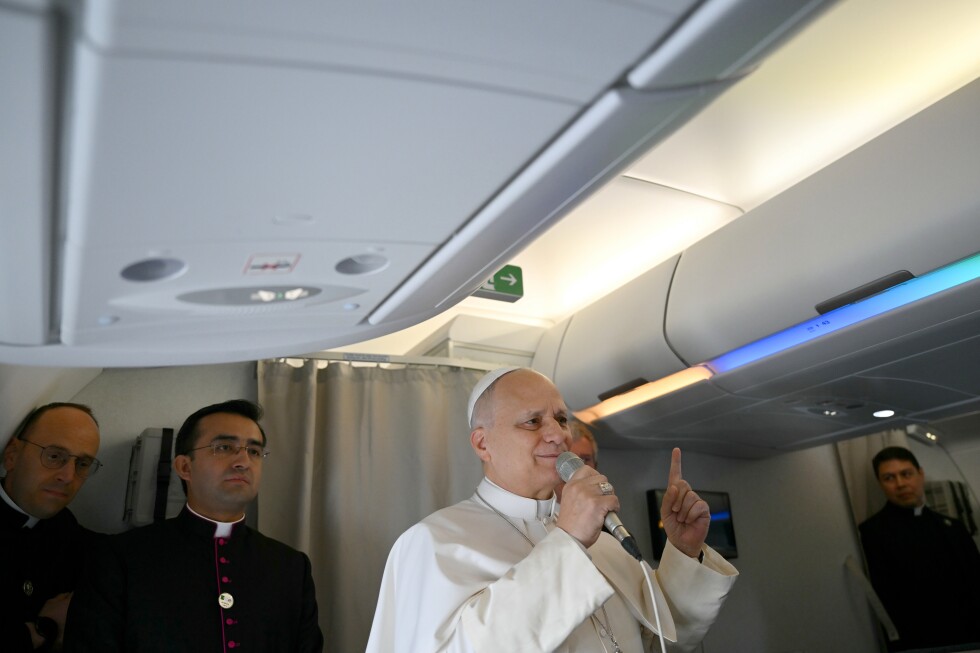
WASHINGTON (AP) — U.S.-born Pope Leo XIV pushed back Monday on President Donald Trump’s broadside against him over the U.S.-Israel war in Iran, telling reporters that the Vatican’s appeals for peace and reconciliation are rooted in the Gospel, and that he doesn’t fear the Trump administration.

“To put my message on the same plane as what the president has attempted to do here, I think is not understanding what the message of the Gospel is,” Leo told The Associated Press aboard the papal plane en route to Algeria. “And I’m sorry to hear that but I will continue on what I believe is the mission of the church in the world today.”

History’s first U.S.-born pope stressed that he was not making a direct attack against Trump or anyone else with his general appeal for peace and criticisms of the “delusion of omnipotence” that is fueling the Iran wars and other conflicts around the world.

“I will not enter into debate. The things that I say are certainly not meant as attacks on anyone. The message of the Gospel is very clear: ‘Blessed are the peacemakers,’” Leo said.

Advertisement

“I will not shy away from announcing the message of the Gospel and inviting all people to look for ways of building bridges of peace and reconciliation, and looking for ways to avoid war any time that’s possible”

Speaking to other reporters, he added: “I have no fear of the Trump administration.”

Trump says Leo is not ‘doing a very good job’

Trump delivered an extraordinary broadside against Leo on Sunday night, saying he didn’t think the U.S.-born global leader of the Catholic Church is “doing a very good job” and that “he’s a very liberal person,” while also suggesting the pontiff should “stop catering to the Radical Left.”

Flying back to Washington from Florida, Trump used a lengthy social media post to sharply criticize Leo, then kept it up after deplaning, in comments on the tarmac to reporters.

Advertisement

“I’m not a fan of Pope Leo,” he said.

Trump’s comments came after Leo suggested over the weekend that a “delusion of omnipotence” is fueling the U.S.-Israel war in Iran. While it’s not unusual for popes and presidents to be at cross purposes, it’s exceedingly rare for the pope to directly criticize a U.S. leader — and Trump’s stinging response is equally uncommon, if not more so.

“Pope Leo is WEAK on Crime, and terrible for Foreign Policy,” the president wrote in his post, adding, “I don’t want a Pope who thinks it’s OK for Iran to have a Nuclear Weapon.”

Italian politicians across the spectrum showed their solidarity with Leo. Premier Giorgia Meloni sent a message of support for his peace mission while the leader of the main opposition party, Elly Schlein, was more direct, calling Trump’s attacks “extremely serious.”

Advertisement

Trump repeated that sentiment in comments to reporters, saying, “We don’t like a pope who says it’s OK to have a nuclear weapon.”

Later, Trump posted a picture suggesting he had saint-like powers akin to those of Jesus Christ. Wearing a biblical-style robe, Trump is seen laying hands on a bedridden man as light emanates from his fingers, while a soldier, a nurse, a praying woman and a bearded man in a baseball cap all look on admiringly. The sky above is filled with eagles, an American flag and vaporous images.

Advertisement

Leo’s opposition to war irked Trump

All of that came after Leo presided over an evening prayer service in St. Peter’s Basilica on Saturday, the same day the United States and Iran began face-to-face negotiations in Pakistan during a fragile ceasefire. The pope didn’t mention the United States or Trump by name, but his tone and message appeared directed at Trump and U.S. officials, who have boasted of U.S. military superiority and justified the war in religious terms.

Leo, who is on an 11-day trip to Africa starting Monday — has previously said that God “does not listen to the prayers of those who wage war, but rejects them.” He’s also referenced an Old Testament passage from Isaiah, saying that “even though you make many prayers, I will not listen — your hands are full of blood.”

Before the ceasefire, when Trump warned of mass strikes against Iranian power plants and other infrastructure and that “an entire civilization will die tonight,” Leo described such sentiments as “truly unacceptable.”

In his social media post on Sunday night, however, Trump went far beyond the war in Iran in criticizing Leo.

Advertisement

The president wrote, “I don’t want a Pope who thinks it’s terrible that America attacked Venezuela, a Country that was sending massive amounts of Drugs into the United States.” That was a reference to the Trump administration having ousted Venezuelan President Nicolás Maduro in January.

“I don’t want a Pope who criticizes the President of the United States because I’m doing exactly what I was elected, IN A LANDSLIDE, to do,” Trump added, referencing his 2024 election victory.

He also suggested in the post that Leo only got his position “because he was an American, and they thought that would be the best way to deal with President Donald J. Trump.”

“If I wasn’t in the White House, Leo wouldn’t be in the Vatican,” Trump wrote, adding, “Leo should get his act together as Pope, use Common Sense, stop catering to the Radical Left, and focus on being a Great Pope, not a Politician. It’s hurting him very badly and, more importantly, it’s hurting the Catholic Church!”

Advertisement

In his subsequent comments to reporters, Trump remained highly critical, saying of Leo, “I don’t think he’s doing a very good job. He likes crime I guess” and adding, “He’s a very liberal person.”

Archbishop Paul S. Coakley, president of the U.S. Conference of Catholic Bishops, issued a statement saying he was “disheartened” by Trump’s comments.

“Pope Leo is not his rival; nor is the Pope a politician. He is the Vicar of Christ who speaks from the truth of the Gospel and for the care of souls,” Coakley said.

In the 2024 election, Trump won 55% of Catholic voters, according to AP VoteCast, an extensive survey of the electorate. But Trump’s administration also has close ties to conservative evangelical Protestant leaders and has claimed heavenly endorsement for the war on Iran.

Advertisement

Defense Secretary Pete Hegseth urged Americans to pray for victory “in the name of Jesus Christ.” And, when Trump was asked whether he thought God approved of the war, he said, “I do, because God is good — because God is good and God wants to see people taken care of.”

——

Winfield reported from aboard the papal plane.

Advertisement

Source link

Continue Reading

NewsBeat

Tributes after sudden death of popular Belfast barman

Published

on

Belfast Live

“He was known for his cheeky, mischievous nature, bringing smiles and laughter to those around him every day”

Tributes have been paid to a popular Belfast bar worker after his sudden death at the weekend.

Advertisement

Blake Greer passed away suddenly on Saturday, April 11. He’s been remembered for his sense of humour and “cheeky, mischievous nature” that brought smiles to all who knew him.

A bar worker at The Northern Whig in Belfast City Centre, Blake’s work colleagues say they have been left “incredibly heartbroken”.

A statement on Funeraltimes said: “GREER, 11TH APRIL 2026, BLAKE, suddenly, dearly beloved son of Gerard and Julie, much loved brother of Rhys and Chelsea, loving boyfriend of Elizabeth, dear grandson of Kathleen & Brendan Dowd and Maria and the late Bobby Greer, a dear nephew, cousin and good friend to many.

“Funeral arrangements to follow. Any enquiries to Charles Rourke & Sons Funeral Directors 028 4461 3740.”

Advertisement

The Northern Whig paid tribute to Blake saying: “We are incredibly heartbroken to share the passing of our much-loved friend and colleague, Blake.

“Since joining us, he became a true part of the furniture – always there, always willing to help, and someone who would do anything for anyone. He was known for his cheeky, mischievous nature, bringing smiles and laughter to those around him every day.

“His kindness, humour, and spirit made a lasting impact on all of us. We all love him so much. He will be missed terribly by his friends at the Whig, as well as by all who had the privilege of knowing and working alongside him.

“Our thoughts and heartfelt condolences are with his family and loved ones at this incredibly difficult time. Rest in peace, Blake.”

Advertisement

For all the latest news, visit the Belfast Live homepage here and sign up to our daily newsletter here.

Source link

Continue Reading

NewsBeat

Huge rock band pop into Manchester sandwich shop loved by the stars

Published

on

Manchester Evening News

The band even hailed their lunch in Manchester as ‘absolutely insanely good’

A major rock band visited a popular sandwich shop in Manchester at the weekend that’s already garnered a loyal following with many Manchester City FC players.

Advertisement

On Friday evening (April 10), Enter Shikari played an intimate show at the Satan’s Hollow nightclub and live music venue on Princess Street. The gig at the 450-capacity spot was announced just weeks beforehand, held to mark almost 20 years to the day they first played in the city.

The genre-spanning band – made up of bassist Chris Batten, vocalist Rou Reynolds, drummer Rob Rolfe and guitarist Rory Clewlow – first broke out into the scene in 2003 and released their debut album, Take To The Skies, back in 2007. Last week, they released their eighth studio album Lose Your Self without any notice.

Get MEN Premium now for just £1 HERE – or get involved in our WhatsApp group by clicking HERE. And don’t miss out on our brilliant selection of newsletters HERE.

During the weekend, the band took the time to bask in some of the city’s popular spots and paid a visit to the Ad Maiora sandwich shop, on Tib Street in the Northern Quarter. Known for their freshly-made schiacciata Tuscan-style flatbreads, the shop opened last year following the success of their original shops in Ancoats and Salford.

Advertisement

Run by couple Daniela Steri and Enrico Pinn, who started their business by baking from their flat in the Northern Quarter in 2023, the sandwich shop has gained a big reputation for its over-loaded creations, all using their own home-made breads and with authentic Italian meats and cheeses.

The pair have earned fans from a bunch of famous faces, including Manchester City manager Pep Guardiola. City striker Erling Haaland has become such a fan of the shop that he now also has a mighty sandwich named after him featuring some of his favourite things.

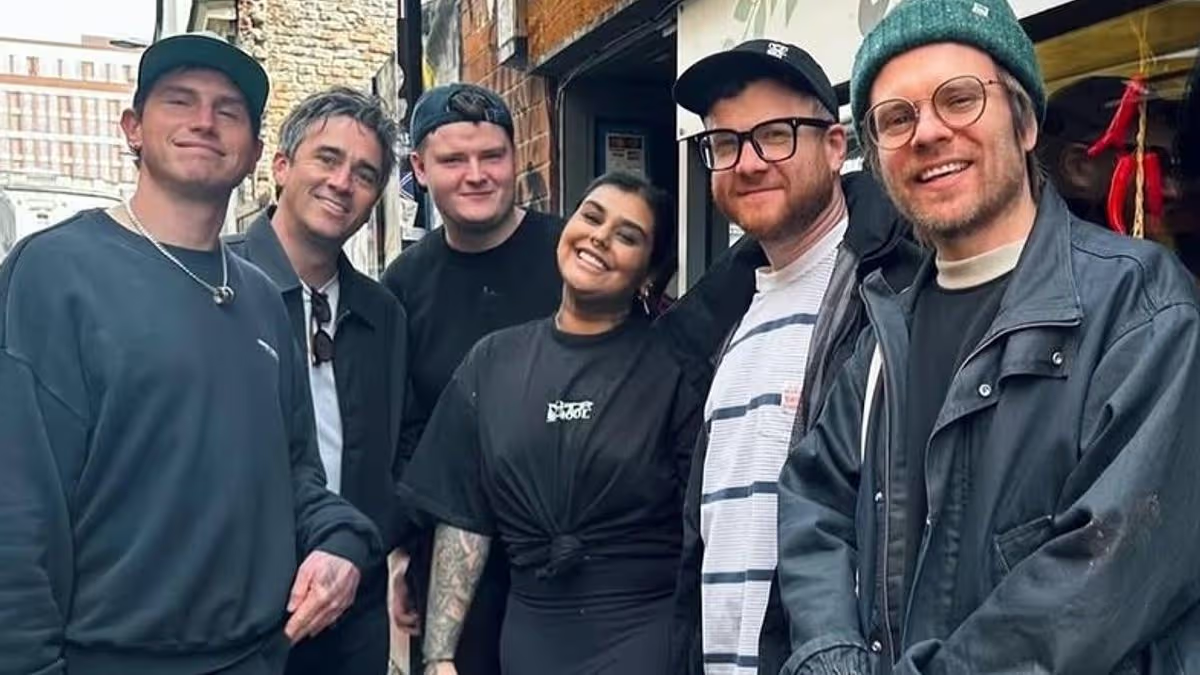
On Saturday, Ad Maiora took to social media to share news of Enter Shikari’s visit by posting a photo of the rock band outside with co-owner Daniela. The post wrote: “From the stage to the schiacciata. Enter Shikari at Ad Maiora.”

Advertisement

The band responded with a bunch of praising and heart emojis, whilst guitarist Rory shared his impressions on his lunch by commenting: “I think calling it a sandwich is kinda like you trying to be humble? It is absolutely insanely good. Thank you so much for having us! X.”

Fans of the band and the sandwich shop also took to the comments section to share their love, and to also add in a few cheeky puns as well. One person commented: “Enter Salami.” Another wrote: “What a collab.” One other joked: “Enter Schiacciataaaaaa.”

The Kerrang! Award winners will return to Manchester later this year for a show at Co-op Live. The November 19 gig will mark the band’s largest ever UK and EU headline arena tour.

Advertisement

Source link

Continue Reading

Trending

Copyright © 2025