
Connect with us

NewsBeat

York mum’s YouTube keep fit channel near to 100k subscribers

Published

on

York mum's YouTube keep fit channel near to 100k subscribers

Beth Chadwick first started teaching dance fitness in person in 2025 after having her first baby, helping local mums get moving while navigating the challenges of new motherhood.

She said toward the end of last year, she wanted to reach even more women in their own living rooms, especially as she prepared for her second postpartum season.


Recommended reading:


The first video was published on the channel just four months ago.

Advertisement

Beth said: “After having my first baby I lost 70lbs following this method, and I wanted other mums to know it’s possible to feel strong and confident again without a huge ticket price attached to it.

“Maternity leave can leave many mums without ways to pay for gyms or fitness classes, so I decided to share my workouts online for free.

“Fitness should be accessible to all mums, especially postpartum, no matter how little time or money they have.”

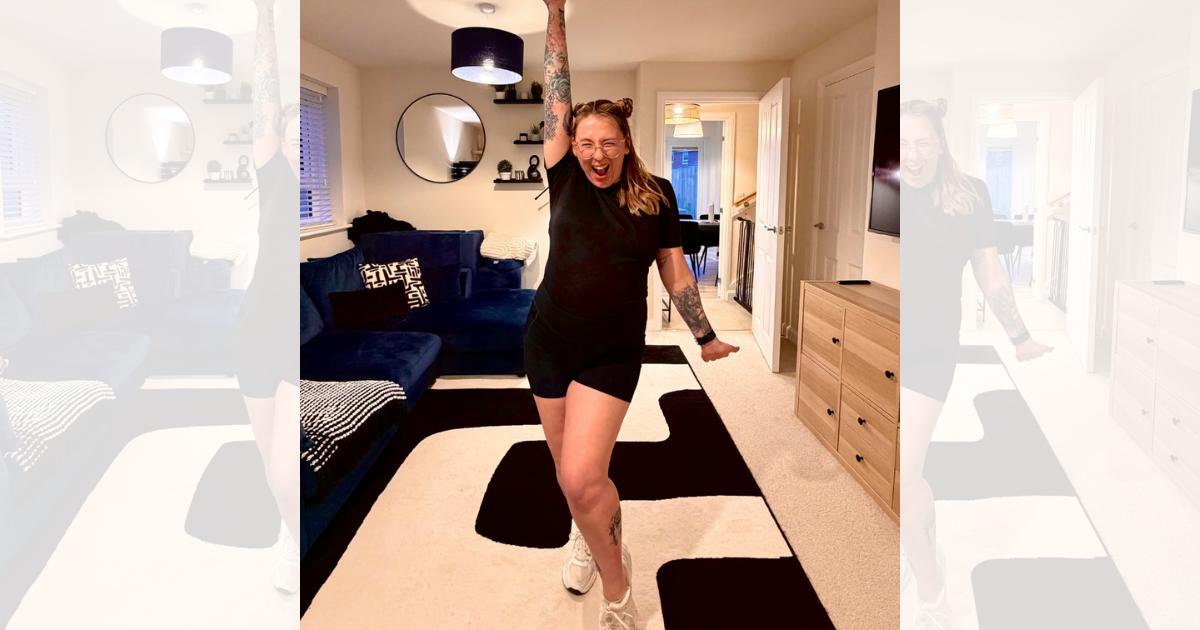
MoveFit Mama Fitness has reached nearly 100,000 subscribers on YouTube (Image: MoveFit Mama Fitness)

Beth said filming takes place in her living room and her workout routines combine fun dance routines with effective fitness exercises, making them achievable for mums of all fitness levels.

Advertisement

She said her channel – MoveFit Mama Dance Fitness – has already built a supportive online community, with thousands of mums sharing success stories and motivating one another for staying active while managing family life.

Beth said: “I started these workouts just to help a few mums – I honestly thought it would find a few hundred mums at best, but seeing thousands join in from across the UK, USA and Europe has been incredible.

“You really can get moving at home, even when your baby is napping, when you have no time to spare or if your kids are grown up and you’re wanting to get back into fitness.”

Beth said she hopes to continue expanding her free fitness offerings and inspire more mums to prioritise their wellbeing.

Advertisement

For more information go to https://www.youtube.com/@MoveFitMamaFitness

Source link

Advertisement
Continue Reading
Click to comment

Leave a Reply

Your email address will not be published. Required fields are marked *

NewsBeat

Timothy Kusemi, 41, jailed after fatal crash outside Rudston

Published

on

Timothy Kusemi, 41, jailed after fatal crash outside Rudston

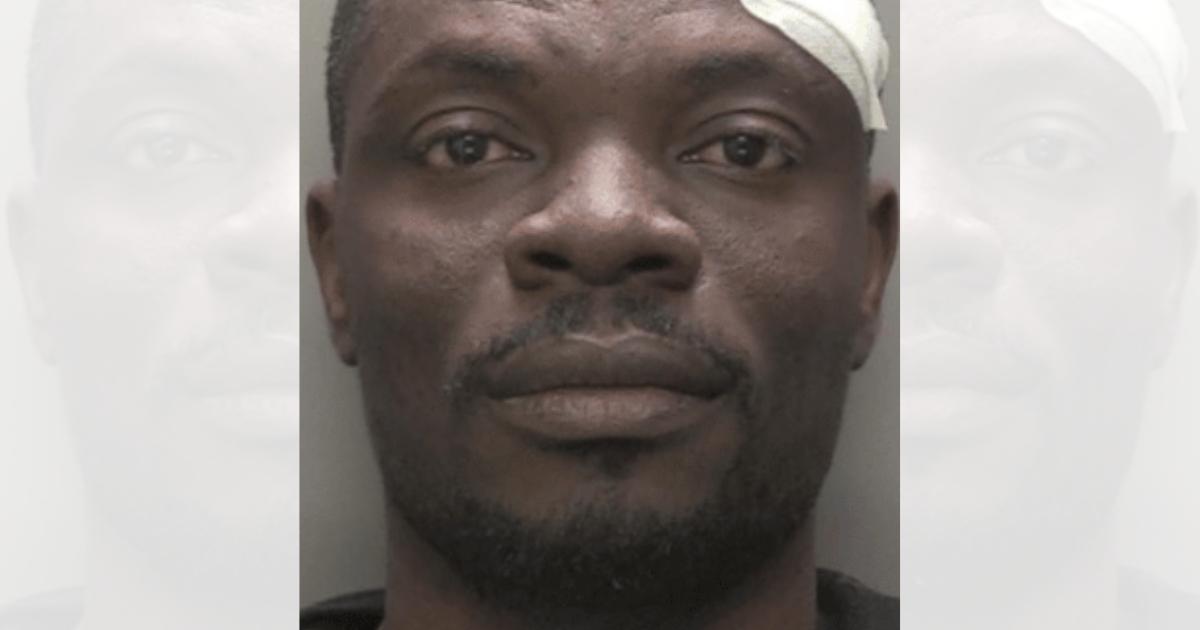
41-year-old Timothy Kusemi, of Lower Bedford Road in London pleaded guilty to causing death and serious injury by dangerous driving on Monday, 23 February 2026.

He had pleaded guilty to causing death whilst unlicenced at a previous court hearing on Tuesday, 10 June 2025, Humberside Police said.


Recommended reading:

Advertisement

He has now been sentenced to six years imprisonment and given an 11-year driving ban.

Shortly before 3pm on Friday, 24 November 2023, Kusemi was driving his Audi A6 northbound on Burton Road towards Burton Fleming, outside the village of Rudston close to Bridlington.

At the same time, 70-year-old Sue Whittles was driving a Volkswagen T-Roc eastbound on the B1253 Thwing Road towards Bridlington with her husband Bill Whittles in the passenger seat.

As their vehicle reached the crossroads junction with Burton Road and Nine Dikes Road, Kusemi failed to stop and give way, and subsequently collided with the side of Mr and Mrs Whittles’ car.

Advertisement

Mrs Whittles died at the scene and her husband was rescued from the vehicle by Humberside Fire and Rescue before being airlifted to hospital for treatment to serious injuries, which included multiple fractures to his spine, ribs, and sternum.

He remained in hospital and subsequently a rehabilitation centre for almost 12 weeks having required extensive treatment and surgery before being discharged.

Paying tribute to Sue, her husband Bill said: “Sue was a lovely wife to me and best pal over the years – we were a unit.

“She was a much-loved Nan to Anna and Oliver, and they miss her so much.

Advertisement

“A much-respected local preacher, Guide leader and active supporter of Riding for the Disabled.”

Sergeant Rob Mazingham from the Humberside Police Serious Collision Unit said: “When speaking to key witnesses from the scene, Kusemi’s driving prior to the incident was described as swerving all over the road, showing a lack of care when driving his vehicle.

“During the investigation it was established that Kusemi held a driving licence that was no longer valid for him to drive legally in the United Kingdom, and he was not fully qualified to drive here at the time of the collision.

“This was a tragic and entirely avoidable incident which resulted in one person losing their life and another being seriously injured.

Advertisement

“By driving dangerously and taking no consideration to any road signs ahead, this will now leave a devastating impact on the lives of the family involved”.

Source link

Advertisement
Continue Reading

NewsBeat

Fit gym-goer, 23, now needs full-time carer after rare disorder diagnosis

Published

on

Daily Record

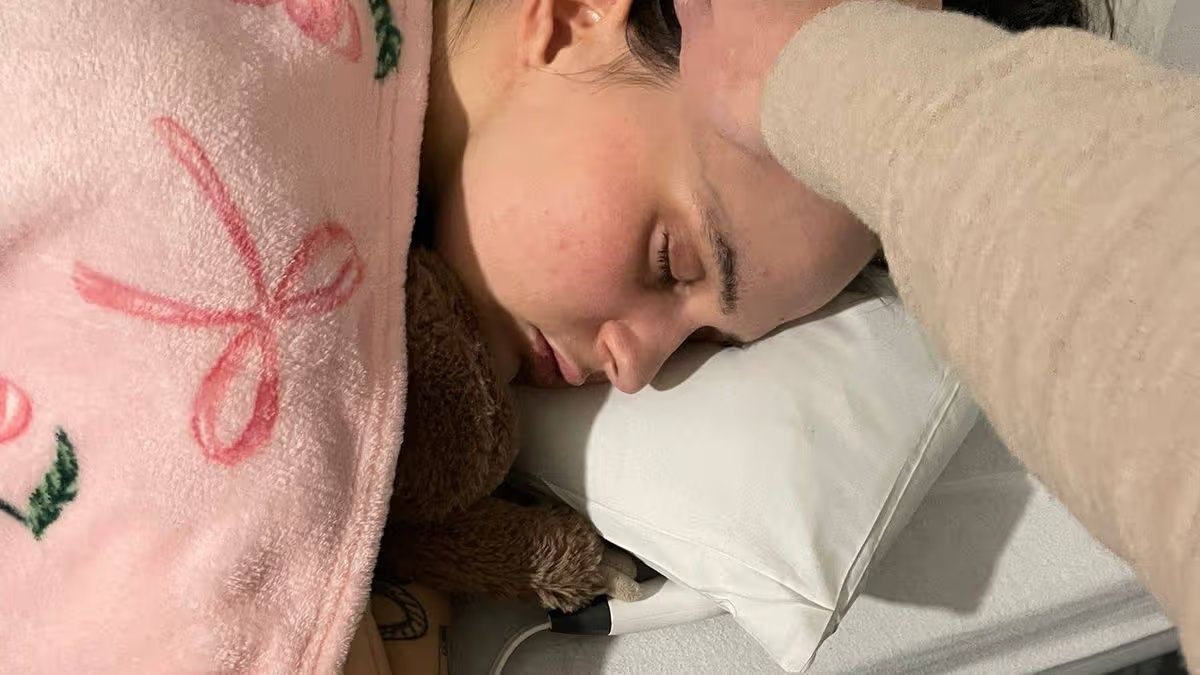
Lily Sillis noticed her face was spasming just weeks ago and since then her life has been dramatically transformed

Whilst applying her makeup one morning, Lily Sillis observed something peculiar. Her face began to spasm every time she touched it.

The active and health-conscious 23-year-old from Blackburn in Lancashire was a gym enthusiast who had a passion for animals and outdoor activities. However, whilst on the phone to 111, her face suddenly started drooping to the right.

Advertisement

Despite normal blood test results following an urgent trip to A&E, upon returning home, her entire face sagged and she found herself unable to speak. This shocking event occurred just weeks ago, on February 10, and since then, her life has been dramatically transformed.

Despite multiple visits to A&E and her GP over the subsequent two days, Lily experienced her first seizure on February 12, followed by two more in the ensuing hours, reports Lancs Live.

Lily, who runs her own dog walking business, shared with LancsLive: “I could hear everything around me and feel everything happening but my eyes were closed and I couldn’t respond or move.”

“I was told to go back to A&E but when I arrived I collapsed on the floor having full body convulsions whilst still being able to hear and feel everything around me.”

Advertisement

After being rushed to resuscitation, Lily was given oxygen and underwent further tests as her condition rapidly worsened, sometimes experiencing up to 20 seizures a day. Some of these seizures lasted up to an hour, and after each one, Lily was left with “full body paralysis” for hours, unable to move or speak.

Lily said: “One day I tried to stand up and my legs simply wouldn’t move. I tried with everything in me to put one foot in front of the other but my body just wouldn’t respond.

“I tried to stay positive because at that point I still had use of my arms so I could transfer myself onto a commode or into a wheelchair, even though I wasn’t allowed off the ward due to the seizures and couldn’t sit up for long. But a few days later even that was taken away.

Advertisement

“I tried to get up using my arms like I had been doing and they wouldn’t work either. They were paralysed. Suddenly I couldn’t feed myself, couldn’t shower myself, couldn’t even go to the toilet independently.

“At 23-years-old, after being such an independent person, this completely broke me. I was lying in a hospital bed being showered by nurses, fed by my own mum and using a bed pan because I couldn’t move my body.

“Even when my legs sometimes decided to work again they tremored so violently that I couldn’t walk safely without falling or support.”

Following an EEG scan, it was confirmed that Lily was suffering from Non Epileptic Seizure Attack Disorder and she was moved to the neurology ward at Royal Preston Hospital. Here, she was diagnosed with Functional Neurological Disorder and Functional Movement Disorder.

Advertisement

She reflects that her life changed ‘overnight’.

She explained to LancsLive: “When I arrived there my condition deteriorated even further. I started having full body involuntary movements where I was hitting and kicking uncontrollably as if someone had completely taken over my body and these episodes could last for hours.

“One episode lasted seven and a half hours of non-stop convulsions, including facial spasms, my head and neck moving violently, and my arms and legs thrashing. Between seizures and episodes I was completely exhausted, paralysed and struggling to speak.”

Functional Neurological Disorder occurs when the brain struggles to transmit and receive signals correctly, resulting in seizures, paralysis, tremors, speech difficulties and uncontrolled movements. Upon receiving her diagnosis, Lily admitted she’d been entirely unaware of the condition’s existence, and is now adapting to life with it “day by day”.

Advertisement

Whilst Lily acknowledged that certain days prove more manageable than others, the unpredictable nature remains “terrifying”.

She continued: “Just weeks ago, I was a 23-year-old gym goer who loved animals, the outdoors, and adventure, and now I need a full-time carer and have lost most of my independence, including the ability to drive and some days even walk.”

Her mother Sara described how the diagnosis has devastated their entire household. Sara reflected: “You’ve got this child that’s gone from being so independent to your parents having to feed you and wash you. It’s so devastating because you cant do anything to fix it.”

Advertisement

Sara, now residing in Ripon, North Yorkshire, has set up a GoFundMe page to cover Lily’s treatment expenses whilst also highlighting the condition itself.

“It’s such a cruel horrible illness,” she added. “For now we are doing everything we can to raise money for lily for extra treatment.

“It’s not even about donating its just about getting her story out there to help other people know about this, if we can do anything we can to spread awareness that’s what we want for her.”

Lily’s donation page can be found here.

Advertisement

Source link

Continue Reading

NewsBeat

White-coloured Ford Transit stolen from Fulford School

Published

on

A61 - Driver fails to stop after crash with Vauxhall Vivaro

The Fulford School minibus was stolen from its premises after last being seen on Wednesday, March 11 around 5.15pm.

North Yorkshire Police issued an image of the white-coloured Ford Transit vehicle which has school livery down the side, and a registration number GX63HKW.


Recommended reading:

Advertisement

North Yorkshire Police released this image of the Fulford School bus which was last seen on Wednesday, March 11 (Image: North Yorkshire Police)

A force spokesperson said: “If you saw this vehicle being driven, or if you have dash‑cam footage or CCTV that may assist our enquiries, please get in touch by emailing charlotte.creasey@northyorkshire.police.uk, or by calling 101, or dial 999 if you spot the vehicle.

“Please quote reference 12260045284 when passing on information.”

Source link

Advertisement
Continue Reading

NewsBeat

What you study in school shapes your voting choices in adulthood

Published

on

What you study in school shapes your voting choices in adulthood

Across Europe, education has become one of the biggest dividing lines in politics, and educational qualifications are now one of the best predictors of vote choice in Britain. This is particularly the case for new parties that compete more on cultural issues, including Reform and the Greens, who attract voters from different ends of the educational spectrum.

In the most recent UK general election in July 2024, 18% of voters with no formal qualifications voted for Reform – two and half times as many as among those with a degree. On the flip side, degree-holders were three times as likely to vote for the Green party than those without qualifications.

Our study shows that the link between education and politics starts far earlier than degree level, however. We’ve found that what you study at school affects your political choices both in adolescence and adulthood.

We looked at the political views of young people aged ten to 18, and then followed them into their 20s. Young people who were studying humanities subjects in school, namely history and art, became more likely to support more socially liberal parties.

Advertisement

Those studying a technical GCSE subject, such as design and technology, became more supportive of more radical right parties. Given that we see this pattern before students leave school, it can’t only be explained by socialisation in the workplace, which makes us think that at least part of the association emerges in school.

Taking a GCSE in business studies meanwhile meant that someone became more economically rightwing in their vote intention. When they were 16 and had finished their GCSE in business studies, these young people were two percentage points more likely to say they’d vote for the Conservatives than when they’d started at age 14. This might seem small, but small differences add up over the course of a person’s life.

People develop their political orientations during adolescence, so parental socialisation of course matters a great deal. But much of those formative years is also spent in the classroom. And a student of history encounters different ideas and develops different skills to one studying physics – even if they both eventually end up with the same number of GCSEs or A-levels, or a university degree.

For instance, a physics class might focus on the scientific marvel of splitting the atom and nuclear power, whilst a history student would consider the catastrophic effects of these weapons in the second world war. As a result, the history student and the physics student might emerge from their studies with different perspectives on the world, which might ultimately lead them to support different parties.

Advertisement

Shutterstock/Monkey Business Originals

It’s unlikely that these findings relate to teachers indoctrinating students into supporting particular parties or ideologies. It’s more likely that certain subjects that focus on different human experiences – such as history or art – might lead students to recognise the importance of a variety of perspectives, and so be more favourable towards socially liberal parties. Likewise, studying economics might incline a young person to support a party that champions free markets.

Alternatively, it could be explained by the differing peer groups across these subjects, whereby the attitudes held when students select into these subject are mutually reinforced.

We also found that the differences we identified persisted in early adulthood, long after school had finished. Adults who had taken drama, music, art or history were more likely to vote for socially liberal parties such as the Greens or Liberal Democrats.

Some of these differences were very large in adulthood, even when we adjusted for other factors that might explain them, like overall educational attainment and income. For example, an adult who had taken an A-level in economics or business studies was 14 percentage points more likely to support the Conservative Party and six points less likely to support Labour than someone who had not.

Advertisement

It’s also notable that students who took any of history, geography, foreign languages or religious studies were more engaged in politics. They were more likely to name a party they would vote for, rather than saying they wouldn’t vote.

Our findings may add a different angle to debates about curriculum reform. Recent governments have favoured increasing participation in STEM subjects, often to the detriment of subjects like the creative arts and languages. Our study suggests that this might in turn have consequences for young people’s politics.

Either way, our results show that what you learn in school is likely to shape your world view beyond the classroom.

Advertisement

Source link

Continue Reading

NewsBeat

RMG Living warn residents over report of ‘suspicious package’

Published

on

RMG Living warn residents over report of 'suspicious package'

Overnight, RMG Living said it received a generic communication referring to the placement of a suspicious package.

Bosses say that they believe it was a “mischievous message” but told residents to report anything suspicious to the police.

In a message to residents, the company said: “Overnight we received a generic communication referring to the possible placement of a suspicious package, which was not specific to your development.

Advertisement

“If you see anything suspicious, please report it to the police.”

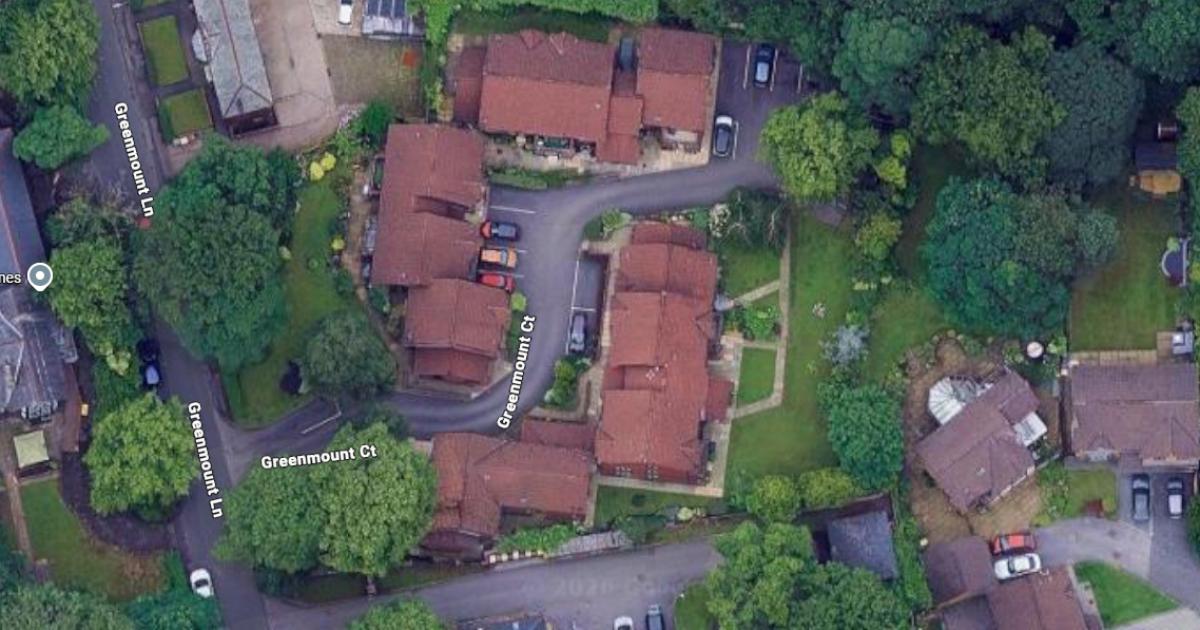
RMG manage numerous properties across the North West, including Greenmount Court in Heaton.

Source link

Advertisement
Continue Reading

NewsBeat

Ex-Cambs police officer accused of sending messages that ‘implicated him in class A drug use’

Published

on

Cambridgeshire Live

The former officer is due to face the hearing later this month

A former Cambridgeshire Police officer has been accused of sending messages that “implicated him in class A drug use”. Former PC Kyle Carter-Lawrence is due to face a misconduct hearing on Thursday, March 26.

Advertisement

Mr Carter-Lawrence is facing a total of seven allegations made against him. This includes sending “inappropriate messages” to WhatsApp groups and using “language which failed to treat people with respect and courtesy”.

Three of the allegations relate to a Whatsapp group which Mr Carter-Lawrence was a member of between June 10, 2016 and March 24, 2024. it is alleged that he sent inappropriate messages to the group, used language which failed to treat people with respect and courtesy, and used discriminatory language.

Mr Carter-Lawrance is also alleged to have sent messages that implicated him in class A drug use. He was present when inappropriate and drug-related messages were sent by others. He’s also alleged to have sent similar messages on a 1-2-1 chat with another police officer.

Allegation 4 alleges that Mr Carter-Lawrance “failed to report or challenge the conduct of the fellow officer in the Whatsapp group”. Allegation 5 is that he made “inaccurate declarations in his police recruitment vetting paperwork and failed to correct these once serving as a police officer.

Advertisement

Allegation 6 states that he failed to “declare his association with people whom he had grounds to suspect were involved in crime, were conducting themselves inappropriately or who had potential to damage the reputation of the police service.”

The final allegation Mr Carter-Lawrance faces is that he shared police data without policing purpose and not in the court of his duties.

The hearing is set to take place at 2pm at Lysander House, in Tempsford.

Source link

Advertisement
Continue Reading

NewsBeat

Arsenal vs Everton LIVE: Premier League latest score and confirmed lineups | Football

Published

on

Arsenal vs Everton LIVE: Premier League latest score and confirmed lineups | Football

Arsenal are looking to pile the pressure on Premier League title rivals Manchester City with a win at home against Everton on Saturday evening.

The Gunners have won three in a row in the league and now sit seven points clear at the top of the table after Pep Guardiola’s side dropped points to Nottingham Forest last time out.

And Mikel Arteta’s side can now move temporarily ten points clear at the top ahead of City’s clash with West Ham later on Saturday.

But they face a potentially awkward opponent in Everton, who have the fourth-best record away from home in the league this season and sit just five points off the Champions League places.

Advertisement

Metro’s LIVE matchday blog will bring you all the build-up, confirmed team news and starting XIs, goal updates and minute-by-minute coverage 

Live Feed


Advertisement

Early team news

Martin Odegaard and Leandro Trossard remain doubts for today’s game, while Everton are hoping to call upon Jarrad Branthwaite after he came off in the closing stages of their clash with Burnley.

Advertisement

How to watch Arsenal vs Everton

You can watch the match live on Sky Sports Main Event with streaming also available through the Sky Go app and NOW TV for subscribers.

Advertisement

Arsenal vs Everton kick-off time

Arsenal vs Everton kicks off tonight (Saturday 14 March) at 5:30pm.

Advertisement

Good afternoon!

Advertisement

Hello and welcome to Metro’s live coverage of the Premier League clash between Arsenal and Everton.

Stay with us for all the build-up, team news and match updates from the Emirates Stadium.

Advertisement
Advertisement

Source link

Continue Reading

NewsBeat

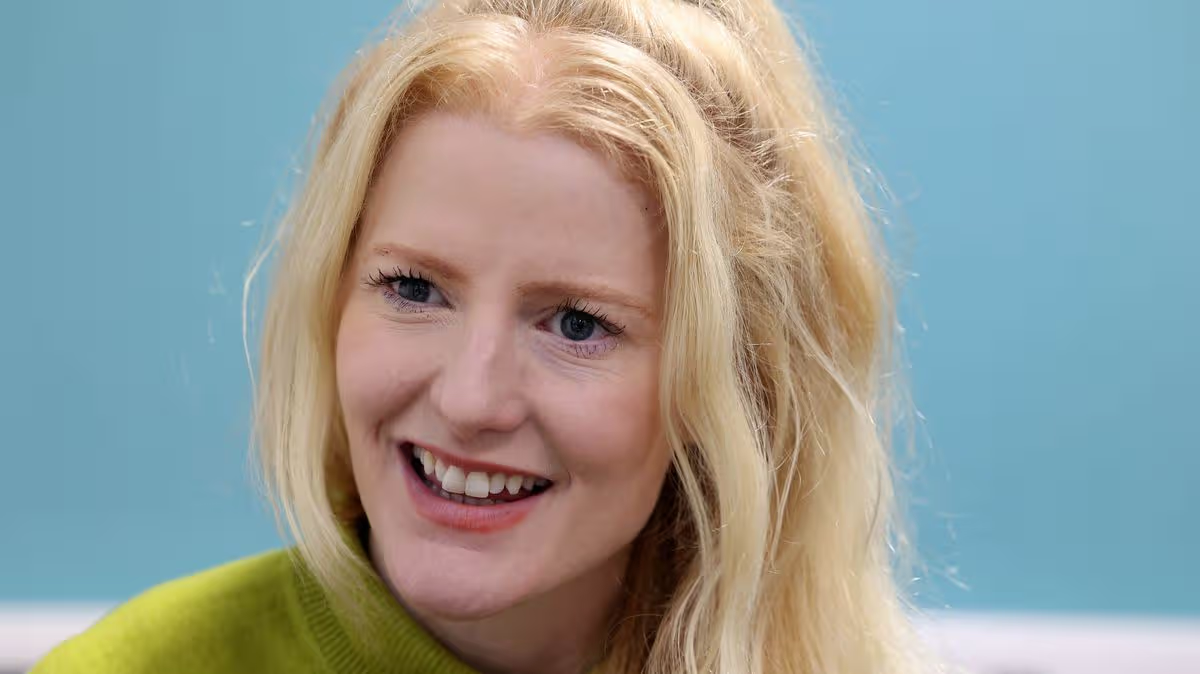
Gorton and Denton MP Hannah Spencer says ‘pantomime’ of PMQs is ‘worse than expected’

Published

on

Manchester Evening News

The Green MP said witnessing PMQs in person made her feel the culture of Westminster needs to change

New Green MP Hannah Spencer has branded Prime Minister’s Questions a ‘pantomime’ after her first two weeks in Westminster. The Gorton and Denton representative said the ‘facade’ and ‘theatrics’ of the weekly debates are ‘worse than I was expecting’.

Advertisement

The MP criticised what she described as politicians trading ‘pre-prepared insults’ during the Commons session. She said the spectacle risks wasting politicians’ time that Ms Spencer argues should be focused on improving people’s lives.

PMQs is a 30-minute weekly session in the House of Commons where the Prime Minister answers questions from MPs. While designed to hold the government to account, it is often characterised by loud exchanges and jeering during debate.

Get MEN Premium now for just £1 HERE – or get involved in our WhatsApp group by clicking HERE. And don’t miss out on our brilliant selection of newsletters HERE.

Ms Spencer made the comments during an interview with the Manchester Evening News on Friday (March 13) as the new MP was visiting a community food club in Gorton run by The Bread and Butter Thing.

Advertisement

Reflecting on her first fortnight in Parliament, she said one of the biggest surprises had been witnessing the weekly Commons clash in person. Ms Spencer said she had expected the confrontational atmosphere but found it more ‘theatrical’ than she anticipated.

“A lot of us see Prime Minister’s Questions and the pantomime of it all,” she said. “That’s why people are so fed up, because it’s just the worst use of anyone’s time to listen to people come up with pre-prepared insults.”

“Even though I knew what it was going to be like, I think it’s actually worse than I was expecting,” she added. “That whole facade that people put on, this theatre of playing a certain way.”

Ms Spencer said MPs should focus on the reason they were elected to Parliament, adding that the Commons should be a place where politicians work together to improve people’s lives.

Advertisement

“That’s not what we’re there for,” she said. “We’re there because people have elected us to do the things that we told them.”

The Green MP said witnessing PMQs and speeches in the Commons in person made her feel the culture of Westminster needs to change.

“When I saw it with my eyes, I was like, this has got to change,” she said. “Some of the daft stuff like that, that I think people are clearly fed up with.”

Spencer argued that politicians could challenge each other’s policies without resorting to personal attacks. She said debates should focus on holding governments to account rather than trading insults.

Advertisement

“You can challenge each other’s policies…without that,” she said. “It’s really hard to describe, because I wish everyone could go in and see that.”

The MP said she believes the political system is already beginning to shift following her recent by-election win.

“I do think now politicians are going to have to start changing how they do things to become in line with how the rest of us live,” she added.

Source link

Advertisement
Continue Reading

NewsBeat

Donald Trump urges UK to send warships to help secure Strait of Hormuz

Published

on

Donald Trump urges UK to send warships to help secure Strait of Hormuz

In what appeared to be an appeal to the UK and other nations, the US leader added: “Hopefully China, France, Japan, South Korea, the UK, and others, that are affected by this artificial constraint will send ships to the area so that the Hormuz Strait will no longer be a threat by a nation that has been totally decapitated.

Source link

Continue Reading

NewsBeat

Relatively few have fled Iran so far, but experts warn that could change if things worsen

Published

on

Relatively few have fled Iran so far, but experts warn that could change if things worsen

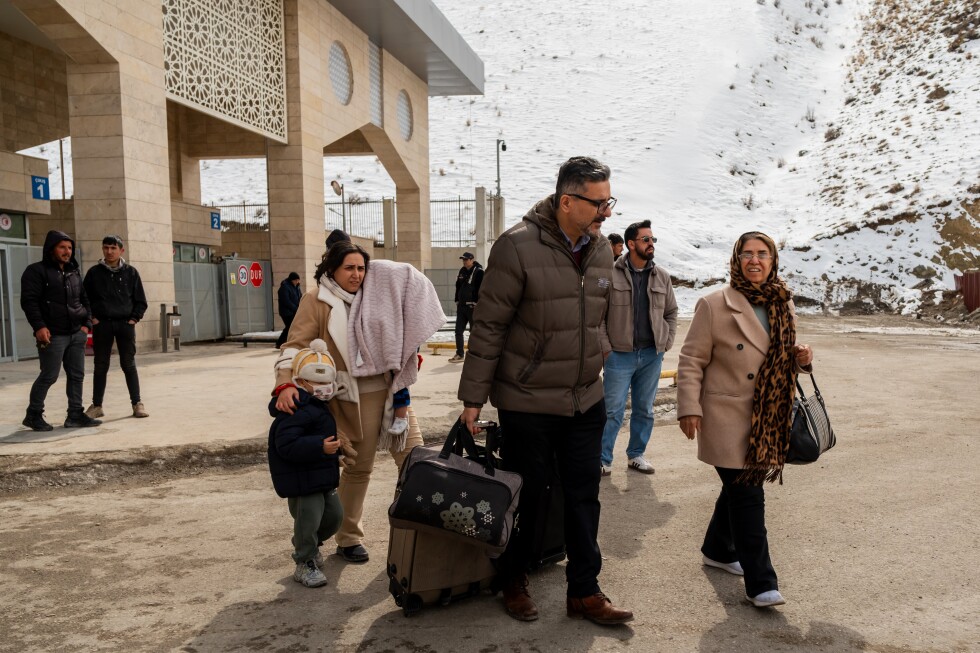
KAPIKOY BORDER CROSSING, Turkey (AP) — After bombs exploded near her home in the eastern Iranian city of Golestan, hairdresser Merve Pourkaz decided to leave.

Pourkaz, 32, said she traveled nearly 1,500 kilometers (932 miles) to an alpine border crossing in the hopes of reaching the safety of the nearby Turkish city of Van.

“If they let me, I will stay in Van until the war ends,” she told The Associated Press recently while waiting at the crossing. “If the war doesn’t end, maybe I’ll go back and die.”

Pourkaz is one of the 3.2 million people in Iran who the U.N. refugee agency estimates have been displaced since the U.S.-Israel war with Iran started. While some are seeking shelter in safer parts of Iran or one of its neighboring countries, others are returning from abroad, heading toward the fighting to protect their families and homes.

Advertisement

So far, relatively few people have chosen to leave: The U.N. estimates that only about 1,300 Iranians have fled via Turkey each day since the war started, and on some days, more people return to Iran than depart. But Iran’s neighbors and Europe are growing increasingly concerned about a possible migration crisis should the war drag on and are making contingency plans.

As Pourkaz was entering Turkey, Leila Rabetnezhadfard was headed the other way.

Rabetnezhadfard, 45, was in Istanbul preparing to marry a German university professor when the fighting started. She postponed the ceremony and left for home in Shiraz, in southern Iran.

“How can I feel safe in Istanbul when my family is living in Iran during the war?” said Rabetnezhadfard, explaining that bringing her family to Istanbul wasn’t an option because her apartment is small, her brother needs medical care, and life there is expensive.

Advertisement

“I will not leave Iran until the war ends,” she said.

Fleeing the fighting

The U.N. has warned that continued fighting will likely push more Iranians to flee their homes.

As in the 12-day conflict last year, many Iranians are now sheltering in place, without money to flee or perhaps because of U.S. President Donald Trump’s Feb. 28 warning.

“Stay sheltered. Don’t leave your home. It’s very dangerous outside. Bombs will be dropping everywhere,” he said.

Advertisement

Although large numbers of Iranians haven’t fled the country yet, people have been leaving major cities for the relative safety of the countryside bordering the Caspian Sea north of the capital, Tehran, according to the International Organization for Migration.

“Movement out of Iran appears limited mainly because people are prioritizing staying with their families, as well as the safety of their families and property, and due to security conditions and logistical constraints,” said Salvador Gutierrez, chief of the IOM’s mission in Iran.

If Iran’s critical infrastructure is destroyed, that could lead to waves of people trying to cross into one of Iran’s neighbors: Pakistan, Afghanistan, Turkmenistan, Azerbaijan, Armenia, Turkey and Iraq.

“If Tehran, a city of 10 million people, doesn’t have water, they’re going to go somewhere,” said Alex Vatanka, a fellow at the Middle East Institute in Washington.

Advertisement

Iran is already grappling with one of the world’s largest refugee populations: roughly 2.5 million forcibly displaced people mostly from Afghanistan and Iraq.

Neighbors brace for impact

If the crisis deepens, aid groups say the most likely destinations for refugees are Iran’s borders with Iraq and Turkey, which stretch roughly 2,200 kilometers (1,367 miles) through rough alpine terrain that is home to many Kurdish communities and are difficult to police.

Turkey had a so-called open-door policy that allowed millions of Syrian refugees to enter the country during their country’s long civil war. But it has abandoned that approach for various reasons.

Instead, it has prepared plans to shelter Iranian refugees in “buffer zones” along the border, or in tent cities or temporary housing inside Turkey, the country’s Hurriyet newspaper quoted Turkish Interior Minister Mustafa Ciftci as saying.

Advertisement

Iranians who have fled the war will likely not seek refugee status in Turkey because asylum claims might take years to process, if at all, said Sara Karakoyun, an aid worker at the independent Human Resource Development Foundation based near the border.

“They don’t want to wait in limbo for years for a refugee status they might not get,” she said.

Turkey’s defense ministry said in January that Turkey had hardened its border with Iran by adding 380 kilometers of concrete walls, 203 optical towers and 43 observation posts.

Turkey will likely send troops to secure its border and tightly control the flow of people into the country while seeking European Union funds to help deal with refugees, said Riccardo Gasco, an analyst at the IstanPol Institute.

Advertisement

Europe taps network to prepare for the worst

The relationship between the EU and Turkey was redefined by the Syrian refugee crisis a decade ago. Nearly two-thirds of the 4.5 million Syrians fleeing the civil war ended up in Turkey. Many then made their way to Europe via small boats.

In 2016, Brussels and Ankara forged a migration deal where the EU offered Turkey incentives and up to 6 billion euros ($7.1 billion) in aid for Syrian refugees on its territory to persuade Ankara to stop tens of thousands of migrants from setting out for Greece.

Aid groups said that deal created open-air prisons with squalid conditions. But for the EU leadership, the deal saved people, kept many migrants from reaching EU territory, and bettered the lives of refugees in Turkey.

Renewal of that deal is up this year, but Turkish citizens have soured on Syrian refugees and anti-immigrant right-wing parties have surged in popularity in parts of Europe.

Advertisement

And another refugee crisis is already underway even closer to Europe, with fighting in Lebanon between Israel and Hezbollah displacing more than 800,000 people so far.

“We’ve got a situation (in the Middle East) that could have grave humanitarian consequences right at a time where humanitarian funding has been completely slashed,” said Ninette Kelley, chair of the World Refugee & Migration Council, pointing to the Trump administration’s gutting of USAID. “Is the world ready for another humanitarian disaster?”

___

McNeil reported from Brussels. Associated Press writers Suzan Fraser in Ankara, Turkey, Fay Abuelgasim in Cairo, and Qassim Abdul-Zahra in Baghdad contributed to this report.

Advertisement

Source link

Advertisement
Continue Reading

Trending

Copyright © 2025