
Politics
Alley Cats Review: Ricky Gervais’ Netflix Comedy Gets Slated By Critics


Ricky Gervais is back on Netflix – or, at least, his voice is.
The creator of iconic comedies like The Office, Extras and Afterlife’s latest project is Alley Cats, a foul-mouthed feline-themed animated comedy.
When a lost orphan kitten can’t find her way home, a group of cynical alley cats take her in and show her the ropes.
Featuring voices from comedy like Diane Morgan, Tom Basden and Kerry Godliman, Alley Cats features all of Ricky’s trademark musings about religion, mortality and nihilism.
On paper it has all the ingredients to be a hit, but the reviews for Alley Cats are less than positive.
In fact, the general consensus is that Alley Cats is “abysmal”, “crude” and “smug”, with critics’ one- and even zero-star reviews suggesting that the series struggles to walk the line between its cynicism and its oversentimentality.
So, just how bad is Alley Cats? Here is what the reviews are saying so far…
“Ricky Gervais’s abysmal Netflix cartoon is the worst thing to happen to cats since Cats.”
“Alley Cats isn’t poor, it isn’t rubbish, it’s not shit (or even a shitcom to quote Andy Millman); it’s the worst thing I’ve watched on television this year. As such, I had absolutely no fun watching this – even to mock it.”
“This makes other Ricky Gervais comedy dramas look like Tolstoy.”
“You’ve heard of the manosphere? Well, somehow, via the medium of cartoon cats lounging about in a derelict house watching TV, Gervais has created the Catosphere, made up of a gang of miserable, offensive, toxic cats who have nothing better to do than spout their diatribe all day.
“This is just an aimless Ricky Gervais podcast channelled through cartoon felines.”
“Watching the abrasive, smug and completely mirthless new Netflix cartoon from the British comedy titan, I found it genuinely impossible to tell. Is this the work of a man who has lost all creative mooring, awash in his own self-belief? Or is it the work of a canny grifter-cynic, a man who has watched audiences lap up all his crudest, hokiest impulses in projects like Derek and After Life, and thought, ‘let’s just give the people what they want’?”
“There are glimmers of potential in this comedy about a potty-mouthed feline gang. But not even the great voice cast or a cute kitten can save it from being lazy, crude and boring.”

“Alley Cats has two modes. There are bits where the cats sit around and riff on taboo subjects and swear a lot. And then there are emotional bits and folksy homilies to friends and family, sections which feel as badly undernourished as these poor strays.”
“The show follows its own unhurried rhythm, turning on a dime between casually vicious and ooey-gooey sweet. But lacking the creative depth to make either tone land, it winds up a comedy of existential angst that’s rarely all that funny and only occasionally kind of moving.”
“Alley Cats doesn’t just revel in the nastiness of feral life. The show also depicts its hardships with disarming frankness, even verging on despondency. Sometimes, this undercurrent of gloom tips over into outright nihilism.”
“While this specific brand of comedy won’t be for everyone, it certainly landed for me. The meatier, angrier discussions elicited genuine laugh-out-loud moments evenly across all six episodes.”
All six episodes of Alley Cats are now streaming on Netflix.

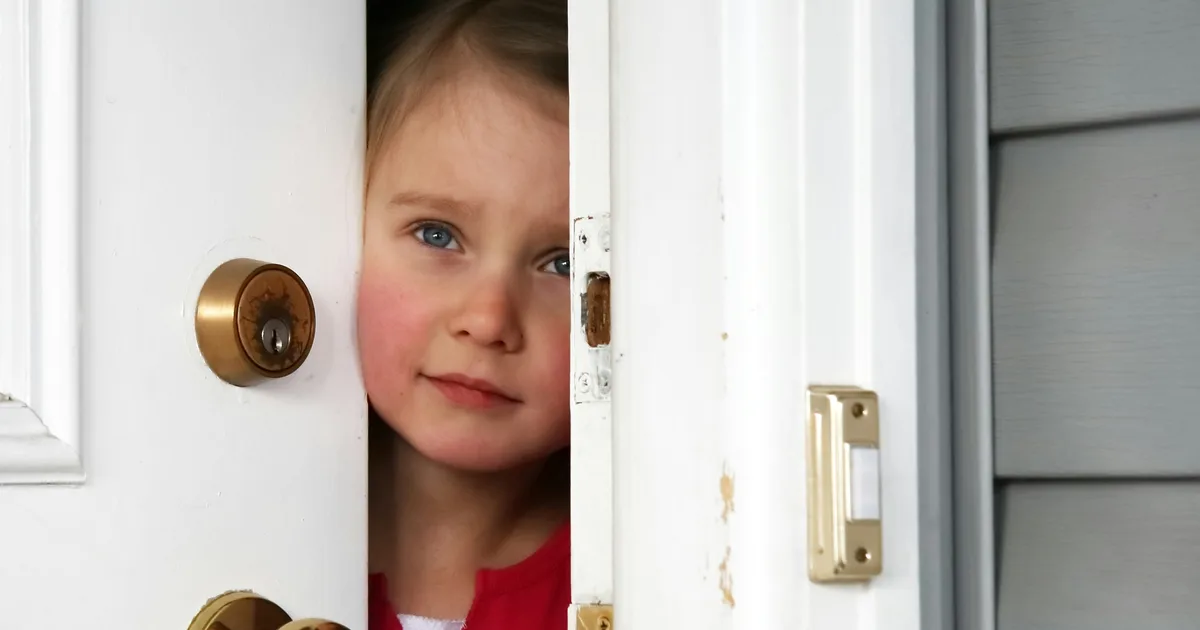
If there’s one thing that comes with the territory of being a parent, it’s lack of privacy – and sometimes that means your child walking in on intimate moments.
It’s nothing new. Parents have been experiencing this intrusion since time began (spare a thought for the 69 dad!). But whereas once kids might’ve been hurried back to their rooms, never to discuss what happened again, these days some parents are being more open with their children about what they’ve just witnessed.
But how open should you be exactly?
I asked former sex education teacher Kathleen Hema to walk me through how’s best to respond when a kid walks in on you having sex – and the key takeaway is, it doesn’t have to be a big a deal as you think.
What to say when your child walks in on you having sex
Hema, who can often be found on social media teaching parents how to answer their kid’s sex questions, told HuffPost UK it’s important for parents to teach basic boundary setting early on in a child’s life.
This is because “when parents are setting and maintaining boundaries from an early age with their kid, it’s going to be so much easier to respond to a child walking in on you”.
Boundary setting can include teaching kids to knock on your bedroom door before entering (same goes for the bathroom) – and equally, you can reciprocate by knocking on their bedroom door.
This means that when a young child walks in and you’re in the middle of business, you could say: “Are you OK?” and the child might respond with “yeah” or “I thought I heard something”.
At this point, you can say: “OK. I didn’t hear you knock. It’s respectful to knock before entering someone’s room. Since you are OK, can we practice knocking? Can you go back out and shut the door and knock?”
This simple response gives parents a moment to gather themselves and put their clothes on, Hema suggested.
“When you go to the door and open it, you must praise them for knocking and then you can ask them a question,” she added.
You could say something like, “Great job knocking! I really appreciate you knocking when the door is closed. What’s up? I wanna help you. What do you need?”
She continued: “This type of response is positive and immediately focuses the conversation back to why they came into the room in the first place. For many young kids, that’s enough! They tell you they need a drink of water and you assist them with that request and walk them back to bed.
“Oftentimes with young kids, they don’t have any questions because they may not have really seen anything.”
Sometimes, with primary school-age children (aged five and up), a bit more explaining might be needed as a child might ask their parent “was [name] hurting you?”.
Hema said this is a common question from a young child when this situation happens and said parents can respond by saying: “Nope. [Name] wasn’t hurting me. I am OK. When adults are alone, we sometimes do adult activities and it may have looked uncomfortable to you, but I will reassure you that I am OK.”
You can then redirect them with another question: “Do you need anything else before going back to bed?”
You don’t even have to call it sex. In fact, Hema said she recommends for parents to say “adult activities” because kids understand this.
“There are loads of things that kids observe as ‘adult stuff’. For example, drinking coffee or alcohol, driving, going to work. This is just another thing they can tack on to this list,” she said.
If your child does have questions, the crucial thing is that you stay calm and relaxed while you have these conversations. Parent Map advises using “factual, plain language” and answering any questions a child asks “without supplying additional information or answering questions the child isn’t asking”.
And maybe a trip to B&Q for a bedroom lock could be a wise move afterwards, too.

Raising teens can be a bit of a minefield – where once your sweet, adoring child worshipped the ground you walked on, all of a sudden they simply don’t want to know.
You might be facing more arguments, major mood and sleep changes, as well as having to become a full-time translator while your kid keeps calling everyone “chat”.
But there is one innocent mistake parents might be making in the teenage years, according to a child psychiatrist – especially if you want them to be able to open up to you.
Child psychiatrist Dr Willough Jenkins said in a TikTok video that it “might sting a little” for parents to hear, but she wants everyone to know: “If you’re doing most of the talking, you’re probably not having a conversation with your teen… that’s called a lecture.
“You want them talking more than you. That’s how you learn what they’re really thinking, and how they learn that you’re really listening.”
Her advice to facilitate more conversations with teens is simple: “Start with a question. Then pause. And really listen.”
In a separate video, the psychiatrist said one of the things that makes a successful parent is “listening more than lecturing”.
She also suggested “staying calm when things go wrong”, “repairing after you mess up” and “setting boundaries with love, not fear” are “what real success looks like”.
Therapists previously told HuffPost UK that creating a space that feels emotionally safe and low-pressured is important to help teens open up – especially if you think they might be struggling mentally.
Make conversation by asking open-ended and emotionally neutral questions and statements. You could say something like: “How’s everything going lately?” or “How are things feeling for you at school/with friends/life right now?”.
BACP-accredited therapist Lauren Young also suggested resisting the urge to fix everything for teens and instead, validating their feelings and thanking them for trusting you if they come to you with a problem.
All of this can help teenagers know that you’re there for them. As BACP-accredited member and psychotherapist Debbie Keenan told us: “Sometimes, the goal isn’t to get your teen to ‘open up’ immediately, but to remind them that they’re not alone, that emotions are valid, and that you’re a reliable presence in their life.
“Trust is built in the quiet, everyday moments, often more than in the big talks.”

A mum revealed how a simple TikTok hack helped her track down her three-year-old when she went missing in a large play area.
Krista (@krista.piper) said she’d managed to go seven years without losing one of her children – but when it did eventually happen in a very public place, she remembered to “look loudly”.
In a matter of minutes her daughter Lily was found safe and sound.
“Another mum actually found her for me and found her way faster than if I had done what I normally would have done,” said the wedding photographer in an emotional TikTok video recalling the gut-wrenching moment she lost sight of her child.
So what does “look loudly” actually mean?
It’s a method where a parent shouts a description of what their child looks like and is wearing, rather than their name.
So, for example: little boy, bright green t-shirt, blue shorts, age seven, black hair.
The idea is that rather than relying on a young child to respond to their name, you’re putting dozens, if not hundreds, of people on high alert to find the child.
Krista, who has two children, recalled: “I started calling her name. Right after I started calling her name, a little lightbulb went off in my head and I remembered a TikTok I had seen probably over a year ago.”
The video, she said, was of a mum who had lost her child in a supermarket and instead of shouting her child’s name, she shouted the description of what her child was wearing.
“So that is what I did,” said the mum-of-two. “I stopped calling out her name and I started yelling: little girl, pink shirt, pink Minnie Mouse shirt … I’m sure people thought I was a little crazy.”
She started to hear other mums repeating it, and within a couple of minutes another parent said she’d spotted a girl fitting that description, and she was reunited with her daughter.
“It got the job done really fast,” she added.
Some people commented on the post to say they know of parents who’ve used the tip and successfully found lost kids.
“This happened at the pumpkin patch last year,” wrote one person in the comments. “Hundreds of people and a mum was screaming about a girl with a blue bow and found her fast.”
Another said: “I heard a mum doing that one day at a park. Kid was fine and was playing but people pointed her out quickly.”
One parent said hearing a description of a child would definitely spur them into action, more so than hearing a name being yelled: “As a mum, if I hear someone yelling a name [I] probably don’t think much of it, but yelling a description is like a call to action to mums!”
Children’s author and mum-of-three Jess Martini has been incredibly vocal about the technique on TikTok.
In some of her previous videos on “looking loudly”, which have millions of views, the author also advised parents to dress their kids in bright colours when going to busy, public places and also to take a photo of their child before going out.

For reasons we don’t fully understand yet, most people with dementia (about 65%) are women.
That might be because women live longer than men – old age is the number one risk factor for dementia. Some think that hormonal changes, including menopause, as well as differences in known risk factors, such as spending fewer years in education compared to men, might contribute to the discrepancy, too.
And now, a paper from the Montreal Neurological Institute at McGill University has suggested that some common verbal tests used to help diagnose dementia could be leaving women undiagnosed for 2.7 years longer.
Why might women’s dementia look different to men’s?
Verbal memory tests such as the Rey’s Auditory Learning Test (RAVLT), which tests how well people remember lists of words in both immediate and delayed settings, are “widely used in Alzheimer’s disease assessments”, the paper said.
But the researchers think women, on average, have better verbal memory. Their study suggests that women keep that “advantage”, even when their brains are facing as many Alzheimer’s-related brain changes as men.
So, the study authors wanted to see whether “this form of cognitive reserve masks symptoms and delays diagnosis in females”.
They found that compared to men whose brains appeared to be in the same stage of dementia development, women kept healthy verbal memory for about 2.7 years longer.
That might leave them undiagnosed for longer. “This masked period represents a window for earlier detection and timely intervention before irreversible neurodegeneration,” the authors wrote.
After that 2.7-year point, the cognitive abilities of women with dementia-related brain changes seemed to decline 25-50% faster than men’s.
Typically, the study suggested, this is when tests begin to pick up the condition among women.
Alzheimer’s Society has mentioned issues with gender in past studies
On their site, Alzheimer’s Society said that “the vast majority of experiments and clinical trials carried out by dementia researchers have not been designed to see differences between male and female participants”.
But we know that women have both different possible risk factors (including hypertensive pregnancy disorders) and symptoms (women with dementia are more likely to report anxiety and depression).
The charity added that this means we still have a “poor understanding of how diseases causing dementia might work differently in females,” and that it might take us a while to catch up.


Israeli occupation forces (IOF) have ended their raid on Qalandiya Refugee Camp and neighbouring Kafr Aqab, north of occupied East Jerusalem. This followed a dawn assault on 5 August that saw roads blocked and residents placed under strict curfew.
The Palestinian Prisoner’s Society (PPS) reported that more than 60 Palestinians had been arrested and interrogated by 12pm local time on 6 August. Those detained included women and children.
Israeli occupation forces continued their raid on Qalandiya refugee camp for the second day, demolishing shops, raiding homes, and blocking roads. The Palestine Red Crescent said 10 Palestinians were injured, while its crews were prevented from reaching patients. pic.twitter.com/xuC9jBVyo0
— Government Communication Center (@pal_gcc_en) August 6, 2026
Israeli occupation forces raid Qalandiya
“They closed the road between Kafr Aqab and al-Ram until 10 or 11. Anyone who tried to pass during that period was assaulted. They searched vehicles and people’s ID cards, harassing and mistreating them.”
The IOF’s arrest and interrogation campaign in the refugee camp was accompanied by serious assaults and violations against civilians. A total of 51 Palestinians were injured. Of those, 35 were hospitalised after being severely beaten. One person was hit by a rubber-coated steel bullet. Meanwhile, 60 others were treated for suffocation caused by tear gas inhalation.
Shops were demolished. In addition, the IOF raided the headquarters of the Popular Service Committee and Palestinian homes in Qalandiya Refugee Camp. Families were forced out at gunpoint as soldiers vandalised their homes and stole cash and jewellery. The occupation forces also seized several homes. These were then turned into interrogation centres, military outposts, and surveillance positions.
Turkman explains:
“The situation in the camp was very difficult, to the point that the Jerusalem governorate, together with the Civil Affairs Liason managed to bring in bread, medicine, and other supplies to the people who had been trapped throughout the day. The occupying forces also prevented the Red Crescent and ambulance crews from reaching a number of medical cases, except after hours of interventions and lengthy coordination efforts with them. There were also repeated attacks on press crews, suppressing and preventing media coverage during this raid.”
The IOF also tried preventing coverage of the raid, forcing journalists away from the camp’s main entrance and closing the road from the adjacent Sikkal neighbourhood near the main Jerusalem–Ramallah road to block access. Journalist Muhammad Sumrin was reportedly severely beaten while covering the assault, while other reporters were targeted with stun grenades
Israel’s assault on refugee camps
The Jerusalem Governorate has called for urgent international action. It said these violations must end, and that Palestinian refugee camps must be protected as a core element of the inalienable rights of the Palestinian people.
What happened in Qalandiya is not an isolated incident. West Bank refugee camps have faced Israeli military violence for decades. But since the start of Israel’s genocide in Gaza, they have witnessed an unprecedented escalation in scale and intensity.
In January 2025, Israel launched Operation Iron Wall, targeting Jenin, Nur Shams, and Tulkarem refugee camps in the northern West Bank. The IOF destroyed large parts of these camps, using helicopter gunfire, airstrikes, ground operations, and tanks against largely unarmed residents. More than 40,000 Palestinians were forcibly displaced during the operation. In the process, the Israeli occupation emptied the camps, destroyed homes and infrastructure, and continued preventing Palestinians from returning.
Operation Iron Wall: A campaign of expulsion
According to the UN, the occupation targeted these camps with more than 100 airstrikes. These statistics show that the IOF killed 361 men, 10 women, 70 boys, and 4 girls. 258 people were killed by airstrikes and 46 by shoulder-fired projectiles.
Less than 10 days before the Qalandiya Camp raid, the occupation’s so-called “defence” minister, Israel Katz, instructed the IOF to capture another Palestinian refugee camp in the West Bank. Although he did not identify which camp would be next, he said the operation should follow the:
“Tulkarem, Nur Shams and Jenin model.”
Palestinians in Qalandiya Refugee Camp were understandably extremely worried and concerned, as this violent raid could have been the start of a much bigger military operation. Next time they may not be so lucky.
Despite the growing mountain of evidence of war crimes and crimes against humanity government’s continue to remain silent. According to Human Rights Watch:
“Katz’s announcement shows that when serious international crimes go unpunished, they can happen again.”
Human Rights Watch has warned that when serious international crimes go unpunished, they can happen again. The organisation is calling on governments to act urgently to prevent further forced displacement, including by sanctioning those responsible for grave human rights violations, suspending arms transfers, ending trade with illegal settlements, and supporting the International Criminal Court’s investigations and arrest warrants.
But for Palestinians in Qalandiya and across the West Bank, the question is not only what happens after another raid — it is why repeated warnings, documented violations, and mounting evidence of crimes have still failed to stop them.
Featured image via the Canary
By Charlie Jaay

!function(n){if(!window.cnx){window.cnx={},window.cnx.cmd=[];var t=n.createElement(‘iframe’);t.display=’none’,t.onload=function(){var n=t.contentWindow.document,c=n.createElement(‘script’);c.src=”//cd.connatix.com/connatix.player.js”,c.setAttribute(‘async’,’1′),c.setAttribute(‘type’,’text/javascript’),n.body.appendChild(c)},n.head.appendChild(t)}}(document);(new Image()).src=”https://capi.connatix.com/tr/si?token=8b034f64-513c-4987-b16f-42d6008f7feb”;cnx.cmd.push(function(){cnx({“playerId”:”8b034f64-513c-4987-b16f-42d6008f7feb”,”mediaId”:”150e8cef-1a09-40bd-a8f5-f53040cbd428″}).render(“6a75a3f0e4b0a79b03a7e92e”);});
Heatwaves wreak havoc on everything from our mood to our gardens.
And now, it seems, they might affect our teeth too (oh, good).
Following hot spell after relentless hot spell in the UK, Dr Pippa Nicholls, a dentist and the founder of Dimples, said four heatwave-related habits could end up leaving us more cavity-prone.
With a predicted sixth heatwave possibly on its unwelcome way, here’s what those risk factors are, as well as what we can do about them:
1) Dehydration
The issue: Dr Nicholls told us that when we’re dehydrated, our mouths produce less saliva.
And that can have a serious knock-on effect on our teeth, as the fluid “plays a crucial role in protecting our teeth by neutralising acids, washing away food, and helping to remineralise enamel.”
Therefore, the dentist said, “Less saliva can increase the risk of tooth decay, bad breath, and gum problems.”
During a heatwave, we use a lot more water than usual, so dehydration is more likely. Some estimate that 70-80% of people start their day in a state of dehydration during a hot spell.
The fix: This one’s pretty simple – “Keep water close by throughout the day (and night!) and try electrolytes to help for an extra boost,” said Dr Nicholls.
2) An interrupted sleep routine
The issue: Anyone who’s sweated through a “tropical night” will know how badly hot temps can mess up your usual routine. In fact, June’s sweltering heatwave is believed to have led to mass sleep deprivation this year.
That might affect your dental hygiene, Dr Nicholls suggested. “When we’re tired, our routines are the first thing to slip. Saliva production naturally drops while we sleep, so going to bed without properly cleaning your teeth leaves them far more vulnerable overnight.”
The fix: “Even on the hottest nights, two minutes morning and evening with a remineralising hydroxyapatite toothpaste will keep you smiling,” the dentist said.
3) Sneaky sugar fixes
The issue: Why is it that so many cooling foods – ice cream, a cool can of fizzy drink – are laden with sugar?
As the dentist said, “Iced coffees, lollies, and cold sugary drinks are brilliant for cooling us down, but they do increase acid attacks on our enamel, and sipping or grazing throughout the day is the worst thing you can do for your teeth.”
The fix: Happily, Dr Nicholls isn’t asking us to give up our treats entirely.
But do “Try to enjoy them in one sitting at the end of a meal when saliva flow is at its highest, and always wait around 30 minutes before brushing afterwards so you’re not scrubbing softened enamel,” she advised.
4) Heatwave stress
The issue: We’ve written before at HuffPost UK about “heatwave anxiety”. But higher temps can make us irritable and tired too.
“Heatwaves breed tension, often without our realising it, and many of my patients clench or grind more during periods of poor sleep and stress,” the expert told us.
That can lead to a painful jaw and worn-down, or even broken, teeth.
The fix: “My biggest piece of advice is to prioritise winding down before bed,” ended the dentist.
“Relaxation techniques, breathing exercises, and meditation all help shift your body into a calmer state before sleep, which can really make a difference in clenching overnight.”
Related…




Sellafield teams safely removed radioactive material from a legacy tank into modern containment.
We have recently completed a complex operation to remove radioactive material from a legacy storage tank. This is a key risk reduction activity on the Sellafield site.
The storage tanks, constructed in the 1950s, contain complex radioactive sludge known as flocculant. This ‘floc’ was created as a by-product during early reprocessing operations.
Over time, the radioactive material settled and compacted. This increased the technical challenge of its safe removal and continued storage.
Our teams developed a method to resuspend the settled solids. Converting the material back into sludge allowed for safer transfer into a modern storage tank.
The modern tank feeds into Sellafield’s Enhanced Actinide Removal Plant. This is where the material will be treated to ensure safe, stable storage.
A useful way to picture the challenge is a snow globe. When left undisturbed, particles settle to the bottom. To mix them back into the liquid, they must be lifted and redistributed throughout the vessel.
Our teams achieved the industrial equivalent in a highly controlled environment.
To deliver this capability, engineers and operators recommissioned specialist resuspension equipment. They rebuilt and tested the system. They ensured it could operate continuously over extended periods.
Water was added to the tank and specialist equipment continuously mixed the contents. Over time, the settled material at the bottom of the tank was gradually broken up. It was then brought back into suspension.
The process ran continuously, 24 hours a day, for around three weeks. Once the contents formed a uniform mixture, it could be safely transferred.
This approach enabled the removal of 1302-metre cubed of flocculant. This volume equates to over half an Olympic-sized swimming pool.
Head of Operations, Alan Prince said:
“Reducing legacy risk safely is central to our mission. Our teams collaborated to deliver this complex, high‑hazard operation, efficiently. It demonstrates the expertise we have to execute demanding engineering and operational work.
Completing this activity removes radioactive material from ageing infrastructure. Placing it into modern containment means it will have a clear treatment route.”
There are two remaining legacy tanks that will require emptying using a similar method.
This work supports our commitment, as part of the Nuclear Decommissioning Authority, to reduce risk, protect the environment, and deliver value for taxpayers.


2 min read
Nuclear Waste Services (NWS) has confirmed Seth Kybird as its permanent Chief Executive Officer (CEO). Seth has led NWS as interim CEO since April 2025, and his appointment took effect from 1 July 2026.
NWS Chair Liz Peace, said:
“I am delighted to confirm Seth as our permanent CEO. The time he has led NWS has shown exactly why he is the right person to take the organisation forward – he has brought focus, clarity, and ambitious leadership. I have every confidence in him as we pursue our vision to make nuclear waste permanently safe, sooner.”
Nuclear Decommissioning Authority (NDA) group Chief Executive David Peattie, said:
“Since stepping into the interim CEO role, Seth has provided strong leadership for NWS, further strengthening its position as the UK’s dedicated radioactive waste management and disposal organisation. He has maintained a clear focus on high performance and delivery, helping to advance the waste solutions the nation needs. I’m delighted he will continue to lead NWS and its role in the NDA group.”
Seth Kybird, said:
“It is a privilege to continue leading NWS. For me, this has always come down to two things: the mission and the people. What NWS does matters – protecting people and the environment today and taking responsibility for the generations that come after us. This year has asked a lot of us, delivering for the country while working within real financial constraints, and it is the skill and commitment of my colleagues that has carried us through.
“And we will keep building on our progress: widening the waste solutions we provide; operating the Low Level Waste Repository safely, and making progress towards permanent disposal, especially a Geological Disposal Facility.”
Seth has led NWS as interim CEO since April 2025. He joined from Nuclear Transport Solutions (NTS), where he was CEO from its formation in 2021, and was previously Managing Director of International Nuclear Services.
NWS is the UK’s dedicated radioactive waste management and disposal organisation and is part of the NDA group. Its work focuses on three core areas: providing sustainable waste solutions for customers; the safe, secure operation of the UK’s principal Low Level Waste Repository in Cumbria; and delivering a GDF – internationally recognised as the best solution for the most hazardous radioactive waste.

Tom Holland is getting candid about the unglamorous truths of playing Spider-Man.
In the run-up to the latest film’s release, the stars of the billion-dollar-making Spider-Man: Brand New Day sat down with IMDb to answer burning questions about the film.
Asked about the reality of wearing that Spidey suit for 12 hours a day, Tom happily confessed: “The worst thing is definitely the smell.”
“You know, like, I’m not going to shy away from it,” he laughed. “You spend 12 hours in that thing in a deep lunge, jumping up and down all day.”
He went on to praise the movie’s costume department, and revealed he had sat down with them and Brand New Day’s director, Destin Daniel Cretton, to speak about all the things they loved about previous Spider-Man suits.
“We did a really interesting exercise when we were in pre-production, where I tried on Tobey [Maguire]’s suit, I tried on Andrew [Garfield]’s suit, and I tried on my original suits,” Tom explained.
Tom added that the new Spidey suit took inspiration from both of his predecessors Tobey Maguire and Andrew Garfield’s outfits, which makes sense, since his Peter Parker crossed paths with them in the previous Spider-Man film No Way Home.
“The idea behind the design of the suit was to try and make an homage to the things we loved about those original costumes,” he noted.
Elsewhere in the interview, Tom claimed that the two actors who had previously played the superhero had a much easier time of it thanks to the logistics of their costumes.
“They had zips in different places. They could use the bathroom. They could take their mask off by themselves. Take their gloves off. They could take their gloves off,” he told IMDB, but hilariously added: “You are still in a onesie.”
So, did Tom get any upgrades to his suit, considering this was his fourth film and he’s now one of Marvel’s hottest properties?
“It was the first time I could comfortably go to the bathroom,” he replied.
Brand New Day is also the first movie in the franchise where he could comfortably take his mask off and drink.
“And it also made working with Destin a lot easier because, you know, it is weird when you’re talking to someone with a mask on, and you’re trying to have, like, a human conversation,” he explained.
While amendments were made to Tom’s Spider-Man suit to help give the actor more “freedom”, the filmmaker discovered there were lots of other benefits.
“They had designed these new lenses, and in certain light, the camera looks straight through those lenses, and you can see my eyes underneath the mask,” Tom explained, revealing that he believes this “humanises” the iconic superhero.
Anyone who has seen the film will know that the new suit moves and wrinkles as the actor talks and does his superhero business.
“I love the imperfections of the suit,” Zendaya added.
Spider-Man: Brand New Day is in cinemas now.
Nuclear Decommissioning Authority helps tackle digital exclusion by donating surplus mobile phones, iPads, laptops and monitors to schools and charities.
The Nuclear Decommissioning Authority (NDA) is helping to tackle digital exclusion by donating surplus mobile phones, iPads, laptops and monitors to schools and charities across North West England.
The refurbished devices are enabling children and adults to access education, essential support and information services, stay in touch with family and friends, and stay connected to the networks they rely on.
Since 2021, the NDA has donated over 1,500 devices to around 50 schools and charities across Cumbria, Lancaster, Warrington and Manchester including Northwest Blood Bikes and Royal Air Force Air Cadets.
NDA Group Chief Operating Officer, Frank Rainford, said:
“What makes this initiative particularly special is the role our employees play in identifying the organisations that could benefit most, drawing on their local knowledge and connections within the communities they live and work in.
As an organisation rooted in towns and regions across the UK, we have a responsibility not only to deliver our mission, but also to support the people and places around us. It reflects our commitment to creating lasting social value for future generations.”
In the last two and half years the NDA has donated around 200 mobile phones to a large residential care provider supporting children and young people with special educational needs and additional needs across the North West.
Access to these devices has helped the children stay connected with family members and professionals, engage with educational resources, and develop important digital and communication skills.
The phones have also provided practical support for young people who may otherwise experience barriers to communication, helping to increase their independence, confidence, and sense of inclusion.
Debbie Reid, a therapist working within the residential care provider, said:
“The donated mobile phones have made a real difference to some of the children and young people in our care. Many of the young people we support have additional needs and can struggle with communication, social connection, and accessing opportunities.
Having access to a mobile phone has helped them stay connected with important people in their lives, develop independence, and engage more confidently with education and the wider community. We are extremely grateful for the donation and the positive impact it has had on the young people we support.”
Recently the NDA also donated over 130 old iPhones to Women’s Community Matters in Barrow, South Cumbria, a charity providing practical and emotional support to women and girls including support with domestic abuse, mental health and financial aid.
Some are being used by staff, saving the charity money on purchasing new devices and enabling them to contact clients by text and WhatsApp which is better for those with limited access to phones, for example victims of domestic abuse.
The majority went directly to clients affected by domestic abuse, struggling with mental health, or experiencing the criminal justice system, or young people struggling with their mental health and family life.
Find out more and hear from our staff here: Tackling digital exclusion through community connections.

Cryptocurrency mu Rwanda: Menya byinshi kuri yo | Ese ubu buryo busimbura amafaranga asanzwe?

Verastem, Inc. 2026 Q2 – Results – Earnings Call Presentation

Trump Vows to Jail ‘Leakers’ Over Reports of Munitions Shortage


-

 Fashion7 days ago
Weekend Open Thread: Wit & Wisdom
-

 Politics7 days ago
Meta enters AI-training agreement with far-right ‘propaganda rag’ Newsmax
-

 Politics5 days ago
Zack Polanski: an incitement to murder Nigel Farage?
-

 Crypto World6 days ago
MicroStrategy Post-Earnings CLARITY Act Push Could Add New Catalyst for Its Stock
-

 Crypto World6 days ago
XRP Ledger v3.3.0 brings five institutional features
-

 Crypto World6 days ago
New York sues Kalshi over prediction market gambling
-

 Crypto World5 days ago
Crypto PAC spending tops $2M in Michigan House race
-

 Business7 days ago
Trump Announces Hamas Disarmament Agreement as Iran Strikes Kuwait Air Base and US Attacks Pause Overnight
-

 Business4 days ago
DTCR: Deleveraging And A Hedge Fund Collapse Point To A Possible AI Bottom
-

 Tech5 days ago
ESET tracks rise in malicious AI skills and adaptable malware
-

 Crypto World7 days ago
3 Fed Officials Just Explained Their Rate Hike Vote: Is Inflation Winning?
-

 Tech7 days ago
Building A Reproduction PlayStation Motherboard
-

 Sports6 days ago
France Cricket implodes: letters hidden in a drawer and a board at war
-
Crypto World5 days ago
XRP Ledger urges node upgrade after manifest flood
-

 Crypto World6 days ago
Moneyflip CEO charged in $40K murder-for-hire plot
-
 Sports6 days ago
Bruno Fernandes decision made as Man United ‘discuss’ striker transfer option
-
Business7 days ago
FIFA has scrapped $20 billion World Cup sell-off plan, New York Post reports
-

 News Videos6 days ago
Financial Crash Expert: The 90-Day Collapse Timeline They Are Desperately Hiding.
-

 Sports1 day ago
Jordan Coyle & Cordiamo take Laya Arena Stakes at RDS
-

 Sports7 days ago
Commonwealth Games 2026 Live Updates | Day 9 CWG 2026: Lovlina Borgohain, Sachin Siwach Enter Final After Indian Judokas Script History
You must be logged in to post a comment Login