

Politics
Andy Burnham and the meaning of Makerfield


The news that Andy Burnham would stand as the MP for Makerfield was received with some surprise. In the throes of Labour’s May 2026 crisis, following the disastrous local and devolved parliament elections, commentators questioned his choice of constituency.
Burnham’s ambition, of course, was never in doubt – nor was the national executive committee’s rapid capitulation. The Greater Manchester mayor was blocked ahead of the February 2026 Gorton and Denton by-election on the grounds that his selection would unleash a new wave of Westminster psychodrama. At the second time of asking, Starmer’s resistance – and his political capital – was spent.
But the circumstances that delivered Burnham’s Makerfield vacancy invited scrutiny. It was Josh Simons, the former director of Labour Together, who sailed to the rescue of Labour’s prince across the water. Simons’ abdication could well be rewarded with a central position in the Burnham court.
The second curiosity concerned the character of the Makerfield constituency. Simons’ 5,399-vote majority was the fifth lowest of the 27 Greater Manchester constituencies in 2024. The seat also carried a significant Reform presence. The party’s 2024 candidate, Robert Kenyon, polled 12,803 votes (31.8%), finishing second. Some two years later, in the weeks before Simons’ resignation, Reform secured 24 out of the 25 seats up for grabs on Wigan Borough Council.

MDU warns Chancellor clinical negligence system ‘not fit for purpose’

Northern Ireland RE curriculum is ‘indoctrination’ – Supreme Court
In truth, it was necessity – as opposed to calculation and strategy – that carved Burnham’s path to power. He was left with limited options as Greater Manchester Labour MPs successively ruled out imposing a by-election on their constituents. Political circumstance conspired to produce a proof-of-concept contest for the man many cast as Labour’s antidote to Reform.
Burnham’s victory this week was remarkable on two counts therefore: for its margin – a majority of 9,231 with 54.8% of the vote – and for its narrative power.
Burnham’s campaign in Makerfield was constructed around a series of familiar rallying cries. But it was their convergence on a single candidate that defined the by-election’s novel nature. Burnham was simultaneously the “change” candidate, the “stop Reform” candidate and the “Get Starmer out” candidate. This same succession of slogans powered the Green Party’s victory in Gorton and Denton. But in Makerfield, they formed the rhetorical reserve of the candidate with the red rosette – in a historically Labour-voting constituency.
Not every slogan was featured on Burnham’s “For Us” literature. But there could be no mistaking the subtext of Burnham’s “bring change to Westminster” message. In Makerfield, the electorate endorsed Burnham and the central, irresistible implication of his candidacy: regicide.
Against this backdrop, Burnham’s landslide conforms to recent electoral trends. Voters want change and do not expect Starmer to deliver it. Makerfield represented another opportunity for voters to send a version of the same message they have sent to Westminster for some years now.
For weeks, Makerfield was styled as a stepping stone on Burnham’s path to power. But Burnham’s campaign would be mistaken to see itself as the driver of events. Voters used him to send a message to Westminster – not the other way round.
Burnham still has considerable cause for optimism this weekend. Reform’s limited pool of candidates is continuing to cause problems; Robert Kenyon marked the party’s second candidate blunder in as many by-elections. Nigel Farage, meanwhile, appears increasingly uneasy in the role of permanent political actor; the prospect of becoming prime minister is weighing on British politics’ perennial outsider. Over the coming months, his fragmenting right flank will pose a series of tricky purity tests that risk pulling Reform’s centre of gravity further from the median voter.
Burnham will now reap the political spoils of his Makerfield conquest. His immediate achievement lies in injecting a popular element into what had hitherto been an elite-dominated power struggle. Burnham was endorsed as his party’s saviour in a Reform target seat by voters Labour must win to survive as a national force. A great deal was left unsaid during the campaign. But Burnham’s implicit message to Labour MPs was simple: if I can win Makerfield, I can win the country.
Politicians, of whatever rank or party affiliation, trade in stories. The original sin of the Starmer premiership was its almost dogmatic aversion to narrative. Burnham’s victory simultaneously strikes the heart of the story Starmer told Labour MPs in opposition: that ideological self-flagellation was a condition of victory. Burnham’s message is that Labour can be truer to its historic instincts (more left-wing) and still win the country.
Today, in the wake of Makerfield, Burnham’s principal problem is that all which was left unsaid during the campaign must now be articulated.
The mythical power of the prince across the water is derived from their perfect isolation. Burnham’s relative detachment in recent years has obscured his political outline. As such, leading figures from every Labour faction have projected their political aspirations onto the Greater Manchester mayor. Burnham’s power base is found among the soft left, and his emerging leadership operation is staffed by figures drawn from the upper reaches of the relaunched Tribune Group. But elements of the traditional Labour right, the Socialist Campaign Group, Blue Labour and the Red Wall Caucus have all found common cause with Burnham in recent months.
The rival claims on Burnham were thrown into sharp relief in the early hours of Friday morning. Both Josh Simons and John McDonnell celebrated when the returning officer declared Burnham’s victory. The former was situated by Burnham’s side at the Makerfield count; the latter shed a tear live on LBC Radio.
Labour MPs’ conceptions of what Andy Burnham means, politically, will now be pitted against each other. Every faction that rallied to Burnham’s ambiguous standard will want to see itself represented, ideologically at least, in the settlement that follows.
The extent to which Burnham’s factional coalition is a marriage of convenience – or of delusion – will soon be revealed.
The big strategic dilemma facing camp Burnham is whether they choose to define their man before or after challenging Starmer. The route of least resistance would be to land in Westminster on Monday with the roster of 81 regicides required under Labour’s leadership rules. A contest would begin in earnest, and Starmer and Wes Streeting could melt away. But this approach would store up problems for Burnham in Downing Street.
There is also the matter of unseating Starmer, whose public pronouncements indicate a stubborn resolution to remain in power. The prime minister is protected by Labour’s strict leadership election procedures, which do not provide for a simple “no-confidence” motion, and he senses that subjecting Labour’s saviour to finer scrutiny could see some of the sheen come off.
In any case, it is time for Labour MPs to reconcile themselves to the consequences of their rebellion and Burnham’s Makerfield victory. The demand for an “orderly” succession will soon reveal its oxymoronic character. There is no such thing as a bloodless coup in British politics. Even if a contest is avoided, Burnham will need to succeed where previous prime ministers have failed in constructing a sense of political order from the rubble of regicide.
If the real meaning of Makerfield lay in the campaign subtext, its fallout will be defined by the clarity Burnham can no longer defer.
And if he does not deliver, if chaos reigns, Labour’s latest MP will learn that the public’s patience is perilously thin.
Politics.co.uk is the UK’s leading digital-only political website. Subscribe to our daily newsletter for all the latest news and analysis.

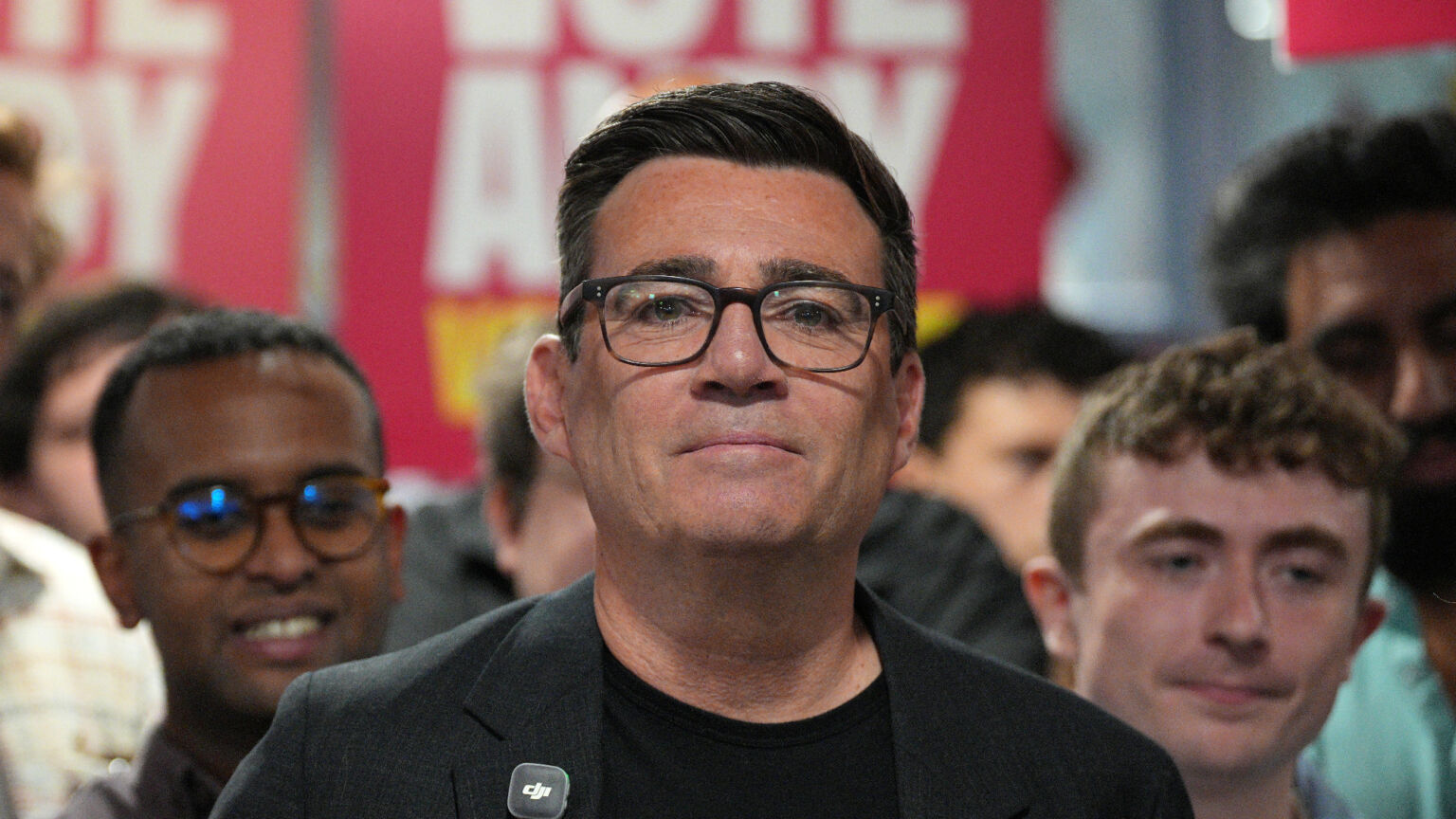
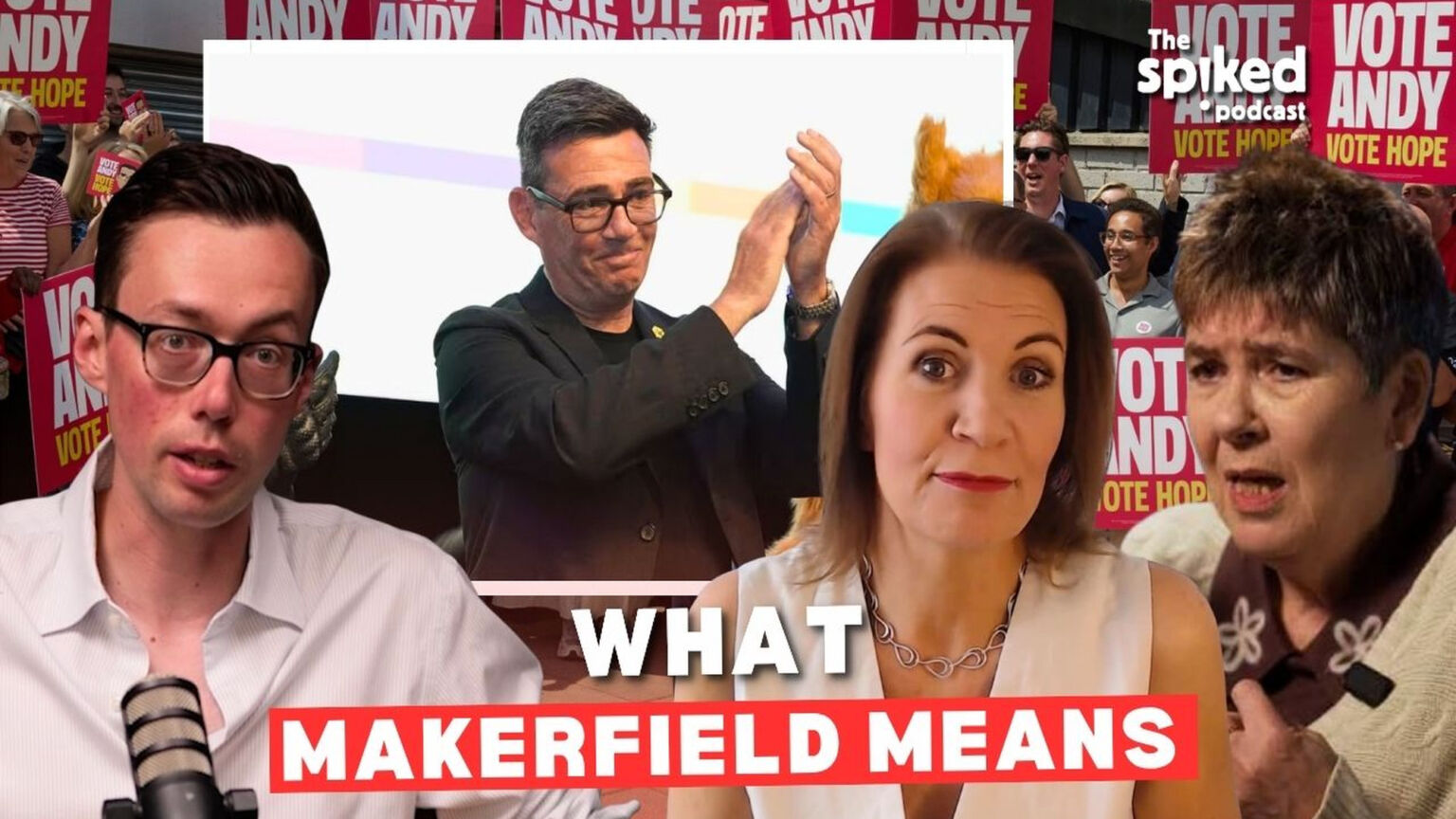
Following his resounding victory in the Makerfield by-election, former New Labour hack Andy Burnham is set to return to Westminster next week. Unless something remarkable happens, this will be the prelude to the former Greater Manchester mayor assuming leadership of the Labour Party and becoming our next prime minister. The only question, it seems, is whether Our Andy will be allowed into No10 as part of an ‘orderly transition’, with the current incumbent, Keir Starmer, being forced to step aside, or be made to enter a leadership contest against the wildly unpopular Starmer, Wes Streeting and an assortment of non-entities we’d all struggle to pick out of a line-up. Either way, all roads point to a Burnham premiership in the very near future.
Labourites and their party’s legion media cheerleaders seem delighted at the prospect. ‘He has delivered hope’, says one Labour old hand. Another has written of the ‘excited anticipation’ leaving the red side of the Commons positively tumescent. Across the board, they all seem gripped by the same delusion – that Labour’s plummeting popularity is all down to the supernaturally unpopular Starmer. Their thinking runs something like this: get rid of the weird robotic man at the top, and replace him with Andy ‘average bloke’ Burnham, and, just like that, Labour will be able to reverse its slide. A normal pre-Reform UK state of affairs will resume. Status quo Andy.
This is desperately wishful thinking. Labour doesn’t have a Keir Starmer problem. It has a Labour problem. It is organisationally and ideologically estranged from its working-class support base. Labour today is a deracinated, hollowed-out vehicle for the professional managerial class. The only politicians it can produce are different brands of the same technocratic, managerial product.
Burnham is a case in point. There is nothing to suggest that his premiership will differ markedly from what has gone before. An Oxbridge-educated, political-class protege of the Tony Blair years, Burnham cleaves to the same globalist, technocratic worldview as his soon-to-be predecessor. He favours expertise and rules over democratic decision-making, ‘progressive’ and transnational governance over national sovereignty. He may be famous for changing his mind, but his countless u-turns take place within a political-class project heading one way.
Hence, he is openly pro-EU, and told the Guardian last September he wanted Britain to rejoin – although, like Starmer, he has since said he’s not going to formally push that as policy this parliamentary term.
It’s the same story on the economy. Having briefly flirted with challenging the government’s ‘fiscal rules’, he has now pledged his fealty to those self-same rules. He’s even announced he is ‘not squeamish’ about tackling the UK’s huge welfare bill in order to bring spending down to within the permitted levels. Although, like Starmer and his chancellor, Rachel Reeves, Burnham may find Labour backbenchers, whose welfarism is the closest thing they have to a cause, just as resistant to reforming the benefits system.
And, of course, he remains committed to Net Zero, that grandest of technocratic causes. Indeed, it’s worth noting that one of his key Labour allies is Ed Miliband, the climate-change secretary and Net Zero zealot. Some even expect Miliband to be appointed Burnham’s chancellor.
Like all good members of the modern political class, Burnham is also broadly ‘progressive’ in outlook. Which means he’s likely to continue with Starmer’s clumsy culture-warring tendencies and unthinking embrace of ‘woke’ – ‘I call it respect for other people and basic decency’, as he put it to Byline Times last year. He’s even set to follow in Starmer’s footsteps on transgenderism. While he’s never proclaimed that ‘99.9 per cent of women haven’t got a penis’, he certainly seems to struggle with the biological reality of sex, as he demonstrated in an agonising interview with LBC last year. He’s even come out in support of allowing men to access women’s toilets.
Those building Burnham up as Labour’s Great Red Hope point to his vague talk of taking ‘public control’ of water and energy companies, and the ‘municipal socialism’ of his Manchester mayorality, as proof that he really will be different to what has gone before. But it’s all smoke and mirrors. ‘Public control’ is very different to public ownership. At most, Burnham might attempt to do to water or energy companies what he did to Manchester’s bus network, taking disparate still-private-sector companies under a public umbrella. As Fraser Myers has pointed out, this is more Transport for London than ‘the common ownership of the means of production’. It is a species of managerialism, not socialism.
Just about the only area in which a Burnham premiership might diverge from a Starmer one is immigration. In mid-May, he did appear to back ex-deputy PM Angela Rayner’s criticism of home secretary Shabana Mahmood’s plans to curb immigration as ‘un-British’ – especially the plan to extend the period after which migrants can apply for indefinite leave to remain in the UK from five to 10 years. Even so, just days later, the Guardian reported that Burnham intends to back Mahmood’s plans. This really just shows how spongy Burnham’s day-to-day politics is, absorbing whatever is closest to him at any given moment. An ally called him a ‘people pleaser’. In that regard, at least, he is very different to Starmer – a man with a talent for inspiring near universal dislike.
In almost every area, Burnham promises more of the same. The same no-growth economics, further strangled by immiserating Net Zero policies. The same surreptitious re-embrace of the EU. And the same culture-warring ‘progressivism’. There will be plenty of flip-flopping on particular policies and specific statements. But this will all take place within the broad technocratic, ‘progressive’ consensus of the political class.
Burnham promises to be just as visionless as predecessor. Just as incapable of rising to the profound challenges of our moment. If Starmer is an empty suit, Burnham is an empty Paul Smith knit. He’s a friendlier, smart-casual upgrade on the adenoidal chatbot currently squatting in No10. But in substance, he’s of the same political-class stock. He offers nothing.
Tim Black is associate editor of spiked.



6 min read
Andy Burnham’s comfortable victory in the Makerfield by-election has raised further questions about whether Nigel Farage can become prime minister in the face of anti-Reform UK tactical voting.
Makerfield was not only a Reform target seat, but a constituency where the party enjoyed its sixth-highest vote share in the 2024 general election.
In the run-up to polling day, some opinion polls pointed to a close contest between Labour candidate Burnham and his Reform rival Robert Kenyon.
In the end, however, the former health secretary cruised to victory in the Makerfield by-election, winning over 50 per cent of the vote, 20 per cent ahead of second-place Kenyon.
Farage himself admitted that he did not see Burnham’s “emphatic, dramatic” win coming.
Burnham, who is now expected to replace Keir Starmer in No 10, not only finished way ahead of Reform, but won more votes than all other candidates combined.
The aggregate vote for the parties of the right and the aggregate votes for the left stayed roughly the same in Makerfield compared to the 2024 general election, and yet Labour was able to increase its majority by nearly 10 per cent.
Reform’s vote share increased by nearly three per cent. Meanwhile, the Green vote in the seat fell by around four per cent compared to two years ago, the Lib Dems fell by six per cent, and the Conservative support collapsed by nearly nine per cent.
These changes suggest that significant numbers of people who previously voted for the Green Party and the Lib Dems this time voted Labour – either to keep Reform out, or to secure a victory for Burnham in order to potentially oust Starmer as prime minister.
Commentator and former president of YouGov Peter Kellner has argued that if Reform is to win a majority at the next general election, it needs to win seats like Makerfield by a mile – but the results show that seat-by-seat tactical voting could “cost Reform dear”.
Reform already fell short of winning the Caerphilly Senedd by-election to Plaid Cymru and the Gorton and Denton parliamentary by-election to the Green Party, largely because anti-Reform voters coalesced around Plaid and the Greens respectively in each contest to prevent Reform winning.
Kellner told PoliticsHome that these three by-elections show that tactical voting will be absolutely crucial for the next general election.
He explained that up to now, Reform has been unable to unite voters on the right in the way that parties of the left have managed in recent contests.
In Makerfield, Rupert Lowe’s Restore Britain won 7 per cent of the vote – a level of support that could cost Farage in more closely fought seats.
“The Tory vote didn’t collapse quite as much as the Liberal-Green vote, but the Tories went down, and Restore intervened, so you’ve got a sort of complicated thing on the right,” Kellner said.
“But the net effect was that whereas tactical voting enabled Labour to come very, very close to monopolising the ‘progressive’ votes, Reform was completely unable to monopolise anything like the same extent those on the right.”
He said at a general election level, when you expand the concept of tactical voting to 650 constituencies, the winning party will be the one which is most successful in monopolising their left or right bloc.
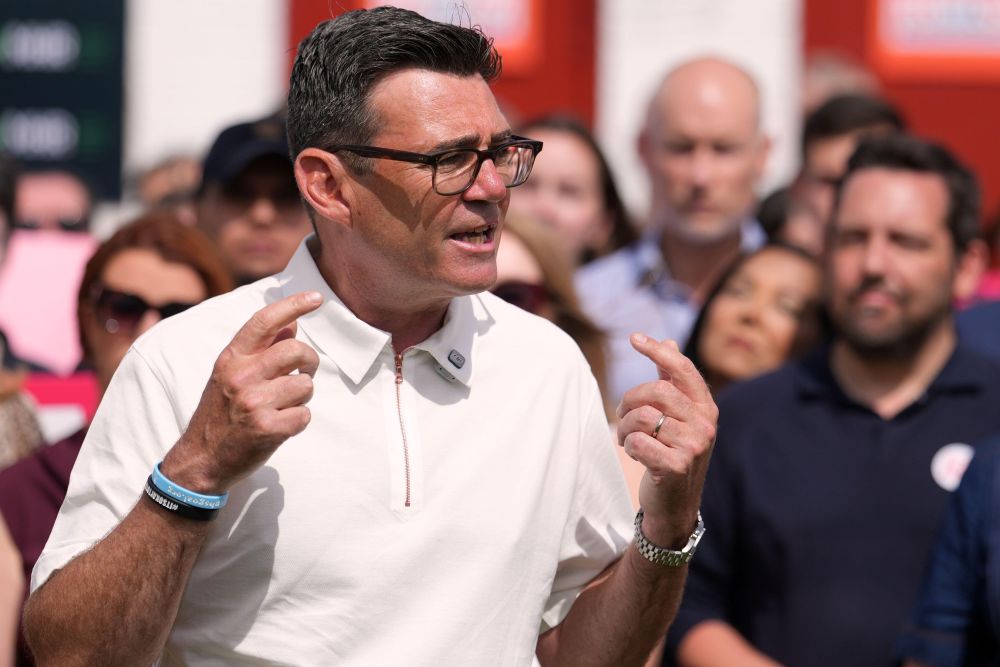
Sophie Stowers, research manager at pollster More in Common, said that while tactical voting played a part in Makerfield, it was only “part of the story”.
She explained that even if 2024 Green and Lib Dem voters hadn’t switched to Burnham as the results suggest, he still would have won more votes than Reform and Restore Britain put together. “It is maybe more to do with Andy Burnham being able to unite that left flank, more so than [voters] consciously mobilising against Reform,” she said.
“Clearly, there was a failure to coordinate on the right, but Restore mobilised different kinds of voters as well – they probably got some people to turn out who wouldn’t have even turned out to vote for Reform.”
She described Makerfield as a “really small-scale test” of tactical voting, but said that the upcoming Greater Manchester mayoral election to replace Burnham would potentially be a better example and a bigger test of the extent to which tactical voting could threaten Reform’s chances at forming a government at the next general election.
Former Green leader Caroline Lucas told The House magazine that Zack Polanski’s party would “throw everything” at the contest to elect Burnham’s successor.
Stowers added: “It’s quite hard to disaggregate from one by-election; it’s a very specific context.
“It’s hard to know at this point, but if Burnham continues to be effective at uniting progressives behind him in an anti-right-wing vote, then that is a problem for [Reform] on a larger scale.”
Reform figures believe left-leaning voters are increasingly willing to vote tactically to keep the party out of office, and increasingly, they acknowledge that this could pose a growing electoral challenge.
A senior Reform source told PoliticsHome the tactical voting against the party “certainly presents its challenges”, but insisted that Makerfield was a unique contest due to it also potentially being a contest to choose Starmer’s successor as prime minister.
“The one thing that probably unites the whole country is the will to get rid of Keir Starmer.”
Reform is hoping that the ‘Burnham effect’ will not carry over to other seats around the country that Farage’s party hopes to win at the next general election.
In ‘Red Wall’ areas like Nottinghamshire, the Lib Dems and Greens are barely present, making it more difficult for parties on the left to unite the vote against Reform.
The same could be said of areas like Essex, or many Reform-facing seaside towns with economies and demographics that are very different to that of Greater Manchester.
“Fine margins will be the difference between 250 seats or 350 seats,” the Reform source said.
“Every party is trying to navigate a whole new set of balancing acts.”
They acknowledged Reform could have done better on expectation management ahead of the Makerfield by-election, with leading figures in the party having talked up its chances.
“You obviously don’t want supporters to be grafting away and end up disappointed too regularly,” they said.
“We’re all trying to navigate this world of five-party politics; inevitably, it will be ever-changing and also require a lot of local nuance in these campaigns. It’s a constant learning curve, but particularly for a party that’s only really maybe two years old in terms of operating at this level.”


3 min read
Are oil and gas industry representatives making the wrong case for maintaining production in the North Sea?
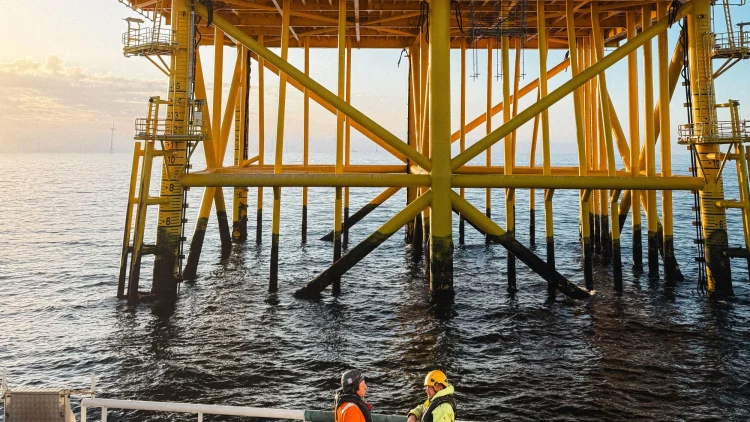
This was my reflection after the Select Committee hearing on 17 June discussed the question of subsidies. The term subsidy was used to describe government support in the UK for Carbon Capture, Usage, and Storage. And witnesses used terms including support, level playing field, carbon credits and tax changes, all of which represent forms of subsidy when describing what’s needed by UK producers in the North Sea.
I was reminded when listening to the industry representatives that other countries subsidise their oil and gas industries, so it makes sense for us to do so too.
Evidence presented to the Committee shows that the UK’s oil and gas fields are super mature. Remaining UK reserves are therefore more difficult and more expensive to extract than elsewhere.
The logic of the situation is that if we are to maintain UK production levels, the government will have to provide support or subsidies in one way or another.
And from the evidence presented to the Committee, it makes sense to subsidise our own production, as other countries do, to contribute to our energy security. This is especially true in the second energy shock in four years, but true over a much longer period of time, as oil and gas shocks have been with us for many decades.
The argument we heard on 17 June was that changing the tax system would generate higher theoretical tax revenues. But tax revenues are difficult to predict because they depend on the price of oil and gas, which, as we are seeing, is highly volatile.
We subsidise electricity generation in the UK in nuclear and renewables through CfDs and guaranteed strike prices. That’s the right thing to do for our electricity because it is critical for our energy security, so why wouldn’t we take the same subsidised approach with oil and gas?
Which brings me to why we really should subsidise.
In my view, the stronger argument for subsidy is that it supports jobs, communities and supply chains, which are essential for those who depend on the industry for their livelihoods. The same workers, communities and businesses in oil and gas are also essential for the energy transition to be successful.
There is also a case for UK gas production to be maintained as demand falls to reduce our dependence on imports and improve our energy and national security. This point was expressed well by David Whitehouse from OEUK at the Committee session.
My conclusion from what we heard on 17 June was that the UK oil and gas sector would have a stronger case in seeking changes from government if it openly called for subsidies or support for reasons of job and community security, energy security and national security, rather than claiming that it can deliver higher tax revenues.
I was surprised this wasn’t the main argument that the industry representatives made to the Energy Security Select Committee on 17 June.
Labour MP for Sefton Central and chair of the Energy Security and Net Zero Committee
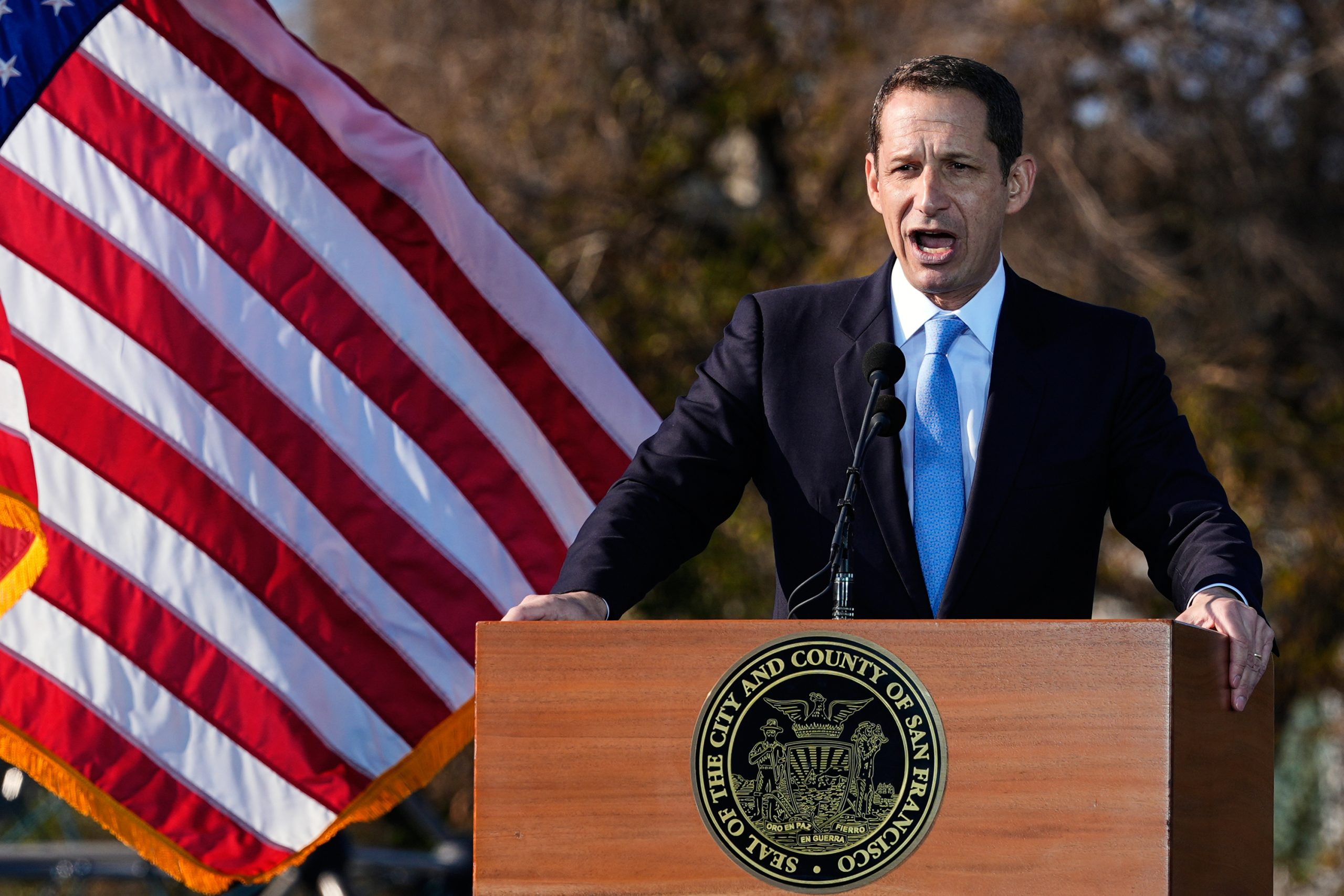

Daniel Lurie is already imagining the scene at Levi’s Stadium on July 1.
The San Francisco Democrat — who, according to at least one recent poll, is the most popular mayor in America — was circulating around his city ahead of Levi’s Stadium hosting Turkey vs. Paraguay tonight, when he began to wrap his head around his good fortune.
The venue is scheduled to host the Round of 32 match featuring the Group D winner on July 1, and that’s very likely to be the U.S. team.
“It’ll be incredible,” Lurie, a no-nonsense technocrat, told POLITICO. “It’ll be a thrilling moment for San Francisco, and for our region.”
He beamed in to a FaceTime interview from Southern Station, having already been at two watch parties that capture the new San Francisco he’s trying to build: the East Cut neighborhood, and then Fieldwork Brewing at China Basin.
And Lurie knows ball: Not only has he attended five World Cups, he is also an investor in 49ers Enterprises, which purchased Leeds in 2023.
He drew a parallel to his English club’s own turnaround this season: newly promoted and expected to go straight back down, Leeds instead finished safely mid-table. Lurie is trying to engineer a similar revival in San Francisco, using major events like the World Cup and February’s Super Bowl to project competence and attract visitors and families.
In San Francisco, such a turnaround means restoring a sense of competence to city government — and managing large events like the Super Bowl and the World Cup are key to that effort.
“We are managing for results here in San Francisco, and what’s critical about those results is keeping people safe, making sure that people want to be here in San Francisco, that they have a great time, and that they want to come back,” Lurie said.
His turnaround effort will be vastly aided by Open AI’s expected IPO, which will expand his tax base but also pose challenges.
“We got Anthropic. We got Open AI. We have a company that’s four years old in Cursor that just got acquired by Elon Musk’s company for $60 billion and hardly anyone’s talking about that,” Lurie said. “I think we want these companies here. We want them paying their taxes here, and we want them being engaged in the community. We want them involved in civic life, we want their employees involved and engaged in their neighborhoods, but we also want an economy, and we want an economy that works for everyone — that lifts up the entire community, and isn’t just for the select few.”
Lurie said he is laser-focused on affordability.
“We are every day focused on building more housing, building more affordable housing, making child care more affordable,” Lurie said. “We are the first city in the country to provide access and opportunity to free early childhood education, [age] zero to five, for any family of four making $210,000 a year or less.”
The aim? Draw more families within the city’s confines.
“We’re gonna hopefully keep more working families here in our city, and we want them to believe that they can build a life here long term, so people don’t get priced out — so we have a lot of work to do.”
Lurie largely avoids the national spotlight — the rare exception coming when he netted a jumper on “The Pat McAfee Show” early this year — and feverish culture war issues in favor of a get-shit-done approach to governing.
“Our number one industry is tourism,” Lurie said. “And when people visit our city or when they take their kids to school each day, they don’t care if their mayor is a Democrat or a Republican.”
As of Friday evening, as he prepared to watch Turkey vs. Paraguay, Lurie couldn’t fully allow himself to contemplate what it would mean for Levi’s Stadium to play host to a U.S. squad that’s rocking and rolling over opponents.
“We cannot jinx it,” Lurie said. “But it’s looking very much like we will host USA in the first knockout round. My hope: I’ll be there to root on USA.”
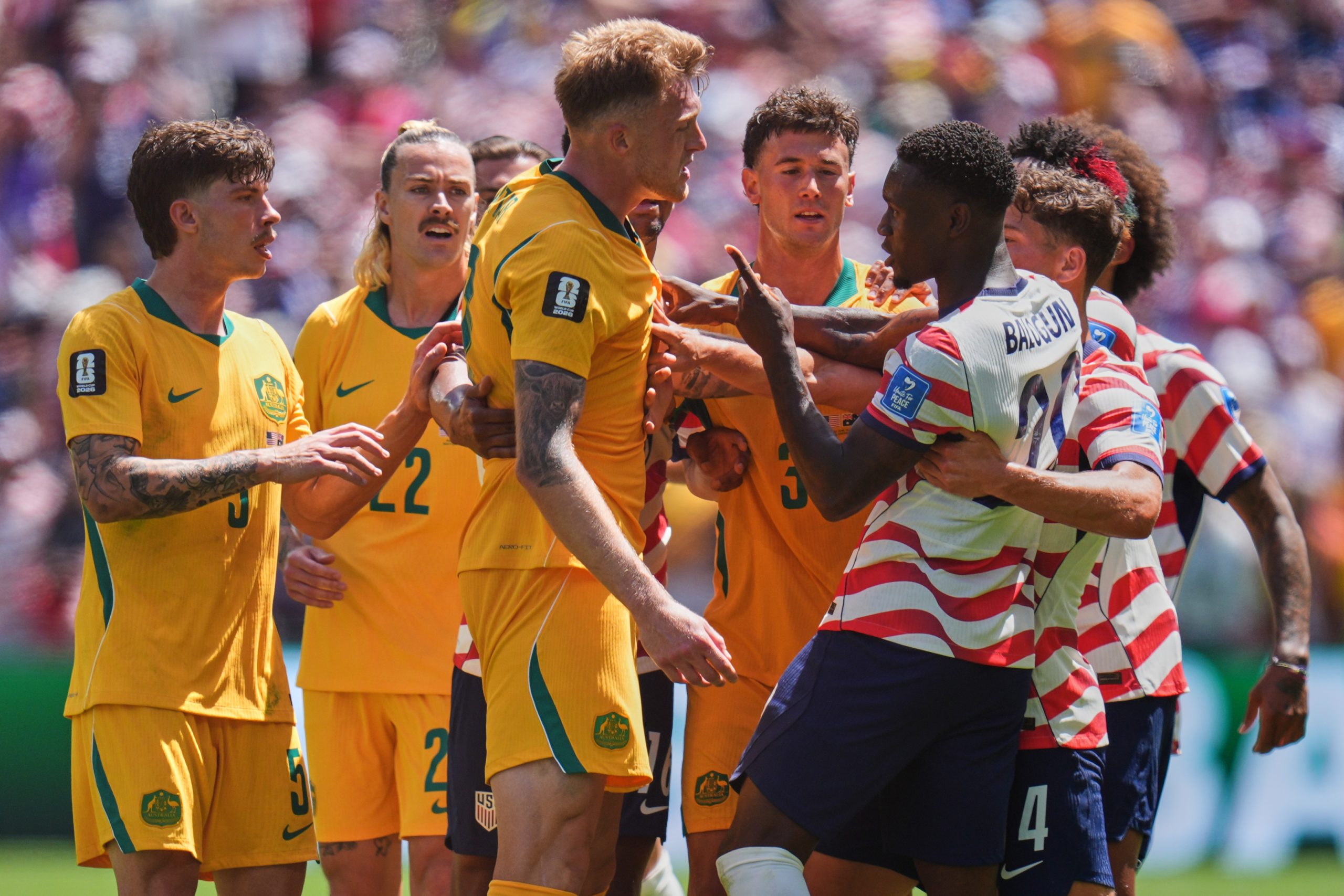

CANBERRA — It was disappointment from start to finish around the USA vs. Australia match in the Bush Capital, won comfortably by the American side.
Neither of Canberra’s Socceroos made the starting lineup and the local government failed to provide an outdoor watch site for the match, despite a heavy social media campaign from locals. With federal politicians out of town and back in their districts this week, the campaign lacked star power and fell on deaf ears.
That left thousands to fill inner city pubs and the University of Canberra, which were allowed special trading hours for the match, from 4.30 a.m.
Australia’s politicians — vocal in their support in the lead-up to the match — went silent quickly, after Australia’s own goal 11 minutes minutes into the game.
If the Aussies’ lackluster performance left the crowd subdued, they found energy to boo Health Secretary Robert F. Kennedy Jr. — a notably unpopular figure in Australia, which embraced harsh Covid lockdowns and vaccines — when he appeared on the match broadcast.
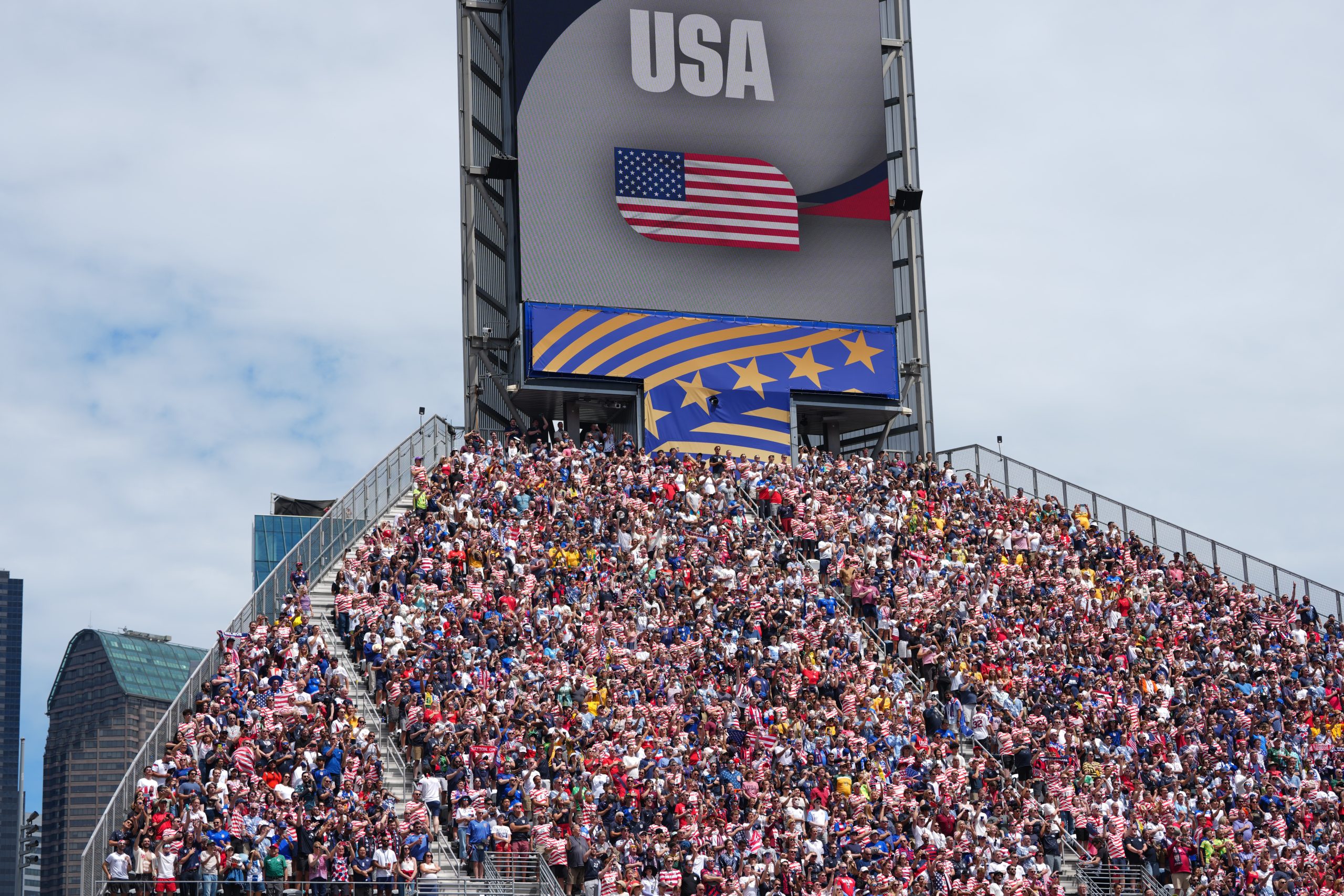

You don’t have to rely on The Discourse to know whether soccer is finally being embraced by America. Political ad spending targeted to catch World Cup viewers tells you all you need to know.
Look no further than today’s Susan Collins-aligned Pine Tree Results PAC launching the next phase of a seven-figure general election ad campaign targeting Democrat Graham Platner in Maine, the latest that flickered to life statewide during the U.S. Men’s National Team World Cup match against Australia.
“The first U.S. World Cup game was the most watched soccer broadcast in American history,” a GOP operative working on the Maine senate race, and granted anonymity to speak candidly, told POLITICO. “Maine markets are performing better than national average and the critical Portland DMA has a significant soccer fan base.”
Or consider that James Talarico’s first ad buy of the general election Senate campaign is an $800,000 Spanish-language TV campaign spot set to air during each U.S. and Mexico group stage match.
In Denver, in Colorado’s 8th Congressional District, there’s Republican Gabe Evans in a Spanish language ad, debating whether it’s soccer or football with his mother.
In politics, campaigns and super PACs are reluctant to spend money where there aren’t eyeballs, so each of these set pieces are a datapoint bearing out the truth that international soccer can draw them.
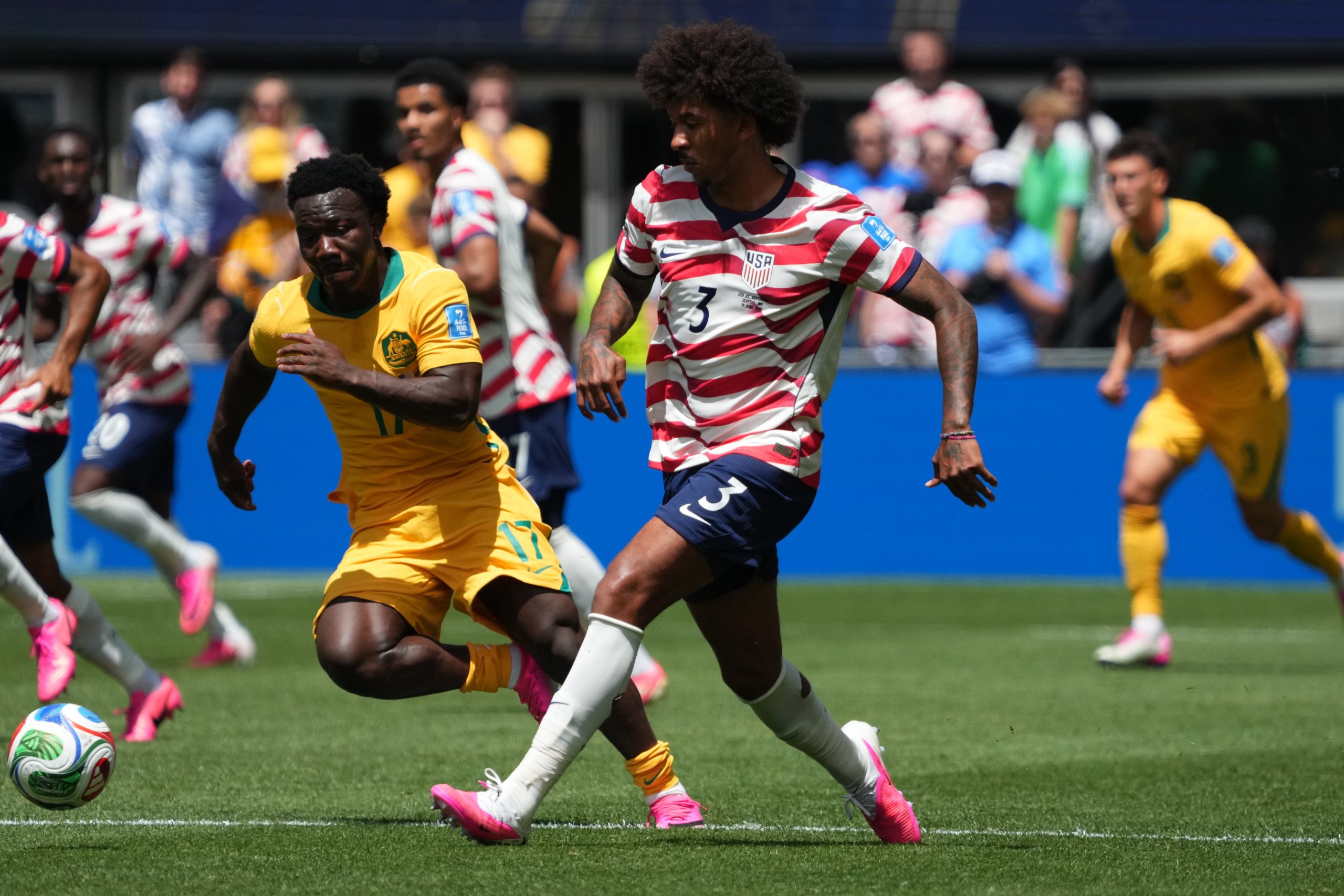

FIFA rang in Juneteenth, the country’s newest federal holiday, with a video that played in Seattle ahead of the U.S. team’s pivotal showdown with Australia.
It stars Seattle Supersonics legend and NBA Hall of Famer Gary Payton and features iconic Seattle locations.
“Some remember, some reflect, while many others celebrate,” Payton says in the video, which highlights landmarks including the Northwest African American Museum and Pike Place Market. “This day means freedom, black liberation, joy, jubilation and celebration. And today, we are definitely celebrating.”
Leonardo Santiago, head of media relations for FIFA26 Inc., said the organization plans to commemorate the holiday marking the end of slavery at each World Cup match taking place on Friday. Separate videos personalized to Foxborough, Massachusetts, which hosts Scotland and Morocco, and Philadelphia, where Brazil and Haiti will face off, and Santa Clara, California, are also dropping to mark the holiday.
“FIFA worked with each Host City to ensure the video is personalized for each stadium, featuring imagery specific to that city while recognizing the nationwide holiday and its importance,” Santiago said. “As the video plays, the stadium will also have complementary graphics on the ribbon boards as well.”
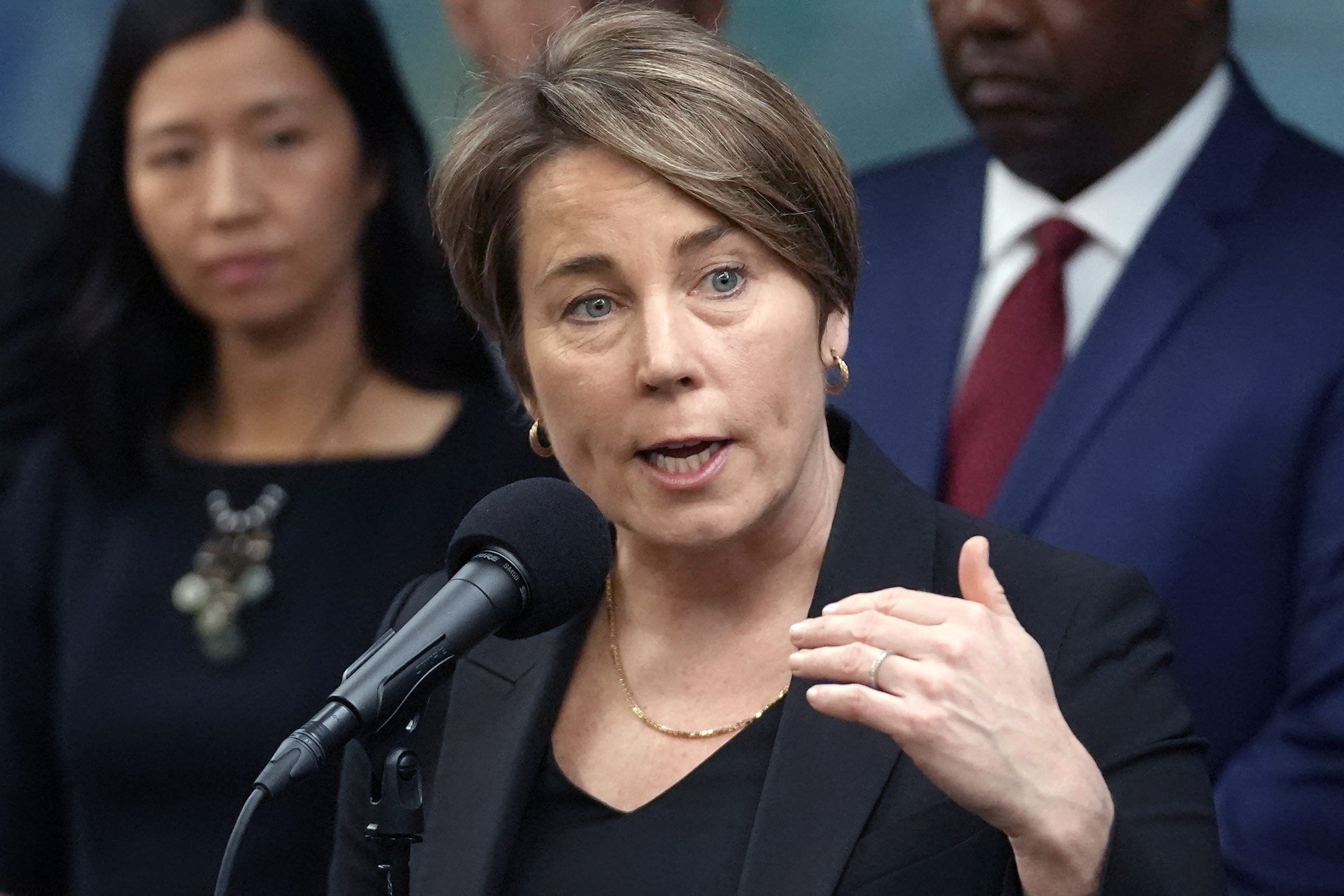

FOXBOROUGH, Massachusetts — Boston is bouncing and the Massachusetts governor wants to thank thousands of kilted Scottish soccer fans who have taken over the city between Scotland’s first match against Haiti last weekend and its second, against Morocco, today.
The tournament’s shock love affair is sparking delight in Gov. Maura Healey’s office as the supporters plow cash into the local economy, star in feel-good viral videos and drink copious quantities of Sam Adams Boston Lager.
Earlier this week, the governor — who’s seeking what stands to be an easy reelection this year — spoke with POLITICO about which of Massachusetts’ World Cup wins can be made permanent, including extended hours for bars and service along mass-transit networks.
This interview has been edited for length and clarity.
Were you expecting this?
Oh, yeah, what do they say? No Scotland, no party? [Author’s note: This is, indeed, what they say.] I would say the Tartan Army’s reputation precedes them in the best of ways. So we knew that they would bring a ton of energy and joy and the noise. The bagpipes, the partying in our restaurants and bars, it’s just been great, and to think — it’s very warm here, of course — half of them are doing it in kilts. It’s really amazing to see.
What has stood out to you?
In just a matter of days, the Tartan Army has become part of the Massachusetts family. We have seen them become regulars at our local restaurants and our pubs. We’ve seen them take over Fenway Park. 5,000 fans marching with bagpipes into the games. We loved the viral videos of them trying hot dogs […] inside Fenway. The videos of them taking over the cruise ships in Boston Harbor. We even had a Boston police officer kicking a soccer ball with them at the fanfest. So it’s just been really wonderful for us in Massachusetts, and we’re thrilled to have them here.
Do you have plans to capitalize on this beyond the World Cup?
Given that Scotland-Haiti was our first match, we were really thrilled. Massachusetts has a huge Haitian population. And then, of course, a lot of people in Massachusetts have ties with Scotland because many, many families here have ancestors who came from Scotland. And I have to say, I think Scotland just set the tone from the day the fans got into town. There was concern leading up to the World Cup, you know, how’s this all gonna work? And the media was covering a lot about security and transportation, and all these things about what could go wrong. And as soon as the Scottish fans arrived, they just laid the whole vibe for the World Cup. It’s gonna be about joy, energy, fun and bringing people together from all around the world. And I really credit them with establishing the vibe for our World Cup experience right at the outset.
Have the ticket prices charged by FIFA had an impact on that?
Well, one thing that I was really determined to do was to make sure that we were able to secure tickets for young people here in Massachusetts, which we did. 1,100 tickets that we distributed through Boys and Girls Clubs, so the kids who otherwise wouldn’t have a chance to see the game, were able to see the game — and for free. We’ve tried as a state to help out where we can, making $10 million available to communities around Massachusetts to host watch parties, because we know not everybody can afford to go to the game.
And as the governor of a blue state, how were your interactions with the Trump administration on planning for the tournament?
Well, when it comes to public safety that is something that it’s so imperative that local, state and federal authorities work together on. We did around transportation funding, security funding, that’s the way it should be. There should be that kind of work and coordination.
At the local level, would you support either a pilot program or a permanent extension of later last call and public drinking districts after the end of July? And would you encourage the legislature to start working on a bill about this?
We wanted to do that to create a welcoming environment, and I know that extension is helping our restaurants and bars and helping local businesses, and helping fans enjoy this experience. I’m certainly open to making some things more permanent, and I think this gives us a great opportunity to pilot it right now and see how it goes.
Do you see it as a runway for allowing happy-hour discounts, which have been banned in Massachusetts for decades, to become legal again? Because you’ve previously expressed problems with the concept.
I expressed support for happy hour the other day. We’ll see, we’ll have more conversations with the legislature.
And in terms of the transport would you consider keeping extended service hours on the MBTA?
I’ve always been for extended service hours. For us, it’s just a matter of budgeting and the labor costs associated with that. Also, you need a little bit of downtime so that trains can get repaired and maintained. We extended hours well before the World Cup on weekends, and it’s certainly something that I’d like to see us do across the system. But again, it’s just a matter of what we can do in terms of budget. But so far, transportation has been working really well. Trains have been made available, and selling out, and people have really enjoyed that experience; it’s been super easy, you know, getting to and from the match.
I think some Scotland fans would maybe dispute that it was easy getting back from the [Haiti] match, but I guess it’s all relative when the stadium is far away from the city.
I know. You can only run so many trains at once. But, hey, they won, so …
I understand it’s a challenge to keep young people in state. Are these measures you approved for a summer of intense tourism part of a longer-term solution?
I think that they’re really important to making sure that people know that we’ve got a great culture here and a great vibe for young people. That’s why I’m building homes […] so we can look at housing costs. Massachusetts is a place where people come to study from all around the world, and it’s a place that’s filled with young people, filled with opportunity. We’ve got an innovative economy, and doing so much in life sciences and robotics and AI, and cutting-edge industries. And it’s a very safe state and safe city. We’ve got the best schools in the country, best health care in the country. We got a lot going for us. And we’ve got great sports teams, too. So it’s a great vibe for young people, and we’re working always to try to make sure the message is out there around the globe. This is a great place to come and study, and start a business or raise a family.
Lisa Kashinsky contributed to this report.


(Alamy)

2 min read
Labour MPs who remain loyal to Keir Starmer have told PoliticsHome they will force a leadership contest to stop an Andy Burnham coronation if Keir Starmer doesn’t stand.
The Prime Minister is expected to spend the weekend mulling his future after Burnham’s landslide victory in the Makerfield by-election on Thursday injected fresh momentum into his bid to replace Starmer in No 10 and triggered new calls for the PM to stand aside.
Over 100 Labour MPs have publicly called on Starmer to set out a resignation plan at the time of writing, and Burnham backers are hopeful that the PM will agree to an orderly and non-confrontational transition of power in the coming days.
Earlier today, Starmer insisted he would “fight” any challenge to his leadership.
Among Starmer loyalists, however, planning is underway for the event that the PM decides not to enter a leadership contest. Within this group, there is strong opposition to Burnham taking over as leader without being put through a contest.
Starmer loyalists would need 81 MPs to force a contest, with organisers telling PoliticsHome on Friday night that they could raise the numbers to do so.
“There is a sizeable number of MPs who will not just sit back and allow Andy to be crowned,” said one.
Another added: “There will be a candidate but only if Keir Starmer decides he won’t stand.”
Loyalist Labour MPs have told PoliticsHome that Chancellor of the Duchy of Lancaster Darren Jones could be the candidate they unite around to trigger a contest.
Last month, PoliticsHome reported that Jones was believed by Labour MPs to be sounding out support for a potential future leadership bid.
MPs reluctant to get behind Burnham say they are unclear on where he stands on key policy issues and have deep concerns over suggestions that Ed Miliband could become chancellor.
They are also concerned about left-wing group Momentum’s involvement in Burnham’s by-election campaign, as well as former shadow chancellor and Jeremy Corbyn ally John McDonnell’s tearful reaction to the outgoing Manchester mayor’s victory.
While Starmer loyalists remain willing to fight the PM’s corner, the growing feeling within the party is that it is a matter of when, not if, he is replaced by Burnham.
The long-serving Labour MP Harriet Harman today told the Electoral Dysfunction podcast that Burnham would become prime minister, adding that the Parliamentary Labour Party “herd” wasn’t just moving against Starmer, it was “stampeding”.
Alan Johnson, the former Labour health secretary, who, like Harman, is a respected figure in the party, told LBC he would advise Starmer: “It’s over, Keir”.
The post What Makerfield means for Labour, Reform and Restore appeared first on spiked.
NSE’s Rs 30,000 crore IPO set to spotlight exchange’s dominance in Indian markets, dependence on options trading: Zerodha analysis

Strategy’s $48 Billion Turnaround: How Bitcoin Transformed A Near-Bankrupt Company

Love Island USA Girls Accused of Shaming Gabriel Over Promiscuity


-

 Business6 days ago
No Jackpot Winner as $257 Million Prize Rolls Over to $269 Million Monday Draw
-
Crypto World6 days ago
Zimbabwe Requires Crypto Businesses to Register Annually Under New FIU Regulations
-

 Fashion19 hours ago
Weekend Open Thread: Miami – Corporette.com
-
 Entertainment6 days ago
Matt Damon’s Viral Sci-Fi Thriller Has Taken Over HBO Max
-

 Tech6 days ago
As AI companies race to go public, who else is along for the ride?
-

 Business6 days ago
Anthropic staff to meet White House officials next week, Axios reports
-
 Crypto World6 days ago
Bitcoin could crash to $48,000, if this historical pattern is triggered
-

 Entertainment7 days ago
Deion Sanders Shares Powerful Post After Viral Advice To Deiondra
-
 NewsBeat6 days ago
what doctors are seeing in ebike crashes
-
 NewsBeat6 days ago
Warning of disruption as Cardiff Crossrail works to start
-
 NewsBeat6 days ago
Tributes to former deputy head teacher at Cambridge school among death and funeral notices
-

 Politics6 days ago
“Israel’s” ban on ICRC visits ruled illegal, but Knesset moves to stop them permanently
-

 News Videos6 days ago
Financial Accounting | Last Day Revision Strategy and Booster | CMA Inter – June 2026
-
 Entertainment6 days ago
Kate Middleton Glare Goes Viral After Kids Booed At Royal Event
-

 Tech6 days ago
Over 400 Arch Linux packages compromised to push rootkit, infostealer
-

 Crypto World6 days ago
XRP ETFs Outperform As Bitcoin And Ethereum Funds Extend Outflow Trend
-

 Business6 days ago
Invesco Quality Income Fund Q1 2026 Commentary
-
 Crypto World6 days ago
Market Preview: SpaceX (SPCX) IPO Record, Federal Reserve Meeting, and Iran Nuclear Agreement
-

 NewsBeat6 days ago
Singer Oliver Tree dies aged 32 in helicopter crash in Brazil
-

 Sports6 days ago
Dick Advocaat’s Curacao scores first-ever World Cup goal against Germany
You must be logged in to post a comment Login