

Politics
Closing asylum hotels: What will the policy mean in practice?


Ali Ahmadi, Catherine Barnard and Fiona Costello look at the implications of the Labour governmen’s promise to close all asylum hotels.
The UK government has committed itself to closing all asylum hotels by the end of this Parliament. It aims to discontinue the use of contingency hotels and rely instead on other asylum accommodation such as Houses of Multiple Occupation (HMOs) and family houses, as well as investigating the further use of ‘large sites’ such as ‘modular buildings’ and former military bases like Wethersfield in Essex and Cameron Barracks in Inverness. This policy is intended to save taxpayer money and improve the suitability of accommodation. But what does this transition mean in practice given the housing shortage in England? And what are the implications for local authorities, support organisations, local communities, and asylum seekers themselves?
Under the Immigration and Asylum Act 1999, the Home Office is responsible for housing destitute asylum seekers. Between 2012 and 2019, this was delivered through six regional contracts known as COMPASS. In 2019, COMPASS was replaced with seven similar arrangements, the Asylum Accommodation and Support Contracts (AASCs). These contracts were awarded to three providers: Clearsprings Ready Homes, Mears Group, and Serco. Under these contracts, asylum seekers are dispersed on a ‘no-choice’ basis to areas where accommodation is cheap and available which has meant that dispersals have been concentrated in deprived (and thus low-cost) areas.
For instance, the Guardian’s analysis of Home Office data in 2016 showed that 57% of asylum seekers were housed in the poorest third of the country while the richest third housed only 10% of asylum seekers. The distribution has also been uneven across local authorities, with some accommodating none (e.g. Lincoln, Cambridge, North Norfolk, Great Yarmouth, West Suffolk) and some having more than one asylum seeker per 200 local residents (e.g. Hounslow, Halton, Belfast, Coventry), exceeding the limit set by the original dispersal policy.
In 2022, the Home Office announced the policy of ‘Full Dispersal’, distributing asylum seekers more equitably across all local authorities, requiring the providers to use an indexing tool to procure accommodation, taking into account factors beyond population size such as market availability, homelessness rate, and level of hate crimes. This has had some success. For instance, in 2014, 75% of local authorities (285 out of 375) hosted no asylum seekers while in March 2025 just 16% (59 out of 361) hosted none.
However, significant disparities remain, with asylum seekers clustered in certain deprived areas such as Glasgow in Scotland and Halton in the North-West. A Parliamentary inquiry found that providers intentionally avoid procuring dispersal housing in more expensive urban areas to maximise profit. These local authorities face significant pressure on services like schools, healthcare, and homelessness support. The Home Office provides an ‘asylum dispersal grant’ to local authorities (currently £1,200 per asylum seeker per year) but this is not sufficient to meet the full costs.
While the Home Office tried to use local housing in the dispersal areas, it was not able to provide enough such housing and so it increasingly turned to using contingency hotels, especially at the time of the pandemic and now due to asylum backlogs. At the end of March 2020, only 5% of asylum seekers were staying in contingency accommodation (mostly hotels), but by 31 March 2025, this figure rose to 35% (over 32,000 people). Asylum hotels are significantly more costly than other forms of dispersal accommodation. In 2024-25, they accounted for more than half of asylum support cost (£2.1 billion out of £4 billion). Despite the high costs, hotels are reported to be in poor condition. Asylum hotels have also been the subject of community tensions, most notably in Epping in Essex and Norwich in Norfolk. For these reasons, the government plans to end their use.
For asylum seekers, hotel closure means moving to dispersal accommodation or ‘large sites’, often in rural areas far from urban centres. This often means they lose access to support services. For example, third sector organisations that provide legal assistance, mental health and integration support are primarily based in urban areas. They may not have the resources to reach asylum seekers who are located in rural areas. One refugee support organisation in the East of England talked of the difficulty of reaching asylum seekers in rural dispersal accommodation: “[From] Lowestoft to Haverhill, opposite corners of the county, is about 75 miles apart, which with a small team is quite a challenge.”
They also said that availability of services, support, and public transport (in rural dispersal areas) is not a factor in the Home Office’s dispersal index/formula: “….if you’re lucky, the village will have one bus a day that goes to a nearby town…. Some may not have that. So, no, Serco don’t take any of that into account. You know, local school places… don’t take into account if it’s families. Provision of service and culturally appropriate services, not at all.” This affects the lives of the individuals: there are multiple reports of serious mental health crises at Weathersfield. In the first three months of 2024, there were 30 recorded occurrences of men self-harming, attempting suicide, or at serious risk of doing so, and over 160 safeguarding referrals made regarding suicide and self-harm.
It is also not clear whether the government will make any cost saving. Evidence suggests that the use of large sites may, in fact, be more expensive than hotels. The Home Office estimates that Wethersfield costs around £132 per person per night compared to hotels at £144.98. However, these estimates exclude the £105 million in acquisition, lease, and setup costs. A Parliamentary inquiry found that ‘large sites’ attract considerably more public attention, complaints, and media coverage than smaller sites. There are also added policing costs.
To conclude, closing asylum hotels may redistribute costs and pressures rather than reducing them, let alone eliminating them. Local authorities, voluntary organisations, and asylum seekers themselves are likely to bear much of the burden. Dispersal accommodation and ‘large sites’ can work only if they are accompanied by sustained investment in local services, support, and community engagement. There is currently little evidence of this.
By Ali Ahmadi, Research Associate, University of Cambridge and PhD student at Anglia Ruskin University, Catherine Barnard, Senior Fellow, UK in a Changing Europe & Professor of EU Law and Employment Law, University of Cambridge and Fiona Costello, Assistant Professor, University of Birmingham.

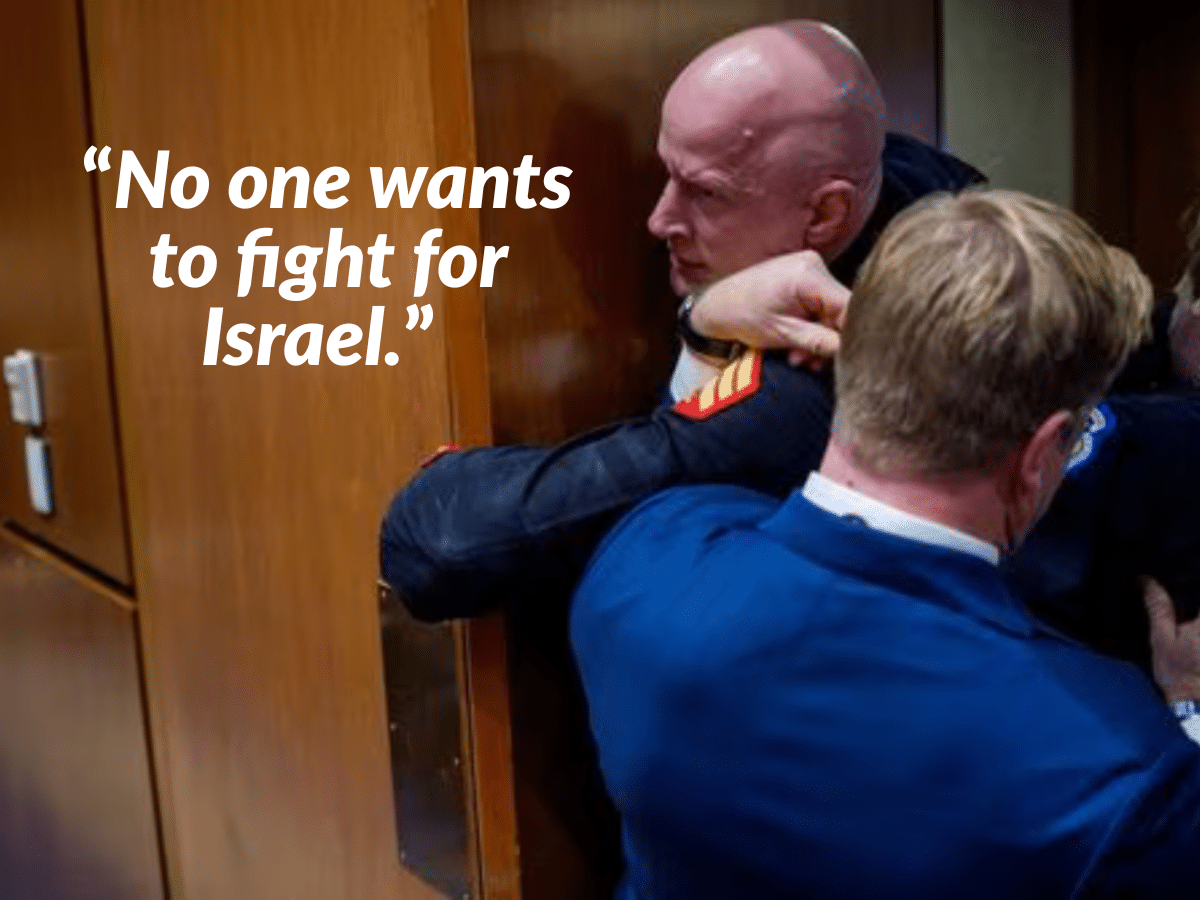
During a Senate Armed Services hearing on 4 March, a Marine veteran protesting a war fought “for Israel” was violently assaulted by a Trump senator. This occurred while police officers rough handled the protester while trying to escort him out of the building. In the process, they apparently broke the veteran’s arm.
No war for Israel
In reference to coordinated US-Israeli strikes on Iran, protester Brian McGinnis interrupted the hearing by saying:
America does not want to send its sons and daughters to war for Israel.
The Trump aligned republican senator Tim Sheehy has received massive amounts of money from big business and Israel lobbyists. He has called the US-Israel terror in Iran “righteous“. Moreover, his aggressive intervention seemed to break McGinnis’s arm.
Sen. @TimSheehyMT says he “decided to help out and deescalate” by breaking a man’s arm. Let’s be clear:
• The man is a Marine Corps veteran.
• He was protesting war with Iran
• Sheehy, a sitting Senator, physically attacked him until his arm SNAPPED. You can hear the crack on… pic.twitter.com/haTVcR2DQs— AIPAC Tracker (@TrackAIPAC) March 5, 2026
McGinnis is a firefighter and Green Party senate candidate. His campaign manager said he stood up because he “couldn’t take their lies anymore.”
He just wanted to be heard [and was] speaking loud and clear… He was assaulted, actually. They broke his arm.
The pro-Israel establishment lies
Sheehy has openly shown his excitement about the costly and destructive, trump vetted US-Israeli offensive against Iran, which has already killed over a thousand people in the country since 28 February. Furthermore, one report says the assault has cost US taxpayers over $5bn so far. It could end up costing many billions more.
As we might expect of someone who supports a country openly committing genocide, Sheehy has lied consistently to try and justify the war on Iran.
Here he is pushing this narrative:
President Trump is putting an end to Iran’s 47-year reign of terror spent murdering and maiming Americans all over the globe. Time to finish the job. pic.twitter.com/mBqkpEXyay
— Tim Sheehy (@TimSheehyMT) March 3, 2026
The truth is that, despite constant US hostility, Iran has killed far fewer US citizens in the Middle East than the US has killed Iranians.
A key question, of course, is why the hell has the US placed soldiers in the Middle East anyway, thousands of miles away from the US?
Nonetheless, Sheehy has repeated the lie that Iran is somehow a threat to US citizens, even going so far as to call Iran the:
largest destabilizing force in the region.
This is despite Israel committing genocide in Palestine. It is also attacking numerous countries in the region in recent years. And it has learned the trade from its enabler – the US. As the Canary has reported previously, the US is the ‘nation of terror‘:
the US has long terrorised people around the world to get what it wants, forcing countless civilians to flee to safety. It then celebrates the war criminals responsible. Time and again, Washington has gleefully trampled over international law
McGinnis is right. Millions of ordinary people in the US don’t want their country fighting wars thousands of miles away for a genocidal settler-colonial power. But until people like Donald Trump and Tim Sheehy no longer sit in the halls of power, that’s unlikely to change.
Featured image via the Canary
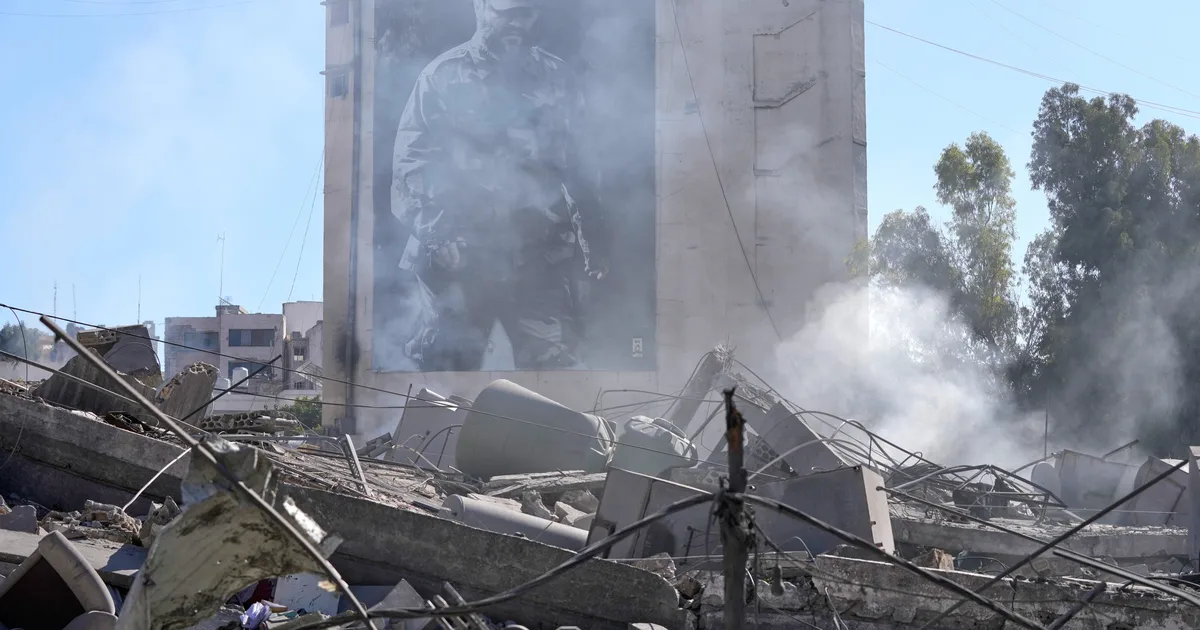
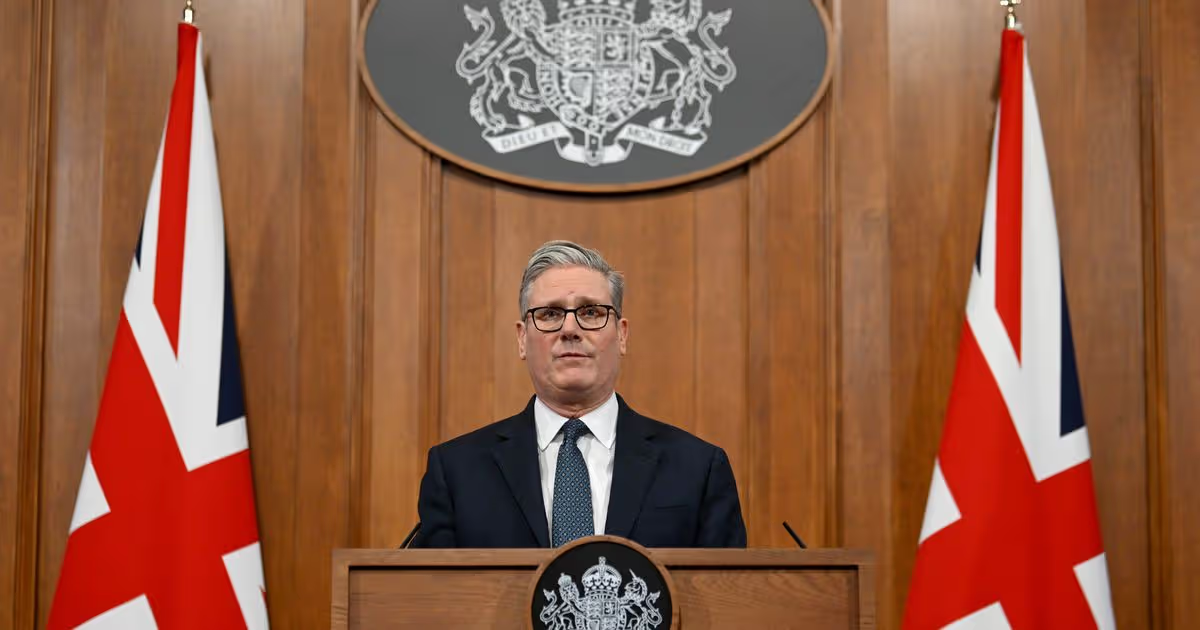
In an apparent attempt to draw a distinction between himself and the US president, Starmer said his focus “providing calm, level-headed leadership in the national interest”.
Addressing the nation from Downing Street, the PM said: “I want to reassure the British public about the action that we are taking while the region has been plunged into chaos.
“My focus is providing calm, level-headed leadership in the national interest.
“That means deploying our military and diplomatic strength to protect our people, and it means having the strength to stand firm by our values and our principles, no matter the pressure to do otherwise.”
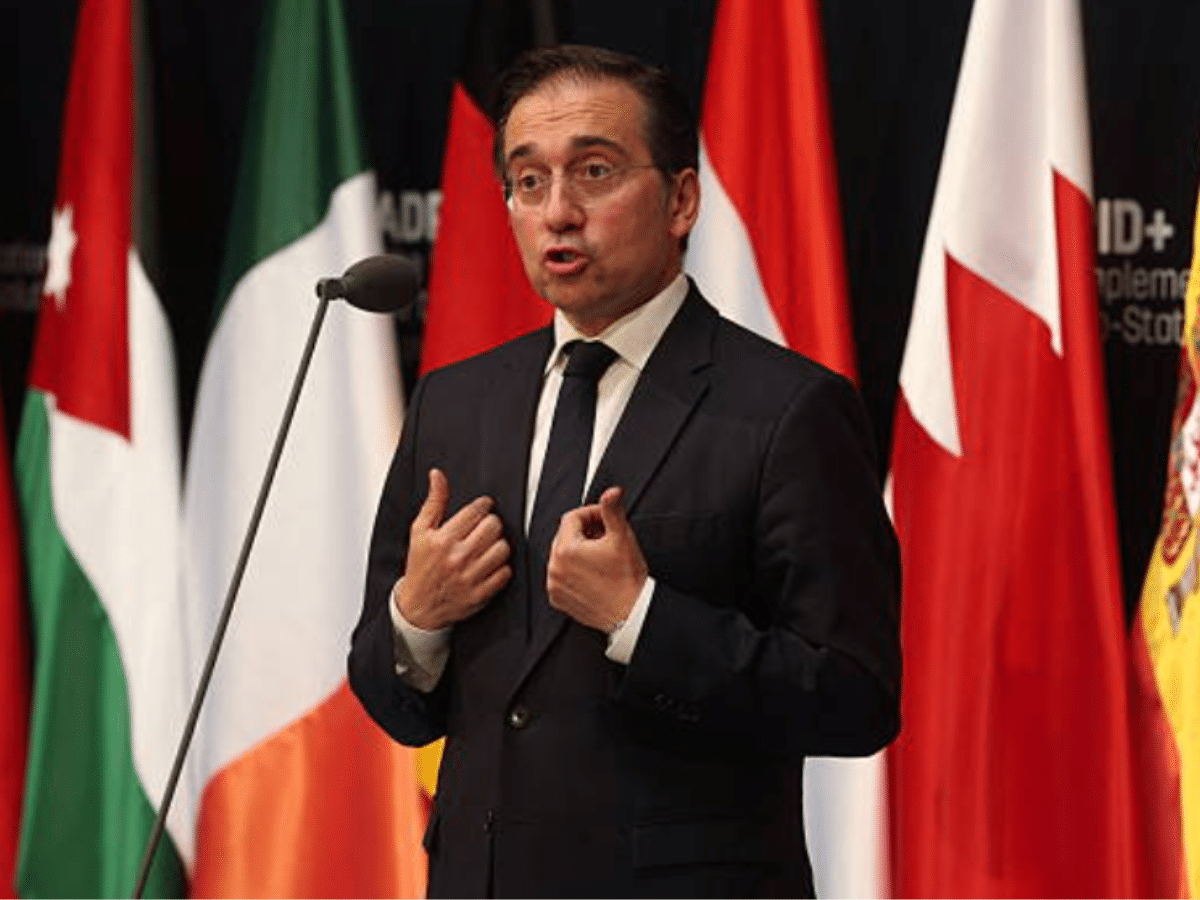
Spain’s foreign minister Jose Manuel Albares has refuted US suggestions pushed by Press Secretary Karoline Leavitt that the country has changed its stance on the US-Israel war on Iran. Levitt’s comments have reportedly sparked anger amongst Spanish politicians with Albares stating defiantly on Spain’s Cadena Ser radio:
Our ‘no to war’ stance remains clear and unequivocal.
She may be the White House press secretary, but I’m the foreign minister of Spain and I’m telling her that our position hasn’t changed at all.
“The Spanish government’s position… has not changed by a single comma.”
BREAKING: Spanish FM Jose Manuel Albares has denied that his government will cooperate with the US military attack on Iran, contradicting the White House.
🔴 LIVE updates: https://t.co/tdXE6QEY2O pic.twitter.com/60matbd9ih
— Al Jazeera English (@AJEnglish) March 4, 2026
Spain government: ‘No to war’
The US-Israel war on Iran began six days ago. Many international leaders have aligned themselves with what critics describe as aggressive and war-driven leadership of Trump and Netanyahu. Spain, however, has refused to be pressured into supporting or joining what it rightly views as an unjust war in the Middle East.
BREAKING
Spanish PM Pedro Sánchez says no to war on Iran:
“You cannot play Russian roulette with the destiny of millions.”
He rejects the US–Israel war on Iran.
Refuses to let Spain be complicit.
Refuses to allow Spanish bases to be used by the US. 🇪🇸 pic.twitter.com/6lWumfl2vP— sarah (@sahouraxo) March 4, 2026
Spain has already distinguished itself from many Western governments through its stance on Israel’s genocide on Gaza, which it has strongly criticised. By refusing to be drawn into a wider regional conflict, Spanish Prime Minister Pedro Sánchez continues to demonstrate his principled stance. The Spanish government bases this position on respect for international law and the rules-based international order.
Our own Skwawkbox wrote in January:
In a speech announcing the decision, Sánchez said that the board is not fit for purpose, criticised the exclusion of Palestinian people and their representatives and condemned Trump’s attempted extortion over Greenland and for ramping up tensions with Europe. Trump, Sánchez said, has made it clear that Europe must forge relationships with the wider world and refuse to be US vassals.
Spain is one of the few countries in Europe that hasn’t lost its mind and become neocon…
Spain urges arms embargo on Israel, calls for renewed talks on Iran’s nuclear program https://t.co/iPLkMg3FjF
— Trita Parsi (@tparsi) June 17, 2025
A stark contrast from other western leaders, as our own HG wrote yesterday:
The majority of Western leaders have shown that when shit hits the fan, and civilian lives are at stake, they will side with genocidal maniacs (Trump) instead of doing the right thing.
Except Spain, of course, which condemned:
“unilateral military action by the US and Israel.”
It also banned the US from using Spanish military bases to attack Iran.
HG astutely pointed out the backwards nature of the response seen from Western leaders, writing:
Time after time, Western leaders have come out to condemn Iran’s retaliatory strikes. Of course, they fail to mention why they are retaliating, the thousands of people Israel has murdered, or the fact that Israel is the only Middle Eastern country that actually has nuclear weapons.
Trump is nothing but a bully. He even claimed he might have forced Israel’s hand in attacking Iran. But Western leaders are enabling his bullshit – along with Netanyahu’s. One day we will see them all in the Hague – and then they will have been against this all along.
The White House might be trying to bully Spain into submission, however their continuing resistance has received widespread respect and recognition.
Resistance is growing
President of the European Council Antonio Costa has expressed his support in a call to PM Sanchez:
Acabo de mantener una llamada con el presidente @sanchezcastejon para expresar la plena solidaridad de la UE con España.
La UE siempre garantizará que los intereses de sus Estados miembros estén plenamente protegidos.
Reafirmamos nuestro firme compromiso con los principios del…
— António Costa (@eucopresident) March 4, 2026
His statement in full reads:
I just held a call with President
@sanchezcastejon
to express the EU’s full solidarity with Spain.The EU will always ensure that the interests of its Member States are fully protected.
We reaffirm our firm commitment to the principles of international law and to the rules-based international order worldwide.
It appears divides are becoming increasingly apparent in the EU as a result of this pursuit of a war on Iran:
🇪🇸 Spain is pushing back against the narrative that Europe is lining up behind a U.S. war with Iran. Defense Minister Margarita Robles has publicly rejected NATO Secretary General Mark Rutte’s claim that there is “widespread support” for Donald Trump’s military campaign, making…
— Gandalv (@Microinteracti1) March 5, 2026
Post in full:
Spain is pushing back against the narrative that Europe is lining up behind a U.S. war with Iran. Defense Minister Margarita Robles has publicly rejected NATO Secretary General Mark Rutte’s claim that there is “widespread support” for Donald Trump’s military campaign, making it clear that Spain does not share that assessment.
The statement highlights a growing gap inside NATO and across Europe about how far the alliance should go in supporting a new conflict in the Middle East. While Washington has framed the situation as a collective security concern, Madrid is signaling that European backing is far from automatic.
Robles’ response is notable because it directly contradicts the impression that NATO members are broadly aligned with Washington’s approach. Instead, it suggests that several European governments may be far more cautious about escalating tensions with Iran than public statements from alliance leadership might imply.
The episode also reflects a broader pattern emerging in recent years: Europe increasingly asserting its own political judgment, even when it differs from the strategic direction coming from Washington.
Whilst other far-right leaders are seemingly more than happy to descend into the abyss behind out-of-control Trump and Netanyahu:
BREAKING: Italian PM Giorgia Meloni says her country plans to send air defence systems to Gulf countries. pic.twitter.com/BR9e7bGBCz
— Al Jazeera English (@AJEnglish) March 5, 2026
No to WWIII
It is clear Spain is holding firm in refusing to support this illegal war of aggression against the Iranian population, which has seen over a 1000 murdered by US and Israeli bombs.
Let’s hope this courage spreads across the west before we are all pulled into WWIII by weak, timid leaders.
Featured image via the Canary
Politics
Petro Nicoliades: Starmer’s paralysis over protecting Akrotiri is weakness disguised as caution
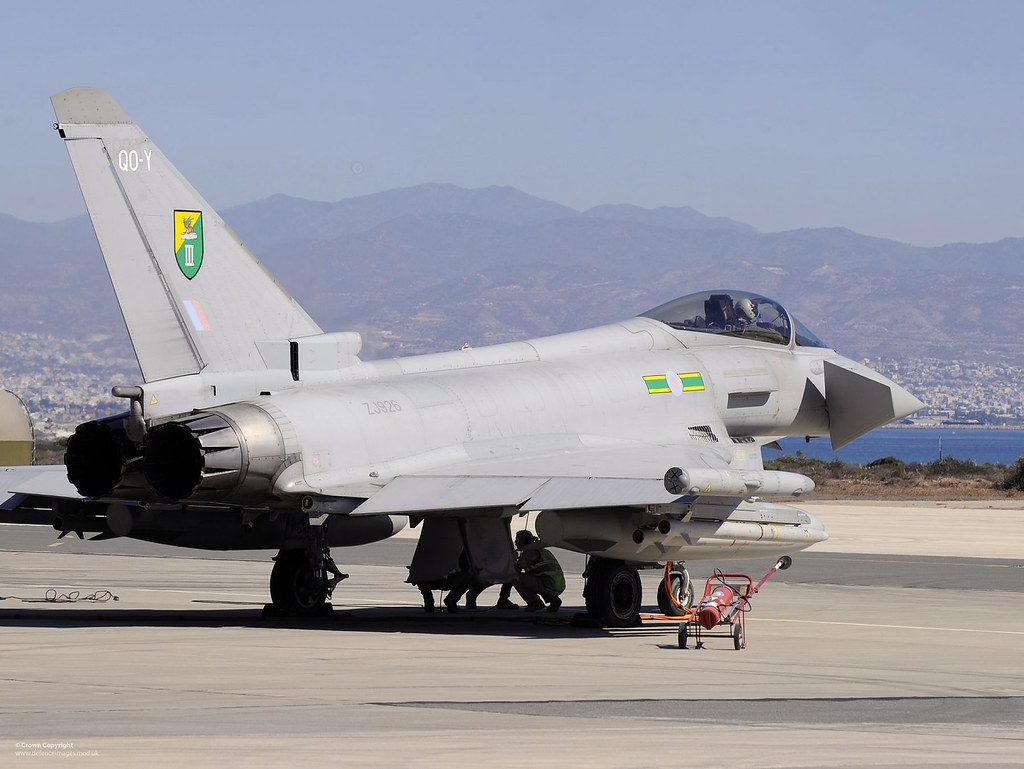
Prof. Petro Nicolaides is the Deputy Chairman of the Conservative Friends of Cyprus and Conservative Party Member and activist for over 40 years. He serves in governance roles across various organisations.
When sovereign British territory is attacked, the response should be immediate, clear and firm.
What we saw after the strike on RAF Akrotiri was none of those things. Instead, Keir Starmer chose hesitation, hedging and bureaucratic language.
That is not caution. It is paralysis.
And in the eastern Mediterranean, paralysis invites trouble.
This was a direct attack on British Sovereign territory. The Sovereign Base Areas in Cyprus are not leased facilities or convenient outposts. They are British, retained under the 1960 independence settlement that created The Republic of Cyprus. An attack on Akrotiri is an attack on the United Kingdom. It is that simple.
The correct response to an attack on sovereign territory is deterrence. Instead, Downing Street reached for minimisation: “limited damage”, “no casualties”, “no escalation”. That language may produce calming headlines at home, but it signals something far more dangerous abroad — hesitation.
Deterrence relies on clarity. If hostile actors believe Britain responds to kinetic attacks with reviews, process and ambiguity, they will push again. And they will push harder.
Not only was this letting down a Commonwealth Partner but also an EU ally. Cyprus is not just a host nation. It is a Commonwealth partner and a member of the European Union. It currently holds the Presidency of the EU Council. British bases on the island have always been justified as mutually beneficial — enhancing regional security while reinforcing Cyprus’s stability. Yet when those bases became targets, the Cypriot government was left scrambling to reassure its own people.
From Nicosia’s perspective, the message was stark: Britain keeps sovereign territory on the island, conducts military operations from it, but hesitates when those operations generate risk.
That imbalance is politically poisonous. It feeds the perception that Britain is willing to externalise danger onto Cyprus without fully accepting the responsibility that comes with it. For a small EU state on Europe’s geopolitical fault line, that looks less like partnership and more like exploitation.
Starmer is excercising responsibility without resolve.
Under the Treaty of Guarantee, the UK is one of three guarantor powers — alongside Greece and Turkey — charged with upholding Cyprus’s independence and security. The treaty may not mandate automatic retaliation, but its meaning is clear. Britain accepted an ongoing security responsibility in return for retaining sovereign bases. That bargain carries real weight.
A guarantor power cannot credibly claim to uphold security while appearing reluctant to confront threats linked directly to its own installations. Hesitation hollows out the guarantor role until it becomes little more than symbolism. A guarantor that hesitates is no guarantor at all.
But even if these things in themselves weren’t important Starmer has quite simply sent the wrong signal at the worst moment The eastern Mediterranean is crowded, volatile and heavily watched. Every move is read as a signal. By choosing restraint without visible reinforcement — no posture shift, no rapid defensive surge, no muscular diplomatic response — the UK projected ambiguity when clarity was needed most.
Allies notice this. EU partners see a Britain still reliant on Mediterranean basing but reluctant to lead. Commonwealth states see strategic privileges without matching resolve. Adversaries see an invitation to probe.
Credibility is not built in speeches. It is built in moments of pressure. And once credibility erodes, it is difficult to restore.
That’s why it’s so damning that we can see this is domestic politics over strategic duty. It is hard to avoid the conclusion that domestic political calculation played a role. A new government, anxious to avoid entanglement, instinctively dampened rhetoric and avoided confrontation.
But global leadership is not compatible with reflexive risk‑aversion. The UK claims a global defence posture. It fields one of the world’s most capable militaries. It sits on the UN Security Council. Yet when its own sovereign territory was struck, it responded with managerial language rather than strategic intent.
That gap between posture and performance is corrosive.
Britain under Starmer has failed the test.
The question is not whether Britain should have retaliated militarily. That is a false argument. The real question is whether Britain demonstrated unmistakable resolve — to defend its territory and to reassure its ally. It did not.
A guarantor power must show three things:
- Speed — immediate recognition and response
- Clarity — a firm framing of the act as unacceptable
- Deterrence — visible steps to prevent repetition
What we saw instead was procedure, not strategy. For Cyprus, that hesitation weakens confidence in the security architecture that underpins its post‑independence existence.
But this extends beyond Cyprus. This does not end at Akrotiri. If Britain appears uncertain about defending its own sovereign territory, how persuasive are its commitments elsewhere — from NATO’s eastern flank to the Indo‑Pacific?
Credibility is indivisible. A falter in Cyprus echoes far beyond the Mediterranean.
Caution is not strength. Sir Keir Starmer may present this as measured statecraft — keeping channels open, avoiding escalation. But excessive caution in the face of aggression is not wisdom. It is vulnerability. By reacting slowly and softly, the government risks undermining deterrence, weakening trust with an ally, diluting its guarantor role and encouraging further tests.
A guarantor power that hesitates at the moment of challenge does more than misjudge the situation.
It diminishes itself.
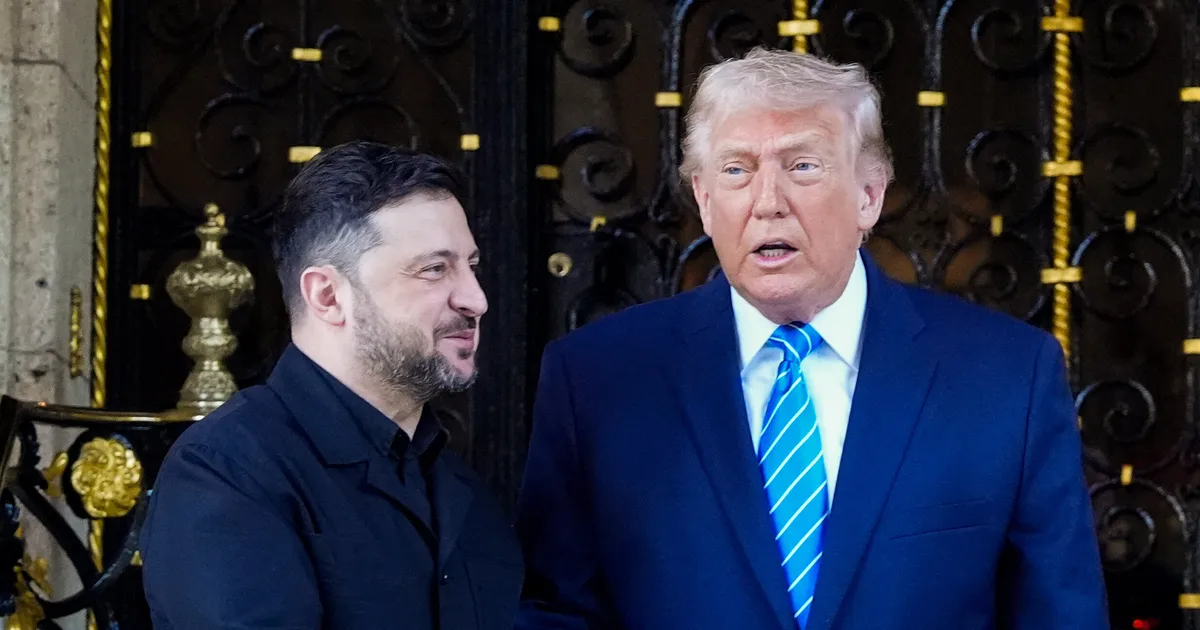
Donald Trump’s administration has asked Ukraine for help to counter Iranian drones, despite being very reluctant to help Kyiv over the Russian invasion.
The US is looking to intercept Iranian attacks on its military bases in the Middle East after Trump and Israel launched joint strikes on Tehran at the weekend, a move which has sparked a regional war.
Kyiv has expertise in this area because Iran has been exporting its Shahed drones to Russia for use against Ukrainian troops for much of the four-year conflict.
In a post on X, Ukrainian president Volodymyr Zelenskyy said there have been requests from the US, Europeans and other partners in the Middle East for advice from Kyiv on how to deal with these attacks.
He said: “They are seeking our expertise. We are open. If their representatives come, we will provide the expertise.”
But the US request comes after the Trump administration put relations with Ukraine under immense strain over the last year.
In his bid to end the war as soon as possible, Trump has repeatedly sided with Vladimir Putin, despite the US’s alliance with Ukraine.
A year ago, the president cornered Zelenskyy in the Oval Office in front of the press and claimed Ukraine “does not have the cards” in the war.
He also called Zelenskyy a “dictator” while his team also attacked the Ukrainian president for not wearing a suit.
While their alliance has improved in the months since, the US has remained wary about offering Ukraine much help.
At the same time, Trump has been rolling out the red carpet for Putin, even inviting him to face-to-face summit in Alaska last August.
The president pushed for trilateral talks between Ukraine, Russia and the US earlier this year but they have failed to make any significant progress so far.
In his frustration, Trump has repeatedly accused Ukraine of not coming to the table with further compromises over territory – even though that is a red line for Kyiv, especially as Russia already controls more than a fifth of its sovereign land.
The president has also echoed false Kremlin talking points by accusing Ukraine of starting the war – despite plenty of evidence to the contrary.
The Iran conflict has delayed the next round of trilateral meetings which were due to start today and run until March 9.
The US request has caused significant outrage on social media, too….


2 min read
Exclusive: The number of paid ministerial roles is to increase as part of new government reforms to be announced on Thursday.
The government is set to bring forward legislation permitting an additional 11 ministerial roles to be paid with a salary, PoliticsHome understands.
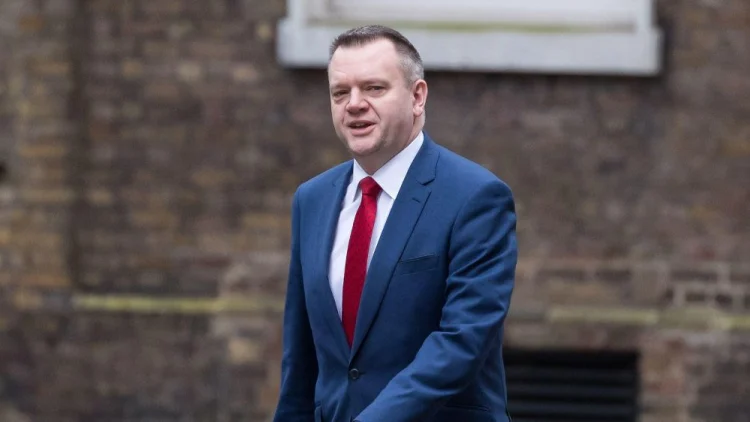
The reforms, which are expected to be brought forward today by Paymaster General Nick Thomas-Symonds, are designed to bring the total number of paid ministerial roles in line with the average size of government since 2010, which is around 120 ministers. Under current legislation, the limit is 109.
As things stand, 12 ministers in the Labour government serve without pay.
The new salaries are expected to be largely allocated to ministers in the House of Lords, who are often seen as experts in their fields.
The government is expected to argue that it is not right that a number of ministerial roles favour those who have the financial means to fulfill them without a salary.
A government source told PoliticsHome: “The current Cabinet has the highest proportion of state-educated members in history, and the Prime Minister believes that ministerial office should not be reserved for those wealthy enough to fund it for themselves.”
Ministers will also argue that the reforms will help improve transparency by ending the practice of ‘borrowing’ whips’ salaries to fund departmental roles, which successive governments have used when organising their payroll.
The salaries themselves are expected to remain at the same level.
The Strait of Hormuz, one of the most vital shipping routes in the world, has been closed by Iran since the US and Israel began their airstrikes last week. This event might not seem as newsworthy as the assasination of Ayatollah Khamenei and the potential demise of the Islamic Republic – but make no mistake, the consequences could be just as profound. Particularly for the UK.
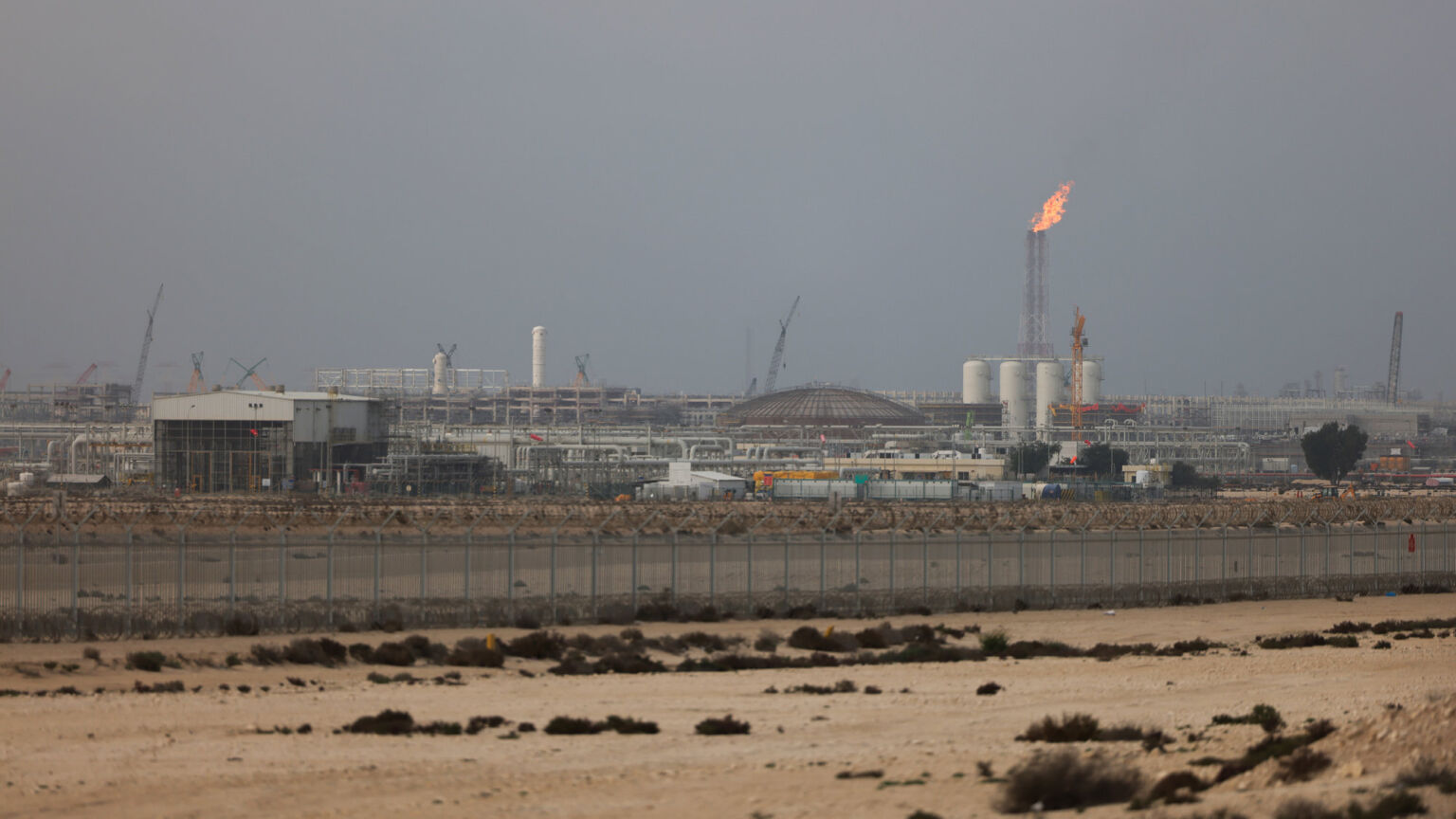
The impact of the Strait’s closure has already been unprecedented. And no wonder: roughly one-fifth of the world’s oil passes through this narrow, 90-mile stretch of water separating the Persian Gulf and the Gulf of Oman. Prices for oil and gas have skyrocketed – in the UK, wholesale gas prices increased 100 per cent in the first 48 hours of conflict, the sharpest rise since records began. Adding to the chaos of the Strait’s closure was Iran’s successful strike on Saudi Arabia’s Ras Tanura, the world’s biggest oil-export terminal, sending Brent crude prices soaring. Ras Laffan, the world’s biggest terminal for exporting liquified natural gas, based in Qatar, has also closed down after it was hit by Iranian drones. Global energy markets are in complete turmoil, with no end in sight.
The UK, which has depended on foreign imports for energy for decades, is in the eye of this storm. In a more rational world, then, one might hope that UK energy secretary Ed Miliband would reassess his longstanding hostility to fracking on British land and drilling in the North Sea. Miliband, you might remember, has banned fracking for natural gas, while slowly strangulating the economic viability of the North Sea oil and gas industry. Surely the crisis around the Strait of Hormuz ought now to force him into some soul-searching about Net Zero, and his unquenchable drive to abandon fossil fuels?
Alas, no. The phrase ‘doubling down’ seems to have been invented for Miliband. ‘To ensure our energy security in an unstable world’, Miliband said on Wednesday, the Labour government will ‘keep driving’ for ‘clean, homegrown power’. What Miliband is saying, with his typical nursery-school level of insight, is that the wind and sun in the British Isles are more reliable and affordable than fossil fuels from the Middle East. The war is further proof, in Miliband’s deluded mind, that his flagship Net Zero target – of 95 per cent of British electricity coming from renewables and nuclear by 2030 – has never been more urgent.
So, we will be asked to forget the higher prices that motorists can now expect for fuel at petrol stations, and the higher bills that households can equally expect for gas-fired central heating. Never mind that Britain will always need gas-fired power stations to back up, at vast expense, its intermittent production of renewable energy. Erase from all memory our Ed vandalising two potential sites for UK fracking by pouring concrete into them – and of him banning the issuing of new licences to drill for oil and gas in the North Sea, in favour of buying supplies from Norwegian drillers.
Instead, look forward to Miliband citing the Hormuz crisis as a vindication of Net Zero, and of his belief that Britain should decouple from Middle Eastern petrostates through home-grown wind and solar. In his typically imperious style, he will go on thinking that the UK’s Net Zero policy shows the way to the rest of the world. In truth, the rest of the world will continue to see Britain as an example of exactly what not to do. Of course, with Britain labouring under the weight of some of the world’s highest industrial-energy prices, they would be right.
Miliband has drawn precisely the wrong lesson from the war in Ukraine. When Russia invaded its western neighbour in 2022, and sent global energy prices soaring, he never even seemed to entertain the idea that oil and gas beneath our soil and seas could be a solution to the inevitable energy shocks of the future. Such was the extent of Miliband’s Carbon Derangement Syndrome that the idea of developing British-based sources of hydrocarbons – the source not just of fossil fuels, but also of lifesaving pharmaceuticals, agricultural fertilisers and plain old methanol – did not even enter his mind.
Speaking at an International Energy Agency summit last year, UK prime minister Keir Starmer conceded that fossil fuels would be part of Britain’s energy mix for ‘decades to come’. He was, for once, right. What a shame, then, that Starmer appears to have done nothing to follow through on this insight.
Britain must take energy security seriously, even if Ed Miliband and Keir Starmer refuse to. The danger of Net Zero – to the UK’s energy security and indeed national security – has never been so obvious. The war in Iran might have been beyond the UK’s control, but our vulnerability to its consequences was not. The coming energy crisis has Miliband’s fingerprints all over it.
James Woudhuysen is visiting professor of forecasting and innovation at London South Bank University. Follow him on X: @jameswoudhuysen.

The Bear is set to end after its upcoming fifth season, cast member Jamie Lee Curtis has claimed.
Late last month, the Oscar nominee appeared to let the cat out of the bag with a revealing Instagram post.
In the picture, Jamie – who plays matriarch Donna Berzatto in the comedy-drama – appeared alongside The Bear’s Abby Elliott, suggesting the actors had just finished filming a scene together.
“FINISHED STRONG!” she wrote in the caption. “Surrounded by an extraordinary crew and group of writers and producers and scene partners on the show that Chris Storer created, completing the story of this extraordinary family that we have all fallen in love with.”
Fans speculated this meant the end of the road for the popular culinary series, which Jamie has confirmed to be the case.
Earlier this week, a reporter from Access Hollywood asked the Freaky Friday star whether the post confirmed that the next series would be the last.
“Everybody’s confirmed the show is ending,” she insisted. “I don’t understand why that’s such a [big deal].
“Unless I’m gonna get a call from all the people saying, ‘You just told [everyone],’ I think everybody understood that it was the last season of the show. If it isn’t, then I’ve completely blown it.”
Although there has been no official statement from The Bear about its upcoming ending, undisclosed sources confirmed to Deadline that Jamie’s comments were accurate.
However, this news won’t come as too much of a surprise to fans of the show, as leading man Jeremy Allen White previously revealed that the show’s creator, Christopher Storer, had originally only planned for the show to run for four seasons.
Series four ended with Jeremy’s character, Carmy, leaving the restaurant and signing over his stake in it.
Despite feeling like a goodbye to The Bear, the series was soon renewed for its fifth season, although at the time there was no word if it would be the last.
Over the last three months, the cast has been spotted around Chicago, filming new scenes for the upcoming final episodes.
The Bear premiered in 2022 to huge acclaim, winning 21 Emmy awards and five Golden Globes over the course of the series, including individual acting wins for Jeremy Allen White, Ayo Edebiri and Ebon Moss-Bachrach.
There is no current release date for season five of The Bear, but you can watch all four series of The Bear on Disney + now.
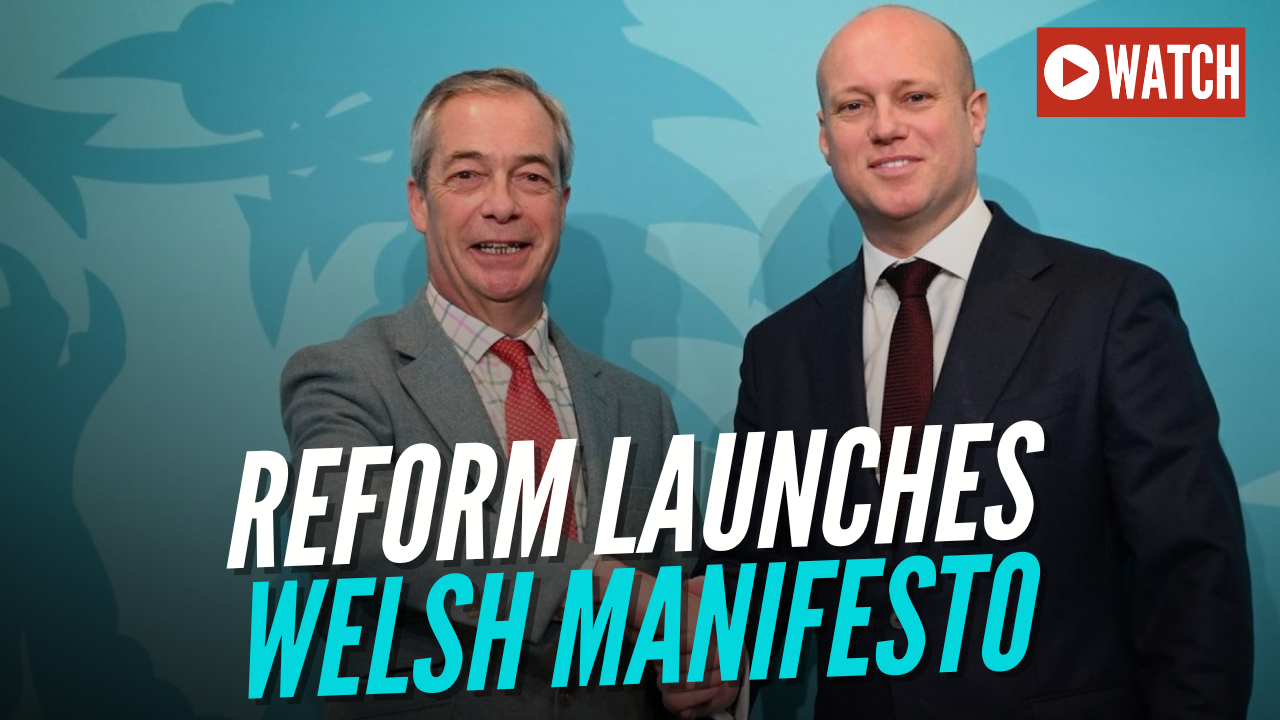
Farage is with Dan Thomas to launch Reform’s manifesto for the Senedd election.
Politics
Politics Home | Alexion teams up with Premier League club to raise awareness of rare diseases


Alexion and the Wolves Foundation unite for Rare Disease Day to spotlight conditions affecting 1 in 17 people through a community football programme
Rare diseases affect approximately 3.5 million people in the UK – with 1 in 17 impacted by one of the 10,000 known rare conditions at some point in their lives – a collective prevalence similar to cancer.1,2 However, with each rare disease affecting so few people, these conditions are often overlooked.
Many rare conditions are life-limiting or life-threatening, making access to a timely diagnosis, expert care and effective treatment critically important. In healthcare systems geared towards more common diseases, it can be difficult for people with rare diseases to navigate and access the specialist services they need.3 This results in poor health outcomes and experiences of care – challenges that have been reflected in the UK Rare Disease Framework since 2021, with work underway to measure its impact.4
In late 2025, health ministers from all four nations agreed to extend the UK Rare Diseases Framework by one year through to February 2027.5 Over the next 12 months, it is critical that this time is used to determine the long-term priorities for the rare disease community, those specific areas where national policy and coordination can make the most meaningful impact, and how best to track progress.
Every year, Rare Disease Day takes place on 28th February – or 29th February in leap years to coincide with the rarest of days – to raise awareness of all rare conditions. Work by patient organisations underlines how low awareness of rare conditions makes it harder for others to relate to their experiences. As a result, empathy, understanding and support can be harder to find.6
For Rare Disease Day 2026, Alexion, AstraZeneca Rare Disease and the Wolves Foundation have partnered to raise the visibility of rare diseases and support the foundation’s disability football programme and the Wolves Wishes initiative.
Wolves Wishes organises memorable club-related experiences for fans facing health challenges. The Premier League fixture between Wolverhampton Wanderers and Aston Villa, which took place on 27th February, featured the disability teams playing at half-time to mark Rare Disease Day.
The team wore a kit they had designed themselves, reflecting the diverse and unique nature of rare conditions. They showed their skills and beat the Aston Villa team 1-0, with both home and away fans united in their support for these important players and cause.
Through the partnership, Alexion is supporting the foundation’s eight disability teams by providing new kit for the players and backing the Wolves Wishes project.

“This partnership reflects our shared values of equity and inclusion, while raising awareness of rare diseases with a broad audience,” said Deborah Richards, Managing Director of Alexion, AstraZeneca Rare Disease UK. “Rare diseases often bring challenges that aren’t always visible, but they have a clear impact on those they affect and their families. Through this partnership, we can help make rare disease more visible and build greater understanding within the football community and beyond.”
“Our disability football and Wolves Wishes programmes are built on years of evidence showing how sport and local communities can transform lives,” said Kieron Ansell, Head of Business Development at the Wolves Foundation. “Through our partnership with Alexion, AstraZeneca Rare Disease UK, we can continue this important work while also shining a light on rare disease awareness. It shows that local children and families are seen and valued, and that their health challenges are recognised beyond the medical world, which can make a real difference, particularly for those at the beginning of their diagnostic journey.”
To find out more about the Wolves Foundation visit, https://foundation.wolves.co.uk/. To find out more about Alexion, AstraZeneca Rare Disease UK, visit https://alexion.com/worldwide/UK.
This article was developed and funded by Alexion, AstraZeneca Rare Disease.
M/UK/NP/0191 | March 2026
References
-
https://geneticalliance.org.uk/news/rare-conditions-the-stories-behind-the-stats/
-
https://www.macmillan.org.uk/about-us/what-we-do/research/cancer-prevalence
-
https://shca.info/wp-content/uploads/2023/10/SHCA-Health-Inequalities-Report.pdf
-
https://geneticalliance.org.uk/news/rare-conditions-the-stories-behind-the-stats/
-
https://geneticalliance.org.uk/our-campaign-for-a-new-uk-rare-diseases-framework/
-
Sir Keir Starmer confirms four more UK jets to be sent to Middle East

Labour urges businesses to remove ‘masculine’ words from job adverts in new equality guidance

ETH, XRP, ADA, BNB, and HYPE


-

 Politics7 days ago
ITV enters Gaza with IDF amid ongoing genocide
-

 Politics2 days ago
Alan Cumming Brands Baftas Ceremony A ‘Triggering S**tshow’
-

 Fashion6 days ago
Weekend Open Thread: Iris Top
-

 Tech4 days ago
Unihertz’s Titan 2 Elite Arrives Just as Physical Keyboards Refuse to Fade Away
-
Sports5 days ago
The Vikings Need a Duck
-
 NewsBeat5 days ago
Dubai flights cancelled as Brit told airspace closed ’10 minutes after boarding’
-

 NewsBeat5 days ago
Abusive parents will now be treated like sex offenders and placed on a ‘child cruelty register’ | News UK
-

 NewsBeat4 days ago
‘Significant’ damage to boarded-up Horden house after fire
-
 NewsBeat5 days ago
The empty pub on busy Cambridge road that has been boarded up for years
-

 Tech8 hours ago
Bitwarden adds support for passkey login on Windows 11
-

 Entertainment3 days ago
Baby Gear Guide: Strollers, Car Seats
-
 Tech6 days ago
NASA Reveals Identity of Astronaut Who Suffered Medical Incident Aboard ISS
-

 Business7 days ago
Only 4% of women globally reside in countries that offer almost complete legal equality
-
Politics5 days ago
FIFA hypocrisy after Israel murder over 400 Palestinian footballers
-
 NewsBeat4 days ago
Emirates confirms when flights will resume amid Dubai airport chaos
-

 NewsBeat3 days ago
Is it acceptable to comment on the appearance of strangers in public? Readers discuss
-

 Crypto World7 days ago
From Crypto Treasury to RWA: ETHZilla Retreats and Relaunches as Forum Markets on Nasdaq
-

 Tech4 days ago
Viral ad shows aged Musk, Altman, and Bezos using jobless humans to power AI
-
 Business7 days ago
World Economic Forum boss Borge Brende quits after review of Jeffrey Epstein links
-

 Video3 days ago
How to Build Finance Dashboards With AI in Minutes