

Politics
Former spy-chief-turned-arms-firm-adviser says military AI can be moral in shock to nobody


Ex-spy chief David Omand has decided military AI can be taught to be moral. Which is nice for him. And probably nice for the various private defence interests he advises too. The Guardian published an extended interview with Omand.
He told the paper he used to think AI drones were a bad thing. But changed his mind:
My call is to really get some work done on this, so that we’re not left in a situation where there isn’t a moral component built into future AI-powered weapon systems.
Omand is an advisor to Paladin Capital Group. Paladin has major AI and cybersecurity interests. Campaign against the Arms Trade (CAAT) has reported Omand worked with arms firms Leonardo and Babcock. He previously led UK spy agency GCHQ during his time in the civil service.
The Guardian reported Omand felt:
AI technology was now capable of weighing the factors that go into a human drone operator’s targeting decisions, such as whether a target was legitimate, whether there would be civilian casualties and whether the target has been correctly identified.
This was not inventing new ethics, added Omand, but putting the current one used by the military into a form that can be deployed by a machine.
UK officials use Palantir software to decide what Palantir products to buy. Palantir founders Alex Karp and Peter Thiel openly espouse a far-right ideology.
The UK military, police, NHS and, allegedly, the Telegraph newspaper have started to use Palantir technology. Palantir is involved in Israel’s genocide in Gaza. It maintains a permanent desk in southern Israel. Trump’s paramilitary immigration operations also use the firm’s gear.
Military AI: in or on the loop?
Omand said it was a matter of “on the loop” systems versus “in the loop” systems:
The term “in the loop” is commonly used in debates about reining in powerful AI systems and refers to a human being intimately involved in the decision-making process.
For Omand increasing AI decision making is:
It’s a physical and operational inevitability. The term ‘on the loop’ means you still have human supervision and it’s humans setting the parameters of a mission.
In that sense humans still have moral control. But individual decisions in the heat of combat, or where time is very short, you just won’t have time for a human to make them.
Omand said he felt that it is now possible that:
The ultimate result [of AI advances] could be a moral decision-making system that is ethically superior to human decision making.
The former spy said:
It could actually work, whereas relying on humans in a very fast-moving seconds matter for warfare is probably going to lead to far worse results in terms of collateral damage.
Not everyone is quite so chipper about the idea. Drone Wars director Chris Cole said:
AI is simply not capable of making a judgment. It merely processes data, completely lacking the ability, for example, to distinguish civilians from combatants or to judge whether loss of life is proportionate to military advantage.
Cole is right, of course. Omand seems to enjoy nerding out over the abstract philosophical questions, but AI is a product of whatever is loaded into it. And that depends who controls it. In the case of firms like Palantir, we are talking about a clique of hyper-wealthy far-right Trump allies who are at ease with genocidal violence. In short, David Omand can jog on.
Featured image via Getty/Cheng Chia Huang
By Joe Glenton

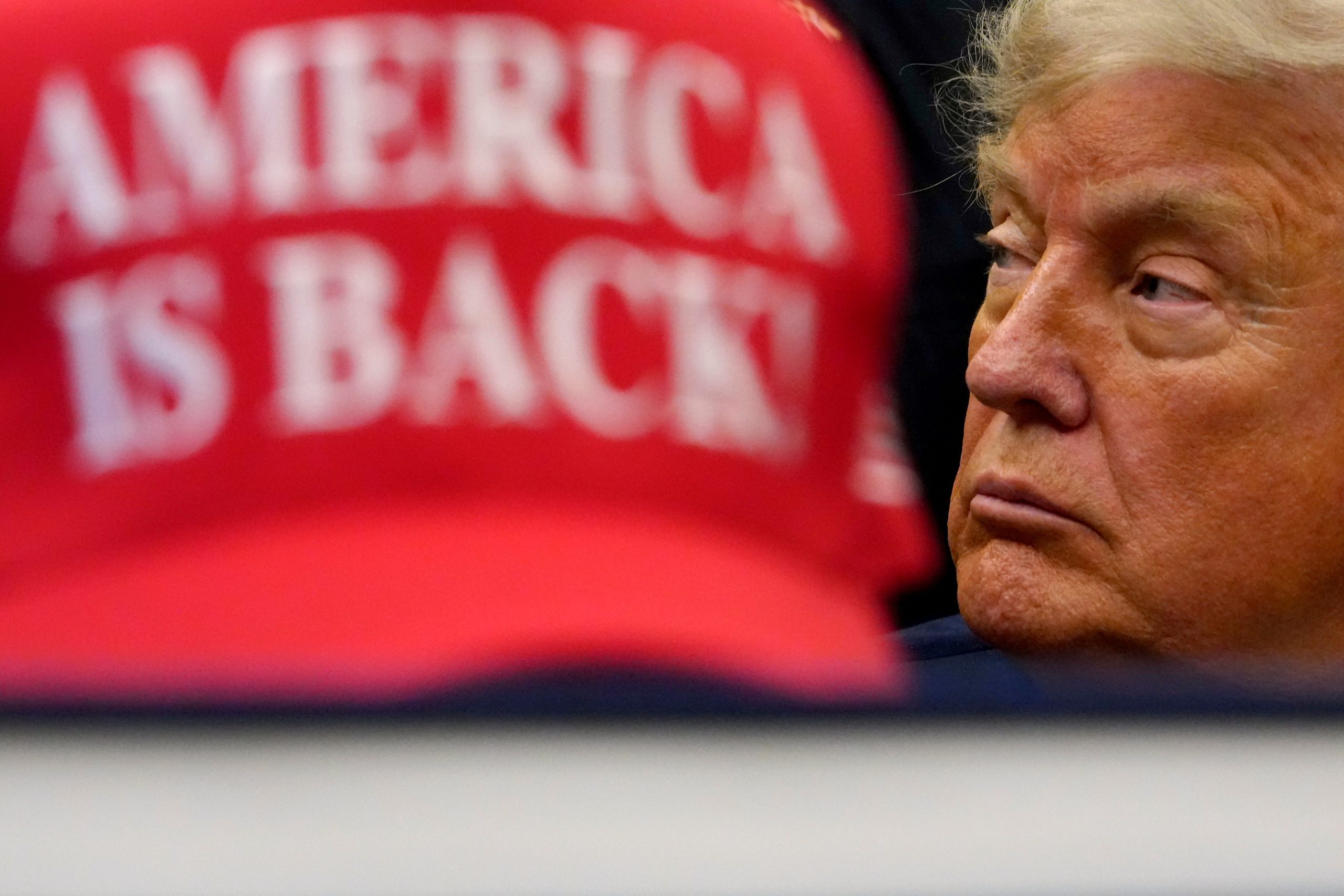

Republicans are betting their path to victory in 2026 runs through MAGA. Democrats are still figuring out how to win.
Two-thirds of the way through primary season, results from dozens of hotly contested battlegrounds across the country reveal a Republican Party that remains fully captured by President Donald Trump, even in swing districts that have at times rejected his brand, and a Democratic Party that is still consumed by factional infighting over how to win.
The implications are huge: If Republicans can win even competitive seats with MAGA candidates, that can further entrench the populist far right’s hold on the party. But if they suffer sweeping losses, that could bolster the more moderate GOP wing’s push for a return to power.
Democrats, meanwhile, will have plenty to study in November as they search for clues to winning back the White House in 2028. They’ve nominated an array of candidates, from far-left progressives to traditional centrists.
“The proof is going to be in the pudding,” said Larry Ceisler, a Democratic-aligned Pennsylvania-based public affairs executive. “Can these people win competitive general elections? And that’s going to be a lesson that’s going to go into ‘28.”
Republican voters have rallied behind candidates who closely align themselves with Trump and the MAGA brand, from Rep. Mike Collins and billionaire Rick Jackson in Georgia, to Bobby Charles and Marty O’Donnell in Nevada’s 3rd District. Trump-endorsed candidates have largely won their primaries this year, with a few high-profile exceptions in Iowa, Georgia and South Carolina, where Trump ended up endorsing both Republicans in the gubernatorial runoff at the last minute.
Democrats are being pulled by competing visions for their party’s future. For Texas Senate, Democrats chose buttoned-up James Talarico, but for Maine Senate they picked scandal-plagued Graham Platner. For New York’s 17th District on Tuesday, Democrats nominated no-nonsense and establishment-aligned veteran Cait Conley, but in California’s 22nd District, voters bucked party leadership and chose a firebrand progressive in Randy Villegas.
The results could turn Trump into a lame duck the last two years of his term, test the power of his brand a decade after he first ascended, and set in motion the direction of both parties ahead of the next presidential election.
Republicans bet on MAGA
The question of whether MAGA can win in battlegrounds has dogged the GOP in recent years, with loyalists like Kari Lake losing key races in 2022 and down-ballot Republicans trailing Trump in 2024.
They’re not changing tack.
Even as the president’s popularity sags, driven by dissatisfaction with the economy, his aggressive deportations and an unpopular war in Iran, the Republican base voters who drive the primaries are continuing to nominate MAGA candidates, not moderates.
That bucks conventional wisdom, which holds that a general election victory, especially in competitive races, requires assembling a broader coalition — one where Trump’s endorsement may not always help. A recent POLITICO Poll found that receiving Trump’s backing provoked a stronger negative reaction from voters who are opposed to the president than a positive one from those who support him, making it a net negative for a hypothetical candidate.
That is a dynamic Republican candidates will need to navigate in the months ahead — a particularly delicate balancing act for those who embraced the president’s agenda during the primary, but now must try to win over a more diverse segment of the electorate.
In Georgia, the Trump-backed Collins prevailed in last week’s GOP Senate runoff after leaning into his MAGA credentials. Now, he transitions to a match-up against incumbent Democratic Sen. Jon Ossoff, where appealing to a broader coalition of voters could prove equally as important as energizing the Republican base.
MAGA-aligned candidates also triumphed in Maine, with Charles gunning for the governor’s mansion and former Republican Gov. Paul LePage seeking to flip moderate Democrat Rep. Jared Golden’s now-open House seat. And in Nevada’s 2nd District, Trump-endorsed McDonnell, who just recently came under fire for hosting a Nazi on his podcast, is trying to pick off Democratic Rep. Susie Lee — one of the Republican Party’s top targets.
Even candidates who didn’t gain the president’s endorsement have ridden his brand to victory. Jackson won the GOP nomination for Georgia governor over a Trump-backed candidate, vowing to be “Trump’s favorite governor” and touting his support for the president’s agenda.
Still, Jason Roe, a Michigan-based GOP strategist, said MAGA is “baked into the Republican brand at this point,” so there’s “very little risk” for candidates to embrace Trump during a primary before pivoting to the general election.
The Democratic party throws everything at the wall
Democrats have one point of unity: They’re messaging against the party in power.
Most of their candidates push back against Trump and argue they would do a far better job addressing the nation’s cost of living, repeatedly the top issue for voters, than Republicans have.
But the party’s clashes over identity and charged issues like Israel and the war in Gaza have been on full display across some of the most-high profile matchups.
Voters “are looking for, ‘Hey, who is the right candidate that can actually win and represent me best in where I live?’” said Andres Ramirez, a Nevada-based Democratic consultant. “Where progressives can do well, they’re going to do well, where moderates can do well, they’re going to do well, and the full spectrum in between.”
Progressives have seen a slate of victories, including Villegas in California’s 22nd District and Matt Dunlap in Maine’s 2nd District. And Platner, despite being mired in controversy, crushed Maine Gov. Janet Mills even before the primary officially took place. All three defeated establishment choices backed by Democrats’ official campaign arms, a sign the party lacks the kind of total control that Trump enjoys over the GOP.
But moderates haven’t been far behind, with veterans like Conley winning in New York and Rebecca Bennett in New Jersey’s 7th District. In some of this year’s top battlegrounds, establishment-backed candidates have advanced, including Aaron Ford in Nevada and Josh Turek in Iowa.
Then there’s the faceoff next week in Colorado between Manny Rutinel, a progressive, and establishment-backed Shannon Bird and the brutal showdown later this summer in Michigan’s Democratic Senate primary, where progressive Abdul El-Sayed is leading two more moderate challengers, Rep. Haley Stevens and state Sen. Mallory McMorrow.
The midterms will help give the party clues about what kind of Democrats are best poised to win ahead of 2028 — but it has also turbocharged an ideological civil war between the different wings of the party, especially as progressives have gained ground in both deep-blue and battleground districts.
Jesse Ferguson, a longtime Democratic strategist, said that in some of the nation’s swingiest districts, “the most electable candidates” are largely prevailing.
“There will be lots of debate about winning primaries in places like NYC and what that means for 2028, but the most important races — the ones in the swing districts — are being won by the candidates who give us the best chance to win the majority in 2026,” said Ferguson. “That’s what matters.”
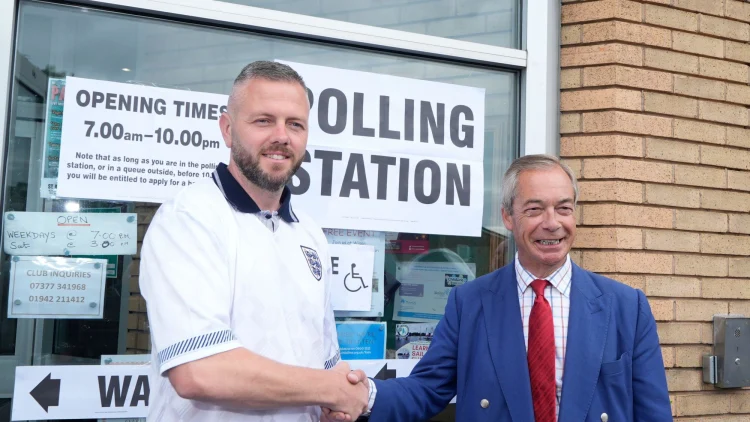

Reform UK leader Nigel Farage and party candidate Robert Kenyon before Kenyon casts his vote in the Makerfield by-election (PA Images/Alamy)

8 min read
Reform entered Makerfield expecting a breakthrough. Instead, a crushing defeat exposed the party’s vulnerabilities. Harriet Symonds reports
“No one calls him King of the North here,” said an optimistic Reform UK staffer a day before polls opened in the historic Makerfield by-election.
It was intended as a warning against Westminster assumptions that Andy Burnham’s celebrity status would carry him effortlessly to victory in the Greater Manchester seat. Yet when the votes were counted, Burnham had not merely won – he had crushed Reform by 20 percentage points.
For Nigel Farage’s party, the scale of the defeat was sobering. Pollsters have described the result as Reform’s worst electoral performance since the general election – particularly stark given that voters in Makerfield had elected Reform councillors only a month earlier.
Reform figures have sought to downplay its significance, however, arguing that the result was less an endorsement of Labour than a protest vote against Keir Starmer. Insiders insist that many voters who might otherwise have backed Reform lent their support to Burnham in the belief he represented the strongest vehicle for removing the Prime Minister.
When Reform selected Rob Kenyon, the party believed they had found an ideal candidate. A local plumber and former army reservist, he embodied the anti-establishment credentials considered central to the party’s appeal. Even now, party insiders maintain that their pick was important for the base, showing members that there is a route from the grassroots to Parliament.
Things quickly unravelled when old social media posts by Kenyon resurfaced, leading to accusations of sexism and misogyny. Among the comments highlighted was a suggestion that women rely on abortions so they can “shag anyone they want” and that the majority are for “vanity purposes”. On one account linked to Kenyon, he wrote: “I’m sexist, sorry but I am.”
During the Makerfield Question Time special, a female audience member encapsulated the electoral problem the revelations posed when she declared: “I’d rather have a career politician than a plumber who’s a sexist.”
Incredibly, Reform UK has said it was aware of Kenyon’s social media accounts before selecting him to stand against Andy Burnham in Makerfield.
Reform’s woman problem
A pre-election Survation poll found that Kenyon struggled to win the support of women in Makerfield: Burnham led Kenyon by 21 points among women (53 per cent to 32 per cent), whereas men preferred Kenyon to Burnham by 15 points.
Sophie Stowers, research manager and pollster at More In Common, noticed anti-Reform sentiment among women in focus groups leading up to the by-election. “The Kenyon comments cut through in a more negative way with women than they did with men,” she says.
“What we saw among quite a lot of women, particularly women in their mid-50s, was that they didn’t love Kenyon, they were quite put off by Farage and thought he was a bit arrogant.”
Some Reform figures privately acknowledge concerns about the party’s ability to connect with female voters, telling The House they feel a stronger message is needed to appeal to them. And in a Substack essay, former Reform spinner and current governing board member Gawain Towler admitted the party has a “woman problem”.
Reform insiders concede that the controversy gave Labour an opportunity to attack the party’s pledge to scrap the Equality Act, which critics argued would weaken key protections for women.
Suella Braverman spearheading the launch of the party’s proposed ‘Women and Motherhood Protection Act’ was a last-minute attempt to reassure female voters, committing to bring together “key protections currently scattered across different laws”, including equal pay, sex discrimination, employment rights, unfair dismissal and maternity leave.
According to a well-connected Reform source, Reform MP Sarah Pochin is particularly interested in appealing to more female voters. They admitted, however, that a recent video in which she suggested that England should win more World Cup matches to reduce domestic abuse did not do them any favours.
A Reform spokesperson counters this narrative, saying: “We are leading with women according to the latest More in Common polling.”
More in Common polling conducted days before the Makerfield by-election does indeed suggest Reform has broadened its appeal across the sexes. Among women, the party led Labour by eight points and the Conservatives by six. Among men, Reform’s advantage over Labour was narrower, at six points, though its lead over the Conservatives was nine points.
Trouble on the right flank
Reform concerns that Rupert Lowe’s Restore Britain could siphon off enough support to deny them victory in Makerfield turned out to be somewhat overblown. Restore candidate Rebecca Shepherd finished third, with just under seven per cent of the vote – roughly in line with her party’s national polling position and not enough to change the result given Burnham’s overwhelming victory.
The performance nevertheless underscores a potential long-term threat to Reform. If Restore could replicate similar results across the country it would complicate Farage’s path to No 10 by fragmenting support on the political right. Restore figures have discussed ambitions to contest every seat at the next general election.
Restore’s decision to stand a woman in Makerfield undoubtedly helped them. Directly appealing to female voters in party campaign literature, Shepherd vowed to “give Makerfield women a voice”.
“Restore is what people wanted Reform to be”
In focus groups, Stowers identified that women actually saw Lowe as “quite a nice fella”. “They thought he was quite polite. They quite liked Restore’s canvassers,” she says.
“For those who were looking for an alternative on the right, they were quite taken with Restore. Restore has got this really radical, hyper-online, nativist reputation, but if they’re able to present themselves to some voters as an English countryside, polite, commonsense party for people who are a bit worried about Farage – who I think tend to skew to be women – maybe that is a problem for [Reform].”
Charlie Downes, campaigns director and spokesman for Restore Britain, tells The House the results in Makerfield show the party has established itself as a credible alternative: “There is a huge appetite for the agenda we are offering, and the more people learn about us, the more support we gain.”
Marlon West, a campaigner against child exploitation, is Restore’s candidate for the Greater Manchester mayoral election, where the party hopes to build on the momentum gained in Makerfield.
West is the father of Scarlett West, a victim of grooming gangs in Greater Manchester. The House understands that the focus of Restore’s mayoral campaign will draw on West’s “experiences of institutional failure”.
“We are confident that his story, his priorities and our unmatched digital campaigning machine will deliver a very good result for us – and, even if we don’t win, will be giving a platform to issues that are otherwise often ignored by the establishment media,” says Downes.
On a trip to Makerfield, The House saw many Restore activists wearing Trump-style shirts and caps brandishing the party name as they canvassed the streets. The party’s ground campaign relied on hundreds of activists travelling from all over the country – something that will prove more challenging if the party contests multiple seats or must cover more ground, as in the mayoral race.
“I’m not worried. It was an annoyance [in Makerfield] but there’s no way they’re ready,” says Towler of Restore. “The only thing [Rupert] can do right now is try and save his own seat.”
Rattled by Restore?
Farage hit out at Restore voters in a video on social media: “What do you want? We are the challenger party to the left in the country and I would urge you to think again.” This was taken by many as evidence that Reform is rattled by Lowe’s party.
Reports that Reform could sack Zia Yusuf, who is trying to pull the party closer to the right in response to the growth of Restore, were strongly denied by party spokespeople. A Reform spokesperson dismisses suggestions that the party has been rattled by Restore. “We will keep running our own race – we won’t change strategy for anyone,” they say. “They scored less than the BNP in 2010.”
Yet figures on both sides acknowledge that the contest exposes a fault line on the populist right. For Reform, the danger is that Restore offers a home to disillusioned supporters who increasingly see Farage as part of the political establishment he once railed against.
Reform’s controversial decision to welcome Tory defectors was plastered across Restore’s campaign literature, which blamed Braverman and Robert Jenrick for “betraying our borders” during their time in the Home Office.
“Restore is what people wanted Reform to be,” Andrew Bridgen, a former Tory MP who helped campaign for Lowe’s party in Makerfield, tells The House.
While Restore is still a fledgling movement, with little organisational infrastructure and no electoral breakthrough to its name, Makerfield is a reminder that Reform’s biggest challenge may not come from Labour or the Conservatives.
As Farage seeks to convince voters he is ready for government, he is also having to defend his party from a rival movement that accuses him of becoming precisely the sort of politician he once promised to replace.


MIAMI — Colombia’s World Cup run has become a celebration of more than just its national team: For many fans, it’s also a victory lap for the country’s Trump-backed president-elect.
Political rookie Abelardo de la Espriella — a right-wing former defense attorney and businessman who calls himself “El Tigre” — narrowly saw off a left-wing senator last weekend as Colombia swung from far-left to hard-right leadership. De la Espriella ran for president on a tough law-and-order platform, vowing to end outgoing left-wing President Gustavo Petro’s attempts to establish dialogue with armed groups. He also wants to build mega-prisons, emulating those of Salvadoran President Nayib Bukele, another Trump favorite in Latin America.
Fans who POLITICO spoke with outside the stadium in Miami on Saturday evening before a key game against Portugal were insistent that de la Espriella is going to make Colombia great again.
With de la Espriella’s victory, “There is no more corruption, there is no more guerrilla, there is security … it’s gonna be great,” said Hugo, a 62-year-old who lives in Miami but is originally from the Colombian capital Bogotá. “Just give him one year, and you will see the new Colombia,” added Alonso, 42, originally from Ibagué, who disputed that the election was as close (around one percentage point) as the official results showed — and said a combination of Trump and de la Espriella would be great for Colombia.
Colombia’s brilliant-yellow soccer jersey, ubiquitous in downtown Miami this week, also became a key flashpoint on the campaign trail, as de la Espriella — running to restore security, shrink the state and promote economic growth through deregulation — clothed himself in the kit.
In the sunshine outside Miami’s World Cup stadium, Juan, from Cartagena, said he liked de la Espriella wearing the soccer jersey because “it shows his whole campaign is about patriotism and to save the country, to give hope to the people.”
A Bogotá judge banned de la Espriella and his movement, Defensores de la Patria (Defenders of the Homeland), from using or displaying the jersey for his electoral campaign, and the left-wing candidate, Iván Cepeda, said, “The Colombian national team belongs to all Colombians. Its use for electoral, personal, and ideological purposes is a clearly opportunistic act, the legal implications of which must be examined.”
In response to a post-match question from POLITICO about the president-elect wearing the shirt and backing the team, Colombian coach Néstor Lorenzo said, “Football is played in a very passionate way in South America. I think that all the presidents, the South American countries, live in that passion. It is a way for us to identify, beyond the flag, the shirt that represents the most beautiful sport of all. The president wants to show, surely, that he is a real citizen.”
Only one yellow-clad supporter showed any reticence about de la Espriella, shaking his head and saying “it’s crazy” what’s happening in Colombia, before declining to talk more about politics or provide his name.
The Trump administration has embraced de la Espriella. Trump praised him as a “Smart, Strong, and Tough Leader.” At the game in Miami on Saturday evening, two senior U.S. officials — Secretary of State Marco Rubio and FBI Director Kash Patel — were in attendance, flanking FIFA President Gianni Infantino.
Last time Colombia played at the World Cup in the United States, it all ended in tragedy.
Defender Andrés Escobar scored an own goal against the U.S. at the Rose Bowl in Pasadena, California — then was shot dead outside a nightclub after returning to Colombia, a country still grappling with violence involving guerrilla groups and criminal organizations.
The dark-horse national team is performing considerably better in 2026 than in 1994, progressing easily to the second round. But political turmoil endures at home, where the bitterly fought election campaign — that came down to a June 21 runoff between de la Espriella and Cepeda — saw an assassination, bombings and kidnappings.
That specter of violence — even soccer-linked violence — is rarely far away in Colombia. The father of star soccer player Luis Díaz was kidnapped in late 2023 by far-left guerrillas, and only freed after 13 days.
As Colombia celebrated what it erroneously thought was a late winner against Portugal, the live broadcast cut to a jubilant supporter, cheering and wearing a red Defensores de la Patria hat.
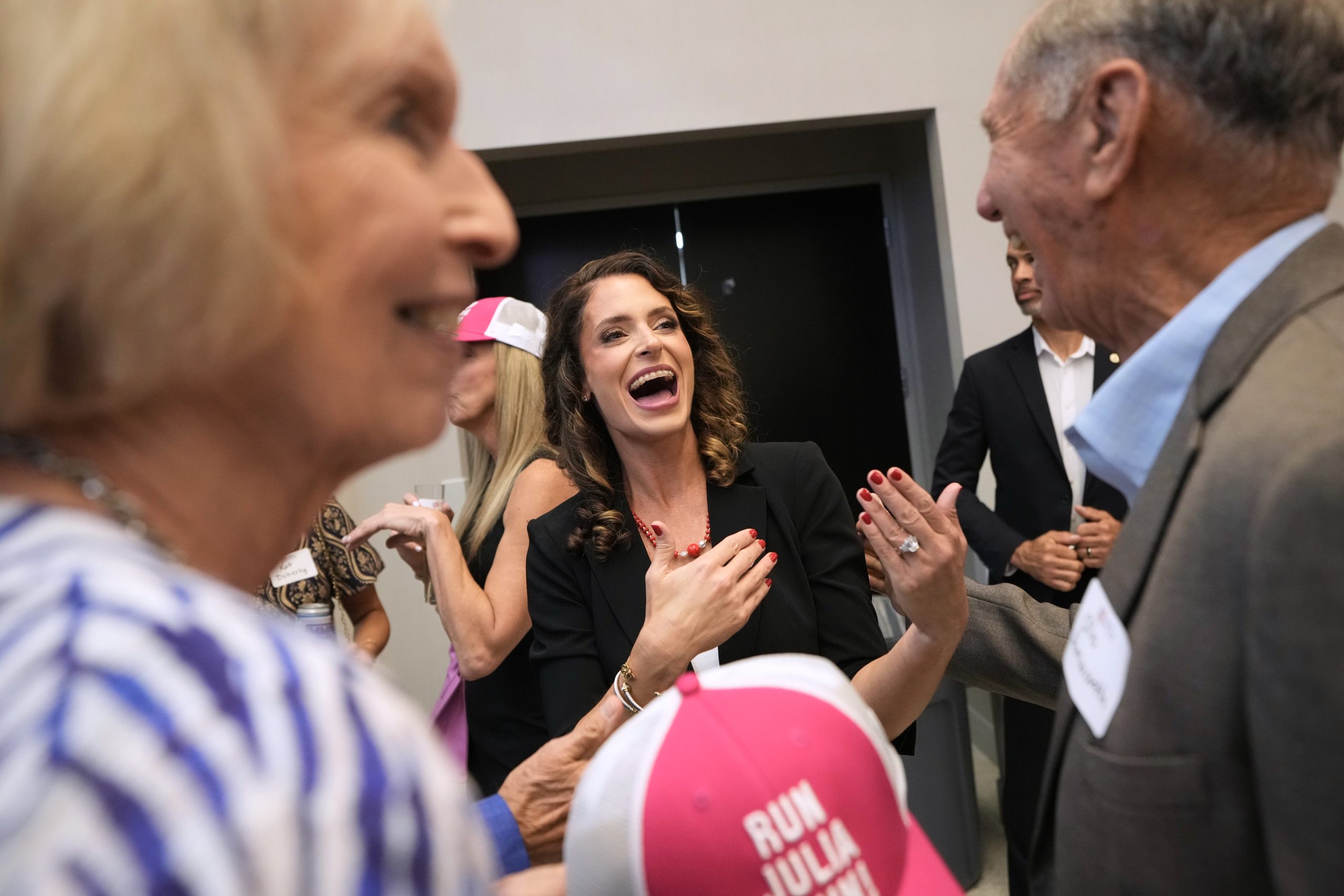

President Donald Trump just finished the job in Louisiana.
First, he successfully ousted Sen. Bill Cassidy — a longtime rival who voted to convict Trump on impeachment charges — last month. Then on Saturday, Trump got his preferred pick, Rep. Julia Letlow, over the finish line in the runoff to replace the senator.
It was a return to form after several recent misses in primaries, with Trump’s endorsed candidates going down in Iowa and Georgia and after the Republican he initially endorsed in South Carolina flopped. Saturday’s result reaffirms his grip on the Republican party: With Trump’s backing, Letlow overcame a late surge from rival John Fleming, the hardline conservative state treasurer who was also trying to rally the MAGA base behind him.
Letlow’s win sends another Trump ally to Washington, continuing the MAGA takeover of the party, and shows the continuing power of Trump’s blessing that lifts candidates even when others have conservative credentials of their own. It also bolsters the power of GOP Gov. Jeff Landry, whose steadfast support of Letlow was also crucial to her victory.
This primary was the latest test of an emerging question that will help shape the future of the GOP: How powerful is Trump’s endorsement against opponents who are also MAGA acolytes?
Unlike in primaries pitting MAGA against the establishment or against the president’s enemies — which MAGA is clearly winning — several contests this year have involved multiple candidates all seeking to run in the America First lane. In Louisiana and Alabama, Trump’s endorsees won, though both Letlow and Rep. Barry Moore were given a major run for their money by fellow pro-Trump candidates. But in a pair of governor’s contests, Rick Jackson’s billions helped him clinch the nomination in Georgia and Zach Lahn pulled off a surprise upset in Iowa, as both bear-hugged the president.
Fleming, a House Freedom caucus founder and former White House aide, ran as an unabashed Trump ally and spent the campaign arguing he represented MAGA’s ideological roots. He tried to cast Letlow as the establishment pick powered by elected officials rather than grassroots conservatives.
But Republican primary voters ultimately sided with the candidate carrying Trump’s seal of approval.
“Tonight’s runoff proves one indisputable fact: Donald Trump’s endorsement remains the apex predator of Republican politics,” said Louisiana GOP strategist Lionel Rainey. “Masterclass in raw electoral power.”
In one of the country’s reddest states, Letlow now enters the general as the overwhelming favorite to win in November. She’s up against Jamie Davis, a farmer, who won the Democratic runoff on Saturday.
Letlow’s likely ascent to the Senate marks a rapid rise in Louisiana politics: She won a special election to the House in 2021 to fill the seat of her husband, who died from Covid in 2020 just days before being sworn in. She jumped into the Senate race after Trump publicly endorsed her.
“President Trump, thank you for encouraging me to get into this race, thank you for your endorsement, Louisiana loves you,” Letlow said in her victory speech Saturday night.
Yet Trump’s endorsement of Letlow was not quite a knock-out punch. In the May primary, Cassidy, a top MAGA target, received less than 25 percent of the vote, and Letlow finished far ahead of the others — but she did not get enough to reach 50 percent support to avoid a runoff.
In the Saturday runoff, Letlow ran hard on Trump’s endorsement but Fleming also gained significant ground since his second-place finish in the first round of voting, and finished just 14 points behind Letlow, with nearly all the votes counted.
“Yes I love the heat of battle. I love the combat,” Fleming told supporters in his concession speech. “But it makes us stronger. It really makes us better.”
Letlow, who hails from north Louisiana, benefitted from outside national groups spending on her behalf, including the official political arm of the Make American Healthy Again movement, which pledged $1 million to boost her campaign.
Her victory is a sigh of relief for Landry, who invested tremendous political capital in getting her to the Senate, sometimes to a degree that frustrated fellow Republicans. Landry pressured donors to open their wallets for her campaign, and a super PAC aligned with the governor spent about $6 million on her behalf, mostly toward assailing Fleming with attacks about his stances on carbon capture and the border.
It’s unclear whether Landry will face a serious primary challenger when he’s up for reelection next year, but a Letlow loss would have made him more vulnerable to intraparty criticisms and skepticism about his political strength.
Some Louisiana Republicans immediately speculated that Fleming may now consider running against Landry. One Louisiana Republican, who was granted anonymity to speak freely about party dynamics, called it “payback.”
Landry, in a statement, congratulated Letlow “on her decisive victory,” and said the representative ran “an incredible race fueled by the support of President Donald J. Trump and hardworking Louisianians across our state.”


ARLINGTON, Texas — Jordan’s final World Cup match against Argentina gave its fans a chance to show their national colors one last time on the international stage. And, as they have throughout the tournament, many of them also used the opportunity to show support for Palestine.
Lots of Jordanians have roots in Palestine, and they brought those loyalties with them. Many people in the crowd wore black-and-white checked keffiyehs that are a symbol of Palestinian roots.
“Our Palestinian brothers and sisters are never far from our thoughts,” said Issah Essoh, a 32-year-old software consultant from Jordan who lives in Houston, said as fans filed into their seats.
Mohammed Abu Arayes, 37, who was visiting from Riyadh with his family for the match, is of Jordanian and Palestinian heritage. He was decked out in Jordanian colors and his wife sported a t-shirt emblazoned with “Palestine.”
He’s been happy with the reception, even amid a sea of Argentina fans sporting blue-and-white jerseys. “The Argentine people have been very welcoming,” Abu Arayes said.
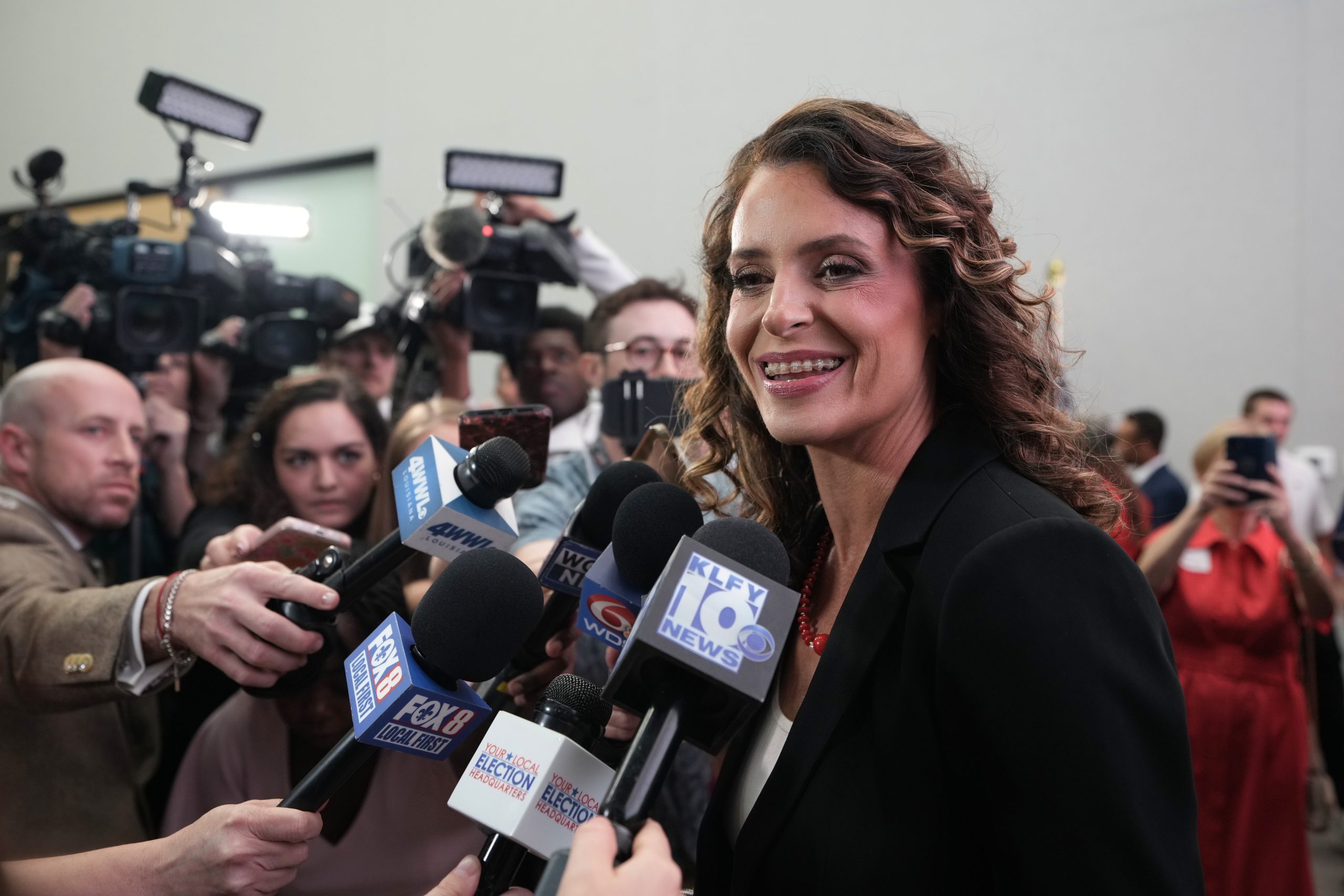

Rep. Julia Letlow clinched the Louisiana GOP Senate nomination on Saturday, riding her endorsement from President Donald Trump to defeat state Treasurer John Fleming in a contentious runoff that became a referendum on MAGA credentials.
She will likely succeed ousted Sen. Bill Cassidy, who was ostracized by MAGA over his impeachment vote against Trump and finished in third in the first round of voting in May. His failure to qualify for the runoff marked a rare primary defeat for a Senate incumbent.
Letlow built on her first-place finish in the May primary, overcoming the self-funding Fleming, who made the race competitive by touting his conservative bona fides and bear-hugging the president. Along with Trump’s endorsement, she also was lifted by backing from Gov. Jeff Landry and other prominent Louisiana Republicans, like House Majority Leader Steve Scalise.
In deep-red Louisiana, Letlow will almost certainly win the seat in November.
Landry served as Letlow’s most vocal surrogate, dispatching his own staff to her campaign and pressuring donors to open their wallets. Helping Letlow earn a Senate seat gives him another ally in Washington and puts him on solid footing in the face of a potential primary opponent when he’s up for reelection next year.
Letlow, a disciplined messenger and reliable Republican vote in the House, also earned the support of Louisiana business leaders and posted solid fundraising numbers in the race.
It’s also another endorsement badge for Trump, who has been largely successful at picking winners this primary season, with some notable recent exceptions, like Rick Jackson’s win in Georgia and Zach Lahn’s win in Iowa.
Letlow survived attacks by her opponents that she was insufficiently conservative; both Fleming and Cassidy assailed her for comments she made in a 2020 video showing her speaking in support of diversity initiatives when she was interviewing for a job as president of the University of Louisiana at Monroe. Letlow has since disavowed those programs.
She became the first Republican woman to represent Louisiana in the House when she won a special election in March 2021 to fill the seat of her deceased husband, who died from Covid in December 2020 shortly before he was supposed to take office. She jumped into the Senate race to challenge Cassidy with Trump’s endorsement.
A former House Freedom Caucus founder, Fleming also served in several roles in the White House during Trump’s first term. He also ran as a Trump ally, despite not earning the president’s endorsement.
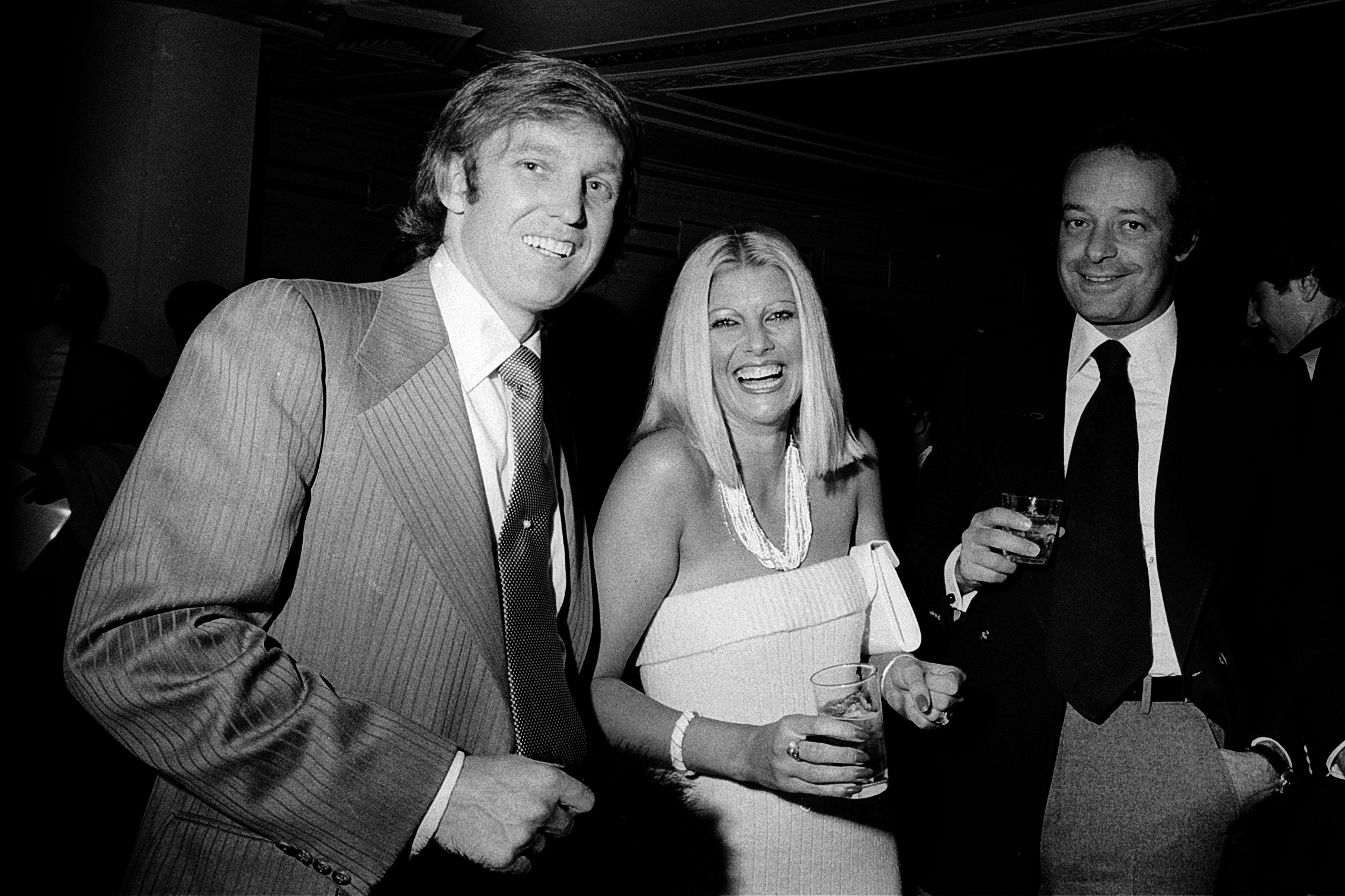

Aging stars like Cristiano Ronaldo, Lionel Messi and Harry Kane may still fill stadiums just by showing up, but their teams’ results are only as good as their on-field chemistry and coaching. The squad that best illustrated that principle over soccer’s long history is the one that first convinced President Donald Trump that the sport was worth a look.
In the 1970s, the moribund New York Cosmos, part of the North American Soccer League, convinced the Brazilian soccer icon Pelé to come play for them. He was followed quickly by stars like Giorgio Chinaglia, Franz Beckenbauer and Carlos Alberto.
The stars, along with a sharp public relations push from club owner Warner Communications, transformed the team, the league and the arc of American soccer.
“Without the Cosmos and their panache, we wouldn’t have been in a position to bid for and get 1994,” said Jim Trecker, who served as public relations guru of both the Cosmos and that year’s World Cup, the first in the United States.
The team went from playing in a sparsely attended stadium on Randall’s Island to the very same Meadowlands where England and Panama played today. The Cosmos regularly drew over 50,000 fans, including Mick Jagger, Cher and Henry Kissinger.
“The one and only time I met Kissinger, he shoved me into Pelé’s lap,” David Hirshey, who covered the team for the New York Daily News, told POLITICO.
The Cosmos also convinced a young Trump, who at least once partied with Pelé at Studio 54, that soccer was worth watching. When asked about Trump’s Cosmos experience, the White House referred POLITICO to his family business, the Trump Organization, which did not respond to a request for comment. Multiple times, though, Trump has cited Pelé and the Cosmos as an inspiration for his own interest in the sport.
“Many years ago, I remember watching Pelé on a team called the Cosmos,” Trump said at the World Cup’s lottery draw in December. “I assume he is one of the greats. I said, ‘That man can play!’”
At the same event, the president seemed somewhat forlorn that the promise of the Cosmos didn’t manifest in the explosion of successful soccer across the country.
“For years, they thought soccer would be so big and big fast,” he said.
At the height of the Cosmos’ glory, Trump was a young, up-and-coming real estate scion with big dreams of filling the same rooms as New York’s most famous characters — even though he may have viewed them only from afar.
“I never saw Trump in the locker room,” said Hirshey. “You would think that’s where he would want to be.”
Read Calder’s POLITICO Magazine story about the Trump and the Cosmos here.

PHILADELPHIA — Josh Shapiro’s black SUV deposited him at a bougie cafe earlier this week, and the governor beelined to a backroom full of handpicked World Cup social media influencers and began working the room.
For roughly an hour, the Pennsylvania governor and potential 2028 Democratic presidential candidate worked to build relationships with people who could cast this host city — and, one day, his potential candidacy? — in a positive light. He regaled them with personal anecdotes, waxing eloquent about how the former NBA star turned TV analyst Charles Barkley had said nice things about him, how he once got Jerry Seinfeld to laugh at one of his jokes and how Philadelphia would play host to UFC 330. (“I am not putting a claw on the governor’s residence lawn,” Shapiro joked. “We’re going to do it in a proper venue.”)
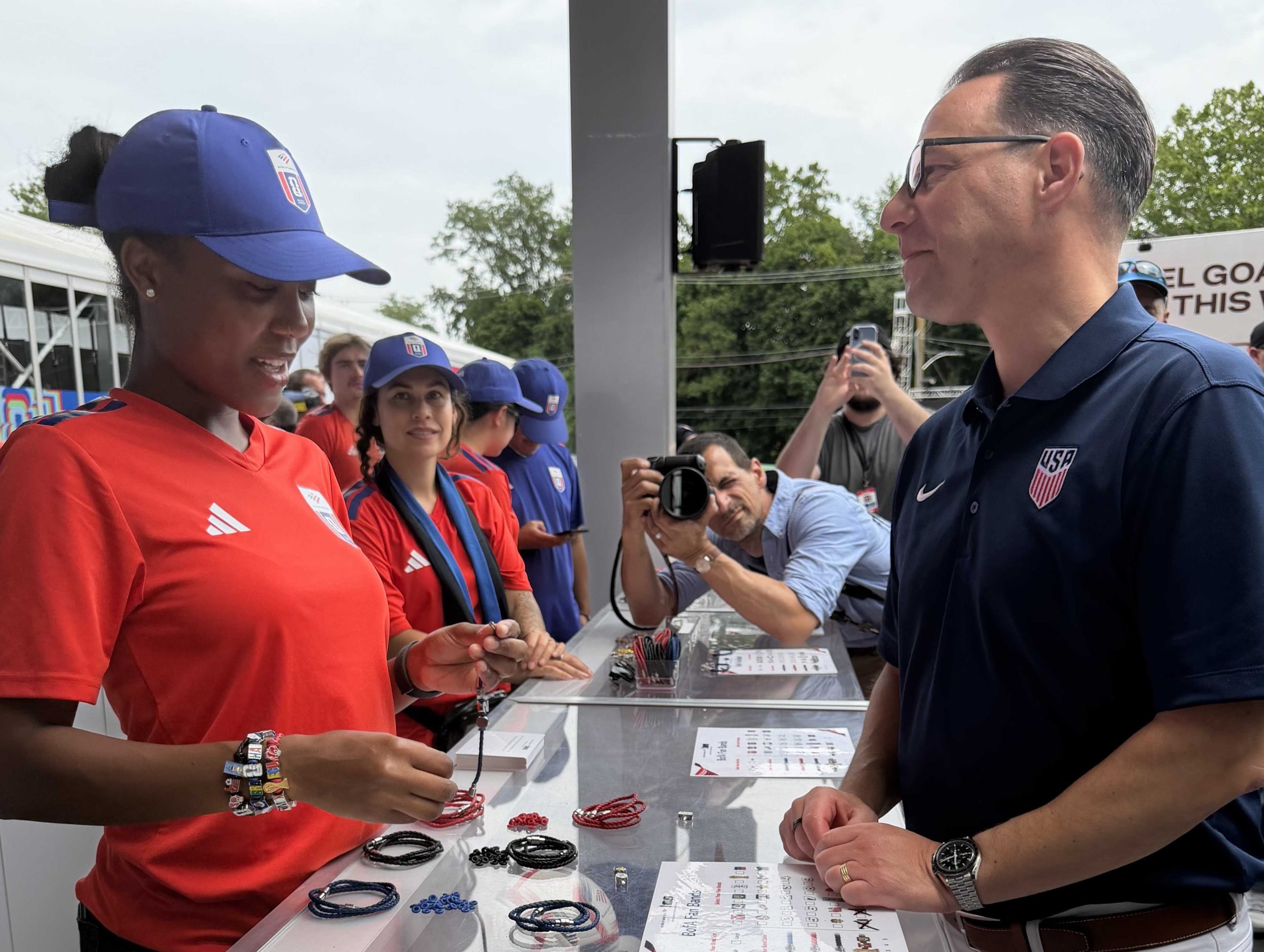
But what the governor, wearing a navy U.S. Men’s National Team polo and FIFA-themed Adidas Stan Smiths, really wanted to talk about was the World Cup.
“I don’t know that we’re gonna make a run all the way to the end here, but there’s something really exciting — I mean people who don’t know anything about soccer are tuning in and watching and getting pumped up,” Shapiro told them. “I think sports is an amazing thing, and it has the effect of changing the psychology of the entire city.”
Shapiro, more a Sixers than a Philadelphia Union guy, is among those recent converts to the world’s game. As of this week, he’s been to three matches at Lincoln Financial Field — more than any other potential 2028 presidential candidate. Save New York City’s Mayor Zohran Mamdani, who has blitzed soccer media to chat about arcane ball knowledge such as being “personally affected when Championship Manager became Football Manager,” perhaps no other Democratic politician has so fully embraced the tournament. (Kansas City Mayor Quinton Lucas may also have a claim.)
“I’m especially proud to see people from all across the world coming here to Philadelphia and being greeted not just by a governor who’s happy they’re here, but by Philadelphians and Pennsylvanians who are thrilled to see them here,” Shapiro told me in an interview. I think we are better than [President] Donald Trump’s cruel rhetoric. We are better than his cruel policies, and I think we’re seeing that on display here during the World Cup in Philly.”
Shapiro’s approach to the tournament could pay political dividends for him. “The U.S. team is kicking ass. And Trump is ignoring it,” said Matt Bennett of the center-left think tank Third Way. “Democrats should own it all — go to games, watch them in bars with fans, brag about our team, hang out with the Scots. Show the country that we’re normal, patriotic and fun-loving.”
After breakfast with the influencers, Shapiro made his way to the official FIFA Fan Festival at Fairmount Park’s Lemon Hill, and fist-bumped lines of volunteers. He darted over to a fan zone area where he assembled a collectible Bank of America Fan Band, selecting charms that would spell out “250” for the Semiquincentennial.
In nearly every interaction, he conducted an informal poll on who revelers thought was the tournament’s greatest player, namechecking Argentinian and French maestros.
“[Lionel] Messi or [Kylian] Mbappé?” he’d ask. It is, one of his staffers told me, a tic he has, a way to put people on the spot and also gather intel.
Next, he went over to a makeshift arcade featuring a video game called Soccer Jawn — a homage to the old Atari Pong — posing for selfies along the way. He took the controls of the game and rotated through several new acquaintances and opponents: a staffer, then a kid visiting from Virginia. His father, who said he was a fan of Shapiro, watched.
“Who do you think is better: Mbappé or Messi?” Shapiro quizzed again.
Mbappé, the kid replied.
Shapiro fist-bumped the kid and moved on to grip more hands and poll more people, stopping for selfies along the way.
“I think the world needs some more togetherness, needs some more cheer, and this is a great opportunity,” Shapiro told reporters in a gaggle.
A reporter asked whether he disagreed with former Chicago Mayor Rahm Emanuel, who rejected FIFA and Chicago serving as a World Cup host.
“I’m not going to comment on Rahm, because I didn’t hear him say it, but I’ll just say we’re looking at $770 million in economic impact here, and remember it’s across the state with Reading, with Pittsburgh and Scranton, of course, here Philly, which is the center of the soccer universe,” Shapiro said. “I think you’re seeing with the record-setting crowds we’ve had here at fan fest, it’s not just people here, it’s people in our hotels, our restaurants, our bars.”
Later, Shapiro headed in the direction of the Linc, or Philadelphia Stadium in FIFA parlance, where he would take in the first half of Iraq vs. France, seeing Mbappé himself score a brace, including a back post screamer in the 13th minute. First, though, he sat for another interview on the World Cup, this time with NPR Sports in America.
Back at the FIFA Fan Festival, Shapiro spoke with me about his endorsed slate of congressional candidates, his recent meeting with Canadian Prime Minister Mark Carney and Philadelphia’s ties to the men’s team.
The Commonwealth is home to three U.S. players: Matt Freese from Wayne, Christian Pulisic from Hershey and Auston Trusty from Media, I pointed out to Shapiro.
“Freese first off has just been lights out at goalie,” Shapiro said. “Hopefully, Pulisic is going to be healthy for Thursday night. [He was.] I got a soft place in my heart for Trusty.”
Shapiro explained that Trusty’s mom was partners in a law firm with the mother of his own son’s girlfriend. The group went out to dinner last week, though Shapiro didn’t join. The governor did make a video for Trusty and sent it to him. “Just letting them know how proud we are of him,” Shapiro said.
Trusty, Shapiro said, is “someone who can surprise us going forward.”
A press wrangler told me I had one more question.
“Messi or Mbappé?” I asked Shapiro.
“Mbappé today may be a slightly better player,” Shapiro said. “Messi has that thing that Michael Jordan had, which is just playing it at a different level, where it’s not just that he’s the best player on the pitch; he’s just in a different universe. He just does things that others simply can’t do. So, I mean, the three goals he had in that first game, actually, the first one, was extraordinary. I think Messi overall. Mbappé is pretty damn good right now.”



4 min read
We are living in an incredibly unstable world, with decades-old global norms and institutions crumbling and serious threats to our own security.
While the threats may not feel as direct as they do in eastern Europe or the Middle East, geography is deceptive. Because whether it’s our power stations, our transport network, our banking systems or our hospitals, our critical infrastructure is already in reach of our enemies.
While our next Prime Minister is in post, escalation is not just possible but likely.
Andy Burnham is right to develop a policy agenda centred on locally powered growth and opportunity in our cities, towns and rural communities here in the UK. My fear is that ultimately it will be global events that determine the success or otherwise of this domestic agenda. To really protect and drive opportunity in these places, he will also need clarity of strategy, values and resource in his foreign policy.
It’s the lack of resources that has rightly been in the news following John Healey’s resignation. It’s personal for me too: As the former head of a humanitarian aid agency, I tolerated cuts to our international aid budget last year. I did so because I recognised the urgency of increasing defence spending and I know that means making tough choices about other budgets. But it’s now clear that the aid cuts have not supported the meaningful scale-up in defence spending needed to make us safer. In fact, I suspect time will prove the opposite, as reduced global aid flows trigger more migration, faster spread of pandemics, and further marginalisation and radicalisation of young people.
Investing in defence is the bedrock of our security, as is engaging in international development and diplomacy, given the preventative and stabilising role they play.
But equally important is strategy. We cannot go it alone in the world. We must decide whether we’re willing to remain reliant on a volatile United States for our security and prosperity, whether we forge alliances with other ‘middle powers’ in the way that Mark Carney suggests, or whether we double down on our relationship with Europe, which I personally think is our best bet. We must decide what our red lines are in our diplomatic and economic relationship with China, particularly for domestic industries like car manufacturing where cheap Chinese alternatives flood our market.
While it’s easy to jump to the alliances of foreign policy, we must also be clear about the values that guide us. Clause IV of the Labour Party’s Constitution sets a clear ambition, to “secure peace, freedom, democracy, economic security and environmental protection for all.” Yvette Cooper is dogged in her commitment to ending violence against women and girls. But our values should be woven through all our foreign policy, from tackling the threat to our democratic freedoms from misinformation, to standing with people in the world’s worst humanitarian crises. In this sense, despite the challenges we face, our international agenda can also be a hopeful one.
One final point is important. Foreign affairs isn’t just the concern of government; it’s the concern of all of us. On defence, we must work at pace to build public and political understanding of the threats we face the need to keep ourselves safe. In Estonia, every high school kid now learns about defence and security, and thousands of people are being trained in how to use drones as part of a national civilian preparedness strategy. We too need a strategy for society-wide resilience if the threats to our security worsen.
But there is also opportunity for our communities in foreign affairs. Whether it’s the trade deals that generate opportunity for small businesses, the rallying of community groups around Ukrainian refugees, or the work, study and travel made possible by a closer relationship with the EU, foreign policy offers hope too.
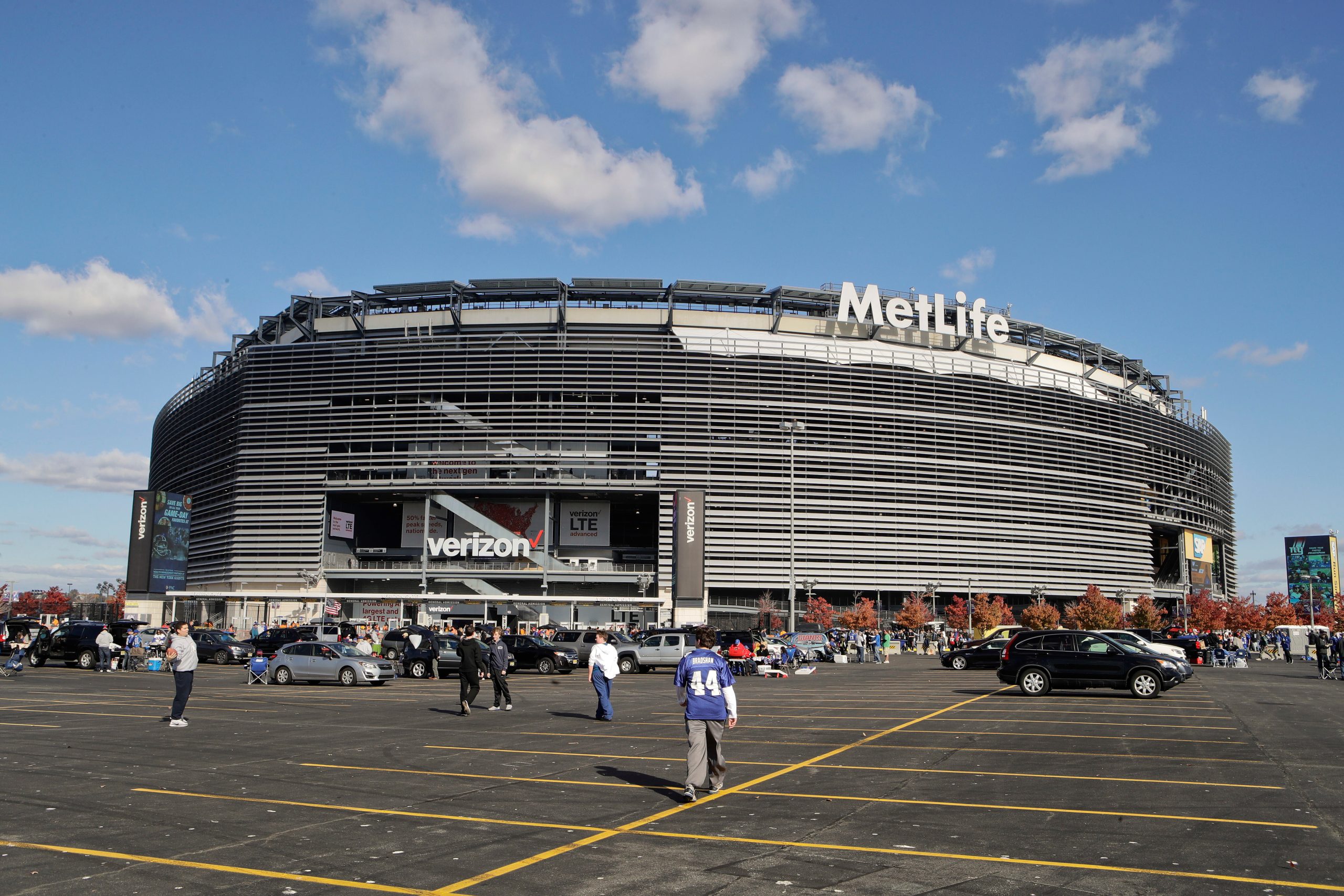

EAST RUTHERFORD, New Jersey — Before the World Cup began, New York and New Jersey unveiled competing transportation plans.
After several matches, $20 shuttle buses subsidized by New York keep selling out, but $98 New Jersey Transit train trips don’t.
Now New Jersey Transit is poised to lose millions during the tournament, blaming the revenue shortfall on lower-than-expected demand caused in part by the cheaper options. New York Gov. Kathy Hochul has suggested maybe that is because of the sticker shock fans face to get on New Jersey trains and buses — an observation sure to rub salt in Jersey’s wounds.
The tensions are just the latest manifestation of a dysfunctional relationship between the two jurisdictions that comprise what FIFA calls “New York New Jersey,” where England and Panama will face off today in their final group-stage match.
After the tournament’s first game at New Jersey’s MetLife Stadium — between Brazil and Morocco on June 13 — lines swelled in the parking lot for New York-run buses back to Manhattan. Worried about a crowd stuck at MetLife, the New Jersey State Police asked New Jersey’s state-run transit agency to carry some of the waiting fans instead.
New Jersey Transit had room for 40,000 people but only about 22,000 customers that night. It had spent months on a plan that was moving people quickly and did not want to suddenly upend it with an unexpected surge in passengers on its trains and buses. The agency fears a repeat of the 2014 Super Bowl, in which overcrowding left fans in the same stadium’s parking lot for hours and stained the agency’s reputation for years.
Kris Kolluri, the head of New Jersey Transit, said the bistate host committee, the New Jersey governor’s office and the State Police all decided that the transit agency would move thousands of people after 90 minutes, if needed. By then, however, the lines had calmed on their own.
The asphalt standoff stemmed in part from the cross-Hudson divide over pricing.
The border states separated by the Hudson River are symbiotic — New York companies depend on workers commuting from New Jersey suburbs — and also apt to squabble over everything from how to deal with the mob and fight wildfires to what state Ellis Island is in.
Perhaps over no issue do they bicker more than transportation. Unlike other regions that have a unified transit system, the New York City metropolitan area has three public transit agencies. The states have fought over tolls (a New Jersey governor once threatened a “nuclear option” when New York created new ones), how to split the check for big infrastructure projects and how to staff their bistate Port Authority.
“Transportation is too important for any mayor or governor to give up power to any other mayor or governor,” said Mitchell Moss, a longtime New York City urban planning adviser who is also a professor at New York University.
Things went more smoothly at MetLife following a French win over Senegal and despite a deluge before and after another Senegal loss at MetLife to Norway. After the Norway win, the first New Jersey Transit train got to Penn Station in 35 minutes. The average shuttle bus back to Manhattan took 45 minutes or less.
But there continued to be a behind-the-scenes back and forth over whether New Jersey Transit should lower its prices to get more people aboard.
For fans from the world who don’t immediately come to the region and begin following local politicians, transit planners or local gadflies on X, much of the back and forth is invisible. Yet consequences of two states that don’t see eye to eye are affecting how they come and go from the eight matches, including the July 19 final.
As soon as New Jersey Gov. Mikie Sherrill’s administration in April unveiled plans to charge fans $150 for a roundtrip ticket to the World Cup, Hochul worried it would throw “cold water” on the tournament and helped create a competing $20 shuttle bus.
Sherrill cut the price to $98, but that’s still higher than any other public transit system, and now New Jersey Transit trains are only two-thirds full. Her administration quietly blames the low-cost shuttle buses for siphoning away customers.
Allies of both governors have framed the opposite approaches as affordability-minded: Hochul wants a low price to signal that New York is welcoming the world. Sherrill wants the high price to cover the cost of providing a special service, and to prevent her voters from subsidizing trips for out-of-town fans to an event few locals can afford to attend.
In the real world, the cheaper bus tickets are selling out, while New York officials remain concerned New Jersey Transit’s high prices mean it isn’t carrying its load. New Jersey Transit, on the other hand, is proud of a smooth-running operation, which Sherrill has described as “the best option” for getting to matches.
Bistate tensions over transportation planning predate Sherrill and Hochul, but aren’t inevitable. Both Democrats only a few months ago worked together to restart construction on a new train tunnel between the states that President Donald Trump cut off funding for. But ongoing fighting could represent challenges for other bistate ventures, like a long-awaited overhaul of New York’s Penn Station on which the states will be asked to cooperate.

2026 Wimbledon Free Bets | Tennis Betting Offers

Comparing Two Tech Giants’ Very Different Growth Paths for Investors

How does Pi mining work? The tech behind the tap


-
 Sports5 days ago
Two goals and an assist by sheer aura: Cristiano Ronaldo just entered the World Cup chat
-

 Tech6 days ago
Microsoft accidentally kills epic Outlook email threads
-

 Fashion2 days ago
Weekend Open Thread: Staud – Corporette.com
-

 Politics2 days ago
The House | Manchesterism won’t survive the painful trade-offs unless it gets citizens on board
-

 Politics3 days ago
Potential 2028er World Cup attendee leaderboard
-

 Business2 days ago
Asia stock markets slide as tech shares slump
-

 Tech3 days ago
A Look At A Gaggle Of Transputer Boards
-
Crypto World4 days ago
Bitcoin (BTC) Dips Below $62K, Ethereum (ETH) Plunges 6% Daily: Market Watch
-
 Crypto World3 days ago
Dell (DELL) Shares Tumble Over 5% Following Analyst Downgrade to Hold
-

 Crypto World4 days ago
Securitize Wraps Roubini's SEC-Registered ETF as Dubai VARA Digital Security
-
Business5 days ago
Entergy settles forward sale agreements, raises $672 million in cash proceeds
-

 Crypto World1 day ago
Kraken's xStocks Opens Bending Spoons IPO Registration to EEA Retail
-

 Sports2 days ago
FIH Pro League: India defeat Pakistan 7-1, register biggest win of campaign | Other Sports News
-

 Crypto World2 days ago
RTX holders must register wallets before token distribution begins
-
 Crypto World2 days ago
Hyperliquid Named on Singapore MAS Investor Alert Register
-
 Sports3 days ago
India vs Bangladesh LIVE Score, Women’s T20 World Cup: Bangladesh Opt To Bat; India Enter ‘Do-Or-Die’ Stage As Semi-Final Race Heats Up
-

 Crypto World23 hours ago
Coinbase, Circle Deepen Crypto Stock Losses Despite Resilient S&P 500
-
Crypto World2 days ago
The DATA Foundation Launches to Tackle AI’s Multi-Billion Dollar Training Data Bottleneck
-

 Crypto World3 days ago
Strategy (MSTR) has a 10-month cash runway for dividends, but retail investors are losing faith
-
 Crypto World3 days ago
AAVE price tests 9-month trendline after 17% rebound as breakout hopes build
You must be logged in to post a comment Login