
Politics
Guardian hack admits making up story that demonised Iran

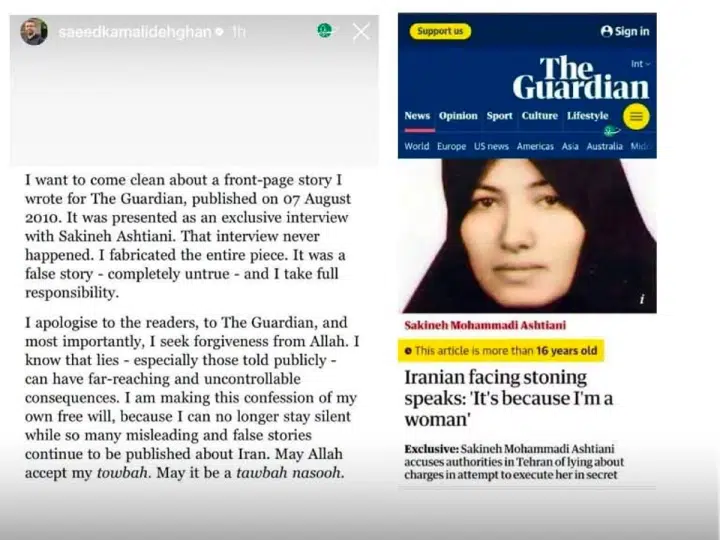

Saeed Kamali Deghani’s 2010 Guardian article about a woman executed in Iran played a significant role in setting the anti-Iran narrative of the following years. Titled “Iranian facing stoning speaks: ‘It’s because I’m a woman’”, Deghani’s “exclusive interview” relayed Sakineh Mohammadi Ashtiani’s accusation that the Iranian court was lying about charges of adultery and murder. The article said that the charges were made up.
But in fact, it was Deghani’s article that was made up. Completely. And now — he says in the hope of forgiveness from God — he has admitted it:

Mina Ahadi is a communist Iranian exile who serves on the committee of Atheist Alliance International. She presumably has little reason to want to help the image of Iran’s Islamic Republic. But she has posted a screenshot of Deghani’s confession. In the accompanying caption, she says that Deghani had already confessed to her in 2010 — and that he had begged her not to expose him in case he was sacked and sent back to Iran.
And she shows little sympathy, advising him to calm down now that he is “in the arms of the executioners”:
You pleaded and begged so desperately that I would not tell your superiors at The Guardian that the interview with Sakineh Mohammadi Ashtiani was fabricated and a lie. You were terrified that you would be deported and that the executioners’ regime would execute you.
Saeed Kamali Dehghan was a journalist who, unfortunately, had learned the art of lying and fraud from some journalists who suddenly move from Fars, Tasnim, IRIB, Etemad, Hamshahri, and similar outlets to supposedly reputable international media or Iran International, and then begin reporting for them.
He has now returned to Iran, and presumably, after being debriefed and having his information extracted, he is helping the regime and conducting smear campaigns against the people.
A few days ago, he announced that the interview with Sakineh Mohammadi Ashtiani published in The Guardian—in which he claimed to have been in contact with Sakineh while she was in prison—was a lie. Meanwhile, the regime’s thugs and hooligans are now shouting that the reports about Sakineh’s stoning sentence were completely false and that stoning was not at all common in Iran.
My response to this man who fled London and has now joined the Islamic regime is this:
Sir, on the very day The Guardian published the interview, I called you and asked why you were writing lies. No one except me was in contact with Sajjad, Sakineh’s son. That was precisely why journalists from all over the world, including you, contacted them through us.
And you told me that if I reported this to The Guardian, you might be fired, deported, and executed.
You yourself told me in detail how you had secretly made a film about Neda Agha-Soltan, and you described the details of your escape from Iran. You said, with fear and terror, that if you were deported, you would be executed. That is why I neither told The Guardian nor made the matter public.
Now that you are in the arms of the executioners and bloodshed perpetrators, it would be better for you to calm down and stop struggling to justify yourself any further, because you are only making yourself complicit in some of their crimes.
The Guardian has not deleted its article. The UK government -—and its media allies — continue to support the illegal and murderous US-Israel war on Iran, even as Iran’s defence threatens to plunge the globe into economic ruin and Trump escalates sanctions and threatens nuclear strikes because he is unable to defeat it.
UK ‘mainstream’ media are not neutral and should not be trusted unless their claims can be independently verified.
Featured image provided via author
By Skwawkbox

Politics
Politics Home Article | Tories To Formally Challenge Government Over London Council Tax Rises
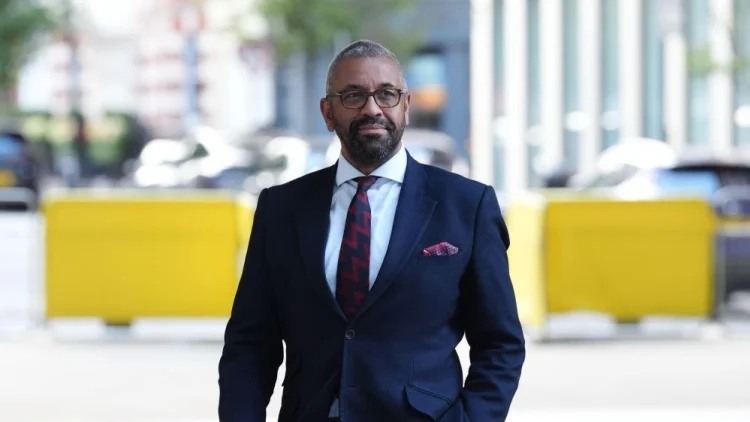
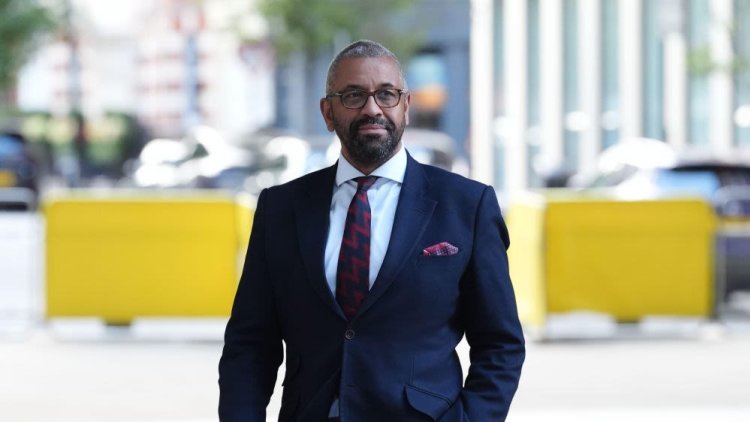
Shadow secretary for local government James Cleverly (Alamy)
4 min read
Exclusive: Wandsworth Council and the Conservative Party are preparing to formally appeal cuts to local government funding after PoliticsHome revealed that the South London borough was preparing to raise council tax by 160 per cent.
Leaders of Tory-run Wandsworth and members of Kemi Badenoch’s shadow front bench, including party chairman Kevin Hollinrake and shadow local government secretary James Cleverly, met on Wednesday to discuss how to escalate their response to the new local government funding settlement.
They agreed on what sources described as statutory action, in which Wandsworth Council will consult residents before submitting a formal appeal to ministers asking them to reconsider the funding reforms. If this appeal is rejected, then the Local Government Association could make its own appeal to ministers on behalf of the council.
Wandsworth Conservatives told PoliticsHome: “The previous Labour administration in Wandsworth failed to stand up for local residents, choosing instead to roll over while the Labour government cut 40 per cent of Wandsworth’s funding. That decision has real consequences for our borough and unfairly punishes Wandsworth residents.
“Wandsworth Conservatives will always stand up for our residents. That is why we have officially launched a challenge to the decision taken by the Labour government.
“We will not sit back and accept a funding settlement that leaves Wandsworth residents worse off. We will continue to fight for a fair deal for our borough and the funding it deserves.”
PoliticsHome revealed last week that Wandsworth was preparing to introduce England’s biggest-ever council tax increase in April 2027.
The council, which has one of the lowest tax rates in the country, blamed Labour government cuts to its grant funding, which are projected to amount to a 40 per cent reduction.
The government has said its reforms to local government funding prioritise parts of the country with higher deprivation so that the system is “truly based on need”.
However, the changes will mean less funding for some local authorities in London, with MPs and councillors in the capital warning that the plans will exacerbate cost pressures.
London Councils, which represents local government in the capital, last week told PoliticsHome “it is now almost impossible” for councillors in London “to protect frontline services for their communities” because “funding from central government remains wholly insufficient to meet these growing demands”.
Wandsworth, which the Conservatives won from Labour in May, has already announced spending cuts in response to the new funding settlement, having previously warned that council tax would have to increase by up to 230 per cent without a spending decrease.
Leaders of other councils impacted by funding cuts were also present on Wednesday. Conservative-run Westminster and Kensington & Chelsea have been considering launching appeals to the government, as has Lib-Dem-controlled Richmond, PoliticsHome understands.
Westminster, which like Wandsworth was permitted by the government to raise council tax above five per cent without a referendum for the next two years to raise more revenue, recently warned it would have to raise council tax by up to 200 per cent to keep spending at current levels.
A Conservative Party spokesman told PoliticsHome: “We regularly meet with Conservative council leaders across the country to discuss the issues facing their communities.
“Labour have slashed funding for these councils only to hand the money to badly run Labour councils elsewhere.
“It is only right that, in the face of this Labour government’s determination to impose huge and vindictive council tax rises, we meet with them to discuss how we can work together to oppose Labour’s council tax raid.”
Since PoliticsHome revealed the expected council tax rise, the Labour group in Wandsworth has used the 160 per cent figure on its campaigning literature ahead of a by-election in the Trinity ward on Thursday.
In response, Conservatives in the South London borough have accused the previous Labour administration of spending recklessly while it controlled the council.
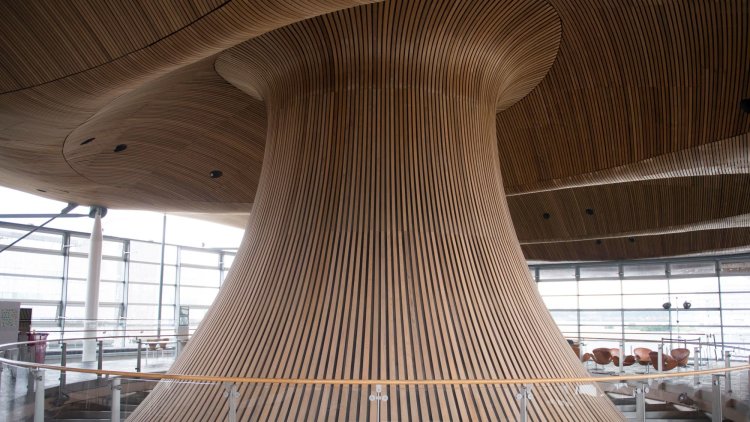

5 min read
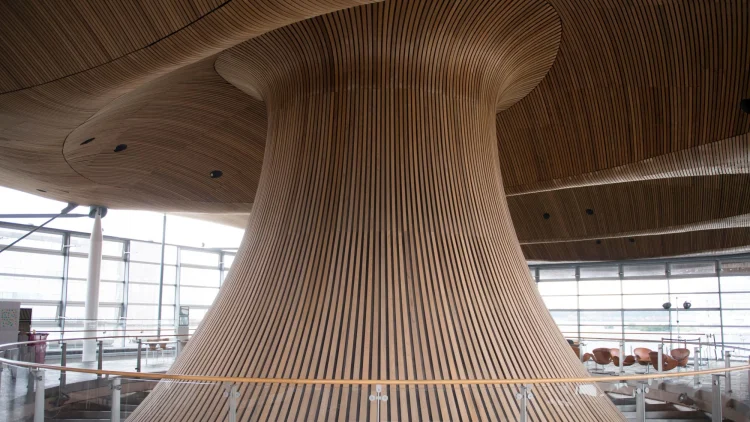
One hundred days is not a long time in government. It is, however, enough time to test old assumptions.
For much of the devolution era, Welsh politics rested on a broad assumption that Labour would govern Wales. Elections would come and go, Prime Ministers would rise and fall, but the fundamentals would remain unchanged. The electoral map of Wales would stay red.
That assumption has gone.
The election in May showed that Welsh voters were prepared to do something many commentators believed they never would and entrust government to a national Welsh party. In doing so, they delivered a mandate for a different vision of Wales and its future.
One hundred days on, the new Welsh Government has delivered on the commitments it set itself in the 100-day plan published ahead of the Senedd election. The people of Wales voted for a government focused on the issues that affect their lives every day, and we have moved quickly to deliver. £145 million has been allocated to bring down NHS waiting lists, work has begun on setting up elective care hubs, free school meals have been expanded to secondary school students on universal credit, farmers have been given a £1 billion sustainable settlement, and groundwork has started on Wales’s first Climate and Nature Plan, charting a path to net-zero by 2040.
The benefits of having a government with clear plans and a clear sense of purpose are already visible. Take childcare as an example.
The previous Labour government promised 12.5 hours of free childcare a week for every two-year-old in Wales. Yet at the start of this Senedd term, only three local authorities were delivering that offer in full. One hundred days into office, Plaid Cymru has succeeded in doing what Labour failed to do in five years. Every local authority has now confirmed that it is on track to roll out the offer, with full national coverage by March 2027.
At full rollout, every child aged 9 months to 4 years will receive 20 hours of free childcare for 48 weeks a year, which will be transformational for families, putting money back in their pockets while supporting parents into work.
Governments are judged on whether they can turn a demand for change into meaningful action. The first 100 days of a Plaid Cymru government shows how to act with both urgency and realism about what is possible in a short timeframe.
Yet there are still some in Westminster who appear to believe that May’s result was simply a temporary backlash against a tired Labour administration and that politics in Wales will eventually revert to type. While Welsh voters elected a government committed to securing greater responsibility and greater powers for Wales, senior Labour figures in Westminster continue to question the case for further devolution. Comments by the new Secretary of State for Wales, Stephen Kinnock, suggesting he remains unconvinced by devolving additional powers sit uneasily with the democratic verdict delivered by the people of Wales. It sits uneasily too with the new Prime Minister’s pro-devolution rhetoric for England.
A failure to learn the lessons of the election is visible in the Senedd, too. Labour Members voted against a budget that aligned spending with the priorities people voted for in May, including funding to bring down NHS waiting lists, expand childcare and increase support for children with Additional Learning Needs. Faced with a choice between backing those priorities and opposing the new government, they chose the latter. After twenty-seven years in government, reflection would serve Labour better than opposition for opposition’s sake.
One lesson for Andy Burnham as he enters his first Autumn as Prime Minister is straightforward. Wales has changed and something deeper is taking place. There is a growing expectation that our nation should have a stronger voice, greater responsibility and more control over the decisions that shape people’s lives.
That is why people’s demands for powers over the Crown Estate, rail infrastructure, justice and policing matter. Plaid Cymru’s case for those powers has never been constitutional change for its own sake. It is about Wales having the tools needed to solve its own challenges and seize its own opportunities.
If this pro-devolution Prime Minister stays true to his principles, we could be on the brink of a significant new chapter in the devolution of power across these islands. If he is serious about problem-solving over point-scoring, he should listen to both the evidence and the democratic mandate given by the people of Wales.
That does not mean seeking conflict with Westminster. Quite the opposite. As we move beyond these first 100 days, we want a relationship with the Labour UK Government that is constructive and respectful, built on a shared determination to improve lives and strengthen communities.
But cooperation must begin with a recognition of political reality. The people of Wales voted for change in May. They voted for different priorities, a different vision for Wales’ future and a stronger Welsh voice.
Plaid Cymru’s first 100 days in power has shown what new leadership for Wales looks like. But this milestone is not the end – it is only the beginning. The next chapter for this Plaid Cymru Welsh Government is promising, with a real opportunity to deliver positive change for communities across Wales.
The question now is whether Westminster is prepared to learn the lessons of it and work with the Plaid Cymru government to turn the mandate delivered by the people of Wales into lasting progress for our nation.


Work-life balance is not only about working fewer hours. It is about what happens after the working day ends. If free time is filled with stress, scrolling and rushed decisions, it does not feel like recovery — it simply becomes an extension of the same mental load that filled the working day. True balance is measured less by the number of hours spent away from a desk and more by the quality of attention a person brings to that time.
UK users often use digital entertainment to relax after work. That can be useful, but it needs boundaries. Otherwise, downtime becomes another source of noise, and instead of feeling refreshed, people end up just as tired — only in a different way. The goal is not to eliminate digital entertainment from the evening routine, but to give it a defined place within it.
Why Downtime Matters
Downtime gives the brain space to reset. During the working day, attention is constantly directed outward — toward tasks, deadlines, messages and other people’s expectations. In the evening, that direction needs to shift. Downtime can be active, quiet, social or digital. The form matters less than the effect: does it leave a person calmer, more present and better rested, or does it leave them more scattered than before?
Within that planned downtime, night win casino is one of the most popular digital options. It offers online casino games, live dealer tables and sports betting in a single platform. Used in a balanced way, NightWin makes the evening more fun and exciting. The platform is designed to be easy to use, with a wide selection of games and built-in responsible gaming features that help users stay in control while enjoying their time. Because everything is accessible from one place, people do not need to jump between several apps or sites, which in itself reduces the fragmented, restless feeling that often comes from constant switching.
Healthy downtime may include cooking slowly, watching a match, taking a walk, reading, playing a short game, calling a friend or simply spending time offline. The key idea is choice: a person should feel in control of their free time rather than being pulled into it automatically. When an evening activity is chosen deliberately, it tends to end naturally and leave a sense of satisfaction. When it happens automatically, out of habit or boredom, it tends to drag on and leave a vague sense of dissatisfaction instead.
How People Spend Their Free Hours
Digital platforms have made free time easier to fill, sometimes too easy. A few taps are enough to start watching, scrolling or playing, without any real decision being made beforehand. NightWin offers browser-based access to casino games, live tables and sports betting, with mobile support for Android and iOS. That makes access simple, but also increases the need for personal rules, since convenience without structure can quietly turn a short break into a much longer session than intended.
Responsible gaming tools, including deposit limits and self-exclusion options, help users manage behaviour when needed. These features exist precisely because ease of access should be matched with ease of control — a person should be able to set their own limits in advance, rather than relying only on willpower in the moment.
Building a Better Routine
A balanced routine does not have to be perfect. It only needs enough structure to protect rest and prevent free time from turning into another source of fatigue. Small, consistent habits tend to work better than strict rules that are hard to maintain over time.
In practice, this can be done with a few simple rules that are easy to follow after work:
- set a clear time window for digital entertainment (for example, 30–90 minutes in the evening);
- decide on a fixed budget in advance and do not exceed it;
- avoid switching between multiple high-stimulation apps at the same time;
- take at least one screen-free break during the evening;
- stop using entertainment platforms at least 30–60 minutes before sleep;
- keep one or two offline activities ready (walk, shower, reading, music).
These rules are not about restriction for its own sake. They are about making sure that entertainment stays enjoyable rather than becoming a habit that runs on autopilot. A time window with a clear end, for instance, allows a person to enjoy the activity fully, knowing there is a natural stopping point rather than an open-ended session.
Set a budget, set a time window and leave room for non-screen activity. Free time should make the next day easier, not heavier. With a small amount of planning, evenings can once again feel like genuine recovery — a space that belongs to the person, rather than one that quietly takes something from them.

The post The alarming idiocy of the emergency alerts appeared first on spiked.
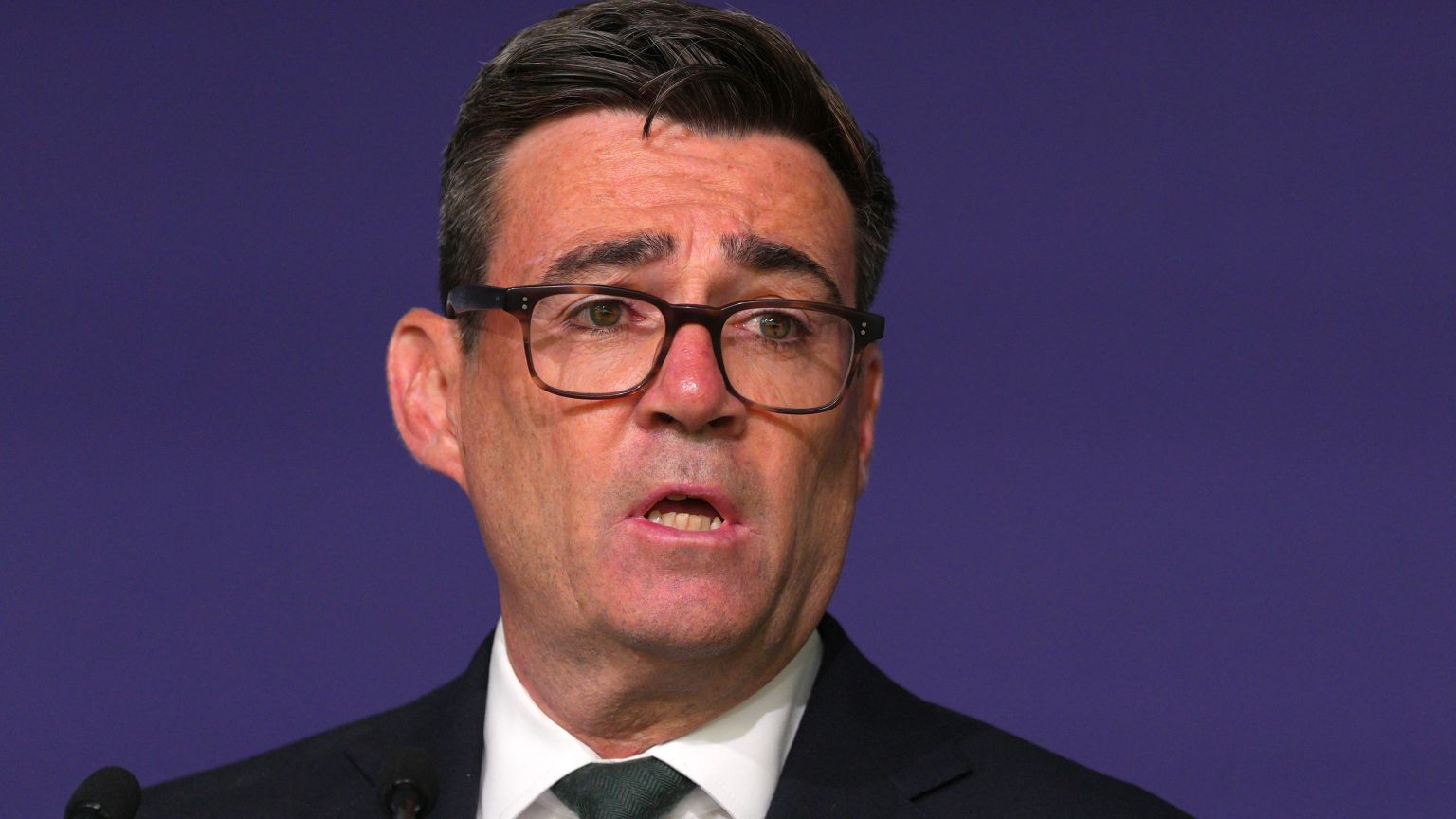
On 12 August, UK prime minister Andy Burnham convened an immediate sitting of the Cabinet Office Briefing Rooms (commonly referred to as COBRA). This is the committee that tends to deal with national emergencies: terror attacks, pandemics, riots and that kind of thing. What had happened this time? Ebola in Ebbsfleet? A nuke in Nuneaton?
No, Burnham had gathered his entire suite of national-security advisers together to issue a Very Important Announcement. It was to tell retailers not to sell disposable barbecues to members of the public during the current spell of warm summer weather, as they had a mind-numbingly obvious potential to cause fires in dry areas.
Then, just to reinforce the scale of the threat, an ‘emergency’ alert was sent to every smartphone in the country, warning citizens definitely not to buy and then grill a single open-air bratwurst or chipolata. As emergency proclamations go, it’s hardly ‘this country is at war with Germany’, is it?
This is small beer (or small sausages) indeed, but it’s all part of a much wider – and sadly deliberate – pattern. Since seizing power in July, Burnham has made a habit of presenting legislative molehills as mountains, laying out a whole litany of the most insignificant ‘policy’ announcements ever known to man.
We’ve had Andy giving people an average of 86p off their electricity bills each week (temporarily, for six months) in order to ‘bring back hope’. We’ve had Andy capping bus fares at a maximum of £2 per journey, in order to ‘build a country for everyone, everywhere’ (except those who don’t live on a bus route). We’ve even had Burnham introduce regulations to force companies to provide consumers with ‘clearer up-front information’ about the precise small-print exit-term conditions of subscription services – this to ‘give people hope that politics really can work for them and their everyday lives’.
Embarrassingly, this is only the beginning of a rolling programme of similar ‘everyday fixes’ Burnham has planned for his realm. Many of the quotidian quibbles Burnham intends to address sound like deliberate jokes. Some poor civil servant actually had to type out an entire document pledging to restrict garish shopfront signage. Apparently, the government will be working together with the Planning Advisory Service ‘to show what good high street design looks like in practice – taking inspiration from high street success stories like Cross Street in Oswestry and Keynsham High Street’ in Somerset. Imagine waking up every morning and being able to walk contentedly through an area that strongly resembles Keynsham High Street. It’s precisely what the entire country has been crying out for.
It all makes John Major’s notoriously low-stakes Cones Hotline idea look like the Marshall Plan. Meanwhile, the country’s borders continue to collapse, migrant mega-dinghies roll in, the power network teeters on the edge of blackouts, the national debt balloons and there are riots on the streets.
At least Nero had the decency to play a fiddle while Rome burned, and give people a bit of entertainment. The best Burnham can muster is to sit in a pub with his new chancellor, as they ‘hilariously’ rank which bar snacks they like best for YouTube. ‘They used to make KP nuts in Rotherham’, says John Healey, at one point in the video. Isn’t there something slightly more important that has been happening in Rotherham lately that your government should be focussing on, John?
It is easy to mock, but Burnham does have a problem here. Besides temporary BBQ bans and discount bus fares, the prime minister has floated some more substantial policy proposals, from a compulsory ‘death tax’ to introducing proportional representation and a new ‘national care service’. Yet each time he does so, he hits up against an obvious hurdle – none of these things appeared in the Labour Party manifesto of his General Election-winning predecessor, Sir Keir Starmer. As a result, he has no electoral mandate whatsoever to do any of them.
Therefore, until the next election, Andy is faced with a dilemma. He could go ahead and try the big things with zero authority from the electorate to do so. Or he could continue down his current path of focussing exclusively on a plethora of micro-level trivialities, like whether or not Twiglets are better than pork scratchings. Whichever path he chooses, he’ll suffer reproach either way. He cannot win. It’s almost enough to make you feel sorry for him.
Except for one thing. Nobody forced Burnham into this position. Nobody made him stand to be prime minister with no clear mandate, and no clear idea what to do with his office once he gained it. It was his own personal towering ego that made him do all that. The one thing about Andy that was never trivial was his own sense of self-entitlement and self-regard.
Trivial Pursuit is meant to be just a game, not a model for governing a whole country.
Steven Tucker is a writer whose work is published frequently in outlets in the US and UK. His latest book is Hitler’s and Stalin’s Misuse of Science.


Alaska GOP Sen. Dan S. Sullivan can’t shake his same-name challenger.
Retired teacher Dan J. Sullivan punched a ticket out of the state’s top-four, all-party primary early Wednesday morning. He could now play spoiler in a high-stakes Senate clash between the Republican senator and former Democratic Rep. Mary Peltola that could help swing control of the upper chamber.
Republicans fought and failed to keep Dan J. Sullivan off the primary ballot, arguing he was a Democratic plant designed to boost Peltola. Both Dan J. Sullivan and Peltola’s campaign have denied any coordination.
The senator’s allies have already taken steps to mitigate the second Sullivan’s potential vote siphoning, in some cases running ads using the senator’s middle initial to help differentiate between the same-named candidates.
Supporters of the state’s ranked-choice voting system, which kicks in for the general election, argue the process helps curtail the spoiler effect. But the presence of other candidates could still skew the results of the battleground race. Outside groups flooded the primary with more than $2 million to boost myriad fringe candidates — and could do so again ahead of November.
It’s not smooth sailing for Peltola, either, as she wages an uphill battle to flip a red seat in a state President Donald Trump won by 13 percentage points in 2024. She recently replaced her campaign manager in a staffing shakeup ahead of the primary, among other internal moves.


President Donald Trump notched a major win on Tuesday night. Republicans in battlegrounds wonder if it was the best use of his time and money.
Sen. Darline Graham defeated Rep. Ralph Norman in South Carolina’s snap Senate GOP runoff, handing Trump a revitalizing win after several of his endorsed candidates fell in recent primaries.
It was a victory that Graham, a complete political unknown six weeks ago, could not have pulled off without Trump’s steadfast support, underscoring just how much his influence still matters among the Republican electorate in the deeply conservative state.
But South Carolina’s Senate seat will not dictate the balance of power in Washington, and GOP strategists working on critical swing state campaigns are eager for Trump to finally direct his attention to them.
“The message coming out of this is that obviously the president’s support is still super powerful. The president’s operation still has the ability to move the needle in a lot of these states,” said a Republican strategist working on several battleground races, including in Georgia, who was granted anonymity to speak candidly about Trump’s involvement. “Hopefully, this is a sign of things to come that the president is willing to get involved and really start to move the needle in some other places that obviously matter a little bit more than South Carolina.”
Trump’s persistent backing of Graham defined the race: He championed her appointment to her late brother Sen. Lindsey Graham’s seat, he coaxed her into the race with an early endorsement, stood by her as she stumbled on the debate stage, and flew down to Myrtle Beach for a rare political rally that few of his chosen candidates have enjoyed this cycle. MAGA Inc., Trump’s behemoth super PAC, even spent a slice of highly sought after cash from its $400 million stockpile in the closing days of the race.
And yet, the president hasn’t taken a meaningful step into the states that will matter in a few short months — even as battleground Republicans have been clamoring for him to spend his MAGA Inc. money.
“It’s now or never. It’s put up or shut up time, and it’s really time to start to see if he’s going to get serious,” the GOP strategist said. “You’ve got September and October to really move the needle here, and it just doesn’t seem like there’s any sense of urgency, or like we understand that we are down big in some of these states.”
During her victory speech in Columbia, Graham acknowledged Trump’s heavy hand: “Our victory would not have been possible without you, and we are truly grateful,” Graham said of the president. “South Carolina is truly Trump country.”
Norman’s take on the president’s participation was not as rosy: “The president got involved. He has that right. That’s his prerogative,” Norman said in his concession speech Tuesday, prompting jeers from the crowd at his election night watch party. “Y’all,” he continued, “his policies are good. I never understood why he got in this race. It is what it is, and I’ll accept it.”
Norman’s bewilderment reflected several national and South Carolina Republicans’ confusion as to why the president would expend energy for the safe Republican seat when his MAGA allies like Mike Collins in Georgia, scandal-plagued Ken Paxton in Texas and Michael Whatley in North Carolina are facing tough Senate battles against Democratic opponents.
“There’s the principle,” said a North Carolina-based GOP strategist who was granted anonymity to speak candidly about the battleground picture. “If you’re not Trump and you have these people shoved down your throat, you’re like, ‘Okay, are you gonna help?’”
The White House did not immediately respond to a request for comment.
Some Republicans are worried that though Trump helped power Graham’s win, the president’s overall unpopularity may be more of a curse than a boon in any highly competitive battleground state. A series of Trump-backed candidates lost gubernatorial and congressional primaries in recent weeks, including in Georgia and Iowa.
Republicans overall are facing a tough election environment given the ongoing and unpopular war in Iran, backlash to the administration’s highly-visible deportation agenda and voters’ persistent cost of living concerns.
“You have a president and maybe even a vice president that are just so underwater politically in the polls, that they might be a help by not intervening,” said Matthew Bartlett, a GOP strategist and former State Department official in the first Trump administration.
Still, Trump swept the battlegrounds in 2024, and his ability to boost Graham despite her foreign policy debate gaffe and questions about her political inexperience serves as a reminder of his electoral prowess to campaign officials.
The question remains when — or if — he’ll throw them a presidential life raft.
“I wouldn’t count on the money if I were in these states,” said the North Carolina-based Republican strategist. “He still could. I’m just saying, I wouldn’t count on it. We’re not dealing with somebody that’s, you know, super calculated in the way they plan.”
For months, Republicans across the country have watched on as the president has continued to amass a remarkable pile of cash — and many have implored him to empty his pockets in their races. The president told reporters last week that he’ll spend “a lot of that money” to boost “Republican candidates that I think are good,” without being specific.
However, what some saw as a distraction from the greater Republican cause this year, others read as the first few drops of Trump’s cash flood.
“If they’re going to spend 800 grand in South Carolina, they’re going to spend in the midterms,” said Matt Mackowiak, a Republican strategist based in Texas who worked on Sen. John Cornyn’s failed reelection campaign and is now backing the GOP ticket. “It signals they’re going to make a substantial investment in the midterms because you don’t make an 800-grand investment in South Carolina and say, ‘Yeah, we’re going to let everybody do their own thing.’ This was in some ways a test case.”
Trump’s targeted support for Graham — the kind that some Republicans are banking on to shift the dial later this fall — paid off for her in dividends on election night. Horry County, the site of the president’s marquee rally with the candidate late last week, resoundingly broke for Graham.
Trump’s backing also helped open the door to endorsements from key South Carolina Republican figures, including fellow GOP Sen. Tim Scott, who helped Graham shore up support in his Charleston-area home base, Gov. Henry McMaster, and two members of the state’s congressional delegation, Reps. Russell Fry and William Timmons.
Outside spending also proved crucial to Graham’s success. Her campaign and its allies outspent Norman by more than $5 million in the runoff alone, according to AdImpact.
Trump’s allies took a victory lap after Graham’s victory was confirmed Tuesday evening.
“The power of the Trump endorsement is alive and well in South Carolina,” said Mike Hahn, a GOP strategist involved in the midterms. “A good opening salvo for the team at MAGA Inc. and the president ahead of the midterms.”


Former state Sen. Mike Mazzei narrowly won Oklahoma’s GOP gubernatorial primary Tuesday, boosted by President Donald Trump’s endorsement, a significant personal loan and a host of outside money.
His defeat of Oklahoma Attorney General Gentner Drummond on Tuesday is a victory for Republican leaders in the state and Trump, who had endured a recent string of uncharacteristic primary losses, particularly in gubernatorial primaries. The president’s preferred picks for governor in Wyoming, Iowa, Georgia, Minnesota and South Carolina all lost their races, and a trio of Trump-backed House candidates fell in Michigan and Florida earlier this month.
Trump endorsed Mazzei in May, ahead of the state’s open primary, but the race remained competitive. Drummond beat Mazzei by 0.3 percentage points in the first round on June 16, forcing Tuesday’s runoff. And the race was defined by massive levels of self-funding in a historically expensive primary for the state.
Mazzei loaned his campaign $11.6 million, while Drummond loaned himself $3 million, according to campaign finance records. But Mazzei was also aided by outside money: The conservative group Club For Growth spent $8 million on TV ads boosting Mazzei and attacking Drummond, per the tracking firm AdImpact.
Ahead of the runoff, the state senator earned endorsements from Gov. Kevin Stitt and Homeland Security Secretary Markwayne Mullin, who represented Oklahoma in Congress for 13 years.
Mazzei served in the state senate for 12 years before being term-limited in 2016. He joined Stitt’s administration for a year in 2019 as budget secretary. He’s the overwhelming favorite in a general election matchup against Democratic state Rep. Cyndi Munson in a state Trump won by 34 points in 2024.
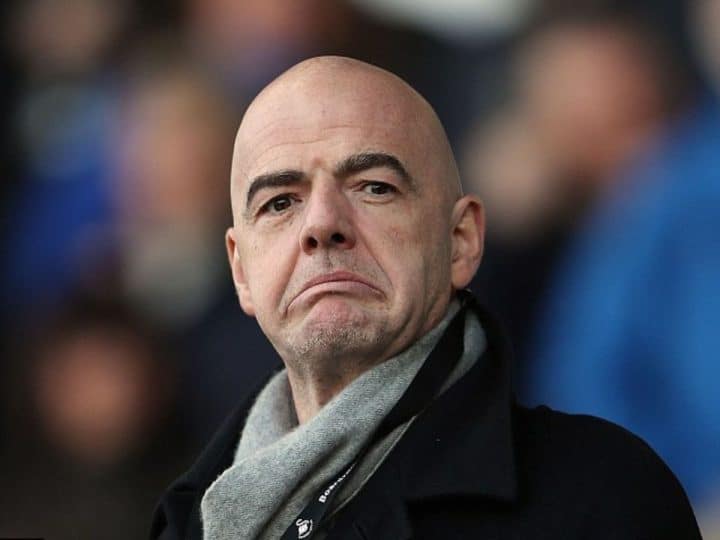

Pressure on FIFA president Gianni Infantino is spreading beyond football’s governing bodies. A group of prominent former players has now joined the growing backlash. As a result, they are calling for major changes to the way the global game is run.
In a joint statement, the football legends accused FIFA of drifting away from the values at the heart of the sport. Furthermore, they criticised major decisions being made without meaningful input from players and fans.
Frenchman Mikaël Silvestre, the former Manchester United defender and a member of FIFA’s ‘Players’ Voice’ committee, was the first to publish the statement. It quickly spread across social media and international media. As a result, a group of high-profile former players was added to the growing list of critics of Infantino.
Football legends aren’t holding back
The group includes some of the biggest names in recent football history. Among them are Emmanuel Petit, Juan Sebastián Verón, Robert Pirès, Mikaël Silvestre and Lucy Bronze.
Their message starts with what football gave them: some of the greatest moments of their careers and the pride of representing their countries. However, they stressed that none of this would have been possible without the fans. They described the fans as the true foundation of the game.
Then came the blunt conclusion: “Enough is enough.”
The players argued that silence is no longer an option. This is because football moves further away from the values on which it was built.
The statement does not name Infantino or explicitly demand his resignation. But its criticism of FIFA’s current leadership is unmistakable. The signatories argue that those in power have become unable to separate their own interests from what is best for football.
“Change is essential”
The former players are not simply objecting to individual FIFA policies. They are demanding a different relationship between football’s decision-makers and the people who actually make up the game — on the pitch and in the stands.
They argue that major decisions have too often been made without consulting players or properly listening to supporters. Both groups, they say, need a “genuine, direct and audible” voice in the governance of world football.
The call extends beyond players and fans. Clubs and football governing bodies must also have a role in deciding what comes next, the signatories argue, with major changes needed to rebuild trust.
They ended with an unmistakable warning:
The football community has remained silent for too long… We will no longer remain silent.
Infantino dwindling popularity
The intervention comes at a difficult moment for Infantino. He has faced increasing criticism from within the football establishment over a range of commercial and political issues surrounding FIFA.
The pressure is also building ahead of the upcoming elections. Meanwhile, continental and domestic federations are exploring ways to challenge the FIFA president. UEFA, meanwhile, has increasingly opposed his proposals over the commercial rights to the World Cup.
The former players’ intervention changes the character of that dispute. What was once largely an argument between football’s governing institutions is becoming a wider fight over who gets a say in the game’s future.
Players and fans, the statement makes clear, do not want to simply watch those decisions being made for them.
Statements alone will not remove Infantino from FIFA’s presidency. But if the growing criticism from players, associations and governing bodies begins to converge, it could develop into a much more serious political challenge ahead of the elections.
Featured image via the Canary
By Alaa Shamali
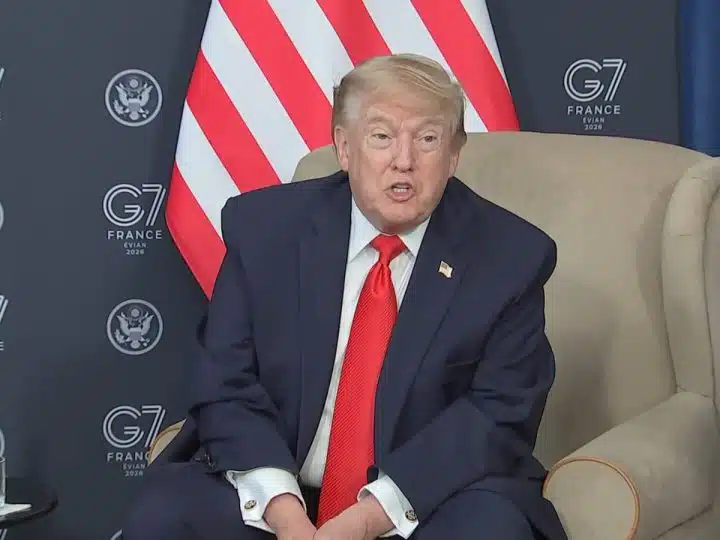
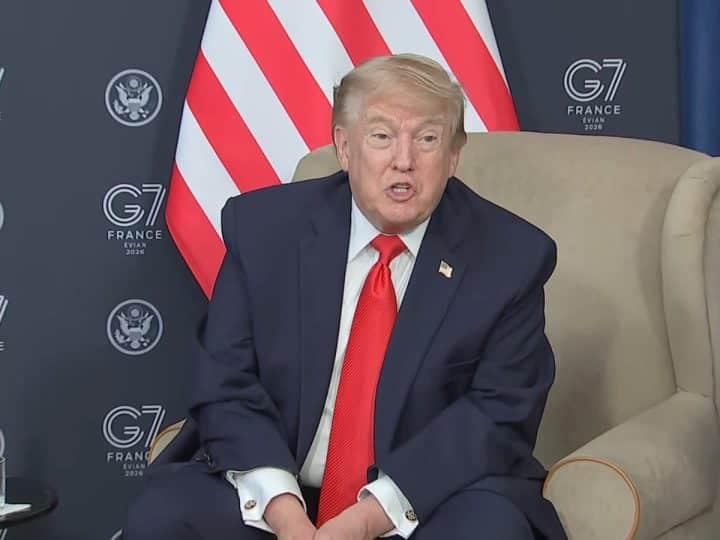
Tantrum prone US president Donald Trump is threatening to rename Lake Ontario as Lake America. It’s a repeat of his weird 2025 decision to rename The Gulf of Mexico the ‘Gulf of America’. Trump is currently in the process of starting a trade war with Canada, a major ally and trading partner. These are classic Trump tactics.
He has pushed to rename the Gulf as soon as he took power in January 2025. At the time, CNN reported:
He has also used his power to make changes that were never mentioned on the campaign trail, like renaming the “Gulf of Mexico” to the “Gulf of America.” Most Americans, 71%, oppose the name change, according to a recent Marquette University poll.
Lake Ontario, one of the Great Lakes, straddles the transcontinental border between Canada and the US. Trump even posted a revised map on social media:
Trump posts a graphic showing Lake Ontario renamed as "Lake America" pic.twitter.com/1YaOdH2b6F
— Aaron Rupar (@atrupar) August 25, 2026
ABC reported:
President Donald Trump announced Tuesday morning that he is giving “serious consideration” to renaming Lake Ontario “Lake America” — mirroring his move to rename the Gulf of Mexico to Gulf of America early in his second term.
The president also claimed Canadian PM Mark Carney had falsely claimed Trump would interfere with French Canadians right to speak their language:
I have never even thought of doing such a stupid thing. This lie was made up by a weak and ineffective Prime Minister in an attempt to gain political support, which he has totally lost, from the people of Quebec. I love French Canadians!
French is spoken across Canada, particularly in Quebec, and is an official language in the country. Carney had warned as trade talks collapsed last week that the Trump administration had wanted to make changes to Canada’s use of French.
Carney said:
This was not our choice. We were ready and close to having a comprehensive agreement that would be fair to both countries. But they made changes, including threats on the French language and Quebec culture and Canadian culture. That is not acceptable. That would never be acceptable.
Earlier in 2026, as Trump launched attacks in Latin America and threatened to annex Greenland, there were reports Canada was making plans for a US invasion:
Two Canadian government officials have told reporters that a secret ‘model’ is being developed to fight a guerrilla war — against the US!
The unnamed Canadian officials were quoted in the Globe and Mail — Canada’s leading liberal paper — as saying that its government had:
modelled a hypothetical U.S. military invasion of Canada and the country’s potential response, which includes tactics similar to those employed against Russia and later U.S.-led forces in Afghanistan.
Trump’s belligerence in the region and globally seems to be accelerating. He has attacked multiple countries and openly threatened allies. In Iran alone, these bully boy tactics have failed. Other countries need to start stepping up and speaking the only language the president understands.
Featured image via the Canary
By Joe Glenton
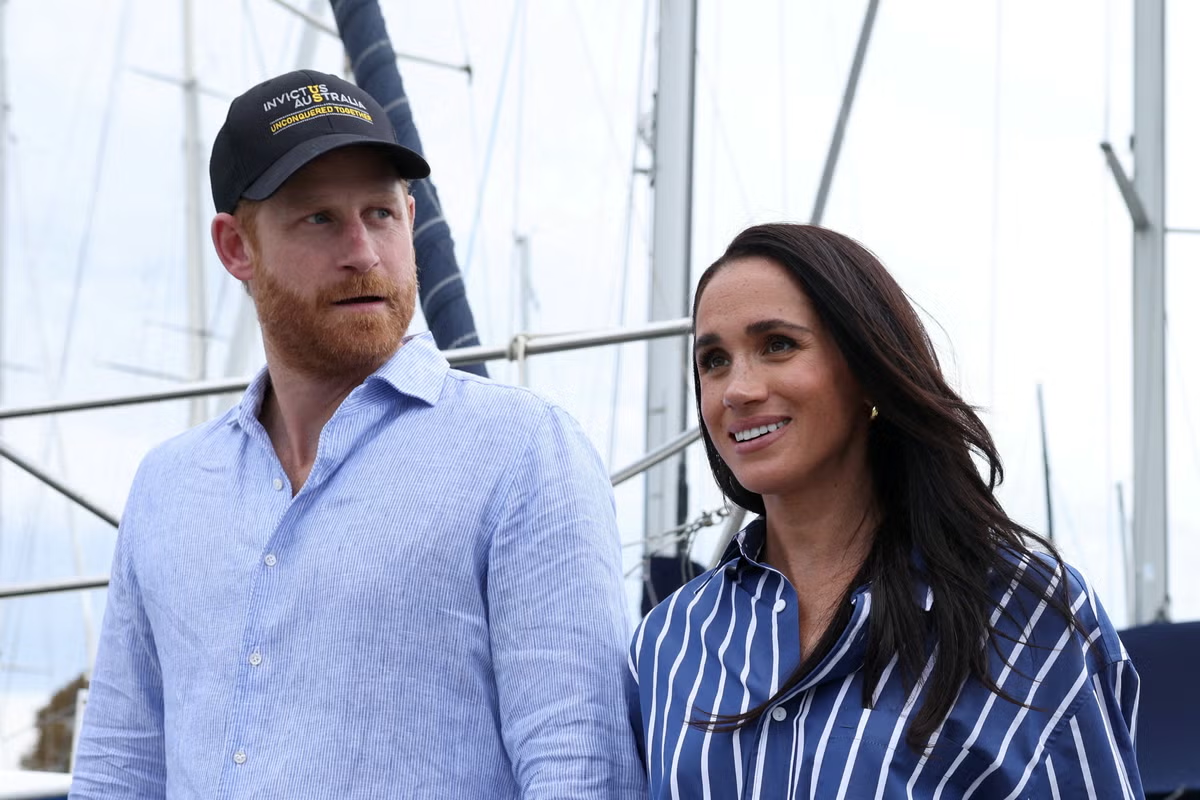
Prince Harry and Meghan latest: Family ‘lands in UK’ in surprise move from California

PDD Holdings: Core Ad Deceleration And 1P Pivot Cloud Risk-Reward (Rating Downgrade)

Dallas Fed warns tokenized deposits could strip $700 billion from U.S. banks' lending capacity





-

 Fashion5 days ago
Weekend Open Thread: Madewell – Corporette.com
-

 Business4 days ago
Musk’s Tesla, SpaceX Confirm $16.8 Billion ‘Terafab’ Chip Plant as World’s Largest Building in Texas
-

 Crypto World4 days ago
anatomy of crypto’s biggest liquidation event since 2021
-

 Crypto World1 day ago
A $30 Billion AI Fund Implodes, Now the SEC Is Investigating Wall Street’s Role
-

 Politics4 days ago
6 months on, Irish renters crushed by effects of government housing bill
-
 NewsBeat4 days ago
The ‘Lucky Dip Gang’ causing carnage for clicks: After five thugs were killed speeding in the wrong direction on a motorway, GUY ADAMS investigates a sick new trend… and why police aren’t even allowed to pursue them
-

 Business3 days ago
Mystery AI Model ‘Ox Alpha’ Draws Developers With Free Access as Chinese Lab Origins Remain Debated
-

 News Videos6 days ago
Don’t Leave Your Financial Future To Chance | August 19, 2026
-

 Crypto World12 hours ago
SpaceX stock could rise 75% to $240, JPMorgan says
-

 Business7 days ago
Marvell Shares Jump 7% as Google Chip Deal Confirms Custom AI Silicon Partnership, Analysts
-

 Business6 days ago
Five Below: Kids Discount Retailer Reaps Rich Rewards
-

 Business2 days ago
Moderna CEO warns China is pouring state money into mRNA technology
-

 Business5 days ago
UK firms in critical financial distress rise 9% to 53,756
-

 Business2 days ago
NVIDIA Stock Drops Nearly 2 Percent to $210 on Seventh Losing Day Ahead of Critical AI Earnings
-

 Sports3 days ago
Deshaun Watson fires back at Browns fans after being booed: ‘It’s a disrespectful thing’
-

 Fashion7 days ago
Jimmy Choo Autumn 2026 collection
-
 Entertainment7 days ago
10 Most Perfect Fantasy Shows of the Last 25 Years
-

 Tech6 days ago
OpenAI confirms ChatGPT is down as logins and signups fail
-

 Crypto World6 days ago
Optimism-funded team's deciding vote shifts $49 million in OP tokens away from users
-

 Business6 days ago
PayPal and Venmo now accepted for tuition at several universities
You must be logged in to post a comment Login