

Politics
How To Prevent Potted Plants From Drying Out In A Heatwave


This week, a red weather warning is in place across parts of the UK due to extreme heat.
Gardeners know this can spell disaster for some plants – especially potted plants, which you should move into the shade (if at all possible) during the soaring temperatures.
Potted plants have shallower soil and hold less moisture.
This is particularly true, the University of California’s Agricultural and Natural Resources (UC) site explained, for some pots over others.
Terracotta and dark plastic pots may lose moisture faster
UC’s site reads: “Terracotta isn’t the best when trying to keep your plant alive during a heatwave. It dries out quickly and so does the water you applied.”
That’s because terracotta is porous, meaning it absorbs and wicks away water quite quickly.
In “normal” UK weather conditions, that’s not a problem – in fact it can prevent plants like basil from becoming waterlogged and experiencing conditions such as root rot.
But when it’s really hot and dry outside, Homes & Gardens explained, it might cause more of an issue, especially if it’s unsealed (coated with a water-resistant substance).
“It allows for quick evaporation, meaning plants will dry out much more quickly,” the publication said.
Additionally, UC said, “plants often come home from the store in thin, black plastic pots that also heat up significantly in the sun”.
This is especially likely if you have a smaller pot, as these retain less water.
What should I do with terracotta and thin, dark plastic pots in the heat?
Step one is to keep an eye on the weather forecast and act preemptively. Watering your plants deeply in the morning of a hot day can go a long way to keeping them safe – and this is especially true of potted plants (terracotta and thin, dark plastic ones especially).
Mulching might help, as can adding self-watering tools.
If you can move terracotta or thin, dark plastic pots to a shady area, do so “until you can repot a plant into another safer container on a cloudy day,” UC continued.
“Pick big, thick plastic or heavy ceramic pots with decent-sized drainage holes” instead.

!function(n){if(!window.cnx){window.cnx={},window.cnx.cmd=[];var t=n.createElement(‘iframe’);t.display=’none’,t.onload=function(){var n=t.contentWindow.document,c=n.createElement(‘script’);c.src=”//cd.connatix.com/connatix.player.js”,c.setAttribute(‘async’,’1′),c.setAttribute(‘type’,’text/javascript’),n.body.appendChild(c)},n.head.appendChild(t)}}(document);(new Image()).src=”https://capi.connatix.com/tr/si?token=19654b65-409c-4b38-90db-80cbdea02cf4″;cnx.cmd.push(function(){cnx({“playerId”:”19654b65-409c-4b38-90db-80cbdea02cf4″,”mediaId”:”539973b9-81a8-458d-bd59-259bb59dfd04″}).render(“6a3996c5e4b0810d441f0ad2”);});
Amid all the headlines about Andy Burnham winning in Makerfield and Keir Starmer resigning as prime minister, there was another interesting story in British politics this past week. In Aberdeen South, the Conservative Party won its first by-election in Scotland since 1967.
An impressive achievement in isolation, no question. But it has prompted a predictable amount of hyperbole from the Westminster press. Two-party politics is back, pundits claim. Forget about Reform UK and the Greens, the next General Election will be all about Andy Burnham versus Kemi Badenoch for prime minister. Things have finally gone back to ‘normal’ in British politics.
This is highly unlikely to be true for many reasons. The first of which is that the thoughts and feelings that caused the rise of Reform and the Greens (and Restore, at least a little) have not gone away. In fact, they are spreading to more and more people across Britain every day. The second is that the Tories are still in a lot of trouble electorally, and Aberdeen South proves that in its own, interesting way.
The Conservative Party has become a smaller party, a bit like the Liberal Democrats, without really noticing it. A party that no one thinks will be in government anytime soon, at least not with a majority. Its results since the 2024 General Election certainly suggest as much. They continue to be strong in a select number of places around the country, while being pretty much dead everywhere else.
Let’s take a look at the numbers. The Tories got 49.5 per cent of the vote in the Aberdeen South by-election. On the very same day, they got 2.2 per cent in Makerfield. In the May local elections, the Tories did well in specific parts of southern England (places that tend to be well-heeled), where the Labour vote has declined, and where there was no Reform threat.
Yet wherever they faced Reform as the main challenger in May, the Tories were completely destroyed. In Norfolk, they went from 52 seats to a mere eight. They are now fifth in terms of seats in Norfolk, one behind Rupert Lowe’s Great Yarmouth First. In the 84 seats contested there, the Tories only got more votes than Reform in the eight seats that they won. Again, strong in a select group of places, invisible everywhere else.
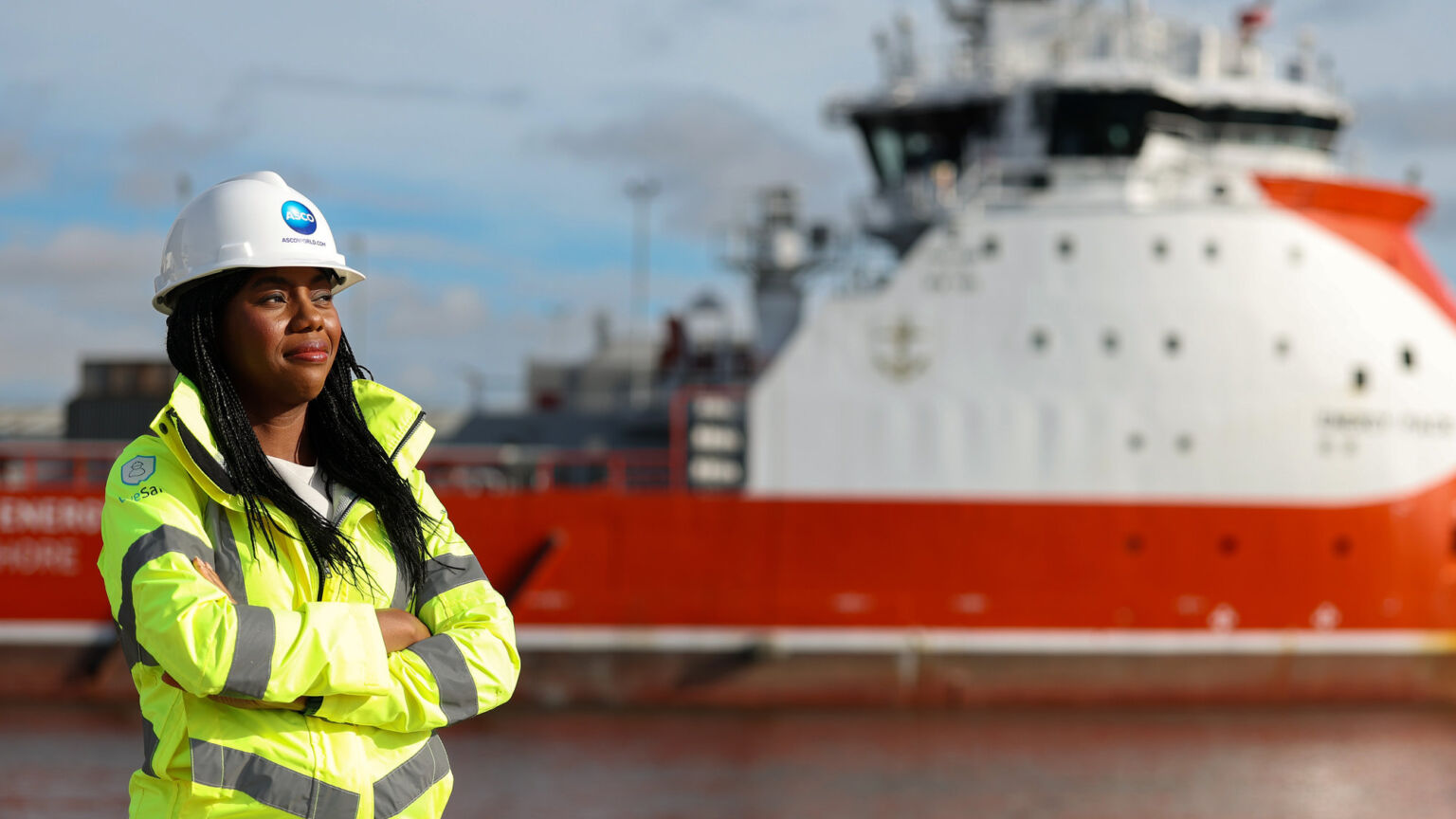
All of this brings us back to Aberdeen South. There are two big reasons why the Tories were able to win so handily there, neither of them good for their prospects of winning the next General Election. The first is that they ran on an extremely local issue on which they had decent credentials – namely, North Sea oil and gas jobs. This is a very Lib Dem thing to do, to go hyper-local and make yourselves the champions of an issue near and dear to the community. It’s not something replicable at scale for obvious reasons. In other words, it’s not a great ploy for a party looking to win at least 326 seats at the next election.
The second is that they are now seen as a minor party by most voters, which takes a lot of the former sting out of voting Conservative for people who aren’t natural Tory voters. A lot of people who normally vote Labour went for the Conservatives in Aberdeen, mostly as a protest vote against both Labour and the SNP over their handling of oil and gas jobs in the city. But they could do that because voting Tory doesn’t feel as icky to them as it used to, mostly because, in their minds, the Conservatives are a minor party with no real prospect for government.
A few years ago, voting for the Tories would have felt like an endorsement of the party in government. But now the optics for the party have changed dramatically. Voting Tory feels ‘safe’ for a lot more people – like an old-fashioned protest vote. This only really applies, however, in places where they have a strong local presence and can run on hyper-local issues.
I don’t believe the by-election victories for Labour and the Tories last week signal the re-emergence of the old party duopoly. In fact, I think we will probably look back on last week’s results in a few years’ time and see them as the last hurrah of the old politics before a new era truly began.
Nick Tyrone is the author of The Rise of Reform, published by Swift in September 2026.

The Makerfield by-election defeat for Reform UK was another chastening experience. It means that in the five by-elections since the 2024 General Election, Reform has only won once, in Runcorn and Helsby in May 2025, despite victory looking more than achievable in at least three.
The reasons for Reform’s inability to win Makerfield go beyond the peculiarities of this particular constituency and the popularity of Labour’s victorious candidate, Andy Burnham. Reform is facing a similar predicament to that confronting other populist parties throughout Europe. Time and again, they have found it difficult to translate the growth of their electoral support into outright victories.
Reform must start learning some lessons from its recent ballot-box struggles.
Reform’s progress since 2024 has indeed been impressive. It has done remarkably well in harnessing the anger of the electorate – particularly in local elections. However, the populist surge in the UK does not mean that Reform will automatically go from strength to strength. Political setbacks are inevitable – something reflected in Reform’s poll rating, which has fallen by five percentage points from its late 2025 high.
If it is to regain its momentum, Reform must avoid blaming its Makerfield defeat on either local or specific factors. To claim, as some have, that widespread hatred for Keir Starmer and his government drove numerous voters to support Starmer’s likely successor, Burnham, doesn’t hold up. They still could have voted for Reform. After all, a Labour defeat would also have been a huge blow to the Labour government.
It is not enough to blame Restore Britain either. The divisive sectarianism of Restore certainly represents a threat to Reform’s political future. But the question that should be posed is why so many potential Reform voters decided to throw their lot in with Restore.
One reason for Restore picking up nearly seven per cent of the vote in Makerfield is that a lot of people are not sure what Reform stands for. It needs to formulate a comprehensive political programme that goes beyond its opposition to immigration and shows working people that it is the party for them.
There are no quick fixes here. However, one way that Reform can demonstrate that it takes people’s concerns seriously is by using its base in local government more effectively. People are right to ask the question of what difference Reform-run local councils make to their lives. It must find a way of providing a persuasive answer to this question.
Makerfield also showed that the quality of Reform’s candidates matters. With all the national attention directed at the Makerfield by-election it was clear Reform needed to field a first-class candidate capable of dealing with the enormous pressure Reform faced. Professionalising the party, vetting candidates more thoroughly and training them is a pre-condition for turning Reform into a party of government.
The main obstacle standing in the way of Reform’s electoral ambitions is tactical voting. The legacy parties are absolutely determined to prevent Reform from gaining serious political influence. Hence, when push comes to shove, Labour, the Greens and the Lib Dems will unite around the candidate best placed to defeat Reform. It is possible that even the Conservatives will join this unholy anti-populist alliance.
Tactical voting was certainly on display in Makerfield. Back in the 2024 General Election, the Green, Lib Dem and Tory vote in Makerfield collectively amounted to 22 per cent. Last week, it totalled just three per cent. This shows that Green, Lib Dem and even Tory voters were far more interested in preventing Reform from winning than in supporting their own parties.
Reform’s tactical-voting problem is all too familiar to observers of the political scene in France, Germany, the Netherlands and other parts of Europe. Like Reform, France’s Rassemblement National and Germany’s Alternative für Deutschland lead in the opinion polls. And, like Reform, they are continually blocked from achieving real power by a united front composed of the mainstream parties of the left and right.
The ruling classes and their political allies rightly fear the populist surge. The closer populist movements get to government, the more their opponents will unite to maintain the status quo. In the UK, the ‘anyone but Reform’ outlook is likely to be a formidable challenge.
But the mainstream parties’ united front is unlikely to undermine the growing demand for a populist voice. They can impede Reform but they can’t eliminate the growing demand for a party that gives voice to the needs of the people.
Time is still on Reform’s side. But its future success depends on it developing a positive, forward-looking political programme. The populist surge demands it.
Frank Furedi’s In Defence Of Populism is out now.
Ten years ago, the Brexit referendum tried and failed to settle Britain’s relationship with the EU. We are now in limbo, unable to decide what we want or why. That has been our problem not only for 10 years, but for the best part of a century. It is only partly because European unity is a utopian idea, now a very old one. Utopian in the sense that while there is a goal – a United States of Europe – there is no way of getting there and no idea of the costs it might entail. This inevitably causes confusion and division in all European countries. But they, unlike Britain, all have weighty reasons for going along with the fantasy. Unlike Britain, they know what they want – or at least they did once. France wanted to control Germany and buttress its status as a Great Power. Germany wanted to supersede its Nazi past. Italy, Spain, Portugal and Greece had similar historic disasters to escape. Eastern Europe found a refuge from Russian domination, hence Ukraine’s eagerness to join. As Switzerland and Norway had no such motives they stayed out of ‘the European project’. But Britain could not make up its collective mind about what to do, or why to do it.
Early British enthusiasts for a United Europe were disappointed imperialists. They had tried to unite the British Empire in the late 19th century, when secretary of state for the colonies Joseph Chamberlain had declared that we had entered the age of great empires, not little states. So Britain, undeniably little, had to become big. When their dreams of an Imperial Federation were dashed, they turned to the idea of a European Federation in the interwar period. The champions of a European Federation were, admittedly, something of a joke. But they had discovered a theme that most of the British political class would adopt unquestioningly from the 1950s onwards: the urge to join a bigger club. They had to be ‘in the room’. Unlike their French or German counterparts, they did not know what to do once they were there. It was enough simply to be in the warm, and go along with the crowd. This is the only discernible rationale of the present government’s plan to ‘reset’ Britain’s relationship with the EU.
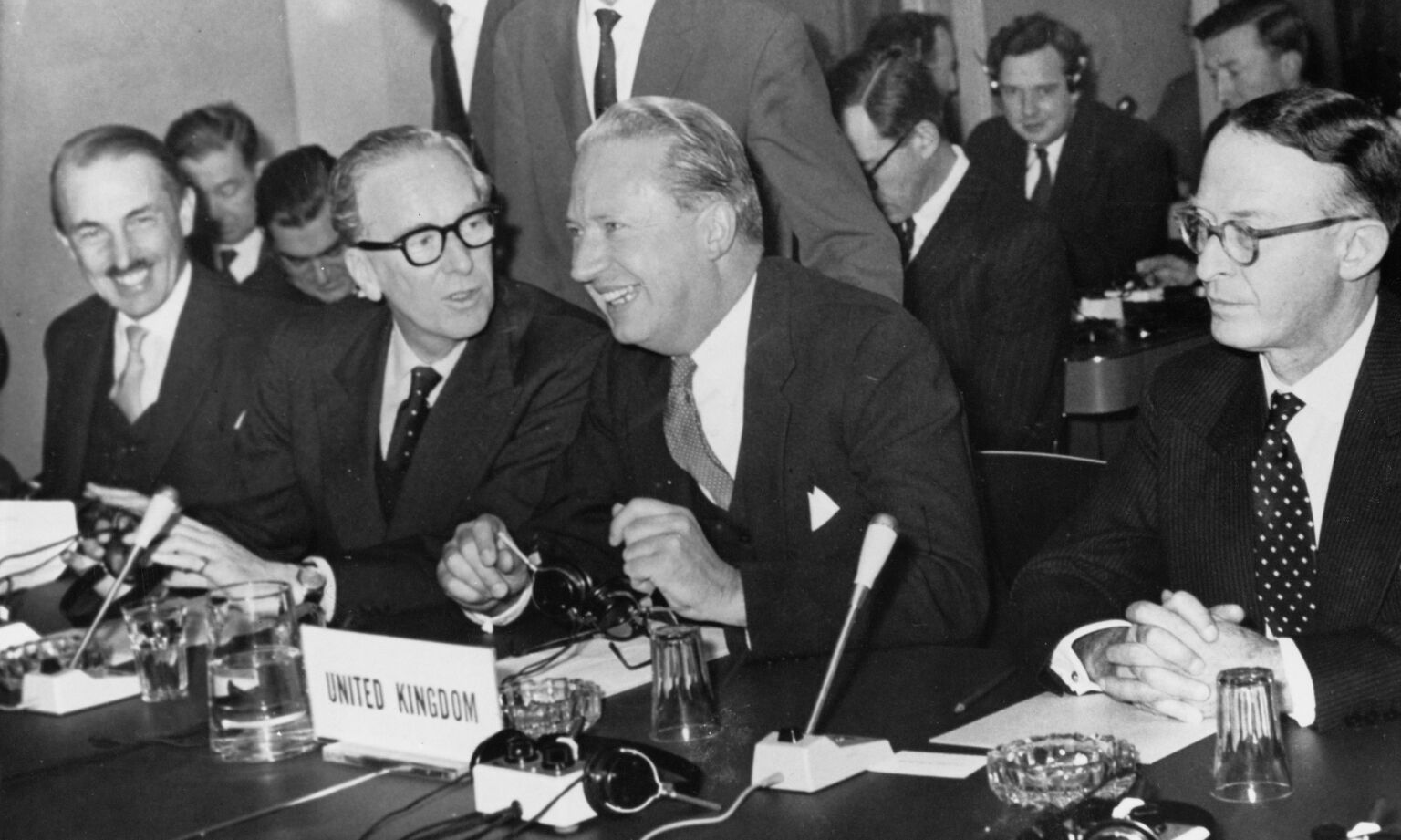
Edward Heath, Lord Privy Seal, at a meeting with British delegates on joining the European Economic Community, Brussels, Belgium, 9 November 1961.
The post-imperial desire to join the European club (first the Coal and Steel Community, then the European Economic Community) emerged powerfully during the 1950s. After Indian independence, the rest of the empire was rapidly unravelling. ‘Europe’ seemed the alternative. ‘If we try to remain aloof’, a Cabinet committee warned in 1960, ‘bearing in mind that this will be happening simultaneously with the contraction of our overseas possessions, we shall run the risk of [losing] any real claim to be a world power’. Horror of horrors, Britain was in danger of becoming merely ‘a greater Sweden’. The French made an identical calculation, but were far more decisive – for example, making some remaining colonies part of ‘Europe’. Britain was less willing to bet its shirt on the European horse, still having important relations with the Dominions and of course the ‘special relationship’ with the US – which, ironically, has always wanted Britain to be in ‘Europe’ to defend American interests. So Britain dithered, wanting the sort of non-exclusive relationship with Europe that was never on offer.
The policy changed under Harold Macmillan’s Conservative government in the late 1950s and early 1960s. The new cause was a fundamental misunderstanding of economics. This too has been a leitmotif of Britain’s European policy, and never more so than today. Britain’s GDP growth in the 1950s was slower than that of the new European Economic Community. Some – though by no means all – economists ascribed Europe’s superior performance to the EEC. Britain’s relative inferiority was blamed on a range of political, economic, social and cultural shortcomings for which EEC membership would provide a miraculous cure: Britain was ‘the sinking Titanic’, wrote one influential advisor, and ‘Europe’ would be ‘the lifeboat’. Britain must cast adrift what were described as outdated Commonwealth trading relationships (in the 1950s, Australia was as economically important to Britain as ‘the Six’ combined, and most Commonwealth trade was duty free) and embrace the European future and its protectionist customs union. Britain would join the EEC whatever the terms of entry: they must, said the chief official negotiator, ‘swallow the lot’.
They swallowed at precisely the wrong moment. Europe’s rapid growth (which the French call ‘the 30 glorious years’) was due essentially to postwar recovery and to a one-off shift of resources from agriculture to industry. France’s rural workforce fell by nearly three-quarters. Italy, because it had been more economically backward, became Europe’s star performer, displaying dazzling signs of modernity – cars, music, films, fashion. But this spectacular growth ended in the 1970s, just as Britain joined. Ironically, since then the Commonwealth markets we abandoned have grown faster than the European market we embraced. For four decades, Britain attached itself to a chronically underperforming economic region.
It paid a high price for the privilege, both in direct budgetary payments and in the higher cost of European imports. Food prices rose by around 25 per cent, the balance of payments worsened, and this fuelled the economic and political turbulence of the 1960s and 70s. The benefits – rather small – of trading with Europe did not cover the costs.
On the contrary, once inside the EEC Britain’s economic performance deteriorated. As the EEC and then the EU consolidated its system by regulation and imposing a single currency, the British economy was negatively affected by the resulting stagnation in what had become its principal trading partner. Britain’s exports outside the EU were therefore much more buoyant, despite the Single Market and obstacles to non-EU trade.
Britain, of course, narrowly dodged the single currency. Tony Blair wanted it but Gordon Brown didn’t. This, Blair’s then Treasury minister Ed Balls later admitted, was ‘the most successful economic decision of the past 30 years’. So it was. Britain’s economic growth was now higher than the Eurozone. But Britain could not escape the slipstream of the Euro. The damage it did to southern and eastern Europe made Britain the employer of last resort for a mass of European migrants, who had been given full rights of employment and settlement. Furthermore, Britain’s position as the EU’s major financial centre while remaining outside the Eurozone was seen as anomalous and dangerous by European politicians. This situation, in the words of the Cambridge economist Helen Thompson, ‘put a time-bomb under the sustainability of Britain’s membership’.
This seems not to have disturbed the placid pro-EU consensus of the British political class. The extent to which they had been able to commit Britain to the European system – we were constantly warned that we were missing the European train as it surged out of the station – was limited only by what the electorate would stand for. So Blair did not dare to risk a referendum on joining the Euro, and he jumped at the chance of cancelling a referendum on the European Constitution in 2005, on the pretext that France and Holland had already voted it down. The EU was able to use its preferred method of adopting the core of the constitution by treaty, ignoring the voters.
When David Cameron legislated for a referendum on membership in 2016 it was not with the intention of having a serious and necessary debate followed by a mature decision on Britain’s relationship with the EU. Rather, it was to bully the electorate into voting Remain by deploying ‘Project Fear’, and silencing the Eurosceptics in the Conservative Party.
The majority of the electorate did not obey the strident instructions of British and foreign politicians. But can there be any serious doubt that the majority for Leave would have been much more decisive if the Cameron government had permitted an honest national debate? Cameron’s unsuccessful attempt to force the result, and then the refusal of much of the political class and the civil service to accept it, led to a decade of confusion, anger and disillusion. There is no point in summarising that saga here.
However, what is worth considering is why 10 years later the Remainer / Rejoiner / Reset faction continues to try to reverse the result. Most of the debate – as it has been since the 1950s – has been ostensibly about trade and the economy. For over 70 years now, political discussion about sovereignty, democracy and law – the ‘taking back control’ issues – have been smothered by promises of greater prosperity on one hand and threats of impoverishment on the other.
It is increasingly hard to take this rhetoric at face value. None of the prophecies of doom made in 2016 have materialised. (Remember the promised collapses in trade, house-prices and employment? The threatened emergency budget and tax hike?) The British economy – despite the growth-destroying policies of Conservative and Labour governments – has somehow managed to perform overall at least as well as the EU. Where our goods exports have fallen, they have fallen round the globe; and this is evidently not because of Brexit, but overwhelmingly because Net Zero, high-energy costs and the deliberate running down of the North Sea oil and gas industry has directly hit and even destroyed our biggest exporting industries (fuel, chemicals, cars, aircraft parts). The EU itself is in the doldrums, and has even admitted it officially: Mario Draghi’s 2024 report, The Future of European Competitiveness, warned despairingly that the EU was facing ‘slow agony’. It is not suddenly going to provide us with a dynamic market for our expensive goods. As for our exports of services, they have been unaffected by Brexit.
Yet some think tanks, media outlets such as the Financial Times and The Economist, universities and politicians keep repeating that Brexit has caused economic devastation and that ‘realignment’ would give an economic boost. More and more ingenious and less and less credible methods have to be deployed to support these assertions. The current favourite is the ‘doppelganger’ analysis, which produces a hypothetical economic growth pattern for Britain by comparing it with a selection of other countries. The outcome depends on the selection you make. This is how the statements – officially adopted by the present government – that the British economy will eventually lose four per cent or even eight per cent of GDP are produced.
Do the people saying these things really believe them? I’m beginning to think not. They defy both common sense (how could being aligned with the EU make Britain more economically dynamic than the actual members?) and economic analysis (they do not align with actual economic performance). At best, this is reckless disregard for the truth. At worst, conscious untruth. The motives are not hard to find: political advantage and economic interest.
When Britain formally applied to join the Treaty of Rome in 1961, the motives – economic misunderstanding and post-imperial declinism – may have been misguided and inglorious, but they were understandable and sincerely put forward. Even in 2016, a rational and honest case to Remain could just about be made. But now? The stubborn rejection of the 2016 referendum, in the face of the evidence, is a symptom of crisis. It is the refusal of the establishment to give up political and cultural power to what they condemn as ‘populism’. Populism has been neatly defined by John Gray as ‘a term liberals use to describe the political blowback against the social disruption that their policies have created’, and they see it as incarnated in Brexit.
Britain can no longer be seen – despite policy failures – as ‘the sinking Titanic’ which only European integration can save. Instead, our beleaguered political establishment now imagines membership of the European club to be ‘the lifeboat’ that can save it from sinking beneath the populist billows. They shut their eyes to the waves of European populism lapping over the EU’s gunwales.
Robert Tombs is co-editor of Brexit: The Facts Strike Back, published by Bite-Sized Books, 2026.

Science has offered a boost to self-identified ‘night owls’, confirming that some individuals naturally operate on a later chronotype, or sleep pattern, than early risers.
An Imperial College London study further found that these night owls, particularly older individuals, demonstrated superior performance on cognitive tests during their preferred mental peak.
This cognitive advantage was observed to be less pronounced among younger participants.
Nonetheless, most would agree the world is stacked in favour of early risers. But a 2024 study by Stanford researchers (published in Psychiatry Research) found that it’s not all unfounded bias – falling asleep past a certain hour seemed to be linked to worse ageing, regardless of chronotype.
How does bedtime affect ageing?
The study looked at the mental health and sleep patterns of 73,888 participants from the UK Biobank.
The researchers wanted to look at how our natural preference for sleep, combined with how we actually slept, affected our mental wellbeing.
- night owls who went to bed later (aligned evening types),
- night owls who slept earlier than they preferred (misaligned evening types),
- morning larks who got up early (aligned morning types),
- and early birds who slept later (misaligned morning types).
Misaligned morning types had a higher risk of mental health conditions like depression and anxiety.
But night owls who didn’t get to sleep as late as they wanted to had lower incidences of those conditions.
This surprised the researchers, who had expected better mental health among people who slept when their chronotype wanted them to.
Dr Jamie Zeitzer, lead author of the study, told Stanford: “We found that alignment with your chronotype is not crucial here, and that really it’s being up late that is not good for your mental health.”
The study was run on middle-aged to older adults – 14% of people over 60 worldwide have mental health issues, which can affect our physical wellness too.
Per the paper: “To age healthily, individuals should start sleeping before 1am, despite chronobiological preferences.”
Why would that be?
This paper only looked at existing health data, which means it didn’t find a cause – only an association.
Dr Zeilter himself said his team thought the data “didn’t make any sense” and spent six months trying to disprove it, but couldn’t.
While he has no firm reasons for the link, though, Dr Zeilter theorised that it could be down to the decisions we make when we hit our mental stride.
“If I had to hazard a guess, morning people who are up late are quite cognisant of the fact that their brain isn’t working quite right, so they may put off making bad decisions,” he told Stanford.
“Meanwhile, the evening person who is up late thinks, ‘I’m feeling great. This is a great decision I’m making at 3 o’clock in the morning’.”
He also suggested that “there are fewer social constraints late at night because you have fewer people around who are awake”.

We hope you love the products we recommend! All of them were independently selected by our editors. Just so you know, HuffPost UK may collect a share of sales or other compensation from the links on this page if you decide to shop from them. Oh, and FYI — prices are accurate and items in stock as of time of publication.
Summer is tough. You spend it wafting through markets, reading under a parasol, and sipping on Aperol spritzes surrounded by the most stunning views you’ve ever seen. And then you come back to your drab home.
Whether you’ve been travelling this summer and caught the nonna-maxxing bug, or want to bring a taste of the mediterranean into your house, there is plenty of home inspo out there to start making your home feel like a sun-splashed terrazzo.
To help splash your interiors and exteriors with a taste of the Riviera, we asked interior designer Benji Lewis what to look for when creating Mediterranean-inspired decor, and found touches of furniture and home accessories to shop now.
“When I think of Mediterranean decor, it’s not just colour that comes to mind, texture also plays a key part,” Lewis explains. “I’d look at natural textures like ceramic, raffia and linen accessories.”
“Look for things with a glamorous touch of the Riviera about them, for example a Matisse type motif,” Lewis adds.
“I think we all enjoy the thought of warm Continental sunset evenings in some pretty coastal taverna,” Lewis says. “Rattan stools are perfect for conjuring memories like that.”
“The quickest win for a relaxed feel is a stripe,” says Lewis. Look for striped tablecloths, cushions, and even lampshades to bring a touch of Mediterranean to your tablescape.
“Embrace tones and hues normally associated with the mediterranean climates, watermelon pink, sunset orange, complemented by yellow, cobalt blue and rich emerald green brings those holiday vibes,” Lewis suggests.
“I also think interiors are leaning towards fresher, cleaner whites, layered with pattern and texture.
“Ultimately, we want our homes to feel uplifting, relaxed and full of warmth, capturing that sense of happiness and escapism we associate with holidays and the mediterranean.”
We hope you love the products we recommend! All of them were independently selected by our editors. Just so you know, HuffPost UK may collect a share of sales or other compensation from the links on this page if you decide to shop from them. Oh, and FYI — prices are accurate and items in stock as of time of publication.
When your kids have sensitive skin and are prone to allergies, finding the right sunscreen can feel like an absolute minefield.
I know because I’ve been there. I’ve tried many over the years – from brands such as Childs Farm, Nivea and Ambre Solaire (among others!) – but while they might’ve worked for one of my kids at any given point, unfortunately they never seemed to work for both.
After my youngest had a reaction to a popular children’s sun cream earlier this year, I swiftly realised I needed to do a bit more research into the best sunscreens for sensitive, young skin.
Thankfully, around the same time, HuffPost UK spoke to Dr Bisola Laguda, paediatric dermatologist and spokesperson for the Skin Health Alliance, about what exactly makes a good children’s sunscreen.
Some of these factors include:
- A SPF of 50 or over,
- ‘Broad spectrum’ protection,
- Water resistant,
- Fragrance-free,
- Opting for mineral sunscreen if they have sensitive skin.
On that last note, Dr Laguda said: “The mineral contents – often zinc oxide or titanium dioxide – sit on top of the skin and reflect the UV rays. This is often a more preferable option over chemical sunscreens, which penetrate the skin and absorb the rays, leading to potential irritation.”
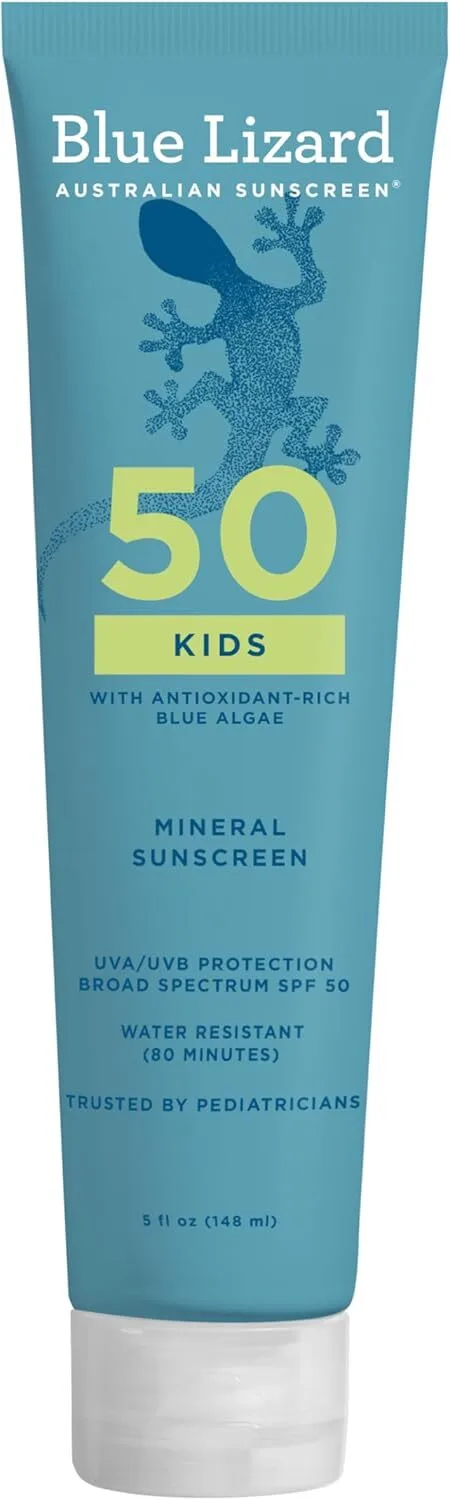
After looking into sunscreens with zinc oxide in them (and realising very few UK drug stores stock them), I came across Blue Lizard, an Aussie brand whose offering is a little more expensive than your usual drug store sunscreen – but, in my opinion, is worth every penny.

Amazon
Blue Lizard Mineral Sunscreen
Finally, a sunscreen that doesn’t bring my kids out in itchy rashes!
At £21 a tube, it’s not cheap. But the five-star reviews swayed me. “Best suncream I’ve ever bought. Kids’ skin is protected and it doesn’t seem to interfere with eczema and dry skin. My go-to,” said one Amazon shopper.
“Our little one does not mind having this put on and there seems to be no irritation to skin or eyes,” added another, marvelling at the ‘smart cap technology’ which turns the bottle cap blue in harmful UV light – a handy reminder you need to top up your skin protection.
I bought a bottle off Amazon a few months back and am about to make my second purchase (we went abroad and have tackled multiple heatwaves with it so it’s been used non-stop).
I’m pleased to report that in those few months, neither of my children have experienced itchy rashes or skin sensitivity as a result of wearing it. Nor have they had sunburn (despite spending a fair bit of time in the pool and on the beach when we went to Italy).
The cream is easy to apply and isn’t too greasy. It changes my kids’ skin colour ever-so-slightly – but, for the sun protection offered, it’s a fair trade-off.
With extreme heat and sunshine forecast this week, I’d definitely recommend this sunscreen if you’re in the market for something for sensitive skin.
In fact, I’m going to go and buy some right now (before I forget).
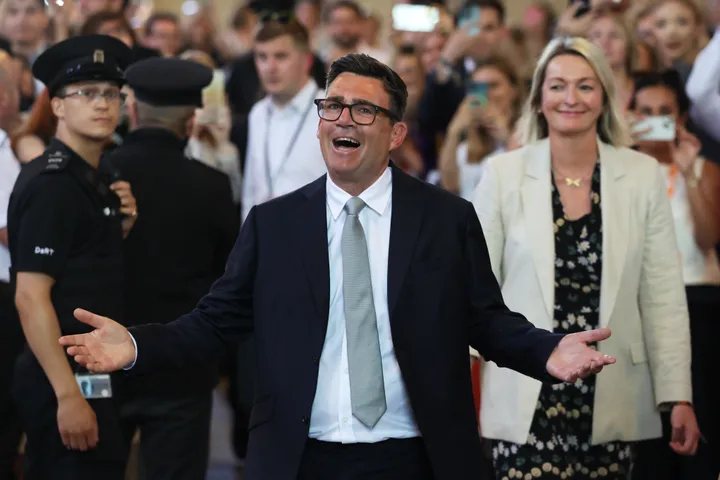
Andy Burnham faced some good-natured teasing from opposition MPs as he was sworn in as the Makerfield MP on Monday afternoon.
The former Greater Manchester mayor won the north-west by-election last Thursday with more than 55% of the vote.
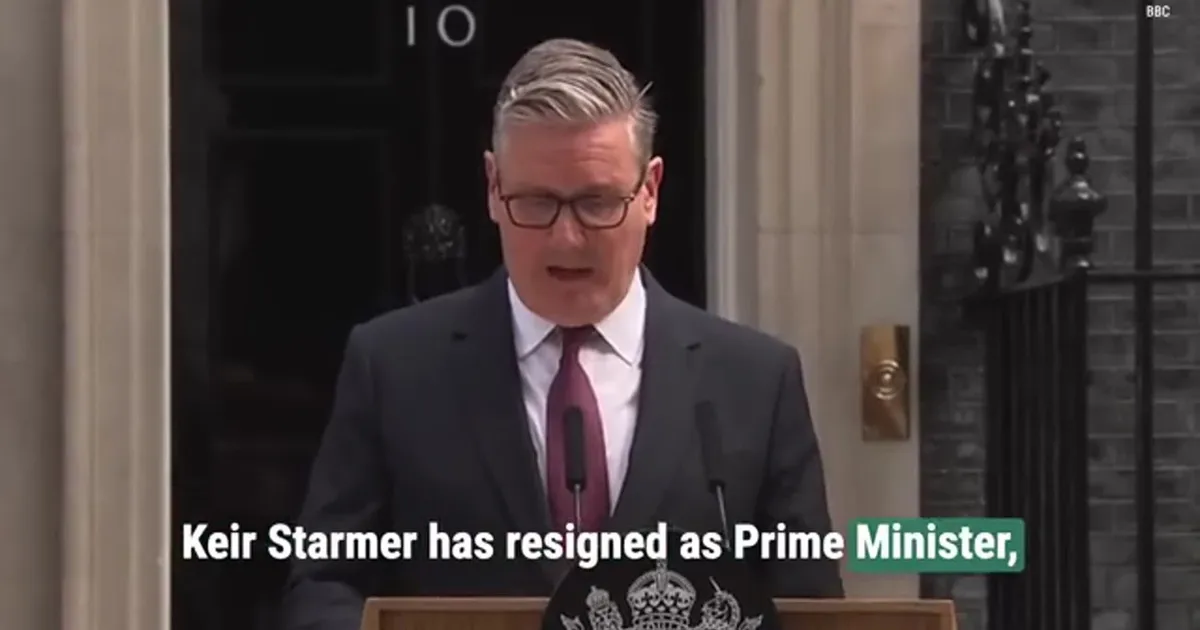
He is now widely expected to be the next prime minister after Keir Starmer’s resignation on Monday morning.
While there is still plenty of time for other MPs to join the subsequent leadership contest, Burnham is the only one to have publicly stepped forward so far.
Even Ex-health secretary Wes Streeting, who had promised to enter any leadership race, withdrew and backed Burnham on Monday.
All eyes were on the Makerfield MP’s swearing-in ceremony as a result.
When his name was announced in the Commons, Labour MPs cheered delightedly, but opposition MPs quipped, “Who?” and “Rome is saved.”
One joked, “he’s not the Messiah!”, to which Burnham replied, “naughty boy”.
Another MP on the opposition benches made a comment about “turning water into wine” while Burnham signed his paperwork.
He smiled, and then shook the hand of Commons Speaker, Lindsay Hoyle, before leaving the Chamber.
Burnham stood as the Labour candidate for Makerfield after Josh Simons stood aside in May to give the party’s most popular politician a chance to get into No.10.
Burnham was first elected as the Labour MP for Leigh in 2001 and went on to serve in both Tony Blair and Gordon Brown’s governments.
He ran in two Labour leadership races, first in 2010 and then in 2015, but lost both and ran to be Greater Manchester mayor instead.
Burnham started to be seen as a leadership rival to Starmer last September during the Labour Party conference, despite not being an MP at the time.
However as the government continued to decline in the opinion polls and the prime minister was criticised for conducting too many U-turns and for a flurry of scandals within his top team, Burnham’s popularity continued to grow.
He is widely expected to win any leadership race or effectively face a “coronation” if he runs uncontested.
Starmer’s successor will be the UK’s seventh prime minister from the last decade.
After his swearing in, Burnham went to Westminster Hall to pose for photos with the rest of the Parliamentary Labour Party.
He appeared jubiliant while surrounded by his supportive peers after nine years away from the Commons.

Dan Kitwood via Getty Images
Listen to Commons People, the podcast that makes politics easy. Every week, Kevin Schofield and Kate Nicholson unpack the week’s biggest stories to keep you informed. Join us for straightforward analysis of what’s going on at Westminster.

Andrew Rannells is opening up about a past romance that not only involved a fellow celeb but also his role in one of the most popular shows of the last decade.
During a recent episode of The Daily Beast’s Obsessed podcast, the former Girls star — who played Elijah Krantz, Hannah’s gay ex-boyfriend from college and later roommate throughout the show’s six-season run — revealed that he once had a “very brief” relationship with Anderson Cooper in his mid-20s.
This experience, he claimed, ultimately went on to inspire a storyline for his character in the Lena Dunham-created comedy.
“I told Lena and [co-showrunner] Jenni Konner a story about when I was 25 that I had dated Anderson Cooper, and I told them about the experience and what that was like, and then it became the story that Elijah had in the series,” he claimed.
The storyline in question emerges in Girls’ penultimate season, when Elijah starts dating an older, successful news anchor named Dill Harcourt, played by Corey Stoll.
Much like Andrew’s real-life tryst with Anderson Cooper, however, Elijah and Dill’s relationship proved to be short-lived.
Their romance came to an end in the season five finale after Dill turned down Elijah’s proposal to be his boyfriend, telling him he’s looking for “someone less aimless”.
Even so, Andrew told Obsessed host that Lena found his fling with the CNN broadcaster compelling enough to build the Dill character around it.
“When I told them that, they were like, ‘Oh, that’s a fun story’,” the Grammy winner said.

During Girls’ run, there was speculation about the real-life inspiration behind Dill, but no one involved with the show ever officially confirmed any connection.
When Corey Stoll was asked in a 2016 interview with Queerty whether Dill had been modelled after Anderson Cooper, he declined to draw any parallels.
“I don’t know,” he insisted. “I was playing Dill Harcourt. I did not base this character on anybody.”
Similarly, Andrew initially pushed back against theories linking Dill to his one-time lover while discussing Elijah and Dill’s breakup episode with Elle that same year.
“I think the general idea that he’s this powerful, you know, adult, is what’s important,” the Tony nominee explained.
“For my money, his job could have been any number of things. It just represents that he’s very much from the outside of these characters’ world.”
He continued: “When we shot that party sequence from Sunday’s episode, it was in this beautiful apartment, in beautiful clothes — it’s probably the best I’ve ever been dressed on the show — and it felt very foreign, like all of a sudden we were shooting this completely different show, because we were in this very grown-up situation. That’s what Dill represents.”
Meanwhile, the New York Post asked self-proclaimed Girls fan Anderson whether he believed Lena had based the character of Dill on him, but the former 60 Minutes host mentioned another media figure instead.
“I just met Lena Dunham at Sundance, and she didn’t mention anything to me, but I’d be flattered,” he told the outlet in 2016.
“Wait — is that the guy Andrew Rannells’ [character] is dating? I thought he was more of a [Bill] O’Reilly character. I’m a friend of Andrew’s. I should ask him.”
We hope you love the products we recommend! All of them were independently selected by our editors. Just so you know, HuffPost UK may collect a share of sales or other compensation from the links on this page if you decide to shop from them. Oh, and FYI — prices are accurate and items in stock as of time of publication.
When you think of sex toys, you most likely think of pastel vibrators and dildos for women. But, news flash: sex toys aren’t just for people with vulvas.
Despite the unfortunate fact that two in five men have never used a pleasure device, there is actually a booming male sex toy market. And I’m making it my mission to normalise sex toys for men.
For too long, sex has been painted as something that should only happen between two people – preferably a man and a woman – and involving penetrative penis-in-vagina sex.
But it’s 2026, people! We’ve moved on from boring and restrictive ideals about sex – or at least, it’s about time we did, because there is so much pleasure to be had from experimenting with sensations we’ve never experienced before.
So whether you’re a complete newbie to the male sex toy market, or a practiced masturbator (what a label) I’ve asked the experts what you should look for in a male sex toy, and rounded up the best to shop now.
Best male sex toys at a glance:
What are the types of sex toys for men?
“Sex toys for men can vary based on needs and desires, with many becoming more upgraded as the market changes,” according to Tim Lagman, resident sex expert at pjur.
Just as there are plenty of different types of sex toys for women, there are also a variety of male sex toys, including:
- Masturbators
- Strokers
- Suction sex toys
- Prostate massagers
- Butt plugs and anal beads
- Cock rings
- Couples’ sex toys
- Penis pumps
- Penis extenders
- App-controlled sex toys
What to look for when buying a sex toys for men
Now, that list might sound a little intimidating, and let’s be clear: this isn’t to say that you need one of each kind of male sex toy. Rather, it’s important to recognise that there are so many ways of getting off, and all you need do is find what kind of sex toy appeals to you, according to Todd Baratz, in-house expert for #LUBELIFE.
“Instead of asking what the best toy is I’d encourage people to ask, ‘What experience am I looking for?’” he recommends. “Consider whether you’re curious about trying something new, looking for more intense or different sensations, or interested in hands-free pleasure, prostate play, or enhancing partnered intimacy. The best toy isn’t necessarily the most popular one, and the answers to those questions will most likely guide you better than whatever happens to be trending online at the moment.”
Other things to consider include:
Material
“Look for body-safe materials that are made of high-quality silicone, ABS plastic, stainless steel, or glass from reputable manufacturers,” says Lagman. “Make sure the toys are easy to clean, as difficult cleaning may damage the toy more quickly over time.”
Keep it simple
“Beginner toy users may want to look for simpler products before investing in advanced devices,” Lagman adds. “Noise level can also be considered depending on your living situation.”
Lube compatibility
“Compatibility with lube is another factor to take into consideration so your toys last longer,” he says. Most sex toys are compatible with water-based lube, but stainless steel and glass sex toys might be better used with silicone sex toy, as it lasts longer, which can be great for anal play especially.
Budget
“More expensive doesn’t always mean better,” Lagman explains. To help you find your ideal sex toy, we’ve rounded up 13 of the best male sex toys across a range of price points, for beginners and expert sex toy users alike.
The best male sex toys to shop in 2026

30% off
Best for stamina training
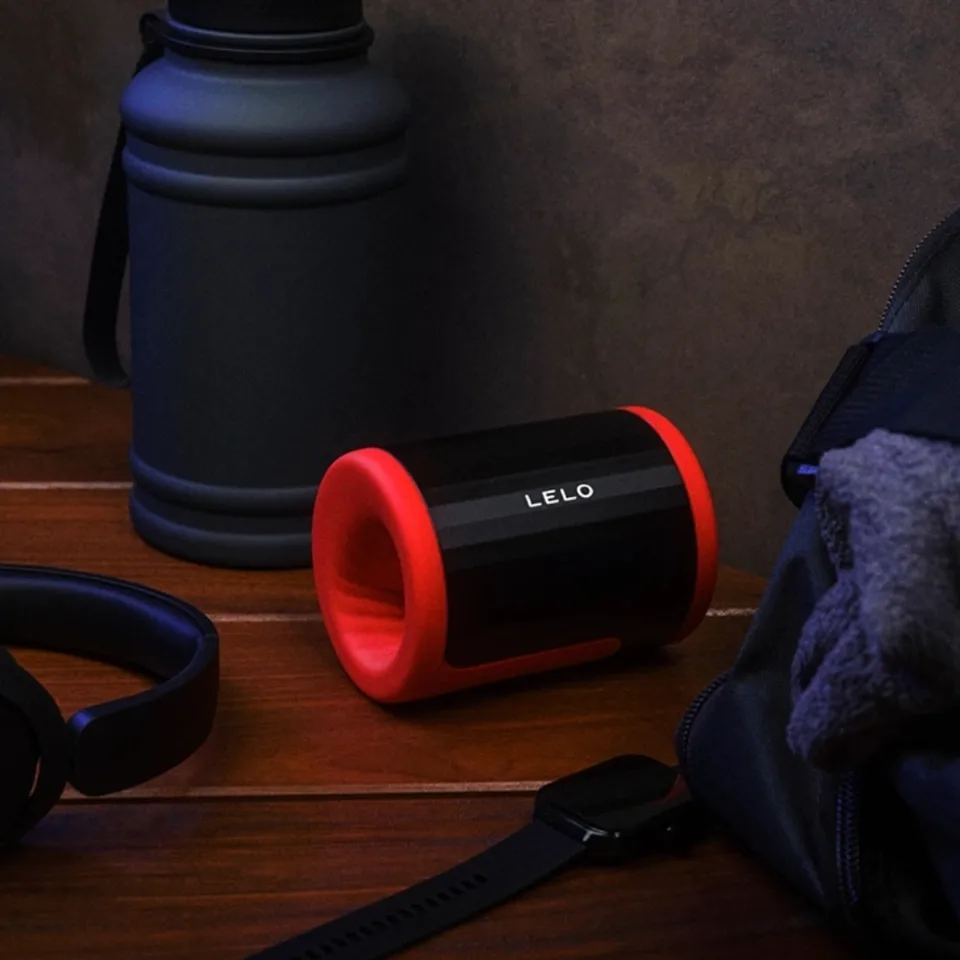
Can we talk about something real quick? Why is it normal to train your muscles in the gym, but not train your sexual stamina? Thankfully, we’re living in an age where it’s becoming more normalised to see sexual wellness as a part of our overall wellbeing, which is why we’re glad that LELO has created a male masturbator that’s as focused on your pleasure today as it is your pleasure in 10 years. Filled with real-time AI sensors, this masturbator adjusts its vibration intensity to the speed you’re moving your hand at to help train your orgasm stamina. More men under 40 are experiencing erectile dysfunction than ever, so this toy also helps you manage the strength of your erection and rgasms with a guided Kegel programme via the app.

Best for blowjob sensations
I don’t know if you’ve heard, but we’re in a real dating crisis. If you’re not getting laid – or even if you are – Bellesa has created this suction masturbator that mimics the sensations of really great head. As well as stroking the length of your shaft, it has four suction modes that, when loaded with water-based lube, get as close to a proper blowjob as you will have been in a while. It might be on the larger side, but it’ll also make an incredible add-on during partnered sex, especially if you’re bottoming – just saying.

Best non-vibrating stroker
Maybe you come quickly, or vibrations simply aren’t your thing. Either way, here’s some good news: non-vibrating toys exist. This one from Tenga looks kind of unassuming, but once the hard packaging is cracked open, it reveals a soft TPE penis stroker that’s filled with lumps and bumps for sensations against your shaft that are simply eggcellent. It’s also single use, making it ideal for when you’re travelling, or if you’re a beginner looking to experiment with sensations.

Best for new sensations
If you’ve already mastered regular masturbators, you might be expecting something new and exciting from your sex toys. This one from Arcwave introduces a sensation you won’t get from a lover: rotating suction stimulation across your entire shaft to have you spinning into another world. As well as four control modes, and pressure-sensitive buttons to adjust its intensity in the moment, you can also sync this masturbator with the KooSync app to grant control of your pleasure to a long-distance lover or use it in tandem with interactive video content.

Best weighted anal beads
Whether you’re new to anal, or a complete aficionado, anal beads are the ideal toy to thrust you into a new dimension. This set from Satisfyer has three equally sized beads, so you can decide how much you can take, and each is filled with a weighted ball for extra stimulation as it slides against your P-spot. It comes with a strong suction cup, so you can stick it to any surface if you’re playing by yourself, and is also harness-compatible, so you can also use it as an anal dildo with a partner. Yum.

53% off
Best blowjob machine
Long distance lovers, listen up! Lovense has found a way to create sex toys that are seamlessly controlled from anywhere in the world, whether that’s by a partner, or a stranger through the ‘roulette’ feature on its app. This machine is intended to be propped against a surface using the attached clamp, and can be powered using the Lovense app for completely personalised hands-free blowjobs. If having a serious piece of gear sounds a little intimidating, don’t worry! The sleeve has a super realistic feeling, according to reviewers, and you can even choose from an entry that mimics an anus or vagina, depending on your preferences.

53% off
Best app-controlled butt plug
A message to any sex toy companies reading this: let’s normalise having different sizes of our products. Lovense has truly got it right, as this butt plug comes in four different sizes for you to choose on based on your experience. Like all Lovense products, it can be controlled via the app, which also lets you sync it to your choice of erotic content, music, or even with a partner’s Lovense toy. That wide base means it’s plenty safe to use, and it comes with unlimited vibration modes so you’ll be busy for, well, the foreseeable.

30% off
Most versatile cock ring
Here’s some sex ed for you, fellas: eight in 10 women can’t orgasm from penetration alone. That’s right, you can’t just rely on sticking it in to give her a good time, which is why clitoral stimulation – both as foreplay and throughout the main event – is non-negotiable. Hence why we’re big fans of this toy from Satisfyer, which can be used both as a finger vibrator, by slipping the handle over your digits to rub against her C-spot, or as a cock ring to turn your thing-a-ling into her new favourite sex toy.

25% off
Best prostate massager overall
Let’s get one thing straight: prostate play has nothing (repeat: NOTHING) to do with your sexuality. Just like people with vulvas have an internal and external erogenous zone, so do people with penises. In fact, prostate play can result in even more pleasure – and who doesn’t want that? This massager is designed to give you two kinds of stimulation all at once, with a shaft that sits against your prostate and another that stretches across your perineum to make its six vibration settings almost inescapable. Hand over the motion-controlled remote to your partner for a an added element of unpredictability. Thrilling!

Best affordable prostate massager
Okay, not everyone can afford to splash out £100+ on a prostate massager at a moment’s notice, so this one from Bellesa makes a more affordable alternative. That curved end equals more powerful stimulation against your P-spot, and it has 10 vibration modes to play with via the dinky remote.

Best couples’ toy
We all need an excuse to reconnect (in this economy!) so if you and your lover are looking for one, this duo will give you all the reasons you could ever need to come together – literally. Using car sensor technology, the clit vibrator vibrates more intensely the closer the cock ring gets to it – I’ll leave you to picture that one for yourself. Plus, you can change the setting so that the vibrations increase the faster you move, or even to respond to the sound of you clapping. Silly!

15% off
Best fleshlight
Whether you have a penis or not, you’d have to have lived under a rock to have not heard of Fleshlight. Perhaps the most famous male sex toy company of them all, it’s a classic for a reason: it makes high-quality, realistic-feeling strokers that are easy to clean and look discreet. This one could easily be mistaken for a water bottle on your bedside table, but is in fact a bump-filled stroker that gives the sensation of sucking, without the need for charging – because who has time for that?

29% off
Best penis pump
Looking for gains… down there? Penis pumps can temporarily increase the size of your schlong by placing it inside a vacuum. This one comes with a vagina opening, for a thrill while you do it, and comes with three suction intensities to choose from, depending how much you want to boost your boner. Just make sure to layer up plenty of water-based lube and not use it for more than 10 minutes per day.
How to use sex toys for men
Now you’ve got a shiny new toy to play with, you might be wondering how exactly to put it to work.
If you’re feeling intimidated by your new bedmate, or simply want to brush up on your sex toy etiquette, we’ve asked Tim Lagman and Todd Baratz for their tips on using male sex toys.
Lube up
“Reducing friction can help increase pleasure, so using lube like pjur Aqua can intensify sensations while nourishing the skin, and combining it with a pleasure gel like pjur MAN Lust can add tingling sensations further enhancing the experience,” explains Lagman.
Take it slow
“Slow down more than you think you need to,” Baratz recommends. “Most people are conditioned to treat masturbation as something to get through quickly, but pleasure tends to expand when you give yourself time to actually experience it.”
Get curious
“Experiment with different speeds and pressures, and pay attention to what your body is telling you,” Baratz adds. “Don’t be afraid to get curious and take your time, focusing on exploring sensation rather than racing toward the finish line. Also, keep in mind that pleasure is more than just the physical.”
What are the male sex toy trends in 2026?
As we’ve already alluded to, there has been a slow but steady shift towards men using sex toys in 2026.
Sexual wellness
This includes men increasingly using sex toys as part of their wellness routines, according to Lagman.
“This trend can be seen in toy development, such as smart technology and app connectivity,” he says.
“People want their toys tailored for them instead of a one-size-fits-all. There is also a shift away from traditional, anatomical designs and toys are made to look more like wellness devices. Because of this, toys are also being marketed as tools for body awareness and stress relief.”
Connection
“Men are giving themselves more permission to explore pleasure without attaching so much meaning or judgment to it,” Baratz adds.
“There’s growing curiosity around body awareness, and understanding pleasure as something worth investing in rather than something to rush through.”
Prostate play
“We are also seeing more beginner-friendly options for prostate exploration as anal pleasure becomes less taboo for men,” Lagman notes.

Jeremy Doku jets back for birth of first child as Belgium set return date | Football

Dow Jones Rises 0.40 Percent to 51,770.77 as Markets Show Modest Gains Amid Economic Optimism

Solana Captures 95% of Tokenized Equity as SOL “Bottom” Debate Grows

No Jackpot Winner as $257 Million Prize Rolls Over to $269 Million Monday Draw

Blockchain.com files with SEC for U.S. IPO

Israel says it has killed new Hamas military leader in Gaza City airstrikes

Humanity still exists.. @johnmalek3 #humanity #dream #success #giveaway #lifestyle #money #shorts

Manishi & Nilu | Five Million Money Drop S4 | Episode 42 | Sirasa TV

Shani Pashupata Homam | Divine Solution for Financial, Family, and Life Problems | #Vedamandir #H…
-

 Fashion3 days ago
Weekend Open Thread: Miami – Corporette.com
-

 Tech6 days ago
The Adder At The Heart Of Intel’s 8087 FPU
-

 Entertainment2 days ago
Renter of Home in Anne Heche Crash Denies Settlement With Son
-

 Tech8 hours ago
Microsoft accidentally kills epic Outlook email threads
-

 Business2 days ago
Soccer-U.S. defends Iran World Cup travel restrictions, says discussions ongoing
-
 Business3 days ago
Wall Street Week Ahead: Investors see Micron earnings as pulse check of AI rally momentum
-

 Politics4 days ago
BBC Reporter Discusses Cross Party Criticism Of Trumps Iran Deal
-

 Tech4 days ago
AWS enters the context layer race with a graph that learns from agents, not manual curation
-

 Crypto World3 days ago
HIVE shares jump as $220M AI deal speeds Bitcoin mining pivot
-
 Crypto World2 days ago
Can Charles Hoskinson Really Rescue Cardano?
-

 Crypto World2 days ago
Jake Chervinsky accuses CME of protecting derivatives monopoly
-

 Sports4 days ago
FIFA World Cup 2026: Canada beat 9-men Qatar 6-0 to register first ever win | FIFA World Cup 2026
-

 Business2 days ago
MHP SE 2026 Q1 – Results – Earnings Call Presentation (OTCMKTS:MHPSY) 2026-06-20
-

 Business4 days ago
Brexit cost 6% of UK economy, Bank of England company data suggests
-

 Politics2 days ago
Andy Burnham and the meaning of Makerfield
-

 Crypto World5 days ago
Anthropic’s Dario Amodei Urged AI Unity at G7, Even as US Banned His Models
-

 Crypto World7 days ago
Robinhood opens AI-powered trading to all users, sending HOOD stock past $100
-
 Tech1 day ago
Signal’s Meredith Whittaker says AI chatbots ‘are not your friends’ and calls Copilot agents a backdoor
-

 Tech5 days ago
Weeks Of In-The-Field Testing And A Verdict
-

 Tech1 hour ago
Nearly 7,000 fake Amazon domains registered ahead of Prime Day 2026, researchers warn
You must be logged in to post a comment Login