Connect with us

Politics

Iran war cripples Rapid Support Forces’ supply lines

Published

on

Iran war cripples Rapid Support Forces' supply lines

Iran’s retaliatory strikes on Israel and the United Arab Emirates (UAE) are reportedly contributing to a rapid collapse of the genocidal so-called ‘Rapid Support Forces’ (RSF) in Sudan.

UAE-backed RSF militia feel the sting of war

The RSF, funded and armed by the UAE and Israel, had been making gains up to February 2026. It has murdered hundreds of thousands of people in Sudan. Rapes, sexual torture and executions have been common and almost 400,000 people are in starvation.

However, Sudanese government forces have achieved a string of military victories that appear to be turning into a rout.

With UAE shipments rerouted from the Hormuz Straight and the UAE to Saudi Arabia due to Iran’s counterattacks of shipping, the UAE economy, and it’s global financiers, have been dealt a major blow.

Advertisement

Meanwhile, Sudanese forces are targeting RSF arms and supply depots, crippling front-line RSF troops by cutting off ammunition, fuel, and essentials.

Featured image via the Canary

Advertisement

Source link

Continue Reading
Click to comment

Leave a Reply

Your email address will not be published. Required fields are marked *

Politics

Trussell food banks provided over 2.6 million food parcels in 2025

Published

on

Trussell food banks provided over 2.6 million food parcels in 2025

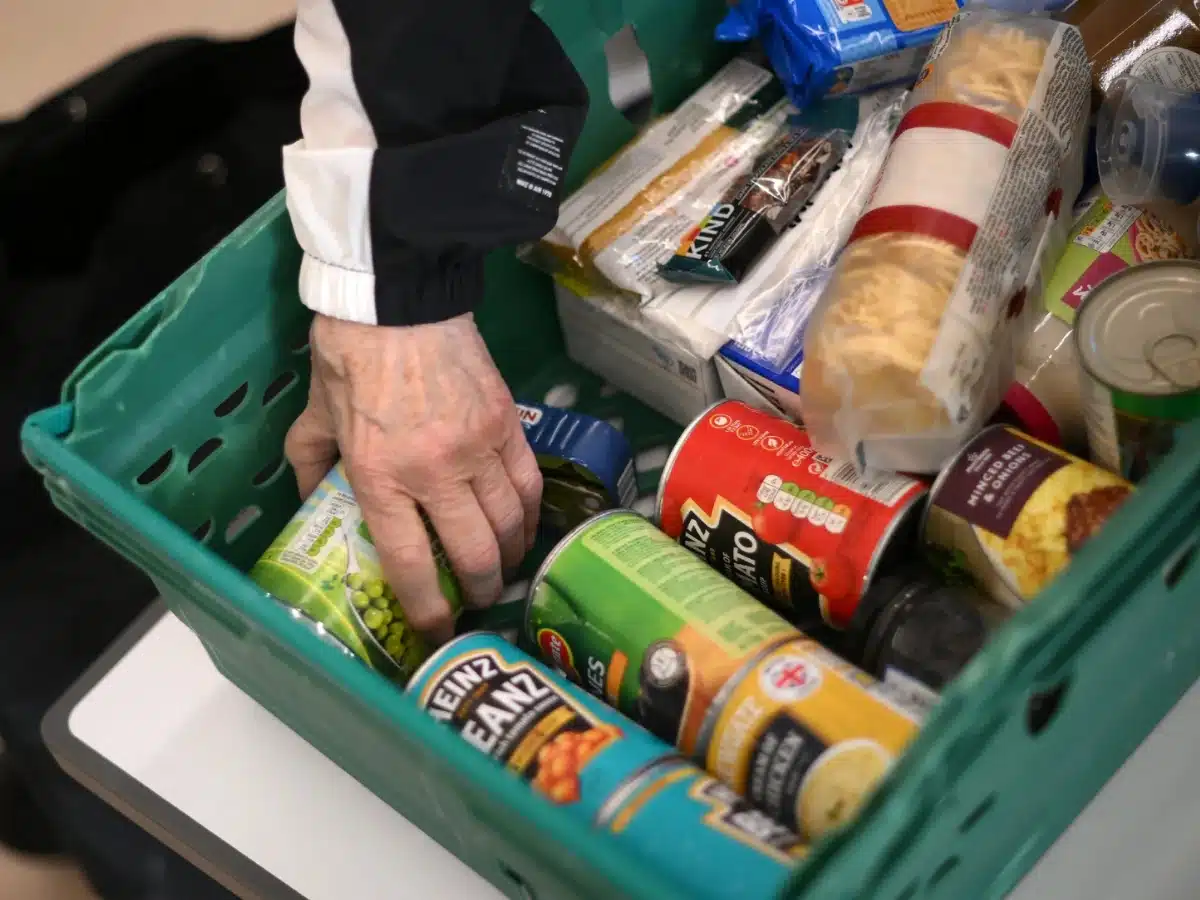
Food bank charity Trussell has released its figures for 2025. And they show that it provided more than 2.6 million emergency food parcels during the year.

A parcel typically contains three days’ supplies for one person. The figures also include some seven day packages. And Trussell acknowledges that there are thousands of other charities and independent groups providing food aid throughout the UK.

Food bank use slightly down on 2024

Trussell reported a 12% drop in the total parcel numbers compared to 2024. This was largely due to easing inflation, which led to a slowdown in the rising cost of essentials. There were also fewer people losing their jobs.

While this means some people have been able to get back on their feet, the charity warns too many are feeling “overlooked and left behind”. Incomes from social security and wages continue to fail to cover the high costs of essentials like food, utility bills, and toiletries.

Advertisement

Parents are among the people shouldering the heaviest burden as families with children received almost two thirds (62%) of all parcels in 2025. This is despite them making up just 42% of the UK population. Trussell is also reporting an alarming rise in hardship among older people. Support provided for people aged 65 and over more than tripled (247% increase) between 2019 and 2025.

Food banks are describing the persistent hardship they witness as “appalling”, with people sitting in the dark to save electricity, parents skipping meals to feed their children, and people in such impossible situations that they open food parcels to eat before leaving the food bank.

At the same time, levels of need continue to outpace donations. Many food banks say they are at breaking point and are having to purchase significant amounts of food just to keep shelves stocked.

Calls for government action on hardship

Helen Barnard, director of policy and research at Trussell, said:

Advertisement

Today’s figures show that too many people across the UK are still being pushed to the brink. Even as we gain hope from people getting back on their feet, we cannot lose sight of the heartbreaking injustice that such shocking numbers of people are still trapped in the grip of severe hardship.

This isn’t right. Too many people are being forced to skip meals so their children can eat, or survive on cups of tea because they don’t have any food left in the cupboards. The pandemic and cost of living crisis have left deep scars. Severe hardship still weighs heavily on daily lives, leaving people feeling overlooked and left behind.

Slowing price rises alone cannot solve the scale of severe hardship still facing our communities. And as we face uncertain times again, progress can be too easily undone.

We need the UK government to continue to take meaningful and lasting action so all of us have what we need to get by. Bold choices like ending the two child limit are a step forward. But we cannot stop until everyone has enough to afford the essentials and we can end the need for food banks for good.

Amie, 45, from North Lincolnshire who has two children, said:

Advertisement

I had to use the food bank when my husband left and I lost my job in quick succession. I was able to access food through the food bank but still felt like I was floundering.

I managed to get a temporary job, then set up my own business, but I still needed to access community food support.

Unfortunately it didn’t work out with my business, but I managed to find work in a similar job. However, this is now at risk due to the lack of funding. I receive Universal Credit because my income from work isn’t high enough to support my family as a single mum. If I lose this paid work I will struggle to pay for even the essentials every month.

I am worried that I may need to access a food bank again. Making sure my children eat will always be my priority. It’s a terrible state that we’re in where in 2026 so many people have to use food banks. Everyone should have enough money to afford the essentials.

A host of famous faces including actor Christopher Eccleston, singer Tom Grennan, TV star Carol Vorderman and actors Mark Bonnar and Brian Cox are joining Trussell’s call to end the need for food banks across the UK.

Advertisement

Eccleston, said:

Today, Trussell’s shocking new figures show that millions of people are being forced to turn to food banks because they don’t have enough money to live on. This isn’t right.

Everyone should be able to afford the essentials like food, utility bills and toiletries. They are not luxuries, but they have become them to people living on the lowest incomes because work or social security just isn’t enough.

Hunger in the UK isn’t a food problem, it’s an income problem. Our social security system should be there for all of us when we need it most – but right now, it’s not enough to cover the cost of the essentials and it’s pushing people to food banks.

That’s why I’m standing with Trussell to call on the UK Government to make policy changes so that everyone can afford the essentials we all need to get by.

Advertisement

Grennan, said:

It’s shocking how many people are having to turn to food banks to get by because they do not have enough money to live on. This is unacceptable.

I’ve spent time volunteering at my local food bank and the conversations you have there stay with you. No one wants to go to a food bank for support. It’s where people turn when they have no other option.

The fact that so many parcels go out to families with children is heartbreaking. It’s clear that the system isn’t working, and that too many people are just one step away from facing hunger and hardship.

Food banks are a lifeline, but they aren’t the answer. Everyone should have enough money to cover the essentials like food and bills. That’s why I’m standing with Trussell to call for change. We need our politicians to commit to ending food bank need for good.

Advertisement

With growing uncertainty around the cost of essentials, Trussell says now is the time for the UK government to build firmer foundations for people on the lowest incomes. The charity is calling on the UK government to:

  • Lift the freeze on Local Housing Allowance and create a permanent link between rents and support, so more people are protected from runaway rental costs.
  • Establish an independent process to advise on the minimum level of Universal Credit payments, moving us closer to an Essentials Guarantee that ensures the basic rate of Universal Credit always covers the cost of essentials and can never be pulled below that level.

Food banks need everyone to play their part to move us towards ending the need for emergency food in the UK. The public can help make sure food banks can continue to provide warm, compassionate, practical support and advice in the year ahead by donating food or funds to Trussell or your local food bank to help end hunger in the UK.

Find out how many emergency food parcels were provided to people facing hardship in your local area.

Featured image via the Canary

Advertisement

Source link

Continue Reading

Politics

Putin’s ‘Hidden Hand’ Likely Aiding Iran In Its War Against Trump

Published

on

Putin's 'Hidden Hand' Likely Aiding Iran In Its War Against Trump

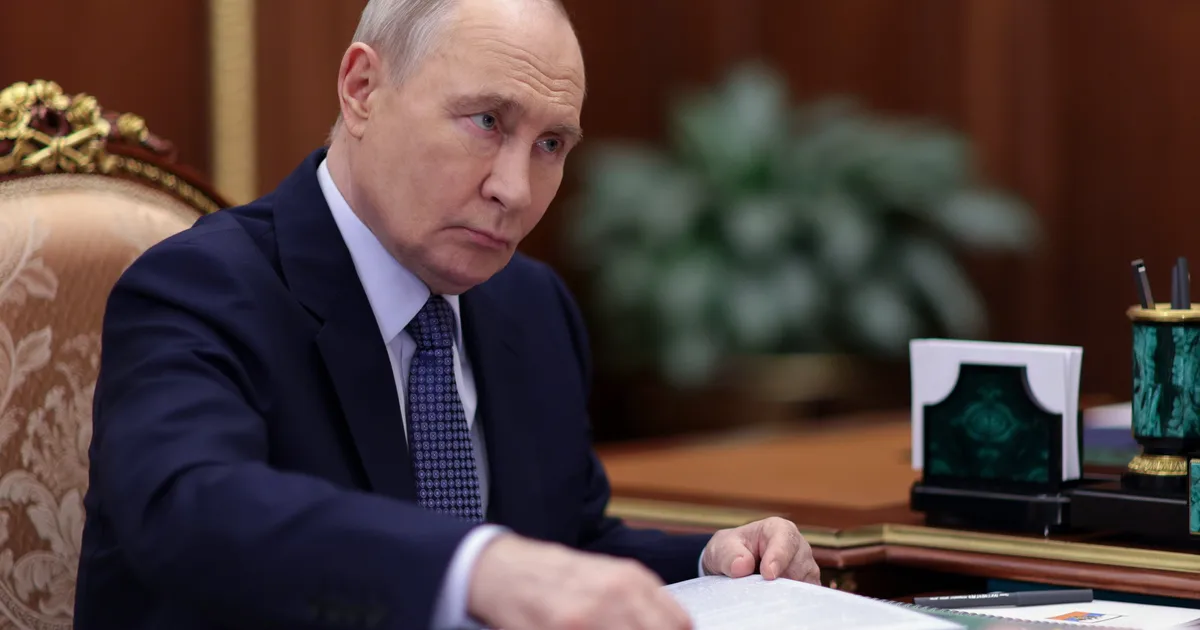
Vladimir Putin’s “hidden hand” may be helping Iran respond to its ongoing war against Donald Trump and Israel, according to the UK’s defence secretary.

John Healey was speaking from the UK’s military headquarters in London hours after drones hit a base used by western forces in Iraq.

He said British officers told him drone pilots from Iran and Iranian proxies were adopting tactics “from the Russians”, and telling them how to fly them.

Iran has been supplying Russia with Shahed drones – long-range weapons Moscow has regularly deployed against Ukraine – for years.

Advertisement

The chief of joint operations, Lt Gen Nick Perry, told the defence secretary that it looked like Russia had advised its allies to fly the drones at a much lower height, making them more effective when hitting targets.

That had “proven problematic” according to Perry, because the drones were rapidly becoming Iran’s most effective weapon in its fight against the US and Israel.

Healey said: “I think no one will be surprised to believe that Putin’s hidden hand is behind some of the Iranian tactics and potentially, potentially some of their capabilities as well.”

He added: “The one world leader that is benefitting from sky-high oil prices at the moment is Putin because it helps him with a fresh supply of funds for his brutal war in Ukraine.”

Advertisement

A UK counter-drone team shot down two of the drones targeting a base in Erbil last night. No British casualties have been reported.

Meanwhile, Trump announced on Monday that he would “take sanctions off” some countries until the Strait of Hormuz is up and ready again.

While he did not specify which countries he was referring to, Trump’s declaration came shortly after he had a lengthy chat with the Russian autocrat – who has been trapped under heavy trade sanctions ever since invading Ukraine in 2022.

Tehran has effectively closed the strait of Hormuz, which carries a fifth of the world’s oil supply, by targeting ships on waterway.

Advertisement

Healey discussed the closure of the strait with the E5 of European defence ministers, and warned there were “clearer and clearer” reports that Iran was trying to mine the waterway.

Source link

Advertisement
Continue Reading

Politics

Mother’s Day flowers have a massive environmental cost

Published

on

Mother's Day flowers have a massive environmental cost

Research shows that UK shoppers intend to buy 20 million bouquets of flowers for loved ones this Mother’s Day. But as each bouquet often comes wrapped in a plastic sleeve, this contributes to a disheartening amount of plastic waste.

New data shows that equates to around 2.7 million m² of plastic film. This would be enough to cover 378 football pitches or enough to wrap Buckingham Palace 35 times.

All of this comes with a significant carbon footprint, with 124.2  tonnes of CO₂ emissions generated from the production of this plastic. That’s the same as approximately 15 UK households’ annual emissions.

Each bunch of flowers also often comes with one or two sachets of food in a plastic container, which further adds to plastic waste. Rubber bands usually hold each bouquet together, potentially adding 20 million rubber bands to landfill every Mother’s Day.

Advertisement

Rubber bands take up to 50 years to biodegrade and can be incredibly harmful to the environment. If burned they release carcinogenic pollution into the atmosphere. Rubber bands can be dangerous for wildlife too, causing them to become tangled up and injured. And animals and birds can eat them and die.

Most sleeves for flower bouquets are made specifically from clear polypropylene film. This material can be recycled, but it’s unlikely local council collection services will take it. This means people can’t generally put it in household recycling bins.

Some retailers and large supermarkets may offer in-store recycling for soft plastics, which could include polypropylene film. However, availability can differ locally.

How can we reduce flower waste this Mother’s Day?

Choose sustainable packaging. Flowers wrapped in paper or reusable fabric avoids unnecessary plastic waste. Alternatively, potted plants over cut flowers can be a more sustainable option.

Advertisement

Avoid flower food sachets; these add further plastic waste. It’s best to avoid them altogether with a better option being to make plant food at home instead.

Avoid or reuse rubber bands – String or ribbon can be both an aesthetic and environmentally friendly way to hold together bouquets as opposed to rubber bands, but if bouquets do have elastic bands, it’s best to reuse them.

Mark Hall, waste management expert at BusinessWaste.co.uk, commented on plastic waste:

Mother’s Day provides us with the opportunity to show gratitude to one of the most important people in our lives, but many don’t realise how the impact gifts can have on mother nature.

The plastic film used to wrap bouquets can be problematic as most councils are unlikely to collect it for recycling, meaning most of the 2.7 million m² of wrap is likely to head for landfill.

Advertisement

This doesn’t mean consumers need to stop purchasing flowers, but we’d encourage them to stop and consider the packaging used, opting for the most sustainable option where possible.

We also believe it would be helpful for florists and retailers to work to provide takeback schemes for this type of plastic and ensure thorough signage and guidance is given.

The flower market has significant global transport factors and often poor conditions for workers. Maybe it’s time to think more creatively about how to celebrate Mother’s Day.

Featured image via the Canary
Advertisement

Source link

Continue Reading

Politics

British Borrowing Costs Rise to Six-Month Highs

Published

on

British Borrowing Costs Rise to Six-Month Highs

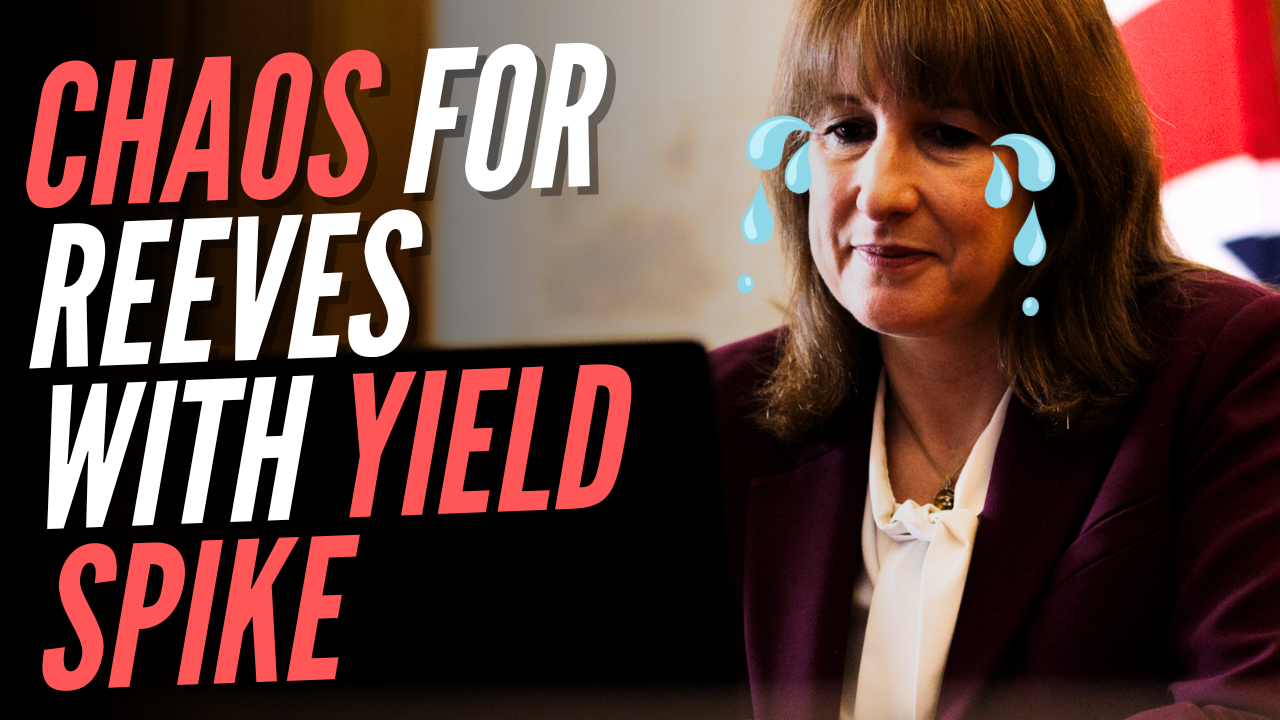
UK gilt yields are rising at a rapid rate again. Throwing Reeves’ fiscal plans into disarray… The yield on 30-year gilts has climbed by 12 basis points to 5.47%. 10-year yields reached 4.754% just now. These are the highest since October…

Source link

Continue Reading

Politics

‘Penguin Walking’ And Other Tips For Planting Grass Seed

Published

on

'Penguin Walking' And Other Tips For Planting Grass Seed

If your grass is looking a bit bare after the winter chill, you might be thinking of planting new seed now that the soil’s warmed up.

Indeed, according to Chris McIlroy, a lawn expert at The Grass People, “We’re approaching the ideal time to sow new grass seed and get lawns looking their best again”.

The Royal Horticultural Society added that spring and autumn provide ideal conditions for the task; it’s cheaper than buying new turf, and fairly easy.

Especially, McIlroy said, if you “penguin walk”.

Advertisement

What is “penguin walking”?

It’s a shuffling kind of walk you can do before you plant grass seeds to help get rid of any air pockets in the soil.

“New seedlings need mild, moist soil in order to germinate, so waiting until temperatures are consistently around 8-10°C is crucial. Also, check that there is no heavy rain forecast, as this can wash away seeds,” McIlroy said.

Start with a “clean slate”, too: banish moss, dead grass, and weeds before laying new seeds down.

Advertisement

Then, it’s time for the penguin walk.

“You need to tread the ground to get rid of air pockets. Take small steps over the surface to even out the soil, like a penguin shuffle. Do this in rows to make sure all the areas are covered,” the grass expert explained.

“Once the ground is prepared, spread the grass seed evenly across the soil at around 30-35g per square metre for a new lawn, or 15-20g per square metre when overseeding bare patches.”

To get really even coverage, divide the seed in half and walk along your lawn lengthways sprinkling the first section.

Advertisement

Then, spread the second load of seed walking widthways. That’ll form a kind of crosshatch pattern that’ll offer even coverage.

What should I do once the grass seeds have been planted?

“After sowing, lightly rake the area so the seeds sit just beneath the soil surface, then gently firm it down by walking over it or using a roller,” McIlroy added.

“This helps ensure good seed-to-soil contact, which is essential for germination. Finally, water lightly and keep the soil consistently moist while the grass establishes.”

Advertisement
Wait until it’s at least five centimetres tall before you give it its first mow. And when you do, use your mower blade’s highest setting.

Source link

Continue Reading

Politics

100% Of UK Women Under 25 Are Scared To Travel Solo

Published

on

100% Of UK Women Under 25 Are Scared To Travel Solo

Appetite for solo travel among women isn’t showing any signs of slowing – last year, tour operator Jules Verne said solo travellers accounted for 46% of bookings, with almost 70% of these bookings coming from women.

But while appetite is clearly there, that’s not to say women feel safe when they do travel alone. Far from it.

A new survey conducted by hospitality company The Social Hub, along with Opinion Matters, as part of their “Room For Her” campaign, has found that 100% of women aged 18-24 from the UK say they fear travelling alone.

Advertisement

In the study, which polled 2,000 women from eight countries in the UK and Europe, 80% of women aged 25-45 agreed they worried about their personal safety while travelling solo.

What else did the survey find?

  • Only 12% of women aged 45-54 travelling for business said they felt “very safe”.
  • 40% of 18-24-year-old women say they “don’t feel safe at all” after it gets dark on their travels,
  • 29% of women surveyed reported being “followed or watched” while solo travelling (that figure rose to 41% for women age 18-24).
  • 16% of women surveyed said they’d experienced physical abuse or assault while solo travelling.
  • 57% of women said 24/7 hotel staff would make them feel safer.
  • 45% said better lighting would help.

These are “eye-opening” results

A 2024 National Police Chiefs’ Council report declared violence against women and girls a “national emergency” in England and Wales, with a possibly low estimate of about two million women and girls targeted a year.

Amber Westerborg, a director of sustainability and impact at The Social Hub, said she hopes the survey encourages the hospitality industry “to start talking and take action, ensuring safe travel for all”.

Advertisement

“The results are eye-opening and shine a light on a real problem across the industry,” she said.

“Women should not have to change their behaviour, limit their ambition or decline an opportunity because they don’t feel safe.”

Source link

Advertisement
Continue Reading

Politics

Slogan T-Shirts: How To Shop 2026’s Hottest Trend

Published

on

Slogan T-Shirts: How To Shop 2026's Hottest Trend

We hope you love the products we recommend! All of them were independently selected by our editors. Just so you know, HuffPost UK may collect a share of sales or other compensation from the links on this page if you decide to shop from them. Oh, and FYI – prices are accurate and items in stock as of time of publication.

I first wrote about slogan tees making a comeback way back in 2023, and since then the trend has only gotten bigger and stronger.

From Maura Higgins to Harry Styles to Pedro Pascal (who could forget last year’s Protect the Dolls t-shirt by Conner Ives?), the slogan tee shirt is absolutely everywhere.

Simple, comfortable, and inherently very effective at making whatever statement you want, the slogan tee isn’t a flash-in-the-pan micro-trend – it’s here to stay.

Advertisement

Want to get in on the look? Give these 9 shirts a look in…

Source link

Advertisement
Continue Reading

Politics

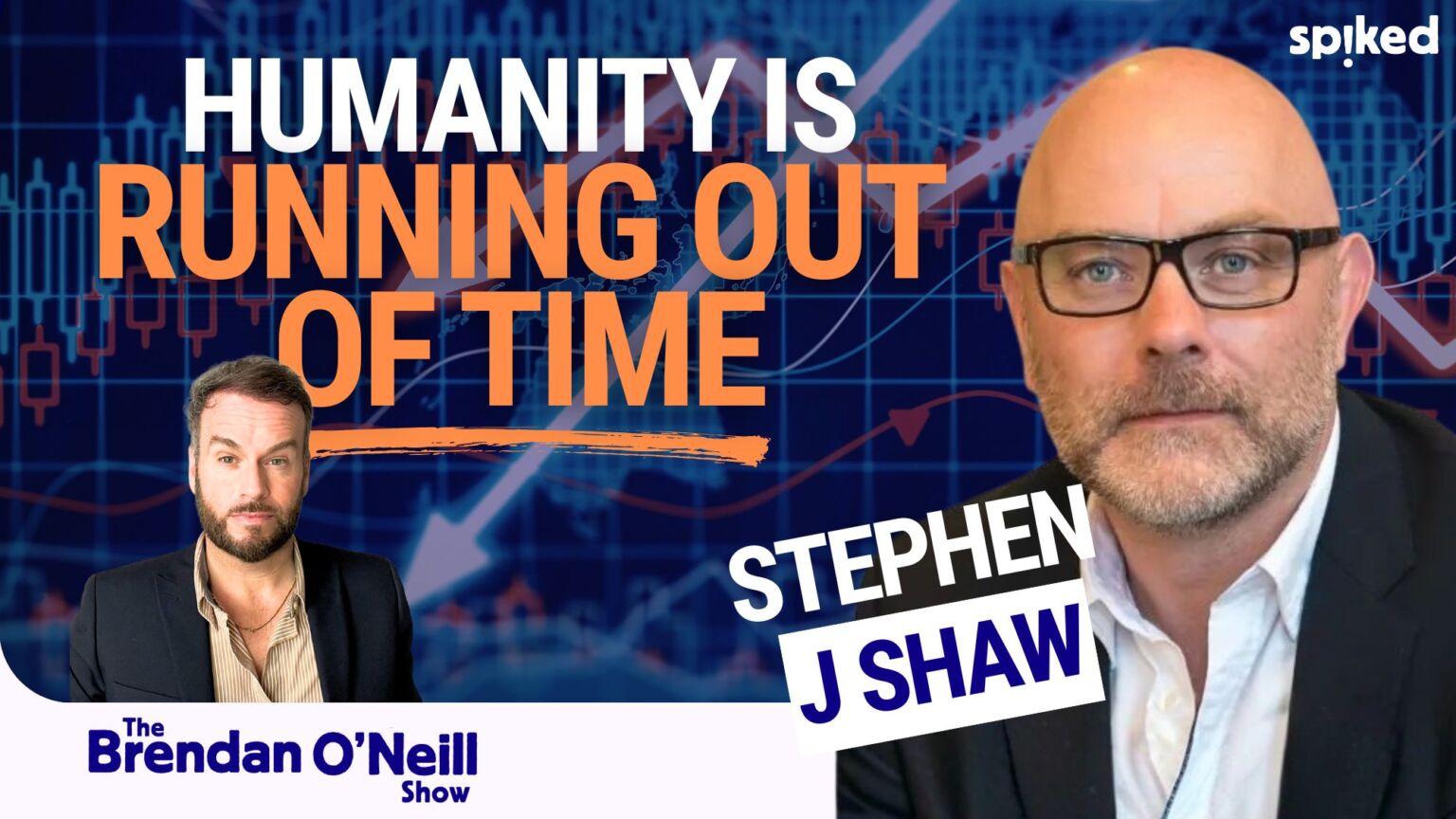
The global population collapse has already begun

Published

on

The global population collapse has already begun

The post The global population collapse has already begun appeared first on spiked.

Source link

Continue Reading

Politics

RSF weaponises starvation against farming communities

Published

on

RSF weaponises starvation against farming communities

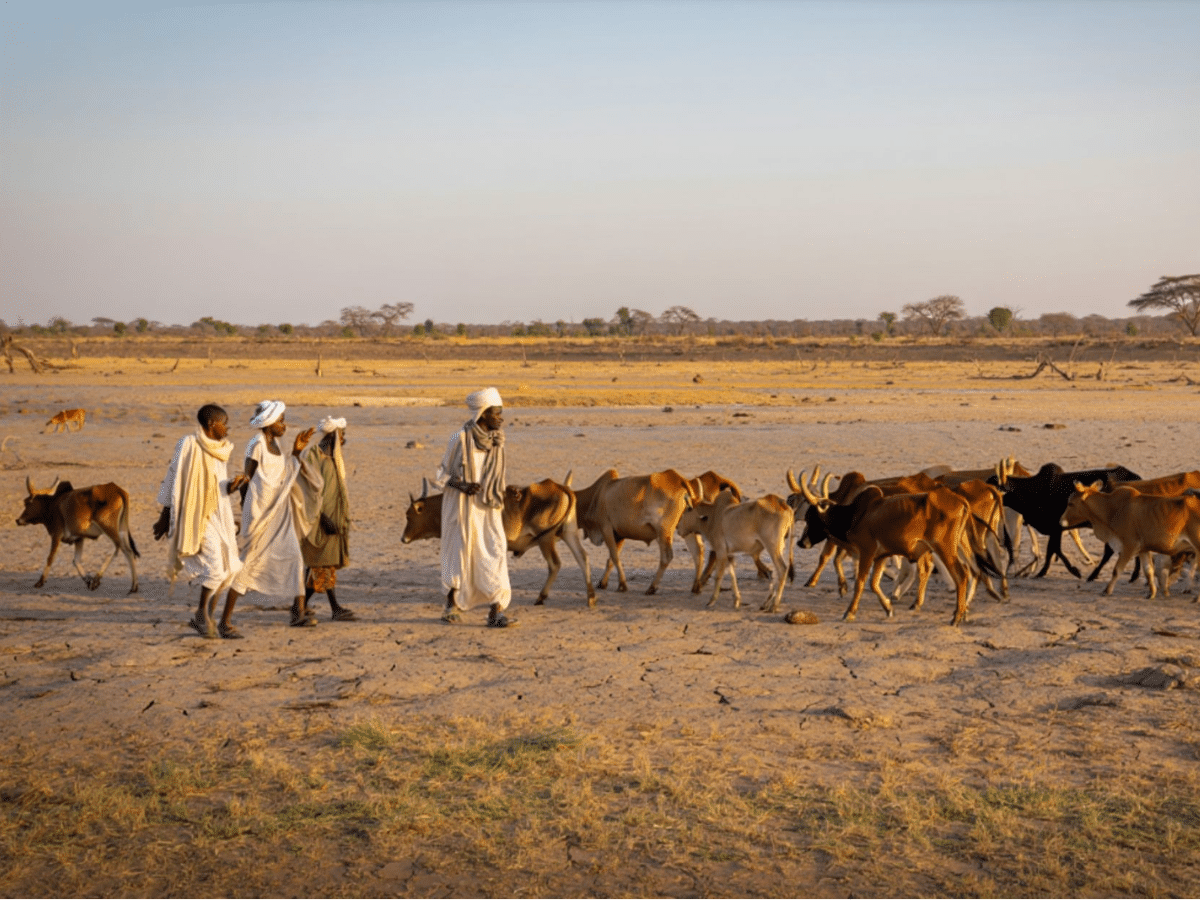
The UAE-backed Rapid Support Force (RSF) has deliberately starved civilians in Sudan. Yale’s Humanitarian Research Lab has found damning evidence against the genocidal paramilitary force. Their new report said RSF are guilty of “extraordinary cruelty.”

At least 41 communities have had their crops razed by RSF. As a result, patterns of life analysed through satellite imagery have diminished substantially.  This is part of what two legal scholars say is deliberate removal of the means to live by RSF.

Co-author professor Tom Dannenbaum told the Guardian:

The destruction of the villages, farming equipment and infrastructure all provide strong evidence of a “starvation strategy” against a population already struggling with food insecurity because of the war.

People were at the brink of starvation and objects indispensable to their survival were being destroyed.

He added was it is:

Advertisement

not merely the fact the villages had been attacked but the targeted destruction of livestock enclosures, as well as the forced displacement of the farmers, that led to reduced farming activity that suggested a deliberate attempt to prevent the villages from being able to produce food.

Report co-author professor Oona Hathaway said:

It’s evidence of extraordinary cruelty and the real horrors people have been facing.

Adding:

The report provides a unique level of fine-grained, over-time analysis documenting exactly what was attacked, going far beyond our general knowledge of the fighting … [it] is of a quality that could be submitted in a court for criminal prosecution.

Resource wars

An RSF drone attack killed “dozens” of civilians on 12 March on Kordofan, one of the most heavily affected provinces in the south of the country.

French outlet Le Monde said:

Advertisement

The Kordofan region, home to oil deposits, arable land and the RSF’s most powerful paramilitary allies, connects RSF strongholds in the Darfur region to the country’s army-controlled east. The RSF controls West Kordofan and has for months pushed eastwards in an attempt to recapture Sudan’s central corridor.

According to Sky News:

The Armed Conflict Location & Event Data, an independent global monitor, has documented at least 198 drone strikes in Sudan launched by both sides in the first two months of 2026. At least 52 of them involved civilian casualties, killing 478 people.

Also in the southern provinces, a drone strike killed 17 schoolgirls and a group of medical workers. Associated Press said on 11 March:

The war-tracking Sudan Doctors Network reported the strike first, saying those killed included two teachers and a health care worker. The group said there was no military presence in the village.

Both the medical group and al-Majeri blamed the paramilitary Rapid Support Forces for the strike. The RSF didn’t respond to a request for comment.

But this war has a complex international dimension.

Advertisement

Colonial warfare

As the Canary has said in our previous coverage of this poorly-understood genocidal war:

The war in Sudan is theoretically between the Arab supremacist RSF and the Sudanese government. But foreign states pursuing their own interests are backing the combatants. The United Arab Emirates (UAE), for example, backs the RSF with arms and equipment. Egypt backs the government, alongside Russia, Turkey, Iran, Saudi Arabia, and Qatar. Israel has backed both sides at different times.

The mounting death toll is similarly mindboggling:

RSF has killed Sudanese civilians in vast numbers. And some estimates say 150,000 people have died and over 10mn have been displaced by fighting.

The people of Sudan find themselves living – and dying – at a nexus of colonial interests.

As another genocide continues in Gaza, and the war against Iran by a rudderless alliance accelerates, the horrors in Sudan drift in and out of the news cycle. But the Canary means to keep reporting on this often-forgotten colonial atrocity.

Advertisement

Featured image via the Canary

Source link

Advertisement
Continue Reading

Politics

Starmer Takes Full Responsibility Over Mandelson Appointment

Published

on

Starmer Takes Full Responsibility Over Mandelson Appointment

Keir Starmer has taken full responsibility in Peter Mandelson’s appointment as UK ambassador to the US.

In his first comments since the government released a tranche of documents related to the former Labour peer’s appointment, the prime minister told reporters: “I made a mistake in appointing Peter Mandelson.

“Let me follow that up with – as I’ve done before, but I need to do it again – but an apology for the victims of Epstein.

“It was my mistake and I take responsibility in relation to it.”

Advertisement

The documents were released amid ongoing questions about why the government appointed Mandelson even though his friendship with the paedophile Jeffrey Epstein was public knowledge.

Starmer has since insisted that Mandelson, who was sacked in September, lied to him about the depth of that relationship.

The government files show the prime minister was warned of the “reputational risk” which could accompany giving Mandelson the role.

The rest of the files – including further questions put to the ex-ambassador about Epstein by No.10 – are yet to be released.

Advertisement

Scotland Yard asked the government to hold back some information to avoid prejudicing their probe into misconduct in public office allegations against Mandelson.

Starmer told reporters: “The release of the information shows what was known, that led to further questions being asked.

“Unfortunately because of the Metropolitan Police we can’t release that information yet but that doesn’t take away from the fact that it was me who made the mistake, and it was me who makes an apology to the victims – and I must do that.”

The No.10′s spokesperson also told reporters that, while “due process was followed” in appointing Mandelson, it’s clear that vetting and security is not up to scratch.

Advertisement

They added: “The prime minister did read the advice but clearly there are lessons to be learnt on the wider processes.”

Starmer’s representative rejected accusations from Tory leader Kemi Badenoch of a “cover-up” within the documents.

Some of the pages include boxes for the PM to respond to his official advice over Mandelson’s appointment but they were left blank.

The spokesperson said: “I refute the suggestion of a cover-up. The government’s complied fully. I just don’t accept that it’s the case at all.

Advertisement

“There are a range of different ways in which the prime minister’s senior team responds to advice.”

Source link

Advertisement
Continue Reading

Trending

Copyright © 2025