

Politics
Keir Starmer’s sickening libels against the British people

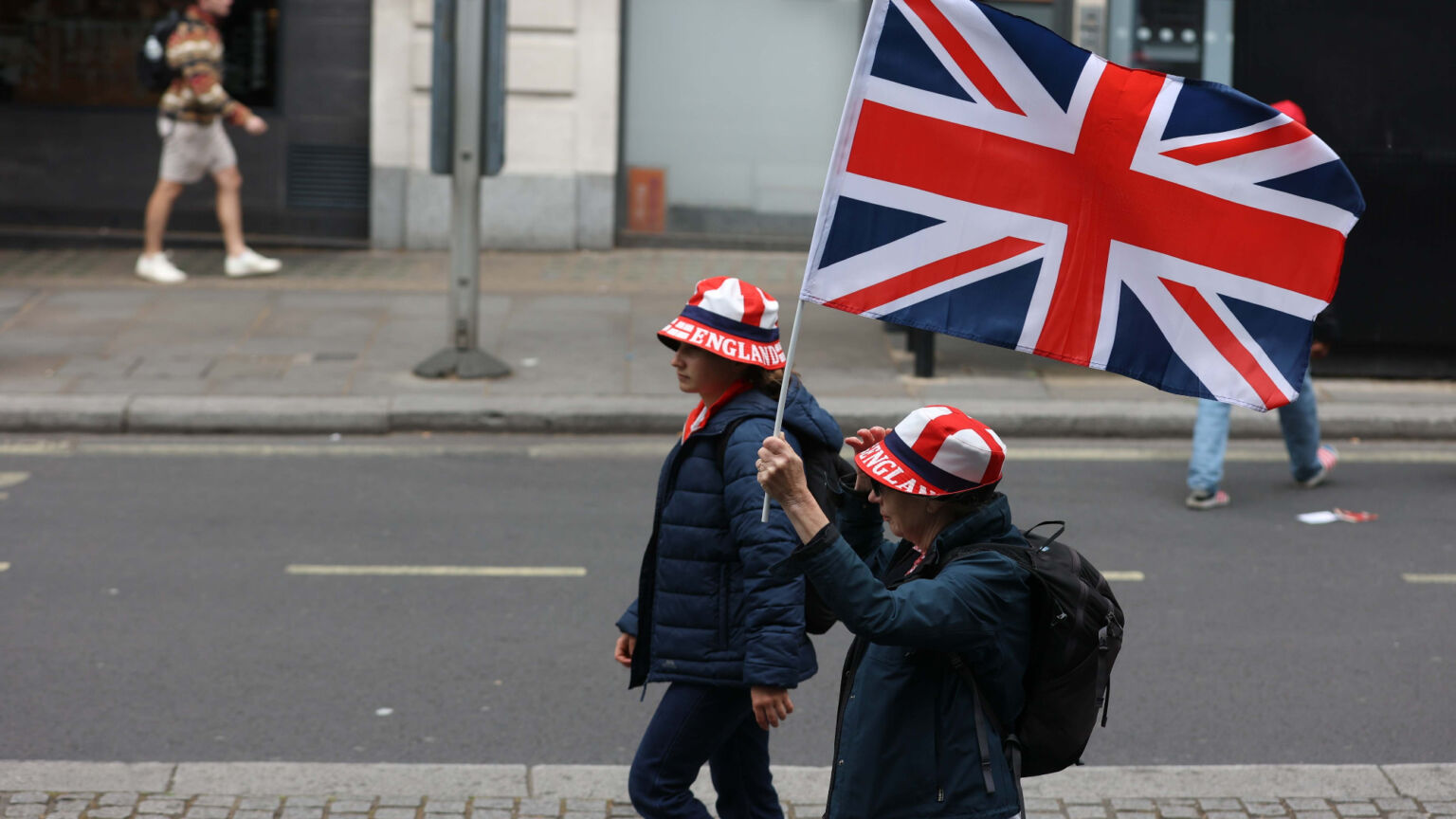
Something truly callous happened in London on Saturday. Shortly before the grieving mother of a young woman who was murdered by an illegal immigrant was about to go on stage and share her heartbreak, activists flashed the slogan ‘Immigration makes Britain brilliant’ on a huge screen. As the mum was no doubt going over her notes, steeling herself for her nervous speech about the horrors inflicted on her daughter, ‘progressives’ decided to remind her and her dumb admirers that actually immigration is fab. And there it was: the iron fist of cruelty in the velvet glove of ‘Be Kind’.
The mum was Siobhan Whyte, mother of Rhiannon. In 2024, Rhiannon was murdered by an ‘asylum seeker’ from Sudan called Deng Majek. She had been working at the very migrant hotel where Majek was staying. One evening, after she finished another day’s graft of cooking for Majek and the others, he followed her to the railway station and stabbed her 23 times with a screwdriver. He then danced with glee over her bleeding body. Siobhan, in her speech at Saturday’s Unite the Kingdom rally, fumed against the politicians who have let our borders go to rack and ruin. Keir Starmer is an ‘abhorrent excuse of a leader’, she said. He has ‘failed us’.
The ‘progressives’ who intruded into the Unite the Kingdom rally with their pro-immigration taunting were from Led By Donkeys, the turbo-smug, craft-beer tosser collective that was born from the middle classes’ imperious disgust with the vote for Brexit. As Siobhan and thousands of others made their way to Parliament Square, Led By Donkeys carried out one of their cunning stunts, flashing their ‘brilliant immigration’ slogan on a digital billboard by the roadside. The bourgeois press lapped it up, loving this vision of graduate leftists from leafy London ripping the piss out of the gammon-hued working classes who dumbly worry about our broken borders.
The rest of us, though, those of us whose moral compasses are not yet cracked, were left with two striking images from Saturday. On one side, a shattered mum giving a faltering address on the awful fallout from unchecked immigration, and on the other, well-fed Guardianista wankers saying immigration is the best. On the stage, a harrowing tale of working-class suffering at the hands of a cruel man and an apathetic establishment – in the crowd, the digital scoffing of a privileged middle class that thinks riff-raff whining about immigration is basically fascism. Working-class pain and bourgeois jeers – rarely has our moral divide, our moral chasm, been so grimly on display.
These are the battlelines in modern Britain. There are the cold, insular elites for whom mass immigration is a source of moral virtue and cheap labour – and there are the concerned communities who worry that our withered sovereignty is undermining the sanctity of the nation and the security of its people. There are the chattering classes who have made being ‘pro-immigration’ into a cheap pose designed to demonstrate one’s moral fitness for high society – and there are the working classes who must live with the consequences of this sacrifice of our territorial integrity at the altar of bourgeois virtue. People like Siobhan Whyte, whose daughter’s precious life was lost to the post-sovereignty mania of her supposed betters.
Saturday really did shine a light on The Two Britains. There were two protests in London. There was Unite the Kingdom, called by Tommy Robinson, at which a mostly working-class audience waved the Union flag and aired their grievances over the slow death of British identity. And there was the ‘Nakba Day’ protest, at which a mostly middle-class audience waved the Palestine flag and aired their fury against the world’s only Jewish nation. One gathering wanted to repair a kingdom, the other dreamt of destroying one – the Jewish one. ‘From the river to the sea’, they chanted, and we know what that means: erase the Jewish State, every last inch, all the way from the river to the sea.
The Palestine demo was an orgy of bigotry dolled up as virtue. It was proof that the middle-class left, bereft of ideas for Britain itself, now derives its sense of meaning almost entirely from hating Israel. Masked in their culturally appropriated keffiyehs, they barked for the globalisation of the intifada and wrung their untoiled hands over that sneaky, bloodlusting ‘Zionist entity’. The vibe at Unite the Kingdom could not have been more different. It was more mellow, more serious, more devoted to fixing the land in which we live rather than annihilating the land in which the Jews live. One side cried out for the restoration of
Britain, the other for the obliteration of Israel.
And yet it was Unite the Kingdom that was tarred as fascistic and dangerous, including by Keir Starmer himself. Was there bigotry in some of the speeches at Unite the Kingdom? Unquestionably. There were flashes of anti-Semitism at the rally, too, with one white-supremacist banner calling for an end to ‘the Zionist occupation of Britain’. Yet as the Campaign Against Antisemitism says, that vile far-right hate was ‘absolutely dwarfed by the anti-Jewish hatred [on the Palestine march]’. ‘Hang every ZOG pedo cunt’, said a placard on that ‘kind’ demo, ZOG meaning ‘Zionist Occupied Government’. The Palestine demo was infused with dreams of anti-Jewish violence (intifada) and a longing for the vaporisation of the Jewish State.
On what planet is it the grandmothers with St George’s flags who are the Nazis, while the masked mobs hollering for apocalyptic violence against the Jewish nation are ‘progressives’? In what moral universe does it make sense to denounce proud working-class Britons as fascist scum, while letting the lowlife celebrators of the 7 October pogrom pose as good guys? This is moral inversion of the most staggering kind. It is a crime against truth. If you’re working class and want to live in a safer, happier nation, you’re scum; if you’re a keffiyeh loudmouth who thinks the rape and murder of Jews is ‘resistance’, you’re good. Future historians will marvel at the lies and sheer moral bankruptcy of our times.
Starmer’s televised address on Friday, in which he railed against Unite the Kingdom as if it were the second coming of the Luftwaffe, was the most shaming moment of his premiership. The vast majority on that rally were good people who just want proper working borders, a tougher clampdown on Islamist extremism, and a tad more national pride. For Starmer to defame them as a threat to the nation, as a ‘stark reminder of exactly what we are up against’, is repulsive. We now have a prime minister who defines himself in opposition to his own people, like some mad, drunk monarch marooned in his remote tower. Those chanters on Saturday were right: ‘Keir Starmer’s a wanker.’
Brendan O’Neill is spiked’s chief political writer and host of the spiked podcast, The Brendan O’Neill Show. Subscribe to the podcast here. His latest book – After the Pogrom: 7 October, Israel and the Crisis of Civilisation – is available to order on Amazon UK and Amazon US now. And find Brendan on Instagram: @burntoakboy.

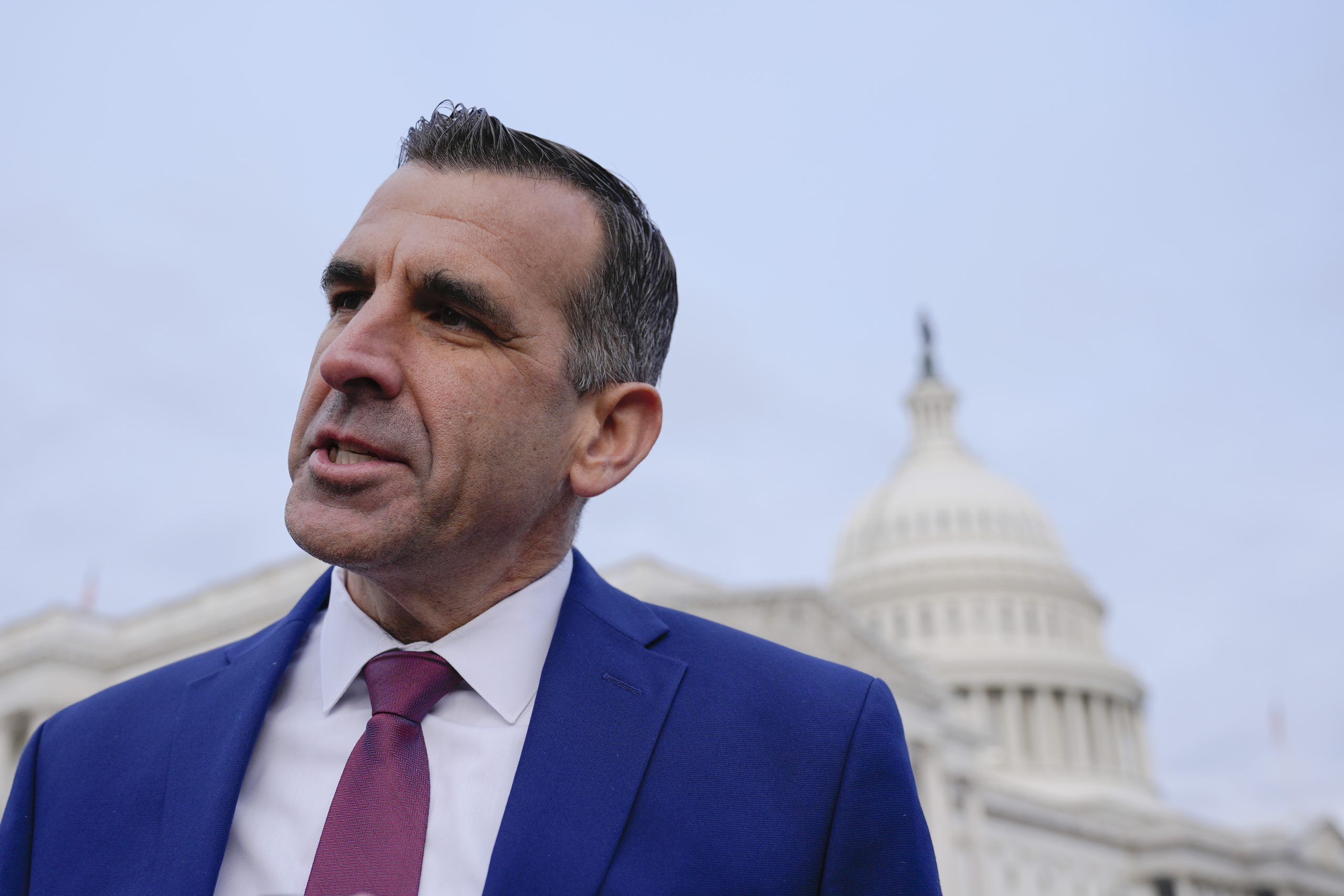

Sam Liccardo said he “groaned excessively” when the U.S. national team’s Folarin Balogun was given a red card.
Yet the Silicon Valley representative objected after President Donald Trump pressed FIFA to review the play at issue, before the world soccer organization suspended the penalty and allowed the U.S.’ lead scorer to play in today’s knockout round match against Belgium.
“We can’t win this way,” Liccardo, a Democrat, wrote on social media. “I won’t cheer FIFA’s capitulation to power.”
Few other American politicians have expressed a similar sentiment, perhaps wary that they’ll be viewed as rooting against their own country’s success. But Liccardo joined a chorus of international officials who took issue with the pressure campaign that culminated in Balogun’s return to the pitch, while stressing that the “right outcome” had been reached despite what he viewed as foul play by FIFA leadership.
“The fact that we should see this outcome after this corruption summit between FIFA and Donald Trump accentuates the distaste for many,” he told POLITICO in an interview just over an hour before the U.S.-Belgium match.
This interview has been edited for length and clarity.
Were you at the match where the red card was issued in Santa Clara?
I was not, I’m ashamed to say. It’s slightly outside my district, and a few thousand dollars outside my tax bracket. … I watched on television and cheered wildly for the U.S. team, and groaned excessively when Balogun got his red card.
Democrats have accused President Trump of a lot of instances of corruption throughout his second term, so why speak out on this particular incident?
Well, I think in your question there’s an implication, and it’s a fair one, which is: Far be it from me to suggest that FIFA could ever be corrupt. But at least we could say that for once it was Americans that benefited from the corruption, not the Qataris or the Russians.
Look, I root for the U.S. men’s team every time they take the field, and, like virtually everyone else watching that game, I felt Balogun was treated very unfairly. That being said, since 1962, FIFA has never allowed a player to appear at a World Cup game after receiving a red card in the game immediately following. The intervention of a head of state — in what should be an international celebration of sports that should be above politics and beyond it — is troubling. And the fact that we should see this outcome after this corruption summit between FIFA and Donald Trump accentuates the distaste for many. [FIFA has repeatedly asserted that Trump’s call for a review had no impact on its decision, and Trump said the same today, while confirming he had asked for another look at the play.]
Do you think your constituents feel the same way?
People feel all kinds of different ways, and I don’t blame anyone for saying, “Hey, this is the right outcome.” That’s fine. I’m simply saying it’s the right outcome for the wrong reasons. And it’s hard to blame you global fans of the sport for having hard feelings.
Like, you said, a lot of people probably feel that this was the right outcome. Has that made this at all a tricky situation for Democrats to address politically?
No, because politicians shouldn’t address this. It’s not my problem to solve, and it’s certainly not Donald Trump’s problem to solve. So, I don’t have any problems. I’m a spectator, like everybody else. I’m simply saying we all want an umpire that calls balls and strikes, and we know that umpires get it wrong plenty of times. We just don’t want somebody bribing the umpire to get us a ball rather than a strike.
You’re a bystander in some ways, but this is also not your first time encountering FIFA. In addition to being a co-chair of the World Cup Caucus, you were the mayor of San Jose when the city was participating in the bidding process to host that tournament. Didn’t you and some of the other Bay Area mayors even go on a tour with FIFA officials of Levi’s Stadium a few years ago?
Yeah, I think we were at the stadium, and then we went to San Francisco. That’s what you do when you’re the mayor of the largest city in the region and you want the World Cup to come to your region.
So, when you say that FIFA is a corrupt organization, has that always been your view, or did this particular incident kind of drive you there?
It’s the view of the Department of Justice that indicted them for more than $150 million in bribes in 2015, it’s the view of lots of other folks who are concerned about how the Qataris ended up with the World Cup. We can go on and on. It’s not my view that matters here. The point is this: Nobody wants to see the head of state of any country calling an international sports organization to get a better call. That’s not the way sports should work.
The Olympics are coming to California in 2028. Should Democrats be trying to guard against Trump exerting influence once again to aid the host country in that international competition?
No, elected officials should be refraining from getting engaged in international sports competitions, the area where people don’t want politics. So it’s not about what we do or don’t do. It’s not about us standing up to Trump or not standing up to Trump. It’s about the fact that we should want international sports competitions to be free of political influence.
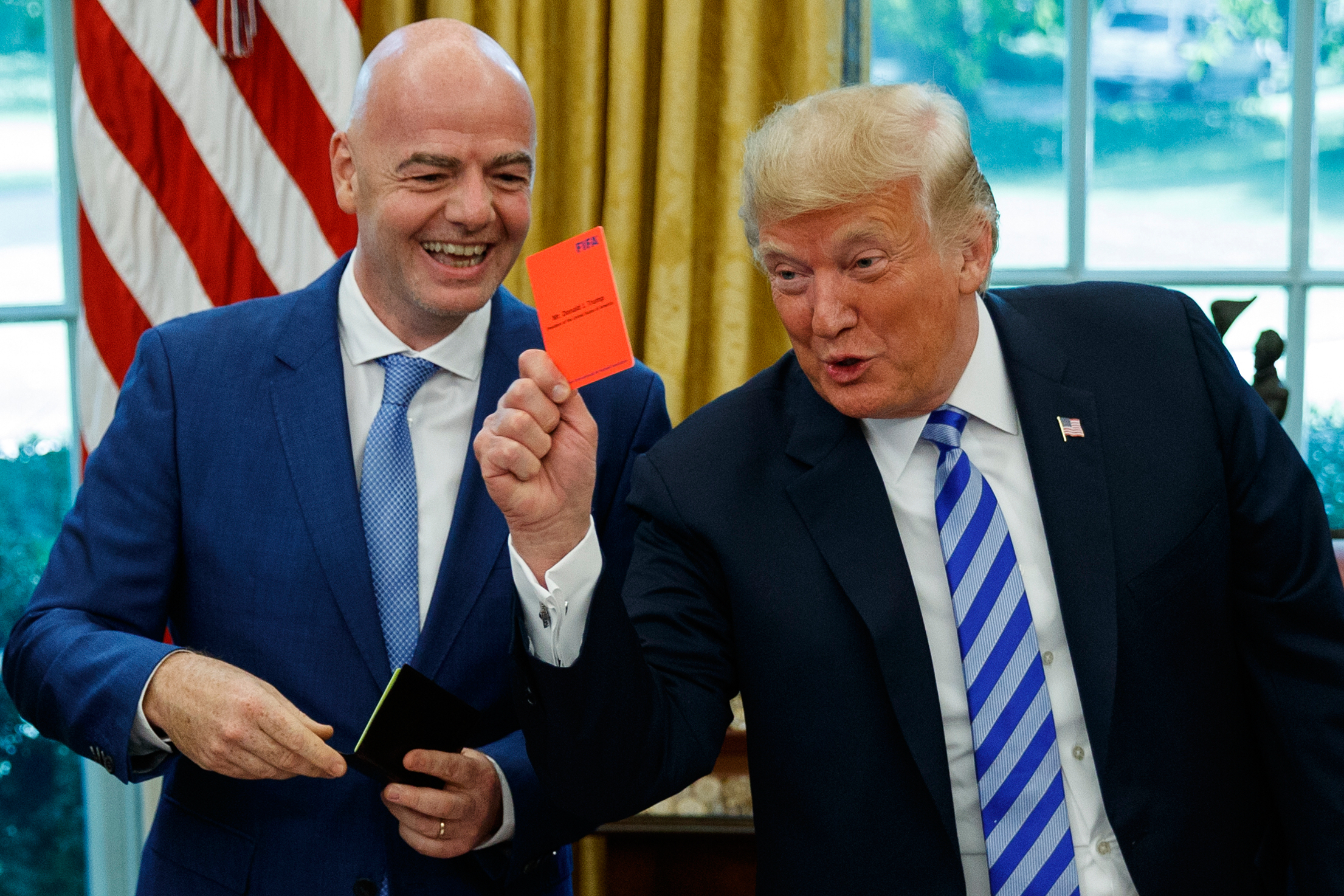

President Donald Trump said earlier Monday that he didn’t know what a red card was before last Wednesday’s U.S.-Bosnia match.
But FIFA President Gianni Infantino actually gave him a lesson on soccer’s disciplinary system during a 2018 Oval Office meeting after the United States secured the right to co-host the 2026 World Cup.
During the visit, which followed the successful United Bid, Infantino explained the sport’s use of yellow and red cards before pulling one of each out from a case.
“In soccer we have referees and they have cards: yellow cards and red cards,” Infantino told Trump. “Yellow card is a warning, and when you want to kick out someone, a red card. Like this!”
Trump appeared amused by the demonstration.
“I like that,” he said picking up the red card and holding it up. “Thank you.”
Infantino then joked that the cards might come in handy beyond the soccer field.
“That could be used for, I don’t know, the next media session,” he said.


The news that Folarin Balogun would be eligible to suit up against Belgium Monday night was met with near-universal celebration across the country.
Just don’t ask the Belgian fans living here.
POLITICO caught up with several of them at the Belgian embassy’s watch party at Wunder Garten, a trendy bar in Washington’s NoMa neighbourhood.,
“I had to keep up my vomiting,” said Johan Hamels, an Ottawa resident from Leuven in D.C. on a business trip. “Rules are rules. Every team is briefed by FIFA. And for every game, it’s in one of their slides. That you get a red card, you’re off next time.”
Balogun was given a red card in the Americans’ Round of 32 matchup last week against Bosnia and Herzegovina, which typically carries a suspension for the following game. But FIFA suspended his ban on Sunday.
Critics have charged that the White House pressured FIFA into making the switch. European politicians have slammed Balogun’s inclusion, and the Royal Belgian Football Association formally challenged FIFA’s reversal on Monday morning.
And while FIFA insists the ruling had nothing to do with politics, President Donald Trump is taking credit for getting Balogun back on the field.
“I’m Belgian,” said Win Van Dijck, a native of Brussels who has lived in the U.S. for the last five years. “So I appreciate surrealism. But it’s just too much.”
It’s another example of Trump pulling the strings in a tournament that has increasingly strayed into the political arena, they say.
“Having it reversed based on a call from the American God is a little bit lack of workmanship. And it’s sad for the kids here because that’s what they see as an example,” said Brigitte, a retiree who came to the U.S. in 1984.
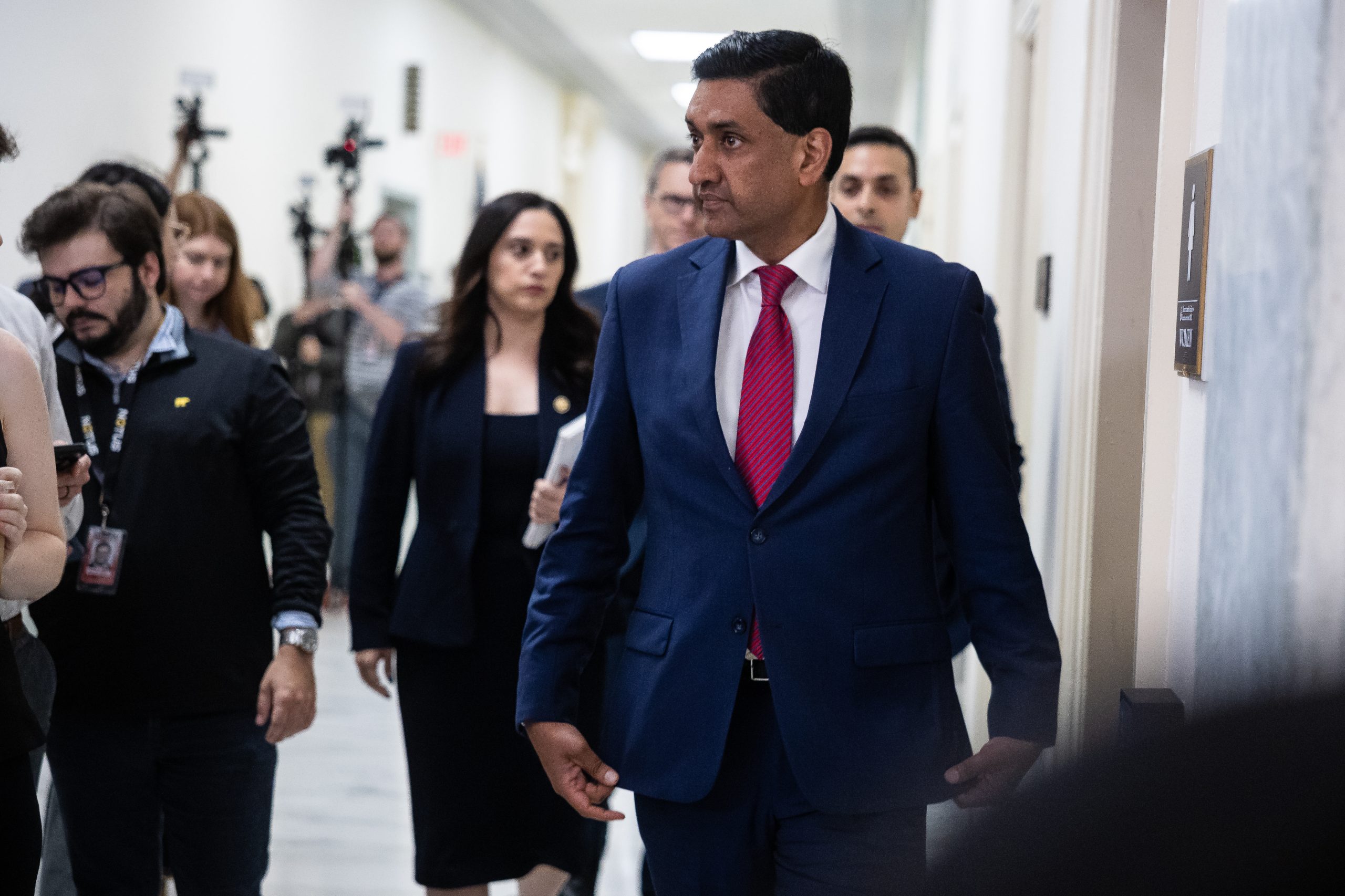

Rep. Ro Khanna and Sen. Ruben Gallego rescinded their support of Graham Platner on Monday, with Khanna additionally calling for the Democratic nominee to drop out of the Maine Senate race.
It’s a significant reversal from two formerly staunch Democratic defenders of Platner, following a POLITICO report that a woman who dated Platner said he forced her to have sex with him five years ago.
Platner has denied the allegations, but he also posted on social media that he was “taking the time to reflect on the best path forward” for his candidacy.
“I’ve been very clear that sexual assault or violence against women is a red line,” Khanna (D-Calif.) said on X. “These allegations are very serious and credible. Graham Platner should drop out from the race. I am withdrawing my endorsement.”
In his own social media post, Gallego (D-Ariz.) called the allegations “troubling and deeply serious” while announcing he would no longer back the progressive oysterman.
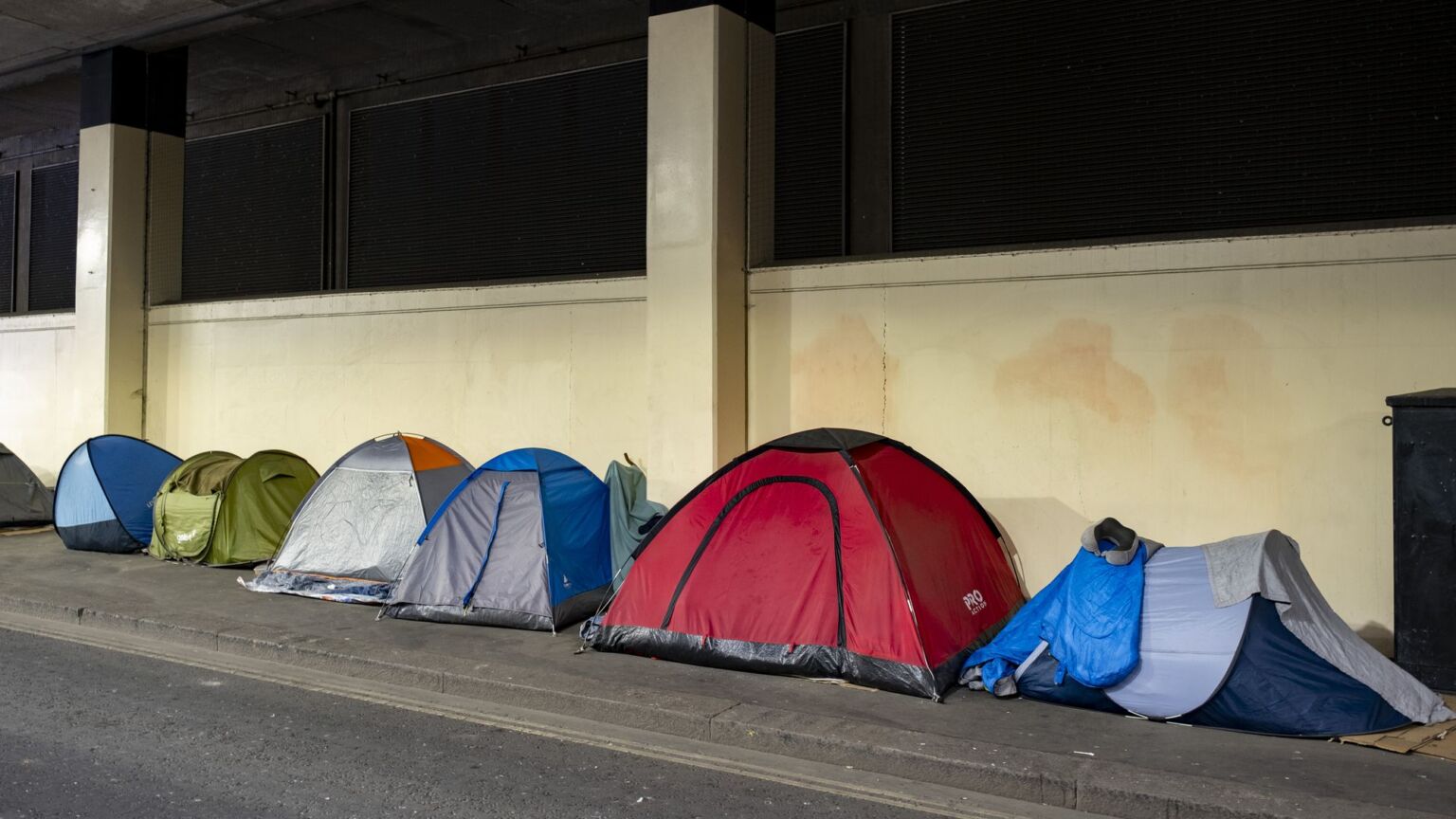
A 200-year-old relic of the Georgian era has finally been buried. Labour’s recent decision to repeal the 1824 Vagrancy Act means that rough sleeping and begging have officially been decriminalised across England and Wales.
Predictably, the commentary pages have been filled with back-slapping. Campaigners are calling it a ‘watershed moment’ for human rights, while ministers assure us we are shifting ‘from punishment to prevention’.
But let’s be honest, decriminalising vagrancy doesn’t address the actual problem of homelessness. No one walks down a high street in modern Britain and feels comfortable with what they see. Passing row after row of tents on Euston Road, or seeing people huddled in sleeping bags in the Tube stations, is deeply unsettling.
It looks like a fundamental breakdown of civilisation. Most heartbreakingly of all, a massive number of those forced on to the pavement are veterans – people who risked everything to serve this country, only to be left entirely abandoned on our streets.
Is scrapping a law really the right step? If we just decriminalise the reality of our broken streets without fixing the cause, are we actually helping anyone? Or is the state just legalising squalor, abdicating its responsibility and walking away?
The state of our streets is a sign that the foundational social contract has been shredded. Celebrating a minor legislative tweak while people – especially those who served in the armed forces – are left to deteriorate in public view isn’t compassion in any meaningful sense.
The truth is that repealing the Vagrancy Act is purely symbolic. It is a hollow victory for a prime minister desperately searching for a legacy.
Worse still, while the government is busy removing an archaic policing penalty with one hand, it has done the bare minimum to tackle the most significant cause of homelessness – namely, the complete lack of new homes, caused largely by planning laws.
For young people today, housing is not only expensive, it is unattainable. We are told to work hard, get a degree and contribute to society. Yet substantial chunks of our salary end up on rent, essentially going toward funding someone else’s retirement.
The dream of ever owning a home, and having the stability required to start a family, has been pushed into our late thirties – if it’s achievable at all. When you rob young people of the ability to build a stable life, you destroy the very foundations of a society. You create a rootless, anxious generation. And, for those at the absolute margins of society without that family safety net, that lack of housing supply can ultimately lead to a sleeping bag on a pavement.
This desperate situation is a direct consequence of the state’s failed planning laws. For decades, the 1990 Town and Country Planning Act has acted as a rigid barrier to development. By effectively giving local NIMBYs veto powers over new housing developments, the government has made building even basic accommodation impossibly expensive, across vast swathes of the country.
Labour’s Planning and Infrastructure Act 2025 doesn’t go nearly far enough. Despite being hailed by the government as a solution to the housing crisis, little – if anything – has changed. Rents have continued to skyrocket and the most vulnerable individuals continue to be squeezed into the bottom rung of society.
The mainstream solution is always the same: demand more state interventions, heavy-handed rental caps or endless bureaucratic schemes.
But it was the state that got us into this mess. The current planning system functions primarily as a state-enforced wealth transfer, protecting the asset values of wealthy, older homeowners at the direct expense of everyone else’s independence.
Until we address the fact that the state has made building roofs over our heads incredibly difficult, decriminalising rough sleeping is completely pointless. If you want to demonstrate true compassion, the answer isn’t about stopping the police from moving rough sleepers on so they are out of sight. It means tearing down the red tape that stops homes from being built in the first place.
Samiksha Bhattacharjee is the head of Ladies of Liberty Alliance UK and the president of the University College London Libertarian Society. You can find more of her work at Samiksha’s State of the Debate.


FIFA President Gianni Infantino on Monday defended his organization’s decision to defer U.S. striker Folarin Balogun’s one-game suspension ahead of the Monday World Cup match between the U.S. and Belgium.
“FIFA’s judicial bodies are independent,” Infantino said in a statement posted on X. “I read the decisions of the FIFA Disciplinary Committee when they are issued. Sometimes I am surprised by them. Sometimes I agree with them, and sometimes I disagree. What I always do, however, is respect those decisions and the autonomy of the bodies that make them.”
On Sunday, FIFA announced that its disciplinary committee suspended the red card that Balogun received during the U.S. game against Bosnia and Herzegovina. U.S. President Donald Trump said Monday that he had called Infantino to lobby for the suspension to be lifted, though the president insisted that “all I did was ask for a review,” and “I didn’t say that you have to do this.”
Infantino acknowledged discussing Balogun’s suspension with Trump but said he explained the “ongoing legal process involving FIFA’s independent judicial bodies” to the U.S. president.
Infantino added that “respect for independent institutions and the rule of law is what protects the integrity of our competitions and the credibility of FIFA at all times.”
UEFA, European football’s governing body, said in a statement Monday that FIFA’s decision was “incomprehensible and unjustifiable.”


A high-ranking Dallas police commander met with Egyptian World Cup officials over the weekend to smooth over relations after an altercation between the team’s staff and a city officer.
Deputy Chief Osama Ismail, who speaks Arabic, met and exchanged gifts Saturday with Egypt head coach Hossam Hassan, his brother and team manager Ibrahim Hassan, team captain Mohamed Salah and others, the department said in a statement on social media.
“We understand one conversation can make a difference and respect is demonstrated through actions,” the statement said.
The team — and the Dallas police — made international headlines Thursday night when a Dallas officer was caught on video shouting at and shoving Ibrahim Hassan and other team staffers in the lobby of the team hotel.
Egypt went on to beat Australia in Dallas on Friday. Hossam Hassan said at the postgame press conference that he was satisfied with the police response, adding, “We have nothing to follow up in that regard.”
Politics
Trump confirms he called FIFA head but says he didn’t influence overturning Balogun's red card
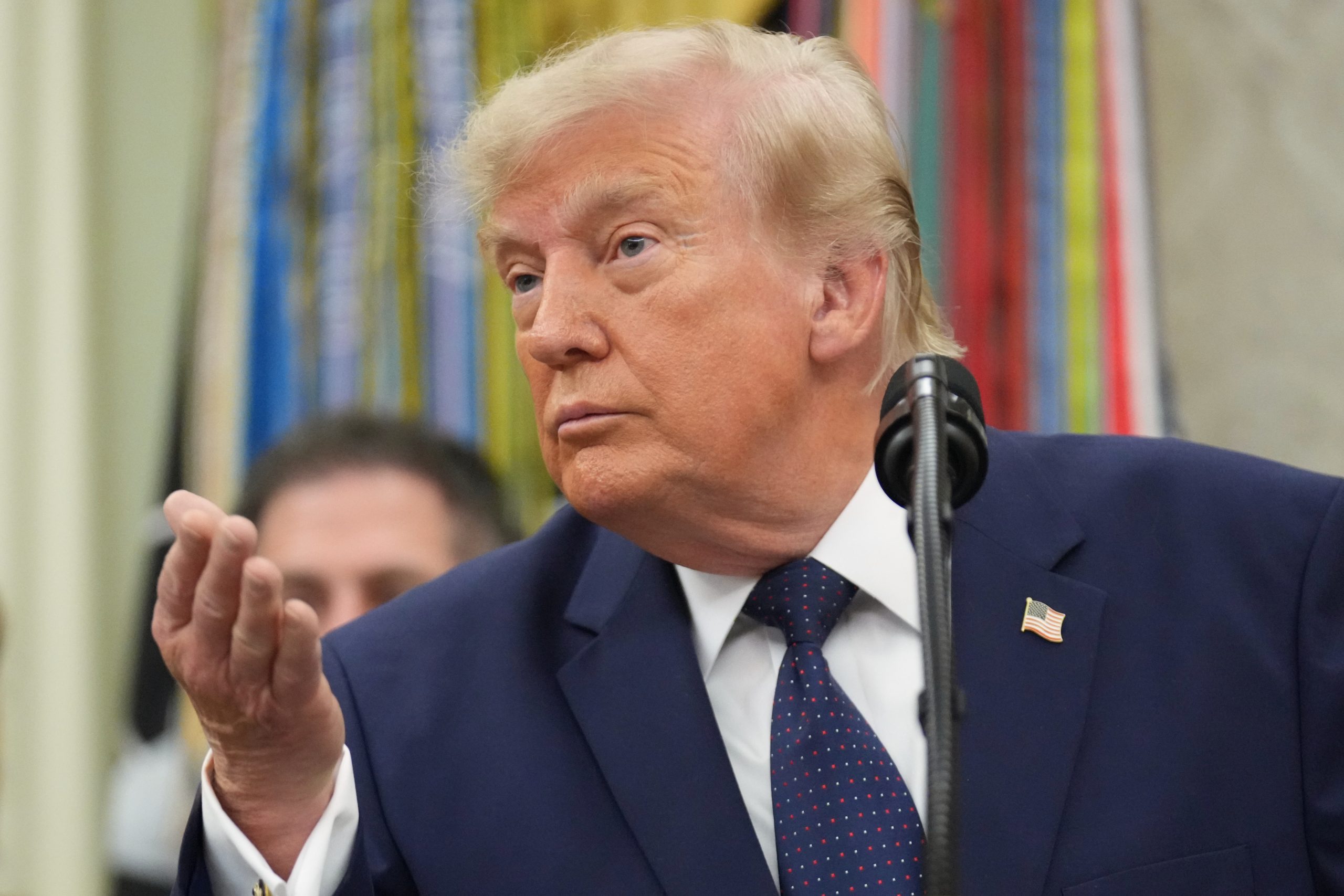

President Donald Trump said Monday that he asked FIFA President Gianni Infantino to review the red card issued against a star American soccer player ahead of a monumental last-16 game, but emphasized that he did not unduly influence the controversial decision.
The ruling by the international soccer governing body to suspend a red card issued against American Folarin Balogun during its knockout tilt against Bosnia and Herzegovina sparked concerns over the president’s potential influence over the decision. POLITICO reported Sunday that Trump had called Infantino regarding the red card, which the president subsequently confirmed Monday.
“Yes, I asked for a review by FIFA,” Trump told reporters gathered in the Oval Office.
However, the president rebuffed the idea that his talks with Infantino influenced the decision, even as the FIFA president has cozied up to Trump during his second term — showering him in compliments and creating a new “peace prize” that he awarded Trump ahead of the tournament.
“All I did was ask for a review,” Trump said. “I didn’t say that you have to do this.”
The comments come after a slate of other nations’ soccer federations panned the decision, with the European Commission demanding “fair play and transparent competition” in sports. Belgian officials, whose country will play against the U.S. today, expressed intense consternations and have formally challenged the ruling.
Trump on Monday described his reaction to the initial game call as confused. He characterized the collision between Balogun and Tarik Muharemović as the two players being “sort of entangled” and, upon learning that a red card would bar Balogun from suiting up for the U.S.’s match against Belgium, thought it was “unfair.”
“It is one thing to penalize somebody for the game,” Trump said. “But how do you penalize him for a game that hasn’t been played yet? It’s very unfair, you can’t do that.”
The president took the opportunity to celebrate the success of the World Cup— which has high attendance across its venues and strong viewership — and said Balogun’s red card would have been a “big stain” on the tournament had it been upheld.
The president on Monday cast suspicions on the referee who delivered the red card to Balogun, Brazilian official Raphael Claus, calling him “a little bit suspect, if you check his past.”
Asked by a reporter if he had spoken with the Belgian prime minister, Trump said he hadn’t but would be open to it. Belgium’s foreign minister told POLITICO that the decision “raises many questions,” its soccer federation issued a livid statement in the aftermath of the decision and subsequently challenged Balogun’s eligibilityahead of the match.
“I will tell you this,” Trump continued. “The people of Belgium, if they win the game, they can be very proud.”
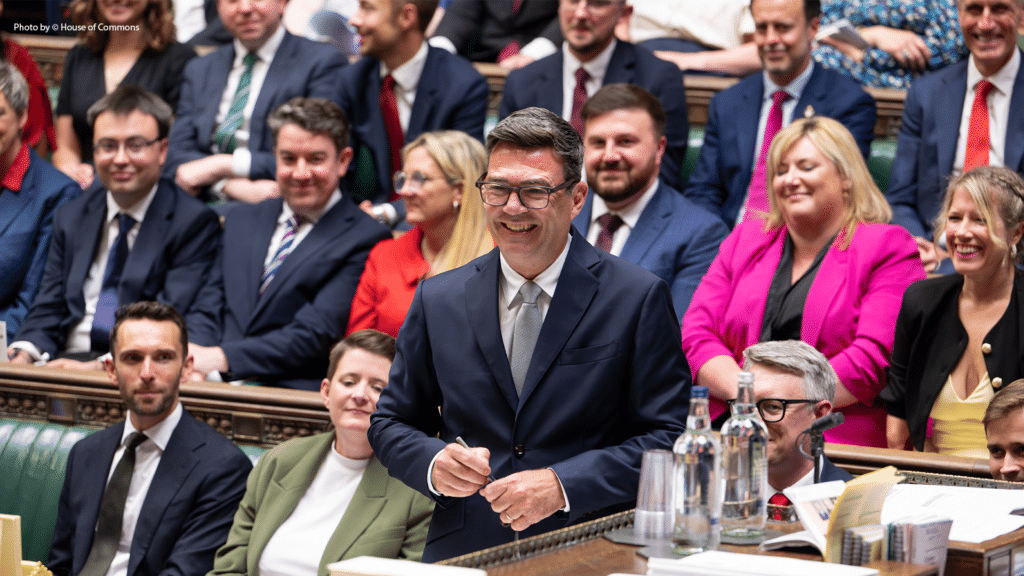
Jill Rutter reflects on how Andy Burnham should approach governing as he prepares to take over from Keir Starmer later this month.
Morgan McSweeney has now admitted that Labour was unprepared for power in 2024.
They had, realistically assessed, two years to plan – the period from when it was clear that Boris Johnson was vulnerable and Labour could form the next government. Keir Starmer had by then ‘changed the Labour party’. His focus was on winning the election. Policy was refracted through the lens of not getting in the way of winning – not setting strong foundations for the governing project. When there was a trade-off between winning or governing, winning won. It did not help that Keir Starmer seems to find it easier to focus on working his way through the immediate problem in front of him, rather than setting any clear long-term vision.
Andy Burnham has weeks rather than years. He has the benefit that he may be able to avoid an election, but Keir Starmer appears to have decided to enjoy his summer break rather than let his usurper have the time he wanted to plan.
He has already made some big calls. Successive Prime Ministers have made a mess of the structure and people in No.10. Burnham has brought in a close former cabinet colleague to head his No.10 with the appointment of James Purnell as Chief of Staff. That looks like a good start to have someone who will be able to speak authoritatively for the PM, has run organisations, knows him well enough to challenge him when he is getting things wrong and will have credibility with the Labour MPs. So far so good.
We also know, in terms of structures, that he wants to build up No.10 as a strong centre able to lead the government. That too was missing from Starmer’s passive No.10. It also looks as though he has persuaded Jonathan Powell to stay on as his national security adviser – a guarantee of continuity and a good way of compensating for Burnham’s lack of foreign and defence experience.
The most eye-catching proposal is to base some of No.10 in Manchester – No.10 North. That could just be a gesture – but it could also make a lot of sense if Andy Burnham decides he is going to live at home and work out of Manchester a couple of days a week. A prime ministerial presence is essential to signal that this is a real change rather than performance art.
One question will be how to decide how this will work in practice. Will it simply be the base for the No.10 team leading on economic and devolution strategy? Or will core private office and policy unit and comms teams have members permanently based in Manchester as well as London? That would offer new career options for civil servants who choose to base themselves in Manchester (not so much if you are in Darlington, Bristol or Wolverhampton), allow Burnham to bring in allies who have worked closely with him at Greater Manchester Combined Authority and have no desire to shift south, and reduce the need for people to spend their lives on Avanti West Coast.
Getting the structures right matters – but then Burnham needs to decide what to do. This is not a change of the sort we saw in 2024. Andy Burnham is taking over mid-term. The government already has Labour ministers who have been doing the job for almost a year or more. It has a legislative programme announced in the King’s Speech in May. In many areas it has announced reforms that are in train – people may not see change yet, but that is in part at least because in most cases change takes time.
The key choice for Burnham is continuity versus change. He has made clear that there are some areas where he wants change. There he needs to make clear what the purpose of that change is, appoint people he is convinced share that view and help them drive it through. Some of those big themes are coming through already – devolution; council housebuilding; skills policy – though in all of these he needs to be absolutely clear where devolution and local choice wins and where he wants to control centrally.
Governments are usually elected on the basis of comprehensive manifestos – which the civil service crawls through before election day. They may be picking up hints from Burnham speeches now – but a couple of policy speeches and a few sassy TikTtok videos do not make clear how Andy Burnham wants to go forward on the whole range of issues where Prime Ministers need to have views.
There are lots of other areas where change is in progress, but potentially suffering from blight as its not clear what Burnham wants. So an urgent task for the new No.10 will be to review the portfolio of current policies and programmes that the government is pursuing and decide what to do.
The first option is to proceed on the current timetable. The second is to speed up or slow down and potentially tweak where there are reservations about some aspects of the policy and make it reflect the priorities of the new government. The third, where the new government wants to do something very different, is to stop the change in its tracks and ask for new ideas.
Similar principles apply to ministerial change. There will be some eye-catching new appointments. But there is a good case for prizing continuity as far as possible – a mistake Gordon Brown made when he came in in 2007 and embarked on what looked like change for change’s sake. A mantra of change where necessary, continuity where possible would enable the Burnham government to hit the ground running and start being able to point to concrete achievements which we assume he will be able to communicate better than his predecessor.
And then he can turn to the event that will define his premiership, as it did for Keir Starmer: his government’s first Budget.
By Jill Rutter, Senior Fellow at the Institute for Government.


4 min read
We haven’t heard much from the prime minister-in-waiting about the defining issue of the age.
As Keir Starmer’s premiership draws to a close, talk turns to his legacy. Even as an opposition MP, I recognise his achievements: the Renters’ Rights Bill and Workers’ Rights Bill delivered meaningful protections and undid decades of regression.
Beyond the many U-turns and poor judgements, from disability benefit cuts to the winter fuel allowance, as well as the failure to uphold international law and impose comprehensive sanctions on the Israeli government, history will judge our leaders on the defining issue of the age: the climate and nature crisis. If we are to use that as a yardstick, this Prime Minister has abjectly failed to meet the moment. The Climate Change Committee says so themselves: the government is not moving fast enough to reduce emissions and protect households and businesses from volatile fossil fuel prices. We are woefully ill-prepared for the changes in the climate which are already here.
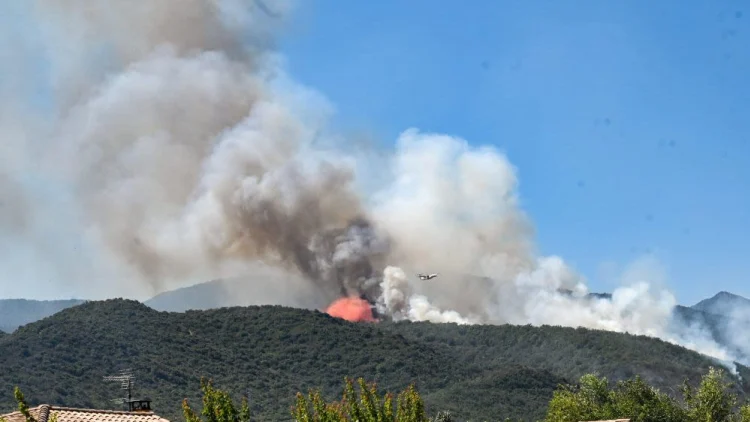
We recently experienced our second intense heatwave in two months. In 2022, a comparable year, the death toll from extreme heat was around 3,000 people. Homes are flooding, and schools, hospitals and care homes are overheating. Climate breakdown is not a distant prediction. The Global South has already been living with its impacts. It is already here.
The sustained campaign by climate deniers and fossil fuel companies, financially backing Reform and the Conservatives, has had an effect. The cross-party consensus behind the Climate Change Act was one of Britain’s proudest political achievements. Abandoning it now would not just be a policy failure. It would be a moral one.
Andy Burnham should not repeat Starmer’s mistake of treating climate and nature as second order. I welcome signs he’ll govern in a less tribal, more collaborative way, which matters for restoring trust in politics. On climate and nature, however, he has said very little. My message is clear: climate resilience and nature restoration must be central to his programme, and Green MPs stand ready to help deliver it.
That starts with ruling out new oil and gas fields. Drilling at Rosebank alone would generate around 200m tonnes of CO2, more than 28 low-income countries emit in a year combined, without lowering bills or improving energy security.
The UK has some of the least energy-efficient housing in Europe. Better insulated homes mean lower emissions, lower bills, and greater resilience to both heatwaves and cold snaps. We need heat plans for every town, city, and county throughout the nation.
The London Heat Plan unveiled last month is the start of what we should be doing throughout the country, driven and funded by Downing Street, whether in London or Manchester. That means investing in our infrastructure. It means installing air conditioning in hospitals, care homes, schools, and prisons where needed. It means retrofitting the homes most at risk and redesigning our towns with more tree cover, shaded rest spots, and public drinking water.
None of this happens without long-term investment, and that same instability is undermining the clean energy transition that should fund it. Stop-start grant schemes have hit a renewable sector that, per CBI research, contributes £105bn to our economy annually, supports over a million jobs, and has nearly half a trillion pounds of investment in the pipeline.
The next PM must meet the moment: speed up the transition to net zero and start restoring nature in one of the most nature-depleted countries on Earth. Denmark shows what’s possible: after decades of straightened rivers and drained marshland, restoring the Skjern River to its natural course brought wildlife back within years. Nature restoration isn’t separate from climate resilience. It’s part of the answer. We need the next prime minister to invest in both, properly, now, or he will push this crisis onto the next generation, making it harder, costlier, and eventually too late to stop the worst of it. The technology exists, and the economics are overwhelming. There is no case for delay.
Burnham will either be the prime minister who finally provided the political will this crisis demands, or he will be judged as Starmer will be: as a leader who knew exactly what was coming and looked away.
Adrian Ramsay is the Green Party MP for Waveney Valley

Reports: Former Lions CB Terrion Arnold clears waivers

Boffins bet on quantum computers, AI supers to solve fusion fuel dilemma

(VIDEO) Rittman Police Officer Killed, Three Others Dead After Wayne County Ohio Shooting Turns Into Gunfight


-

 Fashion3 days ago
Weekend Open Thread: High Hopes
-

 Politics4 days ago
The House | “Reframing the debate from a binary discussion of winners and losers”: Yuan Yang reviews ‘We Are Not Machines’
-

 Fashion9 hours ago
Open Thread: What Great Books Have You Read Recently?
-

 Crypto World7 days ago
Strategy authorizes up to $1.25B in Bitcoin sales under new capital plan
-

 News Videos7 days ago
How to Build INSANE Live Financial Dashboards With Claude
-
 NewsBeat2 days ago
Taylor Swift and Travis Kelce wedding staffer hilariously struggles to keep her cool while checking in megastars
-

 Tech7 days ago
Anonymous researcher drops 0-day ‘exploitarium’ repo
-

 Business7 days ago
Australia treasurer says alleged access of prime minister’s bank data ’incredibly concerning’
-
 Crypto World6 days ago
Airdrop Registration Becomes Key Focus For Remittix As RTX Launch Updates Approach
-

 Sports6 days ago
Broncos roster: OL Ben Powers (No. 74) entering final year of contract
-

 Crypto World5 days ago
Binance stock trading tops $1B in first month after launch
-

 NewsBeat6 days ago
Presenter Caroline Flack’s brother Paul Flack dies aged 55
-

 Crypto World5 days ago
Alibaba-affiliate Ant Group enters the humanoid robot market with 12 deals
-

 Crypto World3 days ago
Standard Chartered Secures MiCA License as ESMA Adds 37 New Crypto Firms
-

 Crypto World1 day ago
South Africa proposes crypto tax guidance under existing rules
-

 News Videos10 hours ago
Best Time to Enter Small Caps Right Now? Another Bull Run? | Financially Free
-
 NewsBeat5 days ago
New exhibition reflects five decades of movement between island of Ireland and GB
-

 Business5 days ago
Meta Platforms Stock Jumps 7% Today as Bloomberg Reports Company Plans to Enter the Cloud Business
-

 Tech2 days ago
Lenovo laptops are now shipping with YMTC SSDs, a sign of Chinese NAND entering the mainstream
-

 Business4 days ago
What a 10 Percent Drop Means for Buyers, Sellers and Renters
You must be logged in to post a comment Login