

Politics
‘Nonnamaxxing’ Might Be The Key To Ageing And Longevity

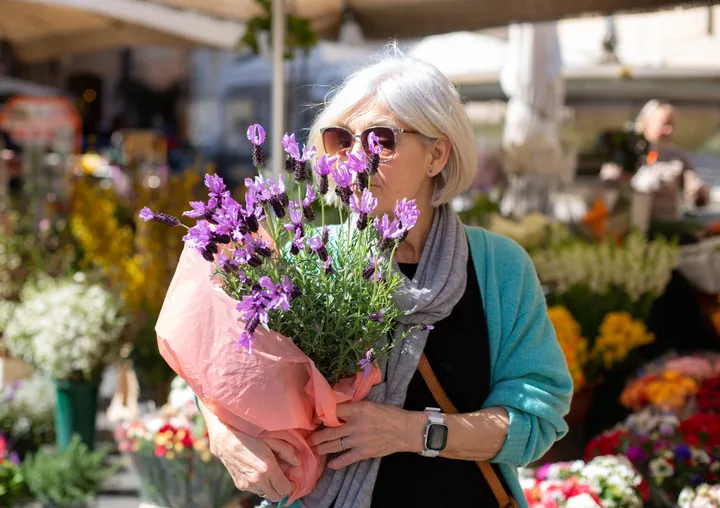
If you’ve spent time on social media lately, you may have noticed a new kind of wellness icon emerging. This beloved figure is not a biohacker or a fitness influencer, but someone’s Italian grandmother.
It’s all part of a trend called “nonnamaxxing,” which is less about optimising and more about embracing simplicity.
“‘Nonnamaxxing’ is a recent trend where people adopt the daily rhythms of an Italian grandmother, or nonna,” Martina Carucci, a strategist with the language learning app Preply, told HuffPost. “It’s essentially borrowing a lifestyle that Italian culture has practiced for generations and giving it a fun name.”
This nonna lifestyle, she explained, can include “cooking old-fashioned recipes from scratch like handmade gnocchi or osso buco, tending an herb garden, taking slow walks or ‘passeggiata,’ sharing long meals with loved ones, and limiting screen time.”
Reverence for older women and their practices goes back generations in that part of the world. “But ‘nonnamaxxing’ as a term has traveled well beyond Italy,” said Noël Wolf, a linguist and cultural expert at the language learning platform Babbel.
“It’s been adopted across cultures to describe a universal archetype – the older woman who lives simply, cooks well, stays socially connected and moves through life at a sustainable pace.”
The nonna ethos is about taking care of yourself, staying embedded in your community and resisting the pressure to keep up with the frenetic pace of modern life and get burned out.
“There’s a growing awareness that the pace most of us are living at simply isn’t sustainable – long hours, constant connectivity and very little genuine rest. Against that backdrop, the nonna offers a compelling counter-model,” Wolf said.
“The nonna doesn’t have a strict wellness routine. Their lives are naturally extraordinarily well-designed.”

Kathrin Ziegler via Getty Images
Carucci similarly views the nonna lifestyle as an antidote to the fast pace and demands of modern life.
“In Italy, sitting down for a proper meal with your family isn’t a wellness trend, it’s just regular life,” she explained. “This shows people are doing more than romanticising nonnas – they are genuinely craving the whole Italian way of life.”
The term might be new, but the benefits are entrenched and real
“Research backs up what Italian nonnas have always known,” Carucci said. “Regular conversation, social meals, daily movement and hands-on activities like cooking or gardening support long-term health.”
Both she and Wolf pointed to the wealth of studies around “Blue Zones,” regions where people live significantly longer, healthier lives compared to the rest of the world. One well-known example is the Italian island of Sardinia, which has one of the highest concentrations of centenarians on Earth.
“Researchers have spent decades trying to understand why, and the answer keeps coming back to the same things – consistent movement built into daily life, home-cooked food, strong social ties and an unhurried relationship with time,” Wolf said.
Nonnamaxxing thus has the power to bring real longevity benefits, from a longer life and healthier body to a “genuine sense of connection and calm” that’s hard to maintain these days, she added.
“Blue Zone research consistently links this kind of lifestyle – unhurried, communal, physically active by default – to lower rates of chronic illness, sharper cognitive function in later life, and measurably greater well-being,” Wolf explained. “The nonna, it turns out, has been running the optimal program for decades.”
Kathryn “Nin” Emery, a licensed professional counsellor with Thriveworks, believes nonnamaxxing represents what therapists, spiritual leaders, doctors and more have been trying to encourage in the general public for years.
“We have decades of research, maybe not on nonnamaxxing specifically, but on what nonnamaxxing represents, that supports the lifelong benefits such a practice can bring,” she said. “Slowing down. Living in the present. Spending less time in escapism. Breaking the habit of worrying about the future or fretting about the past, neither of which we have full control.”
She praised the way this practice makes the most of the present moment and enhances the tiny joys of daily life and social connection.
“Actually noticing and enjoying that first bit of a delicious meal, the refreshing sip of water, the sound of your uncle’s trademark laugh, and the way your chair cushion has perfectly molded to you,” she said. “Noticing the smells, the tastes, the sounds of a Tuesday afternoon. The lingering warmth of a loving hug. This is the stuff of the good life. And is clinically proven to fight depression and anxiety.”
Dr. Sue Varma, a clinical assistant professor of psychiatry at New York University Grossman School of Medicine, points to the neuroscience behind why these small, focused activities feel so good.
“Nonna practices help us achieve a flow state where we can immerse ourselves in a project and lose track of time,” she said. “This helps prevent us from ruminating. There’s a part of our brain called the default mode network that becomes activated when we are sitting idle, and that’s when we start to perseverate and worry.”
She added that activities requiring focus and a desire to improve – whether it’s cooking, gardening or a craft – activate the brain’s reward systems.
“It recruits and mobilises our dopamine and norepinephrine systems,” Varma said. “It’s a task that’s interesting and engaging enough to keep you interested, but not so hard that you become frustrated. Nonna activities hit the sweet spot for flow and mastery.”
This unhurried mindset is broadly baked into the Italian language and culture as well.
“Dolce far niente, the Italian concept meaning ‘the sweetness of doing nothing,’ captures something the nonna understands intuitively,” Wolf said. “It has no direct English equivalent, and that absence is telling. English is a language built for productivity, while Italian has found room to name the value of an unhurried afternoon as something distinct and worthy.”
There’s also the Italian phrase “piano, piano,” which means “slowly, slowly.” For Wolf, that common utterance “reflects a cultural comfort with gradualness” that also stands in stark contrast to the urgency of modern culture and life in the U.S. In Italy, slowness isn’t a sign of failure but of wisdom and intention.
“What’s beautiful about this trend is that it might just be the nudge people need to travel to Italy, my home country, and speak some Italian,” Carucci said. “The popularity of nonnamaxxing is proof that slowing down to engage more deeply, with food, with people, with a comforting culture, is always worth the time.”
While people may travel to Italy for the pasta and scenery, it’s the calm pace of life and sense of presence that may bring them back.
But there are some pitfalls to keep in mind
As with any viral trend, there are some pitfalls worth watching out for.
“The one risk is treating it like any other trend, so if you’re nonnamaxxing just for the aesthetic and social media likes rather than the values, you might not get the full benefits,” Carucci said.
Remember: It’s about the actual practice, not the display of the practice.
“There’s a certain irony in people sharing aspirational pasta sauce recipes and sundress links on social media, not to slow down, but to commodify the nonna vibe entirely,” Wolf said. “The act of packaging and selling a lifestyle built on resisting consumption is, in itself, a contradiction the algorithm doesn’t seem to notice.”

Judith Haeusler via Getty Images
She added that the nonna’s contentment builds over time through daily habits, deep-rooted community and a cultural understanding of time that developed over generations.
“The aesthetic is the easy part,” Wolf said. “The slower pace is the work. If nonnamaxxing prompts people to genuinely interrogate how they’re spending their time, rather than just curating the look of it, then the trend has real value.”
And if the aesthetic doesn’t come easily to you, that’s OK too. You don’t need to make osso buco from scratch to get the benefits of nonnamaxxing. Something as simple as walking to the farmers market, taking your time selecting produce and then chopping the vegetables at home can capture the same meditative, unhurried spirit.
“Any small change in a daily pattern of dissociation, screens and isolation, would prove beneficial,” Emery said. “The risk comes with rigidity and perfectionism, trying to do it all and throwing yourself off-balance. Pressuring oneself to work a full-time job, and then come home in the evening to create home-made from scratch meals every night could certainly burn someone out.”
And remember: Nonnamaxxing is not about looking perfect on Instagram – it’s about being where your feet are.
“It can backfire if you feel the need to post about whatever craft, dish, hobby or lifestyle you have undertaken on social media,” Varma said. “You can keep some of your hobbies just for yourself. If you do not feel a pressure to constantly be doing something so that you can sound interesting, if you can naturally meet people through the hobbies that you already have, I’m all for it.”
How to incorporate nonnamaxxing into your life.
If the idea of nonnamaxxing intrigues you, you don’t have to overhaul your life to get started.
“You could start by sharing one meal a week cooked from scratch with someone you love, with no phones at the table, as any Italian nonna would insist,” Carucci said. “From there, add a daily walk without headphones, or a small windowsill herb garden. The goal is slowing down and enjoying, not perfection.”
Focus on the “nonna” more than the “maxxing”.
“A real nonna isn’t optimising anything, she’s just living,” said Chloë Bean, a licensed marriage and family therapist. “The minute you turn slowing down into one more thing to ‘win,’ you’re recreating the exact pressure you were trying to escape.”
Wolf similarly recommended starting small and resisting the urge to overcomplicate the nonna lifestyle.
“Walk somewhere you’d normally get a bus,” she suggested. “Cook a meal properly, without a screen in your hand. Sit outside for 10 minutes and do nothing in particular. Rebuild the habit of being present in your immediate community, whether that’s knowing your neighbours or simply being less frantic about the day. These aren’t revolutionary ideas, but they are countercultural ones right now.”
Don’t be discouraged if the practice feels off at the beginning of your nonnamaxxing experiment.
“If you’re wired and busy, slowing down can feel uncomfortable at first, and even bring up some anxiety,” Bean said. “That’s completely normal because a nervous system that’s used to running hot reads stillness as unfamiliar, sometimes even unsafe, so there can be some resistance. I recommend people gradually start with a few minutes at a time to let your body learn that slow is safe. It gets easier the more you do it, and then it becomes a way of life.”
And if you feel particularly inspired by their “nonnamaxxing” experiences, you might even want to engage further with Italian culture through language-learning, regional food traditions, travel and a general embrace of “la bella vita.”
“But the foundation is simpler than any of that,” Wolf said. “Stop, slow down and live in the moment.”

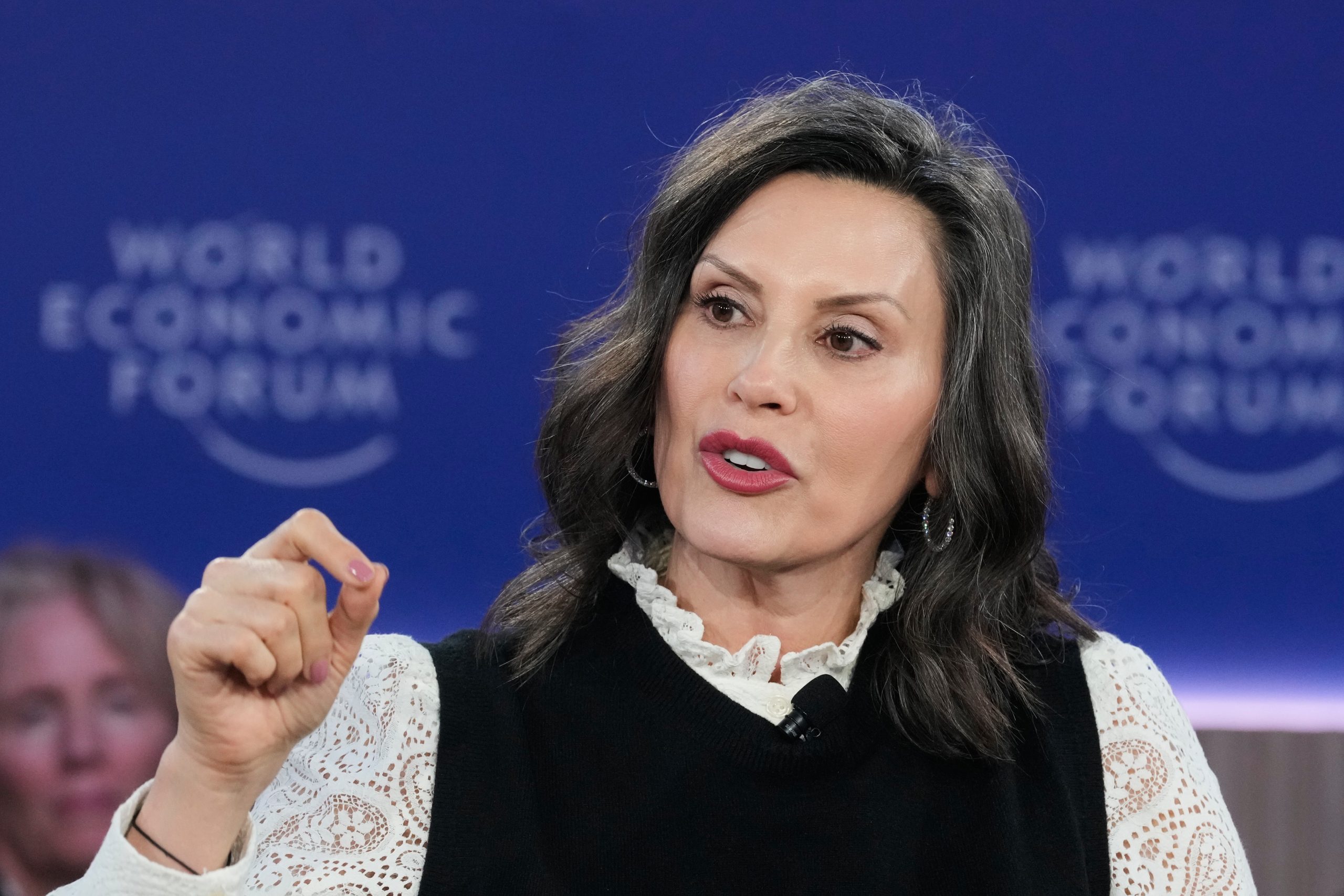

Michigan Gov. Gretchen Whitmer endorsed Rep. Haley Stevens in her state’s contentious Democratic Senate primary on Friday, wading into one of the highest-profile ideological battles within the Democratic Party.
“As governor, I have one strategy: Get things done. And that strategy informs everything that I do, and that’s why I’m endorsing Haley Stevens for the U.S. Senate,” Whitmer said in a video posted to Stevens’ account.
Stevens and former public health official Abdul El-Sayed are the two major Democratic candidates competing in the Aug. 4 primary to replace retiring Sen. Gary Peters.
El-Sayed’s candidacy has galvanized progressives, while Stevens has backing from more mainstream Democrats and the tacit support of Senate Minority Leader Chuck Schumer.
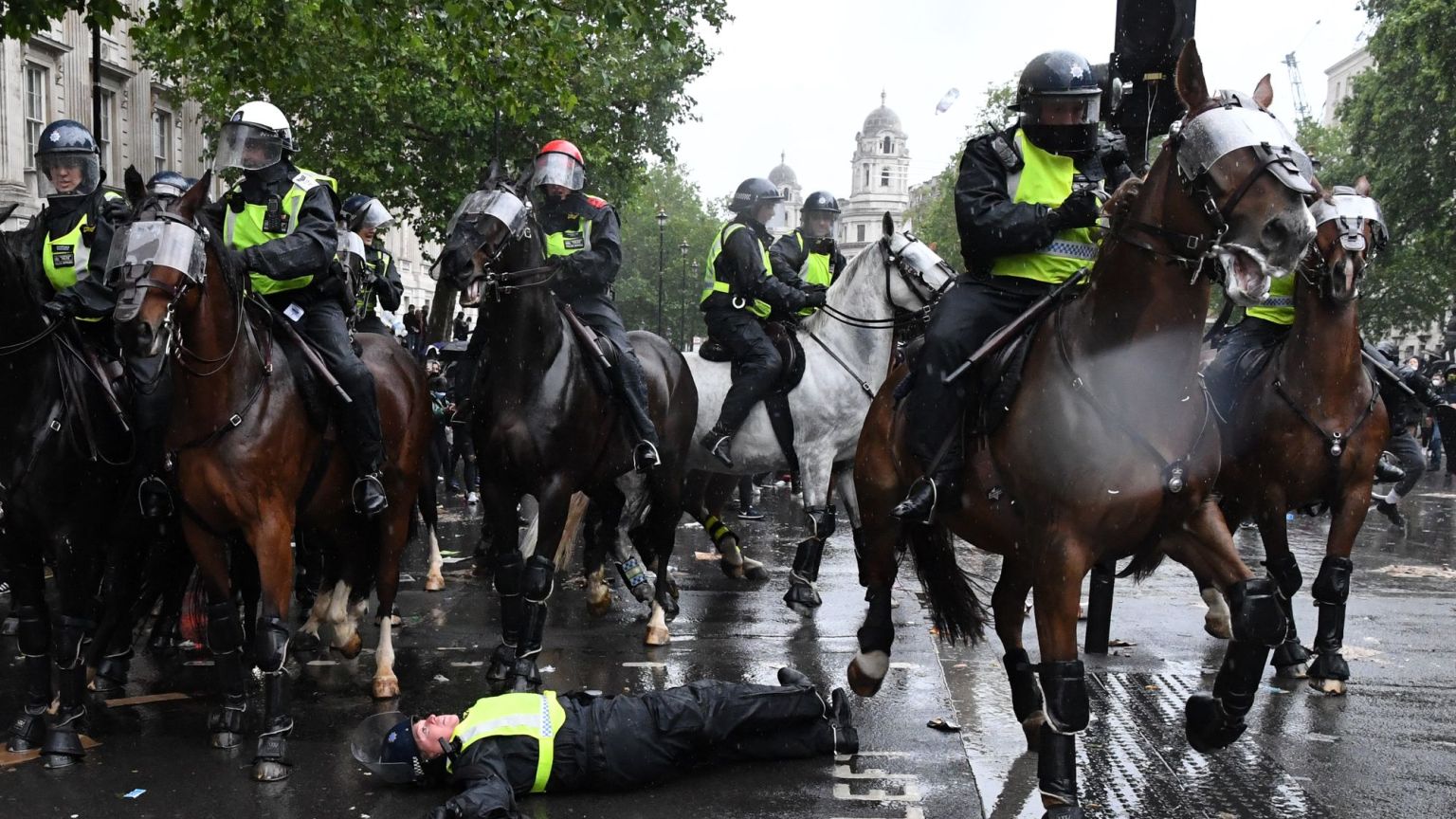
The post The two-tier policing of BLM Britain appeared first on spiked.

Putin will be over the moon. Caves in Iraq will echo with the laughter of whatever remains of ISIS. For a new poll has found that a measly six per cent of Britons would take up arms if we faced an ‘imminent invasion’. Armies of mad Islamists could be amassing on our beaches and just one in 17 of us would ask for a gun. ‘We shall defend our island, whatever the cost may be’, said Churchill. Not anymore, we won’t.
The YouGov survey is a sobering read. And a scary one. There were 2,300 respondents. Just six per cent said they would volunteer to fend off a looming foe. Fifty-two per cent said they can’t fight because of age or disability. No doubt this includes many folk who really are too old for war. But I bet it also includes silver-spoon twats who’ve been convinced by TikTok that they have ADHD or some other bullshit malady.
Fourteen per cent said they would serve if they were called up. That’s good to know – they won’t volunteer to defend our sceptred isle but they’ll give it a whirl if the alternative is jail. But 17 per cent said they wouldn’t fight for Blighty even if ordered to do so. What a testament to our nation’s decay: more people would rather rot in the stagnant security of a jail cell than risk a hair on their head in a battle for Britain’s future.
Think about how insane these stats are. As a writer for the Spectator points out, around six per cent of Brits think we should be allowed to eat dogs. So fighting for your country is now as batty and eccentric a notion as chowing down on dog meat. A couple of years ago, a poll found that nine per cent of Brits aged 18 to 24 had a ‘favourable’ view of Hamas. God help us if Hamas should ever land on our shores: more young Brits would be fanboying over the Islamofascist invaders than trying to fend them off.
As with all surveys, caveats are called for. It’s possible that if an invasion really were imminent – if we could see warships at Dover – then minds would be sharpened and guns reached for. Hell, even some of our ‘neurodivergent’ youths might crewcut their blue hair and peel themselves away from Warhammer to prep for real war. An invasion isn’t imminent. Russia isn’t on our doorstep. There’s no Luftwaffe overhead.
And yet, it would be suicidal folly to not take seriously a poll like this one. For it points to a cavernous spiritual decay in our once great nation. Indeed, what is the point of a nation whose own people would not fight for it? If a country isn’t worth fighting for in the eyes of its own young, then surely it has surrendered its right to exist? The nation that cannot summon the spirit of its citizens to defend it against foreign foes is dead already – it’s just waiting for a strong enough military breeze to put it out of its misery
Here’s the frightening thing: I know where the pre-emptive draft-dodgers are coming from. My initial horror at the thought of Britain becoming a defenceless realm, our young more interested in figuring out their gender identity than fighting for the land of their forebears, swiftly gave way to understanding. I get it. Why would people fight for this Britain? What would they be fighting for?
Who would lay down their life for a land of vape shops and fried chicken and cunts on buses playing their music out loud? Why would anyone take up arms for a country where the high street stinks and litter piles up and you can’t go 10 metres without seeing a woman in a medieval cloak from the 7th century? Who would risk life and limb for a nation where illegal immigrants are setting up tent cities and the authorities do damn-all about it? The other day, I walked past one such encampment in Warren Street and one of the inebriated inhabitants showed me his anus. His literal arsehole. Surely, as a freeborn Briton, I deserve the liberty to traverse my capital city without being exposed to the rectal opening of a foreign panhandler?
Indeed, given the virtual erasure of our borders by rich officials who crave cheap labour from overseas to make their coffee and wipe their arses, where even is this nation we’d be expected to defend? If people have got the idea that our borders aren’t worth manning, can you blame them? After all, almost every day hundreds of young men from God knows where spill on to our shores and we’re called racist scum if we complain about it. Are you sure we wouldn’t also be called racist if we tried to fend off a literal army of gun-toting Koran bashers?
What would Brits be called upon to defend, exactly? A glorified airport lounge that was once a kingdom? A supposedly Christian country where Christians are arrested if their preaching offends ‘queers’ or Muslims? The birthplace of religious liberty where now mothers are publicly shamed by mobs of bearded men if their kid scuffs a page of the Koran? This blessed plot, this earth, this realm, this England where you can’t even fly the goddamn national flag lest it upset plummy leftists and their asylum-seeker au pairs?
Then there has been the wilful decommissioning of patriotic feeling. A core crusade of the anti-working-class intelligentsia has been the borderline criminalisation of national pride. Britain, they tell us, is a nation born from the sin of colonialism, a nation morally scarred by its historic crimes. Popular culture is awash with the self-regarding self-loathing of a cultural elite that hates its own country and the oiks who inhabit it. Little wonder that a survey of Gen Z last year found that half think Britain is a ‘racist country’. Who’s going to fight for a racist country? Let it die, no?
When will the ruling classes learn that their moral dereliction is having the most dreadful consequences? That it is making everyday life more shit and our future more perilous? That it is weakening the national spirit and emboldening those who hate us? I hate that my fellow citizens think our nation is not worth fighting for. I hate even more that I fully understand why.
Brendan O’Neill is spiked’s chief political writer and host of the spiked podcast, The Brendan O’Neill Show. Subscribe to the podcast here. His latest book – After the Pogrom: 7 October, Israel and the Crisis of Civilisation – is available to order on Amazon UK and Amazon US now. And find Brendan on Instagram: @burntoakboy.

The post The migrant crisis comes to rural Oxfordshire appeared first on spiked.
spiked is funded by readers like you. Only 0.1% of regular readers currently support us. If just 1% did, we could grow our team and step up the fight for free speech and democracy.
Become a spiked supporter and enjoy unlimited, ad-free access, bonus content and exclusive events – while helping to keep independent journalism alive.
Politics
The House | It will require a huge collective effort to make the PM’s pledge to end rough sleeping a reality
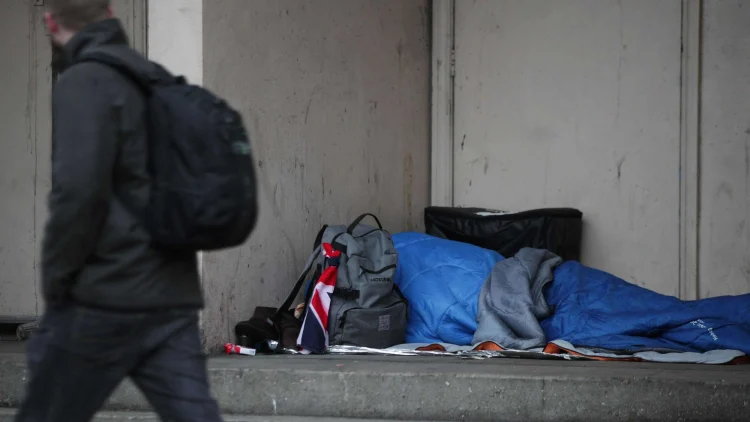

Image by: PA Images / Alamy

4 min read
Andy Burnham is singing from the Big Issue hymn sheet – but it will require some clever problem solving to help pull-off his ambitious plan to end rough sleeping
I was astonished when, fresh from his trip to Buckingham Palace, Andy Burnham stood in front of Downing Street and named the eradication of rough sleeping as his first priority as Prime Minister.
It’s a preoccupation that has obsessed us at the Big Issue since the September 1991 creation of magazine. In one moment, the 35 years of pushing to rid us of rough sleeping in particular – and homelessness in general – seemed as if it’s paid off.
Burnham has the very best of intentions, but critics and friends alike will point out his plan is easier said than done. All cautious of hope before delivery – promising the earth and delivering a flowerpot. Isn’t Burnham promising way more than he could possibly achieve? We’ve heard similar rhetoric before, including when another mayor turned PM, Boris Johnson, bounced into No 10 in 2019.
I remember when rough sleeping became an increasing reality. In 1961 as a 15-year-old runaway dodging the police, you would not, or could not, sleep rough. You would be arrested. Strict vagrancy and ‘no fixed abode’ laws were used liberally. Instead you hid in derelict or abandoned buildings, away from the public eye. You might call it social cleansing. The social dislocation of homelessness was kept away from scrutiny.
But by the mid-1960s something had changed. Begging and rough sleeping seemed to be ignored by the police. Gradually streets in the centre of our cities, principally London, took on a new reality. The dispossessed became visible. So what started off as a social cleansing system was allowed to fall apart. The vagrancy laws remained in place until only a few weeks ago, but they were used less often. Usually you could wrap your self up in something and sleep where commerce traded and the public wandered.
Burnham, at long last, looks set to prioritise this social injustice, and we thank him for that
A new ingrained reality became acceptable. A human rights abuse became visible. More people fell between the cracks of a once all-encompassing welfare system and straight down onto the cold, hard pavement.
Social sores were displayed as government washed its hands of responsibility. The problem was largely passed onto charities. An attitude of “You sort it out” seemed to emanate from police, local authorities and central government. And while this mindset has shifted somewhat in the years since, levels of rough sleeping have continued to wax and wane, and today the crisis remains stubbornly present in our towns and cities.
Burnham, at long last, looks set to prioritise this social injustice, and we thank him for that. From my place in the House of Lords, and in the pages of the Big Issue, we will offer our support and advice on how he can make his vision a reality. Because ending rough sleeping will require a huge collective effort. It needs strong leadership by government but must be done arm-in-arm with local authorities, businesses and the third sector.
It also requires some clever problem solving. For a start – how do you rollout Housing First nationwide when we still have a chronic lack of homes? Perhaps Burnham could look to unlock the 300,000 long-term empty homes sitting pretty across Britain. Funding councils to bring these properties back into use is the sort of long-term ‘spend to save’ measure we need to fix the country.
This pledge centres homelessness as a blight on the face of society. There are other blights. The biggest to me is the 40 per cent of governmental income going on maintaining people in poverty. We need to shift to a prevention mindset when it comes to breaking the cycle of poverty. As of yet the delivery of clear and cogent poverty dismantling thinking has been poor. But I live in hope.
Lord Bird is a crossbench peer and founder of the Big Issue

3 min read
Over the past decade, political shocks like Brexit and Covid have combined with longer-term political, social and technological change to put the UK’s constitutional arrangements under pressure.
The Constitution Unit’s newly published report – Safeguarding the Constitution: Key Steps to Strengthen UK Democratic Resilience – lays out a set of practical reforms to respond to these challenges.
Most obviously, these include measures to address known vulnerabilities or loopholes. For example, key ethics regulators should now be given a statutory footing so that they cannot be undermined or abolished at a prime minister’s whim. The process for appointments to the House of Lords should be reformed, ending the unconstrained power of patronage that currently allows a prime minister to appoint as many people as they wish, with no requirements for fair party balance and no enforceable propriety constraints.
In some cases, institutions and processes also need to evolve to match the changing context in which they operate. The arrangements for parliamentary scrutiny of international agreements, for example, have changed little in the past 100 years; the limited role they afford MPs is increasingly out of kilter with the scope and impact of modern treaties.
Similarly, political finance rules have not kept pace with parties’ growing reliance on major donors, and the corresponding risk that a small group gains disproportionate political influence. The government has already promised some welcome changes in response to the Rycroft Review on foreign financial interference, and has requested a review of spending limits from the Electoral Commission. Detailed work on donation caps should take place alongside that.
Strengthening our constitution does not only mean safeguarding institutions: the ultimate check on power in any democracy is its citizens. This makes work to improve the information environment and support civic education vital.
Statutory codes of conduct could require social media platforms to mitigate democratic risks, while the government could invest in the provision of high-quality information. The new National Curriculum, to be delivered in English schools from 2028, offers opportunities to improve and expand Citizenship education.
The most significant constitutional changes need careful policy work and wide consultation, to deliver results that last and that meaningfully contribute to trust in the democratic system. For a new government with countless demands on its time and attention, some of these may appear low priority.
But now is the time to begin these reviews, so that detailed proposals can be worked up in time for the drafting of the next general election manifesto. Meanwhile, there are plenty of things the Burnham government could do quickly to meaningfully strengthen the constitution.
The Representation of the People Bill is currently before Parliament. It has already been amended to increase the Electoral Commission’s independence, but more could be done. The legislation on removing peerages promised in the King’s speech could be broadened to address House of Lords appointments.
Many reforms can be delivered without legislation. Some would require standing order change – for example, to increase MPs’ influence over the Commons agenda, and more fairly allocate Commons time between opposition parties.
Others can be done by the government alone. Civil servants are working on a new edition of the badly outdated Cabinet Manual, and a process for future regular updating could be established at the same time. A duty to uphold democratic health could be included in the BBC’s promised permanent charter. The government’s lobbying transparency releases could be improved, as recently recommended by the Ethics and Integrity Commission.
Burnham has advocated a more collaborative approach to politics, and a less centralised state. Our proposed reforms offer practical ways of delivering those goals – and of safeguarding the UK constitution.
Lisa James is a Senior Research Fellow at UCL’s Constitution Unit



2 min read
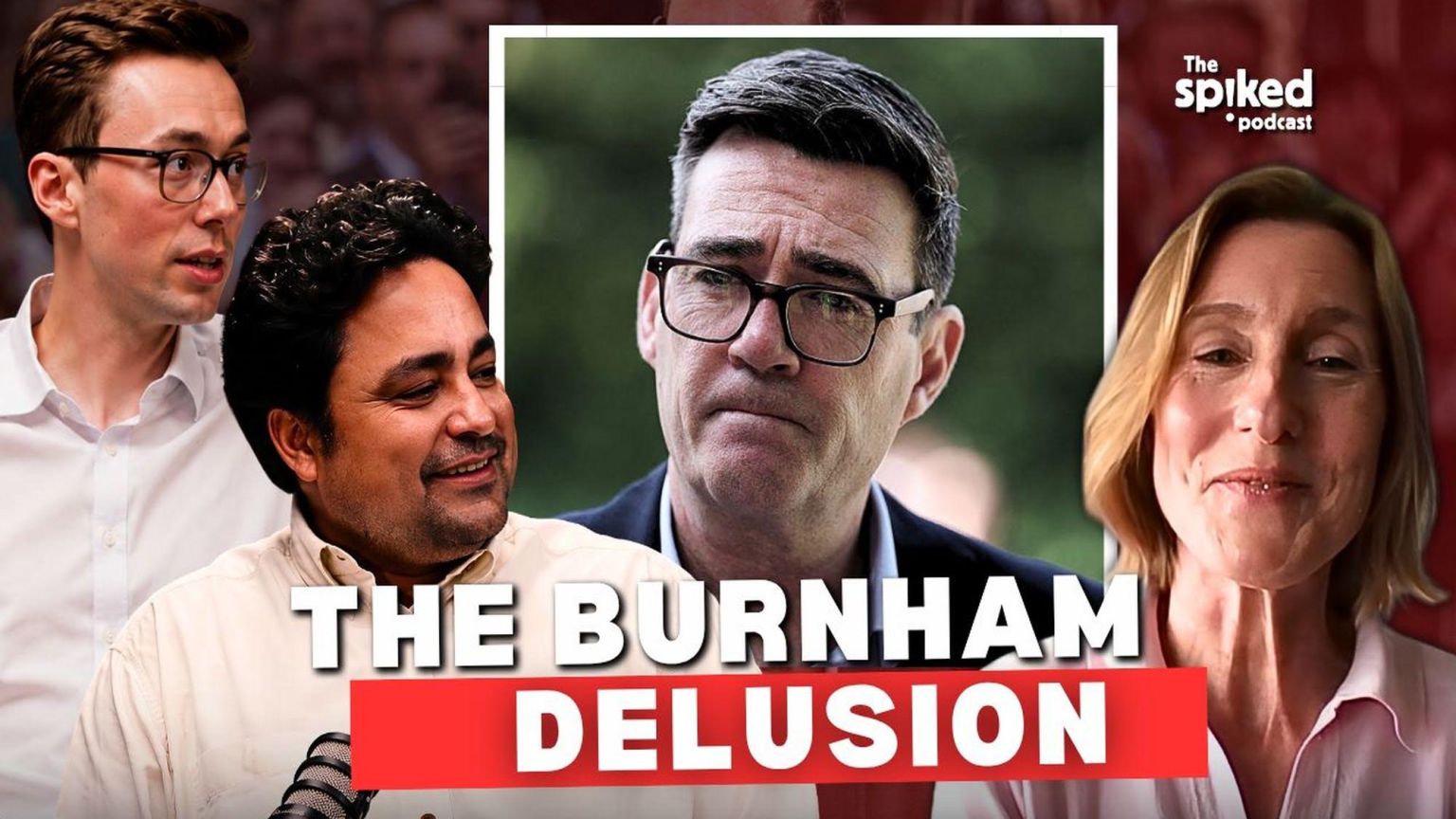
This week, The Rundown features an interview with the Shadow Chancellor Mel Stride, giving his views on his new opposite number in the Treasury, John Healey, what the new government should be doing to get growth going, and how the Tories plan to take on Reform.
Host Alain Tolhurst also takes a look at Andy Burnham’s first few days in Number 10, how his Cabinet picks and his initial policy blitz are going down with his Labour colleagues, as well as the voters, and what else we can expect from our latest Prime Minister alongside two colleagues: deputy editor of our sister title The House magazine, Sienna Rodgers, and editor at PoliticsHome, Adam Payne.
The trio discusses the thinking behind the ministerial appointments, as well as what was going on behind the scenes in Westminster this week, plus how the Burnham government is keen to avoid the mistakes of the Keir Starmer administration in its first weeks in office.
They also look at what the new Prime Minister might have planned for the summer, with the government already facing questions about how it will fund its cost-of-living package.
As well as trying to oppose the new Labour government, the Conservatives are looking to close the gap on Reform UK in the polls. Stride was in bullish form, saying he thinks Nigel Farage’s party has been on a “steady decline” since last autumn.
“And it’s quite conceivable that decline will continue,” he told the podcast.
“What has underpinned that souffléing down of Reform is the fact that the firework display, the shimmy of the sequin dress, the music, the razzmatazz, it can’t last forever before people say I’ve heard that before, play me another song.”
The Rundown is presented by Alain Tolhurst, and is produced and edited by Ewan Cameron for Podot
- Click here to listen to the latest episode of The Rundown, or search for ‘PoliticsHome’ wherever you get your podcasts.

Gas prices are high. Americans think they’re even higher.
Three in five Americans believe gas prices in their area have risen by more than they actually have, according to an analysis of new results from The POLITICO Poll. It’s those perceptions that candidates will be running against this fall.
Voters’ anxieties about fuel prices could give Democrats a boost ahead of the midterms, further strengthening the Democratic voting base and putting strains on the MAGA coalition as the increasingly unpopular war in Iran drags on. A plurality of Americans — 46 percent — say the change in gas prices will impact how they plan to vote come November.
Most voters overestimated the change in gas prices in their area, according to the analysis of polling and granular pricing data provided by OPIS, a Dow Jones company that tracks gas prices. That includes majorities of voters who supported President Donald Trump and also those who supported former Vice President Kamala Harris.
Roughly one in four Americans say gas in their local area has risen by $3.00 or more. But no zip code has actually seen that degree of change on average in the year and a half since Trump took office, as of early July.
Frustrations over cost of living could be reinforcing existing negative views of the Trump administration: Harris voters are far more likely to overshoot the cost jumps than Trump voters, making it harder for Republicans to peel off Democratic voters.
And the analysis shows a fracture among Trump voters. Self-identified MAGA Republicans were more likely to underestimate cost increases than non-MAGA Republicans — another crack in the president’s winning coalition as Republicans scramble to hold it together for the midterms.
“It is a particularly tough dance that many Republican candidates will have to endure for the next three months,” said Arizona GOP strategist Barrett Marson. “How do you feel the pain of your voters without feeling the wrath of Donald Trump?”
What’s more, American’s perceptions do not quickly change even when prices do. The POLITICO Poll asked about gas prices in both May, when they were near their peak, and July, when they had dipped.
The results were the same in both.
“President Trump and his energy team anticipated these temporary market disruptions, communicated them openly to the American people, and implemented an aggressive plan to mitigate any impacts,” said White House spokesperson Taylor Rogers. “As the U.S. military degrades the terrorist Iranian regime’s ability to attack commercial vessels and disrupt the free flow of energy through the Strait of Hormuz, oil and gas prices will plummet back to pre-conflict levels.”
Gas prices could swing votes
Americans’ frustrations with prices and the economy overall are changing how they say they will vote in the fall.
Of the 46 percent of Americans who said gas prices will have an impact on their vote, just under 40 percent said they are considering voting for a different party than they normally would, including 49 percent of MAGA Republicans and 57 percent of non-MAGA Republicans.
“Three quarters of the country is confronting higher gas prices and feeling it,” said longtime Democratic strategist Jesse Ferguson. “That leaves them … very vulnerable to the economic pain and very vulnerable to the economic argument the Democrats are going to make.”
To better understand public perception of gas prices, The POLITICO Poll asked Americans how the price of gas in their area had changed since Trump took office. Respondents could choose between buckets like “$1 to $2 higher per gallon,” “$1 to $2 lower per gallon,” or say prices had stayed roughly the same.
More than three-fourths said gas prices in their area have gone up.
Using OPIS data, POLITICO compared each respondent’s answer against the actual average cost of regular gas in their zip code during the first week Trump was in office and the week prior to the July poll, which was conducted by the independent polling organization Public First from July 12 to July 15.
That comparison revealed the difference between the pain the American public is feeling and where actual gas prices stand — and, in particular, how that pain is expressed differently among Democrats and Republicans. Roughly 70 percent of Harris voters and 54 percent of Trump voters overestimated the increase in gas prices in their area, according to POLITICO’s analysis.
“Democrats are highly motivated,” as a voting base, Marson said. “The longer the war goes on, probably the less motivated Republicans will be.”
The perception of higher gas prices is linked to how people see the economy — and who they blame for it.
Across the country, 57 percent of Americans say the cost of living is worse than they “can ever remember it being.” Those who overestimate gas price increases had more than twice the odds of agreeing with that statement, even after controlling for demographics and their 2024 vote.
Similarly, a plurality of Americans — 43 percent — blame Trump more than former President Joe Biden for the state of the economy overall. Those who overestimated their local increase in gas prices had nearly twice the odds of saying the same, compared with those who perceived the change in gas prices correctly or who underestimated the change.
It’s already affecting the battlegrounds
In the country’s most competitive races, Republicans will have to answer for the perceived cost pressures of rising gas prices more often than Democrats.
Thirteen of the most competitive districts have experienced gas price increases higher than the national average, according to POLITICO’s analysis. Of those, nine are currently represented by Republicans.
In California’s 22nd District, where Republican incumbent Rep. David Valadao will face off against progressive political newcomer Randy Villegas, average prices across the district had gone up $1.17 by early July — the third highest increase of any district, according to POLITICO’s analysis.
Villegas said in an interview that he thought frustration over gas prices would mobilize turnout in the fall, driven by how the cost of gas is “tied to every other thing.”
“It’s the cost of gas when you’re driving to the grocery store, when you’re driving to, you know, see a doctor,” he said. Or, the cost of gas when driving 7 to 8 hours away to “go get cheaper health care.”
Valadao did not respond to requests for comment.
In Colorado’s 8th District, where gas prices have risen by $0.73 on average since Trump took office, Republican incumbent Rep. Gabe Evans blamed local Democratic policies for increased costs more than the Iran war.
While “what’s happening halfway around the globe has some impact on global energy prices,” Evans said, high gas prices in the district are “a direct result of the local economic policies — the anti-energy policies — of the state Democrats who run the state of Colorado.”
But The POLITICO Poll results from this month show voters don’t necessarily feel the same. Roughly 63 percent of Americans selected “the war with Iran” as the primary reason why gas prices have increased since Trump took office, including 59 percent of Trump voters and 70 percent of Harris voters.
By the middle of May, the average price of gas across the country reached its highest point of the Trump administration to date: $4.50 per gallon, according to the U.S. Energy Information Administration. In July, average prices dipped to $3.78 per gallon, the lowest average price since March.
Still, in both months, more than 75 percent of Americans said gas prices had gone up, POLITICO’s polls show. And in both months, roughly 23 percent said prices had gone up by $3.00 or more.
This week, Trump said the upcoming midterms would not impact how he goes about fighting the war with Iran. “I can’t think about that having to do with this,” he said, referring to the elections. “I think people are very impressed.”

 lead image
Blue Jays’ Addison Barger to have season-ending elbow surgery

VentureBeat Research: Where enterprise AI agent governance hasn’t caught up

AO VIVO: ABERTURA DE MERCADO – 23/07/2026 | CNN MONEY


-

 Politics6 days ago
The House | The City of London can help the new chancellor deliver growth in every postcode
-

 Crypto World6 days ago
Ripple Payments Joins MiCA With 14 Firms, Does It Mean Anything For XRP?
-

 Politics5 days ago
Democrats look to World Cup watch parties to register thousands of voters
-

 Fashion4 hours ago
Weekend Open Thread: Brooks Brothers
-

 Crypto World7 days ago
Ripple wins EU-wide access as ESMA adds it to MiCA register
-

 Crypto World4 days ago
Grayscale Files For Worldcoin ETF, WLD Registers Sharp Rise
-

 Tech4 days ago
Sail Virtually Aboard The “Itanic” With IA-64 Emulator
-

 NewsBeat4 days ago
Unregistered fitter used Gas Safe logo on business flyers
-
 Tech4 days ago
Turtle Beach Command Series KB7 review: a nifty screen-equipped gaming keyboard
-

 News Videos5 days ago
Big Money Is Entering XRP
-
 Business3 days ago
New Jersey voter registration controversy explained: How 6,600 noncitizens got on the rolls, and what happens next
-

 Crypto World6 days ago
Kaspersky exposes OkoBot’s 20-module crypto wallet attack
-
 Entertainment3 days ago
Johnny Depp’s R-Rated Gothic Cult Classic Gets New Release Ahead of Sydney Sweeney Remake
-

 NewsBeat7 days ago
Durham County Council to send out electoral registration emails
-

 Crypto World2 days ago
Ethics, other provisions in crypto Clarity Act to be further discussed
-

 Crypto World7 days ago
MiCA Licensing Faces Delays as ESMA Adds 14 CASPs to Register
-
 NewsBeat4 days ago
Shanghai science forum photos show China’s AI and robotics advances in rivalry with US
-

 Crypto World6 days ago
Chip Stocks Enter Bear Market After Moonshot Ai Unveils Kimi K3 Model
-

 Tech4 days ago
Watch Flock Safety CEO Garrett Langley discuss the future of surveillance at TechCrunch Disrupt 2026
-

 Tech5 days ago
Subway Sandwich Computers Get a Second Life as Gaming Machines
You must be logged in to post a comment Login