Politics
Politics Home | Human-focused research is transforming medicine and challenging animal testing


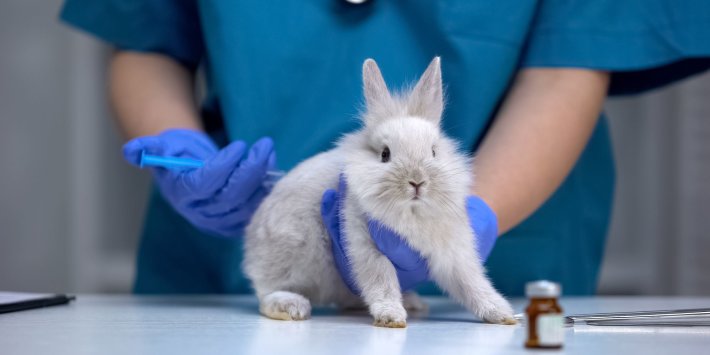
Advances in biomedical technology are reshaping how human disease is studied and treated, providing credible alternatives to animal testing
Tools such as 3D-bioprinted tissues, organ-on-a-chip systems, and advanced human in vitro models are opening the way to more accurate, human-relevant research approaches – reducing reliance on animals while offering faster, more effective alternatives.
These developments formed the backdrop to a two-day conference in London, hosted by the Royal Society on behalf of the Alliance for Human Relevant Science, which brought together researchers, clinicians, industry leaders, and legislators. Across the programme, speakers examined both the scientific limitations of animal testing and the emerging alternatives that could strengthen the UK life sciences sector while raising ethical standards.
The first day focused on the scientific foundations of human-relevant research, exploring advances in disease modelling and drug development and reflecting on the constraints of existing methods. The second day shifted towards application and policy, considering regulatory reform, the role of real-world evidence, and the practical challenges of transitioning away from animal models.
It was in this context that the conference turned to how scientific, regulatory and political developments might be aligned to accelerate change.
The scientific limits of animal testing
Opening the discussion, Professor Merel Ritskes Hoitinga, professor in evidence-based transition to animal-free innovations at Utrecht University and a former veterinarian, set out why she has come to reject animal testing altogether. Early in her career, she believed that animal research was necessary, operating within the ‘3Rs framework’ of replacement, reduction and refinement. But over time, she said, the “low quality” of much animal research, combined with the “impossibility to predict whether an animal study will work or not”, led her to conclude that animal testing was fundamentally unreliable.
She pointed to the replacement of the rabbit pyrogen test (RPT) with the monocyte activation test (MAT) in the European Union as evidence that animal-free methods can deliver better science. The MAT, she told attendees, is “even better” at detecting pyrogens than the animal-based test it replaced – improving safety outcomes while eliminating animal experimentation.
But the case also illustrated a deeper structural problem. Although the MAT was validated decades ago, it took around 40 years to appear in the European Pharmacopoeia, the official standards reference for the manufacture and sale of pharmaceuticals across Europe. “Providing scientific evidence,” Ritskes-Hoitinga argued, is “not sufficient to make real changes fast.” Without clear leadership from the top and targeted funding, she said, promising alternatives can languish for decades despite being scientifically superior.
To deliver real change in advancing human-relevant science, Ritskes-Hoitinga argued that several factors must come together, including education, legislation and strong governance. She pointed to the need for clear structures – such as a steering committee – to maintain momentum, and stressed that wider societal involvement is also essential.
When clear targets and implementation strategies are in place, change can be delivered fairly quickly. Ritskes-Hoitinga pointed to the Food and Drug Administration (FDA) in the United States, which has set out a roadmap to make non-animal testing methods the norm for new medications within three to five years.
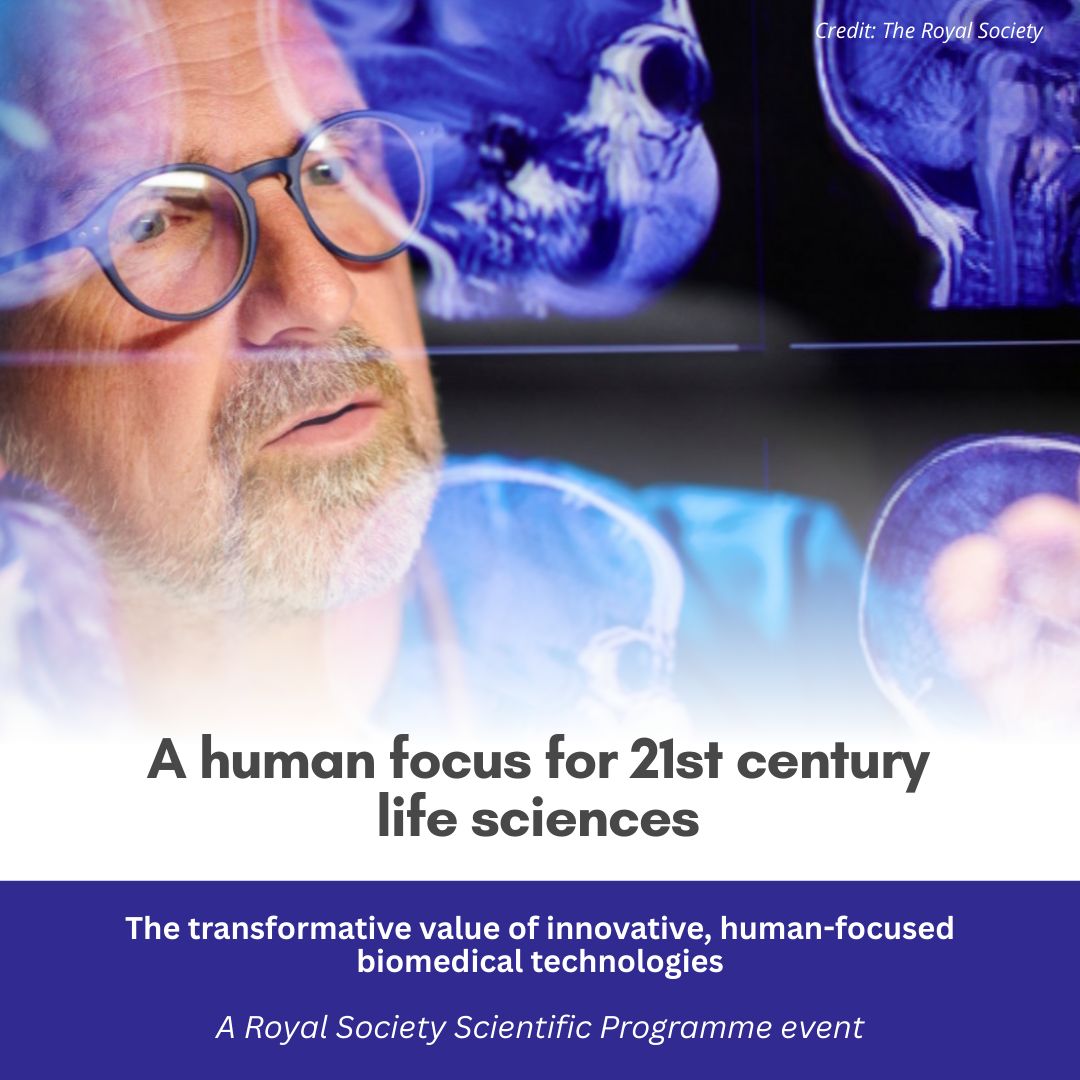

How non-animal methods deliver better outcomes
To hear more about the FDA roadmap, attendees heard from the Commissioner himself, Dr Marty Makary, who joined the conference via video link. He described the US as undergoing a “paradigm shift” in animal testing, with research and regulation being modernised through technologies such as organ-on-chip systems, artificial intelligence, and computational modelling.
Dr Makary framed this shift in the context of an increasingly competitive global research landscape, noting that much research and development is moving to China. He said the US needs to “compete better by offering the best experience possible for inventors and scientists,” and that a key part of improving competitiveness is to “challenge decades-old assumptions on how we do things,” including on animal testing.
Highlighting the limitations of current methods, Dr Makary highlighted that in 90 per cent of cases where a drug passes animal tests, it is ultimately ineffective in humans. By failing to challenge the dogma that animal testing is effective, Makary said, “we may be missing out on some cures.”
He noted that reducing animal testing also offers clear economic and regulatory advantages: it can shorten review timelines, lower research and development costs, and ultimately speed up patient access to potentially life-saving treatments. “It typically takes six to nine months to do animal testing if all goes well,” he explained. “It’s expensive, and lowering R&D costs also translates into lower prices and allows potentially meaningful cures to reach people faster.” According to Dr Makary, these newer methodologies have received broad support, and the FDA now has a dedicated team focused on advancing this work.
Throughout his contribution, Dr Makary urged attendees to “question everything,” invoking the Royal Society’s motto, nullius in verba. By challenging the assumption that animal testing is necessary, the US is pioneering more ethical and efficient approaches to research.
The case for change in the UK
With examples drawn from both the EU and the US, Steve Race MP, Member of Parliament for Exeter, set out his vision for the UK following the publication of the government’s Strategy to Replace Animals in Science.
Race argued that parliamentary attitudes have shifted in recent years, with the debate on animal testing becoming more pragmatic and less framed solely around animal rights. Echoing points made by Dr Makary and Ritskes-Hoitinga, he suggested that growing recognition of the scientific advantages of non-animal testing methods has helped to move opinion among his colleagues.
The economic case for accelerating the transition to non-animal testing, Race added, is also gaining traction. He pointed to the UK’s position at the forefront of global science, underpinned by what he described as an “incredible life sciences sector.” As countries such as the United States move rapidly to develop and adopt non-animal methods, Race warned that the UK must not fall behind. Maintaining leadership in science and R&D, he argued, will require active support for the sector, including close coordination with UKRI and Innovate UK to ensure the right funding mechanisms are in place.
Beyond Parliament, Race stressed the importance of MPs raising awareness in their constituencies of the benefits of non-animal methods to consolidate public support. “When you talk to people about using animals in medical research,” he said, “they largely won’t welcome it, but they will think it is necessary to cure cancer, as a basic point.” Making the case that there are alternative approaches, he argued – “potentially some better and more effective ways by not using animals” – would ultimately help to broaden public backing for the phase-out of animal methods.
During the Q&A session, Cruelty Free International Public Affairs Officer Lillie Grant asked Race about timelines for delivering the Animal Welfare Strategy. While welcoming the strategy, she said that “one thing missing from it is timelines and markers,” and asked what more could be done to ensure that “timelines are implemented.” Race responded that MPs must continue to signal to ministers that the strategy commands interest from “a broad range of colleagues,” and make use of public platforms to ensure progress is maintained.
Asked about engagement with civil society, Race addressed criticism that the strategy did not sufficiently involve key stakeholders. He acknowledged that the government “can’t do any of this alone,” and said he would raise the issue with ministers if appropriate consultation mechanisms were not already in place.
The future of human-relevant science
Taken together, the discussions at the Royal Society conference underlined that the debate on animal testing has moved well beyond questions of ethics alone. Across science, regulation and politics, there was a shared sense that human-relevant methods are not only more humane but increasingly more effective, economically rational and globally competitive.
With international counterparts already setting clear roadmaps for change, the challenge for the UK is no longer whether to embrace these approaches, but how quickly it can translate scientific momentum into clear timelines, funding, even broader public support, and the buy-in of the wider scientific community.
