
Politics
Politics Home | Leeds Tram Plan Was Working To “Unrealistic Milestones”, Secret Government Report Warned



Concept illustration of the West Yorkshire Mass Transit scheme (Credit: West Yorkshire Combined Authority)

3 min read
Exclusive: Tracy Brabin’s attempts to start construction on a Leeds tram network before her next re-election campaign were blocked after a confidential Whitehall review concluded this deadline carried a high risk of wasted taxpayers’ cash.
The Labour mayor of West Yorkshire has repeatedly promised to get “spades in the ground” by 2028. But the project’s timeline was delayed following a September 2025 audit by the Cabinet Office and Treasury.
The confidential ‘peer review’, obtained by The House magazine, warned that the mass transit scheme was being driven by a “political agenda rather than a recognised programmatic approach”.
It added that “options appraisal for investment, robust project planning and risk management are critical ingredients for successful delivery and should not be compromised for unrealistic milestones”.
There was a risk of “political embarrassment”, it cautioned, “if there was a large disconnect between a lauded ‘spades in the ground’ date and the start of actual work,” and it said that money could be wasted: “The risk of nugatory spend is high.”
The review, conducted by the National Infrastructure and Service Transformation Authority (NISTA), also found that not enough work had been done to prove why the scheme needed trams rather than buses.
The paper’s authors were “concerned” about the West Yorkshire Mayoral Combined Authority’s (WYCA) “lack of unbiased thinking” on this question, adding: “There is a need to build the case for trams which has not been completed.
“This is particularly important because the likely cost of a Bus Rapid Transit (BRT) mode is significantly less than for trams and the BRT benefits:cost ratio is significantly better.”
Following the review, mass transit services have been delayed from the mid-2030s to the late 2030s. WYCA has said spades will still go in the ground in 2028, but for “preparatory” works rather than laying tracks.
A WYCA spokesperson said: “Beginning preparatory construction works by 2028 has been an ambition for the combined authority for some time because the people of West Yorkshire have waited long enough for this investment…
“NISTA’s predecessor body, the National Infrastructure Commission, set out clearly in 2023 that Leeds needs a tram. A review at this stage of a project of this scale is completely normal, and the majority of its recommendations have already been addressed by the combined authority.”
The Department for Transport said the government “fully supports Mayor Brabin’s ambitions for a world-class mass transit system for West Yorkshire”, adding: “We look forward to receiving West Yorkshire Combined Authority’s initial business case for the project later this year.”
A feature on the West Yorkshire Mass Transit project will be published in the next edition of The House magazine and online next week.

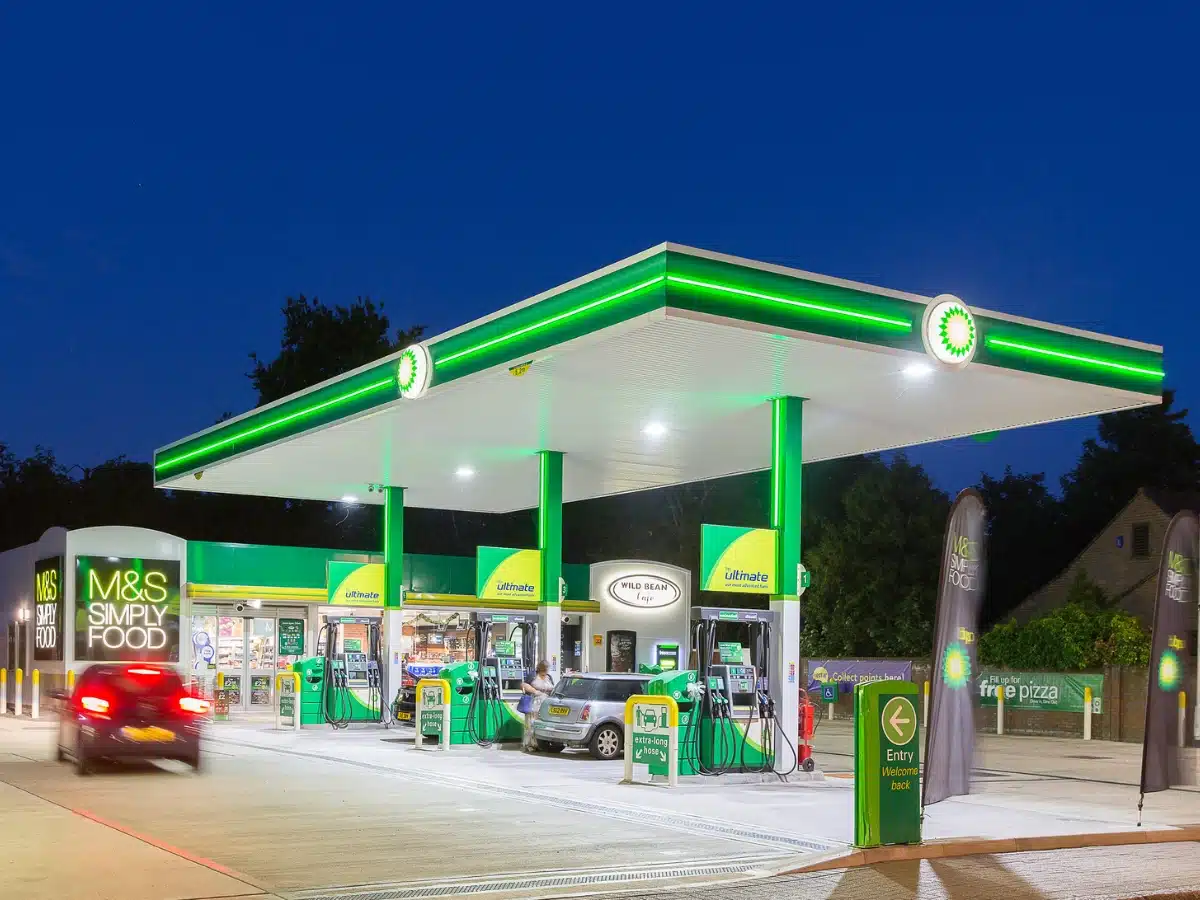
Donald Trump and Benjamin Netanyahu’s attack on Iran has disrupted oil supplies and markets across the globe. And fuel companies have wasted no time in, shall we say, ‘responding’. UK forecourts over the Easter weekend were charging on average £1.57 a litre for petrol, and £1.89 for diesel.
Again, as with concern over UK jobs, fretting over fuel prices is nothing compared to the threat of genocide. But as with all aspects of the cost of living crisis, rising prices affect people’s lives.
Fuel prices all over the place
And with the cost of fuel being so volatile, some motorists are beginning to worry about their car usage. According to data from ChooseMyCar.com, 29% of drivers now say they will use their car less. Over a quarter (27%) say they will cut down the number of miles they usually drive in an effort to save money.
This ongoing issue adds to further difficulty for UK drivers, who were already having to deal with an increase in fuel duty, after it was cut by 5p in response to Russia’s invasion of Ukraine. Despite calls to reverse this decision, the government is still set to go ahead with the fuel duty hike, which will rise in three different stages, starting by 1p in September 2026.
The sudden spike in prices has also caused many drivers to panic buy. In some places, 90-car long queues have formed at petrol stations, resulting in fuel shortages in a number of stations.
Such is the anxiety caused by further potential increases, alongside the recent hikes, that a fifth (20%) of road users say they will keep their car more filled up than usual. Meanwhile, 17% say they drive more slowly and carefully to save on fuel consumption.
But perhaps more worryingly, 14% of UK drivers say they will have to cut back spending in other areas of life, such as entertainment or food, to cover fuel costs. The cost of living crisis has long been an issue for millions in the UK. Food and energy bills remain significantly higher than pre-2022 levels. And with fuel prices increasing once again, it appears that many more will suffer financial blows.
In response to the data, Nick Zapolski of ChooseMyCar.com has offered drivers several fuel-saving tips:
The Iran and US situation has got worse over the past month or so, and this has bumped up our fuel prices, which have reached higher than £1.57 per litre for petrol, and are approaching £2 for diesel, in many places.
Understandably, this is worrying news for a lot of drivers. Even though we’ve only seen initial price rises, 70% have said they’ve already been affected by the new increased costs. With various government laws and changes over recent years, drivers have suffered a number of financial setbacks – this is just the latest. As a result, it’s causing millions of drivers to panic buy.
But, before making any drastic decisions, I urge drivers not to do this. It’s understandable, but there’s not much point. Spikes in prices can lead to petrol shortages, but these issues are usually sorted very quickly. Supply is still flowing normally, so there’s no need to change your fuel-buying habits. At the moment, you’re just queuing up when you don’t need to, and it’s causing stations to run out of fuel!
If you’re worried that you’ll struggle to cover the cost of any increased prices, there are small bits you can do to help keep the cost down. While some of these tips may sound a bit unusual, they help regulate your car’s temperature, which can make a huge difference.
Here are ChooseMyCar.com’s tips to lower your fuel consumption:
Watch your accelerator and check your tyre pressure
As whacky as it sounds, a bowl of water on your passenger seat is a great deterrent for unnecessary acceleration and braking. It sounds a bit strange, but it’s a simple and brilliant reminder to drive gently. If you hit the accelerator too hard, you’ll see water pour over the sides. Likewise, if you’re driving too fast and braking hard, you’ll notice water on the seat. The best bowls to use for this are small cereal bowls, with water about an inch from the top.
[Note: this Canary writer, a trained professional driver, thinks driving around with an actual bowl of water is a terrible idea. It’s likely to result in dangerous distraction and a sopping wet passenger seat. However, visualising an imaginary bowl and driving accordingly does make sense. Smooth driving, using anticipation to avoid jerky movements, saves fuel and is safer.]
Under-inflated tyres aren’t just dangerous, they increase your car’s overall fuel consumption, too. When tyres are too soft, they bend more as they roll along the road. This creates more rolling resistance, which means your car has to work harder to move forward. To ensure your tyres aren’t causing you to use so much fuel, check their pressure at least once a month.
Reduce your speed and use cruise control when appropriate
Watching your speed isn’t just a legal requirement, it’s also a simple way to use less fuel. Your car will use more fuel if you drive at a higher speed, particularly when going over 70mph. And driving at 70mph instead of 80mph, which 17% said they would do, could save you up to 25% in fuel.
Your car will use up a lot of energy if it’s constantly speeding up or slowing down, so it’s best to maintain a consistent, steady speed when possible. Cruise control can be an effective fuel-saver on flat long surfaces, such as motorways, and may save your vehicle up to 14% more fuel in the process.
Empty your car out or, to save most fuel, don’t use it at all
Excess weight in your car can be a real fuel burner. It’s good practice to empty your car daily, especially if you have particularly heavy items in there. So make sure you don’t drive to work on Monday morning with a load of weekend clutter still in the boot.
Consider cycling to your destination if that’s practical. Not only will you save money on fuel, but you can also cancel your gym membership too. As a quick example, if your journey to work is two miles, it could take less than 15 minutes to bike and, most importantly, would save you money.
Featured image via the Canary
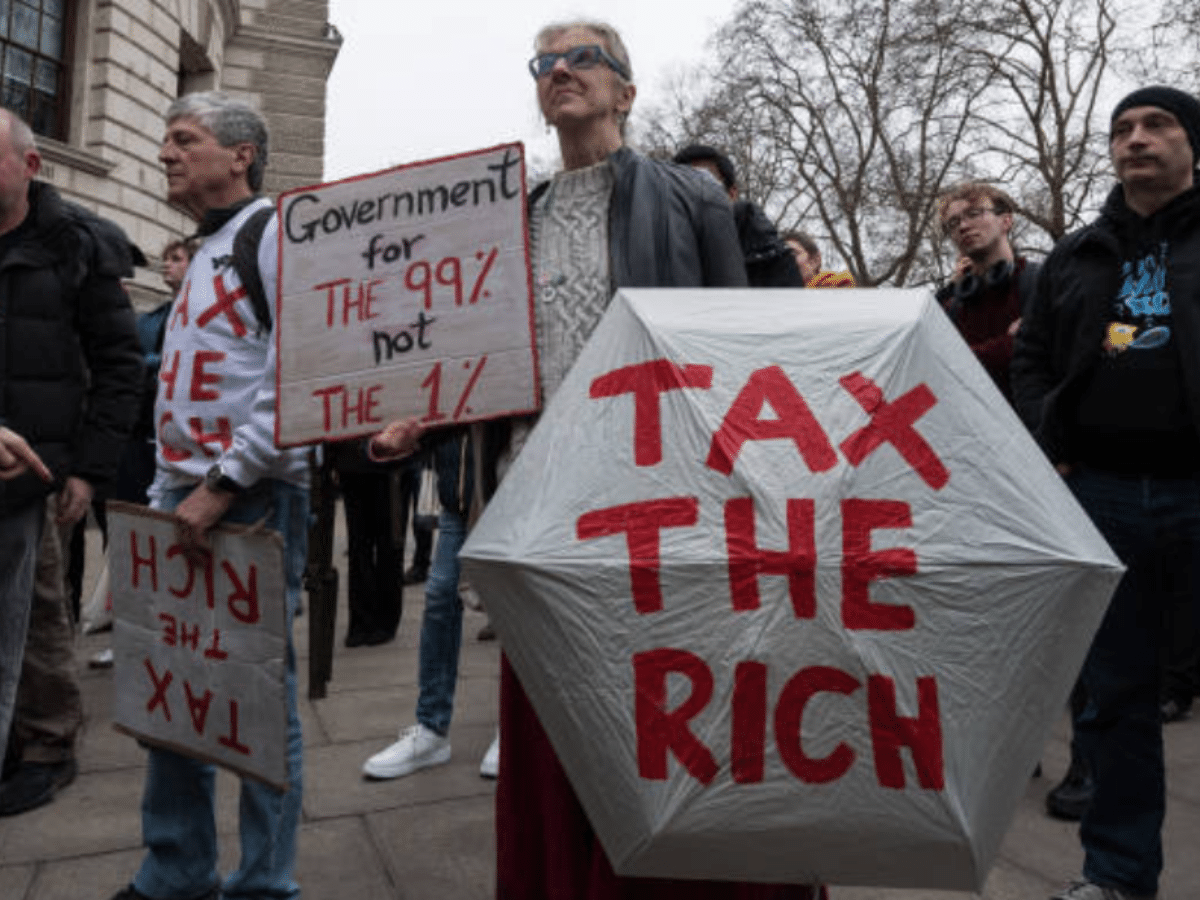
Research by Oxfam shows that globally the 0.1% have hidden more untaxed wealth offshore than the amount owned by half of humanity.
Offshore tax havens
The super rich 0.1% have £2.68trn hidden in accounts registered abroad, while the 0.01% hold half of that amount.
For context, the amount is almost the size of the entire UK economy and is more than twice the GDP of the 44 least developed countries.
Christian Hallum, Oxfam’s Tax Lead, said:
This isn’t just about clever accounting — it’s about power and impunity. When millionaires and billionaires stash trillions of dollars in offshore tax havens, they place themselves above the obligations that bind the rest of society. The consequences are as predictable as they are devastating: we see our public hospitals and schools starved of funds, our social fabric shredded by rising inequality, and ordinary people forced to shoulder the costs of a system rigged to enrich a tiny few.
One issue with this approach is that taxes do not fund public spending. The government has a flat currency that it can create and invest. Where taxes are important is to control any inflation through making the currency more scarce. This is an important distinction because it reverses the way fiscal policy is organised. Taxes are for if and when there’s too much inflation, they don’t come before spending.
What’s frustrating is that right-wing governments are willfully inept at ensuring efficiency in public spending. From infrastructure projects to outsourcing, the public purse is seen as a vehicle for wealth extraction. In its first report, think tank Verdant, headed by a former adviser to Labour shadow chancellor John McDonnell and a civil society campaigner, found at least £30.9bn in annual efficiency savings without any nationalisations. The fact that public finances are, at times, treated as a joke doesn’t mean the super rich should hide their wealth offshore, though.
Oxfam notes there has been progress on tax havens, but the amount hidden remains high at around 3.2% of the entire globe’s GDP.
Solutions
To tackle the issue of high economic disparity, the charity recommends introducing a wealth tax of 2% on assets worth £10 million or more.
Another solution is for countries to initiate a UN Tax Convention to end tax havens entirely.
Featured image via the Canary
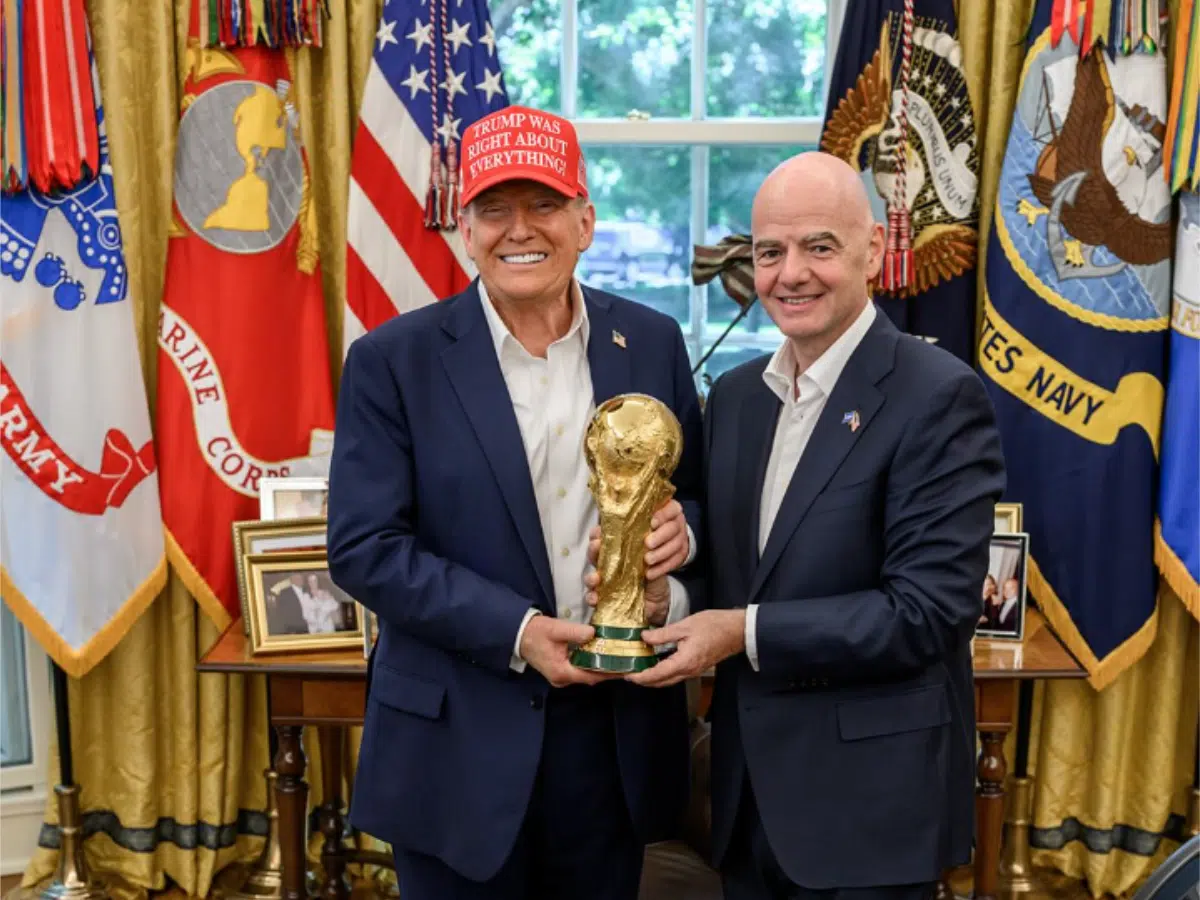
The 2026 World Cup in the United States, Canada, and Mexico is approaching, scheduled to take place from June 11 to July 19. But an unprecedented challenge looms, threatening the tournament’s success: a war between the United States and Iran.
The war has sparked global concern about the participation of national teams, particularly the Iranian national team, and its direct impact on stadium preparations, the organization of friendly matches, and fan safety.
This comes amidst widespread public demonstrations in the United States protesting the war, and record-high oil prices that could further increase the tournament’s costs.
Doubts surround Iran’s participation
The Iranian national team was the sixth team to secure its place in the World Cup, following the three host nations, Japan, and New Zealand. However, the war has raised questions about the team’s ability to travel and participate in the tournament.
Iranian officials, including the head of the Iranian Football Federation, Mehdi Taj, and the Minister of Sports, Ahmad Doniamale, have emphasized the difficulty of participating in the United States. However, the Iranian position has softened somewhat in recent days, though no official announcement has yet been made.
Iran’s potential withdrawal posed a significant challenge for FIFA, headed by Gianni Infantino, who visited the Iranian national team’s final training camp in Turkey to emphasize that everything possible would be done to ensure the team’s participation in the tournament.
Impact of the War on Team Preparations
The war in Iran directly impacted team preparations, leading to the postponement or relocation of friendly matches during March.
Countries like Qatar and Jordan were preparing to host preparatory tournaments before they were moved to other countries, most notably Turkey, which hosted two friendly matches for the Iranian national team.
Protests in the United States
Weeks before the start of the World Cup, the streets of the United States witnessed widespread protests against President Donald Trump’s policies and his decision to wage war on Iran. This raised concerns within FIFA regarding security and the potential scale of the demonstrations during the tournament, especially given that the United States was the primary host nation.
Surge in Oil Prices
The conflict has led to an unprecedented rise in oil prices, which will impact preparations in the United States, Canada, and Mexico, and increase the tournament’s operational costs, including ticket prices and accommodation for fans.
Football and World Unity: A Slogan on Paper
Despite Gianni Infantino’s claims that football unites the world, a host nation waging war on a participating nation undermines this message in practice. While millions of fans will attend the World Cup, the political and economic realities weaken the sense of global unity that football champions.
This report highlights the unprecedented challenges facing the 2026 World Cup as a result of military and political tensions that could affect team participation and the preparations of host nations.
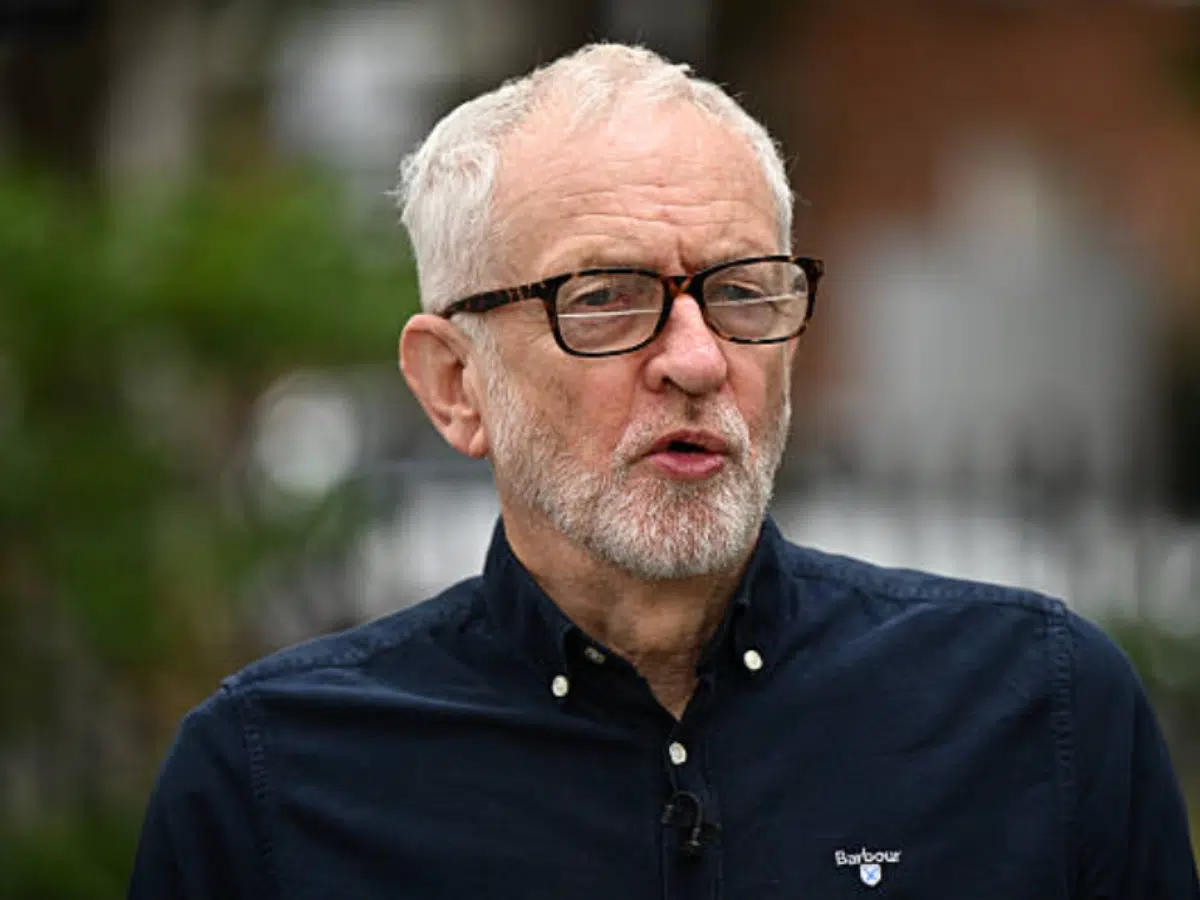
Your Party has faced widespread criticism from its members for its dither and delay in the run up to the local elections on May 7. Meanwhile, Reform UK and the Green Party are set to make huge gains. This intense battle between the left and right comes as British voters increasingly abandon traditional establishment parties.
However, voters may find themselves confused about what they’re actually voting for if a Your Party candidate appears on the ballot. Your Party was originally billed to be a socialist party which champions socialist values. In light of that promise, members are rightfully concerned about the trend of endorsements for deselected Tories. They also worry that Corbyn is focusing on socially conservative groups while ignoring socialist grassroots organisations.
As a result, many are finding themselves feeling mis-sold and abandoned with little transparency on offer from the Your Party executive.
Your Party takes worrying direction
Furthermore, anger is growing as those given the seal of approval increasingly display bigoted views. Unsurprisingly, these endorsements have delivered a painful blow to the party’s progressive membership.
Over Easter weekend, Corbyn’s team clarified that he had not endorsed three deselected Tory candidates:
a leaflet emerged featuring three ex-Tory councillors who claimed to be “endorsed” by Jeremy Corbyn. Since then, Your Party and Corbyn have denied endorsing these men. Instead, the situation seems to be that they recently joined the Walsall Community Independents group which Corbyn has voiced support for.
However, a Corbyn appeared on a leaflet with the three candidates in question. And, as the Canary’s Willem Moore reported:
When Your Party got going, it included Jeremy Corbyn and his Independent Alliance. Corbyn and the other independent MPs did good work opposing the government’s support of Israel’s genocide. At the same time, there were some pretty big gaps between the politics of some of these men and the YP membership.
The two big issues that came up were:
Transphobia and landlordism were big reasons why left-leaning voters abandoned Labour. As such, the presence of these issues in Your Party served to turn away potential members.
Following the backlash, people who criticised the independent MPs were accused of being intolerant or racist.
This lack of clarity over the party’s values emboldens bigoted views. Most concerningly, that bigotry is particularly apparent in some of those who claim full allegiance to Jeremy Corbyn. A growing number of so-called ‘socially conservative’ groups have garnered Corbyn’s attention. But let’s be clear. These views – transphobia, racism, sexism – are not merely ‘socially conservative’; they are bigoted.
Socialism further out of reach
As a result, socialism seems to be being pushed further out of reach for its grassroots activists.
With patriarchal tones, condescending put downs, and offensive trolling on social media, it is hard to see much ‘change’ in what this party actually has to offer under Jeremy Corbyn. This is only reinforced by his ongoing silence in defending these targeted groups.
Secondly, it’s not difficult to imagine where these socially conservative influences and values originate. In an apparent effort to consolidate power in Parliament, Corbyn brought together an alliance of independent MPs. While they initially united over their stance on the war in Gaza, they have since turned into a dominant clique within the party.
As this post highlights, they are not socialist:
This fascinating article reveals that the foundation process for “Your Party” is now fully controlled by the Independent Alliance group of MPs, which is overwhelmingly socially conservative and includes 3 MPs who voted to keep abortion illegal.https://t.co/gaTAtDL654 pic.twitter.com/6JcsVDJjto
— Eleanora Ní Chualáın 🏳️⚧️🇮🇪 (@EleanoraStats) September 9, 2025
One account on X powerfully pointed out why this direction of travel is so confronting to socialist members:
It’s 2026 and Jeremy Corbyn is asking socialists to canvas for Tories.
— Matthew Walker (@matthewjswalker) April 7, 2026
Socialist Muslim members in the party were so enraged by this dominance of conservative values, forming their own group entirely.
Important to note, though, is the fact that Corbyn appears to have shown no interest in this group:
We are all part of the Ummah pic.twitter.com/VzcyOt2If6
— Muslim Socialists of Your Party (@MusSocialistsYP) March 31, 2026
Co-founder of Connections Anwarul Khan has been a formidable voice in challenging the decisions taken by leadership.
Questioning due diligence processes, Khan posted on X:
2/2. These former Tories were clear. They were deseleted not a change of heart. YP members voted unanimously to be a socialist party. This stinks! pic.twitter.com/SSl05Vto97
— Anwarul Khan (@TPleicester) April 7, 2026
This lack of principled intervention from leadership has undoubtedly opened the door to bigoted, transphobic attacks.
The Many: Superiority, not solidarity
The bigotry doesn’t stop at transphobia. Racism appears to be taking root, also.
“A vocal minority of supporters of The Many” deployed racist tropes towards opposing Grassroots Left candidates, which led to a call for a unifying condemnation of hateful behaviour which can only intimidate and silence underrepresented members.
A call that Corbyn and The Many are yet to respond to:
The Grassroots Left condemns racist bullying pic.twitter.com/349n8ljHDh
— Grassroots Left (@Grassroots_Left) February 17, 2026
The statement calls on The Many candidates to condemn perpetrators of racism and harassment in an effort to counter the “toxic atmosphere” they are creating.
This reality then begs the question: why is Jeremy Corbyn repeatedly allying himself with left-wing bigots under the guise of ‘social conservatism’?
A leader of a socialist party must act with conviction, not capitulation
Socialists have had enough of capitulating to harmful views. British society has long operated within a racist, sexist, and transphobic structure.
Time and again, this structure has created the conditions for bigotry to thrive. It isolates and marginalises vulnerable groups while fostering a toxic culture that diminishes those seen as “different.” To challenge this, we must dismantle that system and build one rooted in genuine solidarity. That can only begin by rejecting values which attack already marginalised communities.
Members joined Your Party on the promise of a socialist, grassroots movement. Yet top-down, opaque practices have repeatedly undermined that promise, ignoring the many socialist groups eager to contribute.
This raises a question we can no longer ignore: can Corbyn truly deliver socialism, or does he doubt it’s even possible?
After all, a meaningful transition to a socialist society can only begin with a leader who truly believes it can be achieved.
Featured image via the Canary
A disabled woman who featured in a BBC Panorama episode about benefit cuts has shared her complaint to the BBC over their biased reporting of her experiences. She also shared the BBC’s bullshit response.
BBC Panorama doing the DWP’s job
Alex appeared in the Panorama episode ‘The Rising Cost of Health Benefits’, which aired in March 2026. The documentary was the usual anti-disability benefits propaganda from the BBC that does the Department for Work and Pensions’ (DWP) job for them.
In the current climate, where the DWP are trying to restrict Personal Independence Payment (PIP) and has already cut Universal Credit (UC) for disabled people, the intent was clear. To spread mistrust of disabled people who rely on benefits to survive.
The backdrop to this hate was disabled people’s real stories of their struggles to survive and why they need benefits. This included Alex, a prominent content creator who is multiply disabled, though the documentary, of course, only focused on her ADHD and autism. It’s absolutely no coincidence these were the focus whilst the government is trying to prove those particular conditions are overdiagnosed.
During the documentary, all of Alex’s actions and accommodations she makes for her disability are presented as choices. The documentary even had Alex go through her PIP assessment results and, via the voiceover, snarkily contradicted her. The presenter incorrectly says:
Alex is able to do all the activities in the PIP assessment but she says she needs prompting or assistance with some of them.
Overall, the documentary presents the idea that it’s easy to get PIP. It exploited vulnerable people who wanted to get their truth out there against the rising tide of disabled hatred.
Bias is clear
But now, Alex is sharing her complaint to the BBC and their bullshit response.
Alex was only able to complain about one particular quote from the show so she chose the line mentioned above, reporting it as inaccuracy and bias. She points out that if the line was true, she wouldn’t get PIP in the first place and that by using ‘she says’ the presenter makes it sound like Alex’s opinion and not a fact.
The BBC also missed out a crucial part of the assessment criteria, which Alex highlights:
The wording of PIP questionnaires is ‘can prepare food unaided’, ‘can wash or bathe unaided’ – ‘unaided’ is a key word here that the journalist has missed out.
Alex also explained that she didn’t just decide she was neurodivergent, it’s backed up a mountain of evidence, which you need to get PIP.
The BBC’s response is, as expected, patronising as fuck and takes no accountability. The complaints team claim they reflected Alex’s experiences fairly and ‘respecfully disagree’ that the line was biased and inaccurate.
The response says:
The programme makers witnessed you cooking and also filmed you explaining how you did it. They also included your explanation that it was a good day and that on other occasions you would lack the motivation to cook for yourself. You explained in the interview that you don’t like showering and that you dislike the sensory aspect in particular but you also made it clear that you can and do shower.
BBC refuse to take responsibility
Alex explains in the video that she was able to do the tasks during filming as it felt like a challenge and there were people there who, not directly supporting her, made it feel like body doubling.
She says in the video:
So yes I did cook when they were there, does it mean I can cook for myself all the freaking time? absolutely not. if you spent a whole day with me you would see that I cannot take care of myself as well as it may come across in a tiny little portion of my day where you were there and I was masking.
The BBC’s reponse also draws attention to footage which wasn’t aired showing Alex taking medication and her explaining what it was for. They also mentioned filming her going to an acting class, which Alex explains was an induction day which she asked them not to film.
As Alex explains in the second video, she took paracetamol for her endometriosis, a condition which isn’t included in the documentary, probably because it didn’t fit the narrative. Another part which was cut from the show was her explaining that she uses aids to remember her medication.
The BBC claim that they referenced her being able to complete the PIP activities because it was ‘a reflection of what the team recorded’
To this Alex responded angrily:
It fucking wasn’t and you deliberately missed out the fucking ‘with aid’ or ‘without aid’ which is the most important part because the disability is not only ‘can do’ or ‘cannot do’. If you say I can do all the activities in the PIP assessment people are gonna thing why the fuck is she getting PIP then.
Alex also reveals that the team knew she struggled because they asked her to send videos specifically talking about her struggles in between takes, which she did but they weren’t aired in the show.
‘Curating a narrative’
She closes the video series by condemning the BBC and Panorama:
You just wanted to curate your narrative that ‘invisible disability really and truly can’t be seen so should we even trust it?’
Alex is 100% correct. It’s clear that shows like BBC Panorama and the majority of the media only want to demonise disabled people for views and clicks. They do not care about what happens to us and the harm the disgusting narrative does, as long as they sell papers and get their viewing figures up.
At a time when the DWP are trying every way they can to destroy disabled people’s lives, shows like Panorama are complicit. That’s why it’s so important that they are called out.
Featured image via the Canary
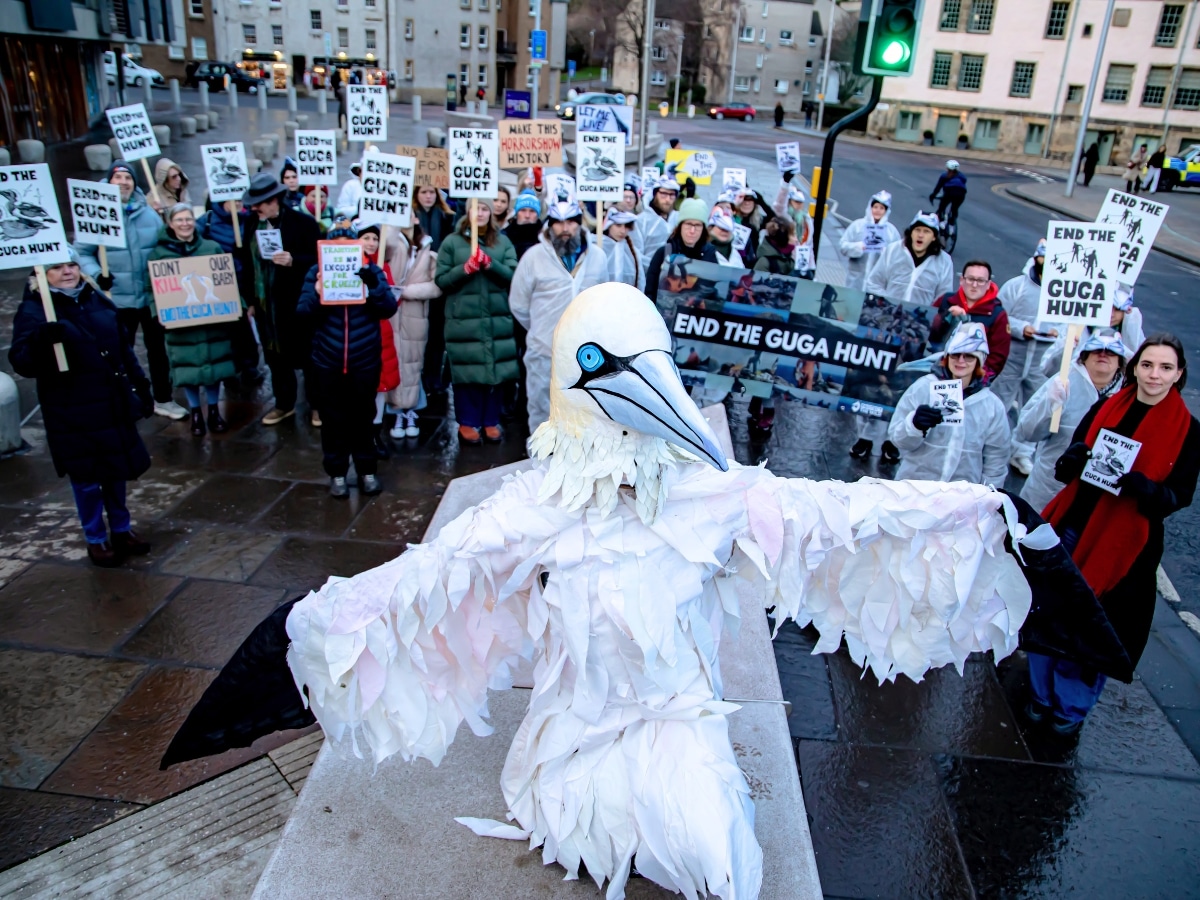
A man dressed in a giant bird costume is officially in the running to become a Member of Scottish Parliament. It’s one of the most unusual election campaigns Scotland has seen.
Robert Pownall is the founder of wildlife advocacy organisation Protect the Wild. He has announced that he’s standing as a candidate in Edinburgh Central. And he’s going to campaign entirely dressed as a giant gannet, to push for an end to the controversial guga hunt. He’s up against the likes of of SNP’s Angus Robertson.
The guga hunt is the UK’s last legal seabird hunt. It takes place annually on the remote Hebridean island of Sula Sgeir, where months-old gannet chicks are killed by a group of ten men who travel from the Isle of Lewis. While the practice originated in times of hardship as a source of sustenance, today the birds are killed primarily to maintain tradition, with their flesh considered a delicacy.
Northern gannets are native seabirds, and Scotland is home to almost half of the world’s population. However, data which Protect the Wild brought to light shows that Sula Sgeir is the worst performing gannet colony in Scotland.
Giant bird takes a stand for gannets
Pownall argues that the killing of wildlife for tradition is unjustifiable. Protect the Wild set up a Scottish government petition to ban the guga hunt. It has surpassed 125,000 signatures and will be up for debate by the next parliament.
The killing of wild birds is normally illegal. However, the guga hunt continues due to a legal exemption under Section 16 of the Wildlife and Countryside Act (1981). Pownall is campaigning to remove this exemption as part of his candidacy. Dressed as a giant bird, he said:
I’m standing as an MSP candidate to force the guga hunt out of the shadows and into the political spotlight.
Gannet chicks are being snatched from their nests and bludgeoned to death for nothing more than a tradition. That clearly shouldn’t be happening, especially not in the middle of a biodiversity crisis.
Polling shows the vast majority of the Scottish people want the guga hunt to end. It’s high time this outdated exemption was removed from the law, and these magnificent gannets given the protections they deserve.
Pownall will campaign as a gannet throughout the election, and “will not appear out of costume”. He is calling on all political parties to commit to ending the guga hunt in the next parliamentary term.
Featured image via Protect the Wild
Dads-to-be now have the right to paternity leave from the first day in a new job, rather than having to wait six months to be eligible.
The change means that from 6 April, new dads can take two weeks of paternity leave from day one of a new job – however, this will not be paid leave unless they’ve worked for their employer for more than 26 weeks.
Dads can receive £194 per week or 90% of pay (whichever is lower).
But campaigners are saying the change “doesn’t go far enough” to improve the UK’s measly paternity leave offering, which has been slammed as the worst in Europe.
MATRI Coaching polled 1,000 working parents and found 42% do not believe the current paternity leave rules “go far enough” – an additional 27% believe they are “not fit for purpose”.
Ultimately, many parents want to see dads’ leave extended from the current offering of two weeks, to six weeks, as default.
Elliott Rae, founder of Parenting Out Loud and Equal Parenting Week, said the latest changes to paternity leave are “much needed”, but dads “should have been entitled” to it already.
“Paternity leave in the UK is dire and fixing something that should never have been an issue in the first place doesn’t go far enough,” he said.
“We need to start changing the way we think about families and valuing the roles of dads and partners more. Dads want to step up, and it’s high time we let them.”

Prior to the new changes, some dads were forced to take annual leave rather than paternity leave because their partners became pregnant shortly after they started a new role.
Oliver, from Gloucester, was one of them. He began a new role while his wife was pregnant. “Paternity leave entitlement should always have been in place from day one, regardless of whether you’ve switched roles,” he said.
“During the early days of parenting, having annual leave to use for illness or child care is vital, so using up a big chunk of your entitlement, or not being able to take time off at all, isn’t fair.
“We now need to use this momentum to drive forward more change and more rights for dads. We need to stop policy getting in the way of parenting.”
Hundreds of dads and partners plan to join a ‘Push for Paternity’ pram march on Saturday 2 May, in London, Leeds and Manchester, calling for a fairer paternity leave system.
Joeli Brearley, founder of Growth Spurt, added: “We should be embarrassed by how far behind the rest of Europe we are on parental support. We offer the worst paternity leave in Europe, one of the weakest maternity pay systems, virtually no meaningful support for parents of children with SEND, and a childcare system that quietly forces parents out of work and back to the kitchen sink.
“These changes are a step in the right direction. But let’s be honest, we are still at the foothills of a very steep climb if we want to properly support working families.”
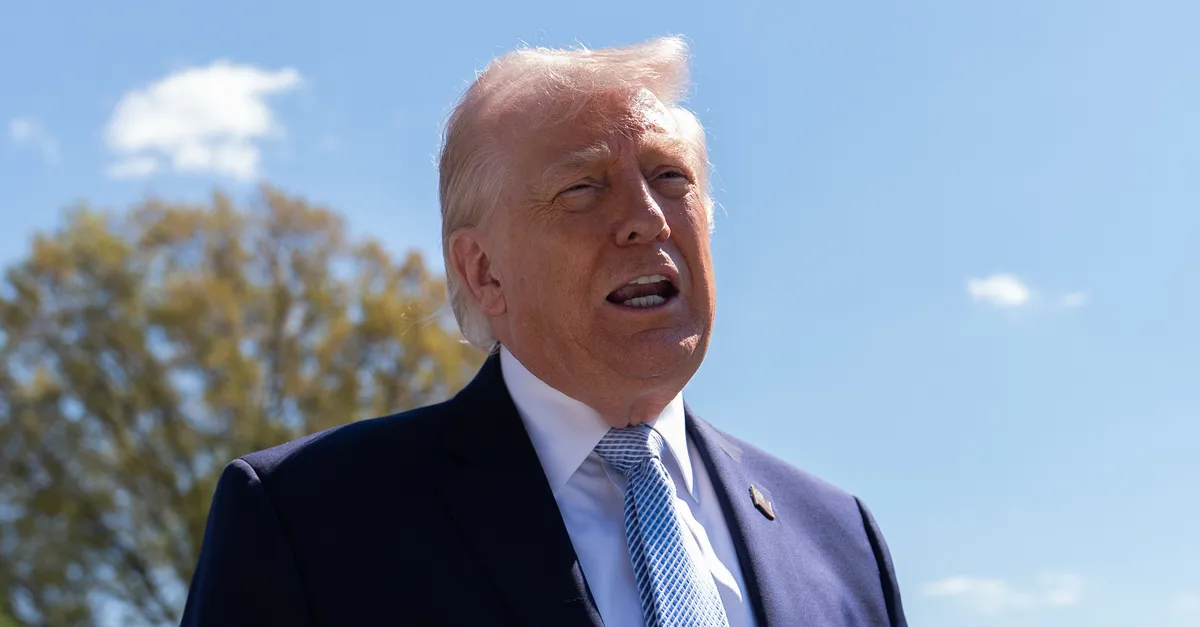
Less than two hours before the deadline he imposed, Donald Trump announced he is holding off on his threat to destroy Iran’s “whole civilisation” for two weeks.
His statement, which came with the caveat that Iran must reopen the Strait of Hormuz, also said Iran presented a “10-point proposal” that is “workable.”
The Strait of Hormuz, a waterway between the Persian Gulf and the Gulf of Oman that serves as a channel for transporting oil and gas, is controlled by Iran and is integral to the global economy.
“This will be a double sided CEASEFIRE! The reason for doing so is that we have already met and exceeded all Military objectives, and are very far along with a definitive Agreement concerning Longterm PEACE with Iran, and PEACE in the Middle East,” Trump wrote in a Truth Social post.
“Almost all of the various points of past contention have been agreed to between the United States and Iran, but a two week period will allow the Agreement to be finalized and consummated.”
Israeli Prime Minister Benjamin Netanyahu said that Israel also backed the ceasefire, but noted that the deal doesn’t apply to its conflict with Hezbollah in Lebanon, according to The Associated Press and Reuters.
“Israel supports President Trump’s decision to suspend strikes against Iran for two weeks subject to Iran immediately opening the straits and stopping all attacks on the US, Israel and countries in the region,” the Israeli prime minister’s account shared on X.
“The two-weeks ceasefire does not include Lebanon,” the account also noted.
Shortly after Trump’s announcement, Iran’s Supreme National Security Council confirmed it had agreed to the two-week ceasefire.
“It is emphasized that this does not signify the termination of the war,” Iran’s statement said. “Our hands remain upon the trigger, and should the slightest error be committed by the enemy, it shall be met with full force.”
Iran Foreign Minister Seyed Abbas Araghchi said in a statement that “safe passage through the Strait of Hormuz will be possible via coordination with Iran’s Armed Forces and with due consideration of technical limitations” for two weeks.
Yet soon thereafter, missiles were detected by Israel, Saudi Arabia, Bahrain and Kuwait.
Iran’s Supreme National Security Council also detailed alleged provisions of a 10-point plan in a statement, NBC News and The Associated Press reported.
Its characterisation included the “withdrawal of US combat forces from all bases and positions in the region” and “controlled passage through the Strait of Hormuz coordinated with Iran’s armed forces”.
However, Iran apparently released two different versions of the plan, The Associated Press reported.
“In the version released in Farsi, Iran included the phrase ‘acceptance of enrichment’ for its nuclear programme. But for reasons that remain unclear, that phrase was missing in English versions shared by Iranian diplomats to journalists,” AP noted.
The news of the two-week ceasefire was announced after Trump made a jarring threat against Iran earlier in the day.
“A whole civilization will die tonight, never to be brought back again. I don’t want that to happen, but it probably will,” Trump posted Tuesday on Truth Social, essentially threatening genocide if the Strait of Hormuz wasn’t open.
On February 28, the US and Israel began Operation Epic Fury, relentlessly bombarding Iran. Though contradictory or nonsensical statements from Trump are nothing new, the president has made numerous conflicting remarks about the war and the US’s objectives in Iran.
He has also backtracked on the deadlines he has imposed and the threats he has made multiple times. Experts have said that destroying Iran’s civilian infrastructure, as Trump has threatened to do, would be a war crime.
“Tuesday will be Power Plant Day, and Bridge Day, all wrapped up in one, in Iran. There will be nothing like it!!! Open the Fuckin’ Strait, you crazy bastards, or you’ll be living in Hell – JUST WATCH! Praise be to Allah,” Trump wrote on social media on Sunday.
Trump made a similar threat on March 21, demanding that the Strait be “FULLY OPEN” in 48 hours, or the U.S. would “obliterate their various POWER PLANTS, STARTING WITH THE BIGGEST ONE FIRST!”
But on March 23, Trump shelved those plans, saying the US had “had productive” discussions with Iran. He announced another 10-day postponement, “pausing the period of Energy Plant destruction” beginning on March 26, after the stock market dropped.
On April 1, Trump said the strait needed to be “open, free and clear” for a ceasefire to be implemented. “Until then, we are blasting Iran into oblivion or, as they say, back to the Stone Ages!!!
The US Congress, which is on Easter recess, has largely remained quiet on the war and Trump’s recent genocidal threat.
Subscribe to Commons People, the podcast that makes politics easy. Every week, Kevin Schofield and Kate Nicholson unpack the week’s biggest stories to keep you informed. Join us for straightforward analysis of what’s going on at Westminster.
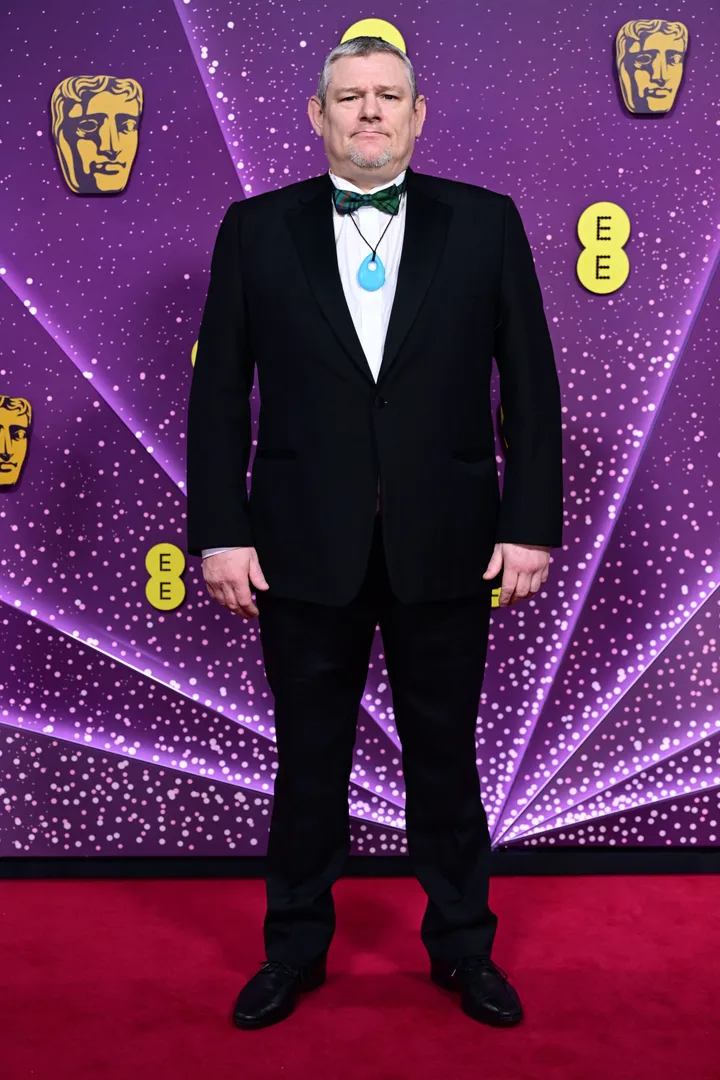
The BBC has determined that the broadcast of a racial slur during its coverage of this year’s Baftas went against its editorial standards.
During this year’s Baftas ceremony, Tourette’s campaigner John Davidson – attending the ceremony with the cast and crew of the movie I Swear – experienced a series of involuntary tics, resulting in him shouting a variety of slurs from the audience.
One of these, which saw him shouting the N-word while Sinners actors Michael B Jordan and Delroy Lindo were presenting on stage – was included in the BBC’s broadcast of the Baftas, which aired on a two-hour time delay.
Following the event, the BBC faced a wave of scrutiny – and a “large number of complaints” – due to the slur’s inclusion, with outgoing director-general Tim Davie “fast-tracking” an investigation into how it came to be broadcast.
On Wednesday, chief content officer Kate Phillips confirmed that the BBC’s executive complaints unit (ECU) had “found this should not have made it to air and it was a clear breach of our editorial standards”.
A post on the ECU’s website explained: “The inclusion of the n-word in the broadcast (which was also streamed live on iPlayer) was highly offensive, had no editorial justification and represented a breach of the BBC’s editorial standards, but that the breach was unintentional.
“The members of the production team who were monitoring the event in the outside broadcast vehicle all say they did not hear or recognise the n-word when it occurred at about 14 minutes and 45 seconds into the broadcast (while Delroy Lindo and Michael B Jordan were introducing the first award). The ECU accepted their account, for two reasons.
“Firstly, the use of the n-word in that instance was extremely indistinct, to the point where it might well not have been recognised by the production team. Secondly, there was another occurrence of the n-word about 10 minutes later, which was recognised by the production team and immediately edited out in accordance with the protocols on offensive language which were in place.”

Anthony Harvey/Shutterstock
The post continued: “There is no reason to conclude they would have applied the protocols in one case while deliberately ignoring them in the other. The ECU noted, however, that the BBC received one complaint from a viewer about the use of the n-word in the segment of the programme concerned while the programme was still on air and another very shortly after it ended.
“While this tends to support the view that the word was almost unintelligible (because we would expect a use of the word which had been clear to viewers in general to have caused a large number of complaints during the broadcast and immediately afterwards), it also means that we cannot say it was entirely so.”
As for the inclusion of the slur on the Baftas broadcast later uploaded to the BBC iPlayer catch-up service, the ECU said this was also “a breach of the BBC’s editorial standards”.
“The production team became aware shortly after the transmission of the first award that the interjection while Delroy Lindo and Michael B Jordan were on stage consisted of the n-word,” they said, saying that the delay in taking it down was a “serious mistake”, pointing out that by this point it had become “widely discussed” on both online and in news media.
In their findings, the ECU said: “The fact that the unedited recording remained available for so long aggravated the offence caused by the inadvertent inclusion of the n-word in the broadcast.”
A day after the Baftas, Kate Phillips sent an internal memo to BBC employees which read: “The edit team removed another racial slur from the broadcast. This one was aired in error and we would never have knowingly allowed this to be broadcast. We take full responsibility for what happened.”
After Delroy Lindo expressed his disappointment at the way Bafta had handled the incident, a spokesperson for the organisation later issued a lengthy apology which also took “full responsibility” for what transpired.
Politics
Politics Home | UK Should Bring In Nordic-Style National Service, Says Former Defence Secretary
4 min read
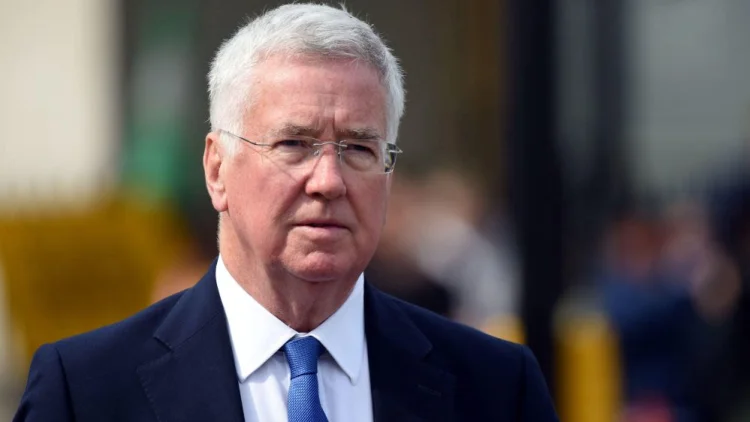
Former defence secretary Michael Fallon has called for Nordic-style conscription in the UK in response to growing international threats.
The former Conservative MP also admitted that his party should have done more to increase defence spending while in power.
Sweden restored conscription in 2017 to address falling service numbers. Under Sweden’s total defence model, all 17-year-old men and women are required to submit applications to join the military, but entry is capped at around 8000 per year, making it highly competitive.
Fallon, who was defence secretary between 2014 and 2017, said it was an approach that Britain could adopt as European countries face pressure from the US to bolster their defensive capabilities.
“ I’d like to see us adopt some form as the Nordics have of competitive national service, where it’s a badge of honour to get selected for it,” said Fallon, speaking to the Latika Takes podcast in remarks shared with PoliticsHome.
“You set a certain number of places and open up a competition for them, and within a couple of years, you find in the Nordics, and this is something employers absolutely valued, people fought to get places on the scheme.”
Fallon argued that this sort of approach would avoid a situation in which “hundreds of thousands” of young people end up in national service despite not wanting to be there, “which obviously cost them a lot in terms of time and money and training”.
France, which is reintroducing a form of national service, has also been inspired by the Nordics. France’s Chief of Defence Staff General Fabien Mandon recently told French military magazine, Esprit Défense: “I was particularly struck by what I saw in Norway and Sweden, where some young people are even concerned about not being selected.”
Neil Barnett, who runs British private intelligence firm, Istok Associates Limited, and has special interests in the Nordic region, said the UK didn’t need to adopt Sweden’s total defence model, but did need to bolster the number of men and women who can be called up in the event of war, which “the Swedish model is excellent for”.
“What you see in Sweden is that among the young Swedes… there’s a competition to get into the elite forces,” he said, adding: “It becomes a prestigious thing and you’re not trying to press gang people who are mentally or physically unsuited because that’s not in anyone’s interests.”
Former Conservative prime minister Rishi Sunak proposed introducing national service during the party’s unsuccessful 2024 general election campaign.
Tobias Ellwood, former chair of the House of Commons defence committee, recently called on the UK to consider a form of national service as a way of deterring Russian aggression in eastern Europe.
Fallon admitted that the Conservatives should have raised defence spending higher and faster during their time in office.
“ Arguably, yes, we should have,” he told the podcast.
“I was responsible for three of those early years, from 2014 to 2017. The world then became more dangerous. It obviously became more dangerous after Crimea [annexed by Russia] and some of the other conflicts that we had.
“So there was certainly a case for raising it faster in the latter years of the 2010s.”
Prime Minister Keir Starmer has committed to raising defence spending to 2.5 per cent of GDP by April next year and to 3 per cent in the next parliament. However, he is coming under pressure to raise that target amid Russia’s ongoing aggression in Ukraine and conflict in the Middle East.
In February, the PM said that “to meet the wider threat, it’s clear that we are going to have to spend more, faster.”
“The issue is now you have a Labour government that clearly is not prepared to cut overseas aid further,” said Fallon.
“And it certainly doesn’t look prepared to cut back on welfare. And unless you do those two things, it seems unlikely they’re going to very quickly find additional money for defence.”

Over a quarter of UK drivers will use their car less due to fuel spikes

Thousands of consumer routers hacked by Russia’s military

Woman seriously injured after fight outside Spennymoor Town Hall


-

 NewsBeat6 days ago
Steven Gerrard disagrees with Gary Neville over ‘shock’ Chelsea and Arsenal claim | Football
-

 Business6 days ago
No Jackpot Winner and $194 Million Prize Rolls Over
-

 Fashion5 days ago
Weekend Open Thread: Spanx – Corporette.com
-

 Crypto World7 days ago
Gold Price Prediction: Worst Month in 17 Years fo Save Haven Rock
-

 Business4 days ago
Expert Picks for Every Need
-

 Business3 days ago
Three Gulf funds agree to back Paramount’s $81 billion takeover of Warner, WSJ reports
-

 Sports4 days ago
India men’s 4x400m and mixed 4x100m relay teams register big progress | Other Sports News
-

 Business6 days ago
Login and Checkout Issues Spark Merchant Frustration
-

 Tech16 hours ago
How Long Can You Drive With Expired Registration? What Florida Law Says
-
Business3 days ago
No Jackpot Winner, Prize to Climb to $231 Million
-

 Tech6 days ago
Commonwealth Fusion Systems leans on magnets for near-term revenue
-

 Fashion2 days ago
Massimo Dutti Offers Inspiration for Your Summer Mood Board
-

 Crypto World7 days ago
Ripple rolls out enterprise crypto treasury platform for corporates
-
 Tech7 days ago
Drawing Tablet Controls Laser In Real-Time
-
Politics5 days ago
Wings Over Scotland | The quality of mercy
-

 Crypto World7 days ago
Why It’s Partnering, Not Issuing
-

 Fashion21 hours ago
Let’s Discuss: DEI in 2026
-
 Sports7 days ago
Steal Gary Woodland’s subtle power move for longer drives
-

 Tech7 days ago
Battery Tester Outperforms Cheaper Options
-

 Business4 days ago
Akebia Therapeutics, Inc. (AKBA) Discusses Pipeline Progress and Strategic Focus on Kidney Disease Treatments at R&D Day – Slideshow
You must be logged in to post a comment Login