

Politics
Robert Jenrick Takes Credit For Labour’s Migration Work

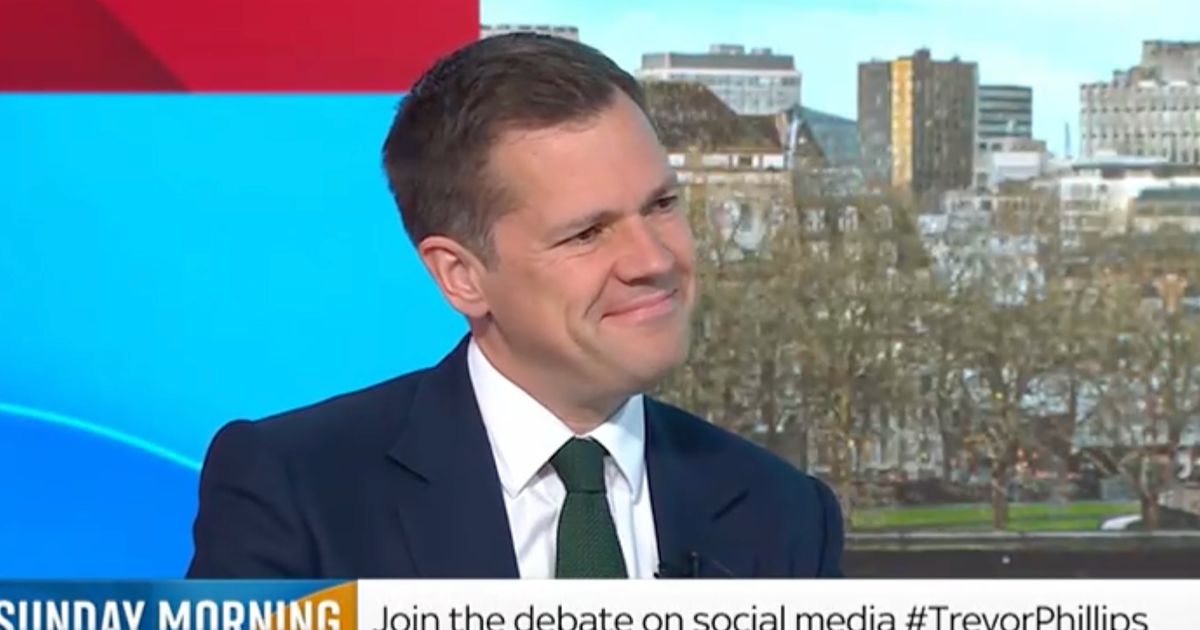
Robert Jenrick has somehow tried to take credit for the recent decline in net migration despite not being in government for three years.
The MP for Newark used to be the Conservative immigration minister under Rishi Sunak but quit in 2023 when he claimed the government was not taking enough action to cut migration numbers.
He defected to Reform in January and is now the the right-wing party’s Treasury spokesperson.
Labour’s home secretary Shabana Mahmood has overseen net migration fall to its lowest level since early 2021, as official figures revealed this week.
Data from the Office for National Statistics (ONS) showed net migration fell to 171,000 in 2025, which is a 82% fall since its peak in early 2023 of 944,000.
But Jenrick told Sky News’ Sunday Morning with Trevor Phillips: “I secured the very changes that are making this, announced them and then resigned because they weren’t enough.
“I want the numbers to come down much more.”
He continued: “Reform… We don’t want hundreds of thousands of people coming into the country. We want net emigration.
“That means more people leaving every year than are coming in. Why? So that we can reduce pressure on housing, people getting a doctor or a dentist, and stop this constant pressure where British workers wages are being hammered because there’s an easy lever of foreign labour.
“So it’s got to keep coming down. Reform have a very clear policy, net emigration. We’re going to get it right down and have a long period, maybe a decade or more, which would give the country breathing space.”
Earlier this week, Jenrick also pointed out the 246,000 British nationals left the UK, which he branded the “Starmer exodus”.
But the ONS said the number of British nationals emigrating has been “broadly stable” in recent years, with 257,000 leaving in 2024 and 255,000 in 2023.
Subscribe to Commons People, the podcast that makes politics easy. Every week, Kevin Schofield and Kate Nicholson unpack the week’s biggest stories to keep you informed. Join us for straightforward analysis of what’s going on at Westminster.

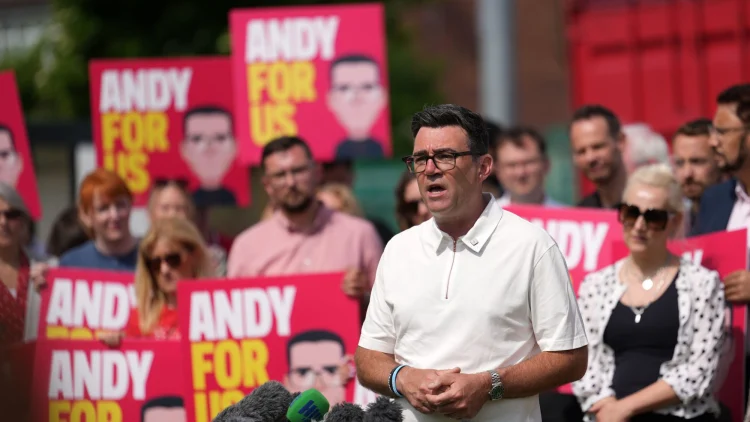

19 June 2026. Andy Burnham speaks to supporters after the Makerfield by-election in Ashton in Makerfield. (Alamy)

3 min read
Andy Burnham has told Labour it is the party’s “last chance to change” in a speech following his landslide victory at the Makerfield by-election.
“It is our last chance to change, but we’re going to take it, aren’t we? We are going to take that opportunity, and we are going to lay out a new path for Britain,” said Burnham, who secured his return to the House of Commons by winning over 50 per cent of the vote on Thursday.
“We have an opportunity to turn the tide to make the country feel like it’s working again, to make people see that politics can make a positive difference, to make people feel hope again.”
Burnham, who must now resign as Greater Manchester mayor to take up his role as MP, comfortably defeated his closest rival, the Reform UK candidate Rob Kenyon, by 20 percentage points.
The by-election in the northwest of England has widely been described as one of the most consequential in British political history, with Burnham now expected to launch a bid to replace Keir Starmer as prime minister.
PoliticsHome reported on Friday that he is expected to meet with Labour MPs in Westminster on Monday as he prepares his push to enter No 10.
Starmer had today insisted he would fight any leadership contest, warning that he would not simply “walk away” after being elected nearly two years ago.
In a speech to supporters, Burnham called for an economy that “works for everybody” and the end of “trickle-down economics”, saying he wanted to see the renationalisation of key industries and the use of public procurement to reindustrialise Britain.
“You have to respond to what people here are saying. You have to do something to make life more affordable, to put more money in people’s pockets, to give people more breathing space again, so that they can have a better life.
“That’s what people were saying, and we must respond to that.
“We need an economy that works for everybody, not a few in far-off places from here, but an economy that works for people right here.”
He continued: “We do need to bring down water bills, energy bills, rail fares, just as we brought down bus fares in Greater Manchester to make life more affordable for people.”
The former health secretary said he would apply a “Makerfield test” and that if policies did not work for his constituency, they could not work at all.
He called for an education system less “dominated by the university route”, and on immigration vowed to bring an end to “HMO Britain”, whereby communities are not given a proper say over asylum accommodation in their areas.
“It’s not fair that they think that they can just operate like that and not hear the call of people here, the decent people here who always will do the right thing, the compassionate thing, but not when it’s unfair in terms of the way places like this are treated.”
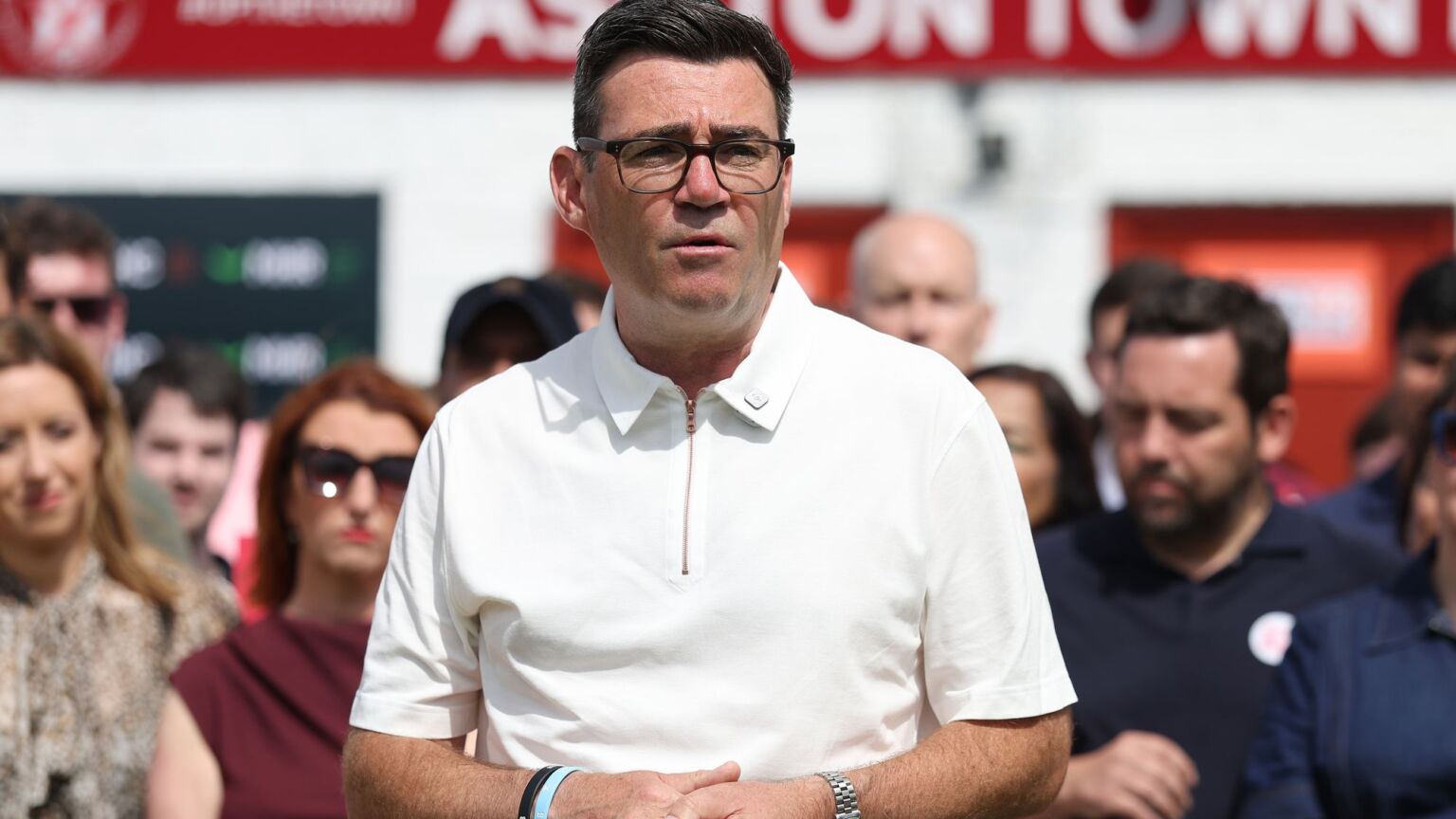
So that’s it. Populism has peaked. It had its moment in the sun but now it lies gasping for breath on the battlefield of Makerfield, vanquished by the King of the North and his trusty sword of Manchesterism. That, at least, is the tenor of the Andy Burnham fangirling that’s trying to pass itself off as political commentary this morning. From Sky to the BBC to the liberal press, reporters are failing miserably to hide their partisan smirks over Burnham’s win and Reform UK’s defeat. ‘Normalcy’s back’, you can almost hear them say.
It’s a masterclass in wishful thinking. Yes, Burnham won the by-election emphatically. Fair play. He got just shy of 55 per cent of the vote, higher than even the giddiest polls predicted. He increased Labour’s vote share in Makerfield by almost 10 per cent, which feels miraculous in the Starmer era where ‘Labour’ has become a byword for crap, robotic politics. Starmer is toast now: the size of Burnham’s win will turbo-charge his plot to clear Sir Keir out of Downing Street.
And yes, Reform’s result was not great. Plumber turned politician Robert Kenyon — who I interviewed for spiked last week — won 35 per cent of the vote. A total of 15,696 people voted for him, against the 24,927 who went for Burnham. That might be an almost three per cent hike on Reform’s performance in the General Election here in 2024. But as Reform leader Nigel Farage candidly said this morning, they were hoping for 18,000 votes.
Yet reports about the death of populism are greatly exaggerated. To extrapolate from Makerfield to the entire nation is to engage in wilful self-delusion. It is to overlook all the unique factors at play in this electoral clash.
First there’s the Burnham factor. Yes, the ‘King of the North’ stuff is bollocks, more likely to be spouted by the tweeting classes of SW1 than by your average Mancunian who’ll be well aware of Burnham’s failings on the rape-gang scandal and his past guzzlings from the Kool-Aid of wokeness (he thought a woman could have a penis until about five minutes ago). Yet there’s no denying the northern star cachet of the Manchester mayor. Who’s Labour going to replicate that with elsewhere in the country? Rachel ‘rictus grin’ Reeves? Ed Millipede?
More importantly, there was the ‘Kick Out Keir’ factor. King Andy was gifted Makerfield, essentially, precisely so that he could challenge Starmer for the leadership of Labour and of Britain. This bestowed on the people of Makerfield an extraordinary power over the destiny of the nation — in voting Burnham they could expel from office our flailing, spine-free PM. That’s pretty much unprecedented in the history of British by-elections. It’s not repeatable anywhere else.
Then there was all the tactical machinations of those who hate Reform. For me, the most staggering results from Makerfield were not Burnham’s or Kenyon’s. They were the Lib Dems’ — which got just 0.36 per cent of the vote — and the Greens’ — who got 0.68 per cent. Just 163 people voted Lib Dem, an almost seven per cent drop in their vote share. It’s not hard to figure out what’s going on. It’s not that these parties became toxically unpopular overnight — I wish. It’s that the largely middle-class / public-sector folk who would normally vote for them leant their votes to Labour. Why? To stop Reform.
As the Financial Times found, tactics were key to the Burnham surge. The Lib Dems and the Greens tacitly agreed not to ‘campaign wholeheartedly in the by-election’. One public-sector worker told the FT that they ‘don’t want Reform to get in’, mostly because of ‘their views on immigration’. How striking that the Greens pose as an insurgent party sticking it to The Man, yet as soon as the prospect of a working-class revolt against the uniparty raises its snarling head, they park their am-dram faux-radicalism and do their craven duty to sustain the status quo.
Now that is replicable. In fact, we’ve seen it in other by-elections: the clubbing together of middle-class voters into a Stop Reform lobby designed to frustrate the working-class thirst for change. Reform needs to factor this into its strategising: how to outflank these tactical populism thwarters. Yet far from suggesting populism is on its last legs, the rise of these anti-Reform factions confirms it remains the most dazzling threat to business as usual. Polite society’s very fear of Reform is all the proof we need that populism is alive and well and dangerous.
Then there’s the funniest result of all: Restore’s 6.8 per cent. Restore’s leader, Rupert Lowe, and the Mosleyite geeks who advise him were all over the internet, where they live, yapping about a quake in Makerfield. Some were predicting 20+ per cent for Restore. This, kids, is the danger of internet brain. These perma-online tossers thought that just because they get off on memes of Lowe in a suit of armour saying ‘You’re getting deported’ that the rest of the country would too. They forgot people have jobs. They’re busy.
In the end, Restore did even worse than the British National Party did in 2010, when it won 7.4 percent in Makerfield. They’re so over. They’ve been exposed as a gaggle of spectrum-dwelling meme makers who had the gall to call themselves a party. Some of them clearly thought their rape gang ‘inquiry’ would boost their vote. Deploying one of the worst postwar atrocities as basically an election leaflet was repulsive beyond belief. The working classes will not take kindly to the weaponisation of their daughters’ suffering for clicks and vibes.
Anyone who thinks Burnham will resuscitate Labour and put down the ‘populist menace’ is in for the rudest awakening. All the questions raised by the working classes’ electoral revolts — on sovereignty, borders, immigration, identity — remain unanswered. The days when a ‘king’ could placate the restive masses are long gone.
Brendan O’Neill is spiked’s chief political writer and host of the spiked podcast, The Brendan O’Neill Show. Subscribe to the podcast here. His latest book – After the Pogrom: 7 October, Israel and the Crisis of Civilisation – is available to order on Amazon UK and Amazon US now. And find Brendan on Instagram: @burntoakboy.
Politics
Politics Home Article | What Did Makerfield Reveal About Restore Britain’s Threat To Farage?

4 min read
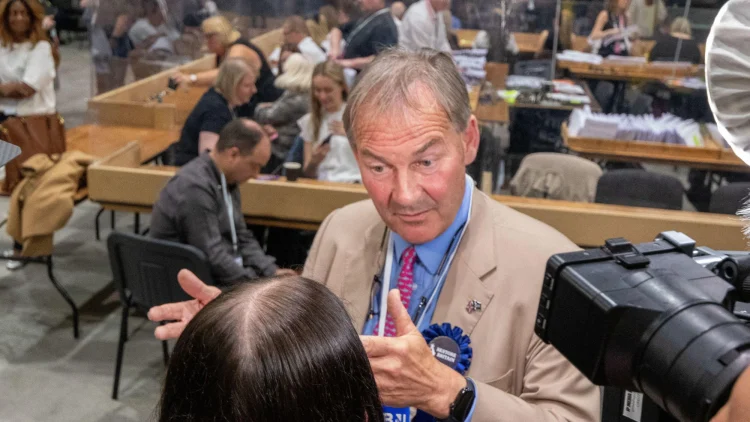
Following defeat in Makerfield, Nigel Farage has urged Restore Britain supporters to “think again” about voting for Rupert Lowe’s party, warning that they risk making a Labour victory at the next general election more likely.
Speaking on Friday morning, the Reform UK leader said: “There’s a couple of thousand voters there [Makerfield] who would normally have gone out and voted Reform that voted Restore, and I would say directly to them: ‘What do you want?’.
“We are the challenger party to the left in this country, and I would urge you to think again.”
In the run-up to Thursday’s by-election, there were suggestions that Restore Britain, set up by Lowe after he was kicked out of Reform, could effectively cost his old party victory by eating into its vote, allowing Labour candidate Andy Burnham to come through the middle.
Restore Britain candidate Rebecca Shepherd came third with nearly 7 per cent of the vote in Makerfield.
In the end, this figure was academic in terms of the impact on Reform’s chances of winning the seat, as Burnham’s landslide victory saw him comfortably outperform Reform and Restore Britain’s combined vote share. As pollster Peter Kellner noted this morning following the result in Makerfield, he reached this benchmark “with 6,000 votes to spare”.
But, as the University of Manchester’s Professor Rob Ford explained, Restore Britain’s current polling is significant because if it holds up until the next general election, it could cost Farage victory in other constituencies.
Ford told PoliticsHome that while the hard-right party would be unlikely to win seats outright based on current polling, apart from perhaps Lowe’s Great Yarmouth, it could take key votes from Reform in seats they must win to have a chance of winning power.
“Reform has got to win up of 300 seats to form the next government,” he said. “They really would like to be able to say X and Y seats are in the bag. Restore Britain adds this additional element of uncertainty.”
Ford argued that the best guidance for where Restore Britain could grow elsewhere in the country is to look at where the British National Party (BNP) attracted support two decades ago, pointing to areas like Barking in east London, parts of northwest England, and former villages in Leicestershire and Nottinghamshire.
“I suspect what Lowe and Restore Britain attract is many more non-voters,” he said, in places where there is “deeply disaffected, alienated, anti-system, anti-politics” sentiment.
There were early signs of Restore Britain’s threat to Reform in Lowe’s Great Yarmouth at last month’s local elections. The party won all nine seats it contested, meaning Reform fell short of winning full control of the council.
Jon Wedon, the leader of the Restore/Great Yarmouth First group on the council, told PoliticsHome that the party’s strategy in Great Yarmouth in the run-up to 7 May was “really quite straightforward: a local election campaign on local issues”, claiming that Farage’s “get Starmer out” message didn’t work locally.
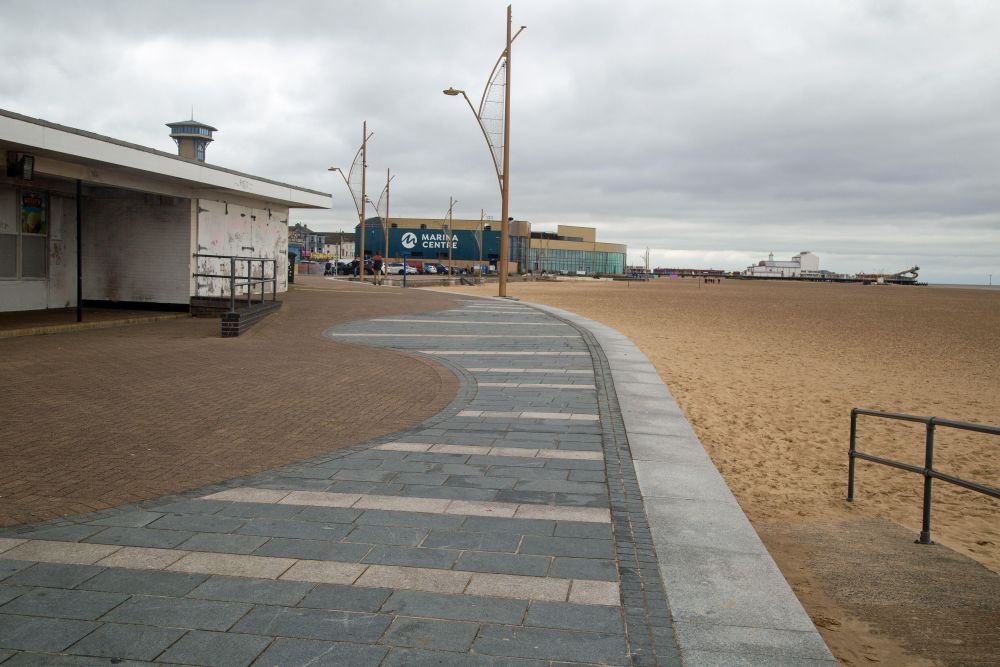
Julian Gallie, head of research at Merlin Strategy, said Restore Britain is likely to be most successful in places with high levels of support for Reform, potentially setting up more battles between Farage and Lower for that chunk of the right-wing vote. He pointed to so-called ‘Red Wall’ seats in the North and the Midlands, as well as parts of Essex.
In focus groups, when Lowe comes up naturally and unprompted, Gallie said, “it’s normally this boomer age group, and it’s the prime Facebook users who are the most tempted by Restore. They come across Restore and Rupert Lowe on there.”
However, he said that Lowe seems to be breaking through with “more leafy Conservative voters” in a way that Farage has not managed up to now.
“Lowe in his aesthetic, his farmer look, it’s seen as maybe less tacky than Reform, and can actually appeal to those more middle-class who are more right-wing on immigration and areas like that,” he told PoliticsHome.
Ford said that Restore Britain appears to be already influencing Reform by pushing the party into “more hardline” positions in a bid to shore up its right-wing flank.
“The irony in all this is that Farage’s whole political strategy was pulling parties to the right. Lowe is now using the same strategy against Farage,” he said.
Ford told PoliticsHome that while this might not hurt Farage’s standing with his own core voters, it could hurt his electoral prospects by “motivating anti-Reform voters” to set aside their differences and do whatever it takes to stop him winning.
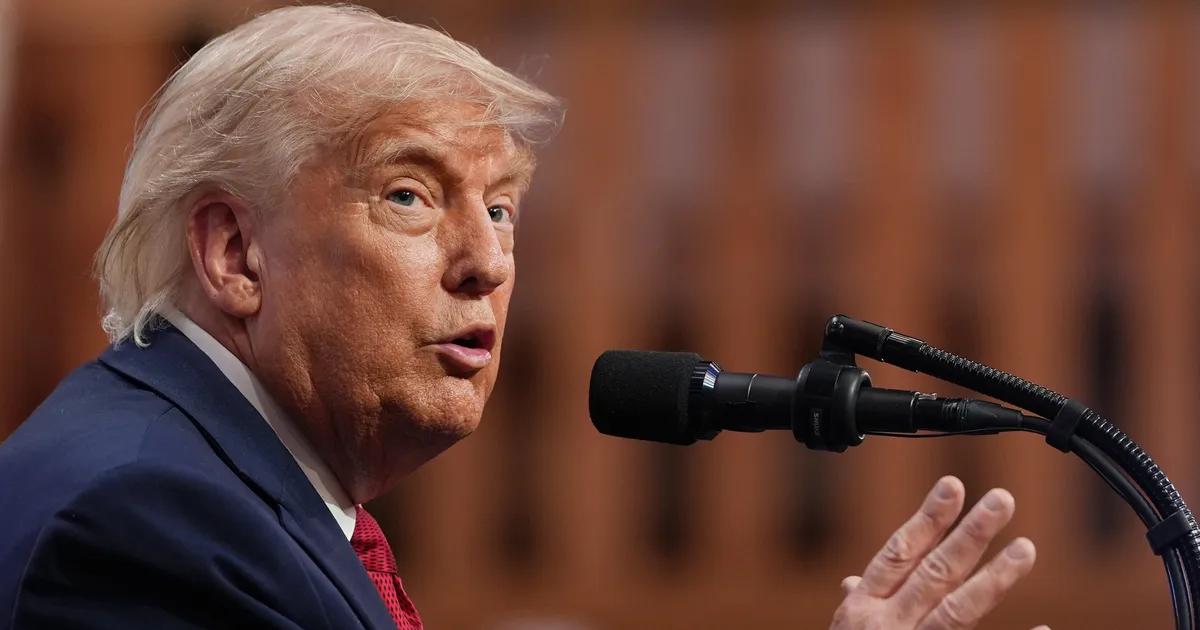
In his first interview since signing the “memorandum of understanding” with Iran, President Donald Trump made some striking statements about the limits of his power.
Speaking with Axios’ Marc Caputo in an excerpt from the pre-taped interview, Trump was asked what he learned about the constraints of his power as a result of the war in Iran.
“There are no limits,” Trump said.
“No limits?” Caputo asked.
“No, none, I haven’t learned that lesson yet. I know there are, but you know. There are no limits. We defeated them, totally, militarily,” Trump said.
Trump then went on to brag about the naval blockade he imposed on Iran in response to the country closing the Strait of Hormuz, before attempting to paint the MOU in a positive light despite the many concessions made by the US.
“Beginning of the conflict, you had talked about, you only wanted unconditional surrender,” Caputo said. “And the MOU doesn’t look like unconditional surrender.”
“Well, but really, probably is unconditional surrender,” Trump said.
“It is?” Caputo responded.
“I think so,” Trump said.
Despite Trump’s claims, the MOU appears to contain several provisions advantageous to Iran, including $300 billion in funds for the “rehabilitation and economic development” of the country and the removal of US-imposed sanctions once a final deal is reached.
While the MOU opens the Strait of Hormuz to maritime traffic free of charge for the next 60 days, it states that Iran and neighboring Oman will “define the future administration and maritime services in the Strait of Hormuz.”
That provision leaves open the possibility that tolls or fees could be charged to ships passing through the Strait after the 60 days.
The country’s nuclear program ― the issue at the core of the conflict, and Trump’s stated reason for attacking in the first place ― is ill-addressed in the MOU and seems to kick the can down the road to future negotiations.
While the MOU reaffirms that Iran will not “procure or develop nuclear weapons,” the issue of further enrichment and Iran’s stockpile of nuclear material will only be addressed in the final agreement, to be negotiated in that 60-day timeframe.
Watch the excerpt from Trump’s interview with Axios here:
Here’s why the Iran war matters to everyone – not just Trump:

Keir Starmer has insisted he “will stand” in any Labour leadership contest triggered in the wake of the Makerfield by-election.
The prime minister’s future is looking more precarious than ever after his rival Andy Burnham was elected as an MP by a thumping majority of more than 9,000 overnight.
The soon-to-be-former Greater Manchester mayor is expected to challenge Starmer once he’s formally sworn into the House of Commons next week.
Asked if he would stand in any possible leadership election, Starmer said “there isn’t one at the moment” and that holding one would send “the country into chaos”.
But he added: “If there is a contest, then yes I will run, I will stand, and I’ve said repeatedly I’m not going to walk away from that.”
His remarks will dash hopes among mutinous Labour MPs that the prime minister would set out a timetable for his departure from office in the wake of Burnham’s win.
His words could also encourage disillusioned cabinet ministers to resign and force Starmer’s hand, as he cannot govern effectively without their support.
The PM told reporters he has not yet spoken to Burnham directly, but that he intends to.
He welcomed Labour’s “very good victory” after his rival secured 55% of the vote in the constituency.
Starmer also claimed that the by-election was a “real battle of Labour values against divisive Reform values”.
The by-election was triggered last month by ex-Labour MP Josh Simons who stepped aside after the party’s disastrous results in the local elections to give Burnham a route back to Westminster.
Party rules state a Labour leader can only be challenged by an MP who has the support of at least 81 fellow Labour MPs – 20% of the parliamentary Labour party – in the Commons.
If a contest is triggered, the party leader’s name is automatically put on the ballot.
Labour Party and affiliate members then vote via a postal ballot and candidates are ranked in order of preference.
The winner needs to secure at least 50% of the vote.
Burnham’s ambitions for No.10 have been widely known for some time, and he is thought to already have the backing needed to contest Starmer.
He ran on a promise to introduce change for the country in the by-election, asking Makerfield voters to “vote Andy” rather than “vote Labour”.
In his victory speech, Burnham said he wants to “lay out a new path for Britain”, saying Labour has to do something to “make life affordable” again.
YouGov polls of Labour members suggest Burnham would comfortably beat Starmer in a contest.
Many were hoping the prime minister would quietly resign so that Burnham could get the keys to No.10 without causing further division in the party.
Listen to Commons People, the podcast that makes politics easy. Every week, Kevin Schofield and Kate Nicholson unpack the week’s biggest stories to keep you informed. Join us for straightforward analysis of what’s going on at Westminster.

2 min read
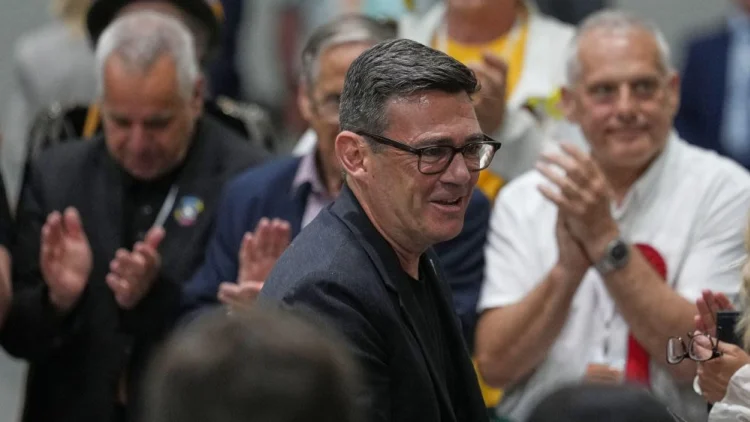
Exclusive: Andy Burnham is expected to meet with Labour MPs on Monday as he prepares a bid to replace Keir Starmer in Downing Street.
The incoming MP for Makerfield is understood to be prioritising MPs with whom he does not have strong relationships, like those elected at the 2024 general election, several sources told PoliticsHome.
Burnham pulled off a landslide victory at the Makerfield by-election on Thursday, finishing far ahead of second-placed Reform UK and winning more voters than all other candidates combined.
The former health secretary, who now must resign as Greater Manchester mayor to return to the House of Commons, said the result was a “loud cry for change”.
Attention now turns to when and how Burnham will challenge the leadership of Keir Starmer.
The Prime Minister reiterated this morning that he would stand in any Labour leadership contest and would not “walk away”.
PoliticsHome understands that the Burnham operation is reluctant to take an overly aggressive approach to removing Starmer, and hopes that the PM will agree in the coming days to stand aside in an orderly fashion.
Burnham’s supporters say the manner of his victory in a seat where Nigel Farage’s Reform UK made major gains at last month’s local elections make the case for putting him in No 10 even stronger. “It is such a huge message,” said one Labour MP helping his campaign.
A different Labour MP, who has been invited to meet Burnham on Monday, told PoliticsHome: “I was waiting to see the result [in Makerfield], and because the scale of the result is so significant, in my patch, [he] is definitely the best chance of winning people back.”
They continued: “The truth is, and it’s been briefed a little bit, there is a slight concern, Andy Burnham doesn’t know the PLP [Parliamentary Labour Party].
“He was obviously in government before, but there’s a whole bunch of people he doesn’t know now. And the meetings on Monday are prioritising people he doesn’t know.”
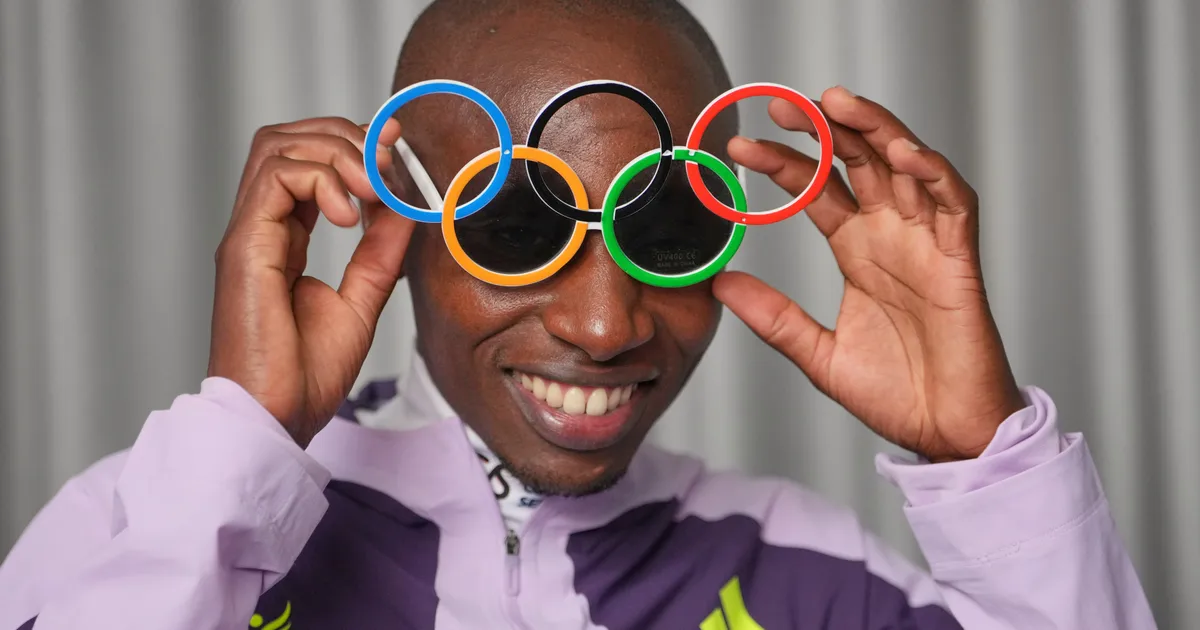
The 2026 London Marathon saw the world record for the fastest 42.4km run under official conditions broken not once, but twice. Stars like Cynthia Erivo, Tilly Ramsay, and even Daddy Pig took part (the Wicked actor had an especially impressive finish time).
So perhaps it’s no wonder that more people than ever wanted to join the next one. The event’s organisers shared that 1.33 million people applied for the 2027 London Marathon (woah).
Previously, The Guardian reported that organisers were in talks about “The Double”, a two-day event, to add capacity.
Now, the TCS London Marathon has confirmed that this will go ahead next year.
Why will the London Marathon become a two-day event?
“By extending the event across two days, the Double creates more opportunities than ever” to be a part of the event, the announcement reads.
“The Double will also create the largest fundraising moment in UK sport. Already the world’s largest one-day annual fundraising event, with more than £90 million raised to date for charity by 2026 participants, this two-day marathon will give more charities more opportunities to raise vital funds. ”
They added that the change will “further elevate the global impact” of the event.
When will the London Marathon 2027 take place?
It’ll run on Saturday 24 and Sunday 25 April 2027.
When will the elite men’s, women’s, para-athletes, and ‘good for age’ runners run in the 2027 London Marathon?
Usually, the elite men’s, women’s, para-athletes, and ‘good for age’ runners have different start times to the rest of us. (Fun fact: that mean women’s elite runner Tigst Assefa, who beat her own previous world record this year, finished an entire marathon before the last wave of non-elite runners had even started the race).
So will they run on different days to one another in the 2027 event?
Basically, yes, the London Marathon has said.
“The elite women, elite female para-athletes, championship and ‘good for age’ women will lead the mass event one day, with the elite men, elite male para-athletes, championship and ‘good for age’ men leading the mass event the other. All format details will be confirmed in the coming months,” their site reads.
Will all London Marathons last two days going forward?
TCS London Marathon described 2027′s plans as a “one-off format change”.
Where will the 2027 London Marathon take place?
On both days, runners can expect to follow the “same iconic route, from Greenwich to Westminster.”
Do I need to reapply to the 2027 London Marathon now it’s changed?
No. Everyone who’s already applied willl be “entered into a ballot for both the Saturday and Sunday” races, though you can only run the TCS London Marathon on one day.

We’ve covered off mid, chat, chopped, choppelganger, tuff, six-seven (*takes a breath*) and dozens of other weird phrases kids come out with thanks to viral internet culture.
Now, some teachers in the US are reporting kids are saying “call your Uber” or “call yo Uber” in class. Uber is a popular ride-hailing company so it’s kind of like saying, “call yourself a taxi”. In short: you need to leave.
TikTok creator and teacher Philip Lindsay said: “‘Call your Uber’ is a phrase that I’ve heard kids starting to use in the last couple of weeks and it’s always directed at somebody who’s either being annoying or doing something unwanted.”
The phrase has likely come from a video, the educator explained, where two people are interacting and are “very obviously annoyed at each other” – then one of them tells the other to “call your Uber”.
Another teacher known online as Coach Philly noted he’s also heard the phrase and will be using it because it’s “hilarious”.
“I actually love this one and yes I’m going to use it,” he said in a TikTok video.
“So anytime you hear ‘call your Uber’ that just means: ‘please stop’, ‘shut up’, ‘you’re annoying’, ‘get out’, ‘leave’, ‘just quit’ … If you see somebody doing something you don’t like or they’re being annoying or they’re getting on your nerves or you want them to leave, you just say ‘call your Uber’.”
What else are kids saying?
Mid
When Gen Alpha uses it, “mid” means mediocre or of disappointing quality. If you’re described as “mid” by a teenager then they’re basically saying you are… average.
According to Merriam-Webster, “mid” serves to express that something falls short of expectations, or isn’t impressive.
The dictionary notes that this slang term is thought to have come from a shortening of the term mid-grade, “a designation in cannabis culture of medium quality”.
City boy
“City boy, city boy” is the call of Gen Alpha currently, with TikTok creator and teacher Philip Lindsay noting kids in his class have been saying it.
“It’s a meme from an old video clip that they’re just repeating,” explained the teacher, who is based in the US. The memes actually first did the rounds in 2022 and appear to be popular again.
From a Gen Alpha perspective, Mr Lindsay suggested the phrase doesn’t really mean anything and kids are just shouting it out at all opportunities – a bit like six-seven.
Unc
This is short for “uncle”. And, per Merriam-Webster’s dictionary, it’s “often used humorously to indicate old age” and may imply “someone is old, getting old, or acting older than their age”.
Unc status may also be awarded to someone who “exhibit[s] behaviours that are considered outdated or out of touch”.
Chopped
In Gen Z and Gen Alpha speak, it means “ugly”. In some cases, younger generations have been calling people, mainly girls, chuzz – a less-than-friendly portmanteau of “chopped” and “huzz”, which means “ugly hoes”.
If your child’s been called chopped at school, here’s some advice on handling it.
Some kids have also been using ‘chopped’ to describe anything they don’t like. (So basically, “that’s chopped” became the equivalent of “that sucks”.)
Choppelganger
Choppelganger is a portmanteau of ‘chopped’ (aka ugly), and ‘doppelganger’, which is a person who resembles someone else. In short, it’s calling someone a less-attractive lookalike of someone else.
Check out our ultimate guide to teen slang here.
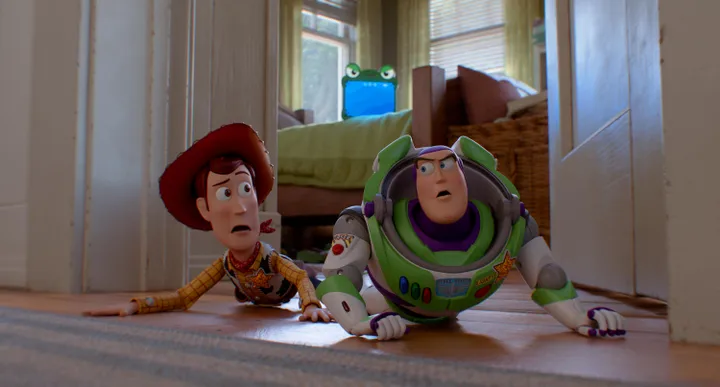
Woody, Buzz, Jessie and the gang are back in action in the fifth Toy Story movie.
This time around, the toys are battling an invasion of technology into their home, as they fret over the arrival of a tablet-like device called Lilypad that their eight-year-old owner, Bonnie, has been gifted.
Critics are so far divided about the new Pixar film, with some feeling like the franchise is starting to repeat itself, while others were happy to be reunited with the beloved cast of characters.
The one thing they can all agree on is the importance of the film’s technology-conscious message and how valid its concerns about kids growing up too quickly is.
In fact, the story is especially timely for UK audiences, as Toy Story 5’s release comes just days after prime minister Keir Starmer announced plans for a forthcoming social media ban for those under the age of 16.
So, has Toy Story actually lost its Buzz with its fifth instalment? Here is what the critics had to say…
“[Technology is something] we’re all – whether you’re an adult, child or, indeed, toy – struggling to keep up with, and this is conveyed brilliantly across the film. But even outside of these themes, Toy Story 5 also touches effectively on the difficulties so many of us feel when trying to make connections, and the unique joy that comes with finally achieving it.”
“It’s funny and charming on a level with the first three films, even if it pulls a couple of punches. Pixar’s not just toying with these characters – they take play very seriously indeed.”

“It doesn’t have the tearjerking power of the previous films, if only because it is not a drama about putting away childish things. Yet, in the end, Toy Story 5 cannot shake the lingering sense that it’s not only the age of toys but childhood itself that is over.”
“Toy Story 5 escalates in delight, but it also has moments that hit you like a gut punch. For this is a movie that touches on a profound question: How will kids connect to each other in an era that wants them to grow up too fast by virtualising themselves? The film’s message is: Slow down, be real and play. The fun you take is equal to the fun you make.”
“I couldn’t help but be moved by the animated picture’s digestible message, which resonates not only with parents and children alike but also with those worried about a social media culture that values creating an impossible standard by prioritising image over being yourself.
“We’re losing something uniquely human between tabs, under signal strength, and over social content. Toy Story 5 hopes to claw us back to reality.”
“It’’s great to see the gang back together on the big screen, and this outing has enough entertainment and imagination to make sure you won’t check your phone throughout.”
“Perhaps predictably Toy Story 5 is an unabashed crowd pleaser. But more than that, it is a mainstream film that thoughtfully champions the unconventional.”

“While Toy Story 5 may fall short of essential, in an age in which children’s entertainment routinely panders to its audience, there is something quietly radical about a film that is willing to worry for them.”
“The genius of Andrew Stanton’s Toy Story 5 which for all its flaws proves sharper than any of these movies have been since the late ’90s, is that it recognises how tech poses an unprecedented danger to the nature of play itself – how it threatens to make kids grow up even faster than they already did, while also gamifying the act of friendship into something that requires constant screen time in order to survive.”
“Stanton’s film is a fun, thoughtful, multi-generational family film based on a well-written script that genuinely tries to say something new while staying faithful to a well-worn premise.
“In that sense, given that it holds up much better than the last one, it feels like this would be a good place to bow out — but then, people said that about Toy Story 3 and look where we are now.”
“Though Disney and Pixar have always been good at tugging on audiences’ heartstrings, Toy Story 5 feels like a return to form for the series because of how it captures everything that’s great and terrible about life in the age of Big Tech.
“Going forward, the franchise might have to shift focus once again because its central human character really is getting to the age where traditional toys stop feeling like such a big deal.”
“In terms of the basics, the gag hit rate is solid if unexceptional, the animation has that patented Pixar sheen, and most of the ensemble get their little moment to shine. To be honest, the first half of the film is a little scattershot, and it’s hard to know what the filmmakers are actually driving at in terms of a thesis.
“Yet when Jessie’s big scene arrives, everything appears to naturally coalesce and it’s plain sailing from there on in.”
“As entertainment, the movie is passable if deeply familiar. Toys get stranded in strange homes; other toys mount rescues; slobbery dogs give chase.”
“Toy Story 5 is content to run through beats that have become very familiar. The franchise has started to feel like the toys it continues to showcase — something that should be battered beyond recognition and retired to a donation box by now, but that no one can bear to let go.”
“Really, the defining feature of 5 is a talking tablet, which Bonnie’s parents buy her, having grown concerned by her social struggles. Superficially, at least, the Lilypad tablet allows her to build a network of friends.
“Here, Stanton and Harris allow Jessie to vocalise many a parent’s fears. But considering Pixar was founded on the shift between hand-drawn and computer animation, the studio naturally holds back from portraying Lily as an all-out villain – more a misguided soul, merely concerned with what’s best for Bonnie.”
“As a piece of family-entertainment content it has the unblemished sheen of a brand new smartphone. But at heart, it has gone dead.
“For all the intensive, high-energy creative work that has clearly gone into this film’s every frame, the jeopardy, the novelty, the ideas and the passion are lacking; the crucial Toy Story theme of mortality feels underpowered, and the film even calamitously loses its nerve with its own big idea.”
Toy Story 5 is in cinemas now.

One thing they never tell you before becoming a parent is that at some point in their formative years, your little darling will turn around and belt you one.
They might even do it a few times. Much to your delight.
It’s hard not to take it personally, but hitting is often a young child’s way of communicating how they feel when they don’t quite have the words to express it.
As a result, they smack you – or they whack their sibling. Perhaps they’ve hit another child at nursery recently, too? (Cue you feeling like a terrible parent.)
So, what can you do about it?
Well, according to parenting coach and social worker Gen Muir there are some dos and don’ts for tackling the issue.
In a TikTok video which has been viewed 1.8 million times, Muir suggested parents should steer clear of a few phrases, including “gentle hands” (because it’s not very clear) and “we do not hit!” because it might shame children, not to mention confuse them as they literally just hit you.
Another phrase parents might want to avoid is: “When you hit it makes mummy/daddy sad.”
“We want to teach our child that their actions have consequences,” the parenting coach explained, “but in a moment where a toddler is hitting, fighting or pushing they have lost the ability to regulate and they need you to do that for them – and we need to be in control in that moment.”
By saying their actions make you sad, you’re “handing the control and the power over to our toddler” which, she suggested, actually makes them feel less safe and more likely to lash out again.
So it begs the question, what are you meant to say to them if all these pretty normal responses are off the table?
Muir recommends saying calmly: “I won’t let you hit. I’m going to move me, the baby or you to keep us safe. You can be mad, but I won’t let you hit.”
She concluded: “I’m a mum-of-four and this works – and it is proven to have a much faster impact on stopping kids from using their bodies to communicate.”
Other parents flocked to share how they deal with their child hitting others. One mum said: “We always say ‘it’s okay to be angry/upset but it’s not okay to hit.’ I heard my four-year-old saying it to my two-year-old the other day.”
Lots of parents agreed that using “gentle hands” worked to stop their children hitting – while others suggested it might work as a quick behaviour stopper, but doesn’t necessarily teach them what to do with their anger if they bottle it up.
And there are also those kids who take the instruction pretty literally.
As one parent explained: “We told our toddler ‘gentle hands’ so now he hits with his wrist.”

Best Money Making Strategies in 2026 | Ft. Shankar Sharma

World shares are mixed after a tech-led rally on Wall Street

SPTL: Reserving Concerns Around Iran Deal Longevity, Eschewing Duration

Blockchain.com files with SEC for U.S. IPO

No Jackpot Winner as $257 Million Prize Rolls Over to $269 Million Monday Draw

Israel says it has killed new Hamas military leader in Gaza City airstrikes
Best Money Making Strategies in 2026 | Ft. Shankar Sharma

Crypto Trading For Beginners Pt.2 | Crypto Trading LIVE DEMO | Bitcoin Trading

Only A few Hours Left! XRP HoldersToday It’s Happening! Elon Musk Ready To change Tee World?
-
 Business5 days ago
No Jackpot Winner as $257 Million Prize Rolls Over to $269 Million Monday Draw
-

 Fashion7 days ago
Weekend Open Thread: Tuckernuck – Corporette.com
-
 Crypto World5 days ago
Zimbabwe Requires Crypto Businesses to Register Annually Under New FIU Regulations
-

 Crypto World6 days ago
Bitget enters Argentina’s regulated crypto market through PSAV registration
-

 Tech6 days ago
NanoClaw integrates JFrog registries to secure AI agent downloads
-

 Tech7 days ago
This Week In Security: Microsoft On Microsoft, Register Your Domains, Linux On ARM, And FreeBSD Joins The File Cache Club
-

 NewsBeat7 days ago
FBI searches office of Ohio voter registration group
-
 Entertainment5 days ago
Matt Damon’s Viral Sci-Fi Thriller Has Taken Over HBO Max
-

 Business5 days ago
Anthropic staff to meet White House officials next week, Axios reports
-

 Tech5 days ago
As AI companies race to go public, who else is along for the ride?
-
 Crypto World5 days ago
Bitcoin could crash to $48,000, if this historical pattern is triggered
-

 Politics5 days ago
“Israel’s” ban on ICRC visits ruled illegal, but Knesset moves to stop them permanently
-
 NewsBeat5 days ago
Warning of disruption as Cardiff Crossrail works to start
-

 News Videos5 days ago
Financial Accounting | Last Day Revision Strategy and Booster | CMA Inter – June 2026
-
 NewsBeat5 days ago
Tributes to former deputy head teacher at Cambridge school among death and funeral notices
-
 NewsBeat5 days ago
what doctors are seeing in ebike crashes
-

 Crypto World5 days ago
XRP ETFs Outperform As Bitcoin And Ethereum Funds Extend Outflow Trend
-

 Entertainment6 days ago
Deion Sanders Shares Powerful Post After Viral Advice To Deiondra
-
 Crypto World5 days ago
Market Preview: SpaceX (SPCX) IPO Record, Federal Reserve Meeting, and Iran Nuclear Agreement
-
 Entertainment5 days ago
Kate Middleton Glare Goes Viral After Kids Booed At Royal Event
You must be logged in to post a comment Login