

Politics
‘Stare At A Wall: Pupil’s Response To Social Media Ban Goes Viral

After the UK’s prime minister announced under-16s are to be banned from using social media, reactions came in thick and fast.
But one that’s left many people bemused is that of a pupil from Preston’s Tarleton Academy, who revealed that her screen time over the weekend can reach up to nine hours.
When a BBC presenter asked what she’ll do with her spare time (in lieu of the ban), school pupil Isabella responded, completely straight-faced: “Stare at a wall.”
The clip was shared widely on social media, including on the Archbishop of Banterbury Instagram account with the caption: “What a diva.” At the time of writing, the clip had almost 2,000 comments and over 83,000 likes.
“She’ll have to read the back of shampoo bottles like we had to,” said one commenter.
“There is strong research that shows being bored makes better problem solvers and more creative thinkers,” added another.
I doubt any teen will be spending nine hours staring at a wall once they’re booted off social media (in fact, I imagine many of them will be figuring out how to get around the ban – as has happened in Australia).
While her response was clearly dripping in sarcasm, the comment about “staring at a wall” highlights something often missing from the whole social media ban debate: that teens have far fewer physical places to go than generations before them.
If we scrap social media, what replaces it?
My parents often tell me about their youth, when it was completely normal for them to play out in the streets and surrounding fields (which seemingly weren’t owned by anyone?!) and stay out for hours and hours.
When I was growing up, we’d do the same – albeit a bit closer to home. Roads were far quieter for bike rides. There also seemed to be more clubs and activities to get involved with, whether at school, the local youth club or even places of worship (ie. church groups).
But experts have been warning for some time of the disappearance of physical spaces for young people to go amidst a growing issue of ‘social thinning’.
Between 2010 and 2023, more than 1,200 council run youth centres closed across England and Wales, and local authority spending on youth services in England plummeted by just over 70%.
Research suggests that today’s children have significantly less freedom to roam, play outdoors, or gather with friends than previous generations.
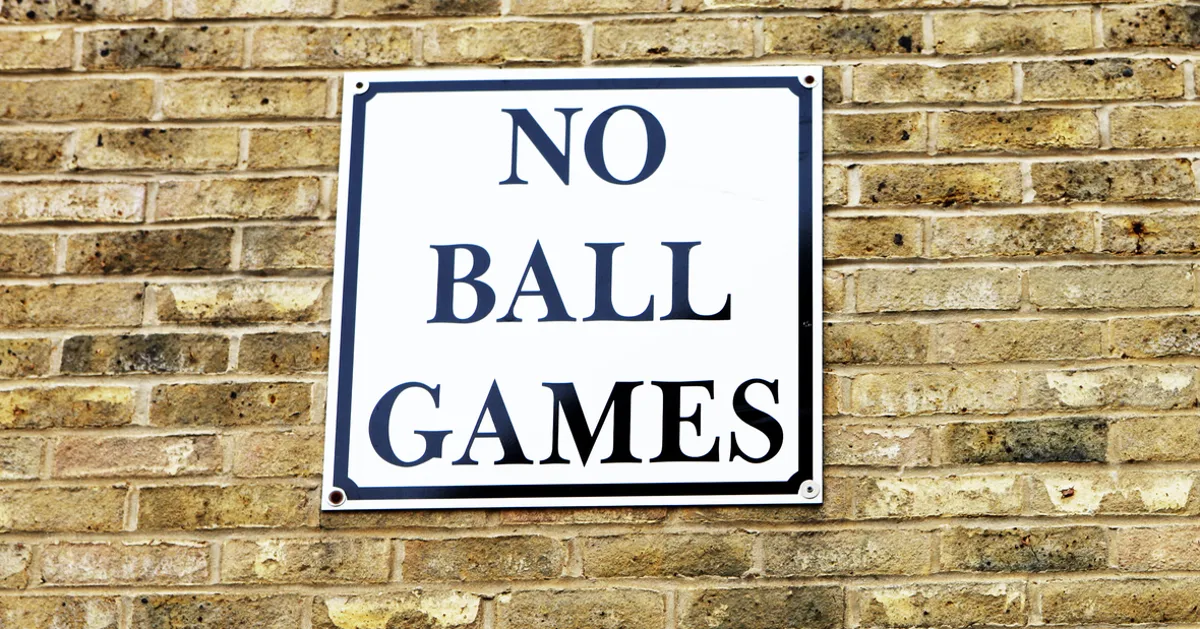
You’ve got the cinema (although that doesn’t come cheap), the park, the football fields. There are still some places teens can hang out, but it’s not as easy as it once was. “No ball games” signs still dominate neighbourhoods. Groups of teens are also, let’s face it, likely to be moved on or branded a “nuisance” for loitering on street corners.
One in three young people say they do not feel part of their local community, and young people in Britain are more likely to report feelings of loneliness than any other age group, with 70% of 18- to 24-year-olds reporting they feel lonely at least some of the time.
Banning social media for under-16s is coming from a place of wanting to help and protect children, but there have to be places for kids to go instead. Places where it’s not going to cost parents hundreds or thousands of pounds a year to keep them occupied (because god knows with the cost of living being the way it is, many of us simply can’t afford it).
Fiona Yassin, a family psychotherapist and the founder and clinical director of The Wave Clinic, which offers specialist mental health support to teens, told me that adolescence is defined “by a drive for validation, belonging, connection and independence”.
“Social media didn’t create those needs, it simply became the place where many of them now play out,” she explained. “So legislation can restrict access to platforms, but it cannot remove the developmental needs that underpin young people’s behaviour.”
She noted this leaves us with some important questions. For starters, will removing access to social media genuinely reduce harm, or simply push it underground? But also, crucially, what are we putting in its place?
The latter question is one that I think the government needs to think long and hard about – and come up with some answers, fast.

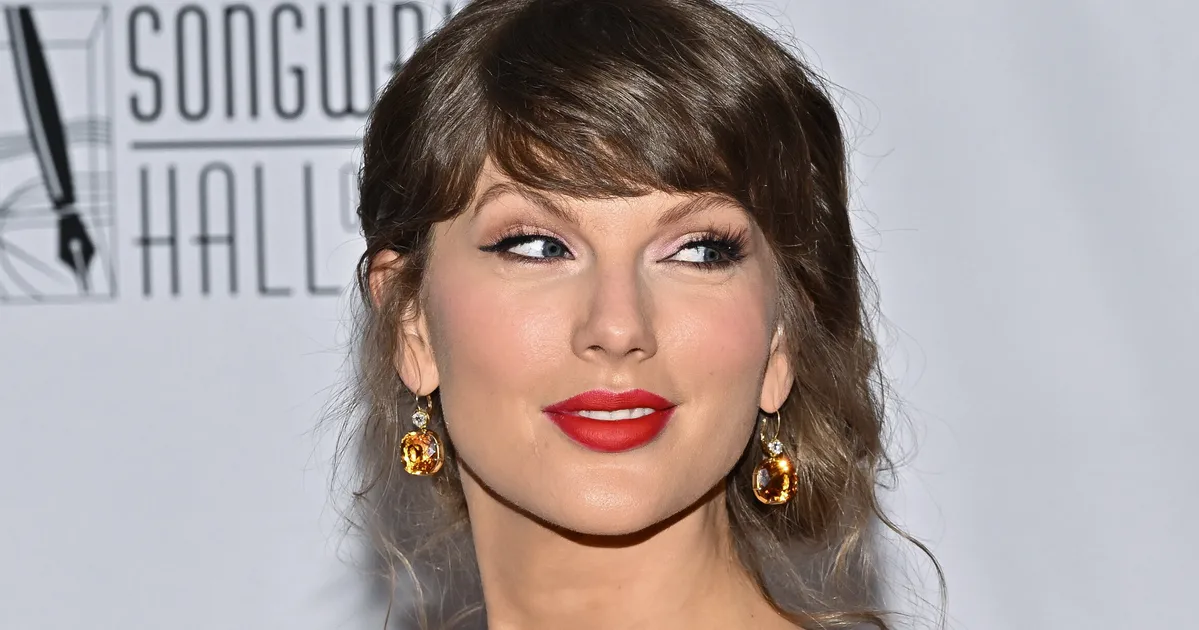
Taylor Swift has opened up about the somewhat chaotic recording process for her contribution to the Toy Story 5 soundtrack.
Earlier this month, the Grammy winner unveiled her single I Knew It, I Knew You, which features over the end credits of the new Toy Story movie.
A week after its release, the song topped the singles chart on both sides of the Atlantic, and to mark Toy Story 5’s arrival in cinemas on Friday, Taylor revealed in an Instagram post that her soundtrack cut was written and recorded over the space of one “hectic day”.
“It’s been kind of a hectic day,” she shared in a video from the day of the recording, posted on Instagram earlier this week.
“At 11am, I went to go see Toy Story 5, got so inspired, got the songwriter zoomies, went home, wrote the end credit song for Toy Story 5.
“We have now produced it, and I’m doing vocals. It’s 6:57pm. In two hours, [Disney CEO] Bob Iger and Tom from Pixar are coming to hear it. We have not recorded it yet.”
However, Taylor was quick to admit that she was embracing the chaos, claiming that it had been “one of the most fun days of my life”.
I Knew It, I Knew You was a collaboration with Jack Antonoff, with whom Taylor worked on hit singles like Look What You Made Me Do, Cruel Summer, Anti-Hero and Fortnight.
She previously recorded a new song for her 2019 movie Cats, which earned her a Golden Globe nomination.
Taylor previously beamed: “I’ve always dreamed of getting to write for these characters who I’ve adored since I was a five-year-old kid watching the first Toy Story movie. I fell instantly in love with Toy Story 5 when I was lucky enough to see it in its early stages, and I wrote this song as soon as I got home from the screening. Sometimes you just know, right?”
A press release also teased that I Knew It, I Knew You would mark a return to the country style showcased by Taylor in the early years of her career, with the song taking inspiration from “the rootin’ tootin’ cowgirl Jessie’s ongoing journey”.
Toy Story 5 is in cinemas now.
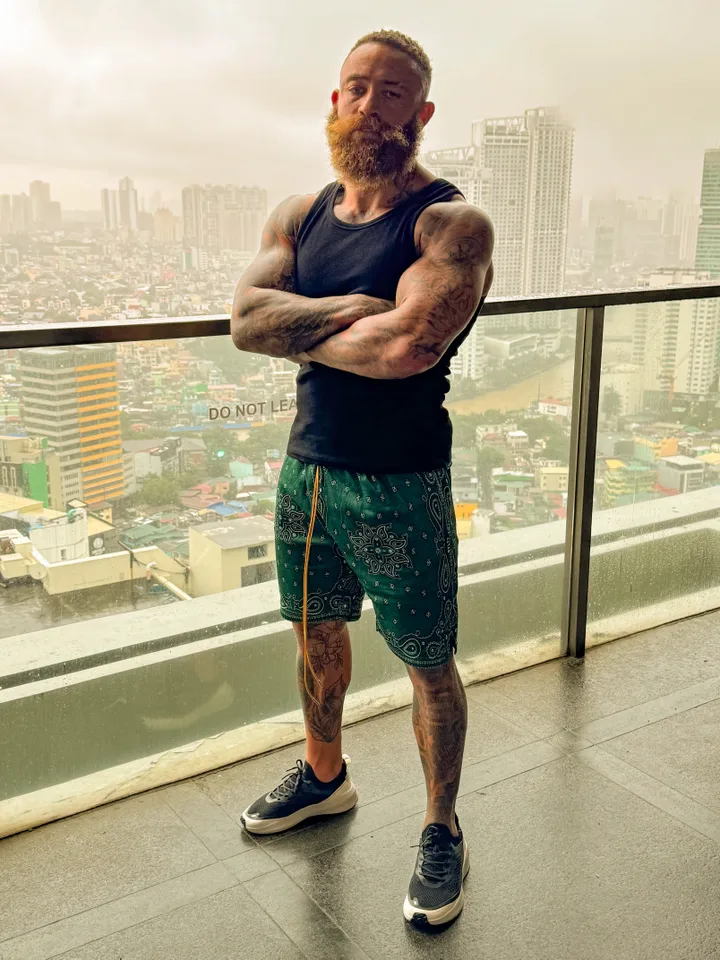
The BBC has confirmed that it has shelved a new season of Ashley Cain’s documentary series after misogynistic social media posts of his were unearthed.
Earlier this week, The Guardian reported on the former footballer and Ex On The Beach star’s past social media activity, which included a series of posts on X that were derogatory about women, referring to them using terms like “bitches”, “sluts”, “slags” and “psychos”.
According to the outlet, Ashley repeatedly made jokes about hitting women and used derogatory language towards female users, as well as referring to “degrading sexual practices”.
Last year, Ashley landed his own BBC documentary, Into The Danger Zone, a second season of which was filmed earlier in 2026.
On Friday morning, the BBC said this represented a “failure” of its social media vetting processes, and confirmed it had “no plans” to air season two of Ashley’s doc.
“The posts by Ashley Cain, albeit from many years ago, are completely unacceptable,” a spokesperson said. “The BBC has clear requirements around vetting and social media checks, which are undertaken by the production company.
“In this instance, the process clearly failed and we are investigating why. We are continuing to strengthen our processes to ensure everyone working for, and on behalf of, the BBC meets our values and standards.
“We have no plans to broadcast the new series of Into The Danger Zone, and no future projects with Ashley Cain.”

During his professional football career, he played for a number of British teams, most notably Coventry City, where he served in the winger position between 2008 and 2010.
In 2014, he was one of the original cast members on the reality show Ex On The Beach, returning on a number of occasions over the years, as well as competing on MTV’s The Challenge and the BBC’s Celebrity MasterChef.
His BBC documentary saw him travelling to different dangerous locations around the world and speaking to different groups of men who live on the outskirts of society.
An official synopsis explains: “No judgement, no agenda. Ashley Cain enters a different world with different rules, in some of the most brutal, intense places to be a young man. What does it take to survive?”
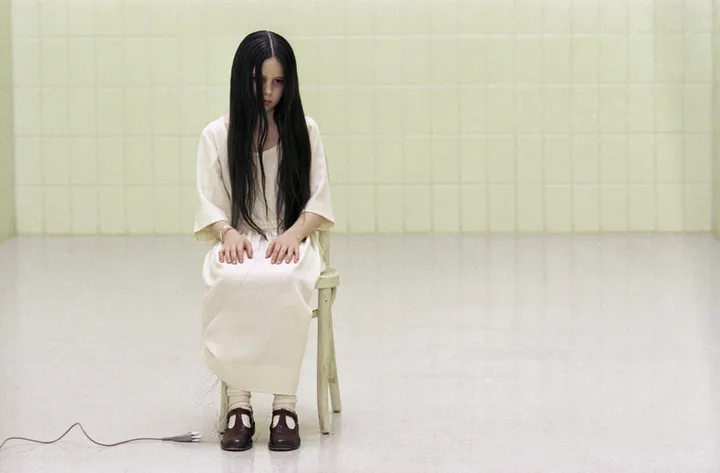
Former child actor Daveigh Chase has died at the age of 35.
Daveigh was most recognisable for her work as Samara Morgan in the English-language remake of the horror film The Ring.
She also lent her voice to Lilo in the Disney movie Lilo & Stitch and its many spin-offs.
The award-winning actor’s manager said earlier this week, as reported by BBC News, that Daveigh had been admitted to hospital.
NBC News reported that Daveigh died as a result of complications from bacterial meningitis and sepsis.
Her father told the US outlet that the performer, who retired from acting just over a decade ago, had been homeless and living near the hospital where she died in Los Angeles, having also been suffering from severe malnutrition when she was admitted to hospital.
After a string of roles in shows like Sabrina The Teenage Witch, Charmed and ER, Daveigh was cast as Jake Gyllenhaal’s on-screen sister in the thriller Donnie Darko, with her character subsequently landing her own straight-to-video spin-off, S Darko.
She went on to provide the voice of Chihiro in the English re-dub of Studio Ghibli’s classic Spirited Away, the same year she began playing Lilo for Disney.

Merrick Morton/Dreamworks Llc/Macdonald/Parkes Prods/Kobal/Shutterstock
From there, she was cast as the unsettling Samara, reprising the role 2005’s The Ring Two.
Daveigh later portrayed Rhonda Volmer in the US drama Big Love, sharing the screen with the likes of Bill Paxton, Chloë Sevigny and Amanda Seyfried.
Her final on-screen roles were in the indie horror Jack Goes Home and the thriller American Romance, after which she took a step back from acting.
In a statement to BBC News, Daveigh’s manager remembered her as “the greatest”.
“She was not very Hollywood,” he recalled. “She’d rather eat at Bob’s Big Boy and go home with the cats. She loved acting but wasn’t into the fame scene.”
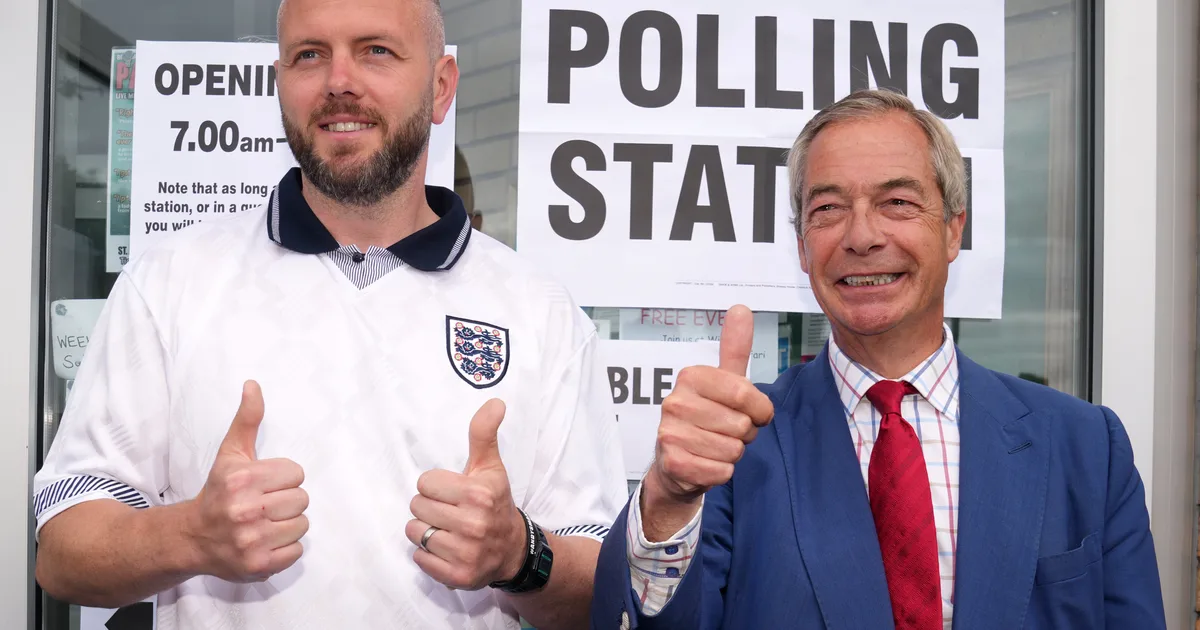
Reform UK suffered their “worst night since the general election” after trailing in a distant second in the Makerfield by-election, a top pollster has said.
Luke Tryl of More in Common said the party’s path to power could now become “very, very hard”.
Andy Burnham almost doubled Labour’s majority to easily win the crunch by-election.
Reform candidate Robert Kenyon came second, more than 9,000 votes behind Burnham.
Even more worryingly for Reform leader Nigel Farage, Restore Britain came third after securing more than 3,000 votes on a right-wing, anti-immigration policy platform.
In addition, the Conservatives received a major boost by winning Aberdeen South from the SNP.
That by-election was called after the sitting SNP MP, Stephen Flynn, was elected to the Scottish Parliament last month.
In a post on X, Tryl said: “Think this is unarguably Reform’s worst night since General Election.
“Barely any increase in their vote share in Makerfield. 20 point Labour win in a seat that was one of their best second places in 2024.
“Tories show proof of life and even momentum in battle for the right with Aberdeen South win.
“Restore Britain take 7% [in makerfield]. Replicated elsewhere in fragmented politics Reform’s path to govt becomes very very hard.”
Reform’s defeat comes just four months after the party lost the Gorton and Denton by-election to the Greens.
In addition, the party also lost two council seats to the Conservatives on Thursday night.
Tory frontbencher James Cleverly said: “When people see what Reform is like in office, they change their minds about Reform.”
Listen to Commons People, the podcast that makes politics easy. Every week, Kevin Schofield and Kate Nicholson unpack the week’s biggest stories to keep you informed. Join us for straightforward analysis of what’s going on at Westminster.
Andy Burnham has secured a comfortable victory in the highly anticipated Makerfield by-election, winning more than 50% of the vote.
Burnham will now return to parliament after months of speculation over his political future and resign his position as mayor of Greater Manchester. The by-election will also pile pressure on Keir Starmer, the prime minister, to step down and make way for Burnham.
The Makerfield by-election was triggered after Josh Simons, a former junior minister, announced that he would resign the seat. Simons outlined his decision to stand down in the days after the May 2026 local and devolved parliament elections. In a statement at the time, Simons called for a “change in leadership” and for Burnham to “drive the change our country is crying out for.”
Burnham won a total of 24,927 votes (54.8%) in Makerfield – a majority of 9,231 over the Reform UK candidate in third place. Restore Britain, the radical right party led by former Reform MP Rupert Lowe, placed third with 3,111 votes (6.8%).
MDU warns Chancellor clinical negligence system ‘not fit for purpose’

Northern Ireland RE curriculum is ‘indoctrination’ – Supreme Court
Meanwhile, in the two other by-elections held on 18 June, the Conservative Party and the Scottish National Party (SNP) won one seat each. These contests were triggered after two incumbent SNP MPs stepped down from the parliament at Westminster to take up their place in the Scottish Parliament.
In Stephen Flynn’s former Aberdeen South constituency, Conservative candidate Douglas Lumsden emerged victorious with 14,308 votes (49.5%) – a majority of 6,050 over the second-placed SNP candidate.
In Arbroath and Broughty Ferry, Lara Bird retained the seat for the SNP with 9,802 votes (5.9%).
In his victory speech in Makerfield, Burnham warned that Labour has a “final chance to change”.
Addressing the by-election count, the Greater Manchester mayor declared: “This is a final chance to change.
“This is what people said directly to me on the hundreds of doorsteps that I stood on.
“We must hear it. We must act upon it, and we must get it right.
“There will be no second chance, but it is a chance now, from this result tonight, to build a new politics based on unity and hope, turning away from the path that takes us to a divided, politics of the kind we’ve seen in the United States.
“We must now take this path and put this country back on the right path, and bring people back together and get things working properly again.”
Burnham previously represented the Leigh constituency in parliament from 2001 to 2017.
Keir Starmer responded to the Makerfield by-election by congratulating Burnham on his victory.
In a post to social media, the prime minister stated: “Congratulations, Andy Burnham, Labour’s new MP for Makerfield.
“Voters chose Labour’s campaign of hope and optimism over division and hate.”
Josh Self is editor of Politics.co.uk, follow him on Bluesky here and X here.
Politics.co.uk is the UK’s leading digital-only political website. Subscribe to our daily newsletter for all the latest news and analysis.
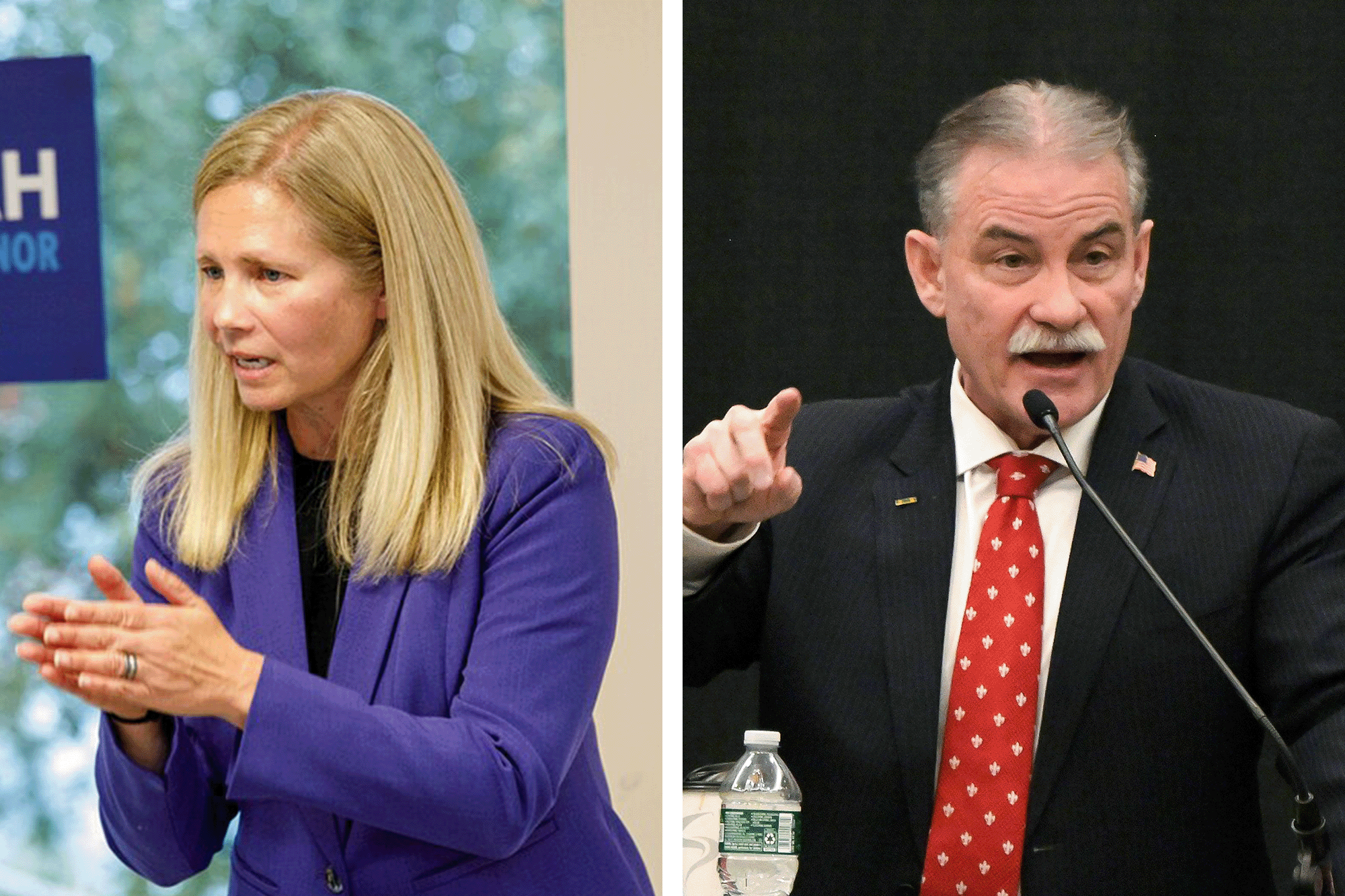

Former Maine state House Speaker Hannah Pingree, a Democrat, and MAGA conservative Bobby Charles will face off in what’s expected to be a competitive general election for Maine governor.
Both emerged from the state’s ranked choice voting process early Friday morning, with Pingree — the daughter of Rep. Chellie Pingree (D-Maine) — leapfrogging front-runner and former public health official Nirav Shah in the Democratic runoff.
An independent candidate, Rick Bennett, has also qualified to be on the ballot in the race to succeed current Gov. Janet Mills. Bennett, a state senator and the former Maine GOP chair, left the party last summer ahead of launching his gubernatorial run. The general election will not use ranked choice voting.
Republicans are hoping they can take back the Blaine House after eight years of Mills in power, arguing that voters’ frustrations over energy prices and property taxes will power Charles to victory.
Charles, who was the clear front-runner in the GOP primary, worked in the State Department during George W. Bush’s administration before founding a Washington-based consulting firm. He ran a prolific social media campaign, frequently lobbing barbs at Democratic contenders via cartoons and artificial intelligence-generated images. He prevailed in a seven-person Republican field despite vastly more money being spent on behalf of a few other candidates.
His campaign promises included eliminating Maine’s income tax and cutting the state’s roughly $7 billion budget by $4 billion.
Pingree served in the state House more than a decade ago, rising to House speaker from 2008 to 2010. She joined Mills’ administration as the director of the Office of Policy Innovation and the Future, making her one of the Democratic governor’s most trusted advisers.
Pingree was endorsed by Mills in the gubernatorial race and was the third-choice pick of Maine Democratic Senate nominee Graham Platner. Her ascendancy would reflect the most continuity of Mills’ tenure, although Pingree indicated that she would differ from the governor’s path on certain decisions related to labor and tribal sovereignty — two issues where Mills has clashed with progressives.
Politics
Politics Home | Scottish Conservatives Defeat SNP In Aberdeen South With Historic By-Election Win

2 min read
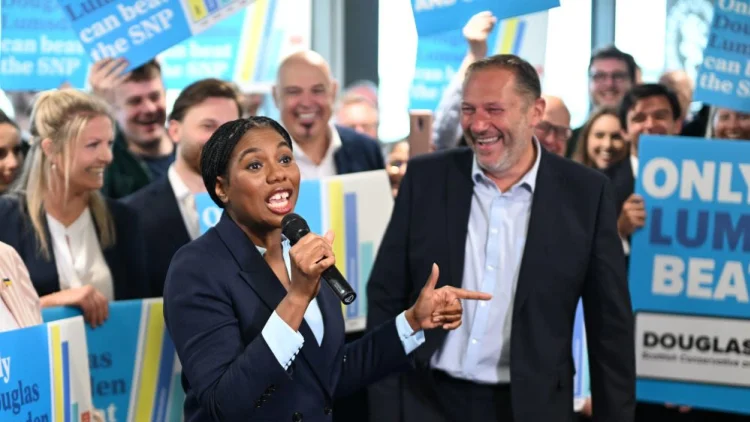
The Scottish Conservatives won a by-election for the first time in almost 60 years as they defeated the Scottish National Party (SNP).
The seat, which was vacated by former SNP Westminster leader Stephen Flynn when he became an MSP, was won by Douglas Lumsden – the first time the Tories have won a by-election in Scotland since 1967.
Lumsden, himself an MSP, must now stand down at Holyrood after a recent rule change to prevent so-called ‘double jobbing’.
He defeated SNP candidate Richard Thomson, a former MP for Gordon, by more than 6,000 votes, with the Tories taking more than half of all ballots cast on a turnout of just 38 per cent.
The Conservatives had sought to make the by-election about the north east’s oil and gas industry, with UK leader Kemi Badenoch making a number of visits to the Granite City during the campaign.
“This result sends a clear message to Labour and the SNP: their war on North Sea oil and gas must end,” Lumsden tweeted.
“It’s an honour to be elected as your MP. I’ll fight every day for Aberdeen, our jobs and our energy industry.”
There was better news for the SNP in Arbroath and Broughty Ferry where Lara Bird held onto the seat vacated by Stephen Gethins, who is now a Scottish government minister.
Bird won with a majority of more than 5,000 over the Tories, with Reform UK in third place and Labour pushed into fourth.
She said voters had “rejected the politics of division and hate” and made it clear that Scotland’s future “lies with independence”.
But it was a bad night for the SNP in Aberdeen, where the party recently won the city’s three Holyrood seats.
SNP leader John Swinney said: “It is clearly disappointing not to have won in Aberdeen South, and I offer my heartfelt thanks to Richard Thomson and his dedicated team of activists for their efforts.
“But while we will continue delivering on the people’s priorities, the contrast with the Westminster system could not be clearer.
“The Labour British government is about to descend into chaos and infighting yet again, in the aftermath of the Makerfield by-election result.
“Rather than supporting people with the cost of living crisis, Westminster will once again be focused on itself.”
Breakdown of the results in Aberdeen South:
Douglas Lumsden (Scottish Conservatives) – 14,308
Richard Thomson (SNP) – 8,258
Jo Hart (Reform UK) – 2,478
Nurul Hoque Ali (Scottish Labour) – 1,550
Mel Sullivan (Lib Dems) – 1,270
Jorg Shelton-Ecksten (Greens) – 974
Breasts are funny old things. Big, small, floppy, lopsided – they’re just part of being a woman. You don’t spend your days admiring them or celebrating them. In fact, you don’t think about them much at all. Until somebody says they might have to take one away. Or both. Then, suddenly, you discover you’re rather attached to them.
That was me this time last year. At 50, after my first routine mammogram, I was diagnosed with breast cancer. The prognosis was good, but my surgeon still had a serious discussion with me about the ‘M’ word. Initially, he wasn’t sure he could remove the cancerous area without removing a whole breast. Thankfully, I didn’t need a mastectomy. But half of one breast had to go – and that was traumatic enough.
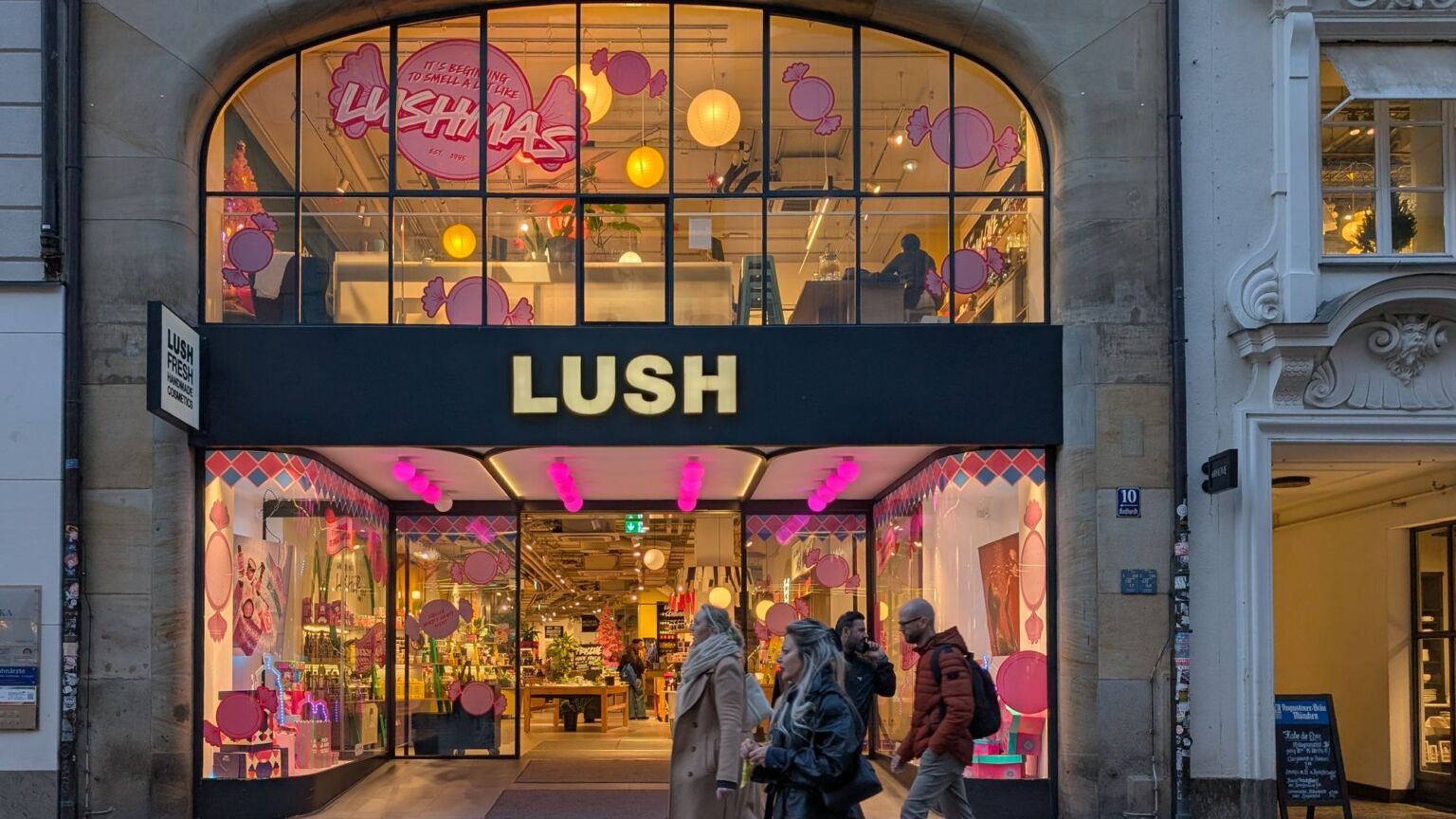
So I was genuinely taken aback when I heard about a window display in the Chelmsford branch of Lush featuring a cartoon tiger bearing mastectomy scars beneath the slogan ‘Proud of my stripes’. It turns out it wasn’t an isolated example. I’ve since been sent images of displays from the Amnesty Bookshop in Kentish Town and Pride campaigns run by local authorities featuring similar imagery.
Which made me wonder – when did the removal of healthy breasts become something to celebrate? For most of my life, a mastectomy was associated with illness, fear and loss. Women celebrated their survival, not the procedure that saved them. Yet somewhere along the line, breast removal itself appears to have become something to applaud.
I’d heard about ‘top surgery’ and seen glossy magazine spreads presenting mastectomy scars as symbols of survival, gender affirmation and bodily autonomy. I’d followed the storyline on the BBC’s hospital drama, Casualty, in which a non-binary character, Sar, was awaiting ‘top surgery’, while another character, Paige, was facing exactly the same operation after discovering she carried the BRCA mutation following her mother’s death from breast cancer. I understood the irony. Two women. Same operation. One called it ‘top surgery’. The other a ‘double mastectomy’.
But until I had breast cancer myself, I don’t think I truly understood the implications of that. Because ‘top surgery’ sounds oddly breezy. Quick and relatively painless – like having your legs or top lip waxed. ‘Mastectomy’, not so much.
Make something sound bright and affirming enough and people can lose sight of what is actually being discussed: the surgical removal of healthy body parts from women experiencing genuine distress. Put like that, it doesn’t sound empowering. It sounds tragic.
And, regardless of the reasons behind it, there is nothing glamorous about breast surgery. I was violently ill after my operation, suffered a severe allergic reaction and later developed an infection. None of which, I gather, is especially uncommon. Breast surgery is pretty hardcore. Nine months on, I still experience pain and stiffness around the surgery site and get random bouts of pain that can take my breath away. And I only had half a breast removed.
The reality is that most women don’t spend their lives wishing their breasts away. And women who lose their breasts through cancer generally want them back. Which is why many undergo gruelling reconstructive surgery to do so.
When I was contemplating my own potential mastectomy, I found myself reading about 12-hour operations, tissue taken from stomachs and thighs, and even women deliberately putting on weight in order to provide enough tissue to rebuild what disease had taken away. That’s why I struggle with the increasingly common claim that so-called top surgery is somehow ‘life-saving’ in the same way that mastectomies are for women with breast cancer or the BRCA mutation.
A woman with breast cancer is trying to survive a potentially life-threatening disease. A woman with the BRCA mutation is trying to prevent one. Neither is undergoing surgery to alleviate psychological distress. Of course psychological distress should be taken seriously. But there is a world of difference between acknowledging that and claiming that healthy breasts must be removed in order to prevent suicide.
The claims that serious surgical interventions prevent suicide among trans-identifying people are deeply misleading. The Cass Review found no good evidence that gender treatments reduce suicide risk. And nor have any comparable studies.
I have absolutely no doubt that women who have elective mastectomies to affirm an identity are unwell. But the idea that women experiencing gender dysphoria will die unless healthy breasts are surgically removed – despite the lack of good evidence – is baffling. The refusal to even entertain alternative ways of helping them is more bewildering still.
Lush, Amnesty International and other companies and organisations need to be challenged over their promotion of ‘top surgery’. They seem all too comfortable presenting imagery associated with breast removal as something empowering and affirming. There is nothing glamorous about breast surgery. It is serious, life-changing stuff. And not something healthy girls and women should ever be encouraged to aspire to.
Janet Murray is a freelance journalist and director of SEEN in Journalism.
 lead image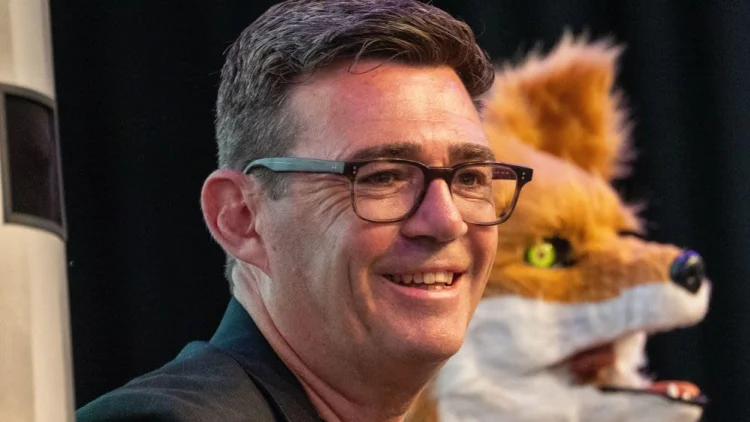

3 min read
Andy Burnham has comfortably won the Makerfield by-election, taking him a step closer to replacing Keir Starmer as prime minister.
Opinion polls published in the run-up to polling day had indicated a closer contest between Burnham and his closest rival, Reform UK’s Robert Kenyon.
However, Burnham won nearly 55 per cent of the vote in Makerfield, with Kenyon far behind on 34.5 per cent.
Restore Britain’s Rebecca Shepherd came third on nearly seven per cent.
Burnham, who must now resign as mayor of Greater Manchester to take up his role as MP, said his landslide victory was a “loud cry for change”, adding: “I do say to my own party – this is a final chance to change.”
The by-election in the northwest of England has widely been described as one of the most consequential in British political history.
Burnham, a former health secretary, is now expected to launch a bid to replace Starmer in No 10, supported by large numbers of Labour MPs.
The manner of his victory in Makerfield will be used by his supporters as clear evidence that he is Labour’s best chance of taking on Nigel Farage’s Reform and staying in power at the next election.
The Prime Minister has insisted that he will fight any leadership challenge and warned his party that triggering a contest would mean chaos for the country.
Former health secretary Wes Streeting has said that he would enter a Labour leadership contest, as could Al Cairns, the lesser-known Labour MP who resigned as a defence minister last week over defence spending.
The by-election in Makerfield was triggered when the seat’s former MP, Josh Simons, resigned to clear the way for Burnham to return to the House of Commons and allow the Manchester mayor to challenge Starmer for the leadership.
Speaking in Makerfield after his victory was announced in the early hours of Friday morning, Burnham said: “I do say to my own party – this is a final chance to change.
“This is what people said directly to me on the hundreds of doorsteps that I stood on.
We must hear it. We must act upon it, and we must get it right.
“There will be no second chance, but it is a chance now, from this result tonight, to build a new politics based on unity and hope, turning away from the path that takes us to a divided, politics of the kind we’ve seen in the United States.
“We must now take this path and put this country back on the right path, and bring people back together and get things working properly again.”
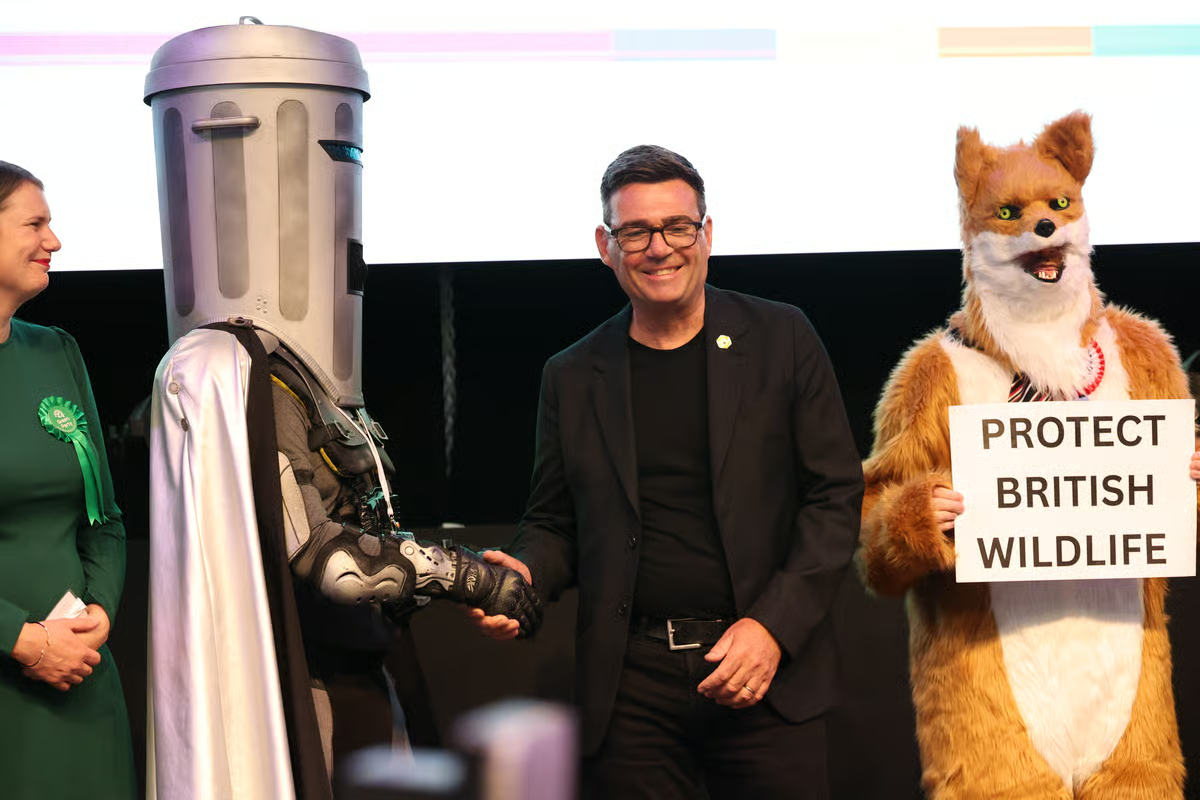
Breakdown of the results in Makerfield:
Andy Burnham (Labour) – 24,937 (54.82 per cent)
Rob Kenyon (Reform) – 15,696 (34.51 per cent)
Rebecca Shepherd (Restore Britain) – 3,111 (6.84 per cent)
Michael Winstanley (Conservative) – 997 (2.19% per cent)
Sarah Wakefield (Green) – 308 (0.68 per cent)
Jake Austin (Liberal Democrat) – 163 (0.36 per cent)
Makerfield by-election results in full: How many votes for each candidate as Andy Burnham secures victory

Exclusive-Meta lobbies Congress for protection from child-harm lawsuits

Goldman Sachs Cuts Gold target by $500 on Fed Rate Cut Delay


-

 Business5 days ago
No Jackpot Winner as $257 Million Prize Rolls Over to $269 Million Monday Draw
-

 Fashion7 days ago
Weekend Open Thread: Tuckernuck – Corporette.com
-
 Crypto World4 days ago
Zimbabwe Requires Crypto Businesses to Register Annually Under New FIU Regulations
-

 Crypto World6 days ago
Bitget enters Argentina’s regulated crypto market through PSAV registration
-

 Tech6 days ago
NanoClaw integrates JFrog registries to secure AI agent downloads
-

 Tech7 days ago
This Week In Security: Microsoft On Microsoft, Register Your Domains, Linux On ARM, And FreeBSD Joins The File Cache Club
-

 NewsBeat7 days ago
FBI searches office of Ohio voter registration group
-
 Entertainment5 days ago
Matt Damon’s Viral Sci-Fi Thriller Has Taken Over HBO Max
-

 Business5 days ago
Anthropic staff to meet White House officials next week, Axios reports
-

 Tech5 days ago
As AI companies race to go public, who else is along for the ride?
-
 Crypto World5 days ago
Bitcoin could crash to $48,000, if this historical pattern is triggered
-

 Politics5 days ago
“Israel’s” ban on ICRC visits ruled illegal, but Knesset moves to stop them permanently
-
 NewsBeat5 days ago
Warning of disruption as Cardiff Crossrail works to start
-

 News Videos5 days ago
Financial Accounting | Last Day Revision Strategy and Booster | CMA Inter – June 2026
-
 NewsBeat5 days ago
Tributes to former deputy head teacher at Cambridge school among death and funeral notices
-
 Crypto World5 days ago
Market Preview: SpaceX (SPCX) IPO Record, Federal Reserve Meeting, and Iran Nuclear Agreement
-
 NewsBeat5 days ago
what doctors are seeing in ebike crashes
-

 Entertainment5 days ago
Deion Sanders Shares Powerful Post After Viral Advice To Deiondra
-
 Entertainment5 days ago
Kate Middleton Glare Goes Viral After Kids Booed At Royal Event
-

 Business5 days ago
Invesco Quality Income Fund Q1 2026 Commentary
You must be logged in to post a comment Login