
Politics
Take Back Power redistributes essential items whilst occupying high-end stores and hotels

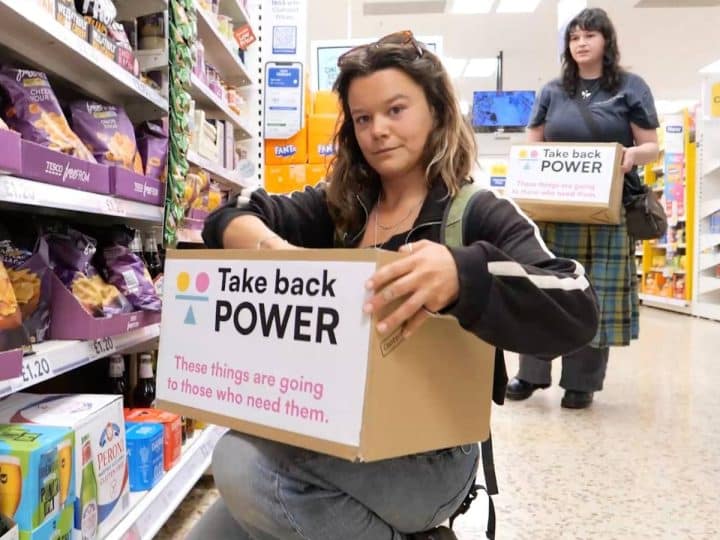

Take Back Power supporters have been occupying the playgrounds of the wealthy again on the morning of 1 May. And they’ve ‘liberated’ items from a superstore to redistribute them back to the communities that need them. Take Back Power is a nonviolent campaign, demanding a tax on extreme wealth, to be decided by a ‘House of the People’.
At around 9am, three Take Back Power supporters entered the Tesco Extra on Acre Lane in Brixton, took essential items from the shelves and left without paying. The action takers then donated the items at a local food-bank drop-off point. At around 10am, all three attempted to hand themselves in at Brixton Police Station. So far none have been arrested.
Take Back Power carried out a similar action in four UK cities in March.
At 11.45am, a further 18 Take Back Power supporters occupied the luxury department store Liberty, on Regent Street in London. They could held signs which read ‘3 MILLION HOUSEHOLDS SKIPPING MEALS’ and ‘TAX THE SUPER-RICH NOW.’
At around 1pm, this group then reconvened, disrupting access to the luxury hotel Claridges. The group chanted “WE DEMAND EQUALITY!’ and ‘HOW DO WE TAX THE SUPER RICH? – A HOUSE OF THE PEOPLE!’ as security attempted to move the supporters away from the door.
A Take Back Power spokesperson said:
Take Back Power is calling for an emergency ‘House of the People’ to deal with the cost of living crisis. When politicians are too busy lining their pockets to fix our problems, we need the people most impacted to have a seat at the table.
A House of the People selected by democratic lottery, like a jury, is a no-brainer solution to cut out the corruption and decide how to redistribute wealth.
Take Back Power supporters explain the action
One of those taking action redistributing food today, Moshe Dixon, 25, from Dundee, said:
My mother came from poverty and fought tooth and nail to give me a better future. Like so many mothers she was promised that hard work would be rewarded, yet we are living in a country where so many families can’t make ends meet despite working multiple jobs.
6.5 million people had to turn to foodbanks in 2024. Meanwhile the CEO of Tesco is taking home 430 times the pay of the average Tesco employee, and the rich are paying a smaller share of tax than working people.
Also taking action today, occupying high-end stores and hotels, was Hannah McDonald, 20, a student from Liverpool, who said:
14 million people last year were faced with the prospect of going hungry, in this, the sixth richest nation on earth! Now we have a cost of living tsunami on the way and the government is nowhere to be seen.
This is broken Britain. We need a House of the People – an assembly with real power, where ordinary mums, nurses, posties & cleaners, get a real say in how to take back our power from the super rich, and redistribute that wealth and power back to working people.
The actions come as the UK braces for food shortages and soaring prices as a result of Trump and Netanyahu’s war on Iran. Rising fuel, fertiliser and commodity prices are beginning to feed into business costs.
Take Back Power says it’s time to take on the super-rich who are profiteering from a world in crisis. This is why it’s demanding that the UK government establishes an emergency House of the People – a citizen’s assembly chosen by democratic lottery, that has the power to tax extreme wealth and fix the UK.
Until the government makes a meaningful statement in response to this demand, the group says it will undertake nonviolent action to resist the super-rich, who are driving us towards social collapse. Donate or sign up to take action at TakeBackPower.net.
Featured image via Take Back Power
By The Canary



A joint Al Jazeera and Liberty Investigates report published on 20 April revealed that twelve British universities – including Oxford, Imperial, King’s College London, UCL, and the LSE – have paid a private intelligence firm called Horus Security Consultancy at least £440,000 since 2022 to monitor the social-media activity of pro-Palestine students and academics.
The firm is led by former military intelligence officers, and its directors include a co-founder of the Henry Jackson Society. As previous Canary coverage of the Horus revelations has already established, the operational facts of the investigation are not in serious dispute.
The question worth pressing is what the story discloses about what the modern British university has, by quiet stages, become.
A near-uniform defence
The implicated institutions have offered a near-uniform defence.
Sheffield calls its arrangement with Horus “horizon scanning”.
Imperial College says the work draws only on “publicly available information”.
King’s College London insists that public information cannot, by definition, constitute surveillance.
The implication shared across the statements is that what students have posted voluntarily has already been ceded to the public domain. The university’s reading of it is therefore something other than the act it appears to be.
From discipline to modulation
The defence is precise, and it is precisely the point.
The disciplinary institutions of the modern era – the school, the factory, the prison, the hospital – used to operate by enclosure. They placed the subject inside a bounded institutional space governed by its own rules, and moved her in turn through a sequence of such enclosures across the course of a life.
What the philosopher Gilles Deleuze called the “society of control” works differently. The enclosures dissolve into a continuous network of monitoring and scoring that does not stop at the institutional wall, because there is no longer a wall. Power no longer disciplines a body inside an enclosure. It modulates a profile across a network.
The Horus arrangement is a textbook instance of this shift. The student does not enter a panopticon when she opens X. The panopticon is in the network itself. The university pays £900 a month for an “encampment briefing” service that aggregates her posts, her affiliations, and her organisational ties, and feeds the resulting profile back to the institution that admitted her.
The disciplinary university used to expel transgressors. The control university scores them.
The institution as data node
What this means in practice is that the university is no longer a discrete institution purchasing a surveillance service from an external contractor. It has become a node within a wider apparatus of monitoring, scoring, and threat assessment – one which links its administrative machinery to private intelligence firms, to police forces, to counter-terror infrastructure, and, through the Henry Jackson Society pedigree of Horus’s leadership, to particular ideological currents in British foreign policy.
The University of Bristol reportedly provided Horus with a list of six student organisations on which it wished to receive bespoke alerts.
Manchester Metropolitan University commissioned a “counter-terror threat assessment” on a 70-year-old Palestinian-American scholar invited to deliver a memorial lecture for Tom Hurndall, the British student killed by an Israeli sniper in Gaza in 2003.
The LSE received daily encampment briefings during the 2024 protests, within which the social-media activity of named PhD students was collated and circulated.
Gina Romero, the UN special rapporteur on freedom of peaceful assembly, has described the cumulative effect as a “state of terror” among UK student activists. She told the investigators:
Most students I have reached out to are experiencing psychological trauma, mental exhaustion, and burnout. Many of them are leaving activism altogether.
The withdrawal Romero describes is not incidental to the surveillance regime. It is the regime working as designed.
The corrective is structural, not contractual
The institutional response to the Horus revelations has so far focused almost exclusively on the contracts. Cancel them, the argument runs, and the problem is resolved. The University and College Union has called the arrangements “shameful”. Petitions are circulating. The contracts will, in some cases, be reviewed.
This response treats the surveillance as an aberration grafted onto an institution whose underlying purpose remains intact. The harder reading is structural; the surveillance is not a contract but a tendency.
A university that regards its own students’ political organising as a security risk requiring private-intelligence assessment is no longer the institution the word used to denote. It is a continuous-monitoring environment in which the activity called “study” is one variable among many being scored, and within which dissent persists formally while becoming an item that registers on a threat-assessment dashboard. Cancelling the Horus contract removes one supplier. It does not change what the institution has become.
What the revelations have made visible is the shape of that transformation. The freedom to dissent has not been withdrawn. The infrastructure that records, scores, and modulates the cost of dissent is now the institution itself.
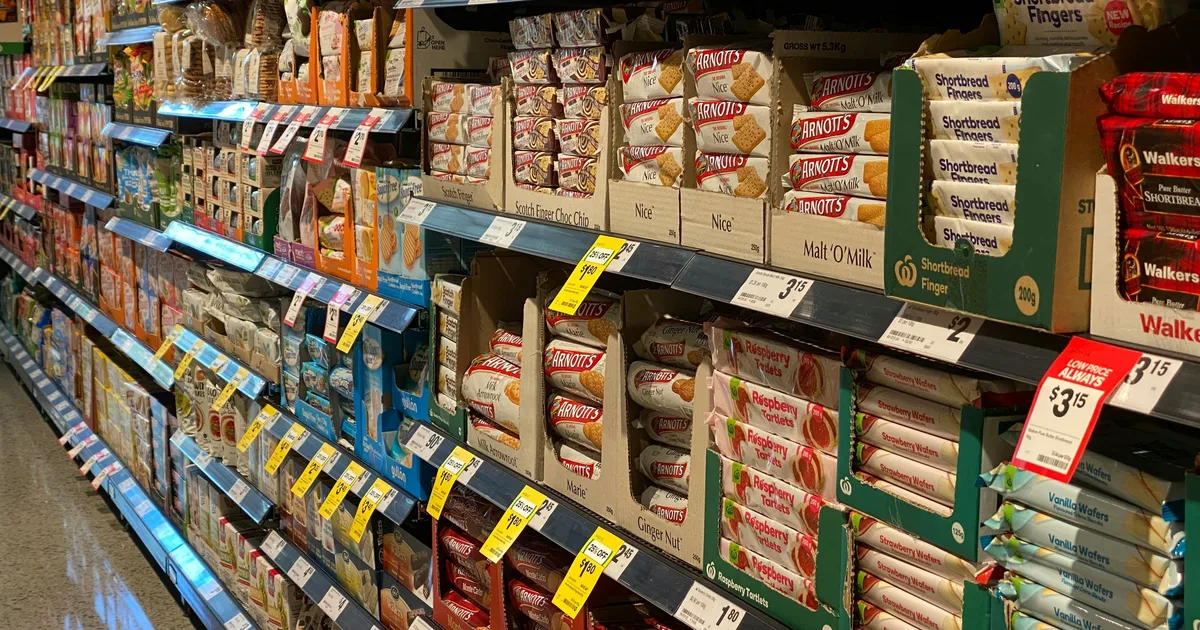
Recently, the Bank of England suggested that UK supermarkets may bring in something called “dynamic” and “personalised” pricing.
It noted some sectors are experimenting with technology “that could enable dynamic pricing in the future, such as electronic shelf labels in supermarkets”.
But when HuffPost UK asked the British Retail Consortium, which represents multiple UK supermarkets, whether this is likely, its director of food and sustainability, Andrew Opie, said: “Supermarkets do not use, and have no plan to use, dynamic or surge pricing in their stores.”
He added that digital pricing displays, which some supermarkets use, allow retailers to update and check thousands of prices “in an effective way, so they can continue to offer great value for customers”.
But what is dynamic and personalised pricing, why do some think it’s coming soon, and why do others call worries of hourly price surges a “fantasy”?
What is dynamic pricing?
Dynamic pricing involves “frequent, real-time adjustments in response to demand and supply,” the Bank of England said. It’s been used for years in hospitality and air travel.
It’s why hotels have an “off-season”; rooms are usually cheaper when fewer people are on holiday, and can climb rapidly during peak season and large events like the World Cup.
But as tech and algorithms advance, the Bank of England claimed the practice is “spreading and evolving”.
The Times said that, in theory, that could mean an ice cream would cost you more on a sunny day if dynamic pricing were applied to supermarkets.
However, The Grocer called the idea of live, hourly price surges in our supermarkets “pure fantasy”.
What is personalised pricing?
Personalised pricing “goes further still and may involve tailoring the price each consumer is offered to their personal circumstances and consumption patterns,” said the Bank of England.
It responds to a data-backed profile that algorithms have built on you, your behaviour, and your spending habits.
In short, it could mean that Peter would pay £150 for a flight Paul is only charged £70 for. That might, again in theory, be because the algorithms know Peter is on a birthday trip (so the date is non-negotiable) and lives in a posher postcode.
The Bank of England said personalised pricing is “widely adopted across all sectors”.
“Largely, these are still simple forms of personalised pricing, for example, using loyalty cards and online customer accounts, and are widespread in recreational services like gym memberships,” it said.
Both dynamic and personalised pricing can lead to either lower or higher than average prices.
Should I be worried about dynamic and personalised pricing in UK supermarkets?
Supermarkets are pushing back against the idea. The British Retail Consortium told us supermarkets don’t use, and have no plans to introduce, dynamic or surge prices in the UK.
The Bank of England’s statement mentioned changeable electronic supermarket labels, rather than static paper ones, when discussing dynamic pricing, as well as AI and improved algorithms.
They said: “Digital pricing allows firms to change prices frequently at negligible cost.”
But, as we shared above, the British Retail Consortium’s director of food and sustainability said these are used to “update and check thousands of prices in an effective way, so they can continue to offer great value”.
Digital supermarket labels have been in place for years
It’s also worth noting that digital labels have been in place for a while in many UK stores.
The Grocer shared an article in April 2023 which said Aldi, Lidl, Tesco, Sainsbury’s, and ASDA were trialling, discussing, or had partly implemented digital labels.
In 2024, an Aldi spokesperson told HuffPost UK: “I can confirm Aldi began introducing electronic labels in 2021 to give colleagues more time on the shop floor to provide great service to our customers”.
Worries about how they may hurt our wallets are relatively old, too.
In 2023, the BBC said that yellow discount stickers may become a thing of the past “because supermarkets are adopting dynamic pricing, controlled by artificial intelligence (AI) software”.
This, they reported, would track food’s sell-by date and update its cost accordingly, meaning there’d be “no need for members of staff to walk around the fresh food aisles with a sticker gun towards the end of the day”.
That has, thankfully, not stopped workers in my local shops from whipping out the machine in 2026, though digital labels can update prices in real time.
Speaking to ITV News, consumer expert Martyn James said “when companies aren’t under scrutiny, sometimes the temptation [of dynamic or surge pricing] can get a little bit too much”, but a bigger threat could come from price hikes and greater food inflation following the US-Iran conflict.

May 2026 kicks off with a full “flower” moon. Because the moon is at its furthest point from the Earth – its apogee – this month’s lunar debut will be a smaller-looking “micromoon”.
But this month will see two full moons, and the second is a rare “blue moon”.
Here’s the date of both and how to catch them, as well as what a “blue moon” means:
What is a blue moon?
We usually get one full moon a month, or 12 a year.
But we get monthly “blue moons”, which is the kind that describes this May’s second moon, for roughly the same reason we get leap years: the maths isn’t exactly even.
There are different types of blue moons: more on that later.
Royal Museums Greenwich explained that the moon takes 29.5 days to complete all of its phases, while most months have 30 or 31 days.
So, while our calendar years have 365 days (except for leap years), 12 cycles of the moon take about 354 days. That’s a decent amount of leftover days.
As a result, every two to three years, we experience a 13th moon. This is called a “blue” moon, because unlike our regular moons, which are all called things like the “flower”, “blood”, and “wolf” moons, they aren’t named.
In 2018, we had two blue moons in a single year, a phenomenon not expected to happen again until 2037.
The last blue moon took place in August 2024, and the next one is set for May 2027.
There are different types of blue moons
As if that wasn’t enough information to take in, there are two kinds of blue moon: seasonal and monthly.
This May’s blue moon is a monthly blue moon. That means it’s the second full moon in a single month. Monthly blue moons are a newer phenomenon: the definition came about in 1946.
Monthly moons are technically “astronomically incorrect,” BBC Sky At Night Magazine explained, though this definition is the most common today. They were accidentally invented because James Hugh Pruett misunderstood some dates in a farmer’s almanack.
But 2027′s blue moon will be a seasonal blue moon, which is a much older term.
These relate to the astronomical season, which is marked by solstices and equinoxes; the period between a solstice and an equinox is an astronomical season.
Most of the time, these only get three moons, but sometimes, because the moon cycles aren’t perfectly aligned with these seasons, we get four.
A seasonal blue moon is the third moon in an astronomical season of four moons.
The next monthly blue moon will be on December 31, 2028.
When will we see May 2026′s flower “micromoon”?
This will rise at 6:23pm in the UK on Friday, May 1.
It’ll be visible in any dark, relatively clear sky throughout the night. And while some cloud cover is predicted, experts think this’ll be “patchy” – meaning catching the “micromoon” could be a waiting game.
When will we see May 2026′s “blue moon”?
It’ll rise on Sunday, May 31.
Like the flower moon, it should be visible in clear, dark skies.
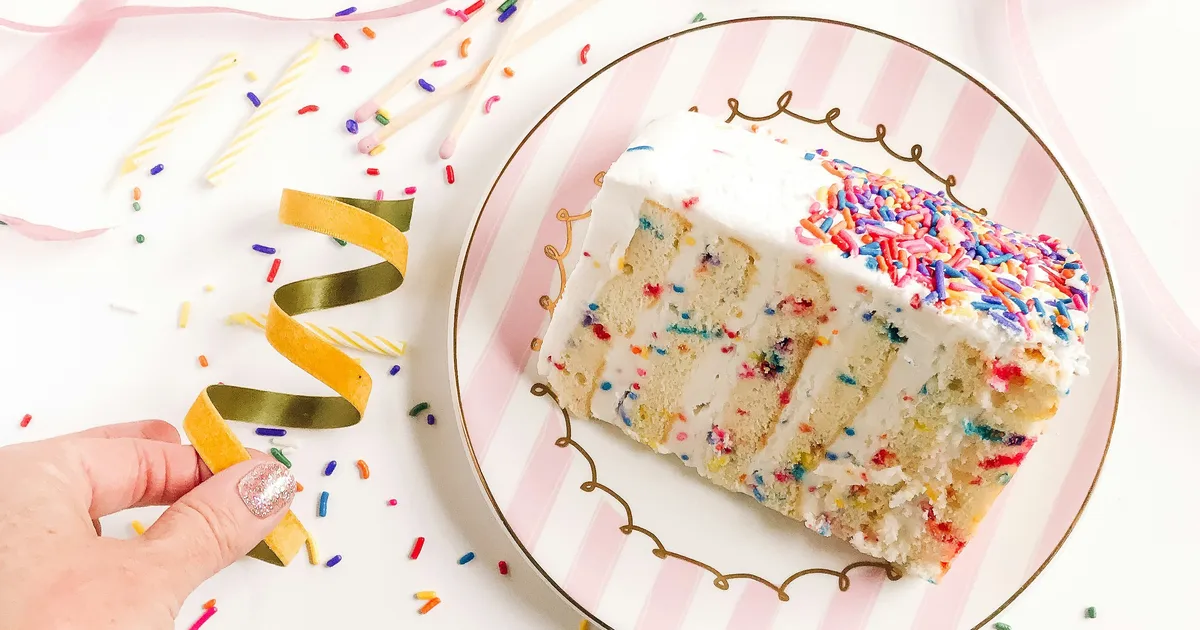
If your kid exclaimed “you the birthday!”, would you know what they’re talking about? If the answer’s a resounding ‘no’, you’re not alone. People on social media have been scratching their heads over the meaning, too.
“I’ve been seeing so many quotes of people using variants of the phrase ‘she’s the birthday,’ ‘he think he’s the birthday,’ etc,” said one Redditor in r/OutOfTheLoop.
“Some comments try to explain it but there are so many different responses … Does anyone know what it means?”
Another X user playfully said: “Yall gonna have to explain to Unc what the hell ‘You the birthday’ means.”
What does ‘you the birthday’ actually mean?
It’s thought the phrase comes from a song called Birthday Girl by Hunxho – a viral song about a birthday girl being showered with gifts and compliments.
The tune’s been mocked by some. As one Redditor put it: ″[It’s] so bad” that it’s “getting clowned really hard”.
The lyrics go: “It’s your birthday, it’s me for your birthday. Get peace on your birthday, she eat, she the birthday girl.”
However, some people thought he was saying “she the birthday” and a viral trend was born.
There are a couple of meanings with this one. The term can also be used as a compliment, a bit like saying “you’re the moment” or the “main event”.
Travis Hubbard, a PhD candidate in literacy, language and culture, told Today.com: “When someone says ‘you the birthday’, they are positioning the subject as a metaphorical embodiment of everything the word birthday connotes – celebration, joy, the reason everyone showed up.
“You are not at a birthday. You are not having a birthday. You are the birthday. The subject becomes the thing itself.”
Per Forbes, the phrase can also be used a way to accuse someone of having “main character energy” or being the centre of attention.
If you say “you the birthday”, you might be calling someone out for being too try-hard or acting OTT (over the top) to get birthday-like attention, according to the site.
Off the back of “you the birthday” catching fire, there are now other expressions doing the rounds like “you the belated birthday” (ie. you’re too late/slow), “you the after-party” (ie. you don’t get the joke), and “you the birthday budget” (ie. you’re tight with money).
The Tab notes that, just like six-seven before it, it’s snowballed into another “pointless” trend where people say it for no real reason: “Then, when you ask them to explain what it means, they refuse and it becomes a viral joke as everyone laughs at their confusion.”
Ahh internet, never change.
You know your body better than anyone – but what happens when no one listens? Welcome to Ms Diagnosed: a HuffPost UK series uncovering the reality of medical gaslighting. With new stats showing that 8 in 10 of women have felt unheard by medical professionals, we’re sharing the stories of seven whose lives were nearly lost to the gap between their symptoms and a system that refused to listen. As the UK introduces Jess’s Rule – a new mandate for GPs to ‘rethink’ after a third visit – we’re exploring why the medical system is still failing women and how we can start to fix it.
At the beginning of 2023, I’d reached a point where I was so exhausted, I’d go days without showering.
My partner – who had effectively become my carer – would help me comb through my hair because it was so matted. He was doing all the cooking and cleaning; I just wasn’t able to do anything.
Each day, I’d wake up late – feeling unbearably tired – and would then most likely fall asleep on the sofa at home. I’d force myself to leave the house occasionally; but when I did, I’d always feel even worse.
Throughout it all, my doctors said my symptoms were due to depression, and I believed them. I thought they’d know if it was something more. I trusted them when they said no follow-up was needed.
I was completing my PhD and working as an Associate Lecturer at the time – but by the end of February 2023, I’d had an enormous crash.
My workload had briefly increased to three times the amount of teaching. I’d known about this when starting the module, but never would have agreed to it if I’d known what was really going on with my health.
My fatigue got so bad that it led to severe flu symptoms like sore throat, blocked nose, nausea and fevers, together with joint pain issues and sensitivity to noise, touch and light. I felt absolutely dreadful; I had to sit instead of stand during seminars, and any time I wasn’t teaching, I was sleeping. The fatigue got so bad that it was a struggle to even move.
I ended up having to take what I thought was a temporary leave of absence that March – but it wasn’t temporary.
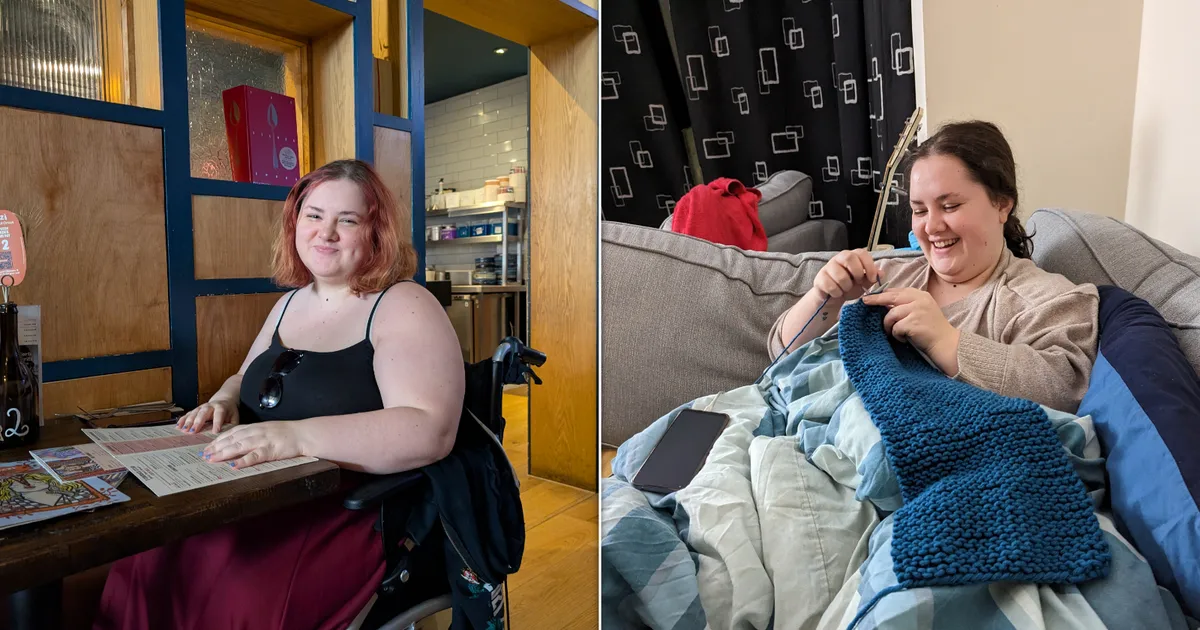
I never finished my PhD. Instead, I’m effectively housebound and, on the rare occasions I do leave the house, I have to use a wheelchair.
It turned out my symptoms were due to Myalgic encephalomyelitis – also known as ME or ME/CFS. It’s a long-term condition where you feel intensely, impossibly tired all the time. Other symptoms include issues with sleep, brain fog and post-exertional malaise (PEM), where your symptoms get worse after mental or physical activity – all of which I had.
My symptoms first started in 2018, but I didn’t really think anything of them then. I had some fatigue and brain fog, as well as issues with temperature regulation; but I thought I was just a cold person with cold hands and feet.
In 2020, my symptoms ramped up. I’d get constant flu-like symptoms and I was forever paranoid that I had Covid. I’d test all the time, but was always negative. My partner noticed I was weirdly tired, too – I was sleeping way too much.
I went to the doctor repeatedly because of these fluey symptoms and the fatigue. No matter how much I rested, it never felt like I’d slept much at all. I thought I might have an issue with my thyroid; another time, I wondered about low iron levels.
I never guessed the true reason – and neither did my doctors.
I had three blood tests which all came back fine, except they all showed a higher-than-normal white blood cell count; something I now know can be common in people with ME. The doctors would always ask me if I’d felt unwell at the time the blood test was taken, and I’d stare at them, confused.
“Well – yes, I feel unwell all the time,” I’d say, bewildered. “That’s why I’m having the tests done.”
But nothing was ever followed up. Instead, because I had a history of depression, I was told repeatedly that that was the root cause of my symptoms.
Part of me knew it was something more; that’s why I kept going back. But eventually, I was told so many times that depression was the cause that I started to believe it. It didn’t feel like the depression I’d experienced when I was younger; but I was older now, I told myself. Maybe it would feel different.
I started my PhD in 2021, and I struggled to balance it with the fatigue. In October 2022, when my workload increased, I felt really worried. I was doing the equivalent of a full-time job, but I was only just managing to cope. Whenever I wasn’t teaching or doing my research, I was napping.
My partner knew it wasn’t normal and told me to go back to the doctor. ‘But they’re telling me it’s depression, and they’re the ones who are meant to know,’ I replied.
My workload ramped up significantly in March 2023, and that’s when I had to take my leave of absence. By this point, I couldn’t even get myself a glass of water. My partner was doing all the cooking and cleaning and even helping me wash my hair in the bath. But there was no follow-up from my doctors, other than to put me on anti-depressants which – obviously – didn’t work.
It wasn’t until I had a conversation with my godmother in October 2023 that I finally realised what was really going on.
She was driving me home one night and I opened up to her about everything. She’s a nurse, and I felt comfortable telling her why I’d left my PhD.
She started asking probing questions; especially about the temperature regulation, which I’d never really connected with my other symptoms. She suggested I look into ME, so I did – and I realised this, surely, was the answer.
I went back – again – to the doctor’s, and I told them what I’d learned. “Look,” I said, firmly. “I fit all the diagnostic criteria for ME; you can see it in my blood tests and my medical history.”
Straight away, the doctor agreed with me. I couldn’t get a diagnosis until everything else had been ruled out, so I was sent for more tests; but eventually, I was diagnosed and sent to my local ME clinic for support.
I feel very fortunate that my doctor believed me the moment I said I thought I had ME; but it shouldn’t take a patient knowing what’s wrong with them to get a diagnosis.
In June 2024, I got my wheelchair in the hope it would help me leave my house more – because if I tried to leave the house, I’d experience really intense PEM afterwards, which led to periods of being bedbound. The wheelchair helped; but on average, I still only leave the house around once a month; and something as simple as catching a cold will leave me bedbound for weeks.
I know some people with ME have it so much worse; but it’s been incredibly scary sometimes. There have been times when my fatigue has been so severe that I’ve been incapable of eating or speaking.
I try to keep reminding myself how fortunate I am, but it’s been so hard. My PhD came out of nowhere, and it was like a dream come true. Being a lecturer was everything to me – it was so, so rewarding. It felt like a miracle.
In my heart of hearts, I know that if the correct cause of my symptoms had been picked up when I first went to the doctor three years previously, I would have finished my PhD by now. I would have known how to pace myself.
But my symptoms weren’t picked up. And I’ll live with the consequences of that for the rest of my life.
The ME Association (MEA) is a UK charity that launched in 1980 and supports people with ME/CFS and Long Covid. It is committed to working with its members and the ME/CFS community and is focused on improving the quality of life of those affected.
It provides professional support and expert information; funds medical research to establish causes, biomedical markers, and treatments; and educates and informs the broad eco-system of media, politicians, educators, health and social care providers and the commercial sector.

Your butt might say more about your projected longevity than you think. At least, that’s according to adjunct professor of physical therapy at Touro University and physical therapist, Theresa Marko, who said our glutes are key for living independently as we age.
“Do you want to get off the subway? Do you want to get off the toilet?” she asked the New York Times.
If so, she suggested, it’s time to strengthen your posterior.
The professor’s not alone. One study showed that glute exercises strengthened the hips of postmenopausal women, who are at greater risk of hip fracture.
Another found that glute atrophy and size were linked to things like ageing, lifestyle, frailty, osteoporosis and type 2 diabetes risk.
Stronger glutes have also been linked to a lower risk of falling and better cognitive function among older people, while doctors warn that a weak bum – nicknamed “dead butt syndrome” – can “grow into some serious health issues that affect your ability to move”.
What are the glute muscles?
You probably know the term “glutes” refers to some area around the backside.
But it’s actually a group of muscles, which include, from biggest to smallest:
- Gluteus maximus,
- Gluteus medius,
- Gluteus minimus.
They help us to stand up, walk, stay balanced, sit down, stand up, lift our legs, support our weight, run, jump, and hold the bones of our hips together (phew).
Generally, the gluteus maximus, which is the biggest muscle in our body, helps to push us forward, and the gluteus medius and minimus move our thighs.
If you want to climb the stairs, get out of your seat, reduce your risk of falling, and keep general sarcopenia at bay, working them out is a great idea.
How can I strengthen my glutes?
It might feel like walking and running, both of which are obviously leg-centric, are the obvious answers here. And it is true that they definitely beat sitting, too much of which is disastrous for your glutes.
But some runners get dead butt syndrome, because though the activity is great for the heart, it doesn’t always build much muscle.
In general, strength training is great for ageing bodies (in fact, scratch the “ageing” part: we begin to lose muscle mass starting about 30). It has been linked to up to four years of extra life, better bone health, a reduced risk of heart attack, and maybe even lower dementia risk.
That’s because strength training, especially when you increase the weights as you go along (progressive overload), can strengthen and build muscle. And you should use them on your bottom, too.
What are some good glute-strengthening exercises?
- Hip thrusts,
- Clamshells,
- Reverse lunges,
- Bulgarian split squats,
- Back squats,
- Deadlifts,
- Hip abduction machines,
- Step-ups,
- Donkey kicks,
- Glute bridges,
- Glute kickbacks.
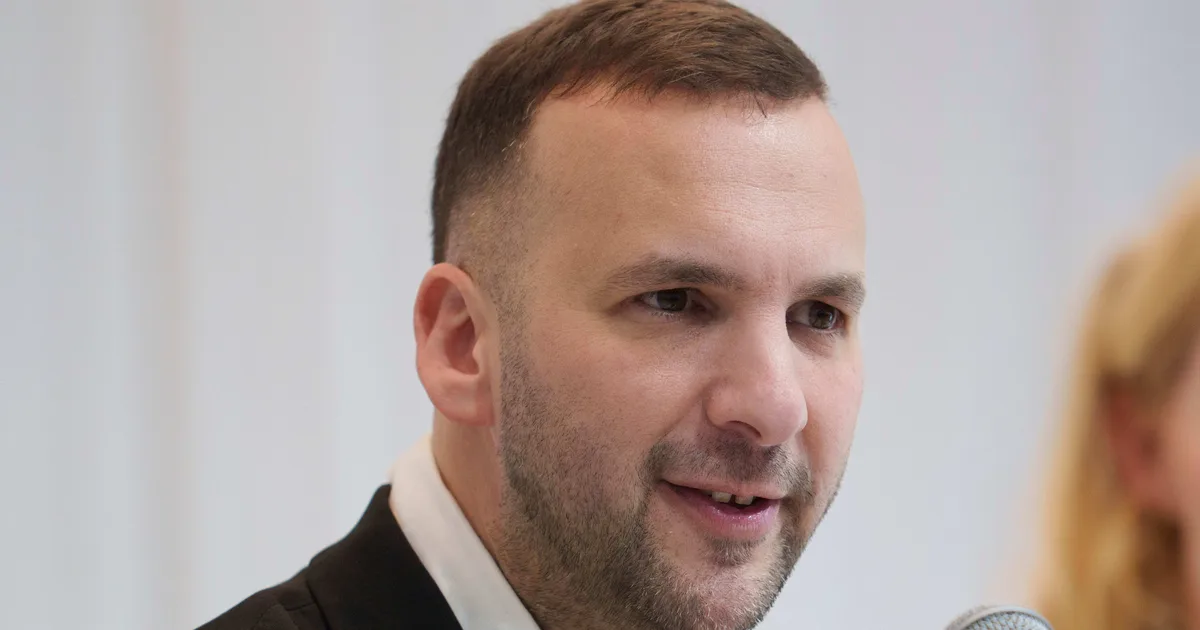
Zack Polanski has apologised for sharing an online post criticising the police response to the Golders Green terror attack.
Shilome Rand, 34, and Moshe Shine, 76, were left seriously injured in what police have described as a terrorist incident in north west London, on Wednesday.
The Green Party leader shared a post the following day on X which accused police officers of “repeatedly and violently kicking a mentally ill man in the head when he was already incapacitated by Taser”.
The repost triggered major backlash, including from the usually impartial head of the Metropolitan police, commissioner Sir Mark Rowley who said Polanski’s words were “inaccurate and misinformed”.
In a statement on Friday, Polanski apologised for “sharing a tweet in haste” saying that social media was not the “appropriate channel” for commenting on police action.
His statement read: “Everyone in leadership has a responsibility for lowering the temperature at a time of such tension, and I apologise for sharing a tweet in haste.
“Police responses to emergency situations such as these do need later reflection in the right forums, but I accept that social media is not the appropriate channel for doing so.
“I have invited Mark Rowley to meet with me to discuss the police response and the wider issues raised in his letter.”
Speaking to the Today programme on BBC Radio 4, prime minister Keir Starmer also hit out at Polanski’s “disgraceful” remarks while expressing sympathy for the officers involved.
Recalling his conversation with the officers who were on the scene, Starmer said: “I won’t put words into their mouth, but I want everybody just to imagine what it might be like.
“You’re trying to arrest someone who has already attacked two people and has no regard for life. We know that tasers were fired. I know from my own experience with the police, that there are only two shots in a taser, and once you’ve shot them, there’s nothing left.
“There’s a guy on the ground, he’s got a rucksack on. And I don’t know what was going through the mind of those officers, but if I was there, I’d be thinking, he’s going to detonate something. He’s going to blow me up and everybody around here.
“In those circumstances, I think you can quite see why what could have gone through their mind is, we need to do whatever we can to disable this guy.”
Starmer said: “Now, when I then see Zack Polanski come out and retweet or support a criticism of that, I think it’s disgraceful… He’s not fit to lead any political party.”
The PM’s full interview can be heard on BBC Radio 4 and on BBC Sounds from Saturday, at 8.10am.
Polanski was criticised by the Green Party’s leader in Wales, Anthony Slaughter, on Thursday, too.
Speaking to LBC prior to Polanski’s apology, Slaughter said: “I was made aware of this on the way here, just shortly beforehand. I haven’t seen the tweet. I understand, as you say, Zack retweeted a tweet that it does seem, from what I’ve read, was inappropriate to retweet.
“I know that Zack and his other colleagues in the London Assembly do work closely with the Met Police, so there will be discussions afterwards to see what went wrong and how this can be better handled in future”.
Subscribe to Commons People, the podcast that makes politics easy. Every week, Kevin Schofield and Kate Nicholson unpack the week’s biggest stories to keep you informed. Join us for straightforward analysis of what’s going on at Westminster.

We hope you love the products we recommend! All of them were independently selected by our editors. Just so you know, HuffPost UK may collect a share of sales or other compensation from the links on this page if you decide to shop from them. Oh, and FYI — prices are accurate and items in stock as of time of publication.
As soon as the sun comes out, kids want to run, splash, and frolic around outside – it’s only natural.
And while it’s far easier to keep them occupied when there’s exploring to be done, the one inevitable struggle is finding a sun cream that they’ll let you apply, let alone one that doesn’t break them out in a horrible rash.
Then there’s the sun protection factor to think about, and whether they’ll be able to splash around without getting horribly burnt. It’s a minefield!
To save you from having to deal with weeks of scratching and spending unfathomable amounts of money testing different formulas out, we’ve asked a paediatric dermatologist how to choose a kids’ sunscreen, and found 11 of the best to shop now.
What to consider when buying kids’ sun cream
There are plenty of budget options for kids’ sunscreen on the market. And while you might think the only important factor is whether or not they burn, there is actually a lot that goes into making a good kids’ sunscreen.
Whether you’re looking for a sensitive-skin specific lotion, or one that’ll endure countless trips in the pool, Dr Bisola Laguda, paediatric dermatologist and spokesperson for the Skin Health Alliance shares what to look for in a kids’ sunscreen.
SPF rating
“When picking a sunscreen, the Skin Health Alliance recommends picking one with an SPF of 50+,” he says. “A factor this high helps counteract UVB (the rays that cause burning) most effectively.”
Broad spectrum
“Look for sunscreens that have ‘broad spectrum’ protection,” Laguda says. “This means that the sunscreen will absorb the UVA rays linked to long-term skin damage. Keep an eye out for the UVA star rating on sunscreen packaging – the more stars, the more protection the product offers.“
However, avoid products with a high UVA star rating and a lower SPF, Laguda notes, as this weakens protection.
Higher SPF and broad spectrum sunscreens can also be good for kids with sensitive skin, he adds: “Their skin reacts more quickly to UV damage and is more susceptible to speedy burning as well as long-term damage.”
Water-resistant
“There is no such thing as waterproof sunscreen, but you can find water-resistant options – ideal for children taking a dip in the sea or splashing in an outdoor pool,” Laguda explains.
“These work by creating a hydrophobic barrier that repels water and keeps the sun-protecting ingredients locked behind it. That being said, it’s also important to continually top up on sunscreen after extended periods of swimming or sweating.”
Ingredients to look for in kids’ sunscreen
While each child will be different, finding a sunscreen that protects your kiddo from the sun and also takes care of their skin can be tricky. There are certain ingredients to look out for, or avoid, in kids’ sun cream, according to Laguda.
Mineral
If your kid has sensitive skin, mineral sunscreen is your best bet, Laguda explains.
“The mineral contents – often zinc oxide or titanium dioxide – sit on top of the skin and reflect the UV rays,” he says. “This is often a more preferable option over chemical sunscreens, which penetrate the skin and absorb the rays, leading to potential irritation.“
Fragrance-free
These can also be good for kids with sensitive skin, Laguda adds. “The immune system can react to the chemical compounds in fragrance as if they were foreign invaders, and trigger a response that sets contact dermatitis symptoms in motion,” he says.
Patch testing a sunscreen can also prevent unwanted reactions, Laguda explains. “Apply the sunscreen to a clean, hidden area – such as the inner elbow or behind the knee – and check for any reactions over the next 24 hours. If any reactions do occur, it’s best to wash the product off immediately but gently.”
Best kids’ sunscreens to shop now
With these factors in mind, we’ve found 11 of the best sunscreens for kids to stock up on before summer arrives.

This Aussie-based brand doesn’t use octinoxate or oxybenzone in its formula, which not only makes it reef safe but protects your little ones with rash-prone skin. It also has a clever colour-changing cap, which tells you when there’s a high UV as a reminder to top up.

This formula from Thinkbaby is free from harmful chemicals, and ticks both the 50+ SPF and broad spectrum UVA boxes. Plus, iHerb has a buy one, get one 50% off deal on sunscreen running right now, so now is your time to stock up.

Suncream is boring – it requires a break from running around. But when it smells like tangerine and vanilla, that’s a real negotiation tactic. This one is only SPF 40, though, so maybe ideal for cloudier days.

This paediatrician sunscreen is completely plant-based, and it’s sensitive skin approved. It doesn’t have a smell, and spreads easily, which makes it easy as for doing a quick application on your wriggling baby.

Another way around feeling like you’re in a competitive sunscreen applying competition is this spray-on formula from Garnier. It doesn’t leave a white cast or marks on clothing, but just make sure you’re applying enough as it can be easy to miss a spot.

This E45 duo covers sun protection for the whole family, with a 50+ SPF spray for your kids and a 30+ SPF squeezy bottle for you. Easy!

For kids with extra sensitive skin, this La Roche-Posay formula comes highly recommended. It’s not only loaded with thermal water, vitamin A and shea butter, which hydrates the skin without leaving it feeling greasy, but it also offers long and short UVA and UVB protection for worry-proof protection.

Developed specifically for sports, Ultrasun is formulated with durability in mind. This cream isn’t sticky, and it is water-resistant so you can have peace of mind while they’re splashing around.

As if kids’ clothes weren’t expensive enough, when summer rolls around you have yellow sunscreen stains to contend with, too. This formula doesn’t leave those, thankfully, and it’s fast-absorbing, so they can be outdoors in no time. The only thing is the cap can be a little stiff and leaky.

Loaded with antioxidants and hydrating enzymes, this spray claims to strengthen the skin barrier, making it suitable for sensitive skin. It’s also been tested under dermatological and paediatric control, so you can trust that its range of UVB and UVA spectrum protection is legit.

This mineral sunscreen is organic, it smells like lavender, and it provides 98% protection from UVB rays. But if that’s not enough to convince you, this five start review might be.
“Our two year old toddler is seemingly allergic to every suncream under the sun, and would come up with horrific skin reactions,” one parent shares. “It stopped her from enjoying the sunshine or outdoors and it was heartbreaking to see. We have spent over a week in the sun, applying suncream three times daily, and her skin has never been clearer.” Sold!
Tips for protecting children from the sun
Unfortunately, it’s not enough to whack sunscreen on your little once in the morning and call it a day.
Kids are particularly sensitive to the sun, so we asked Laguda offers top tips on how to protect kids from the sun:
- Clothing: Dressing them in loose-fitting clothing is a great first step, as well as wide-brimmed hats to provide extra coverage for the back of the neck and ears.
- Shade: Finding a shady spot to shield from the UV rays is a great way to still enjoy the benefits of being outdoors while remaining sun safe.
- Reapply: Whether your sunscreen claims to be extended wear or not, you need to reapply throughout the day in two hour intervals for maximum protection.
There are areas of the skin that are easy to miss, and sunscreen can rub off throughout the day, especially when swimming, sweating, or drying off with a towel.
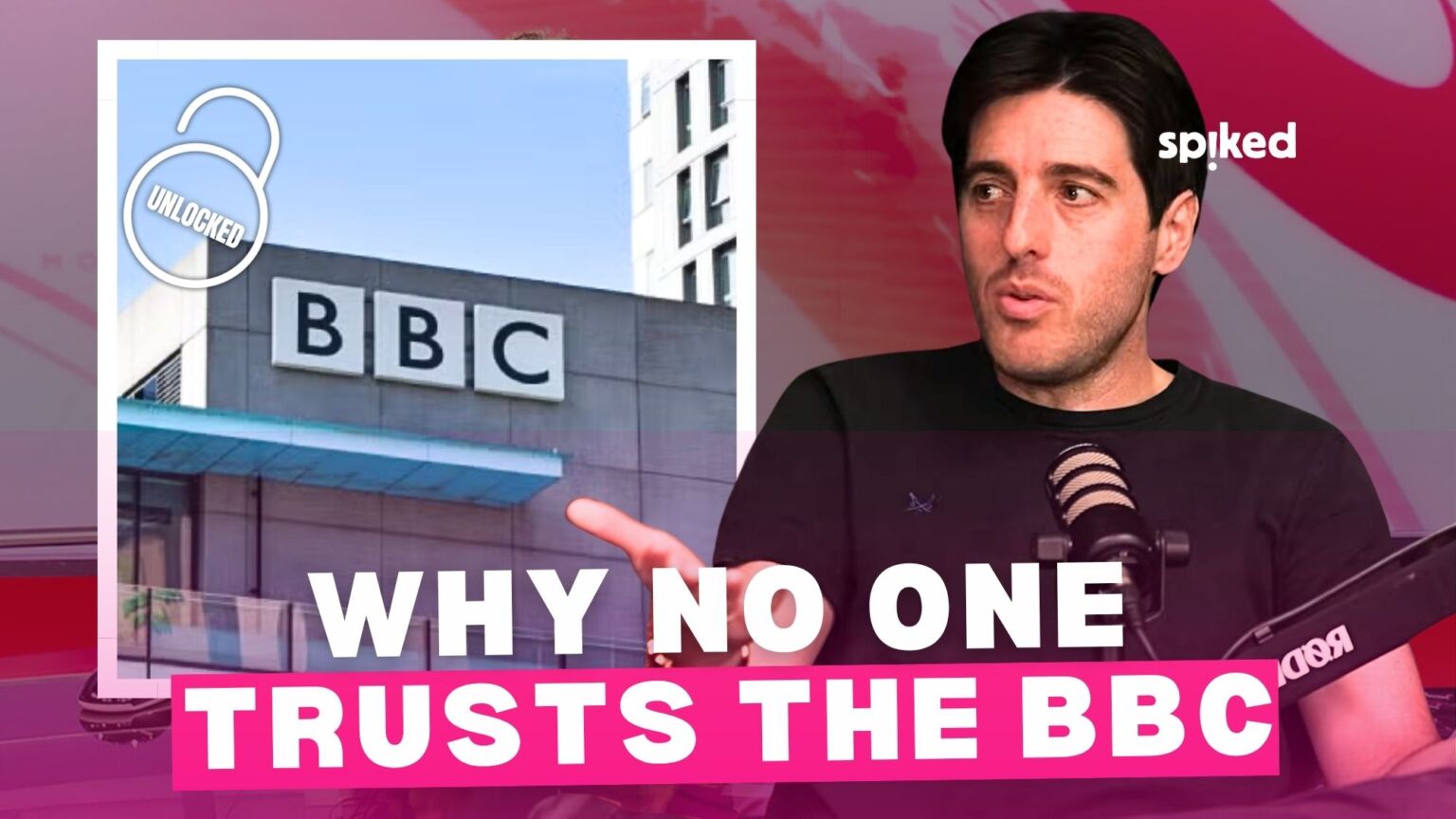
The post Why the mainstream media is finished, with Andrew Gold appeared first on spiked.


The Labour party in Tameside, Greater Manchester, has been accused by opponents of introducing fake ‘independent’ candidates in this month’s local elections.
The veracity of these single-source claims could not be confirmed at the time of writing. However, if proven to be true, the scheme seems intent on splitting the vote of former Labour supporters. They left the party in protest of Starmer’s backing of Israel, perceived disregard of human rights, and its war on people in poverty.
Splitting the vote
The scheme, as reported by the Manchester Mill, is said to have been cooked up by a local Labour councillor. They reported that he had confided in whistleblower Philip Wilson-Marks at a boozy party hosted by Labour MP Angela Rayner. Moreover, the councillor had raised the idea before, Wilson-Marks said:
This idea remained important to Vimal. It was central to his tactics.
With less than a week to go until the elections, Labour is accused of putting the alleged scheme into practice, with one white and one Asian Muslim ‘Trojan horse’ — Marie Fairhurst and Muhammad Ali.
three other councillors have come out in supported of these allegations, as named by the Manchester Mill:
- Liam Billington, Tory councillor
- Kaleel Khan, independent councillor
- Ahmed Mahmood, independent candidate

The accusers say that Labour is trying to benefit its own candidate, Atta Ul-Rasool, a Rayner protégé. If true, such behaviour, according to guidelines published by the Electoral Commission, constitutes a serious case of electoral fraud — a criminal offense. According to local publication manchestermill:
It’s difficult to find any information about either of them. Neither has an online presence, and no one I speak to in the ward has seen them engaging in typical campaign activity, such as handing out flyers, door-knocking or putting up posters. There have been no social media posts or press engagements since their names were announced on April 10th. Neither appear to be active members of the community — nor does Fairhurst seem to live in it.
…a constituent could reasonably assume that Fairhurst and Ali are just two local people throwing their hats into the ring, trying to improve one of Tameside’s most hardened wards.
But politics in St Peter’s is widely viewed through two lenses: The war in Gaza, and Tameside Labour’s recent scandals (among them, Angela Rayner’s resignation as Deputy PM, and the ‘Trigger me Timbers’ WhatsApp group). Both look unkindly on Labour, the borough’s governing party.
If they even exist, do they even know their names are on election papers?
Old trick, new names
The invention of fictitious candidates to split votes is an old trick.
In the 2024 general election, ‘Reform UK’ fielded a number of ‘ghost’ candidates that divided the Tory vote in seats that Labour consequently won.
No one has been prosecuted and the exact number of ‘ghosts’ is unclear. However, Starmer’s 2024 majority was 86 seats. Reform came second in 89 seats won by Labour. This enabled Starmer to ‘win’ a ‘landslide’. Yet he received considerably fewer votes than Corbyn achieved in either 2017 or the ‘disaster’ 2019 general election.
The truth of the allegations may take a police investigation to establish. But the St Peter’s ward has five candidates on the ballot paper for the May 2026 general elections. Three of them are ‘independents’ when only one of them may actually be independent.
Labour’s desperation in the face of the Polanski Green surge has already seen party bosses and their allies mount smear campaigns. They aim to nobble or remove Green candidates that threaten its hold. If the allegations are true, the Starmer regime is also targeting independents. It may not just be in Tameside.
Featured image via the Manchester Mill
By Skwawkbox

From Family Roots to $500M Builder

AI Agent gets EIN from IRS, bank account, crypto wallet in first autonomous company filing

Skincare Meets Sweat: Why Sofia Richie, Kate Hudson, and Adriana Lima Are Working Out at BURN

Manchester United reach agreement with Casemiro over contract clause amid transfer speculation

US brings back mandatory military draft registration

Steven Gerrard disagrees with Gary Neville over ‘shock’ Chelsea and Arsenal claim | Football


-

 Tech4 days ago
Register Renaming | Hackaday
-

 Fashion7 days ago
Weekend Open Thread – Corporette.com
-
 Crypto World6 days ago
Hyperliquid $HYPE Rally Builds Momentum as AI Sector Enters Prove-It Phase
-

 Politics4 days ago
Drax board avoid their own AGM, accused of greenwashing & environmental racism
-

 Tech4 days ago
Images of Samsung’s rumored smart glasses have leaked
-
 Sports5 days ago
IPL 2026: Ruturaj Gaikwad registers slowest fifty of the season, enters all-time unwanted list | Cricket News
-

 Tech4 days ago
Why Blue Badges Disappeared From Toyota Hybrids
-

 NewsBeat5 days ago
LK Bennett closes all stores after entering administration
-

 Fashion3 days ago
Kylie Jenner’s KHY Enters a New Era with ‘Born in LA’
-
 Entertainment6 days ago
Mariah Carey Slams Deposition Claims In Brother’s Lawsuit
-

 Business3 days ago
Most Commercial Energy Audits Miss the Real Losses
-

 Business4 days ago
(VIDEO) Charlize Theron Climbs Times Square Billboard to Promote New Netflix Thriller ‘Apex’
-

 Crypto World3 days ago
CFTC’s AI will review U.S. crypto registration applications, chairman tells CoinDesk
-
 Crypto World7 days ago
Nvidia (NVDA) Stock Jumps 5% as Intel Earnings Ignite Semiconductor Rally
-

 Tech6 days ago
Microsoft to roll out Entra passkeys on Windows in late April
-

 Tech5 days ago
OpenAI’s Sam Altman apologizes for not reporting ChatGPT account of Tumbler Ridge suspect to police
-

 Business2 days ago
Barclay Brothers Avoid Bankruptcy: HSBC Drops High Court Petitions After IVA Deal
-
 Tech7 days ago
Apple’s Next CEO Has a Different Battle Ahead
-
 Business2 days ago
Tesla Officially Registers Elon Musk’s Stock: What Investors Need to Know
-
 Tech5 days ago
OpenAI CEO apologizes to Tumbler Ridge community
You must be logged in to post a comment Login