Politics
Tebnine A&E: The heroic medics on Lebanon’s frontline

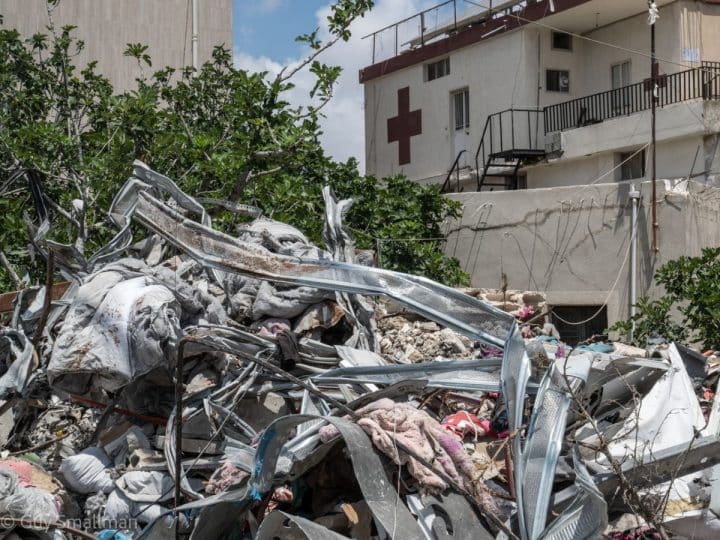

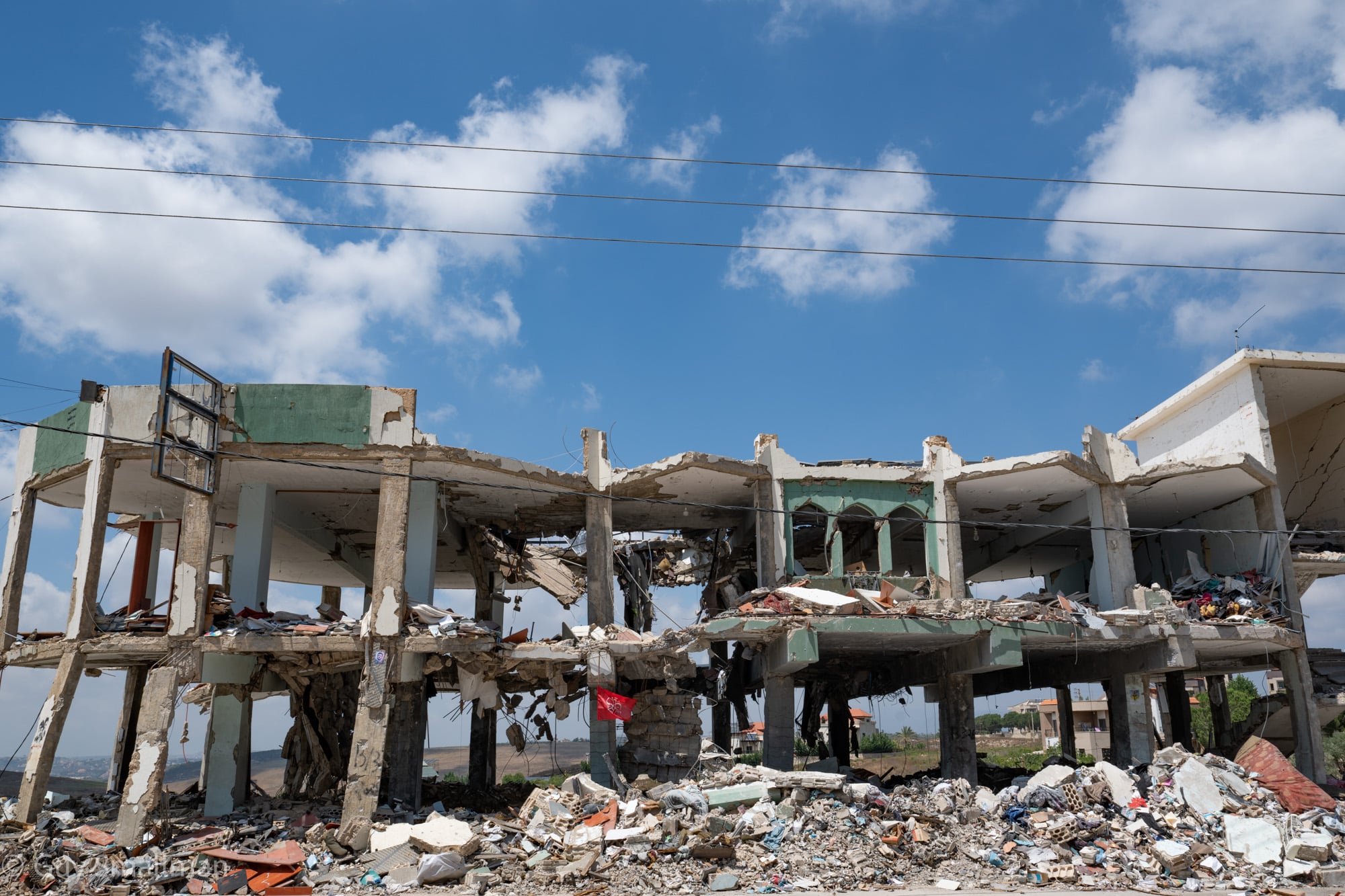
Lebanon — On the road to Tebnine we passed through the village of al-Mashouk. On one side of the road, which fell sharply into the valley below, was the empty shell of a modern building that had contained four stories — now above and below the carriageway. The bomb, which had destroyed it, had been powerful enough to set fire to homes and businesses on the other side of the street. Also writing off a Civil Defence fire appliance parked nearby.
South Lebanon health sector
This area — south of the southern city of Tyre — is sparsely populated with many remote low-income farming communities. It is the kind of rural area that has been hit particularly hard by the ongoing financial crisis that has crippled Lebanon since 2019. So, the people here rely on humanitarian organizations to fill the gaps in primary health care.
This building had been home to several specialist clinics and numerous offices. It had been a hub for mobile healthcare where ambulances and mobile clinics, often staffed by volunteers, were coordinated to serve the locality. A place where programs for mental and physical health education were formulated along with vaccinations, maternity care, dentistry and other specialist services. It was also run by the Hezbollah-affiliated Islamic Health Authority, which had sealed its fate.

This organisation was established in 1984 during Lebanon’s nightmarish civil war. It has a charitable status recognised nationally and internationally. It runs an estimated ninety-five clinics across the south and Bekaa Valley — and is seen as a key component of the social work that cements the popularity of Hezbollah in poorer areas.
The Israelis claim that such projects, and their associated buildings and ambulances, are being secretly used by Hezbollah to transport and store weapons — making them a military target. As with similar accusations made against hospitals in Gaza, no evidence has been produced. There was certainly no sign of any military equipment among the furniture and patient records strewn among the rubble of this particular bomb site.
South Lebanon — central war-zone
Twenty kilometres along the road we reached our destination. The town of Tebnine sits in the centre of South Lebanon. Just one kilometre away, across the valley, the Israelis occupy the hilltops. Post-ceasefire, the town shakes several times a day as the occupiers demolish villages on their side of the yellow line with hundreds of tons of explosives.
The Tebnine Governmental Hospital serves the Bint Jbeil district, which saw the fiercest fighting right up until the recent ceasefire. Its staff, who continued their life-saving work through one hundred and ten days of intense bombardment, are the stuff of local legend.
The visibly damaged hospital stood amid the rubble of multiple airstrikes. The security guard’s booth — by the entrance — was burnt out along with a vehicle used for delivering blood and documents. The outside walls were peppered with the shrapnel of multiple blasts, and the solar panels lay smashed upon the roof. Most people here agree that the presence of international Red Cross staff was possibly what prevented it from being targeted for direct hits.
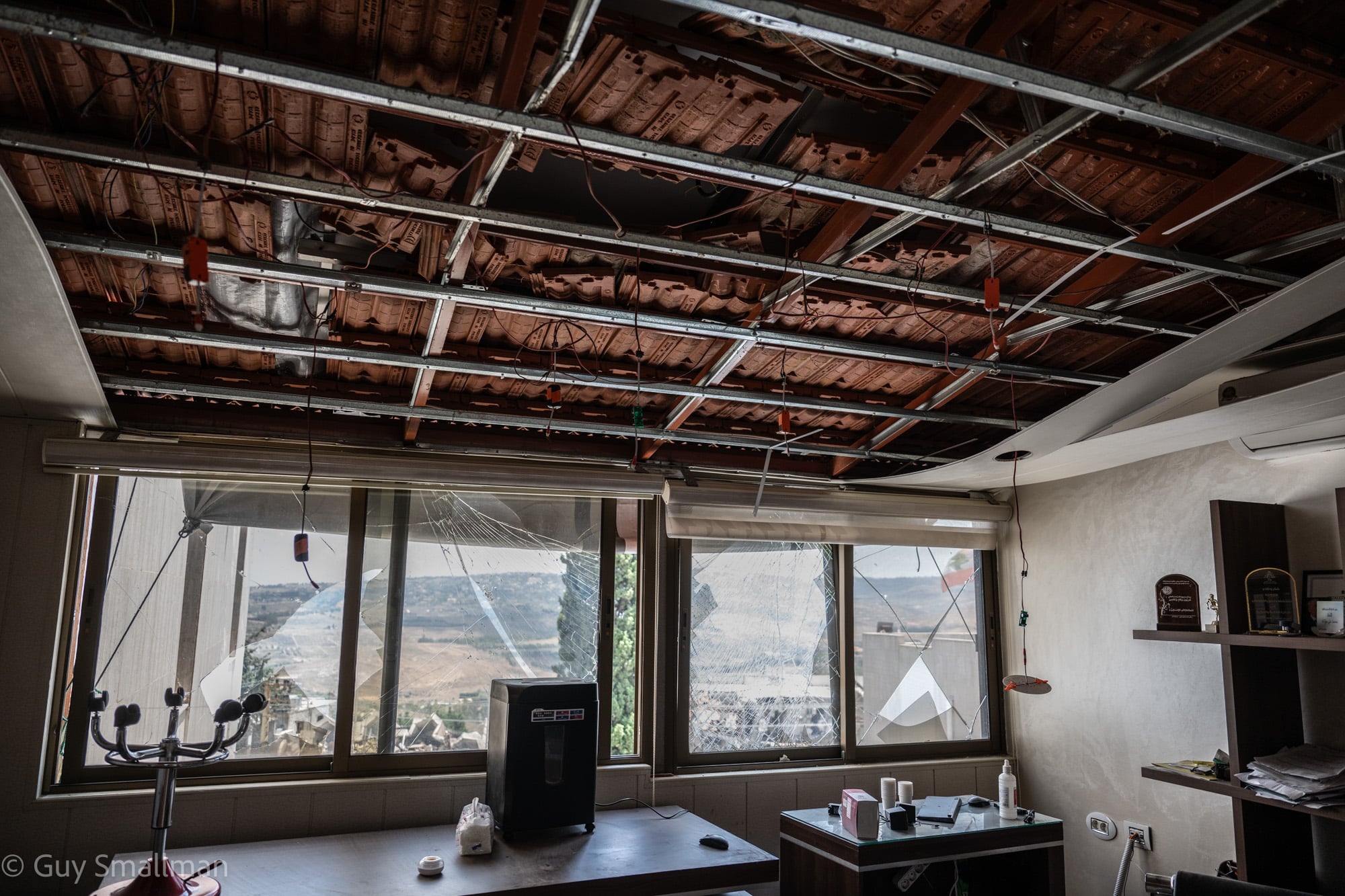
Inside, administrator Mohammad Awarke showed us around destroyed offices scattered with glass from their smashed windows. Rooms and corridors had temporary perspex walls constructed to replace the demolished concrete. He explained how a dedicated team of builders had operated twenty-four hours a day during the onslaught. Replacing walls and windows with plastic to keep out the clouds of smoke and dust that billowed all around the building during the war.
The damage inside had extended way past the waiting areas into the emergency departments, ICU, operating theatres and MRI unit. Outside, multiple ambulances had been damaged beyond repair by the strikes.
The countdown to war
Mohammad explained that intense preparations had been made in the run-up to the war restarting on March 1st:
For about fifteen months between 2024 and 2026 the atmosphere pointed towards another war coming — daily attacks, daily strikes, daily targeting, drones, and so on. During those fifteen months, we were already working with the consequences of war: the wounded arriving from the attacks and the bombardments. So, we prepared stores for this next phase.
We also had support from the International Committee of the Red Cross. They were helping us and were present with us in the hospital. Their team was here, assisting us. The Ministry of Health was also helping.
It is hard to imagine the exhaustion endured by the staff as the three months of carnage commenced and intensified with no end in sight. All the nearest medical facilities were either damaged or evacuated, leaving this one alone to face wave after wave of casualties. He continued:
From the very beginning of the war on the first of March, our position was clear. We knew that we were staying in the hospital, standing firm to serve our people and our community in this area. During those hundred and ten days, we received around two thousand people. Between martyrs and the wounded, around one thousand four hundred and fifty were wounded, and the rest were martyrs.
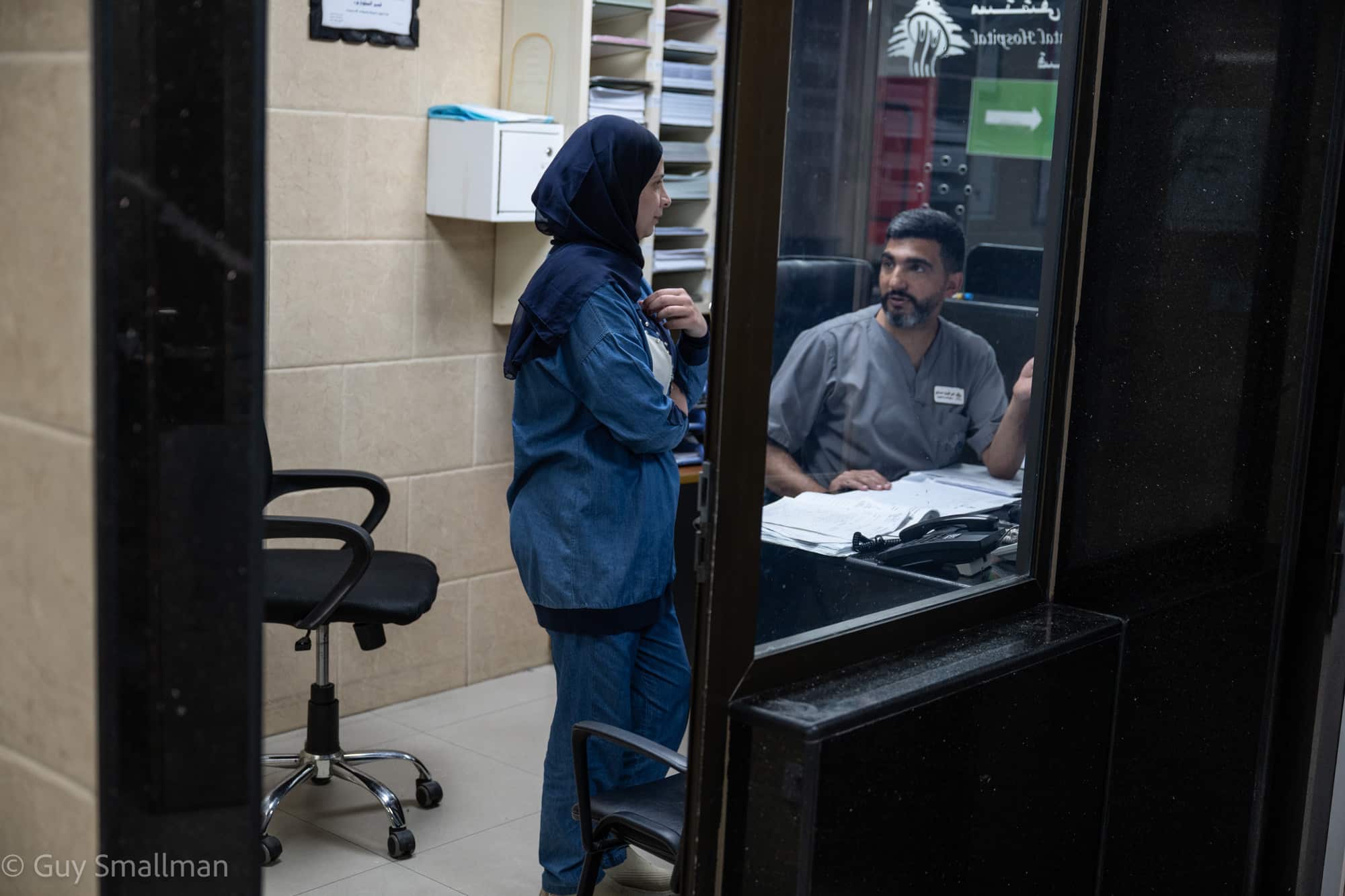
As the war had rolled on the hospital had started to run low on essentials of every description. Mohammad explained:
In terms of supplies. Medical supplies, food and so on. We had some stock. But a hundred and ten days is a long period. The Red Cross helped us with some medical items, also with diesel for the generator. The Lebanese Army was providing us with water because we had a problem with that. We usually get it from the state. But that supply was cut off. So the army brought us water every day. The South Council also brought us food and other supplies. These were the people and organisations who stood by our side.
Doctors and nurses targeted
On the relentless explosions endured by the staff and patients he said:
There was around fourteen airstrikes next to the hospital, all within a hundred metres. It sustained a lot of damage, but we kept going. The strikes were heavy and extremely close. If you walk around the hospital, you can see the destruction. Equipment destroyed, ceilings collapsed, glass shattered.
During the closest strikes we had over thirty injuries among the medical staff. The nurses and doctors. Some of those injuries happening four or five at a time, mostly from flying glass. Thankfully all those injuries were minor. But one young man from the Red Cross was martyred.
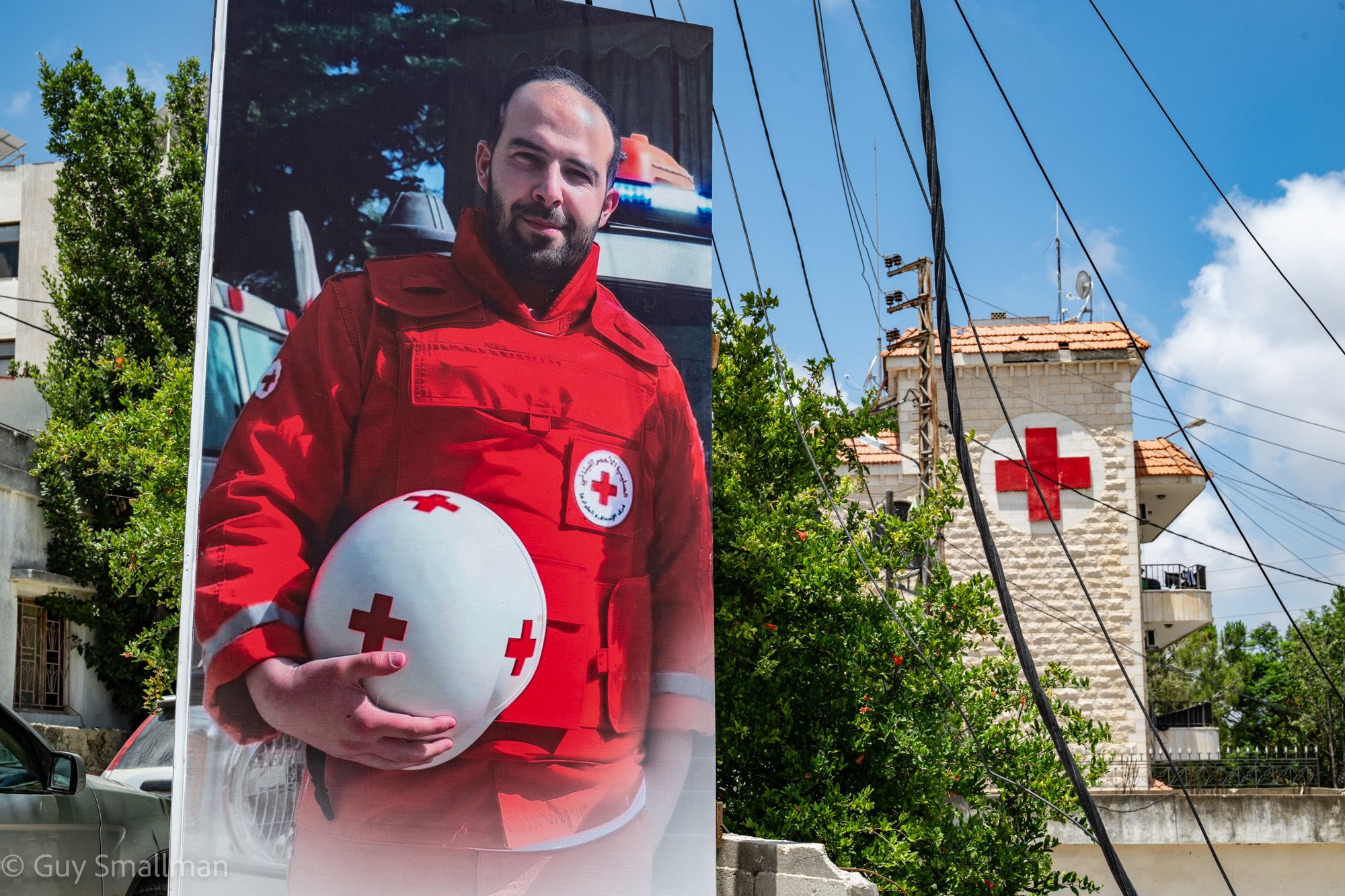
Volunteer paramedic Hasan Badawi had been with the Lebanese Red Cross since 2012. On April 13th he had been answering an emergency call with a colleague at the village of Beit Yahoun. Their ambulance was clearly marked. They were both in uniform. There is no way that they could have been mistaken for anything other than civilian first responders doing their duty.
As Hasan had been taking a stretcher from the back of the vehicle a drone had attacked. He was killed and his colleague seriously injured. He was the eighty-ninth humanitarian worker killed since the war had restarted in March. His colleague was also badly injured.
Hasan had two children with another on the way. He had called his pregnant wife the day before he was killed, saying that the bombing was everywhere but he would not leave his colleagues and patients.
The Israelis have offered no explanation for this atrocity. Outcry from the International Red Cross and the government in Lebanon has received the usual response that the incident is “under investigation”.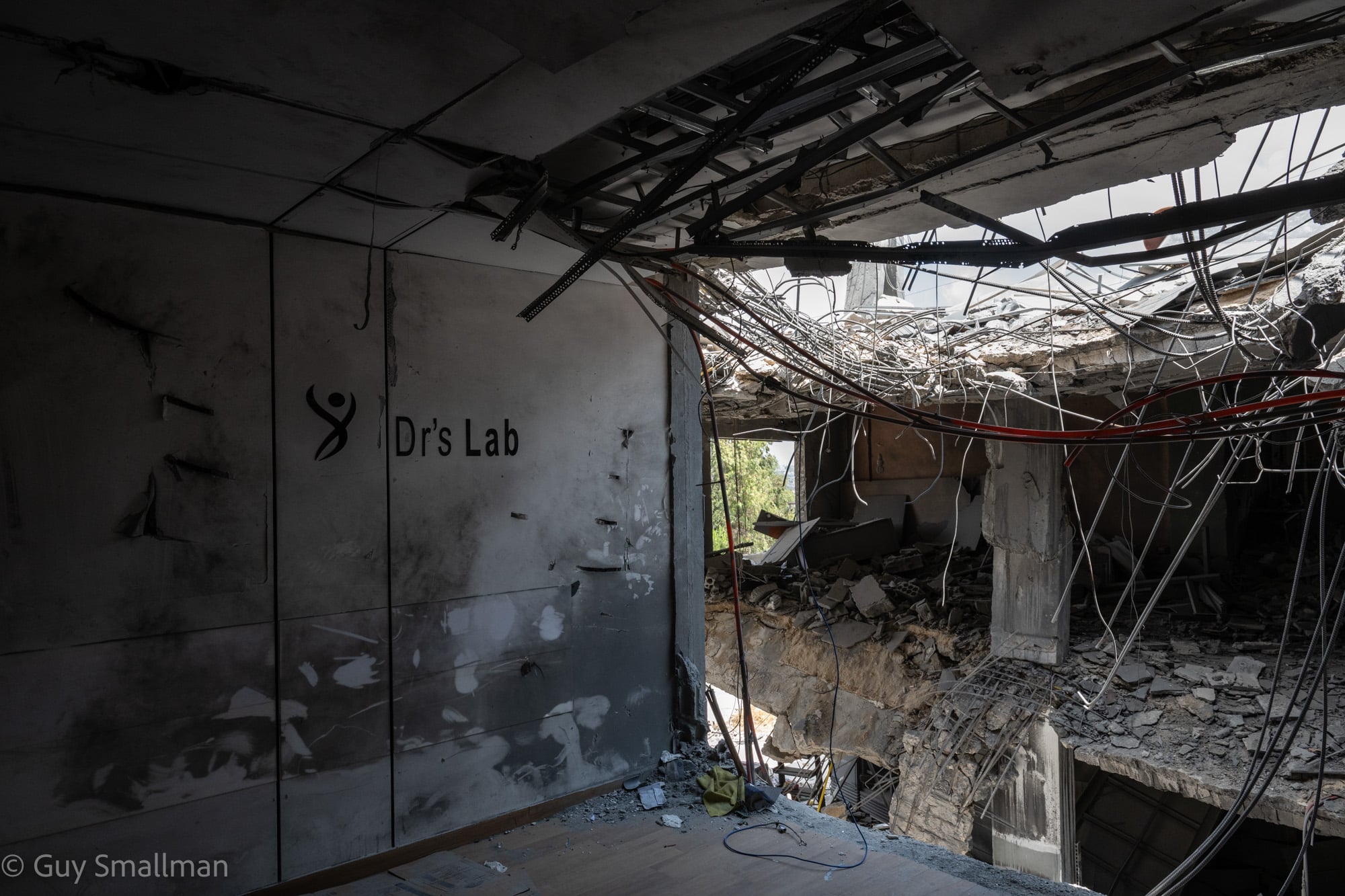
Warcrime after warcrime
Before leaving Tebnine, we visited the scene of yet another destroyed health centre just yards from the hospital. Across the street and around a hundred yards up the hill stood what was left of the ‘Dr’s Lab for medical analysis’ building. A large three-story facility which had contained a number of laboratories dedicated to the task of processing medical samples. It had clearly taken a direct hit from a bomb which had penetrated the roof and exploded in the rooms of the basement floor destroying everything above.
Yet another war crime against civilian medical infrastructure. Funded and facilitated by hypocritical Western democracies that supply the weapons while looking away from the consequences.
Images supplied by Guy Smallman
Video supplied by Tebnine Government Hospital
By Guy Smallman
You must be logged in to post a comment Login