

Our solicitor has this afternoon written to the Deputy Chief Constable.

We’ll await his response with interest.




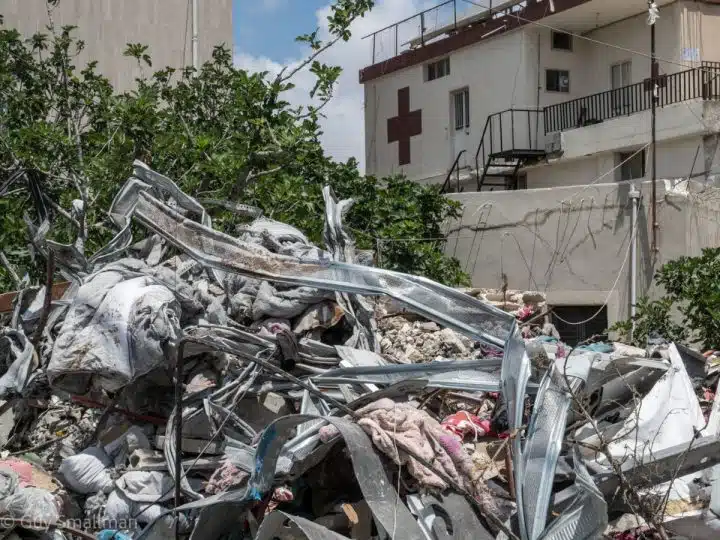
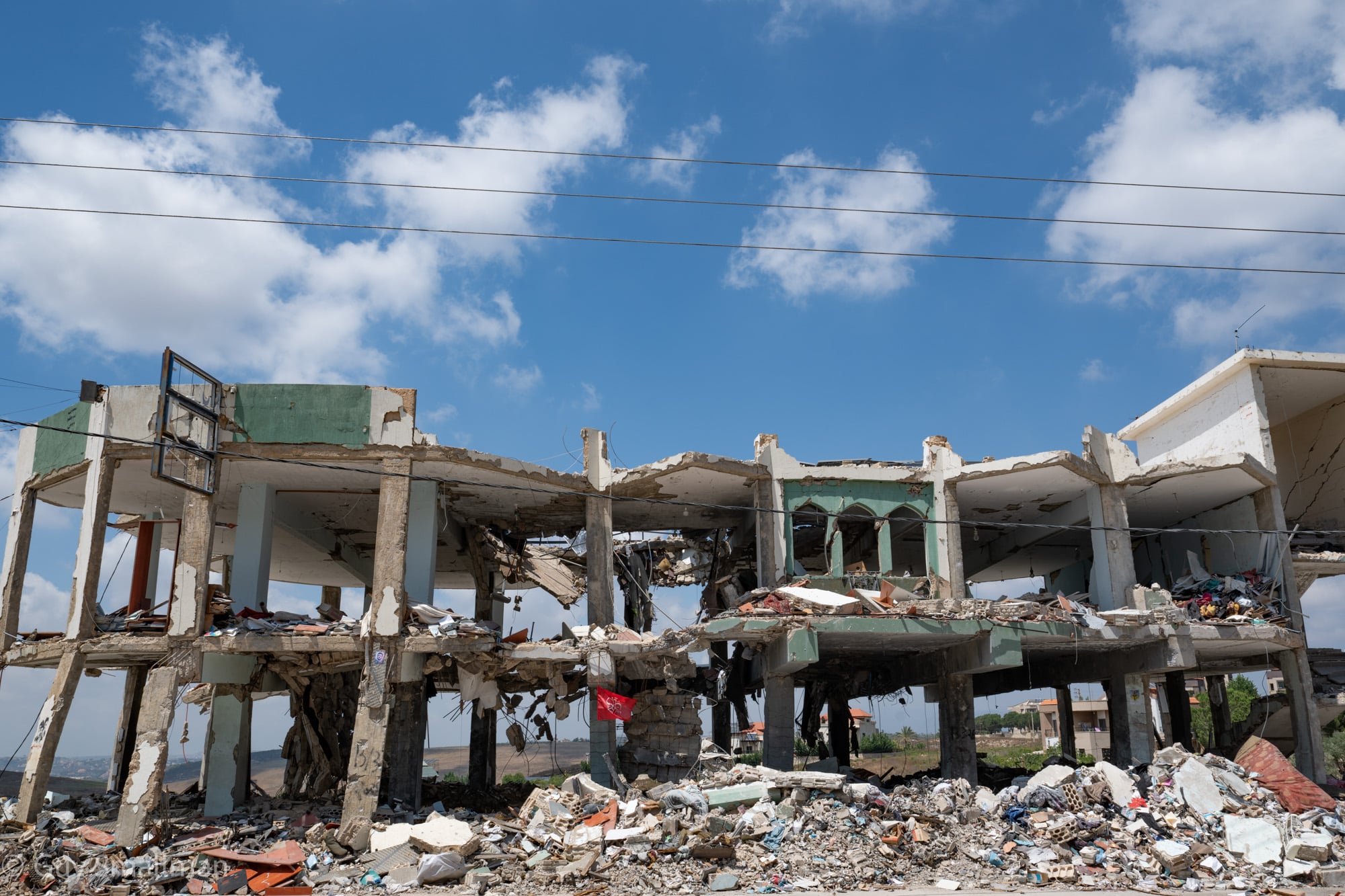
Lebanon — On the road to Tebnine we passed through the village of al-Mashouk. On one side of the road, which fell sharply into the valley below, was the empty shell of a modern building that had contained four stories — now above and below the carriageway. The bomb, which had destroyed it, had been powerful enough to set fire to homes and businesses on the other side of the street. Also writing off a Civil Defence fire appliance parked nearby.
This area — south of the southern city of Tyre — is sparsely populated with many remote low-income farming communities. It is the kind of rural area that has been hit particularly hard by the ongoing financial crisis that has crippled Lebanon since 2019. So, the people here rely on humanitarian organizations to fill the gaps in primary health care.
This building had been home to several specialist clinics and numerous offices. It had been a hub for mobile healthcare where ambulances and mobile clinics, often staffed by volunteers, were coordinated to serve the locality. A place where programs for mental and physical health education were formulated along with vaccinations, maternity care, dentistry and other specialist services. It was also run by the Hezbollah-affiliated Islamic Health Authority, which had sealed its fate.
This organisation was established in 1984 during Lebanon’s nightmarish civil war. It has a charitable status recognised nationally and internationally. It runs an estimated ninety-five clinics across the south and Bekaa Valley — and is seen as a key component of the social work that cements the popularity of Hezbollah in poorer areas.
The Israelis claim that such projects, and their associated buildings and ambulances, are being secretly used by Hezbollah to transport and store weapons — making them a military target. As with similar accusations made against hospitals in Gaza, no evidence has been produced. There was certainly no sign of any military equipment among the furniture and patient records strewn among the rubble of this particular bomb site.
Twenty kilometres along the road we reached our destination. The town of Tebnine sits in the centre of South Lebanon. Just one kilometre away, across the valley, the Israelis occupy the hilltops. Post-ceasefire, the town shakes several times a day as the occupiers demolish villages on their side of the yellow line with hundreds of tons of explosives.
The Tebnine Governmental Hospital serves the Bint Jbeil district, which saw the fiercest fighting right up until the recent ceasefire. Its staff, who continued their life-saving work through one hundred and ten days of intense bombardment, are the stuff of local legend.
The visibly damaged hospital stood amid the rubble of multiple airstrikes. The security guard’s booth — by the entrance — was burnt out along with a vehicle used for delivering blood and documents. The outside walls were peppered with the shrapnel of multiple blasts, and the solar panels lay smashed upon the roof. Most people here agree that the presence of international Red Cross staff was possibly what prevented it from being targeted for direct hits.
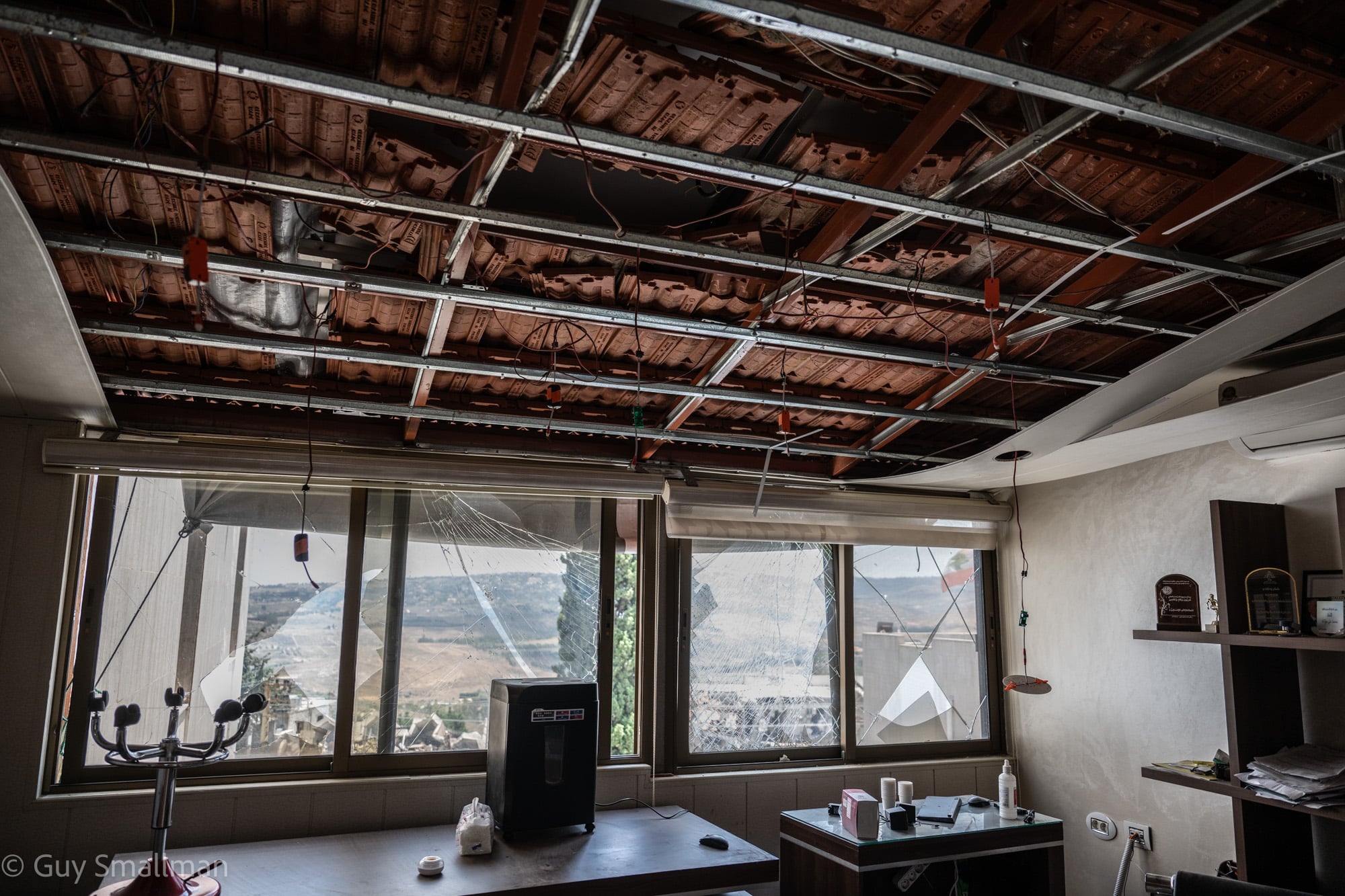
Inside, administrator Mohammad Awarke showed us around destroyed offices scattered with glass from their smashed windows. Rooms and corridors had temporary perspex walls constructed to replace the demolished concrete. He explained how a dedicated team of builders had operated twenty-four hours a day during the onslaught. Replacing walls and windows with plastic to keep out the clouds of smoke and dust that billowed all around the building during the war.
The damage inside had extended way past the waiting areas into the emergency departments, ICU, operating theatres and MRI unit. Outside, multiple ambulances had been damaged beyond repair by the strikes.
Mohammad explained that intense preparations had been made in the run-up to the war restarting on March 1st:
For about fifteen months between 2024 and 2026 the atmosphere pointed towards another war coming — daily attacks, daily strikes, daily targeting, drones, and so on. During those fifteen months, we were already working with the consequences of war: the wounded arriving from the attacks and the bombardments. So, we prepared stores for this next phase.
We also had support from the International Committee of the Red Cross. They were helping us and were present with us in the hospital. Their team was here, assisting us. The Ministry of Health was also helping.
It is hard to imagine the exhaustion endured by the staff as the three months of carnage commenced and intensified with no end in sight. All the nearest medical facilities were either damaged or evacuated, leaving this one alone to face wave after wave of casualties. He continued:
From the very beginning of the war on the first of March, our position was clear. We knew that we were staying in the hospital, standing firm to serve our people and our community in this area. During those hundred and ten days, we received around two thousand people. Between martyrs and the wounded, around one thousand four hundred and fifty were wounded, and the rest were martyrs.
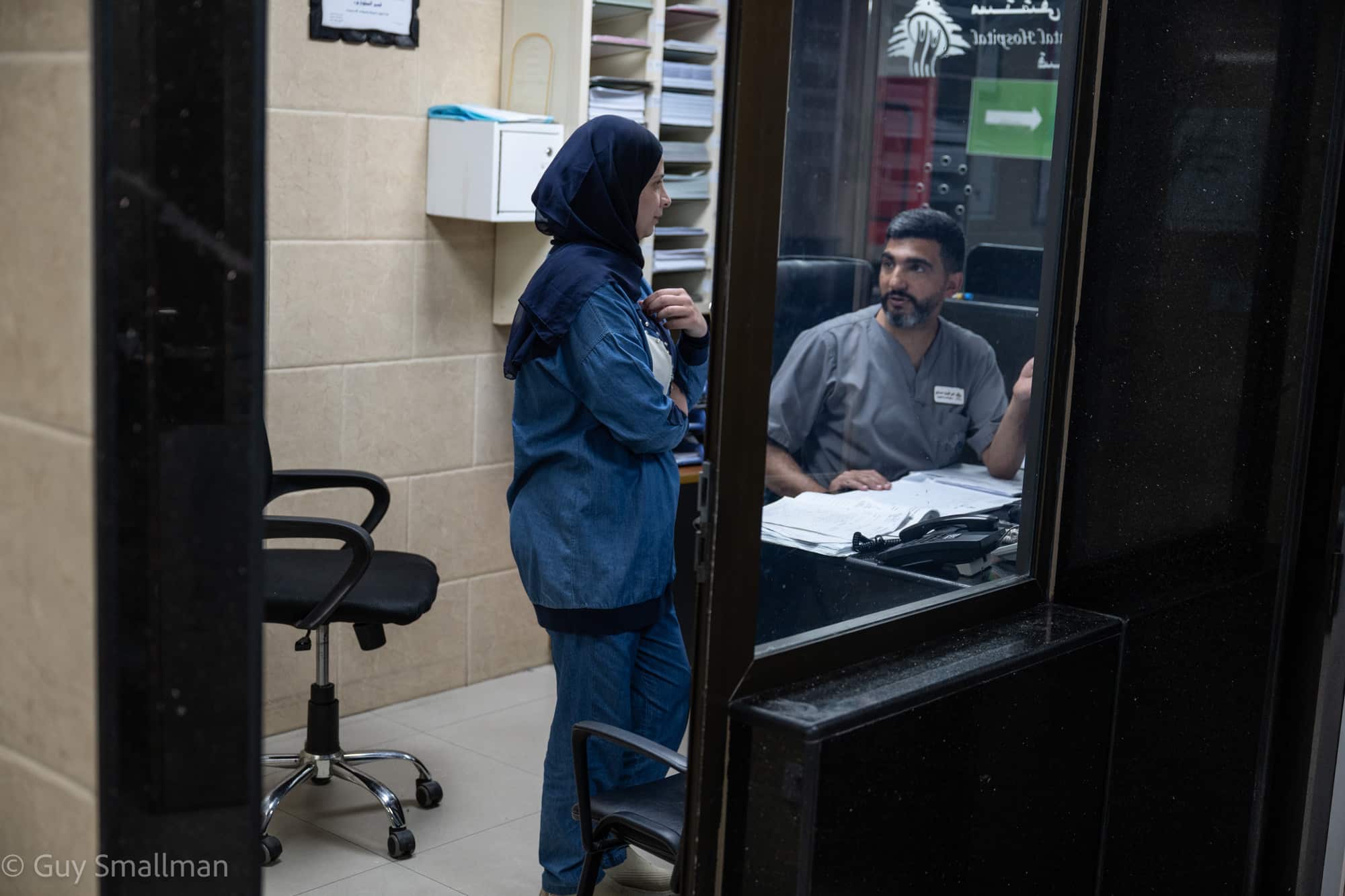
As the war had rolled on the hospital had started to run low on essentials of every description. Mohammad explained:
In terms of supplies. Medical supplies, food and so on. We had some stock. But a hundred and ten days is a long period. The Red Cross helped us with some medical items, also with diesel for the generator. The Lebanese Army was providing us with water because we had a problem with that. We usually get it from the state. But that supply was cut off. So the army brought us water every day. The South Council also brought us food and other supplies. These were the people and organisations who stood by our side.
On the relentless explosions endured by the staff and patients he said:
There was around fourteen airstrikes next to the hospital, all within a hundred metres. It sustained a lot of damage, but we kept going. The strikes were heavy and extremely close. If you walk around the hospital, you can see the destruction. Equipment destroyed, ceilings collapsed, glass shattered.
During the closest strikes we had over thirty injuries among the medical staff. The nurses and doctors. Some of those injuries happening four or five at a time, mostly from flying glass. Thankfully all those injuries were minor. But one young man from the Red Cross was martyred.
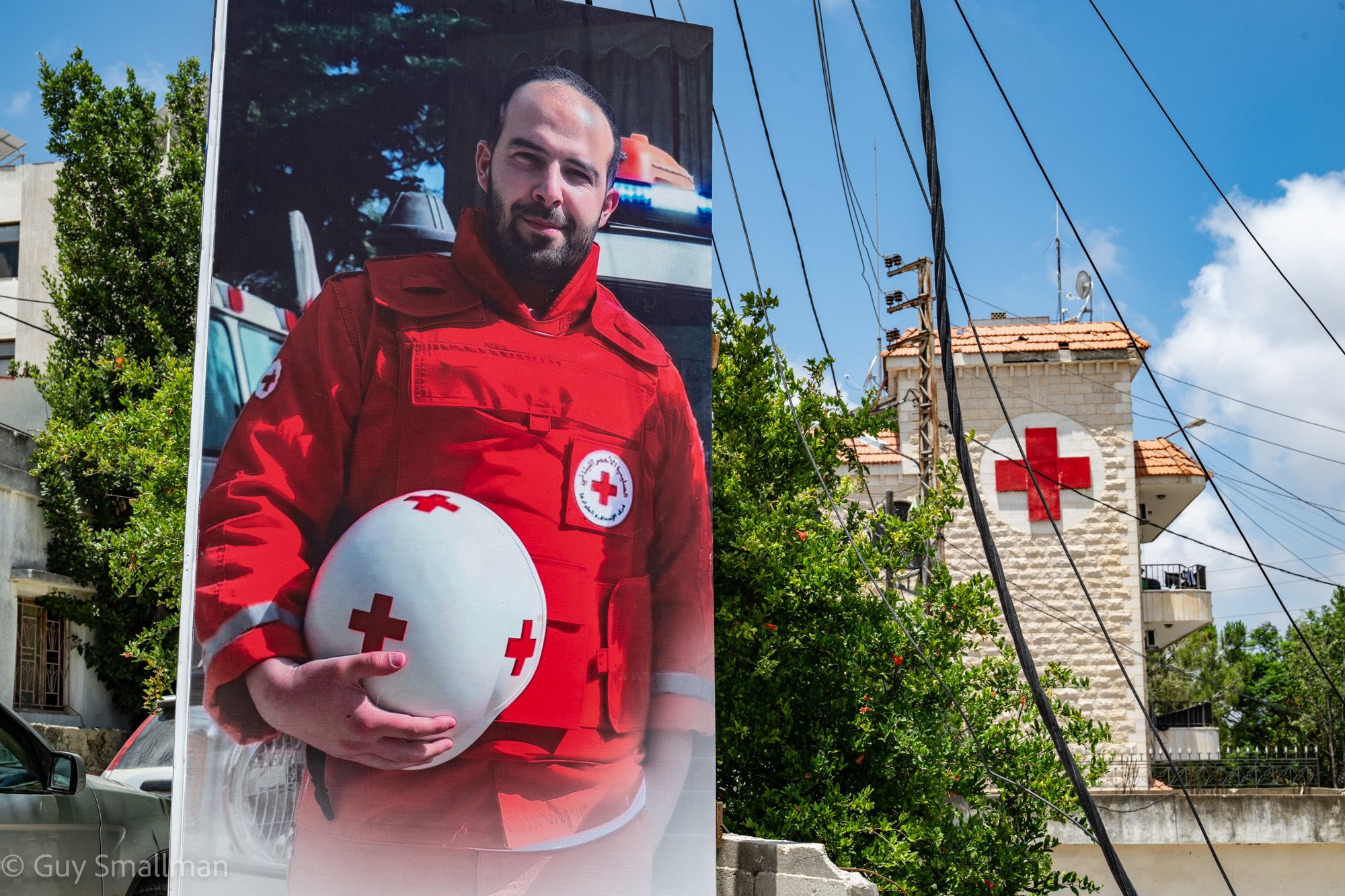
Volunteer paramedic Hasan Badawi had been with the Lebanese Red Cross since 2012. On April 13th he had been answering an emergency call with a colleague at the village of Beit Yahoun. Their ambulance was clearly marked. They were both in uniform. There is no way that they could have been mistaken for anything other than civilian first responders doing their duty.
As Hasan had been taking a stretcher from the back of the vehicle a drone had attacked. He was killed and his colleague seriously injured. He was the eighty-ninth humanitarian worker killed since the war had restarted in March. His colleague was also badly injured.
Hasan had two children with another on the way. He had called his pregnant wife the day before he was killed, saying that the bombing was everywhere but he would not leave his colleagues and patients.
The Israelis have offered no explanation for this atrocity. Outcry from the International Red Cross and the government in Lebanon has received the usual response that the incident is “under investigation”.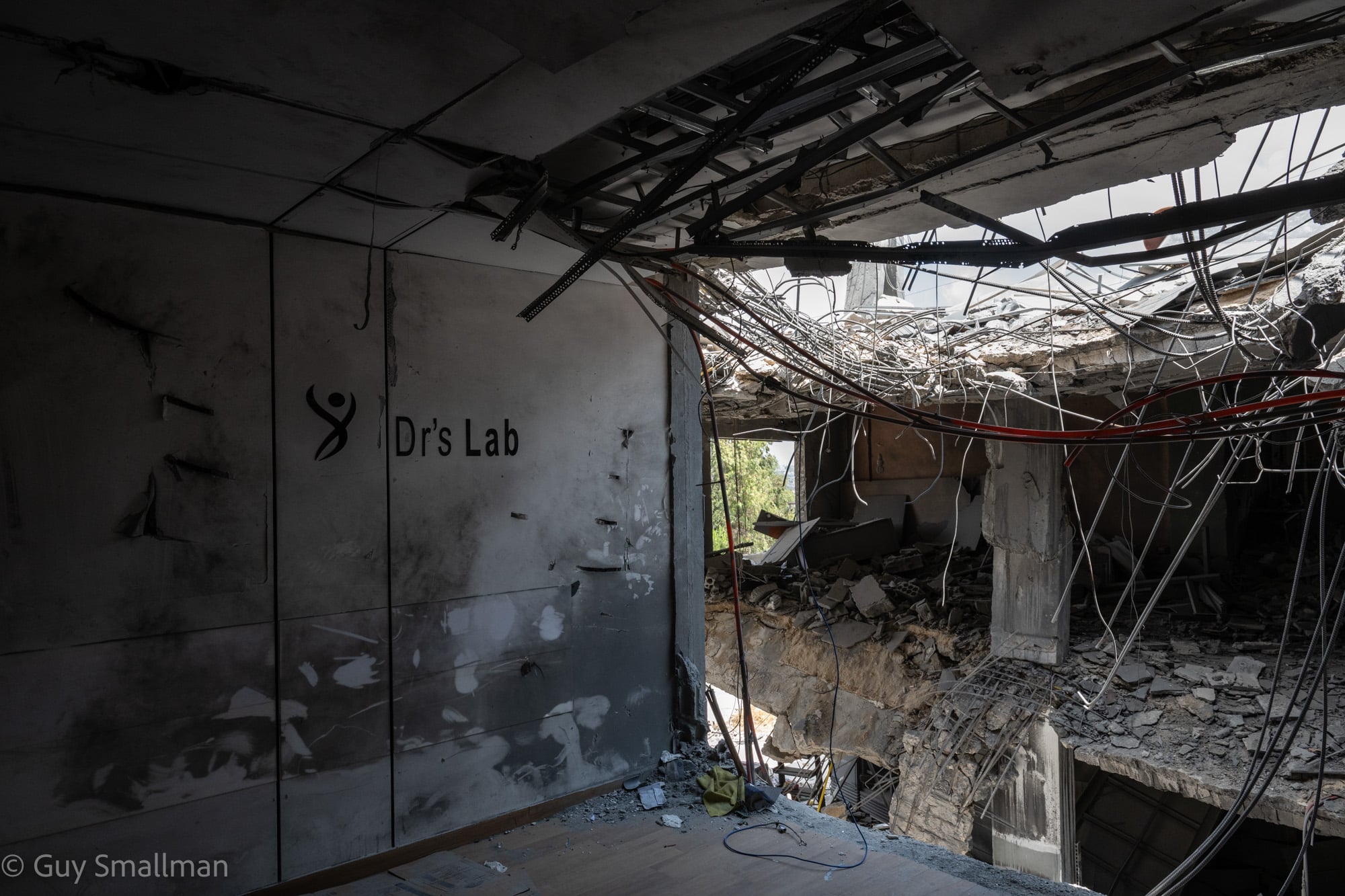
Before leaving Tebnine, we visited the scene of yet another destroyed health centre just yards from the hospital. Across the street and around a hundred yards up the hill stood what was left of the ‘Dr’s Lab for medical analysis’ building. A large three-story facility which had contained a number of laboratories dedicated to the task of processing medical samples. It had clearly taken a direct hit from a bomb which had penetrated the roof and exploded in the rooms of the basement floor destroying everything above.
Yet another war crime against civilian medical infrastructure. Funded and facilitated by hypocritical Western democracies that supply the weapons while looking away from the consequences.
Images supplied by Guy Smallman
Video supplied by Tebnine Government Hospital
By Guy Smallman
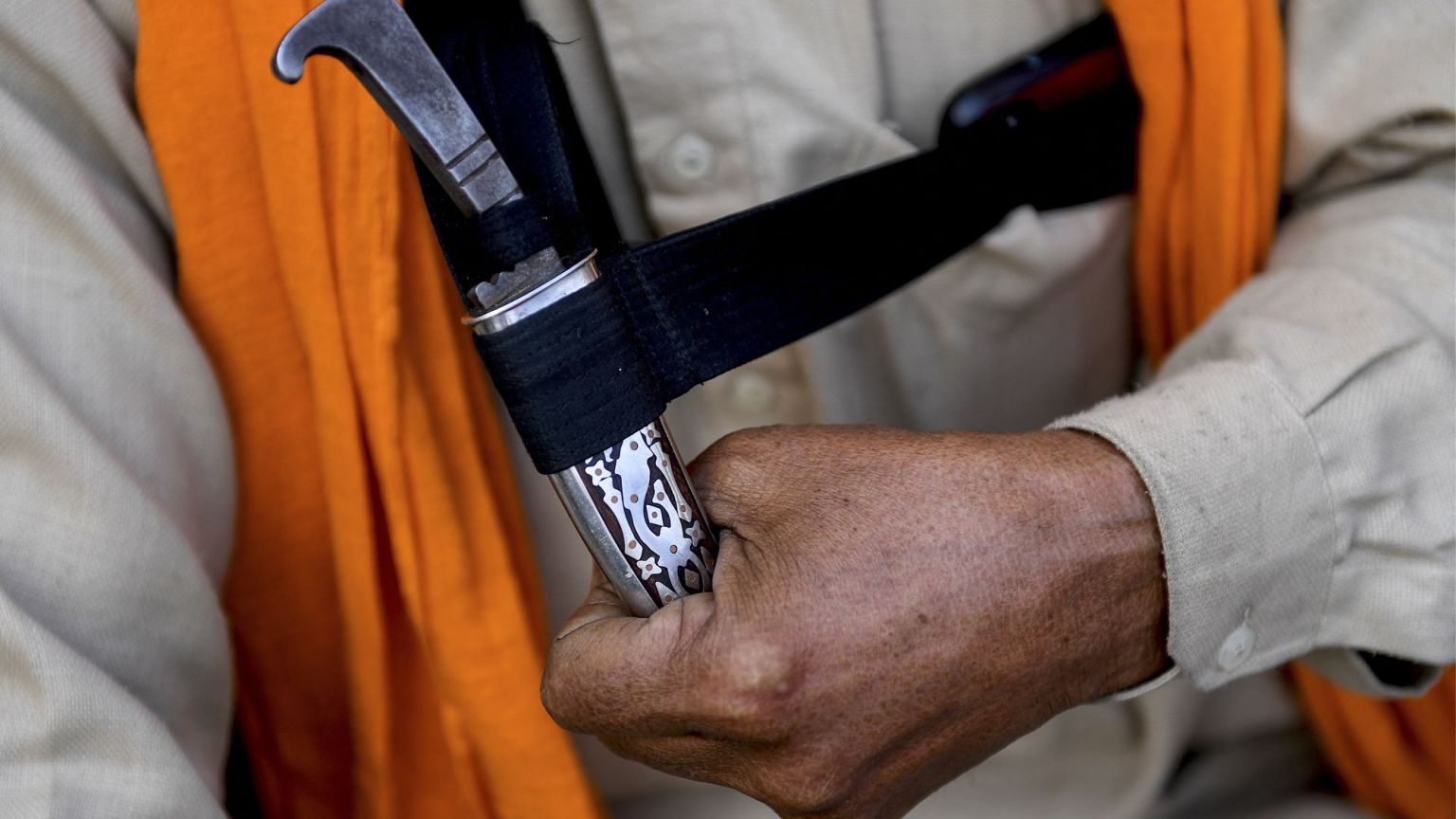
Some reports of Henry Nowak’s killing have described the murder weapon as a Sikh sword, a ceremonial knife or a large Sikh dagger. That matters. Once the word ‘Sikh’ is attached to the weapon, the crime begins to look like a case about religious liberty. It was not. The Sikh faith was invoked in Vickrum Digwa’s defence – but it should not have been. The kirpan is an article of faith. The criminal use of a blade – and the blade Digwa carried – is not.
More than 20 years ago, I published a paper in the Psychiatric Bulletin on the care of Sikh patients who wear the kirpan. It was about a practical question: how clinicians might respect a patient’s religious observance without compromising safety on a hospital ward. I did not expect to return to the subject because of a murder. The killing of Henry Nowak in Southampton, and the debate that followed, has made that necessary.
The facts established at trial are stark. Digwa was convicted of murdering 18-year-old student Henry Nowak. Digwa inflicted five wounds with a large blade and then told the police, falsely, that he had been the victim of a racist assault. The jury rejected his claim of self-defence. The sentence has since been referred to the Court of Appeal as potentially unduly lenient, though that is a separate question from the one I wish to address here.
What is important is that this murder does not turn into a religious dispute. Whatever else may be said of the case, no question of religious entitlement arises from these facts, and it is a source of real distress to me, and many other Sikhs, that the language of faith was enlisted in his defence at all.
Digwa did not kill with the small kirpan that was recovered, unused, from around his neck. He killed with a separate and much larger blade. Some reports have called the weapon a kirpan. Others have called it a Sikh sword. That loose language is a problem. A blade cannot be carried or used as an offensive weapon just because the man carrying it is Sikh.
There is a martial inheritance in Sikhism. That should not be denied or airbrushed away. Shastar Vidya, the art of weaponry, has a place within parts of the Sikh martial tradition. But it is a discipline, not a licence. It does not require a weapon to be carried in public, as has been widely claimed. Still less does it justify drawing one in anger. To present the carrying of an offensive weapon as a religious duty is an inversion of Sikhism.
The kirpan is one of the five articles of faith, the Panj Kakkar, worn by initiated Sikhs of the Khalsa, the order constituted by Guru Gobind Singh in 1699. Its name is commonly understood as joining kirpa (mercy) and aan (honour). The kirpan is normally sheathed and worn against the body. It is not there to suggest the wearer has a right to violence – it is a reminder of one’s duties: to resist injustice, protect the vulnerable and govern one’s own passions. Sikh teaching is clear that it is not to be drawn in aggression. A man who turns a blade on an unarmed youth has not exercised a religious right. He has betrayed the discipline the kirpan signifies.
English law already draws this distinction. Under section 139 of the Criminal Justice Act 1988, it is an offence to carry a bladed or pointed article in public. The act provides a defence where it is carried for religious reasons, but the burden is on the accused to establish that this is the blade’s purpose. What’s more, it is only a defence for possessing such a blade – it is not a licence to use a blade as a weapon. The Nowak case is not evidence that religious minorities get away with violence that would be punished in others. Instead, it is evidence that the law’s existing limits operate as intended.
Other countries have faced the same concern. In Canada, the Supreme Court held in Multani v Commission scolaire Marguerite-Bourgeoys that an absolute ban on a non-violent schoolboy’s kirpan infringed religious freedom, while allowing conditions: the kirpan had to be secured and sewn inside his clothing. The court sensibly observed that many ordinary objects may be misused without being prohibited. Italy went the other way. In 2017, the Court of Cassation upheld a fine imposed on a Sikh man in Lombardy for carrying a kirpan of almost 20 centimetres outside his home. The court was explicit that public safety must prevail and that those who choose to settle in a country are bound to observe its law.
Parts of that judgment’s reasoning, which strayed into pronouncements upon the proper character of Italian society, were criticised. Yet what followed is instructive. The roughly 200,000 Sikhs in Italy, the largest such community in continental Europe, did not respond with defiance or disorder. They accepted the ruling and continued, as before, to be counted among Italy’s most industrious and law-abiding citizens. Liberal societies can set different boundaries. What they should not do is confuse religious symbolism with permission for violence.
There is a wider point here. In many countries where Sikhs have settled – Britain, Canada, East Africa and Italy among them – the pattern has generally been one of hard work, integration, civic loyalty and service. There is no contradiction between Sikh identity and obedience to the law of the land. Sikh tradition enjoins respect for just law. It also forbids the use of the kirpan as a weapon. A Sikh has no more quarrel with legal limits on a blade designed to cause harm than a Scottish Highlander has with legal limits on the sgian-dubh.
We must resist two mistakes. The first is to let one crime cast suspicion on every Sikh who wears the article Digwa dishonoured. The second is to let religious language soften the plain character of what happened. It was murder. The sentencing judge himself remarked that Digwa’s actions had wrongly associated a faith-based symbol with a brutal crime. That false association is what should be challenged – not the Sikh faith, nor the community.
The right response is the calm application of a law that already draws a necessary distinction between violence and non-violence, and not the diminishment of law-abiding Sikhs who have given this country, and many others, a great deal more than they have ever taken.
Swaran Singh was a commissioner for the Equality and Human Rights Commission, and is professor of social and community psychiatry at the University of Warwick and an NHS consultant psychiatrist.
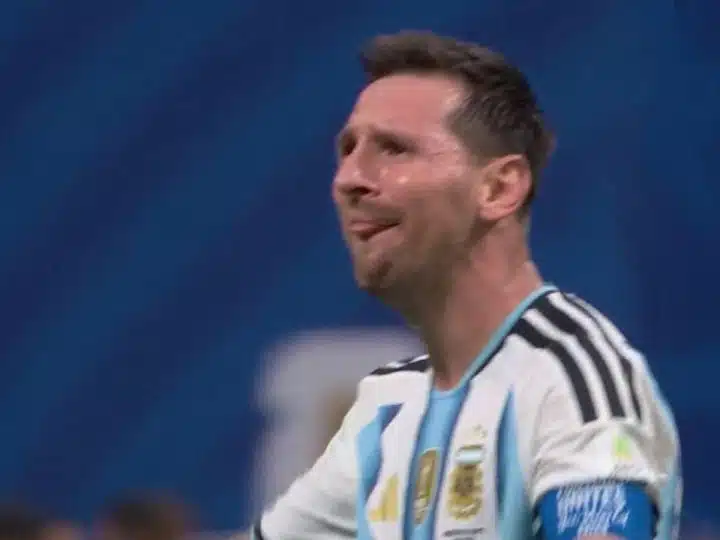
Irish comedian Tadgh Hickey has a simple message as the World Cup progresses in the US: “Fuck Messi”. The Israel-linked Argentinian football star has been silent on Israel’s genocide in Gaza.
Hickey posted a heart-breaking video to his YouTube channel. While Egypt’s football coach has spoken out against the silence of many clubs and stars on the genocide, Hickey added no comment to his post apart from the pithy title. None is needed for those who watch the chilling video to the end:
Fuck Messi.
Featured image via Twitter
By Skwawkbox
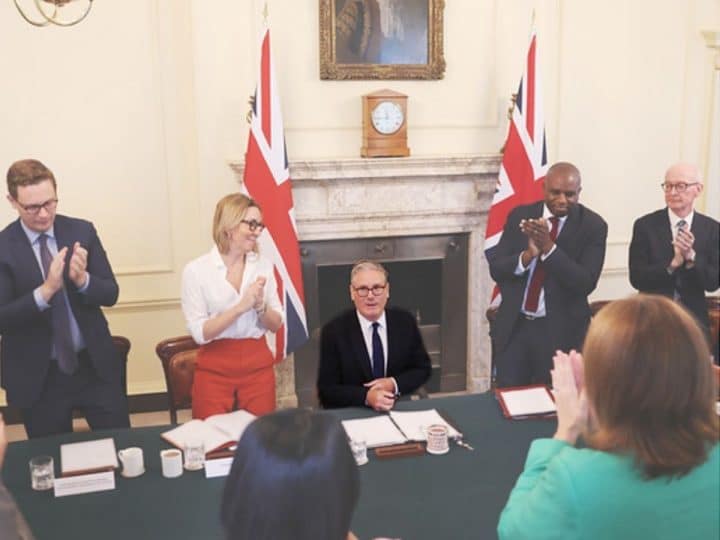
So, Keir Starmer is stepping down as PM. And he’s doing so with a round of applause from the Labour MPs who just unceremoniously sacked him:
Downing Street has just published a photo of the cabinet applauding Sir Keir Starmer at their final meeting this morning. pic.twitter.com/a1eXYGnmnY
— Ben Bloch (@realBenBloch) July 15, 2026
We don’t think this latest display will enamour voters to Labour. Then again, they don’t seem to care about winning back public support. If they did, Andy Burnham wouldn’t be delivering continuity Starmerism.
Before we get into it, let’s remind ourselves what Labour MPs were doing after Burnham won the Makerfield by-election:
— Politics UK (@PolitlcsUK) June 22, 2026
 PICTURED: Andy Burnham takes a selfie with Labour MPs pic.twitter.com/BbiHgIJwTm
Parliament had just sworn Burnham in when the above was taken, having travelled up from Manchester on a train pursued by media helicopters. Starmer stepped down earlier the same day, clearly sensing the mood. It’s hard to imagine a more humiliating spectacle than having all your MPs fawn over your replacement like this. And now those same MPs are acting as follows:
Labour were going to get 15% in a general election with this man.
— Aaron Bastani (@AaronBastani) July 15, 2026
There was also much joking between Starmer and Kemi Badenoch – the other head of the Labour-Tory duopoly:
Badenoch: "He might not have answered the questions I asked him, but at least he turned up" Starmer: "I've answered – or at least given answers – 2,800 times" #PMQs pic.twitter.com/iBcWoOAKvF
— Politics UK (@PolitlcsUK) July 15, 2026
WATCH: Kemi Badenoch and Keir Starmer exchange further friendly remarks in his final PMQs
To be fair, this next comment was about as funny as it ever gets at Prime Minister’s Questions:
Starmer: "My advice to everyone is to put your vote in the bin" #PMQs pic.twitter.com/2OLMJqlMJX
— Politics UK (@PolitlcsUK) July 15, 2026
WATCH: Kemi Badenoch says the "country deserves" a televised debate between Count Binface and Nigel Farage
Ed Davey also praised Starmer:
— Politics UK (@PolitlcsUK) July 15, 2026
WATCH: Lib Dem leader Ed Davey praises Keir Starmer as a "true patriot" as he pays tribute to him in his final PMQs #PMQs pic.twitter.com/LzPvMh3TWe
You can say this is just people being polite, but the public will see it as another example of the chumocracy. Or they would if they watched Prime Minister’s Questions, anyway, which they don’t, because no one ever answers anything.
There’s an old proverb that goes:
If you sit by the river for long enough, you will see the body of your enemy float by
This phenomenon is one of two things that makes politics bearable (the other being occasionally getting stuff done). And make no mistake; Keir Starmer has been an enemy to progressive politics in the UK.
As you no doubt know, Keir Starmer was Jeremy Corbyn’s shadow Brexit secretary. And Starmer used his position to sabotage any chance of Britain getting a soft Brexit:
When Starmer resigns in disgrace we will, gradually, start to see revision regarding his role in Brexit. He locks in no deal.
As Shadow Brexit Secretary before 2019 he led a truly insane position, which could never work. That same political idiocy is now evident in Number 10.
— Aaron Bastani (@AaronBastani) September 14, 2025
At each turn Starmer’s position can be explained by one thing: career advancement. One can only suspect that remains the case. Indeed, it can even be argued that Starmer set Labour up to fail when it came to Brexit prior to 2019.
Theresa May’s Chief of Staff Gavin Barwell certainly thought so. He recalled how Starmer seemed utterly intent on scotching any kind of compromise. This was so obvious that Barwell tried an experiment, giving the shadow Brexit secretary a proposal copied from something Starmer himself had written. Starmer “objected to the language on customs” in one of the bilateral documents. “I pointed out that we had lifted it from his letter of April 22 — he was objecting to his own policy,” Barwell writes in his memoir.
Starmer would later champion the second referendum position which caused Labour to haemorrhage support in the 2019 election (although more people voted Labour that year than in 2024 when Starmer won his majority).
Starmer famously became Labour leader on the back of his 10 Pledges. There was a lot of good stuff in those pledges, and if he’d enacted them, he would have dramatically improved this country (he might have avoided tanking his polling too). Instead, Starmer quietly abandoned the pledges one by one between 2020 and the 2024 election.
Forgive us if we don't trust Keir Starmer.
Do you? pic.twitter.com/0XuPquukcz
— The Green Party (@TheGreenParty) April 17, 2026
In addition to all this, Starmer’s government has raised eyebrows for the many sex offenders in its orbit:
It wouldn’t be inaccurate to say Starmer was an improvement on the Tories. The problem was that the scale of improvement was a million miles away from what the moment required.
The guy was bailing out water with a thimble, and now his ship has sunk. Bon voyage, Keir Rodney Starmer!
Featured image via the Canary
By Willem Moore
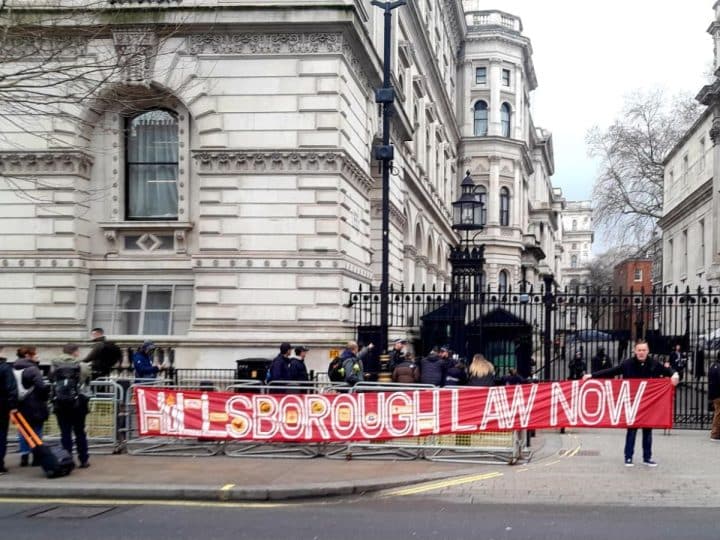
The Public Office (Accountability) Bill passed its third reading in the House of Commons on Tuesday 14 July, and is now moving through the next stages of the legislative process. Also referred to as the Hillsborough Law, it will drastically improve the ability of ordinary people to get justice and accountability from those in power.
In short, its purpose is to ensure the government is accountable for its actions and the very real human impact those actions can have, drawing its nickname from the Hillsborough disaster.
Despite multiple attempts in the courts, none of the police officers or the former chief superintendent Duckenfield have faced justice for their cover-up and negligence, which caused the death of 97 people and injured over 1000.
Decades of campaigning by the Hillsborough families have finally pushed this law into place, giving people a way to challenge those in power when they try to hide their wrongdoing and escape accountability.
This has subsequently been welcomed by the Campaign Opposing Police Surveillance (COPS), survivors of abuse committed by Spy Cops, who say this law:
marks a significant moment in the long struggle to ensure that the state can no longer evade accountability when it harms the people it claims to serve.
The number 96 has been tattooed on my wrist since 2015.
It reminds me every day that I was one of the lucky ones who came home from Hillsborough.
Today, standing in Parliament to speak as the Hillsborough Law passed was one of the proudest and most emotional moments of my life.… pic.twitter.com/IXUn3juYdz — lan Byrne MP (@IanByrneMP) July 14, 2026
COPS have campaigned for years against the police’s track record of spying on political groups, trade unions and justice campaigns, and effectively working as an arm of the state to prevent accountability and justice for ordinary people.
The law, COPS say, honours the perseverance of the Hillsborough victims and their families. Those affected fought for decades to bring it into force despite facing “institutional denial, concealment and abuse”. In a press release, they say they “recognise these patterns all too well”, adding:
For decades, police officers operating undercover deceived women into intimate relationships as they unlawfully spied on political groups, trade unions and justice campaigns.
They stole the identities of deceased children, acted as agent provocateurs, hoovered up personal information on thousands of people, kept illegal employment blacklists and lied in their intelligence reports; while Special Branch commanders avoided discipline for their officers and kept everything in house to cover up corruption.
Those abuses are now being investigated and evidence is coming out. We are ‘core participants’ in the Undercover Policing Inquiry (UCPI), but the Inquiry itself has become an illustration of why this law is so badly needed.
More than ten years since the inquiry was announced, many of us are still waiting for answers, and progress is constantly hampered by institutional resistance, incomplete disclosure and police witnesses who have shamelessly lied, treating the inquiry process with the same contempt they showed the criminal and civil courts during their operations, leading to dozens of miscarriages of justice.
However, as we see with the wilful ignorance of those in government regarding the flagrant breaches of international law by Israel and the US, these laws only have the power to secure justice if the political will is there to make it so. Up to now, the political will has clearly been to shield institutions from reputational damage or real accountability, leaving victims angry and with no closure or remedy for their rage and grief.
Nevertheless, those affected have courageously refused to give up or be fatigued out of making this bill a reality. Now, it will be essential to watch how the government respond to upcoming inquiries and whether they see powerful people held accountable for their abuses against ordinary people that they “claim to serve”.
One thing is certain: anyone who lies or tries to obstruct justice will now face the threat of criminal liability.
Hopefully this will make those in power think twice:
“Under the Hillsborough law public officials are going to have to tell the truth and if they don't they risk going to prison… It's about the first step in changing culture within big organizations, especially public bodies.”
Speaking in London, human rights lawyer Elkan… pic.twitter.com/zFOdIRvCph
— Canary (@TheCanaryUK) July 15, 2026
Deborah Coles, executive director of INQUEST, spoke yesterday, saying it was a “momentous day” and pointed out how this finally works to address the huge power imbalance between the state and the British public:
“Bereaved families who are going along to inquests where the state is represented will have access to non-means tested public funding so that they can be represented at those inquests. And that is going to rebalance the power dynamics… where historically all the resources and… pic.twitter.com/ceiWL03f1Q
— Canary (@TheCanaryUK) July 15, 2026
COPS, core participants in the UCPI, spoke further about the ongoing inquiry into the use of spy cops:
Having heard from many former undercover officers, and those who they spied upon, the Inquiry has now turned its attention to the senior officers and government departments who authorised, supervised and oversaw these operations, but the drive to conceal police misconduct behind a wall of institutional
secrecy has continued right up the chain.
As a result, this inquiry gives the public the opportunity to see if the new law will be worth its weight and thus, capable of holding governments, institutions and powerful people accountable so that victims can finally get real justice.
COPS finished their press release stating:
Over the next two weeks the Inquiry will hear from former Metropolitan Police leaders, including former Commissioner Lord Paul Condon, and the key question is no longer what undercover officers did, but who knew, who approved, who benefited from the intelligence gathered on political campaigners and community organisations, and who helped to conceal the truth?
No law can undo the harm already caused, but the Hillsborough Law would make obstructing and lying to this inquiry a criminal offence.
By creating meaningful consequences for those who deliberately mislead or frustrate investigations, this law has the potential to effect real change for us, as the Undercover Policing Inquiry rumbles on. The search for truth should never depend on the persistence or resources of victims and bereaved families.
This legislation strikes a blow against the culture of cover-up and impunity that has characterised so many public scandals, and we congratulate the Hillsborough families on their historic achievement and thank them for the example they have set. Their determination will have lasting consequences for us all.
The next few weeks will show whether those in power are simply using this law to win over voters — or whether they have the courage to enforce it, even when it puts powerful people in the firing line.
Featured image via Linenhall
The post The silencing of Great Britain appeared first on spiked.

“It’s a soccer match. Nothing more to it. Period.”
That’s how Argentina coach Lionel Scaloni described his team’s upcoming World Cup semifinal against England to journalists.
No one believes him, least of all Argentinians themselves.
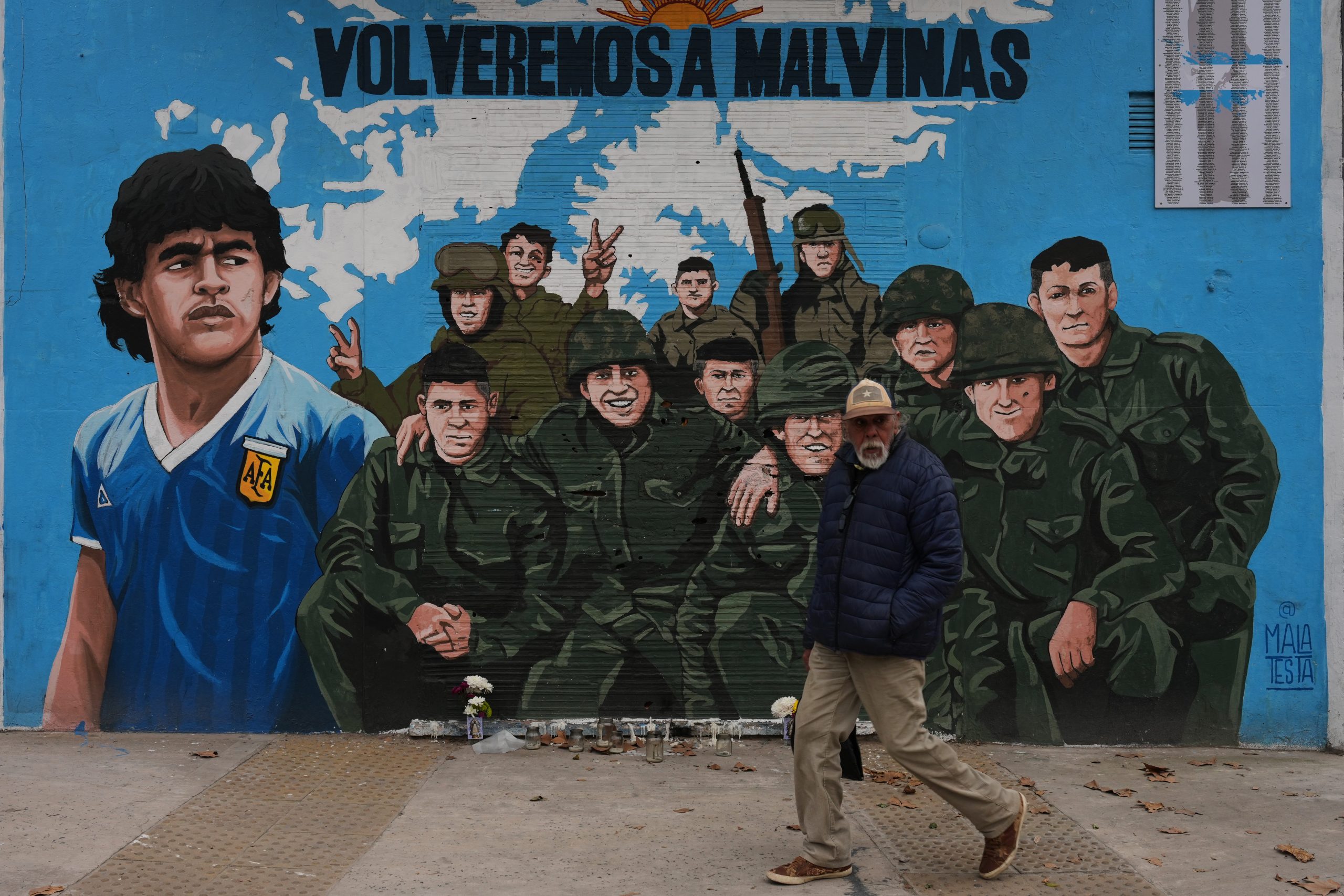
For many in the South American nation, the match is more than a stepping stone toward the World Cup title. It is a long-awaited chance to restore their national pride, over four decades after the British established de facto control over a cluster of islands in the South Atlantic.
For Argentina’s President Javier Milei, the timing couldn’t be better. Unpopular at home over multiple corruption scandals and rampant inflation, yet buoyed by his close alliance with U.S. President Donald Trump, he has sought to rally Argentinians around the flag by breathing new life into the dispute which claimed 649 Argentine and 255 British lives.
“Argentina is a very polarized country, like so much of the Americas. But this is an issue that unites everyone,” said Rebecca Bill Chavez, who served as deputy assistant secretary of defense for western hemisphere affairs under former President Barack Obama.
“It doesn’t matter in Argentina: Left, right, center — you’re all for the Malvinas, as they call it,” Bill Chavez adds, referencing the name Argentinians use for the Falklands.
On Saturday, five days before the match, Argentina’s Foreign Minister Pablo Quirno came out swinging with a lengthy opinion piece in the conservative daily “La Nación.”
The Malvinas, he argued, were Argentinian “by history, by right, and by conviction” and the Brits guilty of an “illegal occupation.”
On the eve of the game, the country’s vice president, Victoria Villarruel, amped up the rhetoric in a post on X that referred to England as “invaders” and “usurping pirates.”
It is the latest in a series of jabs at Westminster, marking a notable shift for the government of Milei, who distinguished himself from his predecessors by taking a relatively moderate — and domestically sensitive — stance on the Falklands.
He has openly praised Margaret Thatcher, the British prime minister who sent troops to the islands in 1982. And he seemed to accept the results of a 2013 referendum in which 99.8 percent of the Falklands’ residents voted to remain under British rule (only three people voted against).
One day, Milei fantasized in a speech on Veterans Day in April just last year, the islanders might find Argentina so attractive that they’d “vote for us” voluntarily.
But that was then.
This April he announced on X that the Falklands “were, are and will always be Argentine.”
The jingoistic post came hours after Reuters reported that an internal Pentagon memo had suggested Washington could review its diplomatic support for the British position on the Falklands in retaliation for its foot-dragging on Iran.
Milei’s brashness, and the absence of a U.S. response, is evidence of his close relationship with the White House under Trump, notes Bill Chavez.
“In the past, if an Argentine government had made such a statement, I think it would have caused real tension in the U.S.-Argentine relationship,” she said.
But she cautions that neither the leaked memo nor American support for Argentina’s acquisition of F16s in 2025 under the Biden administration indicates an actual shift in U.S. policy on the Falklands.
For Milei, the Falklands issue is not straightforward either.
If the topic becomes too central, “Milei loses,” said Andrés Gilio of Opina Argentina, a pollster.
In a survey it conducted in April, an overwhelming majority of respondents, 79 percent, argued the country should pursue sovereignty over the islands “without concessions.”
“Either Milei ‘Malvinizes’ his discourse, aligning himself with public opinion but straining relations with the United States and blurring his ideological profile, or he remains faithful to his ideas, downplaying the sovereignty claim, at the risk of going against most of society’s wishes,” said Gilio.
So far, Milei has pressed the Falklands issue in international forums while refraining from a real confrontation.
The Argentinian Foreign Ministry declined to comment in time for this article’s publication.
Argentina has faced England five times at the World Cup, rarely without drama. Seared into Argentina’s national memory is the 1986 quarterfinal, just four years after the Falklands war, when Diego Maradona scored two historic goals.
“Although before the match we kept saying that football had nothing to do with the Falklands War,” Maradona would later write in his biography, “we knew that many young Argentine boys had died there, that they had been killed like little birds.”
This time around, Argentina’s players and fans have been anything but subtle, invoking the conflict long before they were drawn to face England. After winning against Egypt, the team’s players were filmed belting out a song calling for an Argentine World Cup victory, “for Malvinas,” in a video since gone viral.
Off-pitch, there have been skirmishes between British and Argentinian fans even as jubilant Argentine supporters have celebrated victories by singing “Whoever doesn’t jump is an Englishman.” As a precaution, FIFA has barred two of its English referees from officiating any Argentina matches.
Asked about the flaring tensions, a spokesperson for British Prime Minister Keir Starmer said this week that “The Falkland Islanders are British with the right to determine their own future.” Starmer, he said, was “solely focused on the semi-final and securing a spot in the final.”
But perhaps the strongest plea for restraint has come from Argentinian veterans.
“Sport is not war,” the April 2 veterans group wrote in a statement widely circulated by Argentinian media on Monday.
“The World Cup semifinal is a sporting event of global significance, not an armed act of revenge or historical compensation.”
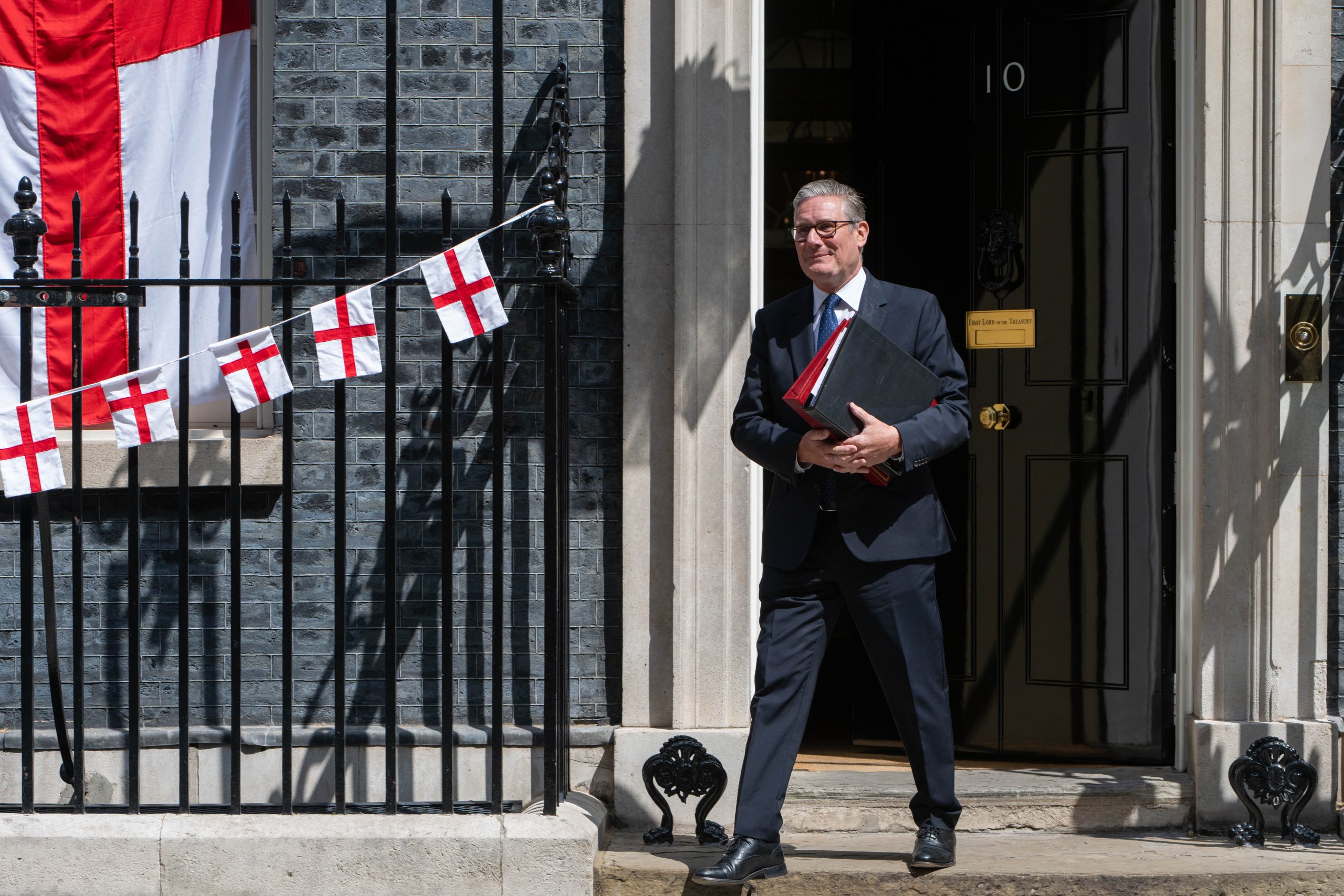

The House of Commons was exercised on Wednesday about the prospect of England beating Argentina in tonight’s World Cup semifinal.
Ahead of Keir Starmer’s last Prime Minister’s Questions as premier before he exits the top job, Commons Speaker Lindsay Hoyle — the normally impartial chair — said he hoped the PM will be “bringing home” World Cup victory to widespread cheers.
Starmer, a huge soccer fan who cheers for Arsenal in the Premier League, opened PMQs by stressing his “important appointment with the television” this evening to watch the match live.
Opposition Conservative MP Graham Stuart compared the prime minister to England superstar Jude Bellingham by “scoring the winning goal, leading our team to victory,” though Starmer had “now been handed a red card by the 400 dodgy referees behind him,” referring to the 2024 election win before a Labour rebellion that helped topple him.
The PM continued on the subject of red cards by saying “I can’t tell him how much incoming I had … to get the England red card adjusted,” after President Donald Trump’s intervention to help overturn the suspension of U.S. striker Folarin Balogun.
Starmer said he didn’t follow the U.S. president’s example, after Jarell Quansah was sent off against Mexico and suspended.
How about we start again and do it all like that? The party leaders had come in their most deceptive disguise – as amused, ironic, decent British civilians. With occasional flashes of feline tooth and claw, they conducted their business in a language we could all understand. We were included. We were part of a…
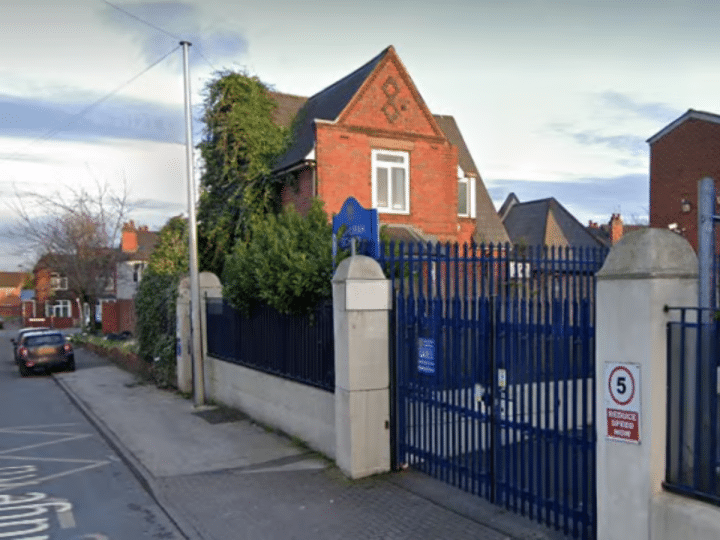
The silence of politicians and mainstream media on Islamophobic attacks continues with a secondary school in Birmingham.
After a string of attacks on mosques and family homes, Hamd House School in the Bordesley Green area of the city, had to be evacuated after a bomb threat on Tuesday.
But apart from an article in Birmingham Live, the frightening incident has been ignored by government and state-corporate media.
It was reported that 450 pupils had to flee the building while police with sniffer dogs swept it for explosives.
Israr Khan, boss of the independent school, rated ‘outstanding’ by Ofsted, said it has been repeatedly targeted.
He told Birmingham Live that the threat had come as children celebrated their last day before the summer holidays.
Khan said:
School was full and pupils were celebrating the last day before summer, we were giving out awards and having a day of celebration and fun on this special day, and this was hugely disrupting.
At this stage the matter remains an open police investigation. An unusual and bizarre quirk to this situation is that the threat was also sent to Ofsted. The police have logged this incident as harassment. We will continue to cooperate fully with the authorities and follow any advice they provide.
We appreciate that today’s events were upsetting and disappointing…our end of year celebrations, leaving activities and awards ceremonies had to be brought to an abrupt end.
Yet again, the UK media-political axis makes clear that it values the lives and safety of Muslims far less than those of others.
Featured image via Birmingham World
By Skwawkbox
Our solicitor has this afternoon written to the Deputy Chief Constable.
We’ll await his response with interest.




Loro Piana Fall 2026 Enters Houston’s Art Scene


Weekend Open Thread: Nutriplenish Leave-In Conditioner

2026 Genesis Scottish Open Thursday TV coverage: Round 1


Super Eagles star Moses Simon opens up on Liverpool transfer regret


Character.AI enters the microdrama arena with its own productions, but there’s a twist


Young campaigners urge incoming PM to act on outdoor junk food ads


XRP BOMBSHELL… XRP OMBOARDED FOR TRANSACTIONS!!!


Get Your ESP32 Sunny Side Up With This Solar Dev Board


Dark Secrets Emerge When Jailbreaking LLMs


Crypto Just Entered Its Most Important 6-Month Candle (Could Decide Everything!)


Level Infinite Launches Gangstar Mirage City in India with Pre-Registrations
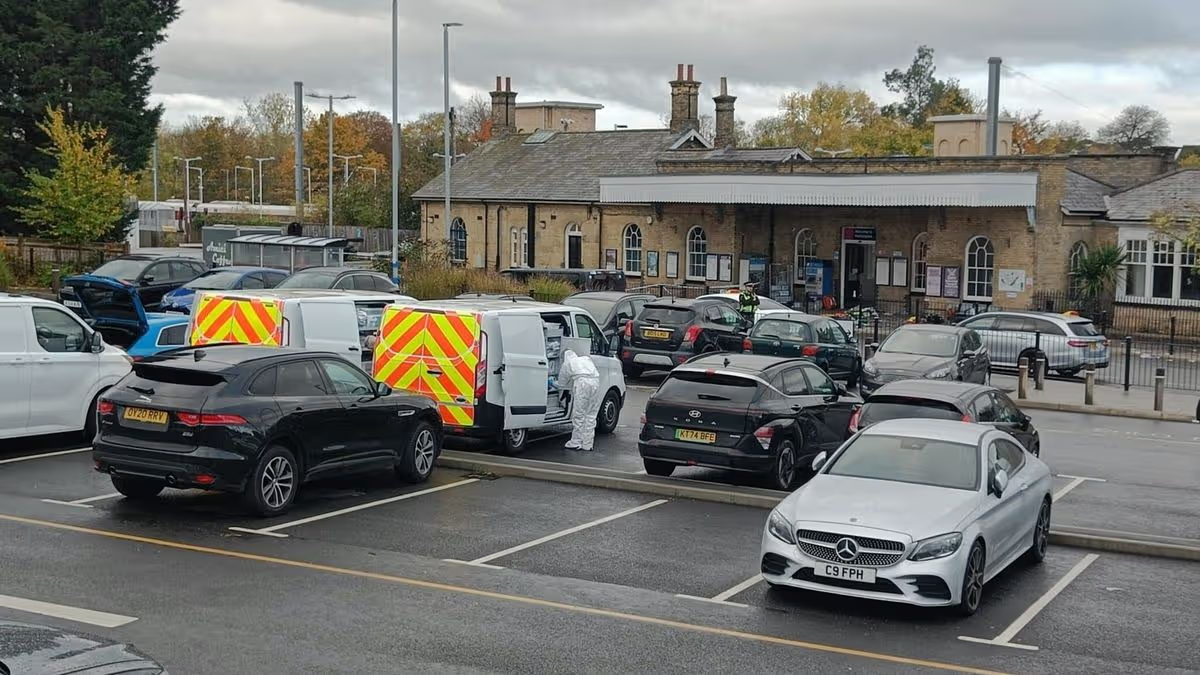
Major update after Huntingdon train attack as man enters plea


how to make coin bank box with cardboard #scienceproject #money #diy #shorts

Cloudflare Precursor Watches Your Mouse and Keyboard To Decide If You Are Human


Entra passkey enrollment vishing targets Microsoft 365 users


DeFi Dashboard Zapper to Shut Down After 7 Years
Ripple, Coinbase, Circle Join Linux x402 Foundation to Help Shape AI Payments


Mark Cuban-Backed DeFi Dashboard Zapper Shuts Down After 7 Years
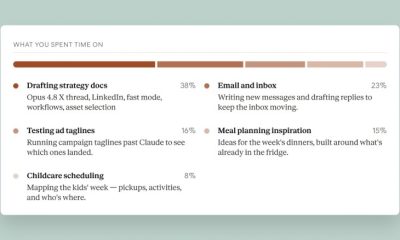

Claude’s New Reflect Dashboard Wants To Help You Log Off Of Claude
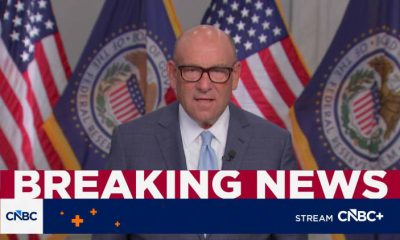

Fed minutes June 2026: officials split on rates
You must be logged in to post a comment Login