

Politics
The Bear Set To End With Season 5, Jamie Lee Curtis Claims


The Bear is set to end after its upcoming fifth season, cast member Jamie Lee Curtis has claimed.
Late last month, the Oscar nominee appeared to let the cat out of the bag with a revealing Instagram post.
In the picture, Jamie – who plays matriarch Donna Berzatto in the comedy-drama – appeared alongside The Bear’s Abby Elliott, suggesting the actors had just finished filming a scene together.
“FINISHED STRONG!” she wrote in the caption. “Surrounded by an extraordinary crew and group of writers and producers and scene partners on the show that Chris Storer created, completing the story of this extraordinary family that we have all fallen in love with.”
Fans speculated this meant the end of the road for the popular culinary series, which Jamie has confirmed to be the case.
Earlier this week, a reporter from Access Hollywood asked the Freaky Friday star whether the post confirmed that the next series would be the last.
“Everybody’s confirmed the show is ending,” she insisted. “I don’t understand why that’s such a [big deal].
“Unless I’m gonna get a call from all the people saying, ‘You just told [everyone],’ I think everybody understood that it was the last season of the show. If it isn’t, then I’ve completely blown it.”
Although there has been no official statement from The Bear about its upcoming ending, undisclosed sources confirmed to Deadline that Jamie’s comments were accurate.
However, this news won’t come as too much of a surprise to fans of the show, as leading man Jeremy Allen White previously revealed that the show’s creator, Christopher Storer, had originally only planned for the show to run for four seasons.
Series four ended with Jeremy’s character, Carmy, leaving the restaurant and signing over his stake in it.
Despite feeling like a goodbye to The Bear, the series was soon renewed for its fifth season, although at the time there was no word if it would be the last.
Over the last three months, the cast has been spotted around Chicago, filming new scenes for the upcoming final episodes.
The Bear premiered in 2022 to huge acclaim, winning 21 Emmy awards and five Golden Globes over the course of the series, including individual acting wins for Jeremy Allen White, Ayo Edebiri and Ebon Moss-Bachrach.
There is no current release date for season five of The Bear, but you can watch all four series of The Bear on Disney + now.

The UK Israel lobby is intensifying its pursuit of UN Special Rapporteur for occupied Palestine Francesca Albanese.
Witch-hunt hysteria
Notorious Israel lobbyist-turned-MP Luke Akehurst is laying the ground for a renewed attack on Albanese, calling for backing from the Starmer regime.
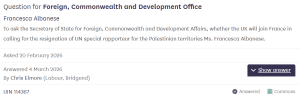
On 20 February, Akehurst asked if the Foreign Office to join in demands for the resignation of Albanese.

Zionist minister Chris Elmore responded yesterday saying, yes, the UK is making representations to the UN against Albanese and demanding “action” against her to — an undoubtedly Orwellian move. See his full response below.
4 March 2026. Along with several other countries, we have raised concerns about a series of comments made by the Special Rapporteur on the Occupied Palestinian Territories. Ministers have raised these concerns directly with the UN High Commissioner for Human Rights, and the UK has asked that the comments of the Special Rapporteur be urgently investigated against the Code of Conduct for her post, and for action to be taken to restore the confidence of the international community in the independence and objectivity of this important role.
Israel’s number one defender
Before Labour parachuted him in as an MP, Akehurst ran “We Believe in Israel,” an offshoot of Britain Israel Communications and Research Center (BICOM) — another lobby group. He also ran Labour First, a right-wing pressure group behind the worst attacks on the left. In 2023, Akehurst also helped infamous pro-Israel stalker Luke Stanger escape expulsion from the Labour party.
Trevor Chinn, a pro-Israel fanatic and megadonor, who sits on BICOM’s executive, has donated thousands to one Chris Elmore, Foreign Office minister. Elmore is also a parliamentary supporter of the racist lobby group Labour Friends of Israel. In 2025, he had a meltdown with Middlesbrough MP Andy McDonald, who at the time supported a Jeremy Corbyn-proposed ‘ten minute rule’ bill, demanding an inquiry into the UK’s collaboration in Israel’s genocide.
Albanese remains louder than ever
The Israel lobby has tried for years to silence UN Special Rapporteur for Occupied Palestine, Francesca Albanese. She has been an outspoken advocate for the Palestinian people and has repeatedly condemned Israel’s genocide in Gaza – in the face of staggering silence from Western powers. Still, these orchestrated efforts have also failed. This includes an attempt earlier this year to prevent her re-accreditation to the position. The move was overwhelmingly rejected by UN member states on the United Nations Human Rights Council, who backed Albanese.
The Trump regime has also targeted the UN official with vicious, wide-ranging sanctions.
If anything, US hostility has amplified her voice for Palestinians and against genocide. However, as the Akehurst-Elmore exchange makes clear, the Israel lobby has not given up trying to remove her – using the Starmer regime as their latest springboard.
Featured image via the Canary

The head of the Carers Allowance inquiry has told MPs that there is a ‘force of resistance’ in the Department of Work and Pensions (DWP). Liz Sayce was giving evidence to the Work and Pensions Committee session on what the department has done since her review.
Spoiler: it’s sweet fuck all.
DWP “minimising” problem, says Sayce
Sayce told the committee that rather than own up to their problems and attempt to do better, the DWP has instead attempted to “minimise” the problem. She also said the department had been focused on deflecting blame.
Chair of the committee, Debbie Abrahams, asked Sayce what she thought the DWPs progress had been like, since the carer’s allowance issue was first revealed in 2018.
While Sayce acknowledged that small improvements happened, she skewered the DWP:
What didn’t happen was there was no overarching plan to address the recommendations that the [2019 Work and Pensions] committee made, ensure that the issues and really the injustices that carers had faced with overpayments and nobody senior tracking it
Sayce’s review finally made it clear that the DWP’s ‘systemic’ issues were to blame for many carers being overpaid and that no blame lay at individual carers’ feet. However, just days after her review was published, a senior DWP figure published a blogpost still blaming carers.
Neil Couling wrote:
Incidentally what has been missed in all the [media] coverage is that this error (and hands up we made it and we will put it right) affects only a relatively small number of cases and wasn’t the cause of the original complaint. Because at the heart of the overpayment issues in CA is a failure to report changes of circumstances
Speaking about Couling’s blogpost she said:
I was really distressed by that blog, as I am sure many people were. Because what you were hoping for from senior people at that point was to really share with colleagues across the department the seriousness of this – what has been learned, what is going to be put right. Not attempt to minimise or again place a responsibility back on the carers, as if it was their fault.
Culture of ‘resistance’ in DWP
She then went on to talk about the culture of the DWP as a whole:
When I was doing the review, I found people at different levels who were serious about wanting to improve things, including front line officials. And since then I can see that there are some people who are really wanting to learn and wanting to make change
But there’s also these almost sort of forces of resistance, which which worry me, and it’s about culture.
Sayce did say, however, that it was heartening to see ministers and the permanent secretary refuting Couling’s claims.
She said she thought there was a ‘job to be done’ to ensure everyone across the DWP. Which lined Abrahams up nicely to ask what Sayce thought that ‘job’ should involve.
In her answer, Sayce threw shade at senior officials like Couling:
Culture change is a difficult thing, isn’t it? But I think the first thing is that the there needs to be a modeling from senior people across the department about the importance of learning, the importance of getting things right for the people who are claiming the benefits
Hypocrisy
Sayce also called out the hypocrisy of the department penalising claimants for not responding quickly enough when they have excessive wait times. Asked by Joanna Baxter if she thinks the DWP customer charter for carer’s allowance is enough, she said:
One of the things that came through in the review was that sometimes, maybe for understandable reasons, the DWP didn’t respond very promptly. Somebody would communicate, and they didn’t get a response in a swift timescale, but they were expected to respond within specified timelines.
She continued:
The charter says something like… ‘we’ll reply as soon as we can’ So then you think, well, can the carer reply as soon as they can? There should be a kind of reciprocal rights and responsibilities here
She also raised the issue that while the DWP have contracted out the helplines jobs to bring down wait times, those on the end of the phone aren’t experts. So customers then have to wait for someone actually within the department to get back to them, which can often get lost. Sayce said this is something that also needs to have better regulations.
Speaking about staff, Sayce said that’s why she felt senior members of staff had perhaps brushed the issue under the carpet:
I felt that sometimes there was a kind of effort to almost minimise what had gone wrong to reassure staff that they hadn’t done anything. And actually that’s the wrong thing to do. As a leader in such a circumstance what you need to do, I think, is to own the problem, explain why the system wasn’t right.
DWP culture needs demolishing
Finally speaking about the culture again, she said more needed to be done by senior figures
I think it’s important with culture change to understand where you’re at, to understand what you’re doing, to shift the culture and to track it. The senior team needs to be on that case. It needs to be a bit more systematic than just good intent.
Sayce is right, that more needs to be done to change the culture in the DWP. But when they’ve had so many chances to improve, it’s hard to be as positive as her that they actually want to.
The DWP is a department entrenched in demonising poor and disabled people. For a positive culture shift to happen it needs to be completely stripped back to the bare bones and built again from the ground up. As a department that wants to actually support those who need it, not work against them.
Featured image via the Canary
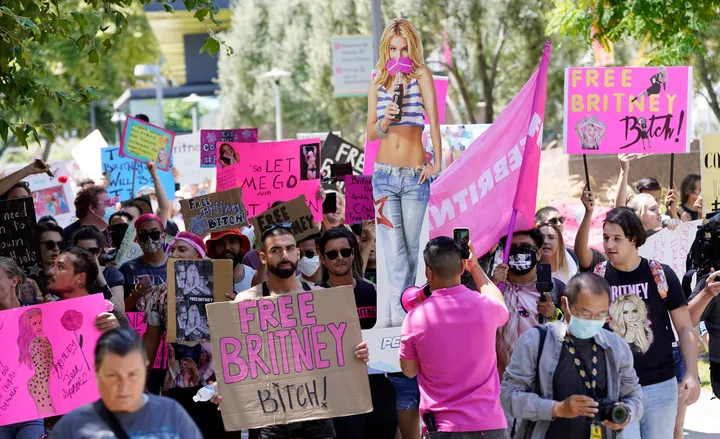
Britney Spears was arrested in California on Wednesday night.
According to the Ventura County Sheriff’s Office website, the chart-topping singer was pulled over by the California Highway Patrol at around 9.30pm on Wednesday.
The site does not list a reason for Britney’s arrest, and the …Baby One More Time star was released from custody in the early hours of Thursday morning.
Britney is now due to appear in court on Monday 4 May.
HuffPost UK has contacted Britney Spears’ team for comment.
TMZ pointed out that Britney’s arrest came just hours after she was granted a restraining order against a man from her home state of Louisiana, who her team alleged had been repeatedly showing up at her home in LA and sharing “disturbing social media posts” about her.
It’s been a turbulent few years for Britney, who in 2021 was released from a conservatorship she’d been placed under 13 years earlier.

Since then, she has married and subsequently divorced the actor Sam Asghari, released a popular memoir telling her story for the first time, The Woman In Me, and returned to the music scene with the top 10 Elton John collaboration, Hold Me Closer.
However, more recently, she has claimed she has vowed “never” to “return to the music industry”.
Throughout this time, Britney has been keeping fans updated on her life with candid posts on her Instagram, which is currently deactivated.
Last year, she found herself back in the headlines after her ex-husband Kevin Federline made a series of allegations about her as a wife and mother in his own memoir You Thought You Knew.
In a statement, Britney’s spokesperson pointed out that the claims, made in Kevin’s new book, coincided with the Grammy winner no longer having to pay him child support, and accused the former back-up dancer of “profiting off her”.
“All [Britney] cares about are her kids, Sean Preston and Jayden James and their well-being during this sensationalism,” her representative insisted. “She detailed her journey in her memoir.”
Britney and Kevin are parents to two sons, 20-year-old Sean Preston and 19-year-old Jayden James.
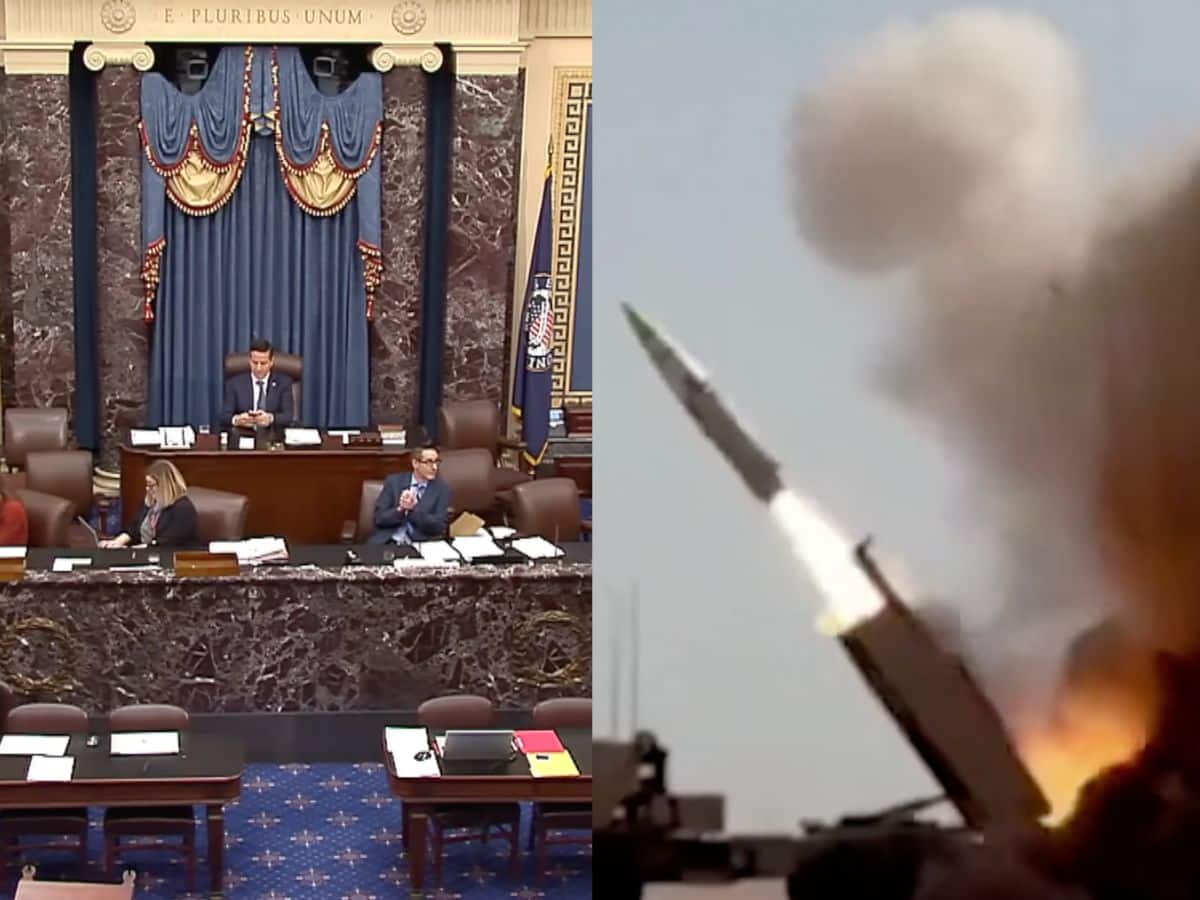
Republicans in the US Senate have voted to block a Democratic resolution to stop Trump’s illegal war in Iran.
BREAKING: Senate Republicans just blocked our bipartisan War Powers Resolution to rein in Trump’s illegal war of choice against Iran.
They chose fealty to Trump over our troops’ lives.
— Tammy Duckworth (@SenDuckworth) March 4, 2026
They defeated the procedural vote to rein in Trump’s military powers by a 47-52 vote. A separate House vote is set for March 5, today.
However, the Republicans are confident they will win.
The supporters of the resolution say that Trump “exceeded his constitutional authority” by launching war alongside Israel.
Under Article II of the US Constitution, presidents can only launch attacks in self-defence in response to an immediate threat. Otherwise, Congress has the sole power to declare war.
And as we have already established, there was no immediate threat to either the US or Israel.
Additionally, as the Canary has previously reported, even former senior US military officials have said that Trump’s war on Iran is illegal. Even the Pentagon has since stated there was no imminent threat from Iran.
Senator Tim Kaine argued that:
even in a classified setting, the Trump administration could produce no evidence, none that the US was under an imminent threat of attack from Iran.
Make your mind up
Trump has claimed that Iran was aiming to rebuild its nuclear programme. Which he also said Israel and the US “obliterated” in strikes last year. However, there was no evidence of any nuclear programme, this year or last.
The director general of the International Atomic Energy Agency has told NBC News the organisation does not believe Iran has nuclear weapons and:
had not seen elements of a systematic and structured program to manufacture nuclear weapons there.
Trump also claimed that Iran was seeking to develop a long-range missile to attack the US.
Meanwhile, Marco Rubio, Secretary of State, told reporters that Israel was planning to attack Iran, and this would likely have led to “retribution” against US assets in the region.
But again, Trump contradicted this by saying Iran was the one planning an imminent attack on Israel.
Trump can’t even stick to one lie.
But underneath all of that is the Trump administration’s attempts to frame the whole of Iran’s military and nuclear-energy programs since the Islamic revolution in 1979, as an imminent threat to the US.
Additionally, Iran had been in talks with the US to scale down Iran’s nuclear programme in the lead-up to the US and Israel’s illegal attacks.
And this wasn’t the first time that Israel has bombed Iran during peace talks.
Trump is unhinged. Up to now, he has been attacking Iran without any approval from the US government. Worryingly, he now has that approval, which means he will only become even more dangerous. It’s time that other nations stepped up and stepped in – because otherwise, alongside Netanyahu, he is going to murder thousands more black and brown people.
Featured image via HG
Besmira Manaj PhD is governance and geopolitics specialist, and a member of the UK Conservative Party, and Director of Conservatives Friends of Albania.
Illegal migration is a symptom of weak governance and poor coordination, not the root cause.
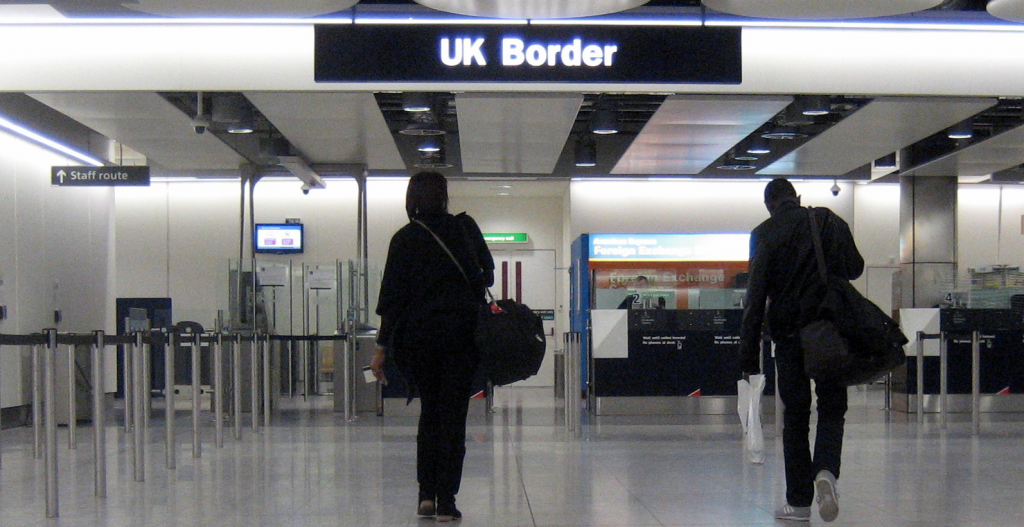
The UK debate on illegal migration has become increasingly narrow. Too often, migration itself is treated as the core problem rather than the visible outcome of deeper failures in governance, security coordination and institutional weakness beyond Britain’s borders. This framing may offer political clarity, but it is not a strategy and it will not secure Britain’s borders.
Nowhere illustrates this more clearly than the Western Balkans. Too often treated as a peripheral foreign policy issue, the region has in fact become central to Britain’s long-term border security challenges. Weak institutions, fragmented coordination and entrenched organised crime networks shape migration routes long before anyone reaches the Channel.
For Conservatives serious about sovereignty, enforcement and national resilience, the Western Balkans should be understood as a frontline security issue not a distant diplomatic concern.
Britain’s border problem starts far from Britain.
Public attention understandably focuses on the final stage of irregular migration: small boats crossing the Channel. But this narrow focus obscures the upstream drivers that determine who reaches Europe in the first place and how.
The Western Balkans sit at the crossroads of key migration and trafficking routes into Western Europe. Weak border enforcement, politicised institutions, limited judicial capacity and corruption allow criminal networks to operate with relative ease. These networks facilitate irregular migration, human trafficking, drug smuggling and financial crime all of which ultimately affect the UK.
In recent years, citizens from the Western Balkans have featured prominently in UK asylum and illegal migration statistics. While economic motivations are often cited, the deeper drivers are governance-related: lack of institutional trust, limited economic opportunity and the presence of organised crime networks that profit from instability.
A Conservative migration policy that focuses solely on deterrence at the UK border without addressing these upstream conditions is incomplete by design.
Organised crime thrives where coordination fails.
The Western Balkans remain one of Europe’s most persistent hubs for organised crime. Criminal groups operating in the region are highly networked, technologically agile and deeply embedded in weak state structures. Where institutions lack capacity or independence, criminal actors step in.
This is not an abstract regional problem. Balkan based criminal networks are directly linked to illicit markets in the UK, particularly in drugs, trafficking and financial crime. Fragmented intelligence sharing, weak judicial cooperation and inconsistent enforcement across Europe make these networks harder to disrupt.
For Conservatives, this should be a warning sign. Law and order cannot stop at national borders. Border control without coordination is not control at all.
There are limits to what a technocratic EU can do.
For decades, the dominant response to instability in the Western Balkans has been EU enlargement orthodoxy: long accession processes, technical benchmarks and compliance checklists. While this approach has delivered surface level reforms, it has failed to produce deep institutional resilience or genuine political accountability.
In practice, technocratic conditionality has too often rewarded box-ticking over substance. This has fuelled public frustration, elite capture and declining trust in institutions creating fertile ground for criminality, emigration and external influence.
The UK, no longer bound by EU frameworks, has an opportunity to engage differently. A Conservative foreign policy should avoid replicating Brussels’ bureaucratic instincts and instead focus on targeted, outcome driven engagement aligned with British interests.
Geopolitical competition fills the vacuum.
Where governance is weak and Western engagement is incoherent, other actors move in. Russia, China and Turkey have all expanded their influence in the Western Balkans, exploiting political fragmentation and institutional vulnerability.
Russia leverages energy dependency and disinformation. China offers infrastructure finance with limited transparency and long-term dependency risks. Turkey projects influence through cultural and economic ties. None prioritise rule of law, accountability or institutional independence in ways that align with UK security interests.
Geopolitical competition amplifies instability. Influence gained through weak governance does not stabilise regions it entrenches dependency and undermines reform. A Conservative approach must be clear-eyed: influence is secured through sustained engagement, not declarations.
Migration is a symptom, not the disease.
Treating migration itself as the primary problem risks a serious misdiagnosis. Migration is a symptom of governance failure, economic stagnation and institutional decay. Without addressing those causes, enforcement measures will continue to chase effects rather than resolve drivers.
This does not mean abandoning firm border control. Conservatives are right to insist on enforcement, deterrence and clear rules. But enforcement alone cannot compensate for weak coordination and upstream failure.
Blame without coordination offers political noise, not policy results.
So what should a Conservative strategy prioritise?
First, the UK should prioritise security and governance cooperation with Western Balkan states. Support for border management, judicial reform, anti-corruption bodies and intelligence-sharing delivers direct returns for UK security.
Second, the UK should pursue bilateral and flexible engagement, working with reform-minded institutions and leaders rather than relying on rigid frameworks that reward form over substance.
Third, public–private partnerships should be used more strategically. Investment in energy security, infrastructure and employment reduces the economic drivers of emigration while reinforcing accountability through market discipline.
Finally, migration policy must be integrated into foreign and security policy thinking. Border control is not just a domestic issue it is a strategic challenge that begins far beyond Britain’s coastline.
This is a test of Conservative seriousness.
The Western Balkans are not a peripheral concern. They are a test of Conservative realism in foreign and security policy: whether Britain can pursue an approach rooted in competence, coordination and national interest rather than slogans.
Blaming migration may be easy. Fixing weak governance and poor coordination is harder but it is the only route to durable border control and genuine security.
If Conservatives want to secure Britain’s borders, they must be willing to look beyond them.
Politics
Politics Home | Keir Starmer Says UK Is Sending Four More Typhoon Jets To Help Defend Brits In Middle East
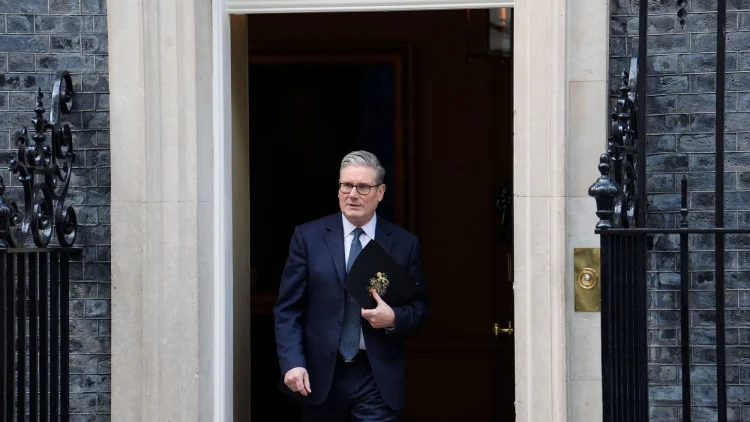
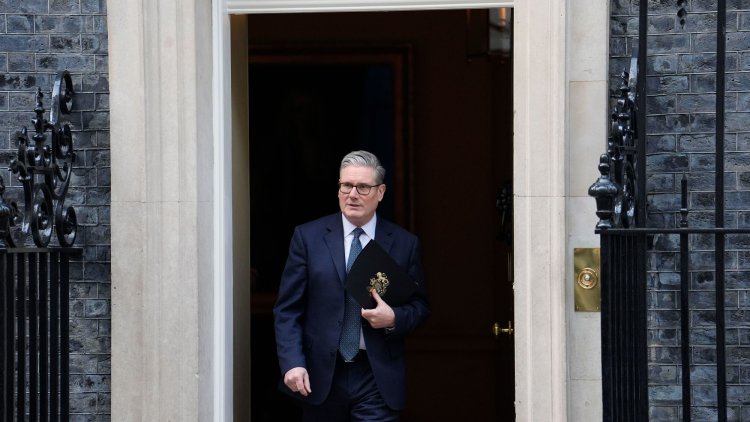
Prime Minister Keir Starmer gave a press conference on Thursday afternoon about the conflict in the Middle East (Alamy)

3 min read
Prime Minister Keir Starmer has said the UK is sending more jets to “maintain the shield” over the British people in the Middle East, after Iran launched a fresh wave of attacks against Israel and US targets in the region.
Starmer gave a Downing Street press conference on Thursday afternoon to update the public on the conflict in the Middle East, as the war between Iran and the US and Israel continues into its sixth day.
“I can announce today that we’re sending four additional Typhoon jets to join our squadron in Qatar,” he said.
“To strengthen our defensive operations in Qatar and across the region, Wildcat helicopters with anti-drone capabilities are arriving in Cyprus tomorrow.”
Starmer defended his decision not to join the initial US-Israeli strikes on Iran, after he declined a request to allow US planes to use British bases, saying that his focus was on “providing calm, level-headed leadership”.
He later approved a US request to use British bases to carry out “defensive” strikes on Iran.
Responding to President Donald Trump’s criticism of his initial decision not to approve US use of British bases, which included saying Starmer is no Winston Churchill, the Prime Minister said that, just as Trump is taking decisions in his country’s national interest, he is taking decisions in the interest of Britain.
Starmer warned that the conflict “could continue for some time”, and said that when the strikes began on Saturday, the UK “immediately” put jets into the sky to “protect our people and our allies in the region”.
The jets have shot down multiple drones, at least one of which was heading towards a base housing British military personnel.
Starmer addressed the ongoing evacuation flights from the region, with more than 4,000 people having now arrived back in the UK on commercial flights from the United Arab Emirates (UAE).
A further seven flights are due to leave the UAE for the UK on Thursday, and Starmer confirmed that the first charter flight from Oman took off earlier today.
“I want to be very clear, this is a huge undertaking,” he said.
“It’s one of the biggest operations of its kind, many times bigger than the evacuation from Afghanistan.”
In his speech at the press conference, Starmer said that some would use the geopolitical crisis to “divide us”.
“That’s why the government is reaching out to communities across the United Kingdom, Jewish and Muslim alike, making sure that communities and places of worship have appropriate protective security in place,” he said.
“As a nation, we should come together in this moment. Those citizens who are stuck in the region, scared and in need of help, come from all backgrounds; the armed forces who protect them come from all backgrounds, too. We are united by our common humanity and our love of this country.”
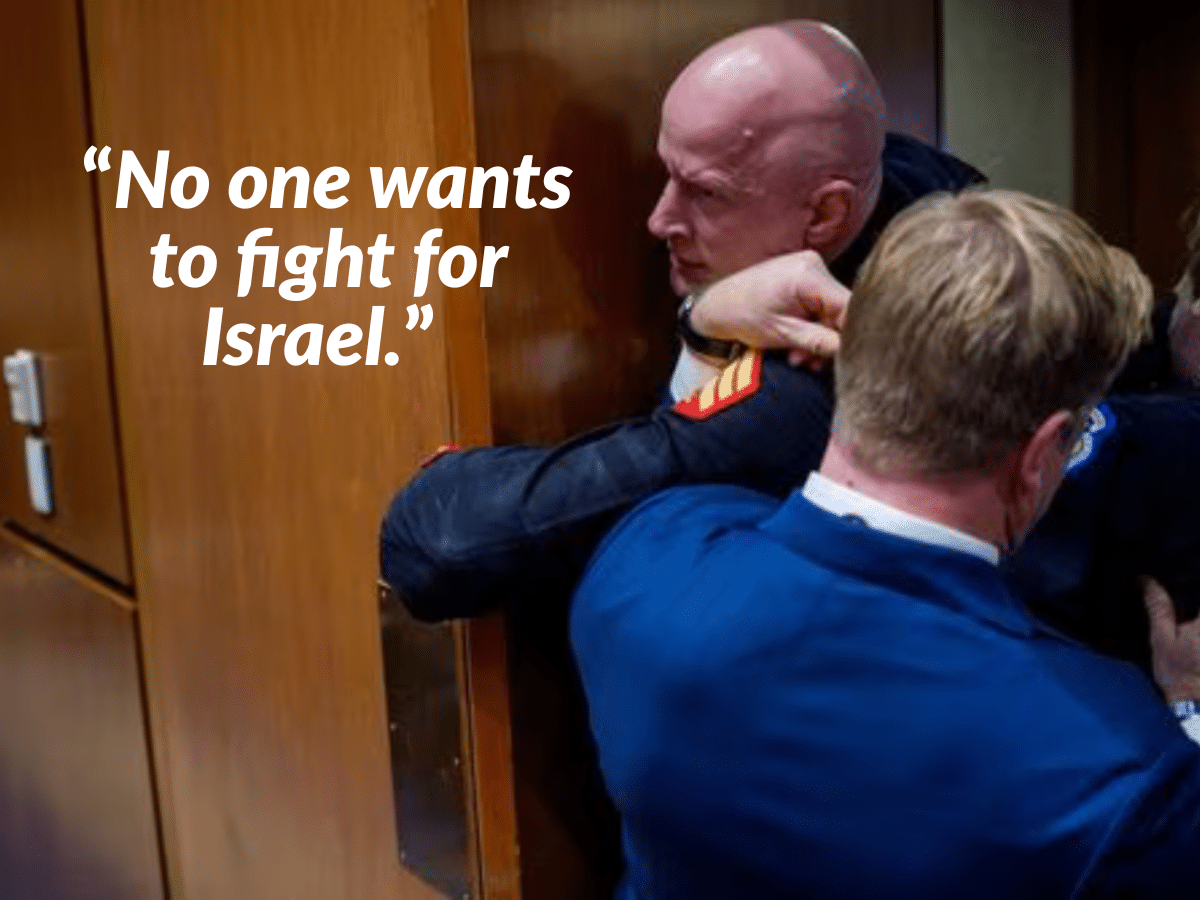
During a Senate Armed Services hearing on 4 March, a Marine veteran protesting a war fought “for Israel” was violently assaulted by a Trump senator. This occurred while police officers rough handled the protester while trying to escort him out of the building. In the process, they apparently broke the veteran’s arm.
No war for Israel
In reference to coordinated US-Israeli strikes on Iran, protester Brian McGinnis interrupted the hearing by saying:
America does not want to send its sons and daughters to war for Israel.
The Trump aligned republican senator Tim Sheehy has received massive amounts of money from big business and Israel lobbyists. He has called the US-Israel terror in Iran “righteous“. Moreover, his aggressive intervention seemed to break McGinnis’s arm.
Sen. @TimSheehyMT says he “decided to help out and deescalate” by breaking a man’s arm. Let’s be clear:
• The man is a Marine Corps veteran.
• He was protesting war with Iran
• Sheehy, a sitting Senator, physically attacked him until his arm SNAPPED. You can hear the crack on… pic.twitter.com/haTVcR2DQs— AIPAC Tracker (@TrackAIPAC) March 5, 2026
McGinnis is a firefighter and Green Party senate candidate. His campaign manager said he stood up because he “couldn’t take their lies anymore.”
He just wanted to be heard [and was] speaking loud and clear… He was assaulted, actually. They broke his arm.
The pro-Israel establishment lies
Sheehy has openly shown his excitement about the costly and destructive, trump vetted US-Israeli offensive against Iran, which has already killed over a thousand people in the country since 28 February. Furthermore, one report says the assault has cost US taxpayers over $5bn so far. It could end up costing many billions more.
As we might expect of someone who supports a country openly committing genocide, Sheehy has lied consistently to try and justify the war on Iran.
Here he is pushing this narrative:
President Trump is putting an end to Iran’s 47-year reign of terror spent murdering and maiming Americans all over the globe. Time to finish the job. pic.twitter.com/mBqkpEXyay
— Tim Sheehy (@TimSheehyMT) March 3, 2026
The truth is that, despite constant US hostility, Iran has killed far fewer US citizens in the Middle East than the US has killed Iranians.
A key question, of course, is why the hell has the US placed soldiers in the Middle East anyway, thousands of miles away from the US?
Nonetheless, Sheehy has repeated the lie that Iran is somehow a threat to US citizens, even going so far as to call Iran the:
largest destabilizing force in the region.
This is despite Israel committing genocide in Palestine. It is also attacking numerous countries in the region in recent years. And it has learned the trade from its enabler – the US. As the Canary has reported previously, the US is the ‘nation of terror‘:
the US has long terrorised people around the world to get what it wants, forcing countless civilians to flee to safety. It then celebrates the war criminals responsible. Time and again, Washington has gleefully trampled over international law
McGinnis is right. Millions of ordinary people in the US don’t want their country fighting wars thousands of miles away for a genocidal settler-colonial power. But until people like Donald Trump and Tim Sheehy no longer sit in the halls of power, that’s unlikely to change.
Featured image via the Canary
In an apparent attempt to draw a distinction between himself and the US president, Starmer said his focus “providing calm, level-headed leadership in the national interest”.
Addressing the nation from Downing Street, the PM said: “I want to reassure the British public about the action that we are taking while the region has been plunged into chaos.
“My focus is providing calm, level-headed leadership in the national interest.
“That means deploying our military and diplomatic strength to protect our people, and it means having the strength to stand firm by our values and our principles, no matter the pressure to do otherwise.”
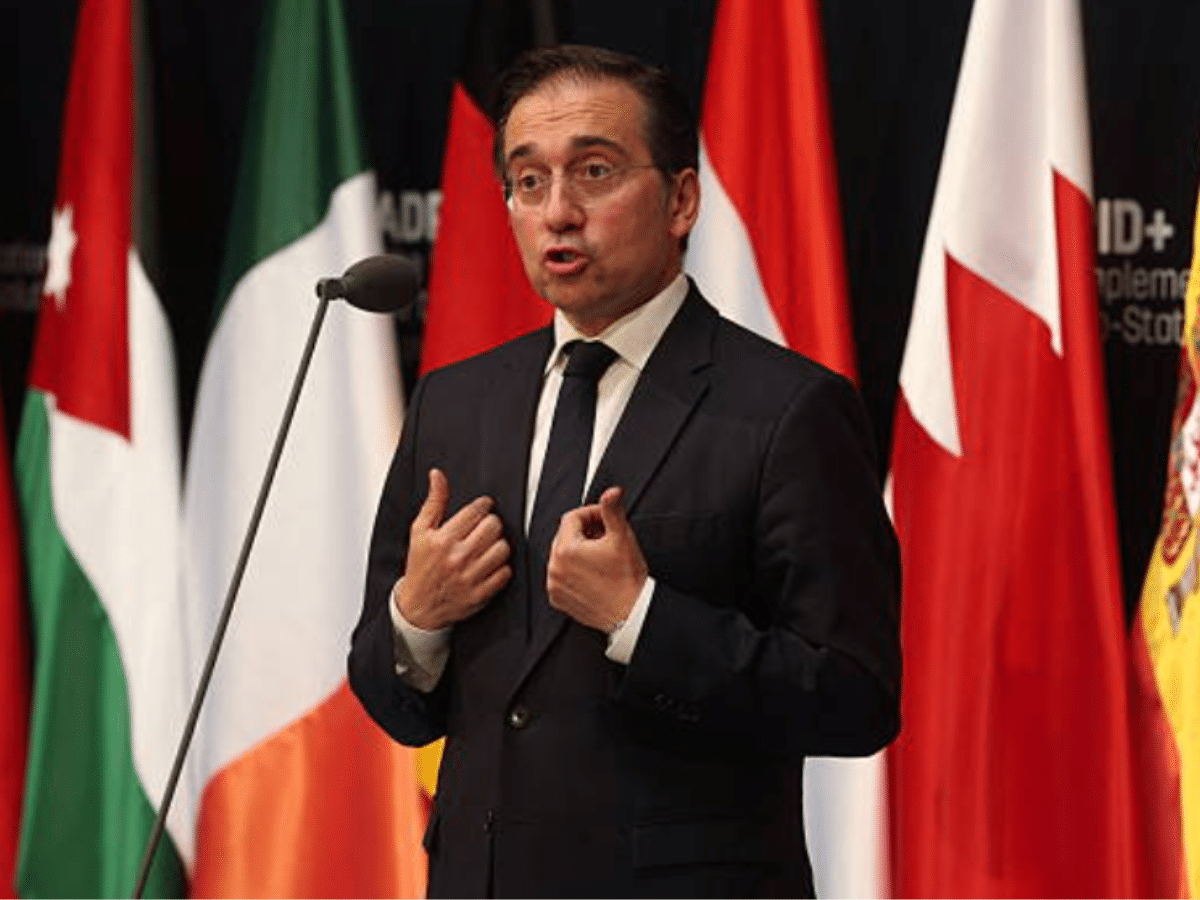
Spain’s foreign minister Jose Manuel Albares has refuted US suggestions pushed by Press Secretary Karoline Leavitt that the country has changed its stance on the US-Israel war on Iran. Levitt’s comments have reportedly sparked anger amongst Spanish politicians with Albares stating defiantly on Spain’s Cadena Ser radio:
Our ‘no to war’ stance remains clear and unequivocal.
She may be the White House press secretary, but I’m the foreign minister of Spain and I’m telling her that our position hasn’t changed at all.
“The Spanish government’s position… has not changed by a single comma.”
BREAKING: Spanish FM Jose Manuel Albares has denied that his government will cooperate with the US military attack on Iran, contradicting the White House.
🔴 LIVE updates: https://t.co/tdXE6QEY2O pic.twitter.com/60matbd9ih
— Al Jazeera English (@AJEnglish) March 4, 2026
Spain government: ‘No to war’
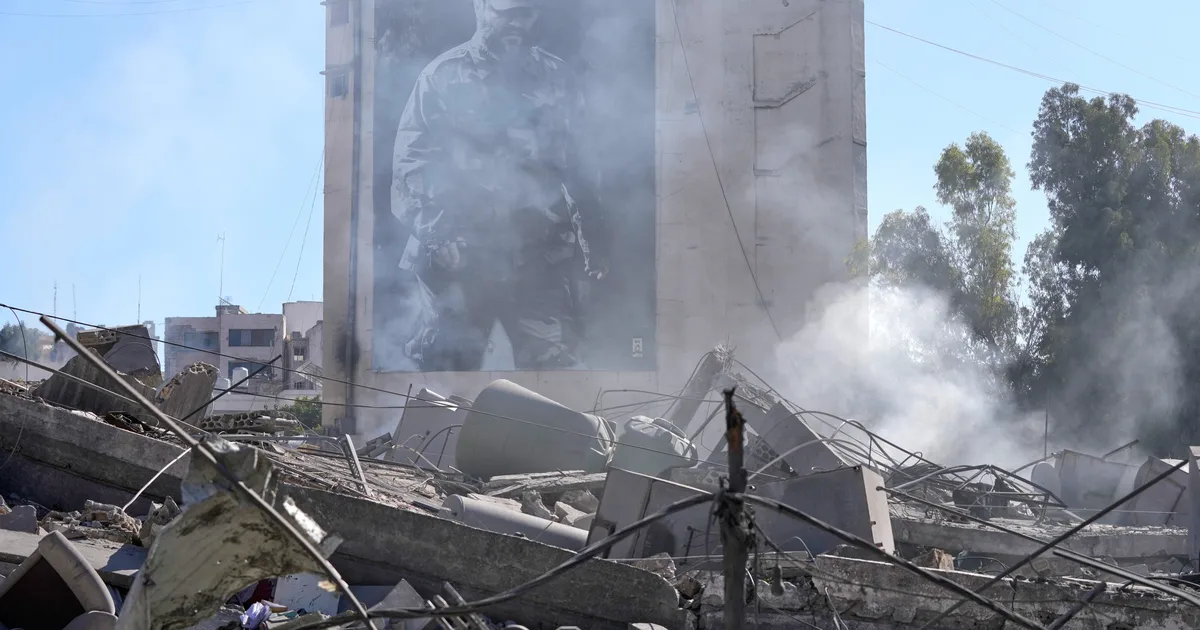
The US-Israel war on Iran began six days ago. Many international leaders have aligned themselves with what critics describe as aggressive and war-driven leadership of Trump and Netanyahu. Spain, however, has refused to be pressured into supporting or joining what it rightly views as an unjust war in the Middle East.
BREAKING
Spanish PM Pedro Sánchez says no to war on Iran:
“You cannot play Russian roulette with the destiny of millions.”
He rejects the US–Israel war on Iran.
Refuses to let Spain be complicit.
Refuses to allow Spanish bases to be used by the US. 🇪🇸 pic.twitter.com/6lWumfl2vP— sarah (@sahouraxo) March 4, 2026
Spain has already distinguished itself from many Western governments through its stance on Israel’s genocide on Gaza, which it has strongly criticised. By refusing to be drawn into a wider regional conflict, Spanish Prime Minister Pedro Sánchez continues to demonstrate his principled stance. The Spanish government bases this position on respect for international law and the rules-based international order.
Our own Skwawkbox wrote in January:
In a speech announcing the decision, Sánchez said that the board is not fit for purpose, criticised the exclusion of Palestinian people and their representatives and condemned Trump’s attempted extortion over Greenland and for ramping up tensions with Europe. Trump, Sánchez said, has made it clear that Europe must forge relationships with the wider world and refuse to be US vassals.
Spain is one of the few countries in Europe that hasn’t lost its mind and become neocon…
Spain urges arms embargo on Israel, calls for renewed talks on Iran’s nuclear program https://t.co/iPLkMg3FjF
— Trita Parsi (@tparsi) June 17, 2025
A stark contrast from other western leaders, as our own HG wrote yesterday:
The majority of Western leaders have shown that when shit hits the fan, and civilian lives are at stake, they will side with genocidal maniacs (Trump) instead of doing the right thing.
Except Spain, of course, which condemned:
“unilateral military action by the US and Israel.”
It also banned the US from using Spanish military bases to attack Iran.
HG astutely pointed out the backwards nature of the response seen from Western leaders, writing:
Time after time, Western leaders have come out to condemn Iran’s retaliatory strikes. Of course, they fail to mention why they are retaliating, the thousands of people Israel has murdered, or the fact that Israel is the only Middle Eastern country that actually has nuclear weapons.
Trump is nothing but a bully. He even claimed he might have forced Israel’s hand in attacking Iran. But Western leaders are enabling his bullshit – along with Netanyahu’s. One day we will see them all in the Hague – and then they will have been against this all along.
The White House might be trying to bully Spain into submission, however their continuing resistance has received widespread respect and recognition.
Resistance is growing
President of the European Council Antonio Costa has expressed his support in a call to PM Sanchez:
Acabo de mantener una llamada con el presidente @sanchezcastejon para expresar la plena solidaridad de la UE con España.
La UE siempre garantizará que los intereses de sus Estados miembros estén plenamente protegidos.
Reafirmamos nuestro firme compromiso con los principios del…
— António Costa (@eucopresident) March 4, 2026
His statement in full reads:
I just held a call with President
@sanchezcastejon
to express the EU’s full solidarity with Spain.The EU will always ensure that the interests of its Member States are fully protected.
We reaffirm our firm commitment to the principles of international law and to the rules-based international order worldwide.
It appears divides are becoming increasingly apparent in the EU as a result of this pursuit of a war on Iran:
🇪🇸 Spain is pushing back against the narrative that Europe is lining up behind a U.S. war with Iran. Defense Minister Margarita Robles has publicly rejected NATO Secretary General Mark Rutte’s claim that there is “widespread support” for Donald Trump’s military campaign, making…
— Gandalv (@Microinteracti1) March 5, 2026
Post in full:
Spain is pushing back against the narrative that Europe is lining up behind a U.S. war with Iran. Defense Minister Margarita Robles has publicly rejected NATO Secretary General Mark Rutte’s claim that there is “widespread support” for Donald Trump’s military campaign, making it clear that Spain does not share that assessment.
The statement highlights a growing gap inside NATO and across Europe about how far the alliance should go in supporting a new conflict in the Middle East. While Washington has framed the situation as a collective security concern, Madrid is signaling that European backing is far from automatic.
Robles’ response is notable because it directly contradicts the impression that NATO members are broadly aligned with Washington’s approach. Instead, it suggests that several European governments may be far more cautious about escalating tensions with Iran than public statements from alliance leadership might imply.
The episode also reflects a broader pattern emerging in recent years: Europe increasingly asserting its own political judgment, even when it differs from the strategic direction coming from Washington.
Whilst other far-right leaders are seemingly more than happy to descend into the abyss behind out-of-control Trump and Netanyahu:
BREAKING: Italian PM Giorgia Meloni says her country plans to send air defence systems to Gulf countries. pic.twitter.com/BR9e7bGBCz
— Al Jazeera English (@AJEnglish) March 5, 2026
No to WWIII
It is clear Spain is holding firm in refusing to support this illegal war of aggression against the Iranian population, which has seen over a 1000 murdered by US and Israeli bombs.
Let’s hope this courage spreads across the west before we are all pulled into WWIII by weak, timid leaders.
Featured image via the Canary
Politics
Petro Nicoliades: Starmer’s paralysis over protecting Akrotiri is weakness disguised as caution
Prof. Petro Nicolaides is the Deputy Chairman of the Conservative Friends of Cyprus and Conservative Party Member and activist for over 40 years. He serves in governance roles across various organisations.
When sovereign British territory is attacked, the response should be immediate, clear and firm.
What we saw after the strike on RAF Akrotiri was none of those things. Instead, Keir Starmer chose hesitation, hedging and bureaucratic language.
That is not caution. It is paralysis.
And in the eastern Mediterranean, paralysis invites trouble.
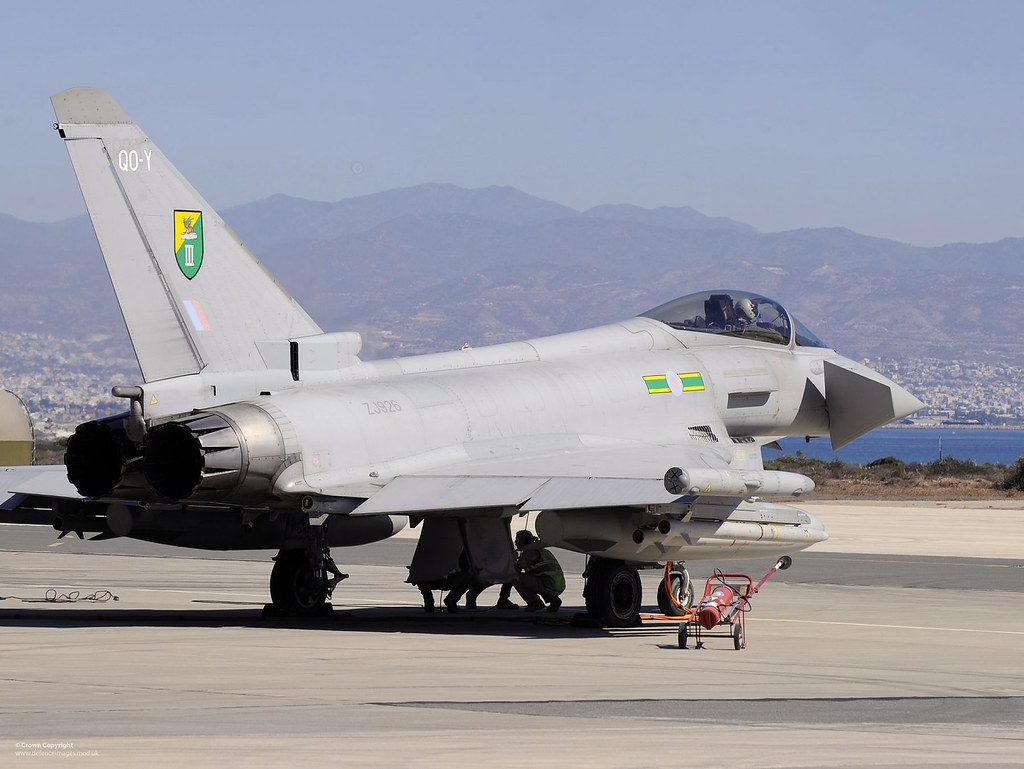
This was a direct attack on British Sovereign territory. The Sovereign Base Areas in Cyprus are not leased facilities or convenient outposts. They are British, retained under the 1960 independence settlement that created The Republic of Cyprus. An attack on Akrotiri is an attack on the United Kingdom. It is that simple.
The correct response to an attack on sovereign territory is deterrence. Instead, Downing Street reached for minimisation: “limited damage”, “no casualties”, “no escalation”. That language may produce calming headlines at home, but it signals something far more dangerous abroad — hesitation.
Deterrence relies on clarity. If hostile actors believe Britain responds to kinetic attacks with reviews, process and ambiguity, they will push again. And they will push harder.
Not only was this letting down a Commonwealth Partner but also an EU ally. Cyprus is not just a host nation. It is a Commonwealth partner and a member of the European Union. It currently holds the Presidency of the EU Council. British bases on the island have always been justified as mutually beneficial — enhancing regional security while reinforcing Cyprus’s stability. Yet when those bases became targets, the Cypriot government was left scrambling to reassure its own people.
From Nicosia’s perspective, the message was stark: Britain keeps sovereign territory on the island, conducts military operations from it, but hesitates when those operations generate risk.
That imbalance is politically poisonous. It feeds the perception that Britain is willing to externalise danger onto Cyprus without fully accepting the responsibility that comes with it. For a small EU state on Europe’s geopolitical fault line, that looks less like partnership and more like exploitation.
Starmer is excercising responsibility without resolve.
Under the Treaty of Guarantee, the UK is one of three guarantor powers — alongside Greece and Turkey — charged with upholding Cyprus’s independence and security. The treaty may not mandate automatic retaliation, but its meaning is clear. Britain accepted an ongoing security responsibility in return for retaining sovereign bases. That bargain carries real weight.
A guarantor power cannot credibly claim to uphold security while appearing reluctant to confront threats linked directly to its own installations. Hesitation hollows out the guarantor role until it becomes little more than symbolism. A guarantor that hesitates is no guarantor at all.
But even if these things in themselves weren’t important Starmer has quite simply sent the wrong signal at the worst moment The eastern Mediterranean is crowded, volatile and heavily watched. Every move is read as a signal. By choosing restraint without visible reinforcement — no posture shift, no rapid defensive surge, no muscular diplomatic response — the UK projected ambiguity when clarity was needed most.
Allies notice this. EU partners see a Britain still reliant on Mediterranean basing but reluctant to lead. Commonwealth states see strategic privileges without matching resolve. Adversaries see an invitation to probe.
Credibility is not built in speeches. It is built in moments of pressure. And once credibility erodes, it is difficult to restore.
That’s why it’s so damning that we can see this is domestic politics over strategic duty. It is hard to avoid the conclusion that domestic political calculation played a role. A new government, anxious to avoid entanglement, instinctively dampened rhetoric and avoided confrontation.
But global leadership is not compatible with reflexive risk‑aversion. The UK claims a global defence posture. It fields one of the world’s most capable militaries. It sits on the UN Security Council. Yet when its own sovereign territory was struck, it responded with managerial language rather than strategic intent.
That gap between posture and performance is corrosive.
Britain under Starmer has failed the test.
The question is not whether Britain should have retaliated militarily. That is a false argument. The real question is whether Britain demonstrated unmistakable resolve — to defend its territory and to reassure its ally. It did not.
A guarantor power must show three things:
- Speed — immediate recognition and response
- Clarity — a firm framing of the act as unacceptable
- Deterrence — visible steps to prevent repetition
What we saw instead was procedure, not strategy. For Cyprus, that hesitation weakens confidence in the security architecture that underpins its post‑independence existence.
But this extends beyond Cyprus. This does not end at Akrotiri. If Britain appears uncertain about defending its own sovereign territory, how persuasive are its commitments elsewhere — from NATO’s eastern flank to the Indo‑Pacific?
Credibility is indivisible. A falter in Cyprus echoes far beyond the Mediterranean.
Caution is not strength. Sir Keir Starmer may present this as measured statecraft — keeping channels open, avoiding escalation. But excessive caution in the face of aggression is not wisdom. It is vulnerability. By reacting slowly and softly, the government risks undermining deterrence, weakening trust with an ally, diluting its guarantor role and encouraging further tests.
A guarantor power that hesitates at the moment of challenge does more than misjudge the situation.
It diminishes itself.

Best Crypto to Buy Now: Pepeto Targets 100x Over DeepSnitch AI and ADA While Harvard and Abu Dhabi’s Mubadala Adopt Crypto ETPs

Britney Spears Released From Jail After DUI Arrest In California

St Paul’s CE Primary School celebrates World Book Day 2026


-

 Politics7 days ago
ITV enters Gaza with IDF amid ongoing genocide
-

 Politics2 days ago
Alan Cumming Brands Baftas Ceremony A ‘Triggering S**tshow’
-

 Fashion6 days ago
Weekend Open Thread: Iris Top
-

 Tech5 days ago
Unihertz’s Titan 2 Elite Arrives Just as Physical Keyboards Refuse to Fade Away
-
Sports5 days ago
The Vikings Need a Duck
-
 NewsBeat5 days ago
Dubai flights cancelled as Brit told airspace closed ’10 minutes after boarding’
-

 NewsBeat5 days ago
Abusive parents will now be treated like sex offenders and placed on a ‘child cruelty register’ | News UK
-

 NewsBeat4 days ago
‘Significant’ damage to boarded-up Horden house after fire
-
 NewsBeat5 days ago
The empty pub on busy Cambridge road that has been boarded up for years
-

 Tech10 hours ago
Bitwarden adds support for passkey login on Windows 11
-

 Entertainment3 days ago
Baby Gear Guide: Strollers, Car Seats
-
 Tech6 days ago
NASA Reveals Identity of Astronaut Who Suffered Medical Incident Aboard ISS
-

 Business7 days ago
Only 4% of women globally reside in countries that offer almost complete legal equality
-
Politics5 days ago
FIFA hypocrisy after Israel murder over 400 Palestinian footballers
-
 NewsBeat4 days ago
Emirates confirms when flights will resume amid Dubai airport chaos
-

 NewsBeat3 days ago
Is it acceptable to comment on the appearance of strangers in public? Readers discuss
-

 Crypto World7 days ago
From Crypto Treasury to RWA: ETHZilla Retreats and Relaunches as Forum Markets on Nasdaq
-

 Tech4 days ago
Viral ad shows aged Musk, Altman, and Bezos using jobless humans to power AI
-

 Video3 days ago
How to Build Finance Dashboards With AI in Minutes
-

 Business2 days ago
Guthrie Disappearance Enters Fifth Week as Family Visits Memorial