

Politics
The House | It will require a huge collective effort to make the PM’s pledge to end rough sleeping a reality

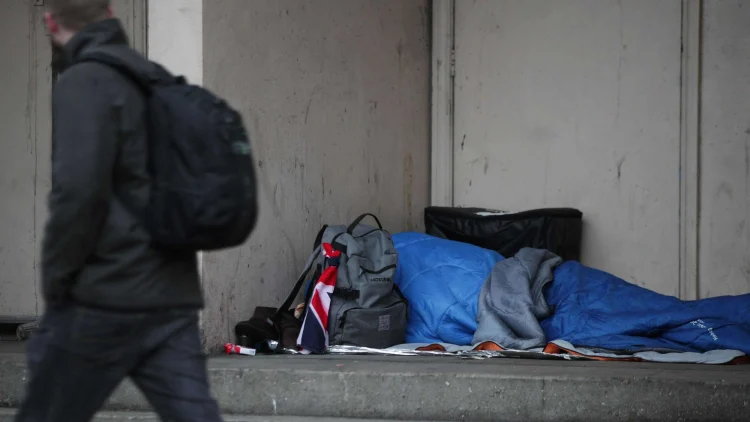

Image by: PA Images / Alamy

4 min read
Andy Burnham is singing from the Big Issue hymn sheet – but it will require some clever problem solving to help pull-off his ambitious plan to end rough sleeping
I was astonished when, fresh from his trip to Buckingham Palace, Andy Burnham stood in front of Downing Street and named the eradication of rough sleeping as his first priority as Prime Minister.
It’s a preoccupation that has obsessed us at the Big Issue since the September 1991 creation of magazine. In one moment, the 35 years of pushing to rid us of rough sleeping in particular – and homelessness in general – seemed as if it’s paid off.
Burnham has the very best of intentions, but critics and friends alike will point out his plan is easier said than done. All cautious of hope before delivery – promising the earth and delivering a flowerpot. Isn’t Burnham promising way more than he could possibly achieve? We’ve heard similar rhetoric before, including when another mayor turned PM, Boris Johnson, bounced into No 10 in 2019.
I remember when rough sleeping became an increasing reality. In 1961 as a 15-year-old runaway dodging the police, you would not, or could not, sleep rough. You would be arrested. Strict vagrancy and ‘no fixed abode’ laws were used liberally. Instead you hid in derelict or abandoned buildings, away from the public eye. You might call it social cleansing. The social dislocation of homelessness was kept away from scrutiny.
But by the mid-1960s something had changed. Begging and rough sleeping seemed to be ignored by the police. Gradually streets in the centre of our cities, principally London, took on a new reality. The dispossessed became visible. So what started off as a social cleansing system was allowed to fall apart. The vagrancy laws remained in place until only a few weeks ago, but they were used less often. Usually you could wrap your self up in something and sleep where commerce traded and the public wandered.
Burnham, at long last, looks set to prioritise this social injustice, and we thank him for that
A new ingrained reality became acceptable. A human rights abuse became visible. More people fell between the cracks of a once all-encompassing welfare system and straight down onto the cold, hard pavement.
Social sores were displayed as government washed its hands of responsibility. The problem was largely passed onto charities. An attitude of “You sort it out” seemed to emanate from police, local authorities and central government. And while this mindset has shifted somewhat in the years since, levels of rough sleeping have continued to wax and wane, and today the crisis remains stubbornly present in our towns and cities.
Burnham, at long last, looks set to prioritise this social injustice, and we thank him for that. From my place in the House of Lords, and in the pages of the Big Issue, we will offer our support and advice on how he can make his vision a reality. Because ending rough sleeping will require a huge collective effort. It needs strong leadership by government but must be done arm-in-arm with local authorities, businesses and the third sector.
It also requires some clever problem solving. For a start – how do you rollout Housing First nationwide when we still have a chronic lack of homes? Perhaps Burnham could look to unlock the 300,000 long-term empty homes sitting pretty across Britain. Funding councils to bring these properties back into use is the sort of long-term ‘spend to save’ measure we need to fix the country.
This pledge centres homelessness as a blight on the face of society. There are other blights. The biggest to me is the 40 per cent of governmental income going on maintaining people in poverty. We need to shift to a prevention mindset when it comes to breaking the cycle of poverty. As of yet the delivery of clear and cogent poverty dismantling thinking has been poor. But I live in hope.
Lord Bird is a crossbench peer and founder of the Big Issue


The post The migrant crisis comes to rural Oxfordshire appeared first on spiked.
spiked is funded by readers like you. Only 0.1% of regular readers currently support us. If just 1% did, we could grow our team and step up the fight for free speech and democracy.
Become a spiked supporter and enjoy unlimited, ad-free access, bonus content and exclusive events – while helping to keep independent journalism alive.

3 min read
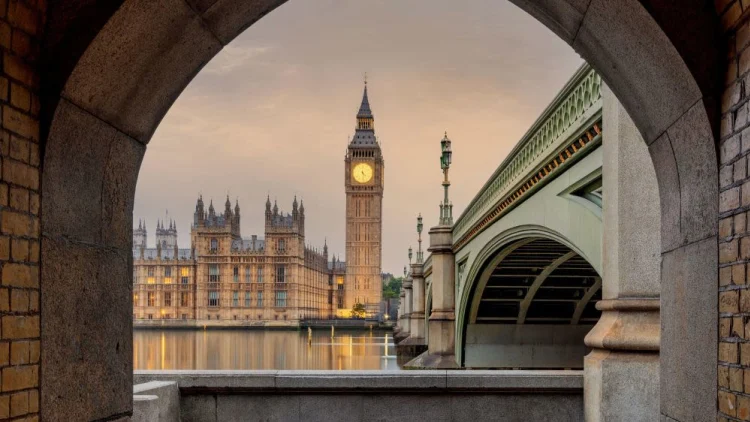
Over the past decade, political shocks like Brexit and Covid have combined with longer-term political, social and technological change to put the UK’s constitutional arrangements under pressure.
The Constitution Unit’s newly published report – Safeguarding the Constitution: Key Steps to Strengthen UK Democratic Resilience – lays out a set of practical reforms to respond to these challenges.
Most obviously, these include measures to address known vulnerabilities or loopholes. For example, key ethics regulators should now be given a statutory footing so that they cannot be undermined or abolished at a prime minister’s whim. The process for appointments to the House of Lords should be reformed, ending the unconstrained power of patronage that currently allows a prime minister to appoint as many people as they wish, with no requirements for fair party balance and no enforceable propriety constraints.
In some cases, institutions and processes also need to evolve to match the changing context in which they operate. The arrangements for parliamentary scrutiny of international agreements, for example, have changed little in the past 100 years; the limited role they afford MPs is increasingly out of kilter with the scope and impact of modern treaties.
Similarly, political finance rules have not kept pace with parties’ growing reliance on major donors, and the corresponding risk that a small group gains disproportionate political influence. The government has already promised some welcome changes in response to the Rycroft Review on foreign financial interference, and has requested a review of spending limits from the Electoral Commission. Detailed work on donation caps should take place alongside that.
Strengthening our constitution does not only mean safeguarding institutions: the ultimate check on power in any democracy is its citizens. This makes work to improve the information environment and support civic education vital.
Statutory codes of conduct could require social media platforms to mitigate democratic risks, while the government could invest in the provision of high-quality information. The new National Curriculum, to be delivered in English schools from 2028, offers opportunities to improve and expand Citizenship education.
The most significant constitutional changes need careful policy work and wide consultation, to deliver results that last and that meaningfully contribute to trust in the democratic system. For a new government with countless demands on its time and attention, some of these may appear low priority.
But now is the time to begin these reviews, so that detailed proposals can be worked up in time for the drafting of the next general election manifesto. Meanwhile, there are plenty of things the Burnham government could do quickly to meaningfully strengthen the constitution.
The Representation of the People Bill is currently before Parliament. It has already been amended to increase the Electoral Commission’s independence, but more could be done. The legislation on removing peerages promised in the King’s speech could be broadened to address House of Lords appointments.
Many reforms can be delivered without legislation. Some would require standing order change – for example, to increase MPs’ influence over the Commons agenda, and more fairly allocate Commons time between opposition parties.
Others can be done by the government alone. Civil servants are working on a new edition of the badly outdated Cabinet Manual, and a process for future regular updating could be established at the same time. A duty to uphold democratic health could be included in the BBC’s promised permanent charter. The government’s lobbying transparency releases could be improved, as recently recommended by the Ethics and Integrity Commission.
Burnham has advocated a more collaborative approach to politics, and a less centralised state. Our proposed reforms offer practical ways of delivering those goals – and of safeguarding the UK constitution.
Lisa James is a Senior Research Fellow at UCL’s Constitution Unit



2 min read
This week, The Rundown features an interview with the Shadow Chancellor Mel Stride, giving his views on his new opposite number in the Treasury, John Healey, what the new government should be doing to get growth going, and how the Tories plan to take on Reform.
Host Alain Tolhurst also takes a look at Andy Burnham’s first few days in Number 10, how his Cabinet picks and his initial policy blitz are going down with his Labour colleagues, as well as the voters, and what else we can expect from our latest Prime Minister alongside two colleagues: deputy editor of our sister title The House magazine, Sienna Rodgers, and editor at PoliticsHome, Adam Payne.
The trio discusses the thinking behind the ministerial appointments, as well as what was going on behind the scenes in Westminster this week, plus how the Burnham government is keen to avoid the mistakes of the Keir Starmer administration in its first weeks in office.
They also look at what the new Prime Minister might have planned for the summer, with the government already facing questions about how it will fund its cost-of-living package.
As well as trying to oppose the new Labour government, the Conservatives are looking to close the gap on Reform UK in the polls. Stride was in bullish form, saying he thinks Nigel Farage’s party has been on a “steady decline” since last autumn.
“And it’s quite conceivable that decline will continue,” he told the podcast.
“What has underpinned that souffléing down of Reform is the fact that the firework display, the shimmy of the sequin dress, the music, the razzmatazz, it can’t last forever before people say I’ve heard that before, play me another song.”
The Rundown is presented by Alain Tolhurst, and is produced and edited by Ewan Cameron for Podot
- Click here to listen to the latest episode of The Rundown, or search for ‘PoliticsHome’ wherever you get your podcasts.
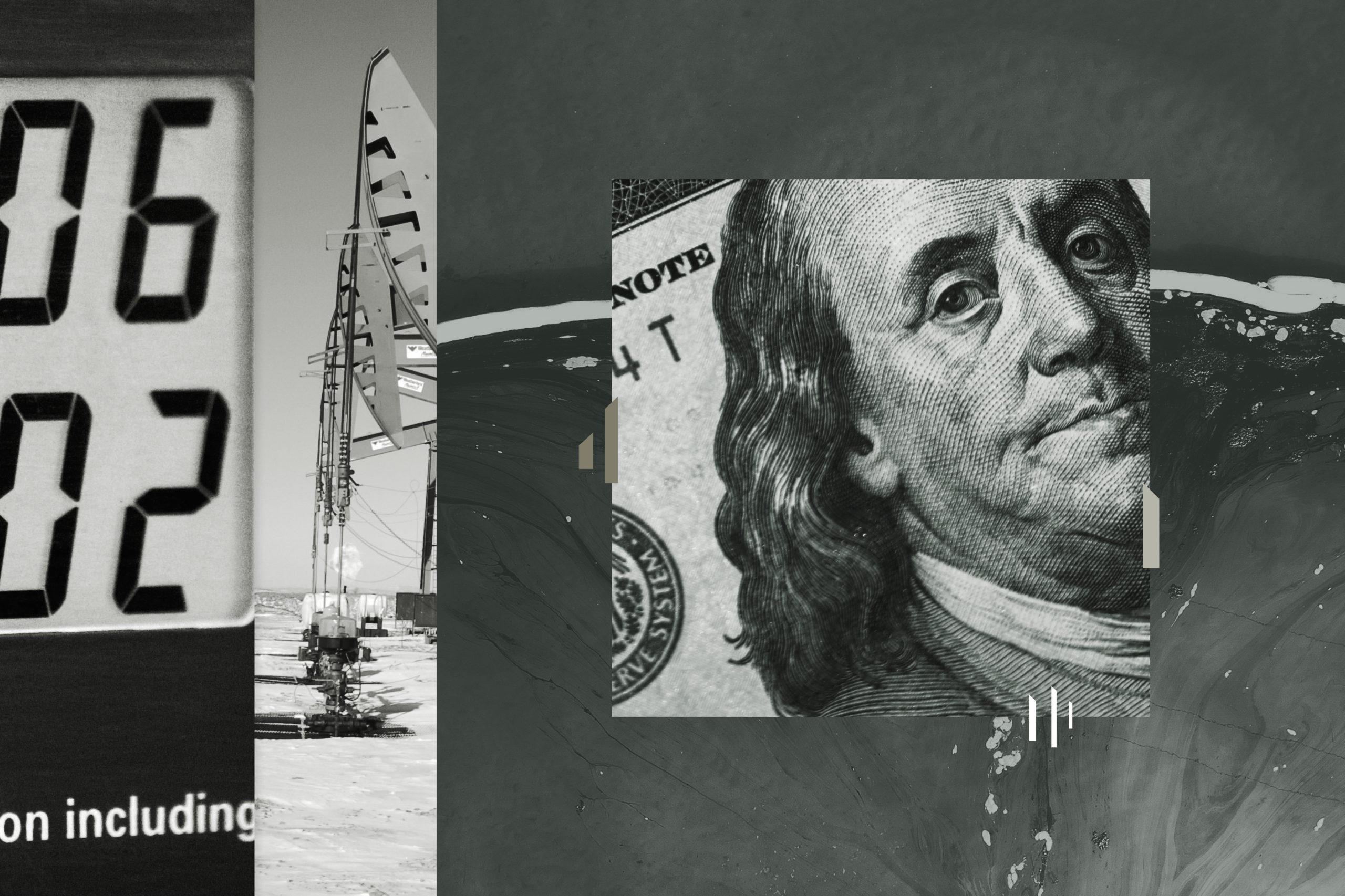

Gas prices are high. Americans think they’re even higher.
Three in five Americans believe gas prices in their area have risen by more than they actually have, according to an analysis of new results from The POLITICO Poll. It’s those perceptions that candidates will be running against this fall.
Voters’ anxieties about fuel prices could give Democrats a boost ahead of the midterms, further strengthening the Democratic voting base and putting strains on the MAGA coalition as the increasingly unpopular war in Iran drags on. A plurality of Americans — 46 percent — say the change in gas prices will impact how they plan to vote come November.
Most voters overestimated the change in gas prices in their area, according to the analysis of polling and granular pricing data provided by OPIS, a Dow Jones company that tracks gas prices. That includes majorities of voters who supported President Donald Trump and also those who supported former Vice President Kamala Harris.
Roughly one in four Americans say gas in their local area has risen by $3.00 or more. But no zip code has actually seen that degree of change on average in the year and a half since Trump took office, as of early July.
Frustrations over cost of living could be reinforcing existing negative views of the Trump administration: Harris voters are far more likely to overshoot the cost jumps than Trump voters, making it harder for Republicans to peel off Democratic voters.
And the analysis shows a fracture among Trump voters. Self-identified MAGA Republicans were more likely to underestimate cost increases than non-MAGA Republicans — another crack in the president’s winning coalition as Republicans scramble to hold it together for the midterms.
“It is a particularly tough dance that many Republican candidates will have to endure for the next three months,” said Arizona GOP strategist Barrett Marson. “How do you feel the pain of your voters without feeling the wrath of Donald Trump?”
What’s more, American’s perceptions do not quickly change even when prices do. The POLITICO Poll asked about gas prices in both May, when they were near their peak, and July, when they had dipped.
The results were the same in both.
“President Trump and his energy team anticipated these temporary market disruptions, communicated them openly to the American people, and implemented an aggressive plan to mitigate any impacts,” said White House spokesperson Taylor Rogers. “As the U.S. military degrades the terrorist Iranian regime’s ability to attack commercial vessels and disrupt the free flow of energy through the Strait of Hormuz, oil and gas prices will plummet back to pre-conflict levels.”
Gas prices could swing votes
Americans’ frustrations with prices and the economy overall are changing how they say they will vote in the fall.
Of the 46 percent of Americans who said gas prices will have an impact on their vote, just under 40 percent said they are considering voting for a different party than they normally would, including 49 percent of MAGA Republicans and 57 percent of non-MAGA Republicans.
“Three quarters of the country is confronting higher gas prices and feeling it,” said longtime Democratic strategist Jesse Ferguson. “That leaves them … very vulnerable to the economic pain and very vulnerable to the economic argument the Democrats are going to make.”
To better understand public perception of gas prices, The POLITICO Poll asked Americans how the price of gas in their area had changed since Trump took office. Respondents could choose between buckets like “$1 to $2 higher per gallon,” “$1 to $2 lower per gallon,” or say prices had stayed roughly the same.
More than three-fourths said gas prices in their area have gone up.
Using OPIS data, POLITICO compared each respondent’s answer against the actual average cost of regular gas in their zip code during the first week Trump was in office and the week prior to the July poll, which was conducted by the independent polling organization Public First from July 12 to July 15.
That comparison revealed the difference between the pain the American public is feeling and where actual gas prices stand — and, in particular, how that pain is expressed differently among Democrats and Republicans. Roughly 70 percent of Harris voters and 54 percent of Trump voters overestimated the increase in gas prices in their area, according to POLITICO’s analysis.
“Democrats are highly motivated,” as a voting base, Marson said. “The longer the war goes on, probably the less motivated Republicans will be.”
The perception of higher gas prices is linked to how people see the economy — and who they blame for it.
Across the country, 57 percent of Americans say the cost of living is worse than they “can ever remember it being.” Those who overestimate gas price increases had more than twice the odds of agreeing with that statement, even after controlling for demographics and their 2024 vote.
Similarly, a plurality of Americans — 43 percent — blame Trump more than former President Joe Biden for the state of the economy overall. Those who overestimated their local increase in gas prices had nearly twice the odds of saying the same, compared with those who perceived the change in gas prices correctly or who underestimated the change.
It’s already affecting the battlegrounds
In the country’s most competitive races, Republicans will have to answer for the perceived cost pressures of rising gas prices more often than Democrats.
Thirteen of the most competitive districts have experienced gas price increases higher than the national average, according to POLITICO’s analysis. Of those, nine are currently represented by Republicans.
In California’s 22nd District, where Republican incumbent Rep. David Valadao will face off against progressive political newcomer Randy Villegas, average prices across the district had gone up $1.17 by early July — the third highest increase of any district, according to POLITICO’s analysis.
Villegas said in an interview that he thought frustration over gas prices would mobilize turnout in the fall, driven by how the cost of gas is “tied to every other thing.”
“It’s the cost of gas when you’re driving to the grocery store, when you’re driving to, you know, see a doctor,” he said. Or, the cost of gas when driving 7 to 8 hours away to “go get cheaper health care.”
Valadao did not respond to requests for comment.
In Colorado’s 8th District, where gas prices have risen by $0.73 on average since Trump took office, Republican incumbent Rep. Gabe Evans blamed local Democratic policies for increased costs more than the Iran war.
While “what’s happening halfway around the globe has some impact on global energy prices,” Evans said, high gas prices in the district are “a direct result of the local economic policies — the anti-energy policies — of the state Democrats who run the state of Colorado.”
But The POLITICO Poll results from this month show voters don’t necessarily feel the same. Roughly 63 percent of Americans selected “the war with Iran” as the primary reason why gas prices have increased since Trump took office, including 59 percent of Trump voters and 70 percent of Harris voters.
By the middle of May, the average price of gas across the country reached its highest point of the Trump administration to date: $4.50 per gallon, according to the U.S. Energy Information Administration. In July, average prices dipped to $3.78 per gallon, the lowest average price since March.
Still, in both months, more than 75 percent of Americans said gas prices had gone up, POLITICO’s polls show. And in both months, roughly 23 percent said prices had gone up by $3.00 or more.
This week, Trump said the upcoming midterms would not impact how he goes about fighting the war with Iran. “I can’t think about that having to do with this,” he said, referring to the elections. “I think people are very impressed.”
 lead image
Politics
Politics Home | Labour MP Says Her Colleagues Are “On A Journey” To Support Her Summer Of Sex Campaign
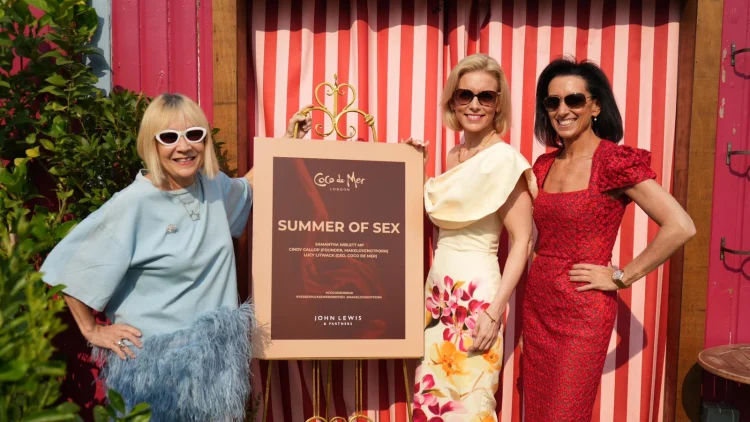

Make Love Not Porn founder Cindy Gallop, Labour MP Samantha Niblett and Coco de Mer CEO Lucy Litwack at the ‘Summer of Sex’ campaign launch party (Coco de Mer/John Lewis)

7 min read
Labour’s Samantha Niblett said she believes some of her MP colleagues are starting to come round to her campaign for lifelong sex education, which sparked fierce debate across Westminster earlier this year.
Three months on from kicking off her campaign for lifelong sex education via an exclusive interview with PoliticsHome, Niblett partnered with major retailer John Lewis and luxury lingerie and sexual wellness brand Coco de Mer to host an event on Wednesday evening to officially launch the ‘Summer of Sex’.
Speaking at the event with Coco de Mer CEO Lucy Litwack and Make Love Not Porn founder Cindy Gallop – who has partnered with Niblett for her campaign – Niblett laid out how the campaign has progressed over the last few months.
“If I get known as Samantha the sex MP, I just start making it easier for other MPs to start to talk about it. Many of them have gone ‘my god, good on you, this is amazing’.”
She said some supportive MPs have told her that some of the “original doubters” have started to see the point of the campaign.
“Some MPs that were critical of the way that I went about it, they don’t like the sex toys, they think it’s diminishing the campaign.
“But it’s not. I grabbed the mic. It did get the attention, and I am absolutely going to do a sex toys event in Parliament because I want it to not be shocking. I want it to not be pearl-clutchy.
“Some colleagues are going on a journey. I honestly believe it: the more that the country gets behind this campaign, the more that Parliament will, because it will be led by what is palatable. We are as basic as that, seriously. People are interested in sex. Everybody wants to talk about sex.”

Niblett said she aims to pull together a briefing document by the end of summer recess to send to fellow MPs and promote the purpose of the campaign.
In her interview with PoliticsHome in April, Niblett said she wanted to push for more open, inclusive lifelong sex education by securing a debate in Parliament on the topic in the autumn. Niblett said she wanted to promote wider awareness of consent, prevent abuse and violence, and raise awareness of how childbirth, the menopause, stress and other health conditions can impact sexual satisfaction.
Niblett shared that she watched porn herself like “lots of other people” and that it was a “turn on”. She said she will host an event in Parliament where she brings in sex toys, which has since been confirmed to be allowed by the parliamentary authorities.
The campaign took Westminster by storm, generating discussion in the chamber, in which Tory leader Kemi Badenoch accused Labour of “fiddling while Rome burns”, and heated debate within the women’s Parliamentary Labour Party WhatsApp group, in which other MPs accused Niblett of trivialising a serious topic.
“I certainly found myself posting less in MP WhatsApp chats because there were slightly terse comments that went flying by in the women’s PLP chat,” Niblett said.
“So I extricated myself from it, which is horrible because you think you’ve got comrades, but it didn’t feel like that. So that was a bit sad, but it’s politics.”
The interview generated many TV interviews and opinion columns, including an LBC interview with Labour deputy leader Lucy Powell in which she said: “I personally don’t own any sex toys, but each to their own”.
Niblett has since become the chair of the All-Party Parliamentary Group for sexual and reproductive health.
The campaign launch event on Wednesday evening was attended by sponsoring brands John Lewis and Coco de Mer, sex education content creators, sexual intimacy coaches, charity campaigners and journalists. It was an exclusive affair, with the vast majority of the around 50 attendees being women.
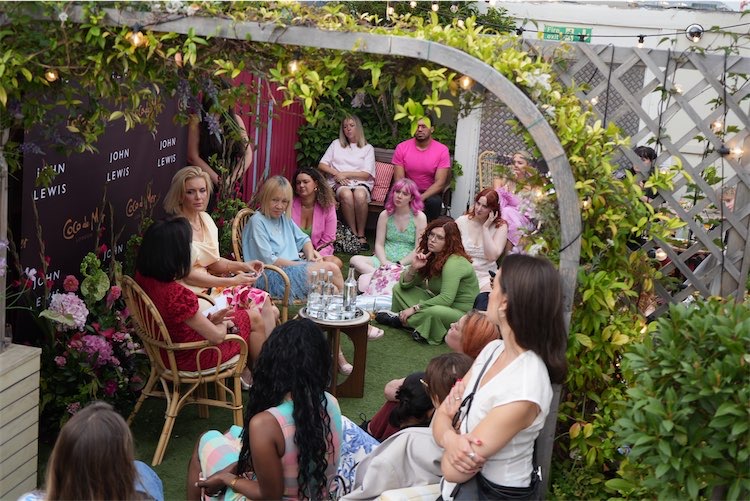
The event was located at the rooftop bar of John Lewis in central London, with servings of canapés and glasses of Aperol spritz, flowery decor and luxury goodie bags for attendees that contained biscuits, canned cocktails and intimate bodycare products.
The ‘Yes sex please, we’re British’ campaign has a broad scope: covering lifelong sex education which Niblett describes as needing buy-in from government, the NHS and education systems, parents, and businesses.
Pressed on what specific demands she hopes to bring to government ministers, Niblett said she is continuing to speak to stakeholders and charities throughout the summer to learn as much as possible, before delivering a speech at the debate she has secured in Parliament, which is set to be held in the autumn.
Talked about what she wants to systemic change and for positive sexual wellness should be “promoted” across the health and education systems.
“I have spoken to doctors and sexologists and people working within the NHS and educators that are just so grateful someone is taking this seriously within Parliament, that’s prepared to put their head above the parapet,” Niblett told PoliticsHome.
“We need to be talking about sexual wellness within the NHS, not just sexual health. Talking about the benefits of sex, not just let’s fix you when you’re broken.”
Niblett spoke of concerns raised by people working in the NHS that support is “patchy” for patients whose health conditions affect their sex lives: “Some doctors are embarrassed to talk about it; there isn’t a standard of sex education in GP training even.”
The MP also wants to start work on determining the economic value benefit of improving lifelong sex education, as a way of getting the Treasury on board by saving money for the NHS.
“How is it preventing other illnesses from happening? How is it making people better?”
Niblett also recently hosted a roundtable with Meta to express her opposition to the banning of accounts that share ‘positive’ sex education content.
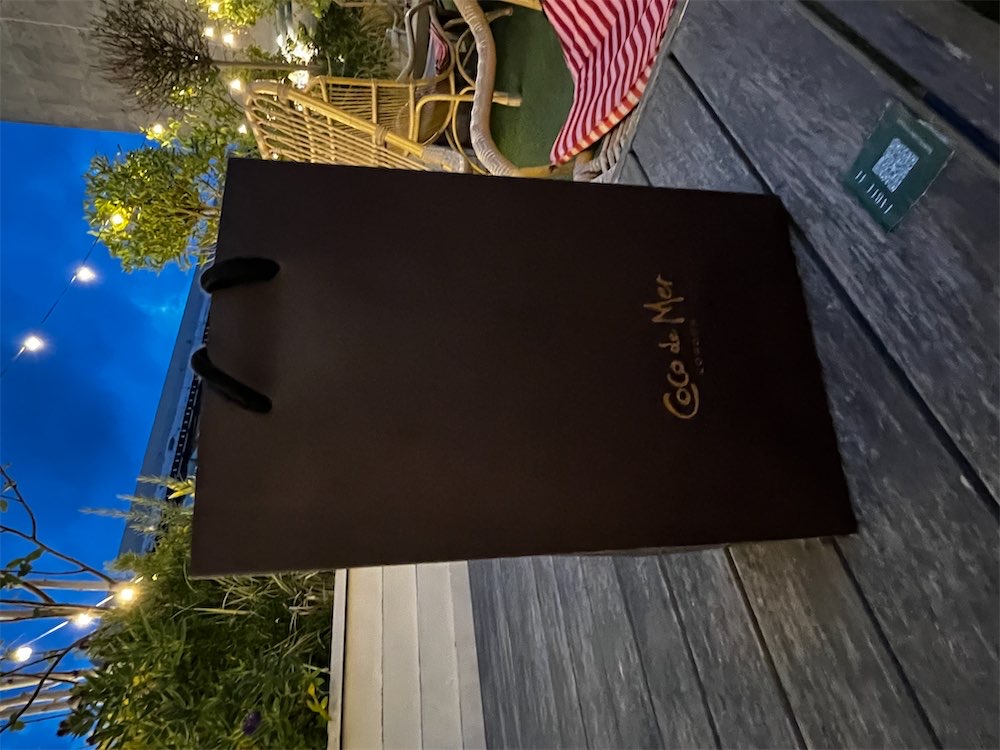
The MP hopes that the sponsorship from John Lewis for the launch event will help to legitimise the campaign. John Lewis has seen a 22 per cent increase in demand for their sexual wellness products in the last year, which has been growing since the Covid-19 pandemic. John Lewis and Coco de Mer representatives told PoliticsHome at the event that both companies wanted to help take the “stigma” out of sex.
Niblett has already won the support of Emma Thompson, who recorded a video with Niblett last month, saying that the campaign was “not party political, but it was critical”.
The MP has her sights on further celebrity endorsements: She is in conversation with LGBTQ dating app Grindr to get her an introduction to pop star Madonna, and with American media company Condé Nast to connect her with singer Harry Styles, who launched his own sex toy range last year.
“We’re trying to get the nation behind the campaign, because when you do that, MPs will fall in line,” Niblett said.
“If it looks like a vote winner, people don’t want to look like the idiot who looks like the one who’s on the side.”
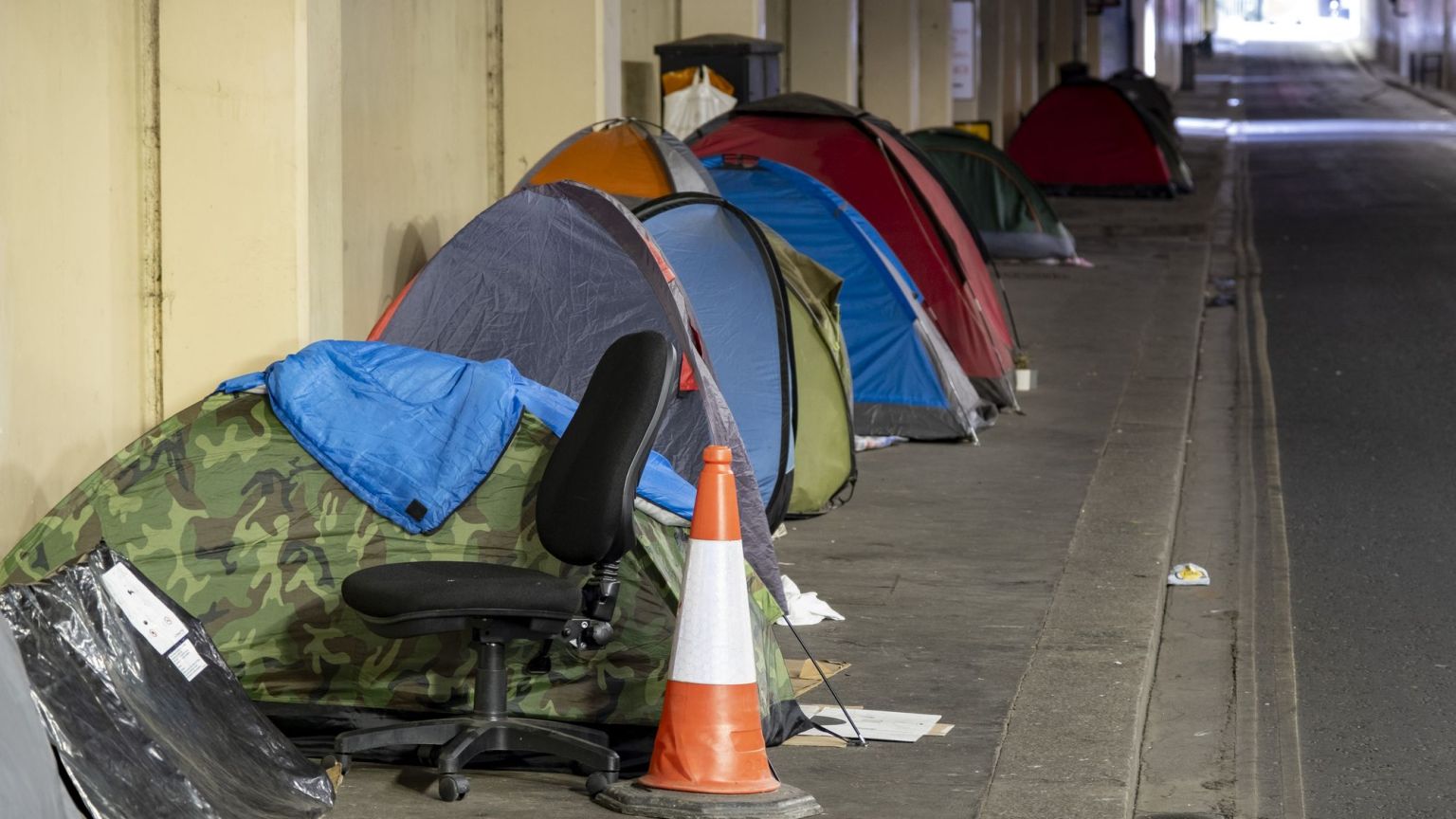
Britain has become very good at talking about compassion. We’re much less good at actually delivering it. Which is why, whenever you visit parliament, you’ll probably find people sleeping on the pavement next to a politician announcing a new policy to end homelessness.
Andy Burnham is right to make ending rough sleeping one of his first ambitions as UK prime minister. It is a national disgrace. It should be a priority. But there is one awkward problem: he’s promised this before.
As mayor of Greater Manchester, Burnham pledged to end rough sleeping there. He didn’t. Rough sleeping, begging and public drug use remain part of everyday life in central Manchester. Spend half an hour around Piccadilly Gardens and you’ll see exactly what I mean.
Despite his evident failure there, he’s now making the same promise to the whole nation. But why should Britain believe him this time?
His failure to end rough sleeping in Manchester – where he had nine years to do something about it – doesn’t mean he should give up. Failure is okay. But it does mean he needs to explain why he’ll succeed nationally when he couldn’t locally.
Rough sleeping can be ended. Not every individual case – life’s more complicated than that. But the long-term encampments, occupied shop doorways and places the public walks past every day can be cleaned up. Those don’t have to exist.
What you need isn’t another strategy. You need beds, trained workers and strict rules. You also need, heaven forbid, politicians prepared to make difficult decisions.
First, we should create around 6,000 safe individual sleeping pods. Very basic modular units with a bed, toilet, sink, window, light and a charging point. That’s enough to get someone off the street tonight.
Communal hostels don’t work for everybody. Some people fear violence or theft. Others have addictions or behavioural problems that make shared accommodation impossible. A private room with a lock on the door can make all the difference.
Second, every area with a serious problem needs properly funded outreach teams. Not more awareness campaigns. Not another glossy strategy document. We need trained people who get to know who’s sleeping rough, where they are and what help they need. Those staff can connect people with housing, addiction services, mental-health support, councils and the police.
A bed doesn’t fix a broken life. But it is the vital first step to a better life.
Now comes the bit politicians hate. Once suitable accommodation has genuinely been offered, people cannot be allowed to carry on sleeping in shop doorways, stations and public spaces. Not only should they be taken to the accommodation that’s available – there should be consequences for choosing to sleep rough in public places.
Some people will call that criminalising poverty. It isn’t. Leaving somebody to deteriorate in public isn’t kind or compassionate. It’s cowardly.
As mayor of Middlesbrough, I saw these things close up. Beds were available, yet some people stayed outside because they refused hostel rules, often around drugs or alcohol. Sometimes they just want to be on their own.
We never eliminated rough sleeping altogether. Nobody does. But we kept it under control.
Beyond the short-term pods, we need basic but decent modular homes on a mass scale, getting individuals and families out of the horrendous temporary hostels councils use and fund.
But none of this works unless Britain builds far more homes. Right now, we have more households than we have available homes. Until we build in big numbers, there will always be large-scale homelessness.
We also need to stop pretending every new housing development is a local outrage. Everybody in Britain agrees that we need more homes. They just don’t want them built nearby. Mayors need the powers and targets that hold them accountable – and to have their funding clipped if they fail to deliver.
Burnham should publish a funded timetable, measurable targets and tell us exactly where these emergency spaces will come from, who’ll staff them and what happens when suitable help is repeatedly refused.
Britain doesn’t need another promise on rough sleeping. It needs beds and then proper homes. And it needs rules, too. Andy Burnham has made this promise before – he needs to prove how this time will be different from the last.
Andy Preston was mayor of Middlesbrough from 2019 until 2023.
Politics
Politics Home | Green Party Manchester Mayoral Candidate Pledges To Twin Manchester With Palestinian City Of Ramallah
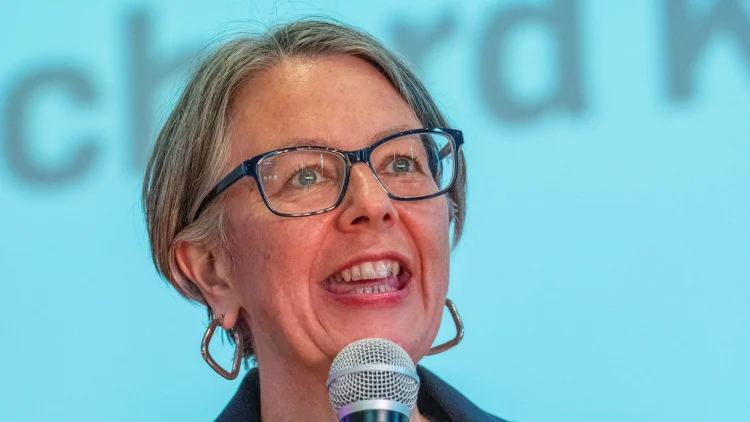

Geraldine Coggins is the Green Party candidate for the Greater Manchester mayoral by-election (Alamy)
5 min read
Exclusive: The Green Party candidate for the Greater Manchester mayoral by-election will pledge to twin the Greater Manchester region with Ramallah, the administrative capital of Palestine, if she wins the contest.
Geraldine Coggins will announce on Friday that she will seek to twin the Greater Manchester city-region with the Palestinian city of Ramallah in the West Bank if she is elected as mayor next week.
On 30 July, voters in Greater Manchester will head to the polls to elect a new regional mayor to replace Andy Burnham, who left the role to become the new prime minister of the United Kingdom.
The mayoral by-election is a hugely significant contest for the Labour Party, which wants to prove it can maintain its stronghold in the region, and Reform UK and the Green Party, which both made significant electoral gains in the local council elections in May and want to show they can challenge Labour on its home turf.
With Andy Burnham as the new Labour leader and prime minister, the Green Party are having to rethink their strategy to retain left-wing voters who have moved from Labour to support them during Keir Starmer’s premiership.
Asked by PoliticsHome how the party might have to change its campaign messaging to adapt to a Burnham premiership, Coggins said it would “depend on which version of Burnham we get” but insisted that the Greens had a clear dividing line with Labour over the war in Gaza, which the party believes resonates with voters in the Greater Manchester region.
“We’ve not seen the serious recognition of what is happening in Gaza, and a lot of people will not go back to Labour and really see Labour as morally bankrupt,” she said.
“That’s what we hear from people. That is not a thing that people just get over.
“We are still funding and fueling this war and sharing military intelligence. Our government is still complicit in that, and people are not just going to get over that because there’s a new prime minister at the front.”
The Greens included a pledge to partner with a Palestinian city in their mayoral election manifesto. The party has now chosen Ramallah as the proposed twin city because it has growing technology, creative, professional services, and education sectors which could create opportunities for collaboration between the cities.
Coggins will announce the pledge outside the Dar ul Uloom Mosque in Manchester’s Longsight District on Friday, where she is expected to say that Manchester has a “proud tradition of international solidarity, from the campaign against apartheid to welcoming refugees fleeing conflict”.
A Green Party source said: “People up and down the country have been outraged by Labour’s complicity in Israel’s genocide.
“It’s clear that this isn’t going to change now Andy Burnham has become Prime Minister. Greens will always stand up for human rights and international law. And, as mayor of Greater Manchester, Geraldine would continue to call out the government’s failings and show there is a different way.”
The Manchester mayoral by-election is shaping up to be less closely fought than was initially expected following Labour’s devastating losses in the region in the May local elections.
A YouGov poll on 17 July put Labour candidate Bev Craig at 62 per cent in the second round of the by-election voting, beating Reform UK’s Sian Astley on 38 per cent. The poll also showed Craig leading on 38 per cent on first preference votes, compared to Astley’s 24 per cent and the Greens in third on 17 per cent.
Nevertheless, the Greens say they are continuing to campaign hard after their former leader Caroline Lucas told PoliticsHome it was the party’s intention to “throw everything” at the contest.
Speaking to PoliticsHome in Manchester this week, Coggins criticised Burnham’s announcement to cut VAT on household electricity as a measure that would only save the average household less than a pound a week.
“That’s a continuation of the sort of incrementalism that we had under Starmer,” she said.
“It is not the wholesale change to the rip-off Britain model that we really need. I don’t think people are going to be fooled by that.”
Coggins highlighted suggestions that Burnham intends to continue drilling in the North Sea, and his failure to eradicate homelessness in Greater Manchester during his time as mayor, with the new PM now making the same pledge from Downing Street.
She also criticised Burnham’s approach to ‘Manchesterism’, arguing that the way housing development had been carried out in Manchester was seen primarily as an “investment opportunity for wealthy individuals and big corporations”.
In contrast, she said the Greens see housing as “bringing back homes for people” in Greater Manchester, with a pledge to create 20,000 “genuinely affordable” homes over 10 years.
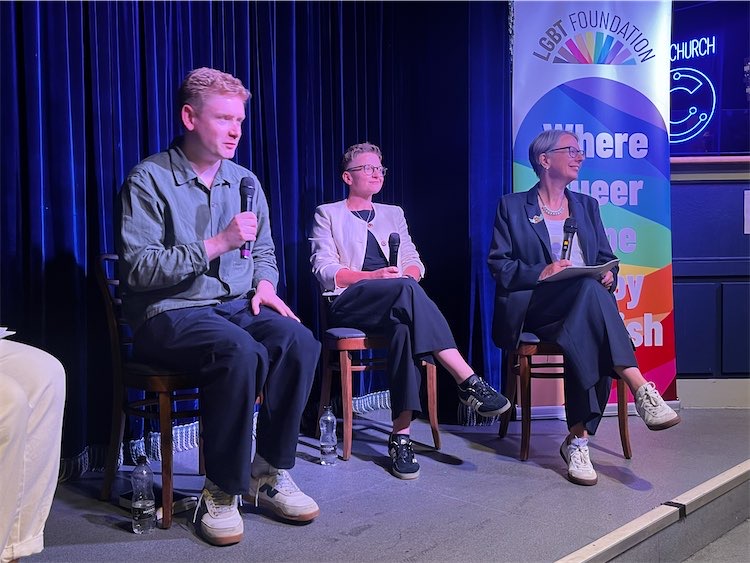
At an LGBT hustings in Manchester’s Gay Village on Tuesday evening, Coggins was keen to draw a dividing line between the Greens and Labour on housing in particular. PoliticsHome previously revealed that the Greens were hoping to target unease about gentrification in the region to attack Labour in the contest.
“Unlike Bev, I can tell you what genuinely affordable means,” Coggins told the hustings.
“That means that if you are on housing benefit, you will be able to afford to rent them.”
She described a system where housing benefit money was being “funnelled into big corporate landlords who own these shiny towers in other countries who aren’t even paying tax here” and said she wanted to “really radically change our housing”.
Craig responded by saying that Coggins’ comments got a “little bit personal”.
“If you want to know what I think genuinely affordable homes look like, you can look at the Manchester living rent,” the Labour candidate said.
“And you can look at the record numbers of council and social homes that we built last year, building more in the city than we’ve done in 25 years.”
The full list of Greater Manchester Mayoral Candidates:
Sian Astley (Reform UK)
Geraldine Coggins (The Green Party)
Bev Craig (Labour and Co-operative Party)
Phil Eckersley (The Conservative Party)
Marcus Farmer (Independent)
Richard Kilpatrick (Liberal Democrats)
Marlon West (Restore Britain)


5 min read
Labour MPs unhappy with the treatment of Keir Starmer loyalists have warned that they could make life difficult for Andy Burnham at the Budget.
“Andy’s Starmerite purge has created an incredibly powerful phalanx of skilled political operators who intimately know the government’s fiscal position,” one Labour MP told PoliticsHome.
“Some sought assurances about the direction of travel before nominating Andy and have been alarmed at how quickly those assurances seem to have turned hollow.
“After the undoubted conference euphoria in Liverpool, the Autumn Budget will loom very large on the Horizon. That will be a big event,” they added.
While it was widely expected that Burnham would remove Starmer loyalists from ministerial positions after entering office, the scale of what is being described as a ‘purge’ has angered those close to the former prime minister, who argue it went too far.
Starmer allies David Lammy, Rachel Reeves, Darren Jones, Steve Reed and Jo Stevens were all removed from Cabinet, as were Lord Hermer, Nick Thomas-Symonds and Baroness Chapman, who were ministers who attended Cabinet.
Defenders of Burnham’s approach have stressed to PoliticsHome that the former Manchester mayor sold himself as a departure from the last Labour leadership, which inevitably means making significant changes to the team. Several key Burnham allies have secured jobs in the new ministry, including Lou Haigh, Anneliese Midgley and Angela Rayner.
“It’s not what Andy said he would do, which is a real shame,” said one Labour MP who Burnham sacked from Cabinet.
Another MP complained: “There is a large group of MPs who believe in whole-PLP [Parliamentary Labour Party] collective responsibility, who expressed disagreement privately but were publicly loyal to Keir Starmer. What they are seeing in Andy’s new team is punishment for anyone who showed loyalty and a reward for the disrupters.”
They added: “It feels like an early breach of trust for MPs who, for the sake of unity, gave their endorsements to Andy. We were promised an end to factionalism and recruitment based on merit.”
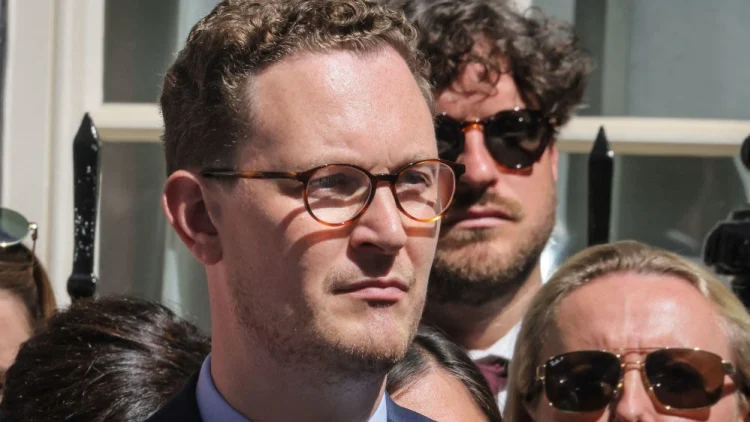
The treatment of Jones has become a particular source of frustration among Starmer’s supporters.
Jones, former chief secretary to the prime minister, was encouraged by Starmer allies to challenge Burnham for the leadership but ultimately ruled out a run, saying that he decided against it after recieving reassurances from Burnham about his economic policies. He was not offered a ministerial role in the new government on Monday.
“It’s understandable after taking power in such a way to be insecure about those around you, but the new Prime Minister has shown naivety here. The purge has been far too obviously targeting those loyal to Keir Starmer,” a different Labour MP said.
They warned: “It will cause problems for him in the future.”
Just hours after leaving government, Jones publicly criticised Burnham’s first cost-of-living announcement, posting on X that the new government’s plan to scrap digital ID and use the money to take VAT off energy bills was unfunded.
Several Labour MPs told PoliticsHome that Jones’ attack was a sign of things to come later in the year when Burnham sets out his spending plans.
The new Prime Minister has faced questions over how he would fund his cost-of-living policies, which also include capping bus fares at £2 and a 20 per cent cut to business rates for some hospitality settings, but full details are not expected to be confirmed until his first fiscal event as PM.
Bev Craig, the Labour candidate looking to succeed Burnham as Greater Manchester mayor, told PoliticsHome that Jones might come to regret his public criticism. “I wonder if Darren will look back and regret making a bit of a barbed dig,” said Craig during an interview in Manchester earlier this week.
While he may have angered Starmer loyalists, there are early signs that Burnham’s first few days in Downing Street have been well received by the public.
A More in Common survey published on Wednesday showed that the Prime Minister’s personal ratings had increased 10 per cent in the last week, rising from +3 to +13. The poll indicated that Burnham has started particularly strongly with 2024 Labour voters, with 57 per cent saying he’s doing a good job, and 8 per cent bad.
Burnham also faces needing to reassure Labour MPs not in the north of England that his government will focus on all parts of the country.
Perron Moon, the Labour MP for Camborne and Redruth, told PoliticsHome that it was “troubling” to see what he described as a lack of regional representation in Cabinet. As PoliticsHome analysis illustrates, there are six MPs from seats in the northwest in Burnham’s Cabinet, compared to one from the southwest, Transport Secretary Heidi Alexander.
“As the most southerly Labour MP in the UK with some of the highest levels of deprivation, I find the ongoing focus on the North of England troubling,” Moon said.
“Devolution and industrial regeneration are as important here in Cornwall as any part of the UK, if not more so. But it feels like the current narrative is about a model that is imposed on us.
“Whilst I’ve heard many other towns, cities and regions mentioned by this new administration, I haven’t heard Cornwall mentioned once. Sadly, I think some carry with them outdated and inaccurate stereotypes of Cornwall. That needs to change, and I’m hopeful that working with colleagues we can help to unleash the Cornish Celtic tiger.”
Additional reporting by Zoë Crowther
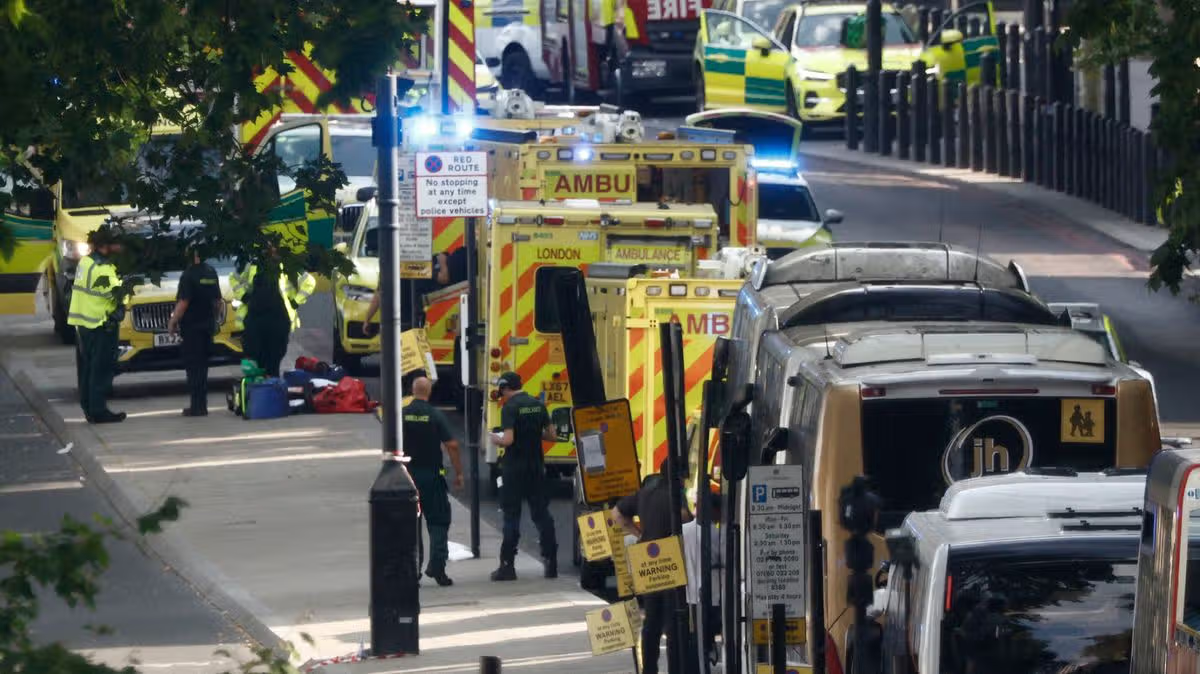
Westminster Bridge live: Multiple casualties in horror police boat crash on Thames

American Airlines: Buy Any Fuel Panic

European Union sanctions Justin Sun’s HTX


-

 Fashion7 days ago
Weekend Open Thread – Corporette.com
-

 Politics6 days ago
The House | The City of London can help the new chancellor deliver growth in every postcode
-

 Crypto World6 days ago
Ripple Payments Joins MiCA With 14 Firms, Does It Mean Anything For XRP?
-

 Politics5 days ago
Democrats look to World Cup watch parties to register thousands of voters
-

 Crypto World7 days ago
Ripple wins EU-wide access as ESMA adds it to MiCA register
-

 Crypto World3 days ago
Grayscale Files For Worldcoin ETF, WLD Registers Sharp Rise
-

 Tech4 days ago
Sail Virtually Aboard The “Itanic” With IA-64 Emulator
-

 NewsBeat4 days ago
Unregistered fitter used Gas Safe logo on business flyers
-
 Tech4 days ago
Turtle Beach Command Series KB7 review: a nifty screen-equipped gaming keyboard
-

 News Videos5 days ago
Big Money Is Entering XRP
-
 Business3 days ago
New Jersey voter registration controversy explained: How 6,600 noncitizens got on the rolls, and what happens next
-

 Crypto World6 days ago
Kaspersky exposes OkoBot’s 20-module crypto wallet attack
-
 Business7 days ago
Airlines warn Sunshine Protection Act could disrupt flight scheduling
-
 Entertainment3 days ago
Johnny Depp’s R-Rated Gothic Cult Classic Gets New Release Ahead of Sydney Sweeney Remake
-
 NewsBeat7 days ago
Durham County Council to send out electoral registration emails
-

 Crypto World7 days ago
MiCA Licensing Faces Delays as ESMA Adds 14 CASPs to Register
-

 Crypto World2 days ago
Ethics, other provisions in crypto Clarity Act to be further discussed
-
 NewsBeat4 days ago
Shanghai science forum photos show China’s AI and robotics advances in rivalry with US
-

 Crypto World6 days ago
Chip Stocks Enter Bear Market After Moonshot Ai Unveils Kimi K3 Model
-

 Tech4 days ago
Watch Flock Safety CEO Garrett Langley discuss the future of surveillance at TechCrunch Disrupt 2026
You must be logged in to post a comment Login