
Politics
The West and Ukraine. A loss of nerve?


Simon Bennett offers his reflections on the West’s approach to supporting Ukraine as it defends itself from the Russian invasion.
According to political scientist John Mearsheimer, the origins of the Russia-Ukraine war lie in NATO’s eastward expansion. This expansion provoked Russia, claims Mearsheimer. There is an alternative view. It is that Putin, a colonialist, would have launched his war on Ukraine regardless of NATO’s posture. I subscribe to the latter view.
As former KGB lieutenant colonel Vladimir Vladimirovich Putin witnessed Russia’s social, economic and political disintegration and diplomatic humiliation in the early 1990s, he dedicated himself to restoring Russia’s grandeur. To this end Putin resolved to recover the countries that had comprised the Soviet Union’s ‘near-abroad’, including the agriculture- and mineral-rich Ukraine.
Putin’s colonialism poses an existential threat to Free Europe. In 2024, British Prime Minister Rishi Sunak claimed that Britain faced ‘An axis of authoritarian states with different values to ours’. Britain faced the same threat in 1939. History repeats.
Free Europe has, since Russia’s 2008 invasion of Georgia, been in retreat. Europe’s failure to intervene in both the 2008 Russia-Georgia war and Russia’s 2014 annexation of Crimea has confirmed Putin’s view of the West as self-absorbed, decadent and cowardly – something to be despised and, like his political opponents, disappeared.
Had the West deployed troops to Ukraine following the 2014 annexation of Crimea, the 2022 assault on Kyiv might have been prevented and today’s murderous Donbas quagmire averted. Putin would have threatened nuclear Armageddon but in all probability would not have acted on his threat. First, because he covets Ukraine’s agricultural and mineral wealth. Secondly, because as a sentimental Russophile he would never risk contaminating Mother Russia with radioactive fallout. Why would Putin irreversibly poison a country he covets – Ukraine – and a country he loves – Russia?
In its post-2014 transactions with Ukraine, the West has too frequently substituted political theatre for tangible aid: handshakes, bear-hugs, noble words and group photographs substituting for warfighting matériel; sanctions substituting for long-range fires able to isolate the Russian army’s front lines and strike critical national infrastructure deep inside enemy territory. The West has overpromised and under-delivered. Putin and Medvedev’s nuclear sabre-rattling has had the desired effect. It has unnerved.
Examples of Western timidity in the face of Russian sabre-rattling abound. In March, 2022, the Biden administration vetoed Poland’s plan to deliver twenty-eight MiG-29s to Ukraine for fear of antagonising Putin (or ‘poking the Bear’, as some wags darkly put it). Unimpressed, Zelensky exclaimed: ‘Listen, we have a war. We do not have time for all these signals’.
Subsequently, Western powers have been slow to deliver fighters, tanks, shells and rocket artillery such as the High Mobility Artillery Rocket System (HIMARS) and the Army Tactical Missile System (ATACMS). When ATACMS did eventually arrive in Ukraine the US restricted its use to eliminating Russian and North Korean forces in Kursk Oblast.
Fast forward to today and we see the same timidity in the matter of giving Ukraine the weapons it needs to win the war, such as the German Taurus short-range conventionally-armed cruise missile and the American Harpoon long-range cruise missile. The Germans are reluctant to supply Taurus first, because they are worried that Putin will interpret the missile’s use of Western navigation and targeting data as Berlin’s active participation in the war and secondly because they do not wish to see the missile used to destroy the Kerch Bridge, Crimea’s road and rail link to Russia. (Putin considers Kerch, the longest bridge in Europe, a symbol of Russia’s renaissance. It reifies Putin’s ambition).
In Germany political action is informed or, depending on one’s politics, stymied by strong pacifist undercurrents. The Americans have refused to supply Ukraine with Harpoon because of the Trump administration’s susceptibility to Moscow’s private and public lobbying, specifically Putin’s phone calls and Medvedev’s hyperbolic nuclear war rhetoric. In my 2025 book The Russia-Ukraine War – Security Lessons I note how the West failed to provide Ukraine sufficient matériel and training to ensure the success of its 2023 counteroffensive. There is strong evidence to suggest that under both the Biden and Trump administrations Ukraine has been asked to fight a proxy war in defence of western values with one arm tied behind its back. A not unreasonable interpretation of the current state of affairs is that Ukraine is being simultaneously exploited and betrayed by the West.
So what should the West do to atone for its timidity? It should listen those who man Ukraine’s front line. In his documentary 24 Hours in the Kill Zone, John Sparks of Sky News observed: ‘One of the critical advantages that Russia has is that it has far more personnel’. Asked by Sparks ‘What do you want from Britain?’ a Ukrainian officer replied: ‘You mean, aside from personnel? Aside from soldiers?’.
While it is highly unlikely that the West will dispatch troops to Ukraine absentia a ceasefire, it could deliver a volume of warfighting matériel to Ukraine sufficient for it to achieve its war aims. Ukraine’s fighting men and women have made the hard yards and significantly weakened the Russian army. In October 2025 Britain’s Defence Intelligence reported that since 2022 Russia had sustained around 1,118,000 casualties. Even the most repressive and embedded regime would struggle to survive such a slaughter.
If the 1930s taught us anything, it is that appeasement does not deliver peace. Appeasement invites abuse and fosters instability. It sustains despots. War is to be abhorred. Sometimes, however, it is a better option than living in fear of, and prostrating oneself before ‘an axis of authoritarian states’, as Sunak perceptively described our most urgent threat. Only if Ukraine’s 1991 borders are restored can Free Europe rest easy.
By Dr Simon Ashley Bennett, Lecturer in Risk Management, University of Leicester.

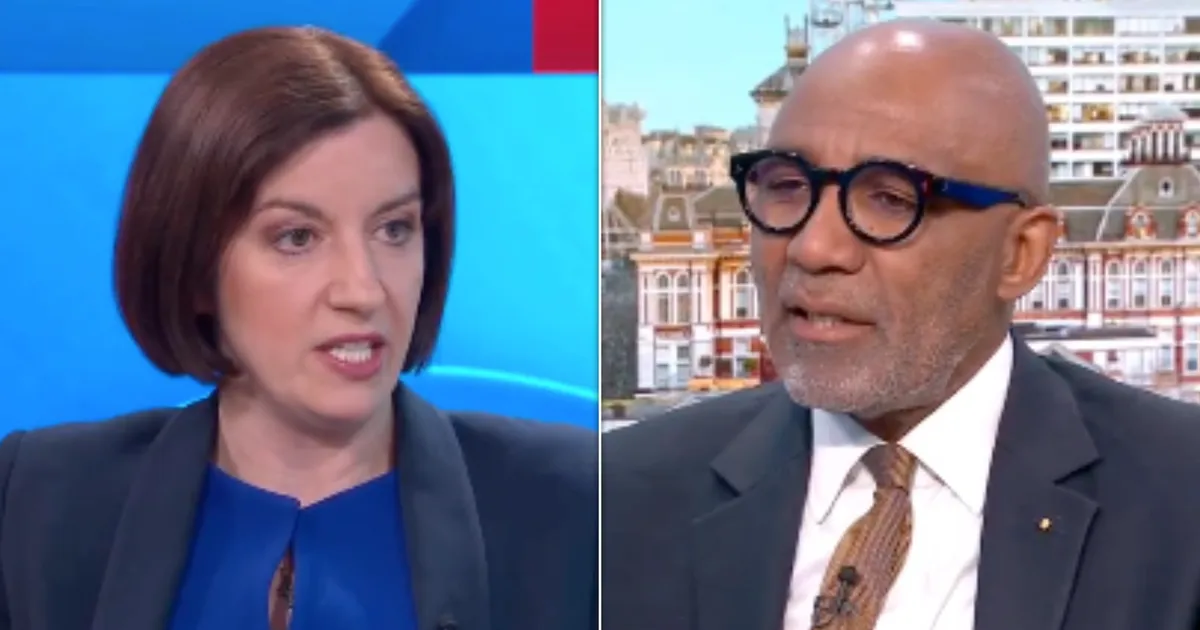
Bridget Phillipson has claimed questions around the theft of Morgan McSweeney’s phone are drifting into “conspiracy theory territory”.
The cabinet minister was defending Keir Starmer’s former chief of staff as the government is facing further pressure to disclose all of its communications around Peter Mandelson’s appointment as ambassador to Washington.
McSweeney phoned the Metropolitan Police on October 20 last year to say his iPhone had been snatched out of his hand in Westminster.
In a transcript released by the police, McSweeney did not tell them who he was or why the phone contained highly-sensitive information.
He also mistakenly gave the call handler the wrong street name for where the theft took place.
The phone’s disappearance meant it was not possible to access any potential communications between the PM’s former top aide and his close friend Mandelson, who is in disgrace over his association with late paedophile Jeffrey Epstein.
The theft has triggered intense scrutiny across Westminster about the timing of events.
On Sky News, presenter Trevor Phillips asked Phillipson: “Why is Morgan McSweeney the only person in the modern world who doesn’t have his messages automatically backed up to the cloud so we could recover them and see what traffic there was between him and our former ambassador to the United States?”
Phillipson said the “question was a bit of a reach”, adding: “It’s hyperbole and you know it.”
Phillips insisted the question was “perfectly straightforward”, before asking if she backed up her own messages.
“I follow all of the guidance on what is required,” the minister said. “What happened here, which we all know, is that Morgan McSweeney was mugged, reported that to the police, followed all of the processes that was asked of him.
“I do think some of this wider coverage is drifting into conspiracy theory territory here.”
The presenter said he was not questioning any of that, but was “just wondering how it is this particular set of exchanges seems to be the only thing in the 21st Century that isn’t backed up somewhere”.
“Again, that’s hyperbole and you know it,” Phillipson said, visibly irritated. “Come on, to say he’s the ‘only person’ – it’s ridiculous and you know that.”
She said McSweeney is providing any material required, while the government “is complying with the humble address, providing information that isn’t needed, has been asked”.
“All ministers will also be complying with what is asked of us,” she added.
Politics
The House | The government is realising the power to change the system lies in its own hands


Cabinet Office Minister Nick Thomas-Symonds (Alamy)
4 min read
Initiatives from the Cabinet Office this week to cut “sludge” in government are not a plan for a rewired state – but they might be the start.
A spring clean is underway in Whitehall. A government press release on Thursday announced a set of measures intended to strip away bureaucracy and speed up decision-making, the start of a wider programme to cut the “sludge” that slows down the state.
We have, for some time now, been receiving different messages about process in government.
The first message is the vision: mission-led government was set to make Whitehall “decisive” and “innovative”, with a “productive and agile state” being the goal of the Prime Minister’s promise to “tear down the walls of Whitehall”.
The second is the frustration that more hasn’t happened on this front, with Keir Starmer last year criticising a “cottage industry of checkers and blockers” and then using his Liaison Committee appearance in December to lament the long delivery chain between lever and action.
In theory, the frustration should be fuel to realise the big vision. But, in practice, the two streams have felt oddly disconnected.
Ministers have continued to promise a more effective state, but rather than setting out a plan to get there, they seem to be more likely to throw their arms up in frustration that it doesn’t work. Then comes more vision, followed by more frustration, and the two feed off each other without making much difference to reality.
This week’s announcement, however, feels different.
We now have a list of things which the government is going to look at: reporting and consultation requirements, equalities impact assessments, environmental impact assessments, and the processes around collective cabinet agreement. Having a list is not radical, and nor are the items on this one. This list is, however, specific. It might not stir your heart, but effective reforms are in the detail, and in the hard work of changing that detail.
We also have the words of Attorney General Richard Hermer, writing in PoliticsHome earlier this week about the changes: “governing through the law does not mean blindly following endless procedures. Governing through the law means assessing these duties, asking whether they still serve us, and, where they don’t, changing them”. This is an explicit argument from Hermer that the government of the day has the power and the agency to change the system that so frustrates them.
What makes this announcement feel different is the specificity of the reforms, as well as the positive agency with which ministers are talking about the change. This is neither lashing out in frustration nor a big, bold vision. It has the texture of something that might just link the two.
This is obviously no finished product. The announcement includes vague plans to “take action” to ensure proportionality of equalities impact assessments, for example. Nor should it be seen as anything close to the scale of reform needed in the civil service and the wider state – it is focused on a very narrow slice of policy making and process.
But it is nevertheless a specific and positive start. The key thing now is to translate this into something that at least a core group of civil servants and ministers can feel is working, and to do so quickly. This means sustained effort to work through the detail of the duties and procedures that the government has identified, making changes where possible, and accepting the risks and downsides of those changes.
Ministers and civil servants will gain three clear wins if they succeed.
Improvements to the state, even if those are relatively minor. A cohort of leaders who really know they can change the system they work in, and the morale boost and sense of agency that comes from that success. And finally, a blueprint for the type of plans, detail and projects that provide the missing link between general frustration and big vision. That momentum and practice must then be taken to the wider work of state reform.
Hermer described himself and Cabinet Office Minister Nick Thomas-Symonds as being tasked with creating a “modern and agile” state, working alongside Cabinet Secretary Antonia Romeo, “whom the Prime Minister has tasked with rewiring the state to turbocharge delivery”. Those are in themselves empty and already tired phrases. The agile state was the Labour promise of 2024.
Romeo’s task is the same as her predecessor Chris Wormald’s, with the addition of “turbocharging delivery”. Both petered out because what they meant was never defined. This announcement is not that definition, and ministers and civil service leaders still urgently need to set out a proper plan for reform. But it is a genuine start, and one which holds the seeds of bigger change.
Hannah Keenan is an associate director at the Institute for Government
In every generation of British society, we have a responsibility to leave the next generation with a better world.
The 60s and 70s, under Harold Wilson’s government, saw Britain take decisive steps towards becoming a more open and equal society. Central to these changes was the decriminalisation of homosexuality, a landmark reform that helped lay the foundations for the rights many now take for granted.
The 80s through to the early 2000s brought fundamental questions about the role of the state in our communities across the four nations. Devolution sparked debate on whether Westminster should hold majority control over local communities in Wales, Scotland and Northern Ireland, and we saw the creation of the Scottish Parliament and the Senedd in 1999. In London, we saw the Greater London Authority established – comprising the Mayor of London and the London Assembly Members, who play a crucial role to our Capital’s continued prosperity.
From the 2010s, we’ve shifted the conversation towards systemic injustices, fair policing and fairness of our institutions with respect to ethnic minority groups and the LGBT community. Here in the Cities of London and Westminster, a constituency with such historic ties to the LGBT community in Soho; home to London Pride, G-A-Y and the City of Quebec, we know the impact this has had. And we continue to welcome individuals from all over the world representing a wide range of backgrounds and religious beliefs into our community.
What underpins the issues that previous generations have responded to is the preservation of our liberal democracy. How do we define this? At its core, it is simple: the idea that we are all free to express our opinions, without fear of being targeted or harmed for doing so and that we all have the chance to vote for candidates who we believe best represent us, based on information available to us.
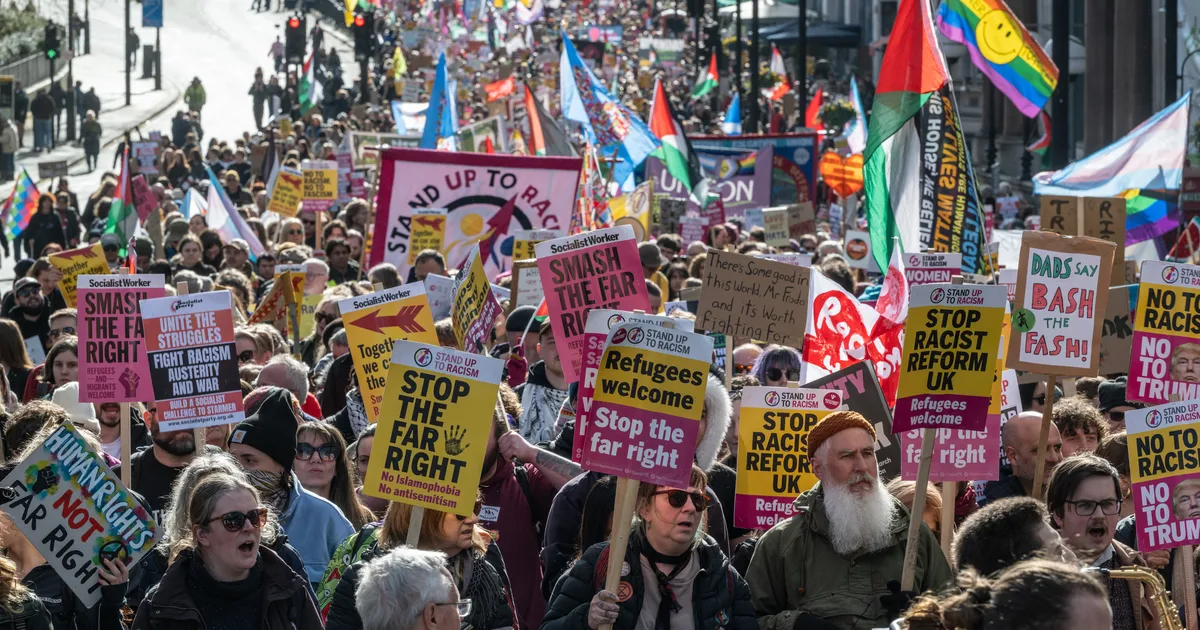
It has been covered at length that far-right rhetoric is once again finding its way into communities across the country. Many of these far right views are designed to incite division, spread hatred, and revive ideas that should have been rejected decades ago.
We have all discussed how to confront many of these views, and rightly so, but what tends to slip out of the conversation is the legal framework that governments can implement to actively defend and strengthen our democracy.
“Trust in politics, and crucially politicians, is at an all-time low.”
The Secretary of State for Housing, Communities and Local Government introducing the Representation of the People Bill before the House is not just another piece of legislation, it is a clear statement of intent. With the growing complexity of the current state of our society, there is a growing demand to reflect and reconsider how we reinvigorate democratic values within our grassroots. This Bill shows this government is prepared to act. Trust in politics, and crucially politicians, is at an all-time low. This Bill is an opportunity to begin rebuilding that trust, with measures including transparency over political donations, preventing foreign interference in our elections and stronger sanctions on serious malpractice.
We are extending the right to vote to 16- and 17-year-olds. For many young people, this is long overdue. This will be music to the ears of many sixth form and college students that I have been talking to across the Cities of London and Westminster. Many of whom remind me they can begin their first job, pay taxes into the state, or even enlist themselves into the army, but cannot yet make a decision on their futures.
We must also take on the challenge of donations in the form of crypto assets. There are no mechanisms in place to identify whether the sources of these donations are lawfully approved, due to the anonymity crypto provides.
And crucially, while current laws are designed to ensure transparency during the election, the government must consider the impact of undeclared political donations outside of the regulatory period. Influence is not limited to the campaign period, it is persistent and lacks the transparency necessary to regain public trust in our institutions.
The Representation of the People’s Bill is about more than process, it is about protecting our democracy, rooting out foreign interference and taking action against those who seek to divide us.
Future generations deserve to look back at this point in time as the moment we chose to act to protect and strengthen our democracy, not stand by while it was tested.
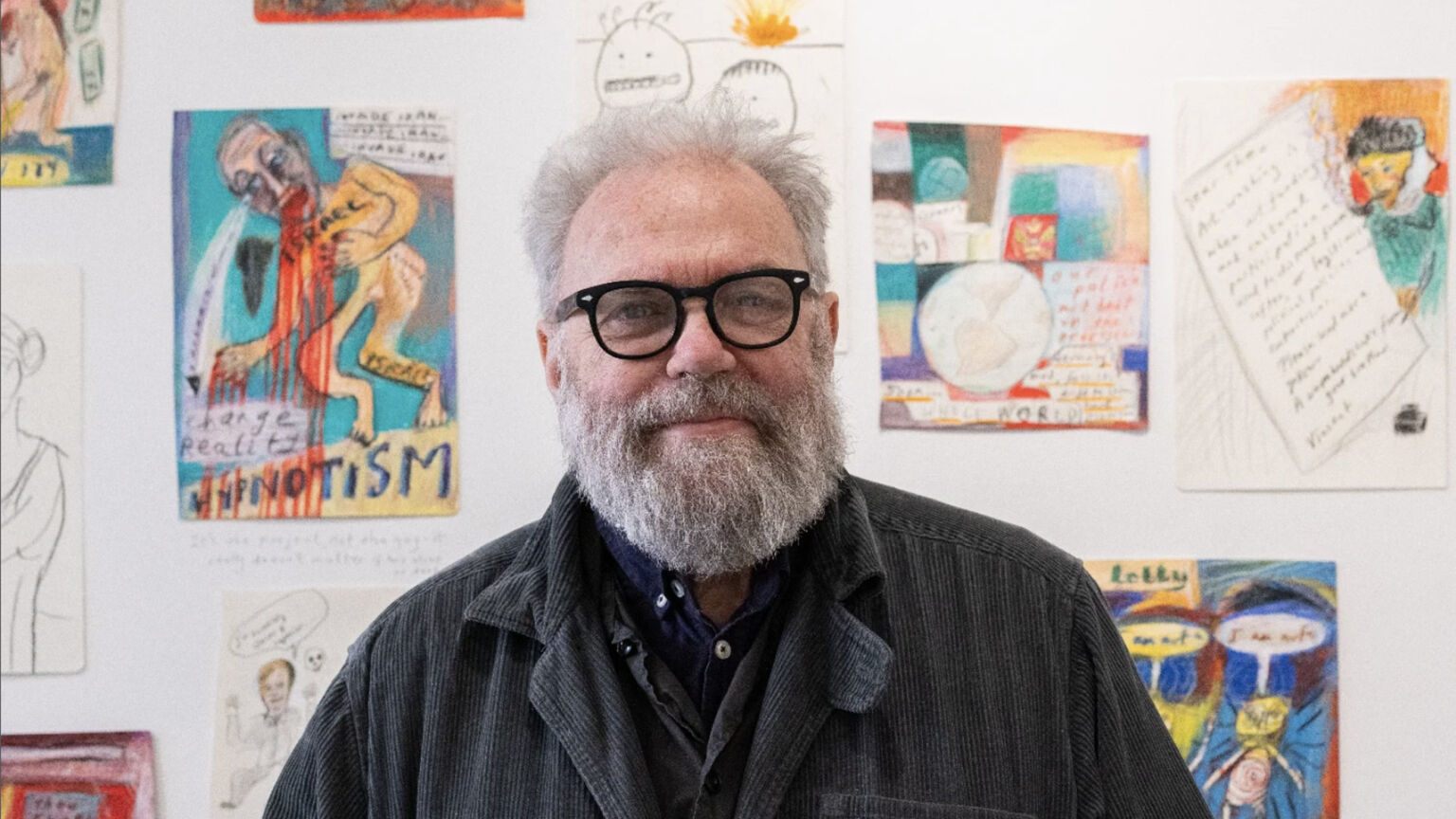
‘Anti-Semitic art exhibition this way’, announces a sign, held up by a cutesy self-drawn picture of the artist next to a bike. Follow it, and you’ll find that Matthew Collings’s new show in Margate stays true to its word.
Inside the gallery are hundreds of Collings’s furiously hatched colour-pencil drawings, all of them with some connection to Israel or Gaza. One shows Israeli prime minister Benjamin Netanyahu naked, with blood pouring from his mouth and hands, his cock erect, as he hypnotises the world. UK prime minister Keir Starmer is shown meekly taking orders from the Star of David. A pot-bellied and yellow-faced trio called ‘The Lobby’ – the Israeli or Jewish lobby, he presumably means – is sketched above the words, ‘They are nuts but utterly in control’. A scaly green lizard vomits blood with the slogan, ‘Stop Apartheid Demon’. A blood-stained Donald Trump is marked ‘Death’, ‘Epstein’ and ‘Israel’, and is surrounded by hollow-eyed monsters. The caption explains: ‘Trump thinks: “Hmm… Epstein… better invade Iran and murder Muslims”.’ The moment you walk into the gallery, you feel like you’re in that scene in a slasher film, when the victim stumbles into her kindly helper’s man-cave, only to discover his crazy, violent drawings that tell you he’s the villain.
You might have heard of Collings before. He was a critic before he was an artist (if you can really call him that), editing Artscribe magazine and presenting on BBC’s The Late Show in the 1990s. He wholeheartedly embraced the Young British Artists wave, writing Blimey! – From Bohemia to Britpop: London Art World From Francis Bacon to Damien Hirst. He went on to present This Is Modern Art on Channel 4. Collings, like so many tiresome critics, made a name for himself by praising modern art, claiming it to be too complex for the public to understand, while at the same time attacking the Old Masters who most people tend to like. All of this was done in a mockingly cynical manner. He would express his disapproval with a pretentiously raised eyebrow to the camera. It was all a bit glib.
Now that he’s moved from critic to artist, Collings seems to want his artworks to speak to what he considers profound, leading him to embrace the tragedy and horror of Gaza. Like many ageing Boomers, Collings has rediscovered the youthful radicalism he turned away from in his early career, largely with the help of the Palestinian cause. He has grown angrier and more certain in his beliefs, too. Even the grotesque pogrom of 7 October 2023 gave these artist-cum-activists no pause for thought. They had already decided that the Jews were the baddies and the Palestinians the long-suffering martyrs. So when Hamas’s thugs raped, slaughtered and kidnapped Israelis, all the pro-Gaza crowd saw was an act of righteous rebellion.
Collings’s turn from Britpop-loving centrist dad to an uncloseted Israelophobe took him into Jeremy Corbyn’s Labour Party, and then straight out again. He was adopted as the parliamentary candidate for South West Norfolk in 2019. Within a day of his selection, he was suspended from the party for having dismissed allegations of anti-Semitism in Labour as a ‘witch-hunt’, and for calling the late chief rabbi, Jonathan Sacks, a ‘hate-filled racist’. He also shared conspiratorial diagrams on social media, purporting to reveal the ‘influence’ of Jewish businessmen on British politics. That’s right – Collings took things too far, even for the Corbynistas.
The Margate exhibition is laughably titled Drawings Against Genocide. The artworks look childish and this is deliberate. Collings is trying to strip away all artifice to let the unalloyed feelings shine out. The trouble is that, in letting us see directly into his soul, what we see there is repulsive.
Collings would no doubt argue that his ‘art’ is in the tradition of the anti-Vietnam War art of the 1960s radicals, like Michael Sandle’s Mickey Mouse at the Machine Gun (1972) or Leon Golub’s paintings of torture and killing, even though his Margate show is entirely misanthropic and hate-filled.
Some have called for the exhibition to be banned, but that would be a mistake. On the contrary, Matthew Collings has done us a great service by showing us the disturbed mind of the anti-Israel activist. It is good that we all see the depravity that lies at the heart of this movement.
James Heartfield is the author of Britain’s Empires.
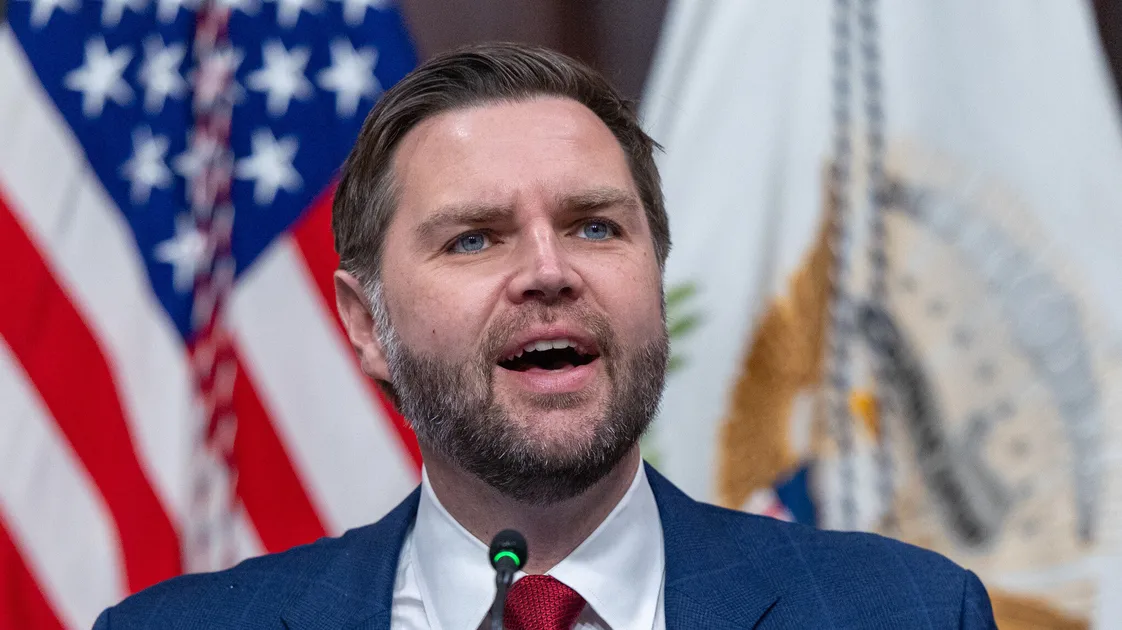
Vice President JD Vance brushed off manosphere podcaster Joe Rogan’s comment about MAGA followers being “dorks.”
“It becomes a movement of a bunch of fucking dorks because a lot of them are dorks,” Rogan told guest Dave Smith on Thursday’s episode of his podcast. “A lot of them, these really weird, fuckin’ uninteresting, unintelligent people that have got something they cling to — and there’s a lot of people that are just real genuine patriots, and they’re all lumped into this one group and you got to accept the dorks, too? Fuck that!”
Vance dismissed Rogan’s comments in an interview with right-wing podcaster Benny Johnson that aired on Saturday.
“I think we have many, many fewer dorks than the far left, but everybody’s got some dorks. We love our dorks. We love our cool kids. We love anybody who wants to save the country,” Vance told the MAGA mouthpiece, who has been criticised online for being “cringe as fuck” and has referred to Trump as “Daddy.”
The vice president also responded to Rogan’s suggestion that Hillary Clinton’s immigration stance made her “more MAGA than MAGA.”
“I did not see Joe say this. I’m going to text Joe, because that is that is definitely wrong,” Vance said.
Rogan’s criticism of MAGA comes amid an onslaught of White House social media posts that promote the administration’s agenda, particularly the war in Iran, through pop culture, sports, or video game references. A senior White House official called the posts “cringe” and embarrassing in an interview with MS Now published on Friday.
Vance himself has also faced cringe allegations, as has Health and Human Services Secretary Robert F. Kennedy Jr., whose workout video with Kid Rock was met with mockery.
Trump jokingly admitted at a Saudi-backed investment conference in Miami Friday that he that he likes to “hang around with losers.”
“It’s a good thing to have a lot of losers. I always like to hang around with losers, actually, ’cause it makes me feel better,” Trump said. “I hate guys that are very, very successful and you have to listen to their success stories. I like people that like to listen to my success.”

WASHINGTON — President Donald Trump’s golf habit has now cost US taxpayers at least $101.2 million in travel and security expenses since his return to office, a figure that is two-thirds of his first-term golf total and has him on track to spend $300 million by the end of his second term, according to a HuffPost analysis.
Trump’s arrival at his golf course in West Palm Beach, Florida, on Saturday morning marks his 56th visit there since his 2025 inauguration and his 110th day on a golf course that he owns — meaning he has played golf on more than one-quarter of his days since returning to the presidency.
“At a time when gas prices are spiking and Americans across the country find themselves in an ever-worsening affordability crisis, the president has burned through over $100 million in taxpayer money in order to make promotional appearances at his golf courses and hobnob with millionaires and billionaires,” said Jordan Libowitz with the Citizens for Responsibility and Ethics in Washington watchdog group. “If his goal were to help struggling Americans out, one thing he could try is stop spending their money going to his golf courses.”
Trump needed two full years to hit the $100 million mark in his first term, during which he played golf a total of 293 days at his own courses at a cost to taxpayers of $151.5 million. HuffPost has based its figures for transportation and security for Trump’s golf trips on a report to Congress during his first term in office.
In this second term, Trump has made 17 trips exclusively to his Mar-a-Lago country club home in Palm Beach, which is close to his courses in West Palm Beach and Jupiter. He has made seven more trips to Mar-a-Lago that included at least one additional stop. Last weekend, for example, Trump flew from Florida to Memphis for a speech before returning to Washington.
He has made eight trips to his course in Bedminster, New Jersey, at a cost of $1.1 million each and five to his resort in Doral, Florida, which cost $2.7 million each.
Of his regular golf destinations, Mar-a-Lago is by far the most expensive for him to visit, at $3.4 million a trip, because of the expense of patrolling both the Atlantic Ocean off the Palm Beach coast, as well as the Intracoastal Waterway that separates the barrier island from the mainland. When Trump is present, a Coast Guard ship is stationed offshore, and smaller law enforcement vessels with guns mounted on their bows are in the Intracoastal.
His most expensive trip to date has been the $9.7 million one he took to his resorts in Scotland last summer, which included participation in the grand opening of a new course at his Aberdeen property — an event for his for-profit business that the White House’s government staff helped promote.
In recent weeks, the White House has begun categorising Trump’s golf outings as “executive time.” That phrase also appears in his public schedule almost daily.
When asked if that means that Trump is participating in some form of leisure activity in each of those instances, the White House press office responded with the unsigned statement: “Executive time refers to executive time.”
HuffPost’s analysis uses methodology and figures from a 2019 Government Accountability Office report on Trump’s golf trips early in his first term. That report found that four trips to Mar-a-Lago in early 2017 cost taxpayers $13.6 million, and then broke down that total into components like additional security expenses, the costs to fly Air Force One, and the need to transport motorcade vehicles using expensive C-17 cargo planes.
In his second term, the major drivers of the high cost for the president’s hobby ― the flights on Air Force One, the need for the Air Force C-17 transports, the salaries for those protecting the president ― have not diminished. Indeed, they have likely increased.
Because the salaries for military service members and law enforcement officers generally have not kept pace with the consumer price index, HuffPost did not inflate the figures to current dollars. The actual costs and totals, nevertheless, are certainly higher than HuffPost’s unadjusted 2019 numbers.
Prior to his election in 2016, Trump spent years criticising former President Barack Obama’s golf outings, and during his first campaign, he promised he would be too busy to play golf. Then, following his 2020 election loss and failed coup attempt, Trump repeatedly criticised his successor, Joe Biden, for his frequent weekend trips to his home in Delaware.
But Obama’s taxpayer golf tab was a small fraction of Trump’s because Obama mainly played the course at Joint Base Andrews, a short motorcade ride from the White House. And Biden’s trips home used either the smaller version of Air Force One or a Marine One helicopter. Both cost far less to operate than the $273,063 per hour the GAO found it costs to fly the larger, modified Boeing 747 that Trump takes on his Florida golf trips.
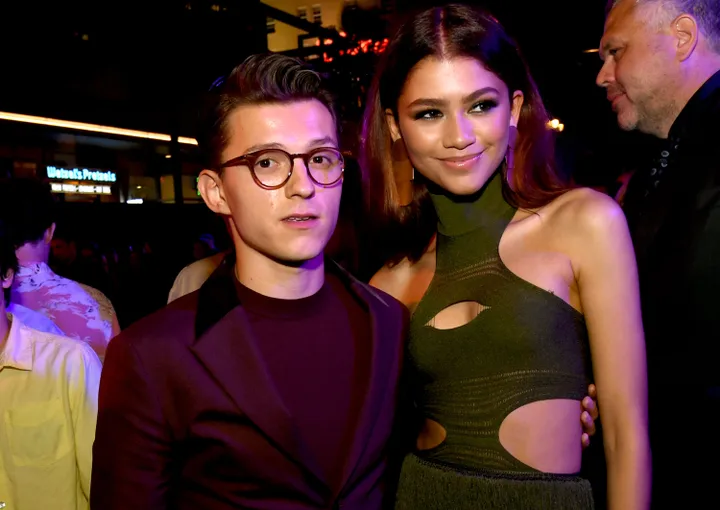
Zendaya has been on one hell of a run lately, with a line-up of five massive movie and TV releases coming out in 2026 alone.
However, she revealed earlier this week that she’s looking to make a major change next year.
In a recent with Fandango, the Emmy winner said she’s planning to take a much-needed break from Hollywood after being booked and busy in 2026, after appearing in the upcoming projects The Drama, Dune: Part Three, Spider-Man: Brand New Day, The Odyssey and the third season of Euphoria.
Zendaya claimed: “I’ll tell you what, after this, I’m disappearing for a little bit. I’m going to have to go into hiding for just a little bit.”
Joking that she hopes “people don’t get sick of me” after her stream of releases, she warmly thanked her fans for their continued support.
“I really appreciate everyone who supports any of the movies or supports my career in any kind of way. I’m deeply appreciative,” she added.
Zendaya’s fans don’t have to panic about her hiatus, though, because she is already set to return to the big screen in 2027 for Shrek 5, alongside returning cast members Mike Myers and Cameron Diaz.
The announcement about Zendaya’s impending intermission comes amid swirling rumours that she recently quietly tied the knot with her fiancé and Spider-Man co-star Tom Holland.

Kevin Winter via Getty Images
The gossip further erupted earlier this month after Zendaya was spotted wearing what appeared to be a wedding band on her left hand at the 2026 Oscars and Paris Fashion Week. Zendaya and Tom have reportedly been engaged since late 2024.
While the Marvel stars have neither directly addressed nor confirmed the rumours about their nuptials, the couple’s reps also didn’t immediately respond to HuffPost’s request for comment.
Appearing on Jimmy Kimmel Live! earlier this month, the US talk show host told Zendaya that “the internet has gone berserk with stories” about her possibly being married to Tom.
The actor cheekily responded with a smile: “Really? I haven’t seen any of that.”
Zendaya then addressed the faux AI images depicting her supposed wedding ceremony that have been making the rounds online in recent weeks.
“Many people have been fooled by them,” she told the comic. “While I was just out and about in real life and people are like, ‘Oh my God, your wedding photos are gorgeous,’ and I was like, ‘Babe, they’re AI. They’re not real.’”

Netflix’s new horror series Something Very Bad Is Going To Happen has already drawn comparisons to genre classics like Rosemary’s Baby and Carrie thanks to its nightmarish themes.
Created by Haley Z Boston, the writer of another Netflix horror Brand New Cherry Flavour, and produced by the Duffer Brothers (of Stranger Things fame), the series follows the unnerving events leading up to a young couple’s wedding.
If you’ve dared to watch it, you might have spotted one or two familiar faces among the cast. Wondering which of their past jaunts you’ve seen them in? Here’s a quick guide to where you could have spotted them before…
Camila Morrone

BBC/Ink Factory/Des Willie
You’re most likely to recognise Camila Morrone from her Emmy-nominated performance in the series Daisy Jones & The Six, where she played band photographer Camila Dunne, the wife of Sam Claflin’s character.
More recently, Camila appeared in the second series of The Night Manager as Colombian businesswoman Roxana Bolaños, a reluctant ally of Tom Hiddleston’s Jonathan Pine.
Over on the big screen, you might have seen her in the Eli Roth thriller Death Wish, Never Goin’ Back, Marmalade, Gonzo Girl or Mickey And The Bear.
Adam DiMarco

Adam DiMarco is best-known for playing the socially-awkward-yet-immensely-privileged Albie Di Grasso in The White Lotus’ second outing (yes, the Sicily season).
He currently stars as Peter in Prime Video college comedy series Overcompensating, and has also been seen in Pillow Talk, The Good Doctor, The Order, The Magicians and Charmed.
Gus Birney

This isn’t Gus’ first foray into the horror world, as she’s probably most well-known for playing Gaynor opposite Courteney Cox in the comedy-horror series Shining Vale.
Gus has also appeared in Netflix’s 2025 miniseries Black Rabbit as hostess Mel, and had a recurring role in the Apple TV+ Dickinson, which stars Hailee Steinfeld as the writer Emily Dickinson.
You might have also caught her in The Last Frontier, The Blacklist, Insatiable or The Mist, as well as movies like I’m Thinking Of Ending Things, Plan B, Giving Birth To A Butterfly, Happiness For Beginners and Asleep In My Palm.
Karla Crome

British actor and writer Karla Crome is a regular on telly, following her major breakthrough in the E4 series Misfits, playing Jess in seasons four and five.
Since then, she’s gone on to appear in Lightfields, Prisoners’ Wives, The Level, You, Me And The Apocalypse, The Victim and Carnival Row.
She also played Lucy in Daisy May Cooper’s BBC series Am I Being Unreasonable?, as well as Pattie Walker in the much talked about Netflix show Toxic Town and Bella in Harlan Coben’s Lazarus.
Jeff Wilbusch

Jeff had his major breakthrough playing Moishe Lefkovitch in the Emmy-nominated Netflix miniseries Unorthodox.
You might have also seen him in Park Chan-wook’s acclaimed BBC spy series The Little Drummer Girl, which also starred Florence Pugh and Alexander Skarsgård.
He has also had roles in TV productions Oslo, Keep Breathing, The Calling, and in German horror film Dawn Breaks Behind the Eyes.
Jennifer Jason Leigh

Andrew Cooper/The Weinstein Company/Kobal/Shutterstock
A fixture on our screens since the 1970s, Jennifer’s big break was in teen movie Fast Times At Ridgemont High.
She’s perhaps best known for her role in iconic ’90s thriller Single White Female, where she played the unhinged roommate Hedy opposite co-lead Bridget Fonda.
She later picked up a Golden Globe and Academy Award nomination for her depiction of fugitive “Crazy” Daisy Domergue in Quentin Tarantino’s The Hateful Eight.
You might have also seen her in many of the other projects in her vast filmography, which includes big hitters like Last Exit To Brooklyn, Miami Blues, The Machinist, Annihilation, Possessor, The Jacket, Synecdoche, New York, Margot At The Wedding and In The Cut.
TV fans will know Jennifer for her playing Elsa in Netflix comedy Atypical, as well as roles in Fargo, Weeds, Revenge, Twin Peaks: The Return, Patrick Melrose, The Affair, Lisey’s Story and Hunters.
Ted Levine

Ken Regan/Orion/Kobal/Shutterstock
Ted Levine has a certain knack for roles that make your blood run cold, and is most famous for playing serial killer Buffalo Bill in everyone’s favourite cannibal film The Silence Of The Lambs.
He’s also appeared in Heat, Shutter Island, The Hills Have Eyes, Memoirs Of A Geisha, American Gangster and The Report, balancing it out with roles in lighter titles like Flubber, Jurassic Park: Fallen World and The Fast And The Furious.
Ted is also a big name in TV, and you might know him for playing Leland Stottlemeyer in 2000s show Monk or for his appearances in Ray Donovan, Wonderland, Luck, The Bridge, Mad Dogs, The Alienist and Mayfair Witches.
Zlatko Burić

Croatian-Danish actor Zlatko is most recognisable for playing Russian oligarch Dimitry in the dark comedy Triangle of Sadness.
You might have also seen him in films like The Bride, 2012, Wolfs, Rumours, Mayday, Bleeder, 2025’s Superman and the Pusher trilogy.
Zlatko is less well-known for his TV work, but you might still recognise him from Wonder Man, Copenhagen Cowboy, Snatch or 1864.
Sawyer Fraser

Jeff Weddell via ABC via Getty Images
What with being a child, Sawyer doesn’t have too many roles under his belt just yet.
However you might have spotted him in medical drama The Good Doctor, after it gained a new audience when it was added to Netflix at the start of the year.
All eight episodes of Something Very Bad Is Going To Happen are now streaming on Netflix.
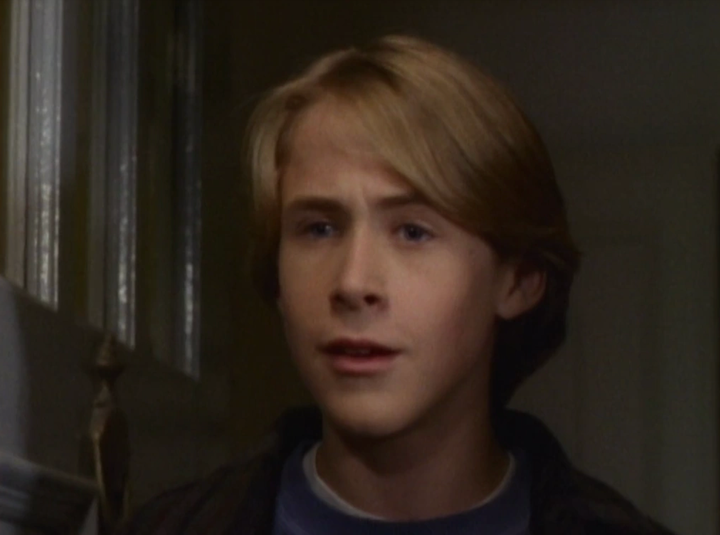
Thanks to his leading performance in the box office smash Project Hail Mary, Ryan Gosling is once again the name on everyone’s lips right now.
But long before he was blasting off for his latest sci-fi adventure, the Barbie star had already proved that he was one of the most bankable – and versatile –performers in Hollywood.
From his Oscar-nominated turn in dreamy musical La La Land to his beloved performance as Noah in perennial tearjerker The Notebook to more intense projects like Drive, everyone will surely have their favourites from Ryan’s back catalogue.
The former child star (and ex-Mouseketeer) Ryan has been in the business a long time, meaning that there are plenty of TV series and films on his CV that might have slipped under your radar.
From an early appearance in a classic 2000s kids show to tense courtroom dramas, here are 11 of the Canadian star’s roles that you’d probably forgotten about…
Goosebumps

If you’re a 90s kid, the mere thought of the Goosebumps theme tune, with its eerie piano opening, is probably still enough to give you nightmares. Child star Ryan appeared in the classic season one episode Say Cheese And Die in 1995, based on the novel by R. L. Stine, and played Greg, a youngster who chances upon an old camera lying around and becomes something of an amateur photographer.
Things take a spooky turn, however, when the photos start to predict unpleasant goings-on. When Greg snaps a picture of his dad’s car, it gets damaged in an accident. And, in the most sinister twist of all, when he photographs his friend Shari, she doesn’t appear in the picture, and later goes missing. The chances are that Goosebumps is a little (OK, a lot) less scary than you remember it, but it’s still plenty of nostalgic fun.
Young Hercules
When Ryan was just 17, he was cast as the lead in this epic kids’ series, inspired by the myths of ancient Greece. It’s all about the adventures of, well, a young Hercules, following him as he learns how to become a great warrior under tutelage of a centaur named Cheiron.
He soon makes friends with Prince Jason (of Jason And The Argonauts fame) and an ex-con named Iolaus, but at the same time, his half-brother Ares, god of war, keeps trying to kill off Hercules, so that he’ll be restored in their father Zeus’ father.
The series, which comprised 50 episodes and ran from 1998 to 1999, required Ryan to relocate from Canada to New Zealand for filming; once there, he took martial arts lessons with the same trainer who taught Lucy Lawless for her role in Xena: Warrior Princess.
Remember The Titans

Bennett Tracy/Walt Disney/Bruckheimer/Kobal/Shutterstock
One of Ryan’s first ever film roles came in Remember The Titans, the 2000 movie which tells the true story of Herman Boone (played by Denzel Washington), the coach who attempted to integrate the football team at T.C. Williams High School in Alexandria, Virginia, in the early 1970s.
He plays Alan Bosley, one of the white players on the team, whose father kicks off when he’s replaced by Donald Faison’s Petey Jones; Alan, however, is much more pragmatic – he just wants what’s best for his squad, and ends up telling his coaches that Petey is much more deserving of a spot on the pitch than him. When he finally ends up getting called back to play, he excels. Oh, and he also gets to channel that Kenergy in one memorable dance scene.
The Believer

Ryan plays Daniel Balint, a violent neo-Nazi, in this hard-hitting film from 2001, which is loosely based on a true story. However, Daniel is hiding a secret from his co-conspirators: his family are Jewish, and he was once a yeshiva student, who spent his days reading Rabbinic literature. After questioning his faith, and surprising his teachers with some orthodox interpretations of the scripture, Daniel has turned against his heritage in a truly shocking way.
Given the themes it grapples with, The Believer certainly doesn’t make for light viewing, but Ryan earned plenty of praise for his performance, with Variety hailing him as “outstanding” in a “difficult leading role”.
The United States Of Leland

Mdp Worldwide/Kobal/Shutterstock
Here’s another one with pretty harrowing subject matter. The United States of Leland – released in 2003 – sees Ryan play a shy, meek young man who, we learn at the start of the film, has committed a shocking and brutal act, killing the disabled brother of his former girlfriend.
While he is in prison awaiting a trial, a teacher at the facility (played by Don Cheadle) attempts to understand why he did it, and decides to write about the case.
The Slaughter Rule

Solaris/Kobal/Shutterstock
This indie movie from 2002, which was a contender for the Grand Jury Prize at that year’s Sundance Film Festival, sees Ryan take on another troubled young man role. “It’s not that I’m attracted to dark roles,” he told New York Magazine at the time. “I’m just attracted to good writing, and these are the best scripts that I’ve read.”
This time, he’s Roy Chutney, a high school senior with a fraught family life. His father’s suicide leaves him devastated, and things don’t improve when he loses his prized place on the high school football team soon after.
However, Roy’s sporting prowess catches the attention of local oddball Gideon (played by David Morse), who heads up an unofficial local football team and has soon recruited the youngster to join his squad. It’s the pair’s performances that make the film, according to the critics, with one TV Guide reviewer writing: “The film’s real strength lies in two excellent performances, from veteran morse and up-and-comer Gosling.”
Murder By Numbers

Inspired by the Leopold and Loeb murder case, in which two students kidnapped and murdered a young teenager in a cold-blooded attempt to pull off the ‘perfect crime’, Murder By Numbers sees Ryan play Richard, a high school kid who’s wealthy, popular, clever – and psychotic.
Along with his friend Justin (Michael Pitt), he sets out to commit murder just to see whether they can get away with it, planting evidence that implicates their drug dealer. Detective Cassie Mayweather (played by Sandra Bullock) is assigned to the case with her new police partner (Ben Chaplin). She is convinced of the pair’s guilt, but the evidence points in other directions, and the boys seem to have alibis.
Even if you’ve forgotten the 2002 movie, you might remember that Ryan and Sandra went on to date for almost two years after meeting on set. The actor later suggested that their careers in the spotlight made things difficult, telling The Times: “Show business is the bad guy. When both people are in show business it’s too much show business. It takes all of the light, so nothing else can grow.”
Stay

Eli Reed/New Regency/20th Century Fox/Kobal/Shutterstock
This mind-boggling 2005 psychological thriller will probably leave you scratching your head. Ryan stars as Henry, a depressed student who is paired up with a new psychiatrist, Sam, played by Ewan McGregor, when his usual practitioner is suddenly put on leave. Henry believes he has the power to predict future events, and tells stories about his family that don’t seem to add up. When he disappears one night, Sam feels compelled to try and track down his troubled patient.
The film, which was written by future Game Of Thrones co-showrunner David Benioff, ended up being a huge box office bomb, and the reviews weren’t great either. Perhaps this is one for the most dedicated Gosling completists only…
Fracture

In 2007, a few years on from his star-making role in The Notebook and several months after picking up his first Oscar nomination for Half-Nelson, Ryan appeared in this courtroom thriller. He played a hotshot deputy district attorney who goes head to head with Anthony Hopkins’ Ted Crawford, a man charged with shooting his wife after discovering that she was having an affair with a police detective.
Ryan initially turned the part down, but changed his mind when he learned that he’d be appearing opposite legendary actor Anthony. Clearly the decision paid off, as USA Today claimed that “watching a veteran like Hopkins verbally joust with one of the best young actors in Hollywood is worth the price of admission”.
All Good Things

Independent Co/Kobal/Shutterstock
Before true crime series The Jinx, there was All Good Things, a crime drama inspired by the life of property heir Robert Durst. Ryan plays real estate scion David Marks, whose relationship with wife Katie (Kirsten Dunst) takes a dark turn; when she attempts to dig dirt on David’s family to gain leverage in their separation, she completely vanishes. Years later, David is under suspicion for a series of murders, and for Katie’s disappearance.
The 2010 film (and perhaps Ryan’s portrayal) proved an unlikely hit with Durst, who offered to sit down with its director Andrew Jarecki for a series of interviews, after having previously refused to speak to journalists. The recordings would eventually form the basis of HBO docuseries The Jinx; the day before the final episode aired, Durst was arrested for the murder of his friend Susan Berman, and was later convicted, sentenced to a lifetime in prison.
The Ides Of March

Cross Creek/Kobal/Shutterstock
If all you can recall of The Ides Of March is a hazy memory of that striking film poster featuring Ryan holding a copy of Time magazine up to one side of his face, with George Clooney on the cover, here’s a quick refresher.
In this 2011 political thriller, which is George’s fourth directorial effort, Ryan plays Stephen Meyers, the campaign manager for charming Democratic governor Mike Morris (played by George). He’s idealistic and believes that Mike is the right man for the job – but his relationship with an intern, played by Evan Rachel Wood, will kickstart a chain of events that will throw his convictions into question.
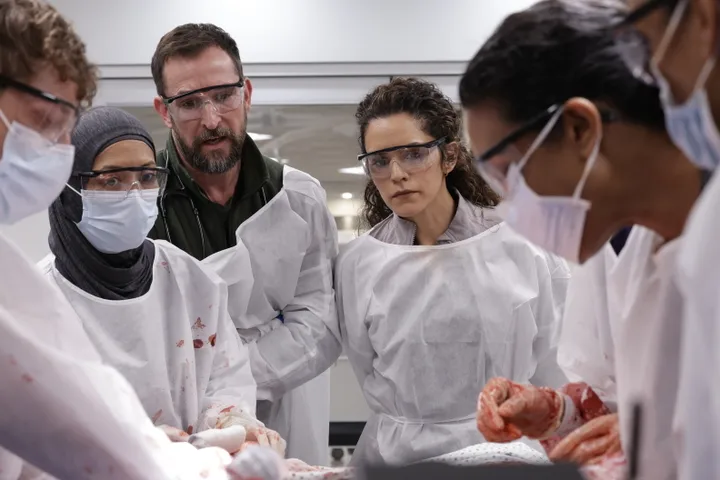
Much like sitting in A&E with a relatively minor injury, the wait for medical drama The Pitt to arrive in the UK has been a painfully long one.
Created by the same team behind the iconic 1990s series ER, The Pitt launched in the US over a year ago, quickly becoming adored by critics and earning an impressive stash of awards in its wake.
With HBO Max finally launching in the UK this week – British viewers can now get in on the action on this side of the pond, with the full first season now available to stream.
If you’re already loving The Pitt, you might be curious about what’s next when you’ve polished off the first run of episodes.
Here’s everything we know about the future of the award-winning drama so far…
When and where can I watch season 2 of The Pitt?
The plus side of waiting so long to see The Pitt over here is that while we’ve been twiddling our thumbs, HBO has already filmed and begun airing the second season.
Over in the US, that started streaming in January, with American viewers now up to episode 13 out of 14.
While series one arrived all in one go in the UK, things will work differently for season two.
The first instalment of the new series is already streaming on HBO Max, while subsequent episodes will drop weekly on Thursdays.
Will there be a season 3 of The Pitt?
Apparently, new seasons of The Pitt are like buses, because after waiting for a single series to touch our shores, we now know that season three is a sure thing.
HBO boss Casey Bloys announced that the series had been renewed at the start of the year, just before season two’s premiere.

Is there a release date for season 3 of The Pitt?
At the time of writing, it’s not been confirmed when the third run of The Pitt will be airing.
However, if the show sticks to the release pattern of the first two series, which both launched in January a year apart, we could see season three of The Pitt on our screens as early as January 2027.
What have the creators of The Pitt said about the HBO Max show’s future?
Leading man and executive producer Noah Wyle is clearly feeling optimistic about the future of the show.
In a recent interview with HBO’s CEO Casey Bloys, Noah said that the show could theoretically “run forever” thanks to its simple structure of following people in a single day as opposed to overly elaborate plot devices.
He also revealed that season three would be on its feet “very soon” and shared where the team are at.
“We are in the process of writing character arcs for season three for everybody,” he explained. “It’s a very interesting show to break because, unlike a lot of shows where there are 22 episodes that may play out over a calendar year, this is 15 hours of one day. So you’re painting with a much finer brush.”
Is there anything similar I can watch while I wait for more from The Pitt?

If you need something to keep you going in between drops of season two episodes, or you’ve got a renewed taste for medical dramas – there’s plenty more where that came from.
You can watch The Pitt creators’ original hospital series ER over on HBO Max and Netflix, where you’ll also see Noah playing a totally different fictional doctor.
The Pitt is streaming now on HBO Max.

Solana (SOL) Faces 77% Decline as Technical Patterns Signal Potential Drop to $60

Find out why this mobile network is the UK’s best

Swiss president says U.S. trade talks to continue beyond March


-
 NewsBeat4 days ago
Manchester United reach agreement with Casemiro over contract clause amid transfer speculation
-

 News Videos3 days ago
Parliament publishes latest register of MPs’ financial interests
-

 Sports6 days ago
Remo Stars and Kano Pillars Strengthen Survival Hopes in NPFL
-

 Sports6 days ago
Gary Kirsten Accuses Pakistan Cricket Board Of ‘Interference’, Mohsin Naqvi Responds
-

 Business7 days ago
No Winner in March 21 Drawing as Prize Rolls to $133 Million for Next
-

 Tech7 days ago
Give Your Phone a Huge (and Free) Upgrade by Switching to Another Keyboard
-

 Tech6 days ago
AI enters the chat: New Seattle dating app relies on tech to facilitate meaningful human connections
-

 Business3 days ago
Instagram, YouTube Found Responsible for Teen’s Mental Health Struggle in Historic Ruling
-

 News Videos6 days ago
Ch 9 Financial Management Part 1 | Detailed One Shot | Class 12 Business Studies Boards 2026
-

 NewsBeat1 day ago
The Story hosts event on Durham’s historic registers
-
 NewsBeat4 days ago
Tesco is selling new Cadbury Dairy Milk bar and people can’t wait to try it
-

 Business7 days ago
Will Duke Basketball Win It All? Duke Basketball Enters Second Round as Third Favorite to Claim NCAA Title
-

 Sports6 days ago
2026 Kentucky Derby horses, odds, futures, preview, date: Expert who hit 12 Derby-Oaks Doubles enters picks
-
 Entertainment11 hours ago
Lana Del Rey Celebrates Her Husband’s 51st Birthday In New Post
-
 NewsBeat7 days ago
Update on Wisbech river crash as search for teenage boy enters fifth day
-

 Tech6 days ago
Samsung will soon let you control smart home devices from your car’s dashboard
-
 Entertainment6 days ago
Cynthia Bailey Dishes on ‘RHOA’ Season 17, Discusses Kandi
-
 NewsBeat6 days ago
Colombian military plane with 110 soldiers onboard crashes following takeoff
-

 Fashion5 days ago
Does It Matter What You Wear When You’re Laid Off and Looking?
-

 Business5 days ago
More women enter wealth management, but few in advisory roles: study
You must be logged in to post a comment Login