
Politics
Will The Night Agent Get A Season 4? Here’s Everything We Know About What’s Next For The Show

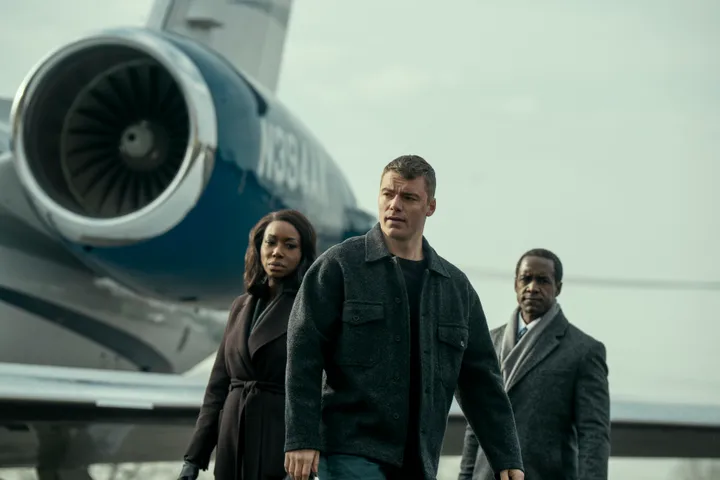
Throughout its three-season run, The Night Agent has been lauded for its twists, kills, and compelling characters – even being favourably compared to iconic thriller series Homeland.
It’s also pulled off the ultimate coup of pleasing viewers as well as critics, with its first season remaining one of the most-watched in the platform’s history.
Season three kept the tension at a suitably high level as it explored the shady connection between finance and government corruption.
And as Peter Sutherland’s latest mission sent him head first into a web of illicit activity, the series wrapped up in a way that leaves the door ajar, with fans left wondering what that means for the FBI agent.
Here’s everything we know so far about the future of The Night Agent…
Will there be a season 4 of The Night Agent?
We’ll start with the bad news, which is that Netflix hasn’t officially renewed The Night Agent for a fourth season just yet.
However the good news is the creators haven’t let that slow them down, and they’re already working on new episodes anyway, which sounds very promising.
What has the creator of The Night Agent said a potential season 4?

CHRISTOPHER SAUNDERS/NETFLIX
Helpfully, creator Shawn Ryan has given Deadline a detailed breakdown on where he’s up to with season four.
“Season four is not officially picked up yet, but a while ago, in 2025, they did quietly pick up a writers room,” he explained.
“We’ve been working for a while on the storyline. We have some scripts, we are breaking stories.”
Ryan also explained that a “tax credit” meant they had to start filming soon.
Deadline elaborates that the show received a financial incentive to move the show from New York to Los Angeles, which comes with a six-month window to start production, meaning things will have to happen quickly – welcome news for fans hoping to see Gabriel Basso back in action sooner rather than later.
Ryan also claimed that Netflix is keen to “make sure the creative side of things is always buttoned up before committing that amount of money”.
“We’re in the story-breaking, script-writing phase, and my guess is, sometime in the next [few weeks, up to a month], they’ll make a decision about officially greenlighting season four, and if and when they do, we’ll be ready to go with the scripts so that there’s not that much time between season three and season four,” he added.
Finally, if and when we do get season four, it’s likely to keep up the momentum of arriving about a year after the previous season.
“I think Netflix cares about their viewers and is looking for ways to minimise the time between the seasons of their most successful shows,” Ryan explained.
What could season 4 of The Night Agent be about?

If you haven’t seen season three, you might want to look away now.
The most recent finale saw Peter deciding to take a well-deserved break from chasing down terrorists and corrupt officials, admitting he needs to find some balance in his life.
The caveat to that is Peter’s boss – FBI Deputy Director Aiden Mosley, played by Albert Jones – seemingly accepting his decision, but teasing: “I’ve been thinking about the request you made earlier for a partner. I think I have a candidate in mind.”
Showrunner Ryan has said this cryptic comment is “meant to be a launching pad for season four”, which means it’s likely Peter won’t be able to resist taking on another mission with a brand new partner.
As for what that will look like specifically, we’ll have to wait and see…
The first three seasons of The Night Agent are available to stream now on Netflix.

!function(n){if(!window.cnx){window.cnx={},window.cnx.cmd=[];var t=n.createElement(‘iframe’);t.display=’none’,t.onload=function(){var n=t.contentWindow.document,c=n.createElement(‘script’);c.src=”//cd.connatix.com/connatix.player.js”,c.setAttribute(‘async’,’1′),c.setAttribute(‘type’,’text/javascript’),n.body.appendChild(c)},n.head.appendChild(t)}}(document);(new Image()).src=”https://capi.connatix.com/tr/si?token=19654b65-409c-4b38-90db-80cbdea02cf4″;cnx.cmd.push(function(){cnx({“playerId”:”19654b65-409c-4b38-90db-80cbdea02cf4″,”mediaId”:”0a9a01ee-ba07-4479-b1ba-4fddee74cc87″}).render(“69cf06aee4b05537a7f09179”);});

An Easter staple, hot cross buns are believed to date back to 1361.
Some say their precursor, called Alban buns, was invented by a monk called Brother Thomas Rocliffe at St Alban’s Abbey. He is said to have given them to the poor on Good Friday.
They’re slightly different to the ones we know and love today – the cross on top was cut into the bun, rather than placed on top with a flour mixture – but they still contained spices, fruit, and yeasted dough.
Given their possible religious past, then, perhaps it’s not surprising that some think hot cross buns allude to more of the events of Easter than just the obvious cross.
What’s the meaning behind hot cross buns?
The cross on top of the buns may have been placed on buns like Brother Roclliffe’s to allude to Jesus’ crucifix (Good Friday being “the day of the cross”).
But according to historian of food Dr Eleanor Barnett, hot cross buns weren’t really eaten as we know them now until the 18th century.
She also says not everyone agrees that they came from Brother Rocliffe: some think the origins date back to Ancient Greek crossed bread, while others think it has to do with Passover.
Nonetheless, Dr Barnett writes, the traditional ingredients are still “laden” with religious symbolism: “The bread is a nod to the Communion wafer, the spices represent the spices Christ was wrapped in in his tomb, and the cross is of course a reference to his crucifixion”.
Whatever their origin, they’ve proven somewhat divisive in the past. For instance, Queen Elizabeth I tried to tightly control the sale of buns because they looked a little too “Catholic” and “superstitious” for her taste.
“Perhaps they were associated with the blessed and crossed buns distributed by some Catholic churches on Good Friday, which were made from the same dough as the holy Eucharistic bread,” English Heritage shared.
Hot cross buns used to be considered lucky
Later, some believed that crumbling hot cross buns into water could cure them from illness. Victorian people would swap hot cross buns on Good Friday, saying, “Half for you and half for me, between us two good luck shall be”.
Others thought it could calm their stomachs, protect them from evil, keep pests away from grains, and never go mouldy.
Writing for The Conversation, historian Darius von Guttner Sporzynski said: “Ancient Egyptians, Greeks, Poles, Romans, Saxons, medieval monks and 18th-century street sellers all had their versions of spiced, crossed bread. Each group gave the buns its own meaning, from honouring gods to celebrating Christ’s crucifixion and resurrection.”

We often hear the phrase: you can lead a horse to water, but you cannot make it drink. It’s a useful way to think about therapy.
Therapy has enormous value. I believe in it both personally and professionally. It can offer insight, structure, and a safe space to explore difficult feelings, their origins, and what might be possible in the future. I say that as someone who has spent years training and working as a psychotherapist, and as someone who has also sat in the therapy room myself.
But something has been bothering me for some time now.
Therapy asks a great deal of the person in front of us. It asks them to take what is explored in a 50-minute session and carry it into the complexity of everyday life.
To notice thoughts in real time, reflect on feelings, and apply strategies when emotions are already running high. This relies on metacognition – the ability to think about one’s own thinking, to pause, reflect, and respond rather than react.
That is demanding for many adults. And even more so for children. Sometimes extremely hard.
In recent years, therapy – or long waiting lists for therapy – has become a default response to children experiencing anxiety, ADHD, ASD (autism), and emotional regulation difficulties. Yet many families reach the same point after weeks or months of sessions: why is nothing changing?
The answer is rarely that therapy “works” or “doesn’t work”. It is that there is often a mismatch between what therapy requires and what children are developmentally able to do.
Children live in the moment – therapy often asks them to step out of that moment
Children are still learning how to identify and express emotions. They are developing the ability to link cause and effect, to reflect on behaviour, and to pause before reacting. They live in the moment, whereas therapy often asks them to step out of the moment, reflect on it, and apply that understanding later.
This is not resistance. It is development.
Even approaches such as cognitive behavioural therapy (CBT), which can be highly effective, rely on a child being able to notice, question, and shift their own thinking patterns. These are not simple skills – they are still under construction for many young people, and continue developing well into adolescence and early adulthood.
Short-term interventions can add another layer of difficulty. A child may be introduced to helpful ideas or strategies, but then expected to carry and apply them independently in real-life moments. For many children – particularly those with ADHD and autism – that is where the process breaks down.
And so we are left with an important question: are we sometimes placing too much emphasis on the therapy room itself?
When a child is struggling, it is easy for the narrative to centre on what is “wrong” within them. But in many cases, the difficulty sits in the interaction between the child and their environment. A busy classroom. A rushed morning routine. Sensory overload. Expectations that do not match how a child processes the world.
These are not background details, they are that person’s world.
So, rather than asking how to fix the child, we might begin to ask how to better support the environment around them – and how therapeutic ideas might be applied not just in sessions, but in everyday life.
This is where caregivers become central. And it can feel like an uncomfortable shift. Many parents are already stretched beyond capacity, and the idea that they hold so much influence can feel like added pressure. But it is also where the greatest opportunity lies.
Caregivers are present in the moments that matter most: the school run, the transition home, the moments of overwhelm, the recovery after distress. The ordinary, repeated experiences where emotional patterns are shaped and reshaped.
No 50-minute session can replicate that. What children often need is not just insight. They need practice. And not occasional practice, but supported, repeated, calm practice.
One way to understand this is through a “seed planting” approach.

In therapy, a child may be introduced to a strategy – perhaps breathing techniques, emotional labelling, or identifying what is within their control. But understanding a strategy is only the beginning.
For it to become useful, it must be revisited and practised in calm, safe moments. This is when the brain is most able to encode and store new learning. Over time, repetition builds pathways that make those strategies more accessible when stress rises.
Without this, expecting a child to use a strategy in the middle of distress is often unrealistic.
A simple analogy may help. Imagine standing in a large field and being asked to find your way to a specific point. The grass is long, the path unclear, and obstacles are hidden. It feels overwhelming.
Now imagine that same field, but this time a path has been cut through the grass. There are signposts along the way. A map has been drawn. Hazards have been identified and managed.
The destination is the same, but the experience is entirely different. Preparation changes what is possible.
Children need that preparation – not once, not in crisis, but over time, through repetition and relationship. These pathways are not built in a single session. They are built in daily life.
This is where the conversation around therapy becomes more nuanced.
We need to reimagine the role of therapy
It is not that therapy does not work (for areas such as attachment and relational trauma, it can be profoundly important, and I have seen this firsthand in my work in school settings), it is that therapy alone is often not enough.
For many children, particularly those who are neurodivergent, meaningful change happens when therapeutic ideas are woven into everyday life – when they are supported consistently, adapted to developmental stage, and held by the adults who are present day in, day out.
In that sense, the most effective support often happens outside the therapy room.
The challenge is not to abandon therapy, but to reimagine its role. To see it as one part of a wider system of support. And to recognise that the people best placed to bring that system to life are already there: caregivers.
For families navigating neurodiversity, anxiety, and emotional regulation difficulties, this shift can be powerful. It moves the focus away from whether a child is “failing” to engage with therapy, and towards how we can better support them to learn in a way that fits their development, their environment, and their needs.
This is why my practice has changed. I rarely see children directly in clinic now. Instead, I work with parents – equipping them with therapeutic tools that can be planted, practised, and nurtured over time. Tools that help them provide daily scaffolding in both calm and challenging moments.
Because children are not failing to use the tools they are given. More often, they are still learning how.
Psychotherapist Gee Eltringham is the founder of the parental care platform for ADHD families, twigged.
Nicholas Brendon has died.
Nicholas Brendon, dead
Brendon, who played Xander Harris in Buffy the Vampire Slayer from 1997 to 2003, passed away at age 54. His family’s statement said he “passed in his sleep of natural causes.”
His death is the second of a major Buffy cast member in 13 months.
Michelle Trachtenberg, who joined Buffy as Dawn Summers, was 39 when she died in February 2025 from complications of diabetes mellitus.
Nicholas Brendon’s is the sixth death of a major WB cast member since 2024.
James Van Der Beek, who played the titular character in Dawson’s Creek, died in February 2026 age 48, after a battle with colorectal cancer.
Shannen Doherty, who played lead character Prue Halliwell on Charmed, died from breast cancer in July 2024, at 53.
Julian McMahon, who played major character Cole Turner on Charmed, died at age 56 in July 2025, from head and neck metastatic cancer.
Eric Dane, who played recurring character Jason Dean on Charmed, died in February 2026 at age 53 from respiratory failure resulting from ALS.
Counting family of major cast members, Buffy lead Anthony Stewart Head announced the sudden death of his longtime partner Sarah Fisher December 2025 at the age of 61.
The responses on social media mourned these unexpected deaths.
“I’m very concerned why are so many people passing away?!!”
“We lost 2 90’s stars and Mc Steamy in one month! wtf”
“Damn, this has been a brutal year so far for actors from late 90s/early 2000s shows on The WB. James Van Der Beek, Eric Dane, and now Nicholas Brendon” @Adaminhtowntx
“Jesus Christ… how my of my friends are going to die this year?!! Fffuuuccckkk” @sirjeremylondon
The hollowing of the WB generation
These deaths come when there is also a measurable increase in mortality in the age cohort that made up much of Buffy’s original audience, and the WB era generally.
The WB was the predecessor network to The CW, and in the late 90s and early 2000s aired popular teen and young adult dramas during the primetime block of 8 p.m. to 10 p.m. Three genre-defining shows from that era were Buffy the Vampire Slayer, Charmed, and Dawson’s Creek. The audiences for these shows were primarily younger Generation X and Elder Millennials, born between 1972-1988.
People who were teenagers and young adults in the late 1990s and early 2000, the era when these WB series were on the air, are now in their late 30s through early 50s. Since 2020 their mortality rates have been increasing. A 2025 JAMA Network Open study examining U.S. mortality among adults aged 25 to 44 from 1999 through 2023 found that mortality in 2023 was dramatically higher than expected based on pre-2011 trends. It quantified that gap as 71,124 unexpected deaths in 2023 alone.
Research led by the American Cancer Society and published in The Lancet Public Health reported that cancer incidence and mortality has increased in younger generations in 17 of 34 cancer types. For some groups, the gap was stark, with the 1990 birth cohort showing roughly two-to-three times higher incidence than the 1955 cohort for pancreatic, kidney and gastrointestinal cancers. Moreover, mortality increased for colorectal cancers, as well as uterine, gallbladder, testicular, and liver cancer.
Moreover, a March 2026 PNAS analysis reports that people born between 1970 and 1985 are experiencing worse mortality patterns than their predecessors. The trend covers major causes, including cardiovascular diseases and cancer. Particular concern was noted for cancers that have historically been less common for this age group, including colon cancer.
More than 20 million excess deaths since 2020
The increase in mortality for younger Gen X and Millennials is corroborated by an exponential rise in unexpected deaths across all age cohorts.
In demography, the term for unexpected deaths on a population scale is “excess mortality” or “excess deaths.” This measures how many more people have died than would be expected based on prior trends.
Since 2020, the COVID pandemic has officially contributed approximately 7.1 million deaths, according to the World Health Organization (WHO). However, it is becoming increasingly clear that this figure is a significant undercount. Scientific American has just published a piece about how, in the United States alone, COVID killed at least 150,000 more people in its first two years than are reflected in official figures.
And yet, zooming out to global unexpected deaths since 2020, The Economist counts between 20-35 million excess deaths from COVID.
For scale, the First World War killed 17 million people.
If more than 20 million people have died unexpectedly, and only 7 million are accounted for in the official COVID death toll, how have those 13+ million people died?
Part of the answer may be a limited understanding of COVID’s mechanisms and secondary effects, not only by individuals, but by healthcare professionals and institutions.
What SARS-CoV-2 does to the body
When people hear “COVID deaths,” many think of a respiratory virus that kills people in the acute phase of infection.
But SARS-CoV-2 is not a respiratory virus. COVID is a vascular disease.
COVID can have respiratory symptoms because the airway is a common transmission site, but the underlying disease is systemic. The virus infects the body’s blood vessels, specifically the lining which are called endothelium. The vascular system is not just the heart and major blood vessels, but spans the whole body. SARS-CoV-2 uses the endothelium as a superhighway to the body’s systems. Endothelial infection makes vessels form micro-clots, which reduce oxygen delivery, as well as create micro-injuries, inflammation and dysregulated immune responses across multiple organs. The downstream effects can create complications “from head to toe.”
People are perhaps most familiar with the long-term respiratory problems which can result from COVID infections. In 2022, Buffy‘s lead actor Sarah Michelle Gellar reported her first known COVID infection.
“I realize I’ve been really quiet on here. After two and a half years COVID finally got me. Thankfully I’m vaccinated and boosted,” she wrote on an Instagram Story. “But to those out there that say ‘it’s just a cold’ …maybe for some lucky people it is. But for this (relatively) young fit person, who has struggled with asthma and lung issues her entire life, that is not my experience.”
“Even with therapeutics and all my protocols it’s been tough. I know I’m on the road to recovery, but it’s certainly not been an easy road. I’ll be back soon (hopefully with super antibodies…even if just for a bit),” Gellar continued. “To quote a friend of mine – ‘I will wear a mask in my shower if that means I don’t get this again.’”
Another WB star, Alyssa Milano, who played Phoebe Halliwell in Charmed, went public with her Long COVID diagnosis in 2021. Her acute infection in April 2020 began with stomach issues and fatigue. The infection produced sequelae associated with Long COVID, a condition with 200+ possible symptoms.
“I have always had every single symptom imaginable, so every symptom that they list whether it be from acute COVID or long COVID, I have had. Shortness of breath, heart palpitations, brain fog, exhaustion at 4 o’clock in the evening, tingling in my hands and feet and just forgetfulness,”
The number of people experiencing Long COVID which meets diagnostic criteria is estimated to be between 5%-20% of all people. The World Health Organization (WHO) estimates that 1 in 20 people worldwide had Long COVID as of 2023. The CDC estimates that 1 in 5 people develop post-acute COVID sequelae.
The downstream effects of COVID infections can also lead to death.
How COVID causes premature deaths
Population studies have disaggregated excess deaths since 2020 by causes and age groups. A Lancet Regional Health—Europe paper examining post-2020 excess mortality reported that, in middle-aged adults (50–64), deaths involving cardiovascular diseases were 33% higher than expected.
Nicholas Brendon falls into this cohort.
The same study reported that, across all ages, excess deaths from all causes were higher than baseline, including cardiovascular diseases (12%), heart failure (20%), ischaemic heart disease (15%), acute respiratory infections (14%) and diabetes (13%).
The mechanisms underlying acute and post-acute COVID symptoms shed light on how infections can later lead to premature death.
For cardiovascular diseases, SARS-CoV-2 infection injures and inflames the endothelium, leaving arteries less able to deliver oxygen efficiently to heart muscle. In parallel, systemic inflammation can destabilize atherosclerotic plaques making the fibrous “cap” more likely to rupture. When a plaque ruptures, the body’s clotting system can rapidly form a thrombus that blocks a coronary artery and triggers a myocardial infarction (i.e. heart attack).
Nicholas Brendon also had clinical vulnerabilities, including a congenital heart defect and an addiction history. Repeated SARS-CoV-2 infection worsens the trajectory of those vulnerabilities. A Nature Medicine study found that people who survived the acute phase of COVID had a higher one-year risk of a wide range of cardiovascular diseases. With addiction history, a 2023 study reported that patients with alcohol use disorder who had a previous COVID infection had a significantly higher risk of incident cardiovascular diseases within 12 months than AUD patients without a COVID history. COVID presents an additive risk on existing vulnerabilities.
People are perhaps less aware of how COVID can lead to new-onset and aggressive cancers. James Van Der Beek, Shannen Doherty and Julian McMahon all died from cancers between the ages of 48-56.
Under normal conditions, “immune surveillance” means T cells and NK cells constantly identify and remove cells that look abnormal before they can grow into tumors. SARS-CoV-2 can create sustained immune dysregulation which reduces the efficiency of tumor surveillance while simultaneously creating inflammation. This is why cancers might present at a more advanced stage or behave more aggressively.
Michelle Trachtenberg died at the age of 39 from complications from diabetes.
SARS-CoV-2 can push people managing diabetes towards premature death by triggering inflammatory cytokines. These raise blood glucose and make the body’s tissues more insulin-resistant, so the same amount of insulin moves less glucose out of the bloodstream. In parallel, SARS-CoV-2 can also have direct and indirect effects on the pancreas itself, including β-cell dysfunction, which can reduce insulin secretion right when the body needs more. This creates a vicious cycle of higher glucose driving more inflammation and vascular stress.
Finally, Eric Dane died on February 19, 2026, at 53, with his official cause of death reported as respiratory failure and ALS listed as the underlying cause.
COVID has common and well-documented neurological sequelae. The underlying mechanism is that inflammatory signals can activate microglia (i.e. the brain’s immune cells) and disrupt the blood–brain barrier and the gliovascular unit. This increases neuroinflammation and makes neural tissue more vulnerable to secondary injury.
In ALS, progression is shaped by neuroinflammation, oxidative-stress and failures of protein homeostasis. A 2025 study focused on SARS-CoV-2 and TDP-43 found that inflammatory and oxidative signaling following a COVID infection, could push systems already near a threshold, such as vulnerable motor neurons and their supporting glia, toward accelerated degeneration.
Clinicians have documented rapid functional decline after SARS-CoV-2 infection in ALS patients who had previously been slowly progressive. Moreover, National ALS Registry mortality data have reported that motor neuron disease deaths were higher since the beginning of the pandemic than in the preceding years.
The end of COVID-19 reporting
The question is, if the weight of evidence points to an exponential increase in excess deaths since 2020, and the recent deaths of multiple WB stars are consistent with this shifted baseline, how are people not noticing? Or, if they are noticing, why are they shifting to the next topic?
One possible reason is a worldwide failure of government agencies to resource an effective long-term public health response to the ongoing COVID-19 pandemic.
The United States’ federal COVID-19 public health emergency ended on May 11, 2023. Globally, the World Health Organization ended COVID-19’s status as a Public Health Emergency of International Concern on May 5, 2023. And yet the WHO also emphasized that even though COVID no longer met the formal criteria for that emergency category, this did not mean it was no longer a public health threat.
That end of COVID as a public health emergency led to the scaling back of comprehensive testing and reporting. After May 2023, the U.S. moved from comprehensive case and lab reporting to fragmented surveillance systems like wastewater monitoring. In January 2026, a proposed funding cut would reduce CDC support for the national wastewater surveillance system from approximately $125 million to $25 million.
PCR testing has also been reduced, so many infections are not detected in the first place. At-home antigen tests aren’t reported into public systems, and those tests have high false negatives. Caltech found that at-home COVID tests had between 30% to 60% accuracy.
In this environment where monitoring for COVID has been substantially scaled back, one could be forgiven for assuming that COVID no longer presents a significant health risk.
How cognitive biases co-sign institutional silence
The systemic failure to address rising unexpected deaths from the secondary effects of COVID infections can be ratified on the individual level.
When public health agencies fail to address the ongoing COVID pandemic, authority bias can lead people to implicitly treat this silence as evidence that the danger has passed.
Even when increasing deaths are perceived, normalization bias can then turn this elevated harm level into the new normal. In conditions of sustained danger, humans adapt quickly, yet find it difficult to maintain chronic vigilance. For this reason, elevated harm can be perceived as normal because this frame is psychologically stabilizing but physically dangerous.
Once the harm is perceived as normal, motivated reasoning maintains this belief by selectively incorporating information that supports this worldview. People then downgrade, or wholly discount, contrary information to preserve the status quo.
Finally, system justification creates the belief that institutions are basically competent. Accepting that COVID has killed tens of millions more people than reported implies a magnitude of institutional failure that is psychologically costly to internalize. Even when people admit to a legitimacy crisis in other areas of governance, the belief that the system will alert people to health risks often remains.
The effect is circular reasoning. Because public health authorities do not communicate that there is an ongoing crisis of COVID deaths, this means that no crisis can possibly exist.
Let’s talk about how these cognitive biases may be working right now.
COVID’s bereavement crisis
Despite the official excess death figures and high-quality research on COVID’s mechanisms cited in this article, many readers may already have formulated reasons to discount the information.
One likely reason is causation. Because the epidemiological data does not prove that COVID directly caused Nicholas Brendon’s death in particular, the statistics don’t matter. Therefore, the 20+ million unexpected deaths and the settled knowledge about SARS-CoV-2’a multi-system damage can be wholly discounted as relevant to one’s own life.
Proving direct causation in a specific individual is an impossible standard.
The way deaths are recorded in the U.S. is not designed to trace a chain from infection months ago to vascular/inflammatory damage to a cardiovascular event today.” Most deaths are certified through clinical judgment on a death certificate, and what gets recorded is typically the immediate cause (for example, myocardial infarction, stroke, respiratory failure, etc.).
What‘s recorded and counted as a COVID death is a narrow range of cases where a clinician has a documented recent infection and a clinical picture that makes COVID feel obviously relevant to the immediate cause of death. This skews toward respiratory deaths during the acute stage of illness, rather than the deaths that occur later as heart attacks, organ failure, strokes, even pneumonias secondary to COVID infections.
Public health surveillance reinforces this, because they often operationalize COVID deaths within a time window after a confirmed positive test. The Council of State and Territorial Epidemiologists’ guidance, for example, includes COVID deaths among cases where death occurs within 30 days of the specimen collection used to define the case. This means a COVID death is only counted when there is a confirmed positive test and only within 30 days.
Mis-coding according to apparent cause of death led to undercounting in previous pandemics. A CDC study of early AIDS deaths found that in 1983-1986, before HIV/AIDS coding procedures were implemented, it was listed as the underlying cause in only 46% of deaths among people with AIDS. Many others were recorded as pneumonia or other infections.
Finally, even obtaining postmortem forensic proof is rare. A National Vital Statistics Report found the U.S. autopsy rate was only 7.4% in 2020. Even when a death triggers an autopsy, the standard aim is to identify the proximate event, like an arrhythmia, pulmonary embolus, or overdose, not reconstructing the underlying mechanisms. This would entail examining where a past SARS-CoV-2 infection contributed through microscopic endothelial injury, microthrombi, or inflammation.
Another possible reason for discounting the hard data and clinical evidence is clinical vulnerability. According to this logic, Nicholas Brendon had a heart defect and addiction history, so dying at 54 is expected. Even though, as discussed, research points to COVID as an additive risk and probable accelerant for existing vulnerabilities. Clinical vulnerabilities are also more common than many assume. The CDC’s estimates the prevalence at six in ten U.S. adults living with at least one chronic disease. Four in ten live with two or more. So Nicholas Brendon’s clinical vulnerabilities are not rare exceptions, but place him within 40-50% of all people.
Moreover, excess mortality, by definition, counts deaths from all causes minus the deaths expected based on prior trends. So it includes people with and without clinical vulnerabilities and it is not epidemiologically valid to discount deaths because the people who died were not perfectly healthy. Those vulnerabilities are part of the expected death baseline that the model already assumes.
Some may find no easy opening to discount the logic of the data, so instead will dismiss the credibility of whoever presents it. This may take the form of thinking that it’s inappropriate to speculate on a high-profile person’s tragic death, even if reported as epidemiological contextualization and not personal health information. Therefore, because the messenger is perceived as flawed, the hard data can be safely discounted.
First, this should go without saying, but treating discomfort as a proxy for illegitimacy of argument is a moral contamination fallacy. Epidemiological data do not become less true or less relevant because someone finds the conversation unpleasant.
It also helps to separate two things which are often conflated: private medical information and epidemiological context. Publishing a private person’s test results or medical records would be personal health information and therefore both ethically fraught and usually unverifiable. Contextualizing a publicly reported premature death of a public figure within documented population data queries whether that kind of death is becoming more probable in the population and in that age cohort, given what excess mortality and research are showing.
Moreover, the public narrative around a high-profile death is often shaped by what representatives choose to release. If the only acceptable public language is whatever passes through a PR filter, premature deaths that plausibly align with settled knowledge about excess death probabilities will continue to be described as normal.
Finally, and perhaps most insidiously, many people may simply no longer have the capacity or desire to internalize the implications of mass deaths from COVID. Even if it ultimately means their own premature deaths, those of everyone they love, and for that matter the whole cast of the WB’s peak era.
The direct and indirect effects of premature deaths has likely compromised the collective capacity to assimilate new information. There is simply a psychological limit to what people can internalize when loss becomes repeated. Acute grief can cause a sense of unreality, or dissociation, even when people appear to be functioning outwardly. When the loss is sudden, or when multiple losses accumulate, there is risk of prolonged grief disorder.
The conservative estimate of 20 million excess deaths since 2020 means that many more people are experiencing bereavement. A demography study published in PNAS estimated that each COVID-19 death leaves approximately nine close family members, including parents, children, siblings, grandparents. That means 180 million close kin bereavements. If you widen the lens from kin to close relationships, including close friends, Dunbar’s social network model estimates an inner circle of 15 people. This means 300 million people losing someone in their closest circle, or approximately the populations of the U.S.
The next category is the people supporting the bereaved. If those 300 million bereaved people each have an inner support circle of 15, that is 4.5 billion people. Which is about half of the world’s population experiencing some form of caregiving stress.
This may explain why, at population scale, repeated premature deaths can produce a blunting form of disengagement that makes the implications of ongoing mass mortality difficult to integrate.
You may be able to think of someone right now who tragically and unexpectedly died since 2020–and yet feel unsure of how to incorporate this new information.
Seizing the means of vividness bias
Vividness bias is the tendency for a single concrete, emotionally legible example to outweigh data that are more relevant, but difficult to picture.
Vividness bias is often misused by reactionaries to bypass logic, as the Buffy episode “Gingerbread” dramatizes. Buffy’s mom Joyce Summers takes news of the alleged death of two children to attempt to burn her own daughter at the stake.
Vividness bias can also be used intentionally to break through numbness and spur oneself to action.
So let’s imagine structural denial about excess mortality as the unspoken agreement of the adults in the town of Sunnydale, California circa the late-1990s to ignore all the vampires.
Though it was never a monster-of-the-week in Buffy the Vampire Slayer, motivated reasoning arguably enabled far more deaths than any season’s “big bad.”
In “Angel,” after the vampire Darla bites Buffy’s mom Joyce Summers, Joyce returns from the hospital with no memory of the incident saying, “The doctor said it looked like a barbecue fork. We don’t have a barbecue fork.” In “School Hard,” after a literal vampire attack at Sunnydale High, the police chief asks Principal Snyder “So, do you want the usual story? Gang-related? PCP?”
The adults of Sunnydale have practical reasons for their motivated reasoning. They have jobs, mortgages, and social networks tied to the assumption that the town is a normal California suburb—and not a hellmouth where their children are daily being preyed upon by vampires.
There is also a deeper epistemic stake in motivated reasoning, where people are invested not just in their practical interests, but in their worldview. The psychological costs of admitting that their town is overrun by vampires are so intolerable that, rather than shifting their assumptions, many people downgrade the evidence. Or attack the messenger.
Perhaps the most extreme example is in the episode “Normal Again”, when Buffy is first called to be a slayer and her parents involuntarily institutionalize her in inpatient psychiatric. She explains how she got out by recanting: “I was only there a couple of weeks. I stopped talking about it, and they let me go. Eventually… my parents just… forgot.”
As teenagers, we may have been puzzled as to why the adults of Sunnydale were in denial, so why do we find ourselves in a similar position?
Resisting motivated reasoning
If you notice yourself agreeing with the evidence about excess deaths and COVID’s multi-system effects in the abstract, but finding it hard to internalize, Season 3 of Buffy gives two images which can make the data emotionally vivid.
In “The Wish” (Episode 9), we experience an alternate Sunnydale in which Buffy never arrived. The city is overrun with vampires and the people who are left are trying to keep daily life going inside a town that‘s been hollowed out by mass death. The season ends with a counter-model. In “Graduation Day, Part Two” (Episode 22), the Mayor is planning his ascension, where he will become a demon and massacre student body.
At the climax, the students stop finally admit that there is something wrong in the town and unite to defeat the Mayor. As the entire graduating class reveals the weapons hidden under their graduation attire, Xander himself takes command:
“First wave!”
“Bowmen!”
“Everyone! Hand to hand!”
Buffy the COVID Slayer

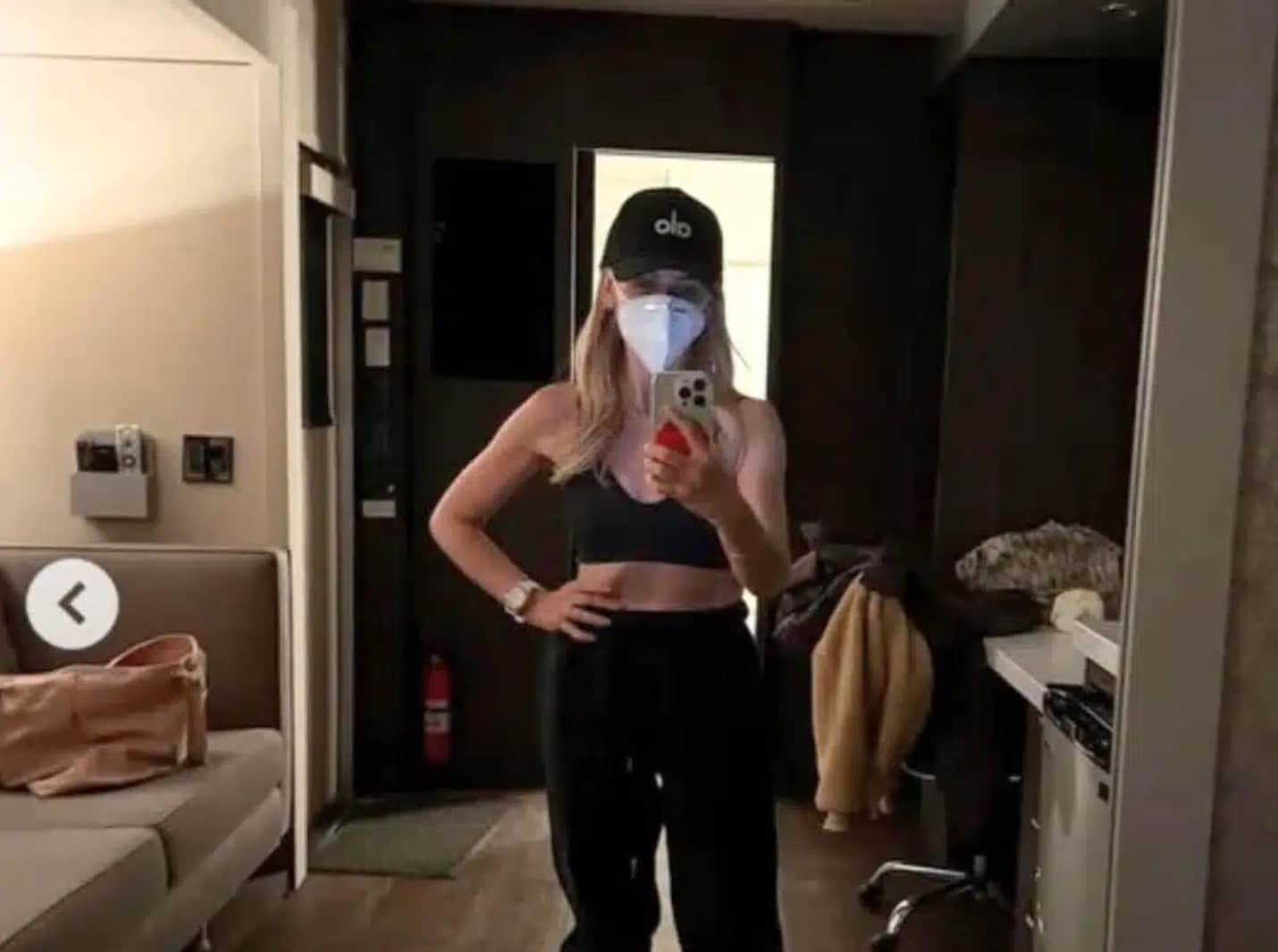
In September 2025, Sarah Michelle Gellar posted behind-the-scenes images from the Buffy reboot. One photo showed her wearing a high-filtration mask.
This took courage.
Mask wearing has become so politicized that even a wealthy celebrity risks serious backlash. In the media industry, mask wearing can be professionally damaging. Formal COVID workplace rules have been rolled back and ongoing infection risk has become a liability issue. The joint Hollywood “Return to Work” COVID safety agreement, negotiated by SAG-AFTRA and other unions, expired on May 11, 2023, aligning with the end of the U.S. federal public health emergency.
As a result, the damage from COVID exposure on sets is currently being litigated. The family of Paul Woodward, a driver who was exposed to COVID while working on American Horror Story, sued for wrongful death. Additionally, actor Blake Lively’s lawsuit against director Justin Baldoni included allegations about on-set COVID exposure affecting her and her infant son. In that context, a high-profile actor wearing a mask on set is a public acknowledgement that COVID risk persists in media, even when the corporations that produce it are failing to protect its employees and resisting liability when harm inevitably occurs.
Nicholas Brendon died amid millions of premature deaths
Perhaps we can find it heartening that someone like Sarah Michelle Gellar is living the values of Buffy the Vampire Slayer, even in this small action of taking care of herself and others and having the courage to visibly refuse to collaborate with mass harm. Maybe the rest of us can take this as an impetus, not to conclude that Nicholas Brendon’s death was sad but unavoidable—as was Michelle Trachtenberg, Shannen Doherty, James Van Der Beek, Julian McMahon and Eric Dane—but instead recognizing that it happened in the context of tens of millions of premature deaths.
If you don’t know where to start with this knowledge, consider following Sarah Michelle Gellar’s lead.
Have the courage and care to wear an N95 mask.
Featured image and additional images via the Canary

While the secret at the centre of Zendaya and Robert Pattinson’s new film The Drama was kept under wraps in the lead-up to the movie’s release, it’s already sparked controversy and backlash from some critics.
The Drama centres around a seemingly happy young couple gearing up for their wedding day, only to wind up questioning everything when an innocent drinking game leads to a revelation that causes them to unravel.
Days before its release, critics began having their say on the film, and true to form, response has been decidedly split right down the middle.
Some more impressed critics have lauded it with five- and four-star reviews, while others have suggested it falls short of expectations laid out by its trailer.
One thing both its fans and detractors and can agree on, though, is that The Drama makes for some seriously “uncomfortable”, “unnerving”, “cringe-out-loud” and, often, “feel-bad” viewing.
Here’s what critics are saying about the film so far…
“The wedding from hell is an enduring rom-com staple and dutifully deployed in everything from The Philadelphia Story to Four Weddings And A Funeral to Bride Wars. Yet a nuptial apocalypse has rarely been explored with such dark intelligence and mordant wit as in this often piercing and cringe-out-loud dramedy starring Robert Pattinson and Zendaya.”
“No other film this year will make you feel as uncomfortable as The Drama. Don’t miss out on it.
“It’s provocative and compulsively watchable – a rom-com that obliterates the very meaning of the word, by thrusting love under the psychoanalyst’s microscope and tearing laughter by force from its viewers’ throats.”

“[The Drama presents] a fascinating conundrum that sets off the fireworks in this darkly funny, yet explosively honest movie that may not be what you expect at all going in, but one that is bound to spark spirited conversation when you are walking out.”
“The drama of The Drama is visible in every uncomfortable stutter, every moment of avoided eye contact, every back turned instead of consolation offered. […] Zendaya and Pattinson both thrive in this environment, relishing the kind of dialogue exchanges you want to watch through your fingers […] As dark as it gets, it is often hilarious in that cruel, keen way that Borgli has proved to be a specialist.”
“The Drama has the spiky, ingenious, tasteless style of [director Kristoffer Borgli’s] previous film Dream Scenario, and both are superior to his unsubtle narcissism comedy Sick Of Myself.
“It offers us a provocation, a jeu d’ésprit of outrage, a psychological meltdown that is more astutely articulated than in many another more solemnly intended film. And it gives us what it promises in the title.”
“[The Drama promises] an edgy, provocative look at how a relationship might weather the intrusion of a distinctly American pathology. In disappointing reality, though, the film is merely a differently dressed rehash of very familiar material.
“It’s a deceptively simple dramedy of cold feet, of pre-wedding jitters, only given the stain of higher-minded, more piercing social inquiry.”

“Robert Pattinson and Zendaya redefine the modern American love story in a rom-com that’s almost as fucked up as America itself […] The Drama is, by design, too unsettled for clarity, let alone social instruction.”
“Borgli is a gifted filmmaker, but in The Drama he never stops jumping around – back in time, and also within scenes, all to hook us into a note of toxic anxiety.
“He succeeds, but the mix of tones is unnerving and, at times, a bit baffling. Are we supposed to be cracking up, or sucking in our breath as the hero’s sanity cracks?”
“The Drama promises bombshell revelations and the wedding from hell, but serves up a cramped, feel-bad, unromantic comedy with characters we don’t care about.”
“[The Drama] actually wants viewers to connect with its two stars. It hopes to humanise them as complex people meant for one another and to demonise those critical of them as self-righteous hypocrites. But what gives this glib, circuitous film the right to persecute the apathetic when it barely understands its own characters?”
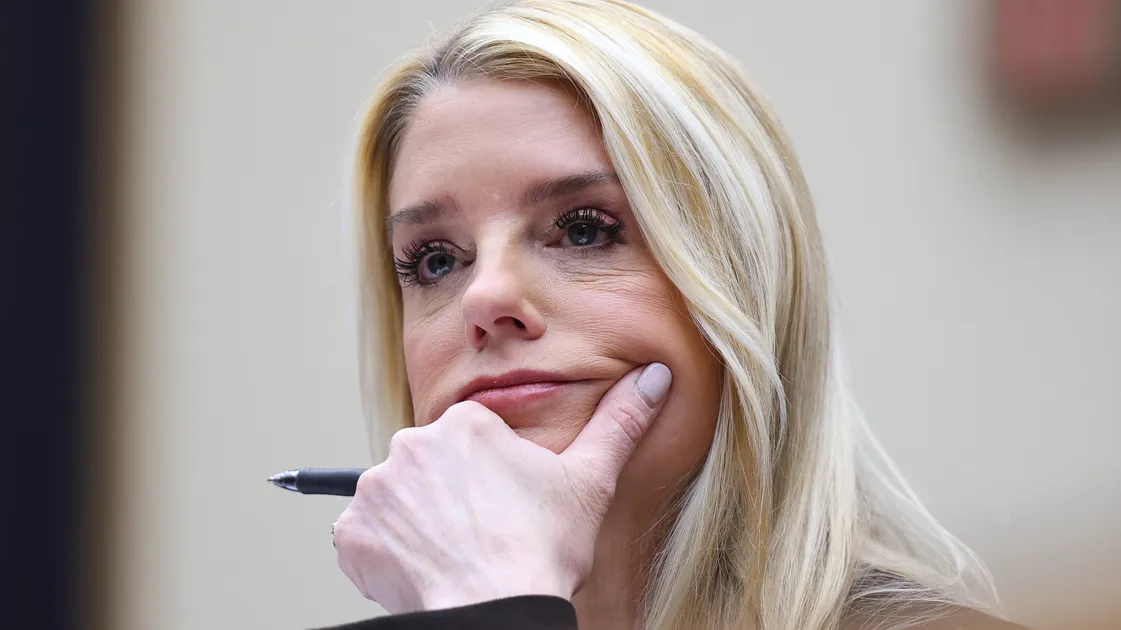
Donald Trump’s decision to sack Pam Bondi as attorney general is one of the few he’s made as president that actually got some sort of bipartisan support.
In a statement on his Truth Social platform, the president praised Bondi as “a Great American Patriot and a loyal friend, who faithfully served as my Attorney General over the past year,” adding that she is being transitioned to “a much needed and important new job in the private sector, to be announced at a date in the near future.”
Deputy Attorney General Todd Blanche will be taking over Bondi’s job as acting attorney general, and he praised his former boss on social media, saying that she “led this Department with strength and conviction and I’m grateful for her leadership and friendship.”
Bondi also received support from former Congressman Matt Gaetz, who was briefly considered for the attorney general post before withdrawing after several Republican senators objected to his nomination on ethical grounds.
“Pam Bondi will be known as one of the great crime fighters of our time,” he posted on X. “She is a patriot who has all of our appreciation.”
Bondi made her own social media post after her firing was announced, saying, in part, that she remains “eternally grateful for the trust that President Trump placed in me to Make America Safe Again.”
However, most of the social media responses from politicians on both sides of the aisle expressed overwhelming support for Bondi’s canning, often in very harsh terms.
Senate majority leader Chuck Schumer began his post with the words, “Good riddance.”
House minority leader Hakeem Jeffries also went scorched earth against Bondi, calling her “a partisan, petulant, political hack.”
House Republicans also applauded Bondi getting booted, with South Carolina’s Nancy Mace griping about how the handling of the Jeffrey Epstein files “seriously undermined President Trump.”
Other politicians chimed in to cheer Bondi’s removal as AG:

On Friday 10 April at 12:00 pm, students and activists will mobilise outside Bush House at King’s College London (KCL) to protest against the London Defence Conference and to condemn the genocidal companies and speakers invited to the on-campus event.
London Defence Conference
First launched in 2023, the London Defence Conference is held annually and often hosts political leaders, military officials, and the defence industry to advance military strategy, spending, and lobbying. Not only were genocide-enablers such as Keir Starmer, David Lammy and many more invited to speak at the London Defence Conference in previous years, but murderous companies such as Palantir, BAE Systems, and more also sponsor or support the conference. These conferences create an atmosphere in which people in power can discuss, justify, and promote an increase in military spending.
Despite criticisms of being discriminatory by the UN, European countries and rights groups, ‘Israel’ has recently legalised the death penalty for Palestinian resistance fighters whilst continuously bombing Gaza, Iran, Lebanon, and brutally murdering thousands of innocent people in pursuit of their colonial expansionist plan.
Meanwhile, Keir Starmer’s United Kingdom continues to license over £500 million worth of military exports to ‘Israel’ and provide approximately 15% of the components in the F-35 fighter jets, which are used in airstrikes across the occupied Palestinian territory.
Our government is complicit in genocide.
As students, we refuse to let warmongers conduct their blood business on our campus, making deals where every handshake results in the dropping of bombs on houses, hospitals and schools.
Corporate complicity in genocide
However, it is not just our government that is guilty.
London Defence Conference’s sponsors and partnership companies are the epitome of brutality, violence and war. For example, Palantir has been a supporter and sponsor of the conference, with its executive vice chair and head, Louis Mosley, invited on stage each year. Palantir is one of ICE’s top corporate collaborators. ICE paid Palantir $30 million to build tools which allow them to identify and find people they want to deport.
In 2024, Palantir renewed its contract with the IDF and continued to provide them with AI systems designed to support precise military targeting, which their CEO, Alex Karp, would call “digital kill chains”, boasting of their effectiveness.
Another key supporter of the London Defence Conference is The Pinsker Centre. It was founded using AIPAC money, and originally named The Pinsker Centre for Zionist Education. It was explicitly created to counter pro-Palestinian activism on UK campuses. AIPAC channels money through the Centre to reshape campus debate. After 7 October, they co-authored a letter explicitly acknowledging that “innocent Palestinians will die” yet called on the UK government to support ‘Israel’ regardless.
‘We will not be bystanders’
A spokesperson for students at KCL said:
We are not naive about what this conference represents. The cycle is not complicated: arms companies fund conferences, conferences legitimise arms companies, governments sign contracts, and bombs fall on Gaza, on Lebanon, on Iran. What happens in occupied Palestine does not begin at the border. It begins here, at the centre of the empire, in the lecture halls and conference rooms of our own universities. King’s College London is not neutral ground. Every sponsorship deal struck within Bush House, every handshake between a defence executive and a politician, is a link in a chain that ends in rubble and mass graves.
Students at KCL refuse to be bystanders to this. We refuse to let the London Defence Conference proceed as business as usual while the institutions and companies it platforms continue to arm and enable genocide. The struggle for Palestinian liberation and all peoples suffering under the violence that conferences like this one bankroll, that struggle is our struggle too. It does not stay overseas. It starts right here.
KCL Stands For Justice (S4J) have organised a peaceful student-led protest outside Bush House at 12:00pm on Friday 10t April 2026, the first day of the London Defence Conference. This is in collaboration with over 80 other groups including Palestinian Youth Movement, Campaign Against Arms Trade, Defend Our Juries, and many more.
Featured image via the Canary
Politics
‘Totally Unhinged’: Trump’s Communications Chief Loses It After TV Host Tears Into President
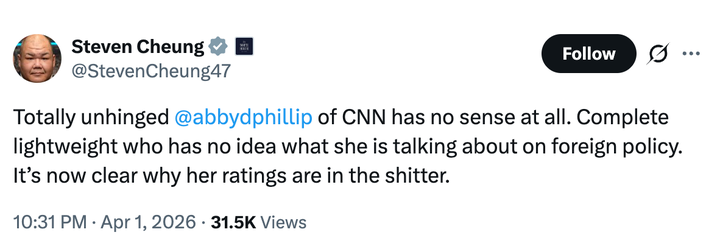
White House Communications Director Steven Cheung whined on social media after CNN host Abby Phillip called out President Donald Trump over the Iran war and his head-spinning foreign policy since he returned to office.
“Totally unhinged @abbydphillip of CNN has no sense at all,” Cheung wrote Wednesday on X.
His comments came minutes after the “CNN Newsnight” host responded to Republican ex-Representative Peter Meijer’s suggestion that the jump in oil prices in recent weeks is “so much less dramatic” than the administration’s expectations, and that Trump’s low polling numbers would still be similar even if Iran capitulated on Day 1.
“But don’t you think Americans are rational about paying a dollar more per gallon at the gas [pump]?” Phillip asked.
She went on: “I think they’re saying very clearly they do not think that this step needed to be taken.”
Phillip’s show aired not long after Trump wrapped up his prime-time address on the war, and she noted that the president’s speech lacked “new insights” on his administration’s objectives.
“The president basically repeated a lot of the things that he’s been saying in Truth Social posts, except he said it out loud,” the host said.
She later teed up a discussion on Trump’s insistence that America’s allies in Europe clean up his mess in the Strait of Hormuz, despite the president not consulting Nato before diving headfirst into the conflict in late February.
She proceeded to argue that Trump threw Nato’s future into question by not asking Denmark to expand US access to military bases in Greenland before threatening to annex the semi-autonomous Arctic territory, escalating an international crisis late last year.
That’s around the time when Cheung made his post on X.
“Complete lightweight who has no idea what she is talking about on foreign policy,” he continued. “It’s now clear why her ratings are in the shitter.” (“CNN NewsNight” was the network’s top show in the adult 25-54 demographic in February, per Nielsen data reported by Adweek.)

Cheung’s latest meltdown on X joins several more of his gripes and grievances over the past year.

We’ve all seen it: the person at the airport gate loudly telling their boss their Wi-Fi isn’t strong enough for video calls, clearly pretending to be stuck at home. Or that friend who, between bottomless mimosas at brunch, is furiously tapping out Slack messages.
Welcome to the modern vacation: gate-checked by remote work.
Thanks to flexible schedules and “work-from-anywhere” policies, we technically can work from anywhere — even while on vacation. And yet that freedom has become a trap. Why bother using PTO when you can save it and fire off emails from a New York hotel room or an Airbnb on a bachelorette weekend?
The result: We’re traveling more than ever, but actually vacationing less than before.

AleksandarNakic via Getty Images
Between lagging Wi-Fi, comped breakfast buffets with unanswered Slack threads, and the ever-present fear of looking unproductive, we’re realizing that something has to change. Welcome to 2026, the year we all start “deadzoning.”
What is ‘deadzoning’?
Despite catching flights, not feelings, we’re all exhausted, because we’re blending business and pleasure a little too seamlessly. We’re permanently switched on: curating the perfect Instagram carousel, tracking breaking news alerts, fielding a relentless stream of group chat messages. “Deadzoning” is the antidote, the art of switching off and traveling in intentional silence.
“Deadzoning reflects a broader cultural shift away from constant connectivity and burnout,” Christina Bennett, a consumer travel trends expert at Priceline, told HuffPost. “After years of being ‘always on,’ travellers are actively seeking vacations that allow them to fully disconnect — mentally and digitally.”
“It’s especially resonating with Gen Z and millennials, who are increasingly prioritising mental health and presence over productivity,” she continues. “In fact, more than a third say they wish devices could be banned entirely while on vacation. At its core, deadzoning is about reclaiming time, focus, and real rest by choosing trips to destinations that force you to unplug and reset.”
How can we start ‘deadzoning’?
As always, it’s easier said than done. We all want to put our phones away… and yet somehow end up clocking 14 hours of screen time a day. Are we even awake for that long in a day?
My first real experience of “deadzoning” came post-breakup, as most breakthroughs do. I got dumped over text by someone who had recently told me he loved me (bold), and I felt the familiar urge to download every dating app going just to reaffirm my value. Instead, I booked a tiny cabin, borrowed my sister’s dog and disappeared off-grid.
I didn’t switch my phone off entirely — I was a single woman traveling alone, and my family was already convinced I was spiralling — but I did turn off the internet. The only thing I allowed myself was one daily text to my sister, confirming that her dog and I were very much alive. It was glorious. Within hours, the phantom urge to check my phone evaporated. No refreshing inboxes. No stalking his Instagram followers. Just trees, silence and a dog who couldn’t care less about my attachment issues.
“Travelers can set better work-life boundaries by being intentional before the trip starts,” Bennett said. “That includes setting a clear out-of-office message, delegating responsibilities in advance, and being upfront about limited availability. Destination choice matters, too — places like mountain towns, national park gateways, and quiet coastal escapes make it easier to step away from screens.”
Which trips are best for ‘deadzoning’?
Now, you don’t have to disappear to a tiny cabin with only a dog for company — though I highly recommend it. Entire businesses have been built around the art of switching off. One such brand is Unplugged, which specialises in off-grid cabin stays designed specifically for digital detoxing.
“Unplugged cabins are entirely off-grid and have no phones, Wi-Fi, or technology, and they provide all the offline essentials such as a phone lockbox, books, a physical map and an instant camera,” Unplugged co-founder Hector Hughes told HuffPost. “It’s much easier to be without your phone and laptop when the space is intentionally built for that purpose.”
In other words: If temptation isn’t there, you can’t give in to it.
“Booking a remote location in nature where the signal is naturally low is also a great choice,” Hughes continues. “There is no Wi-Fi or 5G in the mountains, so you are physically unable to check your phone.”
And it’s not just about going off-grid, it’s about choosing the right kind of environment. Alex Oldfield, co-founder of Curated Spaces — the world’s first booking platform powered by tastemakers — also shared a few guiding principles for planning the ultimate “deadzoning” escape:
- Places with permission to slow down.
Rural farm stays, remote cottages, coastal hideaways, cabins in the woods. Anywhere the pace of life is naturally gentle. - Design-led spaces that encourage presence.
Homes with big windows, long communal tables, outdoor baths, and crackling fireplaces. When a space feels good to inhabit, you stop reaching for distraction. - Experiential rather than itinerary-heavy trips.
The best “deadzoning” trips revolve around simple, tactile pleasures: swimming in the sea before breakfast, foraging walks, garden grazing, star-filled evenings, meals that stretch lazily into the afternoon. - Somewhere slightly out of reach.
A winding country road, a ferry crossing, a slow train journey — just enough distance to create a psychological gap between everyday life and vacation time.
Because ultimately, deadzoning isn’t about punishment or proving you can survive without your phone. It’s about engineering a break that feels genuinely different from your normal life, one where the silence isn’t awkward, it’s restorative.
What are some tips for ‘deadzoning’ on your next trip?
My personal recommendation? Get dumped over text by a man who once said he loved you and borrow — or gently steal — someone’s dog for a few nights. Highly effective. Questionable scalability.
For those seeking something slightly less niche, here are expert-backed ways to engineer the perfect “deadzoning” vacation:
Lock away your phone
“If you can, lock your phone away so distraction is not an option,” recommends Hector Hughes.
You can even take a more inexpensive, less-addictive “replacement dumb-phone out with you” for emergencies, he suggested.
Airplane mode is your friend
Many of us can’t go fully off-grid. Safety, family, work — life still exists.
Hughes acknowledged this: “If you can’t lock your phone away, turn off all email and social media notifications or put your phone on Do Not Disturb or airplane mode. Put it in your bag (not your pocket) so you don’t feel the urge to pick it up out of habit.”
Go in with a plan
“Leave a rock-solid handover so nothing’s hanging over you, and tell people you’ll be offline (bonus points if your destination truly has no signal),” Oldfield said. “Don’t do the ‘feel free to ping me if anything comes up’ line — we’ve all said it, and we all regret it. Boundaries are completely fine, as long as you’re clear upfront and leave no room for confusion.”
Think of it like telling your partner you’re going to that 6 a.m. spin class. The second someone knows about it, you’re suddenly far more committed to following through.
Pick the right setting
“Switching off is way easier when the place itself helps you shake off your usual rhythm,” Oldfield said. “Maybe it’s a cabin surrounded by fields with no signal, a coastal cottage where you can live the fisherman aesthetic IRL, or a hotel where you can disappear into the spa and order room service after. It starts with choosing somewhere that makes slowing down feel natural.”
Environment is everything: You are far less likely to check Slack while staring at sheep.
Go analog
“Bring that book you’ve been meaning to read,” Oldfield suggested. “Cook something from an old recipe book, go for a long hike, play cards by the fire. Go for a mooch in the local town, get a little lost and ask for directions, shriek your way into a cold wild swim, write a letter. If you feel like you’re in a Jane Austen novel, you’re doing it right.”
Because at its core, deadzoning isn’t about rejecting modern life. It’s about remembering that we’re allowed to step away from it, even briefly, without the world collapsing in our absence.
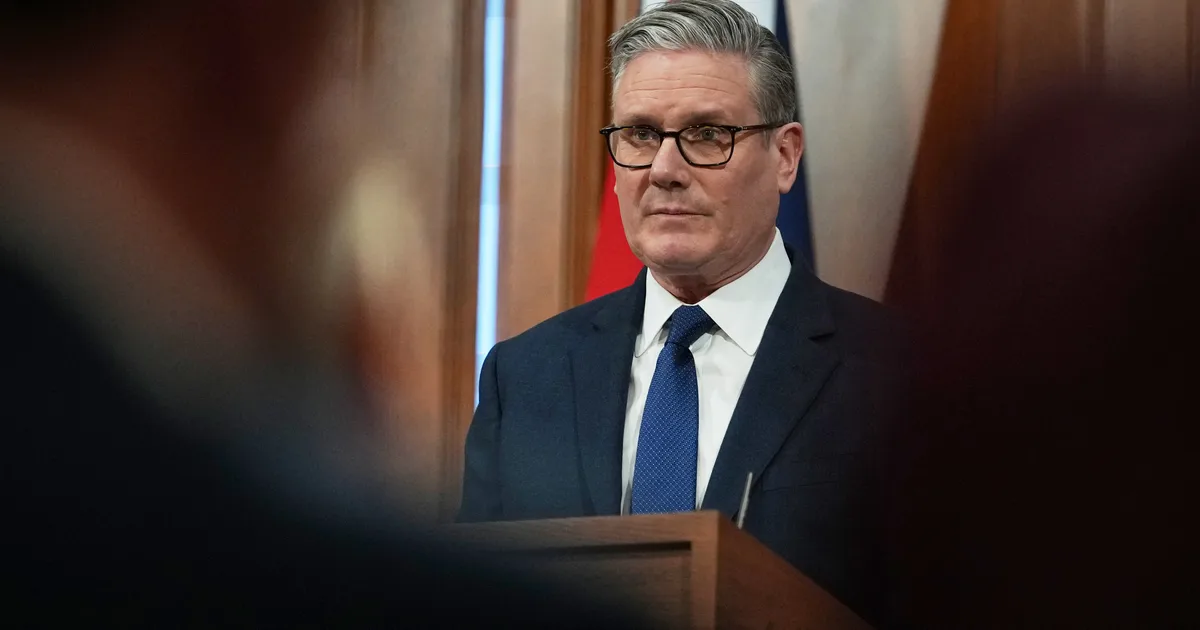
Labour is heading for “a total bloodbath” in the elections on May 7, according to a polling expert.
Voters will go to the polls in England, Scotland and Wales for the biggest test of public opinion since Keir Starmer won a landslide general election victory less than two years ago.
Since then, however, Labour and the prime minister’s popularity has plummeted following a series of gaffes, ministerial resignations, controversies and scandals.
Ben Walker, co-founder of polling analysts Britain Elects and a Labour councillor, said May 7 is shaping up to be disastrous for his party as well as the Conservatives.
In a post on X, he said: “Putting together the English local election forecast. Scotland and Wales done.
“I have to say, and not to give a sneak peak, but to affirm what’s been written elsewhere: this May is going to be absolutely terrible for the Tories. But a total bloodbath for Labour.”
Labour is facing defeat once again to the SNP in the Scottish Parliament elections, and could even come third behind Reform UK.
The party is also set to lose power in the Welsh Senedd for the first time since it was set up in 1999, with Plaid Cymru on course to form the next government.
Around 5,000 council seats are up for election on the same day, with analysis by the Financial Times last month suggesting Labour could lose nearly 2,000 as Reform and the Greens make major gains.
A by-election held on Thursday for a seat on Rossendale Borough Council provided a foretaste of what Labour can expect on May 7.
The party’s vote share plunged by nearly 28% as they lost the seat to the Greens.
Meanwhile, Reform polled 34.5% from a standing start, 15 points more than Labour.
Subscribe to Commons People, the podcast that makes politics easy. Every week, Kevin Schofield and Kate Nicholson unpack the week’s biggest stories to keep you informed. Join us for straightforward analysis of what’s going on at Westminster.

Why Buffy The Vampire Slayer’s Most Important Character Is Also The Most Annoying

(VIDEO) Haaland Hat-Trick Fires Manchester City Into Record Eighth Straight FA Cup Semi-Final

Backstreet Boy Beach Confrontation


-

 NewsBeat3 days ago
Steven Gerrard disagrees with Gary Neville over ‘shock’ Chelsea and Arsenal claim | Football
-

 Business3 days ago
No Jackpot Winner and $194 Million Prize Rolls Over
-

 Fashion2 days ago
Weekend Open Thread: Spanx – Corporette.com
-
Entertainment6 days ago
Fans slam 'heartbreaking' Barbie Dream Fest convention debacle with 'cardboard cutout' experience
-

 Crypto World4 days ago
Gold Price Prediction: Worst Month in 17 Years fo Save Haven Rock
-

 Tech7 days ago
The Pixel 10a doesn’t have a camera bump, and it’s great
-
Crypto World5 days ago
Dems press CFTC, ethics board on prediction-market insider trades
-

 Tech7 days ago
Avatar Legends: The Fighting Game comes out in July and it looks pretty slick
-

 Sports21 hours ago
India men’s 4x400m and mixed 4x100m relay teams register big progress | Other Sports News
-

 Business4 days ago
Login and Checkout Issues Spark Merchant Frustration
-

 Tech6 days ago
Apple will hide your email address from apps and websites, but not cops
-

 Tech5 days ago
EE TV is using AI to help you find something to watch
-

 Sports5 days ago
Tallest college basketball player ever, standing at 7-foot-9, entering transfer portal
-

 Politics6 days ago
Should Trump Be Scared Strait?
-

 Tech6 days ago
Flipsnack and the shift toward motion-first business content with living visuals
-

 Fashion6 days ago
The Best Spring Trends of 2026
-

 Sports6 days ago
Women’s hockey camp eyes fitness boost, tactics ahead of WC 2026 campaign | Other Sports News
-

 Tech5 days ago
How to back up your iPhone & iPad to your Mac before something goes wrong
-
 Crypto World7 days ago
Bitcoin’s Six-Month Losing Streak: What On-Chain Data Says About the Market’s Next Move
-

 Politics6 days ago
BBC slammed for ignoring author of The Fraud
You must be logged in to post a comment Login