
Politics
Nicholas Brendon’s death is the sixth of The WB stars since 2024

Nicholas Brendon has died.
Nicholas Brendon, dead
Brendon, who played Xander Harris in Buffy the Vampire Slayer from 1997 to 2003, passed away at age 54. His family’s statement said he “passed in his sleep of natural causes.”
His death is the second of a major Buffy cast member in 13 months.
Michelle Trachtenberg, who joined Buffy as Dawn Summers, was 39 when she died in February 2025 from complications of diabetes mellitus.
Nicholas Brendon’s is the sixth death of a major WB cast member since 2024.
James Van Der Beek, who played the titular character in Dawson’s Creek, died in February 2026 age 48, after a battle with colorectal cancer.
Shannen Doherty, who played lead character Prue Halliwell on Charmed, died from breast cancer in July 2024, at 53.
Julian McMahon, who played major character Cole Turner on Charmed, died at age 56 in July 2025, from head and neck metastatic cancer.
Eric Dane, who played recurring character Jason Dean on Charmed, died in February 2026 at age 53 from respiratory failure resulting from ALS.
Counting family of major cast members, Buffy lead Anthony Stewart Head announced the sudden death of his longtime partner Sarah Fisher December 2025 at the age of 61.
The responses on social media mourned these unexpected deaths.
“I’m very concerned why are so many people passing away?!!”
“We lost 2 90’s stars and Mc Steamy in one month! wtf”
“Damn, this has been a brutal year so far for actors from late 90s/early 2000s shows on The WB. James Van Der Beek, Eric Dane, and now Nicholas Brendon” @Adaminhtowntx
“Jesus Christ… how my of my friends are going to die this year?!! Fffuuuccckkk” @sirjeremylondon
The hollowing of the WB generation
These deaths come when there is also a measurable increase in mortality in the age cohort that made up much of Buffy’s original audience, and the WB era generally.
The WB was the predecessor network to The CW, and in the late 90s and early 2000s aired popular teen and young adult dramas during the primetime block of 8 p.m. to 10 p.m. Three genre-defining shows from that era were Buffy the Vampire Slayer, Charmed, and Dawson’s Creek. The audiences for these shows were primarily younger Generation X and Elder Millennials, born between 1972-1988.
People who were teenagers and young adults in the late 1990s and early 2000, the era when these WB series were on the air, are now in their late 30s through early 50s. Since 2020 their mortality rates have been increasing. A 2025 JAMA Network Open study examining U.S. mortality among adults aged 25 to 44 from 1999 through 2023 found that mortality in 2023 was dramatically higher than expected based on pre-2011 trends. It quantified that gap as 71,124 unexpected deaths in 2023 alone.
Research led by the American Cancer Society and published in The Lancet Public Health reported that cancer incidence and mortality has increased in younger generations in 17 of 34 cancer types. For some groups, the gap was stark, with the 1990 birth cohort showing roughly two-to-three times higher incidence than the 1955 cohort for pancreatic, kidney and gastrointestinal cancers. Moreover, mortality increased for colorectal cancers, as well as uterine, gallbladder, testicular, and liver cancer.
Moreover, a March 2026 PNAS analysis reports that people born between 1970 and 1985 are experiencing worse mortality patterns than their predecessors. The trend covers major causes, including cardiovascular diseases and cancer. Particular concern was noted for cancers that have historically been less common for this age group, including colon cancer.
More than 20 million excess deaths since 2020
The increase in mortality for younger Gen X and Millennials is corroborated by an exponential rise in unexpected deaths across all age cohorts.
In demography, the term for unexpected deaths on a population scale is “excess mortality” or “excess deaths.” This measures how many more people have died than would be expected based on prior trends.
Since 2020, the COVID pandemic has officially contributed approximately 7.1 million deaths, according to the World Health Organization (WHO). However, it is becoming increasingly clear that this figure is a significant undercount. Scientific American has just published a piece about how, in the United States alone, COVID killed at least 150,000 more people in its first two years than are reflected in official figures.
And yet, zooming out to global unexpected deaths since 2020, The Economist counts between 20-35 million excess deaths from COVID.
For scale, the First World War killed 17 million people.
If more than 20 million people have died unexpectedly, and only 7 million are accounted for in the official COVID death toll, how have those 13+ million people died?
Part of the answer may be a limited understanding of COVID’s mechanisms and secondary effects, not only by individuals, but by healthcare professionals and institutions.
What SARS-CoV-2 does to the body
When people hear “COVID deaths,” many think of a respiratory virus that kills people in the acute phase of infection.
But SARS-CoV-2 is not a respiratory virus. COVID is a vascular disease.
COVID can have respiratory symptoms because the airway is a common transmission site, but the underlying disease is systemic. The virus infects the body’s blood vessels, specifically the lining which are called endothelium. The vascular system is not just the heart and major blood vessels, but spans the whole body. SARS-CoV-2 uses the endothelium as a superhighway to the body’s systems. Endothelial infection makes vessels form micro-clots, which reduce oxygen delivery, as well as create micro-injuries, inflammation and dysregulated immune responses across multiple organs. The downstream effects can create complications “from head to toe.”
People are perhaps most familiar with the long-term respiratory problems which can result from COVID infections. In 2022, Buffy‘s lead actor Sarah Michelle Gellar reported her first known COVID infection.
“I realize I’ve been really quiet on here. After two and a half years COVID finally got me. Thankfully I’m vaccinated and boosted,” she wrote on an Instagram Story. “But to those out there that say ‘it’s just a cold’ …maybe for some lucky people it is. But for this (relatively) young fit person, who has struggled with asthma and lung issues her entire life, that is not my experience.”
“Even with therapeutics and all my protocols it’s been tough. I know I’m on the road to recovery, but it’s certainly not been an easy road. I’ll be back soon (hopefully with super antibodies…even if just for a bit),” Gellar continued. “To quote a friend of mine – ‘I will wear a mask in my shower if that means I don’t get this again.’”
Another WB star, Alyssa Milano, who played Phoebe Halliwell in Charmed, went public with her Long COVID diagnosis in 2021. Her acute infection in April 2020 began with stomach issues and fatigue. The infection produced sequelae associated with Long COVID, a condition with 200+ possible symptoms.
“I have always had every single symptom imaginable, so every symptom that they list whether it be from acute COVID or long COVID, I have had. Shortness of breath, heart palpitations, brain fog, exhaustion at 4 o’clock in the evening, tingling in my hands and feet and just forgetfulness,”
The number of people experiencing Long COVID which meets diagnostic criteria is estimated to be between 5%-20% of all people. The World Health Organization (WHO) estimates that 1 in 20 people worldwide had Long COVID as of 2023. The CDC estimates that 1 in 5 people develop post-acute COVID sequelae.
The downstream effects of COVID infections can also lead to death.
How COVID causes premature deaths
Population studies have disaggregated excess deaths since 2020 by causes and age groups. A Lancet Regional Health—Europe paper examining post-2020 excess mortality reported that, in middle-aged adults (50–64), deaths involving cardiovascular diseases were 33% higher than expected.
Nicholas Brendon falls into this cohort.
The same study reported that, across all ages, excess deaths from all causes were higher than baseline, including cardiovascular diseases (12%), heart failure (20%), ischaemic heart disease (15%), acute respiratory infections (14%) and diabetes (13%).
The mechanisms underlying acute and post-acute COVID symptoms shed light on how infections can later lead to premature death.
For cardiovascular diseases, SARS-CoV-2 infection injures and inflames the endothelium, leaving arteries less able to deliver oxygen efficiently to heart muscle. In parallel, systemic inflammation can destabilize atherosclerotic plaques making the fibrous “cap” more likely to rupture. When a plaque ruptures, the body’s clotting system can rapidly form a thrombus that blocks a coronary artery and triggers a myocardial infarction (i.e. heart attack).
Nicholas Brendon also had clinical vulnerabilities, including a congenital heart defect and an addiction history. Repeated SARS-CoV-2 infection worsens the trajectory of those vulnerabilities. A Nature Medicine study found that people who survived the acute phase of COVID had a higher one-year risk of a wide range of cardiovascular diseases. With addiction history, a 2023 study reported that patients with alcohol use disorder who had a previous COVID infection had a significantly higher risk of incident cardiovascular diseases within 12 months than AUD patients without a COVID history. COVID presents an additive risk on existing vulnerabilities.
People are perhaps less aware of how COVID can lead to new-onset and aggressive cancers. James Van Der Beek, Shannen Doherty and Julian McMahon all died from cancers between the ages of 48-56.
Under normal conditions, “immune surveillance” means T cells and NK cells constantly identify and remove cells that look abnormal before they can grow into tumors. SARS-CoV-2 can create sustained immune dysregulation which reduces the efficiency of tumor surveillance while simultaneously creating inflammation. This is why cancers might present at a more advanced stage or behave more aggressively.
Michelle Trachtenberg died at the age of 39 from complications from diabetes.
SARS-CoV-2 can push people managing diabetes towards premature death by triggering inflammatory cytokines. These raise blood glucose and make the body’s tissues more insulin-resistant, so the same amount of insulin moves less glucose out of the bloodstream. In parallel, SARS-CoV-2 can also have direct and indirect effects on the pancreas itself, including β-cell dysfunction, which can reduce insulin secretion right when the body needs more. This creates a vicious cycle of higher glucose driving more inflammation and vascular stress.
Finally, Eric Dane died on February 19, 2026, at 53, with his official cause of death reported as respiratory failure and ALS listed as the underlying cause.
COVID has common and well-documented neurological sequelae. The underlying mechanism is that inflammatory signals can activate microglia (i.e. the brain’s immune cells) and disrupt the blood–brain barrier and the gliovascular unit. This increases neuroinflammation and makes neural tissue more vulnerable to secondary injury.
In ALS, progression is shaped by neuroinflammation, oxidative-stress and failures of protein homeostasis. A 2025 study focused on SARS-CoV-2 and TDP-43 found that inflammatory and oxidative signaling following a COVID infection, could push systems already near a threshold, such as vulnerable motor neurons and their supporting glia, toward accelerated degeneration.
Clinicians have documented rapid functional decline after SARS-CoV-2 infection in ALS patients who had previously been slowly progressive. Moreover, National ALS Registry mortality data have reported that motor neuron disease deaths were higher since the beginning of the pandemic than in the preceding years.
The end of COVID-19 reporting
The question is, if the weight of evidence points to an exponential increase in excess deaths since 2020, and the recent deaths of multiple WB stars are consistent with this shifted baseline, how are people not noticing? Or, if they are noticing, why are they shifting to the next topic?
One possible reason is a worldwide failure of government agencies to resource an effective long-term public health response to the ongoing COVID-19 pandemic.
The United States’ federal COVID-19 public health emergency ended on May 11, 2023. Globally, the World Health Organization ended COVID-19’s status as a Public Health Emergency of International Concern on May 5, 2023. And yet the WHO also emphasized that even though COVID no longer met the formal criteria for that emergency category, this did not mean it was no longer a public health threat.
That end of COVID as a public health emergency led to the scaling back of comprehensive testing and reporting. After May 2023, the U.S. moved from comprehensive case and lab reporting to fragmented surveillance systems like wastewater monitoring. In January 2026, a proposed funding cut would reduce CDC support for the national wastewater surveillance system from approximately $125 million to $25 million.
PCR testing has also been reduced, so many infections are not detected in the first place. At-home antigen tests aren’t reported into public systems, and those tests have high false negatives. Caltech found that at-home COVID tests had between 30% to 60% accuracy.
In this environment where monitoring for COVID has been substantially scaled back, one could be forgiven for assuming that COVID no longer presents a significant health risk.
How cognitive biases co-sign institutional silence
The systemic failure to address rising unexpected deaths from the secondary effects of COVID infections can be ratified on the individual level.
When public health agencies fail to address the ongoing COVID pandemic, authority bias can lead people to implicitly treat this silence as evidence that the danger has passed.
Even when increasing deaths are perceived, normalization bias can then turn this elevated harm level into the new normal. In conditions of sustained danger, humans adapt quickly, yet find it difficult to maintain chronic vigilance. For this reason, elevated harm can be perceived as normal because this frame is psychologically stabilizing but physically dangerous.
Once the harm is perceived as normal, motivated reasoning maintains this belief by selectively incorporating information that supports this worldview. People then downgrade, or wholly discount, contrary information to preserve the status quo.
Finally, system justification creates the belief that institutions are basically competent. Accepting that COVID has killed tens of millions more people than reported implies a magnitude of institutional failure that is psychologically costly to internalize. Even when people admit to a legitimacy crisis in other areas of governance, the belief that the system will alert people to health risks often remains.
The effect is circular reasoning. Because public health authorities do not communicate that there is an ongoing crisis of COVID deaths, this means that no crisis can possibly exist.
Let’s talk about how these cognitive biases may be working right now.
COVID’s bereavement crisis
Despite the official excess death figures and high-quality research on COVID’s mechanisms cited in this article, many readers may already have formulated reasons to discount the information.
One likely reason is causation. Because the epidemiological data does not prove that COVID directly caused Nicholas Brendon’s death in particular, the statistics don’t matter. Therefore, the 20+ million unexpected deaths and the settled knowledge about SARS-CoV-2’a multi-system damage can be wholly discounted as relevant to one’s own life.
Proving direct causation in a specific individual is an impossible standard.
The way deaths are recorded in the U.S. is not designed to trace a chain from infection months ago to vascular/inflammatory damage to a cardiovascular event today.” Most deaths are certified through clinical judgment on a death certificate, and what gets recorded is typically the immediate cause (for example, myocardial infarction, stroke, respiratory failure, etc.).
What‘s recorded and counted as a COVID death is a narrow range of cases where a clinician has a documented recent infection and a clinical picture that makes COVID feel obviously relevant to the immediate cause of death. This skews toward respiratory deaths during the acute stage of illness, rather than the deaths that occur later as heart attacks, organ failure, strokes, even pneumonias secondary to COVID infections.
Public health surveillance reinforces this, because they often operationalize COVID deaths within a time window after a confirmed positive test. The Council of State and Territorial Epidemiologists’ guidance, for example, includes COVID deaths among cases where death occurs within 30 days of the specimen collection used to define the case. This means a COVID death is only counted when there is a confirmed positive test and only within 30 days.
Mis-coding according to apparent cause of death led to undercounting in previous pandemics. A CDC study of early AIDS deaths found that in 1983-1986, before HIV/AIDS coding procedures were implemented, it was listed as the underlying cause in only 46% of deaths among people with AIDS. Many others were recorded as pneumonia or other infections.
Finally, even obtaining postmortem forensic proof is rare. A National Vital Statistics Report found the U.S. autopsy rate was only 7.4% in 2020. Even when a death triggers an autopsy, the standard aim is to identify the proximate event, like an arrhythmia, pulmonary embolus, or overdose, not reconstructing the underlying mechanisms. This would entail examining where a past SARS-CoV-2 infection contributed through microscopic endothelial injury, microthrombi, or inflammation.
Another possible reason for discounting the hard data and clinical evidence is clinical vulnerability. According to this logic, Nicholas Brendon had a heart defect and addiction history, so dying at 54 is expected. Even though, as discussed, research points to COVID as an additive risk and probable accelerant for existing vulnerabilities. Clinical vulnerabilities are also more common than many assume. The CDC’s estimates the prevalence at six in ten U.S. adults living with at least one chronic disease. Four in ten live with two or more. So Nicholas Brendon’s clinical vulnerabilities are not rare exceptions, but place him within 40-50% of all people.
Moreover, excess mortality, by definition, counts deaths from all causes minus the deaths expected based on prior trends. So it includes people with and without clinical vulnerabilities and it is not epidemiologically valid to discount deaths because the people who died were not perfectly healthy. Those vulnerabilities are part of the expected death baseline that the model already assumes.
Some may find no easy opening to discount the logic of the data, so instead will dismiss the credibility of whoever presents it. This may take the form of thinking that it’s inappropriate to speculate on a high-profile person’s tragic death, even if reported as epidemiological contextualization and not personal health information. Therefore, because the messenger is perceived as flawed, the hard data can be safely discounted.
First, this should go without saying, but treating discomfort as a proxy for illegitimacy of argument is a moral contamination fallacy. Epidemiological data do not become less true or less relevant because someone finds the conversation unpleasant.
It also helps to separate two things which are often conflated: private medical information and epidemiological context. Publishing a private person’s test results or medical records would be personal health information and therefore both ethically fraught and usually unverifiable. Contextualizing a publicly reported premature death of a public figure within documented population data queries whether that kind of death is becoming more probable in the population and in that age cohort, given what excess mortality and research are showing.
Moreover, the public narrative around a high-profile death is often shaped by what representatives choose to release. If the only acceptable public language is whatever passes through a PR filter, premature deaths that plausibly align with settled knowledge about excess death probabilities will continue to be described as normal.
Finally, and perhaps most insidiously, many people may simply no longer have the capacity or desire to internalize the implications of mass deaths from COVID. Even if it ultimately means their own premature deaths, those of everyone they love, and for that matter the whole cast of the WB’s peak era.
The direct and indirect effects of premature deaths has likely compromised the collective capacity to assimilate new information. There is simply a psychological limit to what people can internalize when loss becomes repeated. Acute grief can cause a sense of unreality, or dissociation, even when people appear to be functioning outwardly. When the loss is sudden, or when multiple losses accumulate, there is risk of prolonged grief disorder.
The conservative estimate of 20 million excess deaths since 2020 means that many more people are experiencing bereavement. A demography study published in PNAS estimated that each COVID-19 death leaves approximately nine close family members, including parents, children, siblings, grandparents. That means 180 million close kin bereavements. If you widen the lens from kin to close relationships, including close friends, Dunbar’s social network model estimates an inner circle of 15 people. This means 300 million people losing someone in their closest circle, or approximately the populations of the U.S.
The next category is the people supporting the bereaved. If those 300 million bereaved people each have an inner support circle of 15, that is 4.5 billion people. Which is about half of the world’s population experiencing some form of caregiving stress.
This may explain why, at population scale, repeated premature deaths can produce a blunting form of disengagement that makes the implications of ongoing mass mortality difficult to integrate.
You may be able to think of someone right now who tragically and unexpectedly died since 2020–and yet feel unsure of how to incorporate this new information.
Seizing the means of vividness bias
Vividness bias is the tendency for a single concrete, emotionally legible example to outweigh data that are more relevant, but difficult to picture.
Vividness bias is often misused by reactionaries to bypass logic, as the Buffy episode “Gingerbread” dramatizes. Buffy’s mom Joyce Summers takes news of the alleged death of two children to attempt to burn her own daughter at the stake.
Vividness bias can also be used intentionally to break through numbness and spur oneself to action.
So let’s imagine structural denial about excess mortality as the unspoken agreement of the adults in the town of Sunnydale, California circa the late-1990s to ignore all the vampires.
Though it was never a monster-of-the-week in Buffy the Vampire Slayer, motivated reasoning arguably enabled far more deaths than any season’s “big bad.”
In “Angel,” after the vampire Darla bites Buffy’s mom Joyce Summers, Joyce returns from the hospital with no memory of the incident saying, “The doctor said it looked like a barbecue fork. We don’t have a barbecue fork.” In “School Hard,” after a literal vampire attack at Sunnydale High, the police chief asks Principal Snyder “So, do you want the usual story? Gang-related? PCP?”
The adults of Sunnydale have practical reasons for their motivated reasoning. They have jobs, mortgages, and social networks tied to the assumption that the town is a normal California suburb—and not a hellmouth where their children are daily being preyed upon by vampires.
There is also a deeper epistemic stake in motivated reasoning, where people are invested not just in their practical interests, but in their worldview. The psychological costs of admitting that their town is overrun by vampires are so intolerable that, rather than shifting their assumptions, many people downgrade the evidence. Or attack the messenger.
Perhaps the most extreme example is in the episode “Normal Again”, when Buffy is first called to be a slayer and her parents involuntarily institutionalize her in inpatient psychiatric. She explains how she got out by recanting: “I was only there a couple of weeks. I stopped talking about it, and they let me go. Eventually… my parents just… forgot.”
As teenagers, we may have been puzzled as to why the adults of Sunnydale were in denial, so why do we find ourselves in a similar position?
Resisting motivated reasoning
If you notice yourself agreeing with the evidence about excess deaths and COVID’s multi-system effects in the abstract, but finding it hard to internalize, Season 3 of Buffy gives two images which can make the data emotionally vivid.
In “The Wish” (Episode 9), we experience an alternate Sunnydale in which Buffy never arrived. The city is overrun with vampires and the people who are left are trying to keep daily life going inside a town that‘s been hollowed out by mass death. The season ends with a counter-model. In “Graduation Day, Part Two” (Episode 22), the Mayor is planning his ascension, where he will become a demon and massacre student body.
At the climax, the students stop finally admit that there is something wrong in the town and unite to defeat the Mayor. As the entire graduating class reveals the weapons hidden under their graduation attire, Xander himself takes command:
“First wave!”
“Bowmen!”
“Everyone! Hand to hand!”
Buffy the COVID Slayer

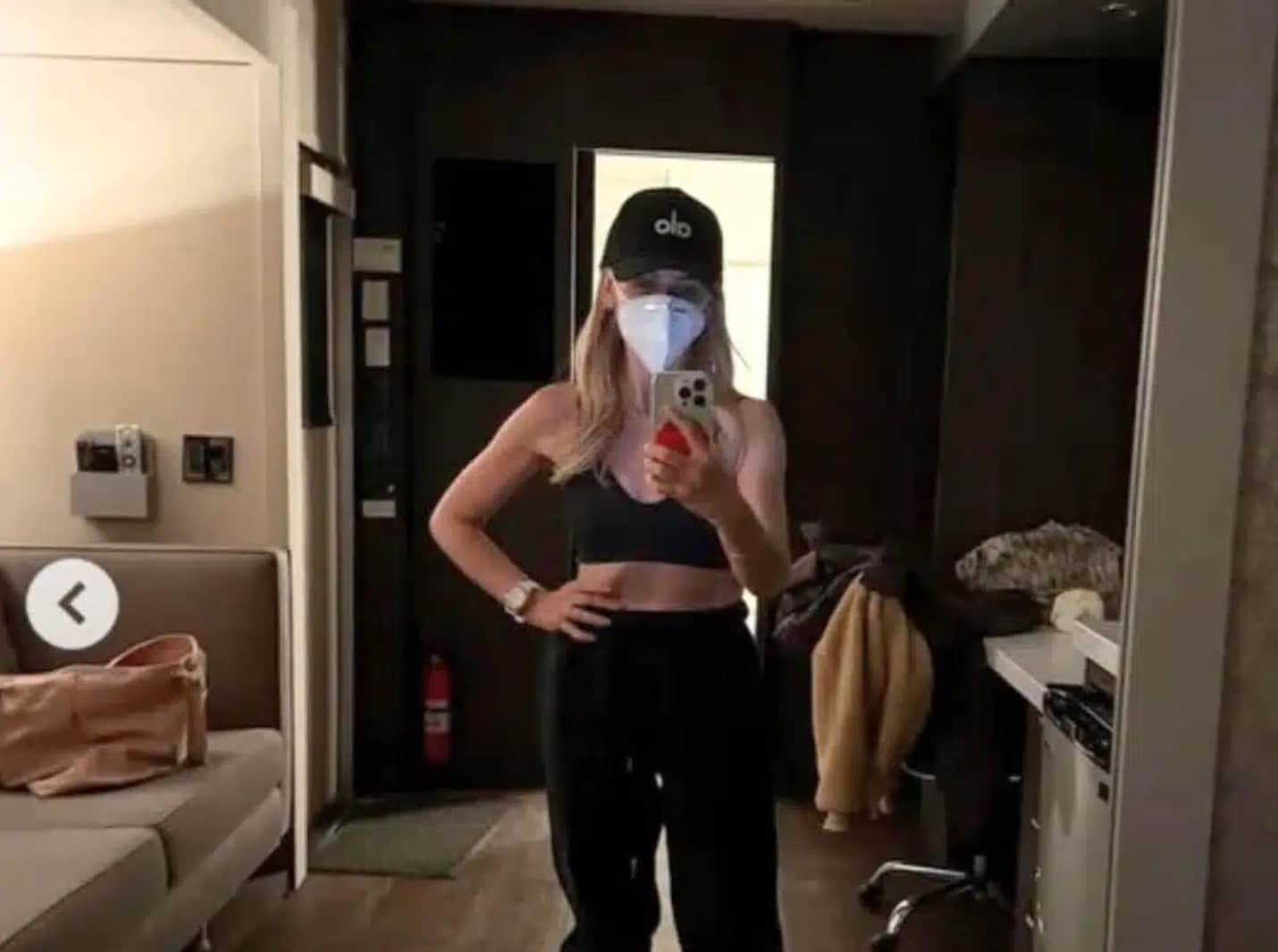
In September 2025, Sarah Michelle Gellar posted behind-the-scenes images from the Buffy reboot. One photo showed her wearing a high-filtration mask.
This took courage.
Mask wearing has become so politicized that even a wealthy celebrity risks serious backlash. In the media industry, mask wearing can be professionally damaging. Formal COVID workplace rules have been rolled back and ongoing infection risk has become a liability issue. The joint Hollywood “Return to Work” COVID safety agreement, negotiated by SAG-AFTRA and other unions, expired on May 11, 2023, aligning with the end of the U.S. federal public health emergency.
As a result, the damage from COVID exposure on sets is currently being litigated. The family of Paul Woodward, a driver who was exposed to COVID while working on American Horror Story, sued for wrongful death. Additionally, actor Blake Lively’s lawsuit against director Justin Baldoni included allegations about on-set COVID exposure affecting her and her infant son. In that context, a high-profile actor wearing a mask on set is a public acknowledgement that COVID risk persists in media, even when the corporations that produce it are failing to protect its employees and resisting liability when harm inevitably occurs.
Nicholas Brendon died amid millions of premature deaths
Perhaps we can find it heartening that someone like Sarah Michelle Gellar is living the values of Buffy the Vampire Slayer, even in this small action of taking care of herself and others and having the courage to visibly refuse to collaborate with mass harm. Maybe the rest of us can take this as an impetus, not to conclude that Nicholas Brendon’s death was sad but unavoidable—as was Michelle Trachtenberg, Shannen Doherty, James Van Der Beek, Julian McMahon and Eric Dane—but instead recognizing that it happened in the context of tens of millions of premature deaths.
If you don’t know where to start with this knowledge, consider following Sarah Michelle Gellar’s lead.
Have the courage and care to wear an N95 mask.
Featured image and additional images via the Canary



Tzachi Braverman, a confidant of Benjamin Netanyahu and the wanted war criminal’s designated new ambassador to the UK, faces a sexual offences case in Israel. His alleged victim has notified Israeli police, supported by evidence and witness accounts. Braverman denies any wrongdoing and has claimed he was being blackmailed, though what he claims the blackmail was about if the allegations are untrue is unclear.
According to Haaretz, the accusations are “horrifying”:
The woman didn’t file a formal complaint and asked investigators not to open an investigation or use the information just yet for fear of retribution, according to police sources.
“She’s afraid,” a person who knows her told Haaretz, adding, “Her descriptions are horrifying, and they are apparently backed up by evidence and things that people heard about the incident shortly after it happened.”
A police official said that officers met with the woman at her home on the same day Braverman was being questioned over possible obstruction of justice in the BibiLeaks case. However, they couldn’t convince her to change her mind.
In March 2026, the Green party demanded that the UK government block Braverman’s appointment. Despite his protestations of blackmail, Braverman has not filed a complaint with Israeli police.
The allegations are the latest in a long list of cases of Israeli sex offence and paedophilia scandals, including at the highest levels of government.
Israeli scandals
In April 2025 Shoshana Strook, the daughter of Israel’s far-right settlements minister fled to police and asked them to protect her, accusing both her parents and one of her brothers of raping her as a child, over a period of years, and filming the rapes.
Also in 2025, Israeli cyber-spy boss Tom Alexandrovich was allowed to escape to Israel after meetings with US federal agencies. He had been caught in a paedophile sting. The Netanyahu regime is currently ignoring well over 2,000 extradition requests for alleged and convicted paedophiles.
UK too
The issue also crosses into Labour party pro-Israel ranks in the UK. Former Hackney councillor Thomas Dewey received 150 hours of ‘community service’ for possession of sadistic child rape images. Sam Gould, a former aide to Starmer’s health secretary Wes Streeting, received a suspended sentence for flashing a child.
Former councillor Liron Velleman also escaped jail, despite committing sex offences with what he thought was a 13-year-old girl. Another former councillor, Conor McGrath, received only a suspended sentence even though he was convicted of possessing the most appalling categories of child-rape images.
Others are awaiting trial. Starmeroid MP Dan Norris has been arrested — twice — for sex offences involving rape and child-sex offences, including abduction. And some Zionist alleged paedophiles seem to escape altogether. Ivor Caplin is no longer even on bail after being caught — on camera — turning up to meet what he thought was a child for sex.
Israeli psychotherapist and trauma expert Dr. Anat Gur, head of the Bar-Ilan University trauma therapy program, has said that she believes organised child rape in Israel is widespread:
Organized child rape is one of the most horrific things I’ve encountered. It’s likely much more widespread than we think. It’s happening in places we least expect.
Israel is a sick society.
Featured image via MiddleEastEye
By Skwawkbox
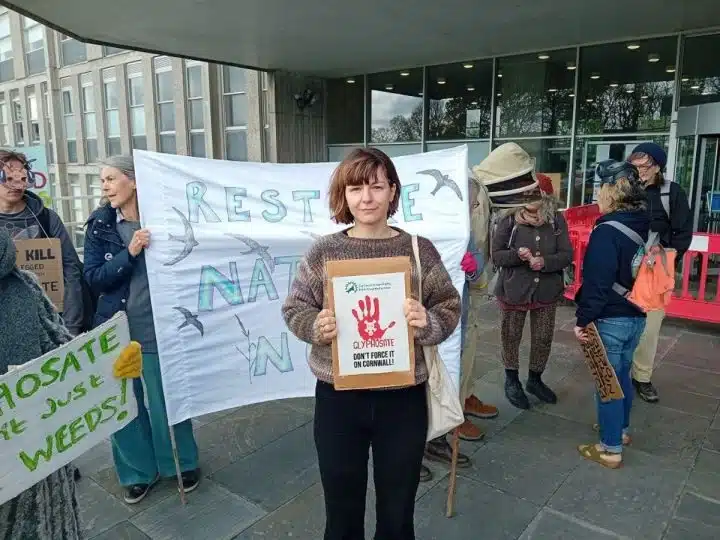

The rattled media’s campaign of attacks on Green party candidates has continued this week with a smear against a Cornwall council candidate who refused to shake hands with a far-right opponent.
Abigail Hubbucks lost the local election by just over a hundred votes to Reform UK’s Lyndon Harrison. After the results were announced, she told Harrison she wouldn’t be shaking hands with him. This was immediately spun up by the press and the far right as ‘woke leftie is a bad loser’. This spin was, of course, quickly pounced on by her far-right opponent, who called it “divisive and unprofessional”.
Yeah, right. Reform’s whole reason for existing is to incite division and hate. Harrison himself has posted a ‘call-sign’ acronym used by white-supremacist ‘QAnon’ supporters:
Lyndon Harrison is Reform UK’s candidate in Newquay.
Harrison posted on his Facebook: “My kind of people! WWG1WGA”, the call sign of far-right conspiracy theory movement QAnon that were instrumental in the US Capitol attack in January 2021.
How many of their conspiracy theories… pic.twitter.com/AZEl9ndXps
— Reform Party UK Exposed
(@reformexposed) April 21, 2026
As a source close to Hubbucks said:
Not shaking hands with a fascist is just correct for someone with Abigail’s politics.
Green Party surge
In fact, the real story of the night was how close the Greens came to taking the seat, which was held by Reform until its incumbent died, triggering the by-election. When Kevin Towill won the seat for Reform in 2025, he received considerably more votes that Harrison did in the by-election to replace him. Not just in absolute numbers despite a considerably higher turnout in 2026, but in percentage terms too. The Green Party didn’t even feature in the results.
Harrison won only 30% of the vote compared to Towill’s 38% in 2025 — despite riding on the wave of sentiment generated by Towill’s untimely death from a brain tumour. From zero just a year ago, the Greens’ Hubbucks won 25%. This was yet another example of the Green surge — at Reform’s expense as well as Labour’s — that has rattled Farage and co.
The other big story of the night was another utter failure by Keir Starmer’s ‘Labour’. His hollowed-out shell of a party managed just six percent, despite all four of Labour’s Cornwall MPs campaigning intensively. It gets clearer by the day that the Greens are currently the only prospect for stopping the march of the fascists — and are increasingly showing how it’s done.
Featured image via CornwallGreenParty
By Skwawkbox
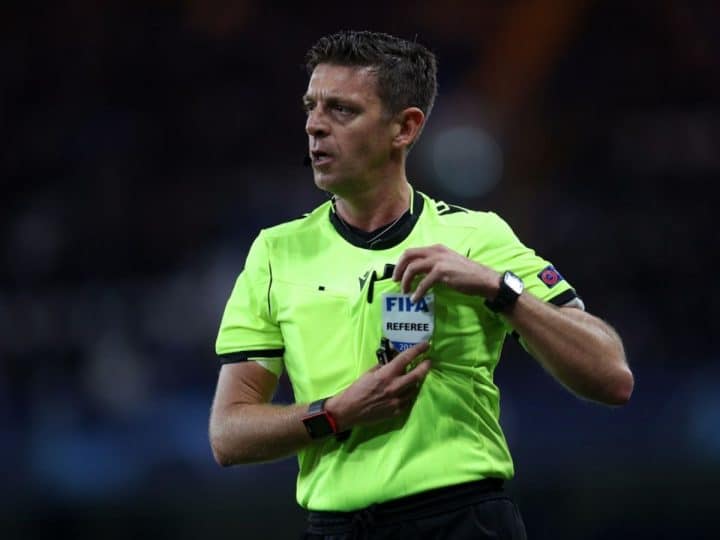

The Milan Public Prosecutor’s Office has opened an investigation into Gianluca Rocchi, the Italian Serie A head of referee appointments, on charges of complicity in sports corruption, following allegations of influencing refereeing decisions during the 2024–2025 season, according to Italian judicial and media sources.
According to Sky TG24, the investigation centres on a specific incident in the Serie A Udinese v Parma match on 1 March 2025, where video and audio recordings from the Video Assistant Referee (VAR) room are being scrutinised, amid suspicions of indirect interference in the decision to award a penalty to Udinese.
La Repubblica also reported that the investigation is based on footage showing a discussion within the VAR room regarding a possible handball, before the decision was changed and a review of the incident on the pitch was recommended, which resulted in a penalty being awarded.
Details of the incident are under investigation by the Serie A
According to La Repubblica, the VAR official Daniele Paterna was initially hesitant to award the penalty, before the on-field referee Fabio Maresca was asked to conduct an On-Field Review, which ultimately led to the penalty being awarded.
Accounts within the investigation file suggest the possibility of external influence within the VAR centre in Lissone, where Gianluca Rocchi is alleged to have made gestures intended to draw attention within the room, which the prosecution is examining under the hypothesis of “indirect influence on the refereeing decision”.
The course of the investigation and its expansion
According to Sky TG24, the investigation is not limited to this match alone, but extends to several matches from the 2024–2025 season, with a possible examination of other refereeing decisions suspected of having been influenced by organisational or administrative interference.
Other reports also indicate that the prosecution is examining the possibility of influence over the selection of referees for certain major matches, which broadens the scope of the case beyond the VAR incident.
Featured image via FootballItalia
By Alaa Shamali
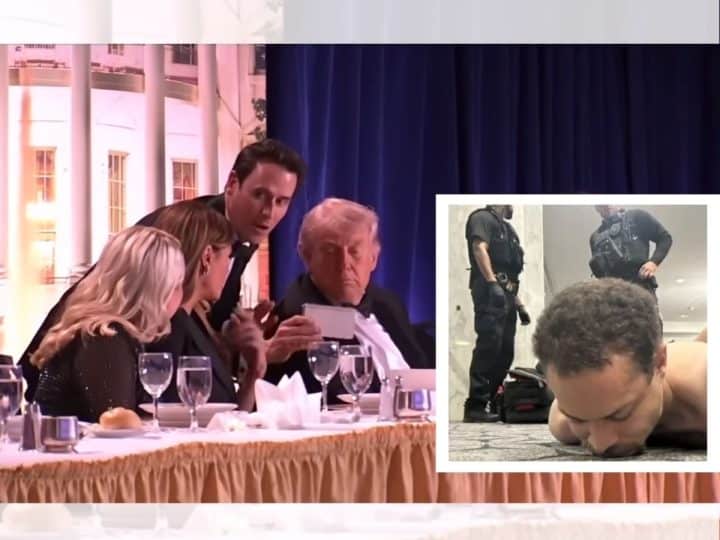

On 25 April, a gunman at the White House fired a gun as Donald Trump hosted the annual Correspondents’ Dinner. This is now the third time a gunman has fired at the US President (or seemingly planned to do so).
By this point, Trump is so used to assassination attempts that he immediately began spouting propaganda. While some thought Trump would use the event to drum up support for his failing war on Iran, he chose to prioritise talking about the White House ballroom:
Beyond parody https://t.co/BbYLEWRqJ4
— Mehdi Hasan (@mehdirhasan) April 26, 2026
For those out of the loop, construction on Trump’s glitzy ballroom was recently paused following a court order, and could be put on hold again.
Ballroom blitz
According to the White House Correspondents’ Association, the annual Correspondents’ Dinner is:
our main source of revenue to finance all of our work, including support of the journalists working to cover the president, events and programs to educate the public about the value of the First Amendment and a free press, and scholarships to help the next generation of journalists.
Former president Barack Obama notoriously roasted then-businessman Trump at the 2011 Correspondents’ Dinner:
This moment is widely viewed as the key motivator behind Trump running for president and undoing Obama’s various policies.
Regarding the latest Correspondents’ Dinner, the BBC report that shots were heard at 20:35 ET (00:35 UK time). A C-SPAN video showed the moment when gunshots led to the president’s evacuation:
The shooting happened outside the function room itself, with the would-be attacker rushing through a security checkpoint. Another angle showed the evacuation from the viewpoint of those being evacuated:
New video shows Secret Service evacuating JD Vance following the shooting pic.twitter.com/WaNiuprQvW
— Republicans against Trump (@RpsAgainstTrump) April 26, 2026
Trump was posting about the shooting on Truth Social within an hour. He would later post the following:
Trump posts photos and security footage of the alleged shooter pic.twitter.com/Fe7tJbAwar
— nikki mccann ramírez (@NikkiMcR) April 26, 2026
Less than two hours later, Trump would hold a press conference alongside FBI chief Kash Patel. It was at this press conference that he said the following:
And we looked at all of the conditions that took place tonight, and I will say, you know, it’s not a particularly secure building. And I didn’t want to say this, but this is why we have to have all of the attributes of what we’re planning at the White House.
It’s actually a larger room, and it’s much more secure. It’s got — it’s drone-proof. It’s bulletproof glass. We need the ballroom.
That’s why Secret Service — that’s why the military are demanding it. They’ve wanted the ballroom for 150 years for lots of different reasons.
But today is a little bit different because today we need levels of security that probably nobody has ever seen before.
To be clear, Trump wants a big, fancy ballroom, because he likes big, fancy things, because he’s a big, fancy boy.
While we’re sure it will be very secure, there is no need for it to exist beyond Trump’s own personal desire to envelope himself in obscene levels of luxury.
It didn’t take long for Trump’s minions to to start repeating his message:
i’ll be honest it’s so fucking funny to take this angle after another shooting attempt its just so shameless pic.twitter.com/h1yYKPqjII
— onion person (@CantEverDie) April 26, 2026
Some have suggested this means the event was staged, although this level of coordinated propaganda is fairly streamlined at this point:
This tells us flat out that this was staged. https://t.co/l3TsnYzm7D
— MAGA Cult Slayer

 (@MAGACult2) April 26, 2026
At the same time, you really can’t put anything past these people:
It's almost as if none of them are taking this seriously either. pic.twitter.com/Xd1zPhqWoz
— Art Candee

 (@ArtCandee) April 26, 2026
Trump — ‘Shots fired’
Another strange moment was when Trump’s press secretary Karoline Leavitt said the following pre-shooting:
Strange wording! https://t.co/VFBzR5aHDB
— Secular Talk (KyleKulinskiShow@bsky.social) (@KyleKulinski) April 26, 2026
If Trump’s team did pre-plan the event, we’ll no doubt find out when it’s revealed an anonymous person bet a shooting would happen on the prediction markets:
The insider trading suspicions looming over Trump's presidency https://t.co/iIdiB9lAgl
— BBC News (World) (@BBCWorld) April 20, 2026
Featured image via C-SPAN
By Willem Moore
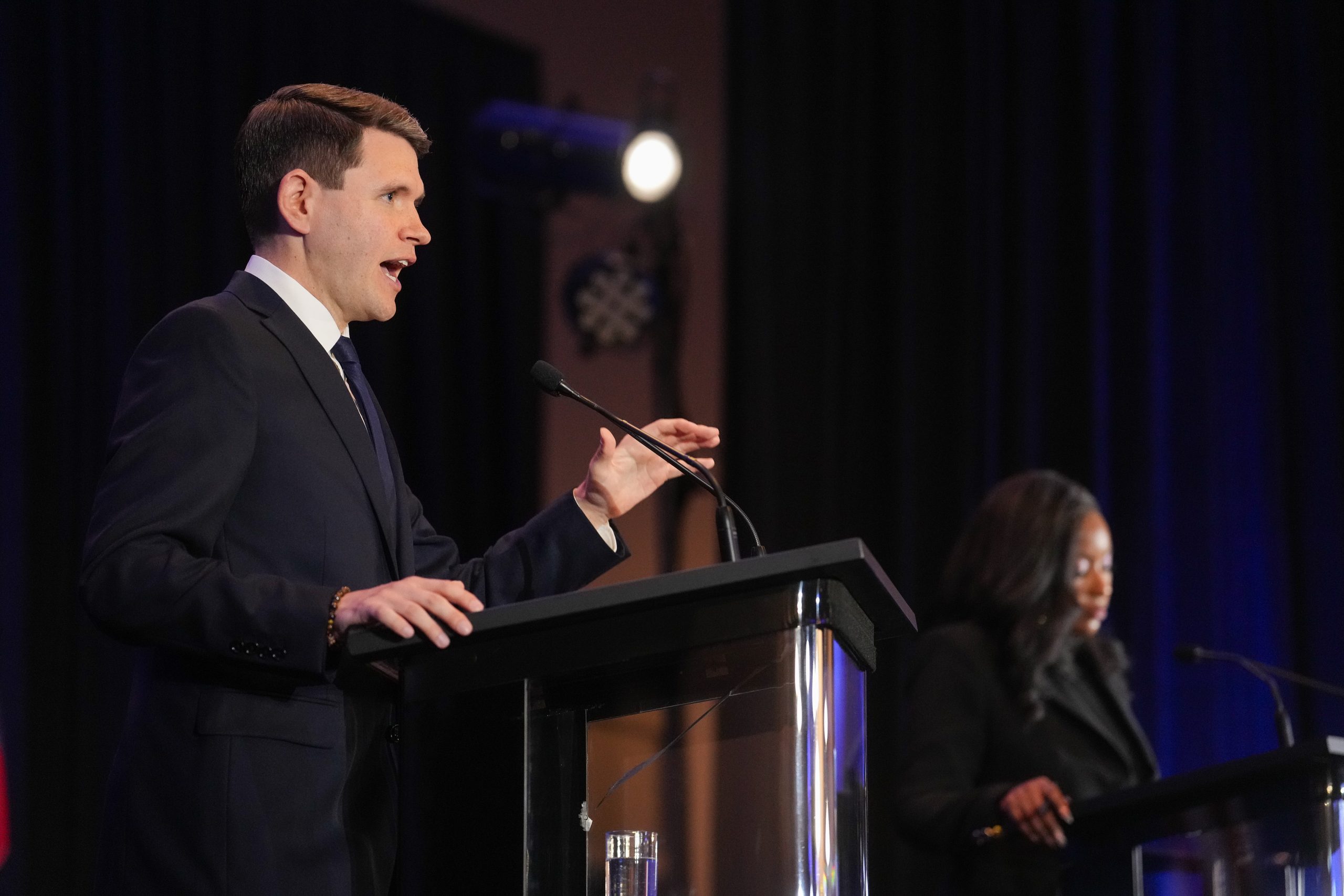
DALLAS — Friendship-West Baptist Church is a stronghold for Black politics, where candidates pass through cycle after cycle to win over its 13,000 congregants. It’s the church Rep. Jasmine Crockett (D-Texas) calls home; her pastor, the Rev. Dr. Frederick D. Haynes III, is now running to succeed her in Congress. Even Beto O’Rourke visited last week to encourage people to register to vote.
But several congregants can’t help but notice a continued absence this year: James Talarico.
The Democratic Senate nominee has a long road ahead if he wants to flip the Texas seat blue — one that requires winning over the state’s nearly 3 million Black voters, who largely broke for Crockett in the March primary and many of whom remain skeptical of his candidacy.
“Come and make the ask. Come and try to earn the vote,” said Alan Williams, a Crockett voter and Friendship-West congregant. “I think he thinks our vote is just a default and he doesn’t have to earn it.”
In the month-and-a-half since he won the nomination, Talarico has begun criss-crossing Texas, including visiting some Black churches, holding meetings with faith leaders and elected officials, and block-walking in majority-Black cities. But frustration from worshippers at Friendship-West — who have yet to hear from him directly — and interviews with Black power brokers across the state reveal the pressure Talarico faces to move faster to heal open wounds from a contentious primary and convince voters to turn out.
David Malcolm McGruder, the church’s executive pastor, said Talarico has to do more to sell his vision to voters — and convince them he’ll follow through: “We have people who show up in our churches during the election season, but who don’t show up for us at the level of policy beyond November.”
Talarico, in an interview, acknowledged that he would “love” to visit Friendship-West soon. “My top priority is bringing our coalition back together, and that is specifically reaching out to Black Texans,” he said. “There’s no way to win Texas without winning the trust and the support of Black voters. Period. Full stop.”
It’s clear that Talarico has his work cut out for him. He wasn’t Black voters’ preferred candidate. Some are exhausted by a messy primary that thrust questions over race and electability into the center of the contest. And while Black voters are overwhelmingly committed Democrats, he needs to keep enthusiasm high to ensure they turn out, especially as concerns over voter suppression grow. (A last-minute rule change in Dallas County, Crockett’s home base, caused thousands of people to be turned away from the polls or have their ballots invalidated on primary Election Day.)
Democrats have long faced accusations that they take Black voters for granted. Several Texas strategists are worried that’ll happen again in the lead up to November — and that the party will blame Black voters if Talarico loses.
“Black voters have been let down over time,” said Antjuan Seawright, a longtime Democratic strategist who has advised the Democratic Senatorial Campaign Committee. “What some may not understand is that our vote, more so than any other constituency in the history of this country, has always been a demonstration of our trust, but our trust has either been taken for granted or has always been on the chopping block by a number of people.”
Talarico is already getting on-the-ground support from Democratic groups like O’Rourke’s Powered By People and a host of Black state lawmakers.
“We don’t have time to remain in our feelings,” added Crystal Chism, president of the Dallas County chapter of Texas Coalition of Black Democrats. “We need to make the main thing the main thing, and that’s getting Talarico elected.”
But there’s a notable ally missing: Even though Crockett quickly conceded the race and endorsed Talarico in March, she has yet to hit the campaign trail or put much effort publicly into rallying the base behind him. Crockett, through a spokesperson, declined an interview request for this story.
Talarico said he and Crockett have “exchanged a few messages” since the primary and he “would love nothing more” than to have her on the campaign trail.
“He’s got his work cut out for him,” noted Russell Maryland, the former No. 1 NFL draft pick who won three Super Bowls with the Dallas Cowboys and voted for Crockett in the primary. “He’s gonna have to work to win over Jasmine’s supporters. … Talarico will really need to put his fingers in the ground, so to speak in football terms, and kick up some dust.”
The seminarian is still trying to overcome some of the criticism leveled against him in the lead up to the primary.
In February, a PAC that supported Talarico ran a TV ad with the tagline, “If she wins, we lose.” Crockett claimed the ad darkened her skin and said it was bigoted. “It’s not even undertones right now,” she said. “It’s straight-up racist.” (Talarico, in an interview, emphasized that the PAC was not affiliated with his campaign and that he disagreed with its message. He added that he believes Crockett is electable statewide in Texas, as he has said before.)
Then a social media influencer claimed Talarico told her in a private conversation that former Rep. Colin Allred (D-Texas), who dropped out of the Senate race right before Crockett joined, was a “mediocre Black man.” Talarico has said that was a mischaracterization of his comments, and that he was describing Allred’s method of campaigning as mediocre.
Allred, who is now in a competitive run-off to represent Texas’ 33rd district, said in an interview that he backs Talarico. “Of course I support him,” he said. “I support Democrats. I’ve been supporting Democrats here for my whole life.”
But Talarico’s challenge, Allred added, isn’t convincing Black voters to support him over the Republican nominee — it’s convincing them to turn out.
“He needs to show comfort in Black spaces and Black communities,” Allred said. “I’m sure he can do that, but there’s just no substitute for it. Particularly given how some of the ads that ran, there may be some element of having to show contrition, even if he wasn’t responsible for all those.”
Talarico has visited Black churches almost every weekend since the primary, and he dropped by Prairie View A&M University, an HBCU, on Wednesday, where he acknowledged he has “got to earn the trust and the respect and the support of every single one of the congresswoman’s supporters.” He blocked-walk in majority-Black DeSoto, Texas and held a roundtable with Black community leaders in Austin recently. And last month, he convened African American clerics at Saint Luke Community United Methodist Church in Dallas for a discussion about policy.
“The Democratic Party has taken Black voters for granted and assumed that they’re just part of the base, assumed they’ll just show up and vote for you,” Talarico said in an interview. “And I think we’ve seen the disastrous results of that kind of disrespect toward Black voters.”
To his benefit, Talarico has an army of Texas Democrats anxious to flip the state for the first time in decades. Last Sunday, O’Rourke — whose three-point loss in 2018 to GOP Sen. Ted Cruz was Texas Democrats’ high-water mark this century — mingled with congregants at Friendship-West, while his organization’s yellow-vested volunteers encouraged them to check their voter registration.
“I love James Talarico,” O’Rourke said. “I’m excited for him. I’ve talked to him and said, ‘You can send me anywhere that the campaign can’t get to. I will raise money for you. I’ll go try to get your volunteers fired up. I’ll speak as a surrogate. You let me know.’”
State Sen. Royce West of Dallas, who voted for Crockett and has since endorsed Talarico, is also optimistic, if more measured: “He’s warming up. He has support within the African American community. Is it where it needs to be? No. Is he making strides? Yes.”
On the Republican side, longtime Sen. John Cornyn and Attorney General Ken Paxton are locked in a lengthy and expensive run-off that could play to Democrats’ advantage. Talarico’s internal polling shows him competitiveagainst either candidate, but some observers think he has a stronger path against Paxton given his myriad controversies. Talarico boasts a cash advantage with almost $10 million cash on hand after the first quarter of the year, compared with Cornyn’s more than $8 million and Paxton’s $2.6 million.
“There’s work to be done,” said Cliff Walker, a Texas Democratic strategist and principal at Seeker Strategies. “But I don’t stay up at night worried that we’re not going to be able to reassemble this coalition in time for November.”


Critics recently accused Keir Starmer of misleading Parliament not once but twice. Starmer’s allies, meanwhile, mostly kept quiet, suggesting they too believed he’d messed up.
This all looks terrible for Starmer. And as if things weren’t bad enough, Ministry of Defence officials have also suggested Starmer broke the Ministerial Code:
There is no public record of the Palantir briefing attended by Keir Starmer and Peter Mandelson in February 2025 despite the Ministerial Code requiring Starmer to publish details of meetings with external organisations
No 10 says the event was not a meeting and did not require… — Politics UK (@PolitlcsUK) April 25, 2026
Here we go again
As you can see in the image above, the thrice-disgraced Peter Mandelson also attended the meeting:
BREAKING: Starmer’s failure to disclose secret Palantir meeting arranged by Mandelson broke Ministerial Code of Conduct (via @Telegraph) #TomorrowsPapersToday https://t.co/DX8r6Nxp4O pic.twitter.com/pf7DJv6QcS
— Joe Rich (@joerichlaw) April 25, 2026
As Tory councillor Rich says, we’ve known about this dodgy Palantir deal for sometime. What Rich fails to note is that this tendency to afford Palantir secret meetings began with his own party, as the Canary reported on 3 March:
In 2019 at Downing Street Boris Johnson, Dominic Cummings, and Peter Thiel – Palantir’s billionaire co-founder and chairman, met for an hour. There were no notes from this meeting. Palantir being awarded Covid contracts followed.
We added:
Starmer has continued this pattern of secret meetings. A February 2025 Washington meeting between Starmer, Peter Mandelson, and Palantir CEO Alex Karp has no notes and preceded the £240 million December 2025 contract between the Ministry of Defence and Palantir.
Palantir, named after the all-seeing orb from the Lord of the Rings, wants to see everything. But when it comes to its own meetings, it seems they prefer the lights off.
Oh, and let’s not forget all this:
Also central to this picture is Mandelson, whose lobbying firm Global Counsel worked for Palantir. It was Mandelson who introduced Starmer to Palantir CEO Alex Karp at that February 2025 Washington meeting, the one with no notes that preceded the £241 million MOD contract.
Mandelson’s own extensive contacts with Epstein are now the subject of a police investigation. Global Counsel no longer exists.
Total UK government contracts now exceed £670 million – spanning the NHS, the Ministry of Defence, police forces, the Cabinet Office, and even the navy’s nuclear-powered submarines. The NHS contract alone is worth £330 million over seven years, giving one US company access to the health data of 67 million Britons.
Green Party leader Zack Polanski, meanwhile, said the following on 18 April:
'He was not allowed unsupervised access to former clients’
Is that why Keir Starmer had to accompany Mandelson to their secret meeting with Palantir? https://t.co/okv96wnhDk
— Zack Polanski (@ZackPolanski) April 18, 2026
Now, it seems the mainstream media has caught up.
Finally noticing
In the piece published on Sunday 26 April, the Telegraph wrote:
Sir Keir Starmer has been accused of breaking the ministerial code by failing to declare a meeting with a client of Lord Mandelson’s lobbying firm.
The Telegraph also reported:
Nick Thomas-Symonds, the Cabinet Office minister, said the Palantir visit was “not a formal meeting”, in response to parliamentary questions from the Conservatives about why the meeting was not declared.
…
However, in response to a separate parliamentary question, Luke Pollard, the defence minister, acknowledged that it was a meeting, saying: “The Office of the UK Defence Attaché holds no record of the meeting as no formal record of the meeting was produced.”
Hypocritically, the Tories are also calling out Starmer’s sleaze. Alex Burghart (shadow chancellor of the Duchy of Lancaster) said:
A presentation by a defence contractor, attended with British military personnel, took place and was not declared. Calling it ‘not a meeting’ does not make it disappear.
Gee, we wonder where Labour got the idea to meet Palantir in secret from?
Burghart also said:
Keir Starmer has broken the ministerial code. The public deserves to know who arranged this meeting, what was discussed, and what Global Counsel’s client stood to gain.
This is what people mean when they say Britain is a one-state party. Half of the party is in opposition, opposing the bad stuff, while the other half is in power, doing the bad stuff.
Now the public has wised up to this con-job, they’ve started looking elsewhere for political representation:
– Seats – Poll: @FindOutNowUK, 22-23 Apr (+/- vs 15 Apr) pic.twitter.com/kkU4NcnYO5
— Stats for Lefties
 POLL | Reform lead by 4pts
 Ref: 25% (-1)
 Grn: 21% (+1)
 Con: 16% (-1)
 Lab: 15% (-1)
 Lib: 11% (-1)
Ref: 317 Grn: 129 Lib: 77
Lib: 11% (-1)
Ref: 317 Grn: 129 Lib: 77 SNP: 47 Con: 35
 Plaid: 10 Lab: 9

 (@LeftieStats) April 23, 2026
Starmer — Mr Transparency
This situation is especially bad for Starmer because of past comments like the following:
We need a transparency revolution. There should be no power without accountability, and true accountability requires transparency.
— Keir Starmer (@Keir_Starmer) February 4, 2020
When it suited him, Starmer talked about transparency. When it didn’t suit him, he turned the tape recorders off and asked aids not to take minutes.
Featured image via Cory Doctorow (Flickr)
By Willem Moore

Melanie Lawson, founder of Bare Biology, said the ADHD diagnosis she got during perimenopause was “a shock, and then it was a relief”.
Explaining that she’d “coped” with what she now understands are ADHD symptoms all her adult life, during perimenopause, “The wheels came off in a way I couldn’t explain or manage. The brain fog was crushing. I’d forget things I’d never forgotten before… I assumed it was hormones (sometimes I thought it was dementia or a brain tumour – no joke), because what else would it be at 52?
“Perimenopause had finally stripped away every last coping mechanism I’d spent a lifetime building – and underneath was a brain that had always worked differently,” Lawson added.
Speaking to HuffPost UK, Eve Lepage, reproductive health specialist at Clue, said she’s noticed a “rise in ADHD diagnoses around perimenopause and menopause”. BBC Science Focus has also written about this “increase”.
Here, she shared her thoughts on the link.
Why might menopause and perimenopause be linked to ADHD?
It’s not necessarily that ADHD suddenly “appears” during the life stage, Lepage said, but that changes in hormones might exacerbate existing symptoms.
“Oestrogen plays an important role in brain function, particularly in regulating dopamine, which is key for attention, motivation, and executive function. During perimenopause, oestrogen levels fluctuate and eventually decline, which can disrupt these systems and amplify ADHD-related challenges,” she said.
A 2025 systematic review of 11 studies found that hormone changes in women, e.g., during their menstrual cycle, may be linked to changes in ADHD symptoms. Clue has paired up with Queen Mary University of London to investigate how the menstrual cycle affects those with the condition.
“Perimenopause can bring underlying ADHD traits to the surface. Many people have spent years compensating through coping strategies or symptom masking, but hormonal changes can intensify symptoms and make those strategies less effective,” Lepage added.
“As a result, challenges that have been present for a long time may become more noticeable and harder to manage. This can prompt people to seek answers, and in some cases, a diagnosis for the first time.”
There’s even evidence that perimenopause may begin earlier in people with ADHD, she continued.
“Perimenopause can cause brain fog, forgetfulness, low motivation, and mood changes, all of which can also present in ADHD. For some people, this leads to a new diagnosis, and for others, it highlights how hormonal changes can exacerbate underlying neurodivergent traits.
“The link is likely multifactorial: hormonal fluctuations can intensify ADHD symptoms, while underlying ADHD can shape how someone experiences and copes with perimenopause. At the same time, a cultural shift towards greater openness around menopause and neurodiversity is making it easier for people to connect with experiences and talk about them.”
How can I handle ADHD during menopause?
The NHS says that you should see your GP if you notice signs of menopause or perimenopause, and the same goes for signs of ADHD that are disrupting your day-to-day life.
“If possible, speak to a healthcare provider who can look at the full picture. For some people, adjusting ADHD treatment is helpful; for others, it may be more about addressing menopausal symptoms. Often, it’s about finding the right balance between the two,” Lepage said.
“In everyday life, small practical adjustments can help. Externalising tasks by writing things down, setting reminders, and breaking tasks into smaller steps can help reduce the pressure on working memory and make things feel more manageable.”
She recommends trying your best to fall asleep and wake up at roughly the same time every day, following a wind-down sleep routine, eating balanced meals with enough protein and fibre, and avoiding skipping meals.
“Chronic stress can worsen both ADHD and perimenopause symptoms. Moving your body, spending time outside, or even a few minutes of structured downtime can help regulate stress without adding extra pressure,” she said.
“Other techniques, like practising mindfulness or breathing exercises, can help regulate your nervous system.”
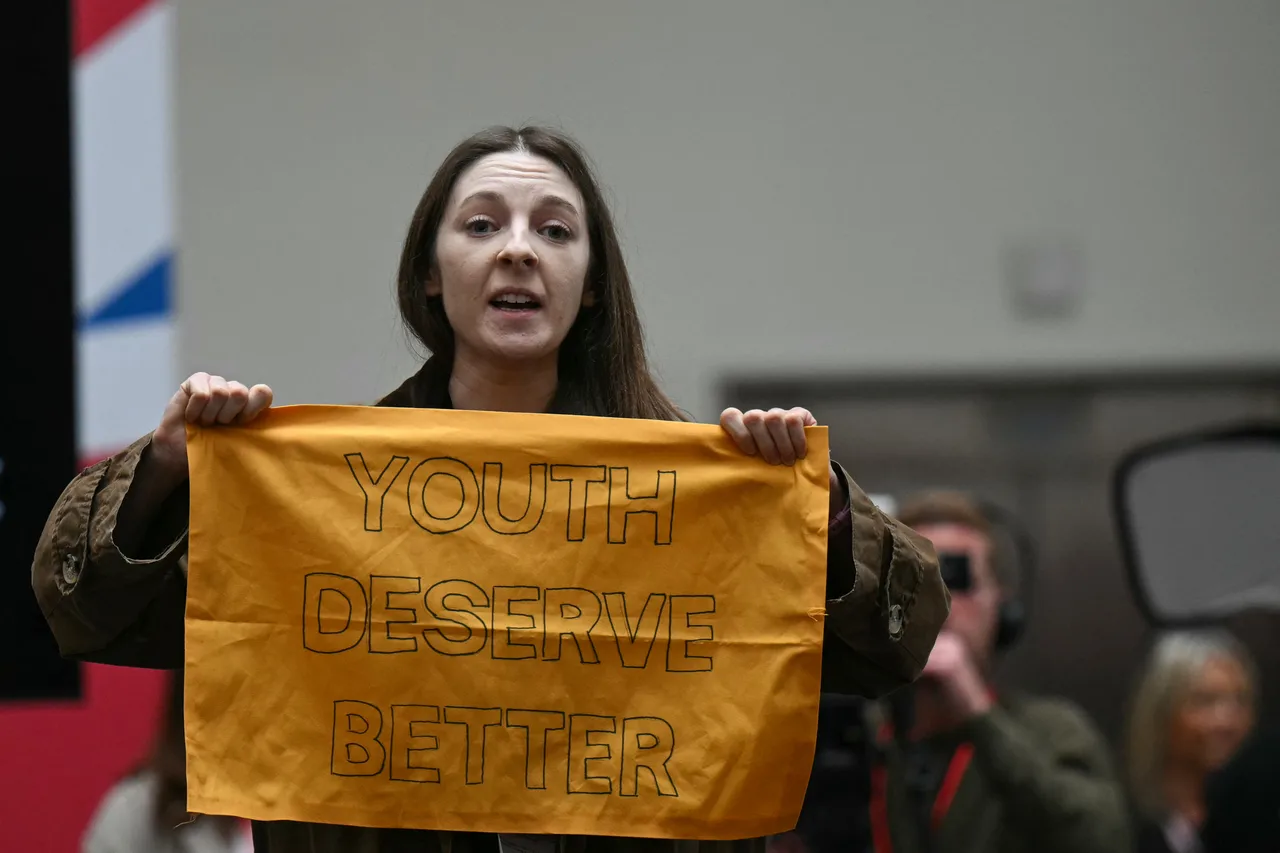
Labour risks losing “a generation of young voters” to the Greens and Reform, according to one of its own MPs.
Luke Charters told HuffPost UK that Labour has always been the “party young people backed when it mattered”.
But he warned: “If we don’t show we’re serious about delivering, we risk losing a generation to populists peddling false hope.”
His remarks come less than two weeks before voters head to the polls for local elections in England, and elections in the Welsh Senedd and Holyrood.
Polls suggest Labour are on course to potentially lose up to 2,000 English councillors, be defeated in Wales for the first time and see the SNP triumph in Scotland once again.
YouGov’s latest polls show the Greens are the most popular party among 18-24 year-olds on 36%, while Labour behind on 24% and Reform UK sit at 7%.
All three parties are much closer when it comes to 25-49-year-olds, though Greens still have a lead on 25%, Reform on 23% and Labour at 20%.
It’s a real reversal of the trends seen in 2024, when Labour was the most popular party for voters under-30s – 41% of 18-24-year-olds and 45% of 25-29-year-olds voted for the party.
Charters said: “Young people got a raw deal under the Tories, and some of the alternatives are no better.
“The Greens are offering gimmicks like DJ sets while Reform wants to cut young workers’ wages. You couldn’t make it up.”
He added: “Labour is delivering real change. Wage boosts, the Renters’ Rights Act, a better deal with Europe. But there is more to do on key issues like student loans and getting young people onto the housing ladder.”
The Renters’ Rights Act will ban no-fault evictions and ends fixed-term tenancy contracts from May 1, legislation is likely to appeal to the largest share of private renters – 25-34-year-olds.
Labour has also increased the National Living Wage for those aged 21 and over, and the National Minimum Wage for 18 to 20-year-olds.
Labour legalised voting for 16 and 17-year-olds, too.
Charters is not the only MP who thinks the government needs to focus on the younger demographic.
One Labour backbencher suggested the government should move its focus away from policies like the pension triple lock, having already put off the elderly generation by scrapping universal winter fuel payments.
Instead, they said the government should look towards what it can offer young people once again.
“That’s where the focus should be. No more of this leadership debate,” the MP said.
A government insider also told HuffPost UK admitted they intend on engaging young people “a lot” in the coming months – though not at the expense of other groups.

OLI SCARFF via AFP via Getty Images
An EU official also told HuffPost UK that helping young people will likely be one of the core means for the bloc will try to re-establish ties after Brexit.
The UK joined the Erasmus + scheme last week, allowing people from the EU and the UK to work or study in one another’s countries for a limited time period.
Minister for EU relations Nick Thomas-Symonds told HuffPost UK that “we think 100,000 most likely young people” will be joining that programme overall.
Considering 83% of 16 to 24-year-olds would vote to rejoin the EU, according to a February ITV News poll, it means closer ties with the bloc could be a vote-winner for Labour among young people.
But, as a Labour source warned, winning back the young vote would a “tough sell” in the coming months, considering the Green Party – which wants to rejoin the EU – has capitalised on the disillusioned demographic.
Last week, the progressives declared a Green “Youthquake” as more than 50,000 Brits under 29 became party members.
As Savanta’s political research director Chris Hopkins told HuffPost UK, how young people vote “does have the potential to be important for political parties going forward, but none more so than for Labour.”
Hopkins added that the younger voter has been a “relatively fertile electoral ground for Labour” in the past, and now the government risks losing them altogether.
The polling expert warned: “Their general malaise, and the perception that they are responsible for the country’s issues, may mean that even young people desert them.”
Subscribe to Commons People, the podcast that makes politics easy. Every week, Kevin Schofield and Kate Nicholson unpack the week’s biggest stories to keep you informed. Join us for straightforward analysis of what’s going on at Westminster.

There’s a certain kind of person many of us have in our lives – the one who constantly sends you alarming articles, along with a comment to the effect of “we’re f**ked”.
They always know the latest awful happenings in the world and seem ready to tell everybody that nothing anyone does matters.
The name for these kinds of people? “Doomers.”
″‘Doomerism’ is a mindset that’s rooted in chronic pessimism and worst-case scenario thinking,” Chloë Bean, a licensed marriage and family therapist, told HuffPost. “It’s the belief that the future is bleak, things are only going to get worse and individual actions won’t matter. It tends to carry a sense of hopelessness, helplessness and emotional exhaustion.”
For “doomers,” there’s a pervasive sense that everything is bad. Alexandra Cromer, a licensed therapist with Thriveworks, compared doomerism to “existential dread,” highlighting the sense of fear around imminent destruction against which you have no power.
“It posits that the future of global welfare is inherently ‘doomed,’ meaning that there is almost a guarantee that the global population will soon face climate, economic and other grave disasters that ultimately contribute to widespread societal collapse,” she explained.
While there have always been “doomers” in the world to some extent, this mindset seems to have become more prevalent in the age of the internet and social media.
“A lot of people are consuming a steady stream of alarming news headlines, conflict, economic stress, climate anxiety and comparison culture without enough time to process what they’re absorbing,” Bean said. “Our nervous systems were not designed for 24/7 exposure to global distress.”
She noted that social media can amplify doomerism as fear-driven content often gets more engagement.
“The more someone interacts with pessimistic or catastrophic content, the more the algorithm will serve it back to them,” Bean explained. “This creates the false feeling that despair is the only reality.”

Illustration: HuffPost; Photo: Getty Images
This phenomenon is true for those who don’t engage directly with these kinds of headlines and posts as well.
“Information that’s posted online and via social media can find you even if you’re not seeking it – e.g. your Facebook friend comments on a post or shares the concept of doomerism as a post – thus enhancing the chance that you’re exposed to that concept,” Cromer said.
Very real cultural factors can shape this mindset as well – from recent global affairs and instability to political figures espousing extremist ideologies.
“Many people are navigating systemic issues, inequity, discrimination, financial pressure, loneliness and uncertainty about the future,” Bean said. “For some, pessimism is not irrational – it’s actually a response to repeated stress and feeling unsupported.”
Dr Sue Varma, a psychiatrist and author of Practical Optimism, believes doomerism has become especially widespread among younger people, who feel they must choose between being happy and being informed.
“Younger people have declining trust in institutions, rising economic anxiety and the collapse of shared optimistic narratives – like steady progress or upward mobility – which all feed the mindset,” she said.
“Constant exposure to global crises creates a sense that disasters are everywhere all at once. Historically our 20s were typically the period of time we were happiest and most optimistic in our lives, and I just don’t see that to be the case anymore.”
How doomerism affects everyday life
There are serious downsides to leaning too far into doomerism in your everyday life, however.
“Being concerned about real issues is understandable, while doomerism crosses into the belief like ‘nothing will get better,’ which can create a sense of paralysis and apathy,” Bean said.
She believes the biggest risk to this mindset is that it becomes self-reinforcing.
“When someone believes nothing matters, they stop taking actions that support their wellbeing, like connecting with others, pursuing meaningful goals, learning new things, caring for their body, creating change in their community, or asking for help,” Bean explained.
Doomerism can increase depression, burnout, anxiety and isolation as well.
“It also narrows attention so people stop noticing what is still working or possible in their lives,” Bean said. “Chronic doom-focused thinking can disconnect people from hope, and hope is a top protective factor for mental health.”
It’s a mindset that tends to produce very absolute and passive conclusions: “Nothing will ever get better.” “Everyone is terrible.” “There’s no point.”
“It usually comes with compulsive scrolling, feeling emotionally flooded, irritability, numbness, withdrawal, constriction or losing motivation to participate in life,” Bean noted.
Cromer similarly sees many downsides to the doomerist outlook on life.
“Primarily, it causes you to have an unhealthy and unrealistic viewpoint on global health and humanity’s ability to problem-solve,” she explained. “While, yes, there are certain factors that humanity should be aware of that contribute to poor global health and outlooks, it’s also important to take a more holistic – and realistic – viewpoint of our global forecast.”
In addition to isolation and anxiety, she pointed to negative effects like restlessness, low motivation, low energy, chronic stress, hopelessness and an overall lack of enjoyment and engagement with life.
“Becoming engrossed in this mindset leads to rigid thinking, hyperfixation and can have real impacts on people’s lives,” Cromer said.
What to do if you fall into doomerism
“If someone notices they feel worse after consuming news, feel stuck in catastrophic thoughts, or can’t access moments of joy or their sense of agency anymore, it may be time to get some support in making a change,” Bean said.
She recommended setting boundaries around the media you take in every day.
“You don’t need unlimited access to distressing information to stay informed,” Bean said. “Choose a few reliable sources, check them intentionally once per day max and avoid doom-scrolling.”
Restricting your information intake can help foster a healthier mindset. Consider balancing your media diet by seeking out stories of progress alongside articles about problems.
“Limit your interactions with news to maybe 30 minutes a day,” Cromer echoed. “Or, disengage from following news outlets on social media and rely on a once-daily email newsletter that can provide you with a quick, succinct update.”
Another helpful approach is to reconnect with your body and what’s going well in the present.
“When people are trapped in catastrophic thinking, regulation helps them gain a new perspective,” Bean said. “Go outside, move your body, listen to music, talk with someone safe, cook dinner, notice what is steady and real in the present moment.”
Give yourself permission to “step away” from the gloom and doom. Spend time in nature, even if it’s just sitting on a city park bench.
“Engaging with a doomerism mindset places a disproportionate amount of responsibility and perceived control on a person’s shoulders,” Cromer said. “Allow yourself to visualise placing that worry down, like removing a backpack from your back.”
Ultimately, the goal is not to disengage from all negative news but to find balance and personal agency.
“Realistic concern usually leads to taking a grounded action – voting, setting boundaries, volunteering, reducing harm, having conversations, or making values-based choices,” Bean said. “It says, ‘Things are hard, and I can still choose to respond.’”
You might not be able to fix the macro problems of the world, but you can make a difference in your immediate surroundings.
“Take concrete action on something you care about, even small, because agency is the antidote to helplessness,” Varma said. “It could be planting a community garden. It could be mentoring or tutoring somebody. It could literally be cleaning your apartment, rearranging things, donating old clothes. Invest in in-person relationships and local community, which tend to be more hopeful than online life.”
You can have realistic concern about the world without going down an unhealthy doom spiral by ensuring you can look at world issues “from all sides,” Cromer noted.
“Do you have the ability to identify risk factors as well as protective factors regarding global health?” she asked. “Are you easily able to disengage from these thought patterns and ‘take a break’? If your answer is ‘no,’ you are likely engaging in harmful ways of thinking that are not reflective of current reality.”
She also warned against becoming intolerant of differing or conflicting viewpoints ― a potential sign that you’re stuck in rigid, unhelpful patterns.
What to do if doomerism starts to cross into darker territory
Doomerism can also go beyond just media diet and into darker mental health territory – particularly with “there’s no point” attitudes.
“Doom thinking feels absolute and drains energy rather than directing it,” Varma said. “Warning signs include consuming bad news compulsively, feeling numb or hopeless most days, believing nothing you do matters, withdrawing from plans or relationships, dismissing any positive information as naive and talking about the future only in terms of collapse.”
Be mindful if you or someone you know starts to cross a line between doomerism and suicidal ideation.
“If you find that the doomerism is impacting daily functioning and enjoyment, seek professional supportive counselling services,” Cromer said.
Mental health professionals say it’s important to pay attention to how pervasive and intense these doom-focused thoughts become. It can be hard to tell when everyday pessimism crosses into something more extreme and serious.
But you might need additional support if “what’s the point?” starts to feel like your default setting and not just a passing thought or if you notice yourself pulling away from things that used to bring you joy.
In addition to seeking therapy support, Bean recommended practicing “both/and” thinking in your everyday life.
“The world has real problems, and there is still goodness, beauty, connection, and action available right now,” Bean said. “If hopelessness feels persistent, therapy can also help unpack whether the doomer mindset is being fuelled by anxiety, trauma, depression, loneliness, or burnout. Sometimes what looks like cynicism is actually an overwhelmed and stressed-out nervous system ready for care.”
If you or someone you know needs help, call or text 988 or chat 988lifeline.org for mental health support. Additionally, you can find local mental health and crisis resources at dontcallthepolice.com. Outside of the U.S., please visit the International Association for Suicide Prevention.
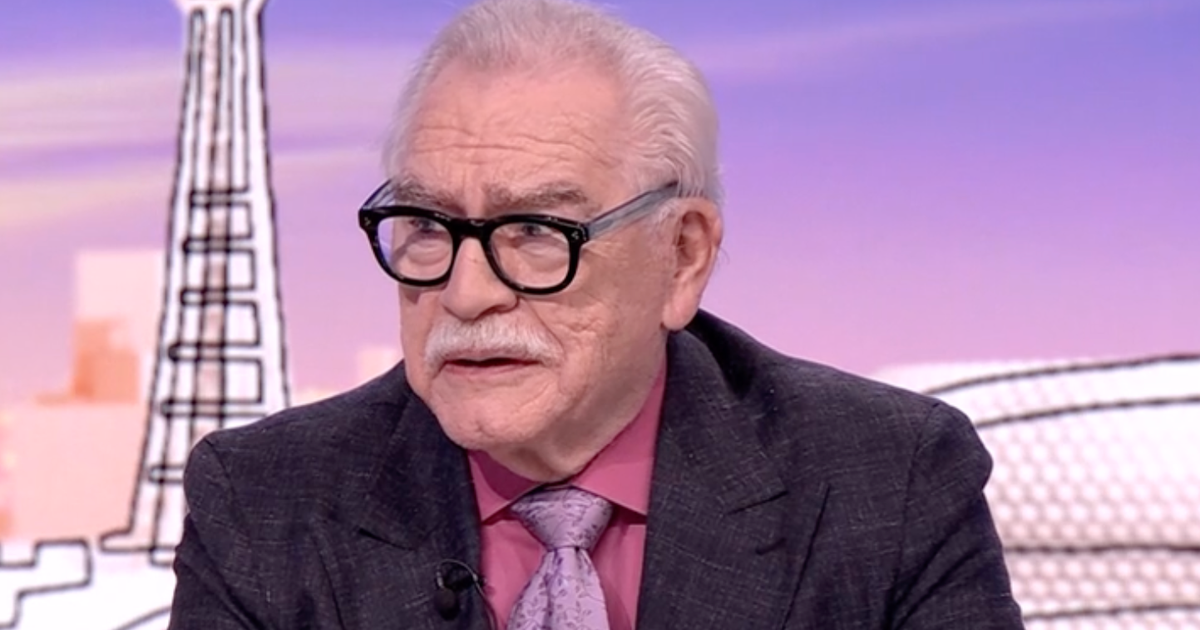
Succession star Brian Cox has said Donald Trump is “not popular” after a gunman was apprehended at an event attended by the president on Saturday night.
The White House Correspondents’ Association dinner was thrown into chaos by the attack, which saw Trump, who has been the previous target of an assassination attempt, swiftly evacuated by secret service agents.
The president later described the man was “a lone wolf whack job” at a hastily-arranged press conference.
The suspect, said to have been carrying a shotgun and handgun, has been identified as Cole Tomas Allen, 31, of Torrance, California.
He is understood to have been a guest in the Washington Hilton hotel where the event.
Asked about the incident on the BBC’s Sunday with Laura Kuenssberg show, Brian Cox said: “There are a lot of unhappy people in America about what’s happening. The poor in particular are being really treated rather badly.
“Medicaid is under threat, everything is under threat. He’s doing the most extraordinary things to people’s wellbeing.
“People are not happy. People who voted for him are not happy. He is not popular, he really isn’t popular. He would like to pretend he is popular. He would give that impression, but he’s not. His popularity has gone way, way down.”
Meanwhile, Keir Starmer said he was “shocked” by the incident and has sent a message of solidarity to the White House.
In a post on X, the prime minister said: “Any attack on democratic institutions or on the freedom of the press must be condemned in the strongest possible terms.
“It is a huge relief that @POTUS, the First Lady and all those attending are safe.”
Subscribe to Commons People, the podcast that makes politics easy. Every week, Kevin Schofield and Kate Nicholson unpack the week’s biggest stories to keep you informed. Join us for straightforward analysis of what’s going on at Westminster.

Best gift ever? Matt Fitzpatrick can change his brother’s career

Building An IBM PCjr BIOS From Source Using Original Printed Source Code

XRP WATCH! TRUMP SPEAKS AFTER SHOOTING LIVE!!!

Manchester United reach agreement with Casemiro over contract clause amid transfer speculation

US brings back mandatory military draft registration

Steven Gerrard disagrees with Gary Neville over ‘shock’ Chelsea and Arsenal claim | Football


-

 Business7 days ago
Powerball Result April 18, 2026: No Jackpot Winner in Powerball Draw: $75 Million Rolls Over
-

 Fashion2 days ago
Weekend Open Thread – Corporette.com
-
Entertainment7 days ago
NBA Analyst Charles Barkley Chimes in on Ice Spice McDonald’s Fiasco
-
 Crypto World17 hours ago
Hyperliquid $HYPE Rally Builds Momentum as AI Sector Enters Prove-It Phase
-

 Politics6 days ago
Gary Stevenson delivers timely reminder to register to vote as deadline TODAY
-
Crypto World6 days ago
Bank of Hawai’i (BOH) Q1 2026: Net Income Drops to $57.4M as Net Interest Margin Expands
-

 Politics4 days ago
Making troops accountable for war crimes threatens US alliance, ex-SAS colonel warns
-

 Politics4 days ago
Disabled people challenge government SEND proposals over segregation concerns
-

 Business4 days ago
Rolls-Royce Voted UK’s Most Iconic Trade Mark as IPO Register Hits 150
-

 Politics4 days ago
Zack Polanski responds to home secretary’s taser threat
-

 Politics4 days ago
Starmer handler McSweeney to be dragged from shadows by Foreign Affairs Committee
-
Politics4 days ago
Wings Over Scotland | How To Get Away With Crimes
-
 Crypto World5 days ago
Five Value Stocks with Recovery Potential in 2026: PayPal (PYPL), Nike (NKE), and More
-

 Crypto World5 days ago
New York sues Coinbase, Gemini over prediction market offerings
-

 Politics4 days ago
‘Iran is still a nuclear threat’
-
 Sports3 days ago
Tim Bradley names the current best in the world: “Better than Inoue and Usyk”
-
 Business4 days ago
HCL Tech share price tank over 9% after weak Q4. JPMorgan, HSBC & 3 others cut target price
-
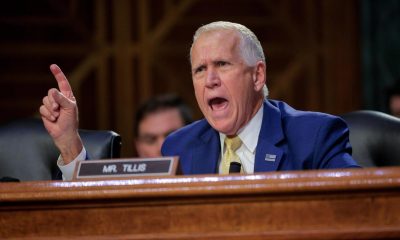
 Crypto World5 days ago
Crypto’s great hope in Senate’s Clarity Act still has a path to survive tight calendar
-

 NewsBeat3 hours ago
LK Bennett closes all stores after entering administration
-

 Business4 days ago
The Job Benefits Most Men Don’t Know to Negotiate
You must be logged in to post a comment Login