

Sports
6-Time Pro Bowler Reignites Beef with Kyler Murray

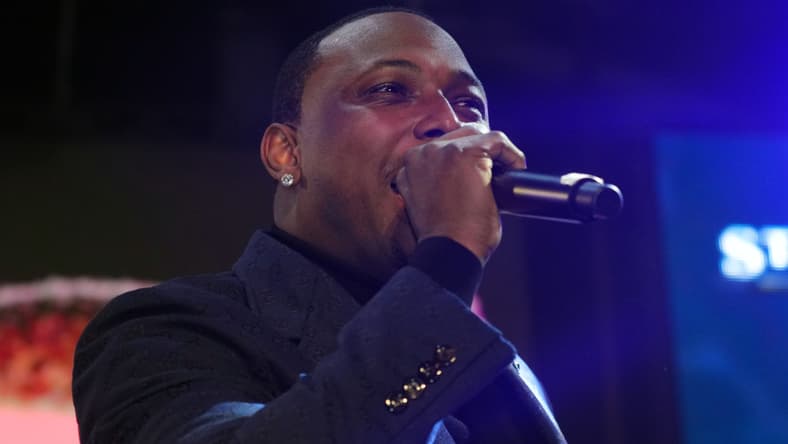
Former NFL running back LeSean McCoy is not a fan of Kyler Murray, reigniting his beef with the Minnesota Vikings quarterback this week by saying Murray isn’t good enough to be cocky.
McCoy has a long, documented history of ripping Murray; his recent comments were merely the latest chapter in the saga.
McCoy’s Latest Murray Criticism Adds Heat to Vikings QB Race
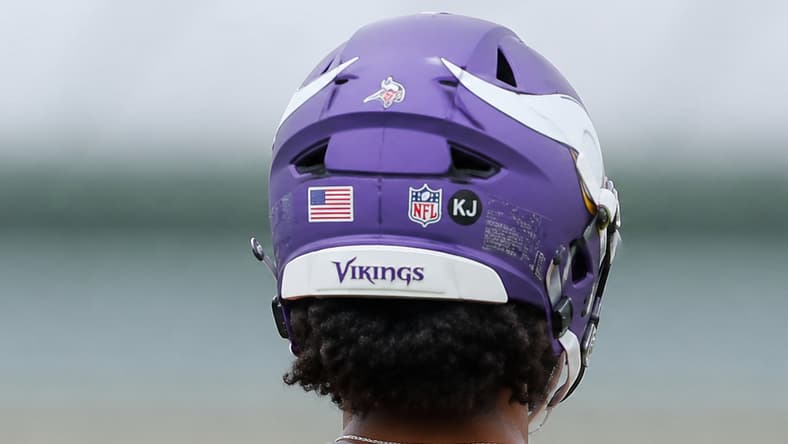
McCoy: Murray Isn’t Good Enough to Be Arrogant
Chatting on the Speakeasy podcast, McCoy was not shy about unloading his latest Murray take, saying, “But you know what I hate? I hate a super cocky, arrogant player that’s not that good. That’s a little above average. That is Kyler Murray.”
“He plays like high school Texas football. He runs around and back there just trying to make plays like this high school football stuff.”
McCoy last played in the NFL in 2020, is a two-time Super Bowl champion, and isn’t unafraid to uncork juicy takes on the internet.
Past Comments from McCoy
A couple of years ago, Murray mentioned his 43-0 career in high school, touting the accomplishment because he played ball in Texas. McCoy replied on social media, “lol and what has that gotten u ??? Mid NFL career??? What we talking bout?”
In 2022, McCoy went on another Murray-related rant, saying, “He’s trash. Overhyped. Overrated. He plays like a high school player. Runs around, runs backward, he does a circle, the ballerina circle, then goes left, goes right, turns all the way around again, then looks for a wide receiver. That’s not how you play quarterback.”
“He ain’t Mahomes. Let me tell you about Mahomes real quick: the majority of Mahomes’ passes are based on timing. Third step, hit, boom, ball’s out. Fifth step, boom, ball’s out. Now sometimes he goes off script, we all can do that but not every pass!”
McCoy flat-out doesn’t like the guy. He says the same thing about Murray every time he talks about him.
“Every pass, Murray is holding the ball, let’s make a miracle. Every game he’s played. Watch him play. It’s really embarrassing, to be honest. Like, who’s coaching this kid? He ain’t reading no coverages,” he continued his tirade and crusade.
“When a quarterback is running around like that all day, all night, all game, that’s because he’s not reading any coverages.”
Murray Not Universally Loved
Murray isn’t for everybody. When the Arizona Cardinals baked in a “study hall clause” into his contract — later removed — many determined he was a lazy, no-good video game player. The narrative died down thereafter but never truly vanished.
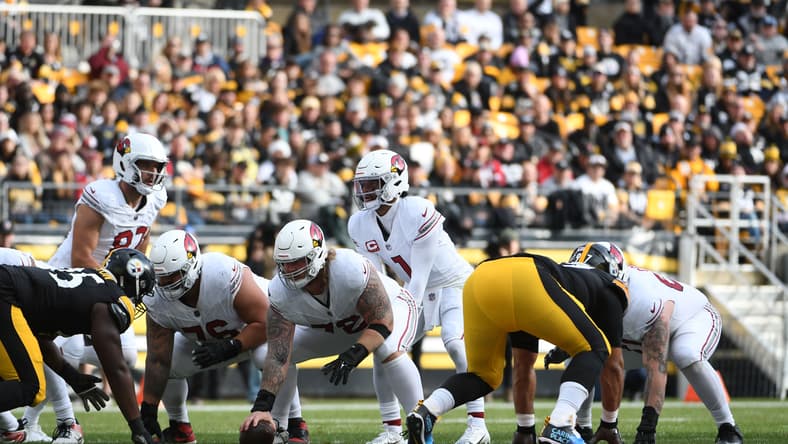
He’s also never won a playoff game, so when his ardor for video games is mentioned, the assertion is that he doesn’t love football as much as his peers and spends too much time on other hobbies. Ask a casual fan about Murray, and there’s a decent chance they mock for a) his height b) video games c) his attitude.
The guy probably needs a playoff win or two to dull the perception.
A Change of Scenery in 2026
Thankfully for Murray’s sake, he’ll get a bit of a clean slate this season. Murray will work alongside a “quarterback whispering” head coach and playmakers like Justin Jefferson, Jordan Addison, Jauan Jennings, T.J. Hockenson, Aaron Jones, and Jordan Mason. He’ll also have a Top 3 defense from the last two seasons at his back, led by Brian Flores.
Murray has never quite had a setup like this.
Our Cole Smith noted on Murray in May, “He was selected to back-to-back Pro Bowls in 2020 and 2021 after throwing for a combined 48 touchdowns, rushing for another 16, while completing 68.1% of his passes for 7,758 yards. Murray hasn’t been the same since, only starting 41 of 64 games in that time. But he believes Kevin O’Connell can help him return to Pro Bowl form.”
“O’Connell has confidence in Murray, but what is the quarterback’s own level of confidence in this new environment? The bigger question remains what the on-field product will look like. Reporters were able to look upon practice on Wednesday and saw a glimpse of what this offense can look like with Murray.”
Murray looked wonderful at organized team activities.
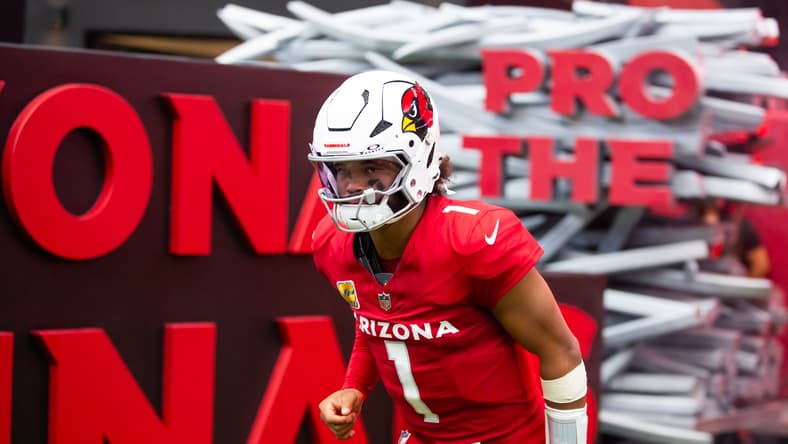
Smith added, “There could have been plenty of excuses made for why Murray didn’t execute the play. Instead, he avoided disaster and made the defense pay. Murray said his confidence is unshakeable. He displayed that on and off the field in his first action in front of reporters.”
“If he can continue stacking days like this throughout the summer, there will likely be no question about how the quarterback competition ends.”
But according to McCoy, he’s just too arrogant and cocky to make it work.


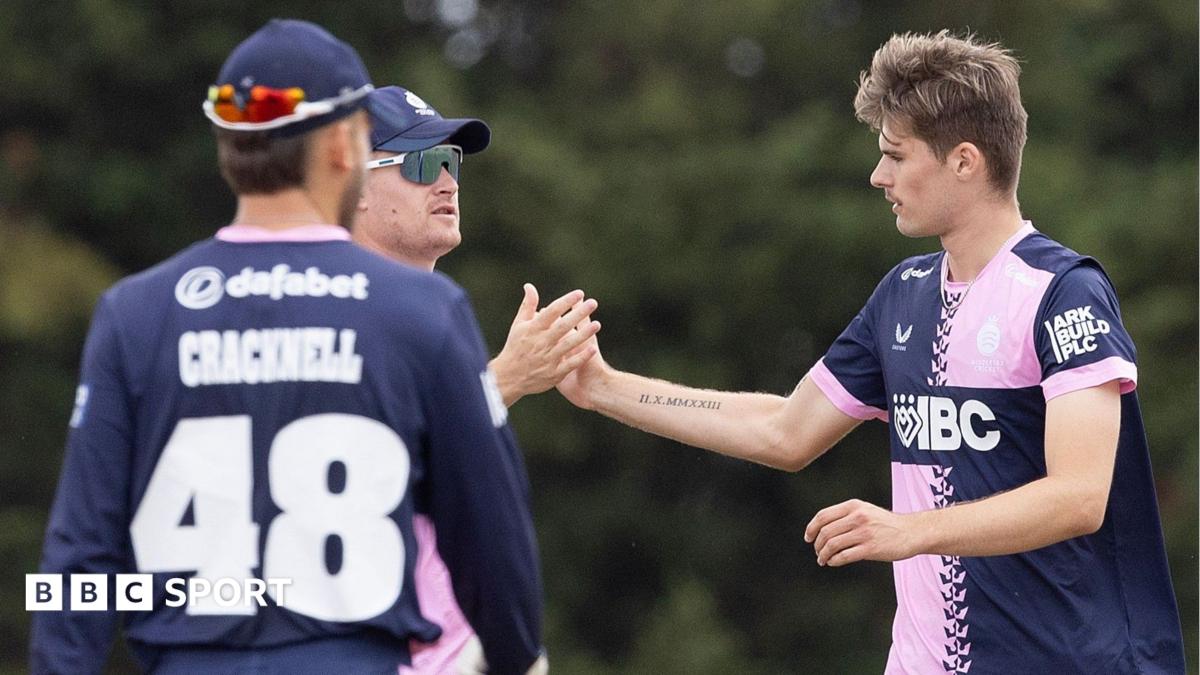
Worcestershire appeared to be cruising towards victory when Hampshire, chasing 308, needed 48 runs to win with 21 balls remaining and one wicket in hand.
Some big hitting from Andrew Neal took Hampshire to the brink of an astonishing success but, requiring five more off the final three balls, he edged spinner Fateh Singh behind to fall for 48 off 22 balls.
The late drama at New Road was in sharp contrast to events earlier in the day at Radlett, where Middlesex made short work of Glamorgan’s batting line-up.
Naavya Sharma (4-29), Toby Roland-Jones (3-35) and Noah Cornwell (3-1) were the only three bowlers used as Glamorgan, who were 44-1, lost their final nine wickets for 22 runs.
Josh de Caires hit 10 fours in his 45 not out as the hosts completed victory within three hours of the match starting.
At Hove, an early rain shower meant a slightly reduced match of 48 overs per side.
Opener Will Luxton made 117 in Yorkshire’s 325-7 and Coad’s four wickets with the new ball left Sussex on 21-5 as they chased a revised target of 325.
Coad ended with 5-12 from seven overs as Sussex were bowled out for 140 to lose by 184 runs on the Duckworth-Lewis (DLS) method.
Essex beat Derbyshire by nine runs at Chelmsford in the other match in Group B, with both captains leading their sides’ respective batting causes.
Westley, making his 500th career appearance in all formats, scored 102 off 97 balls in the hosts’ 257-7.
Harry Came (97) shared an opening stand of 113 with Martin Andersson but the match looked in the balance when Derbyshire needed 100 more with five wickets in hand.
Charlie Bennett (3-32) broke a seventh-wicket partnership worth 45 between Ross Whiteley and Nick Potts, which proved crucial.
Sports
2025 Tour de France: Tadej Pogačar wins race for 3rd consecutive year, 5th time in his career
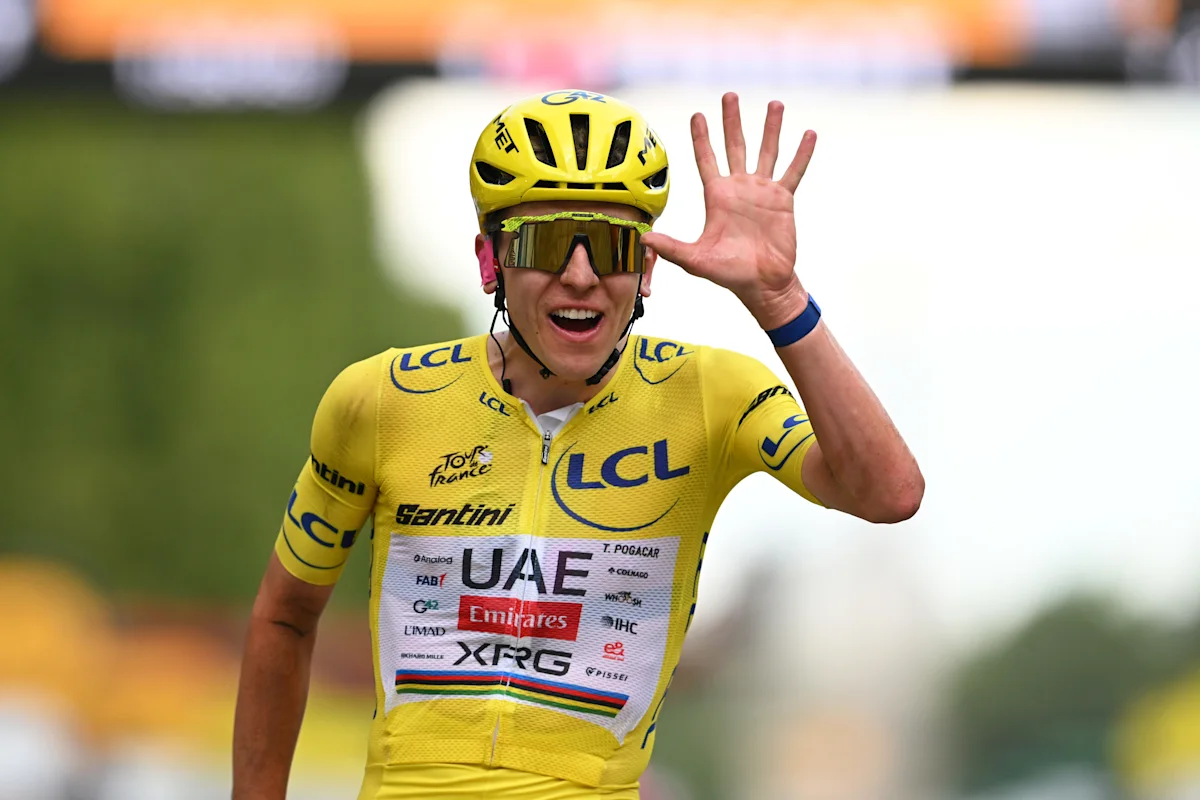
Tadej Pogačar has done it again. The Slovenian cyclist has won the Tour de France for the third consecutive year. He’s won the race five times in his career.
Pogačar has now tied France’s Jacques Anquetil and Bernard Hinault, Eddy Merckx of Belgium and Spain’s Miguel Indurain for most Tour de France championships at five. Indurain remains the only cyclist to win the race five consecutive times, from 1991 to 1995.
Advertisement
(Lance Armstrong won seven straight Tours de France from 1999 to 2005, but the International Cycling Union stripped him of those titles in 2012 due to alleged use of illegal performance-enhancing drugs, blood transfusions and schemes to deceive testing authorities.)
“I’m happy that the race is over and that we won it for the fifth time,” Pogačar said afterward (via Cycling News). “Every victory is really special. I’ve ridden seven Tours already, and I’ve always finished on the podium. You might think this is a fairy tale; it’s incredible for me too.”
Here are the final standings with the top 10 finishers for the 113th racing of the Tour de France:
Advertisement
-
Tadej Pogačar, Slovenia: 73 hours, 56 minutes, 26 seconds
-
Remco Evenepoel, Belgium: 74:02.52 (6 minutes, 26 seconds behind)
-
Isaac Del Toro, Mexico: 74:06.08 (9 minutes, 42 seconds)
-
Paul Seixas, France: 74:08.22 (11 minutes, 56 seconds)
-
Lenny Martinez, France: 79:09.28 (13 minutes, 2 seconds)
-
Mattias Skjelmose, Denmark: 74:11:25 (14 minutes, 59 seconds)
-
Juan Ayuso, Spain: 74:14.14 (17 minutes, 48 seconds)
-
Richard Carapaz, Ecuador: 74:16.26 (20 minutes, 0 seconds)
-
Tom Pidcock, Great Britain: 74:25.54 (29 minutes, 28 seconds)
-
Jordan Jegat, France: 74:29.47 (33 minutes, 21 seconds)
Pogačar, 27, previously won the Tour de France in 2020 and 2021. He’s now earned consecutive Coupe Omnisports trophies in five out of the past seven years, a run broken up by Denmark’s Jonas Vingegaard winning the event in 2022 and 2023.
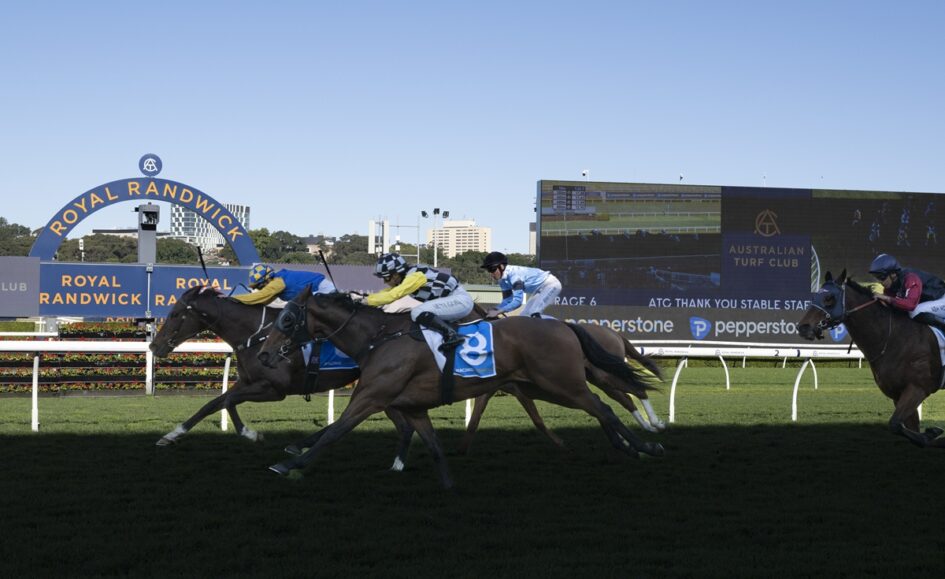
In the ATC Thank You Stable Staff Handicap (1800m) at Randwick, the Gai Waterhouse and Adrian Bott-trained Sly Boots initially took a commanding lead, only to be challenged strongly by Perfect Justice who surged down the centre of the track.
Adrian Bott, co-trainer of Sly Boots, confessed to moments of doubt as Perfect Justice closed the gap.
“I thought that the other horse (Perfect Justice) was going to go straight past us,” Bott said. “But to Sly Boots’ credit he really dug deep and found a way to win. He’s been up a while but has been racing very consistently without winning so he deserved to win this today.”
Sly Boots, the $4.80 second favourite, ridden by Rachel King, held off a determined Perfect Justice ($4.20) by a half-neck. The race favourite, Trapalanda ($3.50), finished a further three-quarters of a length behind in third.
Jockey Rachel King also had concerns as Perfect Justice made his move.
“But Sly Boots saw him coming and he raised another effort,” King said. “I think the drier track helped and he really wanted to win today.”
Bott indicated that immediate plans for Sly Boots were undecided. The gelding has now amassed five wins and seven placings from 27 career starts, with his earnings exceeding $400,000.
“We might look at a similar type of race in the next couple of weeks,” Bott said.
Perfect Justice, trained by John Sargent, continued his consistent winter form. This was his third second placing from his past four starts, with his only win in that period being a Midway event over 1600m where he narrowly defeated The Mona Lisa.
Excuses for Perfect Justice are scarce, although the gelding did sweep wide on the turn and embark on a long sustained run. In contrast, the winner benefited from saving ground by angling back towards the inside rail, a tactical advantage that likely proved critical given the slender margin separating the two competitors.
Place your bets on the next Randwick race with Australia’s top betting sites.
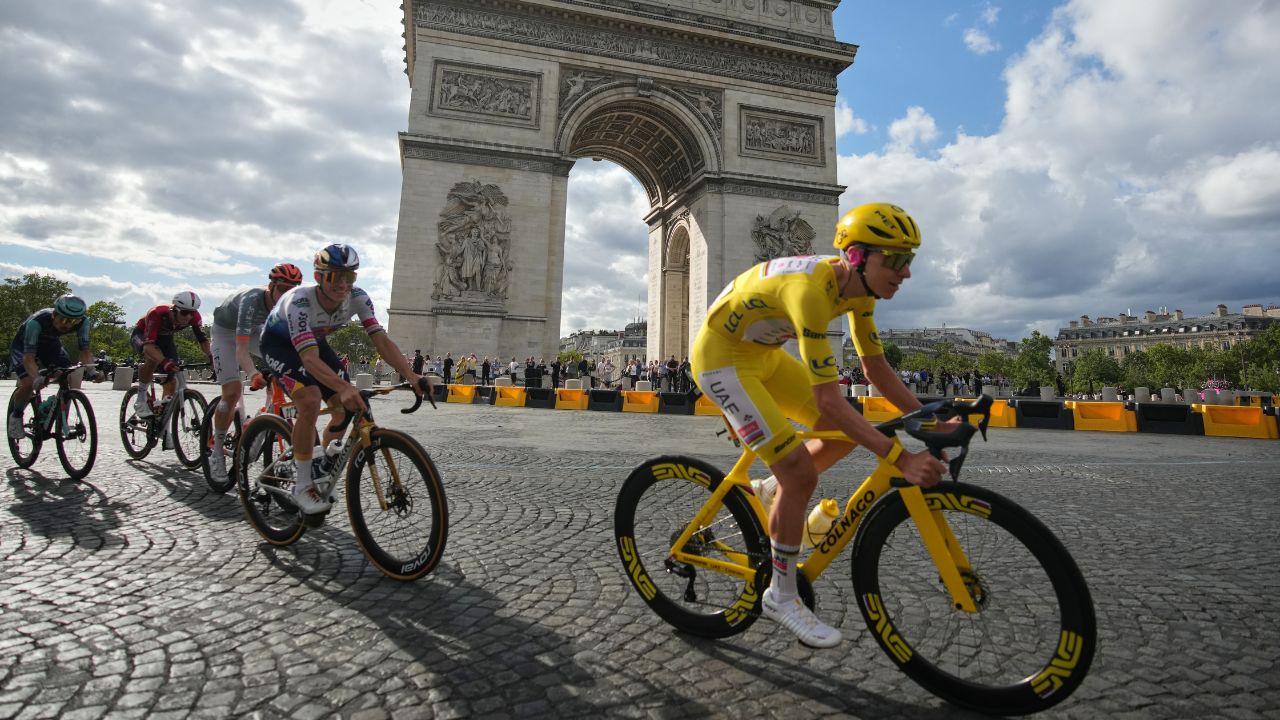
PARIS — Tadej Pogacar won a record-equaling fifth Tour de France title on Sunday.
The 27-year-old Slovenian dominated this year’s race to join Belgian Eddy Merckx, Spaniard Miguel Indurain and Frenchmen Jacques Anquetil and Bernard Hinault as the only riders to win five Tours.
After finishing safely in Sunday’s 21st and final stage in Paris, Pogacar finished 6 minutes, 26 seconds over Belgian rider Remco Evenepoel in the overall standings.
Pogacar’s UAE Team Emirates XRG teammate Isaac Del Toro, a 22-year-old Mexican making his Tour debut, was third at 9:42 back from Pogacar, who smiled and held up his hand to signify his wins. His teammates then joined him as they stood proudly on the Champs-Élysées.
Pogacar won five stages at this year’s race to take his impressive tally to 26 overall.
He tried to win on Sunday, too, but victory ultimately went to Dutchman Mathieu van der Poel, who just held off the chasing pack on the home straight for his second stage win at this year’s race and fourth overall.
Sunday’s 88.7-kilometre (55-mile) stage looped around Paris and was mostly processional, although less so than in previous years, which were usually entirely flat stages for sprinters and not for the rest of the peloton.
For the second straight year, the stage featured the hugely popular uphill climb through the Montmartre district, a sharp one-kilometre dash which riders tackled three times before finishing on the Champs-Élysées.
It proved even too much for Pogacar, who could not match Van der Poel’s raw power in the closing stages.
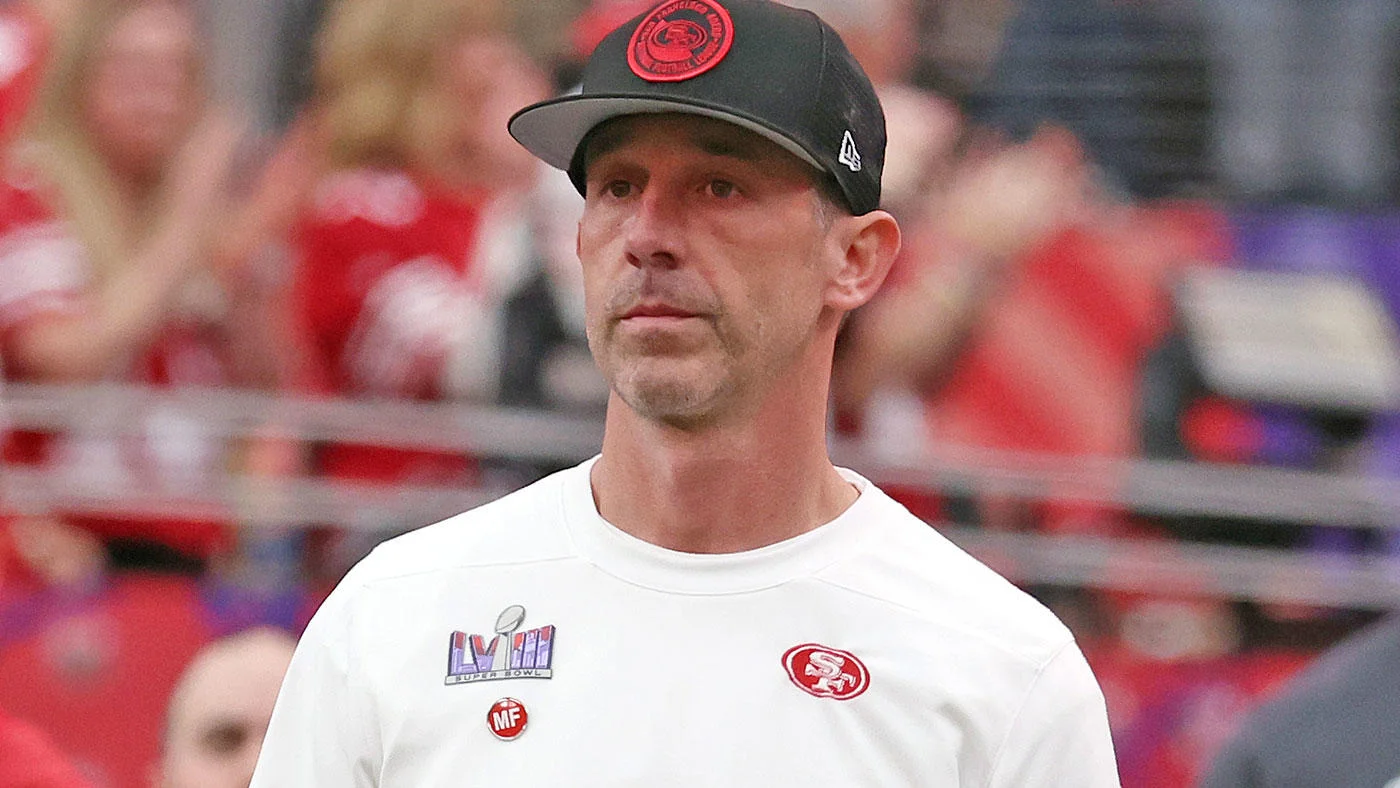
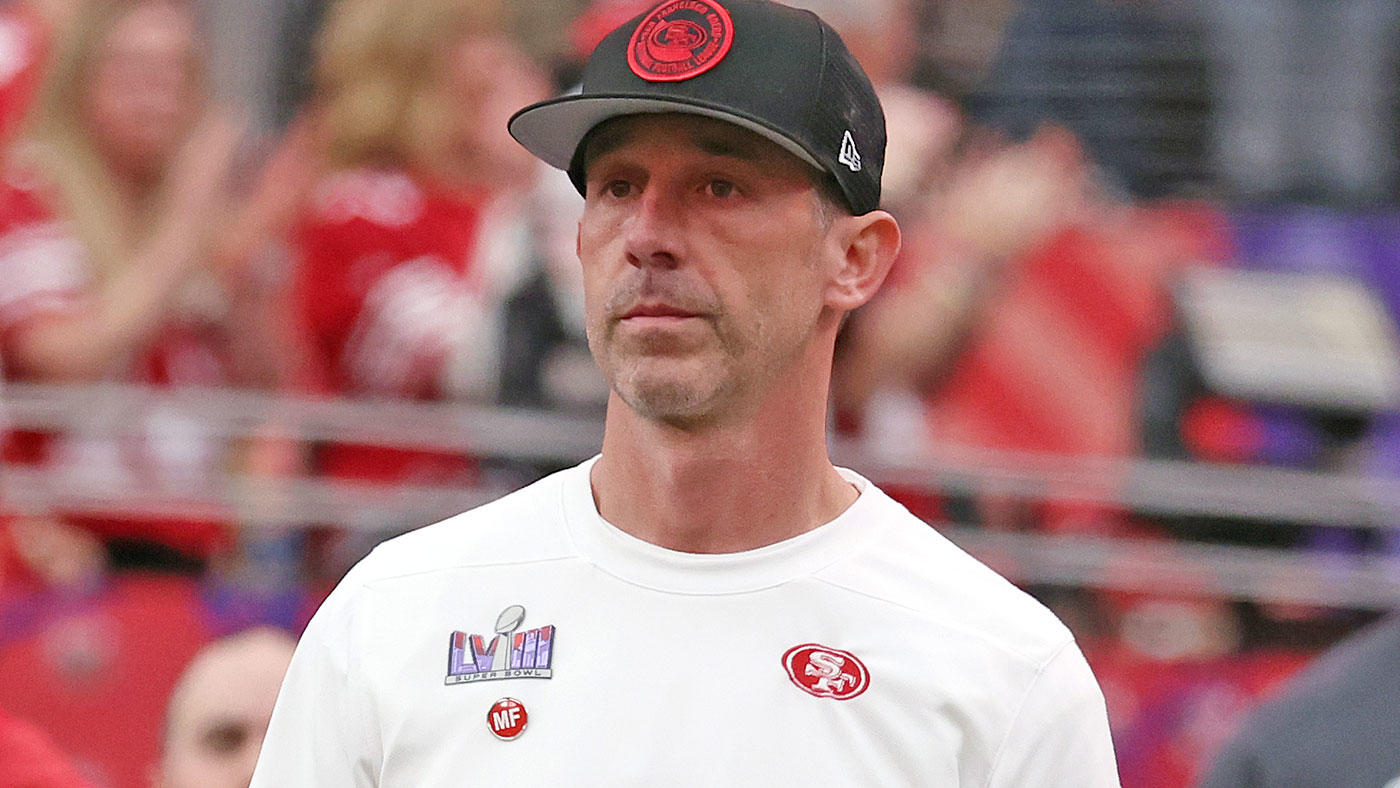
The San Francisco 49ers have officially reported to training camp but will begin building the foundation for the 2026 campaign with their head coach limited. The team announced in a statement Saturday that Kyle Shanahan was involved in a car accident last week and suffered non-life-threatening injuries.
Shanahan, 46, will still participate in team activities, but on a limited basis. Assistant head coach Chris Foerster and the team coordinators will handle the bulk of the head coach duties while Shanahan recuperates. In a press conference on Saturday, 49ers general manager John Lynch told reporters that he does not expect Shanahan to miss Week 1 of the regular season.
Here is the full official statement from the 49ers:
“San Francisco 49ers Head Coach Kyle Shanahan was involved in a car accident last week where he suffered non-life-threatening injuries. Coach Shanahan will participate in team activities on a limited basis at the start of training camp while he recovers. Coach Shanahan and the 49ers organization would like to sincerely thank all first responders involved for their efforts and care.
Assistant Head Coach Chris Foerster along with team coordinators will handle head coach responsibilities during this period.”
The accident occurred July 14 when Shanahan collided with an SUV near his Northern California home, per ESPN. While the injuries weren’t life-threatening, they were significant. ESPN reported that Shanahan broke his nose, three ribs and his hand, suffered a severe concussion and needed more than 40 stitches to his face.
Shanahan was taken by paramedics to a local hospital and released later that day. The other driver was not injured, according to Palo Alto Lt. Nicholas Martinez. He also told ESPN that drugs and alcohol were not involved, and both drivers cooperated with law enforcement.
Since the crash, Shanahan has been recovering at home and informed the coaching staff of the incident on Tuesday. He has yet to be cleared by doctors for full coaching duties and won’t be until his concussion symptoms subside.
Los Angeles Rams coach Sean McVay, who worked with Shanahan when they were assistants in Washington, said he’s spoken to the 49ers coach since the car accident. McVay, a fellow NFC West coach, said Shanahan has a great perspective on the accident and on his recovery.
“I have talked to him. My thoughts and prayers are with him and his family, and I know he’s got an incredible perspective on it all. And Kyle’s a stud. I have as much respect for him as anybody and he’s a friend of mine, and I love him and hope that he’s going to have a great recovery,” McVay said.
McVay expressed gratitude that the accident didn’t have a worse outcome and noted that Shanahan’s approach to his recovery is similar to how coaches run a team.
“Most importantly, thank God he and the other person involved are okay. Perspective is everything. We talk about that all the time as coaches, and everybody goes through different things,” McVay said. “I think the most important thing is that he’s on the road to recovery. His wife Mandy, and he’s got a beautiful family, and I think any time that something like that happens, it shakes you up a little bit.”
Shanahan is entering his 10th season as the 49ers’ head coach. Since being hired in 2017, he has become one of the league’s top coaches, compiling an 82-67 (.550) regular-season record and a 9-5 playoff mark. Under his leadership, San Francisco has made two Super Bowl appearances and is coming off a 12-5 regular-season campaign in 2025 that ended with a divisional-round loss to the eventual Super Bowl champion Seattle Seahawks.
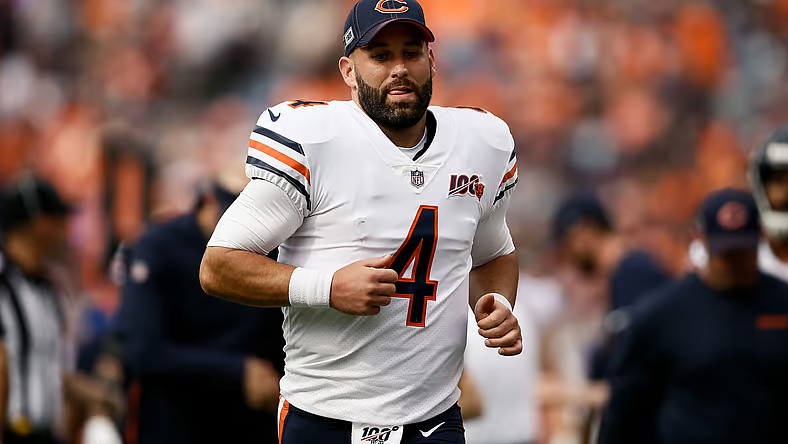

Former NFL passer Chase Daniel is now working as an analyst.
The long-time journeyman will be as qualified as essentially anyone to comment on the intricacies of the position. After all, Daniel soaked up a ton of coaching across the NFL, a workplace where he operated from 2009-2022. Better yet, Daniel worked alongside some of the great passers in recent NFL history. Very few know more about the position than him.

Consider the teams he played for within his time as a player: Washington Commanders, New Orleans Saints, Kansas City Chiefs, Philadelphia Eagles, Chicago Bears, Detroit Lions, and Los Angeles Chargers.
Nobody thinks he was as talented as Tom Brady, Aaron Rodgers, or Patrick Mahomes. He nevertheless had an ability to stick around as a passer as somebody with more NFL addresses than a cat has lives.
In the above video, Chase Daniel offers some nice praise to J.J. McCarthy despite the poor mechanics.
— READ MORE: The Main Vikings Injury Concern in Training Camp —
— READ MORE: Kevin O’Connell Has Consistently Praised 2 Coaches —
— READ MORE: Vikings Fans Got Some Bad News Today —
In particular, note the placement of the ball, something that Daniel discusses. To my eye, McCarthy could have done a hair better by putting the ball slightly closer to the middle of the field, but that’s a very minor quibble. The kid did a great job on that one.
As the former NFL passer indicates, the form still wasn’t perfect. Chase Daniel notes the leg kicking up, robbing the young fella of the power he could generate. How much more accurate could McCarthy be with his feet underneath him?

The Vikings’ young fellas arrive at TCO Performance Center today. The nine-person draft class will be joined by a pile of undrafted players. In a couple of days, the rest of the team will arrive, meaning Vikings football really gets cooking on July 28th.
J.J. McCarthy, 23, is considered an underdog to remain as the QB1.

Senior Editor for Vikings Territory & PurplePTSD . Twitter & Bluesky: @VikingsGazette. Email: k.joudry[at]vikingsterritory[dot]com. Canadian. Jude 1:24-25.
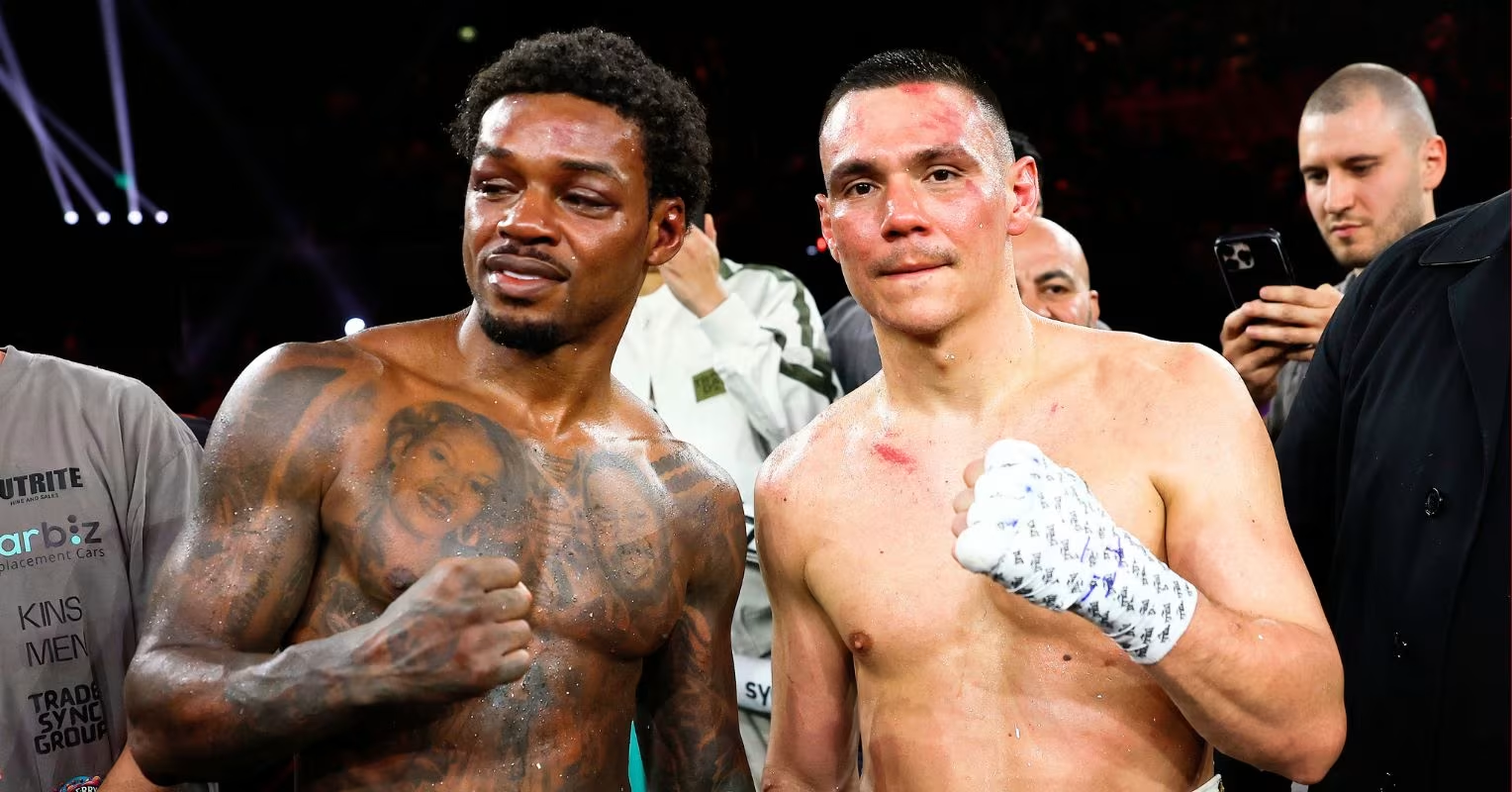
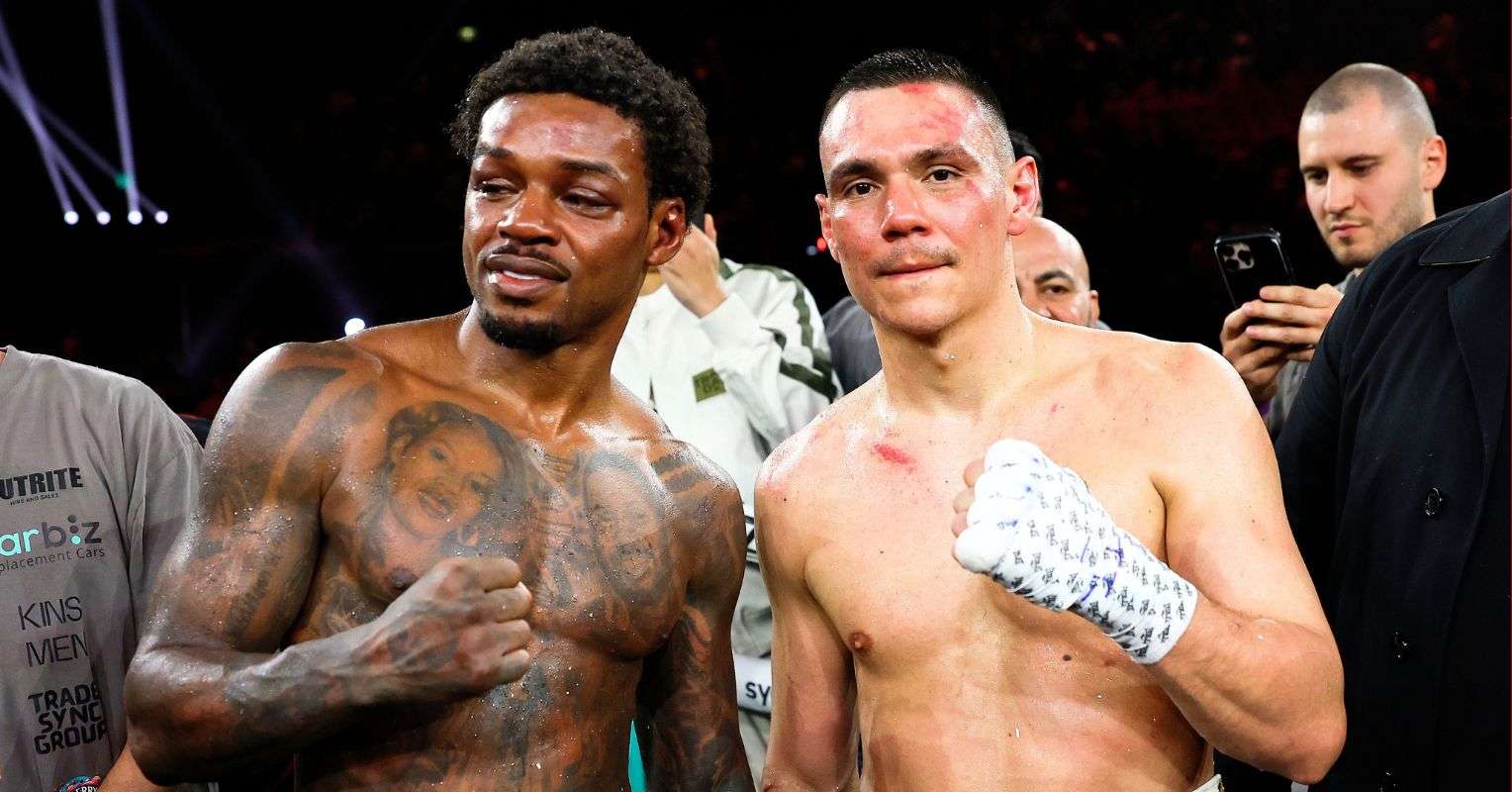
Tim Tszyu defeated Errol Spence Jr in Sydney, Australia, this weekend, prompting the American to announce his retirement from boxing.
Spence ended three years of inactivity to return at middleweight, but looked a shadow of his former self as he bravely lasted the full 12 rounds in a wide unanimous decision defeat.
Tszyu gradually took control, using his size and steady pressure to wear Spence down over the course of the contest. After the fight, the 36-year-old from Dallas, Texas, confirmed his retirement, thanking fans and saying he felt fortunate to leave the sport with his “faculties intact”.
“I’ve got my faculties intact. My money is good at working for itself. Everything’s good, man.
“I’ve got a beautiful family, and I thank God I’m gracious to leave this sport with my faculties intact and my family still by my side.”
Speaking after the fight, Tszyu revealed he took the opportunity to ask the “legend” Spence for some advice before the pair went their separate ways.
“Yeah, I spoke to him. Look, he’s a legend of the game. I actually asked him what’s one tip that you would give? He goes, ‘stay patient, when you’re not rushing in, you’re very dangerous. When you wait, you’re a very good counter puncher, and you’ve got very fast hands, very reactive.’”
Tszyu confirmed he now intends to remain at middleweight after feeling the benefits of competing without a gruelling cut to 154lbs. While a world title is now firmly in his sights, the Australian admitted defeating a fighter of Spence’s calibre may ultimately stand as the finest win of his career.
“I had sleepless nights thinking about, ‘What am I going to feel like facing a legend like that?’ But it was one hell of a show, and I understand why he’s one of the greats.
“I’d love to fight for a title. That’s what I’m aiming for. But I’ve got to say beating a great like Errol Spence tops a world title.”
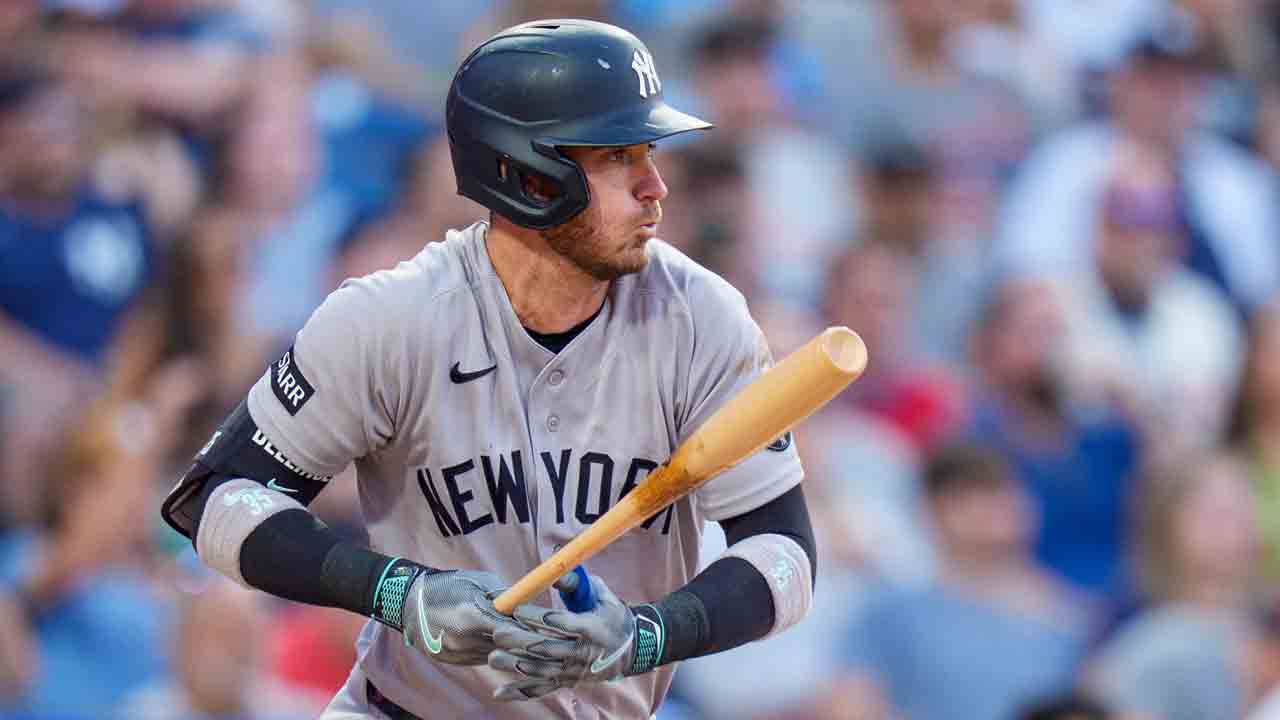
The New York Yankees will be missing yet another one of their top bats for the foreseeable future.
Star outfielder Cody Bellinger has been placed on the 10-day injured list with a left hamstring strain, the team announced Sunday.
Outfielder Spencer Jones has been recalled from triple-A Scranton/Wilkes-Barre in a corresponding move.
Bellinger suffered the injury in Saturday’s win over the Philadelphia Phillies. He was replaced defensively in the bottom of the eighth after tweaking his left hamstring while legging out a double in the top half of the frame. He stayed in the game to run but eventually was taken out for Max Schuemann.
Bellinger was 2-for-4 with an RBI in the game before leaving.
The 31-year-old is in the midst of another strong season with New York. The 2019 NL MVP entered Saturday’s contest slashing .257/.349/.416 with 11 homers and 52 RBIs. He was also named the All-Star Game MVP.
The Yankees currently sit second in the AL East with a 59-45 record, despite being without key contributors Aaron Judge and Giancarlo Stanton for significant portions of the season.
Sports
Usyk predicts Anthony Joshua vs Tyson Fury after watching AJ be floored twice by Kristian Prenga
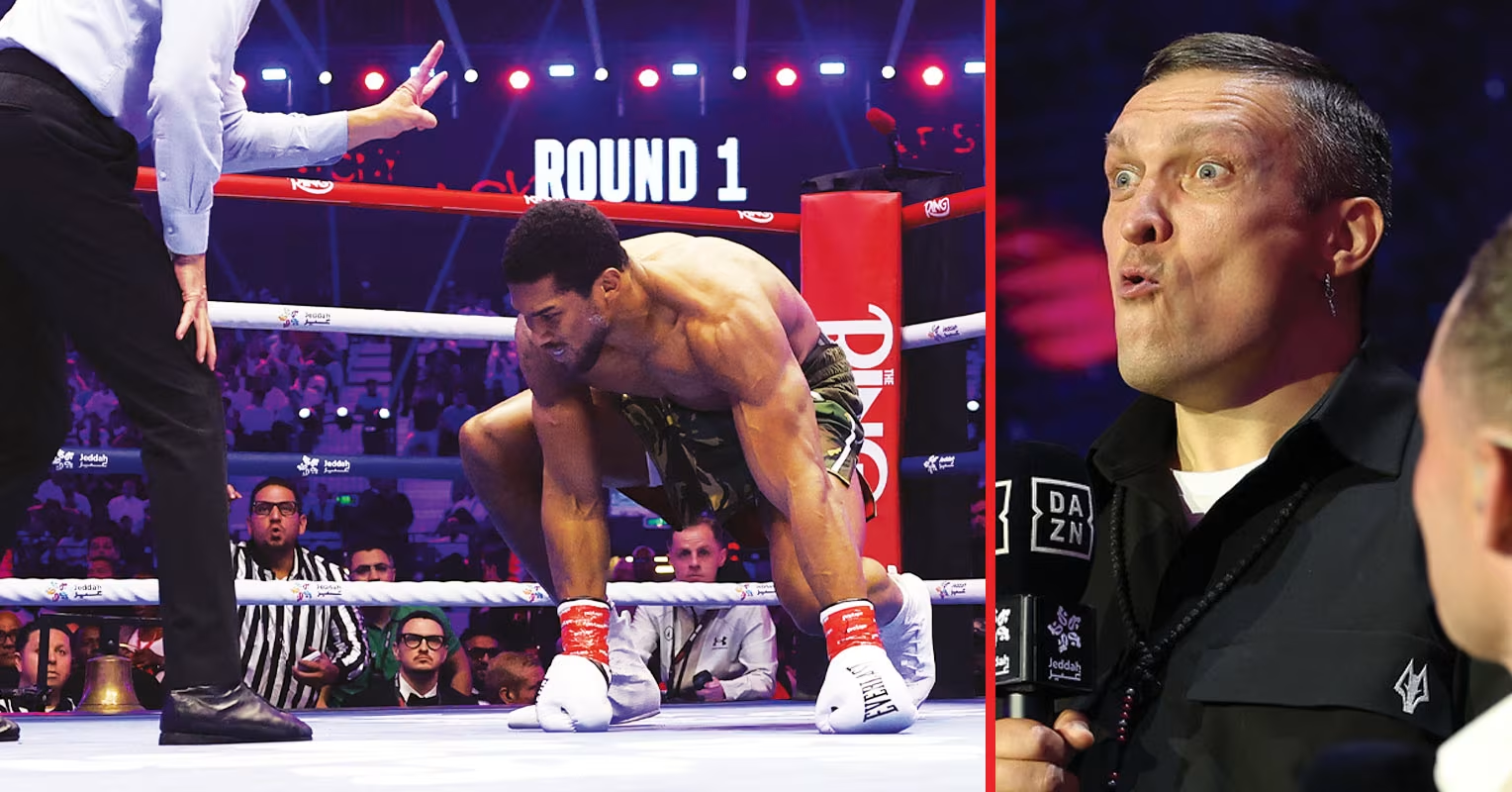
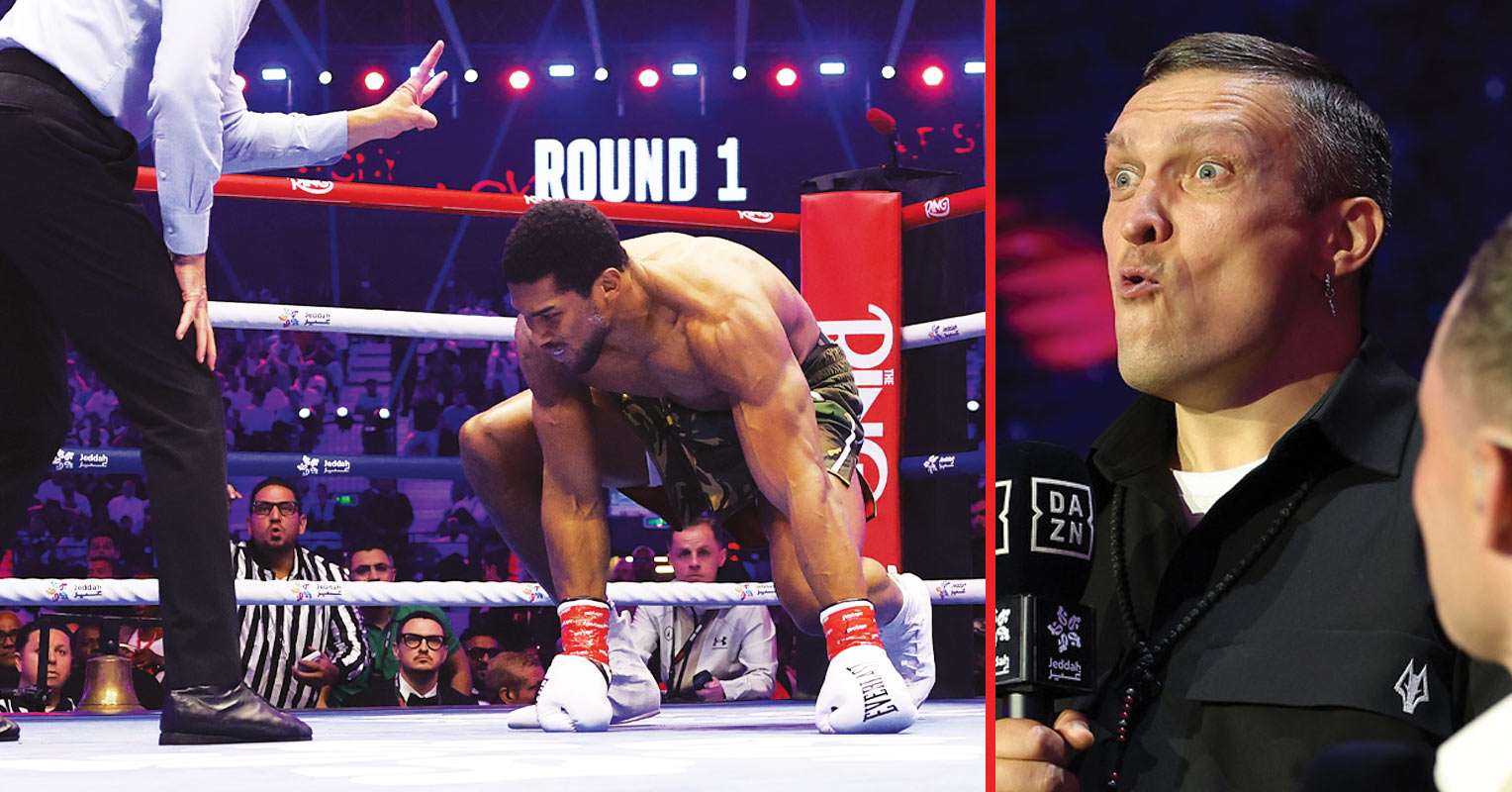
After seeing Anthony Joshua suffer two knockdowns against Kristian Prenga, Oleksandr Usyk has delivered a knockout prediction for the Brit’s expected clash with Tyson Fury.
Their long-awaited heavyweight showdown is set to finally materialise later this year, with both former two-time world champions having completed their respective warm-up fights.
First to the stage was Fury, who encountered minimal difficulty as he banked seven rounds against the 46-year-old Mariusz Wach in Pattaya, Thailand, on Friday.
But while Joshua, too, was seemingly facing a low-risk opponent on Saturday evening, the 36-year-old came remarkably close to suffering a first-round stoppage defeat in Jeddah, Saudi Arabia.
The initial knockdown arrived within 20 seconds of their contest, with ‘AJ’ hitting the canvas after getting caught with an unassuming right uppercut from Prenga.
He was then floored once more in the opening round, only to summon enough fighting spirit to engineer a second-round stoppage victory.
It was hardly the most convincing performance but, even so, Usyk has backed the 36-year-old to defeat Fury inside the distance.
Speaking with talkSPORT, the Ukrainian maintained his belief that Joshua, who he now considers a friend and training partner, has the tools to trump his long-time domestic rival.
“AJ win. [He will] knock him out.”
Usyk dethroned Joshua with a unanimous decision victory in 2021, before winning their immediate rematch via a split verdict the following year.
The generational great then went on to score two points wins over Fury in 2024, with many viewing their contests as being more competitive than those against ‘AJ’.
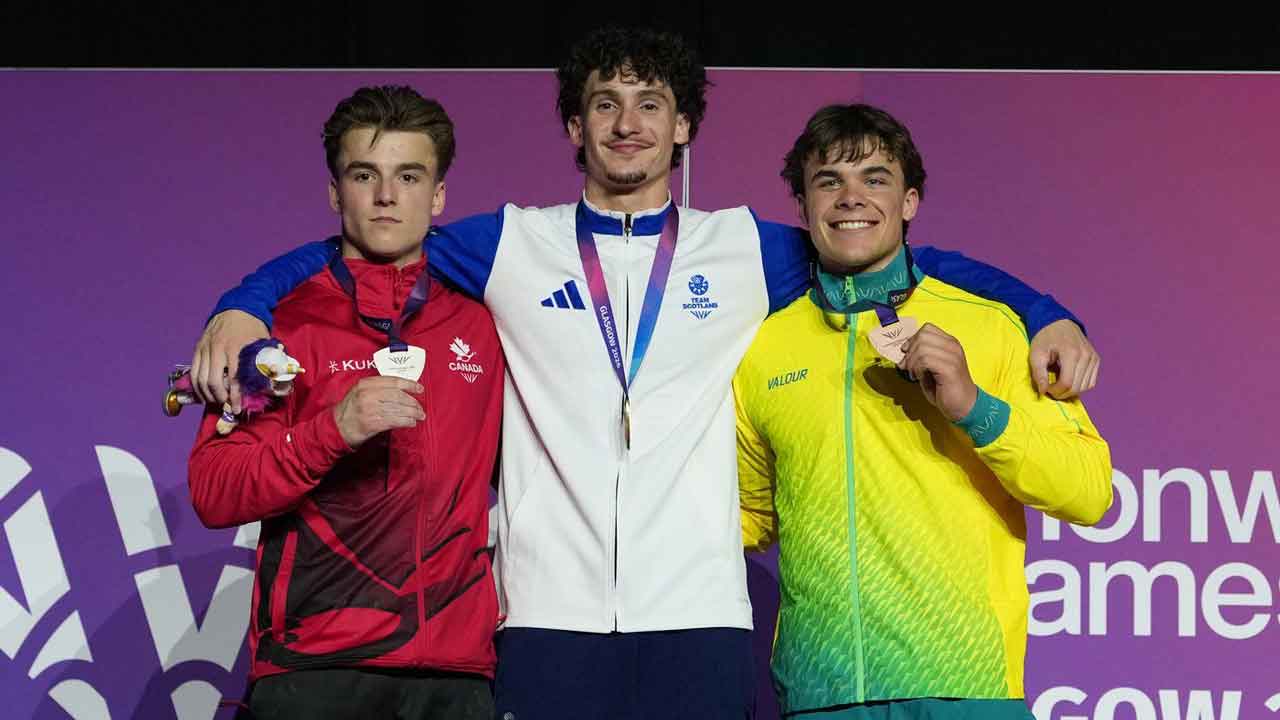
Canada’s Félix Dolci won silver in the men’s gymnastics all-around final Sunday at the Commonwealth Games, earning his second medal of the competition.
Dolci scored 79.450, coming within two tenths of gold-medallist Reuben Ward of host Scotland at Glasgow International Arena. Australia’s Jesse Moore took bronze (79.000).
Dolci, a 24-year-old from Laval, Que., helped lead Canada to gold in the men’s team event on Friday when he topped the individual standings with a score of 81.650.
Canada also won silver in the women’s gymnastics team event on Saturday.
Canada now has five medals at the Games — one gold, two silver and two bronze — heading into Sunday’s swimming finals.
Five-time Olympic medallist Kylie Masse of LaSalle, Ont., goes for gold in the women’s 100-metre backstroke, while Toronto’s Joshua Liendo competes in the men’s 100 butterfly and 50 freestyle finals.

Tadej Pogacar wins a record-equaling fifth Tour de France title

One-Day Cup round-up: Middlesex and Worcestershire extend 100% winning starts

Samsung’s Galaxy Z Flip 8 Gets the Cover Screen Right – for a Price


-

 Fashion2 days ago
Weekend Open Thread: Brooks Brothers
-

 Crypto World5 days ago
Grayscale Files For Worldcoin ETF, WLD Registers Sharp Rise
-

 Tech6 days ago
Sail Virtually Aboard The “Itanic” With IA-64 Emulator
-
 Tech6 days ago
Turtle Beach Command Series KB7 review: a nifty screen-equipped gaming keyboard
-

 NewsBeat6 days ago
Unregistered fitter used Gas Safe logo on business flyers
-
 Business5 days ago
New Jersey voter registration controversy explained: How 6,600 noncitizens got on the rolls, and what happens next
-
 Entertainment5 days ago
Johnny Depp’s R-Rated Gothic Cult Classic Gets New Release Ahead of Sydney Sweeney Remake
-

 Tech6 days ago
Watch Flock Safety CEO Garrett Langley discuss the future of surveillance at TechCrunch Disrupt 2026
-

 Crypto World4 days ago
Ethics, other provisions in crypto Clarity Act to be further discussed
-
 NewsBeat6 days ago
Shanghai science forum photos show China’s AI and robotics advances in rivalry with US
-

 Crypto World6 days ago
Circle’s President Sold Over 360,000 Shares, The Filings Explain Why
-

 Tech7 days ago
Subway Sandwich Computers Get a Second Life as Gaming Machines
-

 News Videos3 days ago
The Peugeot Family: How 200 Years of an “Old Money” Dynasty Died in A Boardroom
-

 Sports3 days ago
2026 3M Open leaderboard: Scottie Scheffler finds putter in Round 1, sits three back
-

 Fashion3 days ago
16 Dresses for the High Summer Event
-

 Tech6 days ago
The 35 Best Board Games for Family Game Night
-

 Entertainment7 days ago
Stephen Colbert Returns to Social Media After Late Show End
-

 Crypto World6 days ago
Andrew Cuomo joins OKX board as crypto exchange expands in U.S.
-

 Politics6 hours ago
Spain sweeps the board at 2026 World Cup with individual awards
-
 Entertainment2 days ago
A New Post-Apocalyptic Gundam Anime Series Blasts Into SDCC
You must be logged in to post a comment Login