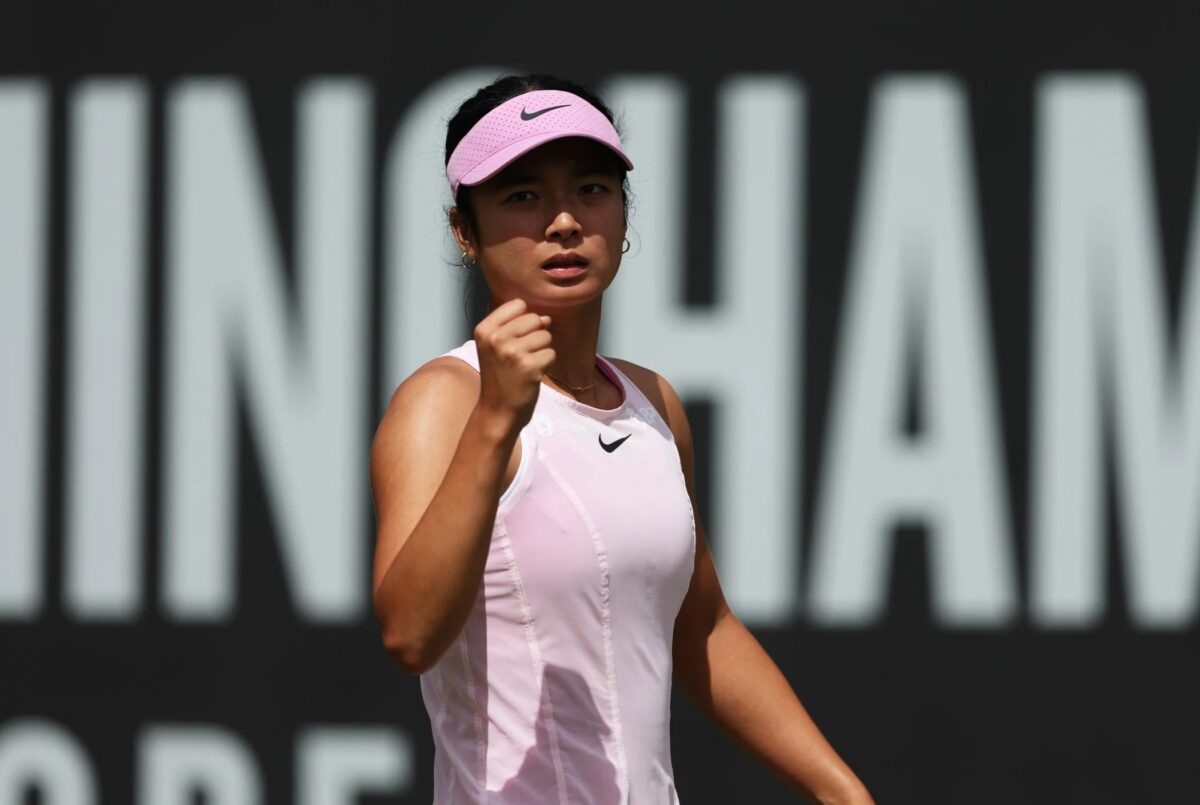
MANILA, Philippines–Alex Eala shook off a slow start then steamrolled an erratic Zhang Shuai, 6-3, 6-2, in a resounding main draw debut at the HSBC Championships in London.
Just days removed from a title run in the Birmingham Open, Eala picked up where she left off and booked a rematch with her close friend Iva Jovic in the round of 16.
Article continues after this advertisement
Advertisement
Eala was beaten by Jovic in the first round of the French Open two weeks ago.
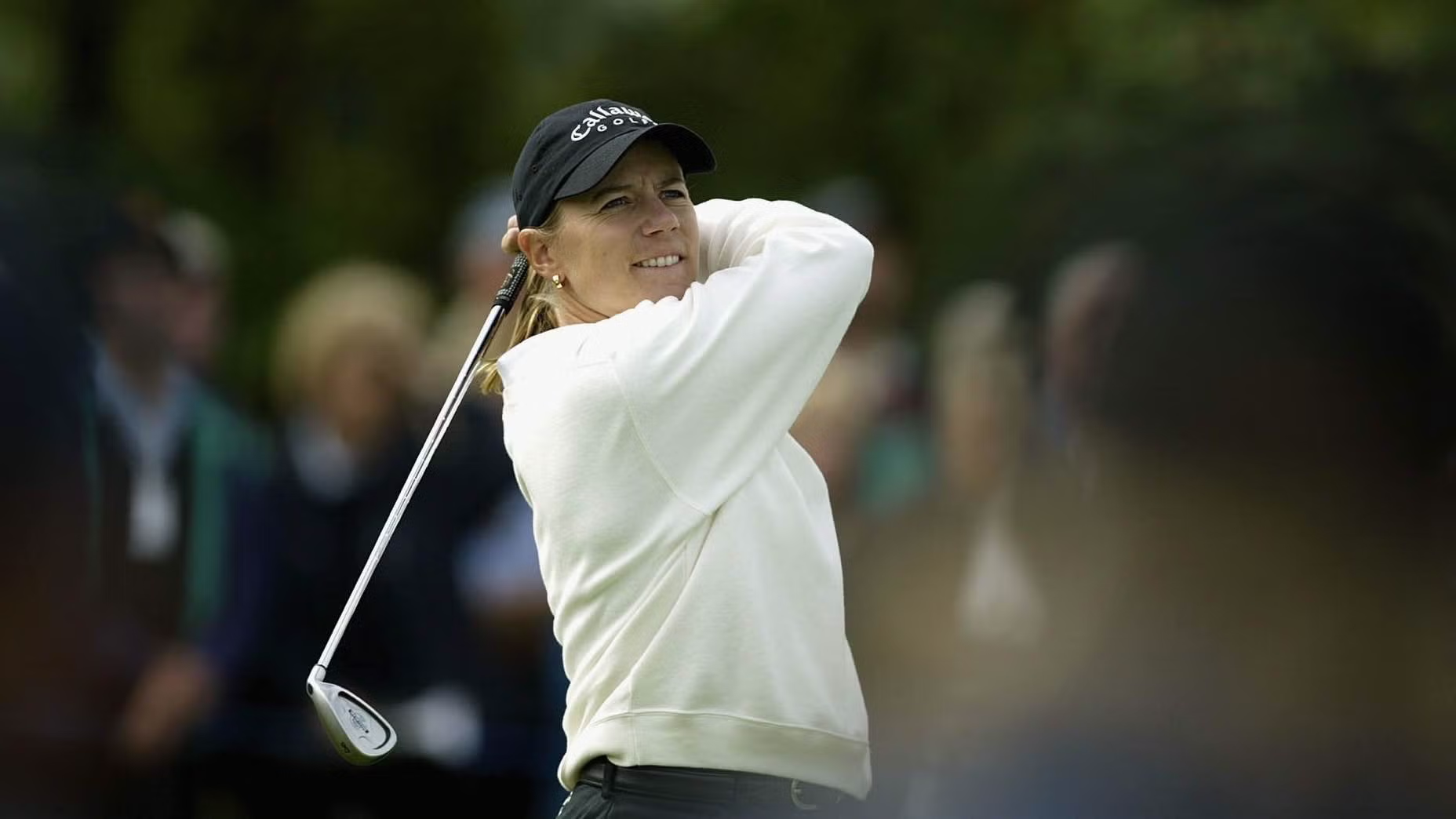
The Women’s Open Championship is being held this week at Royal Lytham, where Annika Sorenstam completed her career grand slam in 2003. A few months earlier, she had played in a PGA Tour event, at Colonial. Interest in Annika, 23 summers ago, was high, intensely so, and her golf, like her personality and her language, was memorably precise.
I was once following her in a tournament round during this time period and heard Annika ask a playing partner to mark her ball on the green before Annika played a shot—from 130 or more yards out. After the round, I told Annika that I had never heard a player make such a request, not from that distance. “You should watch me play more golf,” Annika said in her no-nonsense way. Ah-nee-KAH. I often wondered how she would adapt to life in Florida—she was so Swedish. Nelly Korda, a child of European parents herself and the reigning U.S. Open winner, has a great opportunity this week to make her own linksland mark on the game, by winning her first Open Championship in the very place where Annika won hers.
I was at Lytham for that Open, 23 summers ago. (In a feat of sportswriterly wanderlust, I covered the Open at Royal St. George’s, the Senior Open at Turnberry and the Women’s Open at Lytham in three consecutive weeks. My wife moved us into our current house smack-dab in the middle of that trio. Barbara Nicklaus told me this: “Tell Christine she’s lucky—I once moved with Jack; he packed one box and said, ‘I’m done—I’m exhausted.’”) Annika won her lone Open by a shot over Se-Ri Pak, another future World Golf Hall of Famer.
On the Sunday of the tournament, she did laundry and watched “Saving Private Ryan” before making the short drive from her rental house in Lytham to the club and its famous red-brick clubhouse, ancient and creaking. The tournament was sponsored by Weetabix, the British cereal company. Annika wore a necklace sent to her by a stranger who claimed the necklace could improve performance. She talked often to Tiger in those days, comparing notes.
Advertisement
“This is what it’s all about, to play in a major championship where you have to perform,” Annika said in victory. She was emotional in victory and, in her own way, was letting loose. The day, the week, the competition, the winner—it was all intense. Maybe this week will be equally intense. For now, we can enjoy watching the week play out. Nelly, Lydia Ko, Charley Hull, Jeeno Thitikul: the stage is yours, ladies. You’re borrowing it for the week from Bobby Jones, from Ernie Els, from Annika Sorenstam. Lytham is not the loveliest of championship venues but it has produced a list of winners that will stand up forever. The men’s Open is returning there in 2028. Next year, in Jerusalem. That is, the Old Course, in St. Andrews, Scotland.
Ernie did not play at Royal Birkdale last week, but he did play in the Senior British Open at Gleneagles, at the King’s Course, where Jerry Kelly won, at age 59. I think that’s a big deal, to win a Senior British Open, a U.S. Senior Open, a Senior PGA Championship. I think you should be able to play your way into the World Golf Hall of Fame on the basis of what you do in the three great men’s championships for the 50-and-over crowd. The King’s Course is rolling and beautiful but also American and resorty. Warning: This take could be dated! I don’t think I’ve been there since caddying in the 1991 Scottish Open, and my guy (Peter Teravainen—legend) missed the cut.
This week, the Champions Tour is holding an event in Portugal, at a course Els designed. Els is playing, as are Darren Clarke, Stewart Cink and Padraig Harrington, to cite a foursome of former Open winners. Padraig played at Birkdale and shot a first-round 80, grinding his bottom off from the first tee to the bottom of the 18th hole. “I’m never embarrassed by anything I do on a golf course,” Padraig told me after his second-round 69. Of course not. See: Harrington, Padraig; propensity to grind. He plays in the Open every year, and I expect he will continue to do so for as long as he qualifies.
This year, neither Phil Mickelson nor Tiger Woods was in the field at Royal Birkdale. This was the first year since 1994 that neither played in a major championship. So weird. Tom Watson was at Birkdale—the five-time Open champion was named a “Global Ambassador” by the R&A in 2018—and one morning he was in Birkdale’s Art Deco ship-at-sea clubhouse, talking about Byron Nelson’s experience in the ‘37 Open at Carnoustie (getting there by boat) and also how today’s top players would play Birkdale much as he did in 1976. Golf hands itself down, one generation to the next, better than any game I know. You hope, for their sake and for golf’s sake, that Phil and Tiger can find their way back. Not as players, but as global ambassadors.
Advertisement
By tradition, these celebrated golfers—Tom Watson, Ernie Els, Padraig Harrington, Annika Sorenstam, to offer up another foursome of Open winners—have long, long sunsets. Scottie Scheffler, Xander Schauffele, Collin Morikawa and Rory McIlroy, Open winners well under 40, might have a fantasy about getting away from the pressure of public life, the pointed iPhones and the autograph requests and reporters asking you to recall this or that. They may also find that once golf hooks her claws in you, you don’t have as much free will as you think you do.
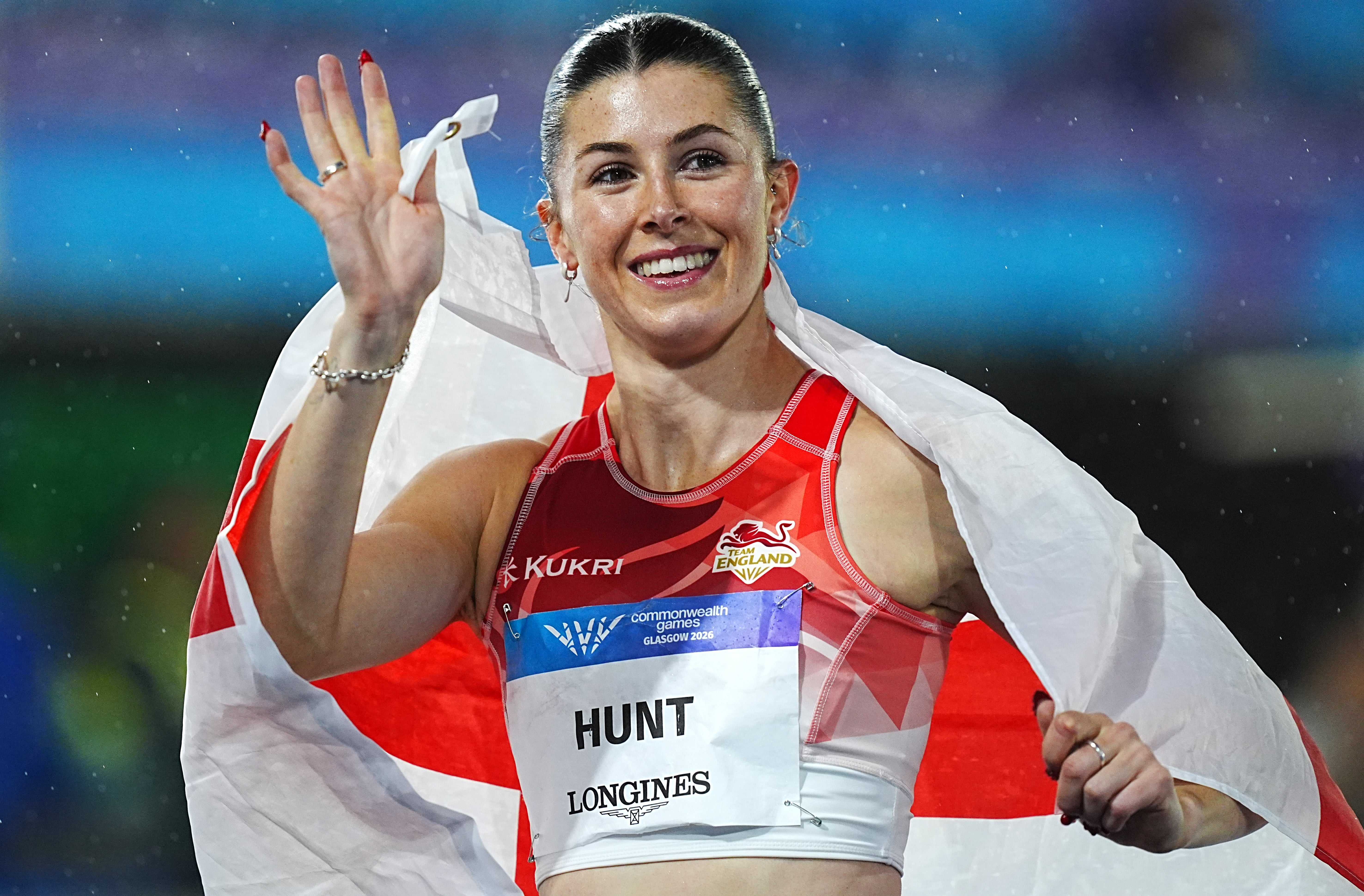
England‘s long wait for a women’s 100m Commonwealth Games champion will continue after Amy Hunt secured silver, narrowly beaten by New Zealand‘s Zoe Hobbs in a thrilling final at a sodden Scotstoun Stadium in Glasgow.
The 24-year-old had carried significant hopes, aiming to end a 40-year drought in the Games’ blue riband event, last won by Heather Oakes in Edinburgh in 1986.
Despite a slow start, Hunt surged powerfully through the middle lanes, outpacing rivals to clock 10.98 seconds.
Yet, she was outmanoeuvred by Hobbs, who stormed from lane seven to clinch gold in a blistering 10.93 seconds.
Australia‘s Torrie Lewis completed the podium with 10.99, just ahead of Hunt’s England teammate Imani Lansiquot, who recorded a season’s best of 11.02 for fourth place.
Advertisement
Hunt had been favourite for victory, following the late withdrawal of St Lucia’s Olympic champion Julien Alfred and multiple world champion Shericka Jackson’s decision to contest only relays.
She was also one of the few significant home nation medal hopes still standing across the track and field programme after a slew of late pull-outs including Katarina Johnson-Thompson and her sprint team-mate Dina Asher-Smith.
And despite a series of low-key health issues this season, Hunt certainly arrived in Glasgow on a high after recording a 200m season’s best despite finishing fifth at the Diamond League meting in London earlier this month.
Amy Hunt celebrates silver (Jane Barlow/PA)
Hunt, who beat Jackson to win world silver over 200m in Tokyo last year, had cruised through her semi-final earlier on Tuesday, shrugging off the teeming rain to qualify third fastest in 11.02 seconds – just ahead of Hobbs.
Welshman Jeremiah Azu finished fifth in the men’s 100m in a race won by Cameroon’s Emmanuel Eseme in a Games-record time of 9.83 seconds.
Advertisement
Eseme, the fastest qualifier from the semi-finals, started slowly but surged past silver medallist Lachlan Kennedy of Australia, who finished in 9.85 seconds.
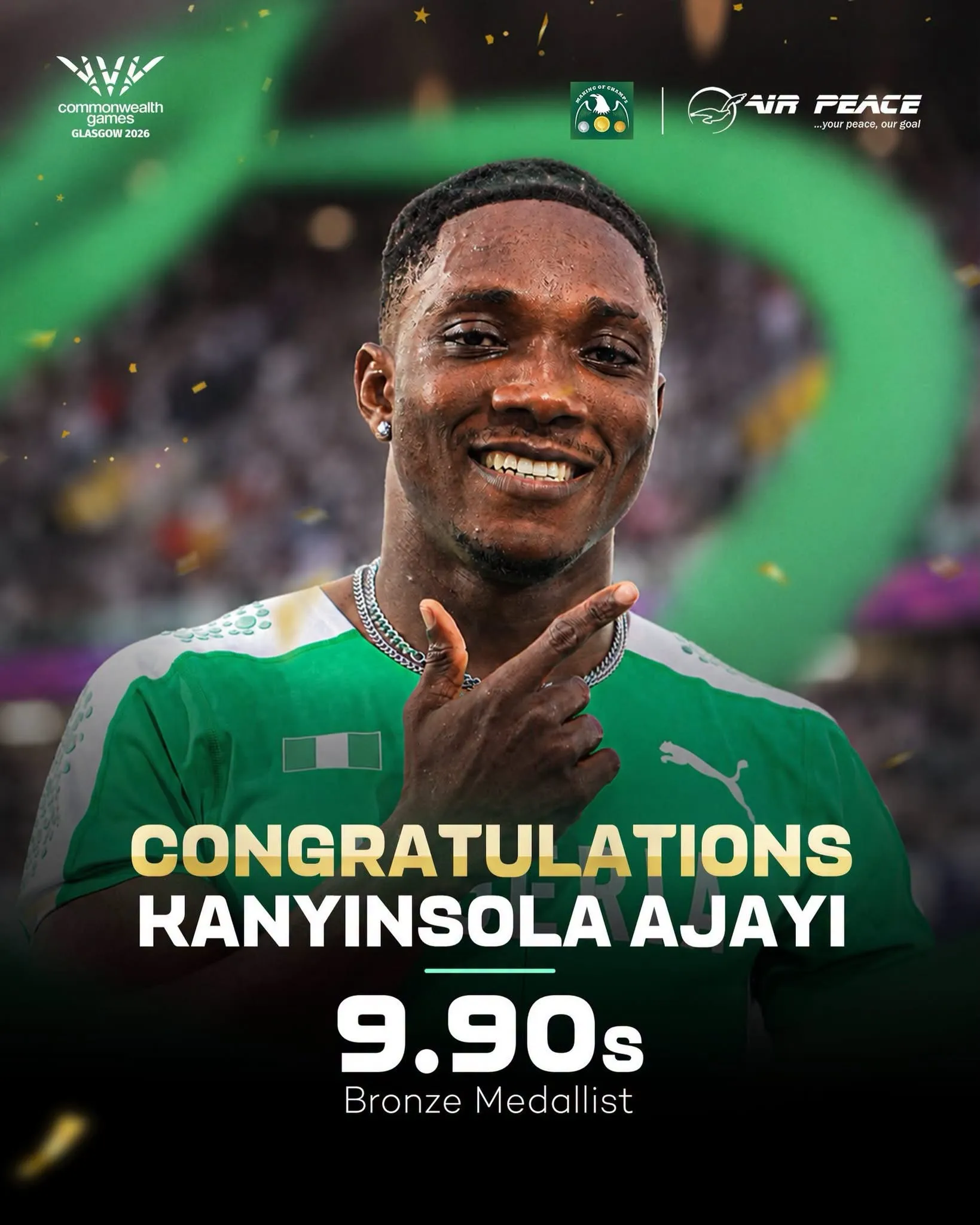
Nigeria’s Kayinsola Ajayi took bronze in 9.90 with Azu, the world and European indoor champion over 60m, having to settle for fifth in a time of 10.03.
David Mullarkey claimed a bronze medal for the Isle of Man in the men’s 10,000 metres after he came in third behind winner Ky Robinson of Australia, with India’s Gulveer Singh taking silver.
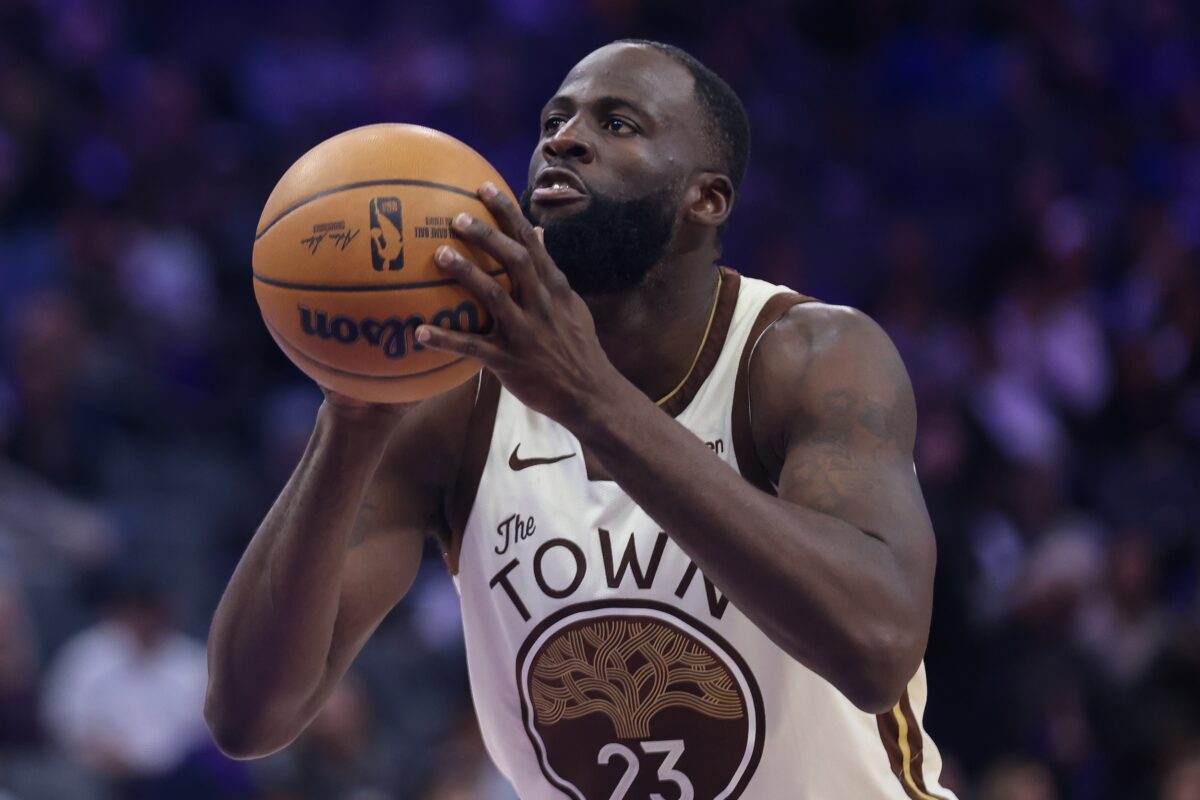
FILE – Golden State Warriors forward Draymond Green (23) shoots a free throw during the second half of an NBA basketball game against the Sacramento Kings on April 10, 2026, in Sacramento, Calif. (AP Photo/Scott Marshall, File)
SAN FRANCISCO — Draymond Green has agreed to a one-year, $27.7 million deal to return to the Golden State Warriors, a person familiar with the decision told The Associated Press on Tuesday.
Green will sign the contract that essentially matches the deal he opted out of last month before the Warriors made an unsuccessful bid to sign LeBron James, the person said.
Article continues after this advertisement
Advertisement
The person spoke on condition of anonymity because the deal hadn’t been announced.
Green is now set to play his 15th season with the Warriors and if he plays in 51 games he will join Stephen Curry as the only players in franchise history to appear in at least 1,000 contests.
Green, Curry and coach Steve Kerr are the main remaining pieces of the team from the dynasty that delivered four championships. Golden State last won the title in 2022 and haven’t made it past the second round of the playoffs since then. The Warriors missed the playoffs this past season when they lost to Phoenix in the play-in tournament.
Advertisement
Article continues after this advertisement
Golden State tried to add James earlier this offseason and Green waited to sign his deal until after James made his decision to sign with Philadelphia to give the Warriors more flexibility. Green, Curry and Jimmy Butler are all entering the final seasons of their current contracts, although Curry could sign an extension starting late next month.
Green has been one of the best defensive players in the NBA since being drafted in the second round in 2012. He has made nine all-defensive teams and was named the NBA Defensive Player of the Year in 2016-17.
He has averaged 8.7 points per game in his career, along with 6.8 rebounds and 5.6 assists. He averaged 8.4 points, 5.5 rebounds and 5.5 assists in 68 games last season for Golden State.
Advertisement
Your subscription could not be saved. Please try again.
Nigeria’s Kanyinsola Ajayi has written his name into the country’s athletics history after becoming the first Nigerian male sprinter in 20 years to win a medal in the 100m at the Commonwealth Games.
Ajayi claimed the bronze medal in the men’s 100m final at the 2026 Commonwealth Games in Glasgow, clocking 9.90 seconds with a legal wind reading of +1.3m/s.
The 20-year-old wait dates back to the 2006 Commonwealth Games in Melbourne, where Nigerian sprint legend Olusoji Fasuba won the silver medal in the men’s 100m. Since then, no Nigerian male sprinter had reached the podium in the event until Ajayi’s historic performance in Glasgow.
Advertisement
Cameroon’s Emmanuel Eseme won the gold medal in a new Commonwealth Games record time of 9.83 seconds, while Australia’s Lachlan Kennedy finished second with 9.85 seconds.
Ajayi’s bronze medal is another important achievement for Team Nigeria, adding to the country’s growing medal haul at the Games and highlighting the progress of Nigerian athletics on the international stage.
His performance also confirms his status as one of Nigeria’s brightest sprint talents, with many expecting him to play a key role for the country at future global competitions, including the 2028 Olympic Games in Los Angeles.
Advertisement
By ending a two-decade wait for a Commonwealth Games men’s 100m medal, Ajayi has revived Nigeria’s proud sprinting tradition and given athletics fans another moment to celebrate.
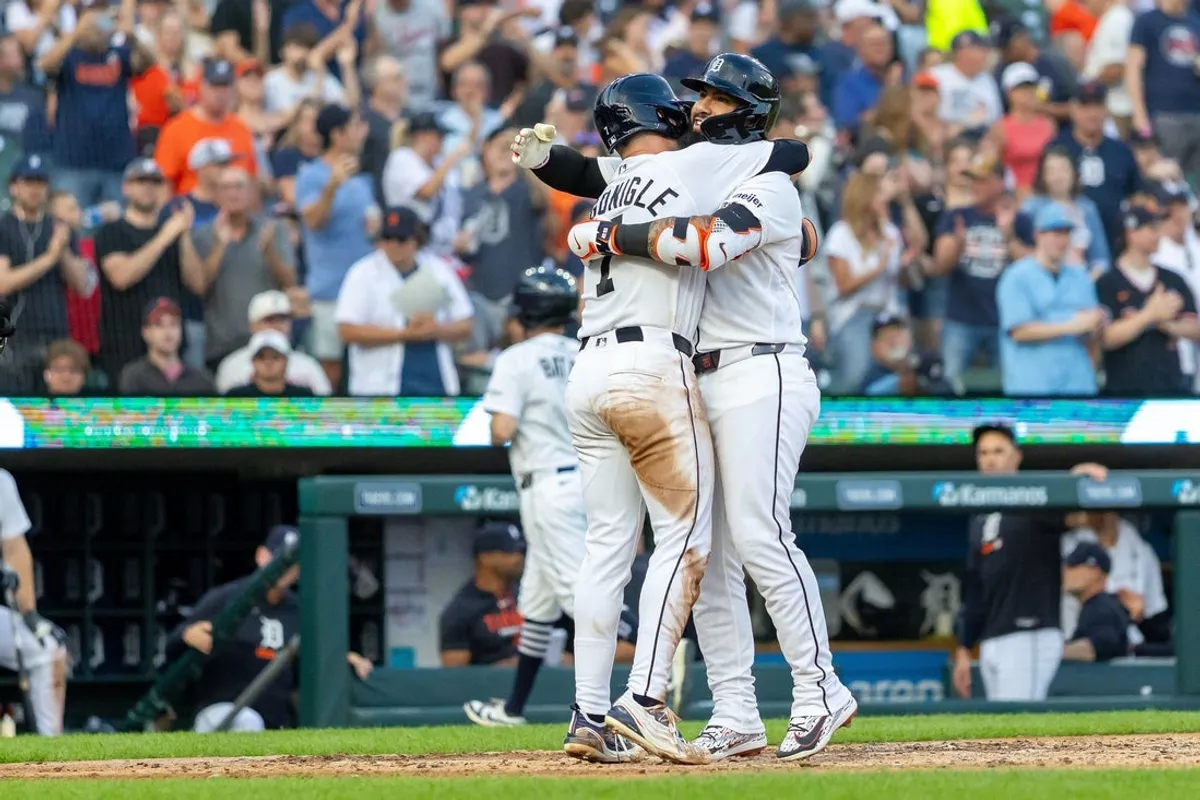
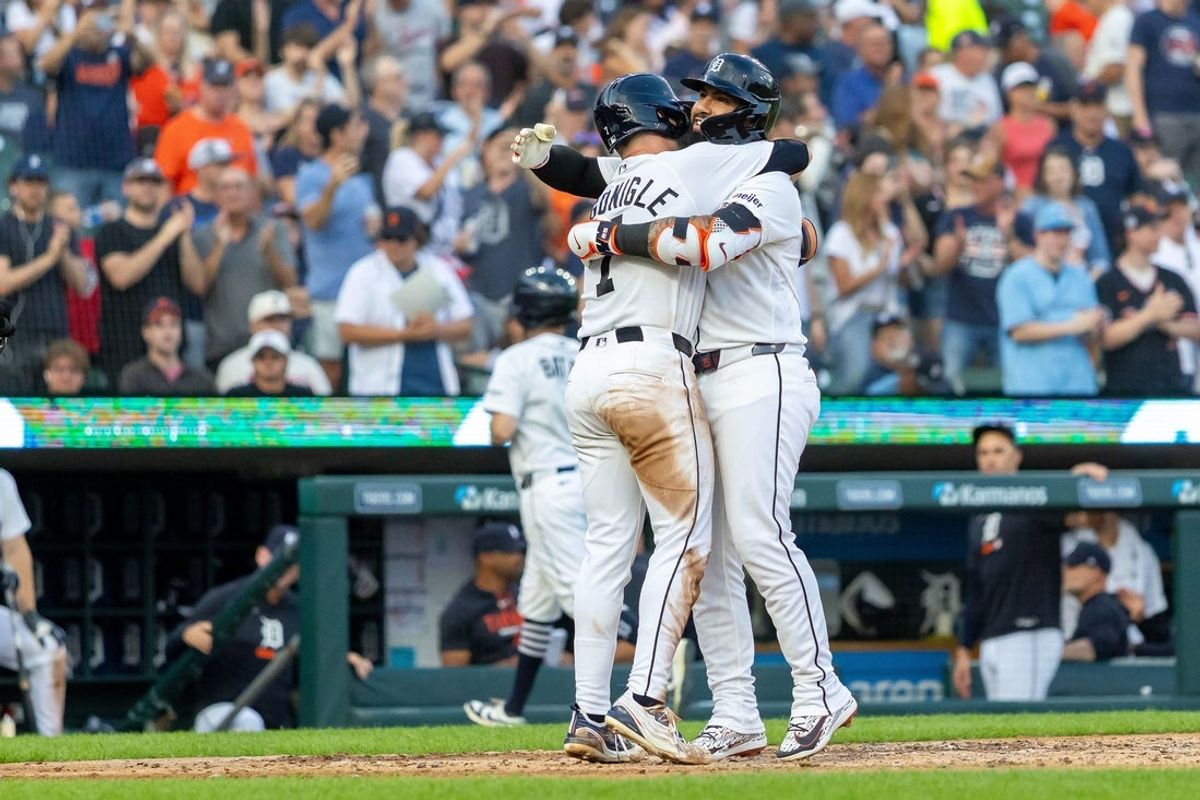
Jul 28, 2026; Detroit, Michigan, USA; Detroit Tigers second baseman Gleyber Torres (25) hits a two run home run off of Baltimore Orioles pitcher Dean Kremer (not pictured) in the fourth inning and celebrates with shortstop Kevin McGonigle (7) at Comerica Park. Mandatory Credit: David Reginek-Imagn Images
Gleyber Torres homered and drove in five runs and the host Detroit Tigers scored in every inning they batted in a 14-0 rout of the Baltimore Orioles on Tuesday.
Eduardo Valencia, recalled from Triple-A Toledo earlier in the series, hit a pair of homers among four hits and drove in four runs as the Tigers snapped a three-game losing streak. Kevin McGonigle had four hits, scored four runs and drove in another.
Colt Keith reached base four times and knocked in two runs. Javier Baez, activated off the 60-day injured list, added three hits and scored a run as the Tigers rang up 19 hits to Baltimore’s three.
Detroit starter Troy Melton (6-1) lasted seven innings, allowing just three hits and two walks while striking out five. Ty Madden completed the shutout with two perfect innings.
Baltimore starter Dean Kremer (1-4) surrendered eight runs and eight hits in four innings.
Advertisement
The Tigers jumped to a 2-0 lead in the first. McGonigle led off with a single and Riley Greene drew a one-out walk. With two down, Keith ripped a triple into the right-center-field gap that drove in both runners.
Detroit extended its lead to 5-0 in the second. With one out, Valencia hammered a fastball over the left field wall for his third homer. Baez and McGonigle had back-to-back singles and Torres knocked both runners in with an opposite-field double.
The Tigers tacked on a run in the third. Keith drew a leadoff walk, moved up on two groundouts and scored on Valencia’s single up the middle.
Advertisement
Detroit made it 8-0 in the fourth. McGonigle led off with a walk and Torres then hit a cutter 402 feet over the left-center-field wall.
The Tigers scored another run in the fifth on consecutive singles by Valencia, Baez and McGonigle.
Detroit reached double digits in the sixth. Pinch hitter Ben Malgeri led off with a single and Keith moved him to third with another single. Malgeri scored on Spencer Torkelson’s sacrifice fly.
The Tigers scored twice more in the seventh on Torres’ RBI grounder and Malgeri’s run-scoring single. Valencia homered again in the eighth, a two-run shot off Baltimore position player Chadwick Tromp.
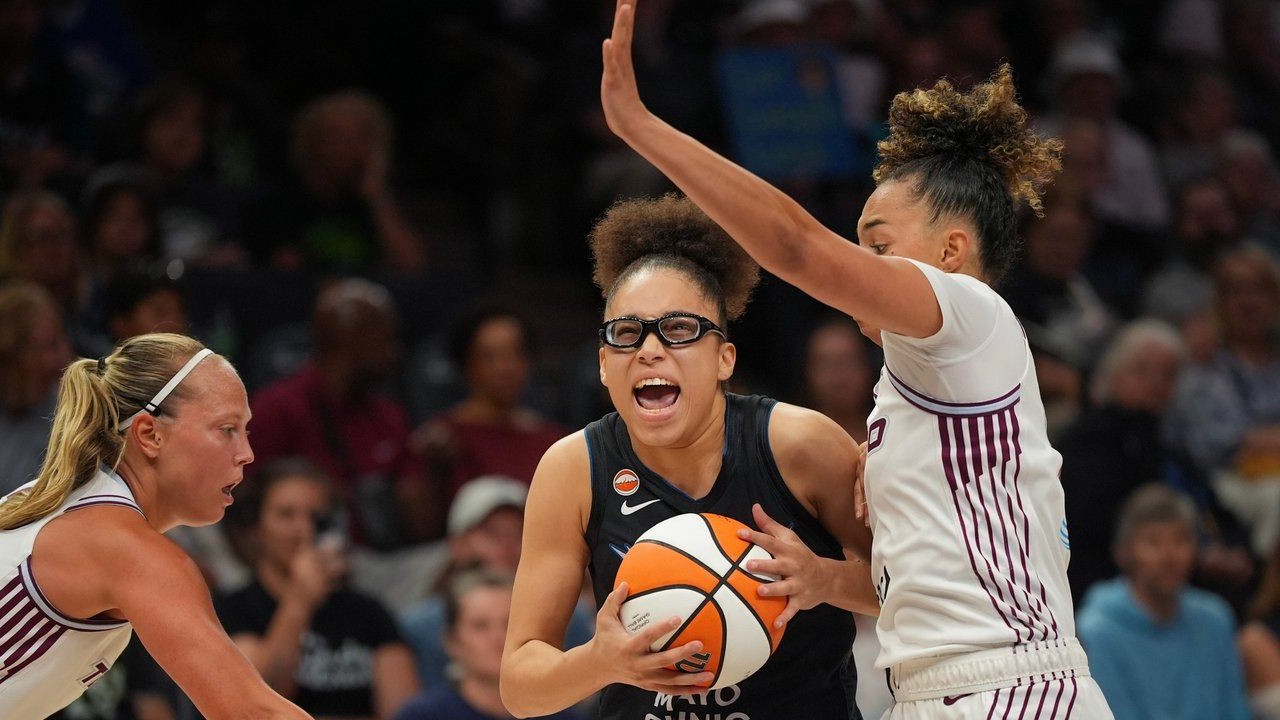
MINNEAPOLIS — Rookie Olivia Miles scored 24 points and the Minnesota Lynx extended their winning streak to eight games with a 100-93 victory over the Toronto Tempo on Tuesday night.
Miles shot 9 for 17 with four three-pointers for Minnesota (23-6), which owns the best record in the WNBA. She added eight assists and six rebounds.
Kayla McBride scored 18 with four 3-pointers for the Lynx, who were 14 for 25 (56%) from distance. Napheesa Collier had 15 points and Natasha Howard scored 13. Reserve Antonia Delaere scored 12 on 4-for-5 shooting from distance.
Marina Mabrey had 25 points, eight rebounds and six assists for Toronto (10-17), which has lost four straight and eight of its last nine. Maria Conde finished with 20 points and 10 rebounds, and Laura Juskaite scored 18.
Advertisement
Miles made a layup to give the Lynx an 89-75 lead with 6:32 left to play. Juskaite and Kia Nurse hit back-to-back 3-pointers to end a 12-0 run and cut the deficit to two over the next 2:22. Delaere answered with two straight 3-pointers to increase the lead to 95-87 as Minnesota recovered.
Miles had 15 points by halftime, McBride scored 13 and the Lynx took a 53-43 lead into the break after trailing 28-25 to start the second quarter.
The teams square off again on Thursday in Toronto.
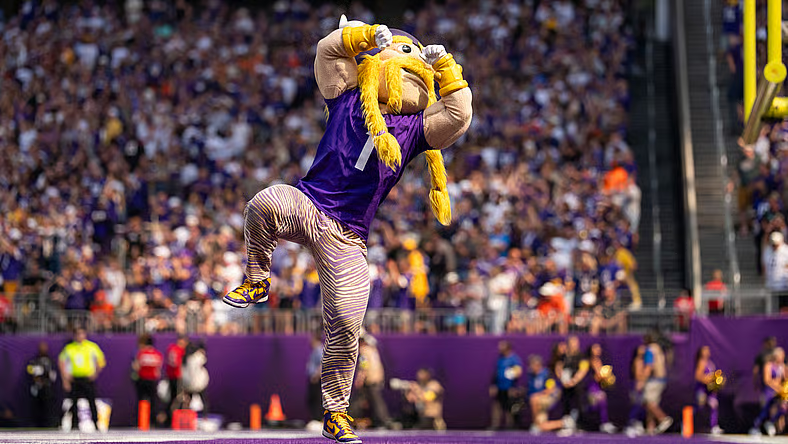
Sep 21, 2025; Minneapolis, Minnesota, USA; Viktor the Viking entertains the fans during the first half of a game between the Minnesota Vikings and Cincinnati Bengals at U.S. Bank Stadium. Mandatory Credit: Brad Rempel-Imagn Images
GM Nolan Teasley has made a few moves since taking over as the top decision maker in the Twin Cities. None compare to what he just did with the O’Neill contract. The news broke moments before Teasley stepped in front of the media alongside Kevin O’Connell.
Coach O’Connell referred to O’Neill as a “pillar.” He’s now a much richer pillar.
Advertisement
Check out ESPN’s Adam Schefter with the details: “Compensation update: Vikings have signed OT Brian O’Neill to a four-year, $96 million contract extension. He now is under contract to Minnesota for the next five years.”
Nolan Teasley Gets Deal Done with RT1 Brian O’Neill
Chosen at No. 62 in the 2018 NFL Draft, Brian O’Neill has proven to be an amazing success.
The former tight end has always been a great athlete. What wasn’t certain, at least initially, was whether he needed some time to be brought along slowly as he acclimated to the ruggedness of NFL football. He very quickly had to get inserted into the lineup, though, due to injury. He quickly proved capable of being a strong option for the Vikings.
Advertisement
Minnesota Vikings offensive tackle Brian O’Neill (75) celebrates with running back Cam Akers (27) after a touchdown, reacting to the score during fourth-quarter action against Chicago on Dec. 16, 2024, at U.S. Bank Stadium in Minneapolis as the Vikings built momentum late in a divisional matchup. Mandatory Credit: Brad Rempel-Imagn Images.
For a little while, O’Neill felt like an oasis in the desert. The Mike Zimmer years never involved Minnesota having a strong offensive line, an ironic detail given the former coach’s emphasis on running the football. O’Neill often found himself as the lonely competent blocker up front.
Since then, there has been a pile of resources poured into the offensive line. Christian Darrisaw got snagged with a 1st. So did Donovan Jackson. Blake Brandel was a 6th who has since found his way into starting lineup as the center. At right guard, the well-compensated Will Fries is locking down the top job. Based on the effort to build up the trenches, the Vikings should — should — be very good.
Better yet, depth options such as Caleb Tiernan, Michael Jurgens, Walter Rouse, and Gavin Gerhardt have all demanded draft picks. Somebody such as Ryan Van Demark arrived in the Twin Cities after getting stolen away via RFA contract.
Brian O’Neill is among the foremost leaders on the Vikings’ roster. Other guys stand out as being excellent in this regard — safety Josh Metellus is awesome; C.J. Ham was a top leadership voice prior to retiring — but O’Neill is indisputably among the top few most respected voices on the team.
Jan 4, 2026; Minneapolis, Minnesota, USA; Minnesota Vikings guard Will Fries (76), offensive tackle Brian O’Neill (75) and fullback C.J. Ham (30) celebrate after a touchdown against the Green Bay Packers during the second quarter at U.S. Bank Stadium. Mandatory Credit: Matt Blewett-Imagn Images
The coming days are going to bring added clarity on what the finances look like after the extension. Much digital ink was spilled about the possibility of clearing up north of $14 million in cap space. At minimum, expect short-term breathing room.
What’s of interest, though, is what the commitment looks like beyond 2026.
Advertisement
Brian O’Neill is now very likely to finish his career as a Minnesota Viking. He’s probably going to see his #75 jersey retired inside of U.S. Bank Stadium. Seeing him push Minnesota toward winning a Lombardi — as far off as that possibility appears — would fully secure his spot as a Vikings legend.
Mr. O’Neill is going to turn 31 on September 15th.
“Shocking.” “Football’s nuclear bomb.” “Worse than the Super League, and bigger than 115.” “The line in the sand.”
None of that is exaggerated because it ties together so many of the extremes that have been pushing, pulling and twisting football, let alone the world, for so long, potentially crystallising so much of what has been coming to dictate its future: what the game should be and what it’s becoming; how it repeatedly shows it has a social value that you can’t buy as so many involved try to financially exploit that; what people say in private and what gets done in public.
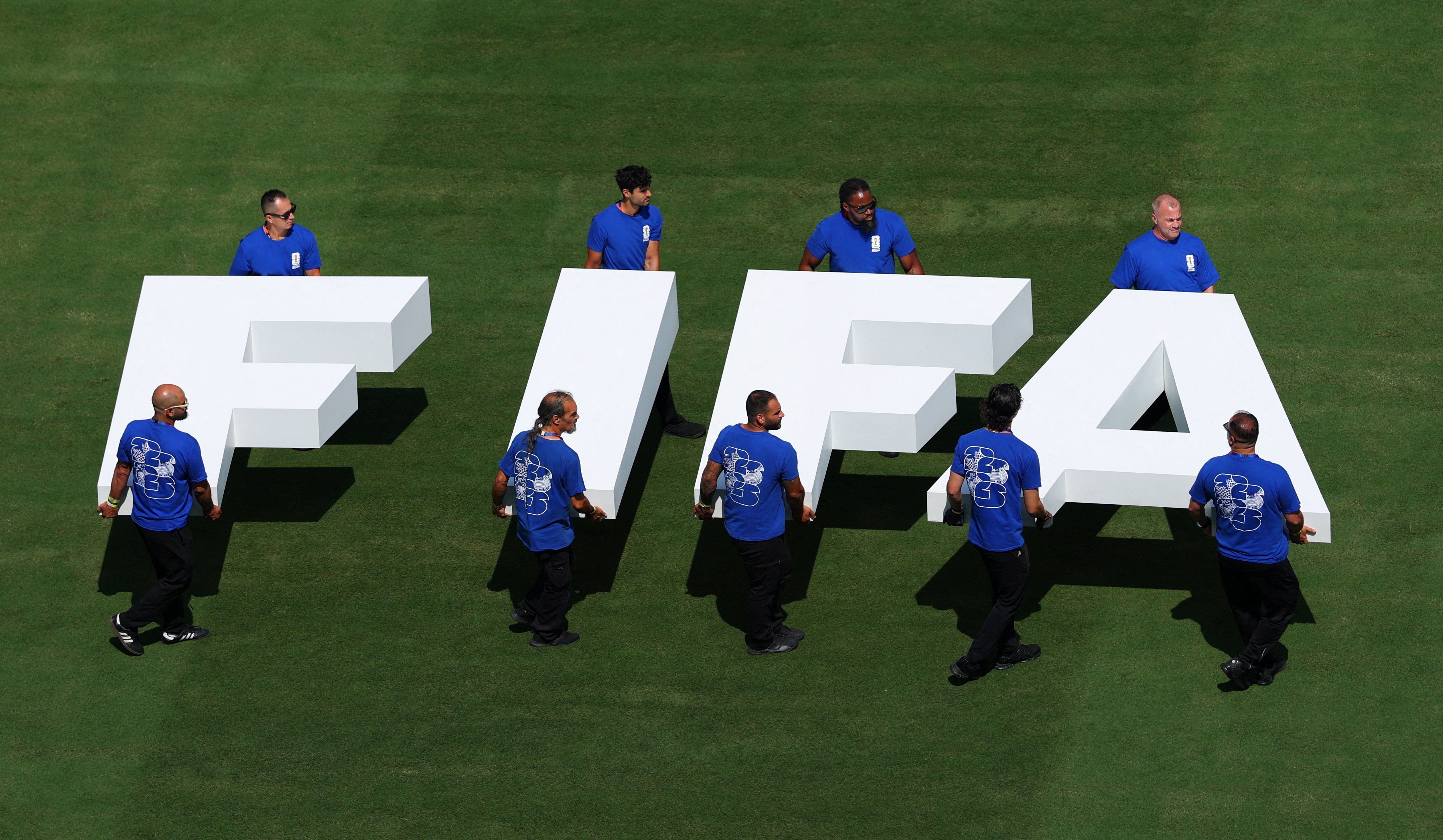
You can even roll that right up to the seemingly dry details of governance like how the people who are going to vote on this, the heads of the member associations, are in many cases directly paid by Fifa through positions and committees.
This is when all of that matters most. How are they going to vote?
Advertisement
And, maybe most pertinently given the direction of the sport for so long, where is the resistance going to come from? Uefa have talked a good game, with a statement that directly says this “crosses a line” and rightly asserts the World Cup’s is “not Fifa’s to sell” – but are they finally going to play a hand?
Is this long-running tension going to spill out into a war that football arguably needs? Is anyone going to look at the bigger picture and actually make a stand?
Because, and this really can’t be stressed enough, once you start selling the game off, there’s really no getting it back.
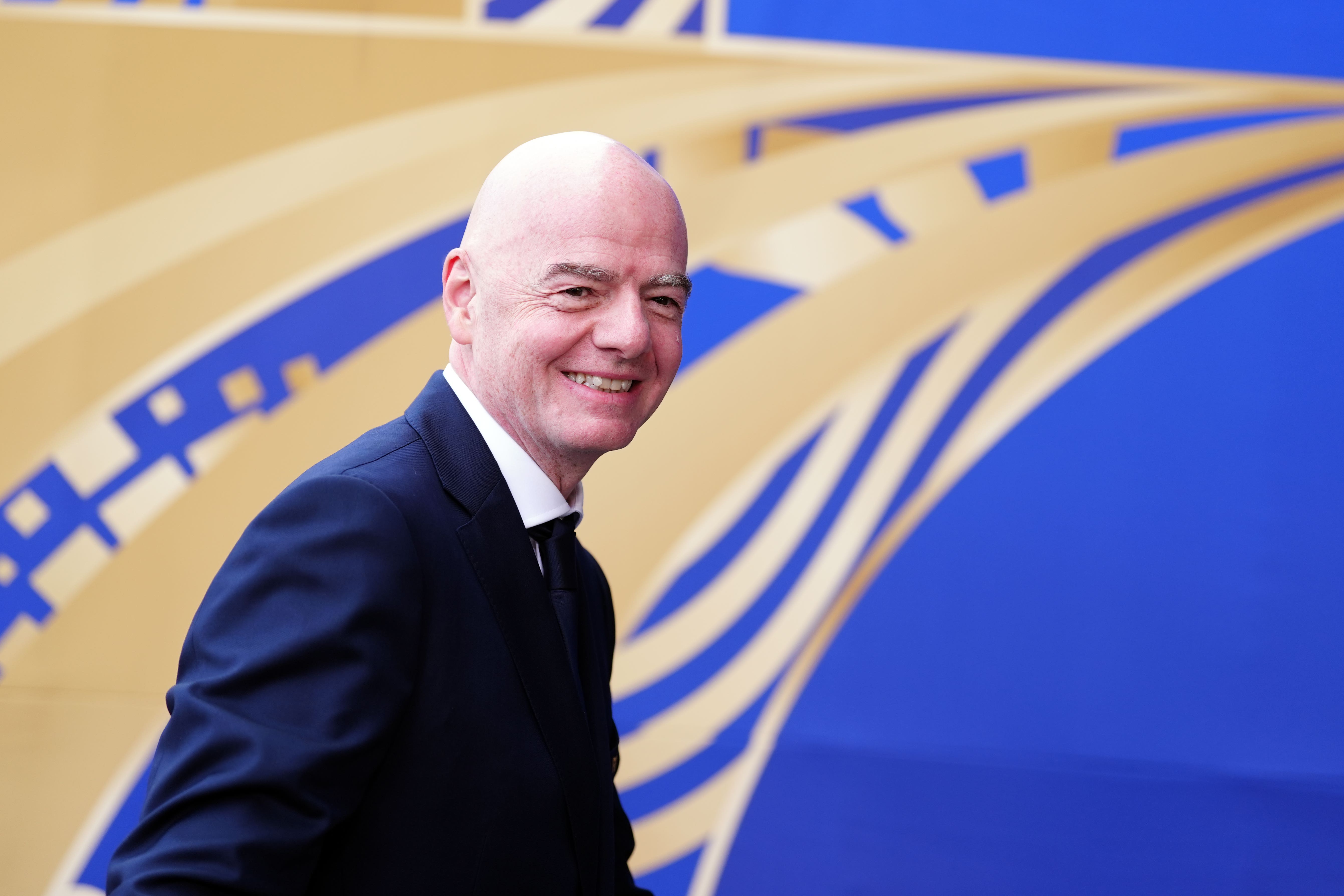
Typical of how football and the world are going, Fifa’s 1,403-word statement of course turned all of this rationale on its head. It’s of a piece with Gianni Infantino’s unhinged Sunday statement about criticism. This announcement was headlined “Fifa intends to expand football development funding to over USD 10 billion subject to approval by Fifa Member Associations”, so duly framed by ideas of redistribution and democracy.
Advertisement
The move comes hot on the heels of a Trumpian-style rant by Infantino defending the 2026 World Cup (PA)
Once again, a not-for-profit raising money, any money, was automatically elevated as if it’s a good thing without any further thought. The core reality was finally referenced a bit further down, as Fifa spoke of “carefully selecting long-term investors who will purchase minority, non-controlling interests” in the new Fifa Forward Enterprise programme. That is set to bring the creation of a new company being formed to run the primary competitions, where Fifa would own a majority stake, private investors would have 20 to 30 per cent and then the 211 members a small stake totalling around 20 per cent.
Except, “non-controlling” isn’t how such money tends to really work. In reality, that kind of money brings a lot of influence.
By the same token, for all that Fifa bleated in seemingly endless paragraphs about how such thinking “lifts the whole game” and the need “to make sure the rest of football grows”, those now responsible for voting on this need to actually earn their money and think about the deeper implications.
There are profound concerns here even beyond the core philosophical virtue that the World Cup only belongs to the countries of the world – and, by extension, its football communities – and that’s it. What do they think happens once you allow such interests in? There might be the short-term benefit of being able to point your own national association to newly flush cash reserves of up to $20m – but what next?
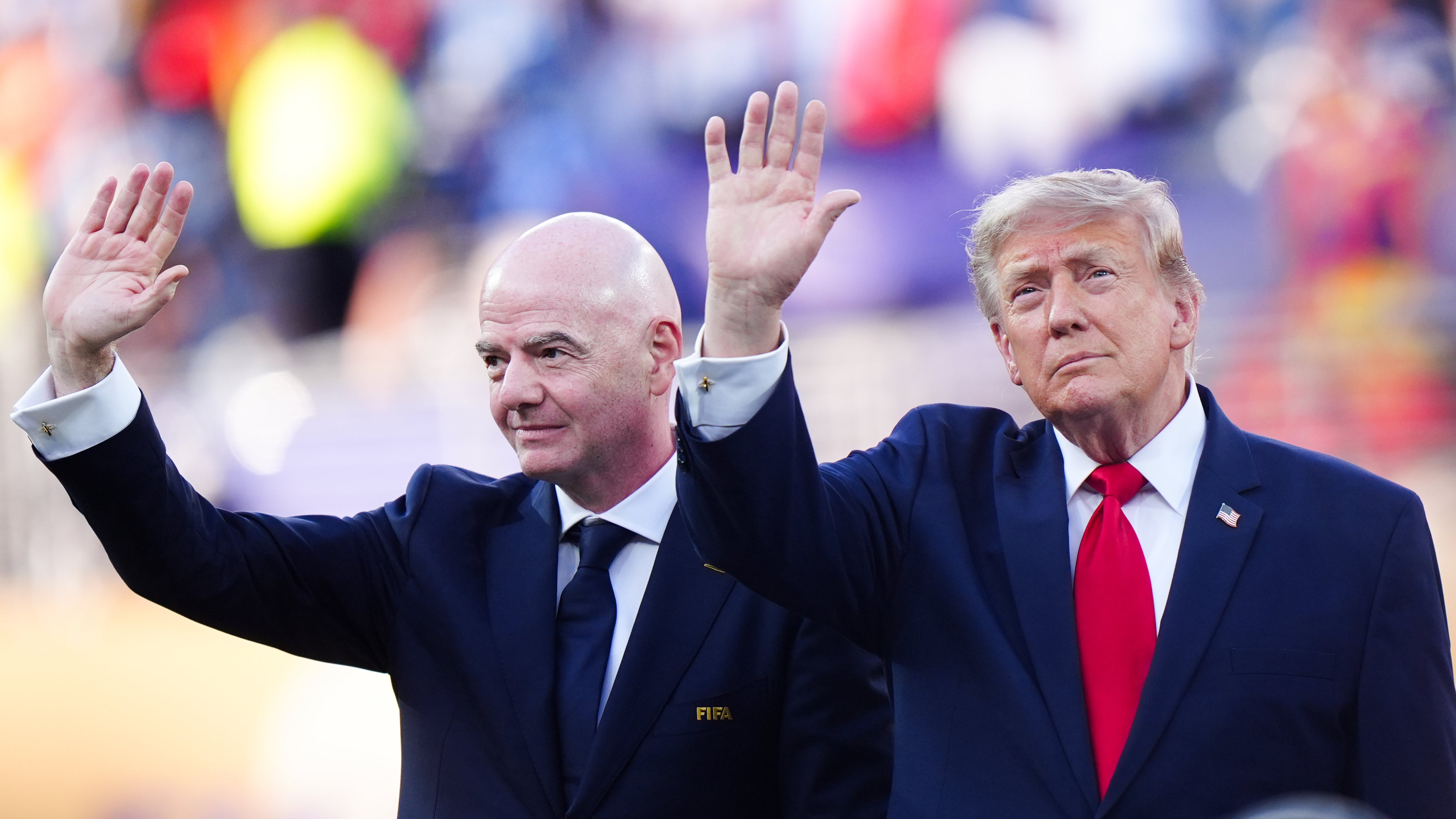
Infantino has been called before a US Congressional committee over allegations he sought to curry favour with Trump and his administration (PA)
Clue: such interests don’t tend to have wider societal concerns; they don’t care for what doesn’t make money. As one source puts it, “the current stakeholders benefit but everyone loses out in the future”. Trickle-down economics don’t work here, as the last few decades of football have made emphatically clear. This is why Celtic or Ajax don’t win the Champions League any more. It’s why every other country suffers a talent drain to Western Europe.
And what would now be directly incentivised – especially through the establishment of a company to run all of this – is the expansion of the Club World Cup and all of the ideas that serve existing wealth, both in the game and society. It shouldn’t be forgotten that Infantino was involved in Super League discussions, with the clubs at one point thinking they had Fifa’s blessing.
Advertisement
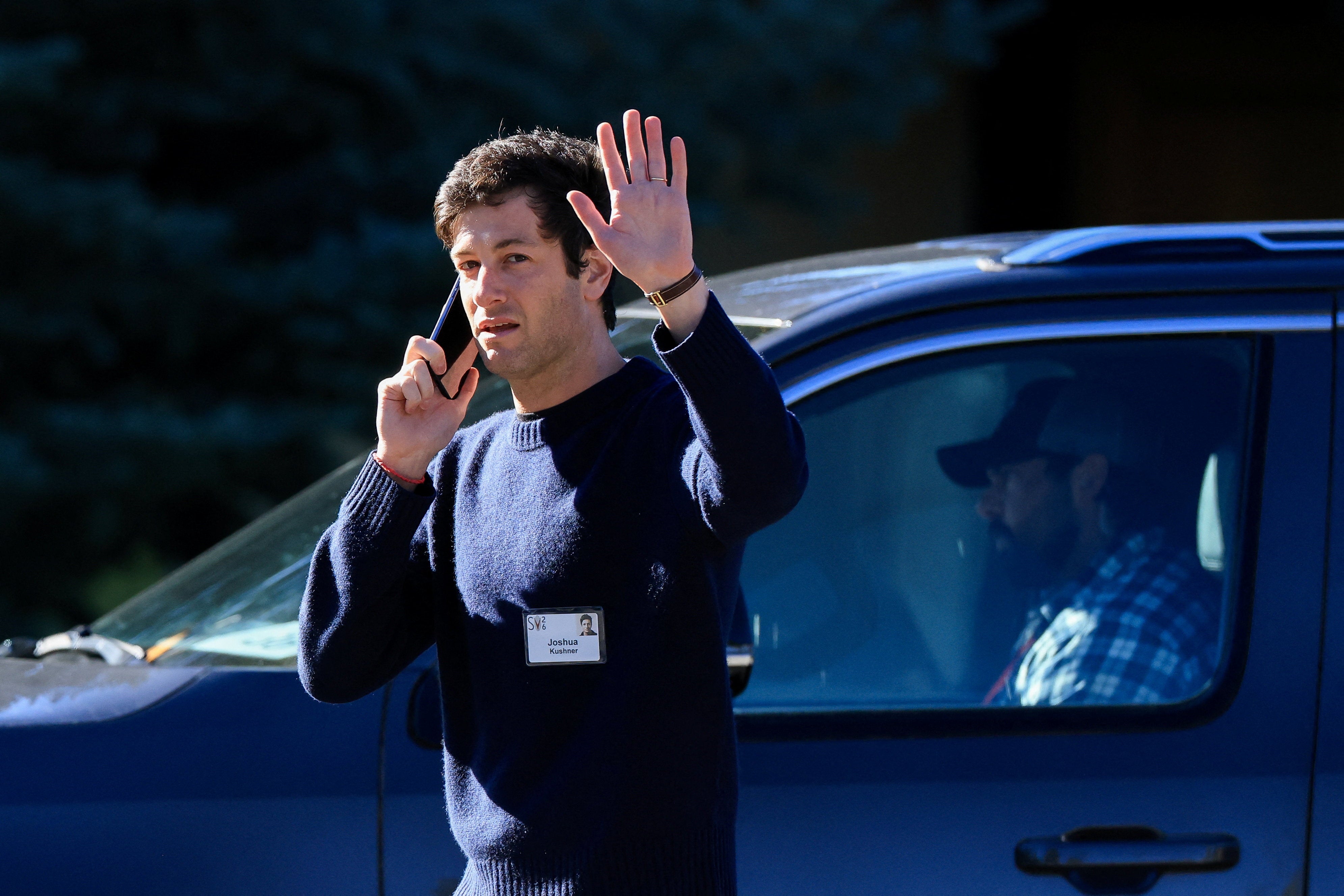
The global governing body have now already confirmed that Josh Kushner, brother of Donald Trump’s son-in-law Jared Kushner, has been in talks about becoming the proposed lead investor.
Infantino’s long relationship with the US president suddenly takes on an even sharper perspective, especially among the mooted next steps for this. An excellent exclusive by Martyn Ziegler of TheTimes has already broached that Infantino would be lined up to run the company as a “commissioner” once his final presidential term expires in 2031. In other words, a lucrative post-presidency life.
Members of the Fifa Council insist they found out about the plan through the media (Reuters)
When you stand back, this looks a lot like one man using his position – and the sport – for personal betterment. Or, as one senior insider put it, “only in Infantino’s world can things somehow get worse for the game every day”.
It should be what anyone who cares for the sport stands against, but will those with actual say really do that? Will they, as one other insider states, “put their bollocks on the line”?
Some who despise the idea have already marvelled at its realpolitik “genius”, likening it to the fait accompli of the Saudi Arabia 2034 “acclamation” in how everything already looks lined up. Every individual association would get a huge figure – or could sell off some of their share in the new company – so those in power right now are clearly incentivised to vote for it. And this in a world where only a fifth of member associations actually return audited accounts to show how the money is used.
Advertisement
It reminds us how broken the system is, how the reform that was supposed to take place after Infantino succeeded Sepp Blatter never happened. And in that structure, how is this actually going to be stopped when such a financially attractive package is taken to Congress for approval and there are no checks and balances?
Josh Kushner has been in talks about becoming the proposed lead investor, Fifa confirmed (Reuters)
It all speaks to this central long-running theme of the game being taken further and further away from those who have an actual emotional stake in it; a personal stake – right up to the ownership of clubs. Members of the Fifa Council insisted they only found out through the media, reiterating how the body now works. The FA, chaired by Fifa vice-president Debbie Hewitt, were completely unaware of the proposal and it was not mentioned at Friday’s board meeting.
Many similar figures declared themselves shocked, appalled, disgusted. Except we’ve heard so much of this before. This, more than ever before, is a time to act. Could Uefa countries actually threaten to pull out… or will the individual countries just look at those financial figures?
The world should watch how everyone votes on this. Hiding behind the majority, and pointing to Fifa’s dismally dull politics, will no longer cut it. This is a decision with repercussions way beyond all of that.
This is what all of the politics, all the game’s long problems, were ultimately leading to. This is the line.
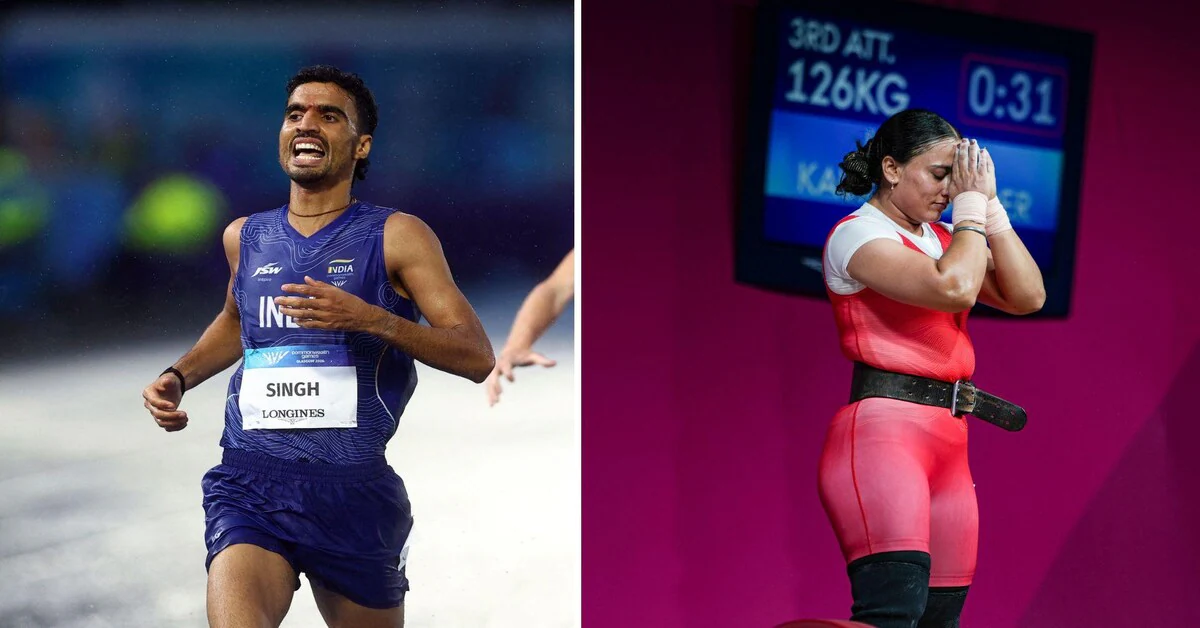
India ended Day 5 of the 2026 Commonwealth Games in Glasgow with 12 medals: two gold, seven silver and three bronze, to remain 9th in the medal tally standings. The contingent added two silver medals on Tuesday, July 28, with Harjinder Kaur finishing second in the women’s 69kg weightlifting event and Gulveer Singh claiming silver in the men’s 10,000m.
Australia tightened its grip on the top of the medal standings with 80 medals, comprising 35 gold, 18 silver and 27 bronze. Canada climbed to second with 13 gold, 10 silver and 12 bronze for a total of 35 medals, while England slipped to third despite increasing its overall tally to 42 medals with 10 gold, 18 silver and 15 bronze.
Advertisement
India collected two silver medals on Day 5. Harjinder continued the country’s impressive weightlifting campaign, while Gulveer scripted history by becoming the first Indian man to win a Commonwealth Games medal in the 10,000m. The boxing contingent also guaranteed three more medals after Preeti Pawar, Priya Ghanghas and Jadumani Singh advanced to the semifinals.
India’s medal winners on Day 5 of CWG 2026
Athlete
Event
Medal
Performance
Achievement
Harjinder Kaur
Women’s 69kg weightlifting
Silver
227kg (101kg snatch + 126kg clean & jerk)
Second successive Commonwealth Games medal
Gulveer Singh
Men’s 10,000m
Silver
27:49.78
First Indian man to win a Commonwealth Games medal in the event
Harjinder continues India’s weightlifting medal surge
Harjinder Kaur added another medal to India’s flourishing weightlifting campaign by winning silver in the women’s 69kg event with a total lift of 227kg. The 29-year-old from Punjab successfully lifted 101kg in the snatch and 126kg in the clean and jerk to finish second behind Canada’s Charlotte Simoneau.
India’s Harjinder Kaur poses with her silver medal during the medal ceremony for the Women’s 69kg weightlifting event at the Commonwealth Games 2026, in Glasgow, Scotland. Photo: AP | PTI
Advertisement
The silver marked Harjinder’s second successive Commonwealth Games medal, having won bronze in the women’s 71kg category at the Birmingham 2022 Games. It also took India’s weightlifting medal tally at Glasgow 2026 to seven, further reinforcing the sport as the country’s biggest source of medals.
Advertisement
Harjinder improved with every attempt in both disciplines, clearing 96kg, 99kg and 101kg in the snatch before successfully lifting 120kg, 123kg and 126kg in the clean and jerk to register her best-ever Commonwealth Games total.
Canada’s Charlotte Simoneau won gold with a Commonwealth Games record total of 240kg (108kg in the snatch and 132kg in the clean and jerk), while Australia’s Nya Phebe Hayman took bronze with 218kg.
Advertisement
Earlier in the day, Nirupama Devi Seram endured disappointment in the women’s 63kg competition. After recording 93kg in the snatch, she failed to register a valid clean and jerk lift and finished with a Did Not Finish (DNF).
Gulveer creates history in men’s 10,000m
Gulveer Singh produced one of India’s standout performances of the Games by winning silver in the men’s 10,000m with a time of 27:49.78.
Second placed India’s Gulveer Singh and third placed Isle of Man’s David Mullarkey after the men’s 10 000m final. Photo: AP | PTI
Advertisement
The medal made Gulveer the first Indian man to win a Commonwealth Games medal in the men’s 10,000m and only the second Indian overall to finish on the podium in the event after Kavita Raut, who claimed bronze in the women’s race at the Delhi 2010 Commonwealth Games.
Advertisement
The national record holder stayed with the leading pack throughout the race before finishing strongly to secure second place and add another historic medal to India’s athletics campaign.
Three boxers assure India of medals
India enjoyed another productive day in the boxing ring as three pugilists booked semifinal berths to guarantee themselves at least bronze medals.
Preeti Pawar outclassed Northern Ireland’s Nicole Clyde 5-0 in the women’s 54kg quarterfinal, while Priya Ghanghas defeated Scotland’s Niamh Mitchell 4-1 in the women’s 60kg last-eight contest.
Advertisement
Jadumani Singh completed the hat-trick with a commanding 5-0 victory over Zambia’s Mwengo Mwale in the men’s 55kg quarterfinal.
However, there was disappointment for two Indian boxers. Parveen Hooda exited the women’s 65kg competition after a narrow 3-2 defeat to England’s Sacha Hickey, while Kapil Pokhariya bowed out in the men’s 90kg quarterfinal following a 5-0 loss to Scotland’s Robert McNulty.
Advertisement
The three semifinal qualifications ensured India will add at least three more boxing medals to its tally later in the Games, alongside Lovlina’s already confirmed medal in the women’s 75kg event. This means India now virtually have 16 medals to their account.


















































You must be logged in to post a comment Login